 Skip to content







MDF vs Real Wood Wall Panels: Pros, Cons and What to Know Before Buying

Most homes today start with the same blank canvas: smooth drywall and a coat of paint.
It’s simple, it’s clean, and it keeps construction costs reasonable, but it can also leave rooms feeling a little… unfinished.
When every wall is flat, the space sometimes lacks the depth and structure that make interiors feel designed instead of just assembled.
That’s why wall paneling has become so popular again. Panels add texture, shadow lines, and architectural detail without needing a full renovation. The challenge, though, is figuring out which material actually makes sense for your project.
Before jumping into a design decision, it helps to understand how wood wall panels compare to engineered alternatives and when MDF wall panels can be the smarter choice for budget-friendly wall paneling.
Why Flat Walls Often Feel Cold or Unfinished
Flat drywall does its job, but visually it doesn’t do much else. When light hits a completely smooth surface, there’s nothing for it to interact with. No grooves, no shadows, no depth. Everything looks a little too uniform.
Designers usually solve this problem by introducing texture or structure to the walls. It could be trim, molding, paneling, or even slatted surfaces. Once those details appear, light starts creating subtle shadows, and suddenly the wall has dimension.
Wall panels are one of the easiest ways to add that structure.
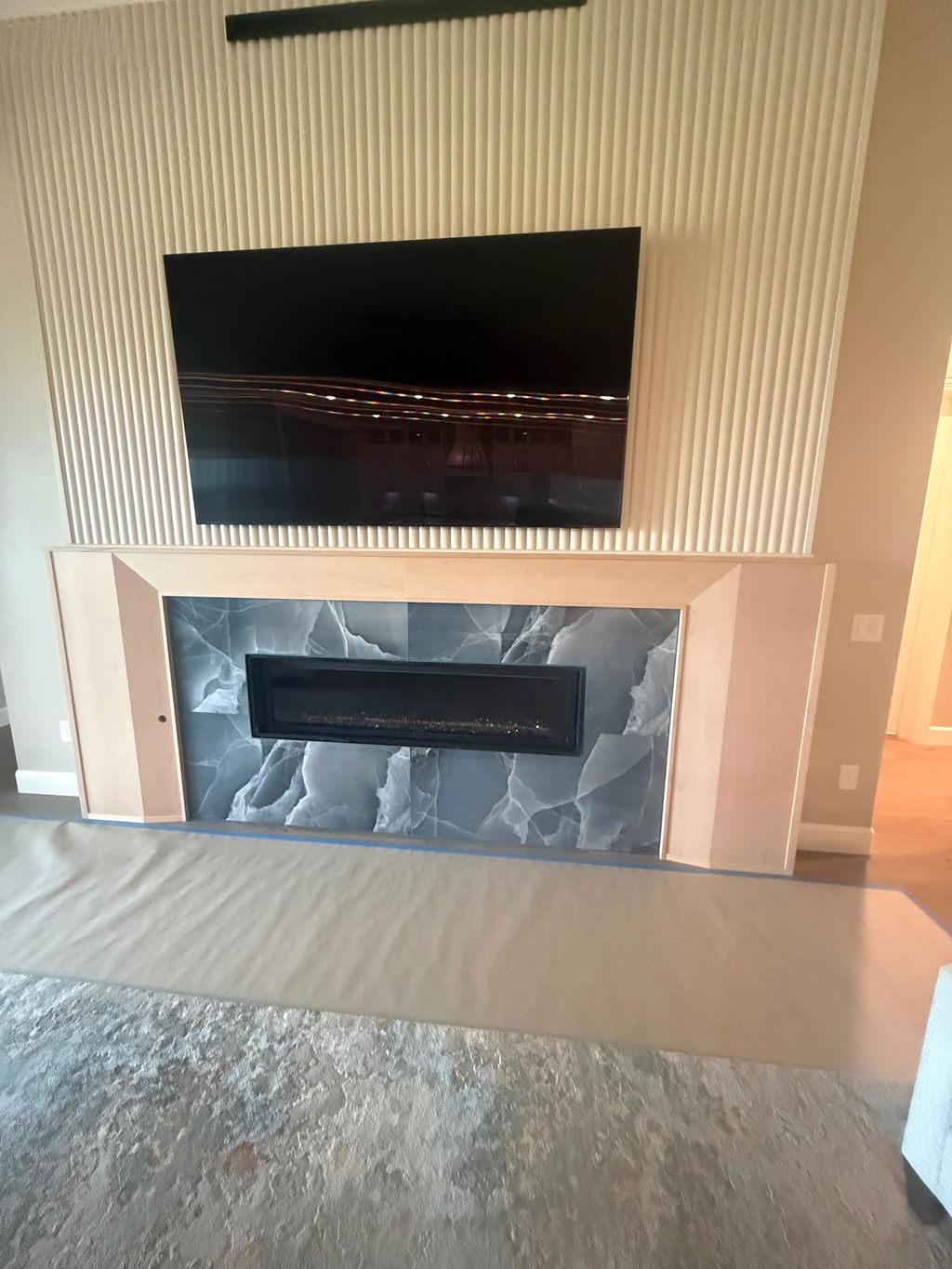
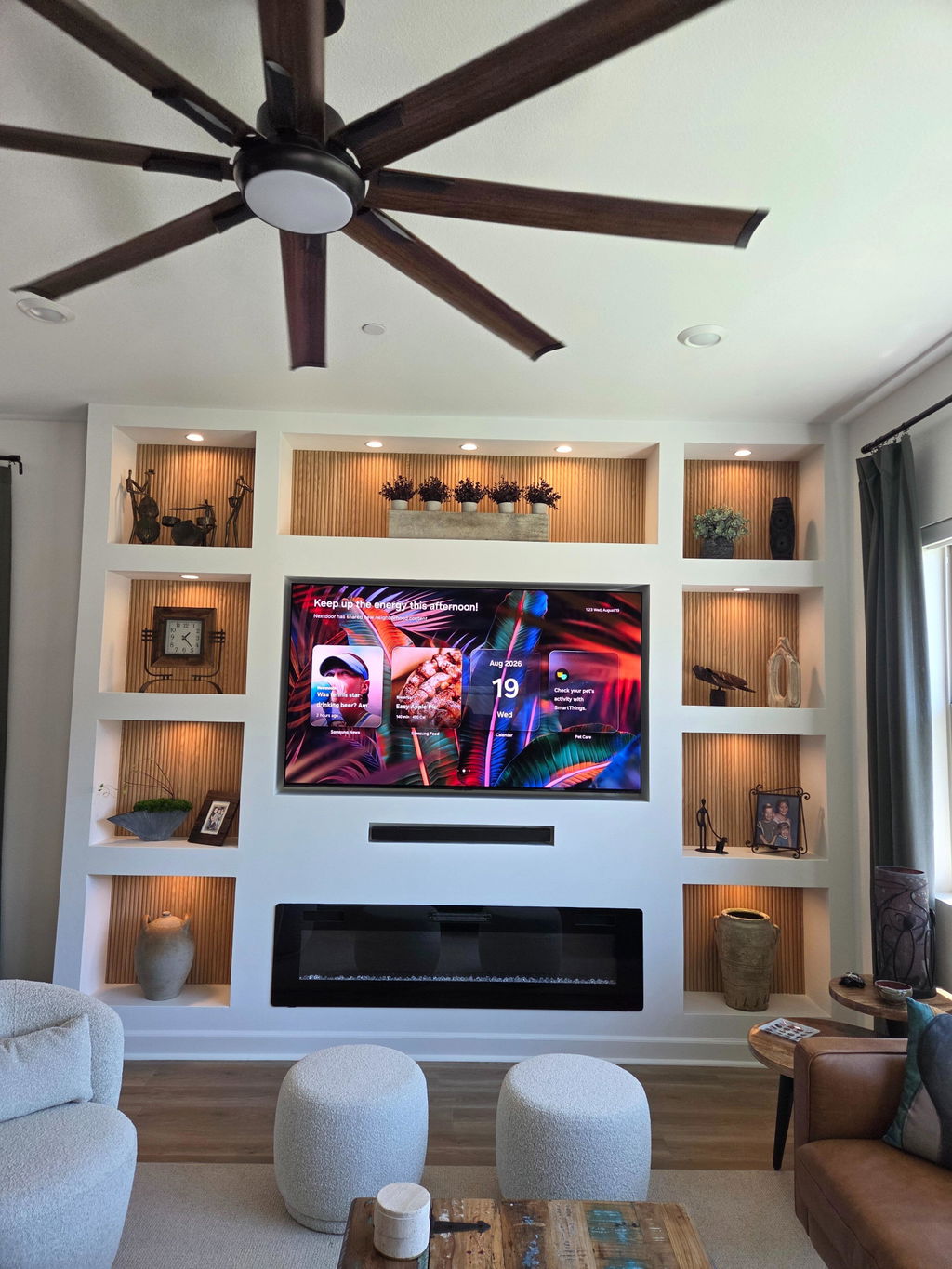
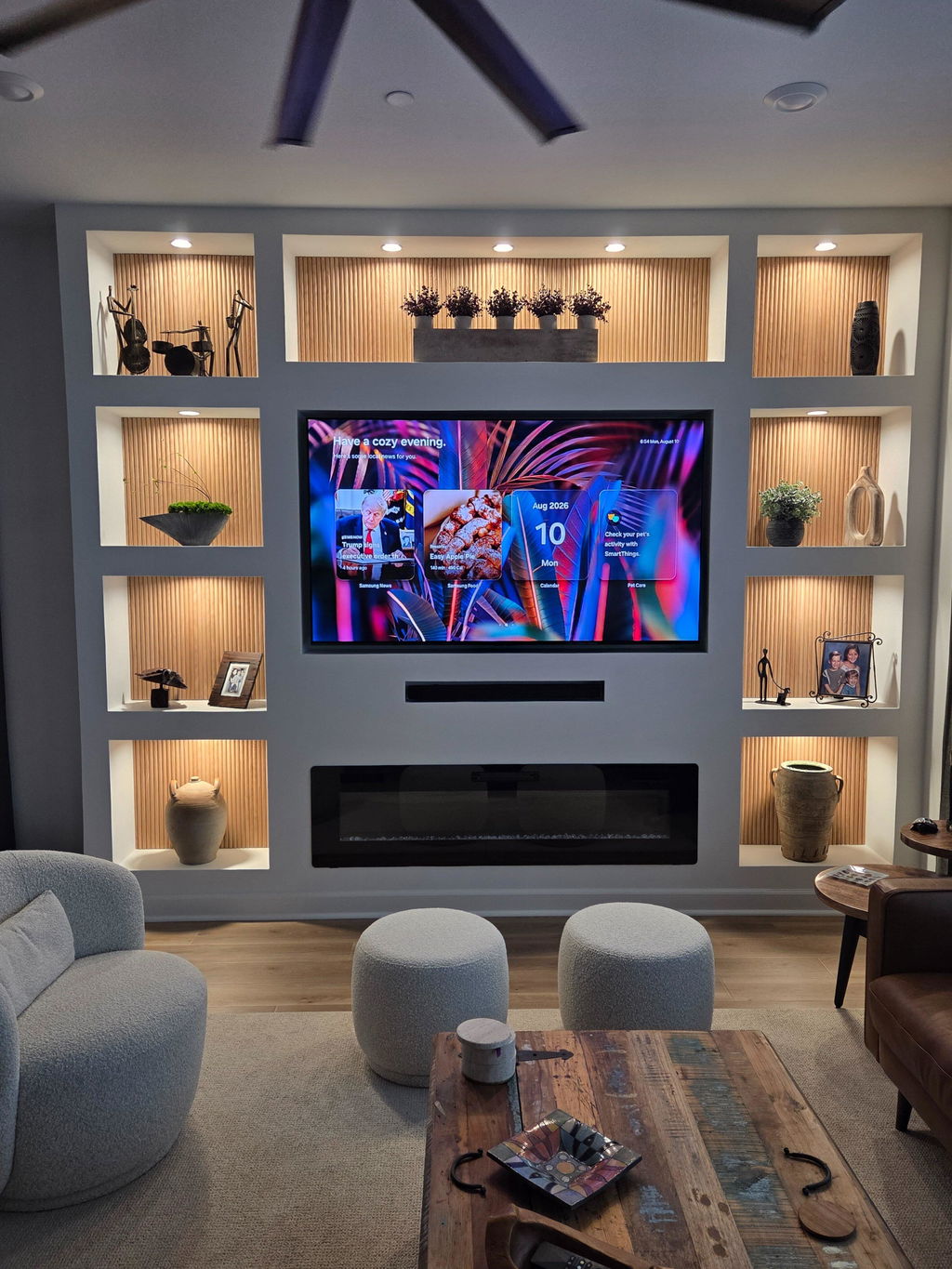
Just check out how cool this TV accent wall with ribbed paintable panels look...


Instead of rebuilding the wall, you’re layering architectural detail onto it. The room instantly feels more finished, and you didn’t have to tear apart the drywall to make it happen!
What Are MDF Wall Panels?
MDF wall panels are decorative panels made from medium-density fiberboard, an engineered wood product commonly used in cabinetry, trim, and millwork. It’s created by compressing wood fibers together under heat and pressure, forming dense and uniform boards.
Here's another good example of a dining area with an accent wall featuring paintable ribbed panels:

The biggest advantage of MDF is consistency.
Unlike natural wood, MDF doesn’t have grain patterns, knots, or natural defects. That makes it much easier to machine into decorative shapes like grooves or ridges.
Because the surface is smooth and predictable, MDF panels take paint extremely well. Once installed and painted, the finished wall often looks like custom millwork rather than prefabricated panels.
Another reason MDF panels are popular is cost. Compared with solid wood, MDF tends to be more affordable while still delivering a polished look. That’s why many homeowners turn to MDF panels when they want architectural detail without the higher price tag.
How MDF Panels Are Made
MDF begins as wood fibers that are separated from hardwood or softwood. These fibers are mixed with resins and then compressed under intense heat and pressure to form dense boards.
This manufacturing process creates a material that is extremely smooth and stable. Unlike solid wood, MDF doesn’t have grain direction, which means it behaves consistently when cut, drilled, or milled.
Once the boards are formed, manufacturers shape the decorative profiles directly into the surface. This is how designs like fluted panels, ribbed panels, and V-groove paneling are created.
Here's a good example of how a v-groove paneling can be used on a kitchen countertop...


Many modern paintable panel systems use high-density, ultra-low VOC MDF and arrive pre-primed with a water-based primer, meaning they’re ready to paint right after installation.
Some panels even include flexible PVC backing, allowing them to bend slightly so they can wrap around curved surfaces like kitchen islands or bar fronts.
Why MDF Panels Are Considered Budget-Friendly Wall Paneling
One of the biggest reasons homeowners choose MDF panels is cost efficiency. Real wood requires hardwood lumber or veneer, which increases manufacturing costs. MDF uses compressed fibers, which keeps production more efficient.
Those savings carry through to the final product. MDF panels allow homeowners to create detailed wall designs without the price tag of traditional millwork.
MDF wall panels come in several decorative styles, each offering a slightly different look.
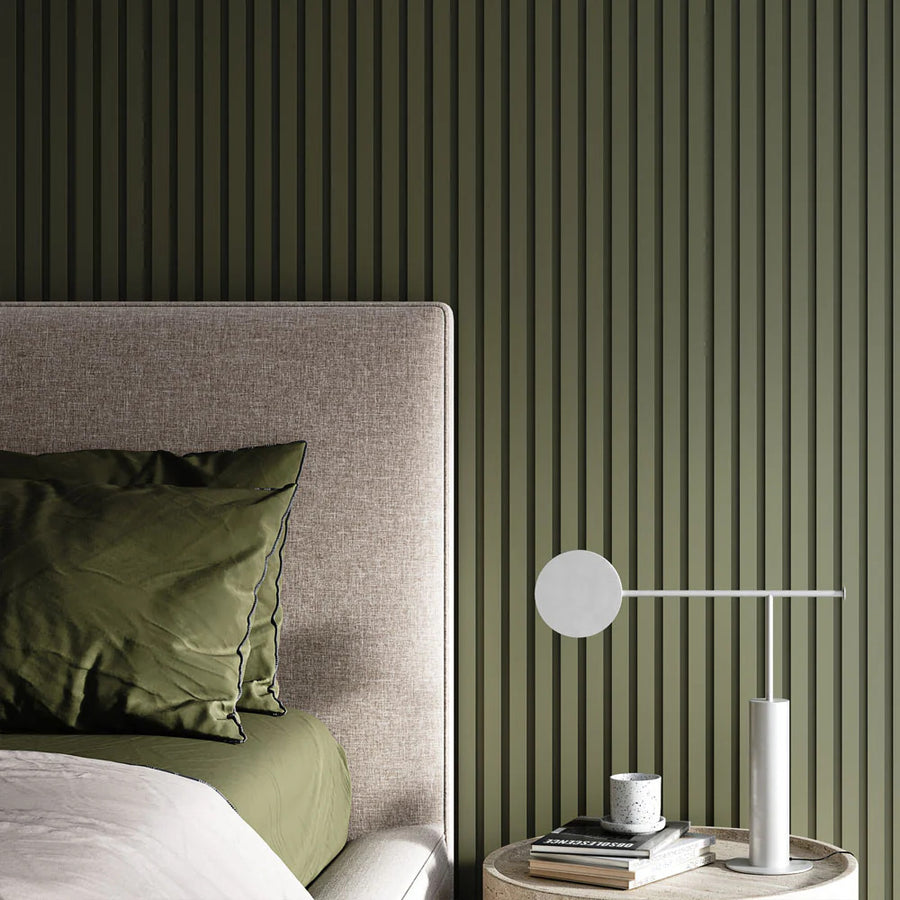
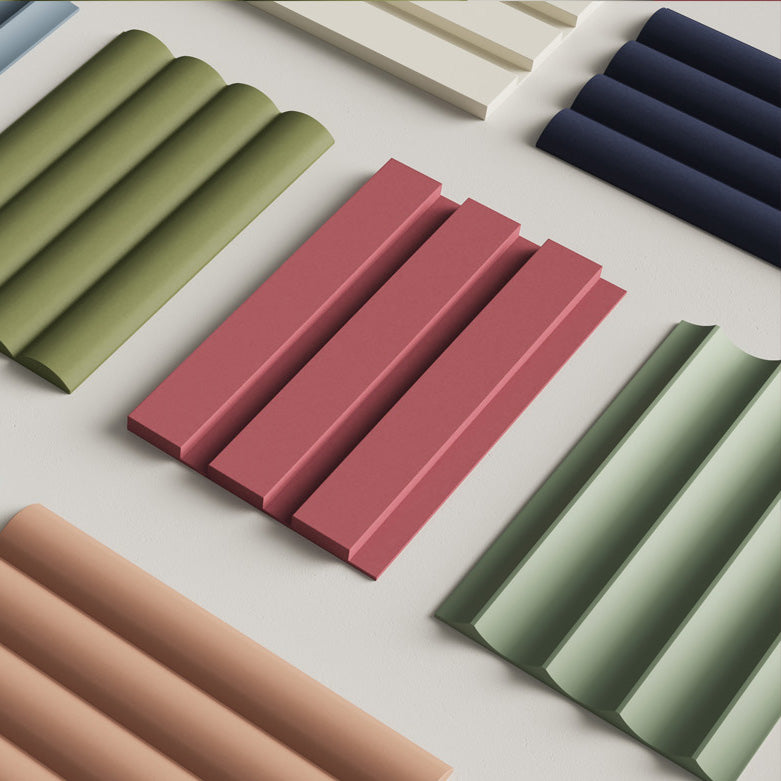
Ribbed panels feature outward ridges that create strong vertical shadow lines. They tend to feel bold and architectural, especially when painted in darker colors.

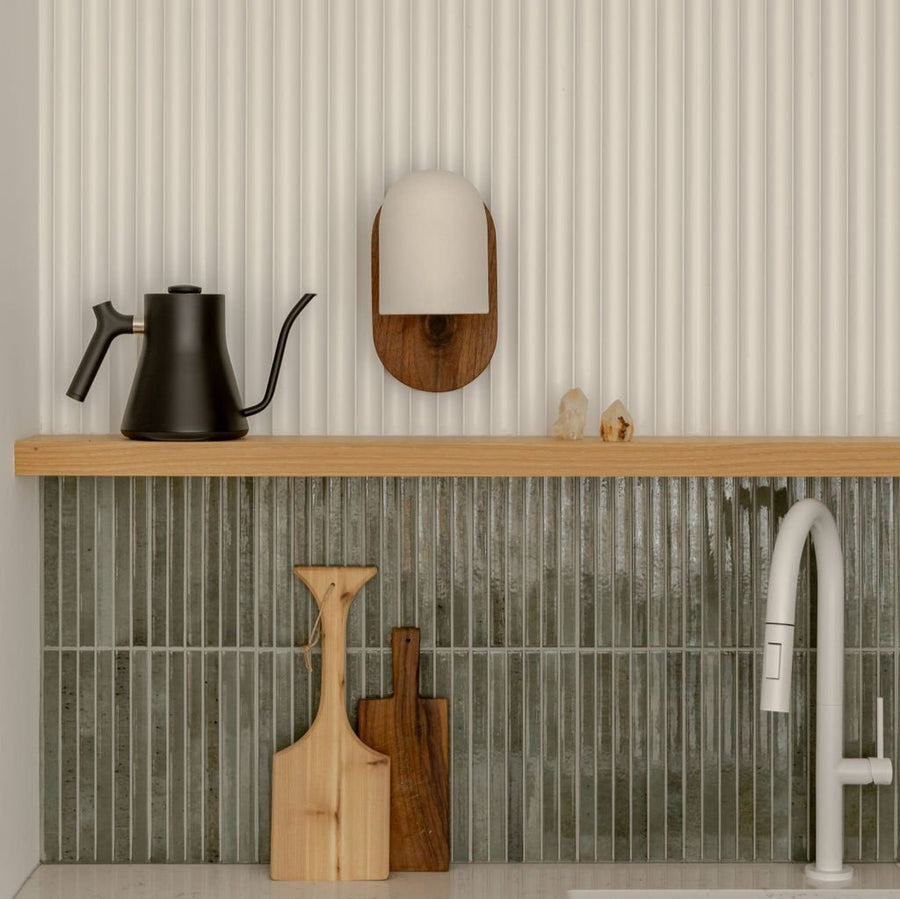
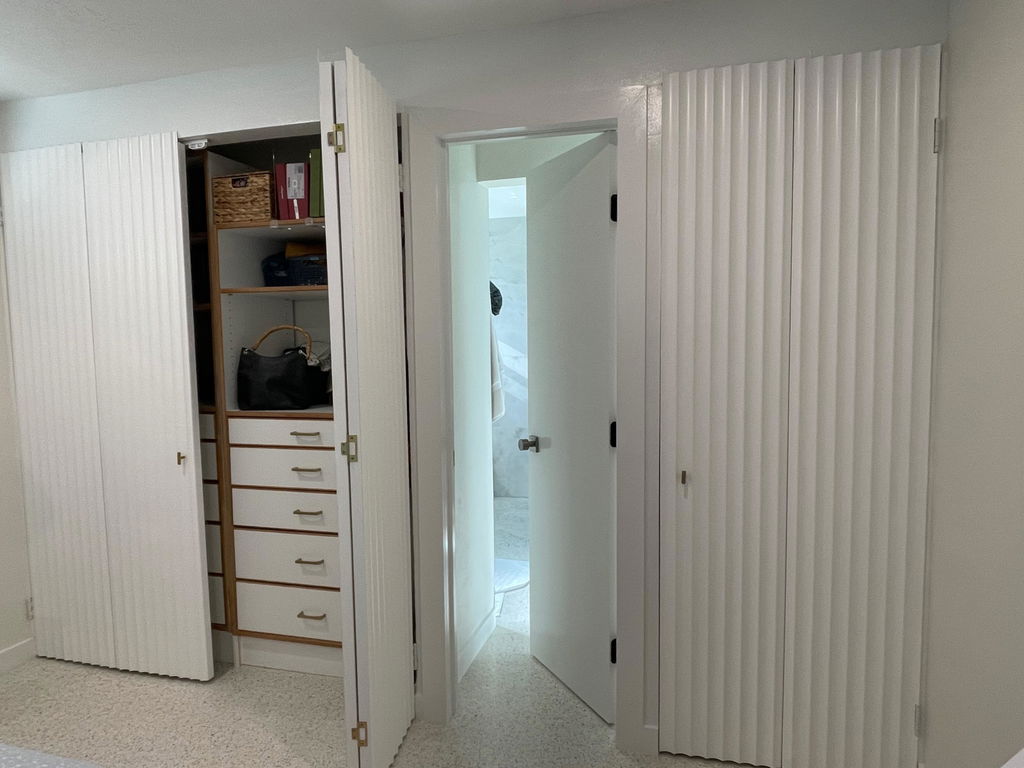
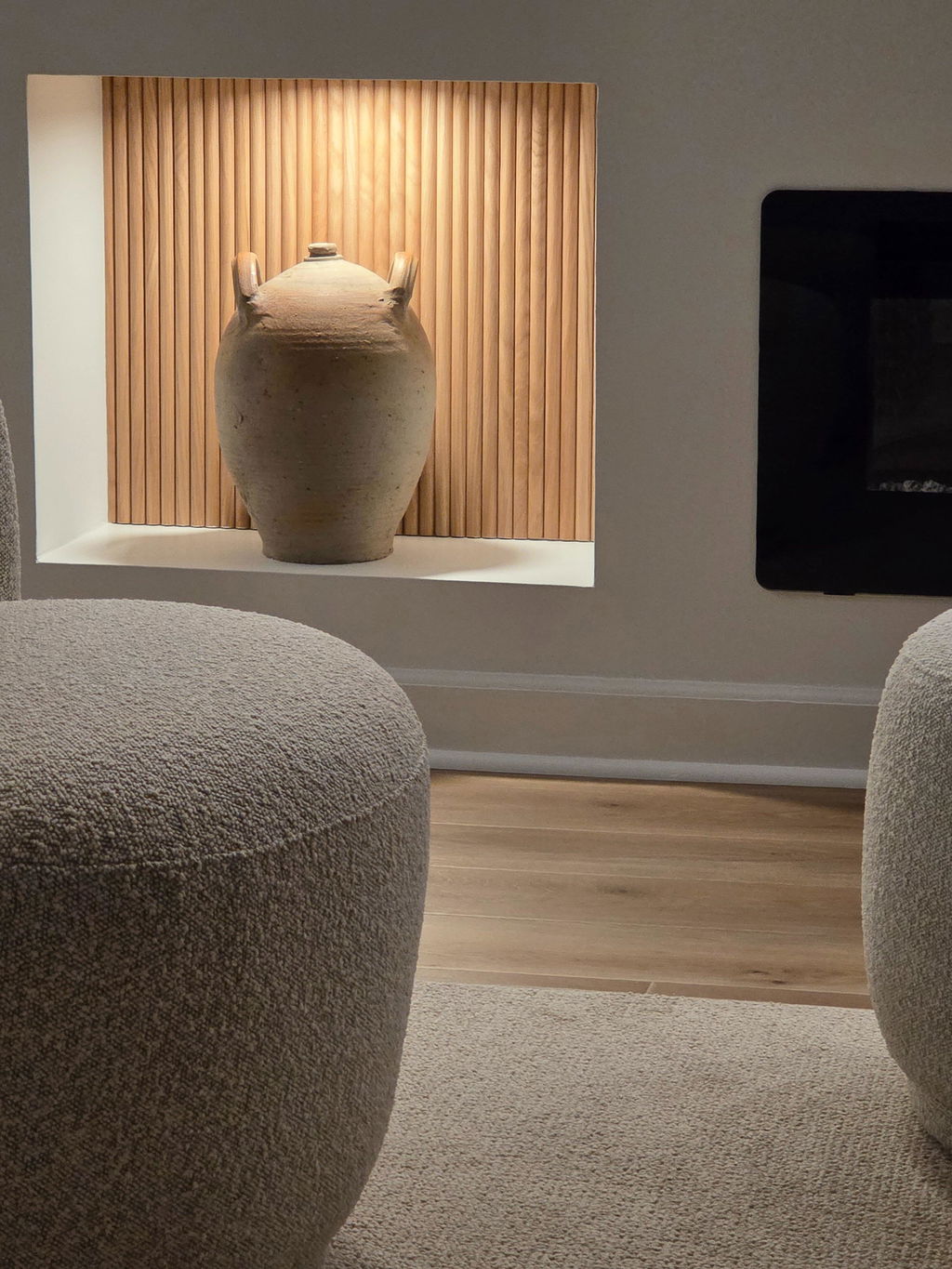
Fluted panels like the image below use inward grooves that create softer texture and more subtle shadows. These are popular in living rooms and kitchens where a calmer look works better.
Here's a good example of a fluted panel used to wrap around an oven exhaust...

V-groove panels create evenly spaced lines and can often be installed vertically or horizontally. This gives them a more traditional paneling feel while still working in modern interiors.
Because MDF panels are paintable, they are commonly used for feature walls, stairwells, hallways, and kitchen islands. They’re also a great solution for upgrading builder-grade walls that feel a little too plain.
What Are Real Wood Wall Panels?

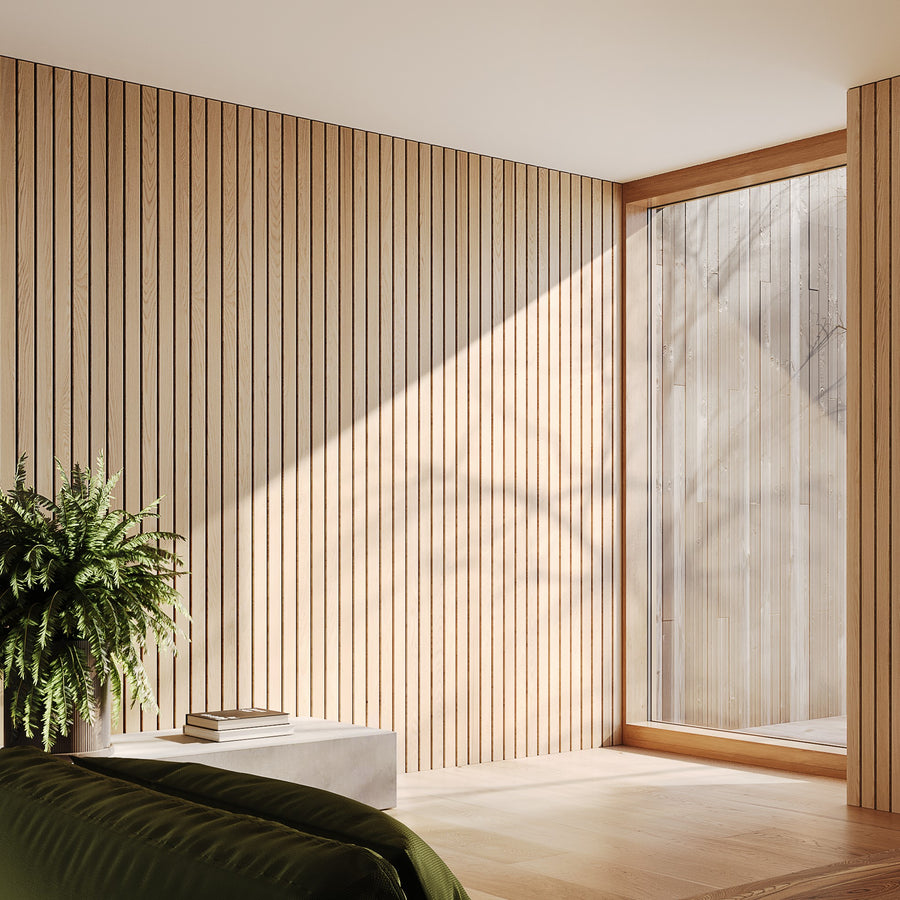
Real wood wall panels offer a completely different visual effect. Instead of a painted surface, the natural grain of the wood becomes the star of the design.
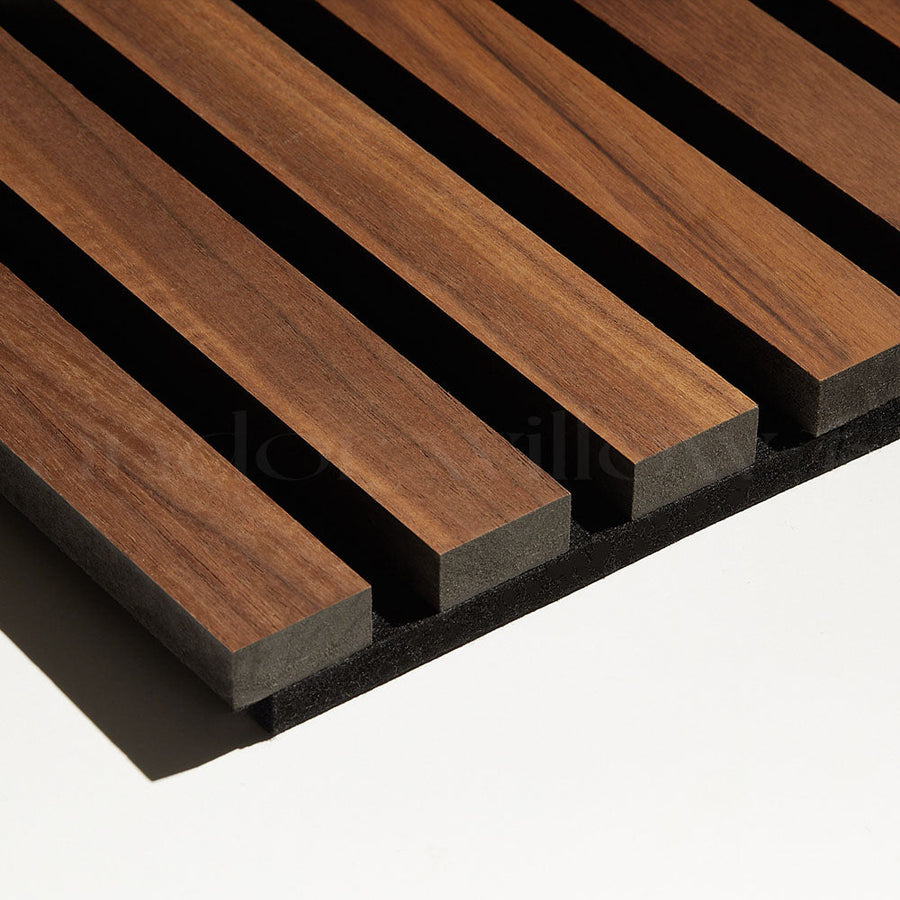
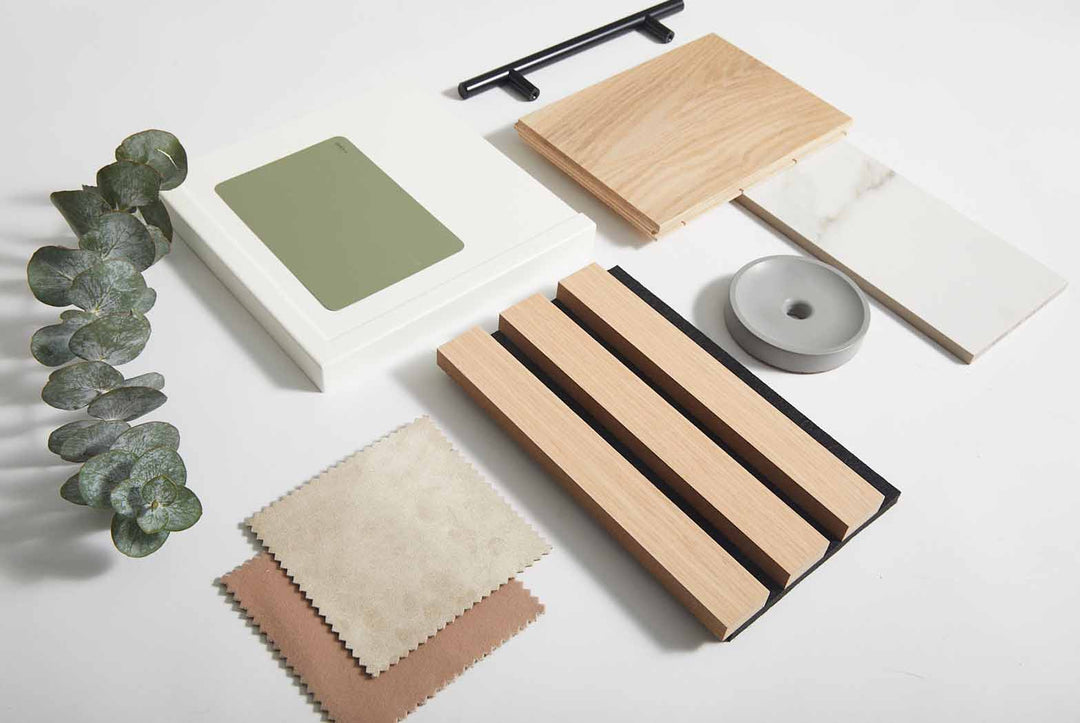
Most modern wood panels are made using a hardwood veneer over an MDF core. This construction combines the warmth of real wood with the stability of engineered materials.
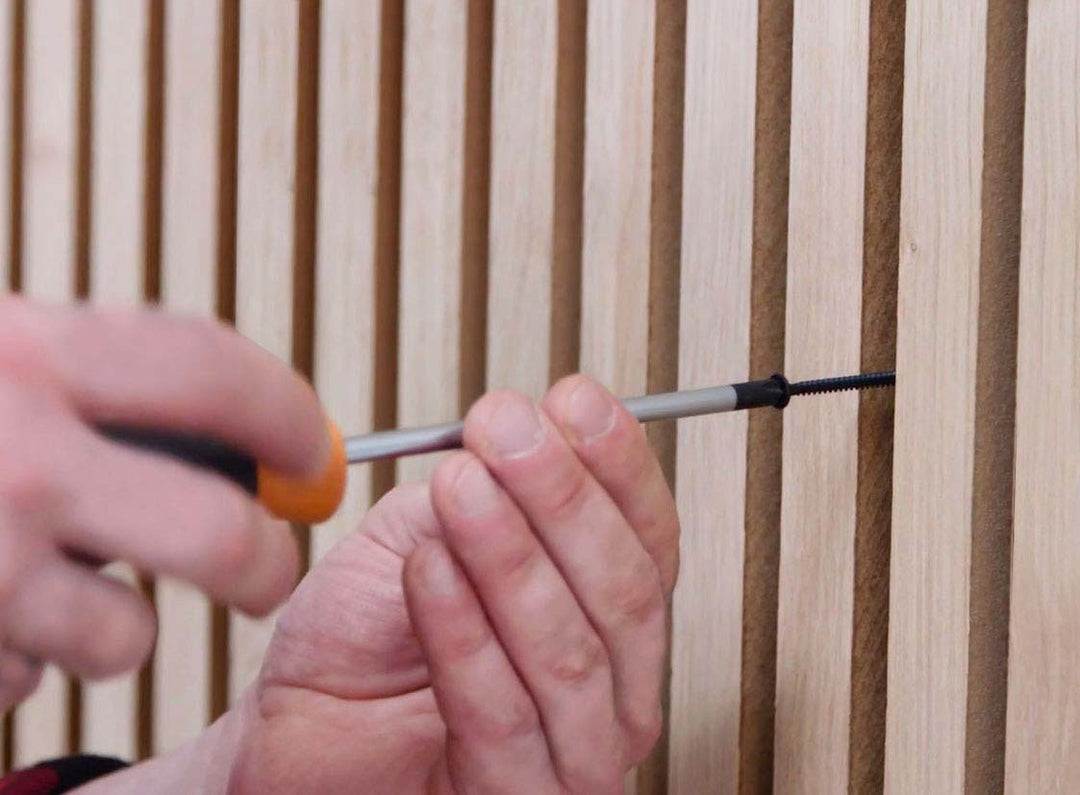
The panels are usually prefinished with a satin or matte lacquer, which protects the wood and enhances its natural color. Because they arrive finished, installation is often faster since there’s no painting or staining step.
How Real Wood Panels are Constructed
Real wood panels start with a thin veneer of hardwood, commonly species like white oak or American walnut. This veneer is bonded to an MDF backing to prevent warping and expansion.
The panel surface is then sealed with a durable lacquer finish. This coating protects the wood while maintaining its natural texture.
Because the wood grain is authentic, each panel looks slightly different. These subtle variations are part of what makes real wood walls feel rich and organic.
Natural Grain and Texture Differences
The biggest visual difference between MDF and wood panels is texture. Painted MDF surfaces are consistent and uniform.
Real wood panels show natural variation. Grain patterns, small tonal differences, and occasional imperfections create depth that paint can’t replicate.
That natural variation is often why wood panels feel more premium. The wall becomes a living surface rather than just a painted backdrop.
Where Real Wood Panels Are Commonly Used
Real wood panels often appear in living rooms, dining rooms, and home offices where warmth is important. They’re also common in higher-end homes where natural materials play a bigger role in the design.
MDF vs Real Wood Wall Panels: Key Differences
Appearance and Overall Look

MDF panels create a crisp painted finish that works well in modern interiors. The lines are clean and the surface is consistent.
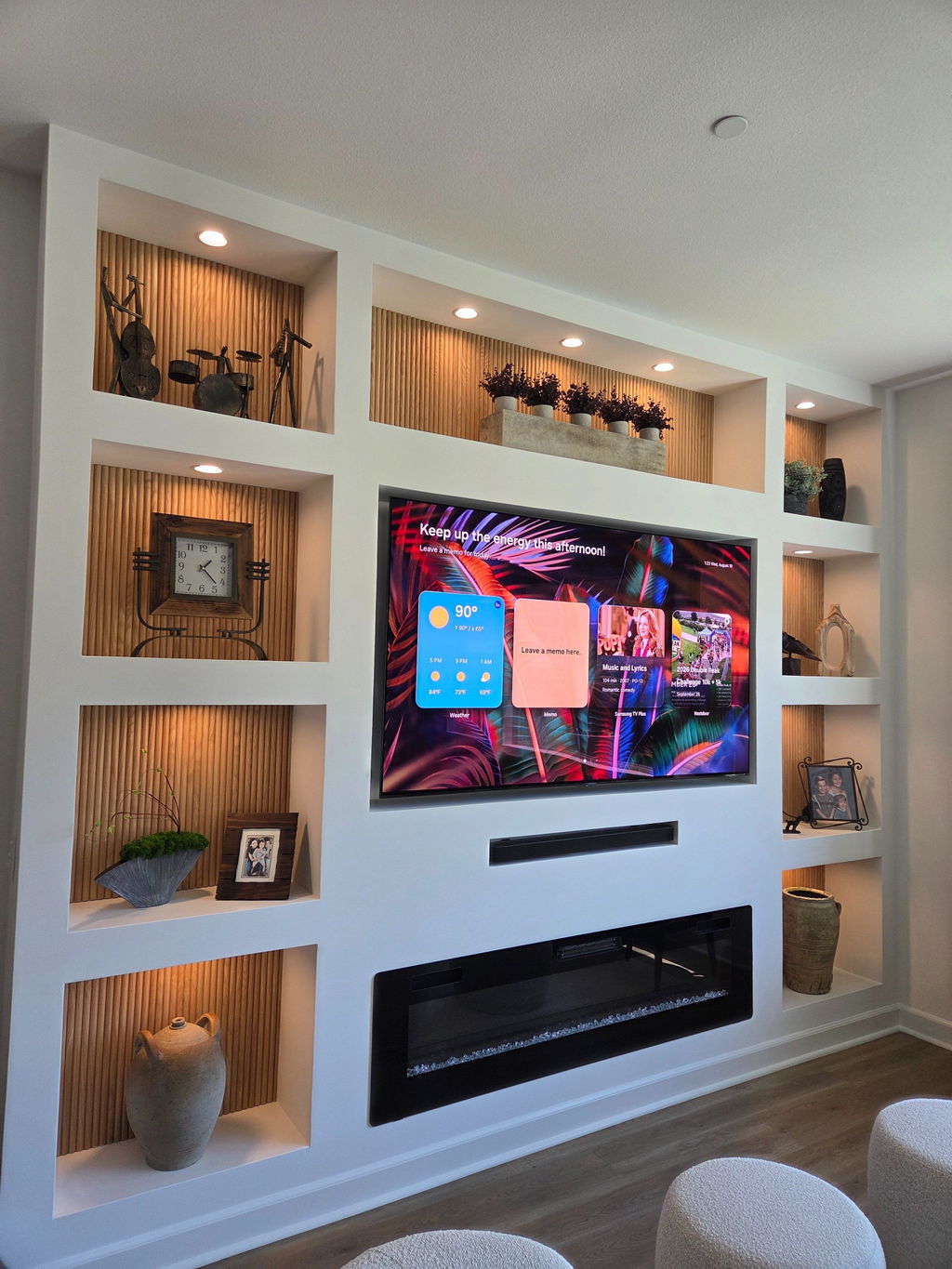
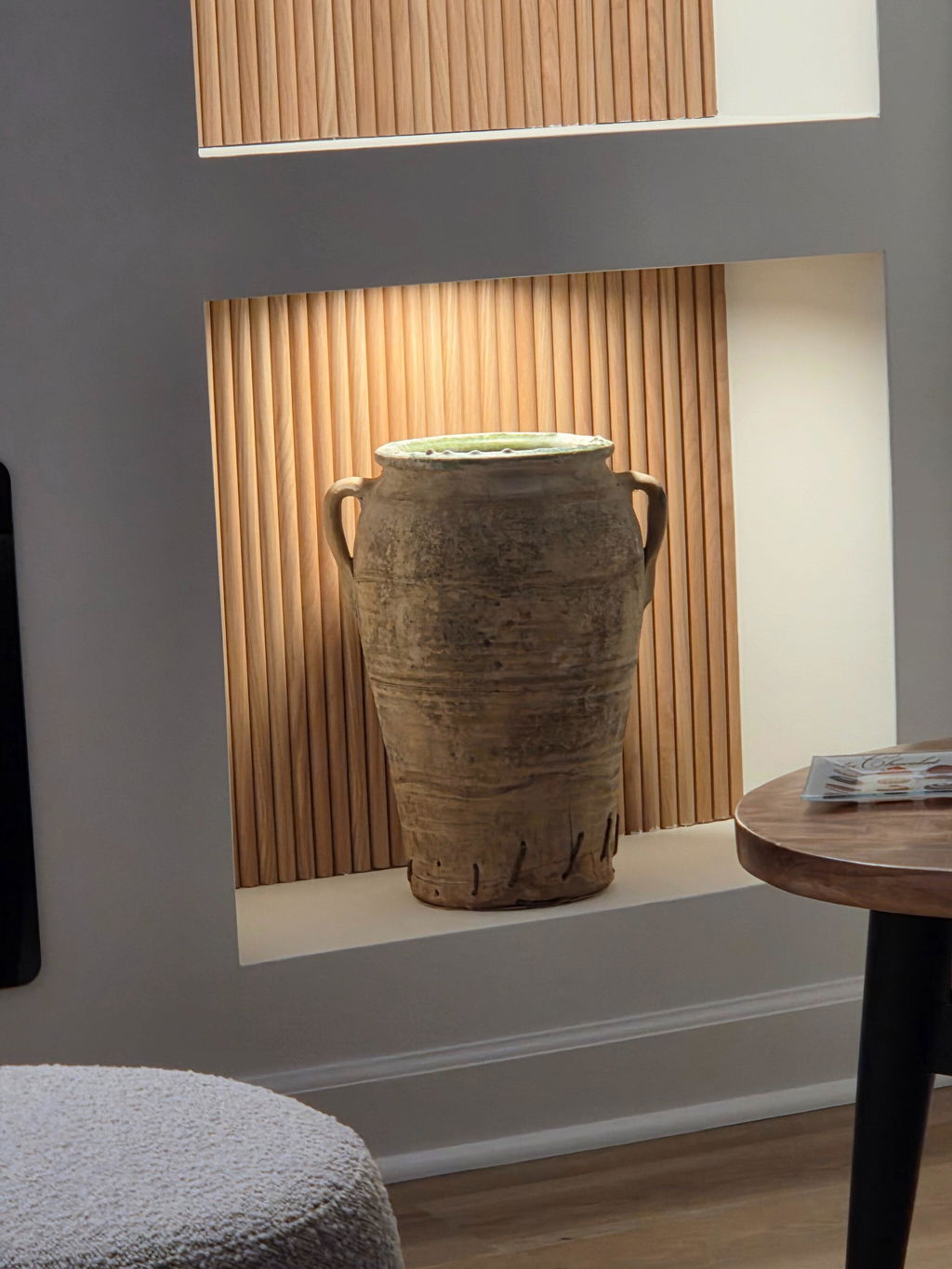
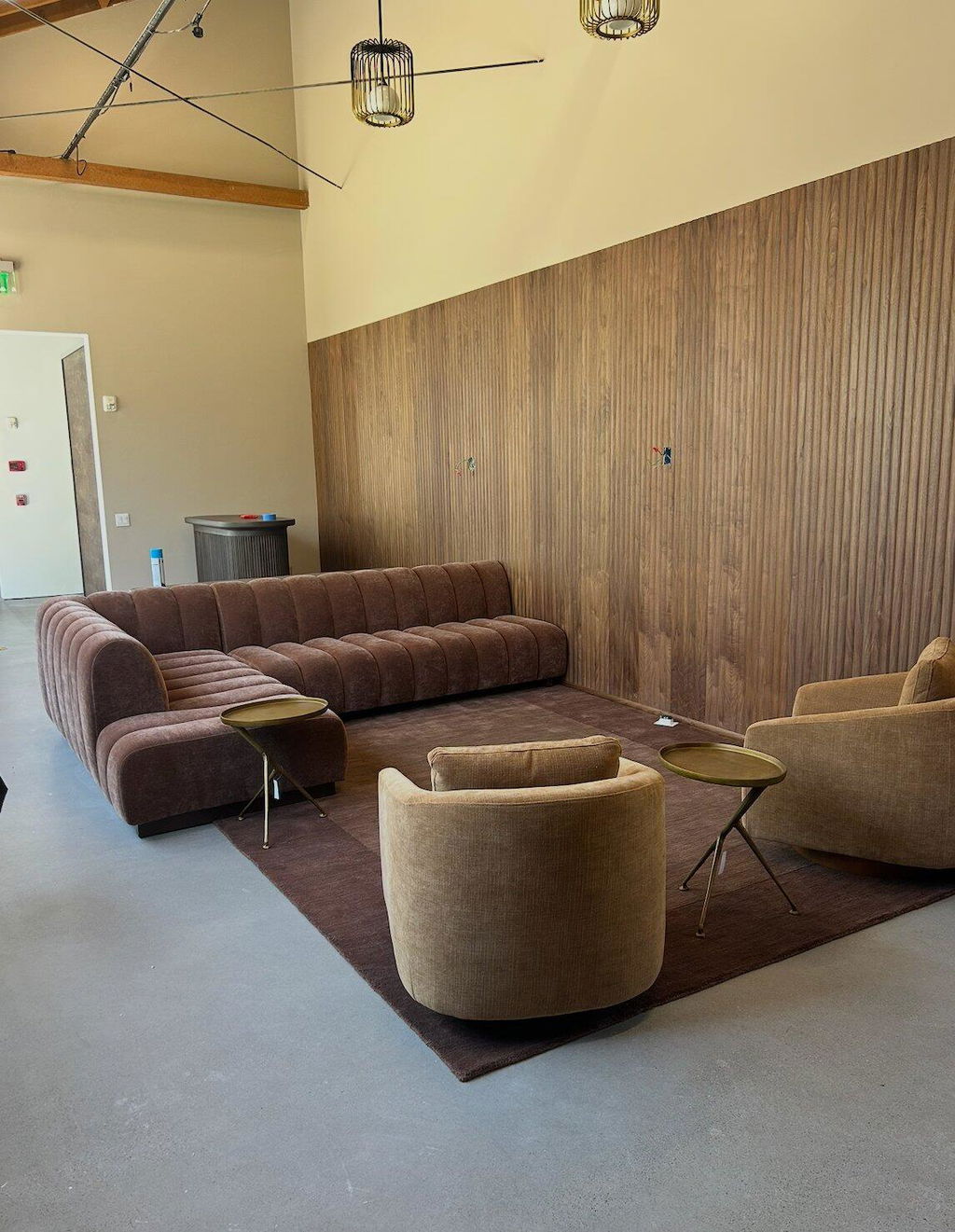
Real wood panels showcase natural grain and color variation. That organic texture can add warmth and character that painted surfaces don’t always achieve.
Cost and Budget Considerations
MDF panels are typically the more affordable option. Their engineered construction keeps material costs lower. Real wood veneer panels cost more due to the hardwood surface and factory finishing process.
Stability and Durability
MDF is extremely stable indoors and resists warping. That stability is one reason it’s widely used in cabinetry and trim. Wood veneer panels are also durable, but natural materials can shift slightly over time depending on humidity and temperature.
Installation and Maintenance
Paintable MDF panels require painting after installation.

The upside is that they can be repainted later if the design changes. Wood panels arrive finished, so installation is faster. Maintenance usually involves gentle cleaning rather than repainting.
When MDF Wall Panels Make More Sense
Projects With a Limited Budget
If the goal is to upgrade a room without dramatically increasing the renovation budget, MDF panels are often the better option. They deliver architectural detail while keeping costs manageable.
Take for example this TV accent wall with fluted panels...

Walls That Need Custom Paint Colors
Paintable panels are also ideal when you want the wall to match existing trim or cabinetry. Because they’re primed and ready to paint, you can choose any color that fits the room.
When Real Wood Panels Are the Better Choice
Spaces That Need Warmth and Natural Texture
Real wood panels shine in spaces where warmth and natural materials matter. The grain adds visual depth that paint alone usually can’t replicate.
Feature Walls and Statement Areas
Wood panels are often used in living rooms, offices, or entryways where the wall becomes a focal point. Their natural variation helps create a more layered and sophisticated look.
Final Thoughts: Choosing the Right Wall Panel Material
Both MDF and real wood panels can transform a plain wall into something far more interesting. The best choice usually comes down to priorities.
If you want flexibility, lower costs, and the ability to repaint in the future, MDF panels are a practical option. If natural grain and material warmth are more important, then real wood panels offer a look that painted surfaces can’t quite match.



Leave a comment