 Skip to content








Top 8 Areas to Install Wood Slat Room Dividers

Some areas of a home could use a little more definition. Maybe your living room and dining area feel too connected, your home office sits in the middle of everything, or your bedroom needs a bit more privacy.
Wood slat room dividers offer a stylish way to organize these spaces. Their vertical lines add character to an interior, while the gaps between the slats allow light and visibility to pass through.
The best part?
You can use them in more places than you might expect. Here are eight creative spots to consider, along with a few design ideas to help you make the most of each one!
Key Takeaways
- Wood slat room dividers can define separate areas without completely closing off a room.
- Living rooms, bedrooms, entryways, and home offices are all practical places to install them.
- Slat spacing, height, and finish affect how much privacy and visibility a divider provides.
- Wood slat panels and other decorative wall panels can complement a divider for a coordinated interior.
- The best placement depends on your room layout, natural lighting, and everyday needs.
1. Near the Main Entrance


If your front door opens straight into the living room, a small entryway can be surprisingly difficult to organize. Shoes, bags, keys, and everyday essentials can quickly become part of the main living space.
A wood slat room divider can help establish a dedicated entrance area. Place it beside a shoe cabinet, bench, mirror, or console table to create a clear arrival point.
You don't need a large divider to make it work. Even a compact installation can give the entrance a stronger identity and help organize the surrounding furniture.
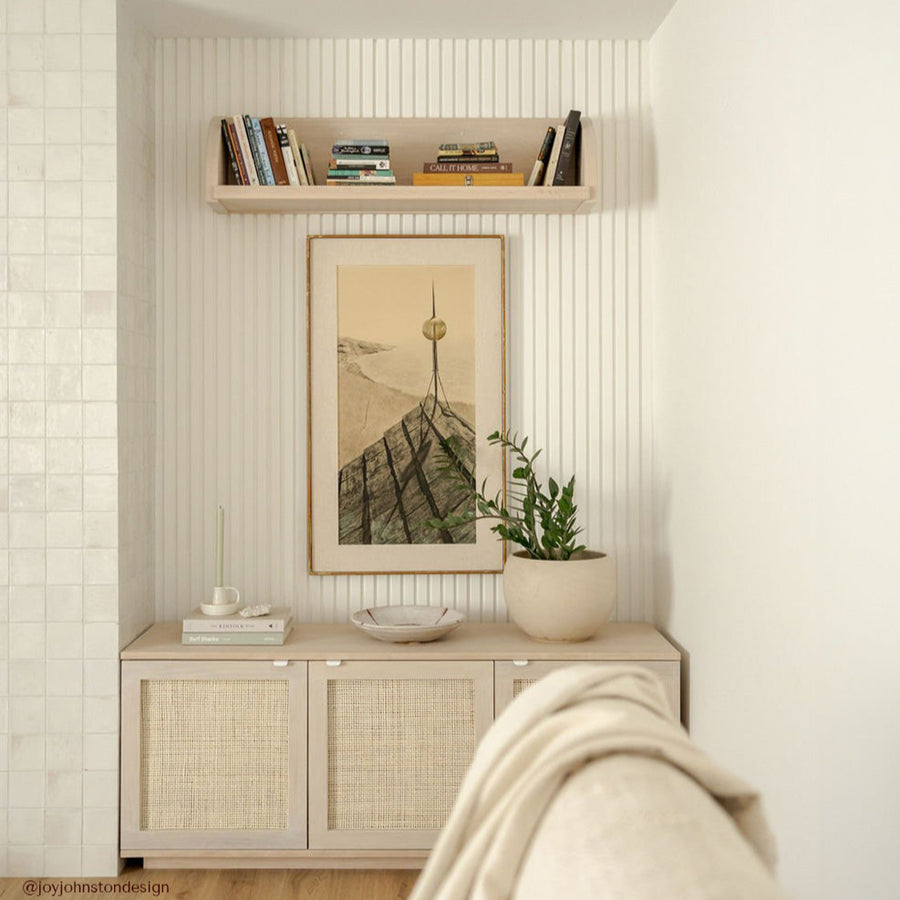
Tongue and groove panels are another option for the entryway wall. Their clean lines can complement a slatted divider while giving the entrance its own decorative feature.
2. Beside the Bedroom
A bedroom doesn't always have four walls around it. In studio apartments or open-plan homes, a divider can help establish a sleeping area without requiring a major renovation.
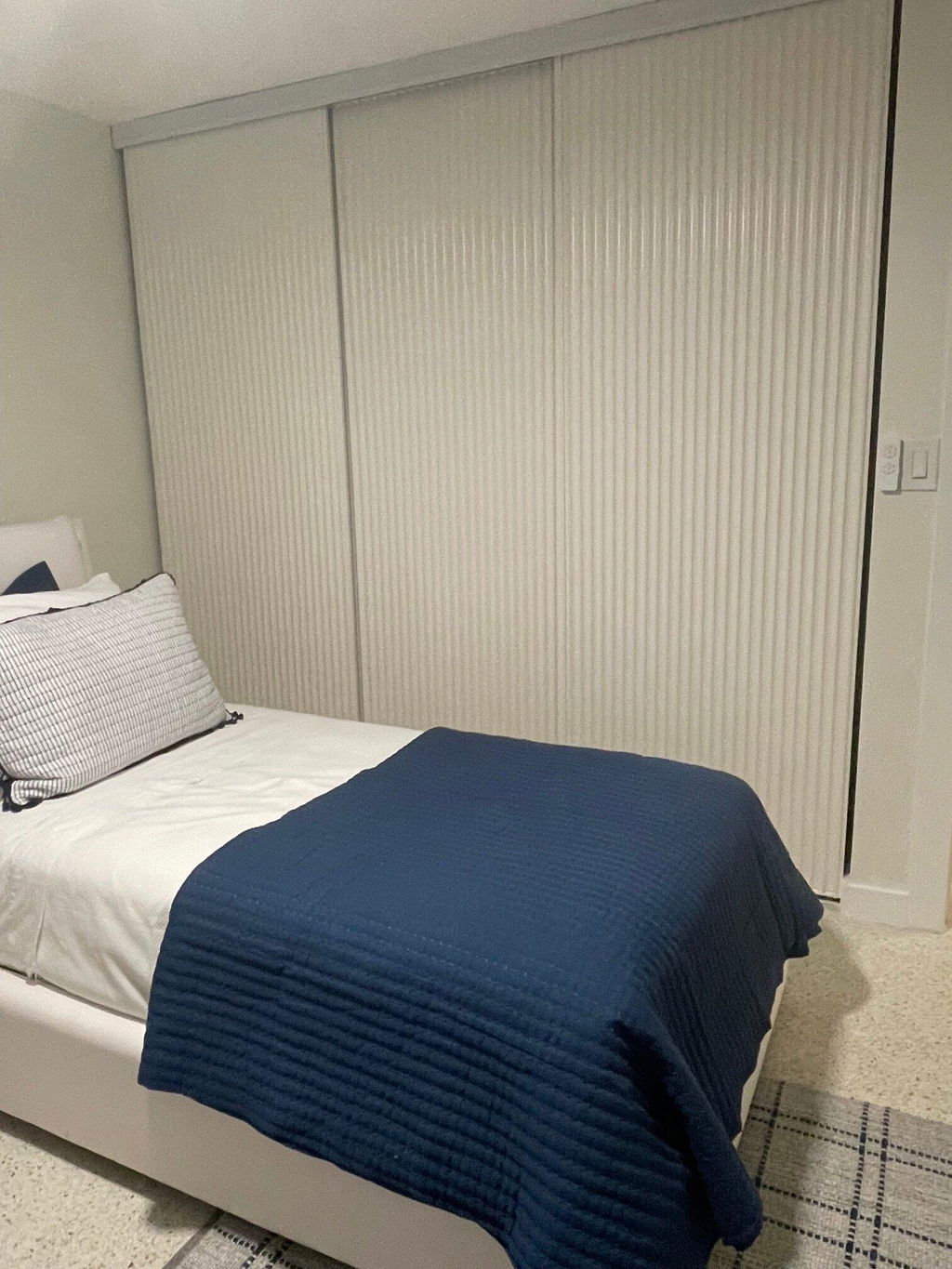
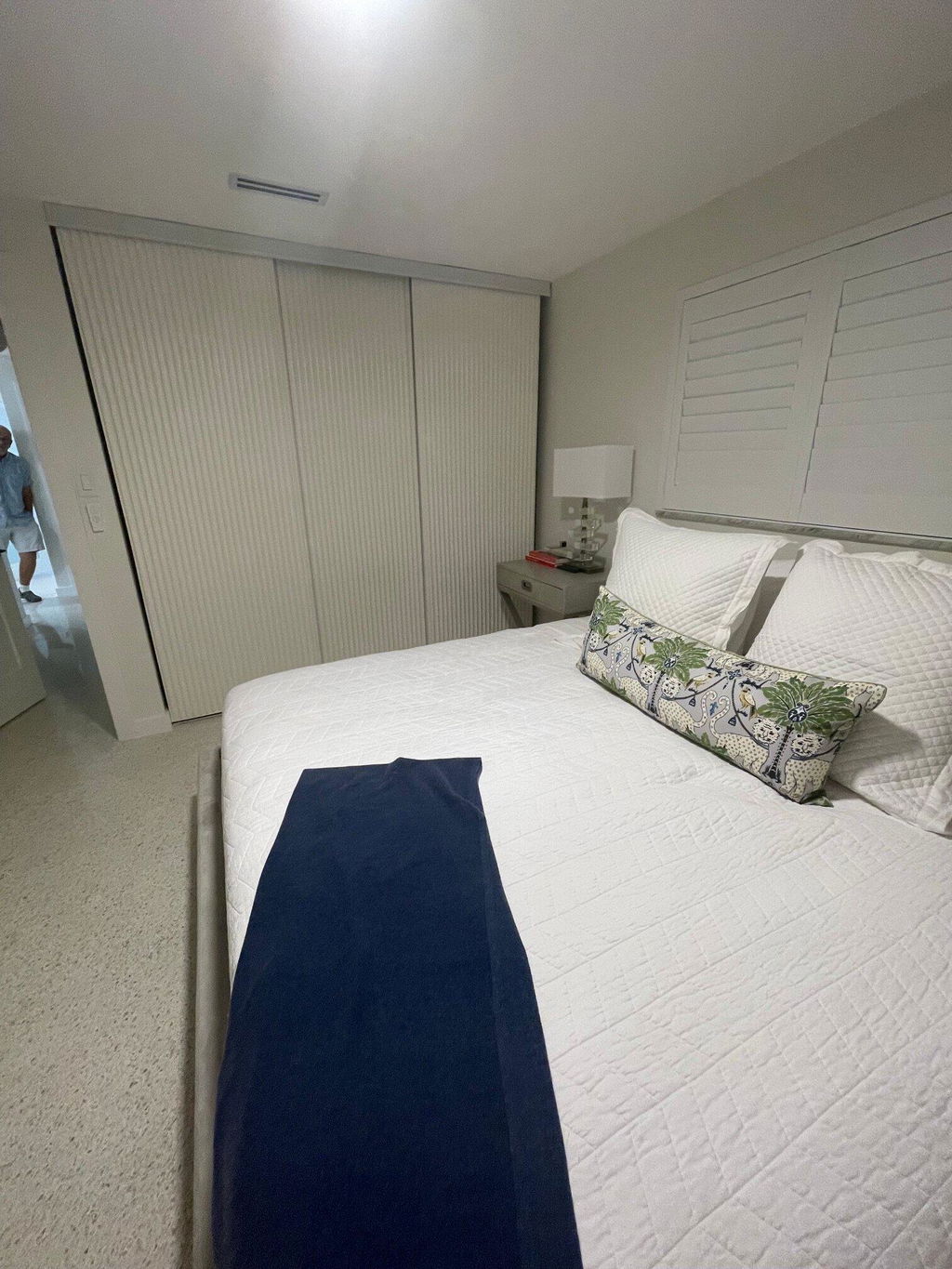
Here's a good example where you can put a slat divider instead of a sliding divider...

Position a wood slat room divider beside the bed or near the foot of the sleeping area. You can use a taller design for more visual separation, while wider gaps keep the room feeling open.
Think about your privacy needs
Slat spacing makes a noticeable difference here. Closer spacing generally provides more visual screening, while wider gaps from wide slat dividers allow more of the surrounding room to remain visible.
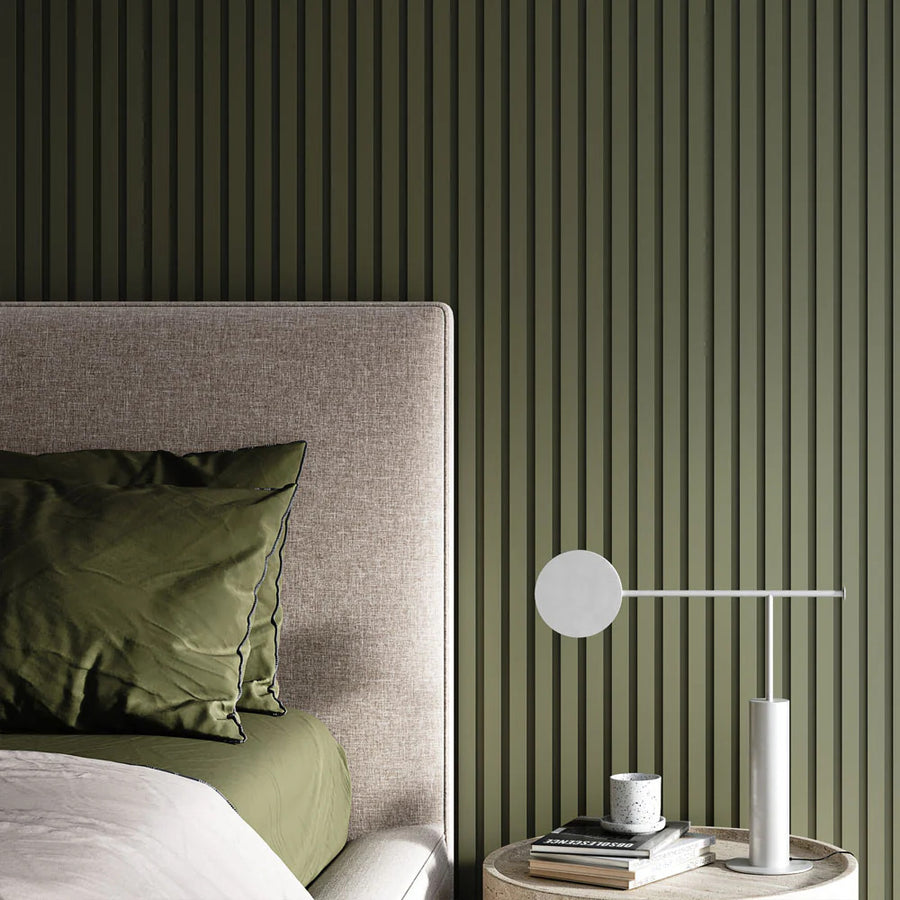
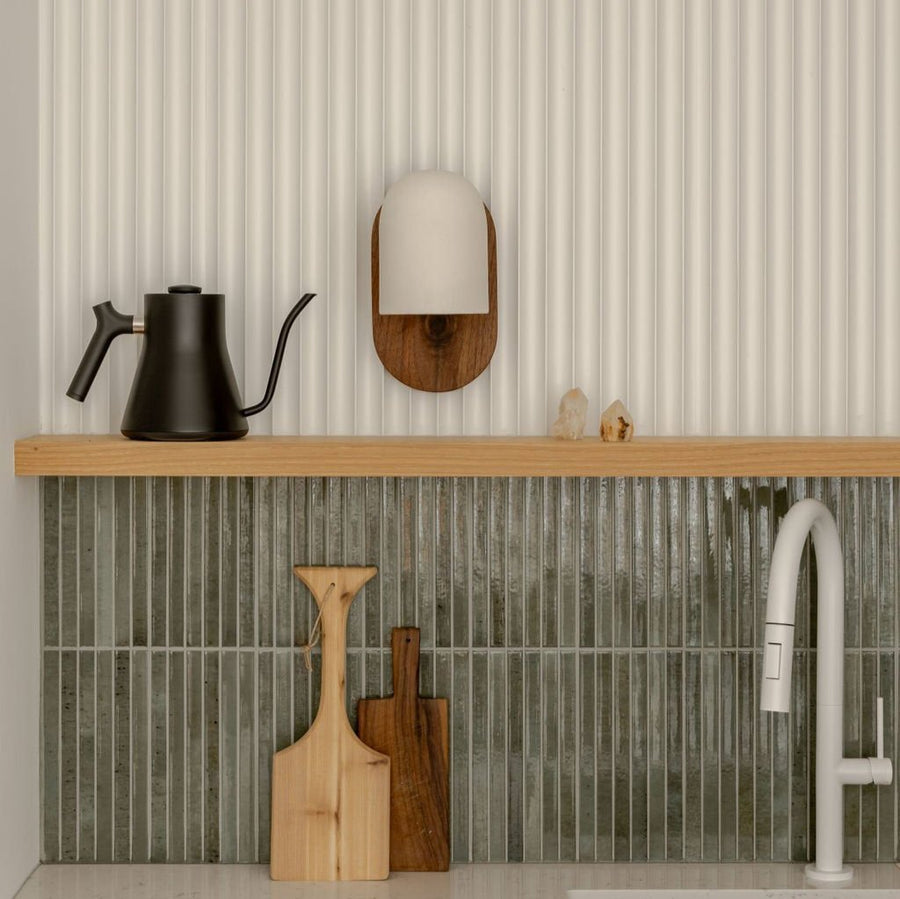
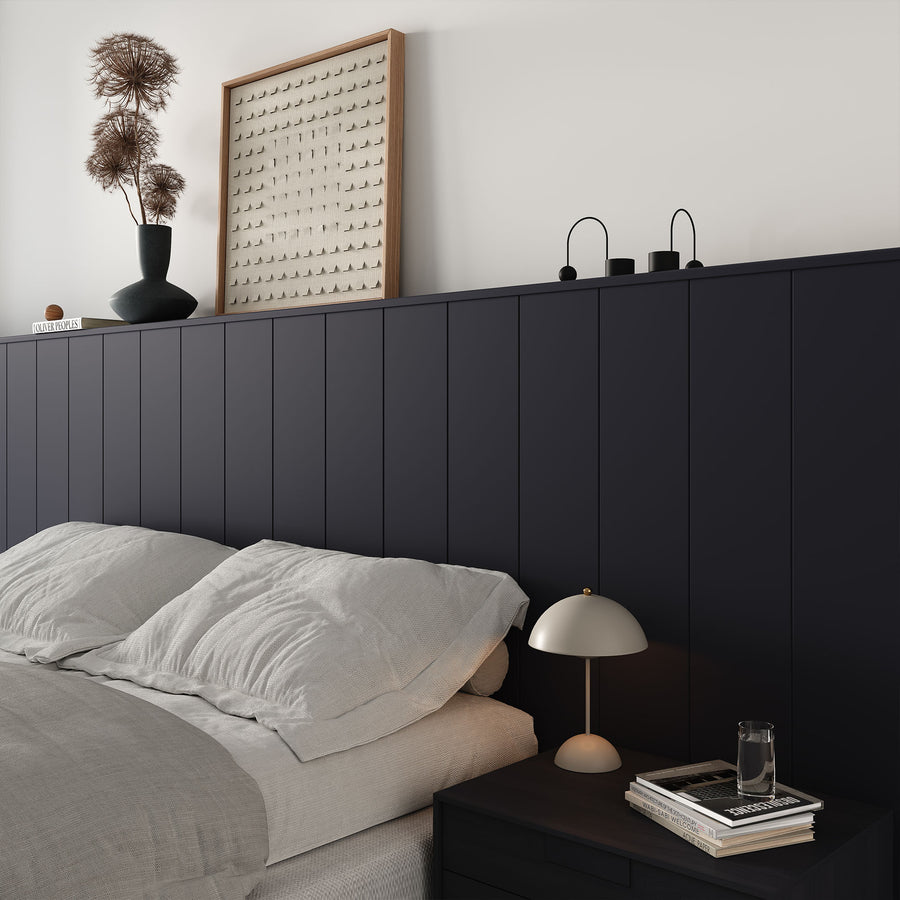
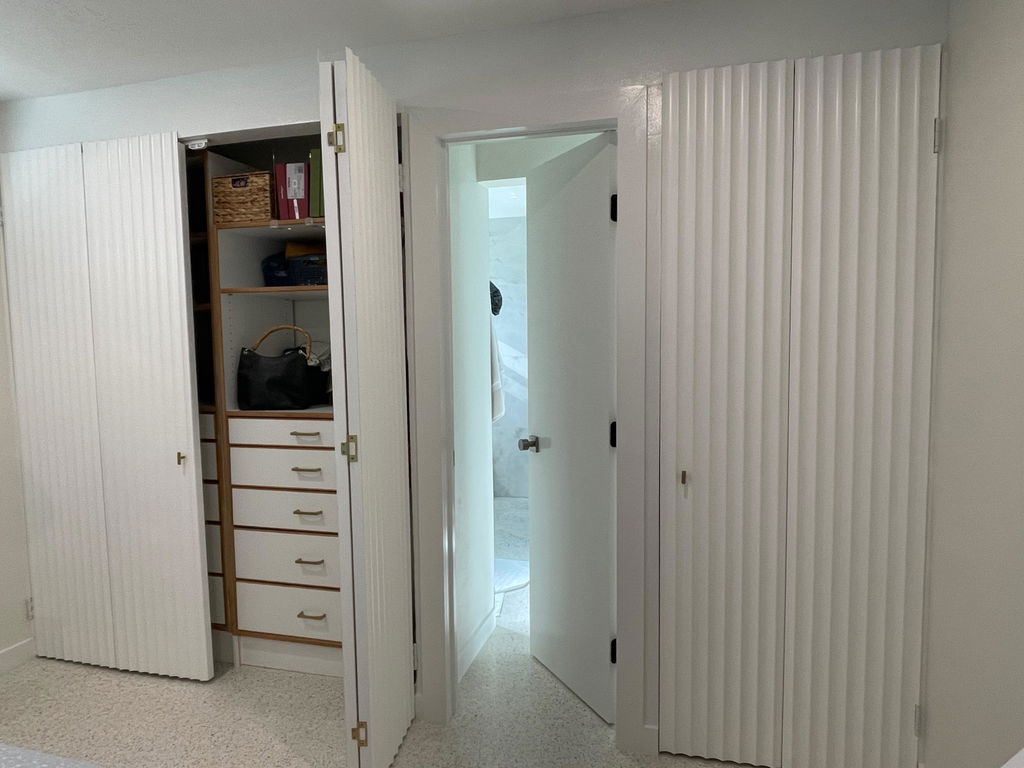
If you want to give the bed a stronger focal point, fluted wall panels can work nicely behind the headboard. The curved grooves introduce another detail that complements the straight lines of the divider.
3. Between the Living Room and Dining Area
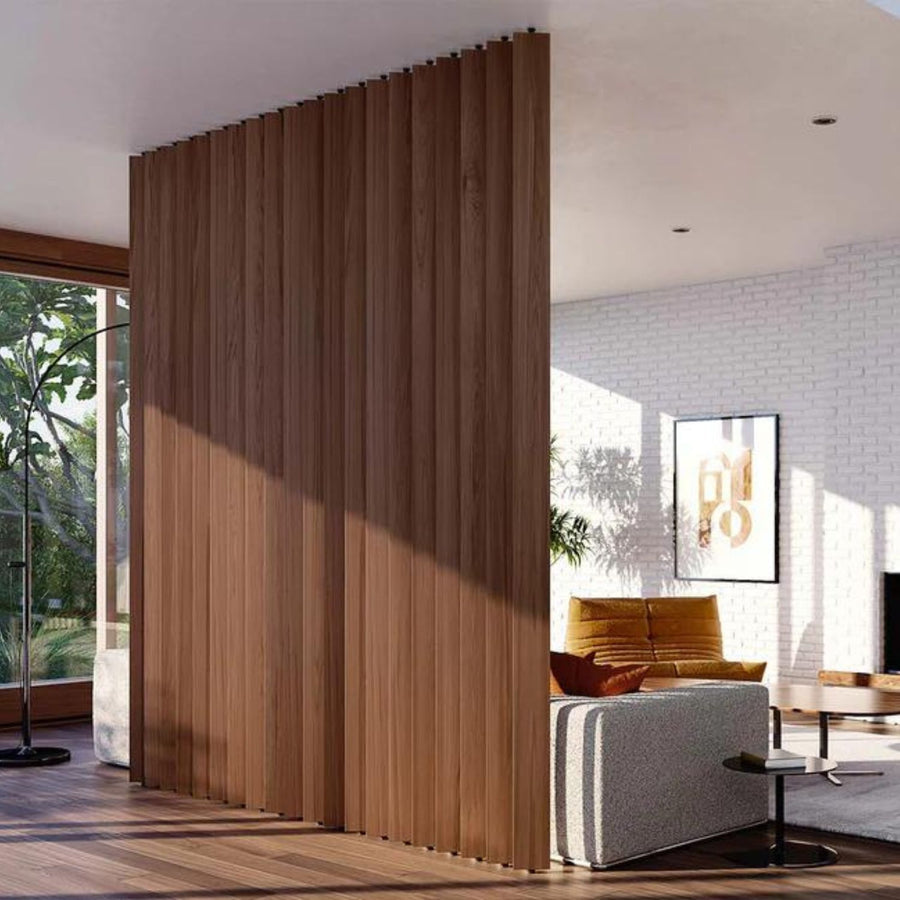
When your living room and dining area share one large space, furniture alone might not be enough to make each area feel distinct. A wood slat room divider can create a clearer transition without making the layout feel crowded.

Try positioning it behind the sofa or along the edge of the dining area. The slats help frame each zone, and you can still see through to the other side.
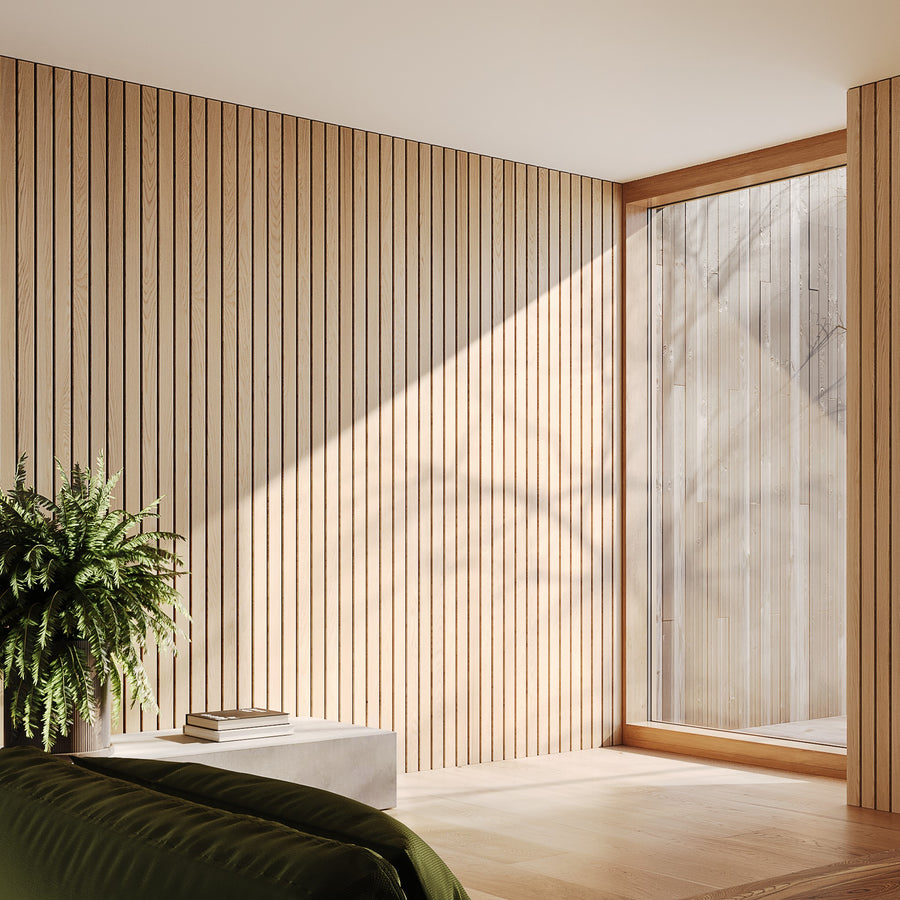
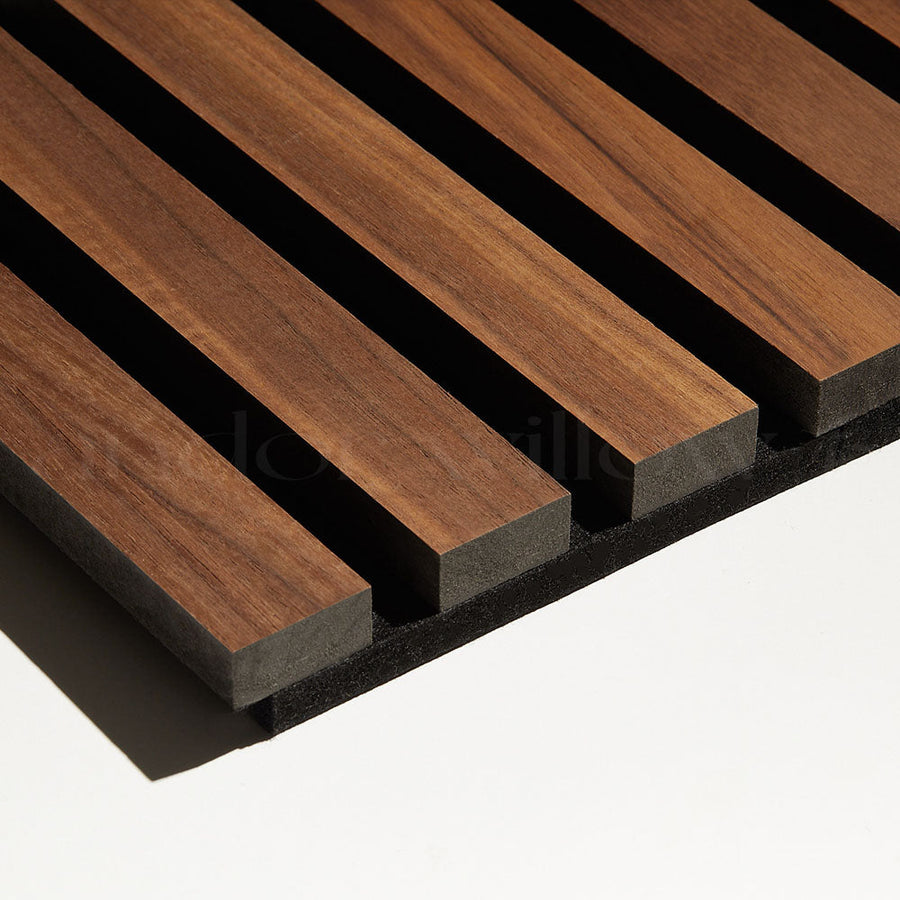
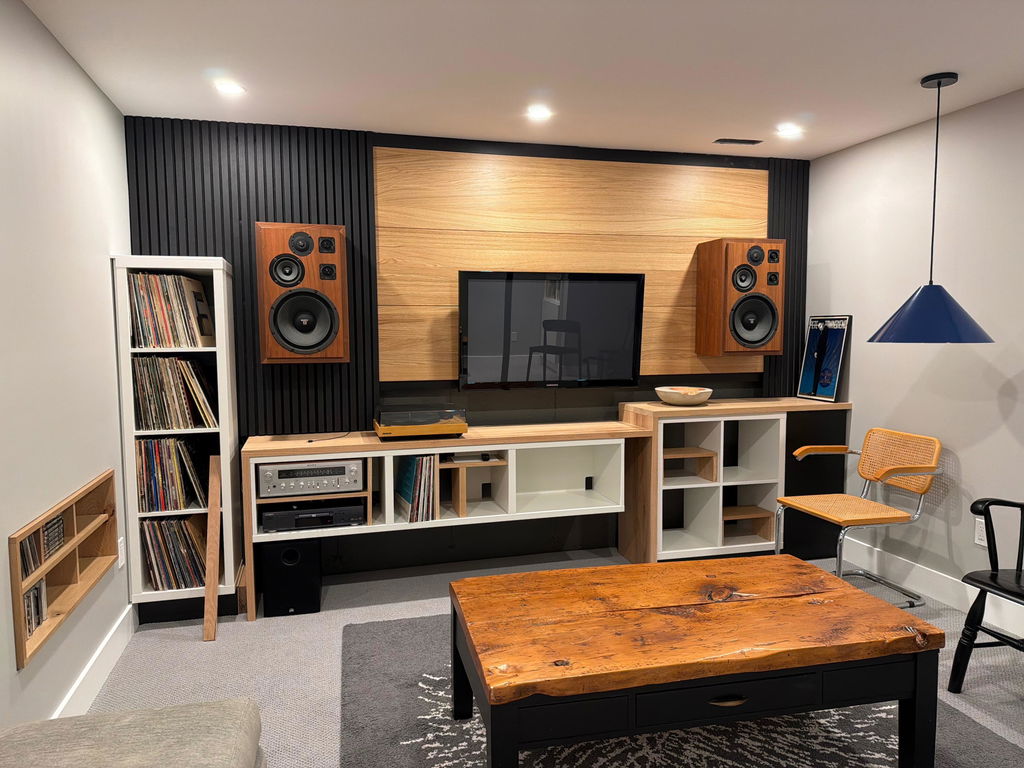
For a more coordinated look, consider adding wood slat panels to a nearby feature wall. Repeating the same vertical detail can help the two areas feel connected, especially when the finishes complement your existing furniture.
4. Beside the Kitchen or Dining Counter
Open kitchens make it easy to interact with family and guests while preparing meals. Sometimes, though, you may want a little separation between the cooking area and the rest of the home.
A wood slat room divider can help define the edge of a kitchen or dining counter. Depending on the layout, it can also partially screen a pantry entrance or utility area.

Before installing one, consider ventilation, cleaning, and how close the divider will sit to cooking appliances. Keep it away from direct heat sources and follow the appropriate installation requirements for the chosen materials.
If the kitchen already has wood cabinetry or timber accents, a matching or complementary divider finish can tie the design together without adding too many competing details.
5. Around a Reading Nook
Have an awkward corner that never seems to serve a purpose? It could become a comfortable reading nook.
Use a wood slat room divider to mark out a small section of the living room or bedroom. Add an armchair, a floor lamp, a side table, and a bookshelf, and you've got a dedicated spot to unwind.

The divider helps give the nook its own identity, even when it occupies part of a larger room.
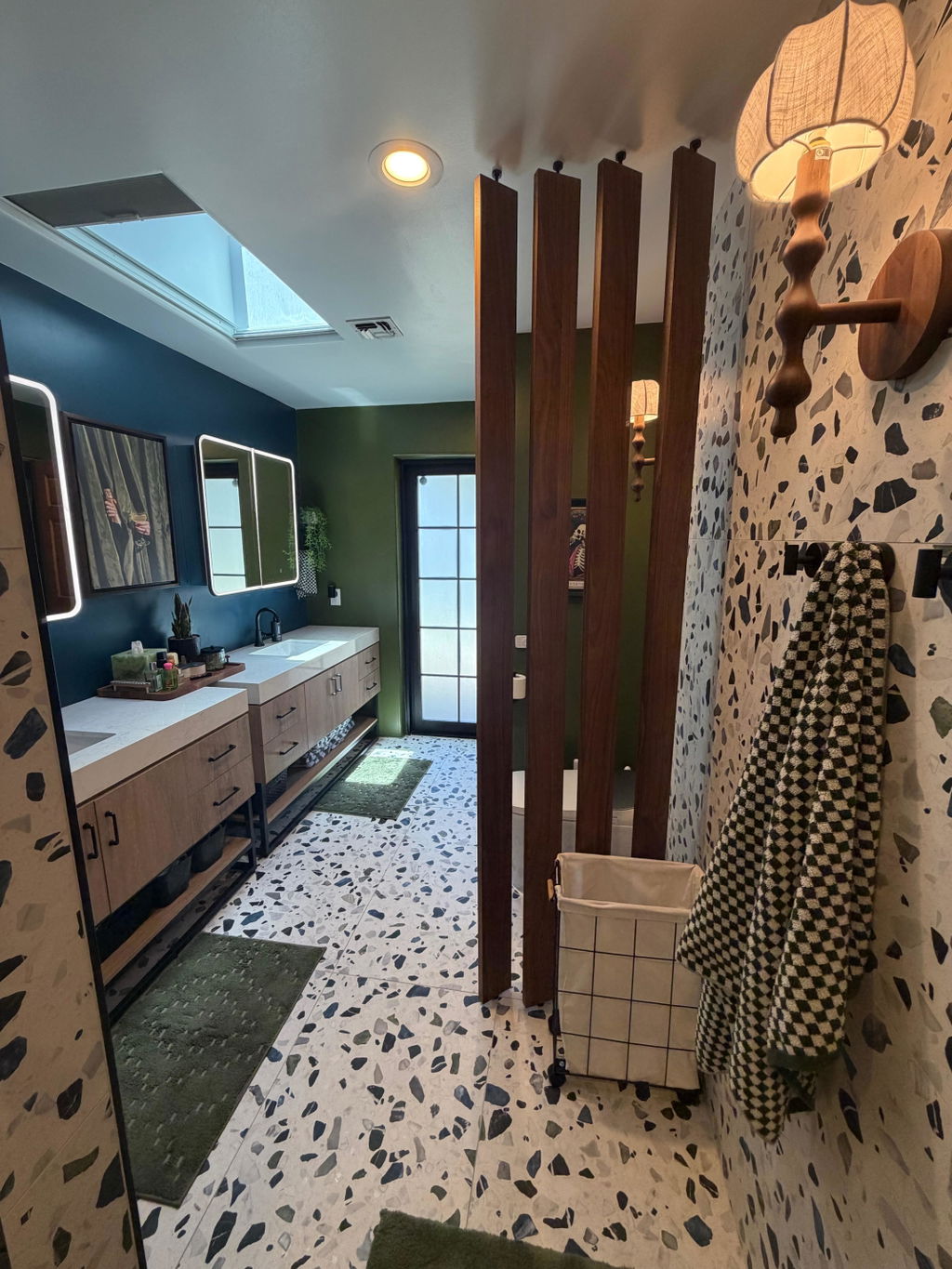
You can also use a shorter divider if you want the area to feel defined without blocking too much of the surrounding space...
For the wall behind the chair, paintable panels can help you introduce a color that suits the nook. A soft neutral or muted accent shade can make the corner feel intentional without overwhelming the room.
6. Around a Home Office
Working from home gets interesting when your desk is right beside the television, dining table, or main living area!

A wood slat room divider can give your workspace a more defined boundary. Place it behind your desk or along one side of the work area to create a visual distinction between work and relaxation.
Keep the setup practical. Make sure you have enough room for your chair, storage, and comfortable movement around the desk.
For an extra design touch, install wood slat panels behind your monitor or shelving. A similar finish on the wall and divider can make the workspace look thoughtfully put together, even if it's tucked into a corner of the living room.
7. Around a Walk-In Wardrobe Or Dressing Area
A dressing area can be useful even when your bedroom doesn't have space for a full walk-in wardrobe. A wood slat room divider can help separate the bed from a clothing rack, dresser, or wardrobe area.
Position the divider so you can access your clothes and storage comfortably. Make sure drawers and wardrobe doors have enough room to open, and leave a clear path between the different parts of the bedroom.
This setup works especially well when you want a dressing area that feels like part of the bedroom's design. A coordinated finish on the divider, furniture, and nearby wood slat panels can help everything feel cohesive.
Keep in mind that slatted dividers offer partial visual screening. If you need to conceal clutter completely, you may want a more solid partition or closed storage as well.
8. In a Multipurpose Guest Room
Guest rooms often end up doing several jobs. One day they're used for visitors, and the rest of the time they might serve as a home office, hobby room, workout space, or storage area.

A wood slat room divider can help organize these different functions. You could separate a desk from the sleeping area or create a small corner for exercise equipment.
Think about how you'll use the room most often before choosing the divider's position.
If you regularly host overnight guests, give the bed a little privacy and keep the route to the door clear.
You can also use decorative wall panels to distinguish the different zones. For example, paintable panels behind a desk can create a subtle feature, while the slatted divider helps separate the workspace from the bed.
How to Choose the Right Spot for Your Divider
Before settling on a location, look at the room as a whole. A divider should suit the way you move through the space, the furniture you already own, and the amount of light you want to preserve.
Here are a few things worth checking:
| What to consider | Why it matters |
|---|---|
| Room layout | Helps you choose a position that doesn't interrupt everyday movement |
| Slat spacing | Affects visibility and the level of visual privacy |
| Divider height | Determines how strongly the divider defines the space |
| Finish and colour | Helps the divider work with furniture, flooring, and wall treatments |
| Installation method | Determines the support and fixing requirements for the design |
| Natural light | Helps you avoid unnecessarily darkening another part of the room |
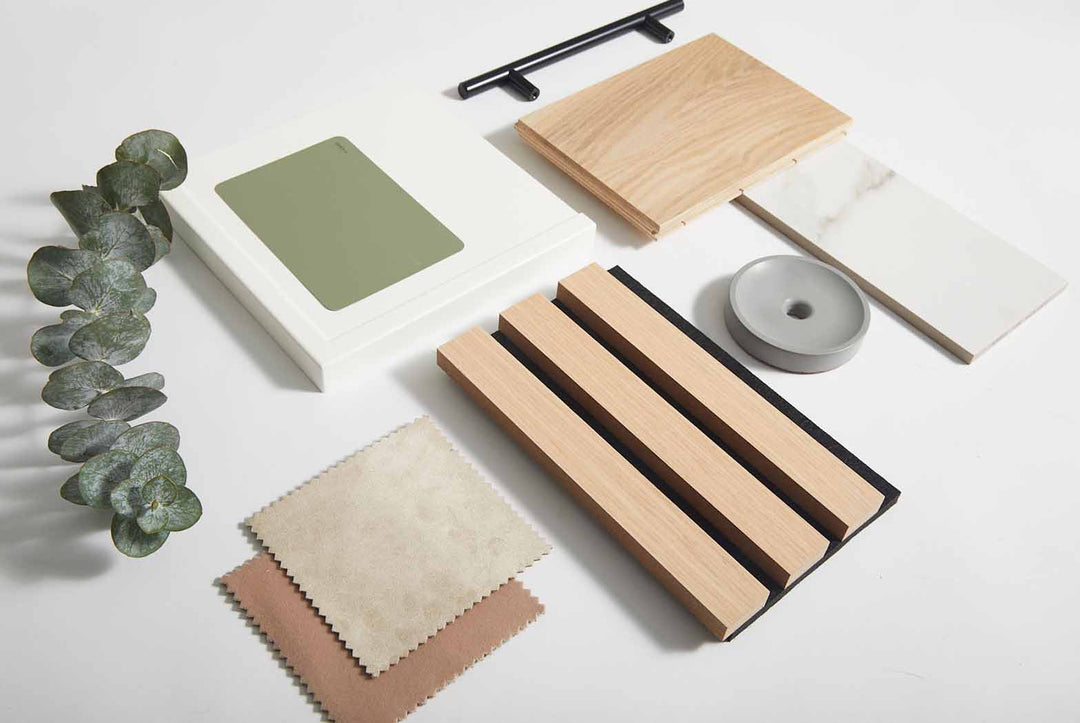
If you're planning to pair the divider with wall treatments, look at the available finishes and profiles before making a decision. Wood slat panels, fluted panels, tongue and groove panels, and paintable panels each offer different ways to build a consistent interior design.
Conclusion
Wood slat room dividers can work in plenty of places beyond the living room. You can use them to separate dining areas, establish a home office, create a reading nook, add bedroom privacy, or organize a multipurpose guest room.
The key is to choose a location that solves a real problem in your home. Think about how much separation you need, how the divider will affect natural light, and whether its finish will complement the surrounding interior.
Once you've settled on the right spot, you can build the design around it with coordinated furniture and decorative wall panels. Sometimes, a thoughtful divider is all it takes to make a space feel much better organized!
Frequently Asked Questions
Are wood slat room dividers suitable for small homes?
Yes. They can help define different areas while allowing light and visibility to pass through the gaps. Choose a size and placement that leave enough room for comfortable movement.
Can wood slat room dividers provide complete privacy?
Generally, they provide partial visual privacy. Tighter slat spacing offers more screening, but a solid partition is usually more suitable when complete privacy is important.
Can I install a wood slat room divider in a bedroom?
Yes. It can help separate a sleeping area from a desk, dressing area, or the rest of a studio apartment. Make sure the installation is secure and doesn't obstruct access around the bed.
What wall panels work well with wood slat room dividers?
Wood slat panels create a coordinated look, while fluted panels, tongue and groove panels, and paintable panels offer other ways to complement the divider. Choose profiles and finishes that suit the room.
How do I choose the right location for a room divider?
Consider your room layout, natural light, furniture placement, and privacy needs. The best location is one that makes the space easier to use every day.



Leave a comment