 Skip to content







7 Ways to Upgrade a Home Office Without Renovating

Upgrading a home office can feel overwhelming at first, especially when you picture renovations, noise, and long timelines.
Fortunately, meaningful improvements often come from smaller changes that focus on how the space functions day to day!
By adjusting lighting, refining layout, and adding texture to flat surfaces, you can create a workspace that feels more comfortable and easier to use. At the same time, smart storage and simple design upgrades help reduce visual clutter and improve focus.
These updates also work well for renters or anyone who wants flexibility without committing to permanent changes...
The ideas ahead focus on practical updates that are simple to install and easy to reverse, making them ideal for a well-planned home office DIY setup or defining your space with a wood slat room divider.
1. Improve Lighting With Task and Ambient Layers

Relying on a single overhead light is one of the most common home office mistakes. It creates glare, harsh shadows, and eye fatigue...
Instead, think in layers. Start with a task lamp on your desk that offers adjustable brightness and colour temperature.
Position it slightly to the side of your dominant hand to avoid shadows while typing or writing. Next, add ambient lighting like a floor lamp or wall-mounted light to soften the room overall.
This balance reduces contrast between your screen and the surrounding space, which helps your eyes stay comfortable during long work sessions.
Warm lighting works well for evening hours, while neutral white lighting supports focus during the day. The goal is even, flexible lighting that adapts to different tasks without overwhelming the room.
2. Add Paintable Wall Panels for Instant Impact


If your home office feels unfinished, wall panels are one of the fastest ways to fix that without touching drywall.
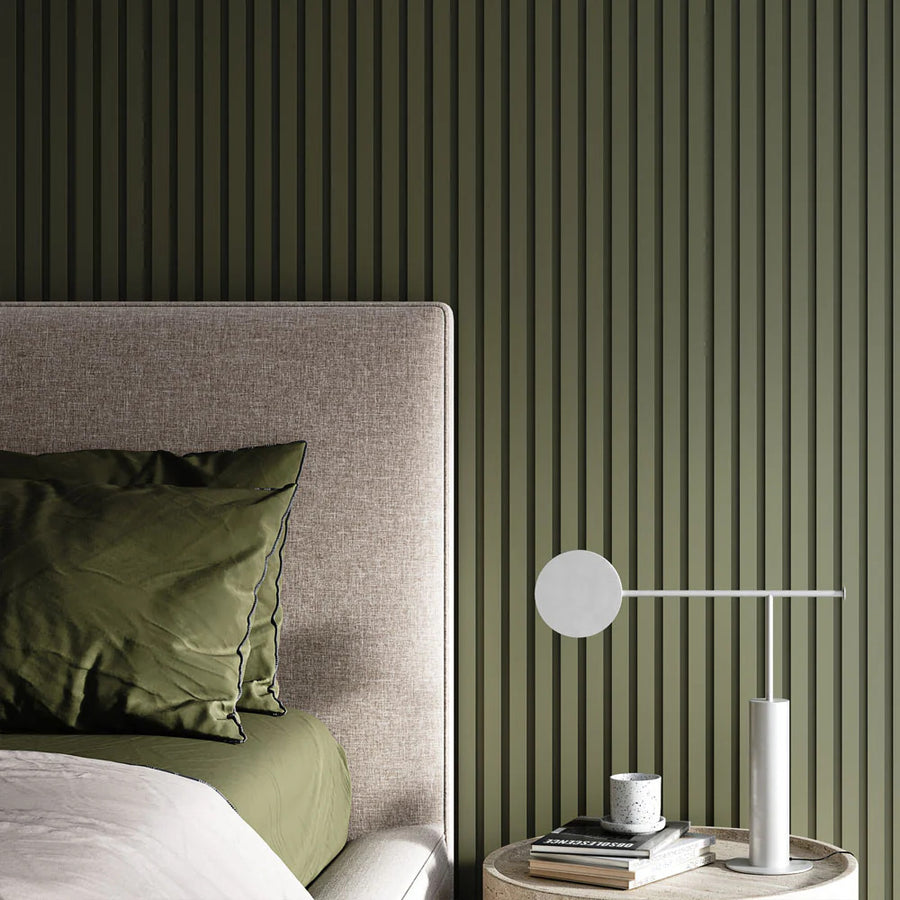
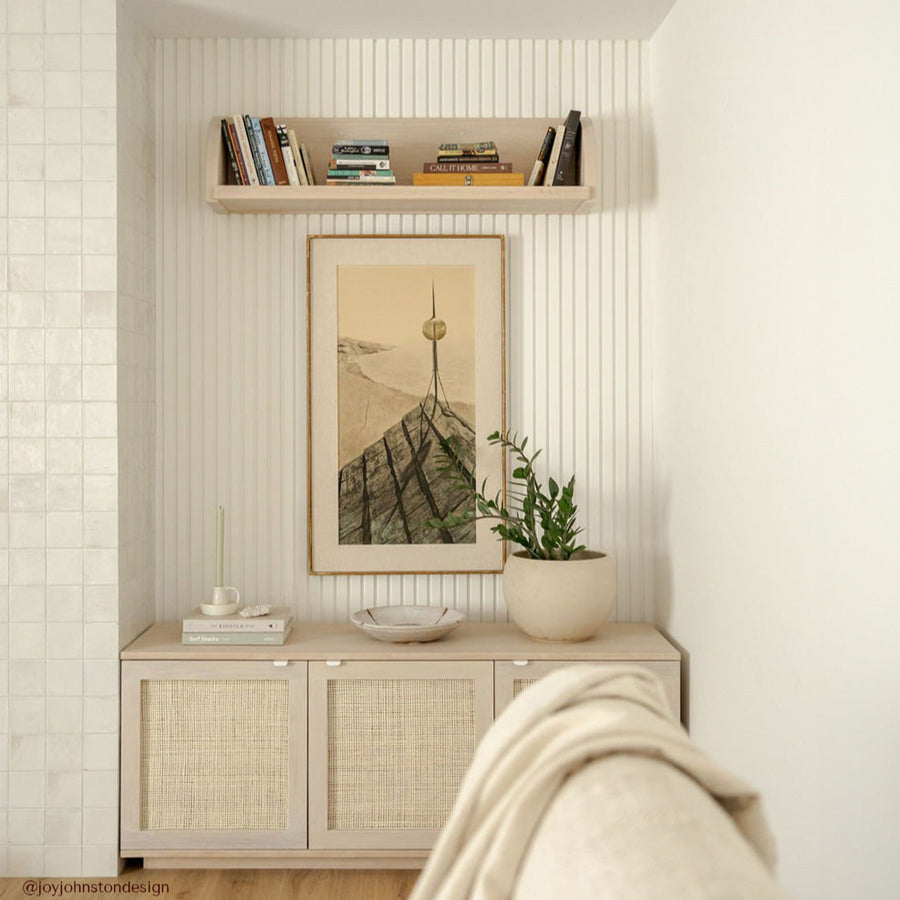
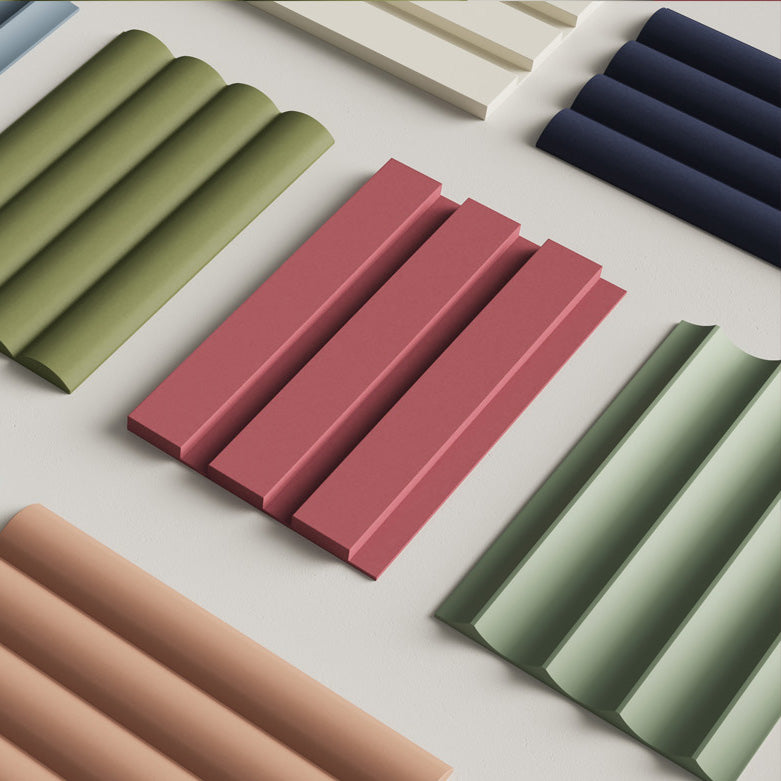
Paintable slatted panels and MDF panels work especially well because they add depth and structure to an otherwise flat wall. Instead of repainting the entire room, install panels just behind your desk to create a defined backdrop.
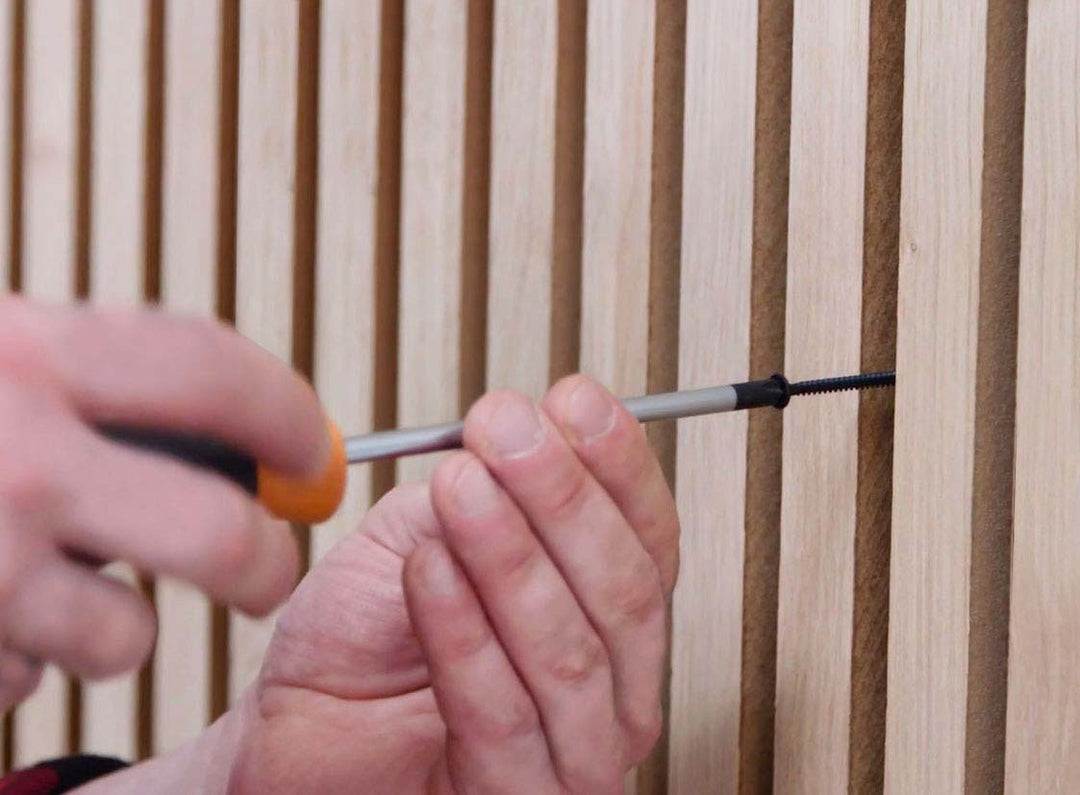
Use heavy-duty adhesive strips or temporary fasteners so the panels stay secure but removable.
Once installed, paint them the same colour as your walls for a subtle texture or go a shade darker to create contrast. Slatted panels also help visually frame your workspace during video calls, which instantly makes the setup look more polished.
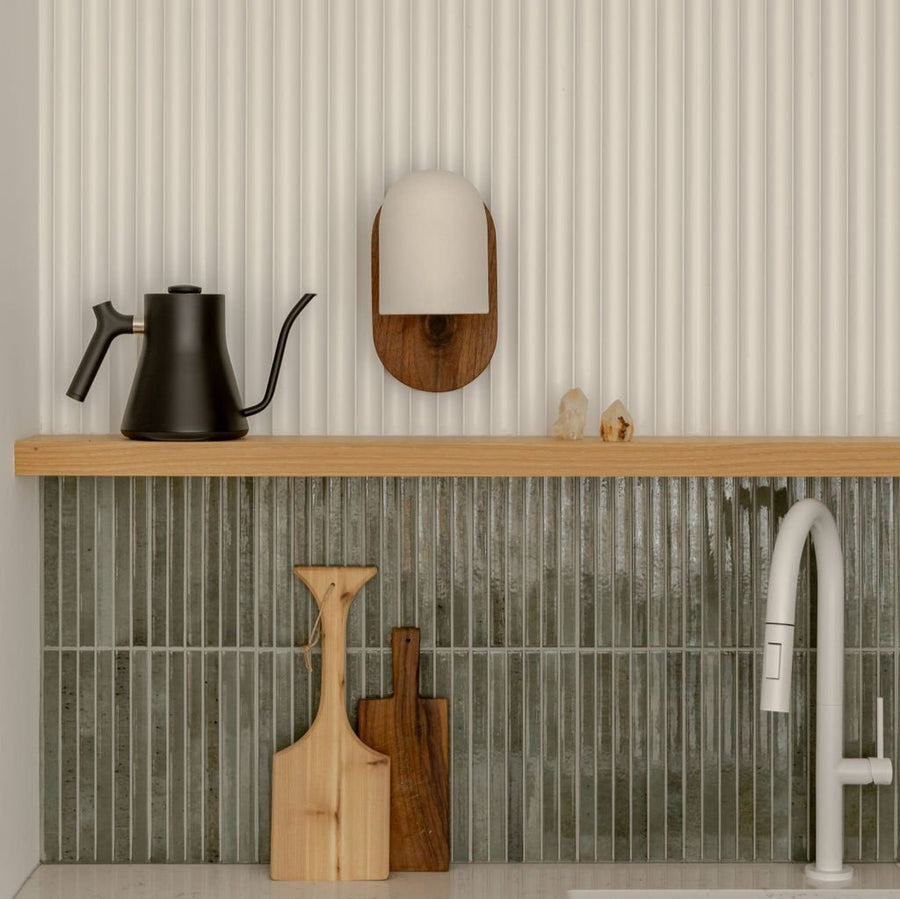
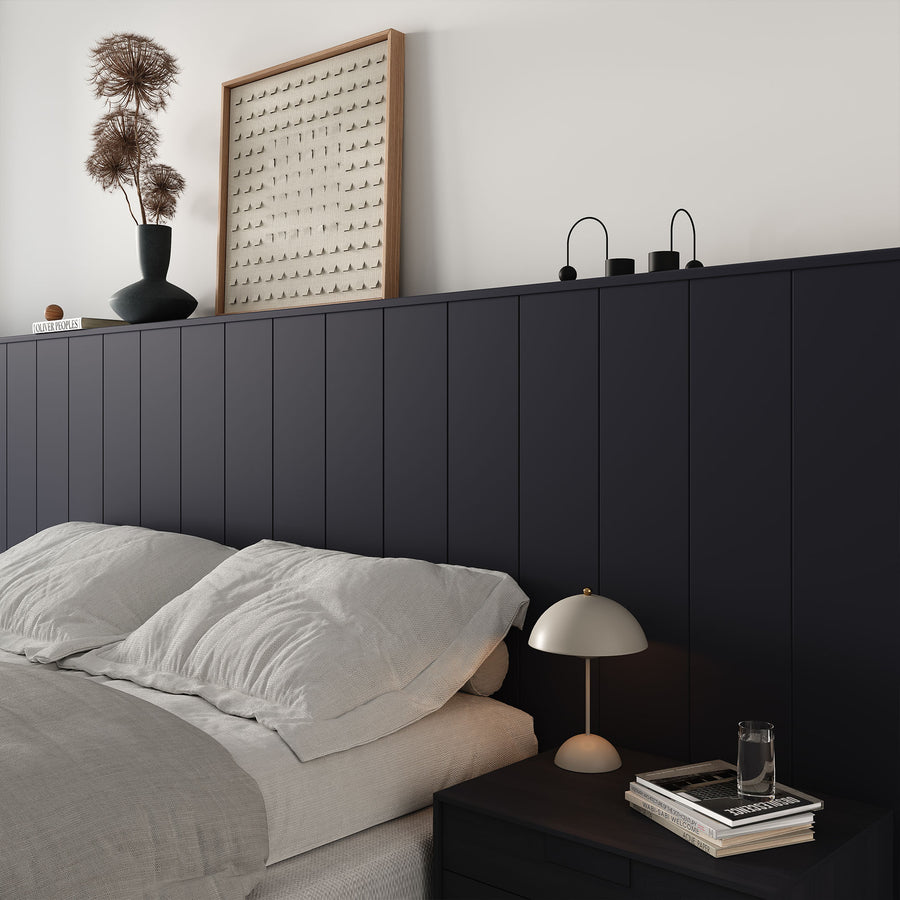
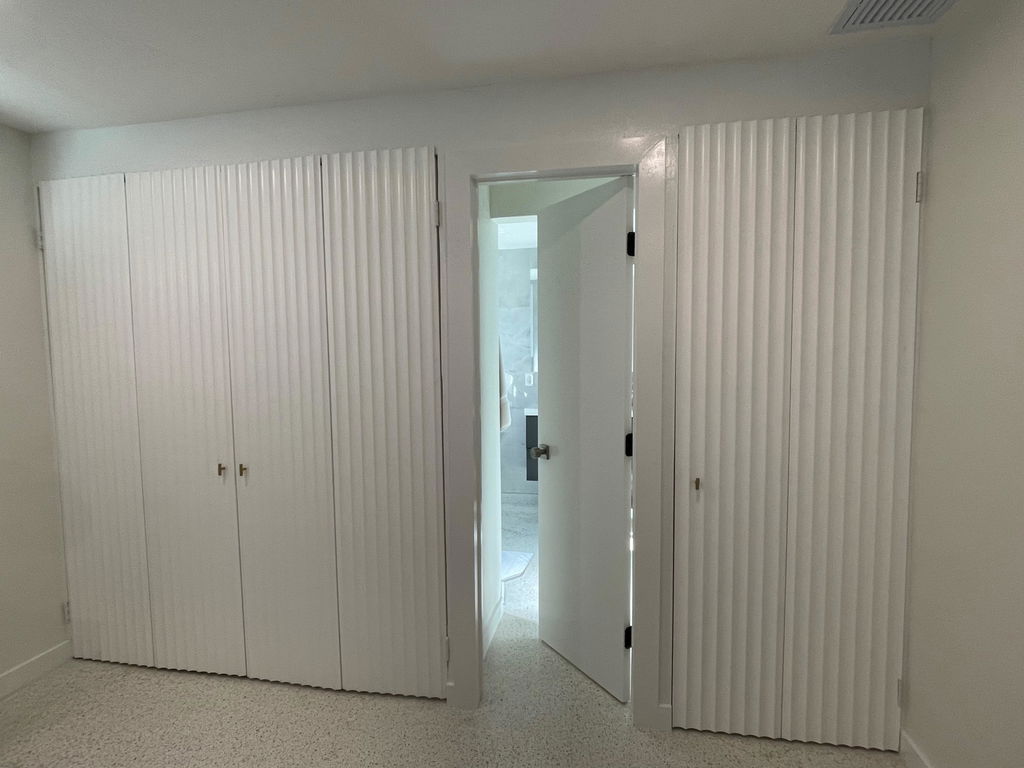
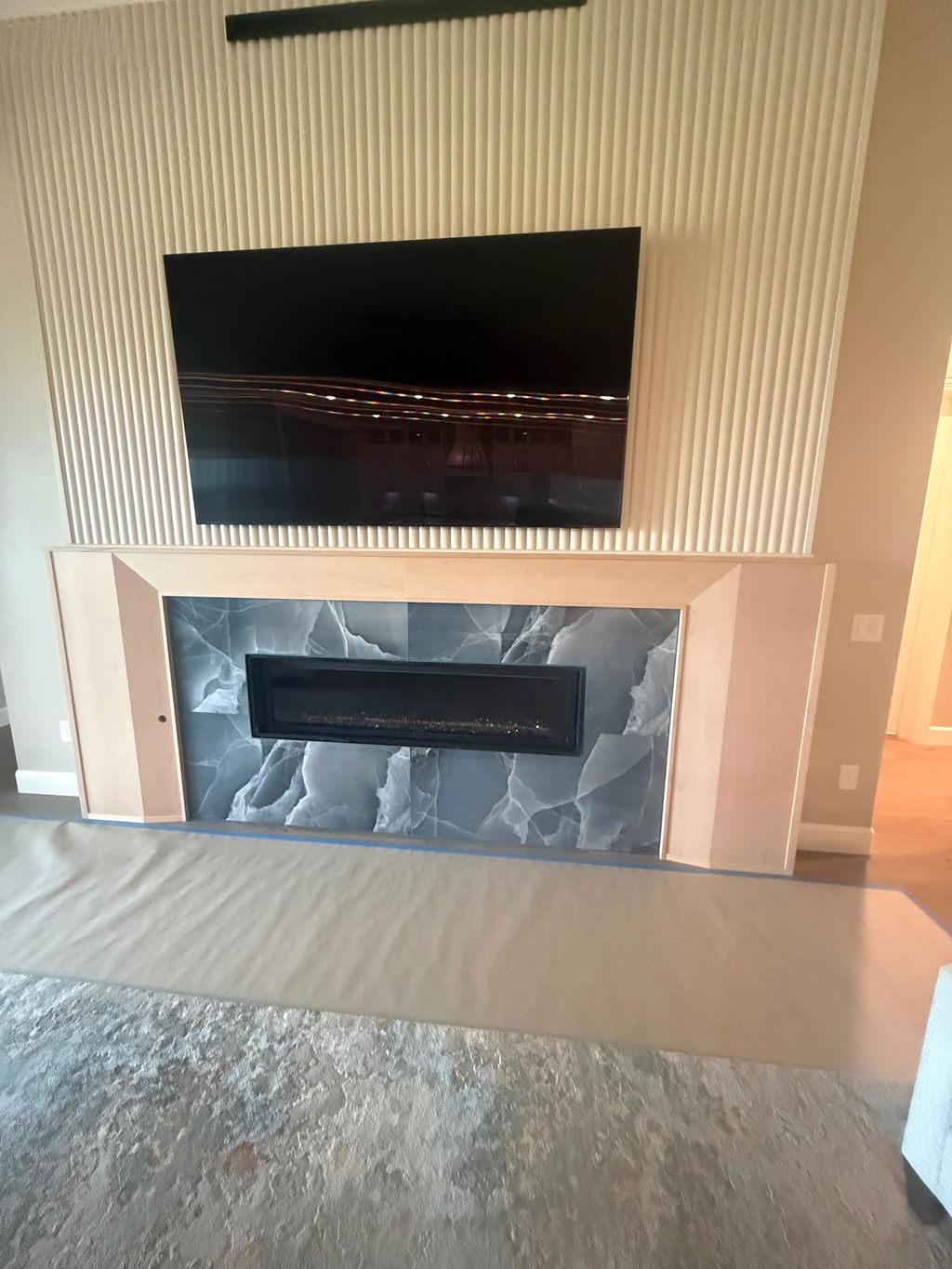
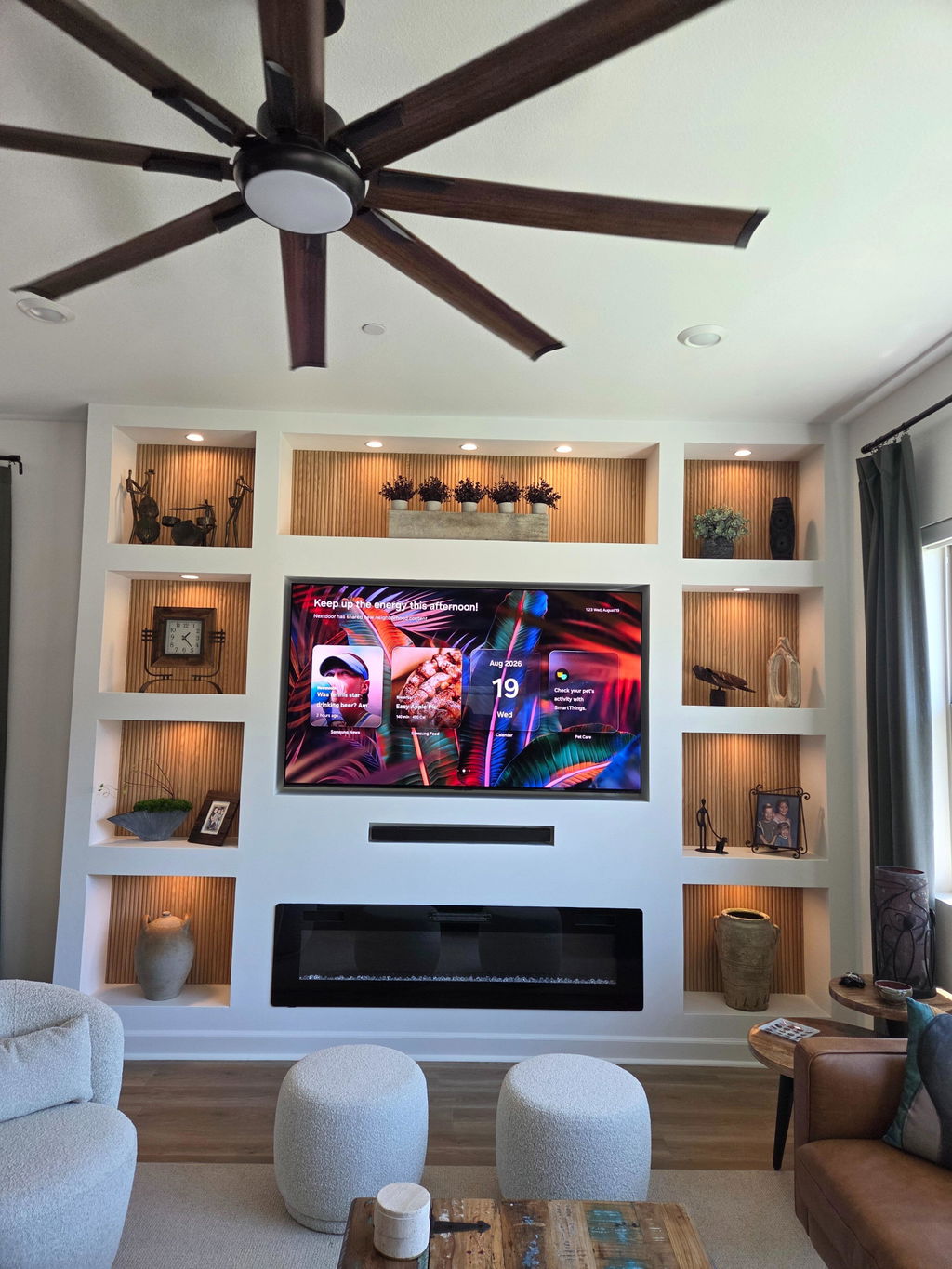
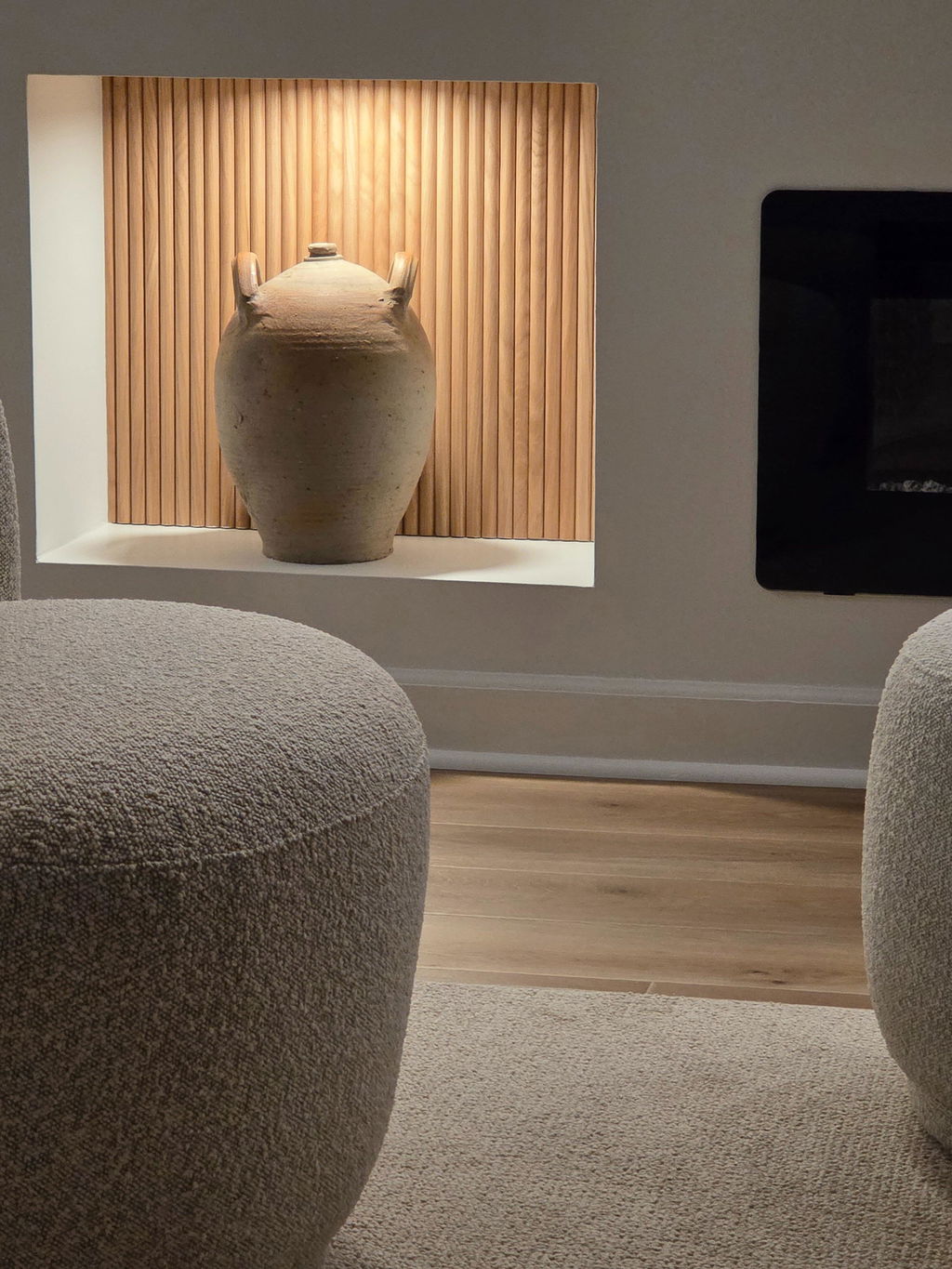
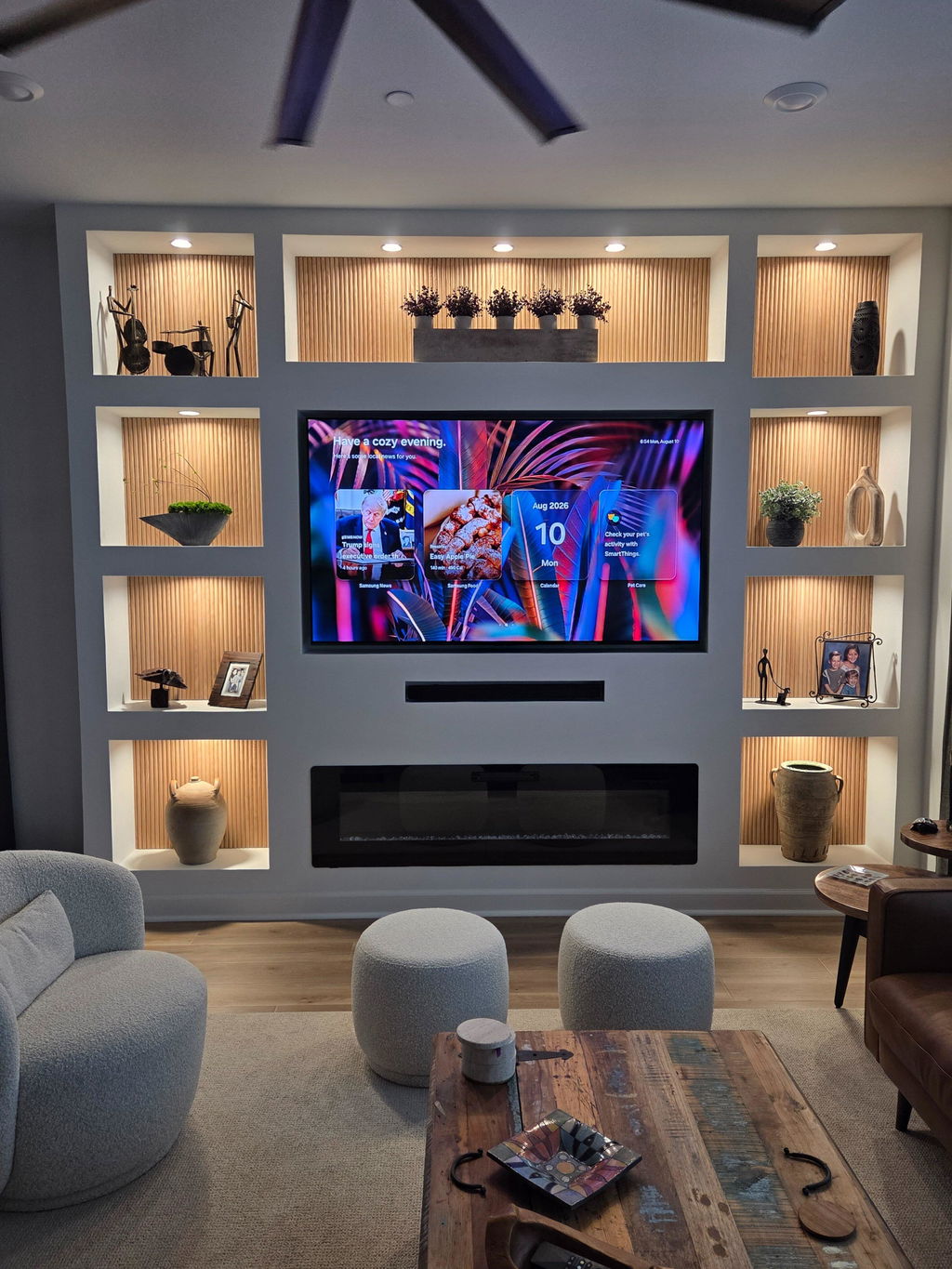
Check out this home office with ribbed paintable wall panels...

Doesn't it look sleek?
And since these panels come pre-primed, you skip prep work and get straight to installation!
It is indeed a simple upgrade that makes the room feel designed rather than improvised.
3. Upgrade Your Desk Surface Instead of Replacing It

A desk does not need replacing just because it looks dated. If the structure is solid, upgrading the surface can completely change how it feels to use.
Desk mats protect the surface while adding comfort for your wrists and forearms. Adhesive wood veneer wraps or removable laminate overlays can refresh the look without permanent changes.
We recommend that you choose finishes that reduce glare, especially if your desk sits near a window or strong light source.
Matte or satin surfaces are easier on the eyes and feel smoother under your hands. If your desk has scratches or uneven areas, overlays also help create a more consistent work surface.
This approach saves money, avoids unnecessary waste, and lets you update the style whenever your taste changes.
4. Use a Room Divider to Define the Workspace


In open-plan homes, visual separation helps with focus more than people realize.
Correct?
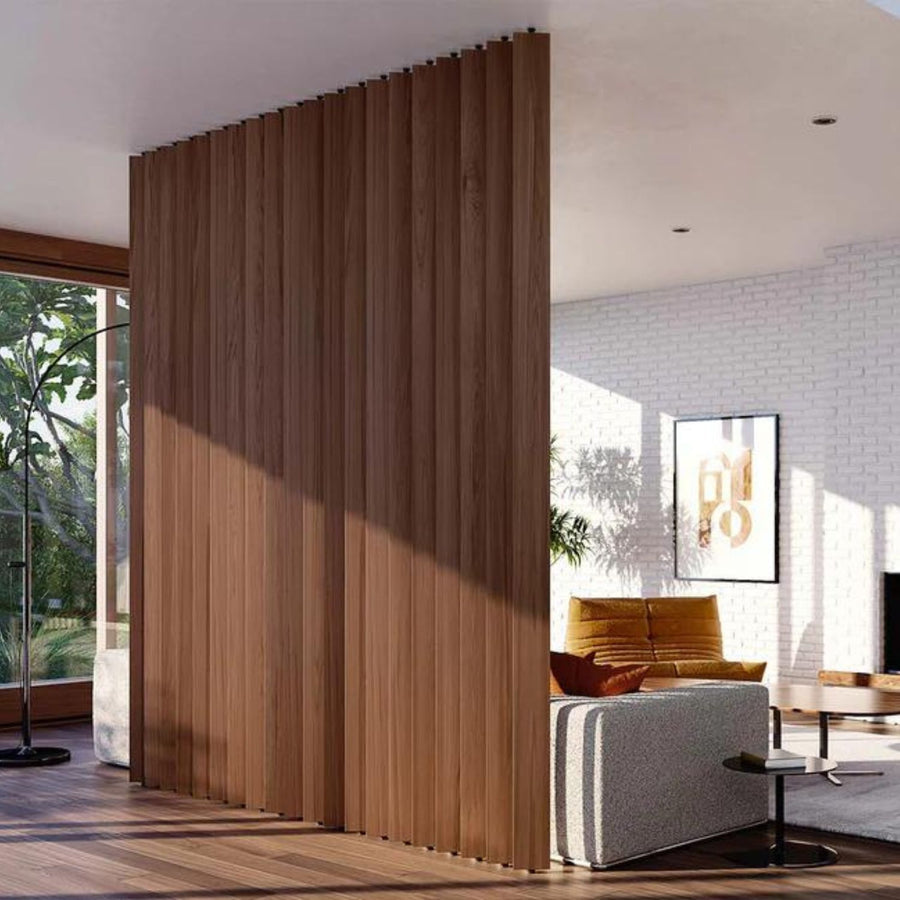
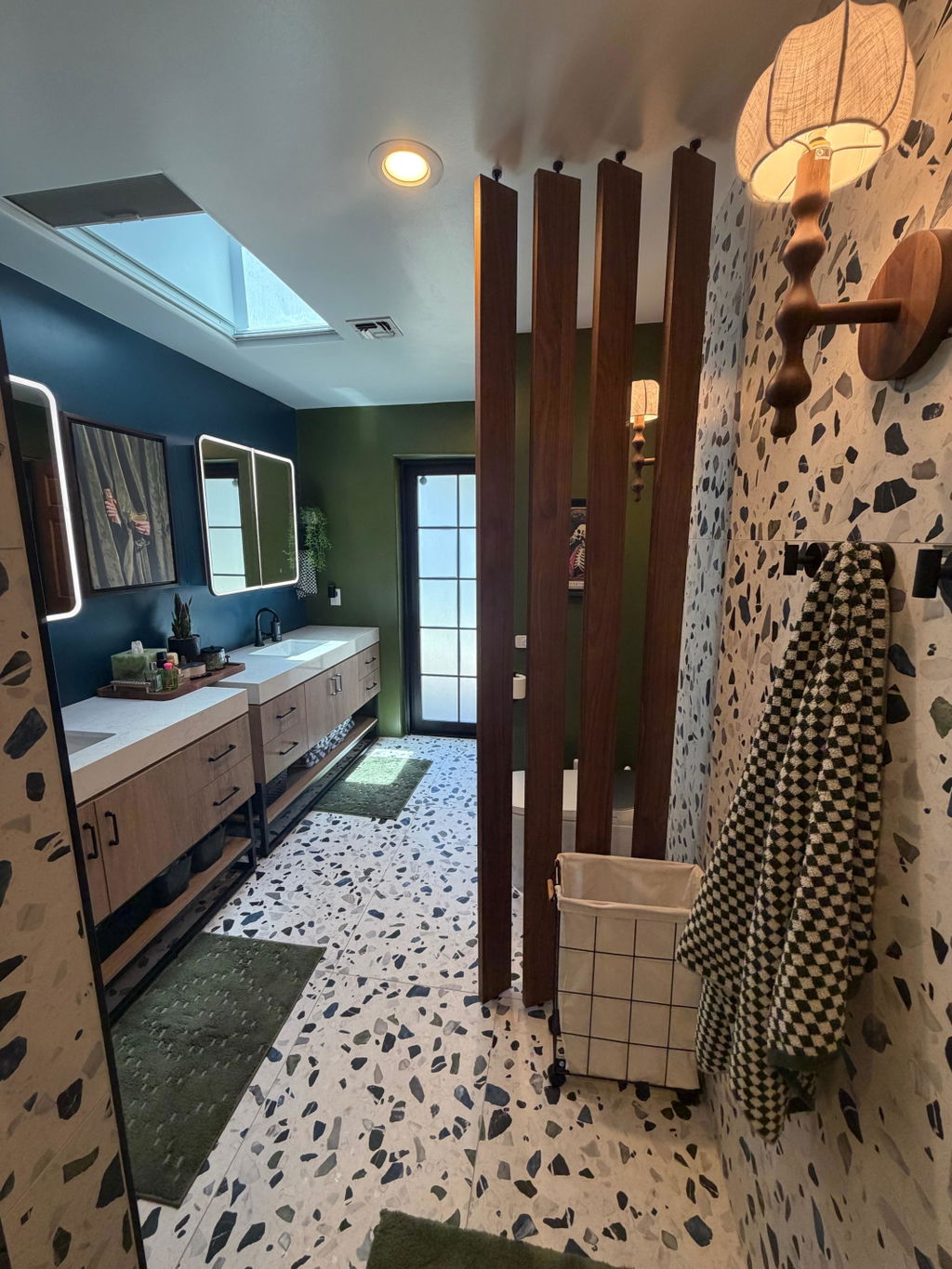
Well... a freestanding bookshelf, folding screen, or wood slat room divider can clearly define your office area without blocking light.
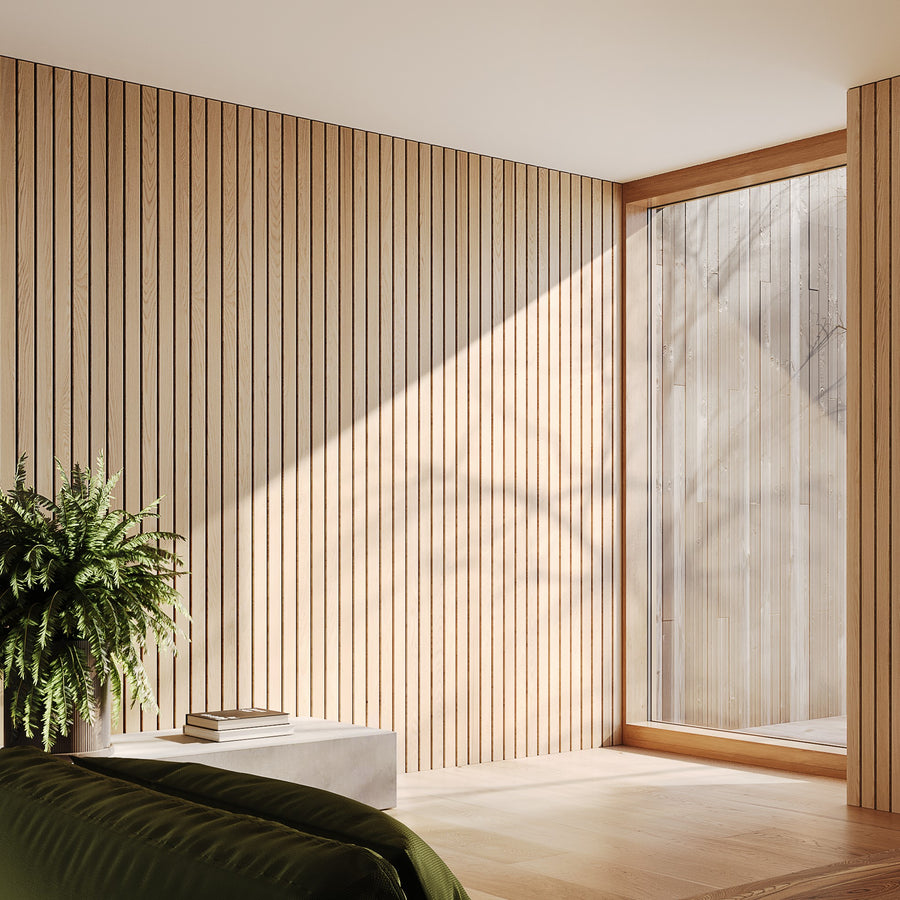
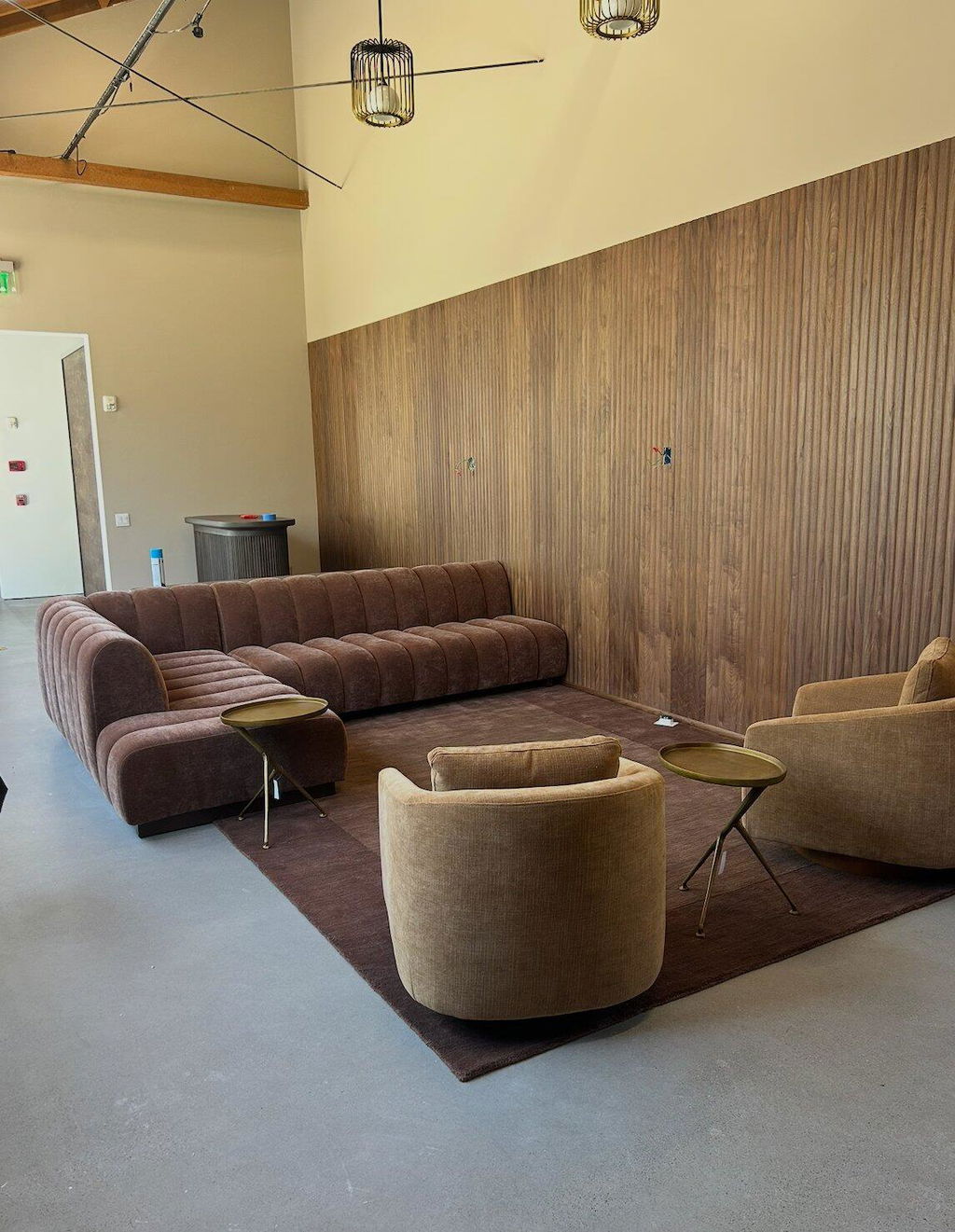
Wide wood slat dividers, just like the one in the image above, are especially effective because they create structure while still allowing airflow and visibility. Place the divider behind your desk or along the edge of your workspace to create a clear boundary between work and living areas.
This separation helps your brain associate that zone with work, which improves focus during the day and makes it easier to disconnect later.
Choose a room divider that matches your existing finishes so it feels intentional rather than temporary. Since these options are freestanding, they work well for renters and can be repositioned as your layout changes.
5. Improve Ergonomics With Small Adjustments

Good ergonomics does not require expensive furniture because small changes can greatly improve comfort and reduce strain.
Start with chair height so your feet rest flat on the floor and your knees align with your hips. Next, raise your monitor so the top of the screen sits at or just below eye level.
This reduces neck tension over time. Use a separate keyboard and mouse if you work on a laptop for long hours. A lumbar cushion also supports the natural curve of your lower back and helps maintain better posture.
Even a simple footrest can relieve pressure during long sitting periods!
These adjustments improve comfort immediately and help prevent long-term discomfort without changing your entire setup.
6. Add Acoustic Softening for Better Focus


Sound control is often overlooked in home offices, yet it plays a big role in concentration. Hard surfaces reflect sound, which creates echoes and background noise during calls.
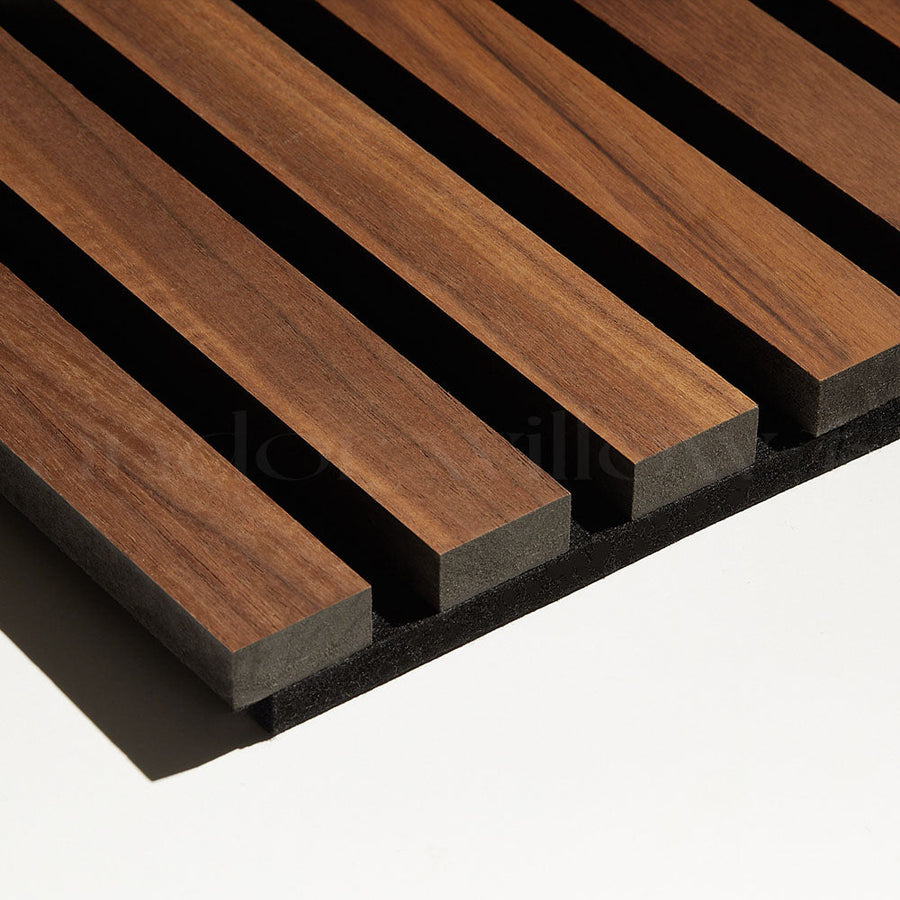
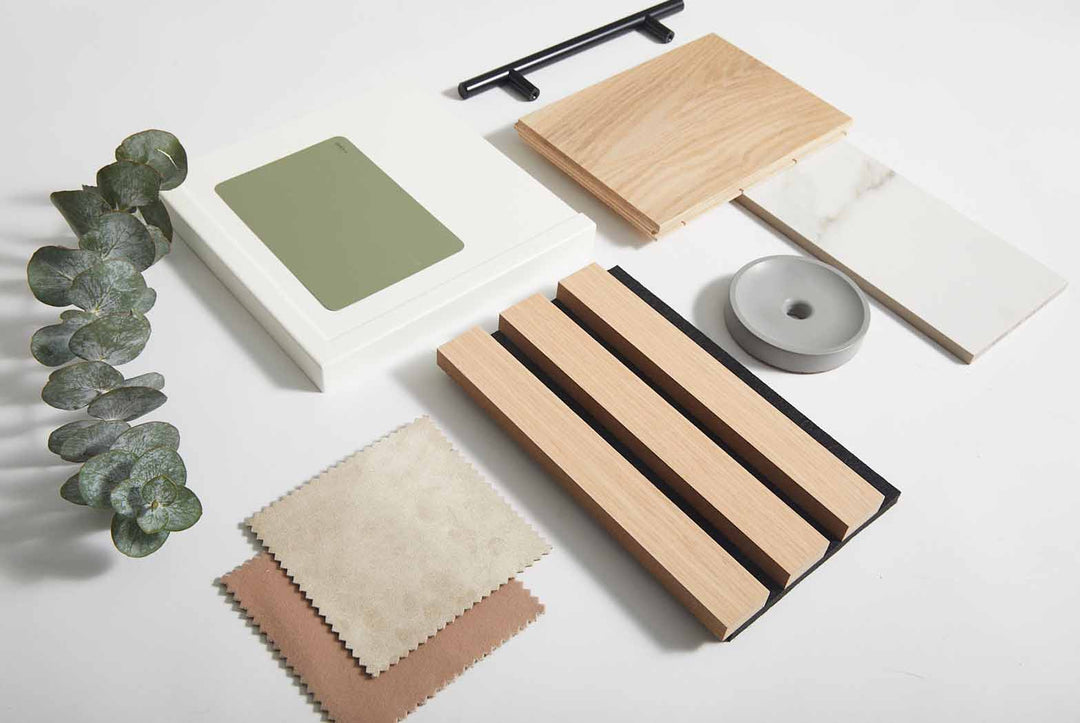
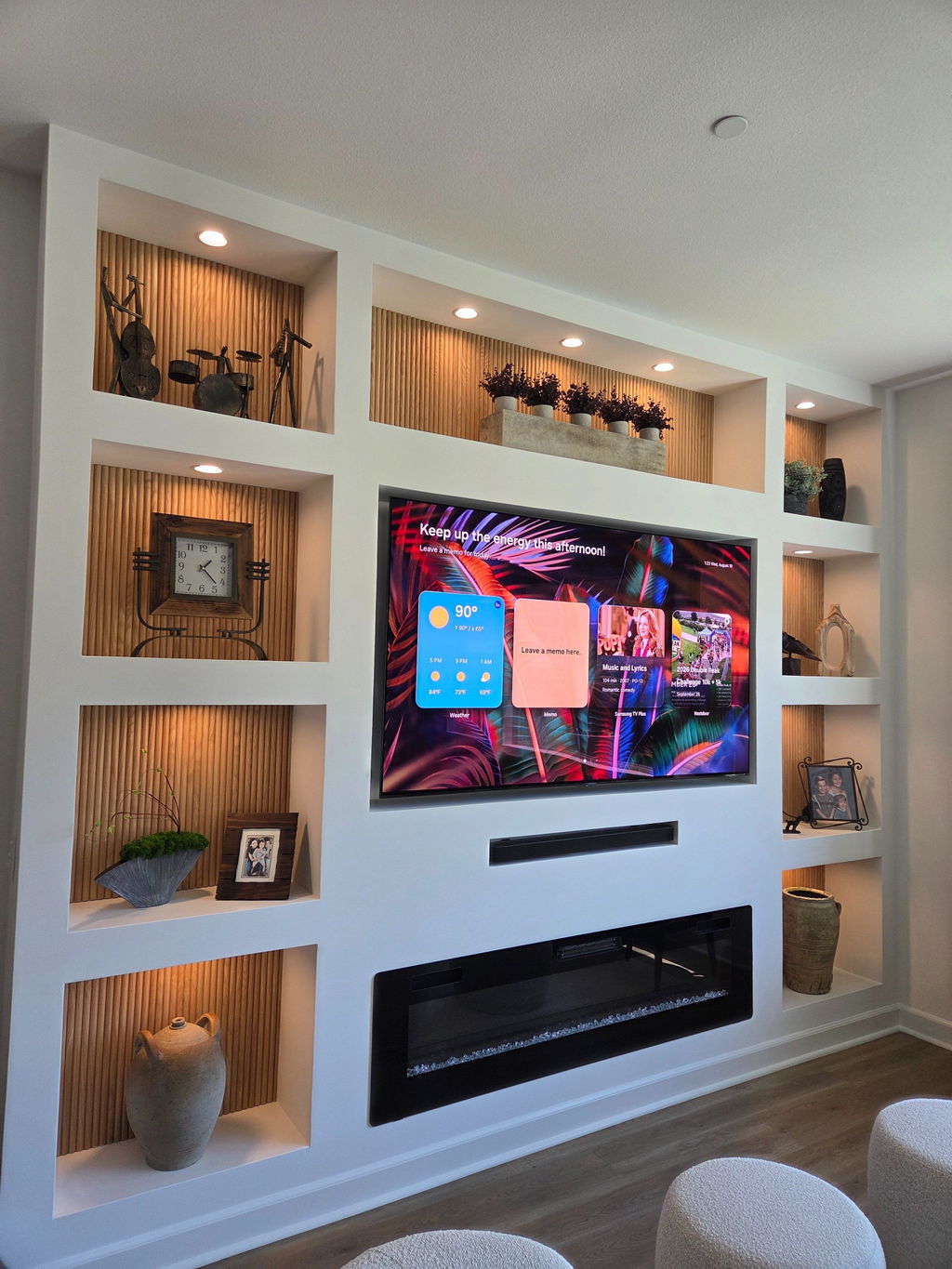
Installing acoustic wood slat wall panels or even adding soft materials helps absorb sound and makes the room feel calmer.
Felt-backed wall panels reduce echo while adding visual texture...
Fabric pinboards double as sound absorbers and organization tools. Rugs help soften footsteps and reduce noise from below, especially in apartments. Thick curtains also absorb sound while controlling light.
These upgrades are easy to install and remove, making them ideal for temporary setups!
Improved acoustics make video calls clearer and help you stay focused, especially in shared living spaces.
7. Upgrade Storage With Vertical Solutions

Clutter builds quickly in a home office, especially when storage is limited.
Vertical storage keeps essentials accessible without crowding your desk. Wall-mounted shelves hold books, equipment, and decor while freeing up surface space.
Pegboards are also useful for tools, cables, and supplies that need quick access!
Slim vertical organizers work well for paperwork and stationery. Use removable mounting systems so everything can be taken down later.
Group items by function, like daily tools versus occasional supplies, to reduce visual noise. This approach keeps your workspace organized and efficient without adding bulky furniture that eats too much floor space.
Conclusion
Upgrading a home office without renovating comes down to smart, flexible choices.
By focusing on lighting, ergonomics, storage, and renter-friendly wall treatments like paintable wide fluted panels and MDF panels, you can create a space that feels polished and productive.
These updates are easy to install, easy to reverse, and effective right away, making them ideal for both renters and homeowners who want results without any disruption.



Leave a comment