 Skip to content







Can You Install Wall Panels Yourself? DIY vs Professional Installation

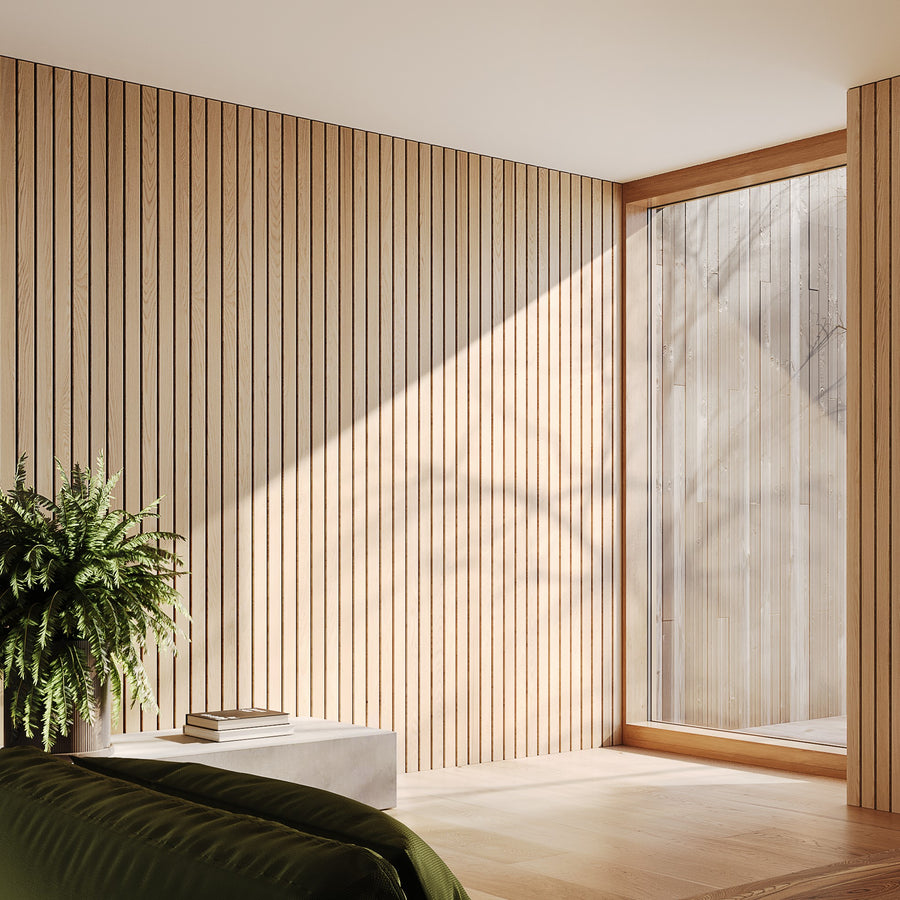
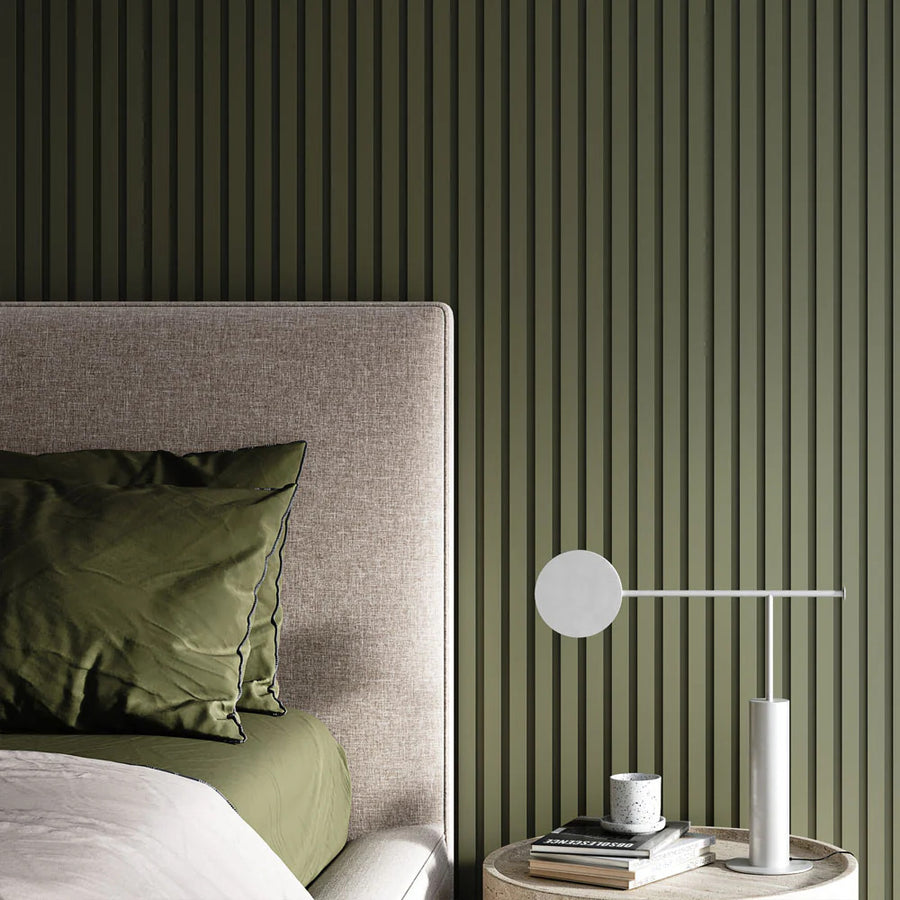
Wall panels can completely transform a room. A plain bedroom wall can become a stunning feature, while a basic living room can instantly feel warmer, more stylish, and more expensive without a major renovation.
Because installation videos make the process look so easy, many homeowners wonder whether they can install wall panels themselves.
The answer is yes... sometimes.
It depends on the type of wall panels you're using, like slat panels or fluted ones, the condition of your walls, and how comfortable you are with measuring, cutting, and problem-solving when things don't go exactly as planned.
Key Takeaways
- DIY wall panel installation can work well for smaller, straightforward projects.
- Tongue and Groove Panels and V-Groove Paintable Panels are generally the most DIY-friendly options.
- Preparation, measurements, and alignment have a major impact on the final result.
- Professional installation is often worth considering for large feature walls and complex layouts.
- The best choice depends on your budget, available time, skill level, and desired finish.
The Appeal of DIY Wall Panel Installation
Why Homeowners Choose the DIY Route

For many homeowners, the biggest advantage of DIY installation is saving money.
If you're creating a feature wall behind a television or updating a guest bedroom, eliminating labor costs can make a noticeable difference to the budget.
There's also a certain pride that comes with doing the work yourself. After spending a weekend on a project, seeing the finished wall every day can feel incredibly rewarding.
Modern Wall Panels Are Easier to Install Than Ever
Today's wall panel systems are designed to be much more user-friendly than older products. Many are created specifically to help homeowners achieve a professional appearance without needing advanced carpentry skills.
For example, Andor Willow's tongue and groove panels measure 2400mm x 600mm x 21mm and feature interlocking edges that help keep the panels aligned. They work particularly well for home offices, bedroom feature walls, and media wall projects.
What Makes Wall Panel Installation Challenging?
Preparation Matters More Than Most People Think
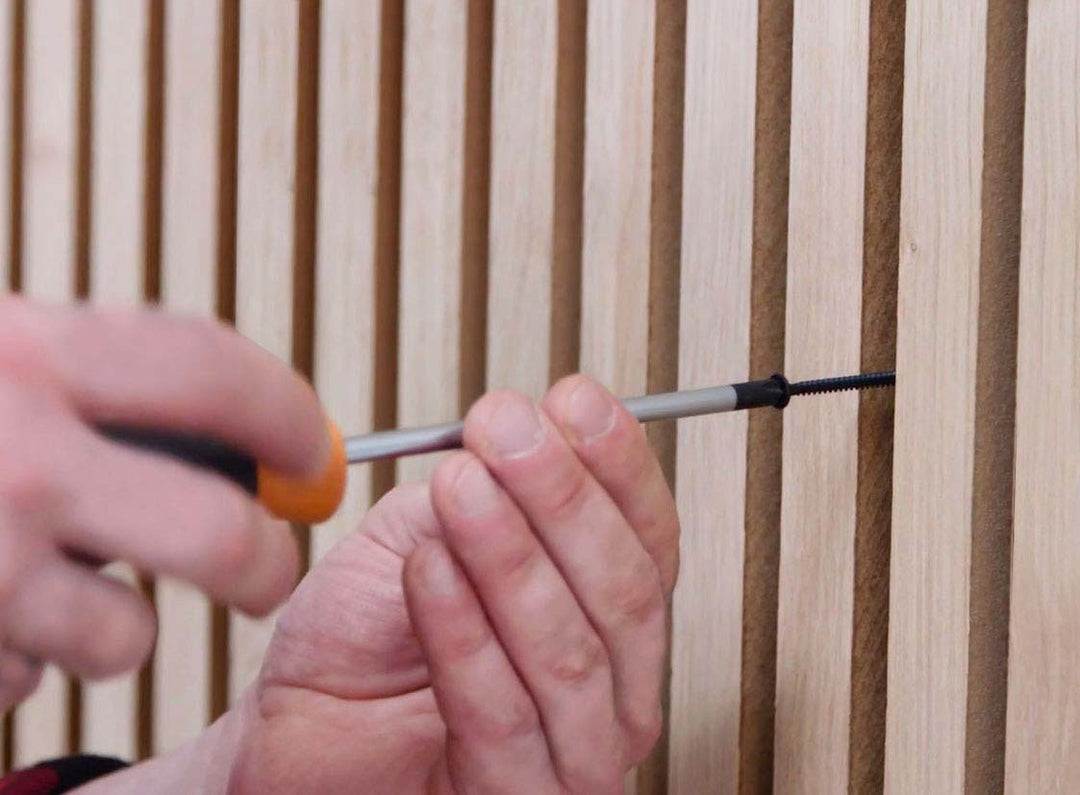
One of the biggest surprises for first-time DIYers is that installing wall panels isn't really about attaching panels to the wall. The preparation stage often takes just as much attention.


Professional installers spend time checking wall conditions, marking level lines, and planning the layout before making a single cut. It may feel tedious, but those extra steps often prevent major headaches later.
Imagine installing panels behind a TV wall only to discover that the final panel doesn't fit properly because the measurements were slightly off. That's the kind of frustration many homeowners don't see coming.
Small Mistakes Can Become Big Visual Problems
Wall panels naturally draw attention because of their clean lines and repeating patterns. That's part of what makes them look so impressive.
However, those same lines can also highlight mistakes. If the first panel is slightly out of level, the problem can continue across the entire wall and become more obvious with every panel that's added.
A gap of only a few millimeters may not sound significant, but once the project is finished, it can become the first thing you notice every time you enter the room.
Which Wall Panels are More DIY-Friendly?
V-Groove Paintable Panels


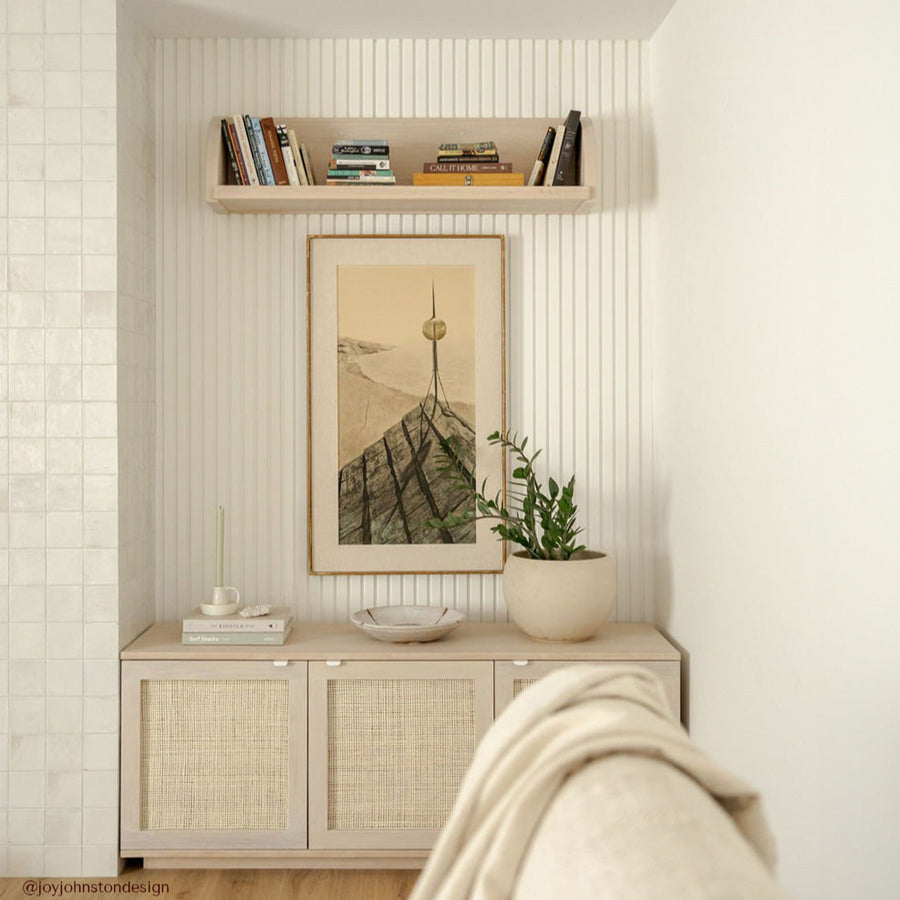
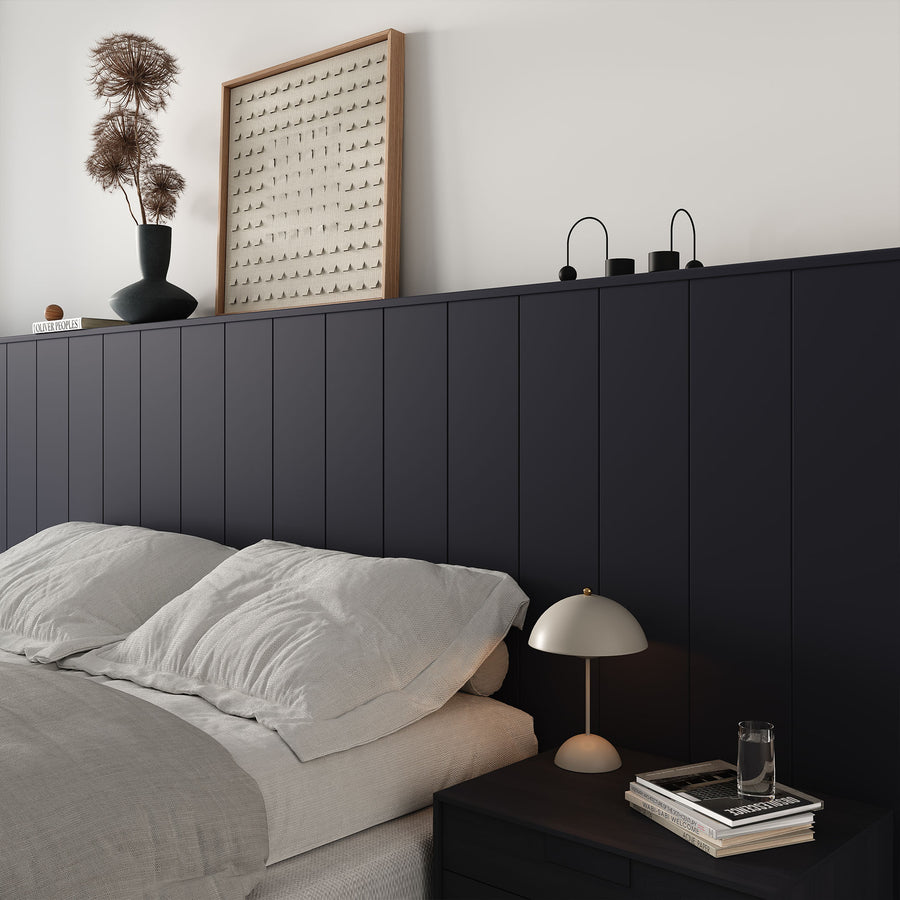
V-groove paintable panels are another beginner-friendly option. Since they are painted after installation, minor imperfections can usually be hidden during the finishing process.
They're a popular choice for hallways, living rooms, and bedrooms where homeowners want a decorative look without overly complicated installation requirements.
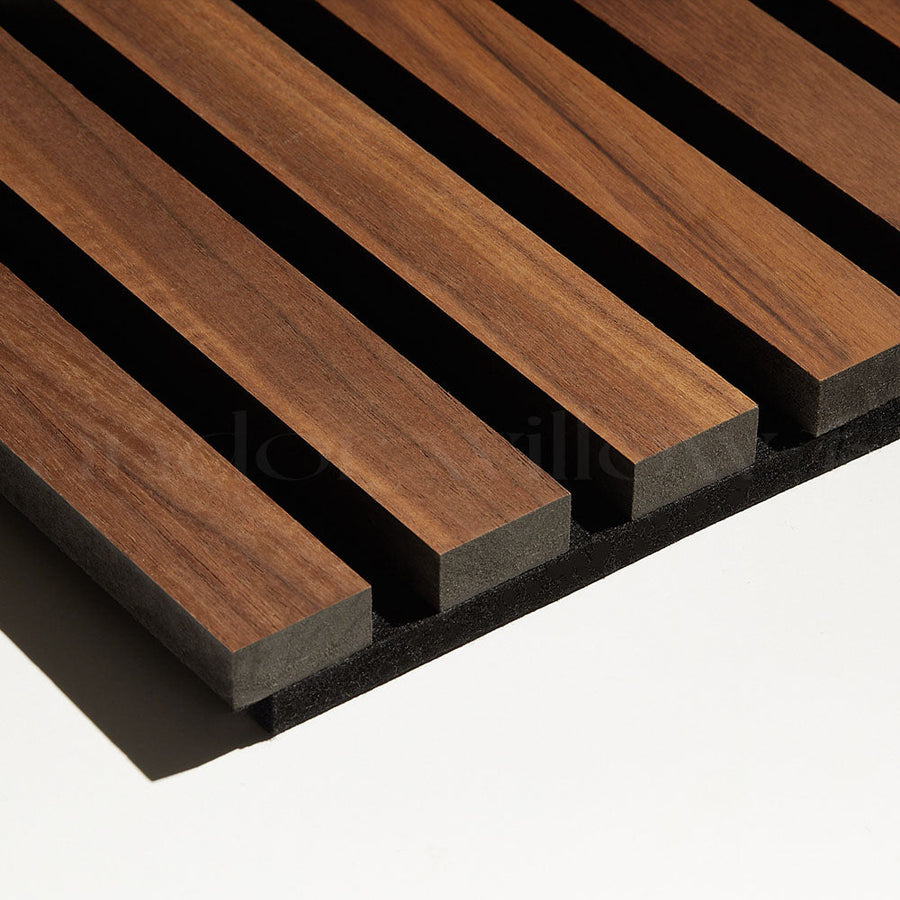
Wood Slat Panels


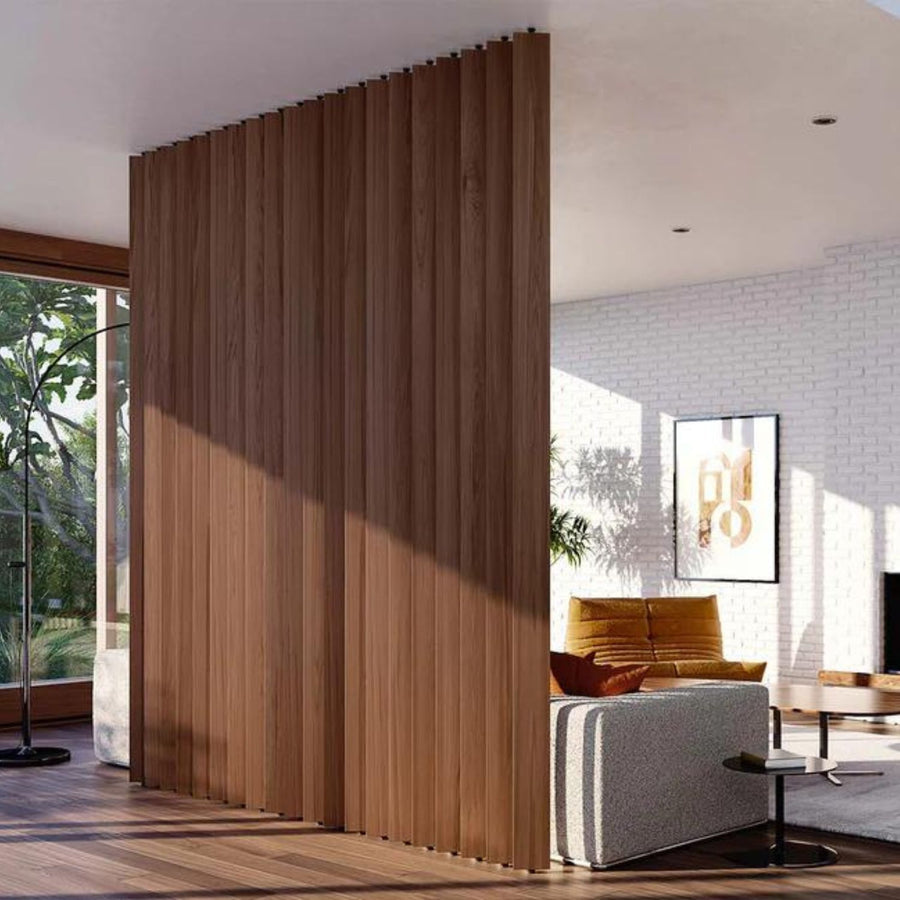
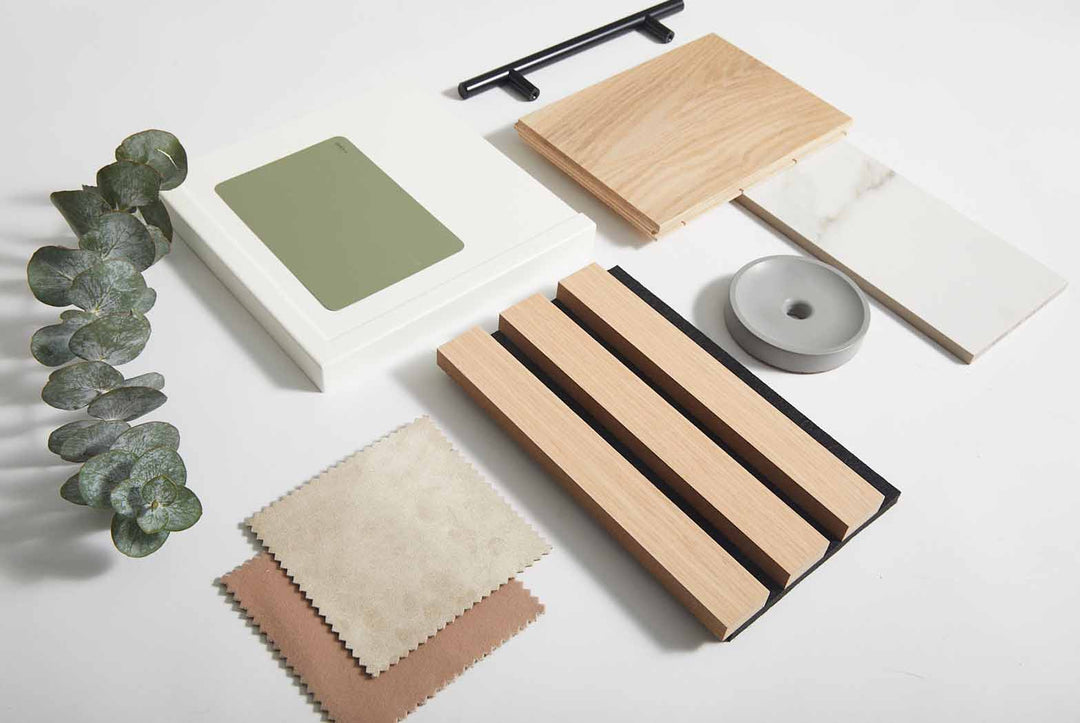
Wood slat panels require a little more patience. The installation process is relatively straightforward, but consistent spacing and perfect alignment become increasingly important as the project progresses.
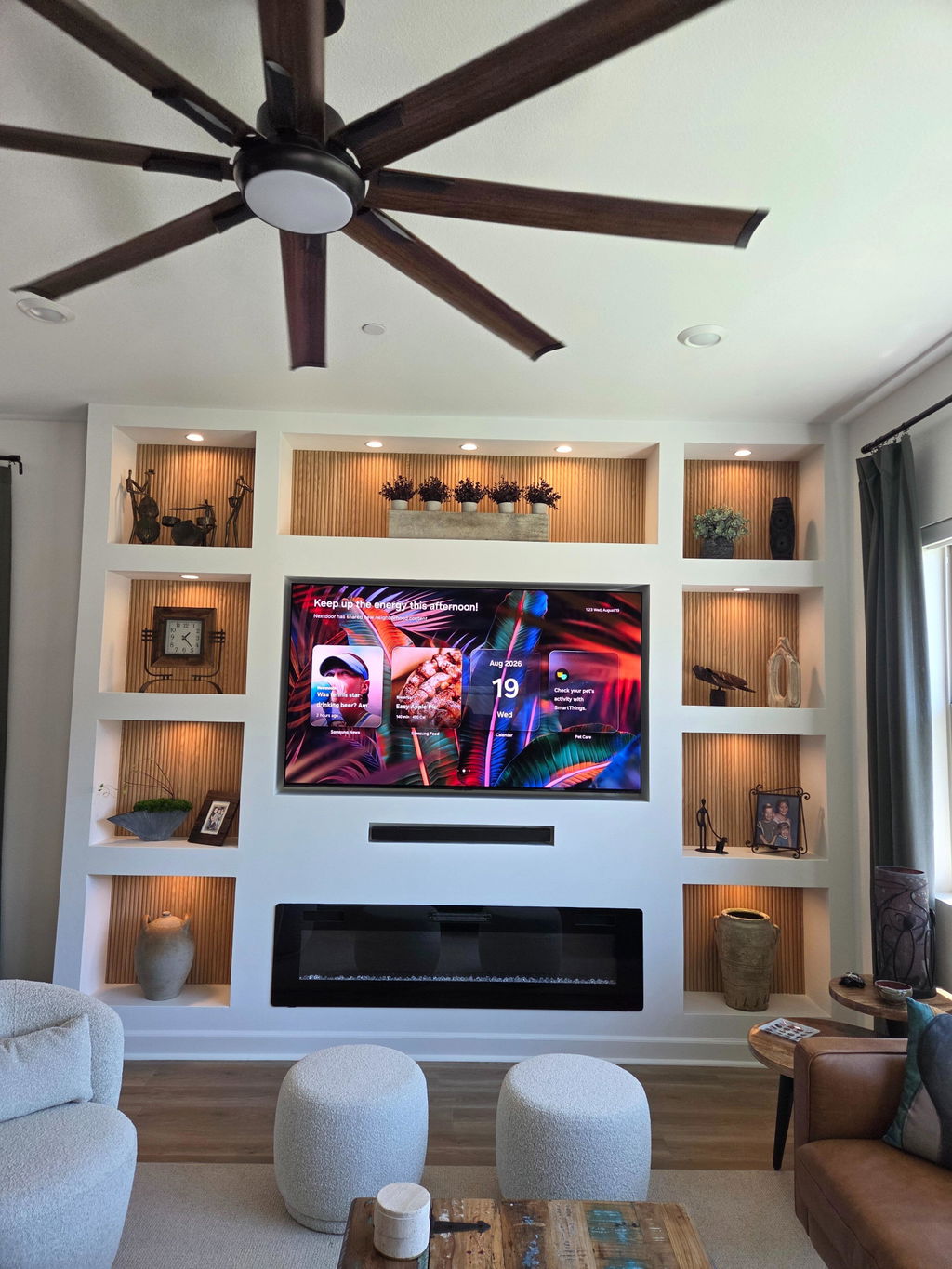
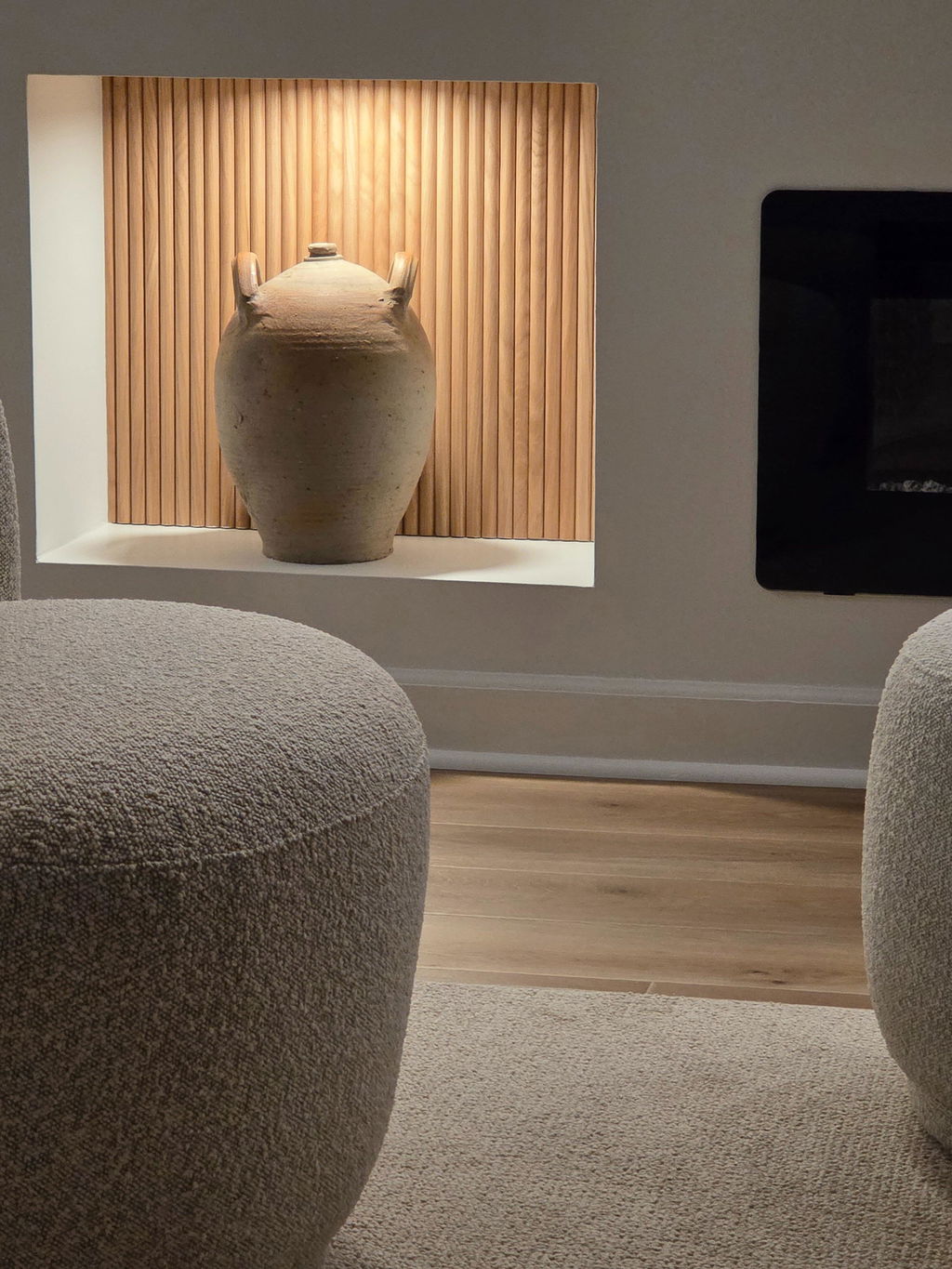
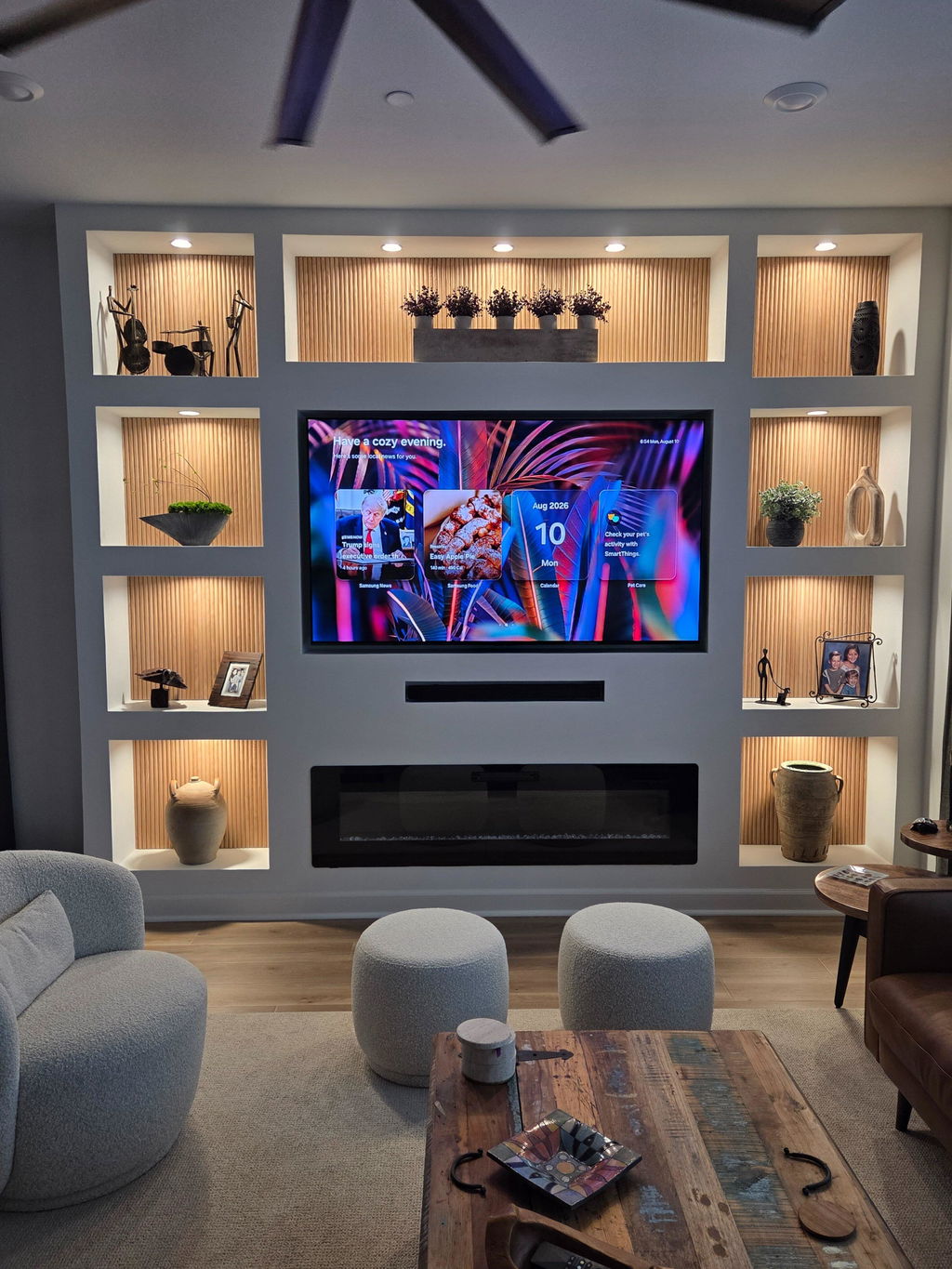
For example, a slat wall behind a floating entertainment unit may look stunning when installed correctly. However, uneven spacing can quickly affect the overall appearance.
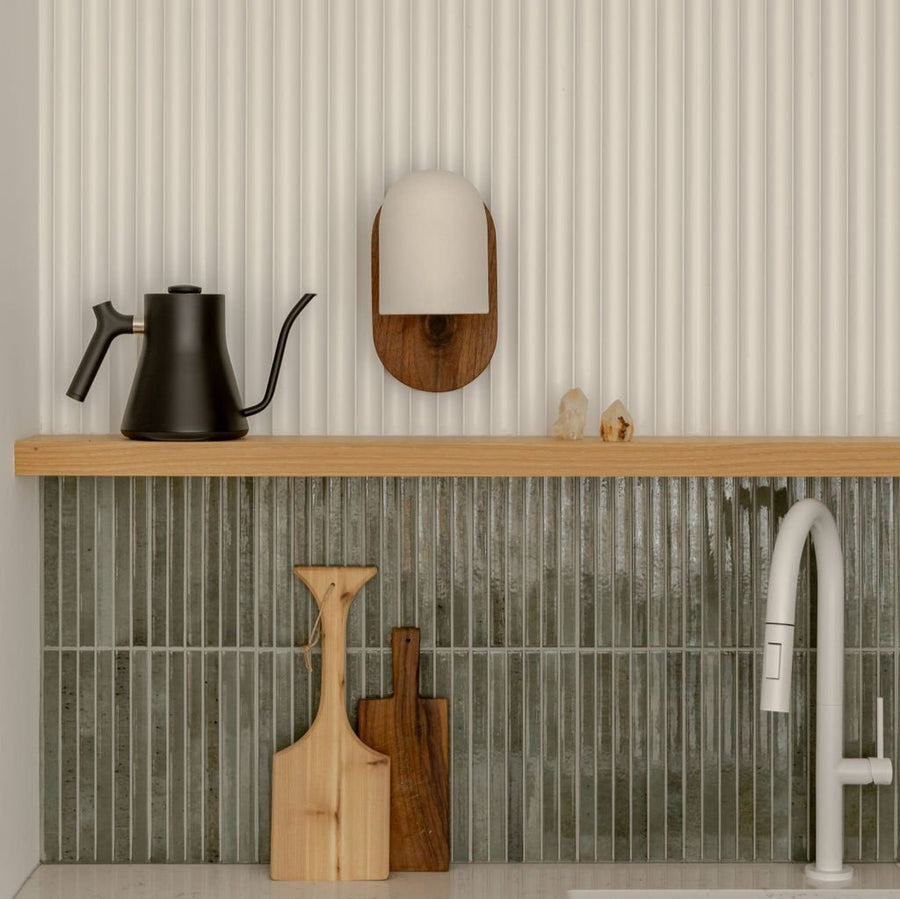
Fluted Wall Panels

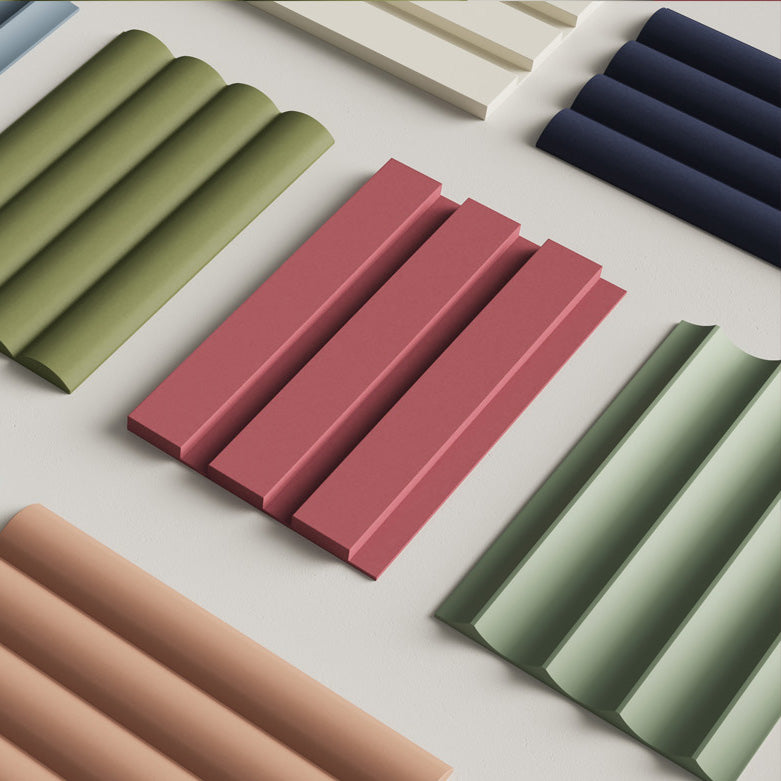
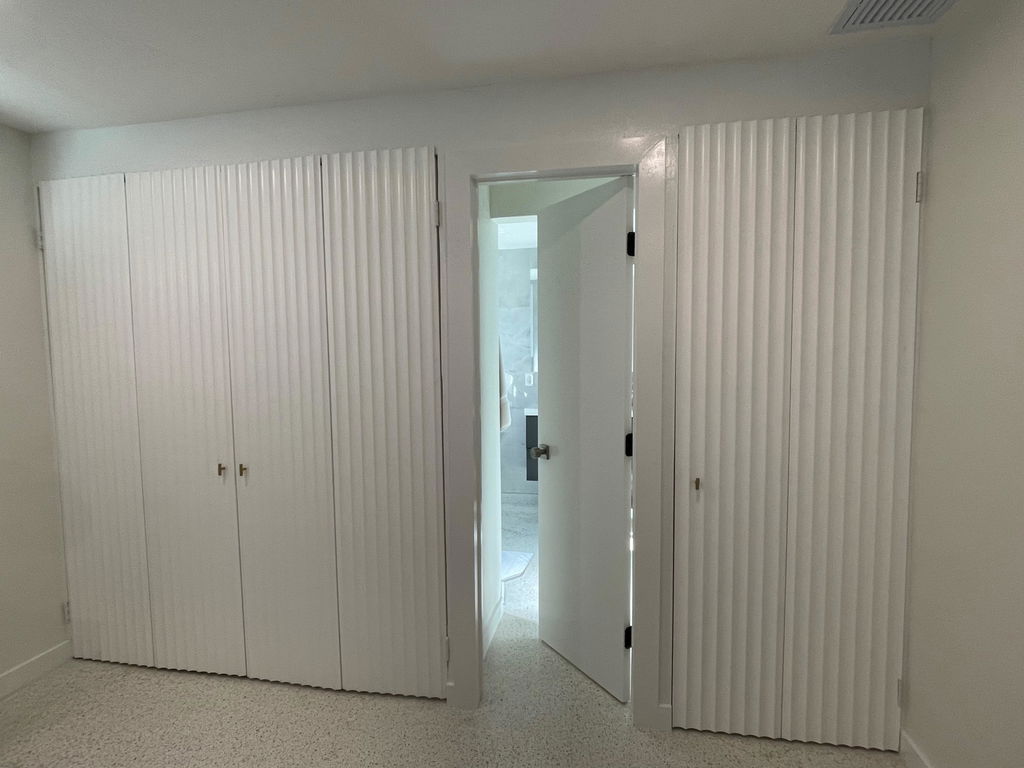
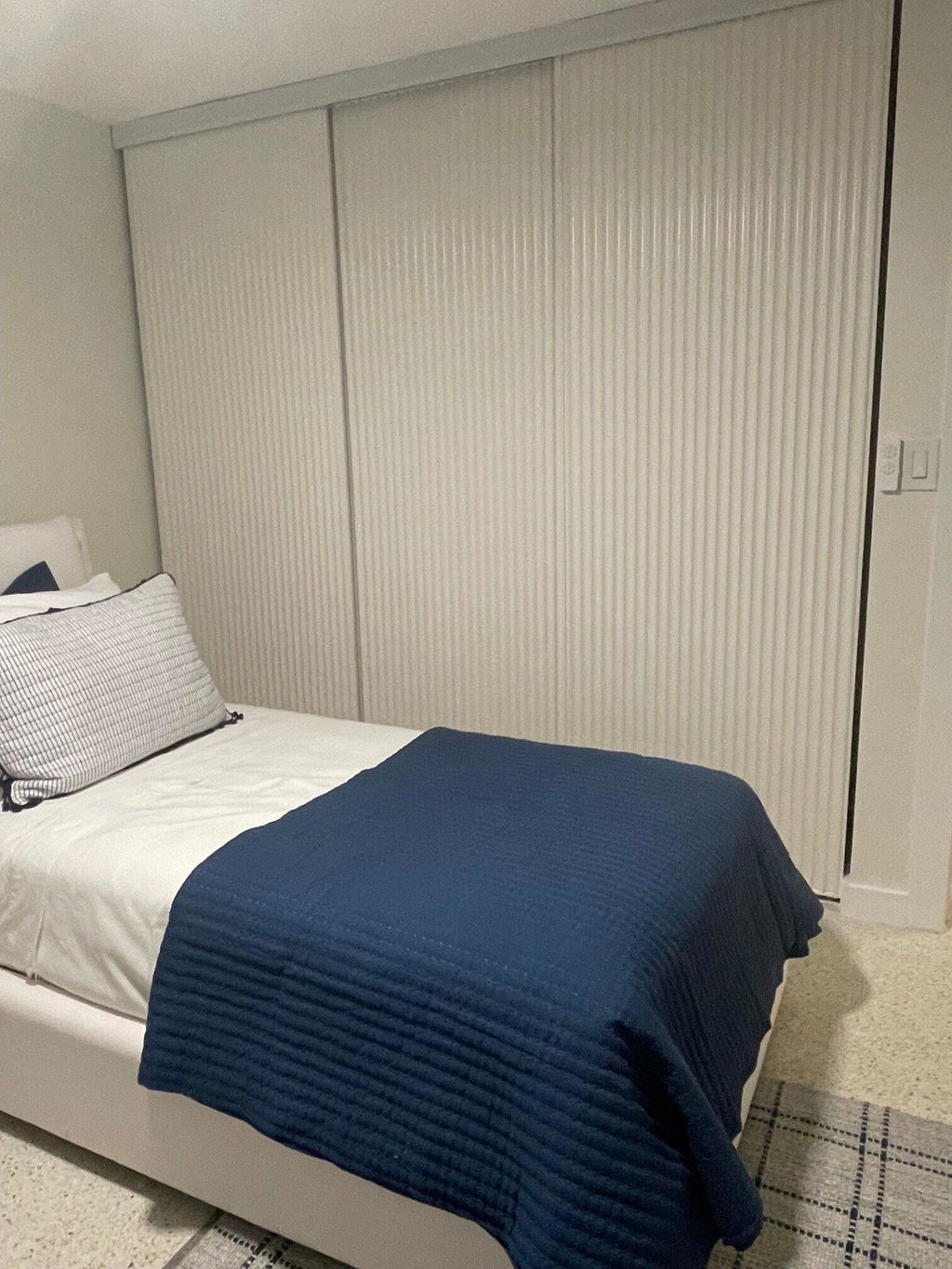
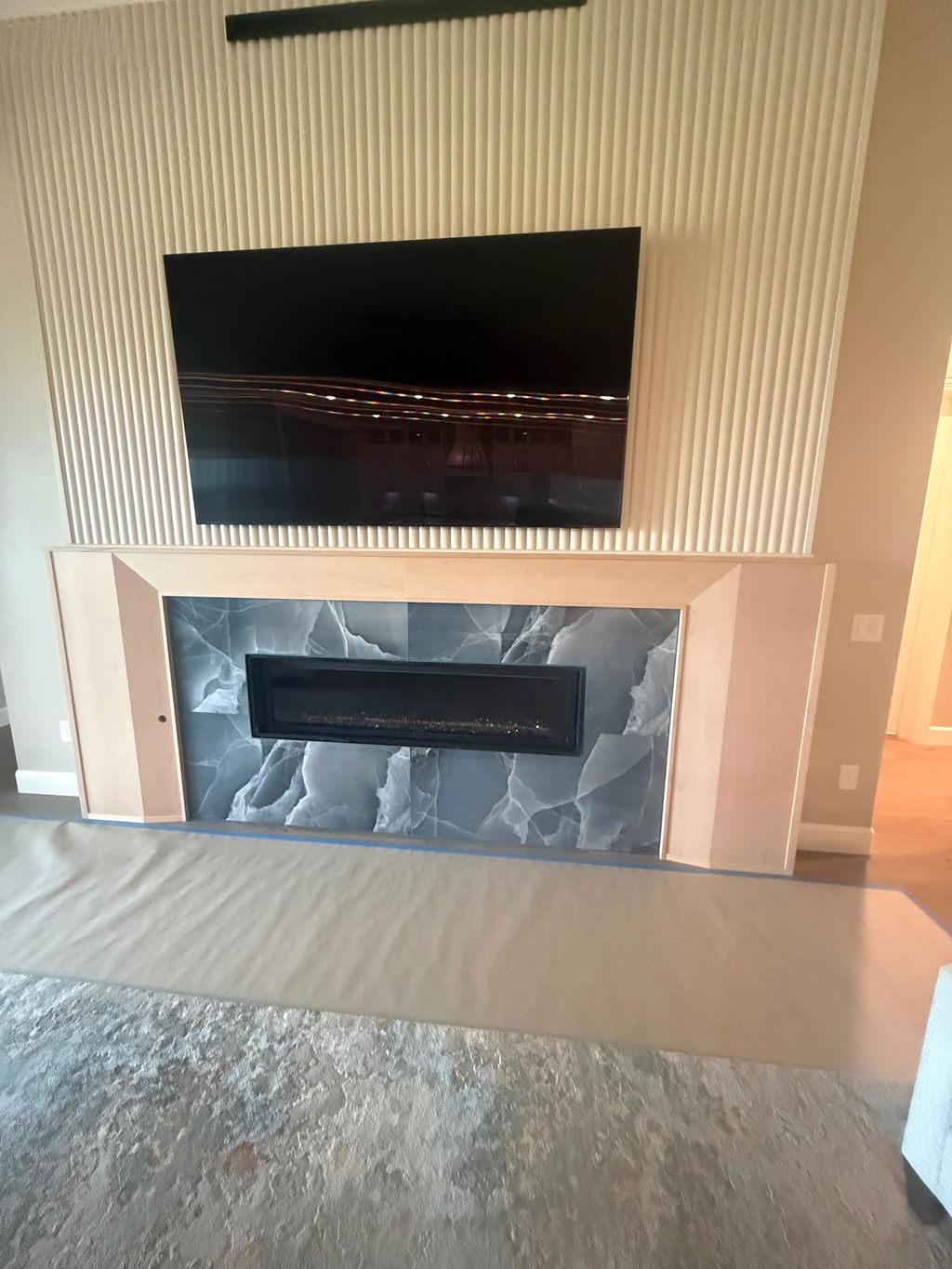
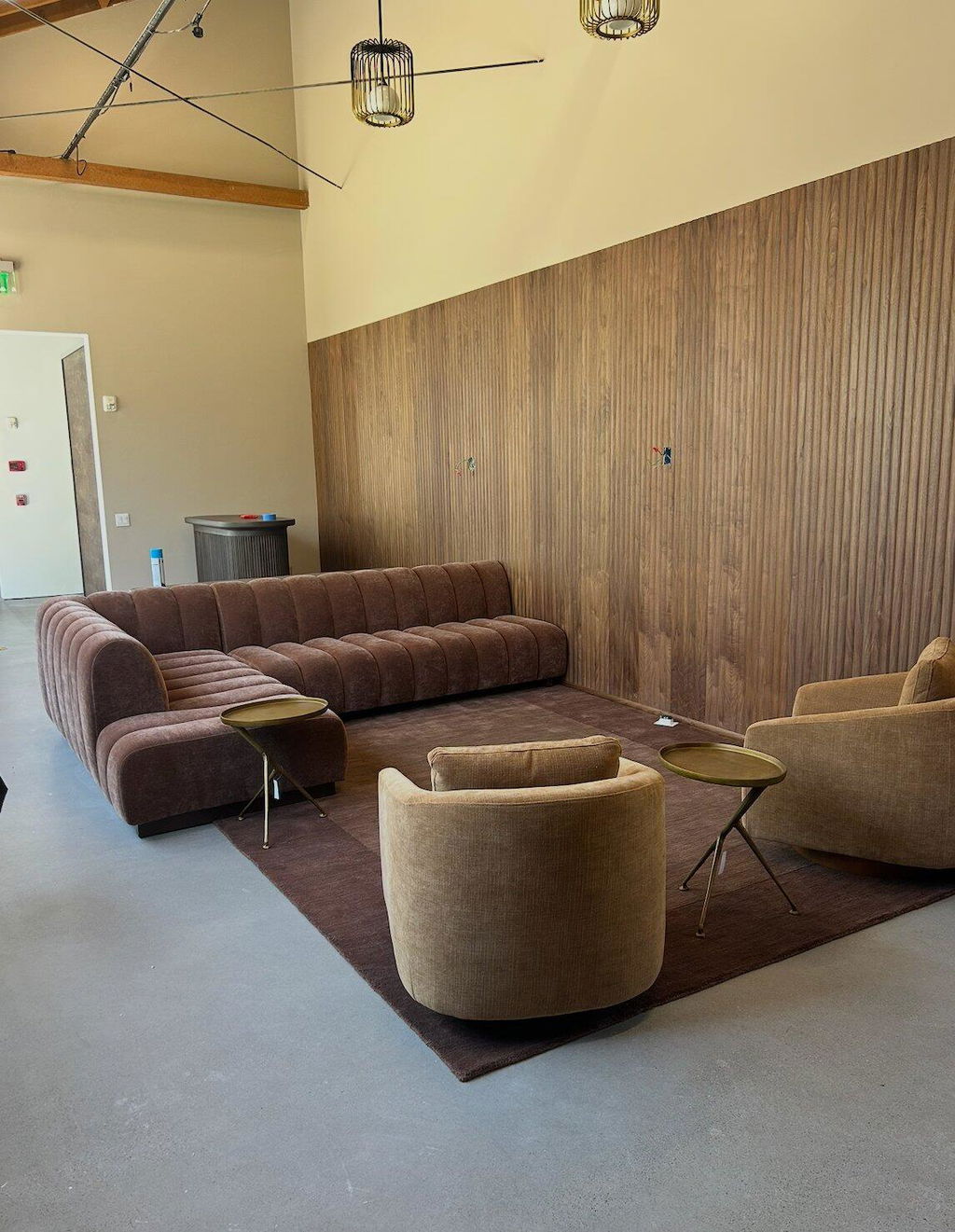
Fluted wall panels are generally less forgiving because their visual appeal depends heavily on precise alignment. The continuous grooves create strong vertical lines that immediately attract attention.
On larger feature walls, even a minor alignment issue can become noticeable, which is why many homeowners choose professional installation.
Understanding the Hidden Costs of DIY Installation
Material Waste and Replacement Costs
Many homeowners focus on labor savings when comparing DIY and professional installation. Unfortunately, material waste can sometimes offset a portion of those savings.
A wrong measurement, a bad cut, or a mistake around a power outlet may require replacing an entire panel. When several mistakes happen during the same project, costs can increase surprisingly fast.
Value of Your Time
Time is another factor that's easy to overlook...
A project that looks achievable over a single weekend can sometimes stretch into multiple weekends. Between measuring, cutting, troubleshooting, and making adjustments, the hours can add up quickly.
If you have work commitments, family responsibilities, or other projects competing for your attention, professional installation may offer valuable peace of mind.
When Professional Installation Makes Sense
Large and Complex Installations
Professional installation becomes especially valuable for larger projects. Floor-to-ceiling feature walls, media walls, and installations that wrap around corners require a higher level of precision.

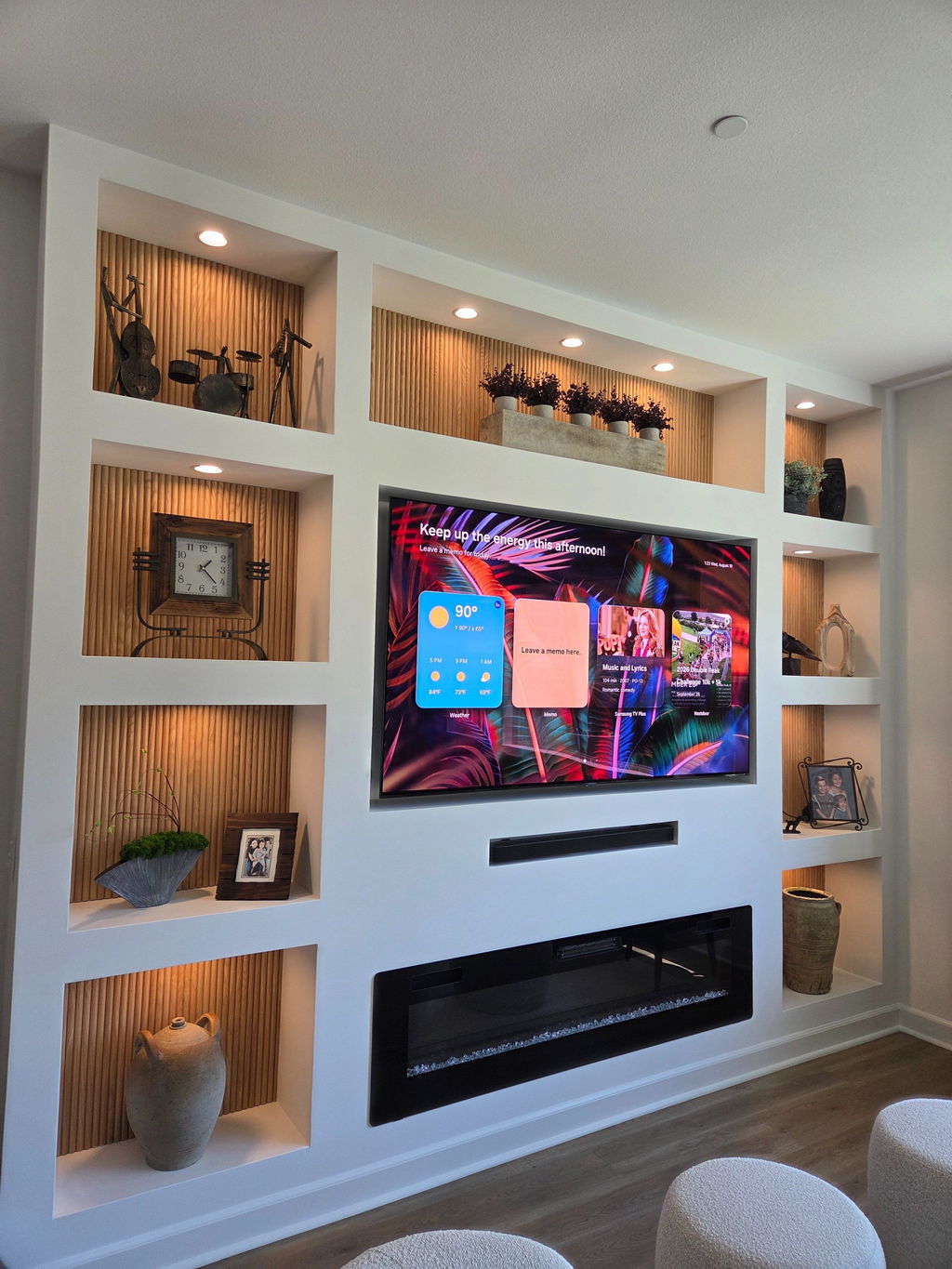
Imagine a living room wall with a mounted television, floating shelves, LED lighting, and multiple power outlets. Achieving a seamless finish around all those elements requires careful planning and experience.
Dealing With Imperfect Walls
Another challenge is that very few walls are perfectly straight. Even newer homes can have slight bows, uneven corners, or subtle variations in ceiling height.
Experienced installers know how to work around these imperfections while maintaining a balanced appearance. Homeowners may never notice the adjustments, but they'll certainly appreciate the finished result.
DIY vs Professional Installation
Benefits of DIY Installation
DIY installation offers lower upfront costs and complete flexibility. You can work at your own pace, tackle the project in stages, and enjoy the satisfaction of creating something with your own hands.
For straightforward projects such as bedroom feature walls or home office upgrades, DIY installation can be an excellent option.
Benefits of Professional Installation
Professional installation offers precision, efficiency, and confidence. Instead of worrying about alignment, measurements, and troubleshooting, you can focus on enjoying the finished space.

This can be particularly valuable for larger projects where mistakes can become costly or difficult to correct.
DIY vs Professional Wall Panel Installation Comparison
| Factor | DIY Installation | Professional Installation |
|---|---|---|
| Cost | Lower upfront expense | Higher initial investment |
| Time | May take several weekends | Usually completed much faster |
| Skill Required | Basic to advanced DIY skills | Handled by experienced installers |
| Precision | Depends on experience | Consistent professional finish |
| Risk of Mistakes | Higher | Lower |
| Best For | Smaller projects | Large or complex installations |
| Convenience | Requires personal effort | Minimal homeowner involvement |
The Bottom Line
Installing wall panels yourself is absolutely possible, and many homeowners achieve fantastic results every year.
For smaller projects using products such as tongue and groove panels or v-groove paintable panels, DIY wall panel installation can be both cost-effective and rewarding.

However, larger feature walls, intricate layouts, and precision-focused designs often benefit from professional expertise.
Ultimately, the best choice comes down to your budget, available time, and confidence level. Whether you choose DIY or professional wall panel installation, proper planning is the key to getting the best results from your wall panels.
Frequently Asked Questions
Is wall panel installation suitable for beginners?
Yes, certain wall panel systems are beginner-friendly. Tongue and groove panels or v-groove paintable panels are often easier to install because they help simplify alignment and finishing.
What is the easiest type of wall panel to install?
Tongue and Groove Panels are generally considered one of the easiest options because the interlocking edges help keep panels aligned and reduce visible gaps.
How long does DIY wall panel installation take?
A small feature wall may take a day or two, while larger projects can extend over multiple weekends depending on complexity and experience.
Are fluted wall panels harder to install?
Yes. Fluted Wall Panels require precise alignment because the vertical grooves create strong visual lines that make mistakes more noticeable.
When should I hire a professional installer?
Professional installation is often worth considering for large feature walls, floor-to-ceiling applications, media walls, and projects involving multiple outlets, windows, or architectural details.
Can wall panels be installed on uneven walls?
Yes, but uneven walls can make installation more challenging. Proper preparation and adjustments are often needed to achieve a clean, consistent finish.



Leave a comment