 Skip to content









Wood Slat Room Dividers vs Solid Walls: Which Is Better for Open Spaces?

Open-plan living makes a home feel spacious, bright, and connected.
But when your living room, dining area, and kitchen share one large space, you might start wishing for a little separation. Maybe you want a quieter corner for work, more privacy around your dining area, or a clear boundary between your bedroom and living space.
That's where wood slat room dividers and solid walls come into the picture.
Both can help define different areas of your home, but they create very different results. So, which one makes more sense for your space? Let's look at their differences, practical uses, and design possibilities!
Key Takeaways
- Wood slat room dividers create visual separation while allowing light and airflow to pass through.
- Solid walls offer greater privacy, sound reduction, and a more permanent division between rooms.
- Your choice depends on how you use the space, your privacy needs, and your preferred interior style.
- Both options can work in living rooms, bedrooms, home offices, and other shared areas.
- Wood slat dividers offer different sizes, finishes, and installation options to suit your interior.
Difference Between Wood Slat Room Dividers and Solid Walls


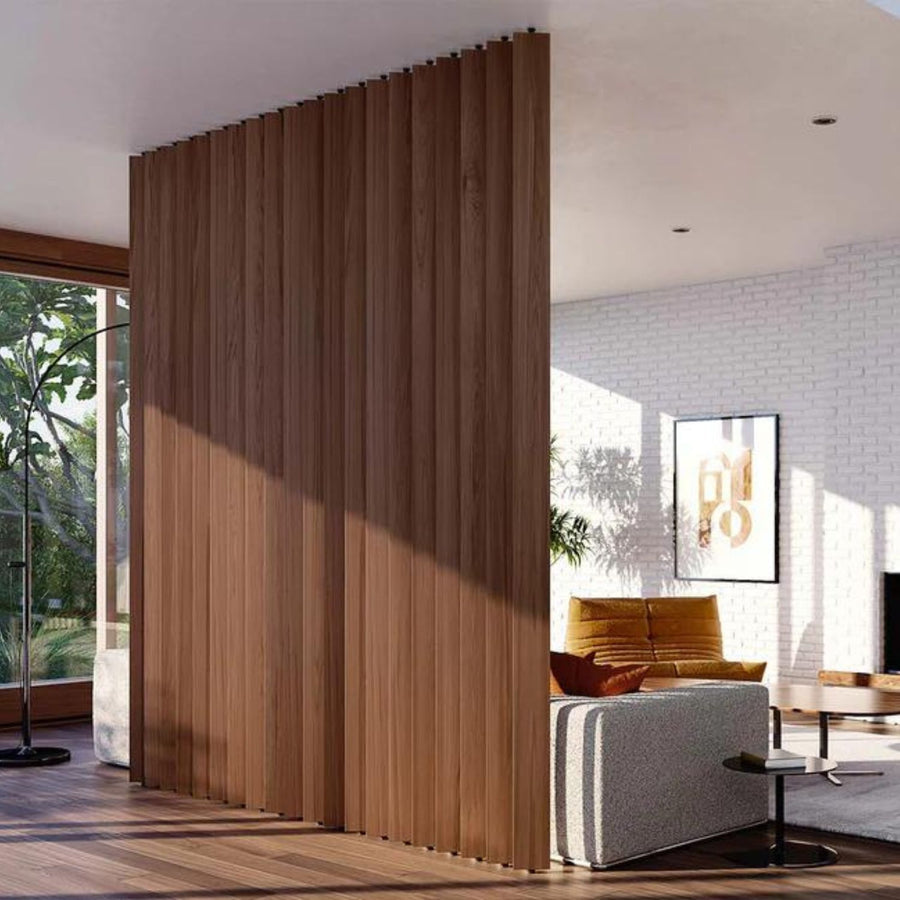
The biggest difference comes down to how each option separates a space. Wood slat room dividers use vertical or horizontal strips arranged with gaps between them. This creates a defined boundary while allowing you to see through the structure.
Solid walls, on the other hand, create a complete physical barrier. They typically use materials such as concrete, drywall, or other wall systems, depending on the building and intended application.
Here's a quick comparison:
| Feature | Wood Slat Room Dividers | Solid Walls |
|---|---|---|
| Privacy | Partial visual privacy | High visual privacy |
| Natural light | Allows light to pass through | Blocks light between rooms |
| Airflow | Generally allows airflow | Restricts airflow between areas |
| Sound separation | Limited sound reduction | Better sound separation, depending on construction |
| Design | Decorative and open | Clean, enclosed appearance |
| Flexibility | Can be designed as fixed or movable features | Usually a permanent installation |
| Construction | Often requires less extensive construction | May require more materials and labor |
As you can see, each option serves a different purpose. The right choice depends on what you want your room to feel like and how much separation you actually need.
Why Wood Slat Room Dividers Work Well in Open Spaces
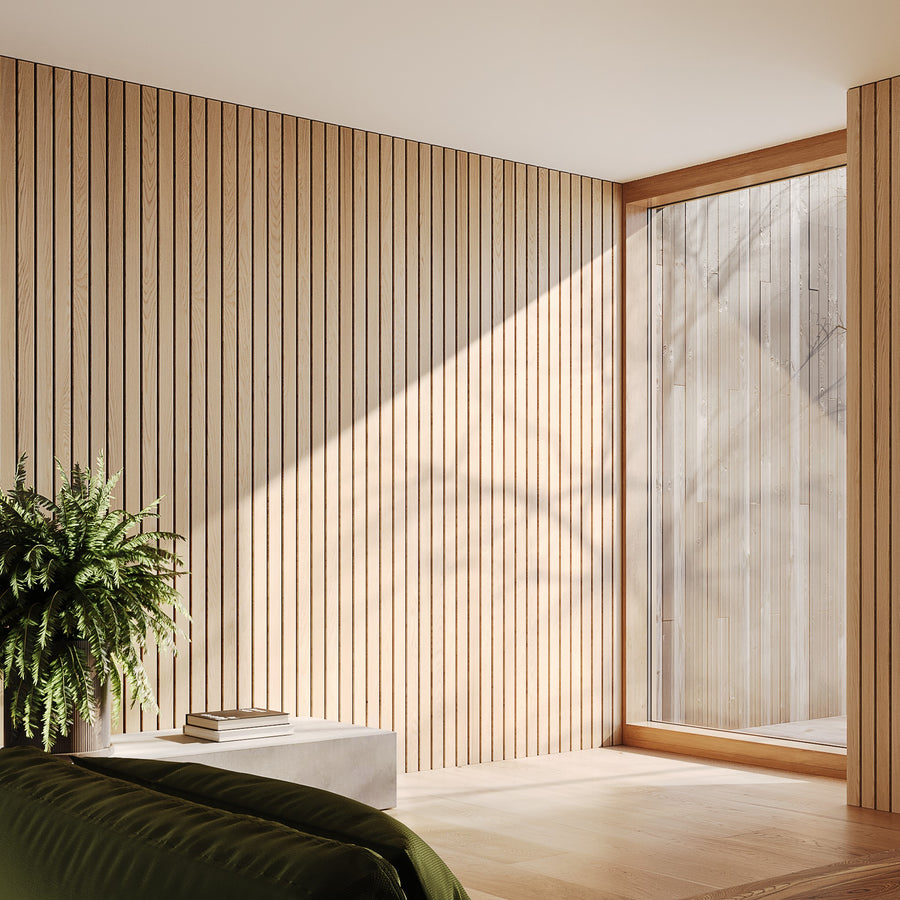
Wood slat room dividers have become a popular feature in modern interiors because they introduce structure without making a room feel enclosed. Their repeated lines also add a decorative element that can complement different furniture styles and finishes.
Keeps your space bright and open

One of the biggest advantages of wood slat dividers is the way they allow natural light to move through a room. Since there are gaps between the slats, sunlight can reach areas on either side of the divider.
This is especially useful in smaller homes or apartments where every bit of natural light matters. You can create a boundary between your living and dining areas while keeping the overall space bright.
Create separate areas without closing them off
Imagine having a small home office beside your living room. A wood slat divider can give your workspace a more defined layout while keeping it visually connected to the rest of the home.
You can also use the same idea to separate a dining area from a lounge or create a little privacy around a bedroom. It's a simple design feature that can make an open floor plan feel more organized.
Adds a decorative feature
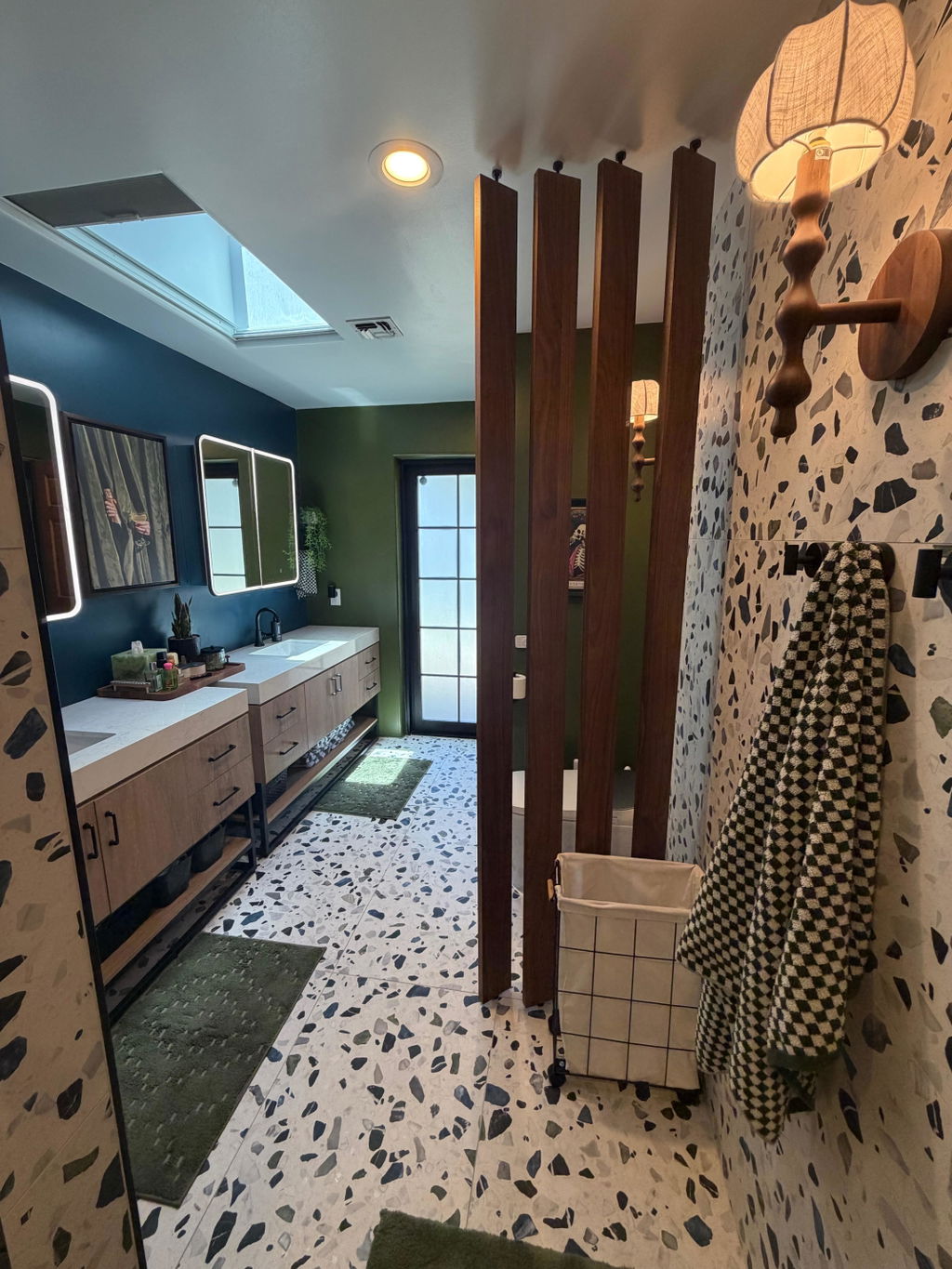
Wood slat dividers can become a focal point in their own right. Their clean lines work well with minimalist interiors, warm contemporary spaces, and modern homes with natural finishes.
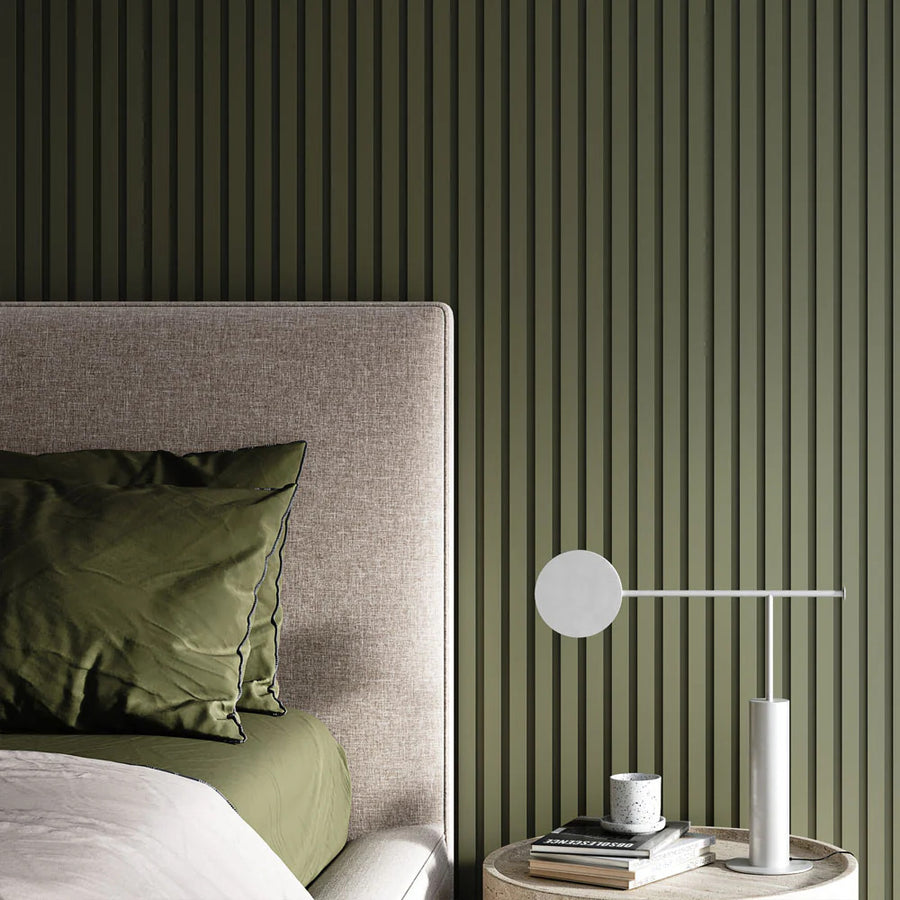
You can also explore different wood tones, slat widths, and spacing to achieve the look you want. For a more coordinated interior, consider matching the divider with wood slat wall panels or other decorative wall treatments.
Come in different sizes and finishes

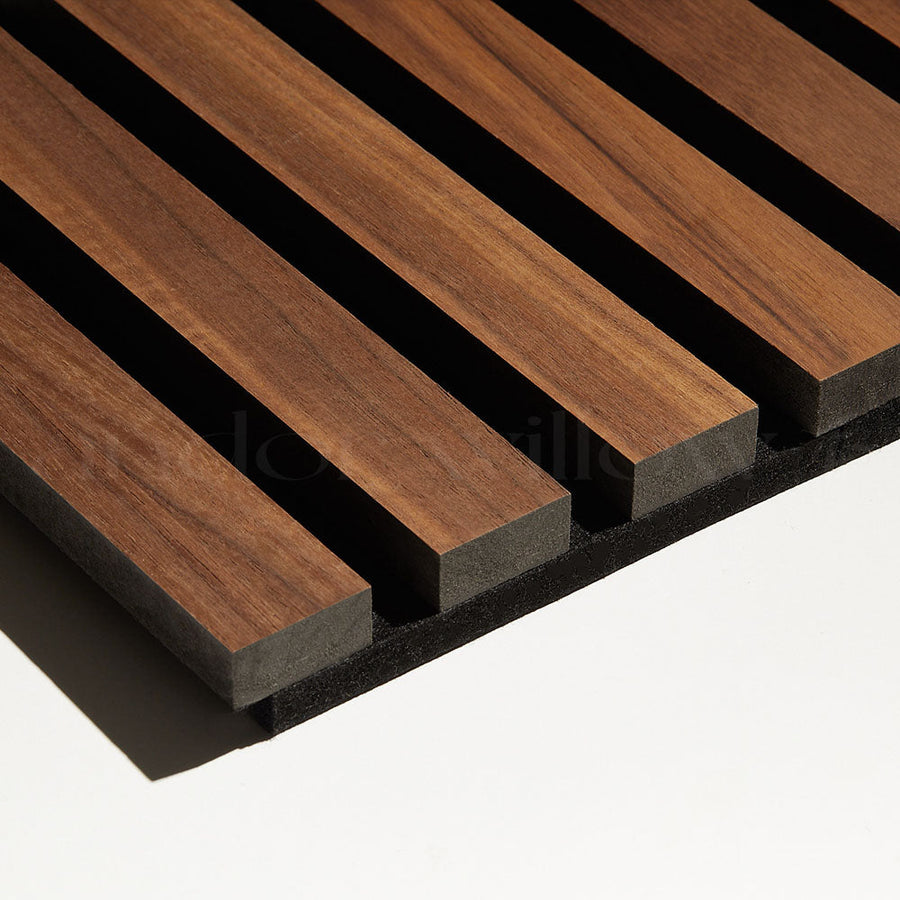
The dimensions of your divider matter, especially when you want the slats to fit your ceiling height neatly. Andor Willow wood slat room dividers offer slats measuring approximately 4.72 inches wide and 1.06 inches deep (12 cm x 2.7 cm).
There are also several length options, including 71.25 inches, 94.5 inches, 106.3 inches, and 118.9 inches. These correspond to different ceiling height ranges, giving you more flexibility when planning your installation.
The slats feature a high-density, formaldehyde-free MDF core with a choice of American Black Walnut or European White Oak veneer. These finishes bring natural wood character into the room while complementing a range of interior styles.
For a closer fit, the product also includes pre-drilled holes with a depth of 4 cm. Each slat weighs approximately 7 to 10 lbs, with a stated measurement tolerance of ±1 mm.
When Solid Walls are the Better Choice
While wood slat dividers offer plenty of design flexibility, some areas of the home need more privacy and separation. In these situations, solid walls may be the more practical option.
You need greater privacy
A solid wall is useful when you want a room to feel completely separate. Bedrooms, bathrooms, and private offices often benefit from this level of enclosure.
For example, a shared bedroom or a home with several occupants may need clearly separated areas. A solid wall provides a more reliable visual barrier and gives each room a greater sense of privacy.
Better sound separation
Noise can become a problem in open-plan homes, especially when different people are using the same area. A solid wall with suitable construction can help reduce sound traveling between rooms.
This can make a difference in home offices, bedrooms, and entertainment areas. Keep in mind that sound performance depends on the wall assembly, insulation, doors, and other construction details.
Permanent room layout
If you're planning a major renovation or a new home, solid walls can help establish a permanent floor plan. They also provide clear boundaries for areas that require doors, electrical installations, or other building features.
Before adding a wall, consider how it may affect natural light, ventilation, and movement throughout the home. These details are worth planning early!
Where Can You Use Wood Slat Room Dividers at Home?
Wood slat room dividers can work in several areas, particularly where you want some separation while maintaining an open layout.
Living and Dining Areas

A divider between the living room and dining area can give each space its own identity. You can position it beside the sofa or near the dining table to establish a visual boundary without interrupting the flow of the room.
Bedrooms and Dressing Areas
If your bedroom includes a dressing area or small workspace, slatted dividers can help define these sections. They add a little privacy while keeping the bedroom connected and visually spacious.
Home Offices
Working from home can be easier when you have a dedicated workspace. A wood slat divider can separate your desk from the living area, helping create a more organized environment.
Entryways
An open entryway can sometimes feel like an extension of the living room. Adding a slatted divider gives the entrance a clearer identity while maintaining visibility and light.
What Should You Consider Before Choosing?
Before deciding between a wood slat divider and a solid wall, think about how you use the room every day. Your choice should support the way you move, work, relax, and interact within the space.
Here are a few things worth checking:
- Privacy requirements: Decide whether you need complete privacy or simply a visual boundary.
- Natural lighting: Consider whether a full wall could make nearby areas darker.
- Available floor space: Check how the divider or wall will affect furniture placement and walking paths.
- Ceiling height: Measure from floor to ceiling and check which slat length suits your space.
- Interior style: Choose a design that works with your existing flooring, furniture, and wall finishes.
- Installation requirements: Consider the materials, labor, fixing method, and any structural or building requirements.
You should also think about future changes. A fixed divider can become a lasting design feature, so plan its location carefully before installation.
Can You Combine Wood Slat Dividers With Solid Walls?
Absolutely!
Combining both options can give you a practical and visually balanced interior.
For example, you could use a solid wall to enclose a bedroom or bathroom while adding a wood slat divider between the living and dining areas. This approach gives private rooms the separation they need while keeping shared spaces open.
Create a Consistent Look With Matching Wall Panels
You can also carry the same design throughout the home by pairing wood slat room dividers with decorative wall panels. Matching wood tones and finishes can help connect different areas and create a more cohesive interior.
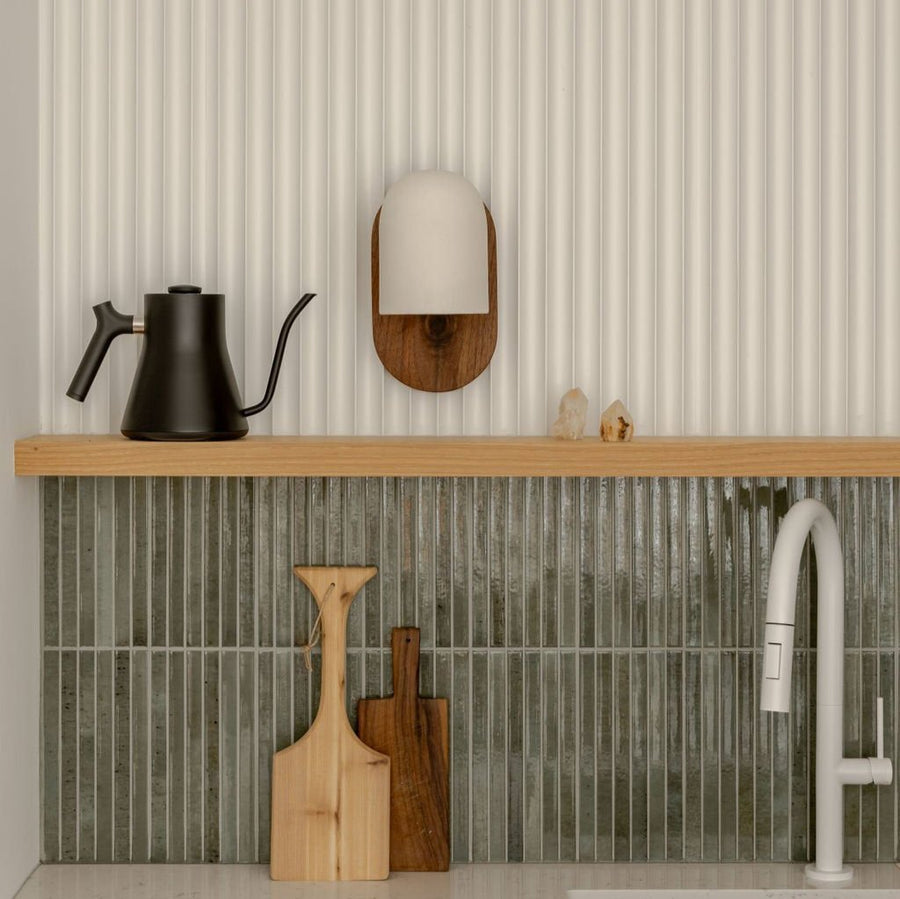
Fluted panels, V-groove panels, and other decorative wall treatments can also complement the clean lines of a slatted divider. Just keep the patterns and finishes balanced so the overall design feels coordinated.
So, Which Is Better for Open Spaces?
The best option depends on what you want to achieve.
Wood slat room dividers are a great choice for open spaces where you want to define different areas, maintain natural light, and introduce a decorative feature.
Solid walls are more suitable when you need complete privacy, better sound separation, or a permanent room layout. They are especially useful in bedrooms, bathrooms, and enclosed workspaces.

Take a look at your floor plan, consider how each area is used, and think about the atmosphere you want to create. With the right choice, you can make your home feel more organized, comfortable, and thoughtfully designed.
If you're considering a wood slat divider, Andor Willow offers different slat lengths and natural veneer finishes to help suit your ceiling height and interior style. Measure your space, review the available specifications, and choose a setup that works with your home.
Frequently Asked Questions
Are wood slat room dividers good for open-plan homes?
Yes. Wood slat room dividers work well in open-plan homes because they create visual separation while allowing light and airflow to pass through. They are useful for defining living rooms, dining areas, and workspaces.
Do wood slat room dividers provide privacy?
They provide partial visual privacy, depending on the width and spacing of the slats. For areas that require complete privacy, a solid wall or an enclosed partition may be more suitable.
Are solid walls better at blocking noise?
Generally, yes. Solid walls with appropriate construction can reduce sound transmission more effectively than open slatted dividers. Their actual performance depends on the materials and wall assembly.
What sizes are available for Andor Willow wood slat room dividers?
Andor Willow slats measure approximately 4.72 inches wide and 1.06 inches deep. Available lengths include 71.25, 94.5, 106.3, and 118.9 inches, with different recommended ceiling height ranges.
What materials and finishes are used for Andor Willow wood slat dividers?
The slats have a high-density, formaldehyde-free MDF core and come with American Black Walnut or European White Oak veneer options. Each slat weighs approximately 7 to 10 lbs.
Can wood slat room dividers be customized?
The available slat lengths and veneer finishes provide options for different interiors. Check the product specifications and installation guidance to confirm whether additional adjustments or cutting are suitable for your project.
Can I install a wood slat room divider myself?
Some wood slat divider systems are suitable for DIY installation. However, larger or ceiling-height installations may require professional help to ensure proper alignment, secure fixing, and stability.




Leave a comment