 Skip to content







The Ultimate Guide to Exterior Wall Panels: Materials, Finishes, and Applications

The exterior walls of your home do more than protect the structure from the elements. They also play a big role in its overall appearance.
And with so many materials, textures, colors, and finishes available, choosing the right panels can feel a little overwhelming! Some options focus on durability and weather resistance, while others bring decorative details that give a building more character.
So, where should you start?
In this guide, we'll explore common types of exterior wall panels, their finishes, where you can use them, and what to consider before choosing one for your project.
Key Takeaways
- Exterior wall panels improve a building's appearance while providing an additional layer of protection.
- Common options include fiber cement, metal, PVC, natural stone, and composite panels.
- Material selection should account for weather exposure, moisture, maintenance, and installation requirements.
- Wood-look and textured finishes can help create modern, natural-looking facades.
- Proper installation and regular maintenance help preserve the appearance and performance of exterior panels.
What are Exterior Wall Panels?

Exterior wall panels are materials installed on the outside surfaces of buildings to create a finished facade. Depending on their construction, they can provide weather protection, improve the appearance of exterior walls, and contribute to the building's overall performance.
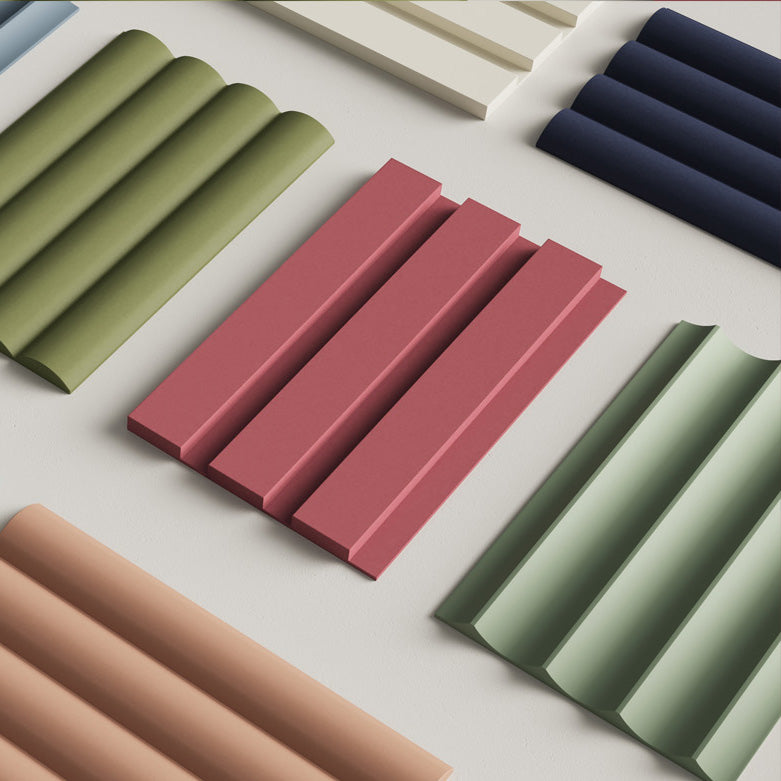
They come in different sizes, profiles, and materials. For instance, some have smooth surfaces for a clean contemporary appearance, while others feature wood-like textures, stone patterns, or decorative grooves.
You'll commonly find exterior panels on residential homes, commercial buildings, offices, and other structures. Depending on the design, you can cover an entire facade or use them to highlight specific architectural features.
Types of Exterior Wall Panels to Consider
Choosing the right material is one of the most important parts of an exterior wall project. Since each option has different characteristics, it's worth understanding how they perform before making a decision.
Fiber Cement Panels
Fiber cement panels are made using a mixture of cement, cellulose fibers, and other materials. They're commonly used for exterior cladding because they offer a durable surface and can be manufactured in different textures and profiles.

Depending on the product, you can find smooth finishes, wood-like patterns, and designs that resemble traditional siding. Many options can also be painted to complement your home's exterior color scheme.
Fiber cement is worth considering if you want a versatile facade material with relatively straightforward maintenance. However, proper sealing, installation, and moisture management remain important for long-term performance.
Metal Wall Panels
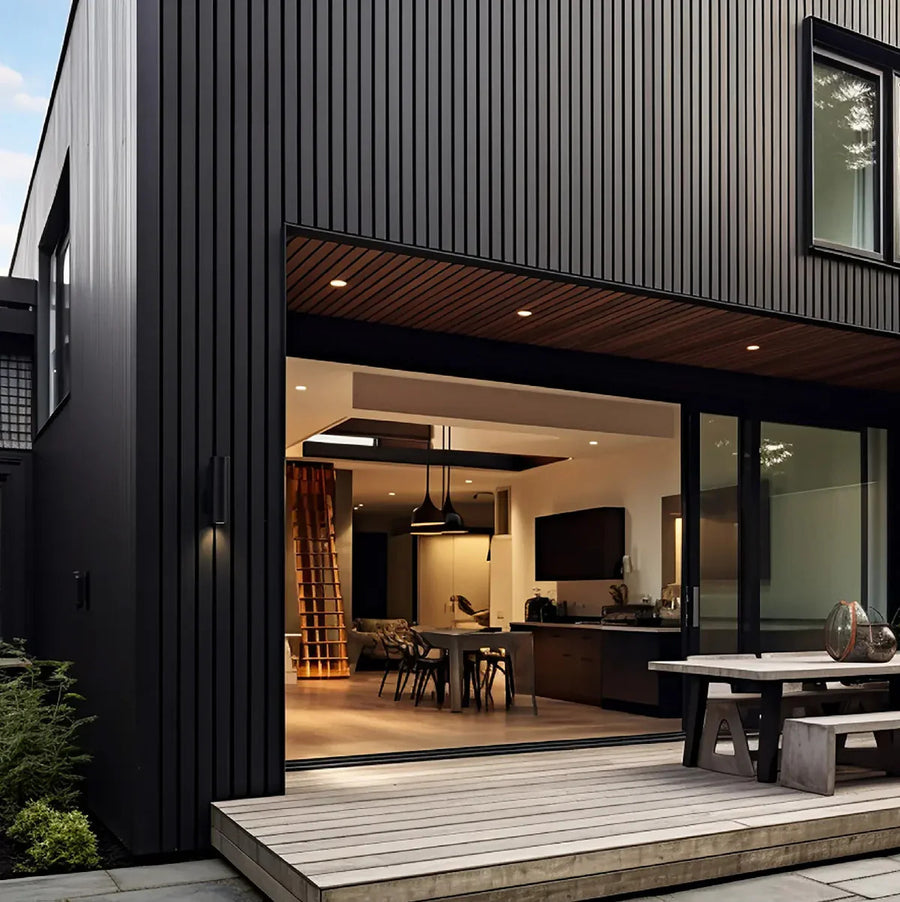
Metal panels are popular in contemporary and industrial-inspired architecture. Their clean surfaces and defined lines can give a building a sharp, modern appearance.
Aluminum and steel are common choices, with different coatings available to improve their resistance to corrosion and weather exposure. Some systems also come in ribbed, corrugated, or flat profiles.
Because of their versatility, these panels work particularly well on modern residential facades, commercial buildings, and architectural accents. When choosing metal cladding, consider the coating, local climate, and compatibility of the fixing system.
PVC Exterior Panels
PVC panels are lightweight options that come in various colors, patterns, and surface finishes. Some products are even designed to imitate natural wood or other decorative materials.
Their lightweight construction can make handling and installation easier, depending on the system. However, exterior-grade PVC products should be selected carefully because sunlight, temperature changes, and impact can affect their long-term performance.
Before purchasing, always check whether the specific panel is rated for outdoor use and suitable for your area's weather conditions.
Natural Stone Panels
If you want a facade with a more substantial and natural appearance, stone panels are worth exploring. They come in different colors, patterns, and textures, allowing you to create anything from a rustic exterior to a refined modern design.
Stone can work beautifully around entrance walls, columns, boundary walls, and selected sections of a building facade. However, its weight means that fixing requirements and structural support need careful consideration.
Composite Exterior Panels
Composite panels combine different materials to create a product with specific performance and design characteristics. Some options feature a high-strength composite core and a protective polymer surface.
For example, Andor Willow offers exterior panels with a high-strength composite core and a high-density polymer surface.


Their waterproof construction and realistic wood-look polymer coating make them worth exploring if you want the appearance of wood in an exterior setting.
The panels also feature a slatted profile, bringing defined lines and a natural-looking finish to exterior walls. As with any cladding system, make sure to follow the manufacturer's installation requirements and check that the product is suitable for your intended application.
Comparing Common Exterior Wall Panel Materials
Not sure which material fits your project? This comparison gives you a quick look at the appearance and practical considerations of each option.
| Material | Appearance | Main Consideration | Common Applications |
|---|---|---|---|
| Fiber cement | Smooth, textured, or wood-like | Proper sealing and installation | Residential facades and siding |
| Metal | Sleek, modern, and industrial | Coating and corrosion protection | Modern homes and commercial buildings |
| PVC | Various colors and decorative patterns | UV exposure and temperature changes | Exterior cladding and accents |
| Natural stone | Textured and natural | Weight and structural support | Feature walls and entrance areas |
| Composite | Wood-look and decorative profiles | Product specifications and installation | Exterior feature walls and cladding |
Each material has its own advantages, so your decision should reflect your design goals, budget, and local environmental conditions. Before making a purchase, take time to review the manufacturer's specifications and installation guidelines.
Popular Exterior Wall Panel Finishes
The material determines many of a panel's practical characteristics, but the finish is what gives your facade its visual identity. Here are three popular looks to consider.
Wood-Look Finishes
Wood-look panels bring a natural appearance to exterior walls. They work particularly well with modern tropical homes, contemporary villas, and designs that incorporate stone or concrete.
For instance, Andor Willow's exterior panels feature an ultra-realistic wood-look polymer coating. This gives the panels a wood-inspired appearance while using a high-strength composite core.
You can use this style around entrance areas, balconies, or selected sections of the facade to introduce a warmer visual element. It also pairs nicely with neutral exterior paint and concrete finishes.
Smooth and Matte Finishes
For a cleaner appearance, smooth and matte finishes are worth considering. Their understated surfaces complement simple building forms and work especially well with contemporary architecture.
Popular color choices include:
- White: Creates a bright, clean exterior.
- Gray: Works well with concrete and metal details.
- Beige: Adds a softer, warmer appearance.
- Charcoal: Creates a stronger contrast against lighter architectural features.
These shades also make it easier to coordinate exterior panels with windows, doors, and other finishes.
Textured and Stone-Look Finishes
Textured finishes are useful when you want to give a facade more depth. Stone-look panels, for example, can create an attractive feature wall around the entrance or highlight a particular section of the building.
You can also combine textured surfaces with smooth panels to create contrast. Just keep the number of finishes balanced so the exterior maintains a consistent appearance.
Where Can You Use Exterior Wall Panels?
Exterior wall panels are versatile enough to work across different parts of a building. Their placement depends on the architectural design, the material, and the type of exposure.
Main Building Facade
The main facade is one of the most noticeable places to install exterior panels. Covering selected sections can create a consistent architectural appearance while highlighting the building's shape and proportions.
Slatted wood-look composite panels are particularly effective when you want to introduce vertical or horizontal lines to a modern facade. You can also pair them with painted walls, concrete surfaces, or glass features.
Entrance and Porch Areas
Your entrance deserves a little attention! Adding decorative panels around the front door or porch can give your home a more welcoming appearance.
A wood-look finish can complement concrete steps, glass doors, and other contemporary architectural details. Even a small section of cladding can help make the entrance stand out.
Balcony Walls
Balcony walls provide another opportunity to introduce texture and contrast. Panels can complement railings, windows, and other exterior features while helping define the space.
However, make sure the selected material is suitable for direct sunlight and moisture exposure, particularly in areas exposed to heavy rain.
Exterior Columns and Feature Walls
Columns and feature walls are great places to experiment with contrasting textures. A stone-look finish or wood-effect panel can add detail without covering the entire facade.
For example, you could use a wood-look finish on the entrance columns and keep the surrounding walls in a simple neutral color. This creates a clear focal point without making the exterior feel too busy.
What Should You Consider Before Buying Exterior Wall Panels?
A good-looking panel is only one part of a successful exterior project. You also need to consider how it will perform once exposed to sunlight, rain, humidity, and everyday wear.
Before choosing a product, go through these important details:
- Weather resistance: Check how the panel handles rain, sunlight, humidity, and temperature changes.
- Moisture protection: Look into water resistance, sealing requirements, and suitable installation details.
- Durability: Consider the material's resistance to impact, cracking, fading, and general wear.
- Maintenance: Find out whether the finish needs periodic cleaning, repainting, or protective treatments.
- Dimensions: Check the panel height, width, depth, and effective coverage before calculating quantities.
- Installation: Review the recommended fixing system, substrate requirements, and ventilation details.
- Overall cost: Include panels, accessories, labor, delivery, and future maintenance in your budget.
Check the Panel Dimensions Before Ordering
Panel measurements deserve special attention because they determine how much material you'll need. For example, Andor Willow's exterior slatted panels come in two height options:
- 94.5 inches (240 cm)
- 106.3 inches (270 cm)
Each panel has a total width of 16.5 inches (41.9 cm), an effective coverage width of 15.75 inches (40 cm), and a depth of 1.02 inches (2.6 cm).
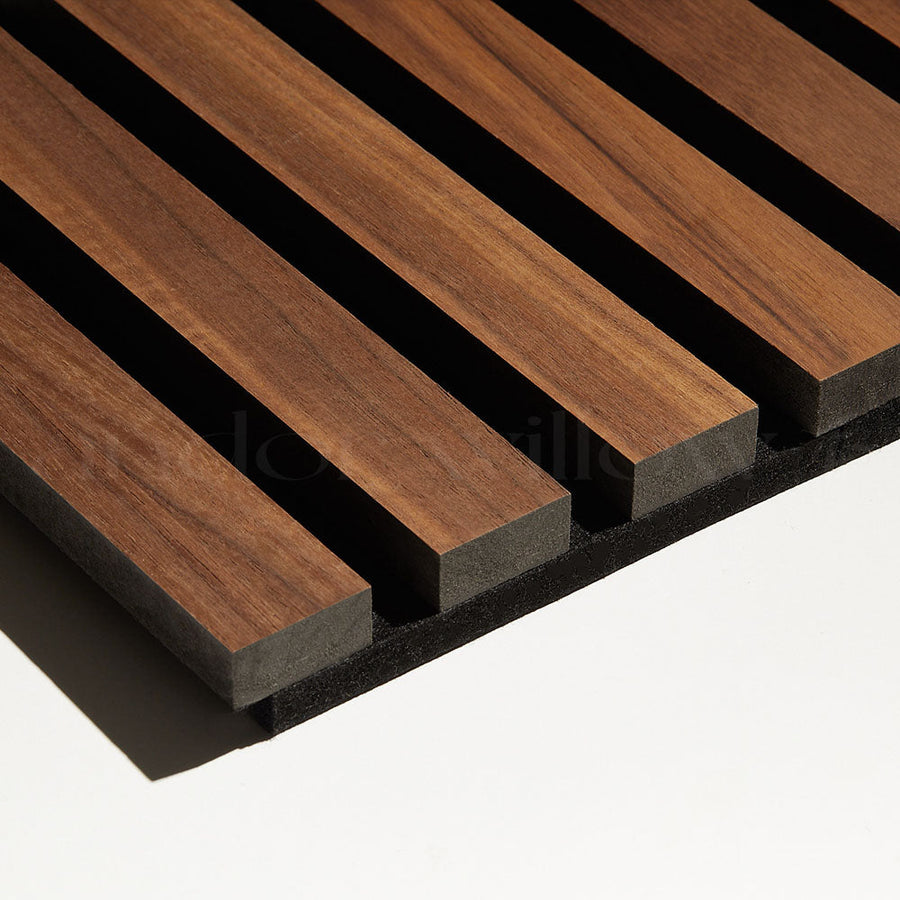
The individual slats measure approximately 1.44 inches (36.5 mm) wide, with 0.53 inches (13.5 mm) between them. These dimensions create a consistent linear pattern across the wall.
When estimating quantities, pay particular attention to the effective coverage width rather than the total width. This helps you calculate how many panels are needed to cover your intended area.
For homes in tropical climates, moisture management and UV resistance also deserve particular attention. Proper drainage, flashing, and installation details help protect the wall assembly over time.
How to Maintain Exterior Wall Panels
Exterior panels are exposed to the elements every day, so a little routine care goes a long way. The exact maintenance requirements depend on the material and finish, but most systems benefit from occasional cleaning and inspection.

Here's a simple maintenance routine:
- Cleaning: Remove dirt and dust using a cleaning method approved by the manufacturer. Avoid harsh chemicals or high-pressure washing unless the product instructions specifically allow them.
- Inspection: Check joints, edges, fasteners, and sealants from time to time. Look for cracks, loose sections, discoloration, or signs of moisture entering behind the panels.
- Minor repairs: Address damaged sections and worn sealants as soon as possible. Small issues are generally easier to manage when identified early.
Even when using waterproof panels, proper installation and drainage remain important. Following the recommended care instructions helps preserve the appearance and performance of the entire wall system.
Give Your Home a Fresh Exterior With the Right Wall Panels
Exterior wall panels offer plenty of possibilities for improving your home's facade. From sleek metal surfaces and textured fiber cement to natural stone and wood-look composite finishes, there's a wide range of materials to explore.
The key is to choose a product that suits your architectural style, local climate, and maintenance expectations. Take time to compare specifications, review installation requirements, and consider how different finishes will work together.
If you're exploring wood-look exterior finishes, Andor Willow's exterior panels are another option worth considering. Their waterproof design, high-density polymer surface, high-strength composite core, and two available panel heights offer practical details to review when planning your facade.
With the right selection, your exterior walls can complement your home's architecture and create a look you'll enjoy for years!
Frequently Asked Questions
What are the best materials for exterior wall panels?
Fiber cement, metal, PVC, natural stone, and composite are common options. The best material depends on your budget, climate, desired appearance, and maintenance requirements.
Are exterior wall panels waterproof?
Some exterior panels are designed to be waterproof or water-resistant, but the level of protection varies by product. Andor Willow's exterior panels feature a waterproof construction with a high-density polymer surface and high-strength composite core.
However, the complete wall system also needs appropriate flashing, joints, drainage, and installation details to manage water properly.
What sizes are available for Andor Willow exterior panels?
Andor Willow exterior panels are available in two heights: 94.5 inches (240 cm) and 106.3 inches (270 cm). They have a total width of 16.5 inches (41.9 cm), an effective width of 15.75 inches (40 cm), and a depth of 1.02 inches (2.6 cm).
What are Andor Willow exterior panels made of?
They feature a high-density polymer surface and a high-strength composite core. In addition, the exterior has an ultra-realistic wood-look polymer coating that gives the panels a natural-looking finish.
Can exterior wall panels be used in tropical climates?
Many exterior panel systems can be used in tropical climates when they are specifically rated for local conditions. Look for products with suitable moisture and UV resistance, and make sure they are installed with proper ventilation and drainage.
Can I combine different exterior wall panel materials?
Yes! Combining materials can create an interesting facade with contrasting textures and finishes. For example, metal panels can complement wood-look cladding, while stone finishes can highlight entrance areas. Just make sure the materials have compatible installation and movement requirements.


Leave a comment