Fluted vs Ribbed Wall Panels Explained: A Modern Midcentury Home Guide

fluted wall panels

If you’ve been browsing wall panels lately, you’ve probably noticed something odd. People use the words fluted and ribbed like they’re interchangeable.

Well, they’re not.

Both add texture, both look great in modern interiors, and both show up everywhere right now. But still, once they’re actually on the wall, they behave very differently.

Those differences matter, especially if you’re designing a modern midcentury home. So let’s slow it down and talk through it in this article, as we talk about their features like ribbed and fluted wall panels, their many differences, and where they work best.

What Are Ribbed Wall Panels?

ribbed wall panels
shop now button

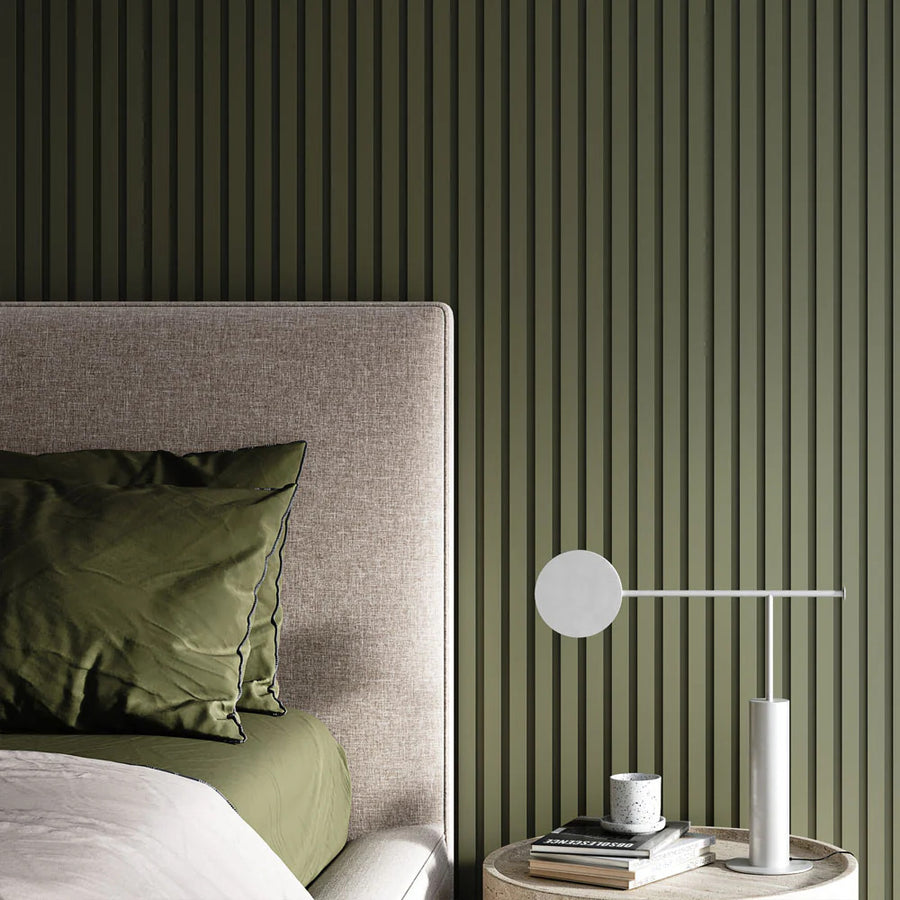
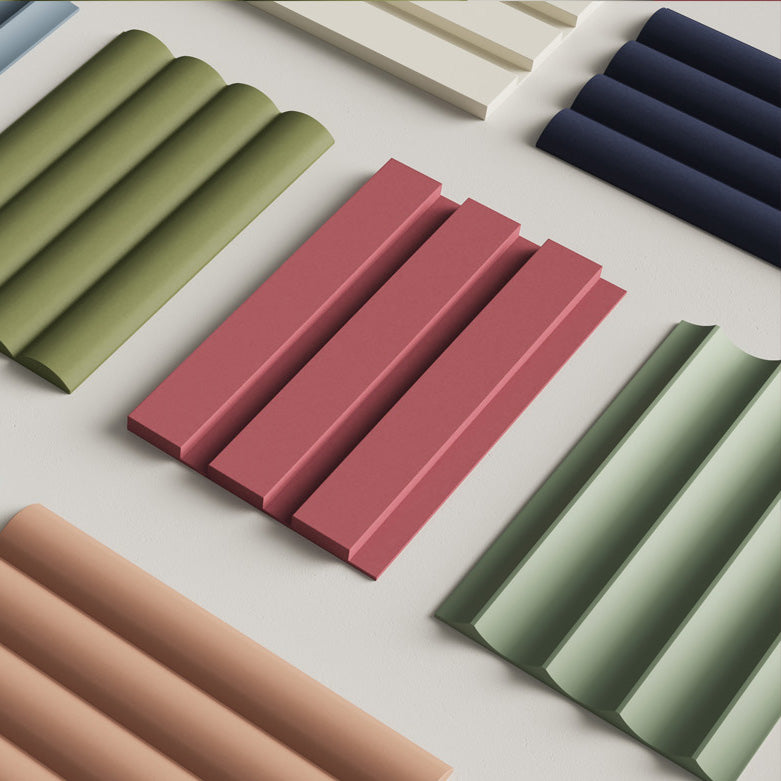
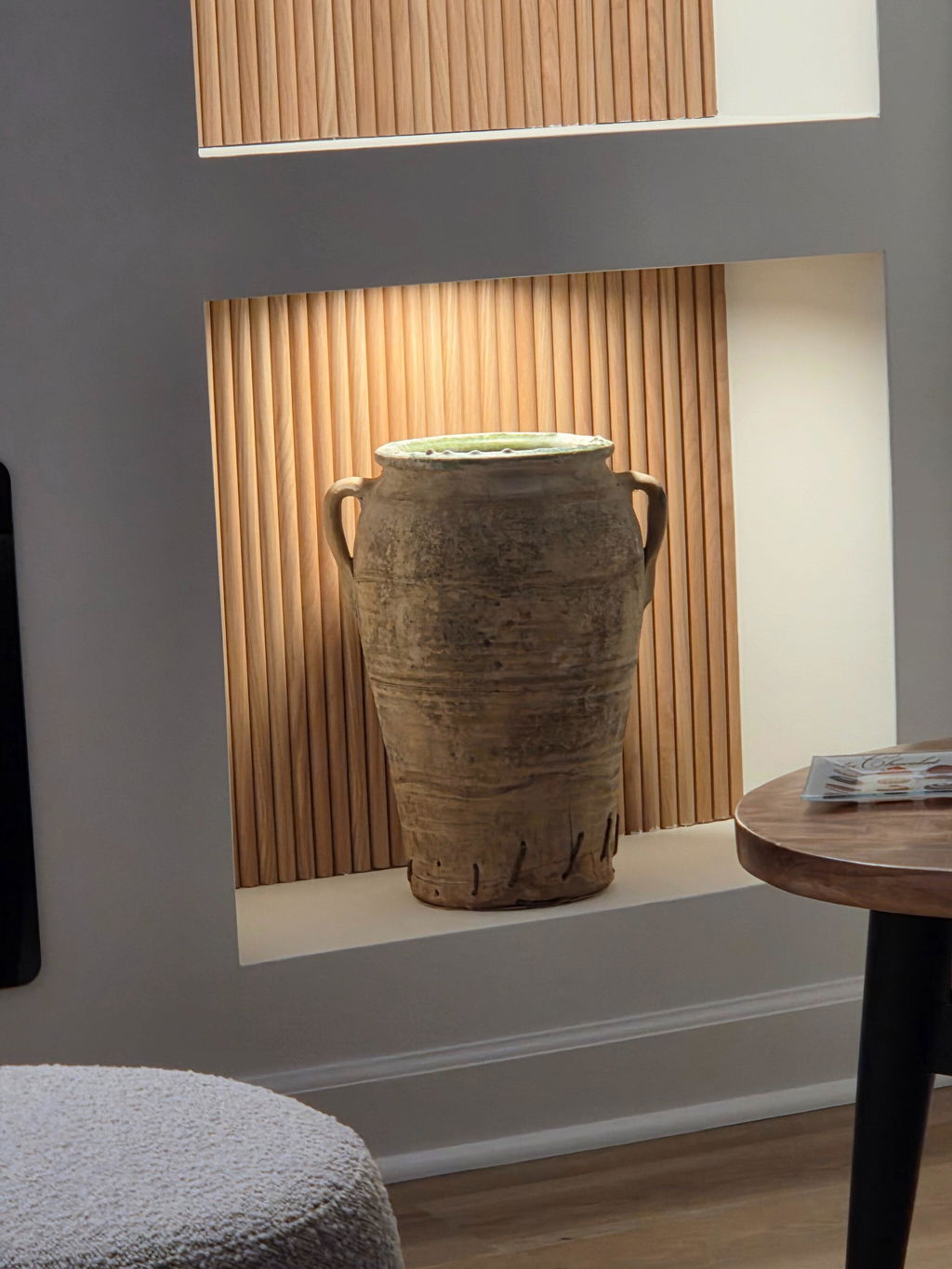
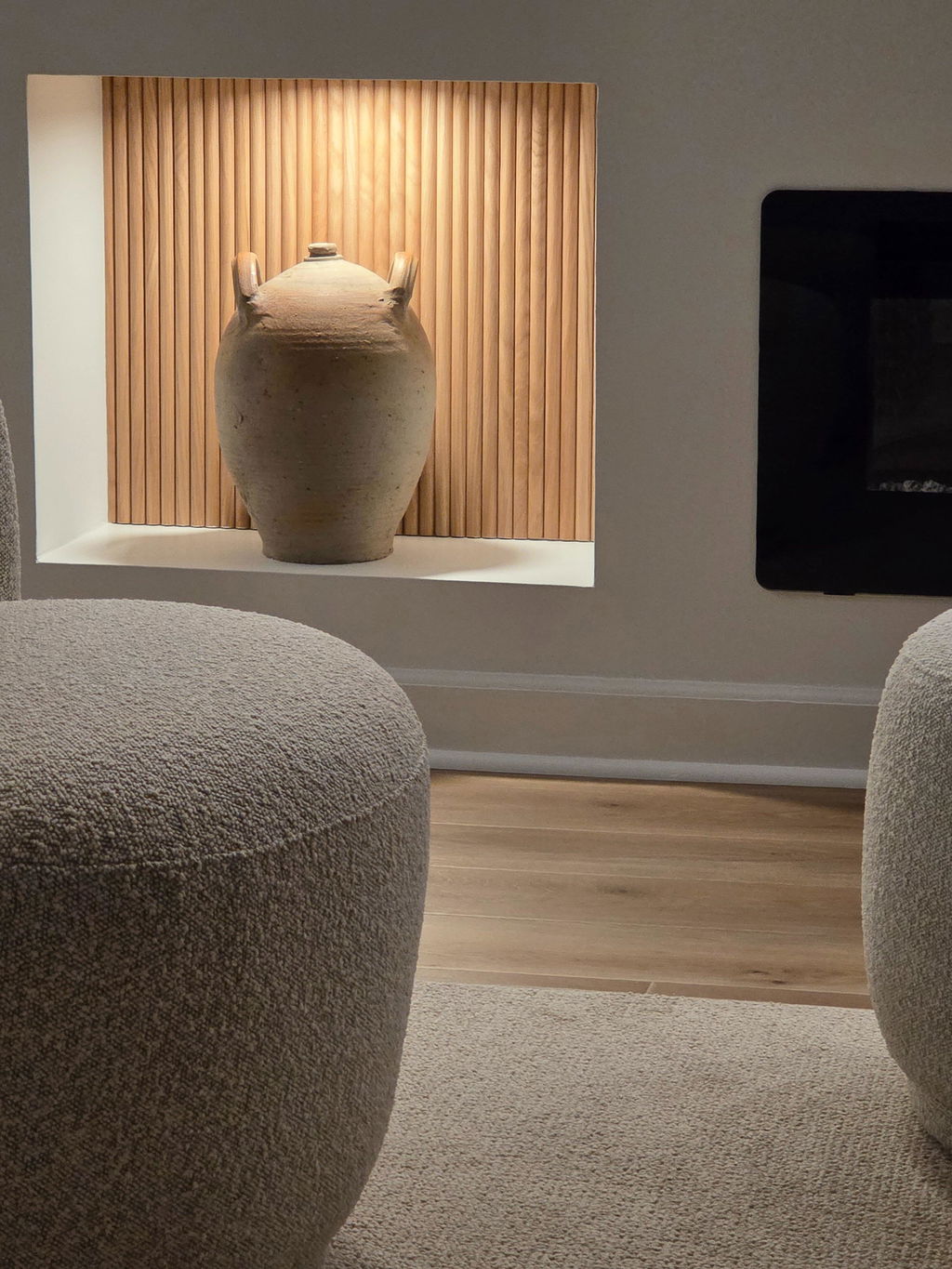
Ribbed wall panels feature crisp and repeating vertical lines. The grooves are more defined, which gives the wall a strong sense of structure right away. Because of that, they tend to feel more architectural and not so decorative.

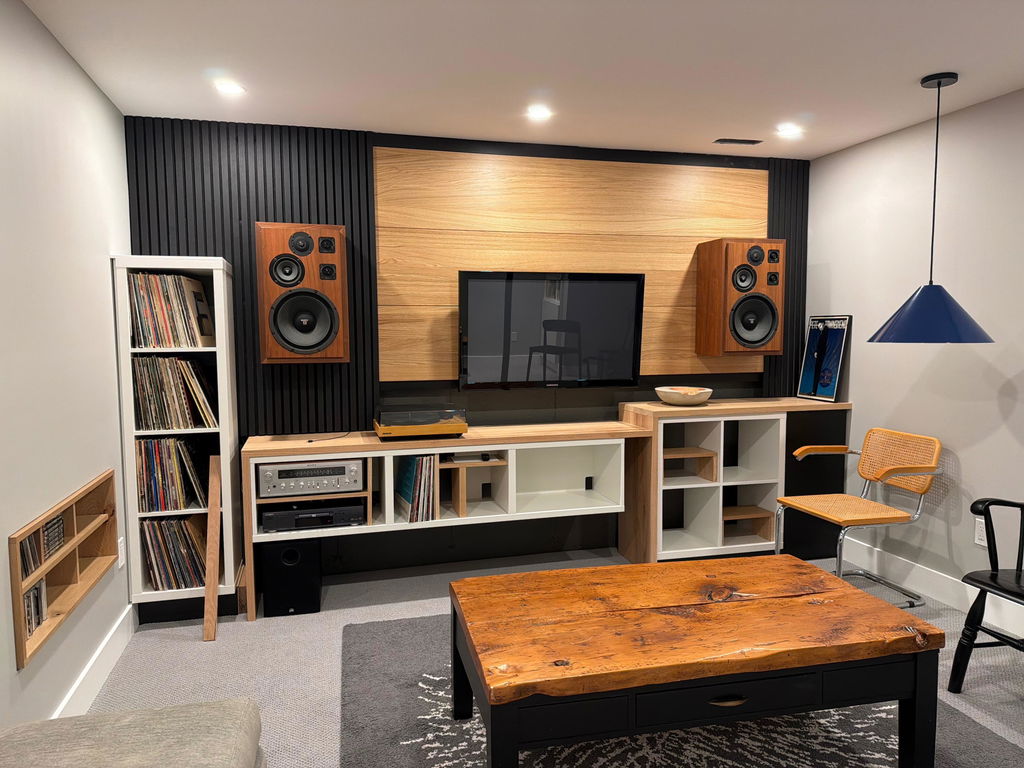
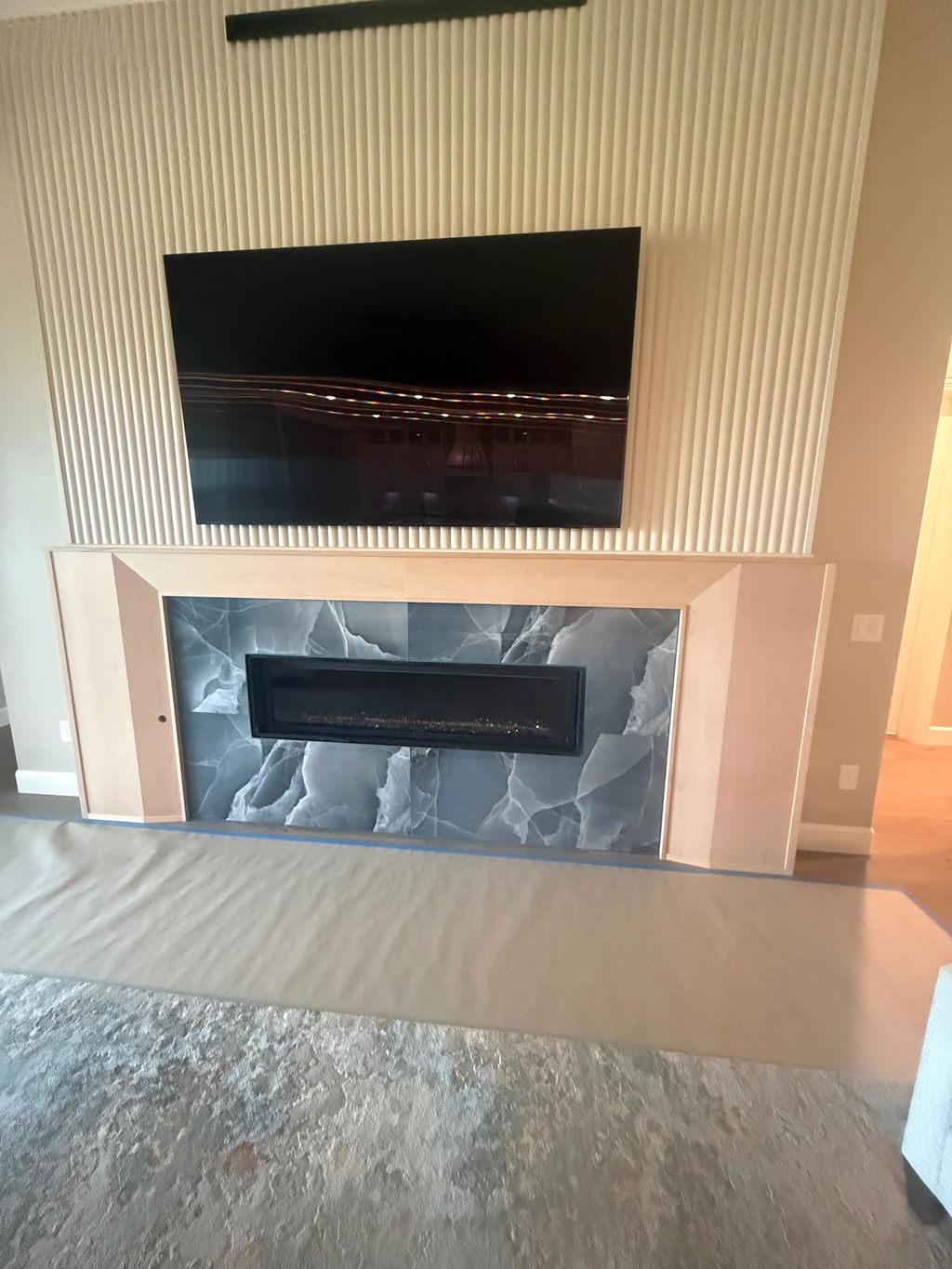
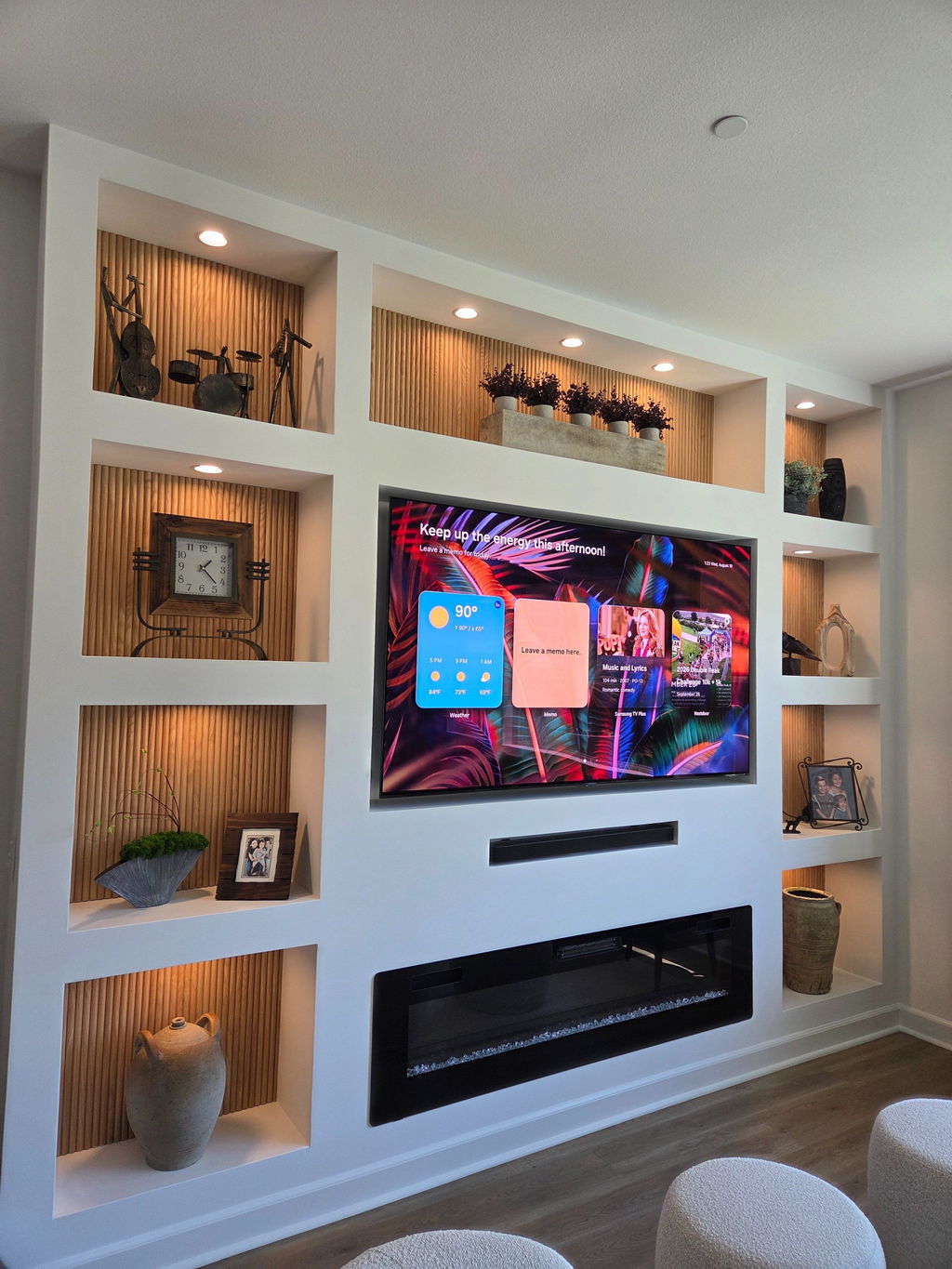
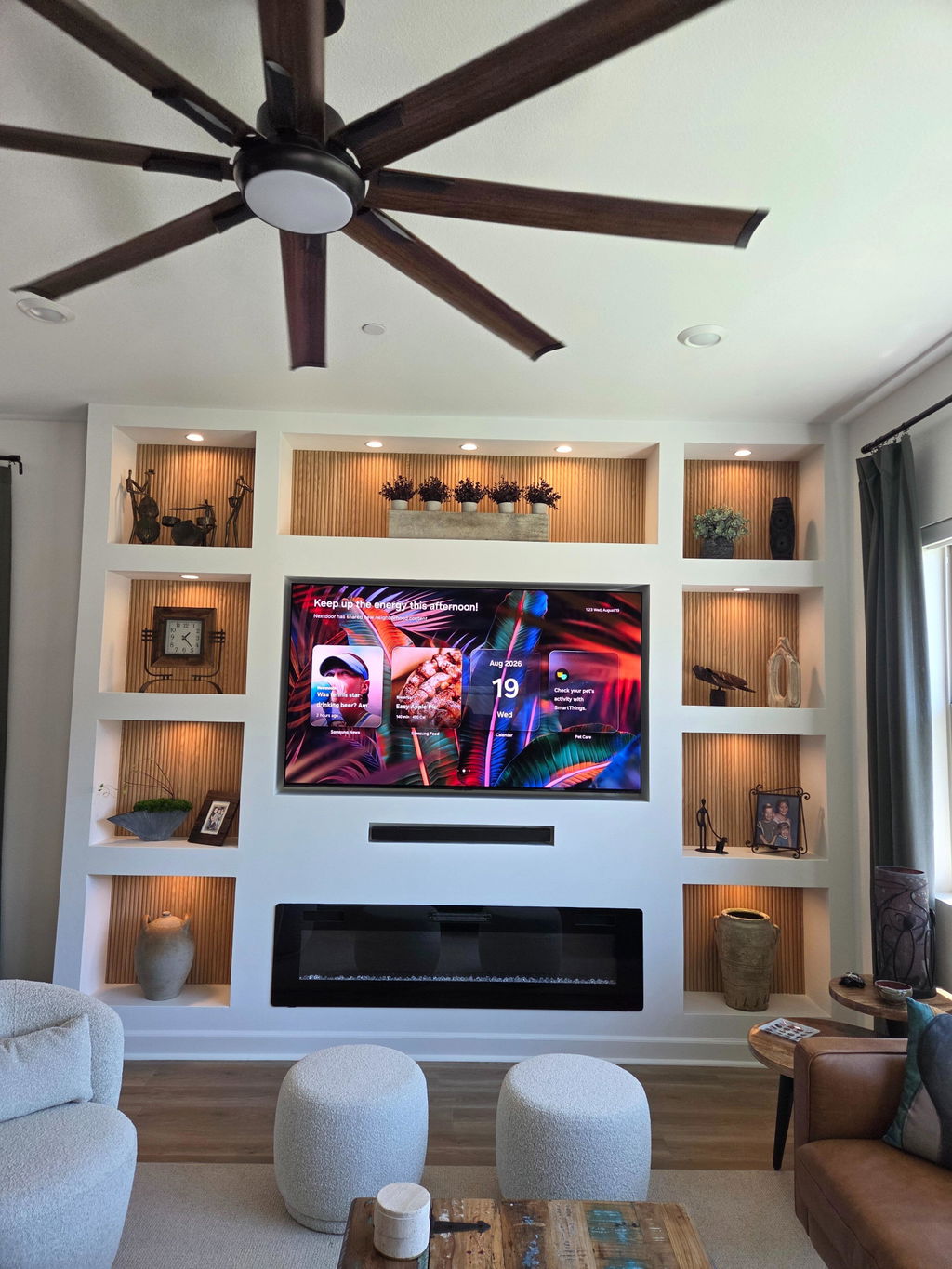
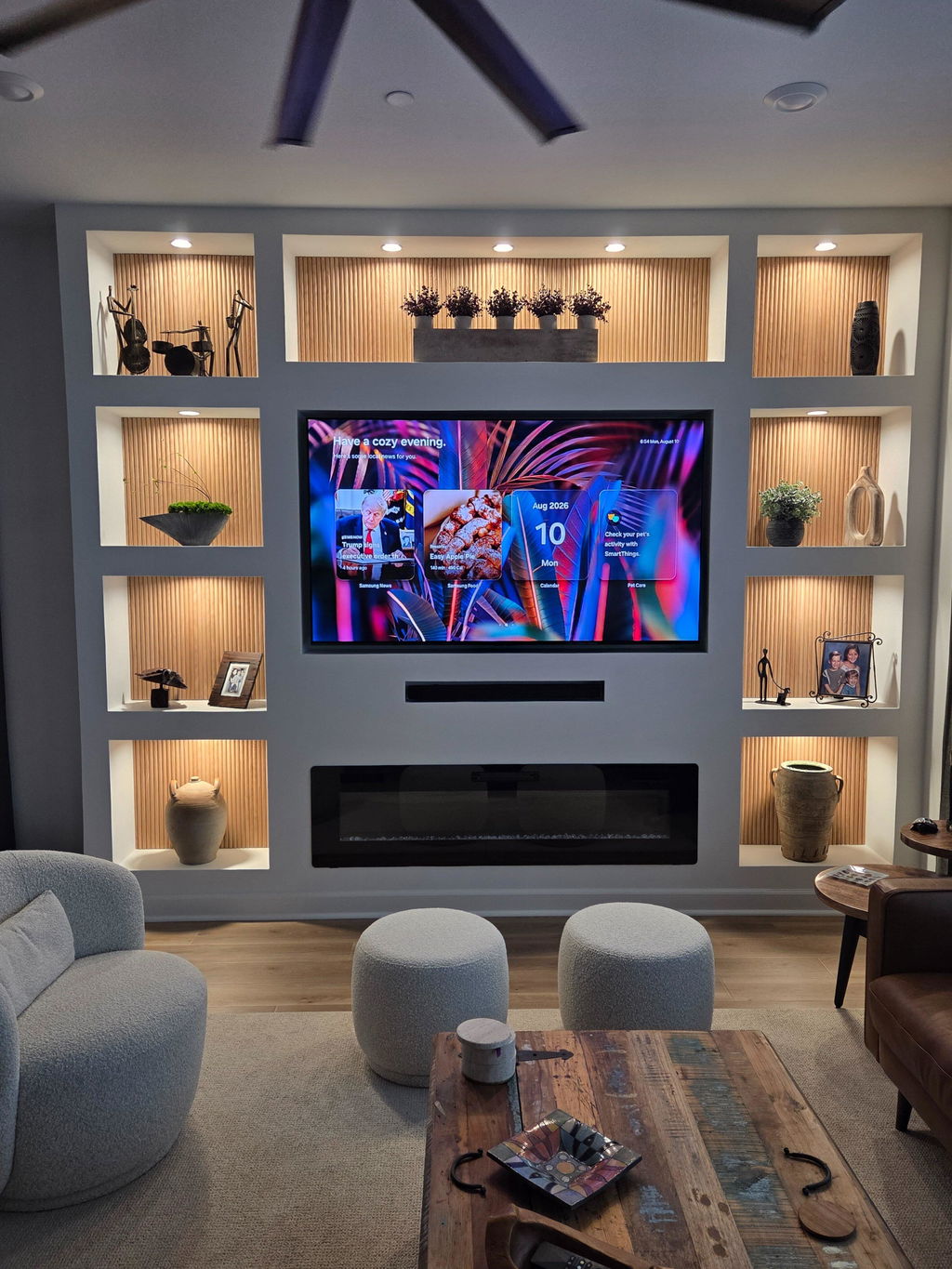
You’ll usually see ribbed panels on larger surfaces like TV walls, entryways, or dining areas that need visual grounding.

The ribs curve outward instead of sitting recessed into the surface. That raised profile catches light along the edges which then creates sharper highlights and deeper shadows.

They are especially useful in open layouts where everything blends together too easily. The ribs also create natural shadow lines, so the wall changes slightly throughout the day as light moves across it. It might be subtle, but it's totally noticeable.

What Are Fluted Panels?

fluted panels

shop now button

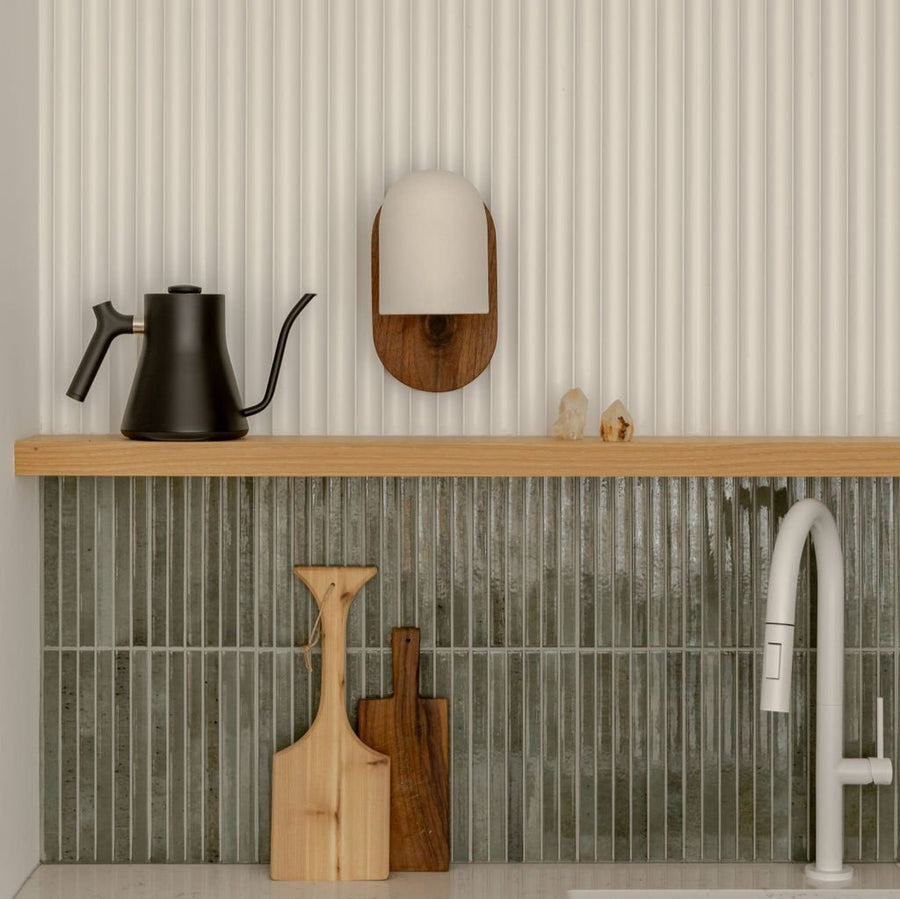
Fluted panels follow the same vertical rhythm, but the grooves curve inward instead of outward. That small shift gives them a softer and more sculpted look, since the shadow sits gently inside each channel rather than along the edges.

And because the profile feels more recessed and smooth, fluted panels come across as more decorative than ribbed.

You’ll often see them on kitchen islands, bar fronts, or curved walls, especially when you want texture that feels refined without taking over the whole space.

How They Actually Feel Once Installed

This is where the difference becomes obvious fast. At first look, fluted and ribbed panels can look like twins. In person, they really don’t.

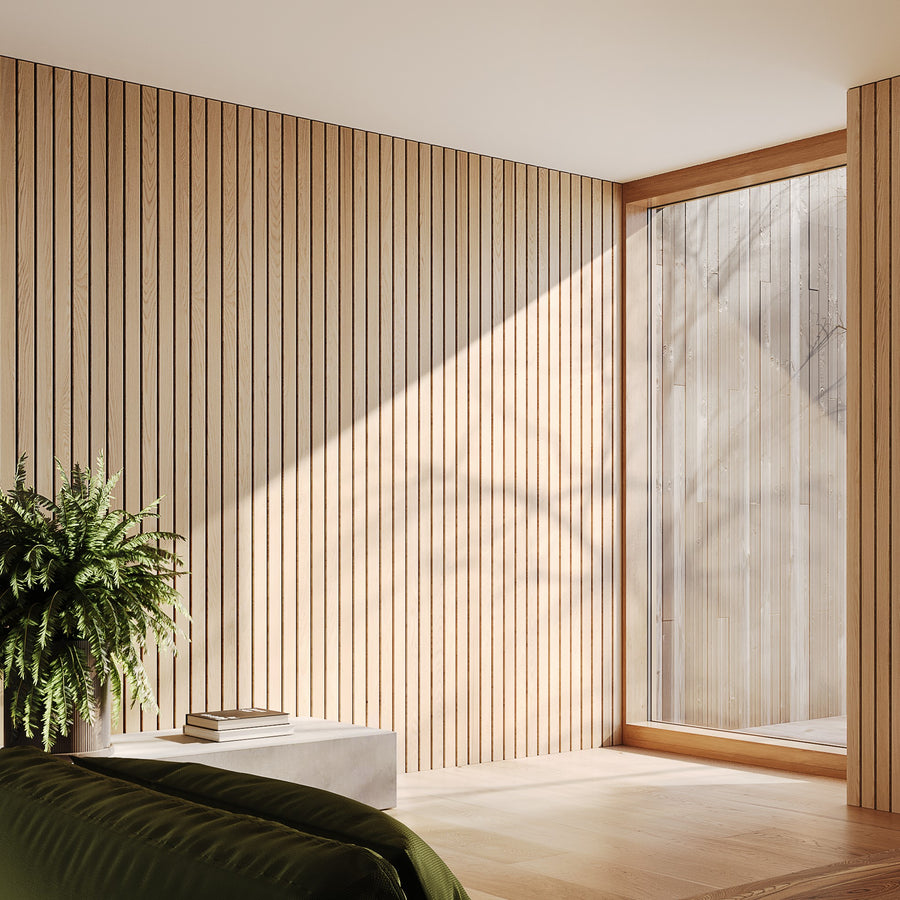
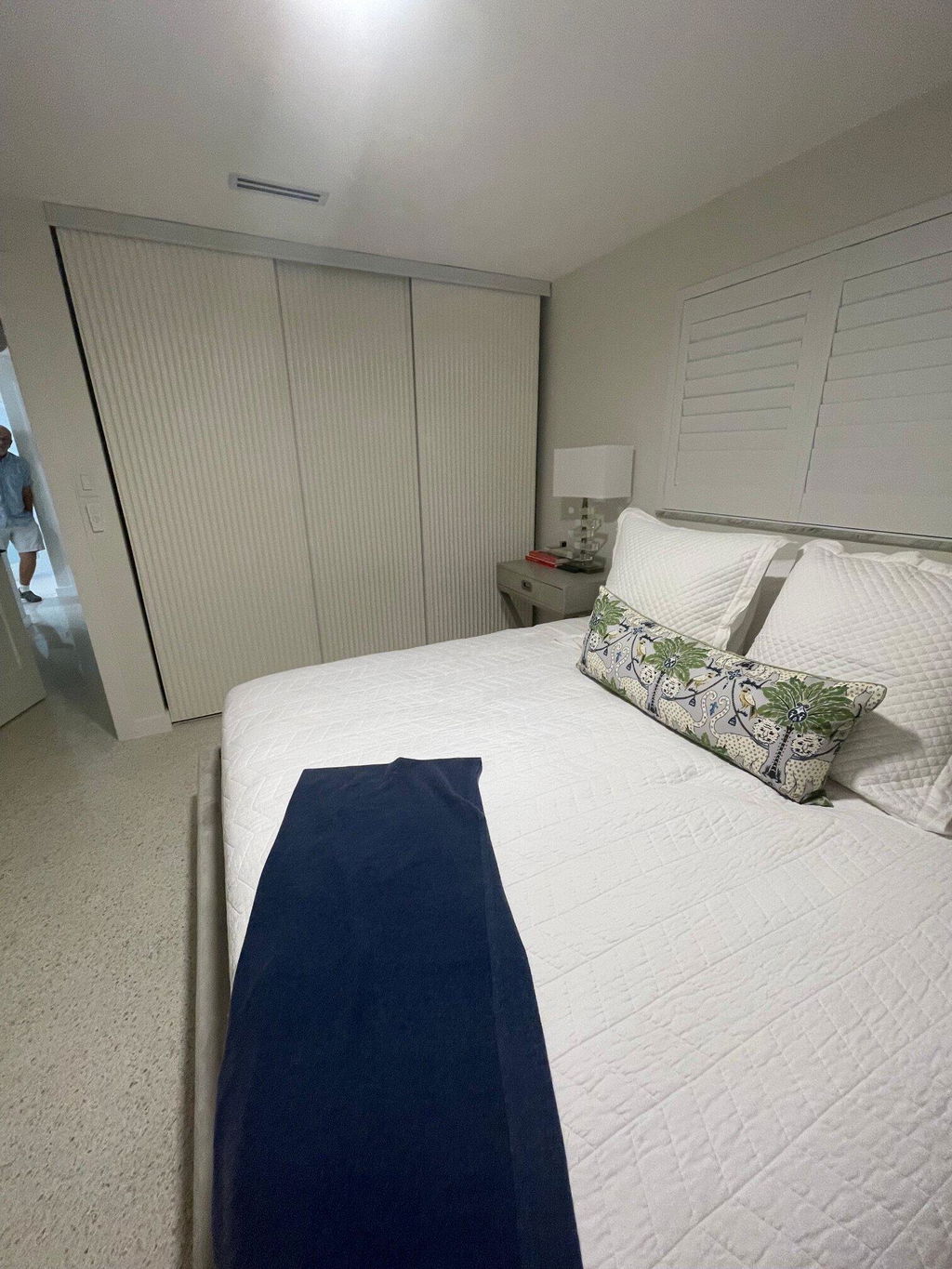
Ribbed wall panels have ridges that curve outward, so the texture sits on top of the surface. Because of that, they catch light more aggressively and feel bolder. For example, on a big dining room feature wall, ribbed panels create that sculptural, almost gallery-like depth, especially when sunlight hits the raised edges.

ribbed oak panels

Fluted panels curve inward, so the grooves sink into the panel instead. That gives a softer and more carved-in look. You’ll notice fluted panels work beautifully on kitchen islands, curved bar fronts, or built-ins where you want detail.

fluted panel exhaust

shop now button

So if you want something that feels strong and architectural, ribbed panels usually steal the show. Meanwhile, fluted panels feel quieter, smoother, and a little more subtle once they’re actually in the room.

Why Ribbed Wall Panels Work So Well With Midcentury Style

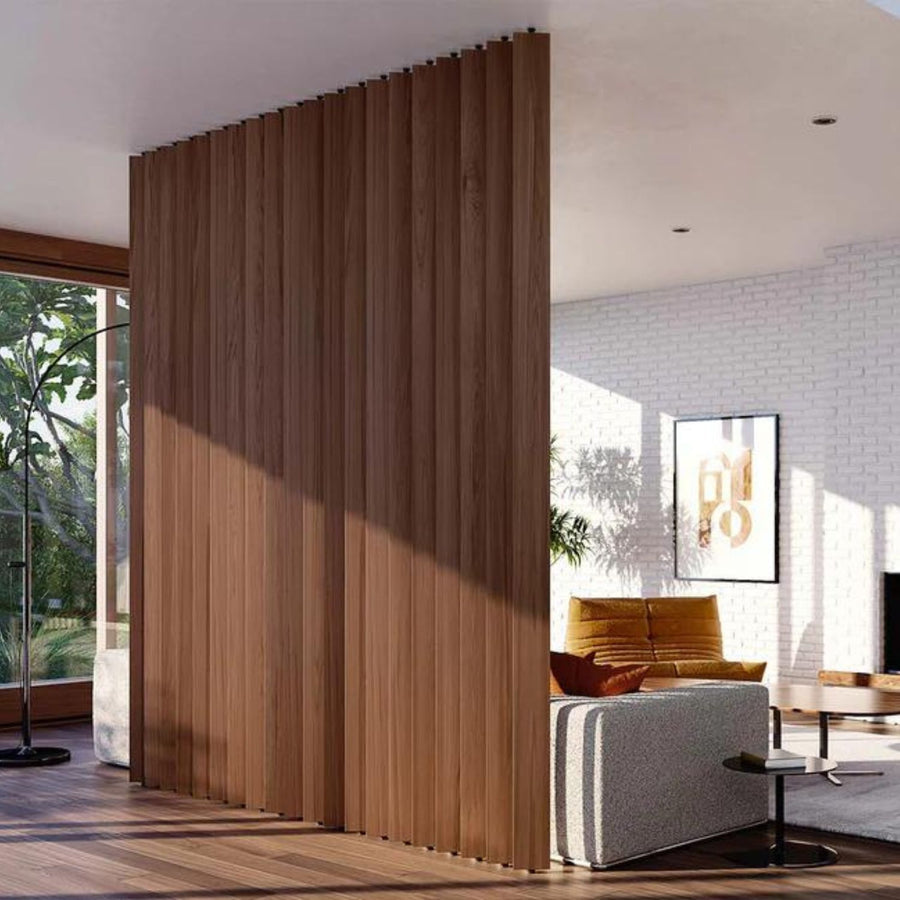
ribbed wall panel

Midcentury interiors relied heavily on vertical wood detailing to bring warmth and structure into otherwise simple spaces.

You see it in classic walnut feature walls, slatted partitions, and built-ins from the 1950s and 60s. That same linear rhythm is exactly why ribbed wall panels work so naturally in a modern midcentury home.

Because the ribs curve outward, they create raised shadow lines that echo those original wood strip walls. Instead of relying on bold paint, you’re adding depth through form, which is very true to midcentury design principles.

Full 8' and 9' panels are ideal for large feature walls or ceilings, while 44" half-length panels suit islands and built-ins.

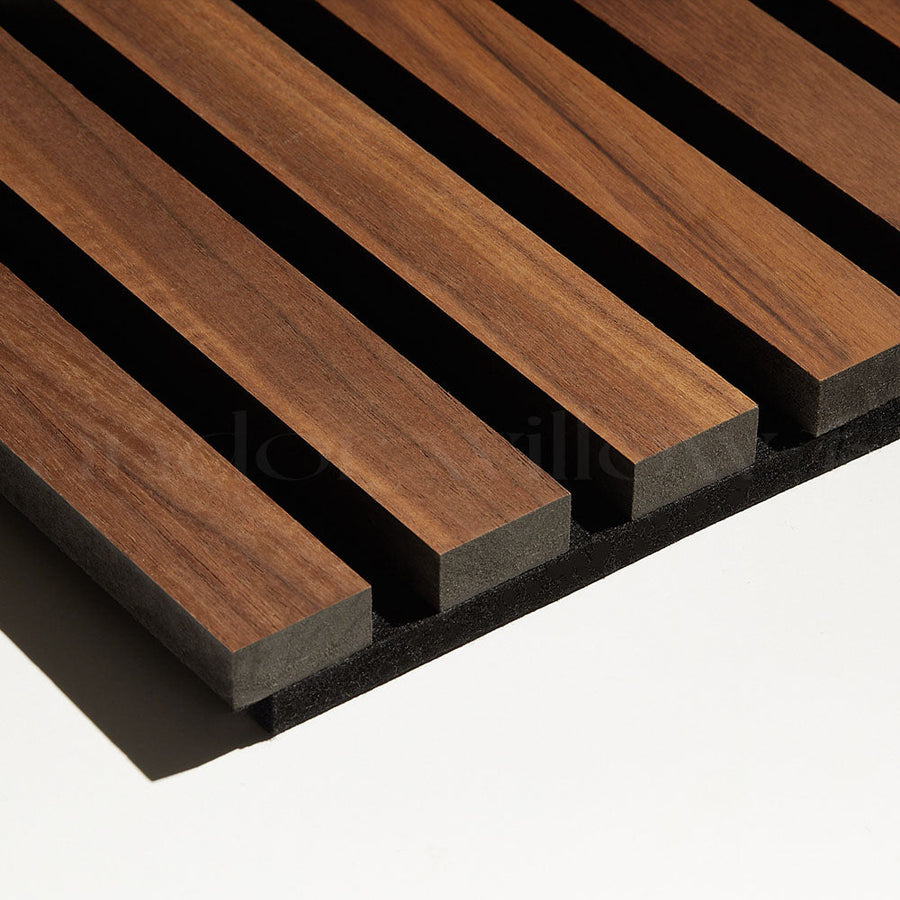
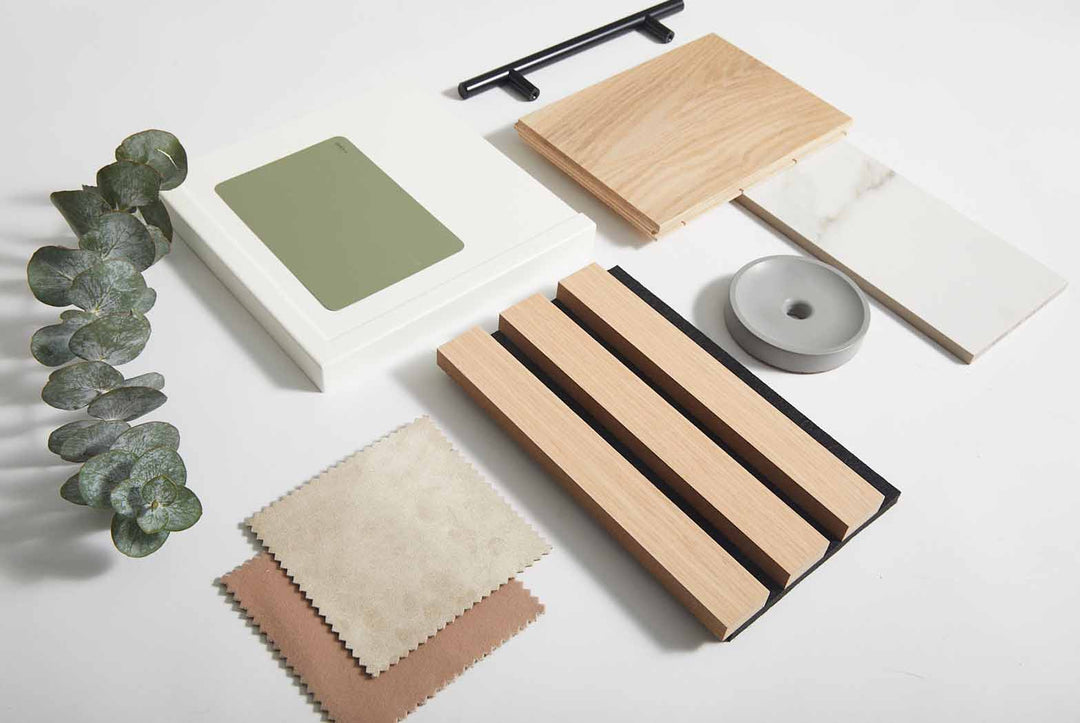
With pre-finished Walnut or White Oak surfaces and flexible backing for curved applications, ribbed panels deliver authentic midcentury warmth in a clean, updated way.

Choosing the Right Panel Without Overthinking It

When you’re deciding between fluted and ribbed, start with what the wall actually needs. Does the room feel flat? Undefined? Or just a little too plain? That usually makes the decision clearer.

Ribbed Panels for Stronger Structure

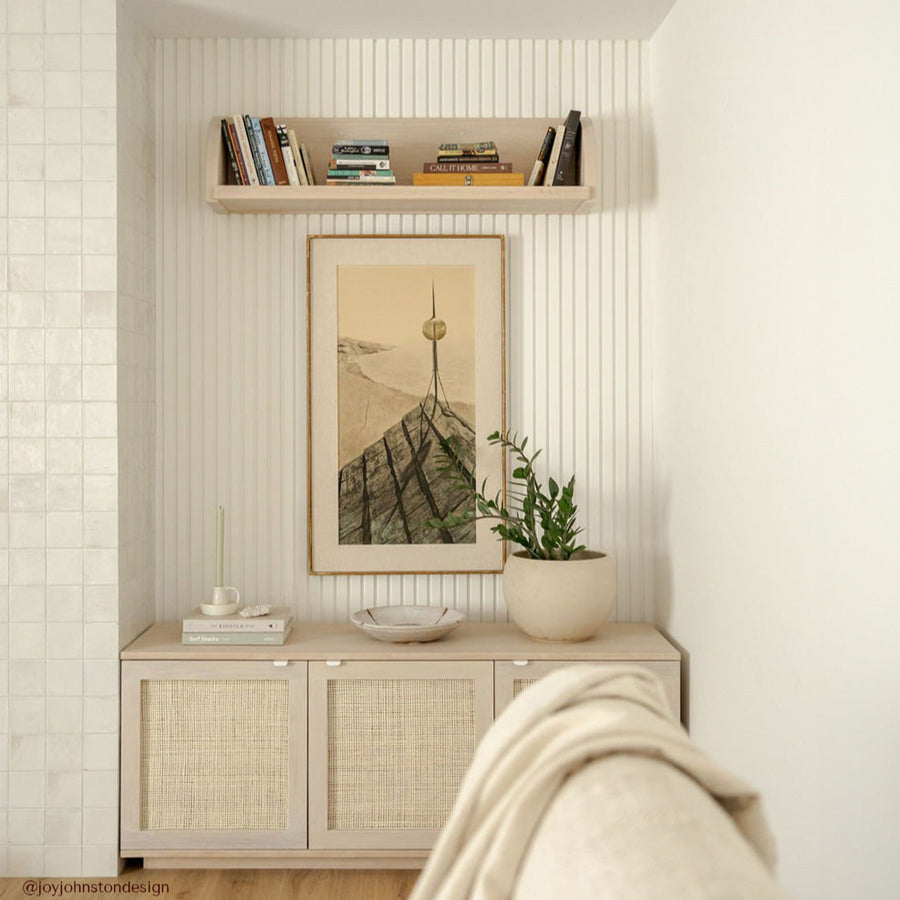
minimalist livingroom with white fluted wall paneling fireplace feature

shop now button

Ribbed wall panels curve outward, which creates raised shadow lines and a more architectural presence. They work especially well on larger surfaces like TV walls, dining feature walls, or tall entryways where you want depth that reads clearly from across the room.

For paintable styles, you can choose Ribbed or Wide Ribbed. Standard ribbed feels more refined and rhythmic, while wide ribbed panels makes a bolder statement with fewer, thicker ribs across the wall.

Fluted Panels for Softer Detail

walnut fluted panels

shop now buttonFluted panels curve inward, so the look feels smoother and more subtle. They’re ideal for kitchen islands, bar fronts, built-ins, or smaller feature walls where you want texture without overpowering the space.

Paintable options include Fluted and Wide Fluted, and they come primed and ready to paint. If you prefer real wood, wide fluted wall panels are also available in White Oak and American Walnut, both pre-finished so there’s no staining or sealing required.

Let Scale and Finish Guide the Choice

Ribbed panels tend to shine on full walls, while 44" half-length panels are great for islands, half-walls, and furniture projects. Paintable panels fit together with a repeating pattern for seamless installs, while real wood options add natural grain variation and warmth.

In short, choose ribbed for structure, fluted for softness, and select your width and finish based on how bold you want the final result to feel.

Conclusion

Fluted and ribbed panels might seem like a small choice, but once they’re installed, the difference is obvious.

Fluted wall panels bring a softer, carved-in texture, which is why they look so good on kitchen islands, bar fronts, or built-in cabinetry where you want detail without the wall taking over the room.

wide fluted panels

Ribbed wall panels create raised rhythm and stronger shadow lines, so they work best on full-height feature walls like behind a TV, alongside a dining room wall, or in an entryway where flat drywall feels unfinished.

That’s exactly why both styles fit so well in a modern midcentury home.

They echo the warm wood detailing and vertical lines of classic interiors, while still feeling clean and current in today’s spaces.


Leave a comment

This site is protected by hCaptcha and the hCaptcha Privacy Policy and Terms of Service apply.