 Skip to content







How Textured Walls Became the Secret to a More Premium-Looking Home

For years, smooth painted walls were the safe choice. They were easy to maintain, easy to repaint, and easy to ignore.
But as homes started leaning more open and minimal, those flat walls began to feel a little underdressed...
Furniture alone could not always carry the space, and rooms started lacking depth and character. And as a result, homeowners began looking for ways to make walls do more than just sit there.
Texture stepped in as the quiet upgrade that changed everything.
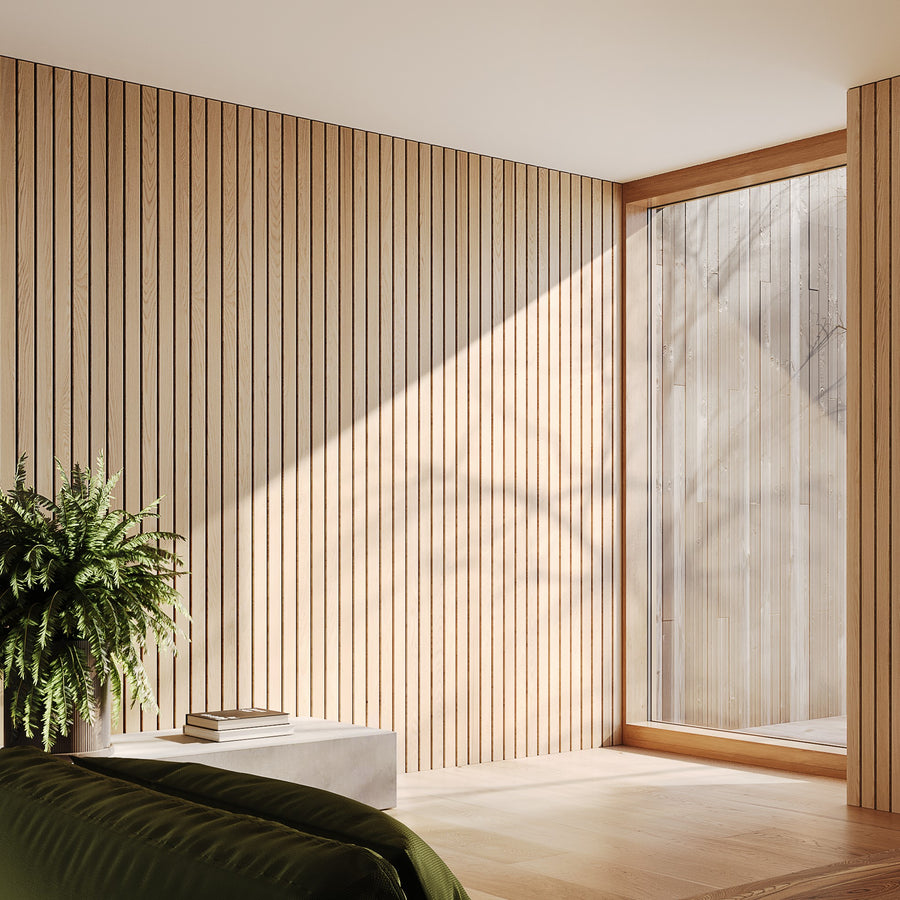
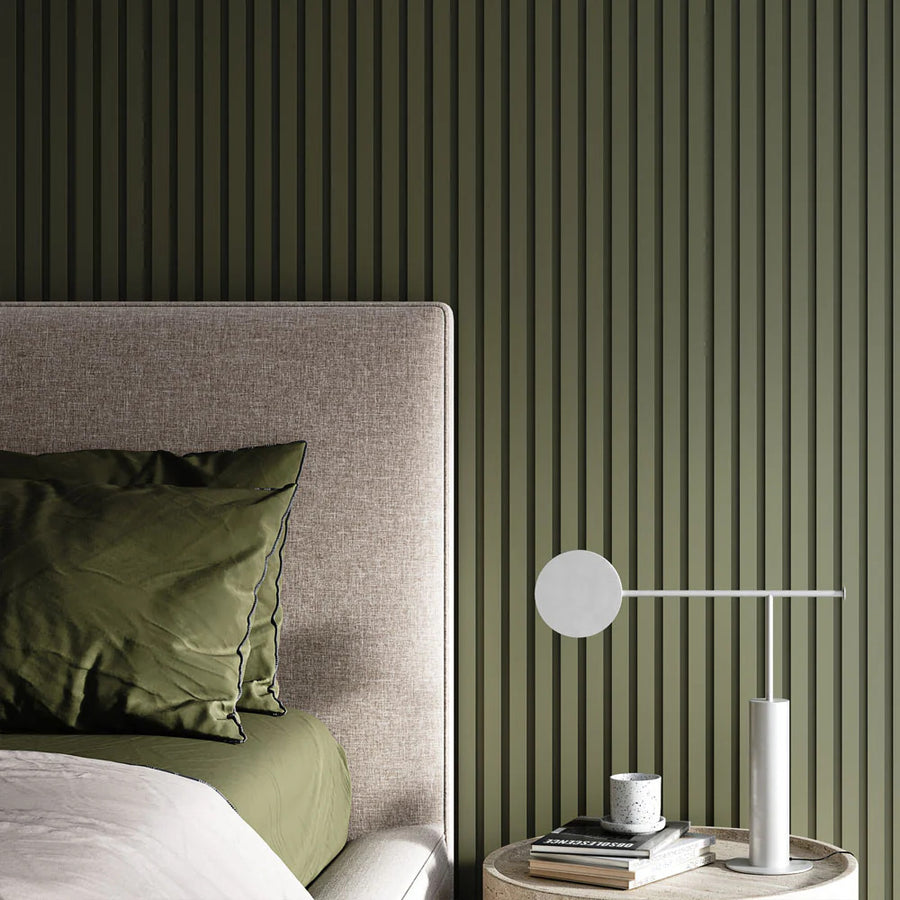
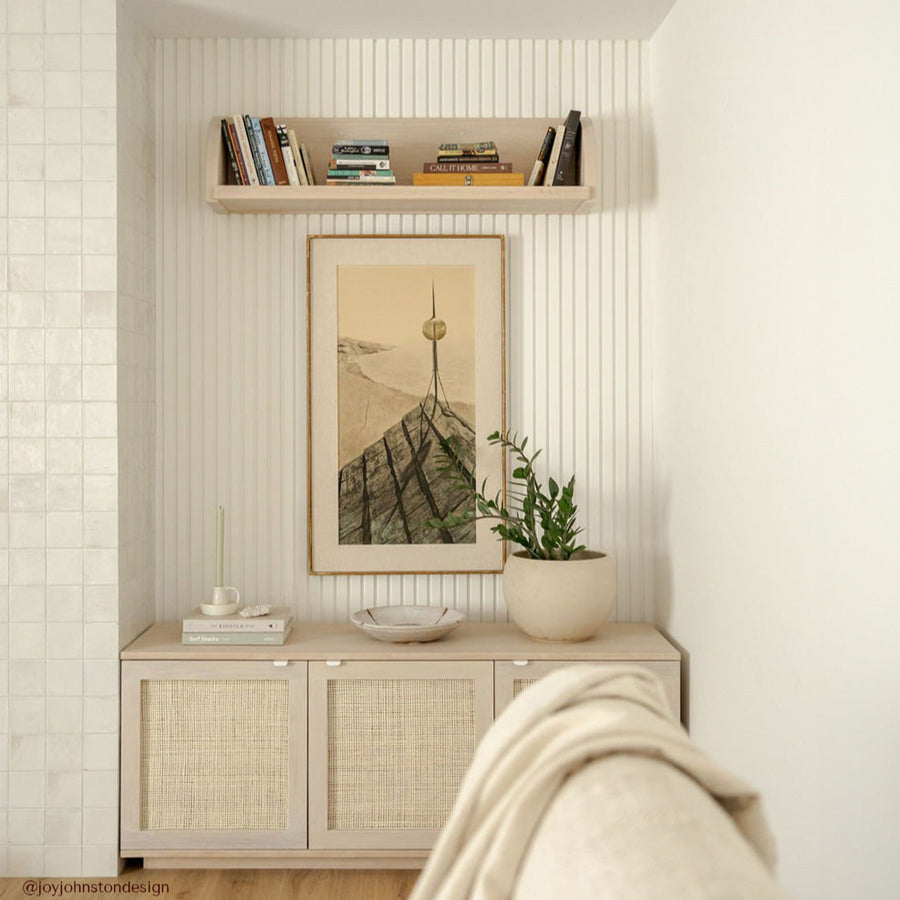
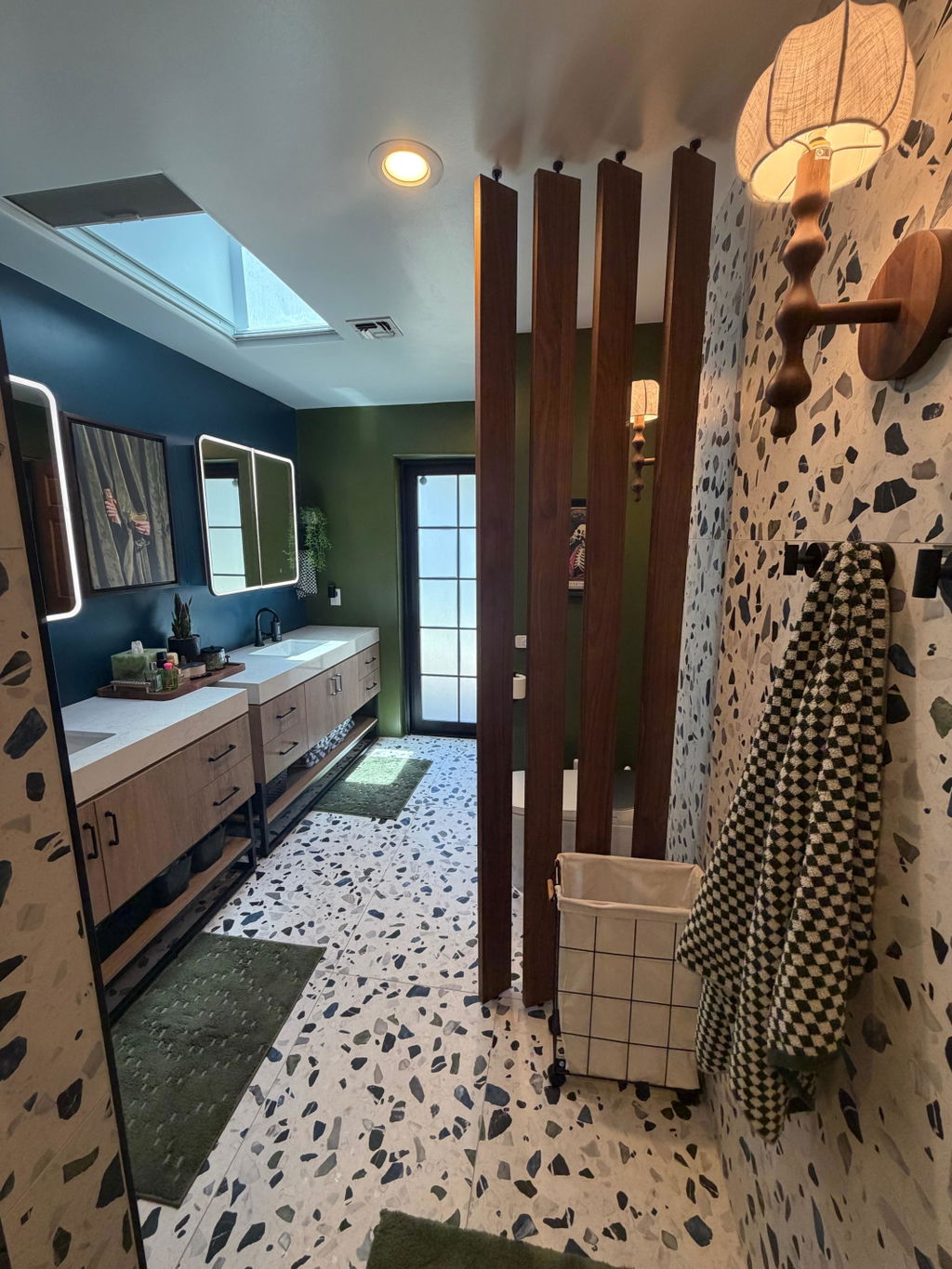
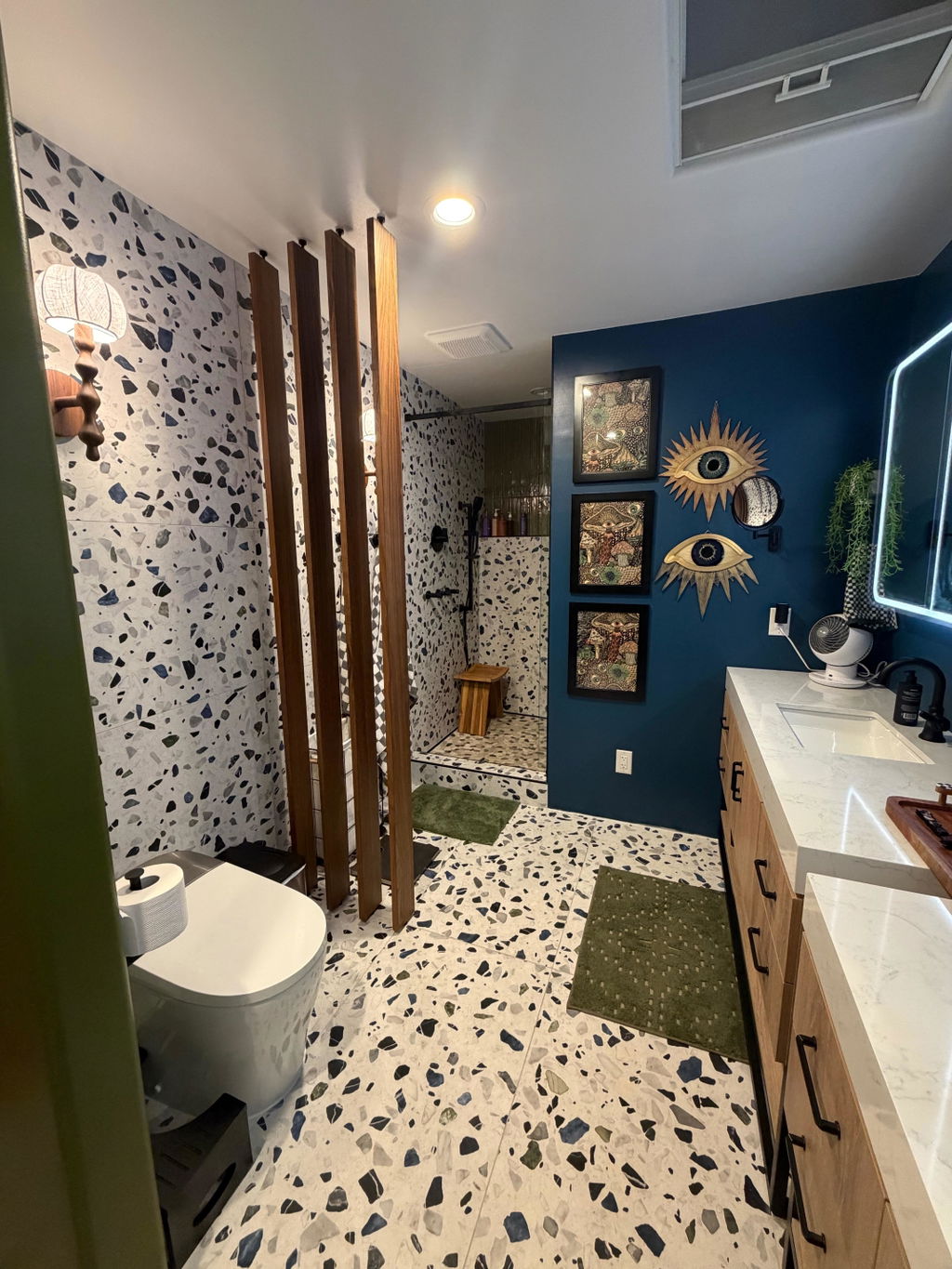
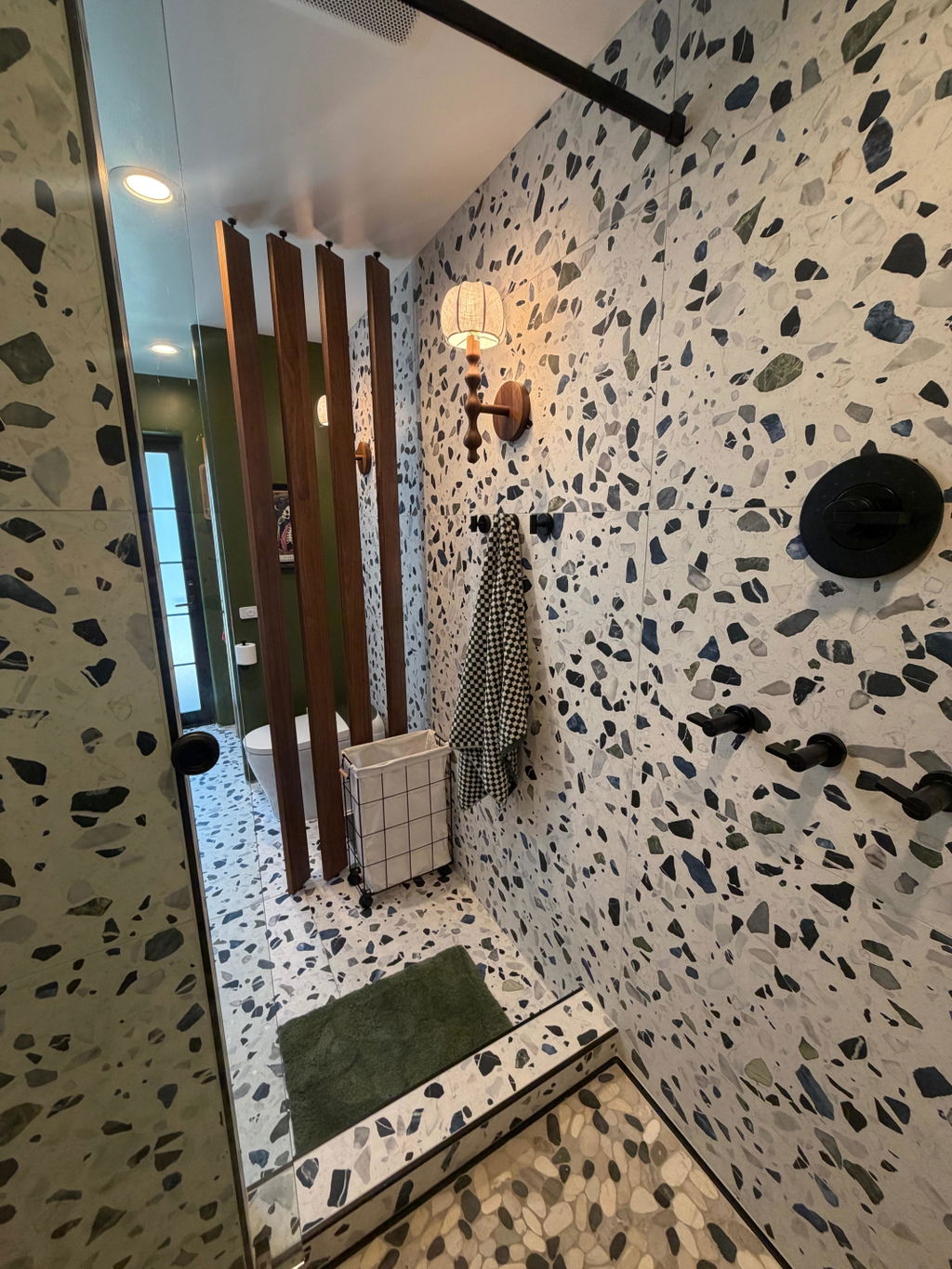
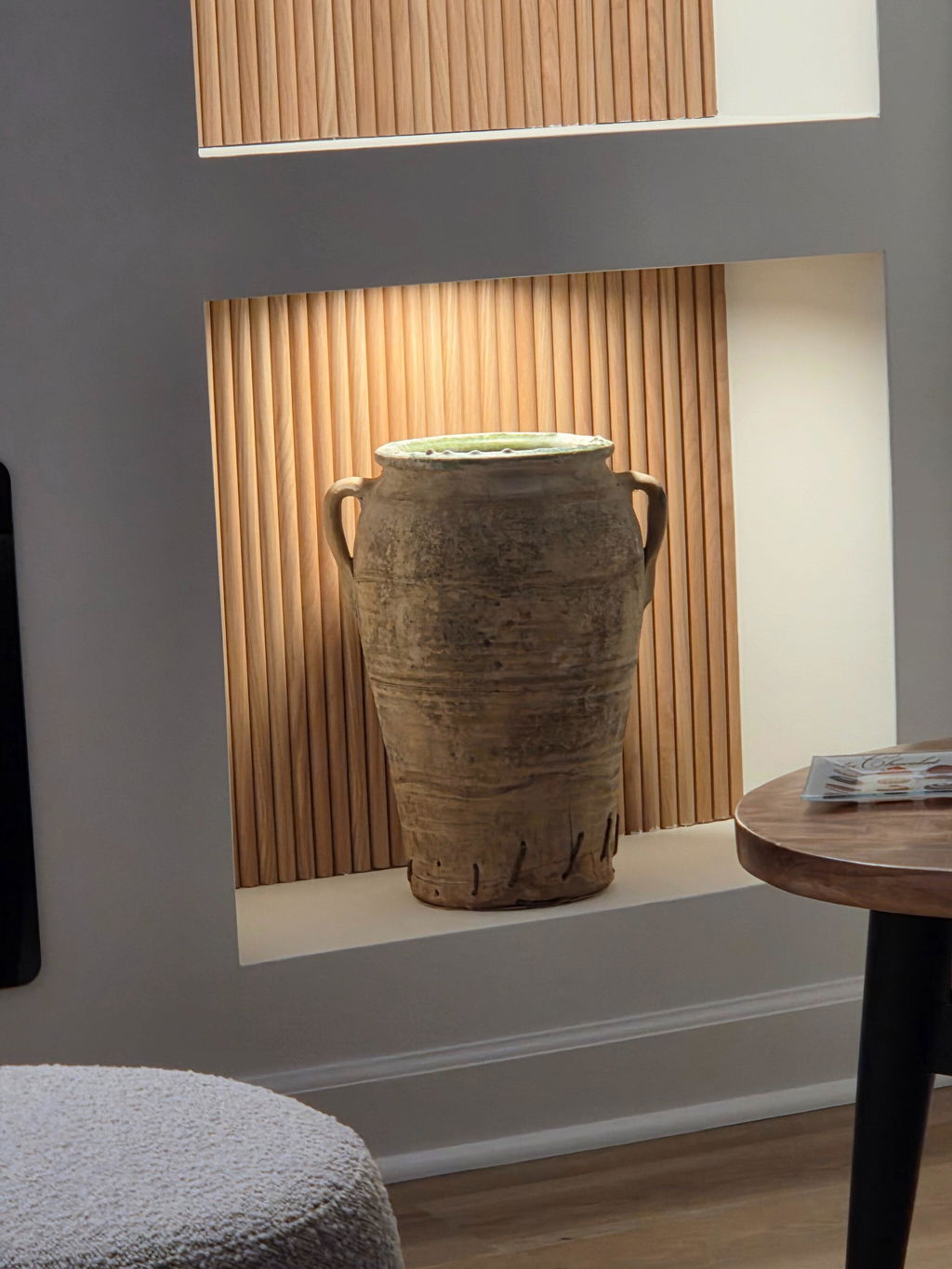
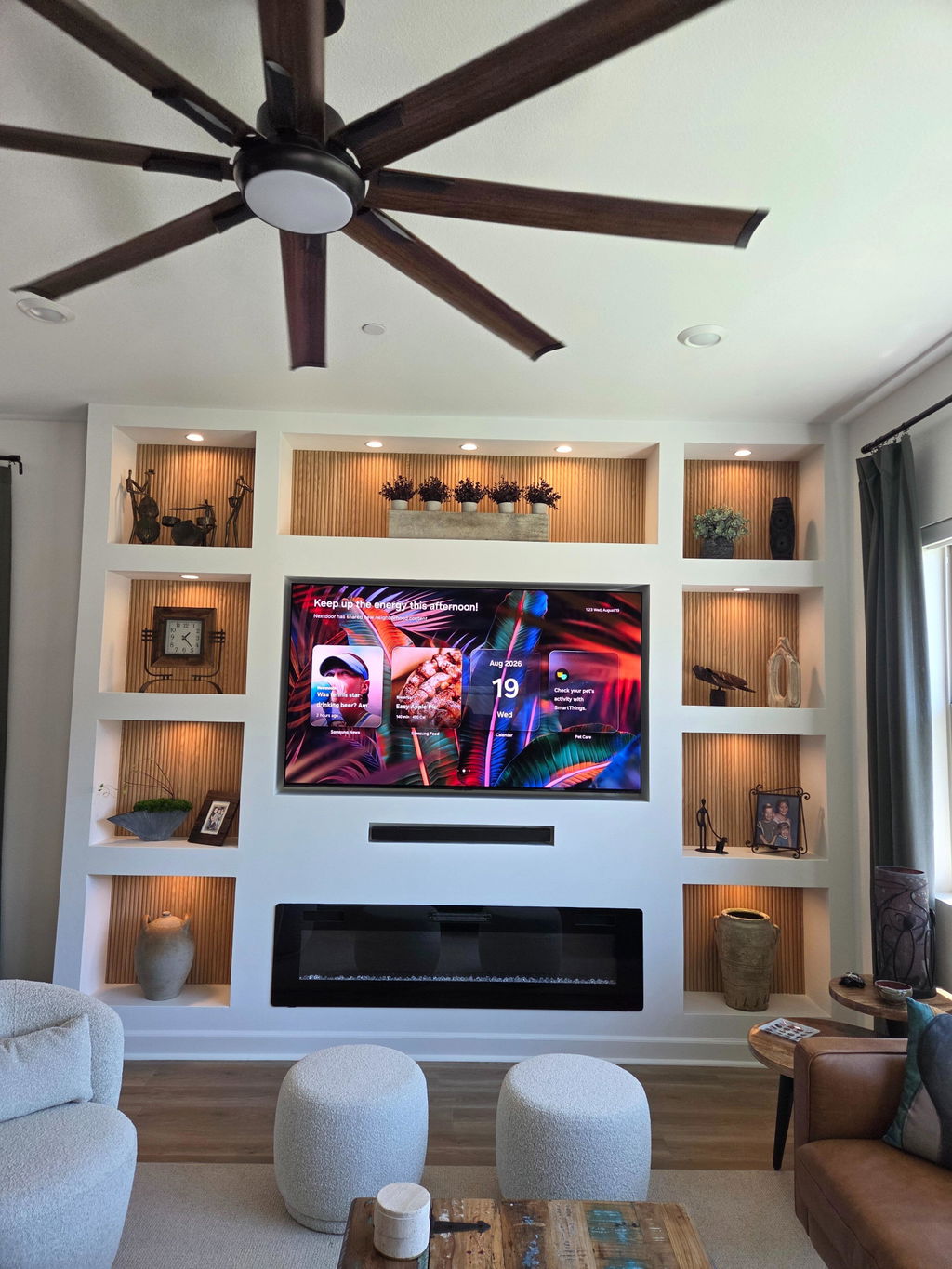
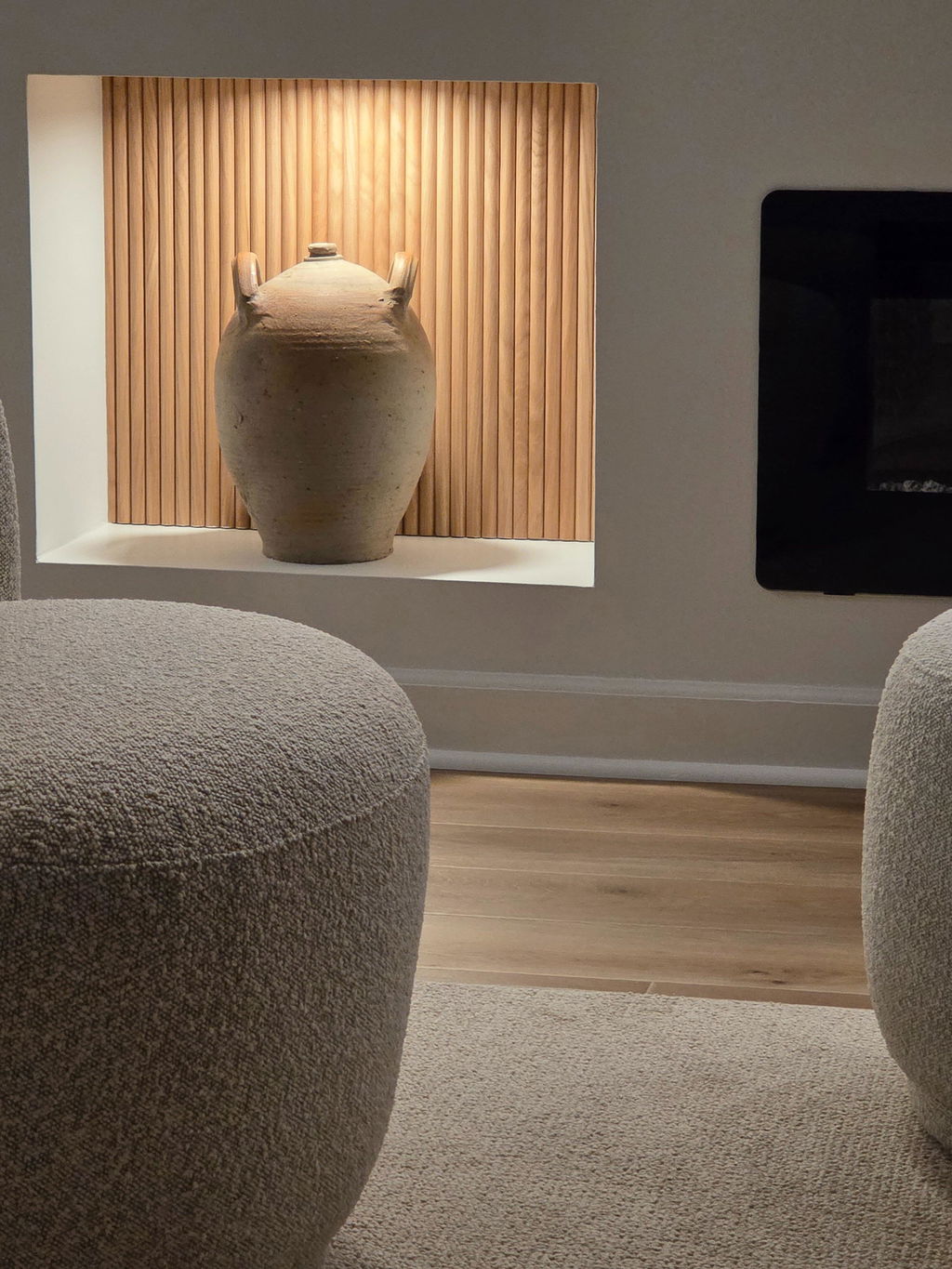
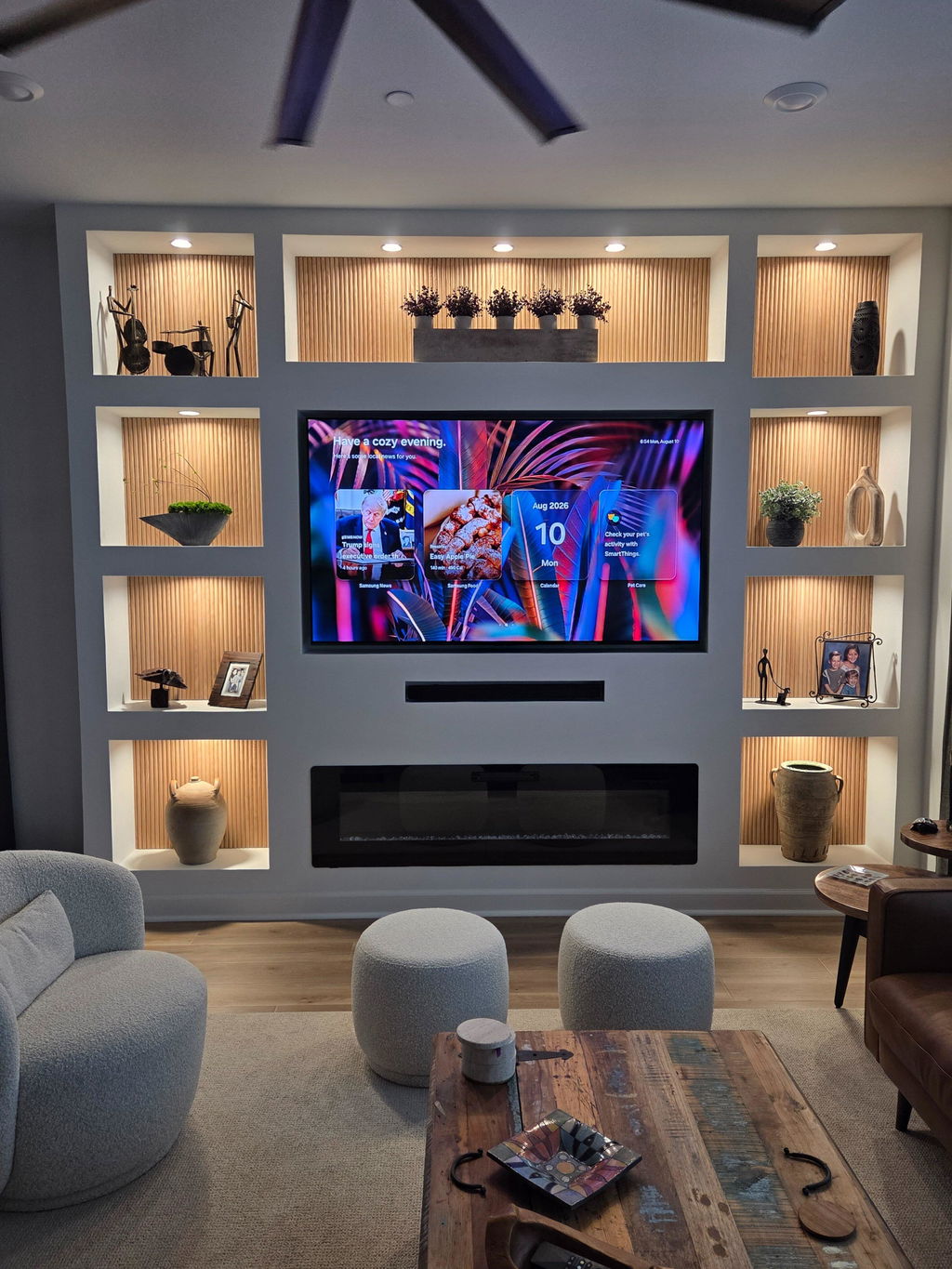
Textured walls work best when they add structure and warmth, and pairing them with architectural details like wood slat panels takes the look up a notch.
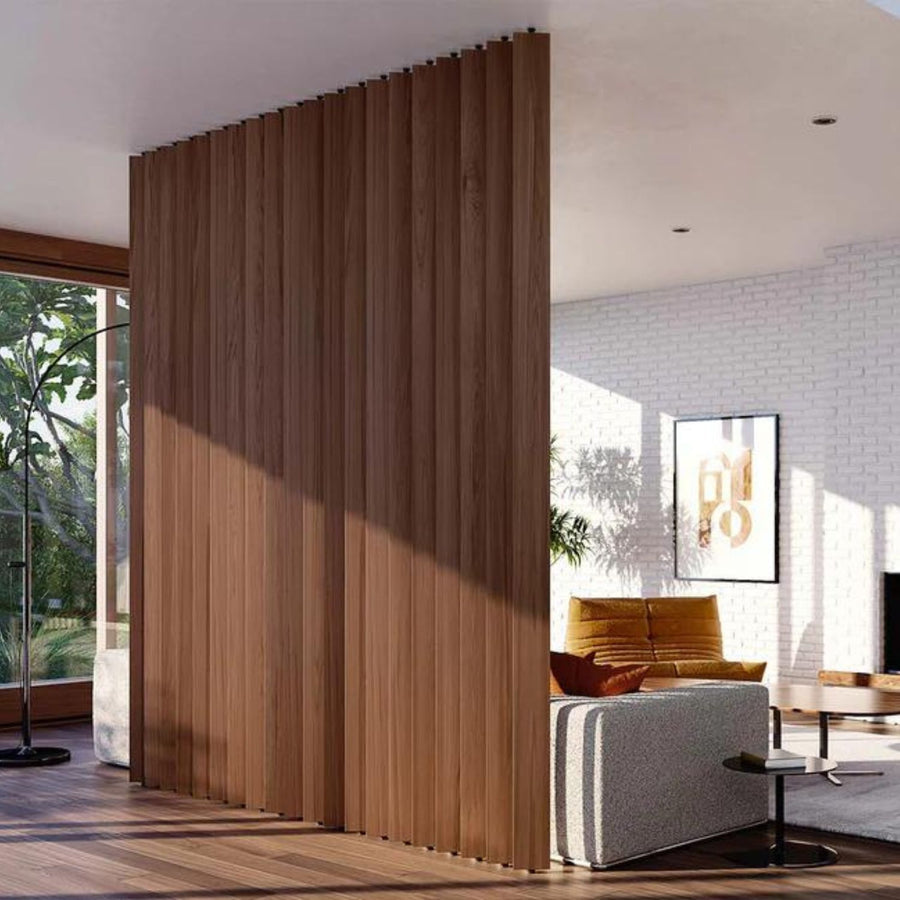
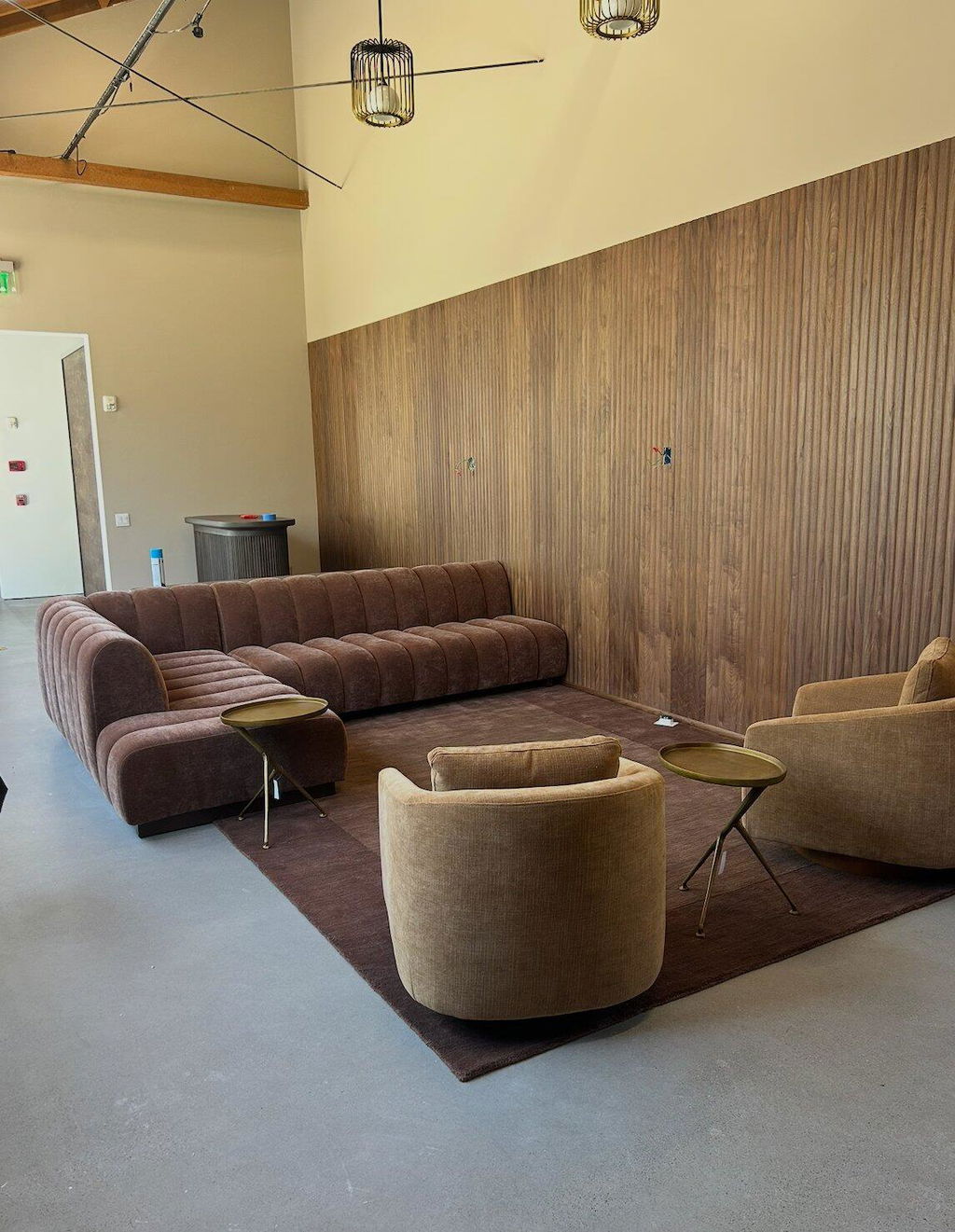
Slatted Panels Add Rhythm and Structure

Slatted panels have become popular for a reason.
First is that they introduce a consistent pattern that instantly makes a wall feel built for a specific purpose.
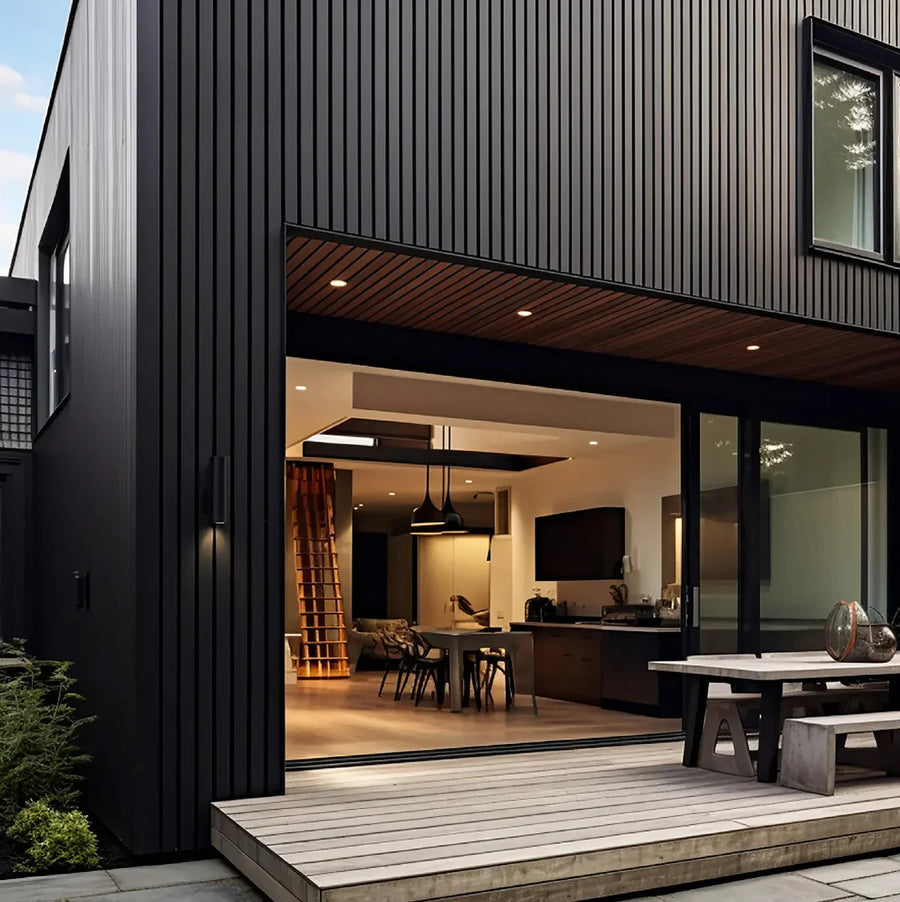
Second.... vertical slats help rooms feel taller, while horizontal slats can stretch a space visually.
And beyond looks, they are also practical.
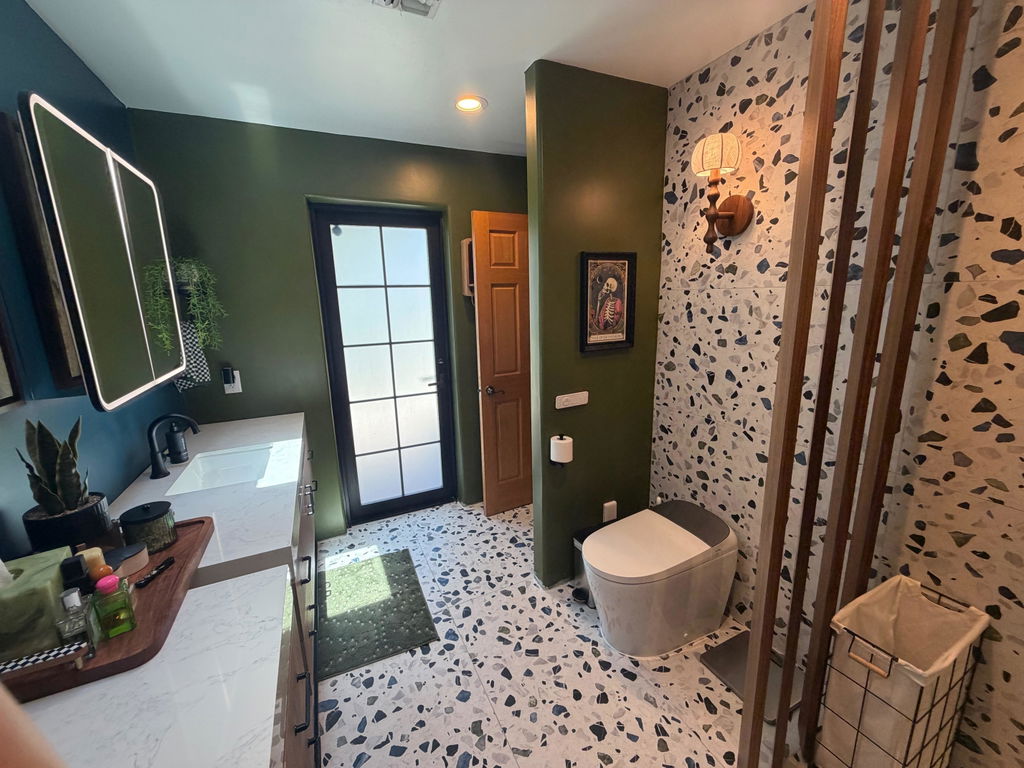
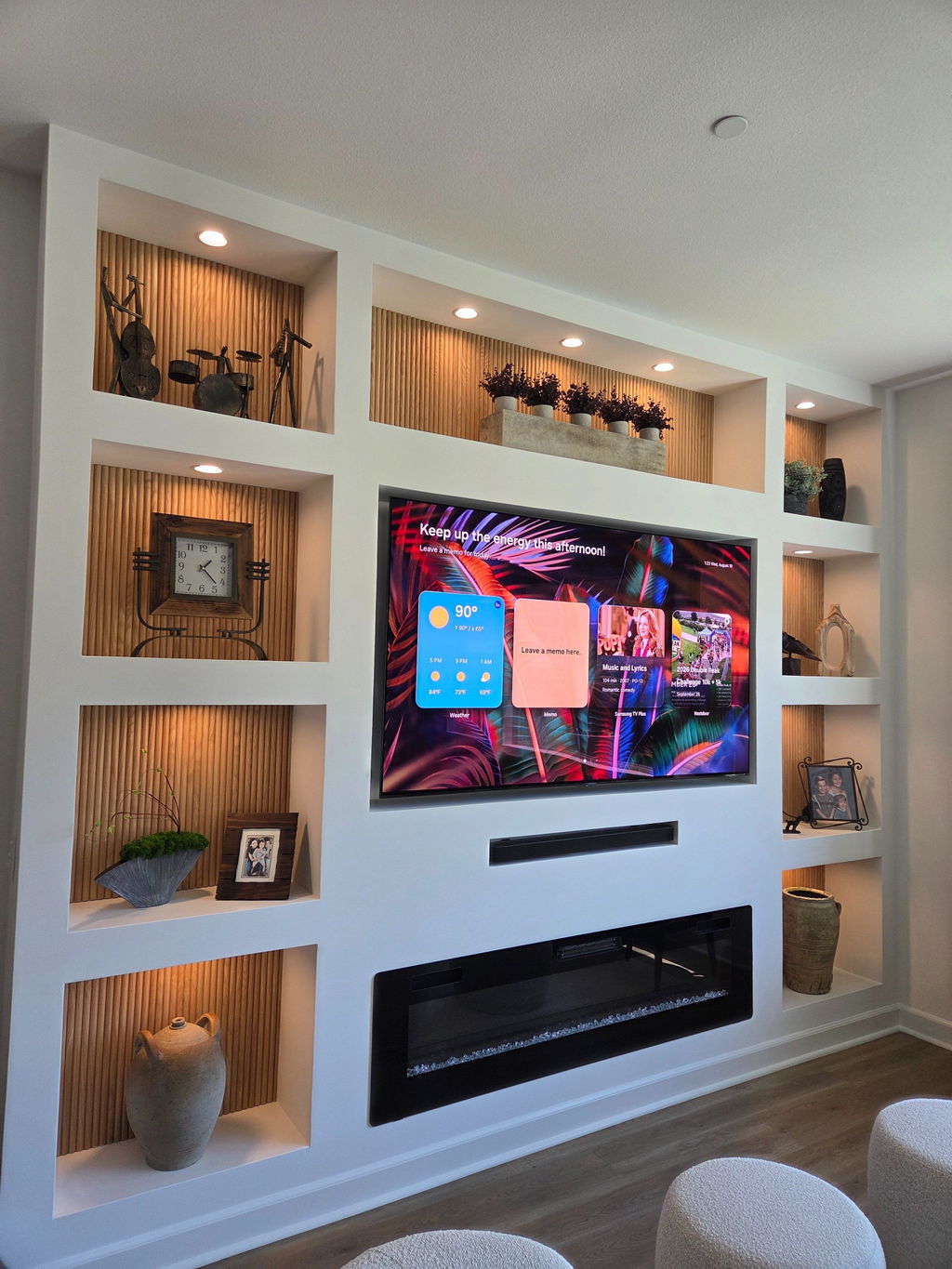
Slatted panels often double as room dividers, media walls, or shelving backdrops. Because light passes between the slats, the wall never feels heavy.
Wood slat panels, in particular, strike a balance between warmth and structure, which is why they show up so often in living rooms, offices, and bedrooms.
Flat Walls Do Not Anchor a Space Anymore


Large, uninterrupted walls tend to feel empty, even in well-furnished homes.
You might not notice it at first, but over time the room can feel unfinished. Texture solves this by creating this thing called visual weight.
Instead of hanging more decor, textured walls introduce shadows and variation that naturally make a space feel grounded.
This works particularly well in open layouts where walls need to help define zones instead of fading into the background.
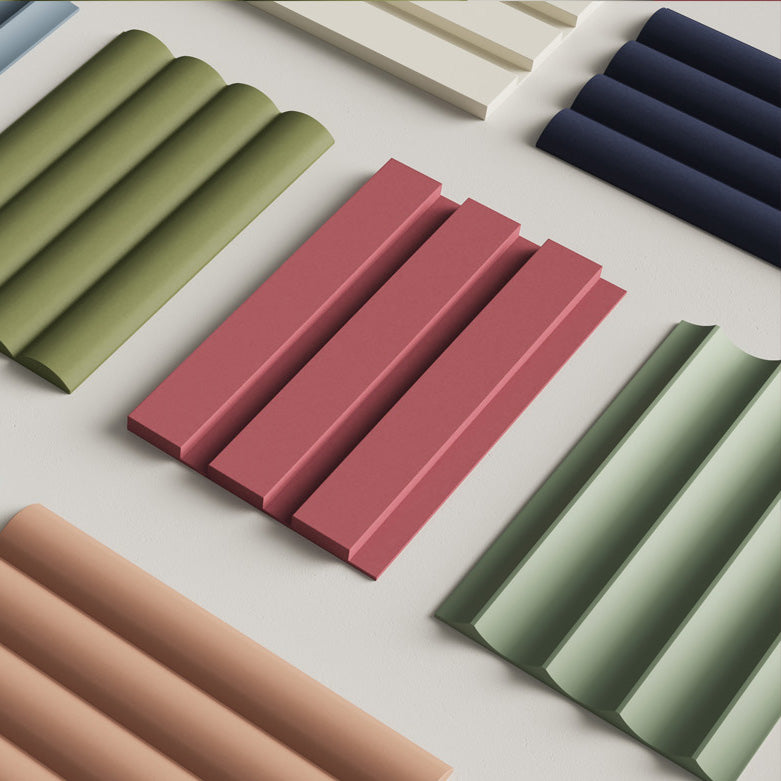
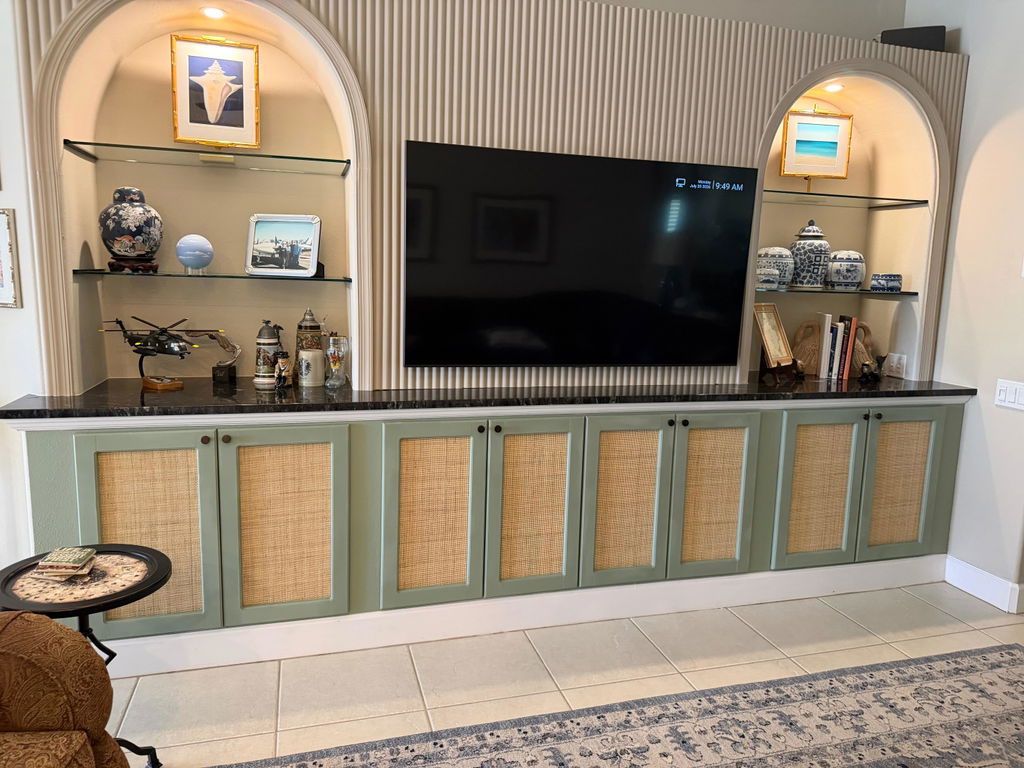
Fluted Panels Offer Low-keyTexture Without Stealing Attention


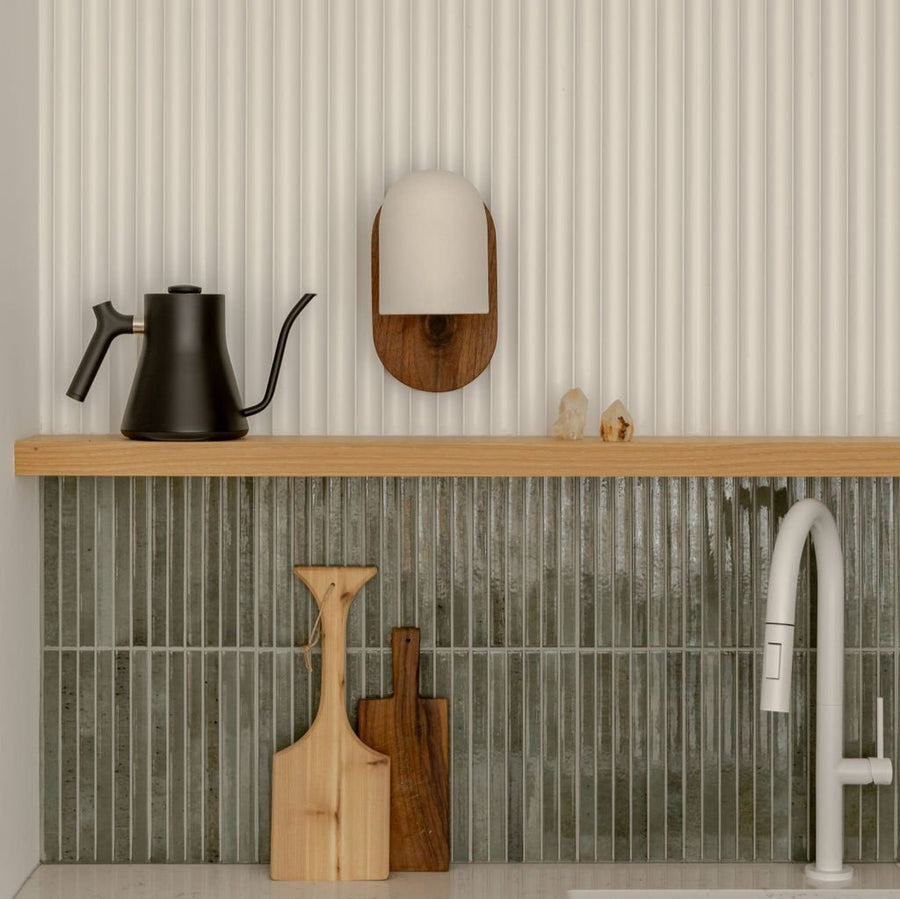
If slats feel too bold, fluted panels take a softer approach.
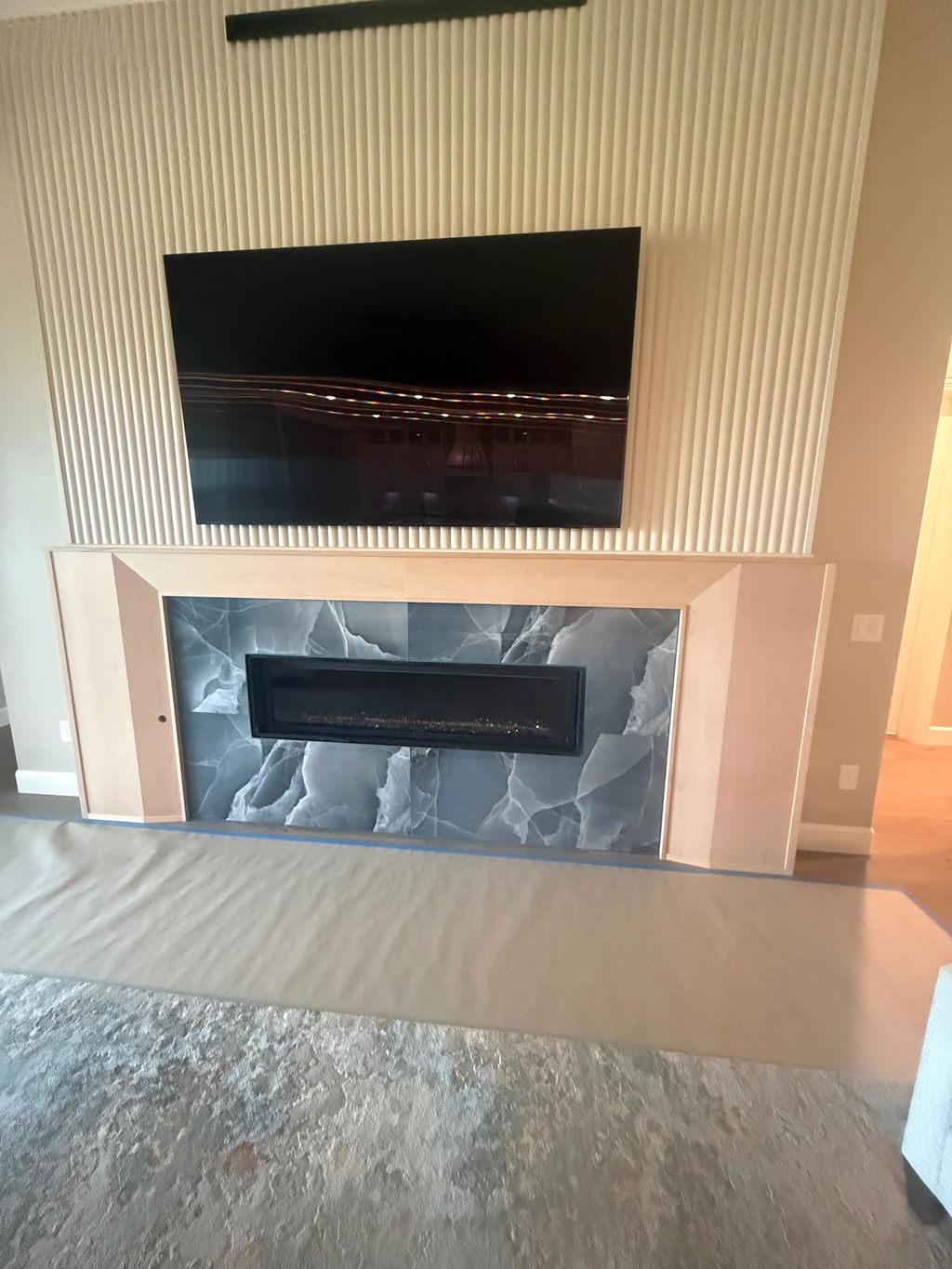
Their curved grooves catch light gently, which adds depth and makes them ideal for dining areas, hallways, or entryways where you want refinement rather than drama.
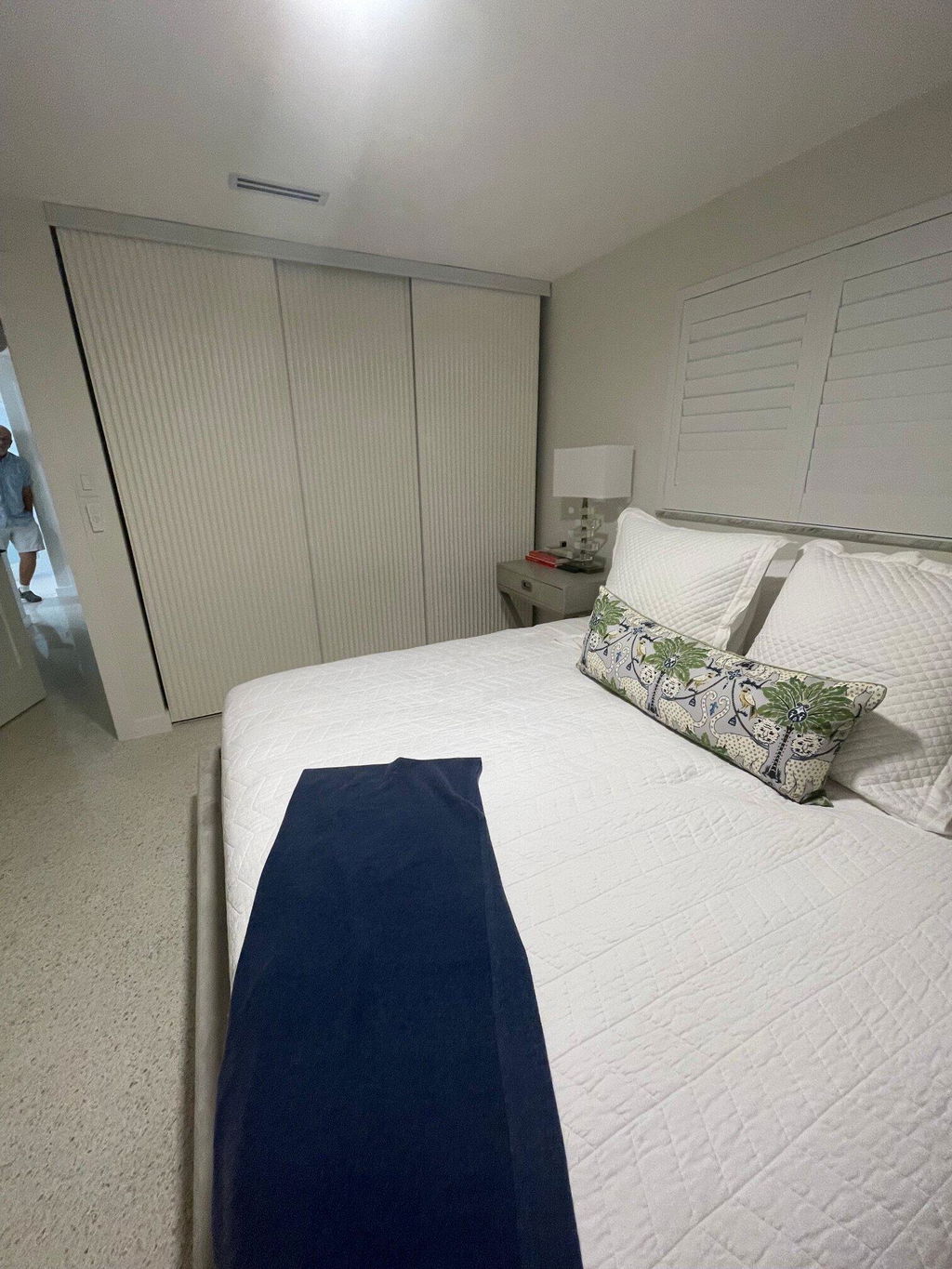
Painted fluted panels work especially well because they blend into the wall color. They are the kind of detail people notice without immediately knowing why the room feels better.
MDF Wall Panels Make Texture More Practical

Custom millwork used to be expensive and time-consuming.
Well... MDF wall panels changed that!
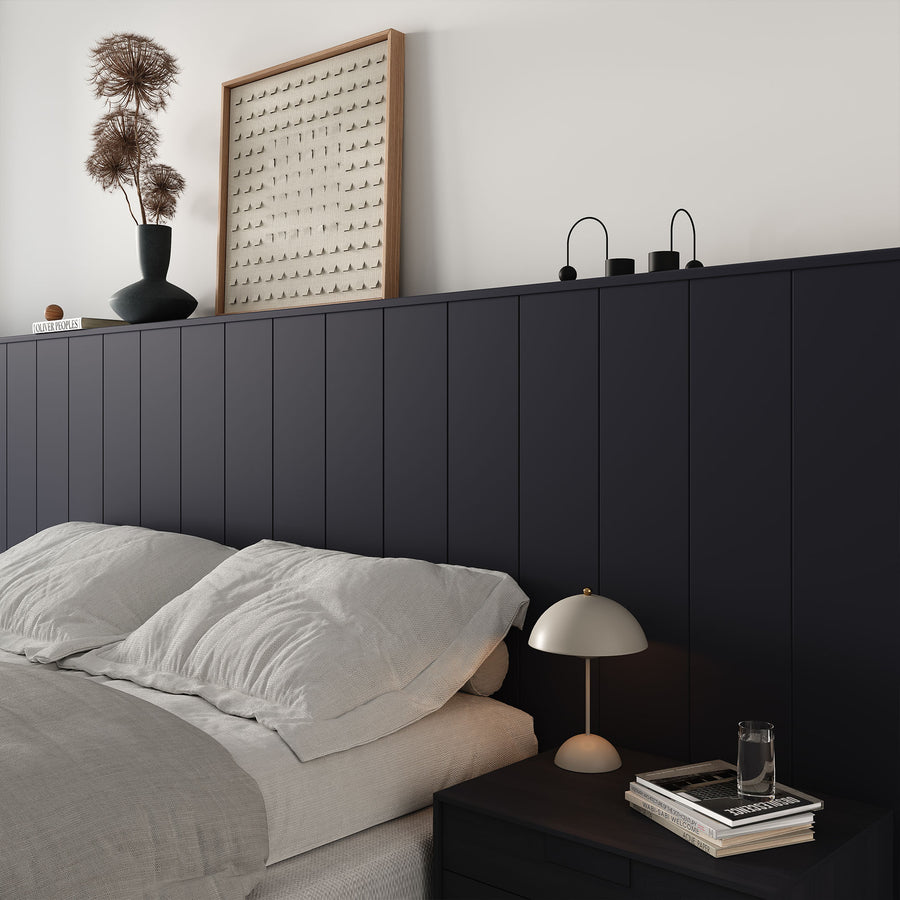
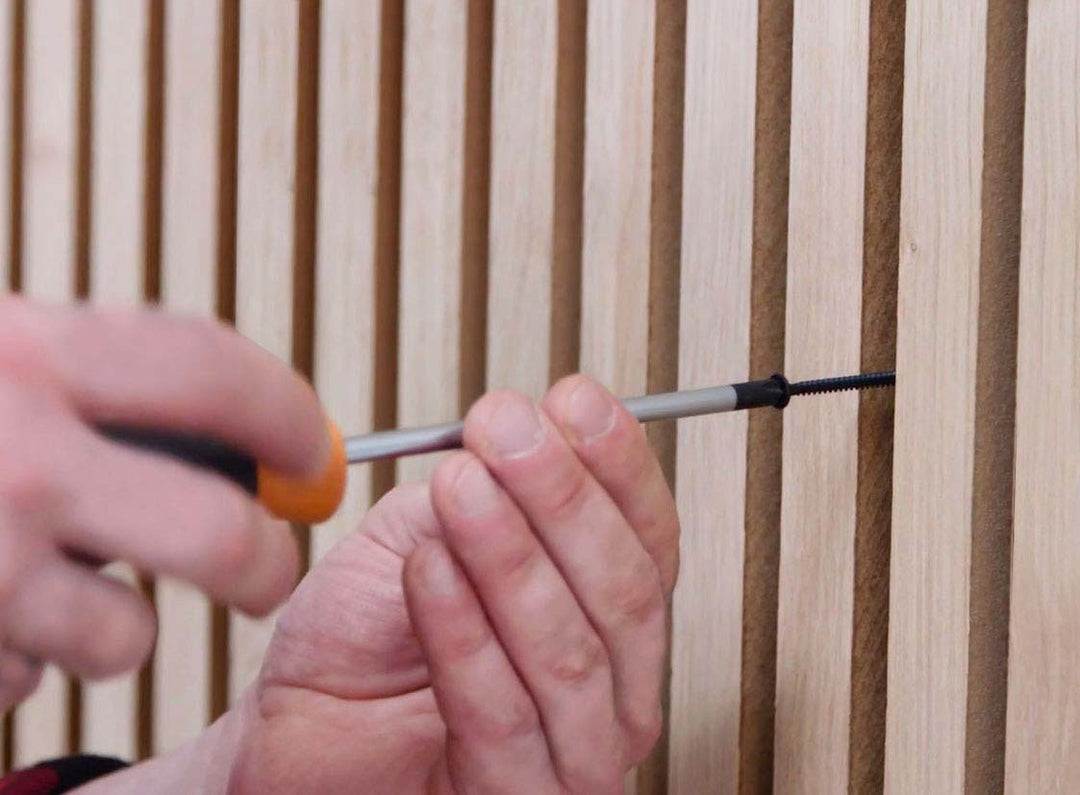
They offer consistent sizing, clean edges, and easy installation, which makes textured walls more accessible. MDF panels are often used for feature walls, wainscoting, and even ceilings.
And since they are paintable, they work well for homeowners who want texture without committing to a natural wood finish...
Installed correctly, they look polished and intentional rather than decorative.
Acoustic Panels Add Comfort Along With Style


Open homes tend to echo.
Echooo, echooo.
Yeah, something like that...
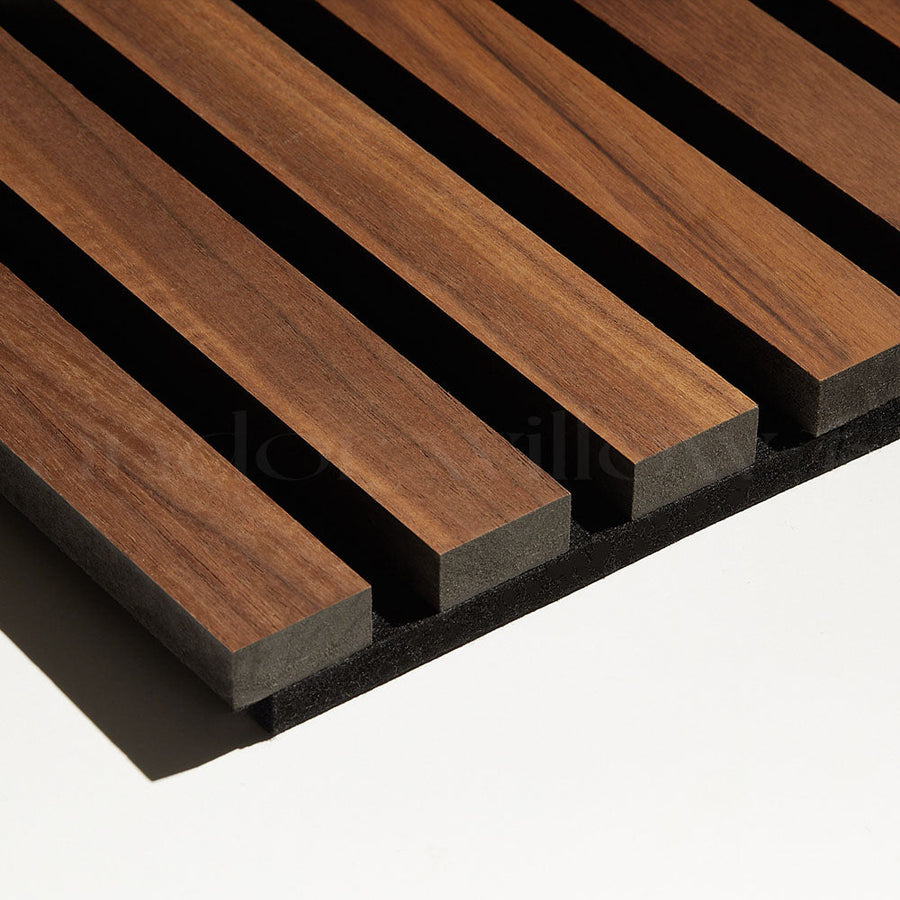
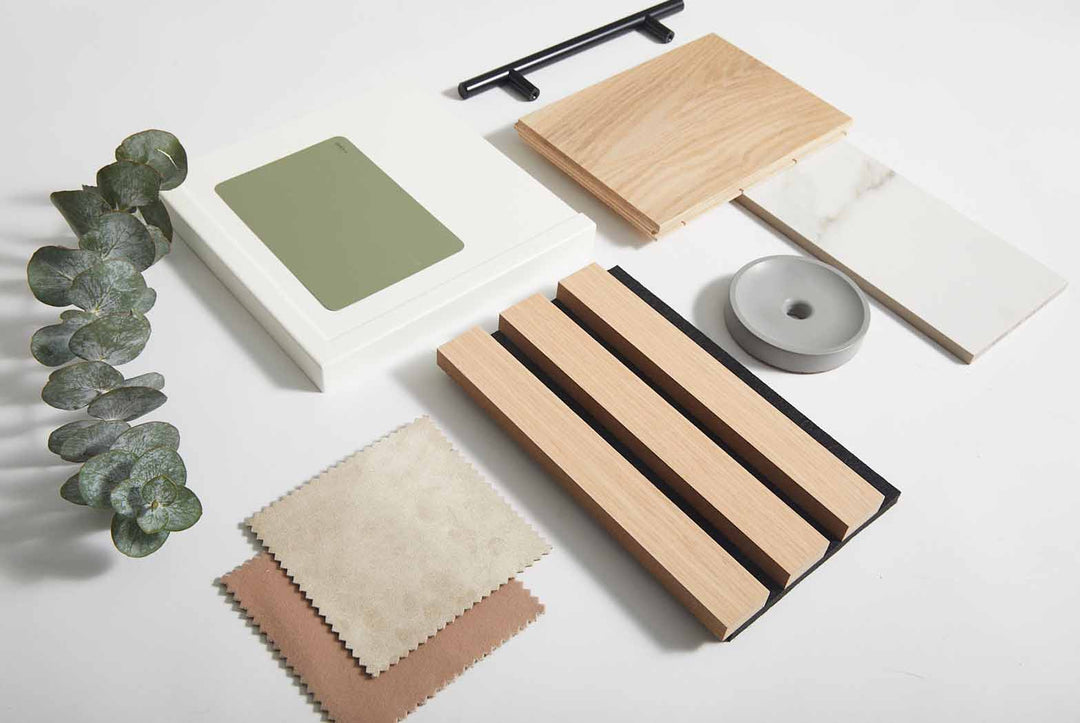
Conversations overlap, and sound travels faster than expected. Acoustic wall panels fix that problem while also improving how a space looks. Felt-backed panels absorb sound and reduce echo, making rooms feel calmer and more comfortable.
So, when paired with slatted wood finishes, they add a layered look that feels really functional and also refined!
This makes them especially useful in home offices, media rooms, and shared living spaces.
V-Groove and Tongue and Groove Bring Order to Large Surfaces

V-groove and tongue and groove panels are downright classic, but they work surprisingly well in modern homes.
Their clean lines also add structure and repetition, which helps large surfaces feel organized...
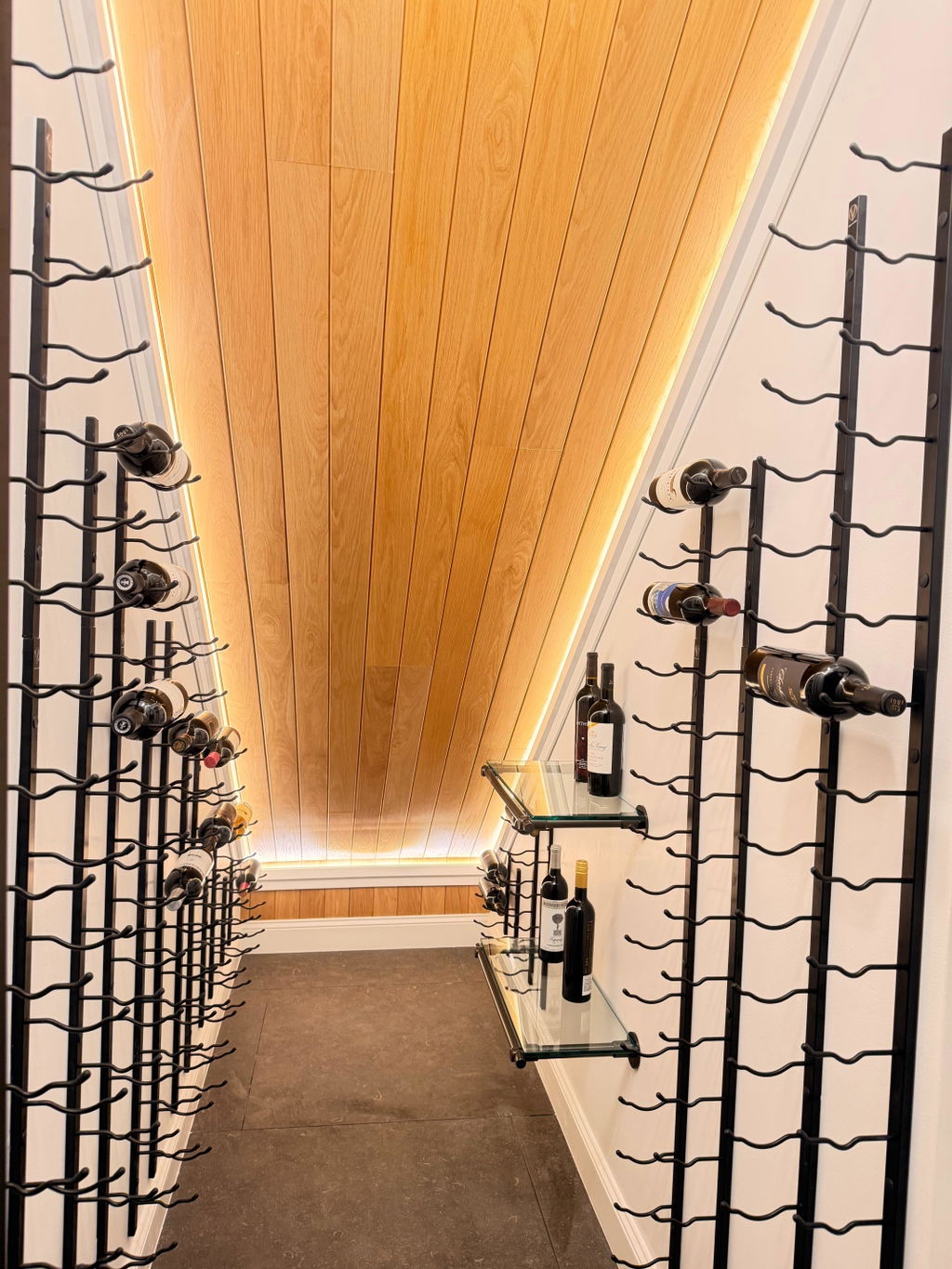
These panels work well on ceilings, accent walls, and kitchen islands. Painted versions feel fresh and clean, while wood finishes add warmth. They are proof that texture does not need to be trendy to feel (or look?) current.
Why Texture Feels More Expensive Than Decor

Decor comes and goes.
And... texture feels built-in.
Textured walls speak of purpose and planning instead of last-minute styling. They make a room feel complete before furniture even enters the picture.
So whether it is slatted panels, fluted designs, acoustic treatments, or classic groove panels, texture turns walls into part of the architecture.
Conclusion
The rise of textured walls reflects a shift toward homes that feel thoughtful, layered, and comfortable to live in. Instead of relying on decor alone, homeowners are using wall treatments to add depth, manage sound, and define space.
From low-key fluted panels to bold slats, texture delivers long-term impact without overwhelming a room.
When used in a straightforward way, textured walls upgrade the entire home, especially when architectural elements like wood slat panels are part of the design.



Leave a comment