 Skip to content







The Complete Buyer's Guide to Fluted Wall Panels: Wood Veneer vs Paintable Options

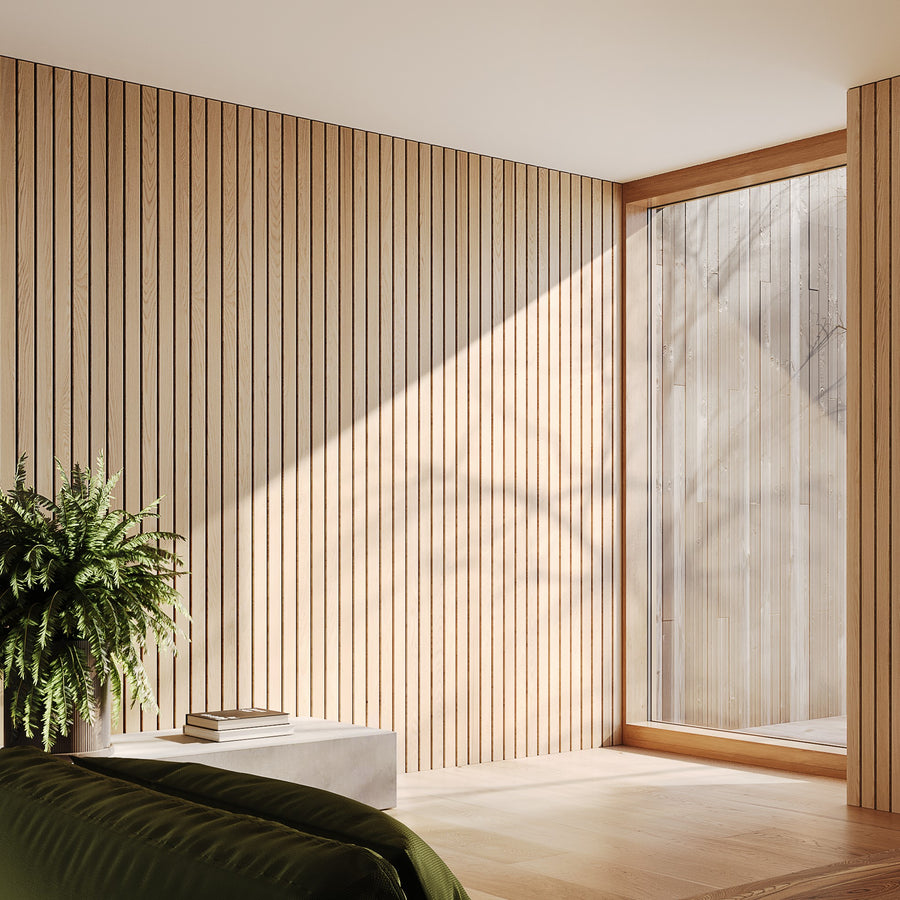
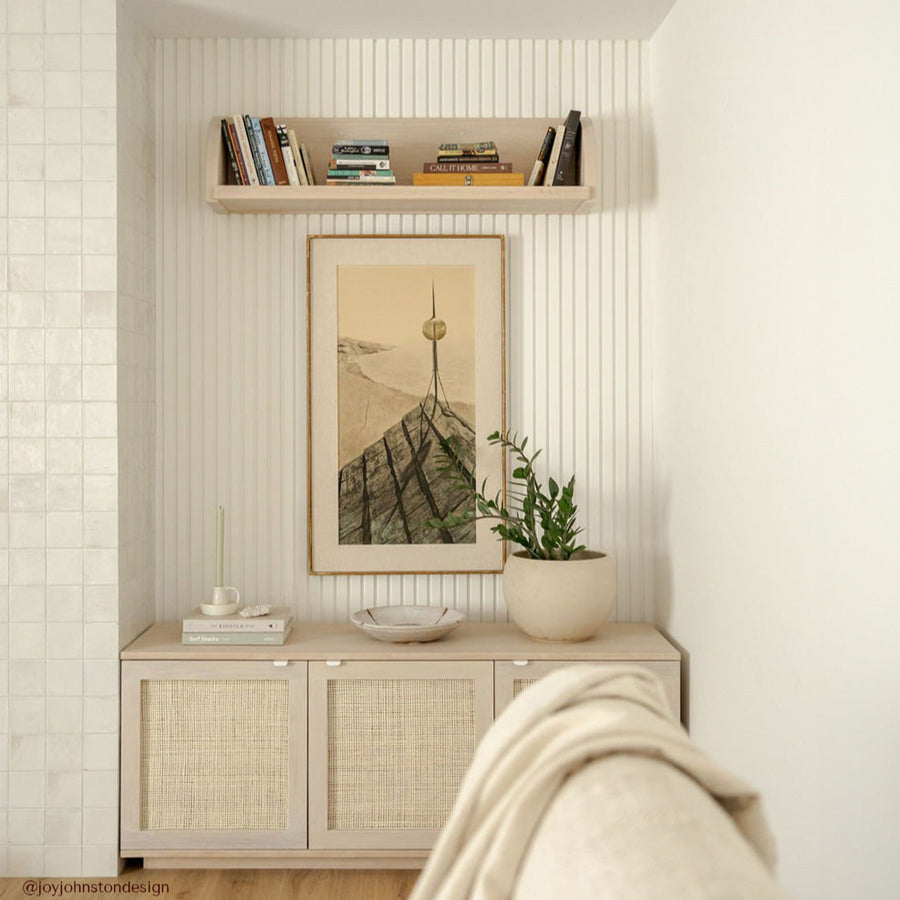
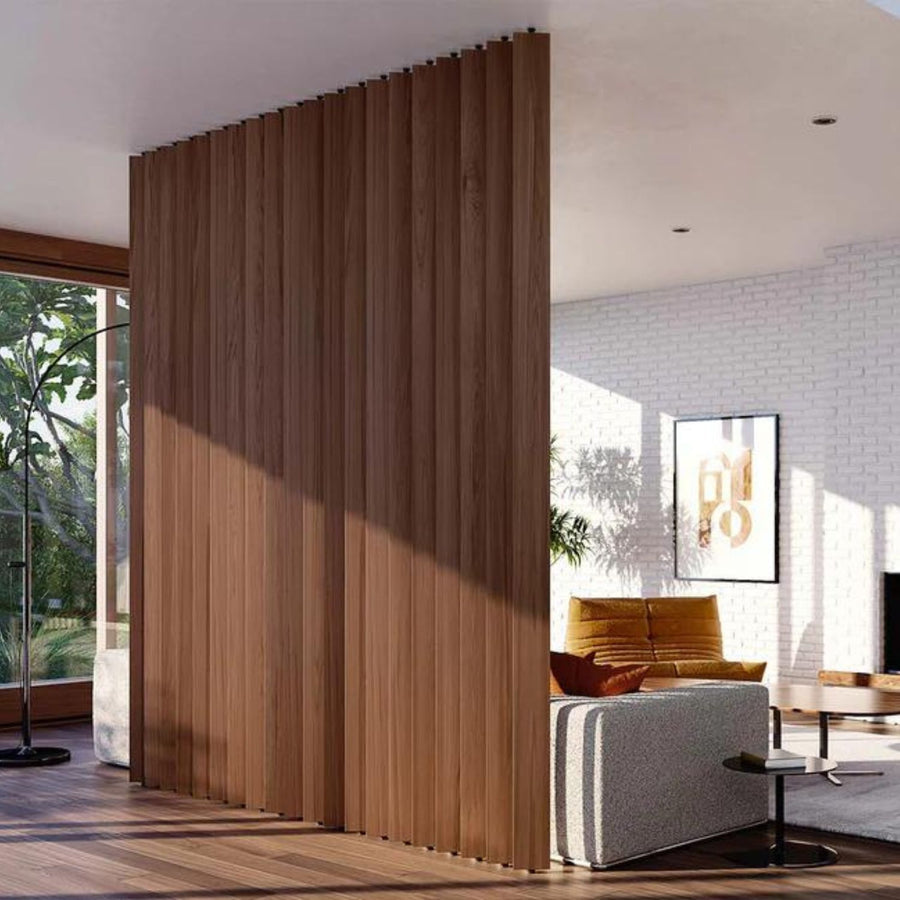
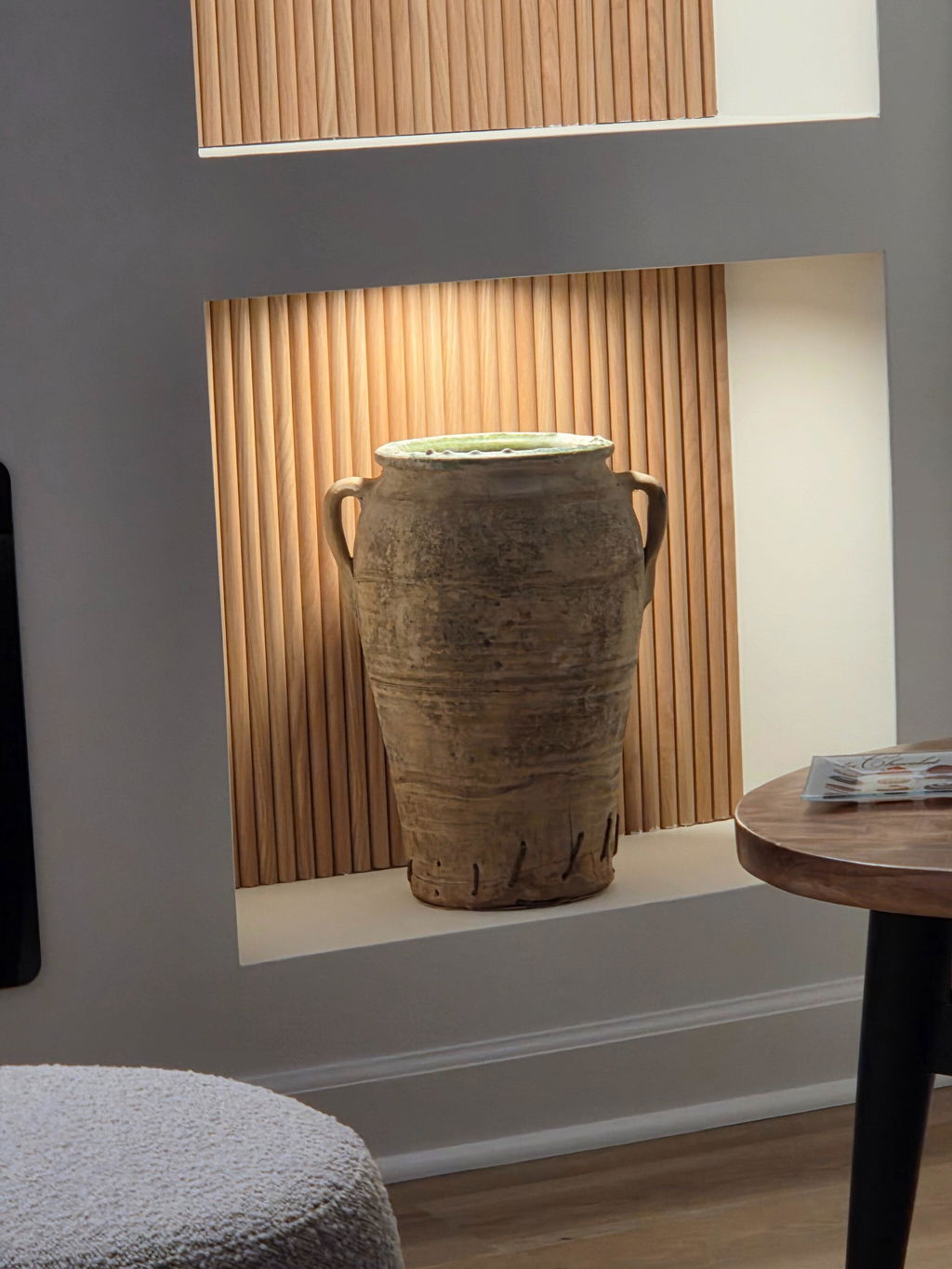
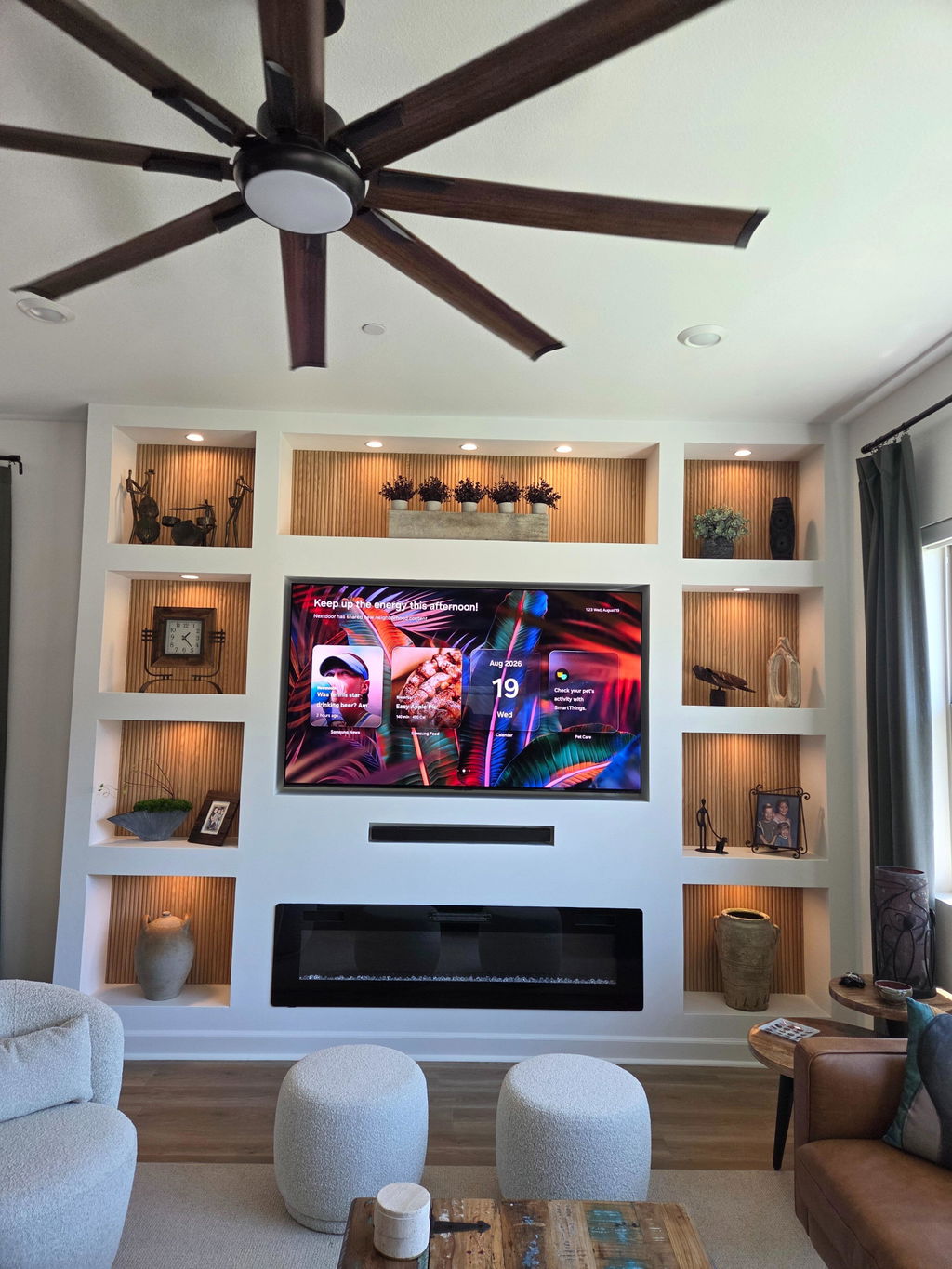
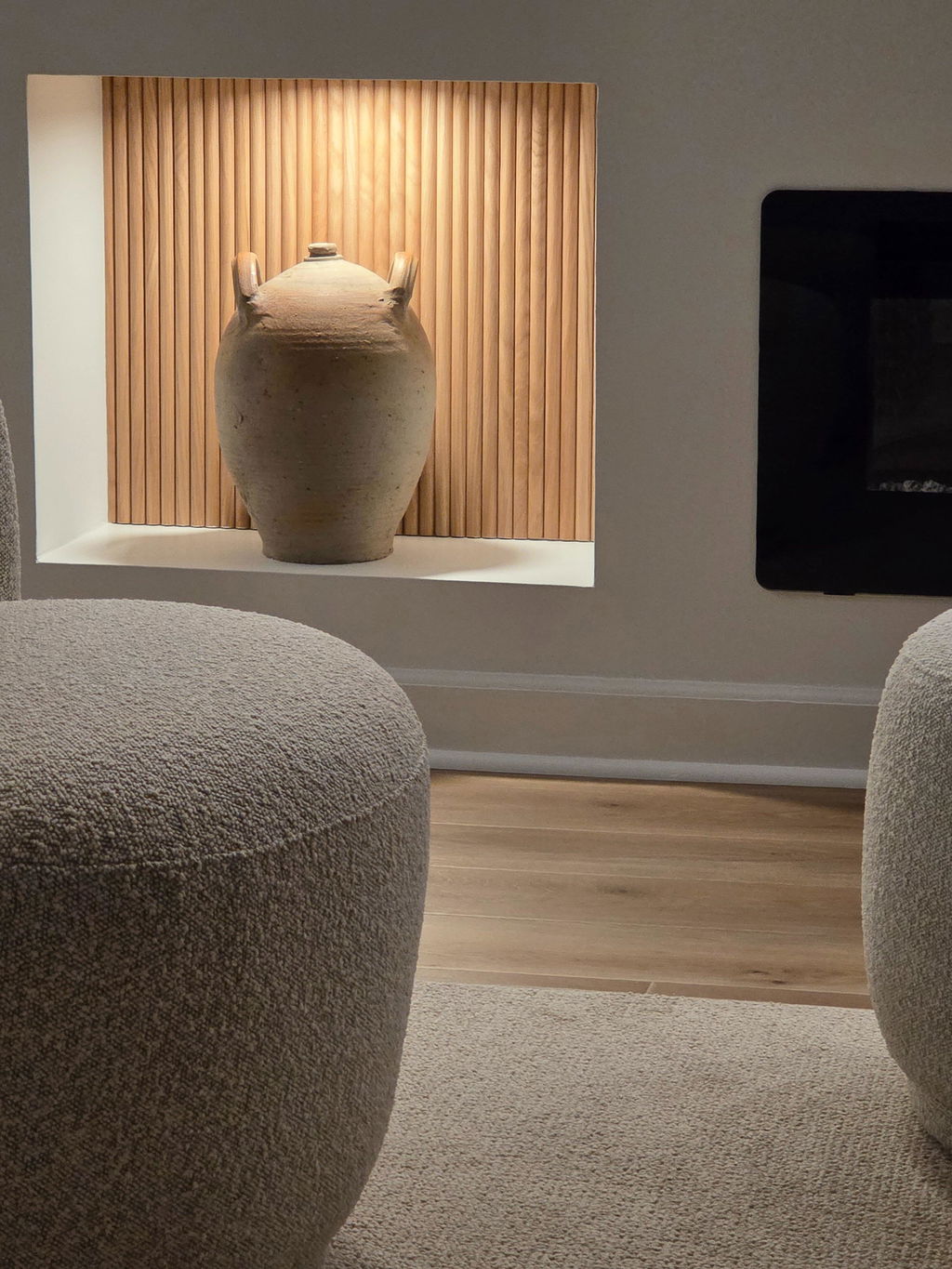
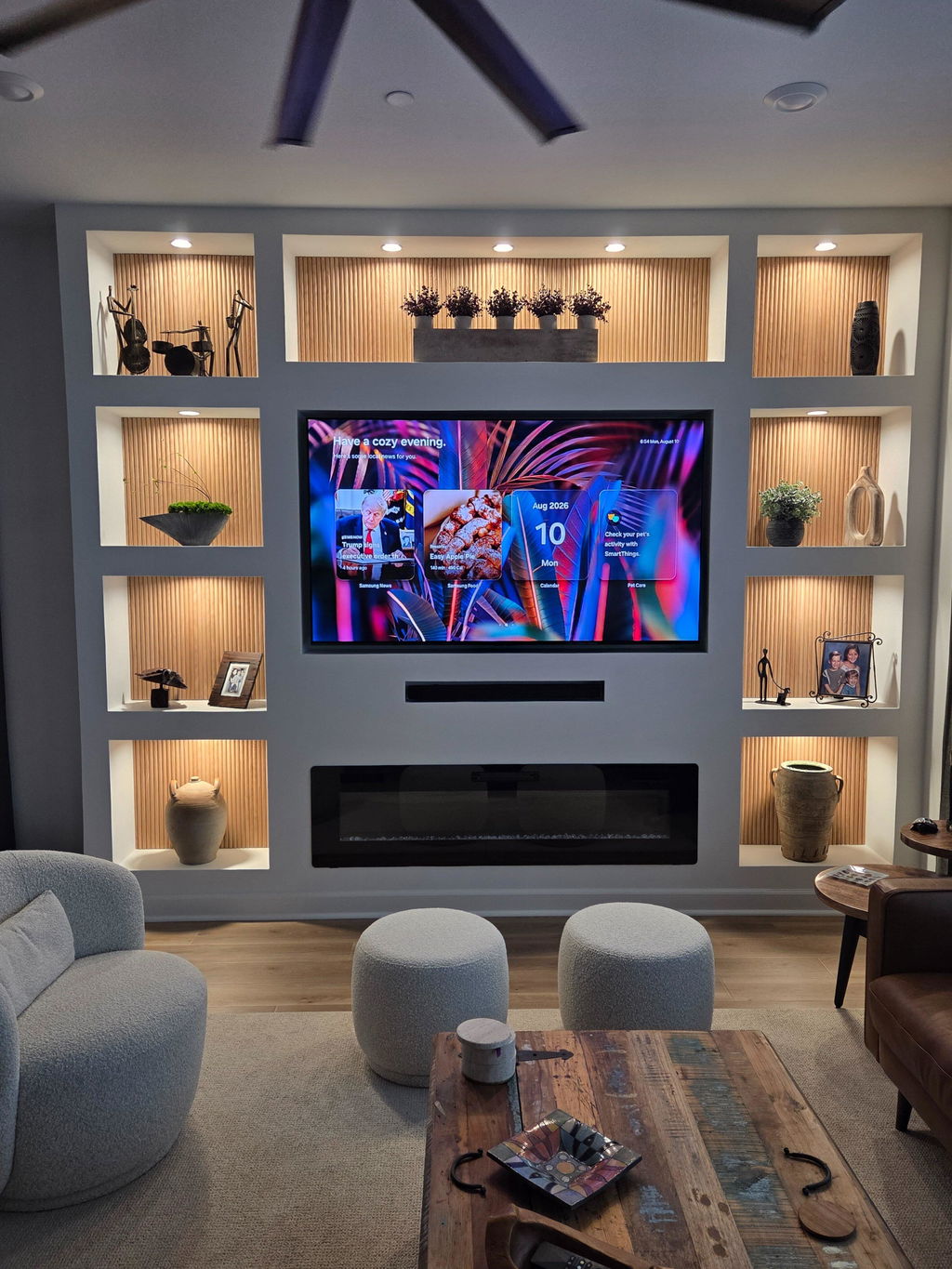
Fluted wall panels have quickly become one of the most sought-after design features in modern interiors. Their vertical grooves add texture, depth, and a sense of movement that instantly makes a wall feel more architectural.
But not all fluted panels create the same effect...
Some showcase the warmth and beauty of real wood veneer, while others offer the flexibility of a paintable surface that can be customized to suit almost any design style.
Understanding the differences between these options can help you choose a panel that looks beautiful today and will continue to work for your space for years to come.
Key Takeaways
- Understand the key differences between wood veneer and paintable fluted wall panels
- Learn how groove profiles and shadow lines influence the overall look of a room
- Compare durability, maintenance requirements, and design flexibility
- Discover which panel type works best for different interior styles and spaces
- Find out how finish selection can completely change the mood of an interior
What are Fluted Wall Panels?
If you've been looking for ways to add texture to a room, you've probably come across fluted wall panels.


They're easy to recognize, those vertical grooves running from top to bottom that create shadows, depth, and a little more personality than a standard painted wall.
The idea itself isn't new, but the way fluted panels are being used today feels very different.
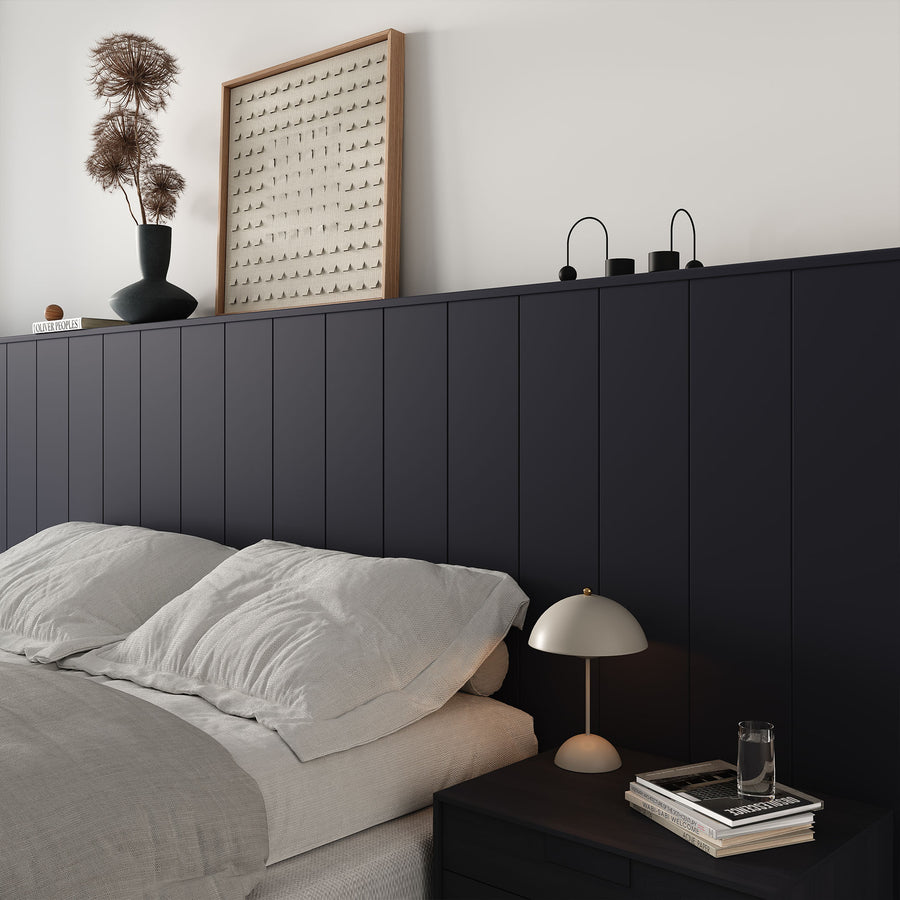
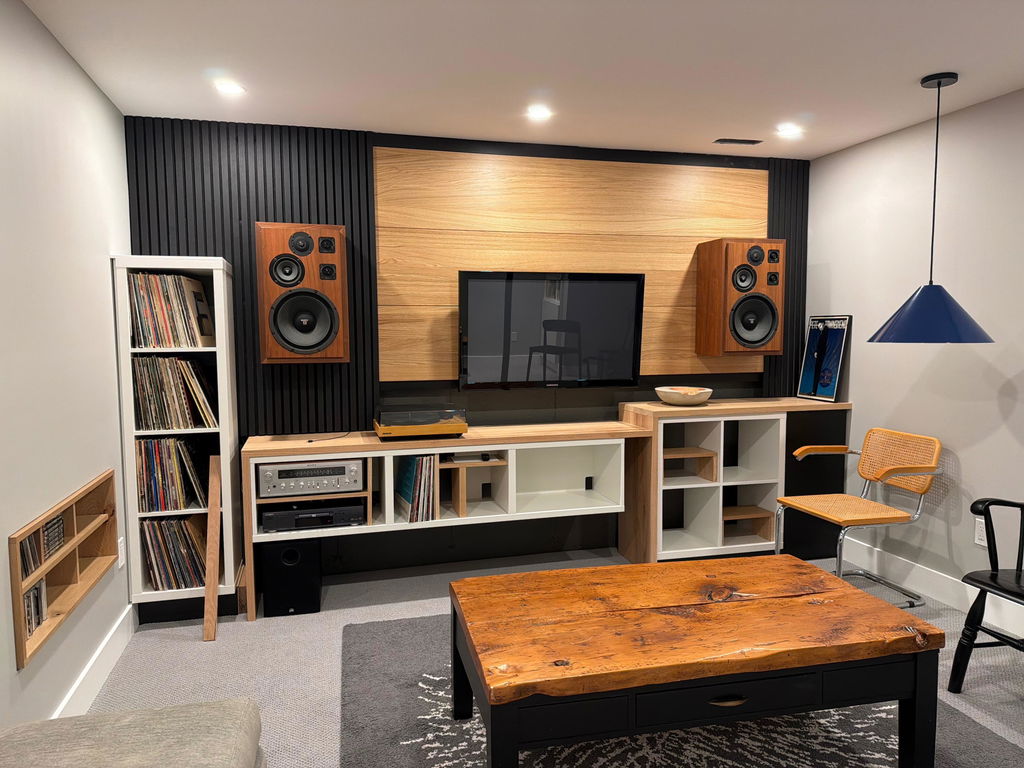
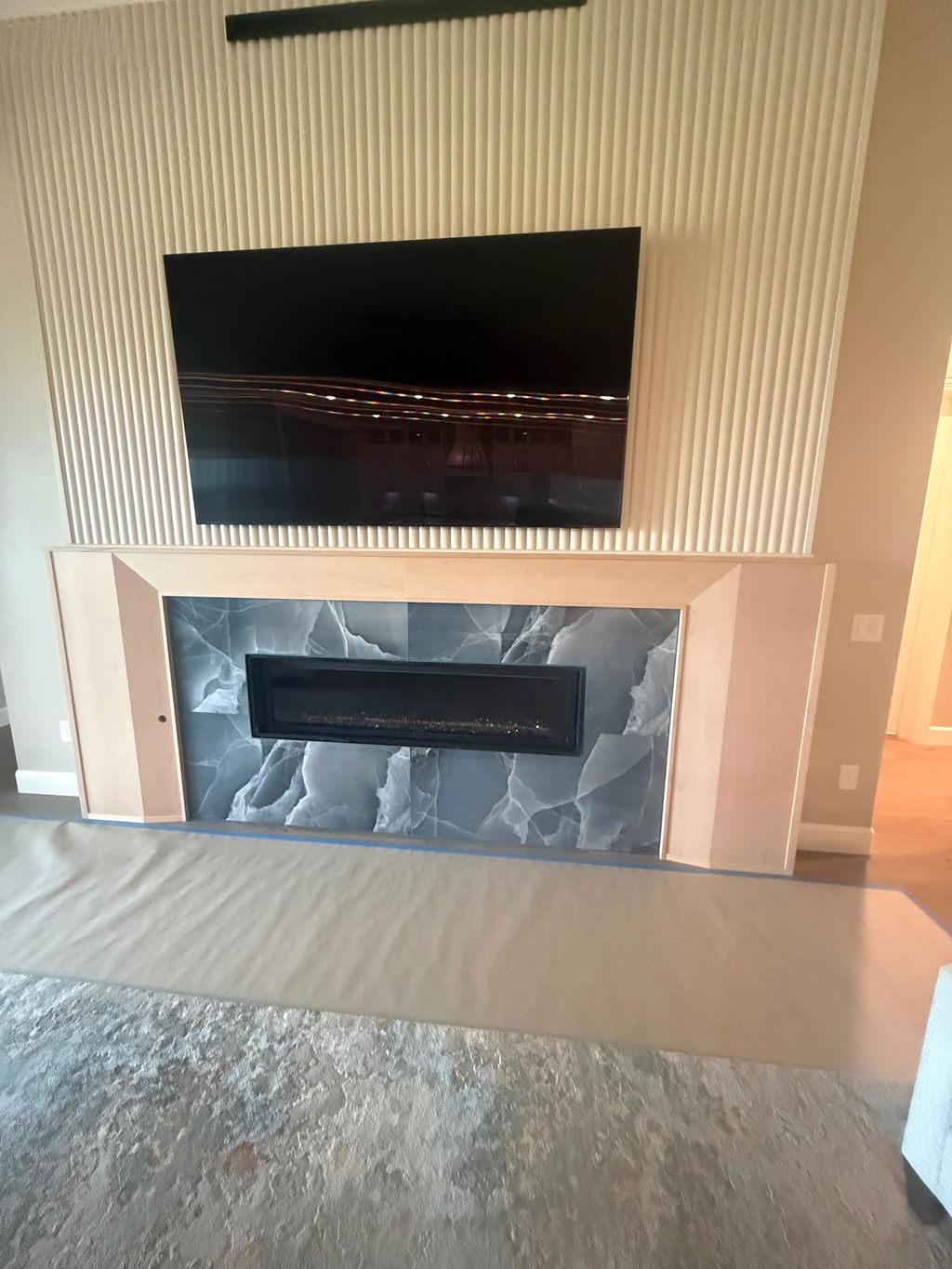
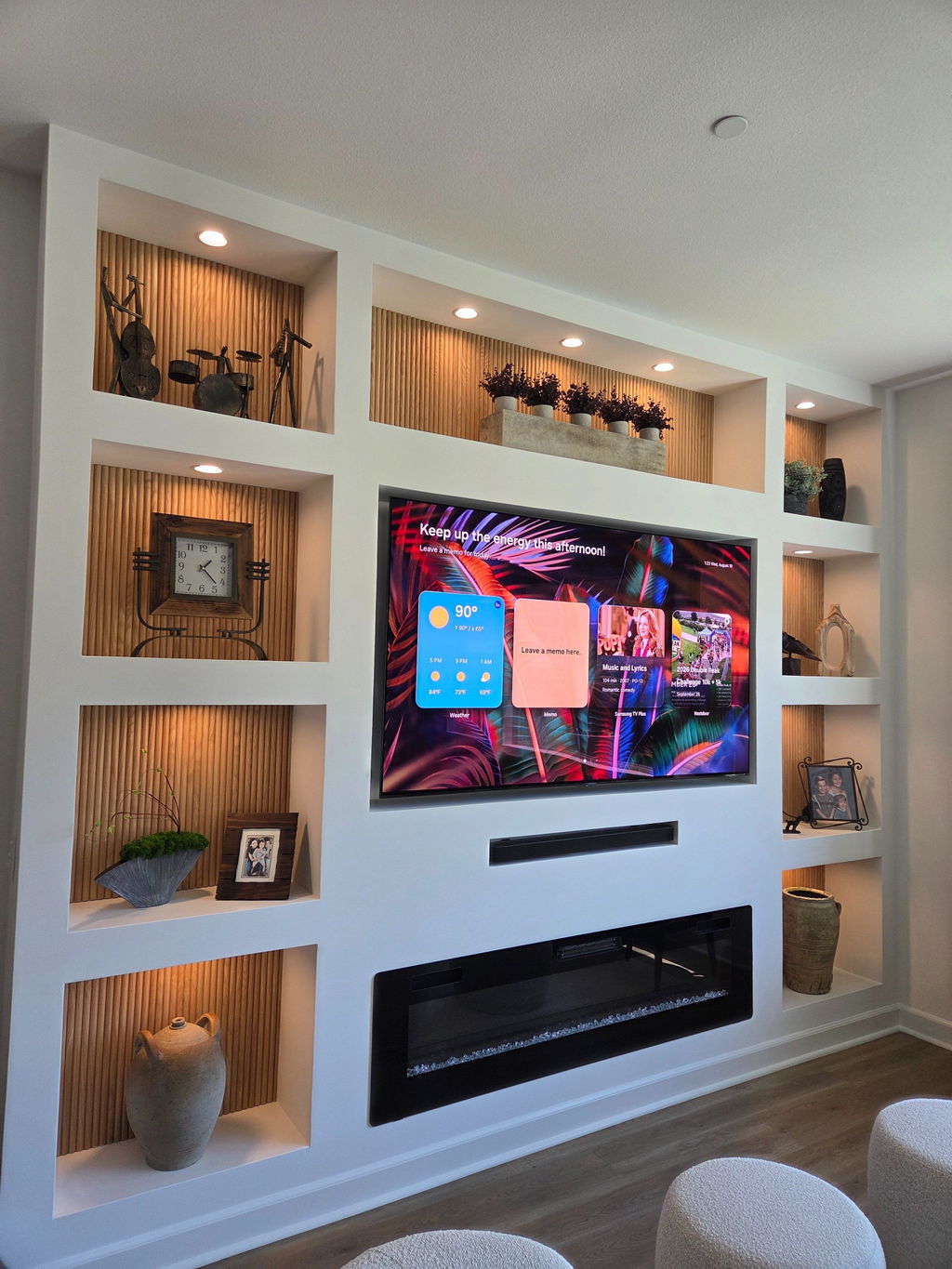
You'll find them behind TVs, on bedroom feature walls, wrapped around kitchen islands, and even covering reception desks in commercial spaces. Instead of relying on artwork or decorative accessories, the wall becomes part of the design.
One of the reasons fluted panels have become so popular is that they work in both large and small spaces. A blank wall can suddenly feel more intentional, and a simple kitchen island can become one of the first things people notice when they walk into the room.
What Makes Fluted Panels Different?
At their core, fluted panels use a series of repeating grooves to create texture across a flat surface. As light hits the grooves, shadows form between them, giving the wall a sense of depth that changes throughout the day.


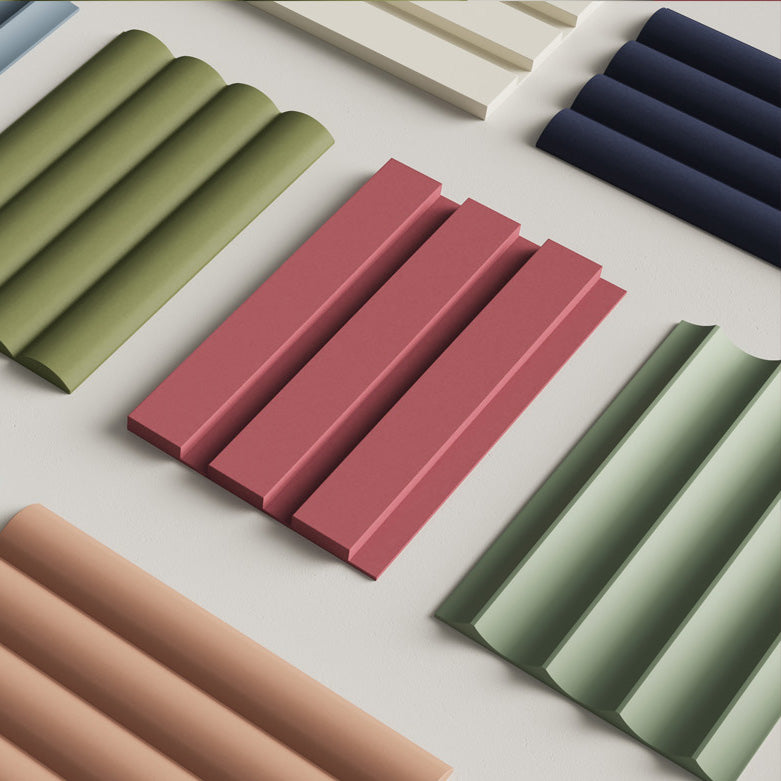
The groove profile itself also matters more than many people realize. Some panels use recessed grooves that curve inward, while others use raised profiles that project outward.
Even though the difference sounds minor, it can completely change how the finished wall looks once installed.
That's why it's worth looking beyond color alone when choosing a panel. The profile, spacing, and material all contribute to the final result.
Understanding Wood Veneer Fluted Panels
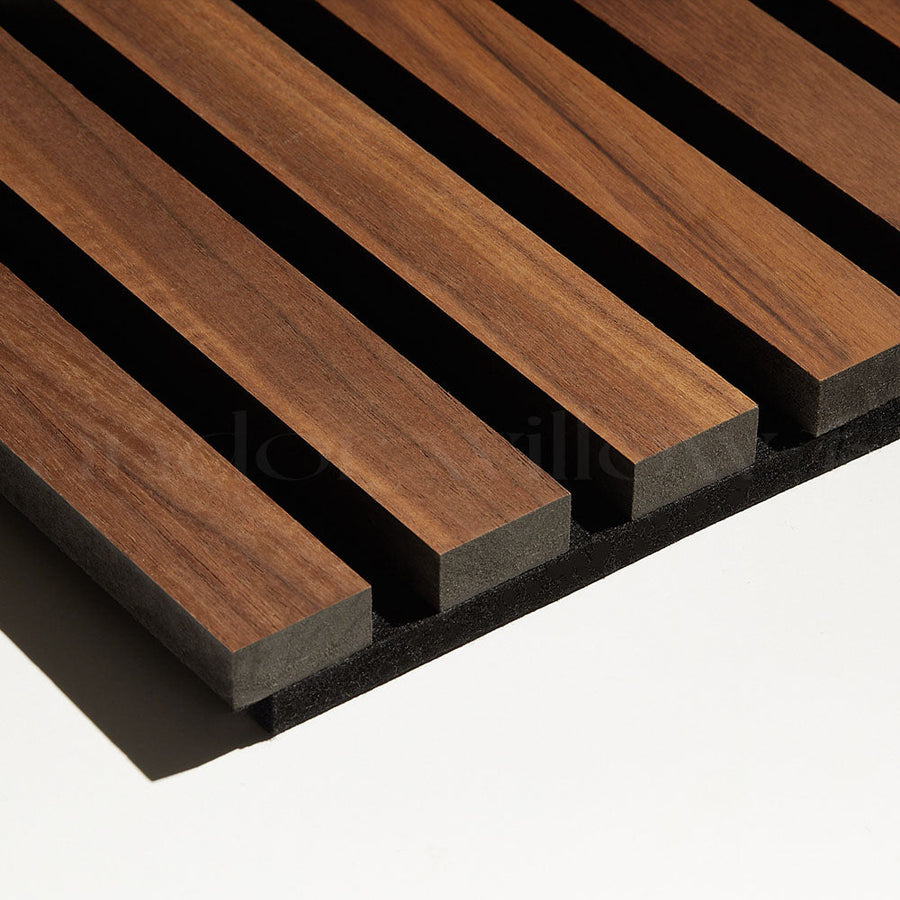
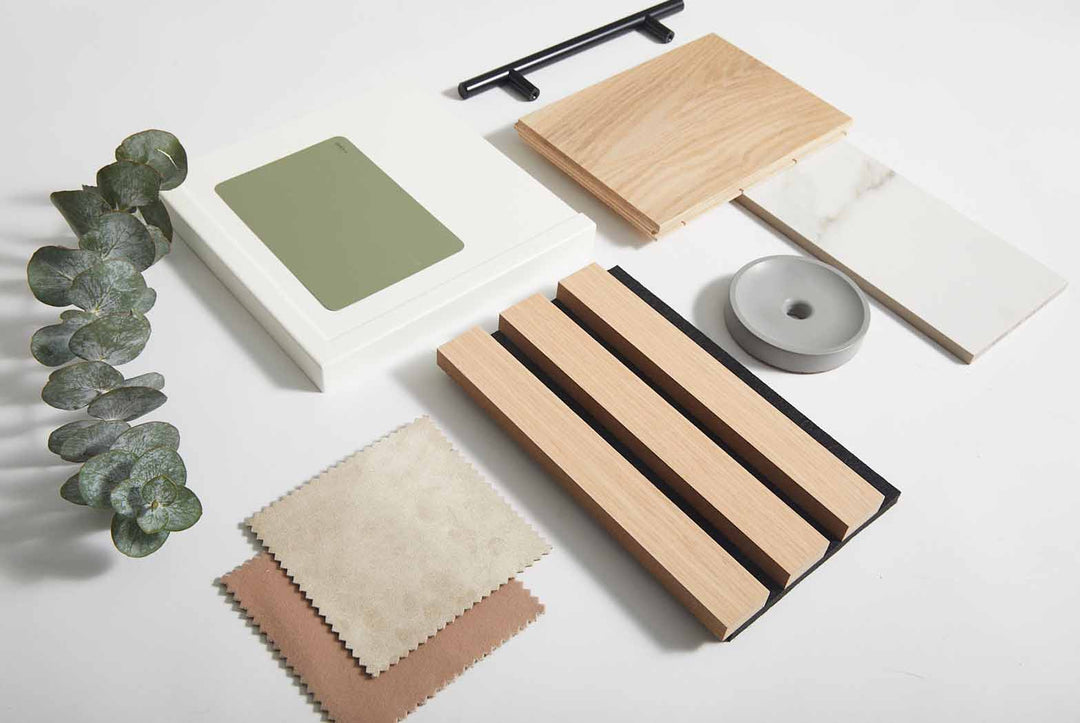
Wood veneer collection combines real wood veneer with an MDF core.
The veneer provides the natural grain pattern people expect from real wood, while the MDF core helps maintain consistent dimensions and groove spacing across the entire panel.

For large installations, that consistency becomes important. When multiple panels are installed side by side, even slight variations can affect alignment.
Using an MDF core helps ensure the grooves line up properly from one panel to the next, creating a cleaner finished appearance.
The collection is available in two wood species:
| Finish | Characteristics |
|---|---|
| White Oak | Lighter tone with visible grain detail |
| American Walnut | Rich brown tones with stronger contrast |
White Oak is often chosen for living rooms, bedrooms, and open-plan interiors where a brighter finish is preferred. American Walnut tends to attract homeowners looking for a deeper wood tone, particularly for offices, media walls, libraries, and statement feature walls.
Available Profile Options
One thing that sets Andor Willow apart is the range of profiles available within the same product family.
Rather than offering a single fluted pattern, the collection includes several variations designed to suit different applications and design styles.
| Profile | Description | Common Applications |
| Fluted | Rounded recessed grooves | Feature walls, cabinetry |
| Wide Fluted | Wider spacing between grooves | Larger walls and open spaces |
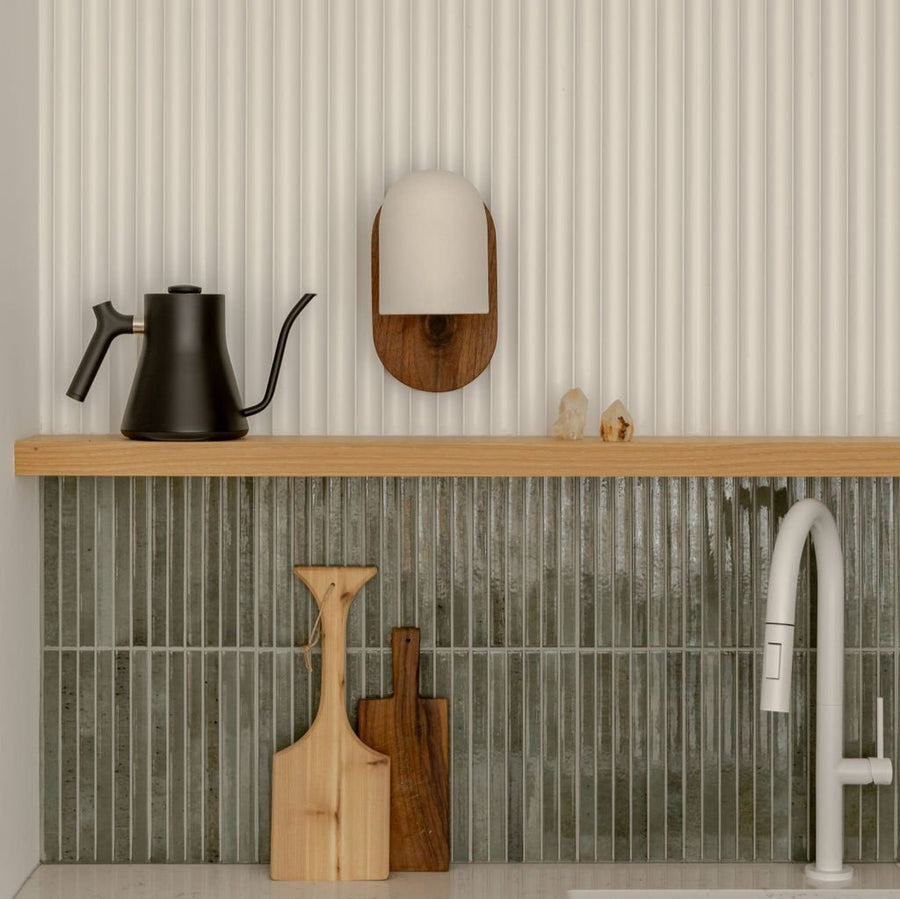
| Ribbed | Raised rounded profile | TV walls, entryways |
| Wide Ribbed | Larger raised profile | Commercial interiors and statement walls |
Fluted and ribbed profiles are often confused with one another, but they create noticeably different results once installed. Fluted panels tend to produce softer shadow transitions, while ribbed panels generate a stronger pattern across the wall surface.
Available Panel Sizes
Panel size plays a major role in determining where a product can be used. Fortunately, Andor Willow offers several options that allow the same profile to be used across different applications.
| Panel Size | Length |
| Half-Length Panel | 44.1 in (1120 mm) |
| Full-Length Panel | 94.5 in (2400 mm) |
| Extended-Length Panel | 106.3 in (2700 mm) |
The 44.1-inch panel is particularly useful because it opens the door to applications beyond traditional feature walls. Many homeowners use this size on kitchen islands, bar fronts, custom furniture, built-in storage units, and reception counters.
For full-height walls and ceilings, the longer panel options reduce the number of horizontal seams and help create a more continuous appearance.
MDF vs Solid Wood Fluted Panels
This is one of the most common questions buyers ask.
Many people automatically assume solid wood is the better option because it's a natural material. For furniture, that can sometimes be true. For decorative wall panels, however, consistency often matters more than the material itself.

Solid wood naturally moves over time. Small changes in moisture levels can cause expansion and contraction, which may affect alignment across large installations.
MDF remains far more stable, helping maintain consistent groove spacing and panel dimensions.
That's one of the main reasons why quality brands build its fluted, ribbed, and tambour-style panels using MDF cores paired with real wood veneer surfaces.
Understanding Paintable Fluted Panels
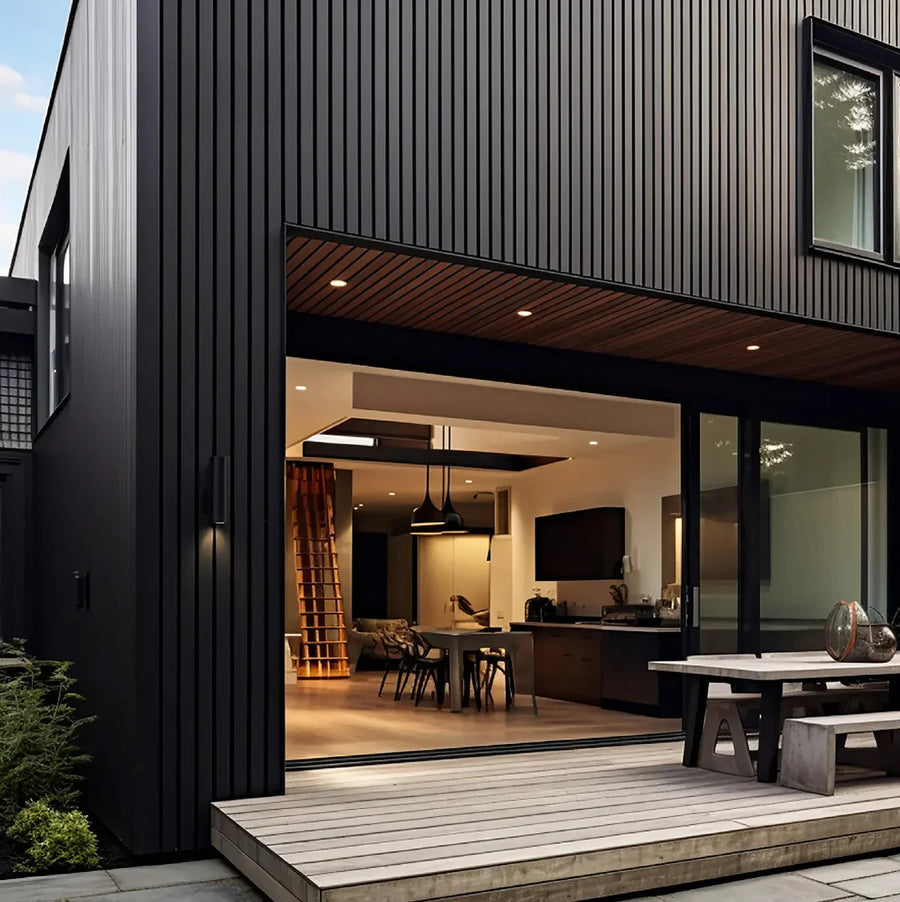
Not every project calls for wood grain. Sometimes the goal is a specific color, and that's exactly where paintable fluted panels come into the picture.
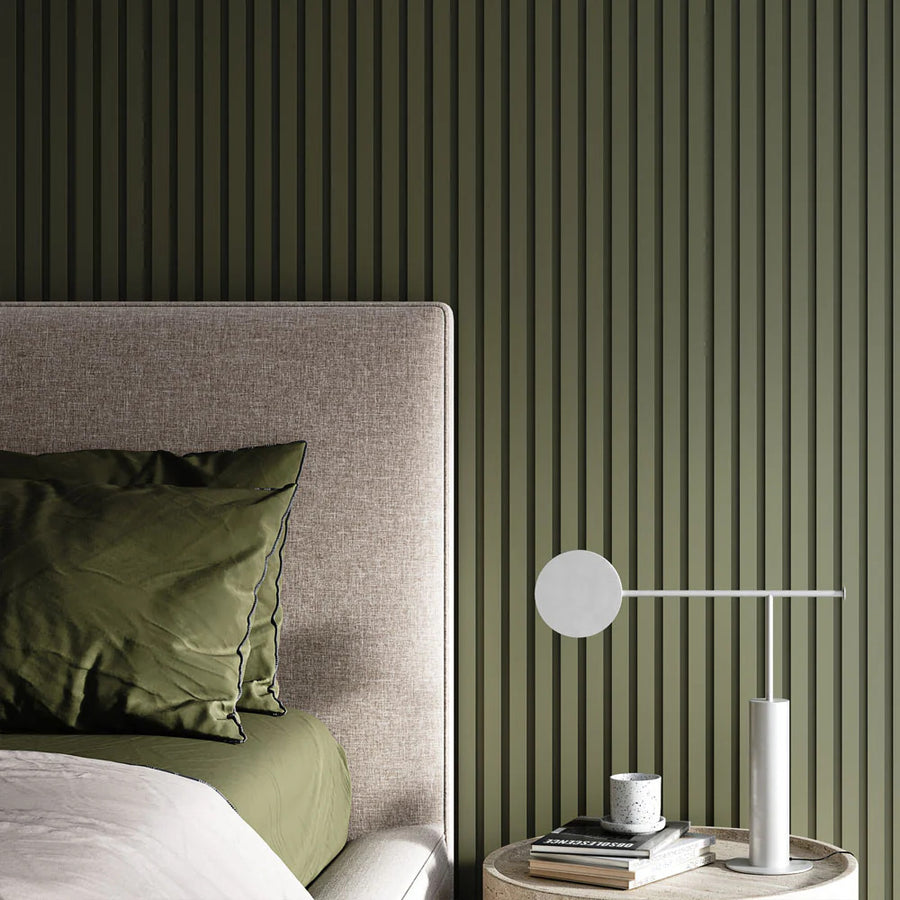
Paintable panels are manufactured from moisture-resistant MDF and arrive factory-primed, ready for paint. Once installed, they can be finished in virtually any color, allowing homeowners and designers to coordinate them with walls, cabinetry, trim, or furniture.

The texture remains the same, but the overall mood of the room can change dramatically depending on the chosen finish.
Available Paintable Profiles
The paintable collection includes several profile options that mirror the wood veneer lineup.
Because these panels arrive primed, they're often used in projects where customization is a priority. Whether the goal is a crisp white feature wall or a darker accent color, the finish can be tailored to suit the space.
Fluted vs Ribbed: Which Should You Choose?
This is where things get interesting...

Many people assume fluted and ribbed panels are simply different names for the same product. In reality, the profile shape changes how the panel interacts with light and how noticeable the texture appears from across the room.
| Feature | Fluted Panels | Ribbed Panels |
| Profile Shape | Recessed grooves | Raised rounded ribs |
| Visual Texture | Moderate | More pronounced |
| Shadow Definition | Softer | Stronger |
| Popular Applications | Islands, cabinetry, feature walls | TV walls, commercial spaces |
If you're looking for a softer look, fluted profiles are usually the safer choice. If you want the wall texture to stand out more clearly from a distance, ribbed profiles are often worth considering.
Wood Veneer vs Paintable Fluted Panels
For many homeowners, the final decision comes down to choosing between natural wood grain and color flexibility.

Wood veneer panels showcase the unique grain patterns found in White Oak and American Walnut. Paintable panels allow complete control over the final finish and can be repainted later if the design direction changes.
| Feature | Wood Veneer Fluted Panels | Paintable Fluted Panels |
| Surface Finish | Real Wood Veneer | Factory-Primed MDF |
| Core Material | MDF | Moisture-Resistant MDF |
| Available Finishes | White Oak, American Walnut | Custom Paint Colors |
| Paintable | No | Yes |
| Available Lengths | 44.1", 94.5", 106.3" | 44.1", 94.5", 106.3" |
| Best Applications | Feature walls, offices, living rooms | Bedrooms, islands, hallways |
Final Thoughts
Fluted wall panels do more than cover a wall. They introduce texture, create depth, and add another layer of detail to a room without requiring additional décor or furniture.
Whether you're drawn to the natural grain of White Oak, the darker character of American Walnut, or the flexibility of a paintable finish, understanding the differences between profiles, materials, and panel sizes will help you choose the right product for your project.
And with options ranging from 44.1-inch millwork panels to full-height wall systems, Andor Willow's collection offers more flexibility than many homeowners initially expect.
Frequently Asked Questions
What are fluted wall panels made of?
It depends on the product. Andor Willow's wood veneer fluted panels use a real wood veneer surface over an MDF core, while the paintable collection is manufactured from moisture-resistant MDF and arrives factory-primed.
This allows customers to choose between natural wood grain or a custom paint finish depending on the project.
Are fluted wall panels made from real wood?
The visible surface of Andor Willow's wood veneer panels is made from genuine White Oak or American Walnut veneer. Because the veneer comes from real wood, you'll see natural grain variation across the installation instead of repeated printed patterns.
Why do fluted panels use an MDF core?
MDF provides greater dimensional stability than solid wood, which helps maintain consistent groove spacing and alignment across larger installations.
This is especially important for feature walls where multiple panels need to line up cleanly from one section to the next.
What's the difference between fluted and ribbed panels?
Fluted panels use grooves that curve inward, creating a recessed profile. Ribbed panels have rounded forms that project outward from the surface.
Once installed, ribbed panels generally create a stronger texture, while fluted panels tend to produce softer shadow patterns.
What panel sizes are available?
Andor Willow offers multiple panel lengths to suit different applications:
| Panel Size | Length |
|---|---|
| Half-Length Panel | 44.1 in (1120 mm) |
| Full-Length Panel | 94.5 in (2400 mm) |
| Extended-Length Panel | 106.3 in (2700 mm) |
The shorter 44.1-inch panel is commonly used on kitchen islands, reception desks, cabinetry, and other millwork projects.
Can fluted wall panels be installed on ceilings?
Yes. Many homeowners use fluted panels on ceilings to add texture and create visual continuity between walls and overhead surfaces.
The longer panel lengths are particularly useful for these applications because they reduce the number of visible joints.
Can paintable fluted panels be painted any color?
Yes. Paintable fluted panels arrive factory-primed and are designed to be finished on-site. This allows homeowners and designers to match existing walls, cabinetry, trim, or furniture without being limited to prefinished colors.
Which finish should I choose: White Oak or American Walnut?
White Oak is often selected for projects that aim for a lighter and more natural appearance. American Walnut offers deeper brown tones and stronger grain contrast, making it a popular choice for offices, media walls, and statement feature walls.
Are fluted wall panels suitable for kitchen islands?
Absolutely. In fact, kitchen islands are one of the most popular applications for fluted panels. The 44.1-inch panel size is particularly useful because it's well-suited to island cladding, bar fronts, and custom cabinetry without requiring extensive cutting.
Can fluted panels be used in commercial spaces?
Yes. Fluted panels are frequently installed in offices, restaurants, hotels, retail stores, reception areas, and hospitality environments.
Depending on the project, designers may choose wood veneer panels for natural wood grain or paintable panels for greater color flexibility.
Are fluted wall panels difficult to maintain?
Not really. Most installations only require routine dusting and occasional cleaning with a soft cloth.
Wood veneer panels should be treated with the same care as other finished wood surfaces, while painted panels can typically be cleaned according to the paint manufacturer's recommendations.



Leave a comment