 Skip to content







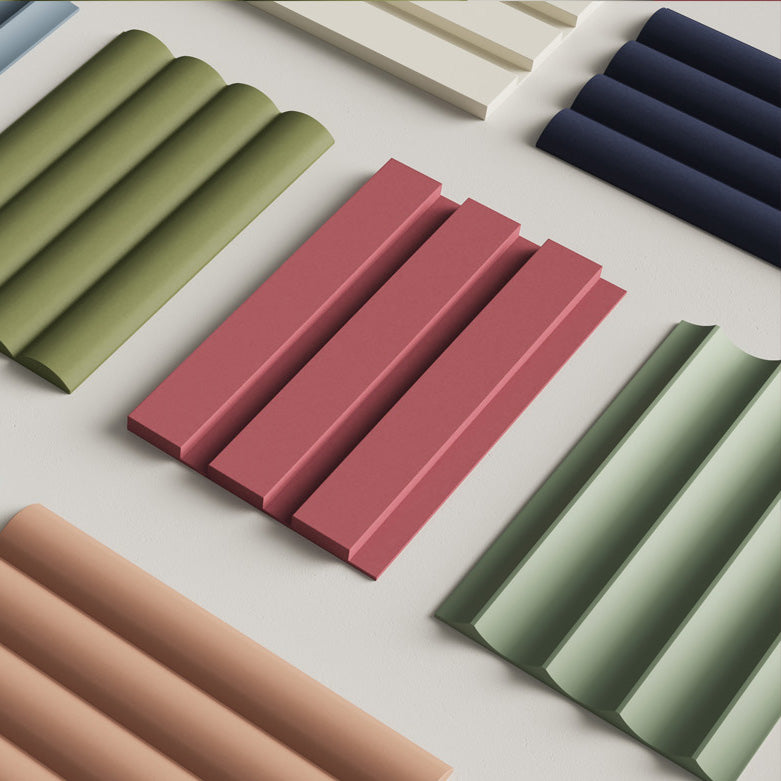
V-Groove vs Tongue and Groove Panels: A Complete Buyer’s Guide

V-groove and tongue and groove panels are often mentioned together, but they are not exactly the same thing. One refers to the visible design of the panel, while the other describes how the panels connect during installation.
Understanding this difference can, however, make it easier to choose the right option for your home or project!
This guide compares their appearance, installation, maintenance, cost, and ideal applications to help you decide whether v-groove or tongue and groove panels best suit your space.
Key Takeaways
- V-groove panels create the visible design, while tongue and groove refers to how the panels fit together.
- The right material affects durability, maintenance, paint finish, and where the panels can be installed.
- Groove spacing changes the overall appearance, allowing you to achieve either a detailed or more open look.
- Many modern panels combine a V-groove face with tongue and groove edges for easier installation.
- Comparing design, material, and installation features helps you choose the right panel for your project.


The Main Difference Between V-Groove and Tongue and Groove Panels
The most important thing to understand is that these terms describe two different characteristics.
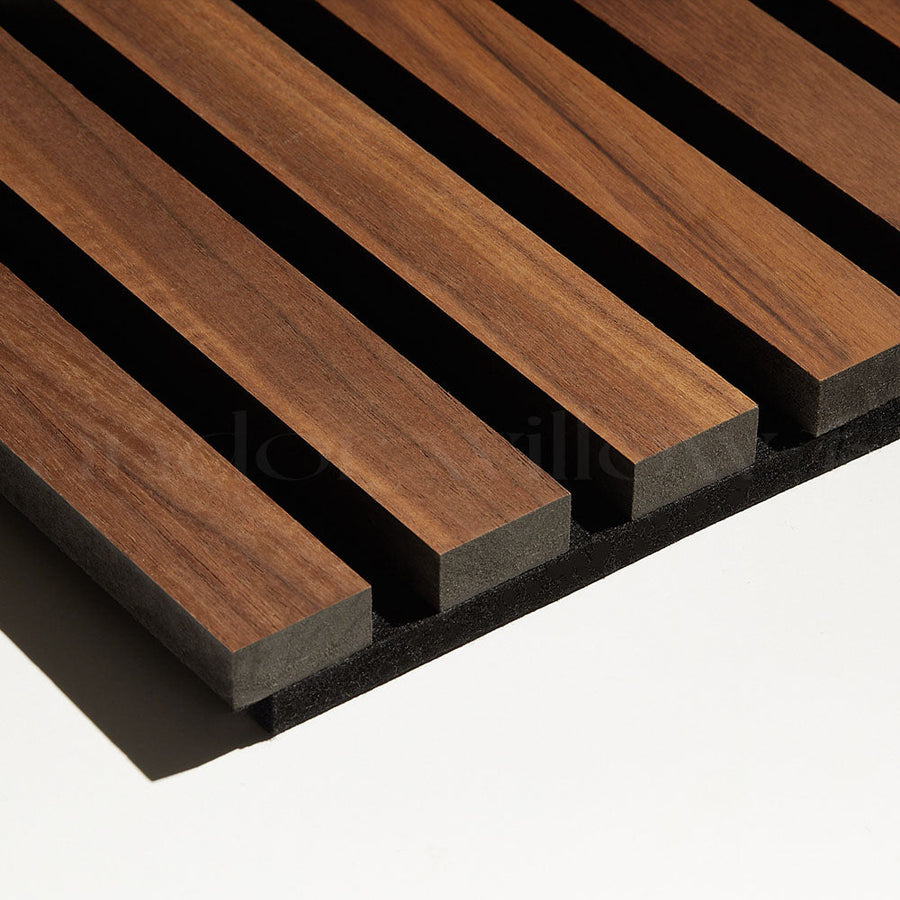
V-groove refers to the visible design on the surface of the panel. Tongue and groove refers to the connection method used during installation. Because of this, a single panel can actually incorporate both features.
Many modern decorative panels use tongue and groove joints to make installation easier while also featuring a V-groove design on the face of the panel. This combination provides both visual appeal and practical installation benefits.
|
Feature |
V-Groove Panels |
Tongue and Groove Panels |
|
Purpose |
Decorative profile |
Connection system |
|
Visible Lines |
Always visible |
May be visible or hidden |
|
Appearance |
Textured and defined |
Smooth or slightly grooved |
|
Installation |
Depends on design |
Interlocking boards |
|
Style |
Modern and contemporary |
Traditional to modern |
Appearance and Design Style
For most homeowners, the look of the panels is what ultimately seals the deal.
Function matters, but let's be honest. If you don't love how it looks, it's probably not making it onto your wall!
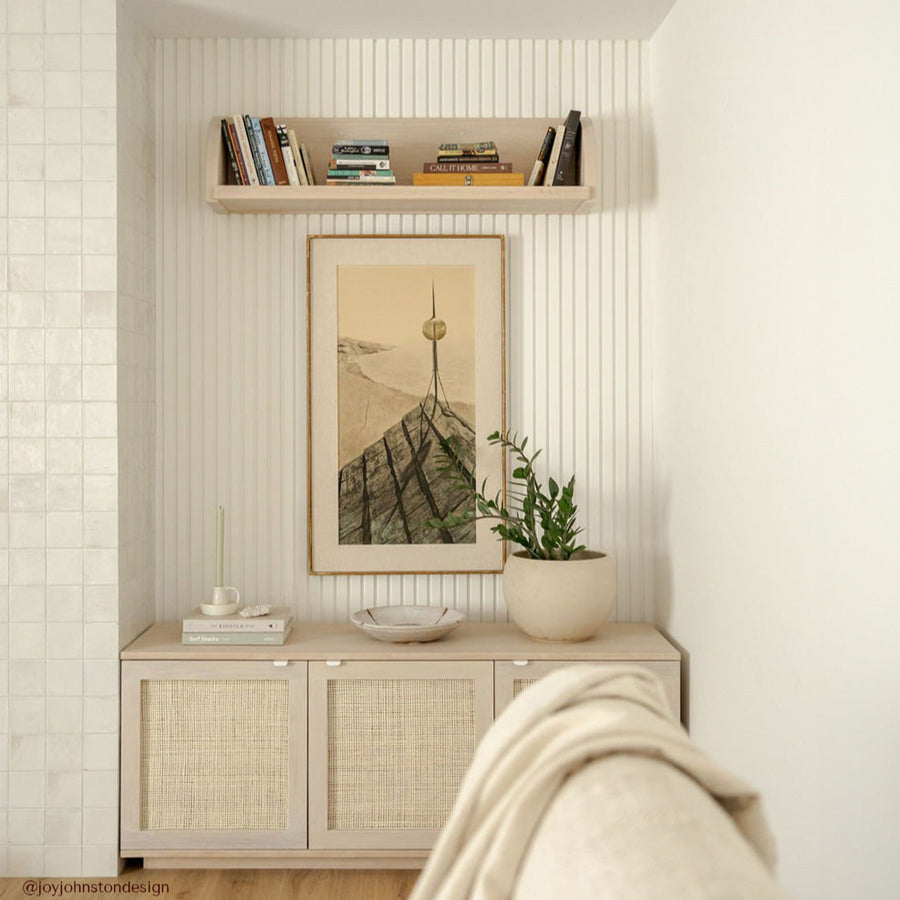
V-Groove Paintable Panels create crisp shadow lines that add depth and character to walls.
Since they're pre-primed and paintable, you can finish them in any color to match your space. Their reversible design also lets you choose between 4-inch or 7.9-inch groove spacing, so you get two stylish looks in one panel.
Tongue and groove, meanwhile, isn't a design style. It's an installation system.
The finished appearance depends on the panel's face profile, while the interlocking edges help create tighter joints and a cleaner finish.
V-Groove Panels for Modern Interiors
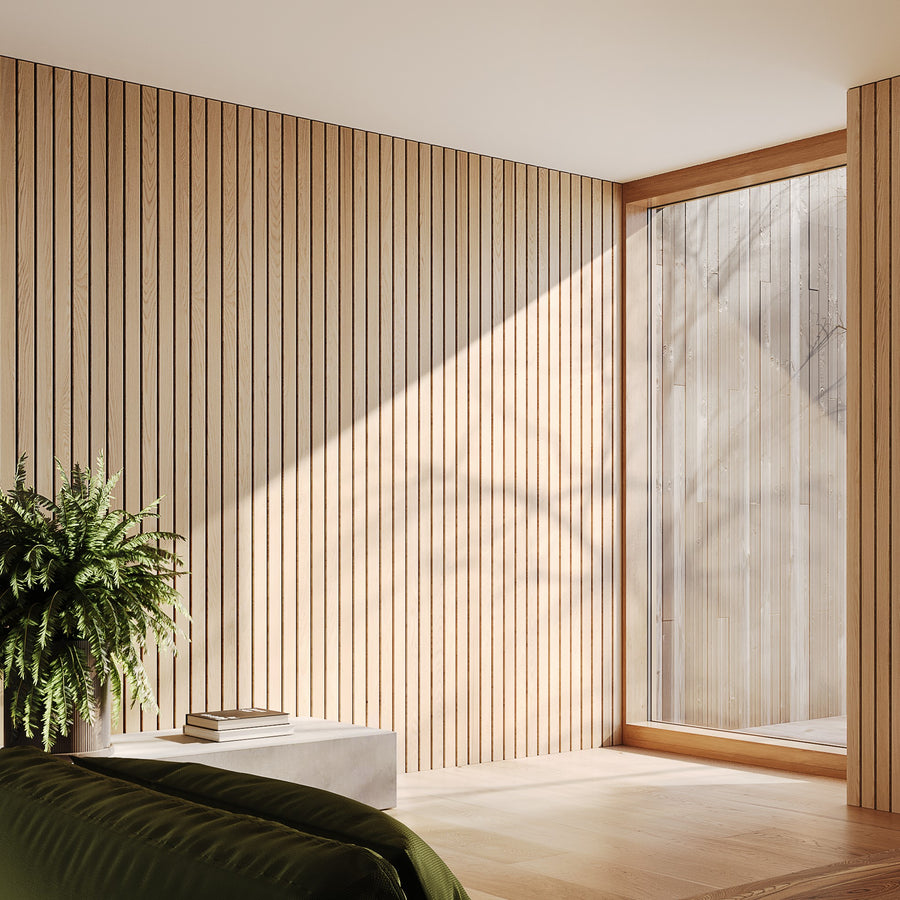
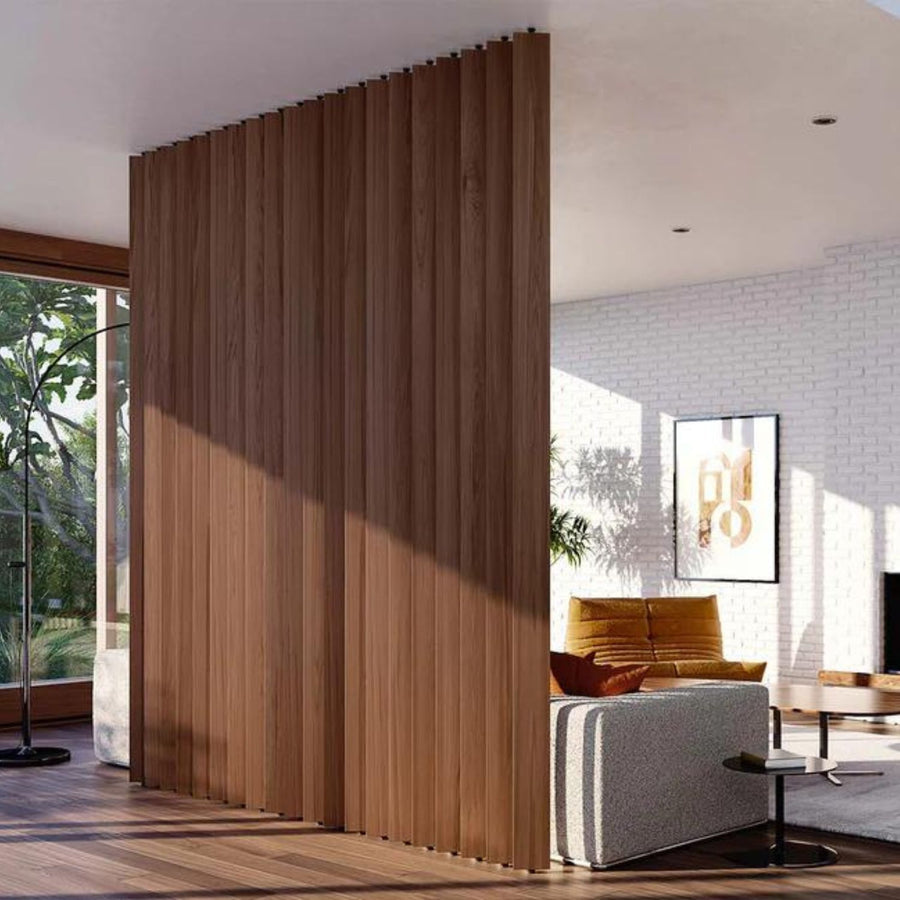
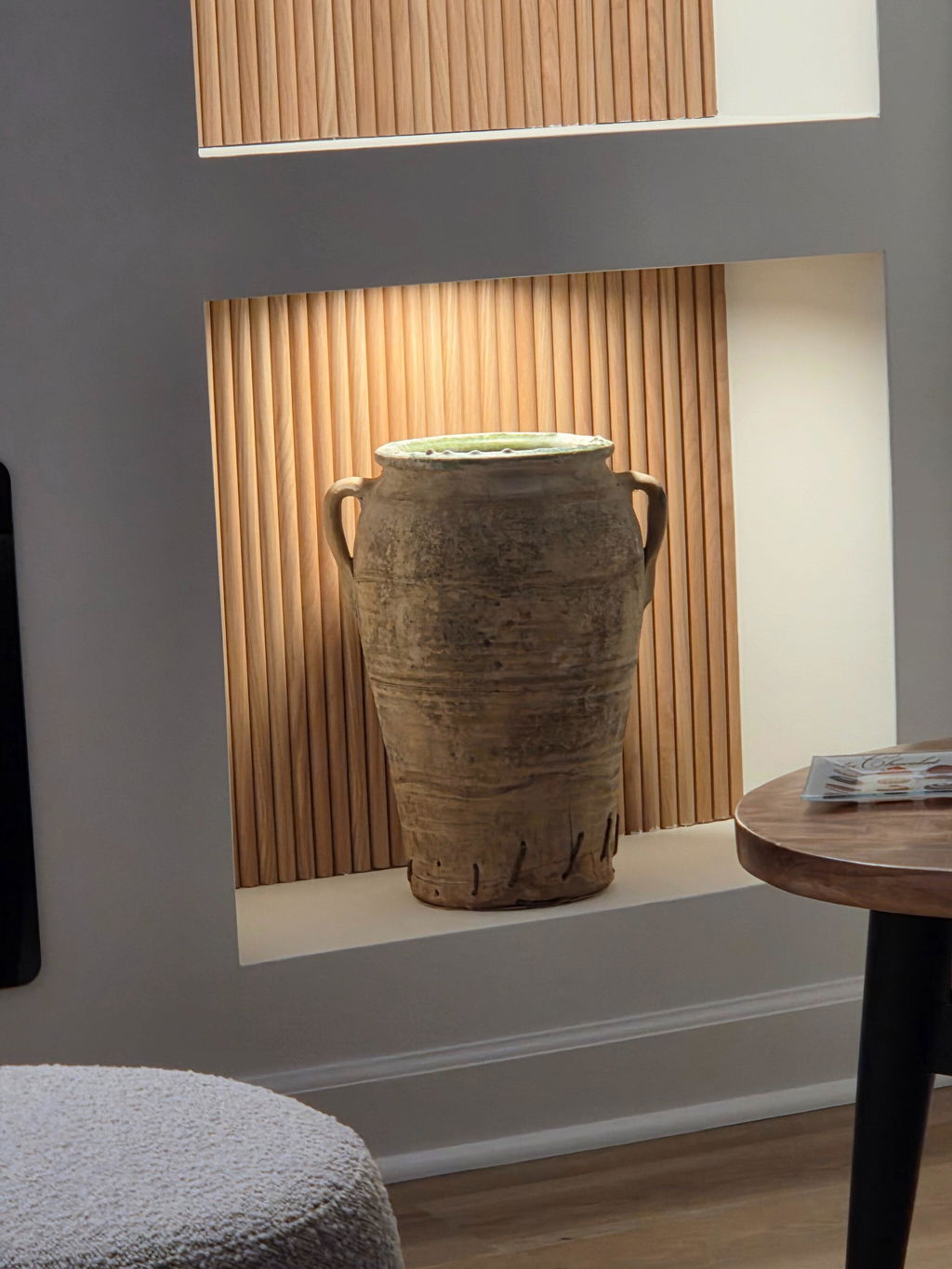
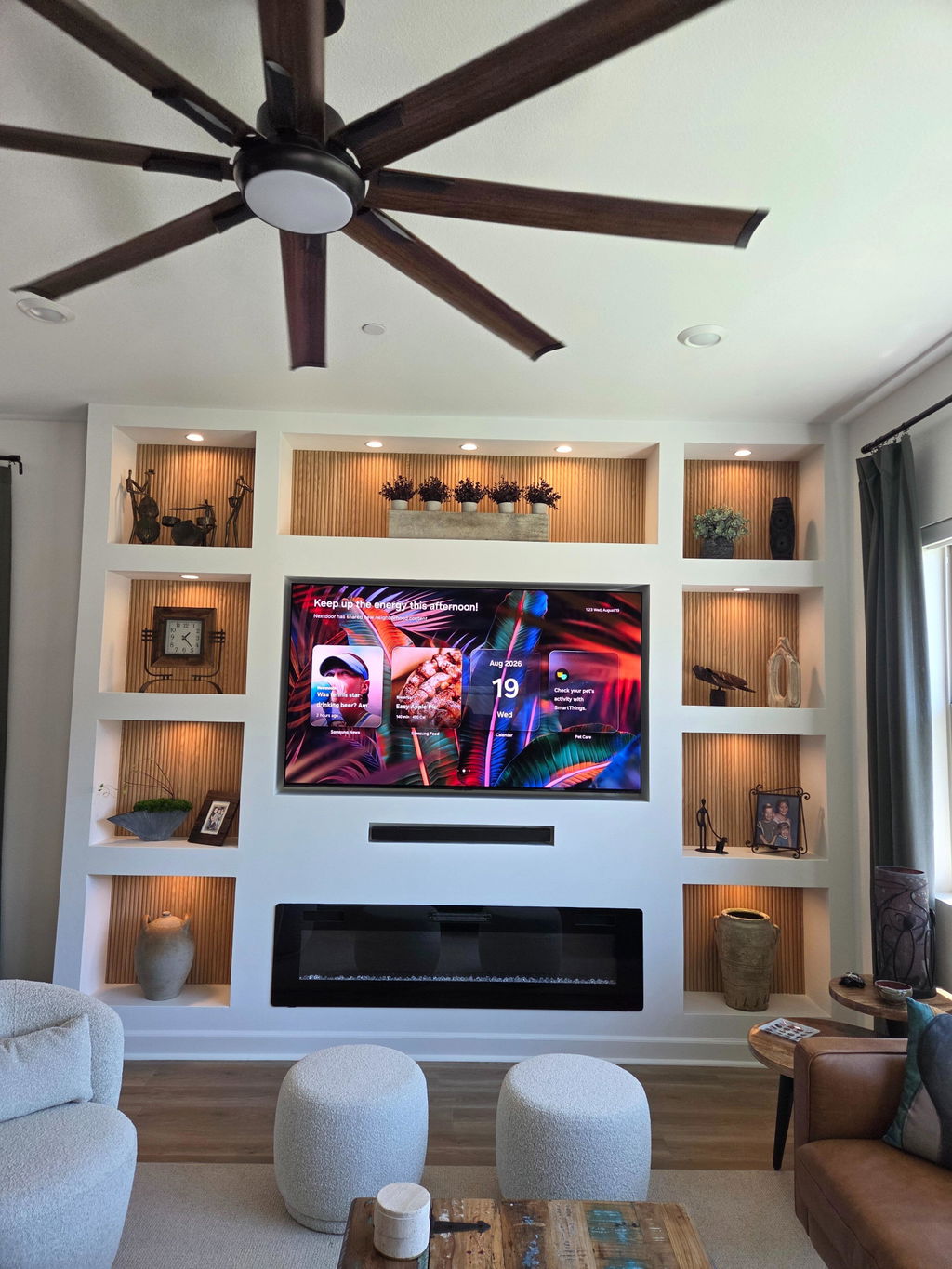
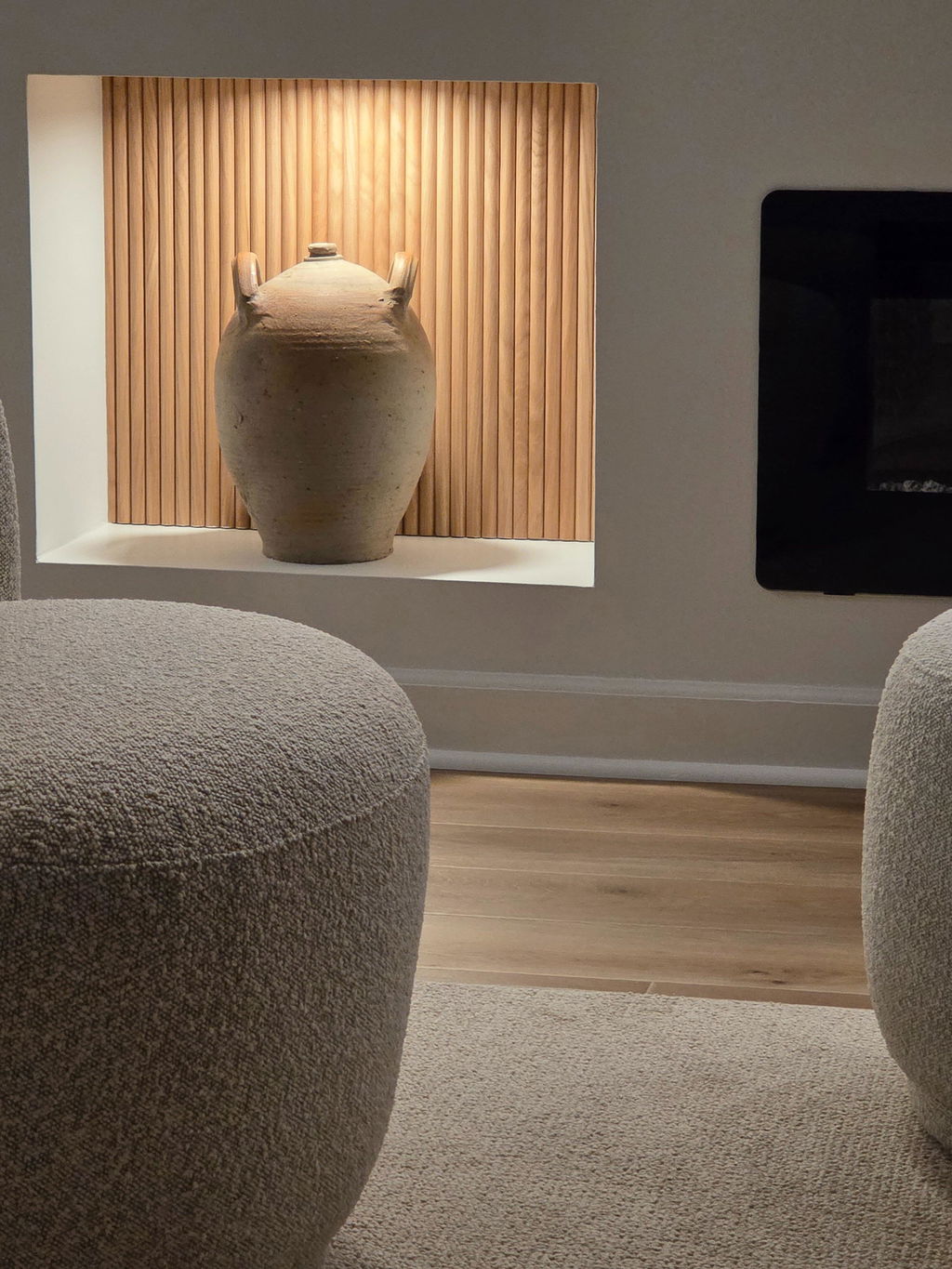
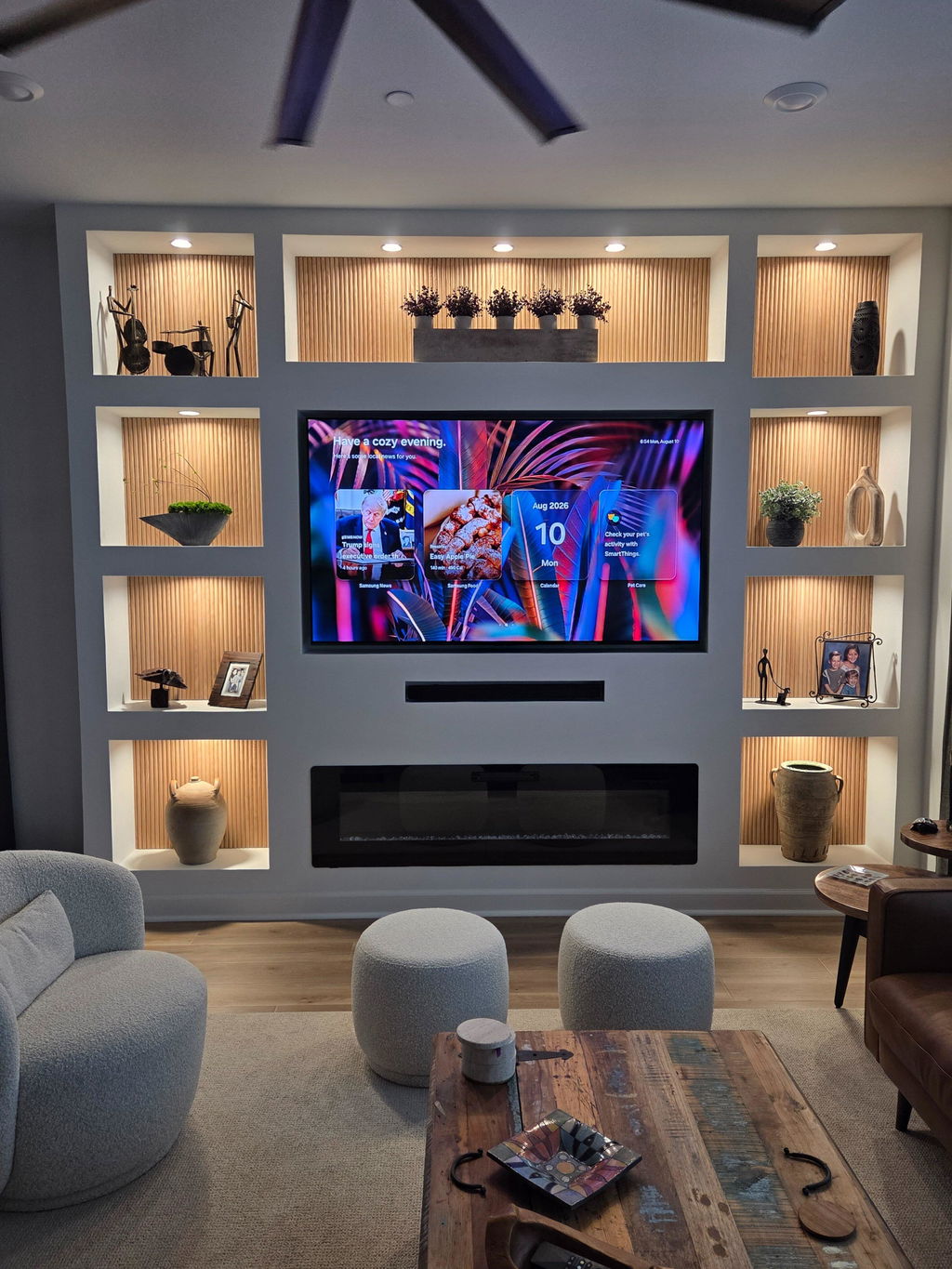
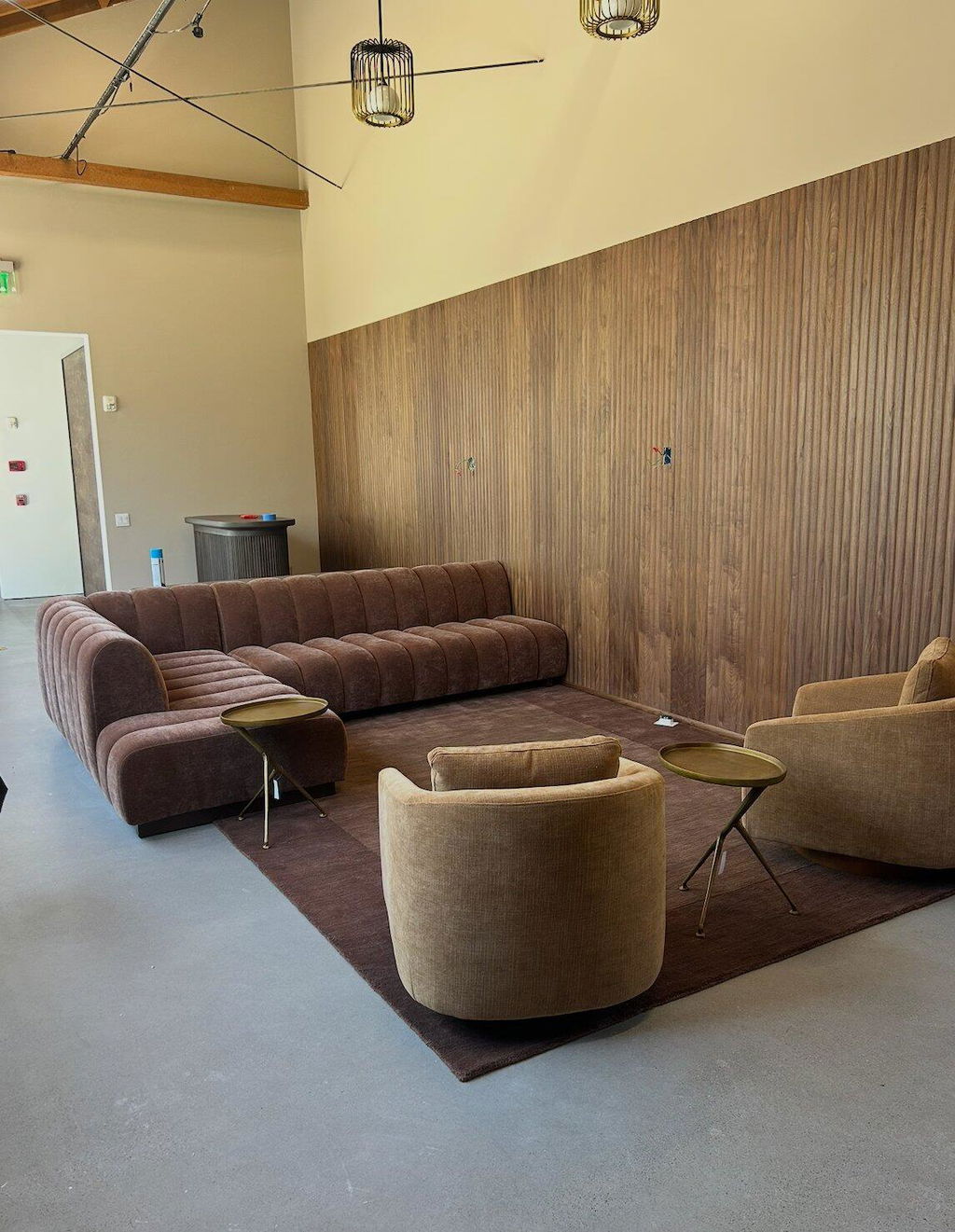
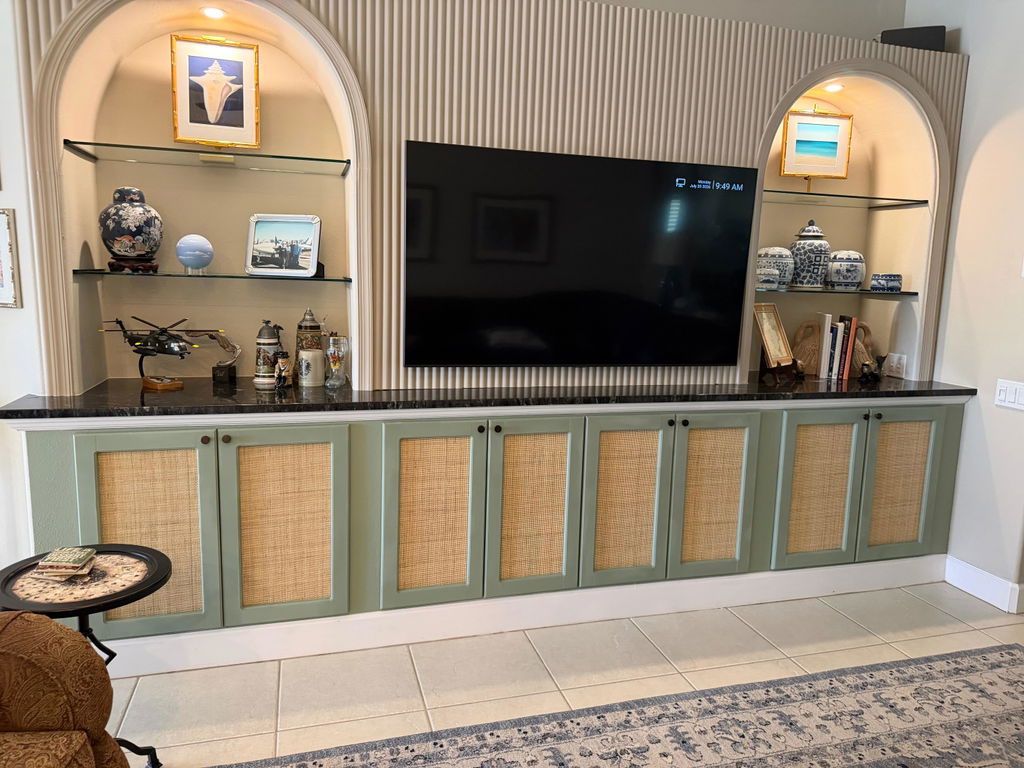
If you love clean lines and a modern look, V-groove panels are an easy win! They add texture without making a room feel busy, making them perfect for feature walls, ceilings, built-ins, and wainscoting.
Sometimes, a few grooves are all it takes to turn a plain wall into the star of the room!
Tongue and Groove Panels for Seamless Installations
Tongue and groove panels are designed to fit together neatly, creating a smooth, professional-looking finish. The interlocking edges make installation easier and help keep joints clean and evenly aligned.
It's one of those details you may not notice right away, but you'll definitely appreciate once everything comes together...


Which panel works best for different rooms?
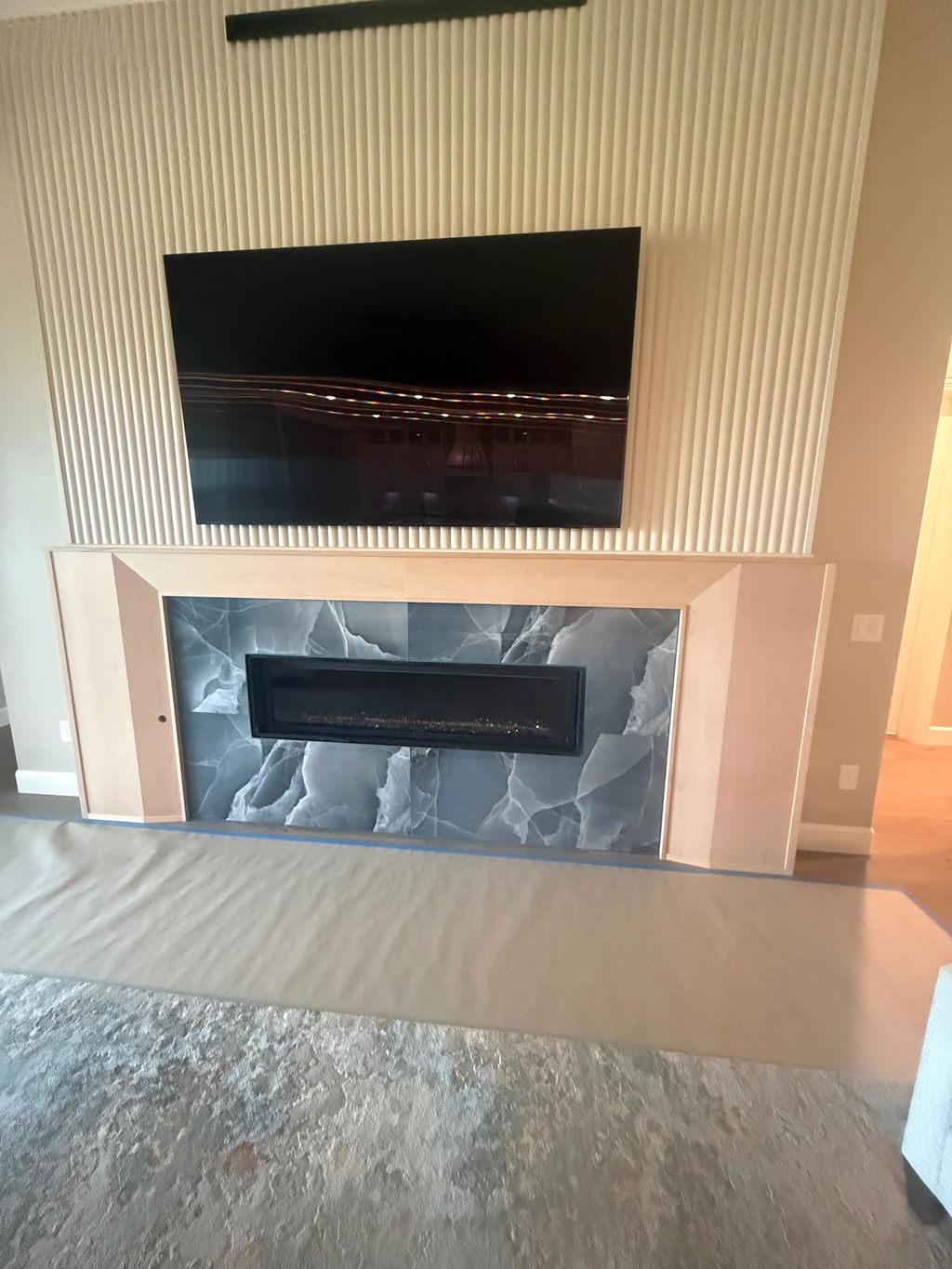
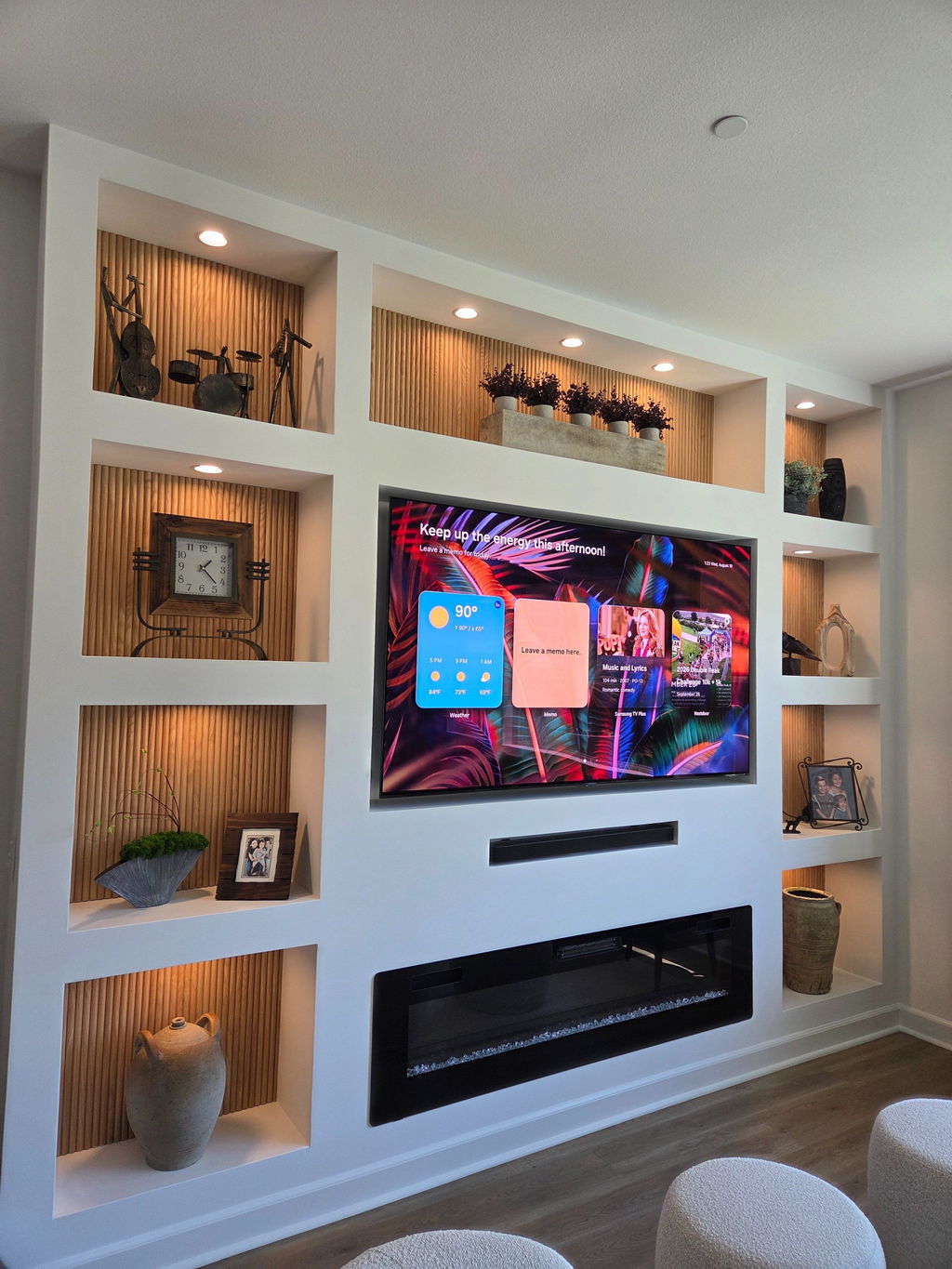
Living rooms often benefit from V-groove panels because the visible lines create attractive feature walls behind entertainment units or seating areas.
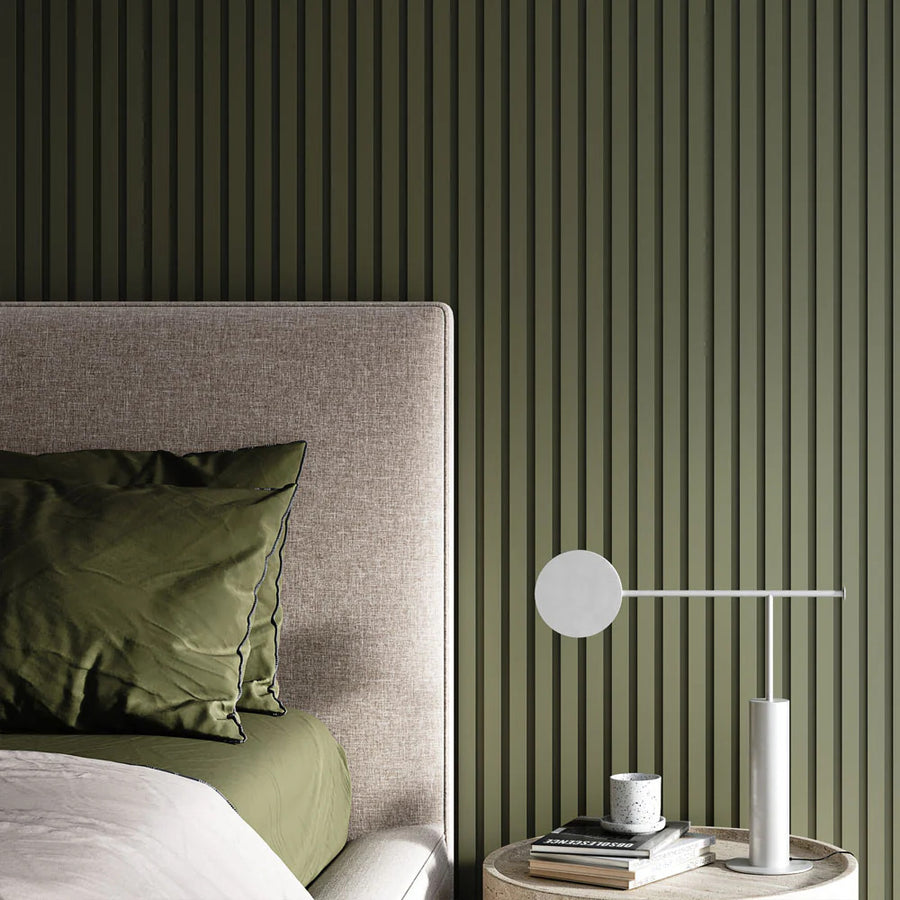
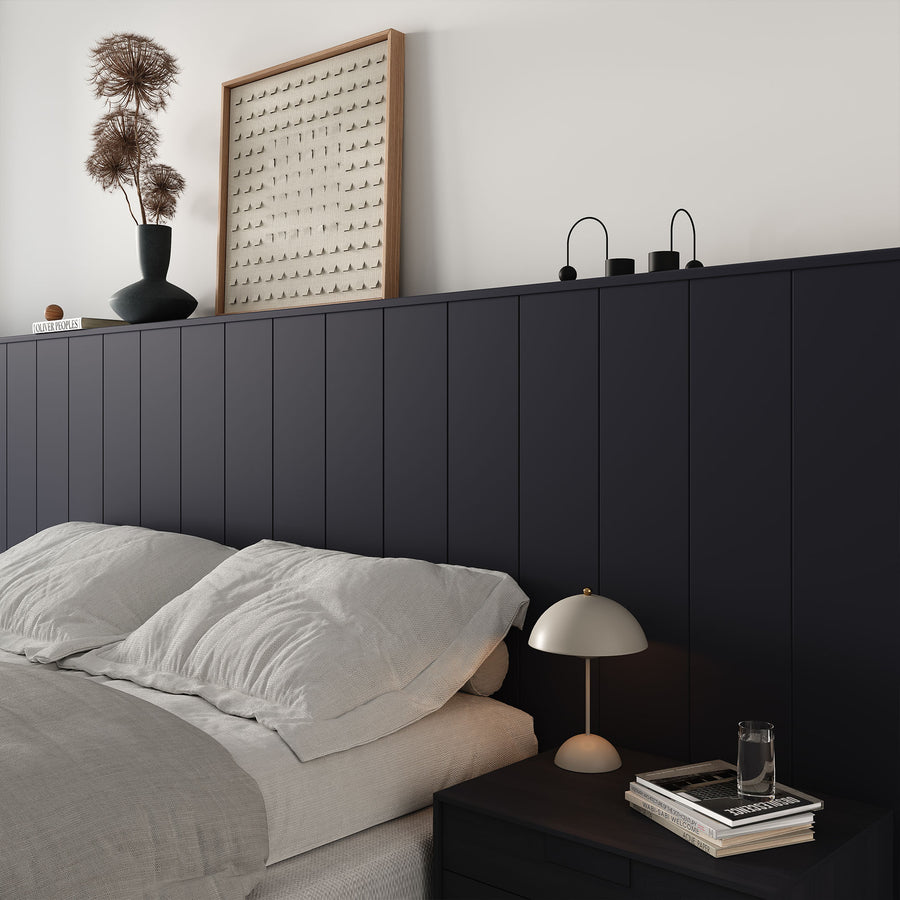
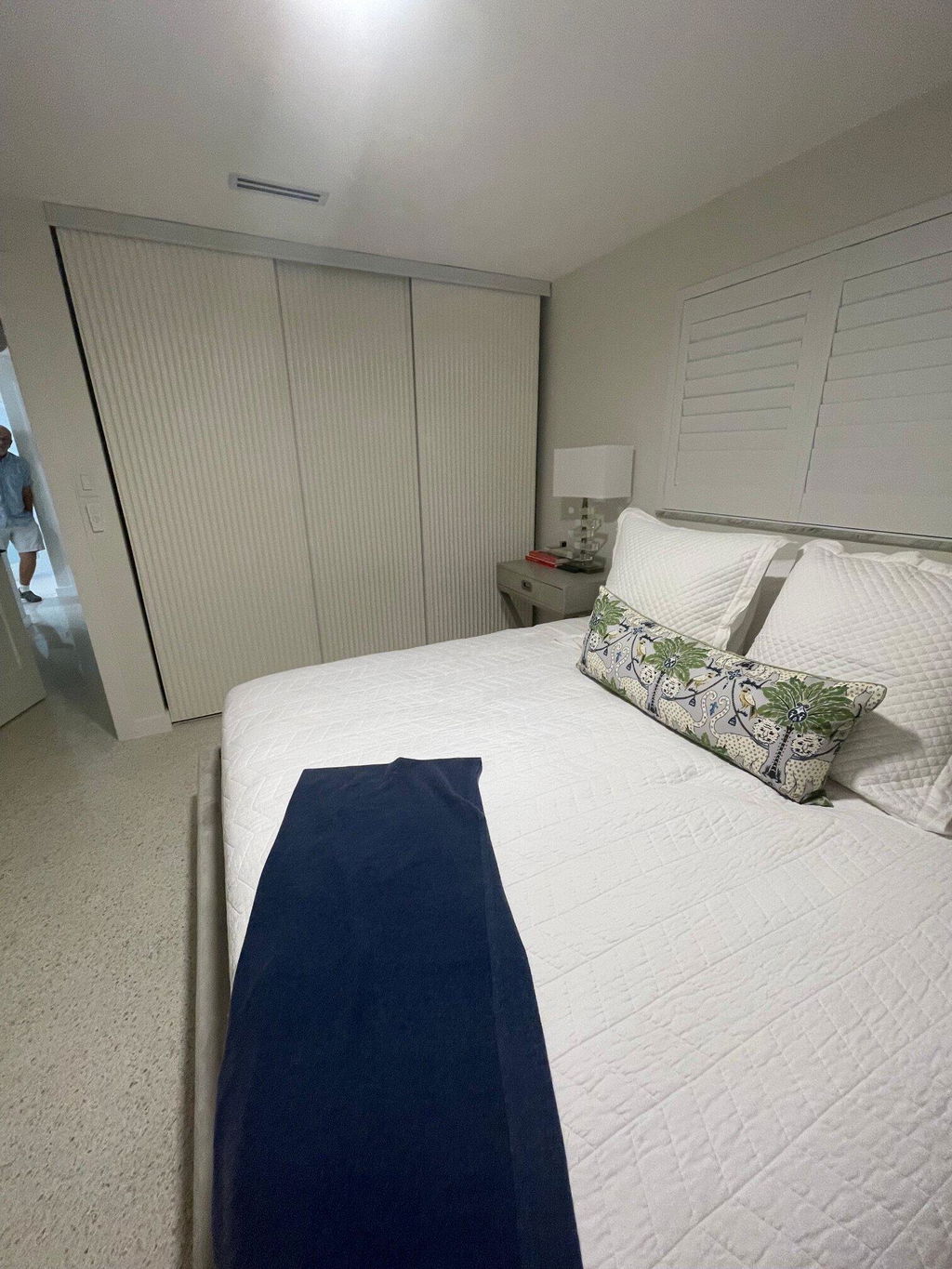
Bedrooms can successfully use either option. V-groove panels provide a more decorative statement behind the bed, while tongue and groove panels offer a softer and more relaxed appearance.
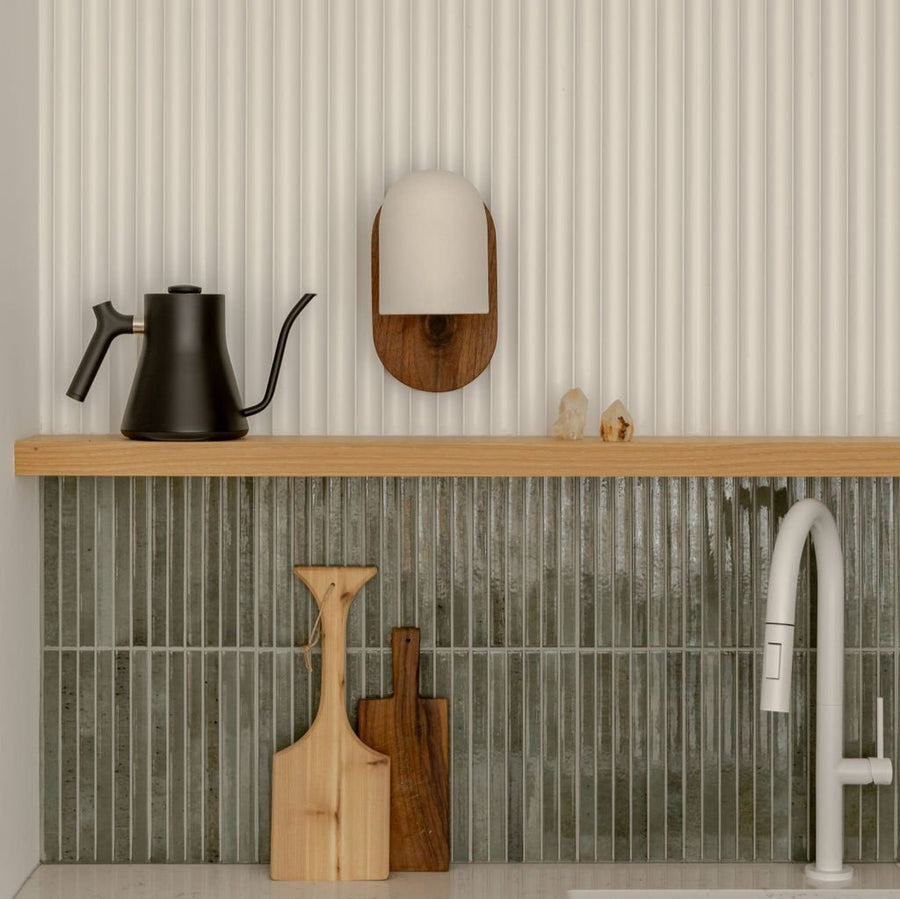
Bathrooms and kitchens generally require moisture-resistant materials regardless of the panel profile. WPC and PVC options are commonly selected for these environments.
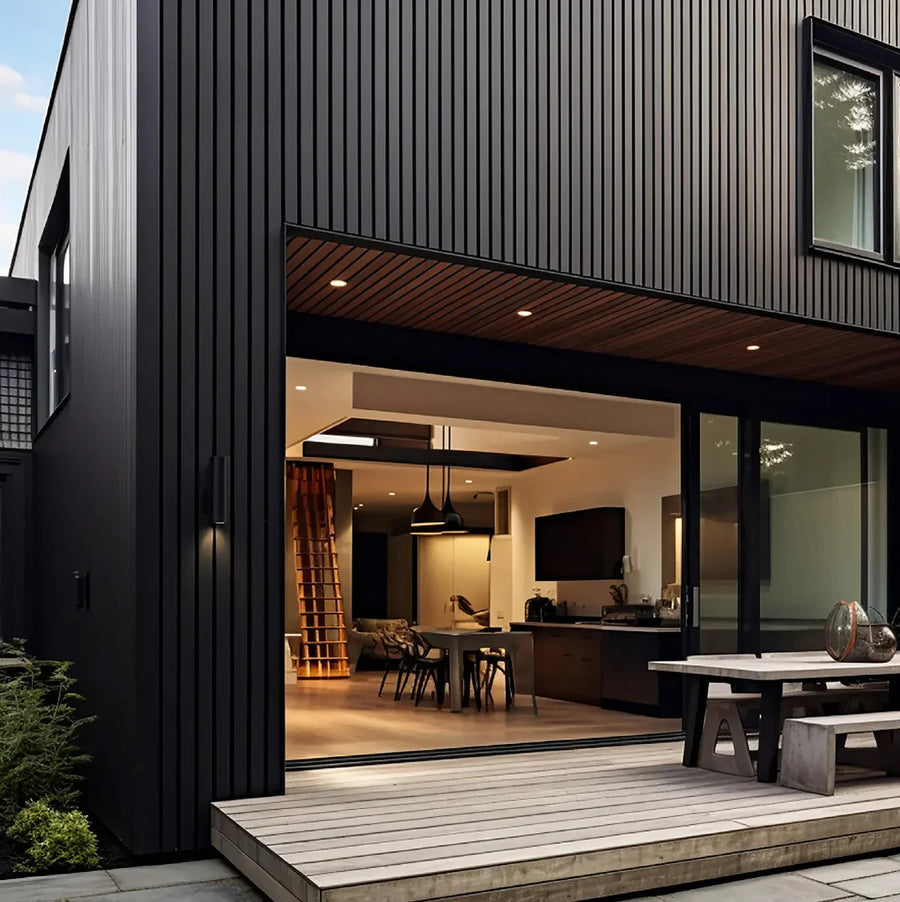
Commercial spaces such as offices, hotels, and retail stores frequently favor V-groove designs because they deliver a modern and visually appealing finish.
Which one should you choose?
Choose V-groove panels if you want a wall that feels modern, textured, and visually dynamic. The grooves create depth and shadow, making them ideal for feature walls and contemporary interiors.

Choose tongue and groove panels if you prefer a cleaner appearance, easier panel alignment, and a more traditional aesthetic. Their interlocking system also makes them a practical option for larger installations.
Many modern wall panels actually combine both features, giving homeowners the decorative appearance of V-grooves along with the installation advantages of tongue and groove construction.
Conclusion
V-groove panels and tongue and groove panels are often discussed as if they are direct alternatives, but they serve different purposes. One influences the appearance of the wall, while the other determines how the panels connect.
Understanding this distinction makes it much easier to choose the right product for your space. If your goal is a textured, modern feature wall, V-groove panels may be the better option. If you value clean installation and timeless design, tongue and groove panels can be an excellent choice.
The best solution ultimately depends on your design style, the room you're working on, and the overall look you want to achieve.
Frequently asked questions
Are v-groove panels and tongue and groove panels the same?
No. V-groove refers to the visible groove design on the face of the panel, while tongue and groove describes the interlocking connection system used during installation.
Which panels are easier to install?
Tongue and groove panels are generally easier to install because the boards lock together, helping maintain alignment and consistent spacing.
Can a panel have both v-groove and tongue and groove features?
Yes. Many modern wall panels use a tongue and groove installation system while incorporating a V-groove design on the visible surface.
Are v-groove panels suitable for bathrooms?
They can be, provided the panels are made from moisture-resistant materials such as WPC or PVC. Material selection is more important than the groove profile itself.
Which option is better for modern interiors?
V-groove panels are often preferred in contemporary spaces because the visible grooves create texture, depth, and clean architectural lines.
Do tongue and groove panels require less maintenance?
In some cases, yes. Their smoother appearance and fewer exposed grooves can make cleaning slightly easier than deeply grooved panels.
Which option is more expensive?
The panel material has a greater impact on price than the profile. Wood, WPC, MDF, and PVC panels all vary in cost regardless of whether they use V-groove or tongue and groove designs.



Leave a comment