 Skip to content







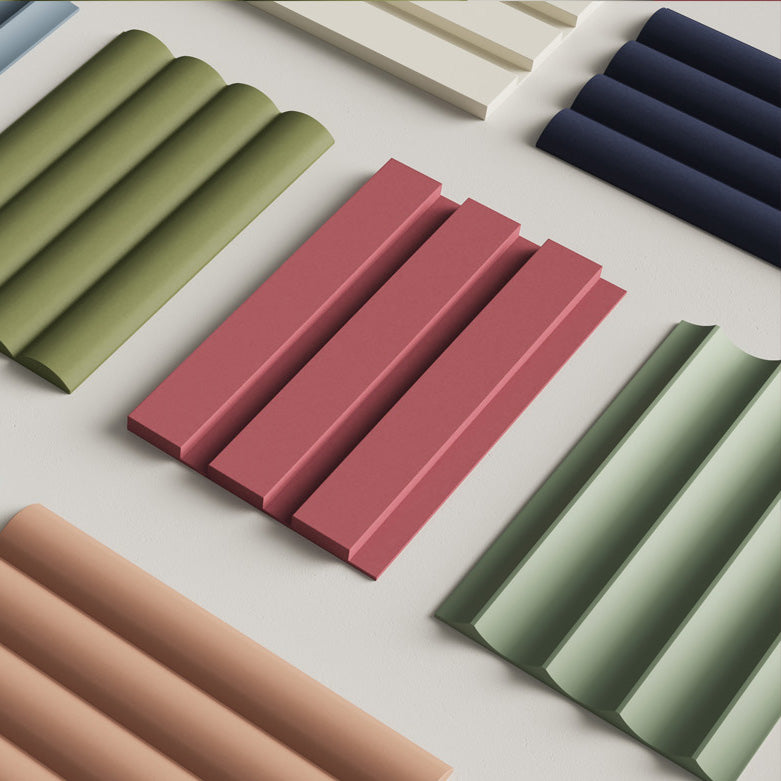
Wall Panel Installation Mistakes to Avoid (And How to Get It Right the First Time)

Wall panels can completely transform a room. A plain wall suddenly feels warmer, more textured, and far more intentional.
However, even premium wood slat panels, fluted panels, or paintable wall panels can fall flat when installation mistakes start showing through. Crooked lines, uneven spacing, and awkward panel placement instantly affect the overall look of the space.
The good news is that most of these problems are avoidable. With proper planning, accurate measurements, and a smoother installation process, it becomes much easier to achieve a seamless finish that actually feels custom from the start.
Key Takeaways
- Learn the most common wall panel installation mistakes and how to avoid them
- Understand how spacing, alignment, and surface preparation affect the final result
- Discover why some panel installations feel intentional while others look unfinished
- See how professionals approach measurements, layout planning, and sequencing
Starting Installation Without a Proper Layout Plan
One of the fastest ways to ruin a wall panel installation is starting too quickly. A lot of homeowners get excited, open the boxes, and immediately begin attaching panels to the wall. Then halfway through the project, the spacing starts drifting, corners stop lining up properly, and the final panel ends up looking awkwardly narrow.
This is especially noticeable with wood slat panels and fluted panels because these styles rely heavily on balance and repetition.


Once the pattern shifts, the entire wall starts feeling off.
Professionals avoid this by planning the full layout before installation begins. They measure the wall carefully, identify focal points, and determine exactly where the panels should start and finish. That preparation helps the installation feel balanced instead of improvised.
A proper layout plan may not be exciting, but it saves a massive amount of frustration later on.
Ignoring Uneven Wall Surfaces
Wall panels will always reflect the condition of the wall behind them. If the surface has bumps, cracks, dips, or slight warping, those imperfections usually become more visible after installation, especially once lighting hits the panels at different angles.
Vertical designs like fluted panels and wood slat panels make this even more obvious because the eye naturally follows the lines upward. A slightly uneven wall can throw off the entire visual flow of the installation.
That is why surface preparation matters so much. Professionals usually patch rough areas, smooth uneven spots, and check the wall thoroughly before mounting anything.


It may feel like an extra step, but skipping it often leads to results that look rushed rather than refined.
Even high-quality wall panels cannot compensate for a poor surface underneath.
Poor Alignment That Throws Off the Entire Wall
A slightly crooked panel may not seem like a big issue at first. However, once multiple panels are installed side by side, the inconsistency becomes much easier to spot. Suddenly, the wall starts leaning visually in one direction, and the clean look homeowners were aiming for disappears.
This usually happens when people rely too heavily on visual judgment instead of proper leveling tools. Walls are rarely perfectly straight, which means small alignment mistakes tend to build up throughout the installation.
Wall panels rely on symmetry. Once alignment shifts, the entire wall starts feeling uneven.
Professionals constantly check measurements during installation instead of assuming the first panel guarantees everything else will stay aligned. That level of precision is what gives professionally installed wall panels their seamless appearance.
Using Inconsistent Panel Spacing
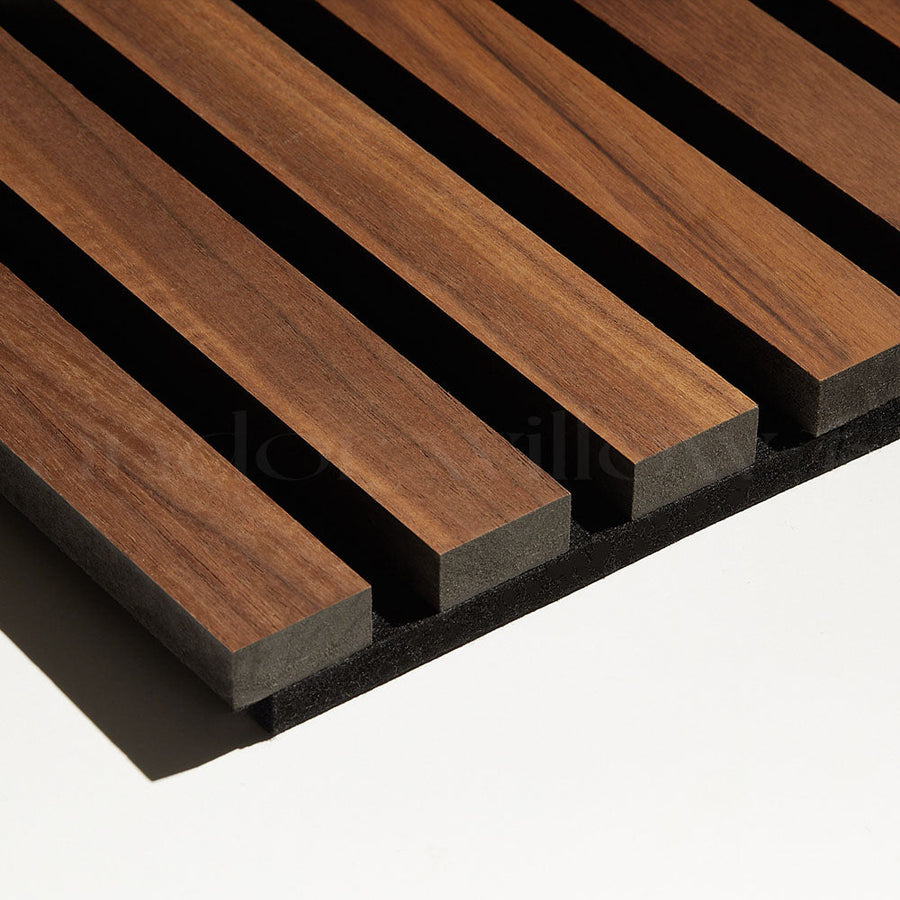
Spacing plays a huge role in how wall panels look once the installation is complete. Even premium wood slat panels can lose their impact when the gaps between slats start changing across the wall.
Sometimes installers try adjusting spacing midway through the project to compensate for earlier mistakes. Unfortunately, that usually makes the inconsistency even more noticeable.
Consistent spacing creates rhythm. Without it, the wall starts feeling cluttered instead of cohesive.
This is why professionals often use spacing guides or templates during installation.

More importantly, they plan spacing around the wall dimensions beforehand so the design feels balanced from edge to edge.
And honestly, this is where premium-quality panels make a difference. Better-made panels fit together more consistently, which makes achieving clean spacing much easier.
Stopping Panels Too Early
Another common mistake is ending the panels at awkward points on the wall. Sometimes installations stop halfway up without a clear design reason. Other times, large empty gaps are left near ceilings or corners, making the wall feel incomplete.
Partial wall panel designs can absolutely work, but they need intentional proportions. Otherwise, the stopping point feels random rather than architectural.
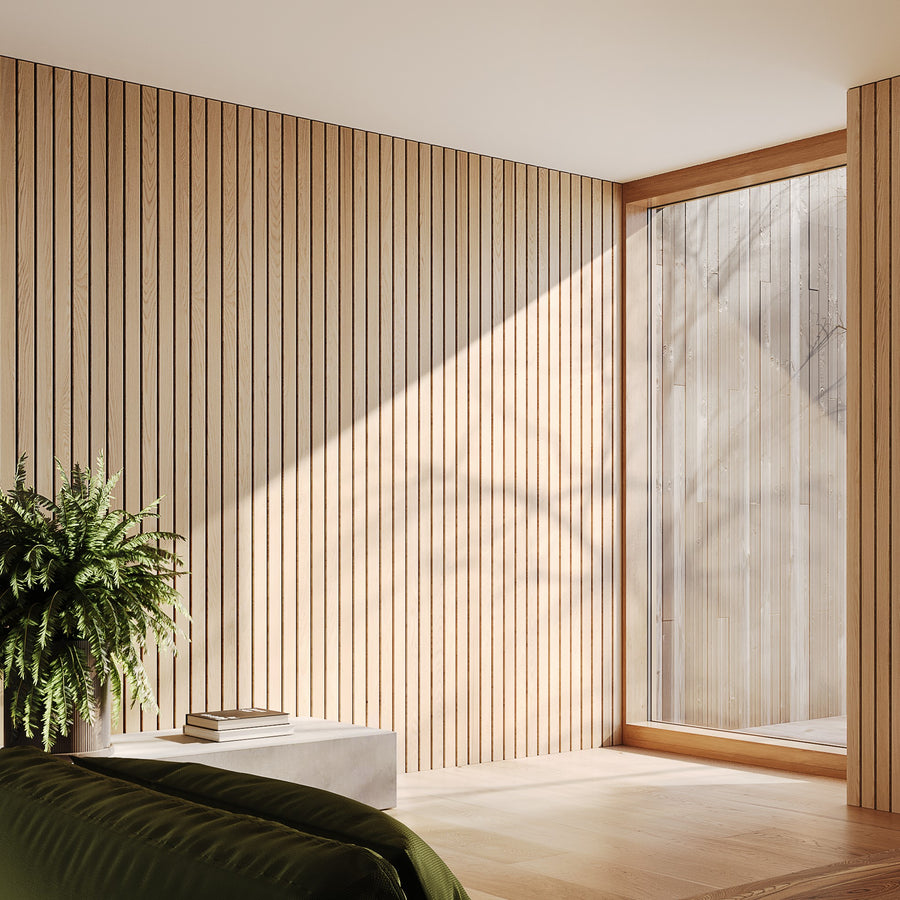
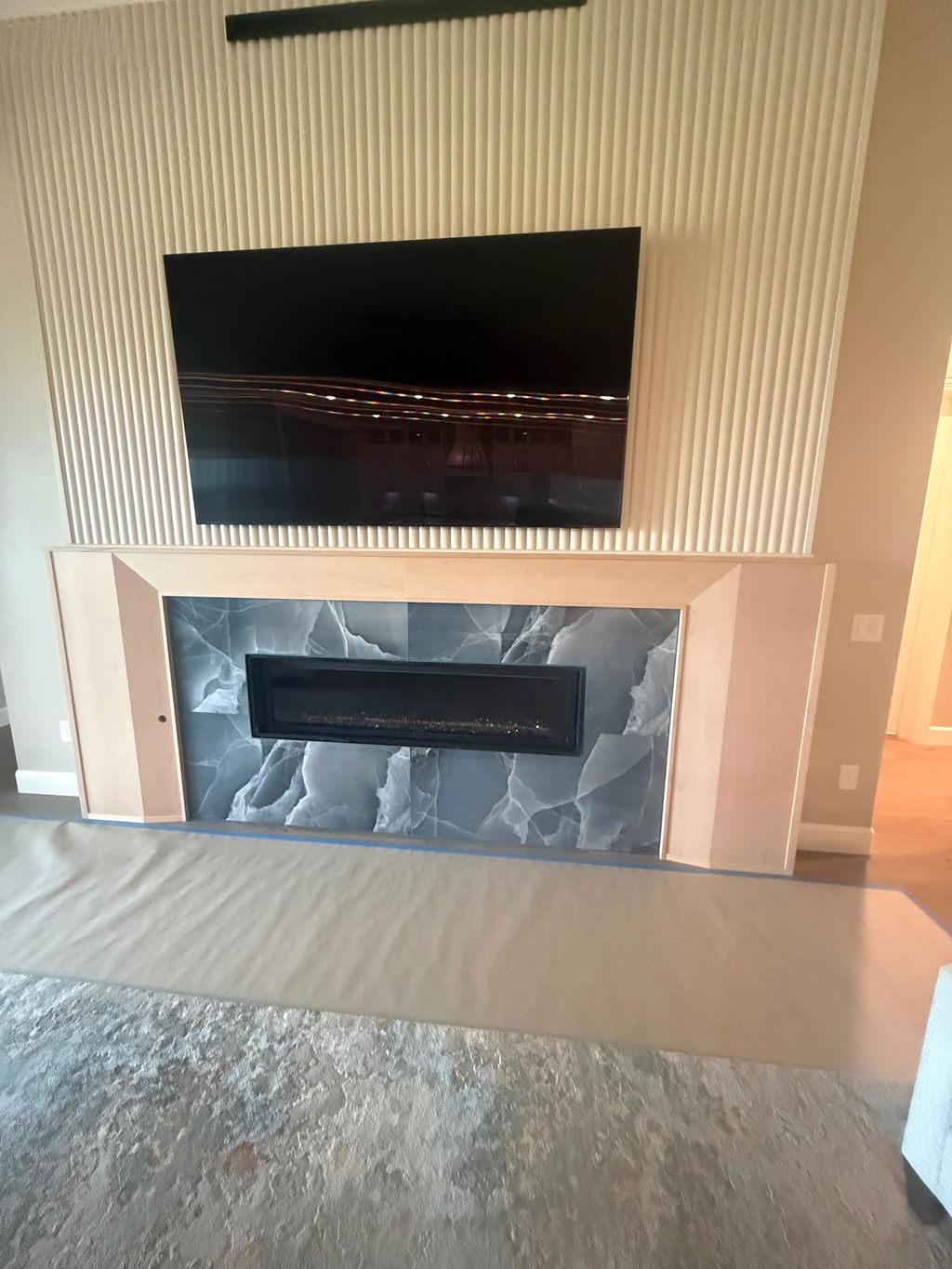
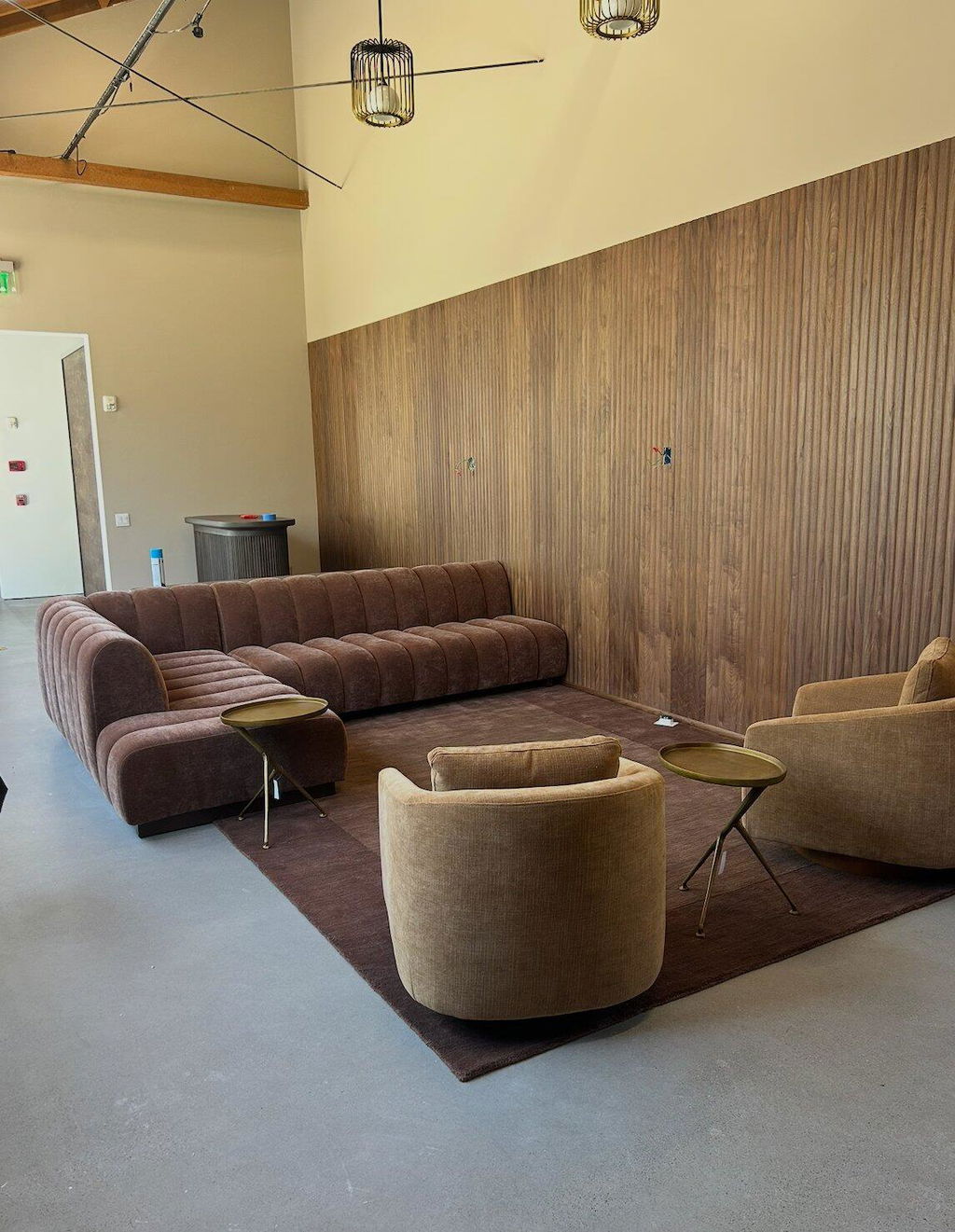
In many cases, extending wood slat panels from floor to ceiling creates a stronger visual effect because it naturally draws the eye upward and makes the room feel taller.

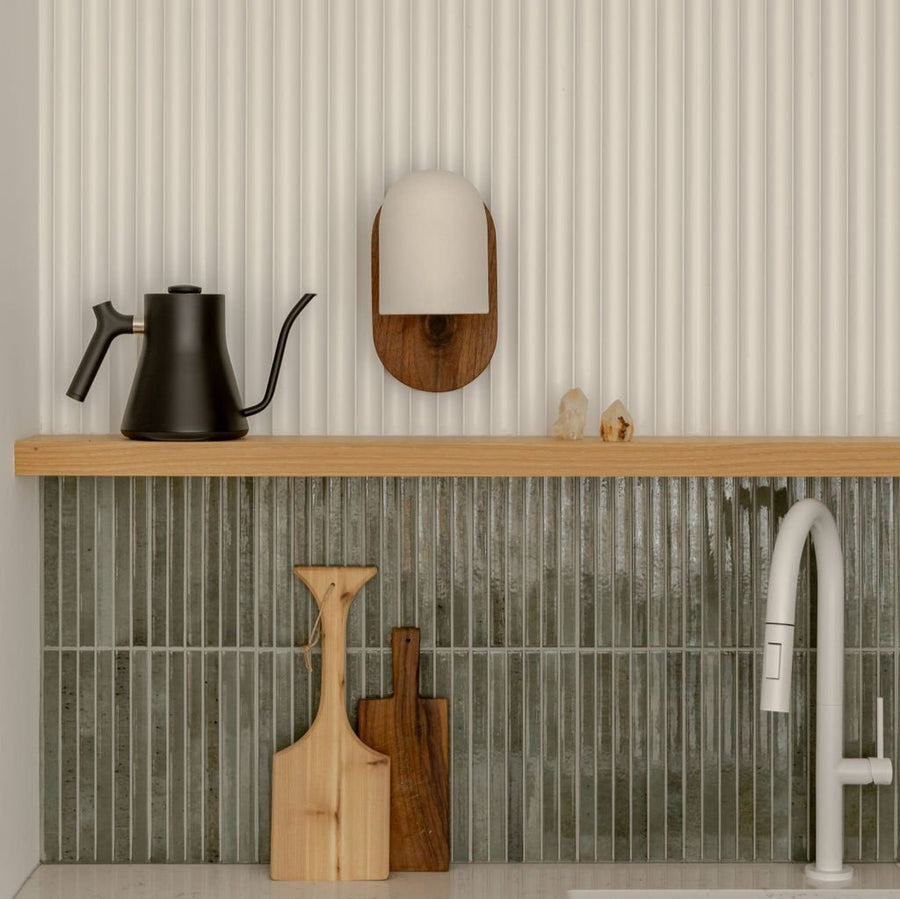
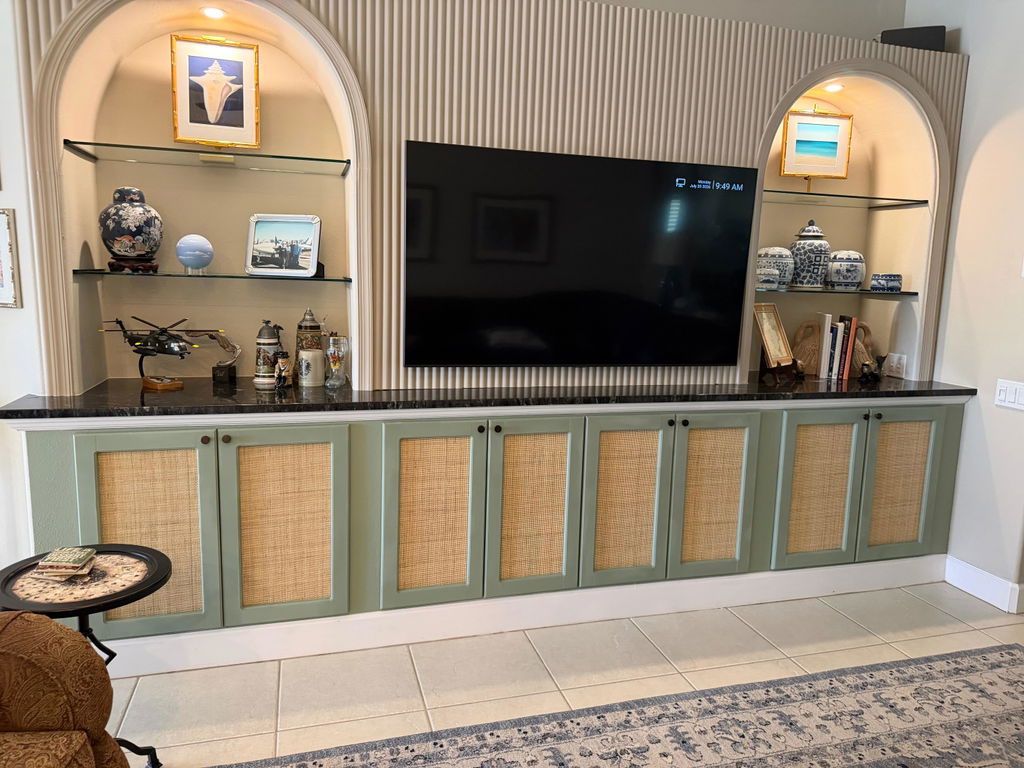
Fluted panels also tend to look more cohesive when they connect fully with surrounding elements instead of ending abruptly.
The best installations feel integrated into the room instead of added on afterward.
Rushing the Installation Process
This is one of the most common problems overall. People get excited to see the finished result, especially after choosing beautiful wall panels and imagining how the space will look afterward. Naturally, the temptation to move quickly kicks in.
Unfortunately, rushing usually creates mistakes that are difficult to hide later.
Measurements get skipped. Alignment checks become inconsistent. Adhesive gets applied unevenly. Then small problems start stacking on top of each other.
Professional installers work in stages.
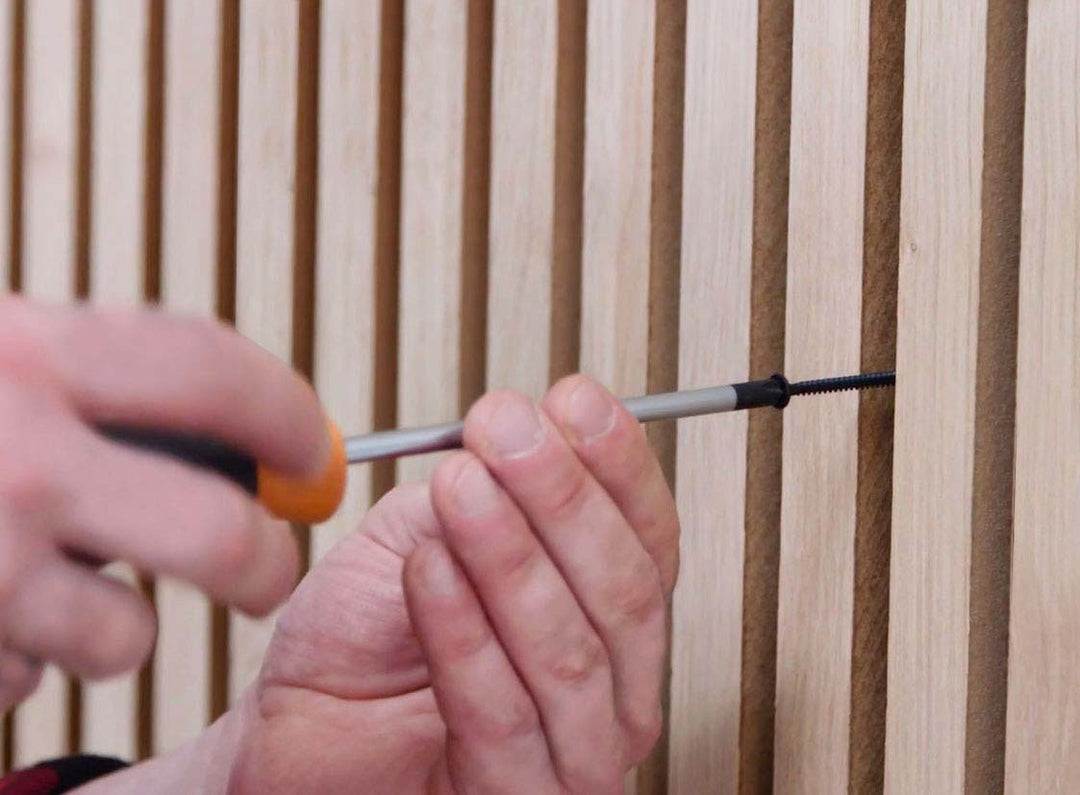
They prepare the wall, dry fit panels first, verify measurements repeatedly, and install everything in a deliberate sequence. Every step supports the next one.
Ironically, slowing down often saves more time because it prevents costly corrections later.
Overlooking the Finishing Details
Even when the main installation looks good, unfinished details can still affect the overall result. Rough edges, visible seams, uneven trim placement, or poorly finished corners tend to stand out quickly once the project is complete.
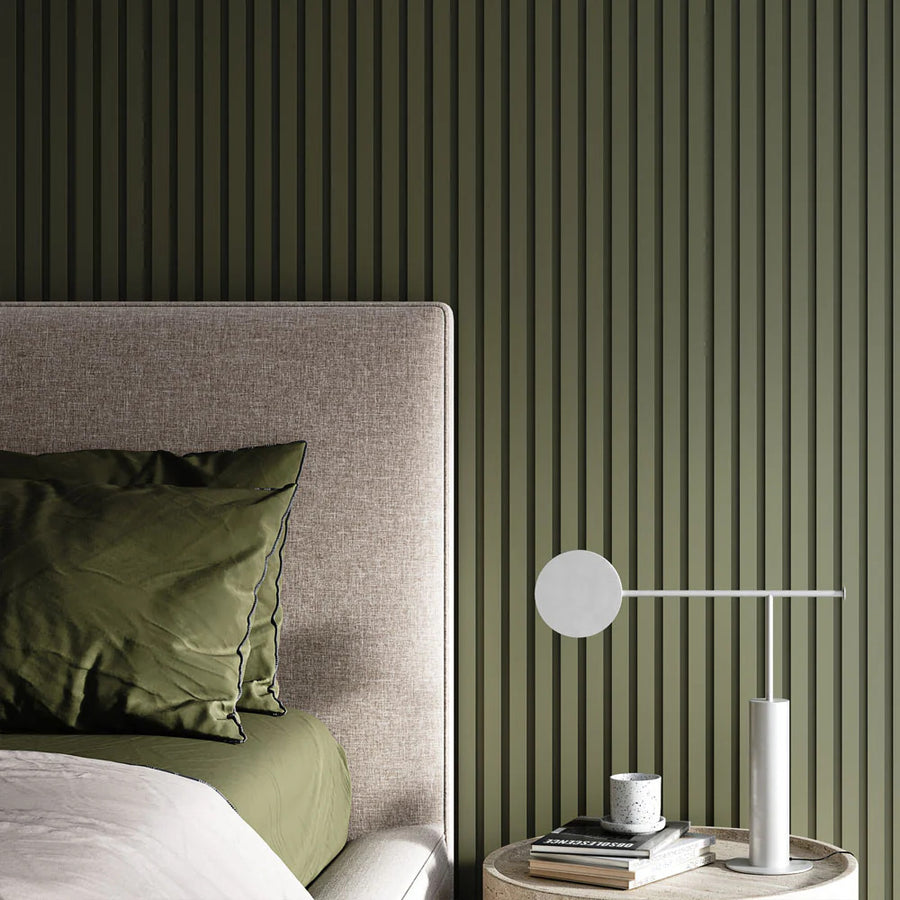
This becomes especially noticeable with paintable wall panels because paint can make seams and imperfections more visible under lighting.
Clean finishing details are often what make wall panels feel custom instead of mass-produced. Smooth transitions, sharp corners, and properly aligned trim help the entire installation feel intentional.
Small details really do change the entire look.
Why Professional Planning Creates Better Results
One thing professionals consistently do better is planning. They do not approach wall panel installation like a quick decorative upgrade. They treat it more like a finish carpentry project where measurements, sequencing, spacing, and visual balance all matter equally.
That level of detail becomes incredibly important in modern interiors because clean lines naturally draw attention.


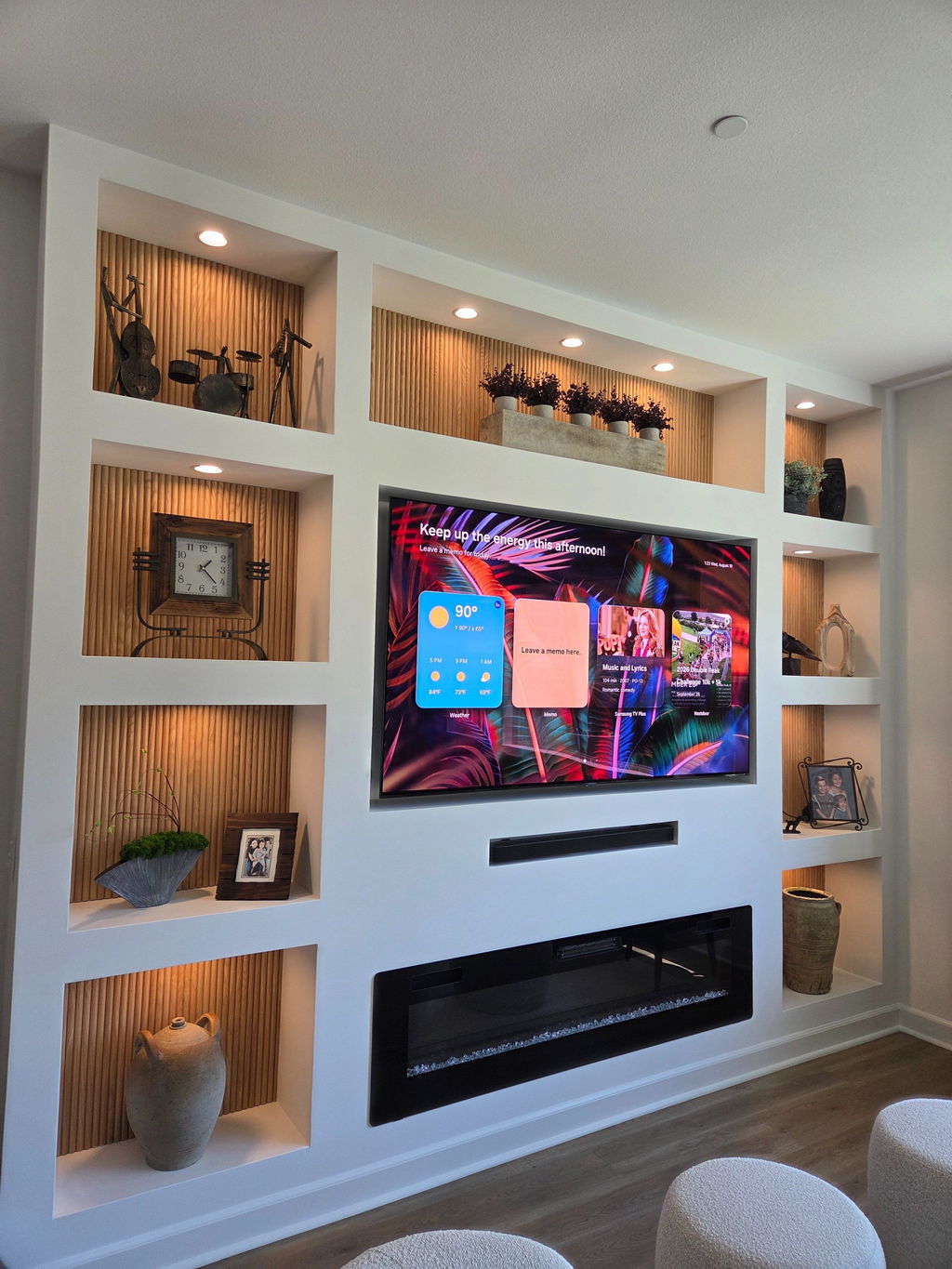
Whether you are installing wood slat panels for warmth, fluted panels for texture, or paintable wall panels for flexibility, careful planning helps the final result feel cohesive from every angle.
And honestly... people notice that difference immediately. A well-installed wall simply feels more elevated the moment you walk into the room.
Conclusion
Wall panels can dramatically elevate a space, but installation quality determines whether the final result feels refined or unfinished. Mistakes like uneven spacing, poor alignment, rough surfaces, and awkward panel placement can quickly take away from the overall design.
Fortunately, most of these issues are preventable with better preparation, careful measurements, and a more thoughtful installation process. When installed correctly, wood slat panels, fluted panels, and paintable wall panels create a seamless architectural finish that instantly makes a room feel more intentional and polished.
The goal is not just to install panels. It is to create a wall that feels cohesive, balanced, and beautifully finished from the start.
FAQs
What is the most common wall panel installation mistake?
Poor alignment is one of the most common mistakes homeowners make during installation.
A panel that looks only slightly crooked at the beginning can throw off the entire wall once additional panels are added beside it. This is especially noticeable with wood slat panels and fluted panels because their straight lines naturally highlight inconsistencies.
Do wall panels need perfectly smooth walls?
Walls do not need to be completely flawless, but they should be smooth and properly prepared before installation begins. Cracks, dips, bumps, or uneven sections can affect how the panels sit against the surface, which may create visible gaps or alignment issues later on.
For the best results, most professionals patch and level the wall first rather than trying to work around imperfections.
Why does spacing matter so much with wood slat panels?
Spacing is part of the overall design. Uneven gaps between slats can make the entire installation feel inconsistent, even when the panels themselves are high quality.
Consistent spacing creates the clean visual rhythm that gives wood slat panels their modern architectural look.
Are fluted panels harder to install?
Fluted panels can be slightly more challenging to install because their vertical grooves make alignment issues easier to spot. Even small mistakes become more visible once lighting hits the surface.
That said, proper measurements and careful planning make a huge difference. With the right installation process, fluted panels can look incredibly clean and refined.
Should wall panels go all the way to the ceiling?
Not always, but full-height installations usually create a stronger visual impact. Extending the panels from floor to ceiling helps the room feel taller and more cohesive, especially in modern spaces.
Partial wall panel designs can still work beautifully when the proportions feel intentional rather than random.
Can paintable wall panels hide wall imperfections?
Paintable wall panels can improve the appearance of a wall, but they are not meant to cover major surface problems. Large dips, cracks, or uneven areas should still be repaired beforehand to achieve a cleaner finish.
Once painted, poorly finished seams and imperfections may actually become more noticeable under lighting, which is why preparation matters so much.
Is professional installation worth it for wall panels?
For many homeowners, yes. Professional installers focus heavily on layout planning, spacing consistency, sequencing, and finishing details, all of which affect the final appearance of the wall.
A professionally installed wall panel system often feels more seamless and custom-built, especially with premium materials like wood slat panels or fluted panels.
How do professionals keep wall panels aligned?
Most professionals use laser levels, guide lines, and spacing templatesa throughout the installation process. They also recheck measurements constantly instead of relying on visual estimates alone.
It may sound excessive, but that precision is exactly what keeps the finished wall looking balanced and consistent from edge to edge.



Leave a comment