 Skip to content









Wall Panel Maintenance: How to Clean, Protect, and Care for Your Walls

So, you've finally got your wall panels installed.
They look great, the room feels more finished, and now there's just one question left: how do you keep them that way?
The good news is that wall panels don't need a complicated cleaning routine. A little dusting, careful wiping, and some attention to spills and moisture can keep them looking good without turning maintenance into another household chore.
In this guide, we'll cover how to clean different types of wall panels, what to avoid, how to deal with everyday marks, and a few simple habits that can help your panels stay in good shape for years to come!
Key Takeaways
- Regular dusting and gentle cleaning can help keep your wall panels looking fresh.
- Different panel materials and finishes may need different cleaning methods.
- Moisture, harsh chemicals, and abrasive tools can cause problems for certain wall panels.
- Cleaning spills and marks quickly can make everyday maintenance much easier.
- Regular checks can help you spot scratches, loose sections, and other issues early.
How Often Should You Clean Your Wall Panels?
There's no magic number for how often wall panels need to be cleaned. It really depends on where they're installed and how much activity the room gets.


A bedroom wall might stay fairly clean for weeks, while panels in a living room, hallway, dining area, or commercial space can collect dust much faster. If you have children, pets, or a particularly busy household, you may find yourself reaching for the duster more often.
For most rooms, a light dusting every week or two is a good routine. You can save deeper cleaning for every few months or whenever the panels start looking a little dull.
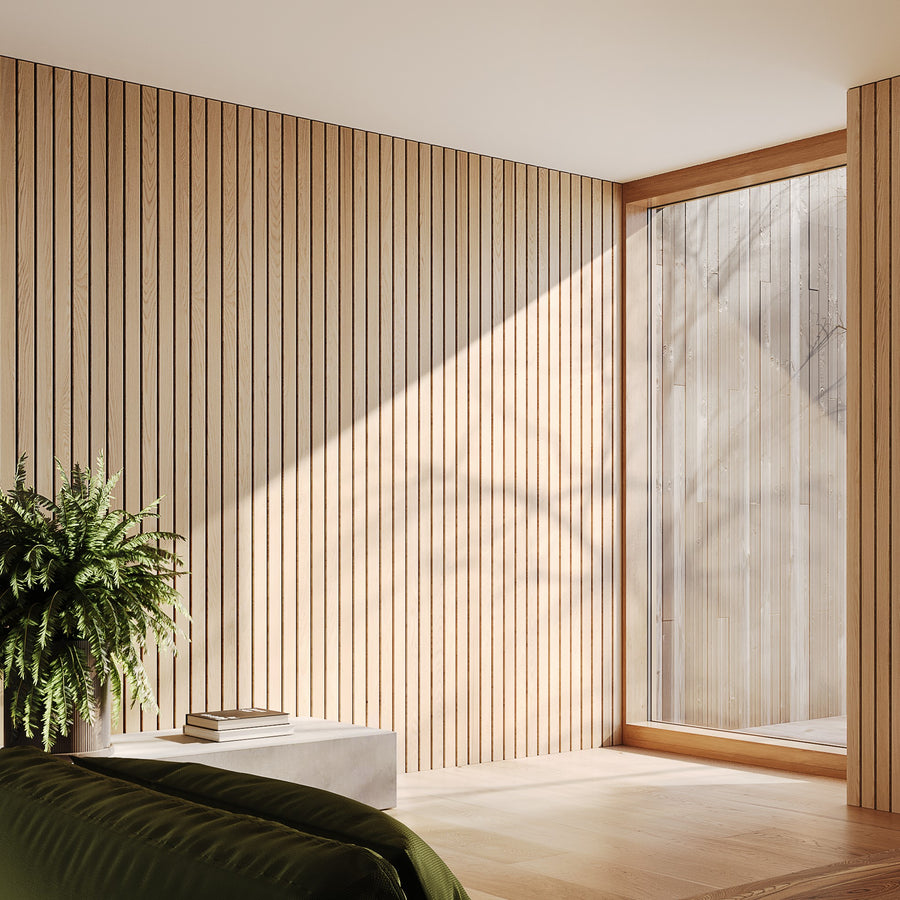
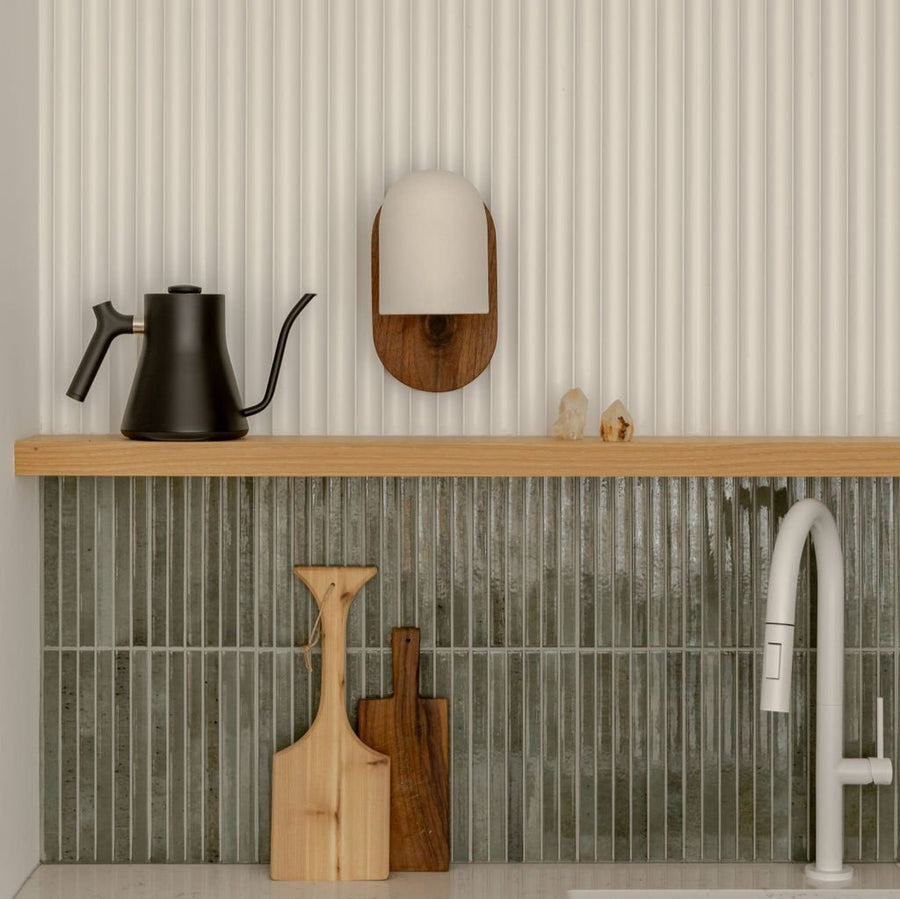
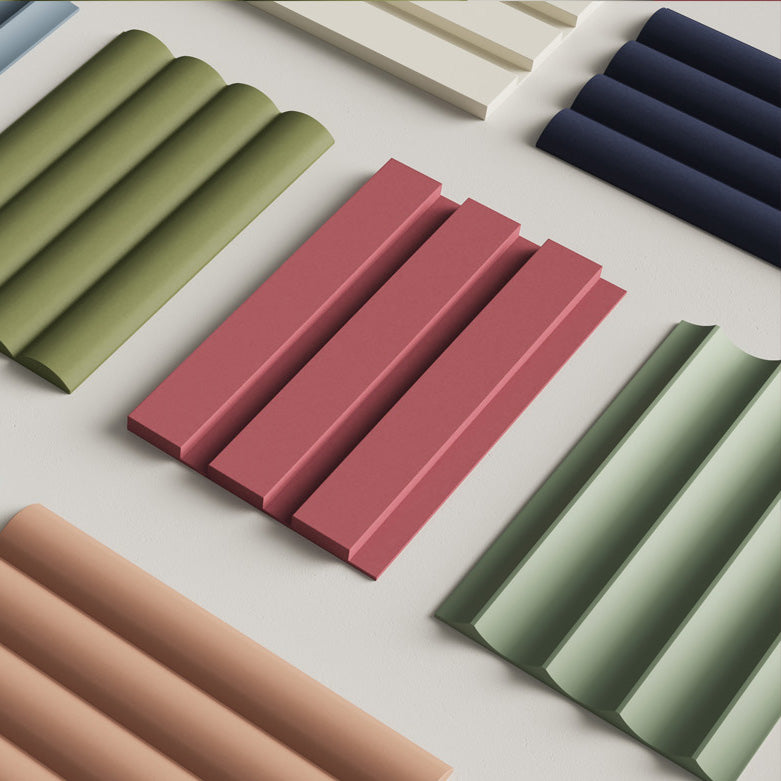
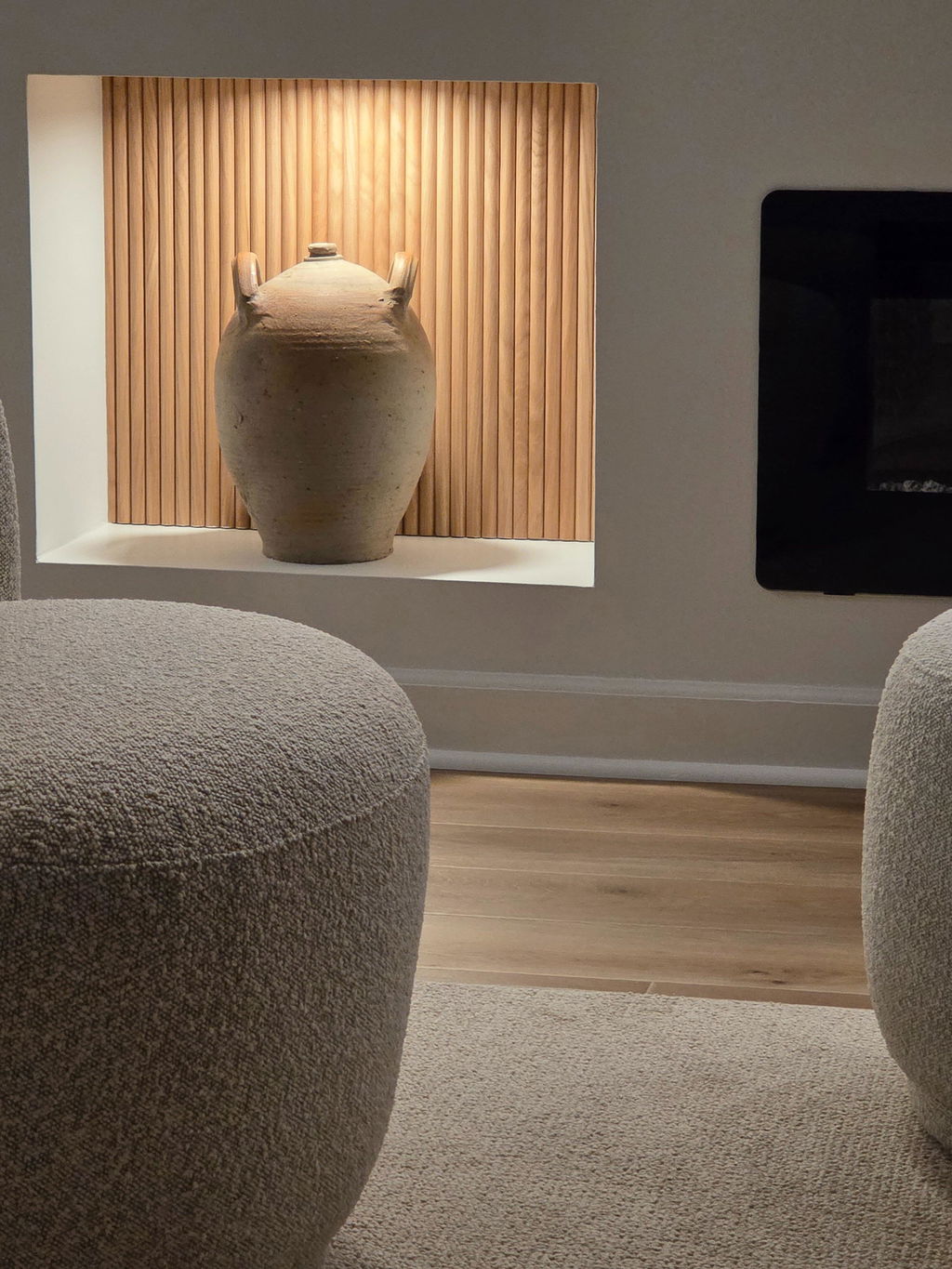
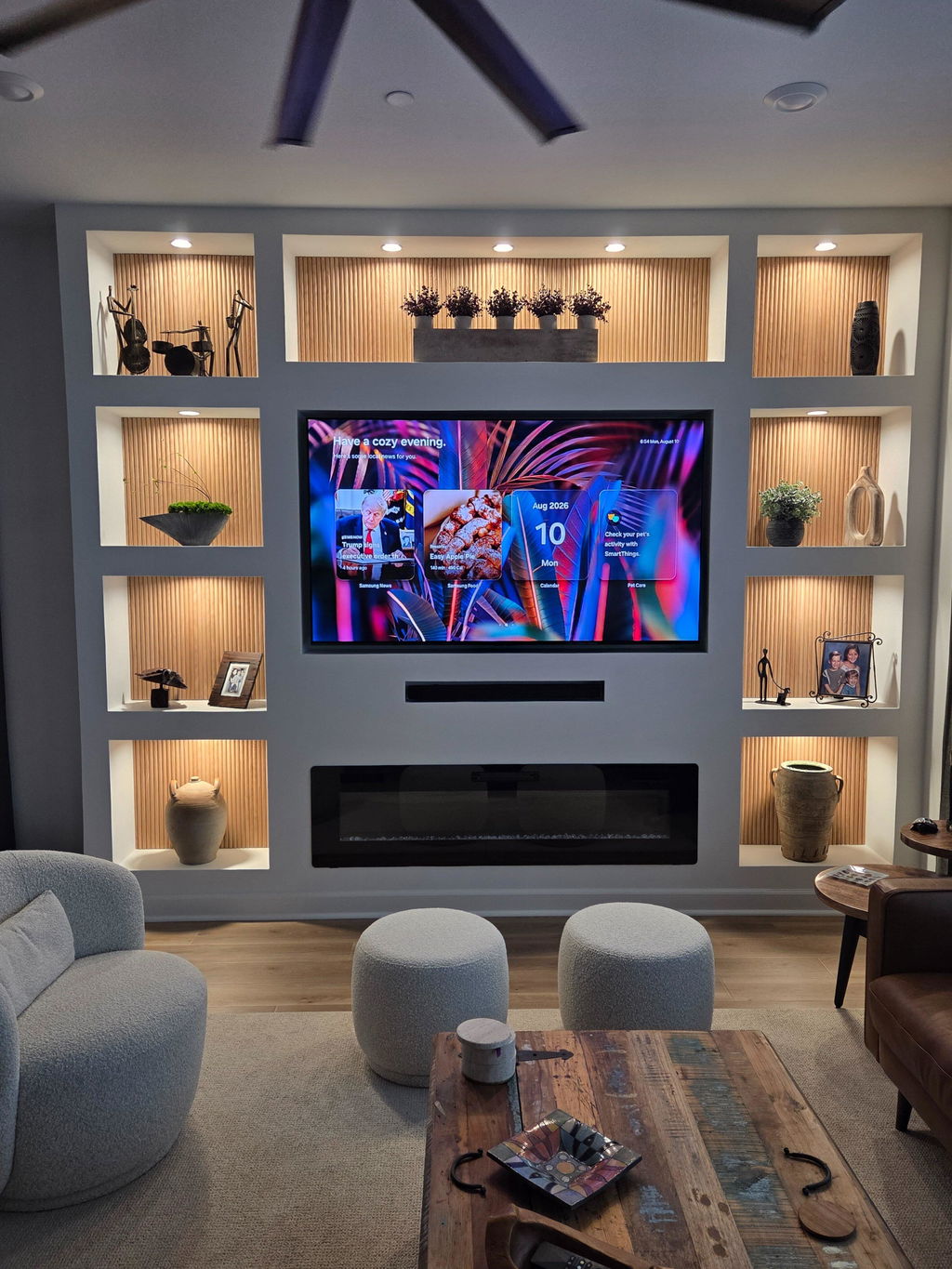
And pay attention to textured designs. Wood slat panels, fluted panels, and V-groove panels have grooves where dust can quietly settle... until you finally notice it!
Start With Regular Dusting
Before reaching for a cleaning solution, start with something much simpler: dust.
Regular dusting is one of the easiest ways to keep wall panels looking fresh. It also means you won't have to deal with layers of accumulated dirt later.
Use a soft cloth or duster
A microfiber cloth, feather duster, or soft-bristled brush is usually a good starting point. Gently move across the surface and work your way into grooves or recessed sections.
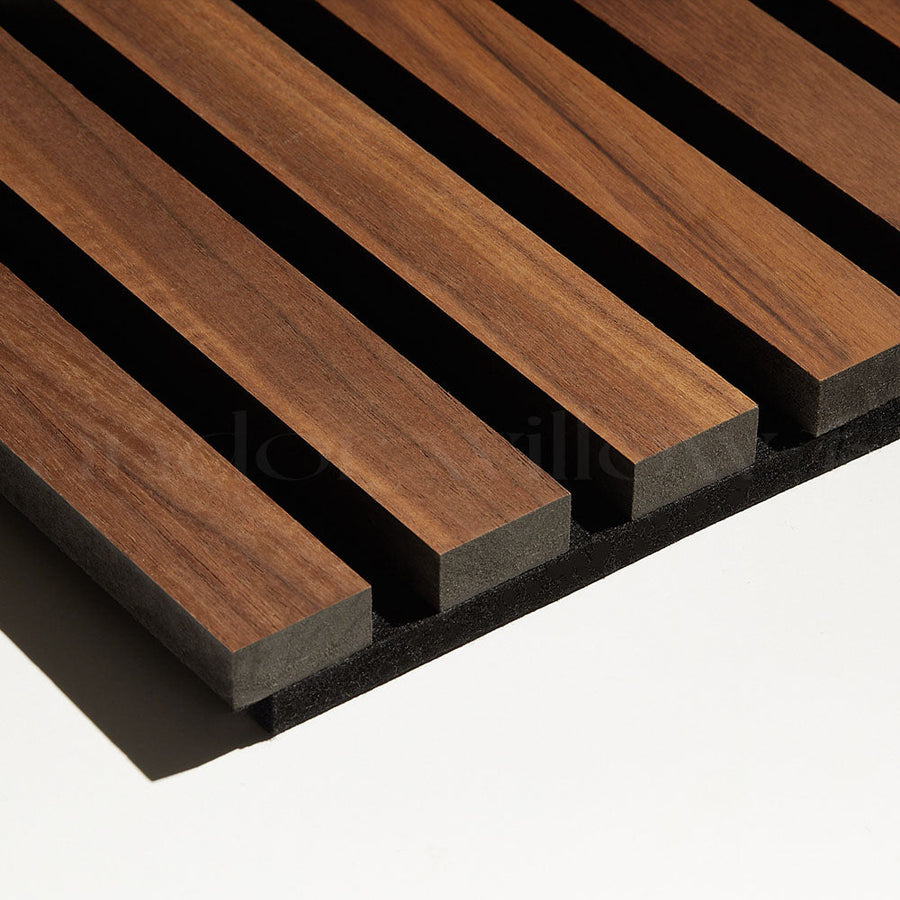
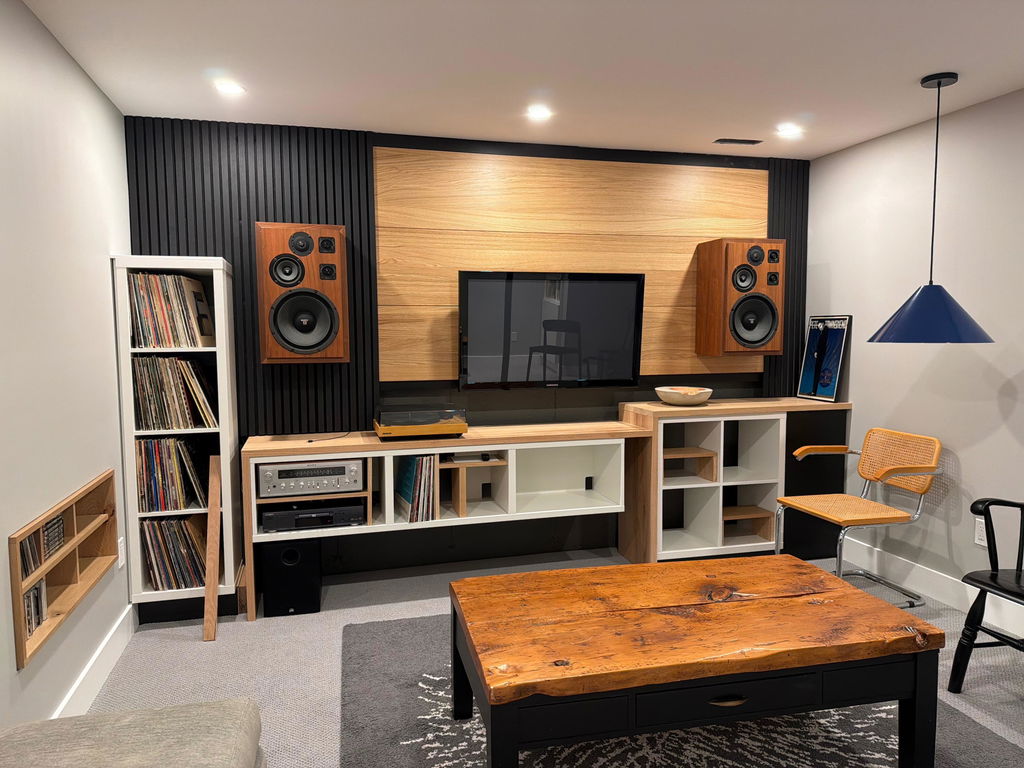
For wood slat panels, a soft brush can be particularly useful for reaching the spaces between the slats. There's no need to scrub. A gentle pass is usually enough for everyday dust.
Don't forget the edges and corners
The middle of the wall gets most of the attention, but edges and corners can collect plenty of dust too. Check around the top and bottom of the panels, along adjoining sections, and around nearby furniture.
It only takes a few extra seconds during your regular cleaning routine. Those small details can make the whole wall look noticeably cleaner.
How to Clean Wall Panels Safely
Every once in a while, dusting won't quite cut it. When your panels need a deeper clean, start gently and work your way up only if necessary.
That's particularly true with slat panels because they have spaces in between that might easily pick up dust:

A soft cloth that's slightly damp can be suitable for some panel types. Avoid soaking the surface, particularly if you're working with a material or finish that isn't designed to handle a lot of moisture.
The cleaning product matters, too. Before trying a household cleaner, check the manufacturer's care instructions and make sure the product is appropriate for the material.
Test your cleaning product first
This little step can save you a lot of trouble.
If you're trying a new cleaning solution, test it on a small, hidden section of the panel first. Give it a moment and check whether the colour, finish, or texture changes.
If everything looks fine, you can continue with the rest of the surface. It's much better to discover a cleaning problem behind a piece of furniture than right in the middle of your feature wall!
Cleaning Different Types of Wall Panels
Not every wall panel should be treated exactly the same way. The material, surface finish, and texture can all affect how you should clean it.
Here's a quick guide to the basics:
| Wall panel type | Recommended basic care | Areas to watch |
|---|---|---|
| Wood slat panels | Dust regularly and wipe gently with a slightly damp cloth when appropriate | Excess moisture and dust between slats |
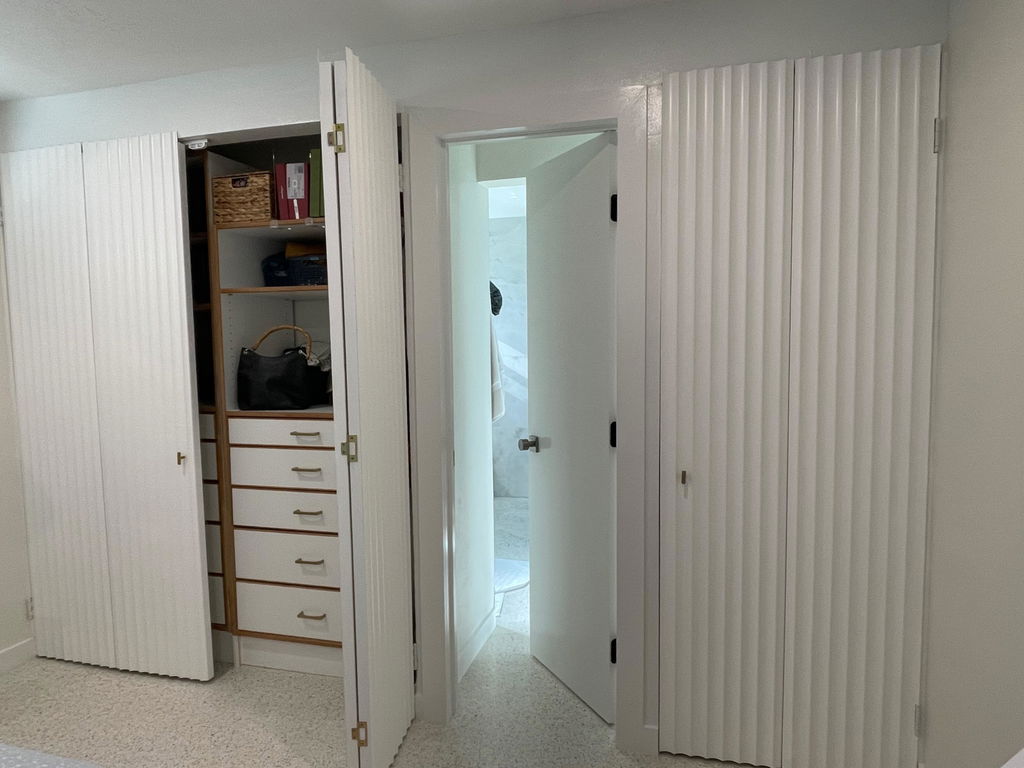
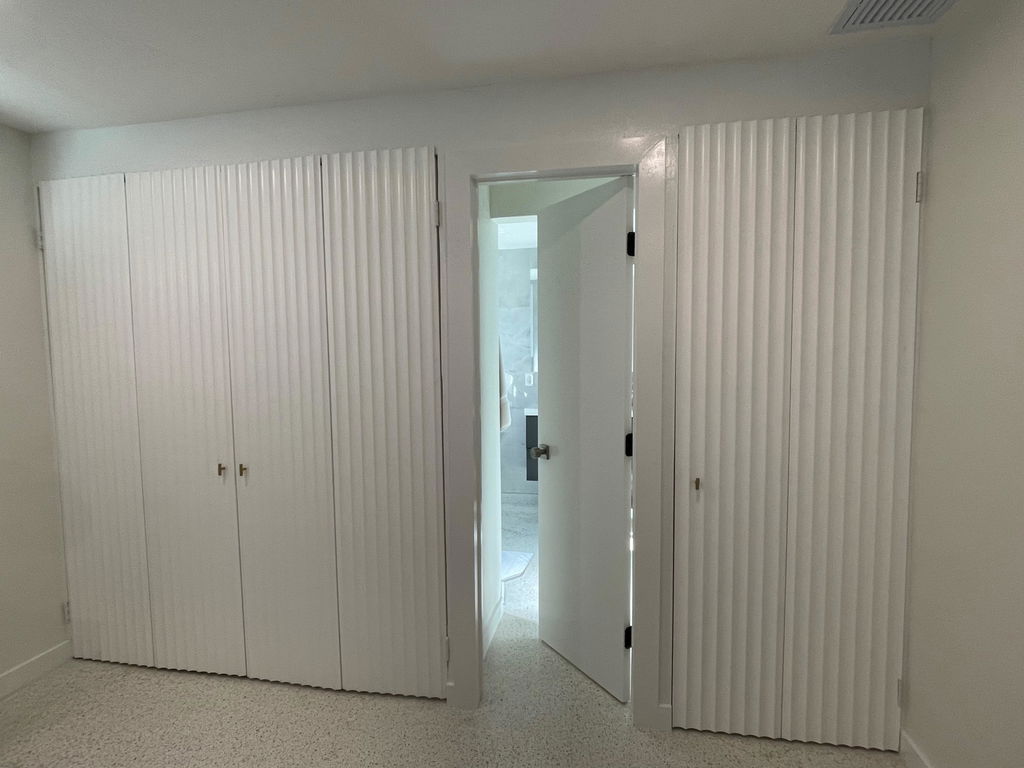
| Fluted panels | Use a soft cloth or brush to reach the grooves | Dust and dirt inside deeper grooves |
| V-groove panels | Dust regularly and gently wipe the surface | Dirt collecting along grooves |
| Paintable panels | Dust gently and follow care instructions for the paint finish | Scrubbing or damaging the painted surface |
| Smooth wall panels | Wipe gently with a soft, slightly damp cloth when suitable | Harsh cleaners and abrasive materials |
Treat this table as a general starting point. Your specific product may have different care requirements, so always check the manufacturer's instructions before using water or cleaning solutions.
How to Deal With Stains and Marks
Eventually, something is going to happen.
Maybe a piece of furniture bumps the wall. Someone accidentally splashes a drink. Or there's that mysterious mark in the hallway that somehow appeared overnight and apparently belongs to nobody!
When you spot a stain, try to clean it fairly quickly.
Fresh marks are generally easier to remove than stains that have had plenty of time to settle into the surface.
Use a soft cloth and a cleaning method that's suitable for your particular panel. Gentle wiping is usually the place to start, especially when you're dealing with a finished or painted surface.
What about fingerprints?
Fingerprints can be more noticeable on smooth, dark, or frequently touched surfaces. Entryways, hallways, and areas around switches or furniture tend to see more contact.
A lightly damp microfiber cloth may be enough to remove them. Wipe gently and dry the area afterward if recommended for the material.
Keep Moisture Under Control
Moisture deserves a little extra attention.
Kitchens, bathrooms, laundry areas, and other humid spaces can expose wall panels to more moisture than a typical bedroom or living room. Before installing panels in these areas, make sure the product is appropriate for the environment.

During cleaning, use only as much moisture as necessary. Don't leave water sitting on the surface, especially around joints, edges, and connections.
Good ventilation can also help manage humidity in the room. If you notice recurring dampness, staining, or changes to the panel surface, it's worth investigating the source rather than simply cleaning it again.
Protect Your Panels From Everyday Damage
Wall panel maintenance isn't just about cleaning. Your daily habits can have a surprisingly big effect on how your panels look over time.
Think about the furniture around them. Chairs, tables, shelving, toys, and other objects can scratch or bump a wall when they're moved around.
High-traffic areas like hallways deserve a little more attention, too...


Take a quick look at the panels every so often, especially around doors, hallways, and furniture.
A small scratch is easier to deal with when you notice it early. The same goes for loose sections, damaged edges, or gaps that weren't there before.
Give Painted Panels A Little Extra Attention
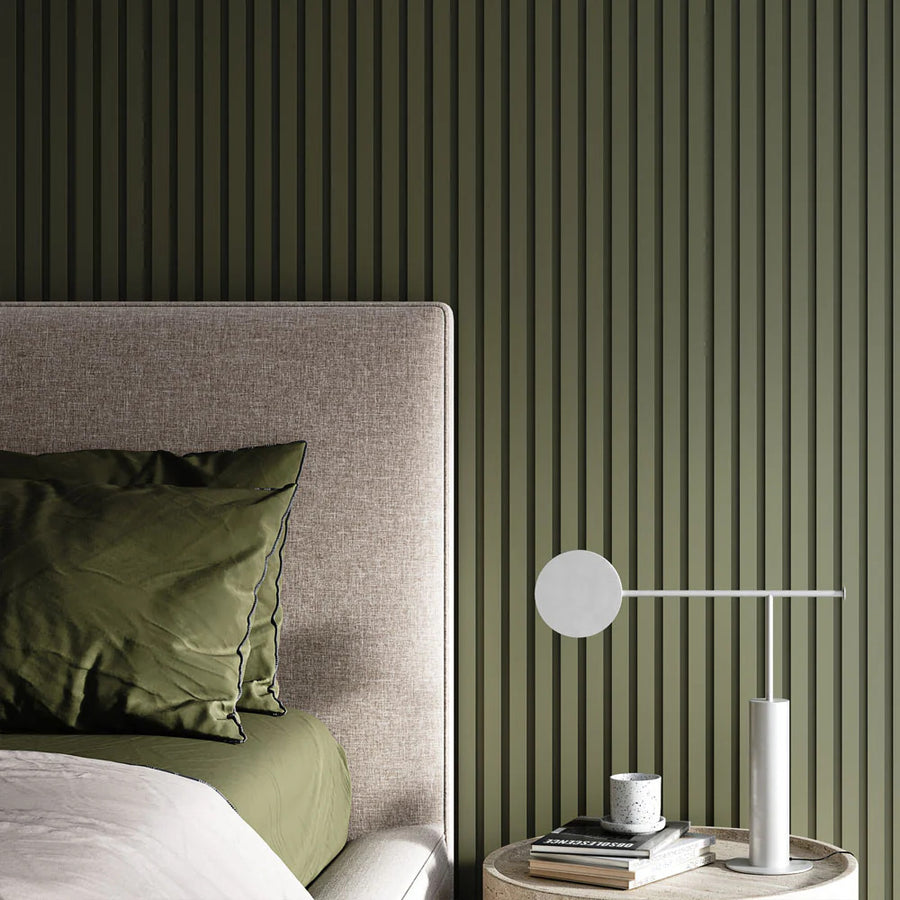
Paintable panels are a fun option when you want more control over the final look. They also mean that your maintenance routine needs to take the paint finish into account.
Keep the painted surface clean
Start with gentle cleaning tools and avoid anything abrasive. Rough sponges, aggressive scrubbing, and strong chemicals can affect certain paint finishes.
If you're unsure about a cleaning product, check the paint manufacturer's recommendations as well as the panel manufacturer's instructions.
Both can give you useful information about what the surface can handle.
Touch up marks when needed
Small chips, scratches, or scuffs may be easy to touch up with matching paint. This is one reason it's useful to keep some of the original paint after completing your project.
Store a small amount somewhere safe and label it if necessary. Future you may be very happy to find it when a random scuff appears six months later!
Inspect Your Wall Panels Regularly
You don't need to inspect your walls like you're conducting a building survey. A quick look every few months is usually enough to spot anything that needs attention.

Look for loose sections, visible gaps, damaged edges, scratches, staining, or changes in the surface. Areas around windows, doors, furniture, and other high-contact spots are worth checking more carefully.
If something looks unusual, check the installation instructions and product guidance before attempting a repair. Some problems can be handled easily, while others may need professional attention.
Avoid These Common Cleaning Mistakes
Sometimes keeping wall panels in good condition is simply about avoiding a few common mistakes.
Using too much water
More water doesn't necessarily mean a better clean. Excess moisture can cause problems for certain materials and finishes, so use a lightly damp cloth when the product allows it.
Using abrasive materials
Rough sponges, stiff brushes, and abrasive cleaning products can scratch or alter some surfaces. Soft cloths and brushes are generally a safer starting point.
Applying harsh chemicals
A powerful household cleaner may seem useful for a stubborn mark, but it can react badly with certain finishes. Check the product recommendations before using chemicals on your panels.
Scrubbing textured surfaces aggressively
Deep grooves can be frustrating when dirt gets stuck inside them. Resist the temptation to attack the area with a hard brush and use a softer tool with gentle movements instead.
A Simple Wall Panel Maintenance Routine
The easiest maintenance routine is one that you can actually stick to.
Every week or two, give the panels a quick dusting. Focus on grooves, corners, edges, and other areas where dust tends to collect.

Every few months, take a closer look and give the surface a more thorough clean where necessary. If something gets spilled, deal with it when you notice it rather than waiting for your next cleaning day.
You can also use these simple checkpoints:
- Every week or two: Dust the panels and remove visible dirt.
- Every few months: Give the surface a deeper clean using an appropriate method.
- After spills: Clean marks promptly with a suitable cloth and cleaning solution.
- During inspections: Check for scratches, gaps, loose sections, stains, and moisture issues.
- When needed: Touch up painted areas or arrange repairs for damaged sections.
It really doesn't need to become a whole weekend project!
When Should Wall Panels Be Replaced?
With proper care, wall panels can stay attractive for a long time. Eventually, though, some panels may develop damage or wear that cleaning simply can't solve.
Replacement may be worth considering when a panel has significant damage, persistent staining, serious surface deterioration, or installation problems that cannot be repaired properly.
Before replacing a damaged section, check whether the original product is still available. Keeping the product name, colour, measurements, and installation details somewhere safe can make future repairs much easier.
Final Verdict
Looking after your wall panels doesn't have to be complicated. Regular dusting, gentle cleaning, sensible moisture control, and occasional inspections can help keep your walls looking fresh and well cared for.
The most important thing is knowing what your particular panels need.
Wood slat panels, fluted panels, V-groove panels, and paintable panels can have different care requirements, so checking the manufacturer's recommendations is always a smart move.
Give your walls a little attention from time to time, deal with spills and marks early, and keep an eye on areas that receive more wear. A few simple habits can go a surprisingly long way!
Frequently Asked Questions
How often should I clean my wall panels?
Light dusting every week or two is a good starting point for most interiors. Deeper cleaning can be done every few months or whenever the panels need extra attention.
Can I use water to clean wall panels?
It depends on the material and finish. A slightly damp cloth may work for some panels, while others require specific cleaning methods, so check the manufacturer's instructions first.
How do I clean wood slat panels?
Use a soft cloth, duster, or soft brush to remove dust from the surface and between the slats. For deeper cleaning, follow the care instructions provided for your specific product.
How do I clean fluted wall panels?
A soft cloth or brush can help remove dust from the grooves. For stains or deeper cleaning, use a method recommended for the panel's specific material and finish.
Can I use household cleaners on wall panels?
Some household cleaners may be suitable, while others can damage certain finishes.
Check the manufacturer's recommendations and test a new product on a small hidden area before cleaning the entire panel.
How can I prevent wall panels from getting damaged?
Keep furniture from rubbing against the panels, clean spills promptly, avoid abrasive cleaning tools, and inspect the panels regularly. These simple habits can help catch small problems before they become bigger ones.



Leave a comment