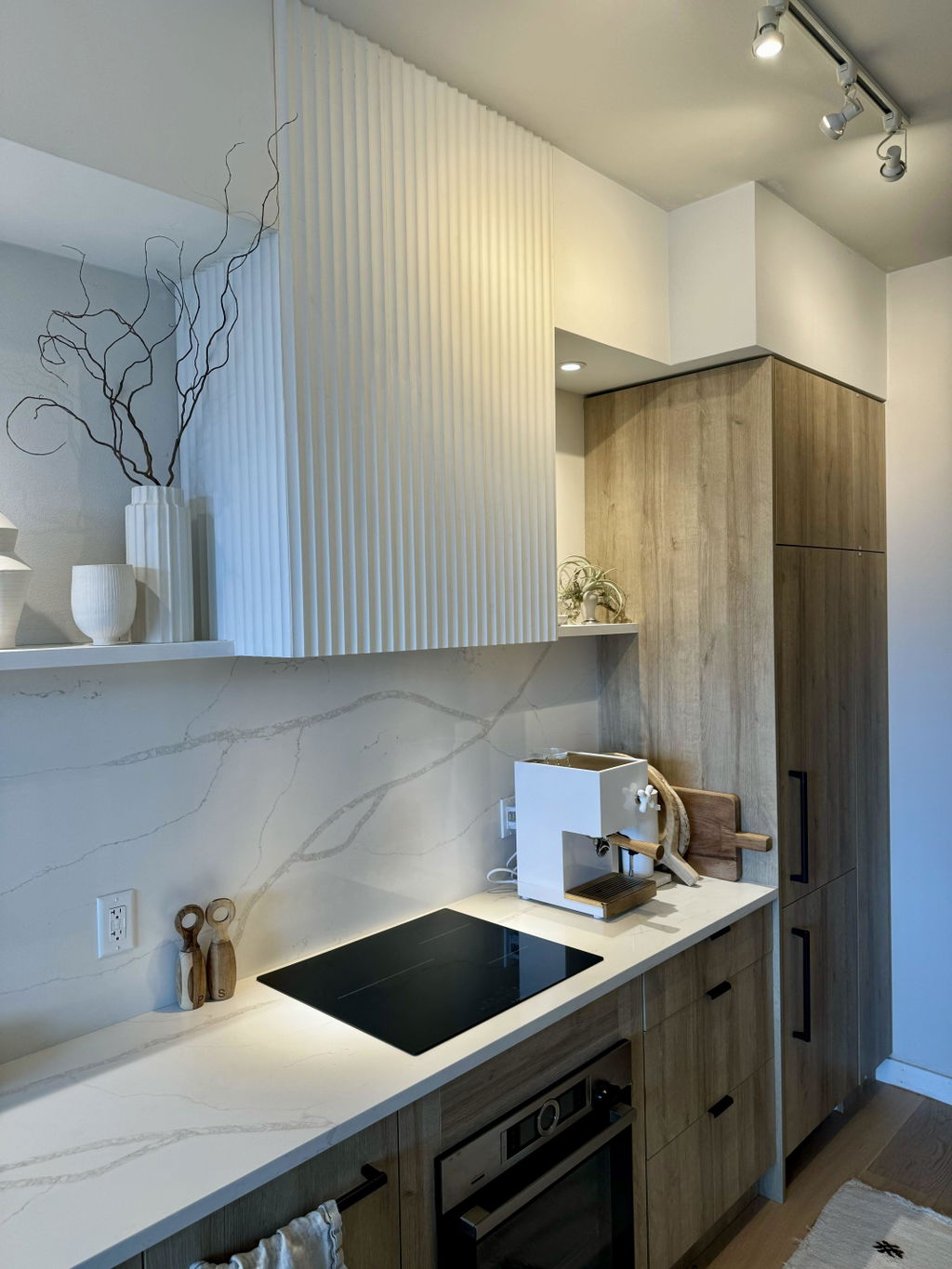
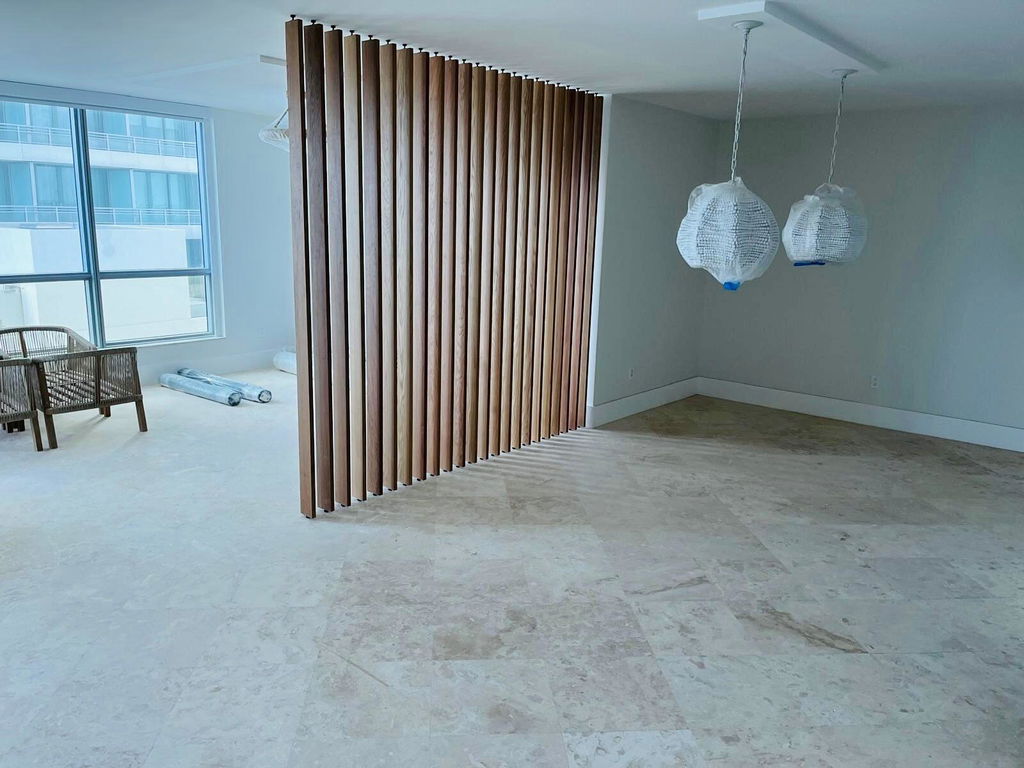
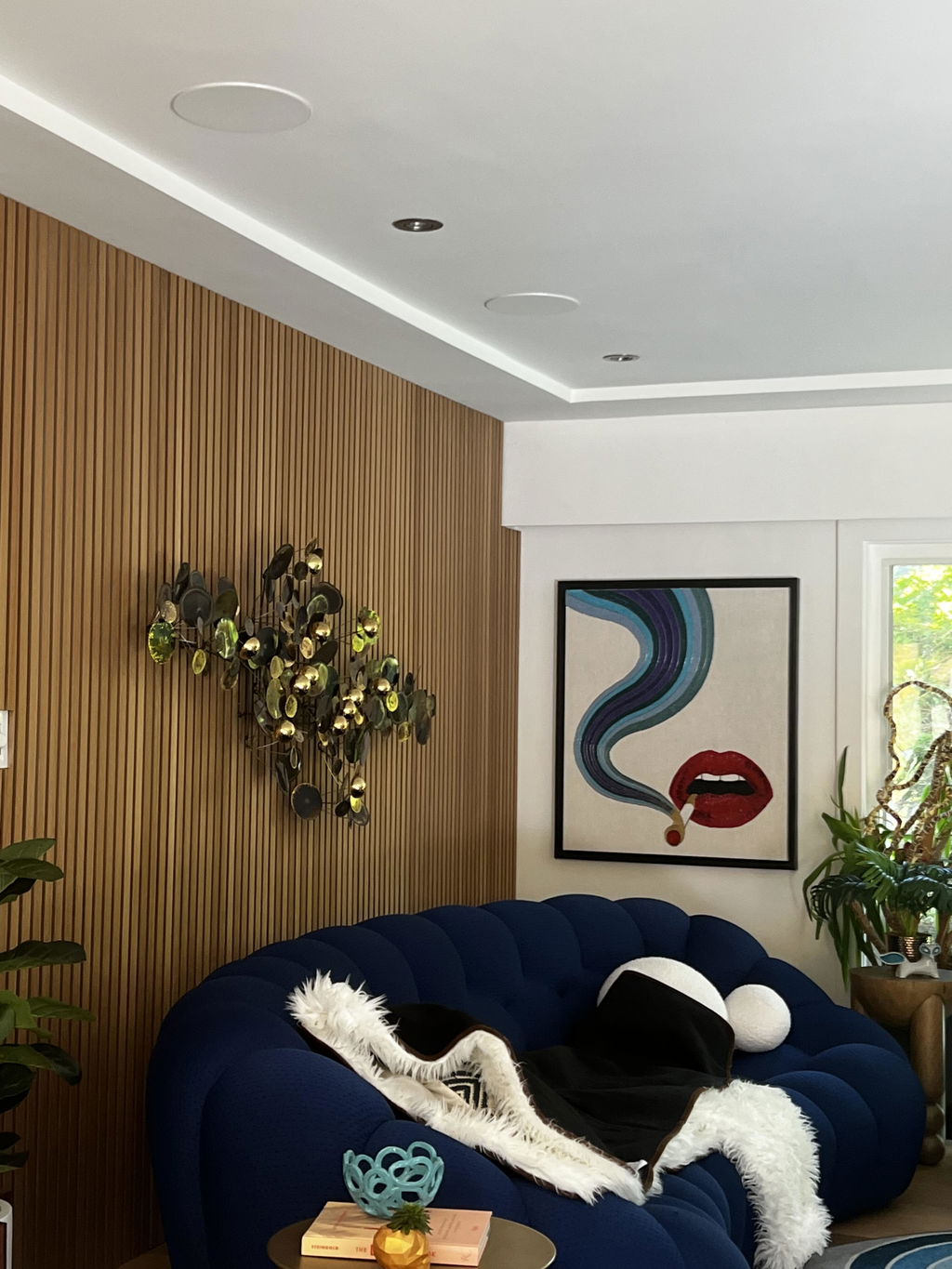
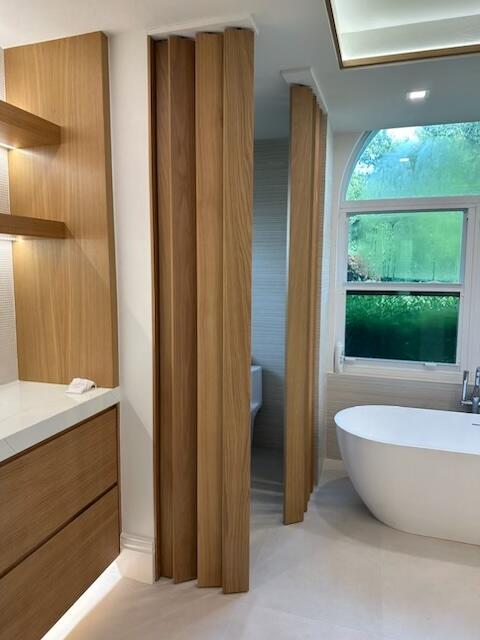
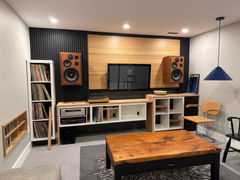
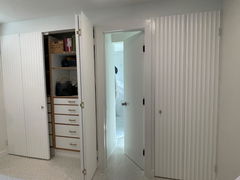
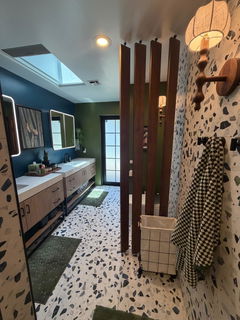
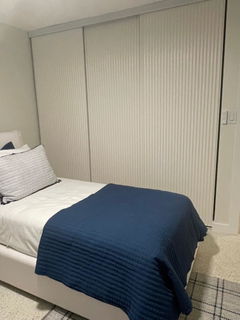
Fluted Ceiling Panels

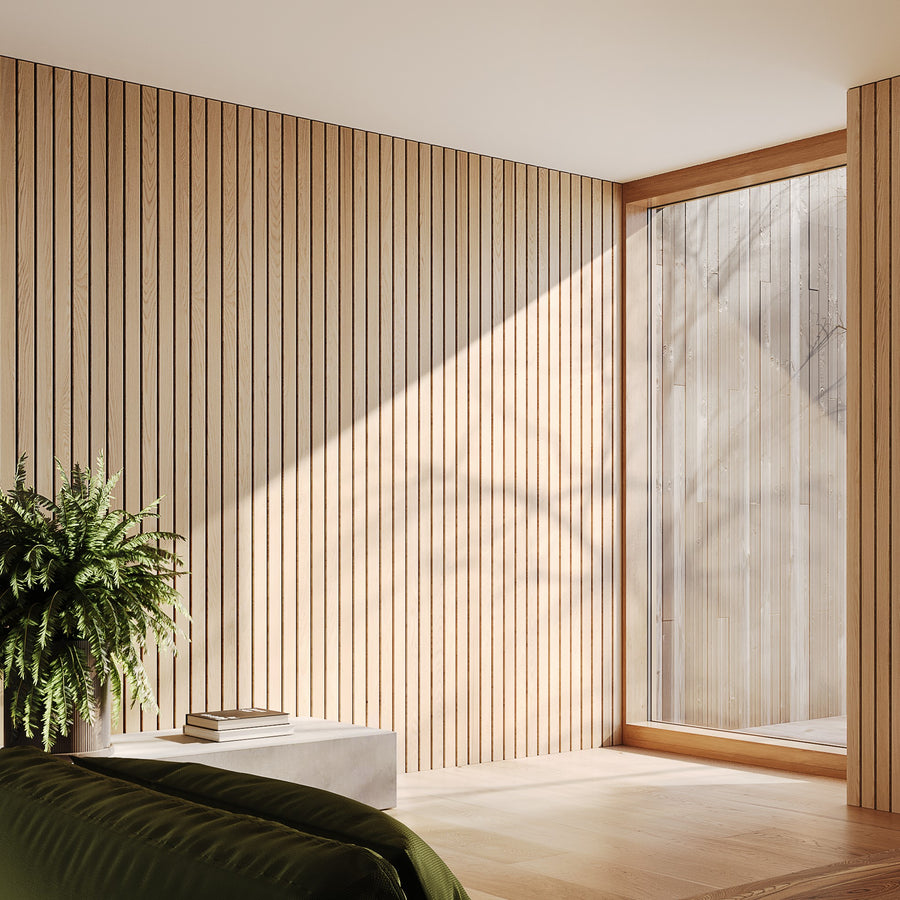
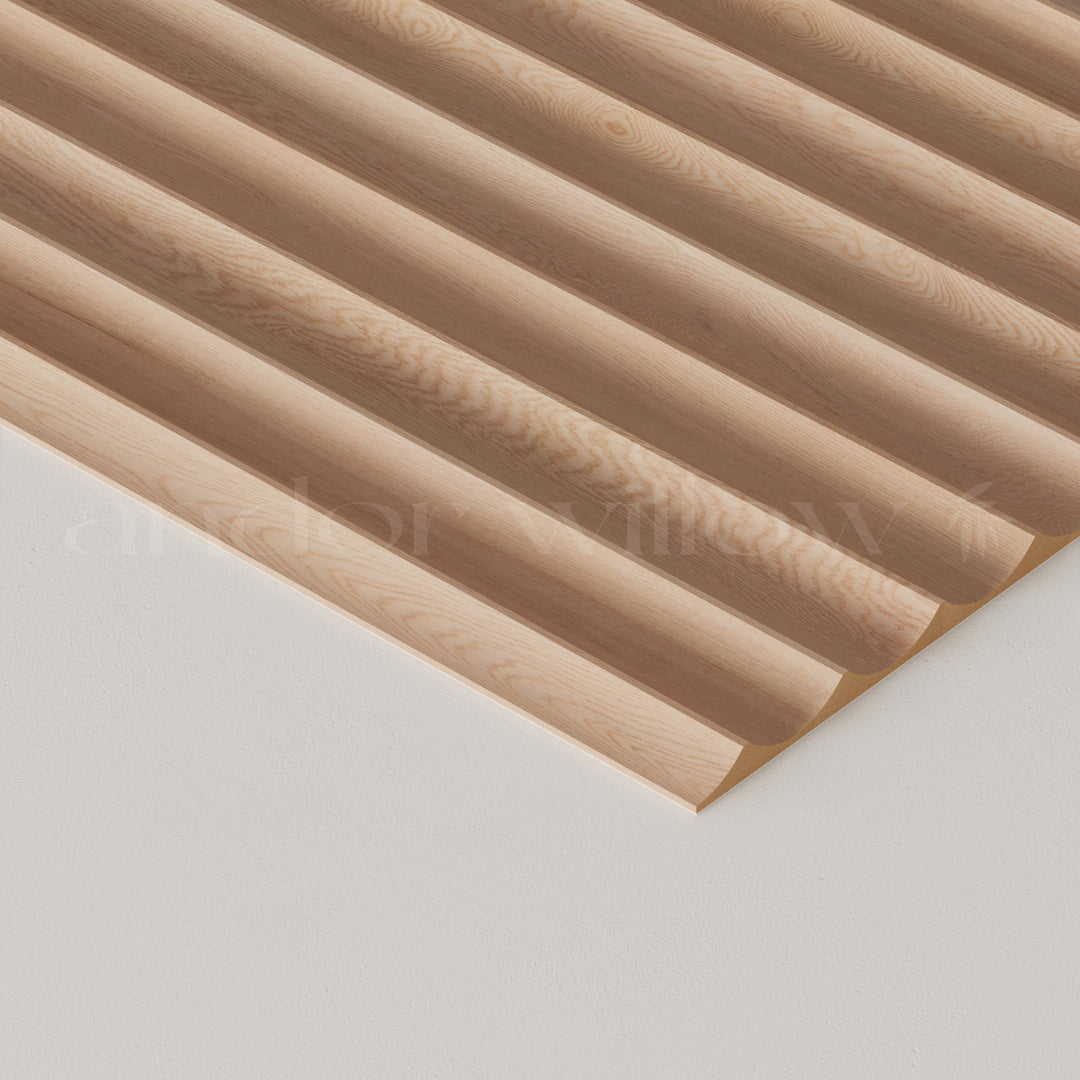
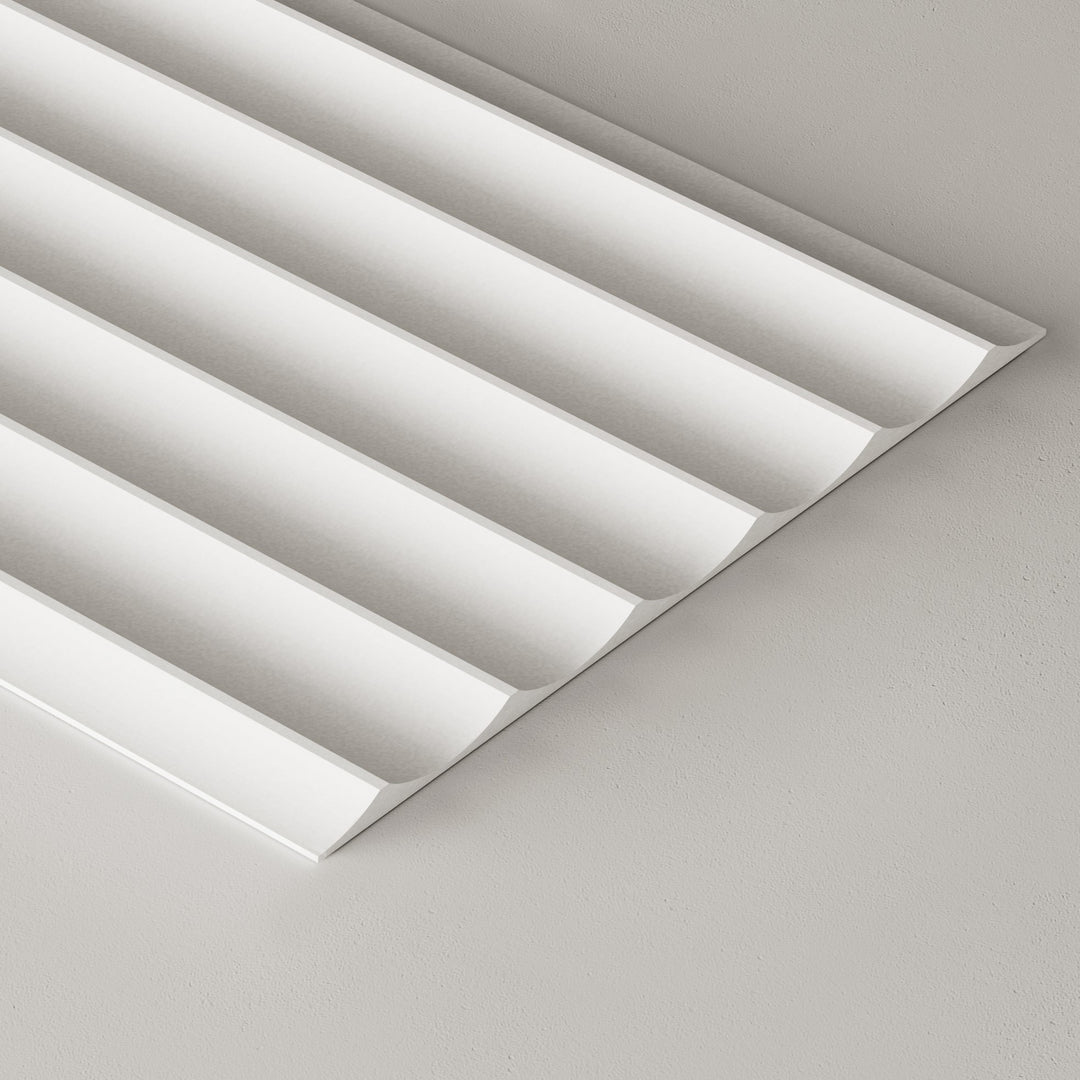
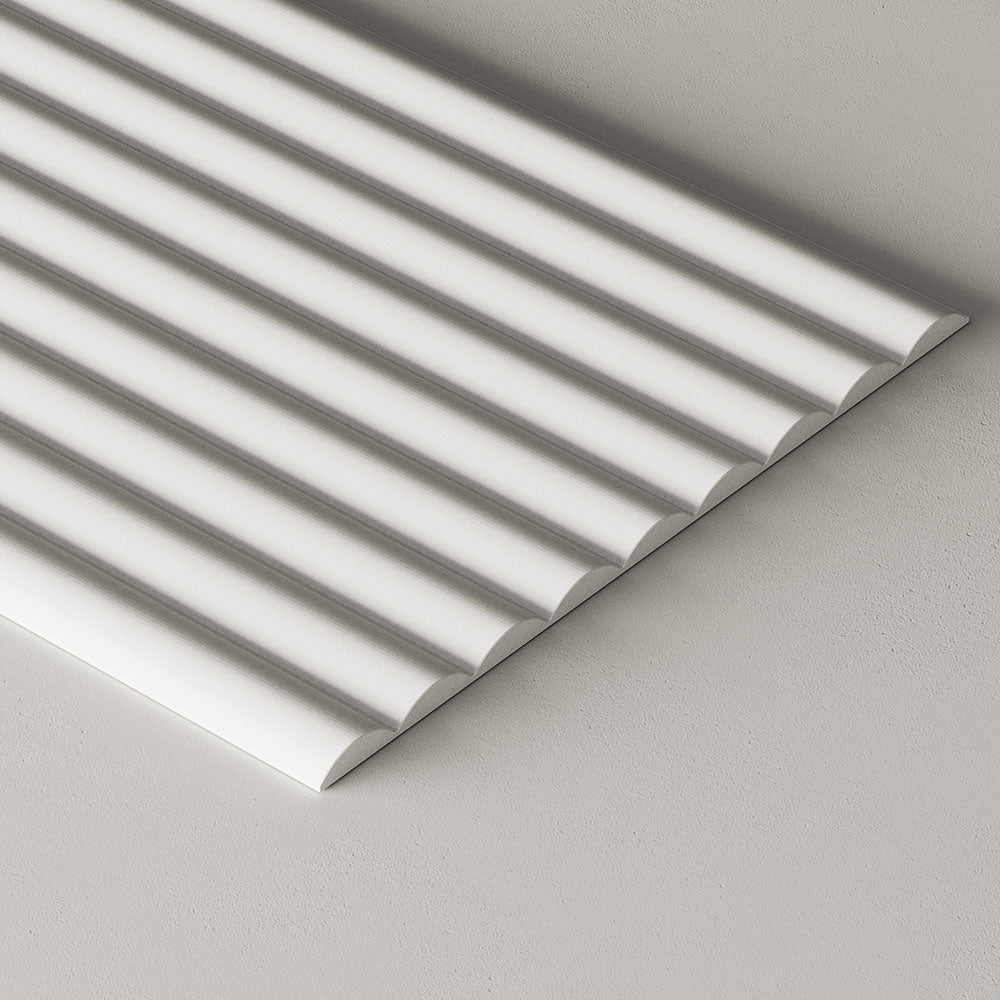
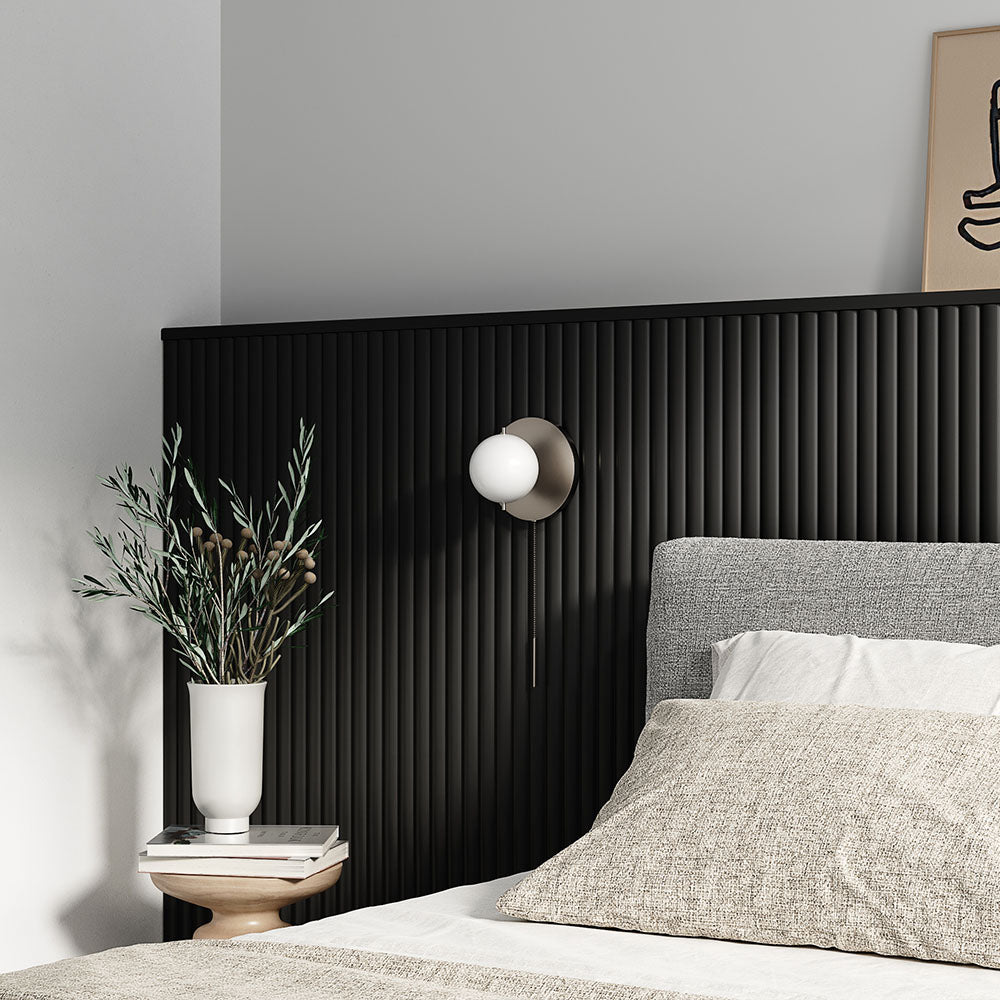
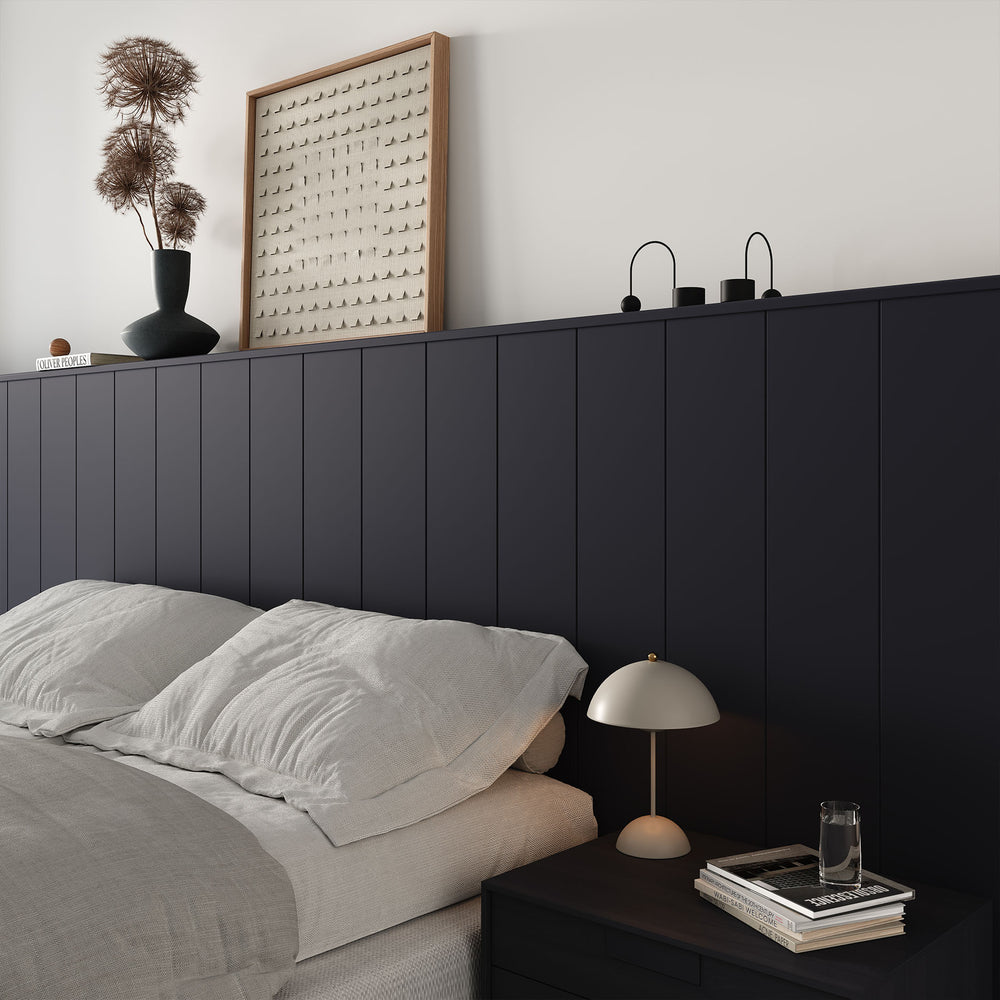
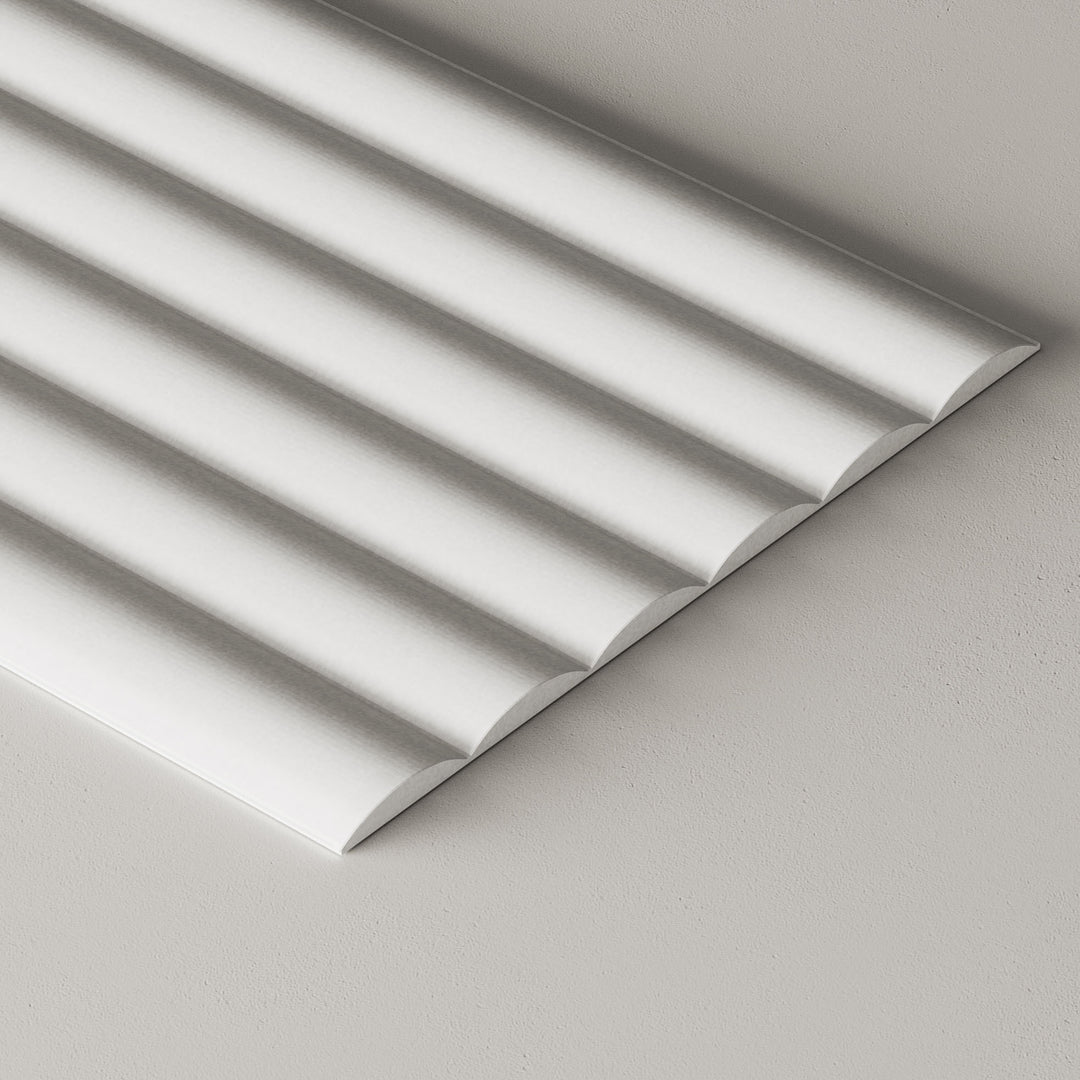
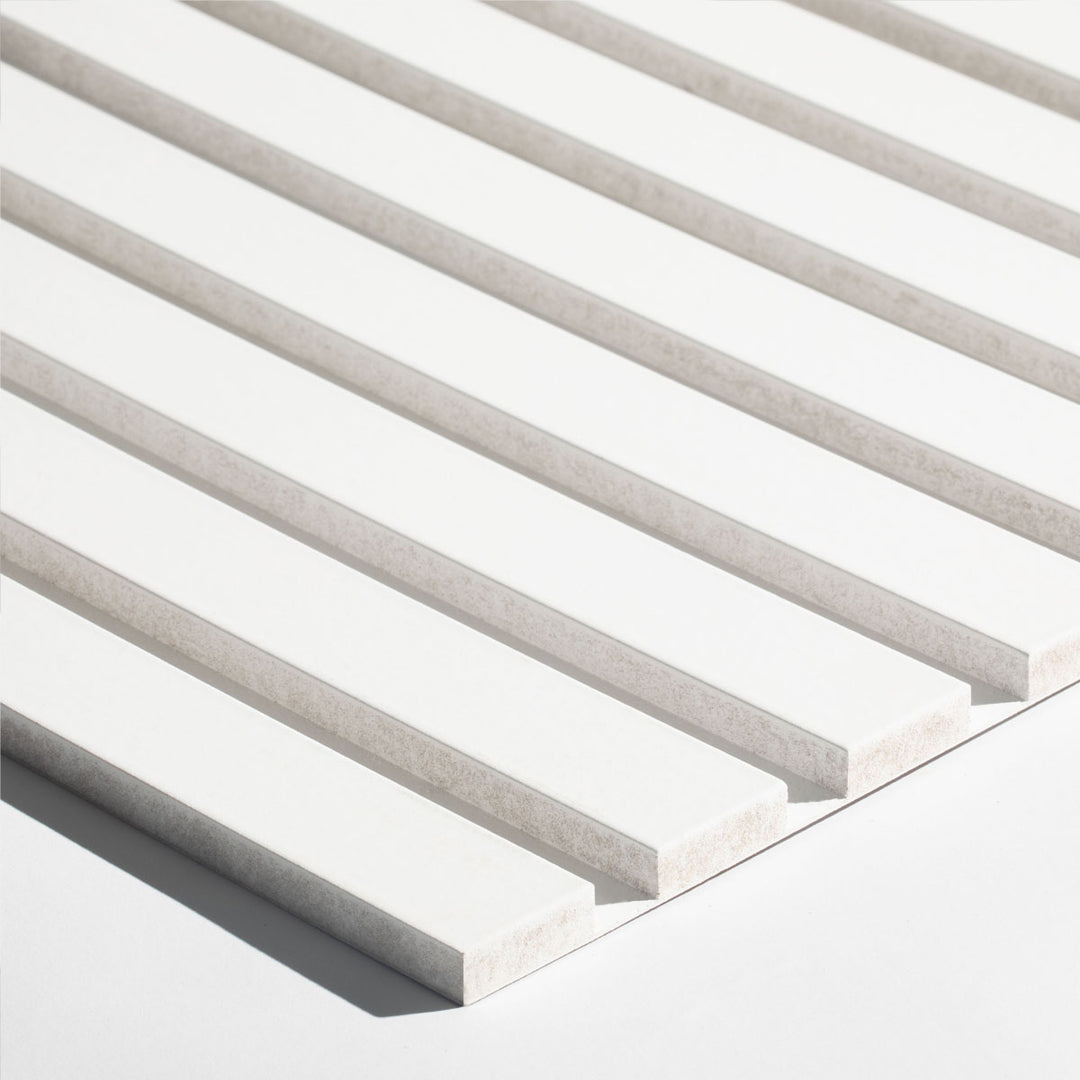
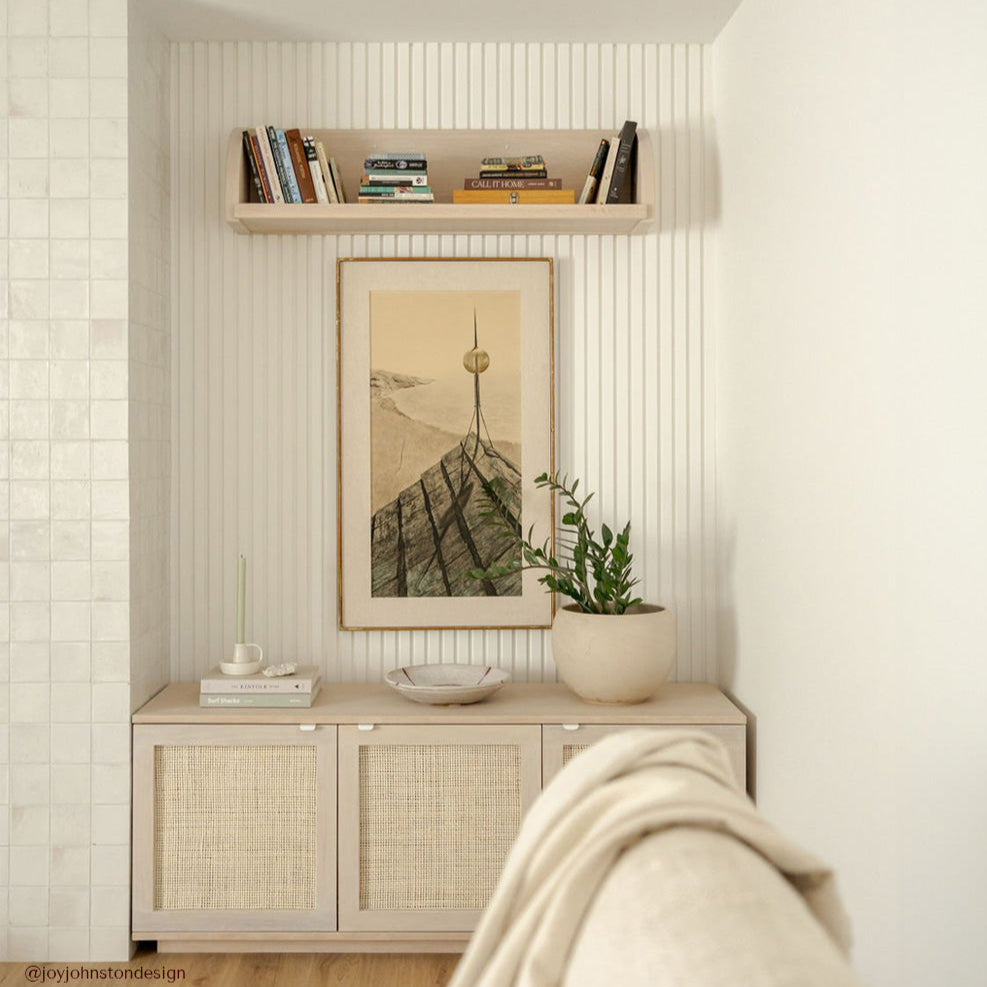
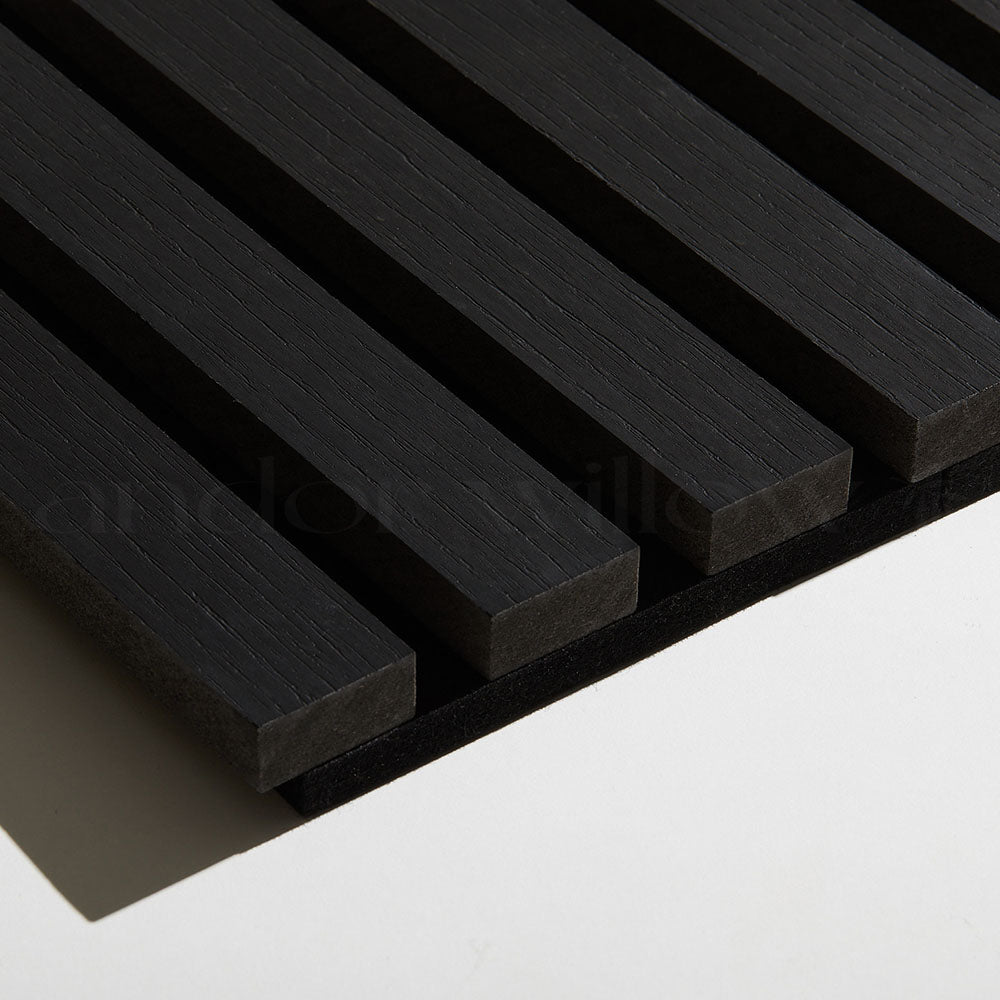
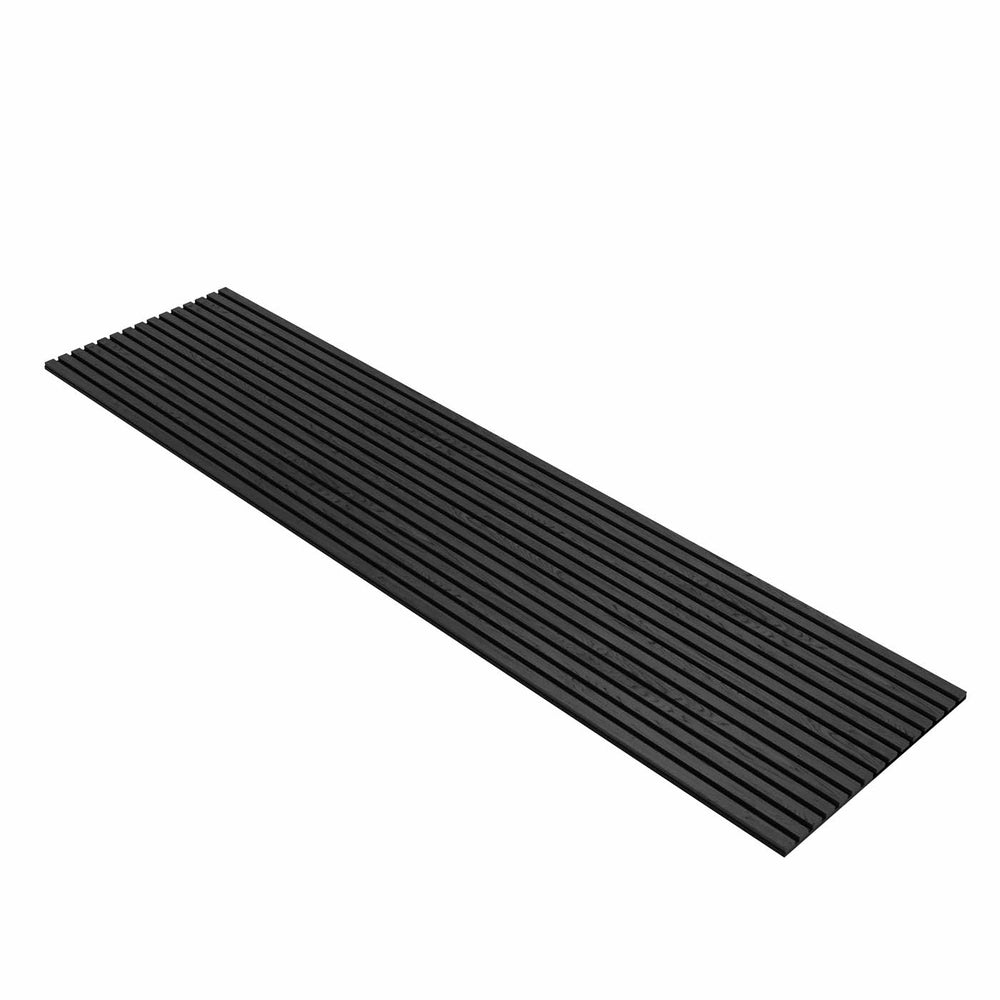
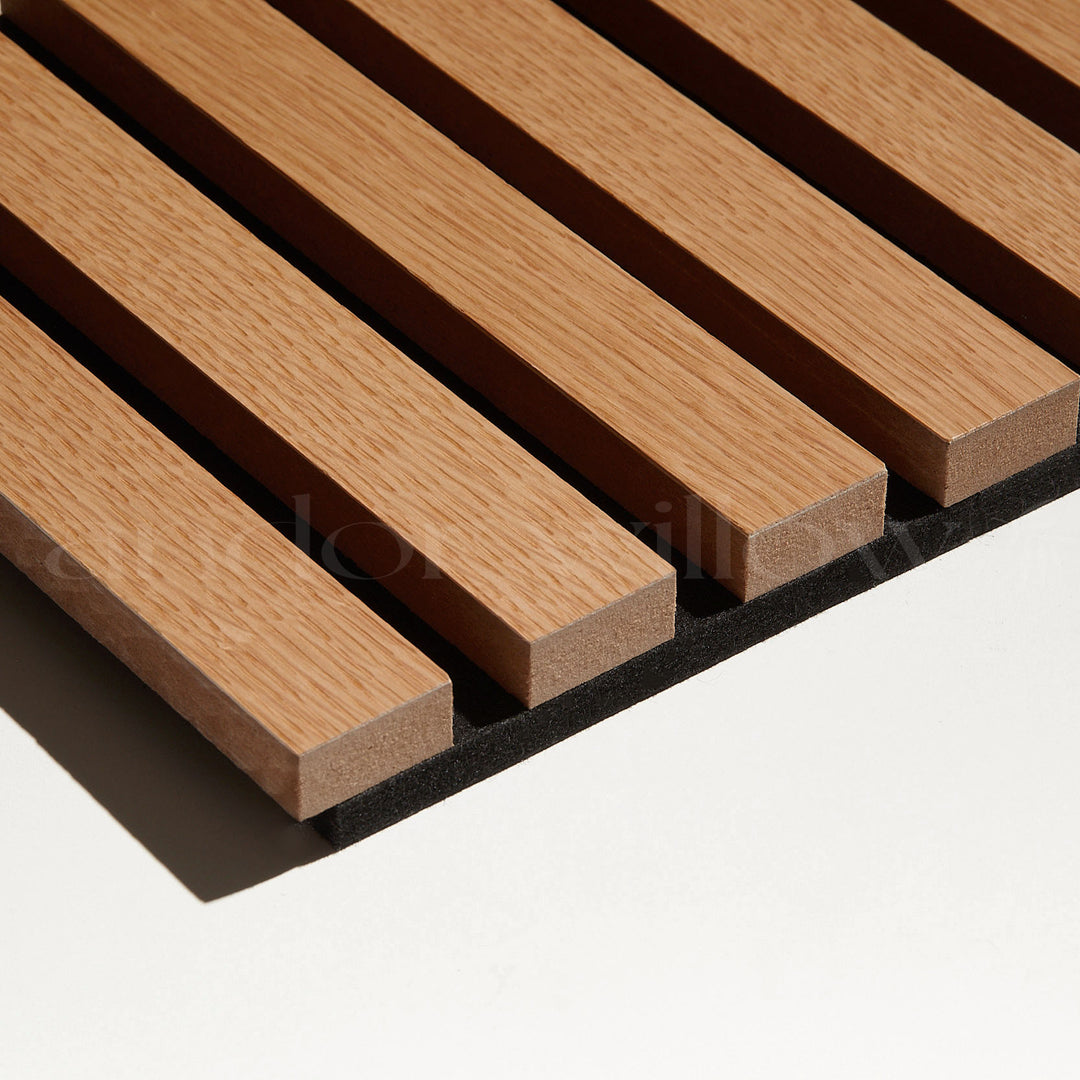
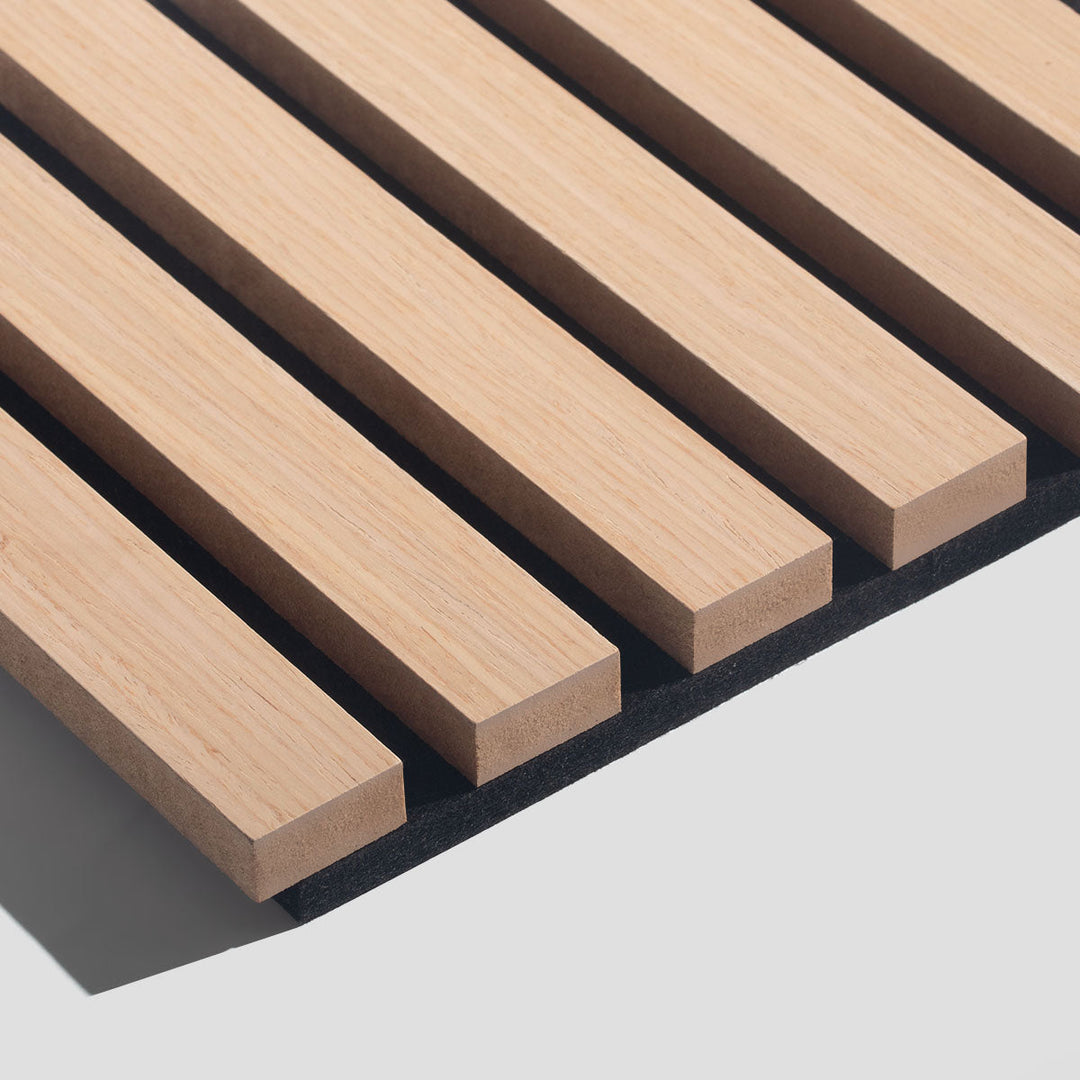
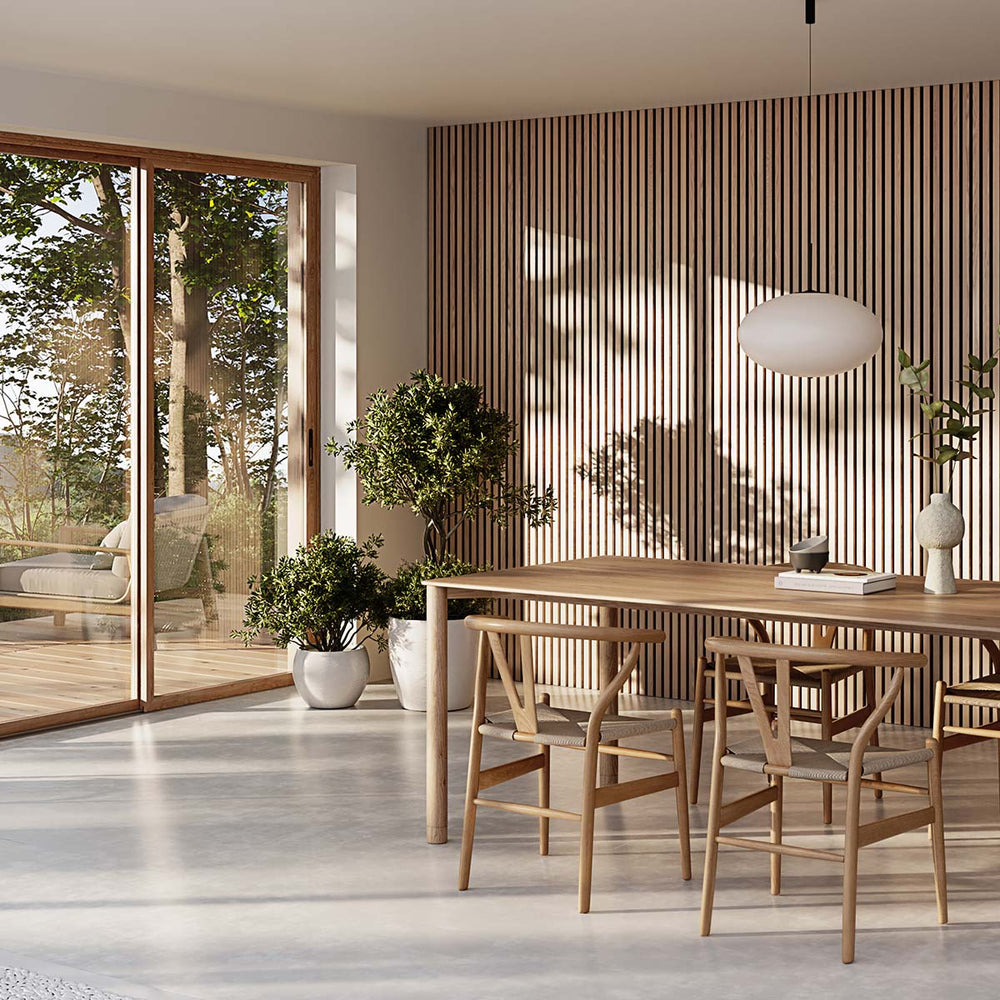
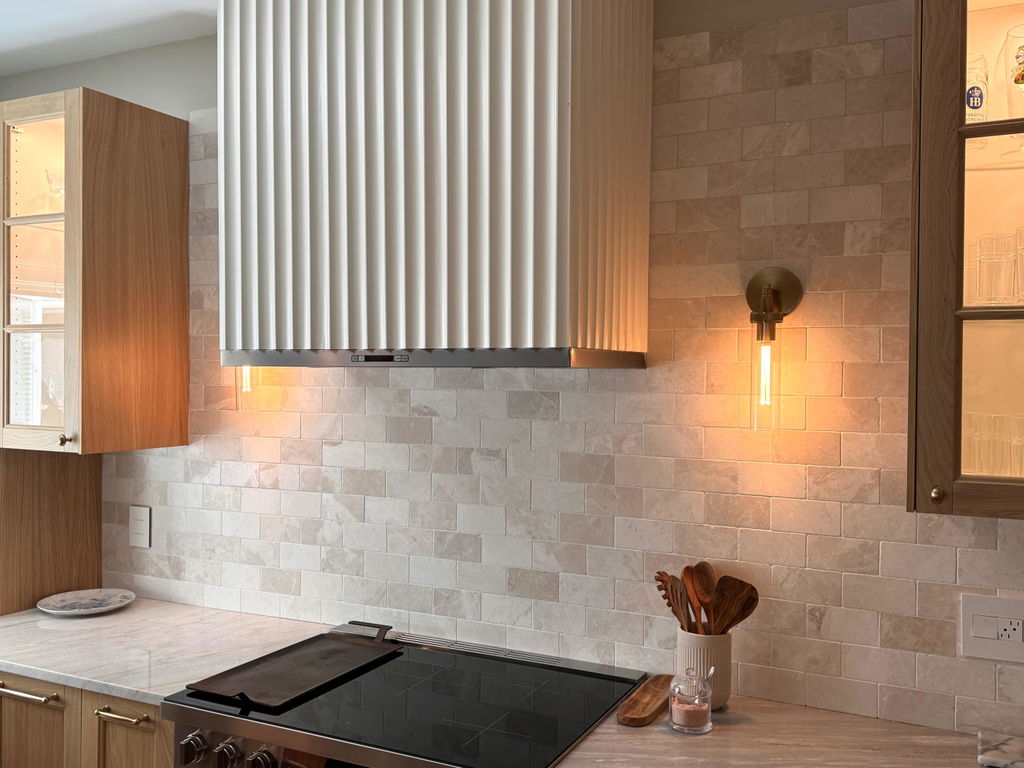
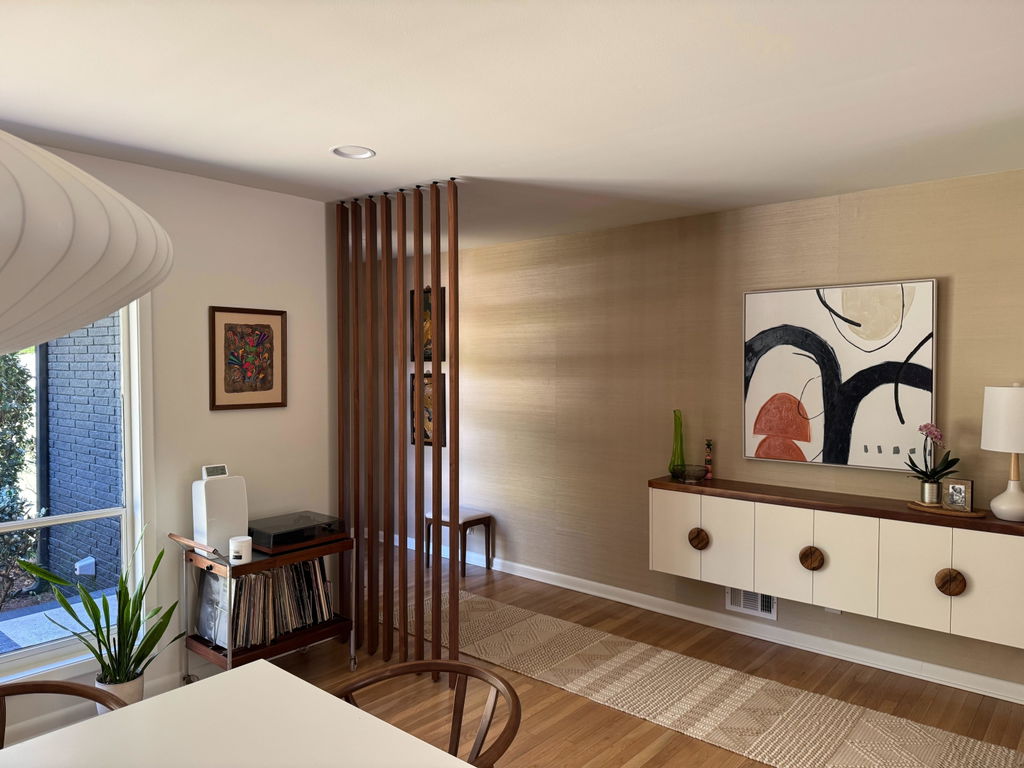
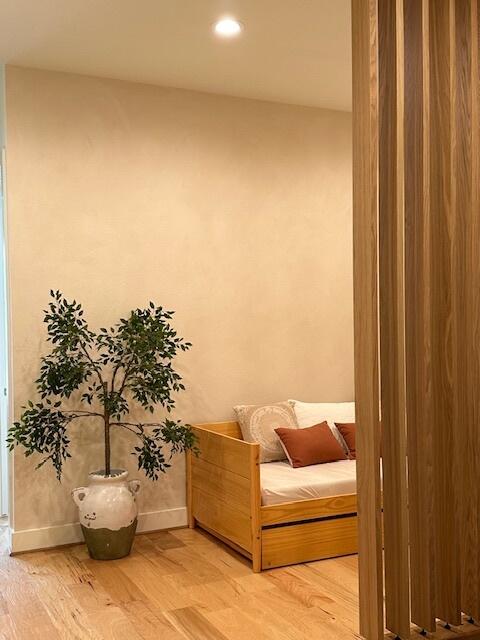
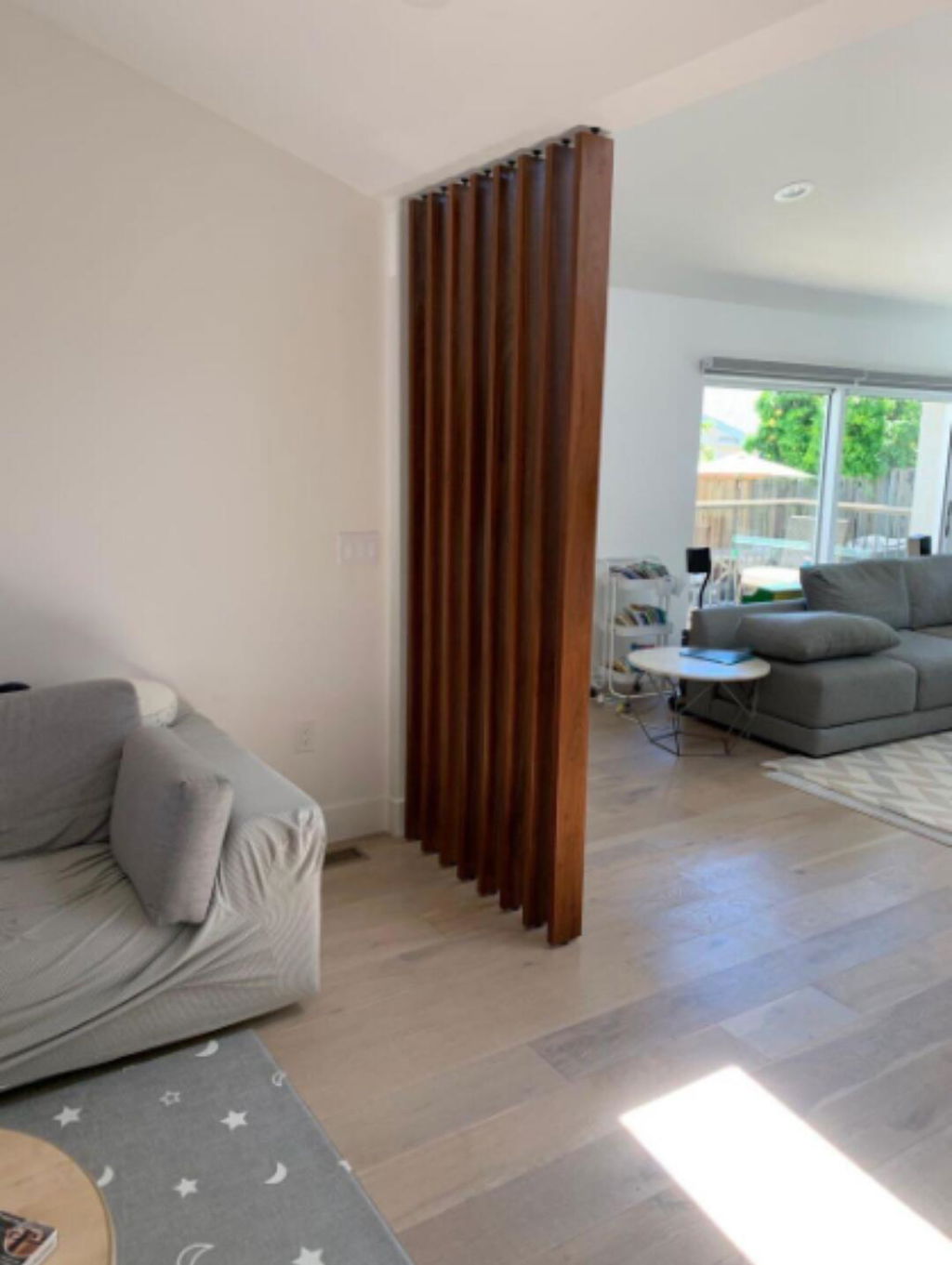
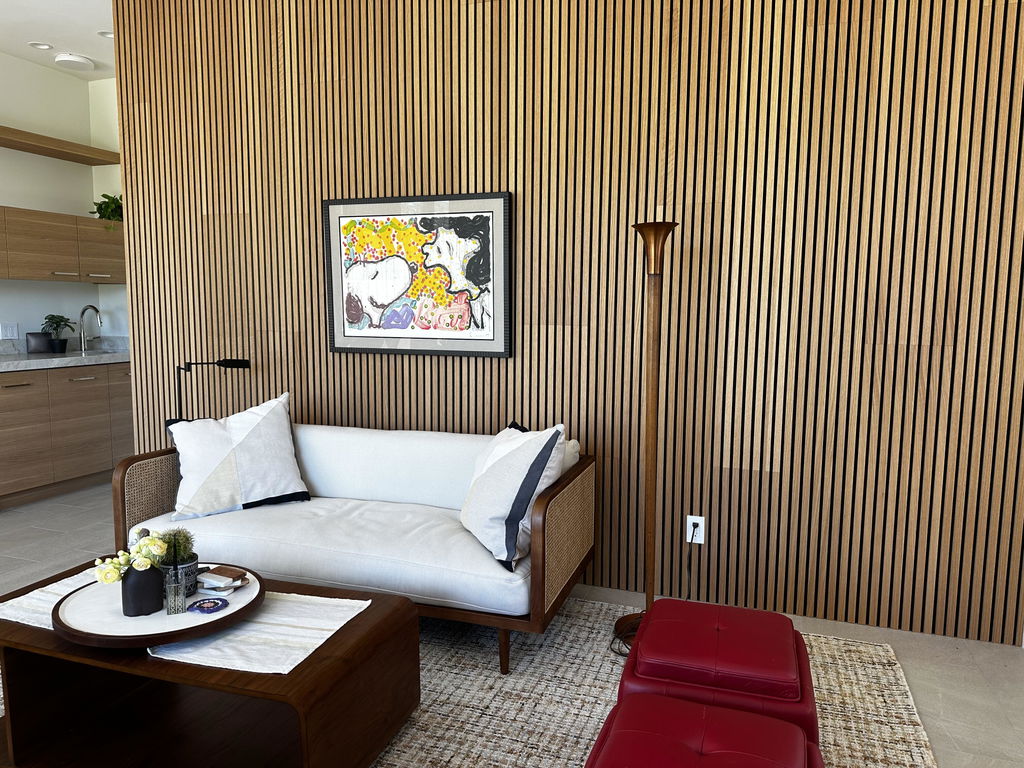
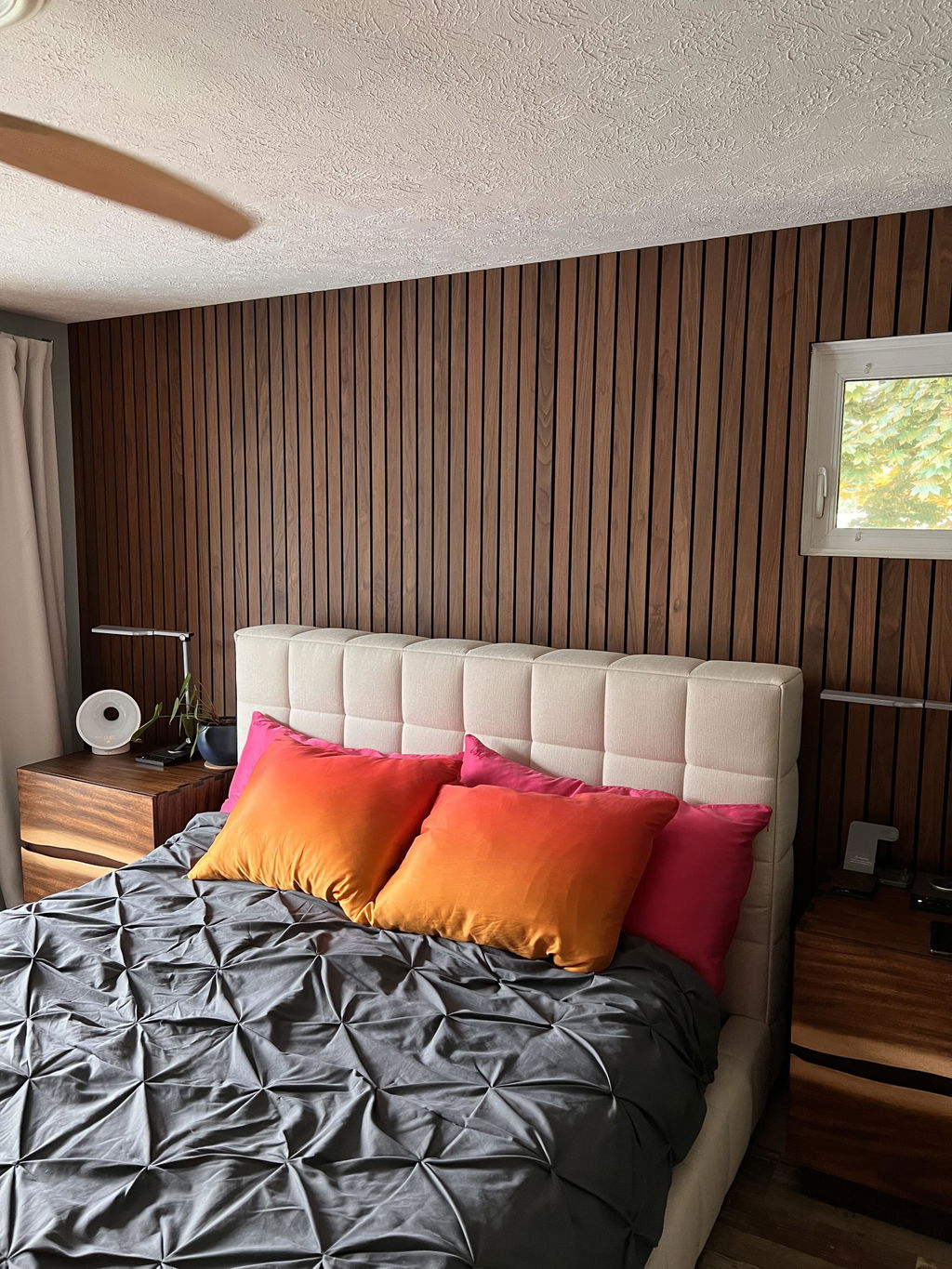
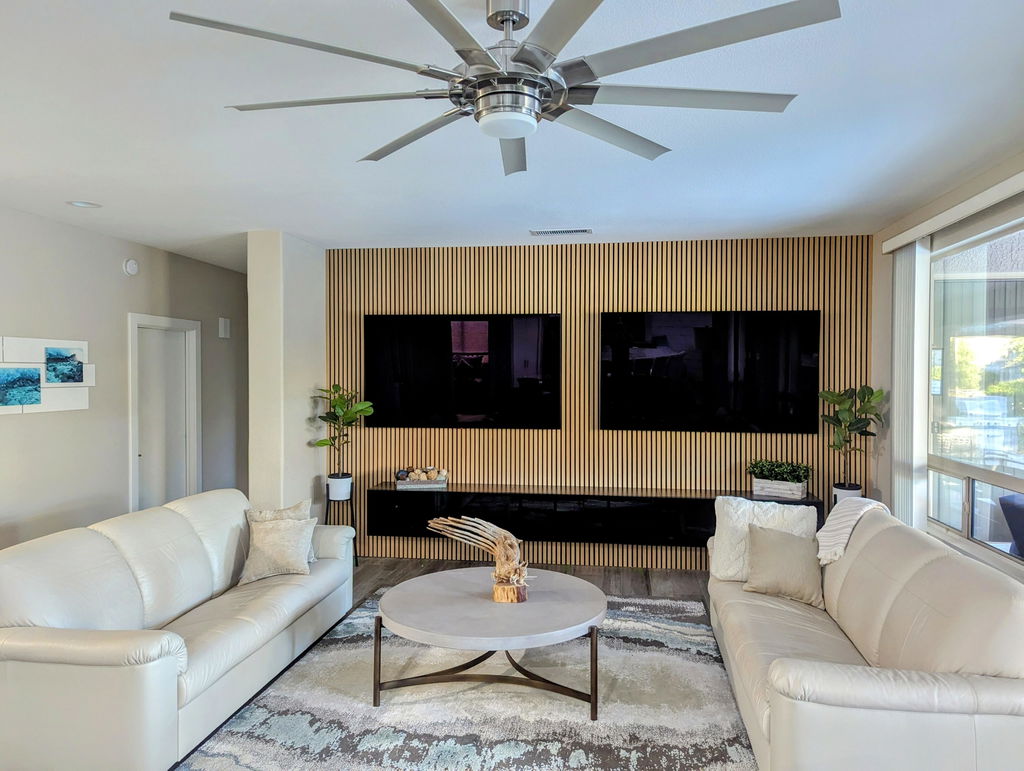
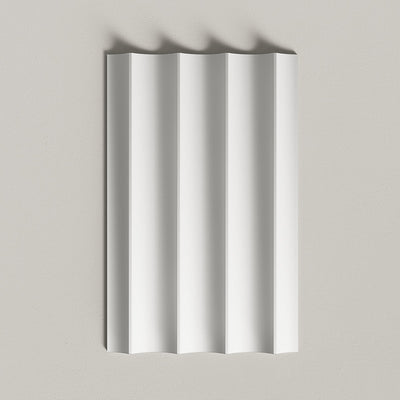
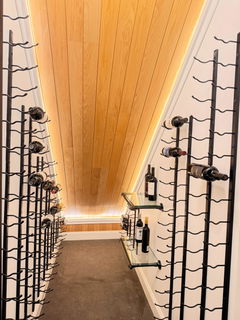
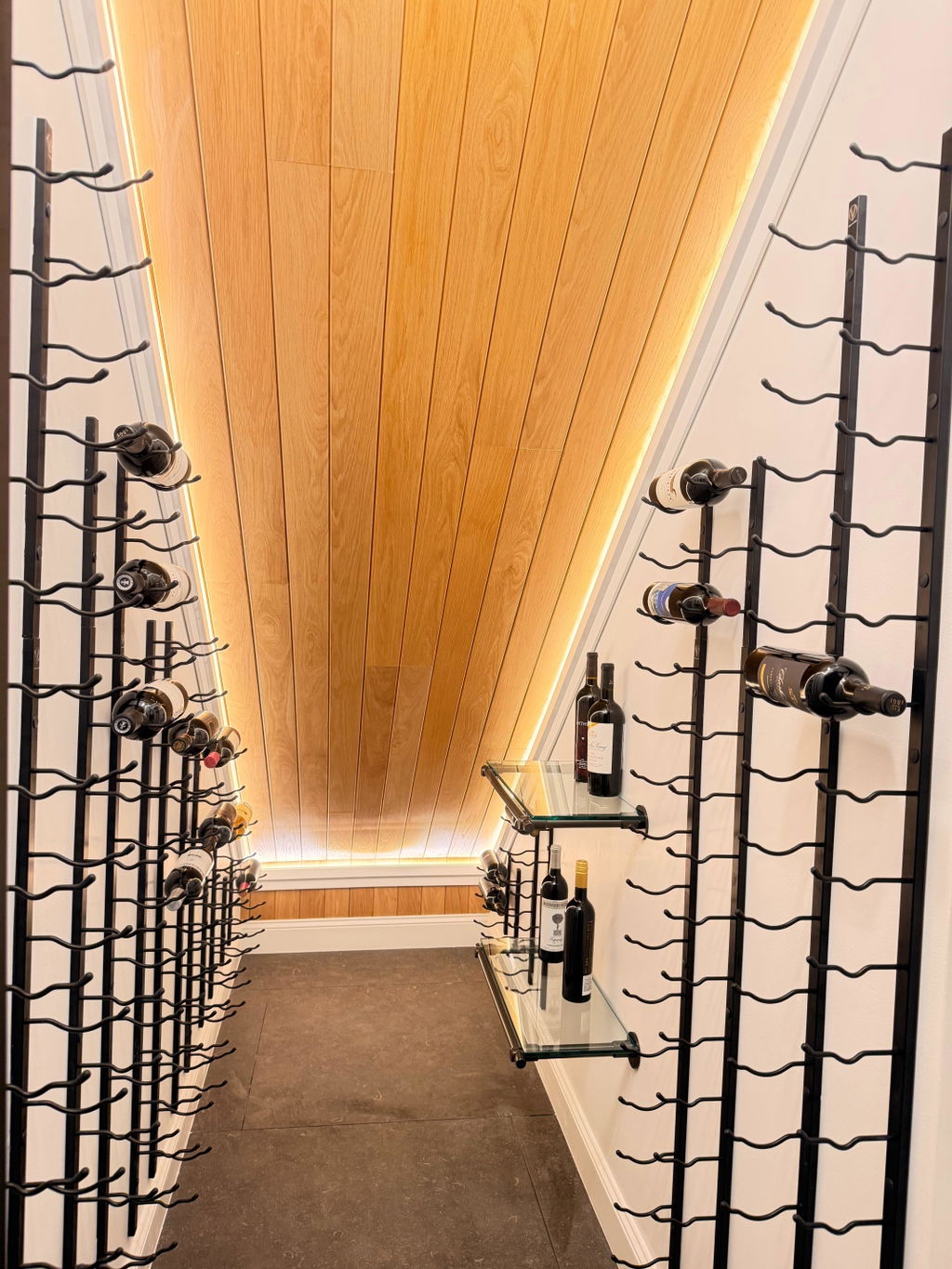
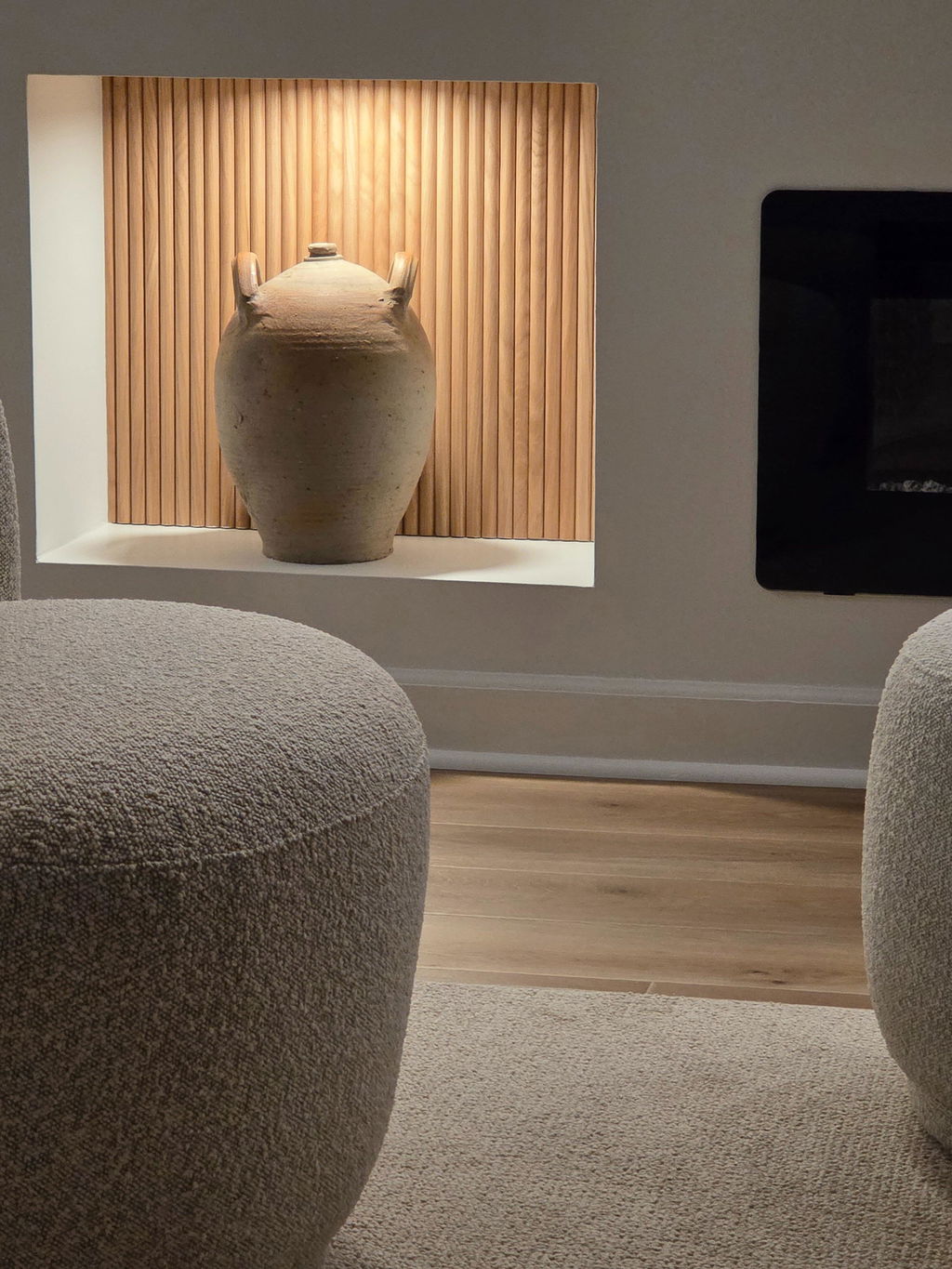
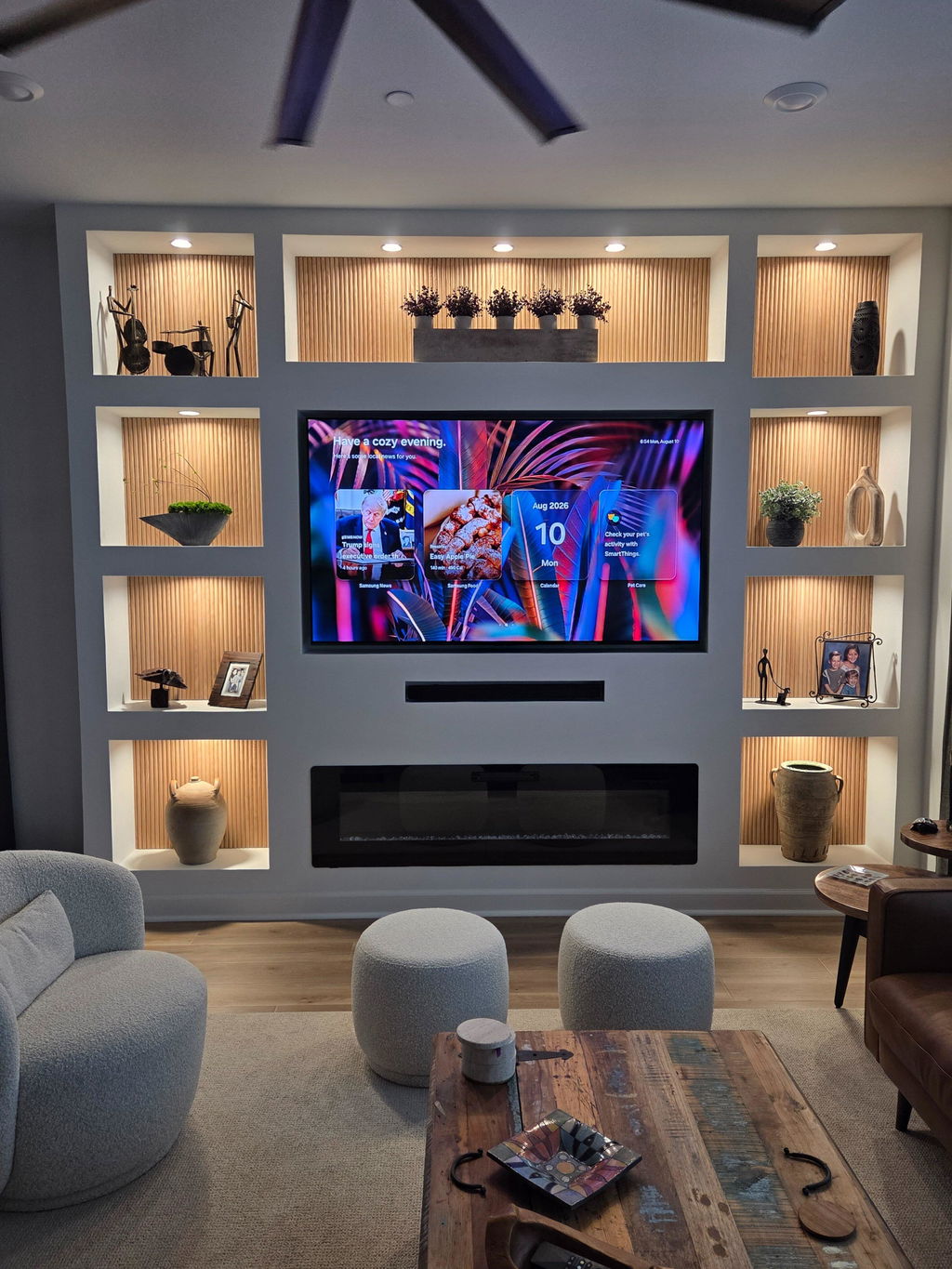
Elevate your fifth wall with our Fluted Ceiling Panels collection, featuring acoustic wood slats, wood veneer panels, and paintable fluted and V-groove styles, all available in seamless 8' and 9' lengths. Designed for overhead applications, these panels bring warmth, texture, and architectural detail to ceilings in both residential and commercial spaces.
A Ceiling Worth Looking Up To

Transform ceilings into a design feature with our Fluted Ceiling Panels collection. Available in both 8' and 9' lengths, these panels are perfectly sized for overhead installation with minimal seams and maximum impact.

Materials That Work Overtime

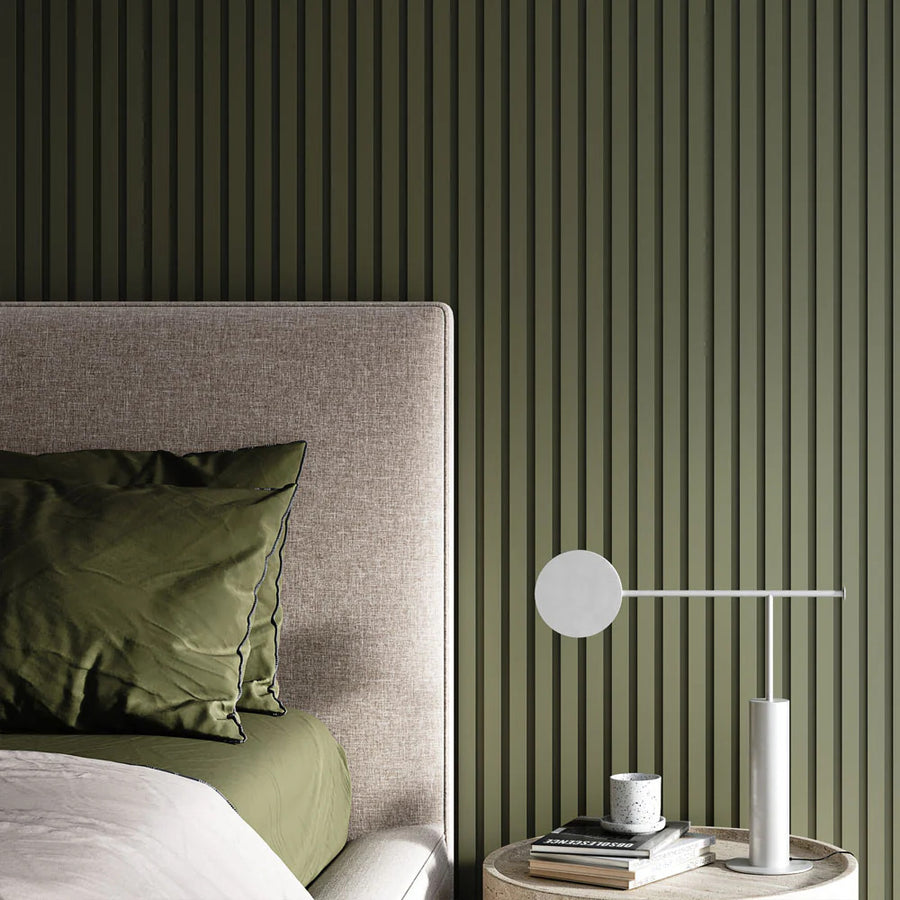
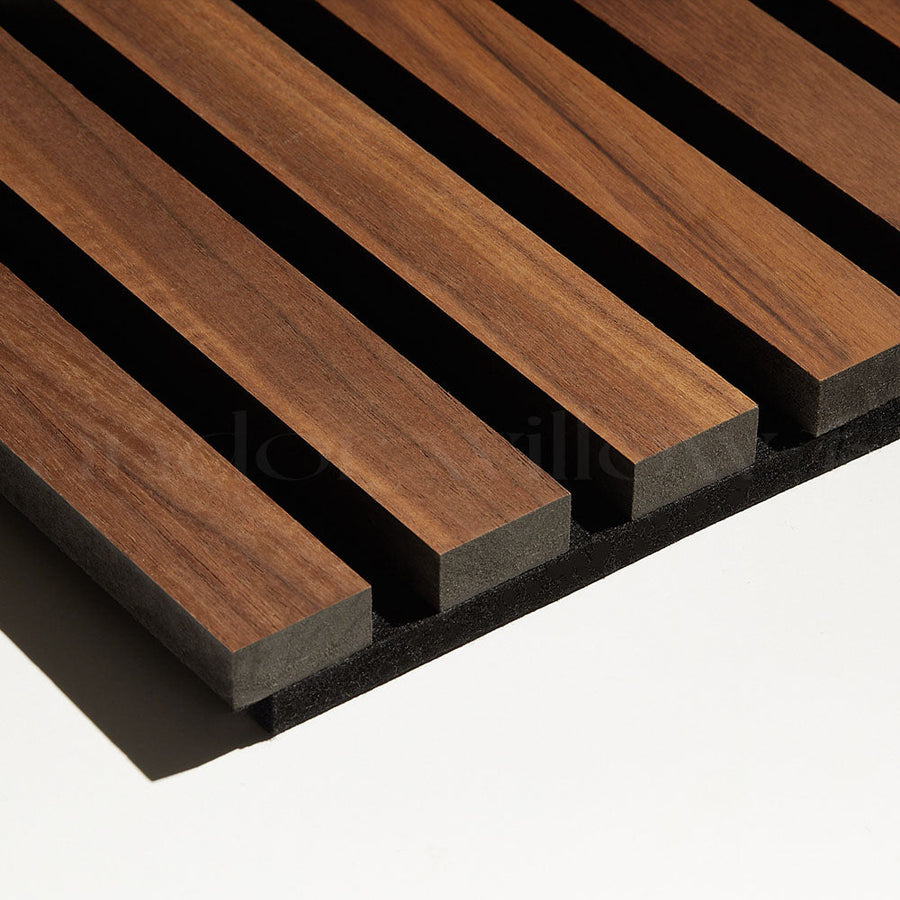
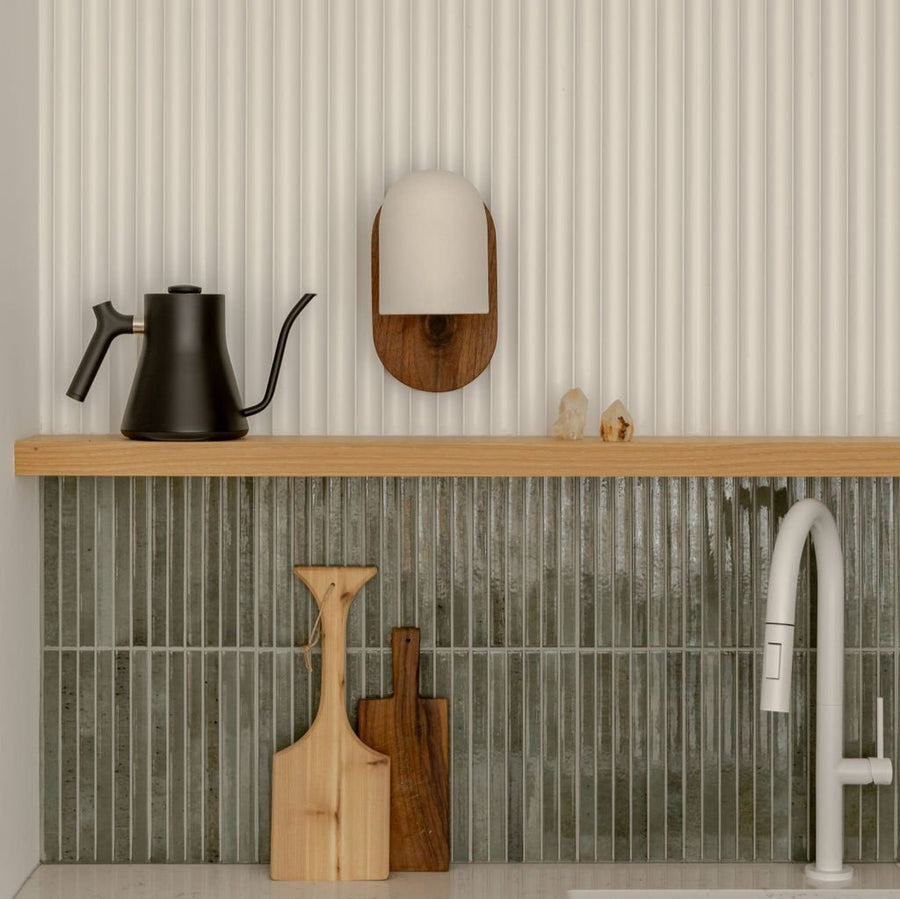
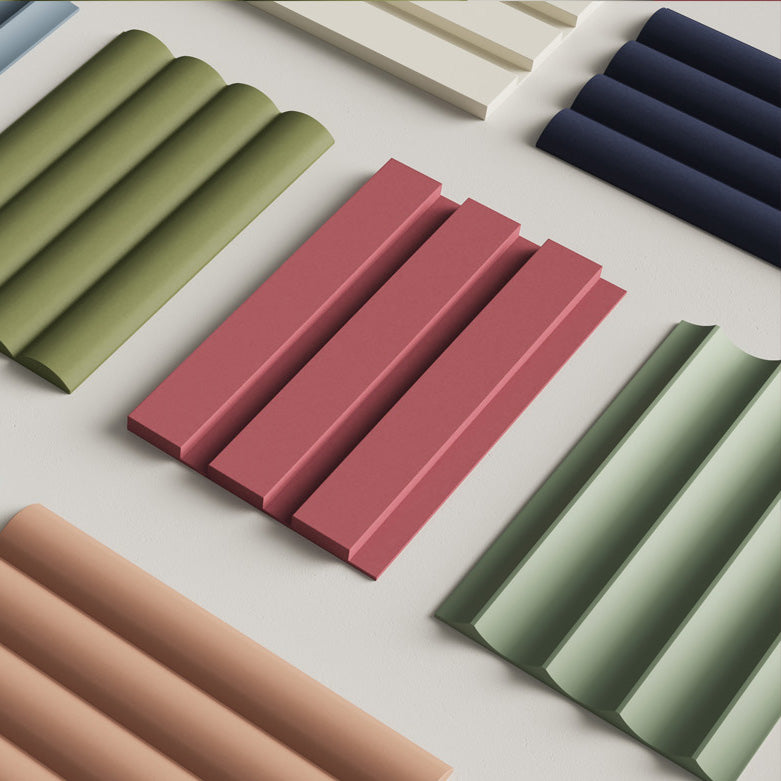
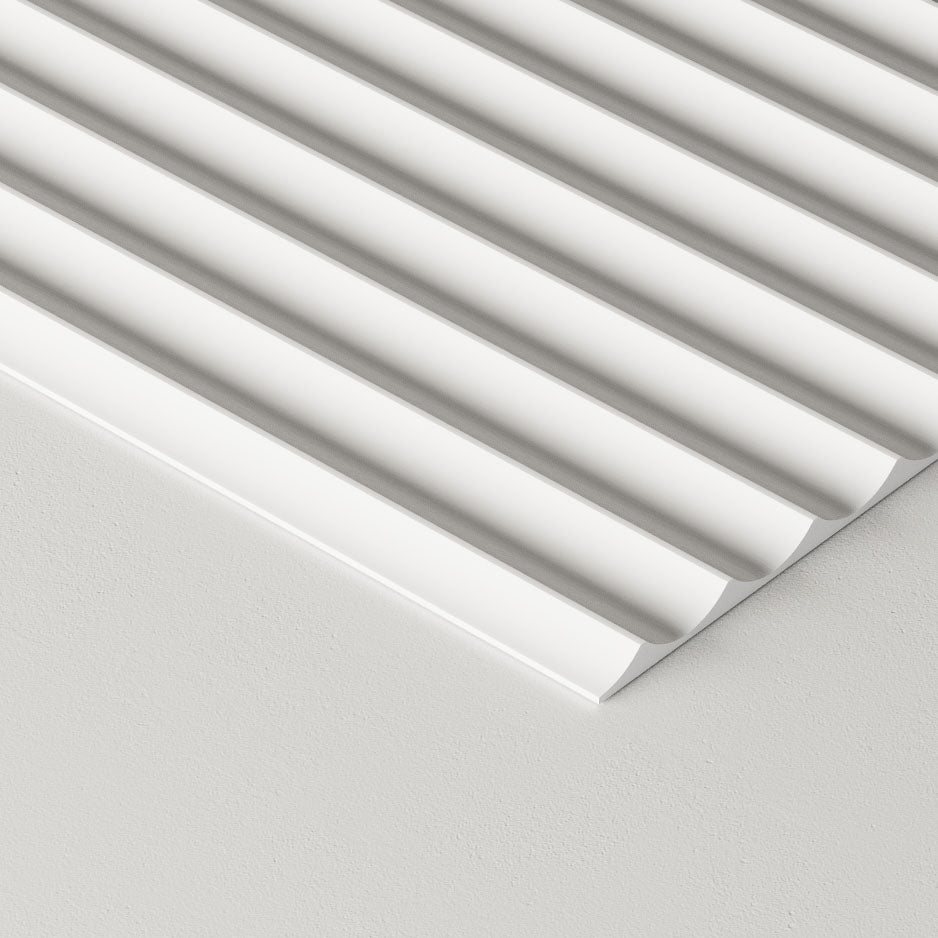
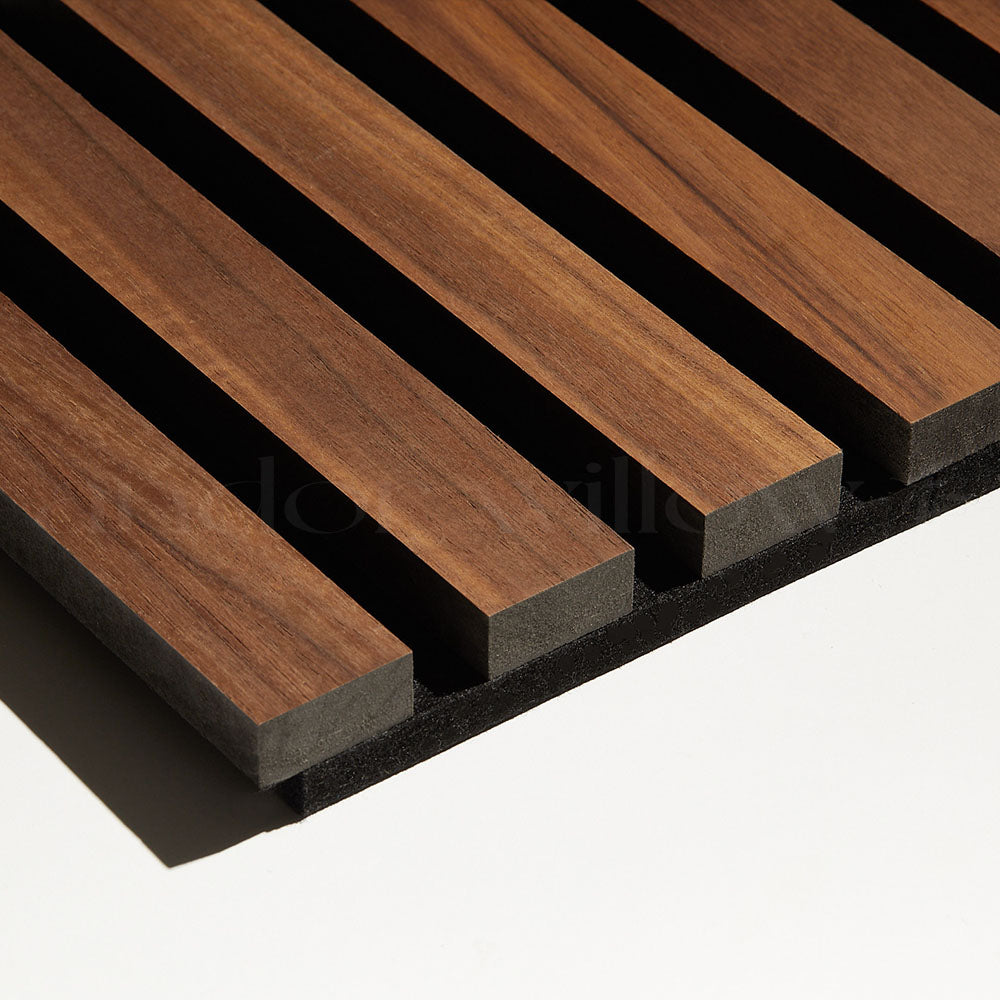
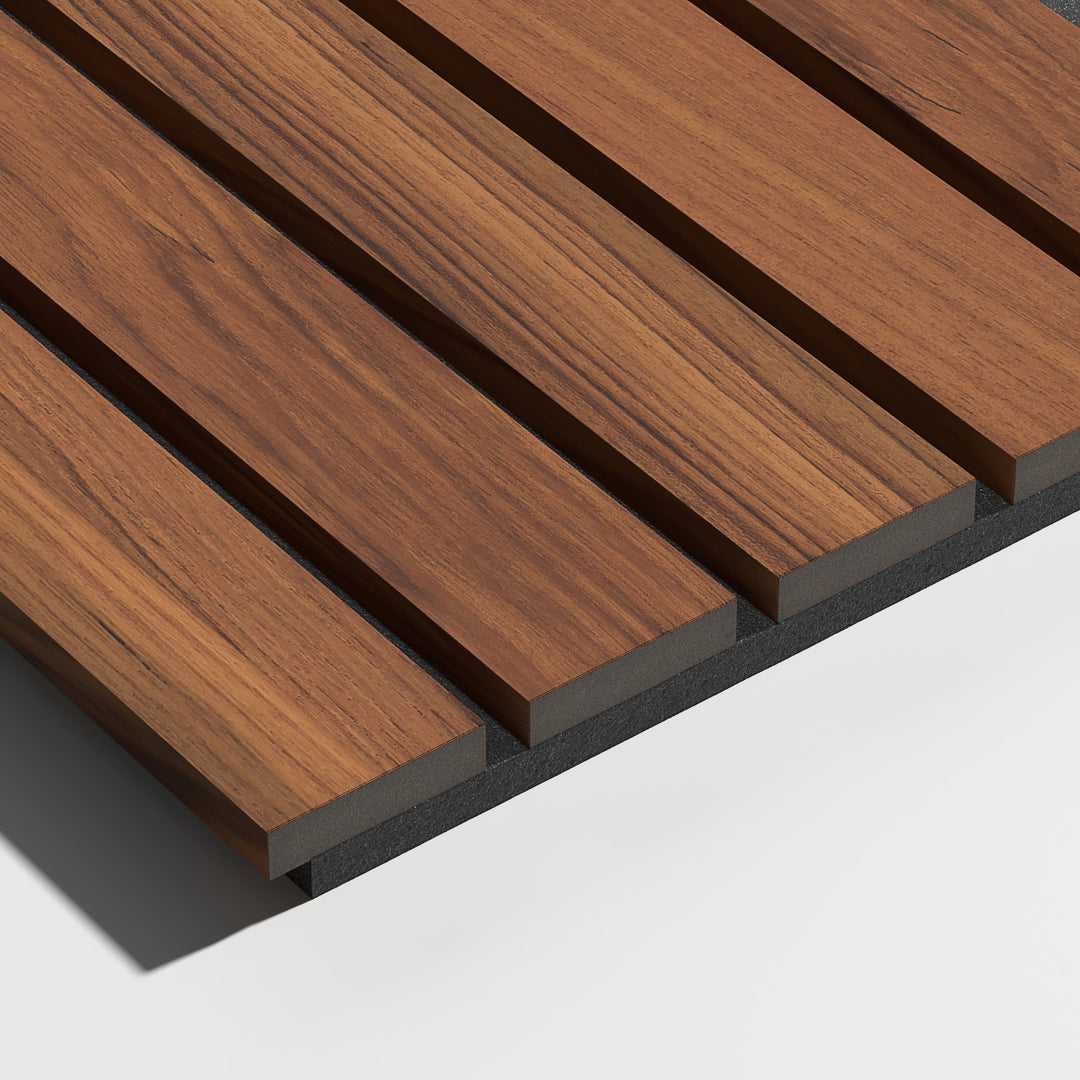
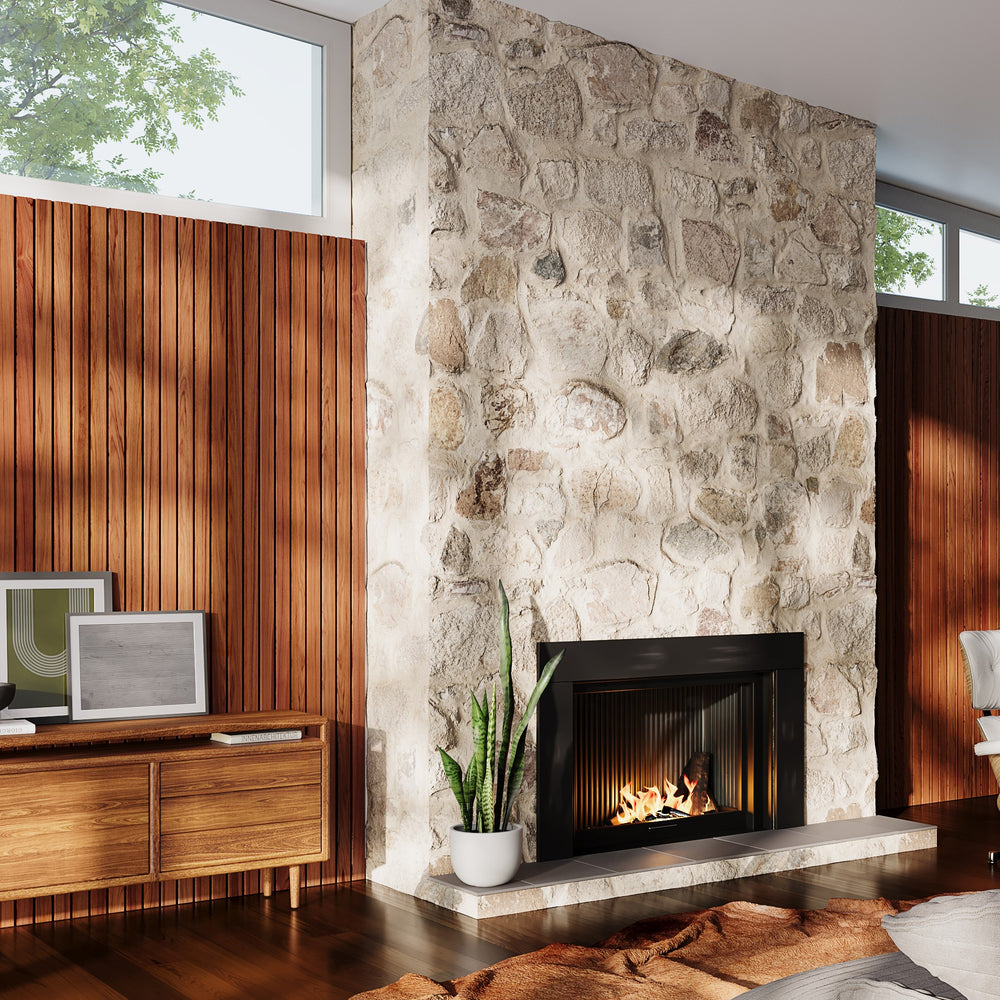
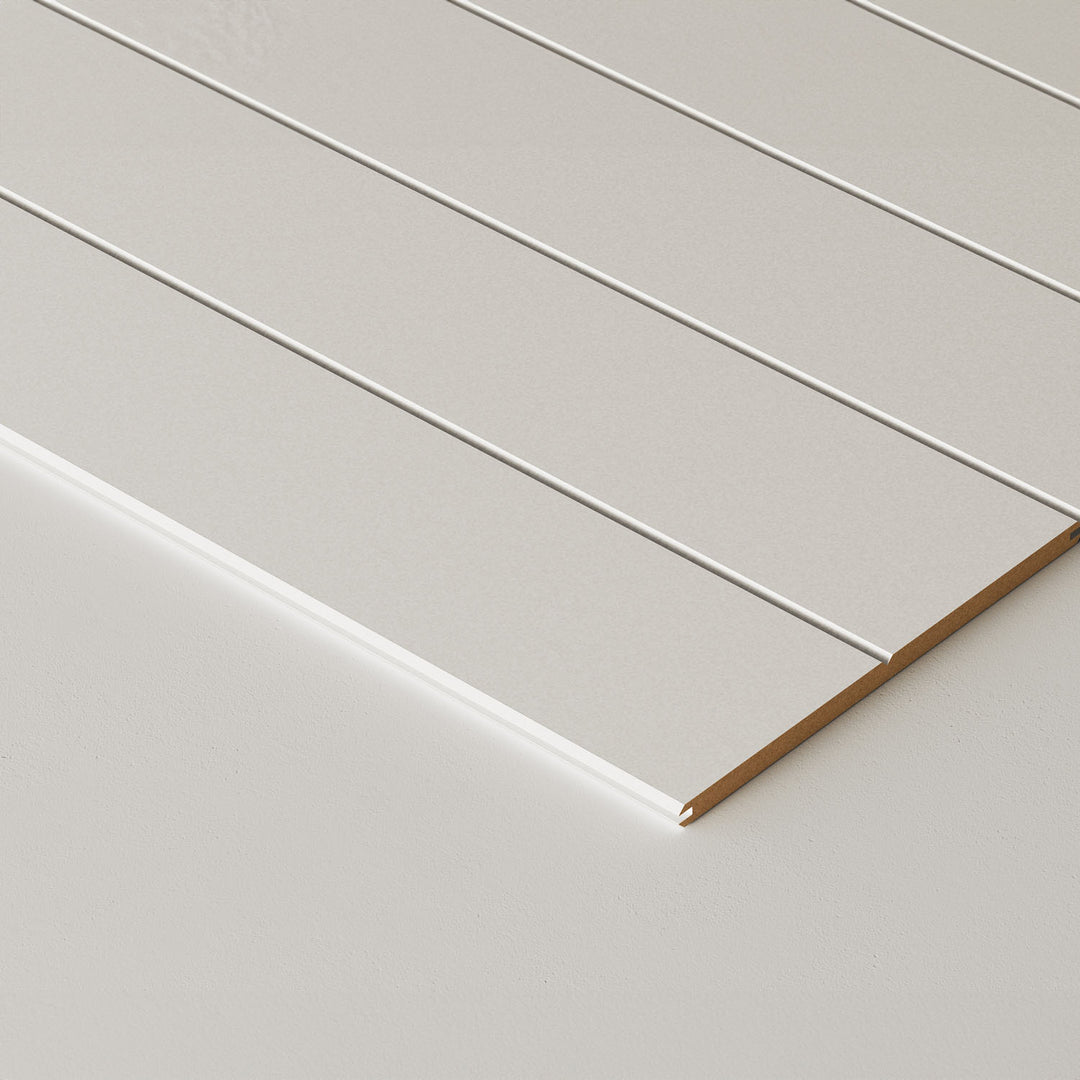
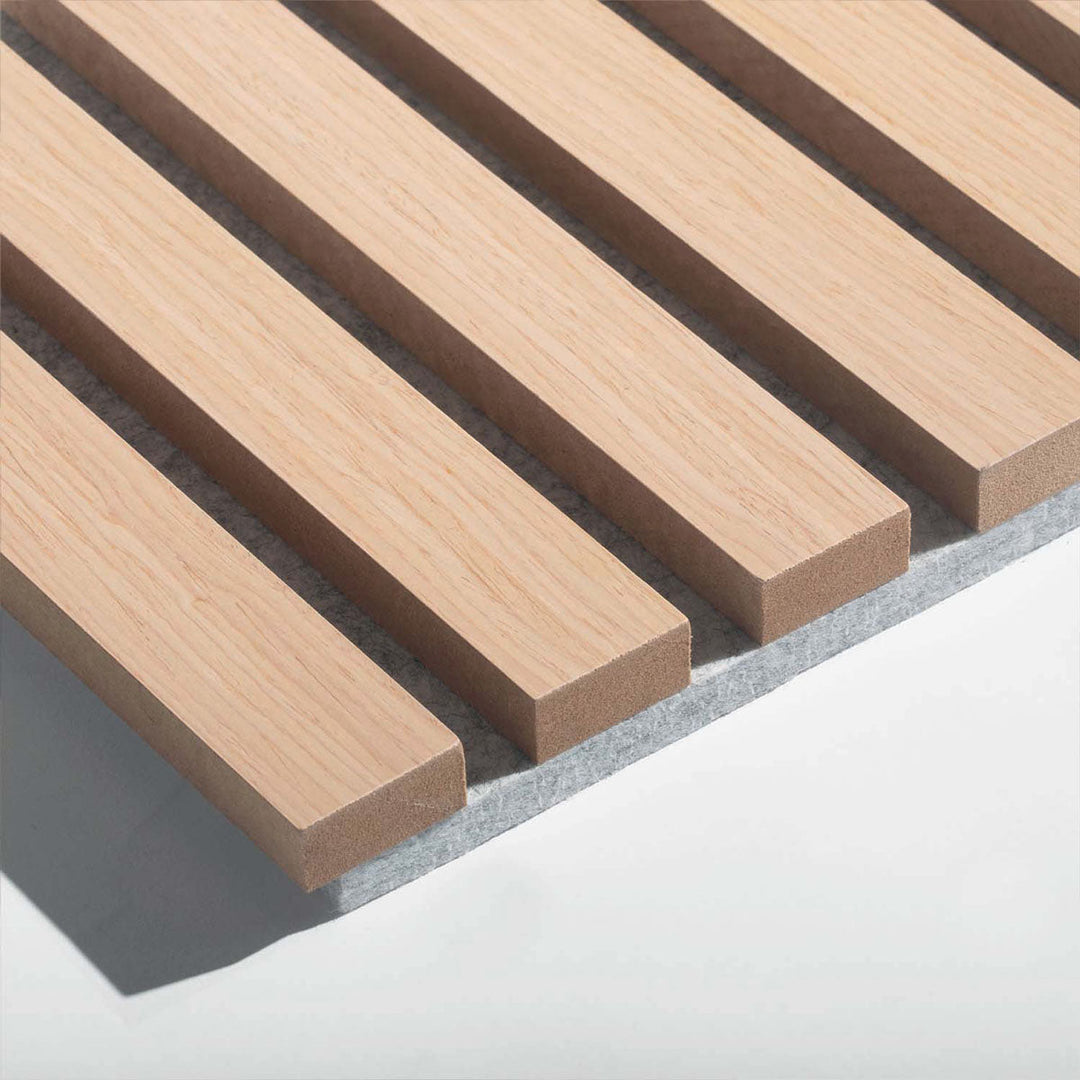
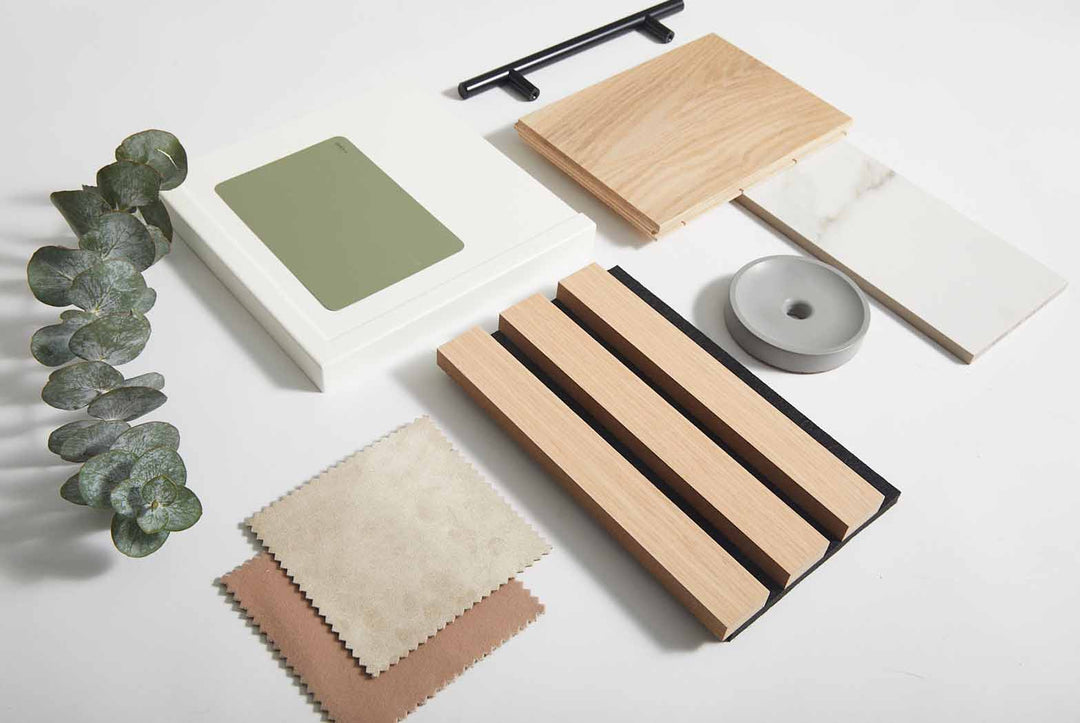
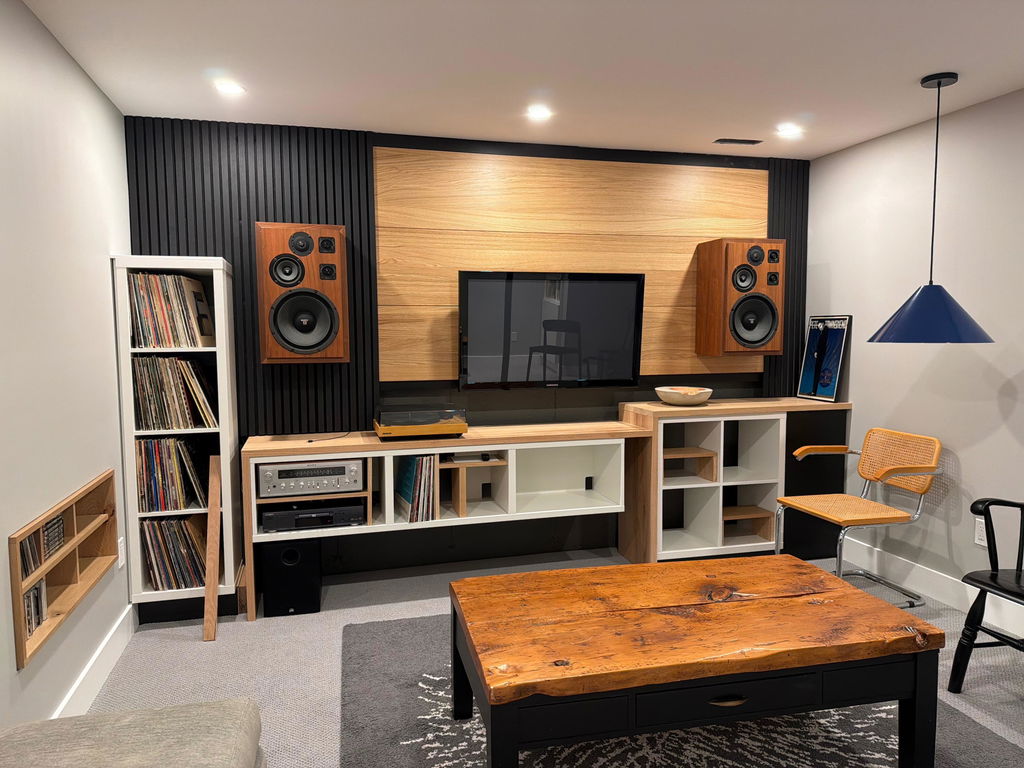
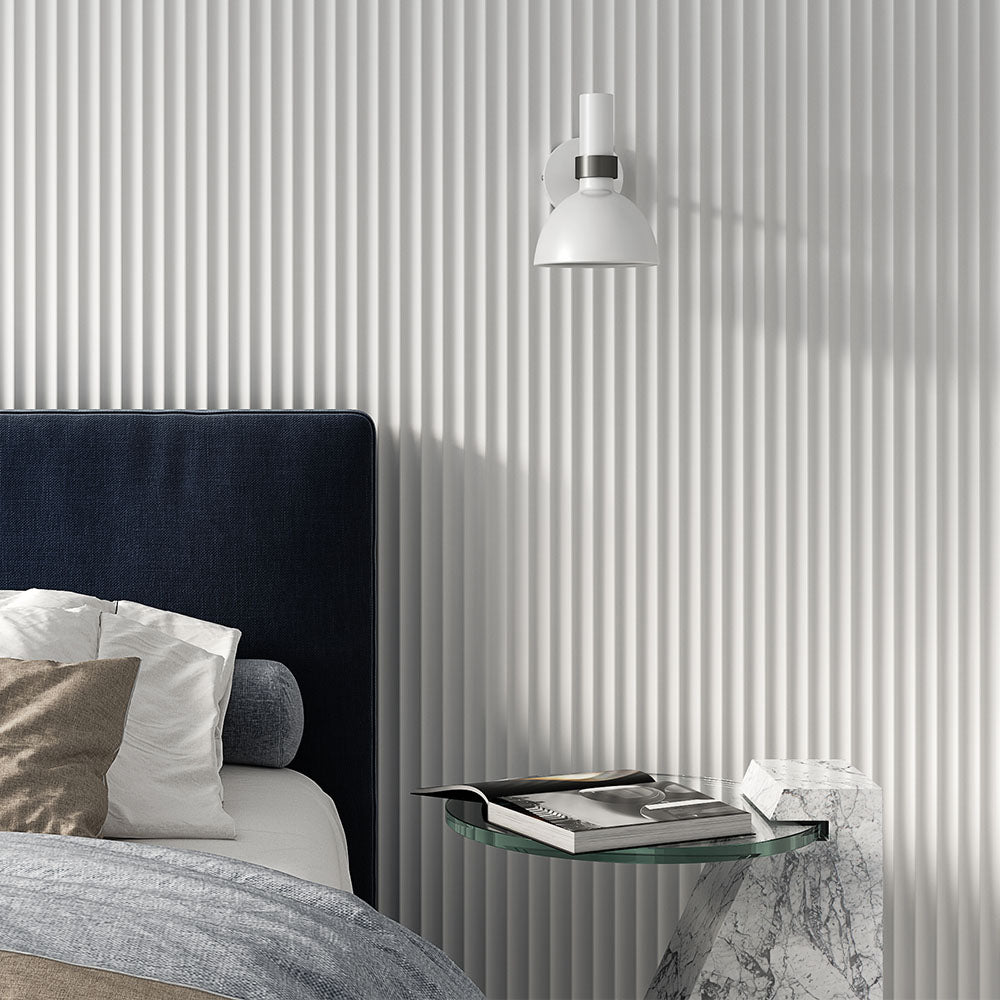
Each panel in this collection is crafted from the same thoughtfully curated materials as our wall lines—acoustic wood slats for sound absorption and visual rhythm, rich wood veneer panels for organic texture, and paintable fluted and V-groove options ready for any custom color.

Streamlined Installation, Seamless Finish

Offered in full-length 8' and 9' formats, these ceiling panels reduce cutting and simplify layout, allowing for a smooth, continuous look across large or small spaces. Lightweight yet durable, they’re easy to install with standard ceiling systems or custom frameworks.

What Are Fluted Ceiling Panels?

Fluted ceiling panels are an architectural ceiling solution designed to add warmth, texture, and visual rhythm overhead. Often referred to as the “fifth wall,” ceilings play a major role in how a space feels, and fluted panels introduce depth and structure without overwhelming the room.

Fluted ceiling panels can include paintable fluted panels, wood veneer fluted panels, acoustic slat panels, ribbed panels, and V-groove styles, all of which are suitable for ceiling installation. Ceiling panels are often available in seamless 8' and 9-foot lengths, making them ideal for residential and commercial ceilings where clean lines and minimal seams matter.

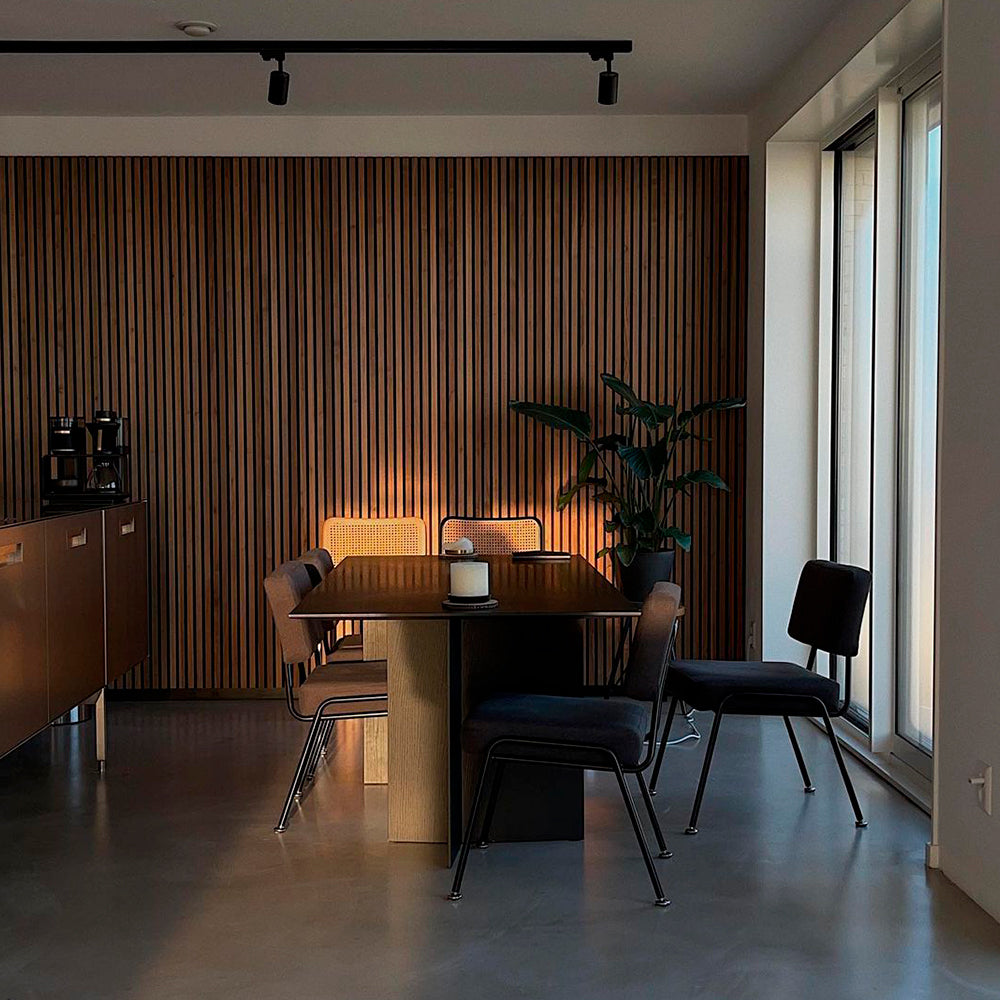
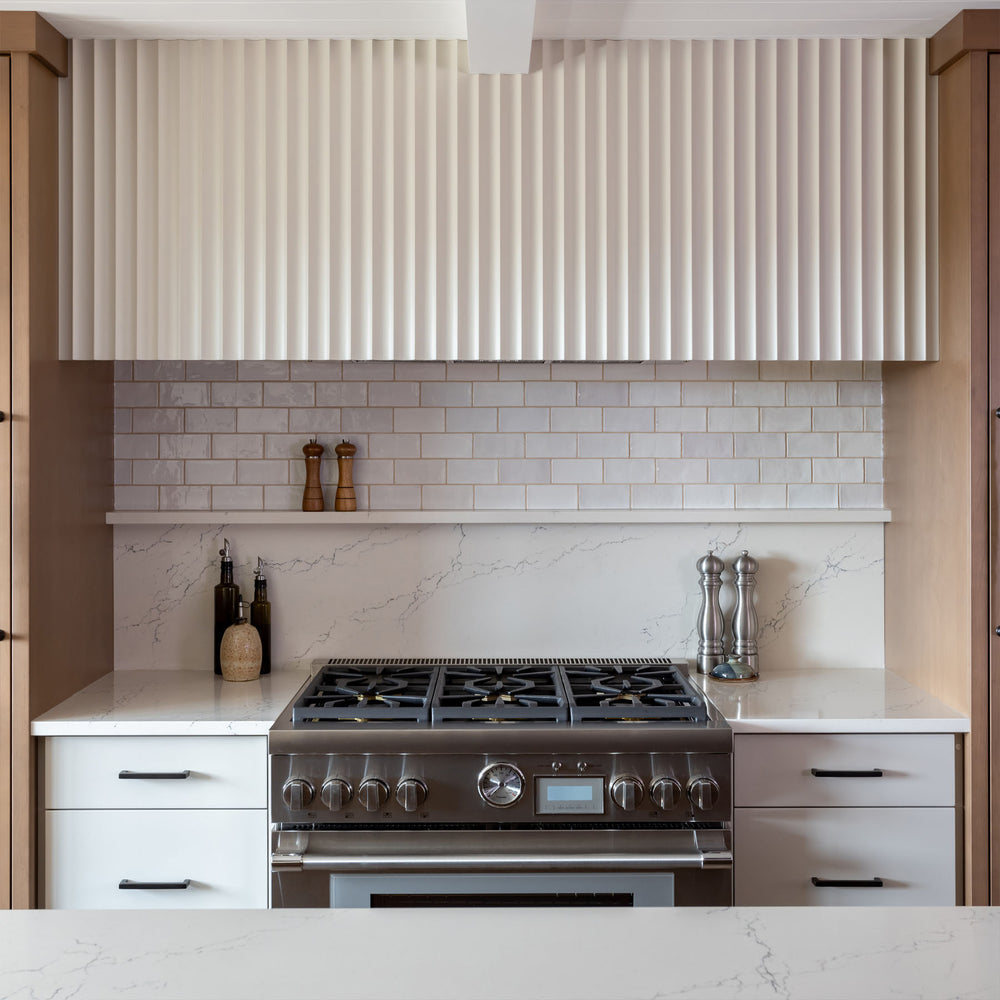
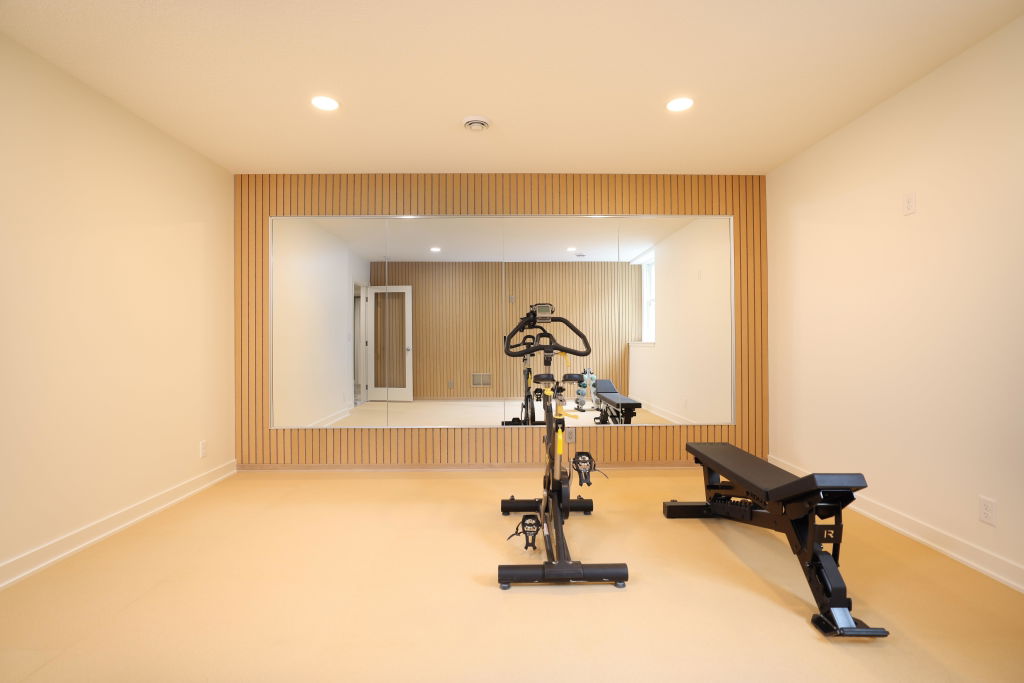
Fluted ceiling panels are commonly used in kitchens, living rooms, bedrooms, offices, hallways, and hospitality spaces to soften acoustics and create a more intentional, finished look.

Installation Considerations for Fluted Ceiling Panels

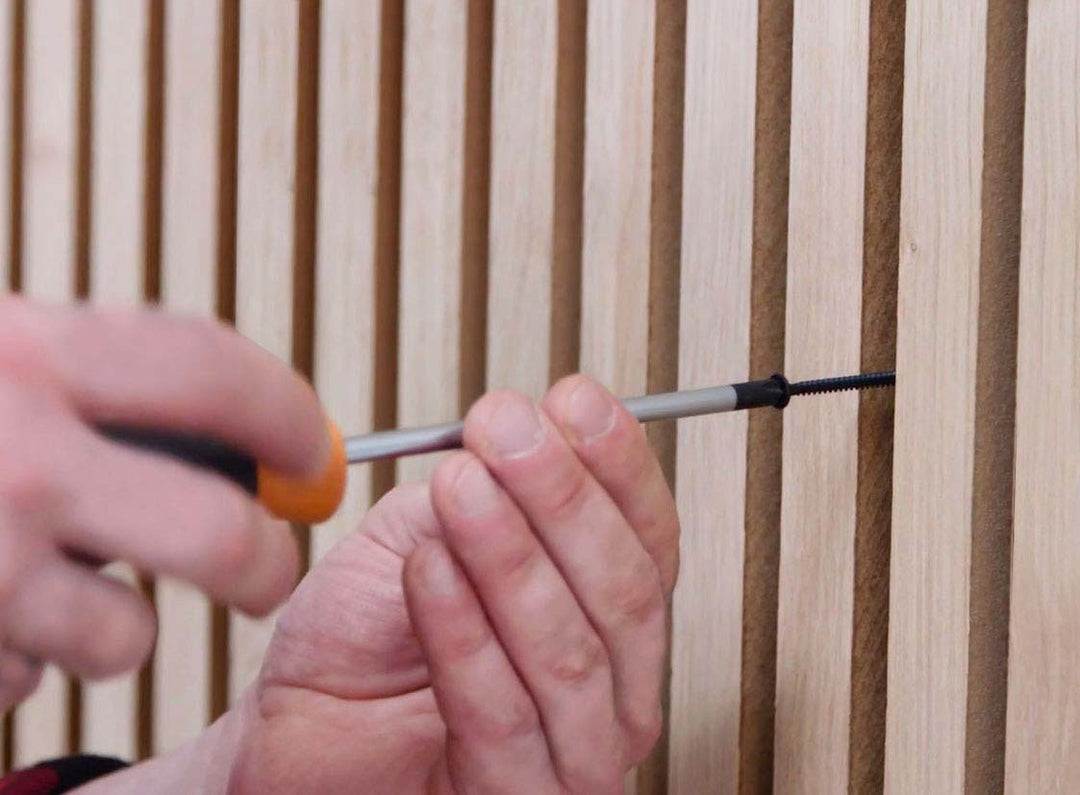
Fluted ceiling panels are designed to be installed directly overhead using standard carpentry methods. Panels should be installed perpendicular to ceiling joists whenever possible to ensure proper support. When joists do not align with the panel layout, battens should be installed first to create perpendicular anchor points.

Most fluted ceiling panels should be installed with a combination of construction adhesive and brad nails or finish nails for a secure hold. Lightweight ceiling panels and thinner profiles are typically recommended for ceiling applications, as they are easier to handle and reduce strain during installation.

Fluted Ceiling Panels FAQ

Can fluted panels be used for ceilings?

Yes, fluted panels can be used for ceilings and are specifically designed to perform well in overhead applications. Proper fastening into joists or battens is essential, and lighter panel profiles make installation easier and more efficient.

How do you install fluted panels on a ceiling?

Fluted ceiling panels are installed by fastening them perpendicular to ceiling joists or into pre-installed battens using construction adhesive and brad or finish nails. Installation typically starts along one straight edge of the ceiling, with panels aligned carefully to maintain consistent spacing and straight flutes across the surface.

Do fluted ceiling panels need battens?

Battens are recommended when ceiling joists do not run perpendicular to the direction of the panels or when joist spacing does not align with panel fastening points. Battens create a flat, level surface and provide consistent anchor points for secure installation.

What are the disadvantages of fluted panels?

Fluted panels require more precise alignment than flat panels, and poor installation can make inconsistencies more noticeable. Dust can also settle into the grooves over time, although regular light cleaning prevents buildup, and dust buildup is much less common with ceiling panels due to gravity.

What are fluted panels called?

Fluted panels are also commonly referred to as ribbed panels, reeded panels, or slatted panels, depending on the profile and spacing. In ceiling applications, they may also be described as architectural ceiling panels or wood ceiling slats.

Do fluted ceiling panels add value to a home?

Fluted ceiling panels can add perceived value by creating architectural detail and a custom, built-in look. When used thoughtfully, they elevate a space beyond standard drywall ceilings and are often viewed as a premium design feature.

How do you clean fluted ceiling panels?

Fluted ceiling panels are typically cleaned using a soft brush, microfiber duster, or vacuum with a brush attachment to remove dust from the grooves. Painted panels can also be wiped gently with a damp cloth if needed, while wood and veneer panels should be cleaned dry to protect the finish.
Are fluted ceiling panels hard to maintain?

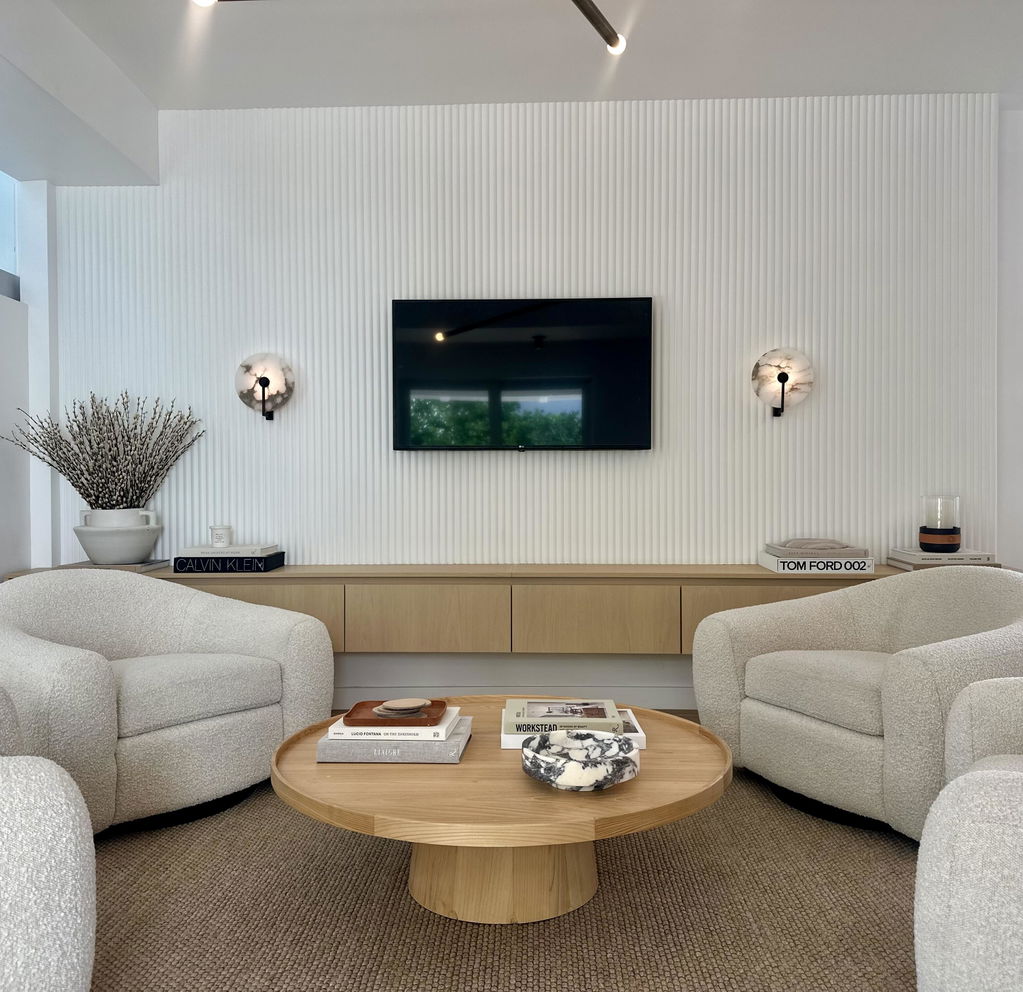
No, fluted ceiling panels are generally low maintenance. Occasional dusting is usually sufficient, and properly finished panels resist staining and discoloration over time.

Can fluted ceiling panels be installed in kitchens?

Yes, fluted ceiling panels are commonly used in kitchens. Proper ventilation is recommended, and panels should be kept away from direct heat or grease exposure. Paintable panels finished with a durable, cleanable paint are often preferred in kitchen environments.
Are fluted ceiling panels considered a permanent finish?

Yes, fluted ceiling panels are considered a permanent architectural finish, especially when installed with adhesive and brad nails. When installed correctly, they are durable, long-lasting, and comparable to other built-in ceiling treatments such as wood planks or decorative millwork.

Trusted by Businesses, Big and Small

Decorative Wood Panels for Walls
Wall Panel Design