 Skip to content







From Builder-Grade to Custom: A Step-by-Step Guide to Upgrading Walls with Panels

A lot of homes look perfectly fine when you first move in.
Clean walls, neutral paint, decent layout... nothing technically wrong.
But after a while, the space still feels unfinished. That “builder-grade” feeling usually comes from flat drywall with no depth, texture, or architectural detail.
The good news is you do not need a full renovation to change that. Wall panels can completely reshape how a room feels without tearing down walls or rebuilding the space.
Even one properly planned feature wall can make the room feel more custom, more intentional, and honestly... way more expensive than it actually was.
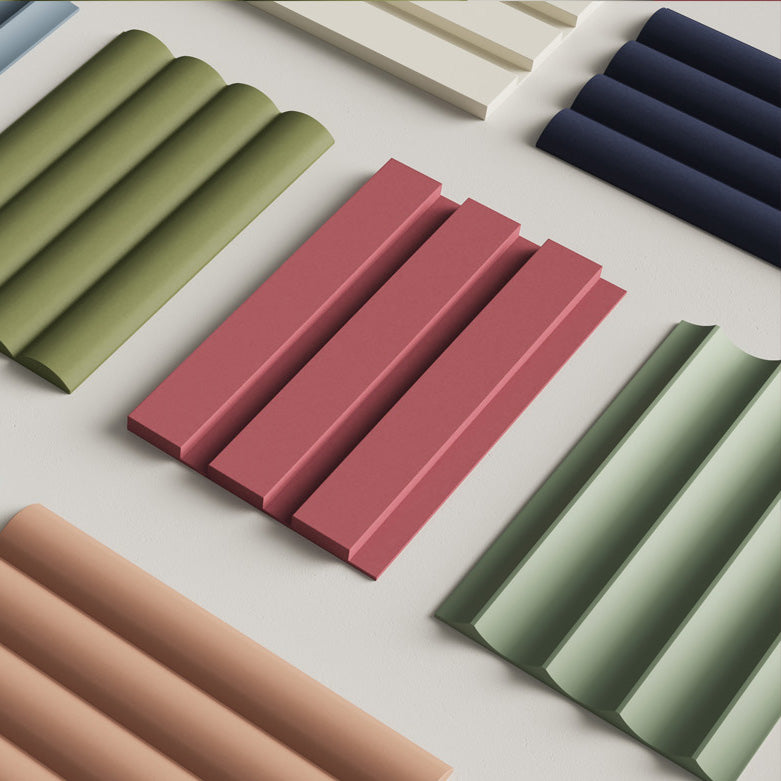
So if you’re looking for realistic wall paneling ideas or trying to figure out where fluted panels, slat panels, and ribbed panels actually fit, this guide walks through the process step by step.
Key Takeaways
- Wall panels add architectural depth without major renovation
- Panel height changes how large or custom the room feels
- Different panel styles create different visual weight
- Lighting and furniture affect how panels actually look after installation
- Proper planning usually matters more than the panel itself
Step 1: Figure Out What Makes the Room Feel Builder-Grade
Before choosing any panel style, figure out what the room is missing. Most builder-grade spaces feel flat because every surface sits on the same visual level. Drywall, flat paint, and blank walls leave nothing for your eyes to settle on.
Blank Walls Often Make Furniture Look Temporary
This happens a lot in living rooms and bedrooms. Even expensive furniture can look oddly disconnected when it sits against a completely plain wall.
That’s why designers usually start with the wall itself. Once texture and structure are added, the furniture immediately feels more grounded.
Choose One Main Focal Wall First
One of the biggest mistakes homeowners make is trying to panel every wall immediately. Suddenly the room feels crowded before furniture even goes back in.


Instead, start with the wall your eyes naturally land on:
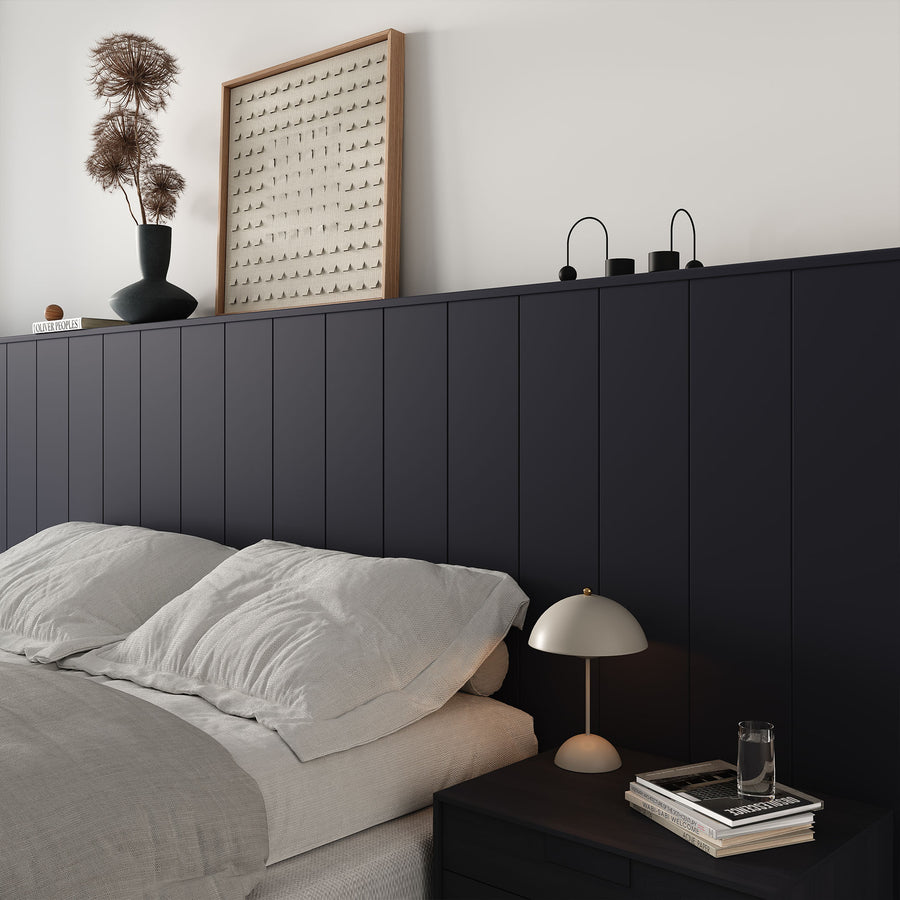
- Behind the bed
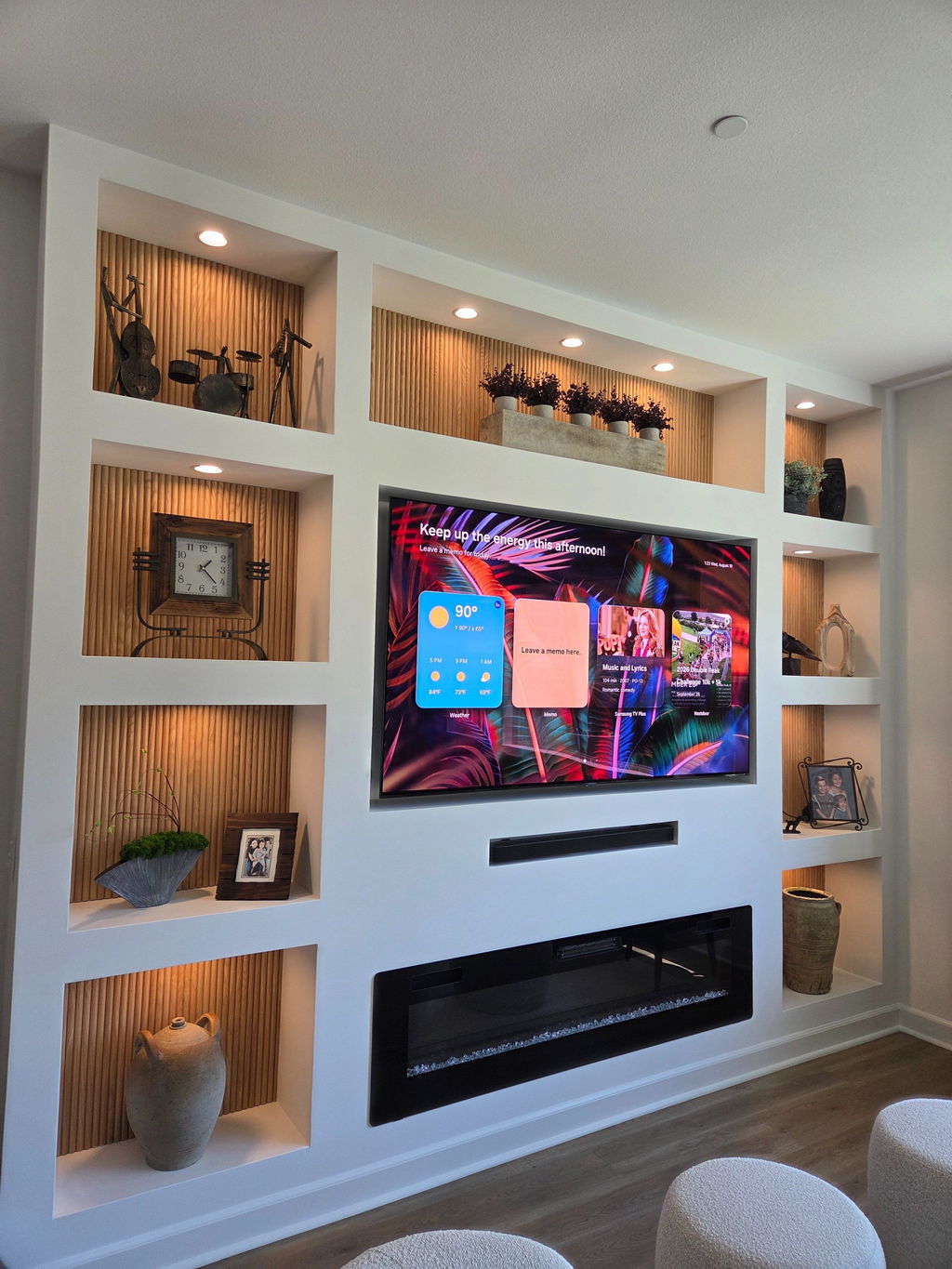
- Behind the TV
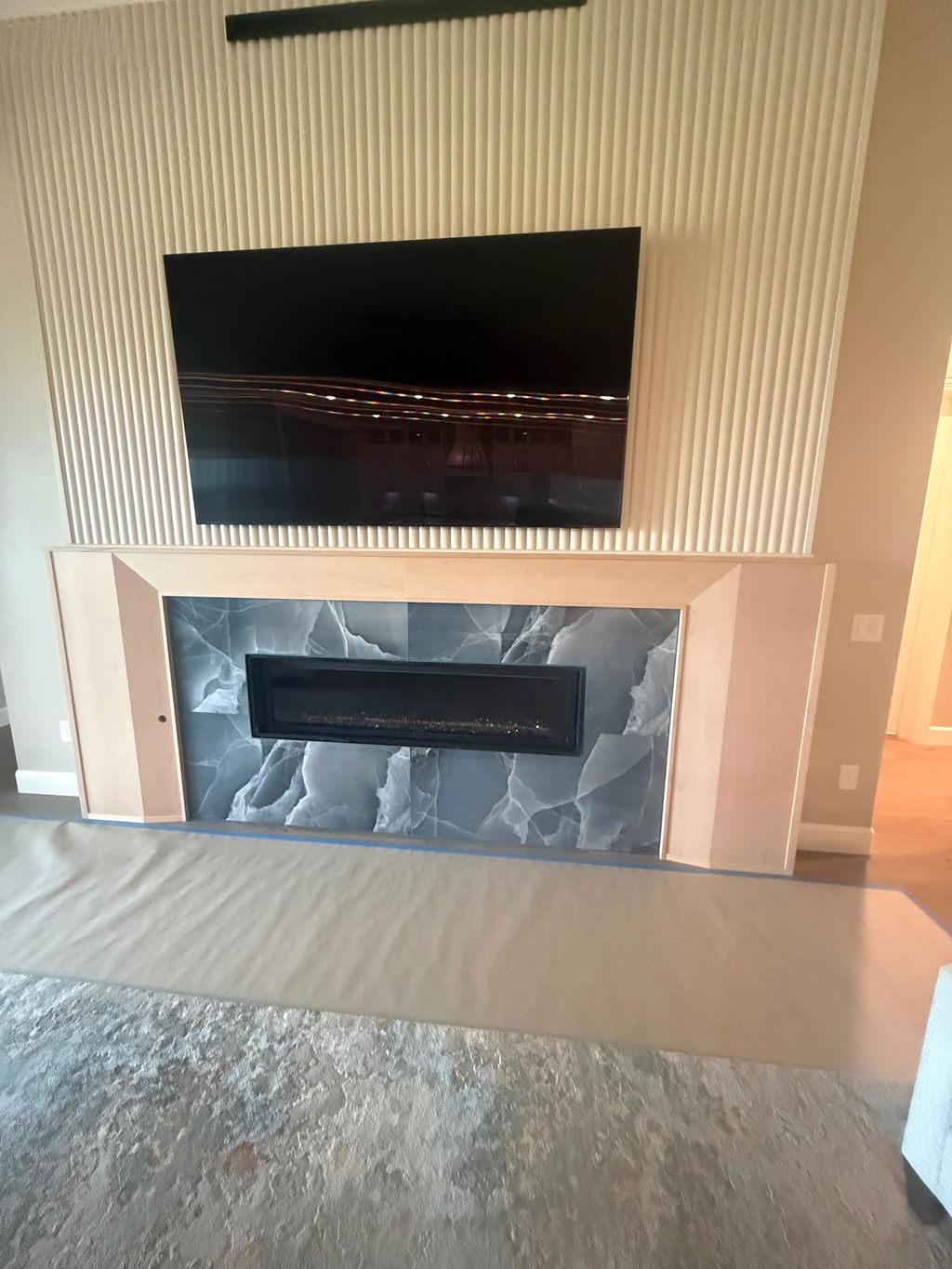
- Around a fireplace
- Entry walls
- Dining room feature walls
Once that area feels stronger, the entire room starts feeling more custom.
Step 2: Choose the Right Panel Height
Panel height changes the entire feel of the room. This part gets overlooked constantly... but it matters more than people think.
44.1-Inch Panels Create a More Framed Look
Shorter panel heights work well when you want detail without covering the full wall. They are often used in dining rooms, hallways, mudrooms, or lower accent sections.
Andor Willow’s 44.1-inch paintable panels are commonly used this way because they create structure without making the room feel visually heavy. They also work well below shelving, trim, or cabinetry.
94.5-Inch Panels Work for Standard Ceilings
This size usually works best for standard 8-foot ceilings because the panels reach nearly full height without awkward gaps.
For example, Andor Willow’s 94.5-inch fluted wall panels and ribbed panels create a much cleaner vertical look compared to piecing together smaller sections. Fewer seams usually make the installation feel more intentional.
106.3-Inch Panels Help Taller Walls Feel Finished
Tall walls can feel empty very quickly. This is where larger panel sizes start making a huge difference.


Andor Willow’s 106.3-inch wood slat panels and fluted panels help create full-height installations without adding horizontal breaks across the wall. That makes the room feel more architectural instead of simply decorated.
And honestly... once you notice awkward seams on tall feature walls, it becomes impossible to unsee them.
Step 3: Pick the Right Panel Style
Different panel styles completely change the mood of the room. Some feel soft and subtle, while others create stronger architectural lines.
Wood Slat Panels Create Structure Fast
Wood slat panels are one of the fastest ways to make a wall feel high-end. The vertical spacing naturally draws your eyes upward, which helps the room feel taller and more finished.
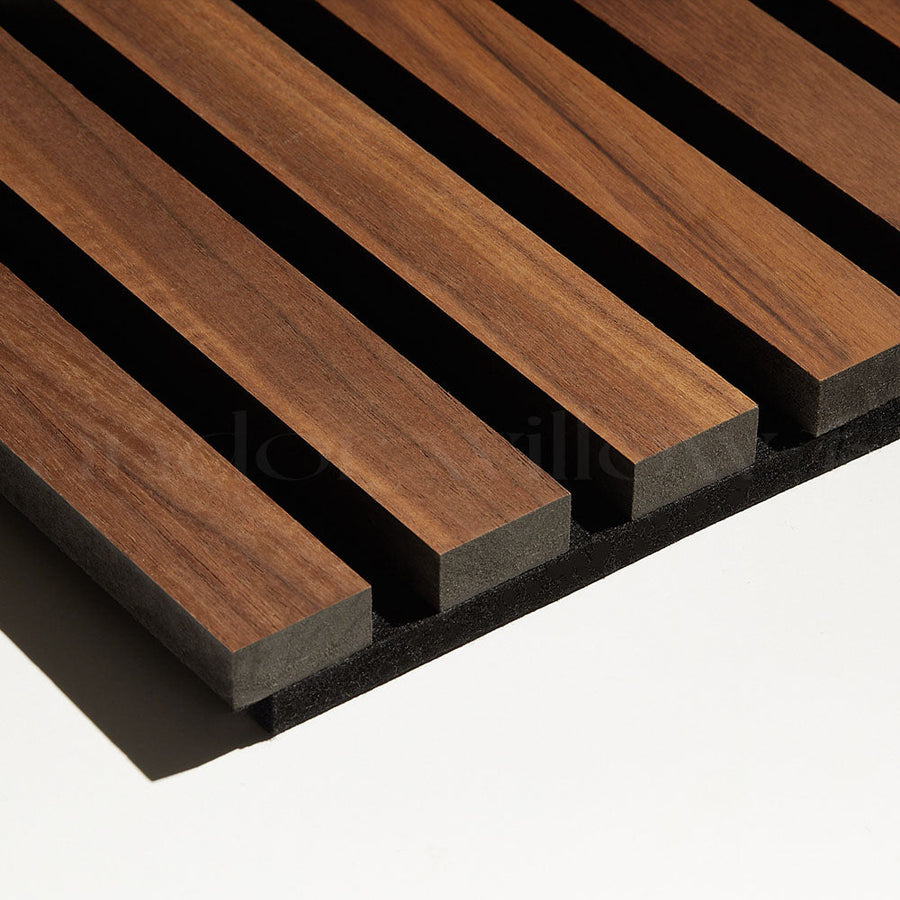
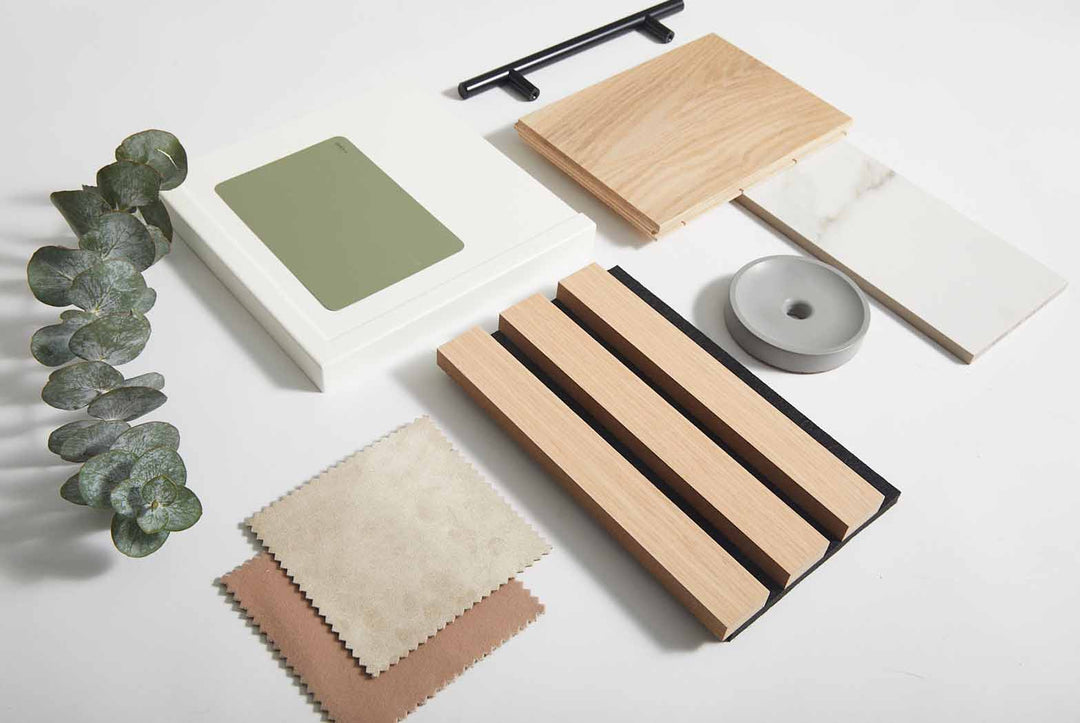
Andor Willow’s wood slat wall panels come in finishes like Walnut, White Oak, Smoked Oak, Brown Oak, and Charcoal. The panels use real wood veneer over MDF slats with acoustic felt backing, so you get both texture and sound absorption.
That combination works especially well in offices, media rooms, and open-concept spaces where echo becomes noticeable.
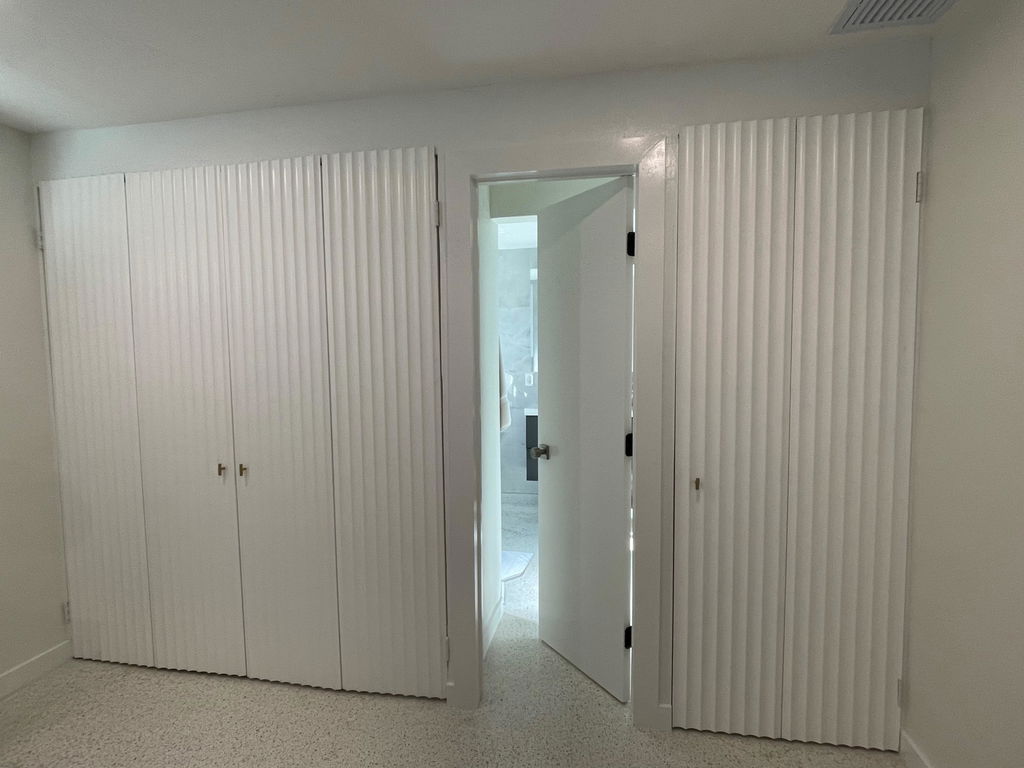
Fluted Panels Feel Softer and More Relaxed
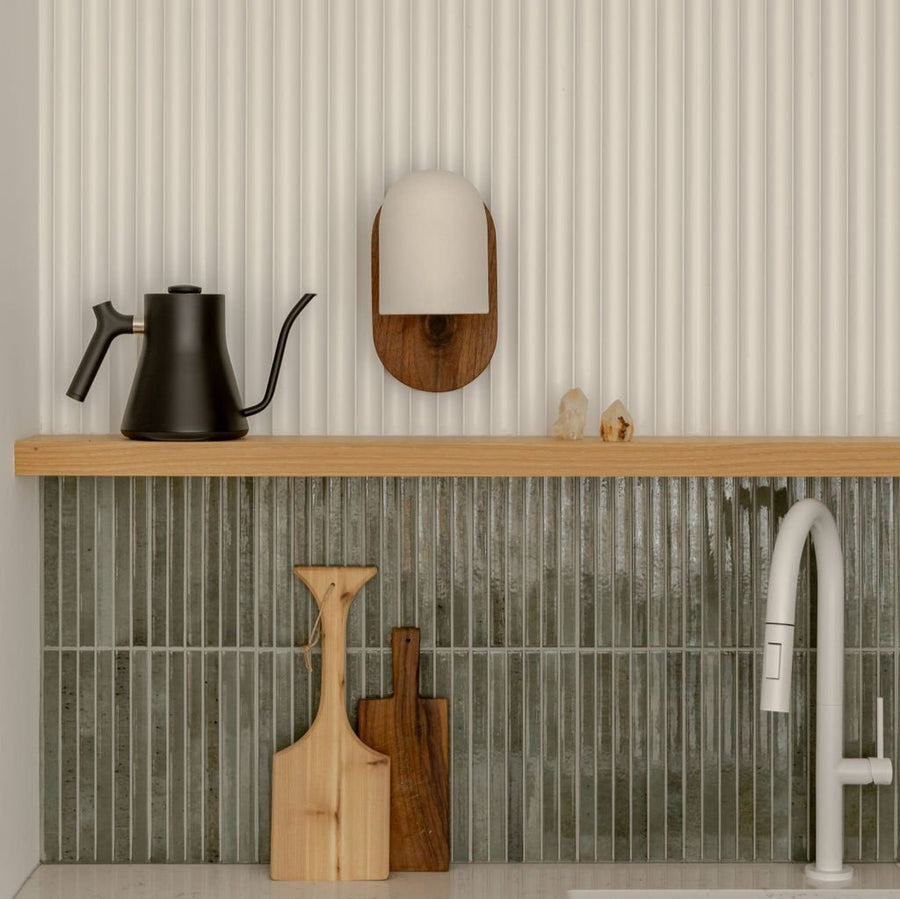
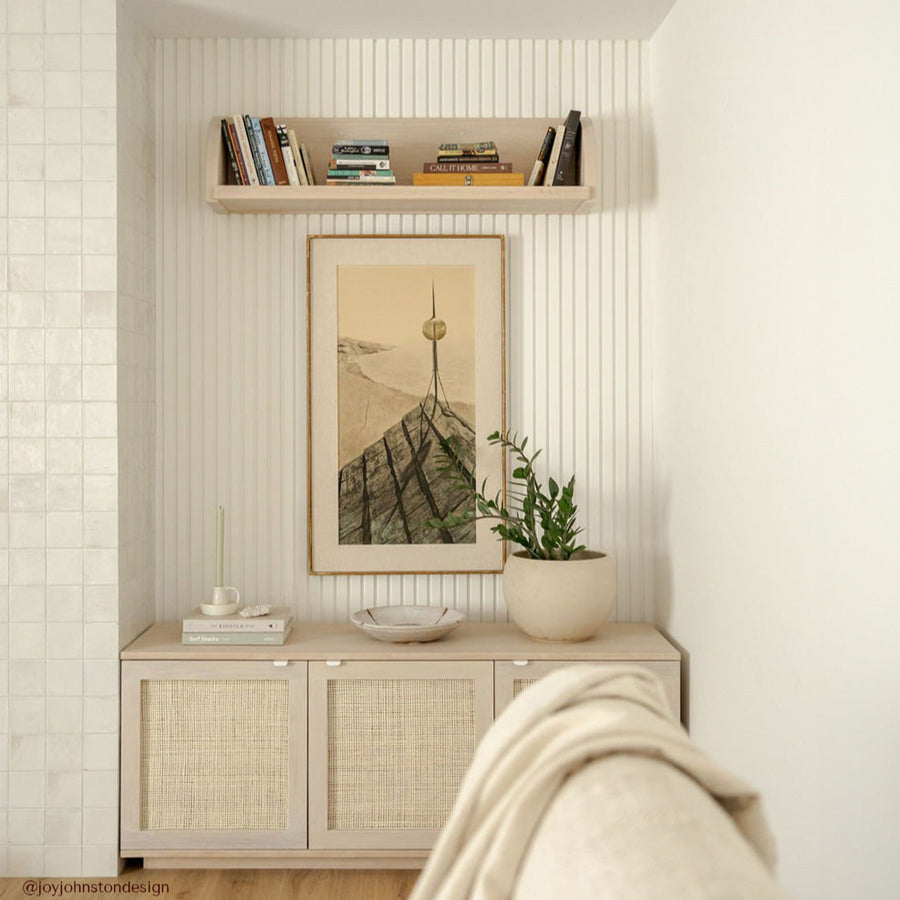
Fluted panels use rounded grooves, so the texture feels smoother and calmer. They work especially well in bedrooms, dining rooms, and smaller spaces where aggressive contrast would feel overwhelming.

These usually come in both pre-finished wood veneer and paintable MDF options. The paintable versions are useful when you want texture without adding another wood tone into the room.
Ribbed Panels Create Stronger Shadow Lines
Ribbed panels usually feel more structured because the grooves create sharper shadow lines once lighting hits the wall.
This style works especially well in modern interiors with cleaner furniture lines and more minimal styling. If the room already has strong architectural details, ribbed panels tend to reinforce that feeling naturally.
V-Groove Panels Keep Things Simpler
V-groove panels usually feel cleaner and less dramatic compared to slat or ribbed systems. They are often used when homeowners want texture that blends more quietly into the background.


Paintable V-groove panels also work well in spaces where matching cabinetry, trim, or wall color matters more than showcasing wood grain.
Step 4: Measure the Wall Before Buying Panels
This sounds obvious... but people skip this constantly.
Full-Height Walls Usually Look More Intentional
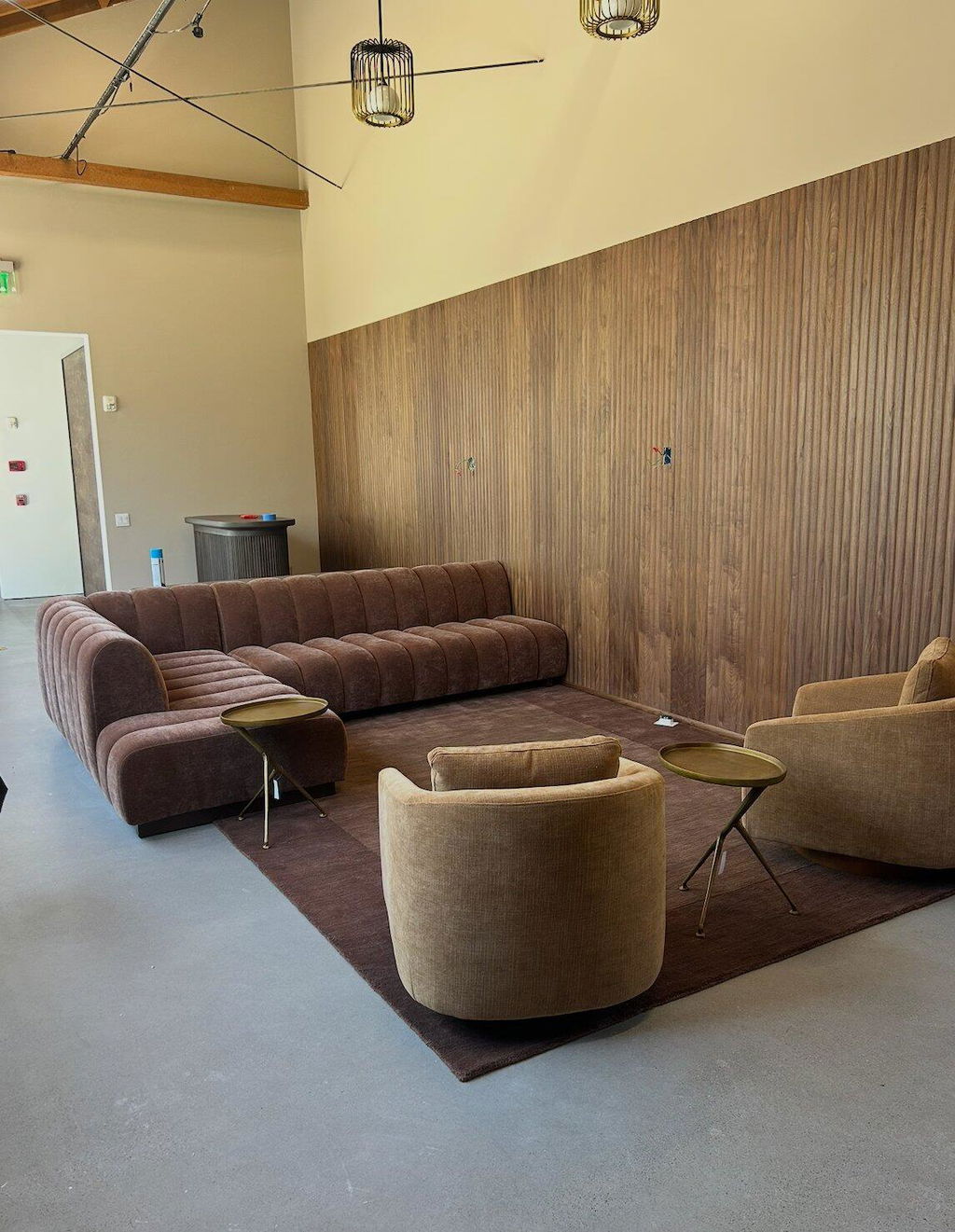
Stopping panels halfway up the wall without a reason can make the design feel incomplete. Full-height installations generally look more polished because the eye reads the wall as one continuous feature.
That’s why taller panel systems often feel more custom even before furniture goes back into the room.
Step 4: Measure the Wall Before Buying Panels
This sounds obvious... but people skip this constantly.
Full-Height Walls Usually Look More Intentional
Stopping panels halfway up the wall without a reason can make the design feel incomplete. Full-height installations generally look more polished because the eye reads the wall as one continuous feature.
That’s why taller panel systems often feel more custom even before furniture goes back into the room.
Plan Around Outlets, Switches, and Furniture
Before ordering panels, map out:
- Outlets
- Light switches
- TVs
- Floating shelves
- Cabinetry
- Furniture placement
Nothing kills momentum faster than realizing your grooves land directly through a switch plate.
Step 5: Think About Lighting Before Installation
Lighting changes wall panels more than most people expect. The same panel can feel soft in one room and dramatic in another depending on where the light hits.
Side Lighting Makes Texture More Visible
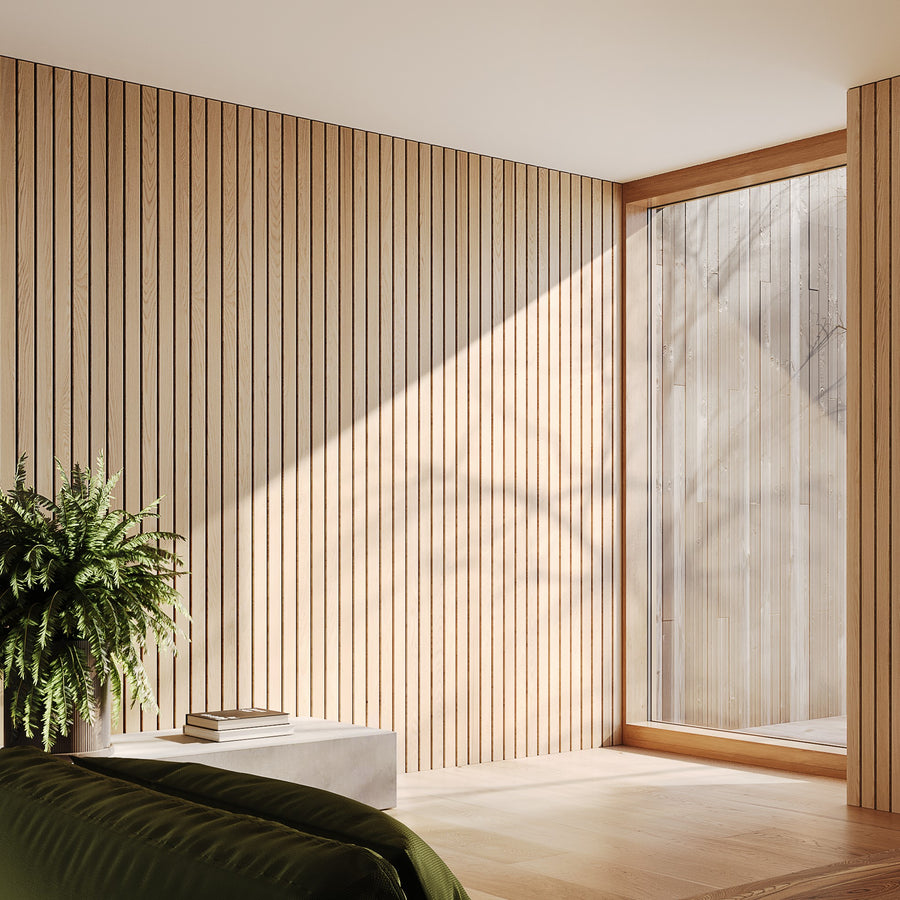
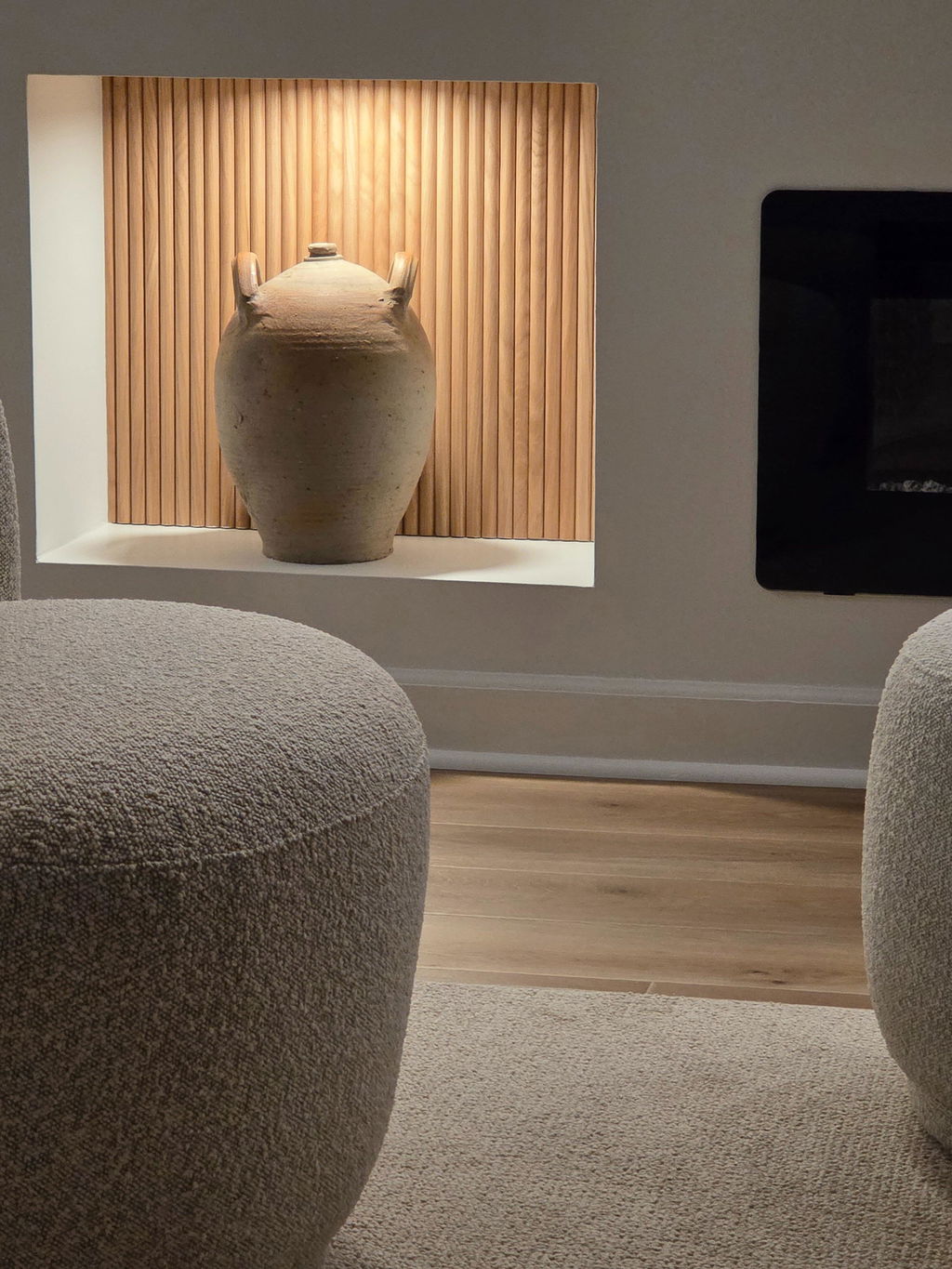
Wood slat panels, ribbed panels, and fluted panels all rely on shadow to create depth. Side lighting usually works best because it highlights grooves and spacing more clearly.
That’s why textured walls often look strongest near windows, sconces, or directional lighting.
Warm Lighting Works Better with Wood Finishes
Warm lighting tends to enhance Walnut, White Oak, and Smoked Oak finishes much more naturally. Cooler lighting can flatten some wood tones and make them feel slightly gray.

This becomes especially noticeable with real wood veneer because the grain changes throughout the day as natural light shifts.
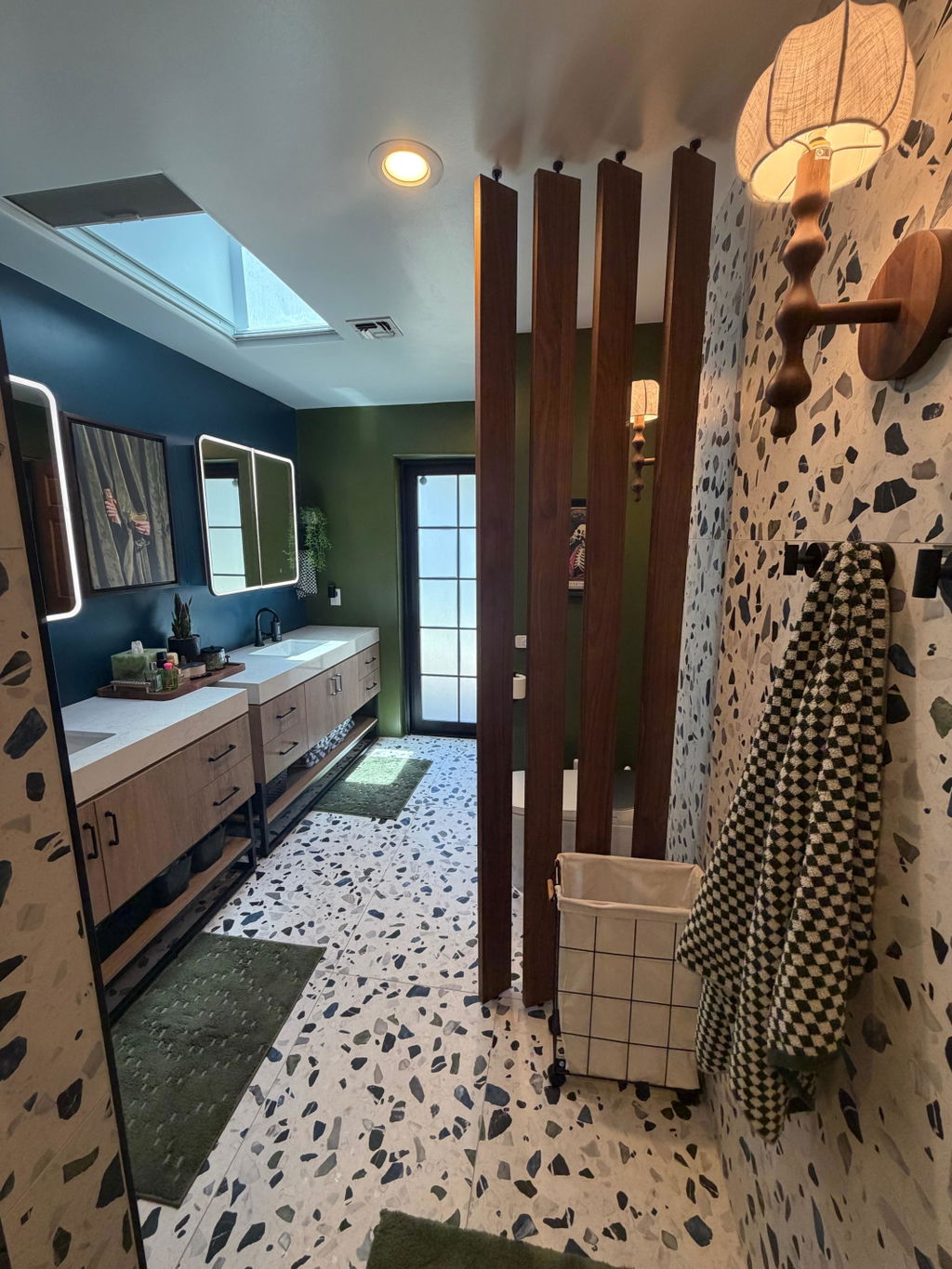
Step 6: Use Room Dividers to Add Structure
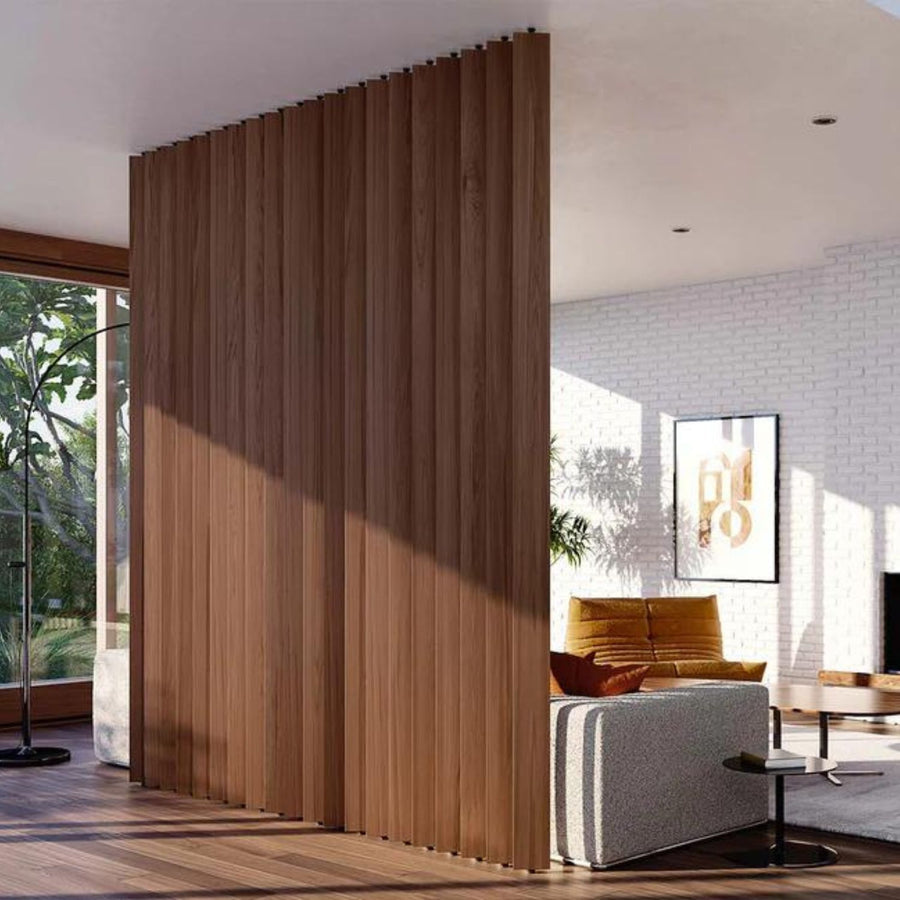
Builder-grade layouts often feel too open or undefined. This is where wood slat room dividers become useful.
Slat Dividers Create Separation Without Closing the Room
Instead of building full walls, vertical slat dividers help separate spaces while still allowing light and visibility through.
Andor Willow’s wood slat room dividers use the same wood veneer finishes as their wall panels, which helps the room feel cohesive without looking repetitive.


This works especially well between:
- Entryways and living rooms
- Dining spaces and kitchens
- Offices and open living areas
It adds structure without making the layout feel boxed in.
Step 7: Keep the Rest of the Room Balanced
Once the panels are installed, the rest of the room still matters. A feature wall should lead the room, not compete with every surface nearby.
Let the Panels Be the Main Texture
If the wall already has strong texture, nearby furniture usually looks better when it stays simpler.
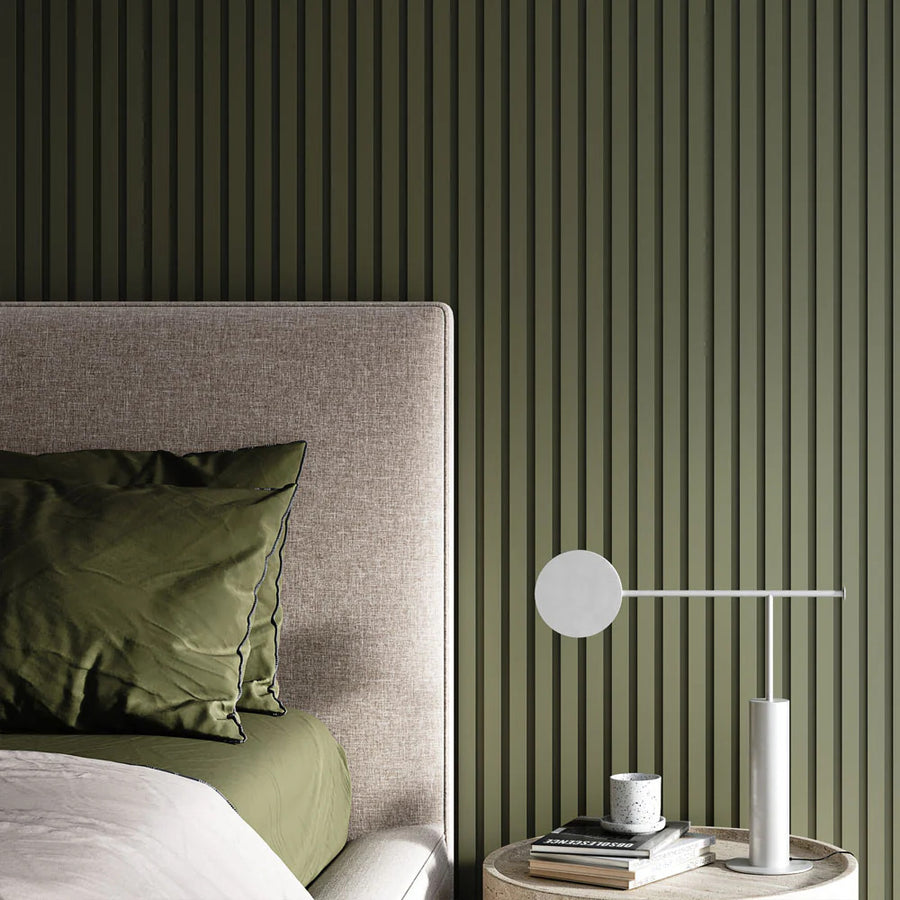
For example, fluted panels paired with soft upholstery and cleaner furniture lines usually feel much more balanced than layering multiple aggressive textures together.
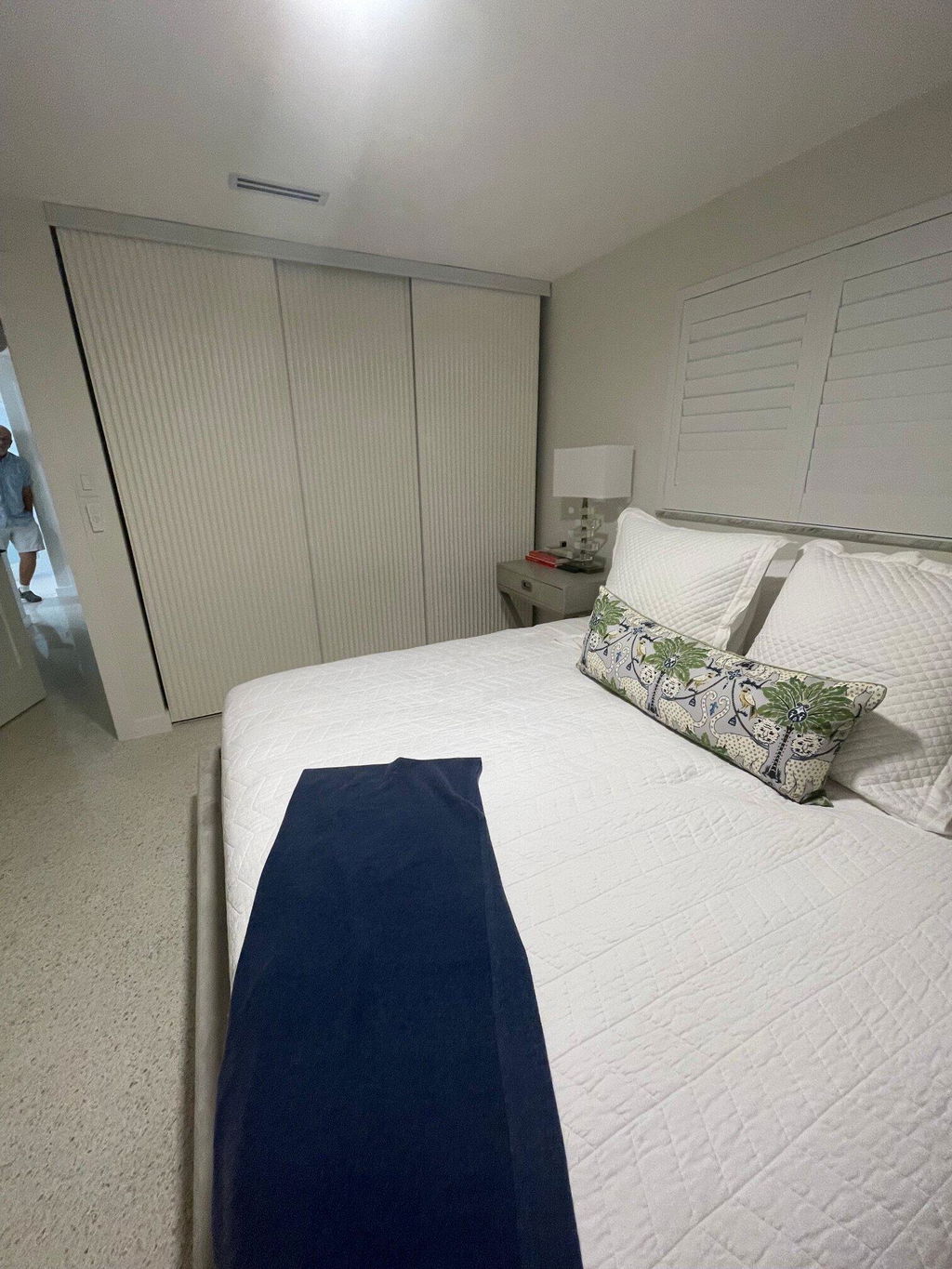
Flooring Should Support the Wall
The floor does not need to match the panel exactly. In fact, exact matching often makes the room feel flat.

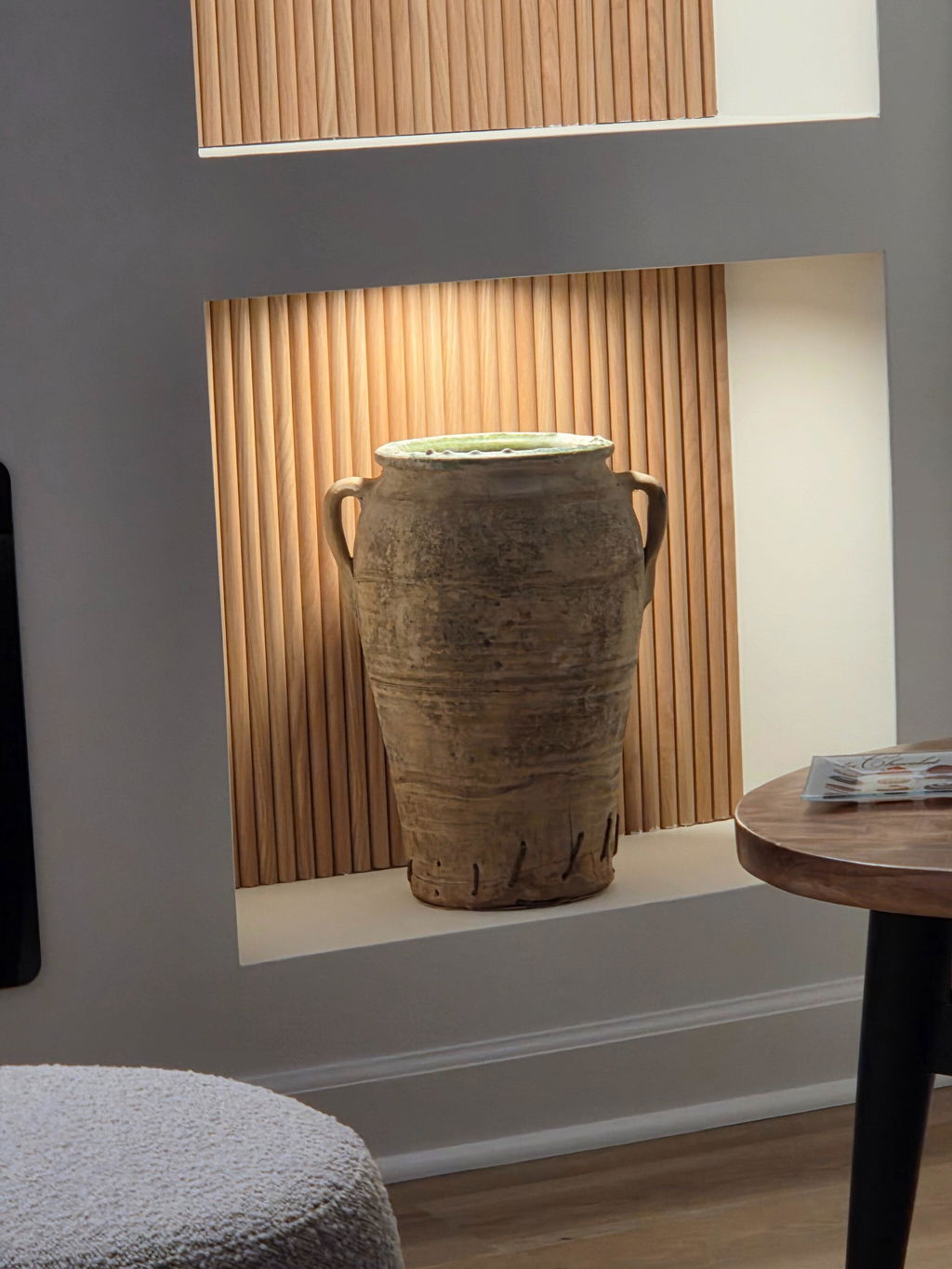
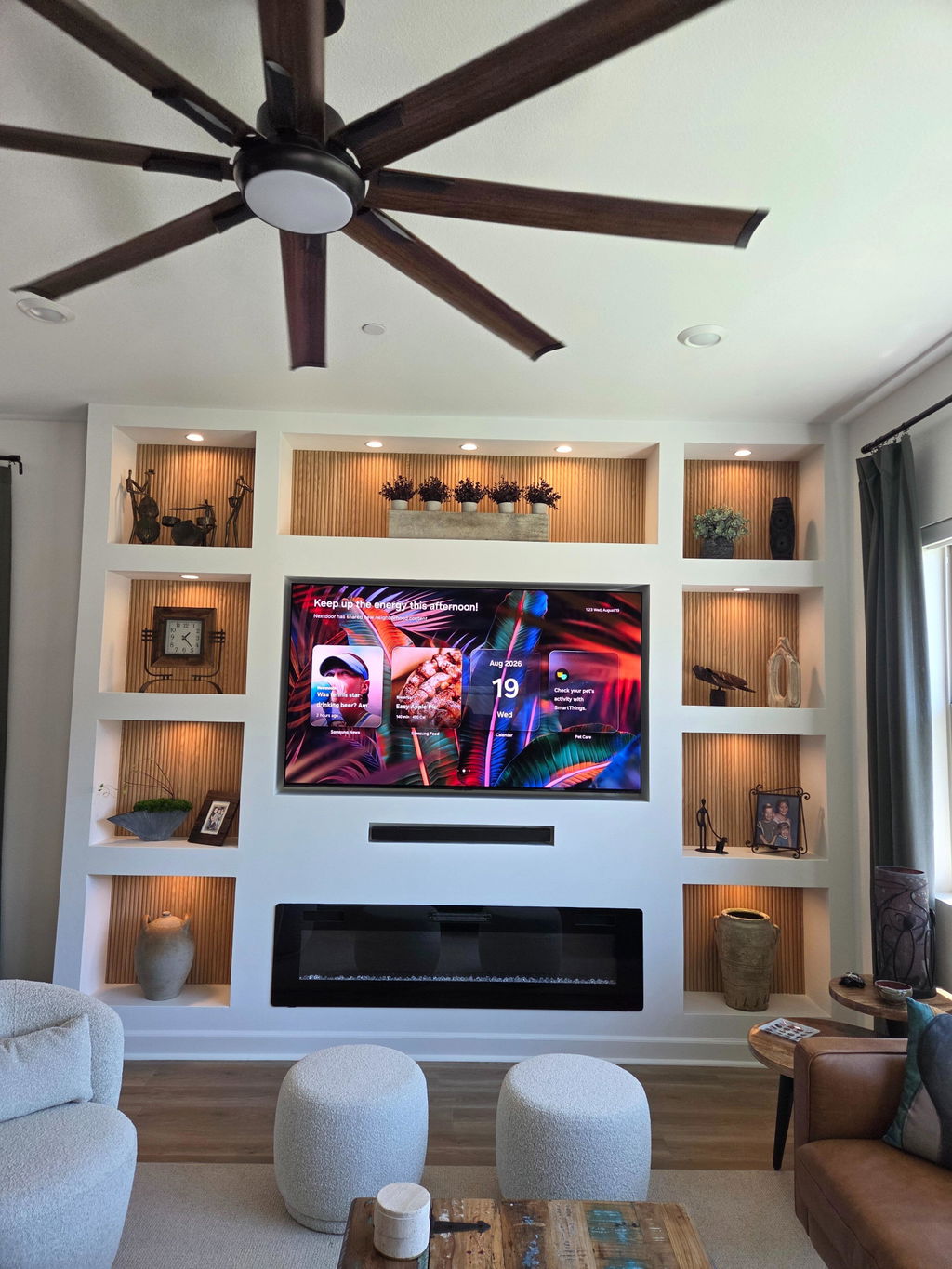
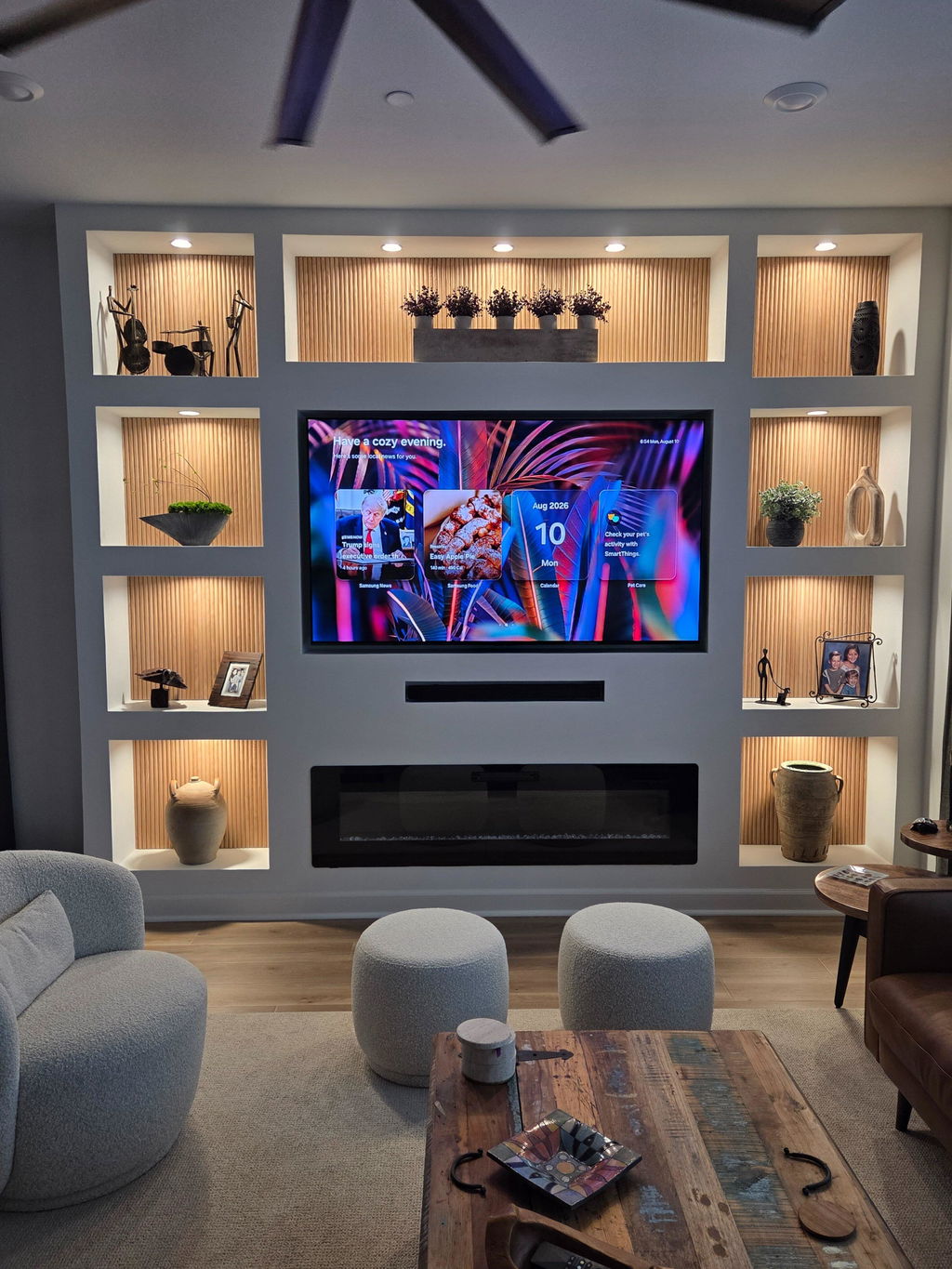
Instead, focus on undertones and contrast. Warm wood panels usually pair better with warmer floors like the image above, while paintable panels help simplify spaces with several wood finishes already present.
Common Mistakes That Keep Walls Looking Builder-Grade
Most failed panel walls come down to planning issues rather than material quality.
Using the Wrong Scale
Small grooves on massive walls can feel weak. Oversized slats in tiny rooms can feel overwhelming. Scale changes everything.
Overusing Texture
Fluted panels, patterned rugs, bold stone, heavy fabrics, and dramatic lighting all competing together can make the room feel chaotic very quickly. The best spaces usually let one feature lead while everything else supports it.
Ignoring Lighting Until the End
People often choose the wall finish first and think about lighting later. Then the grooves either disappear or cast much harsher shadows than expected. Lighting should be part of the plan from the beginning.
FAQs
What wall panels make a room look more custom?
Wood slat panels, fluted panels, and ribbed panels are some of the most effective because they add architectural depth quickly without major construction.
Are paintable panels better for smaller rooms?
They can be. Paintable panels lets you add texture while keeping the room visually lighter and more seamless.
What panel height works best for standard ceilings?
94.5-inch panels usually work best for standard 8-foot ceilings because they create a nearly full-height look without awkward spacing.
Do wood slat panels help with sound?
Yes. Many wood slat wall panels use acoustic felt backing, which helps reduce echo and soften sound in larger rooms.
Are fluted panels still trendy?
Yes, but they work best when used thoughtfully. Fluted panels add softer texture and usually feel less aggressive than sharper ribbed designs.
Final Thoughts
Turning builder-grade walls into something more custom is usually less about renovation and more about adding structure, texture, and proportion in the right places.
That is why designers pay so much attention to panel height, spacing, lighting, and scale when choosing wall paneling ideas. Whether you use wood slat panels, ribbed panels, V-groove panels, or fluted panels, the goal is to make the room feel more intentional without overcomplicating it.
So, before jumping straight into installation, take time to plan the wall properly. That’s usually the difference between a wall that feels custom... and one that still feels unfinished.



Leave a comment