 Skip to content







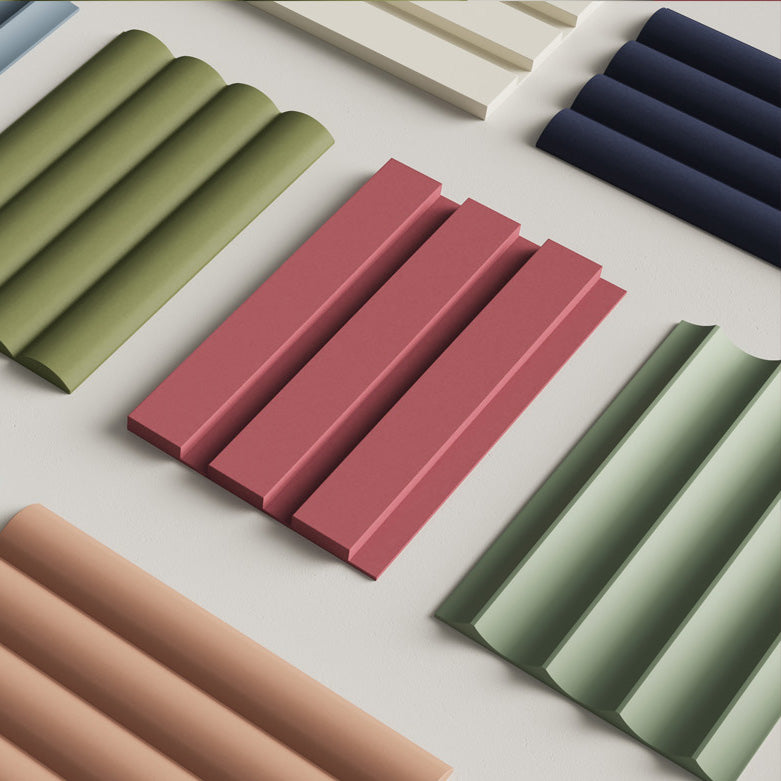
Full Wall Panels vs Half Wall Paneling: Which Feels More Complete?

When you're thinking about adding wall panelling to a room, one decision can make a surprisingly big difference: how much of the wall should you cover?
Full wall panels can create a bold, finished look that changes the character of a space. Half wall panelling adds detail while leaving room above for paint, artwork, mirrors, or other decorative touches.
From the warmth of wood slat panels to the texture of fluted panels and the flexibility of paintable panels, there are plenty of ways to make your walls stand out.
So, which option feels more complete? Let's take a closer look at what works best for different spaces!
Key Takeaways
- Full wall panelling creates a strong visual statement and can give a room a more finished appearance.
- Half wall panelling adds architectural detail while keeping the upper portion of the wall open.
- Wood slat panels and fluted panels can create distinctive textures and focal points.
- Paintable panels give you more freedom to customise the colour and overall look.
- Room size, ceiling height, lighting, and furniture placement can all influence the best panelling approach.
Full Wall Panelling With Wood Slat Panels
Imagine walking into a room where the entire wall has been transformed with texture and detail.
That's the appeal of full wall panelling.


Covering the entire surface creates a consistent visual backdrop that can make furniture and decorative pieces feel more intentional. It also gives you a great opportunity to make one wall the star of the room.
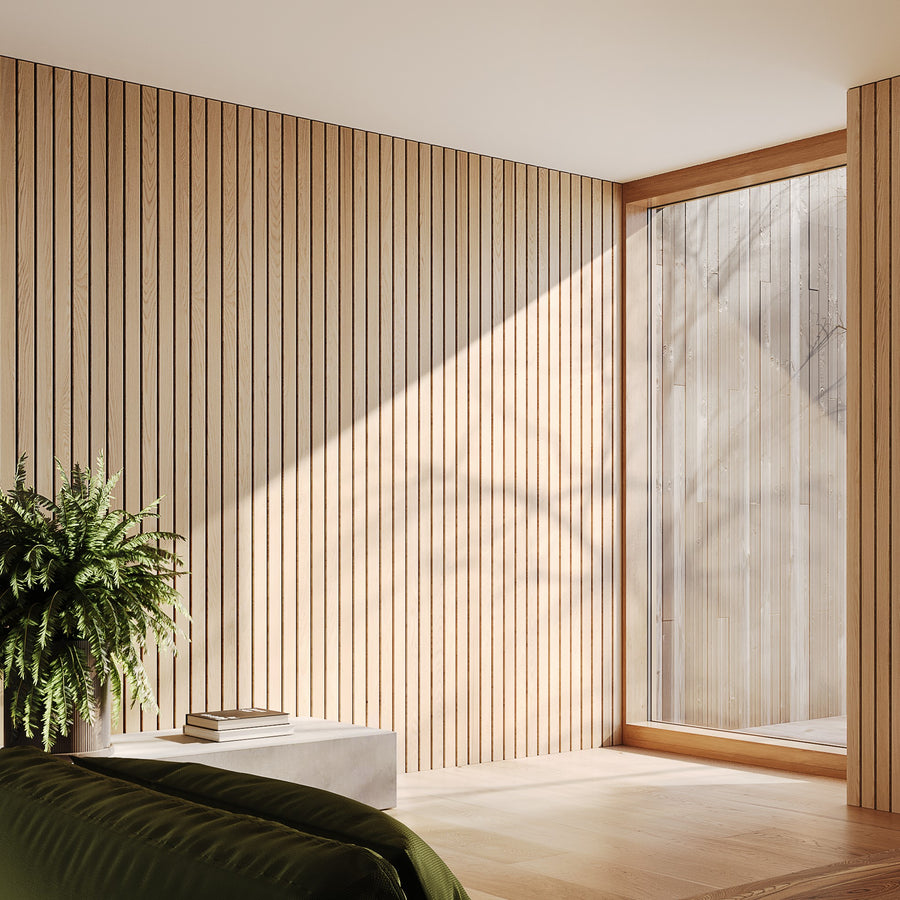
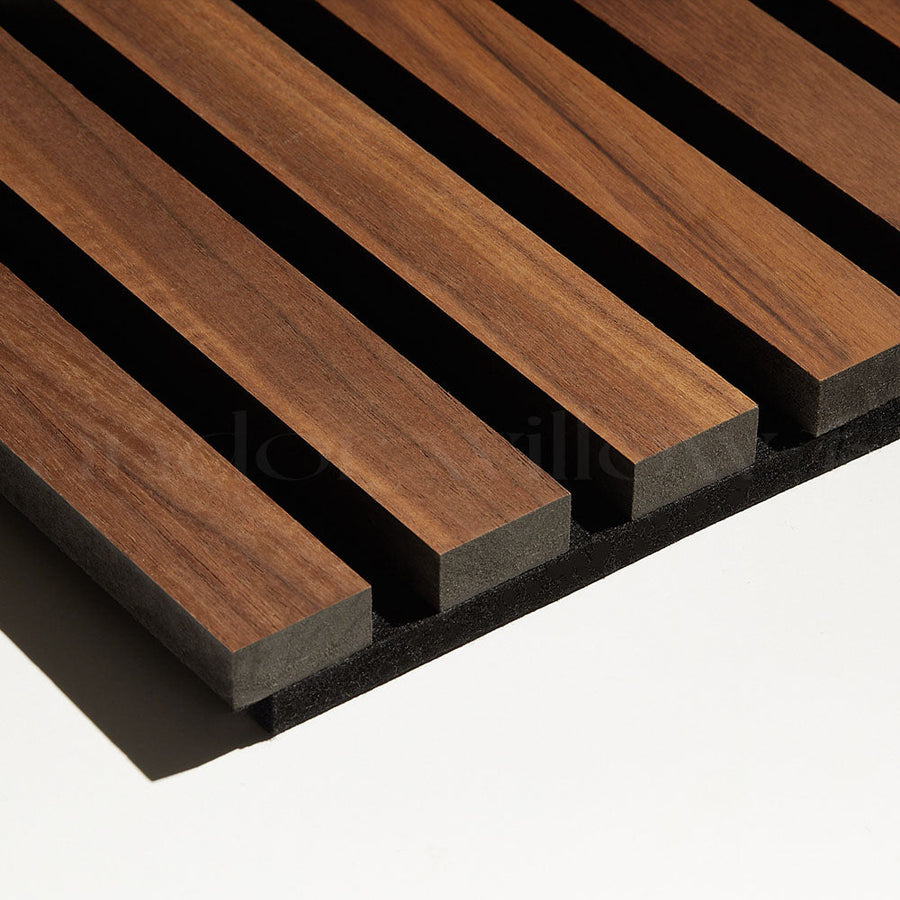
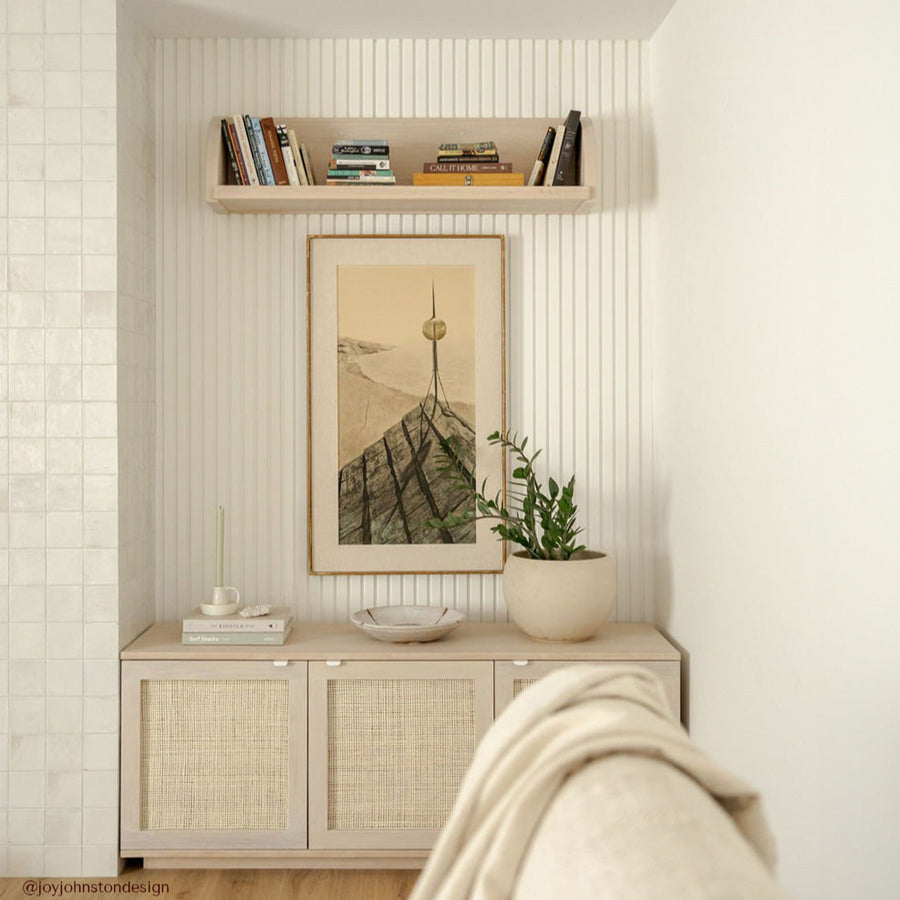
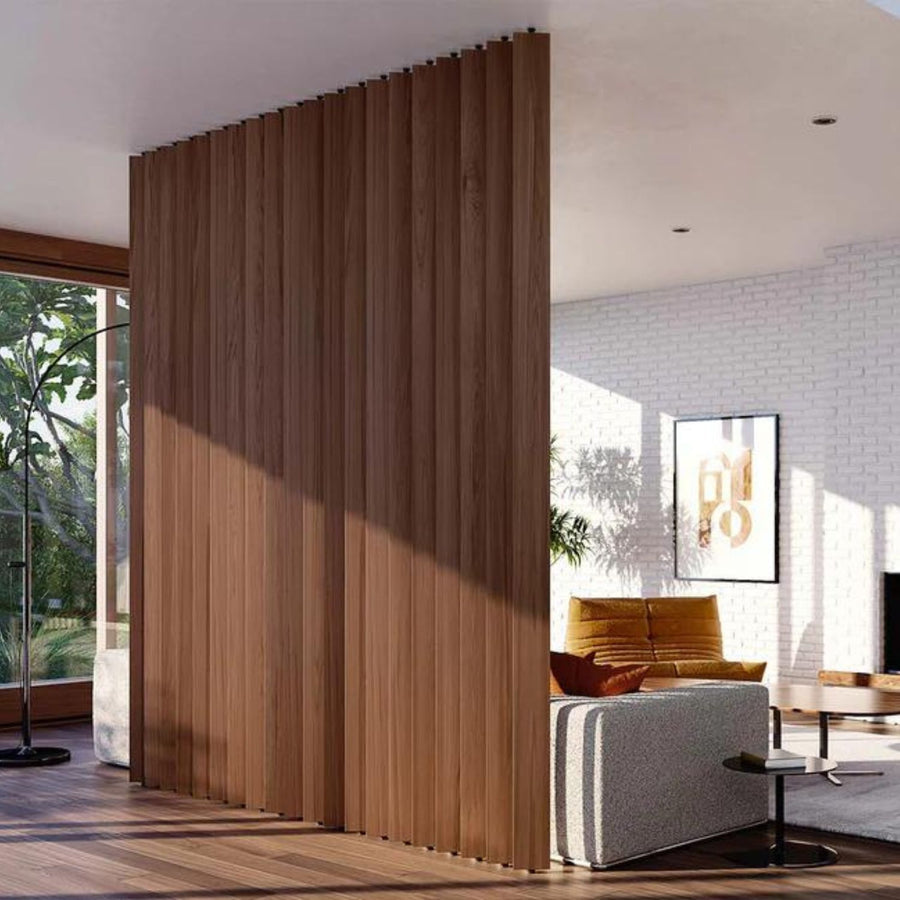
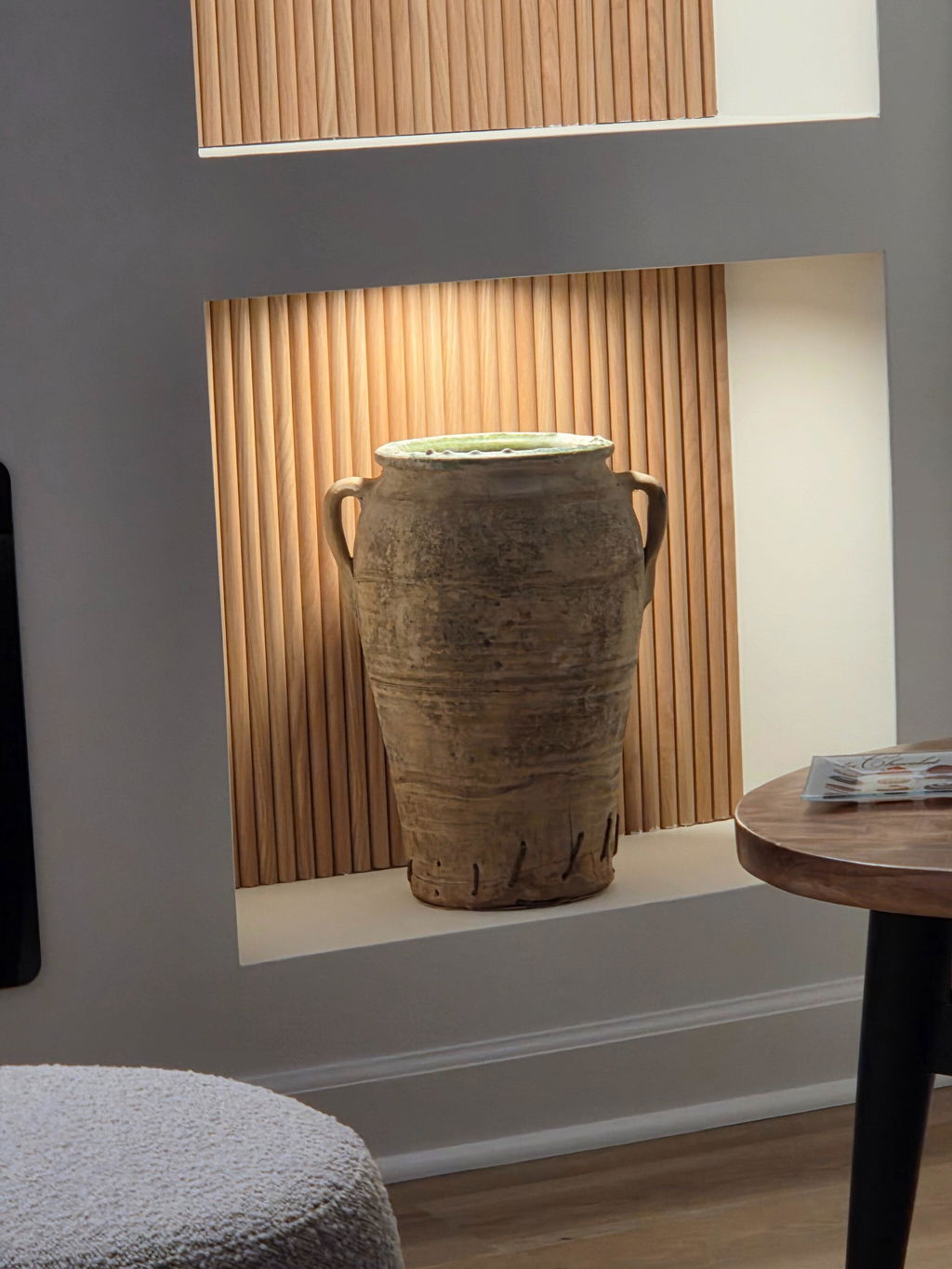
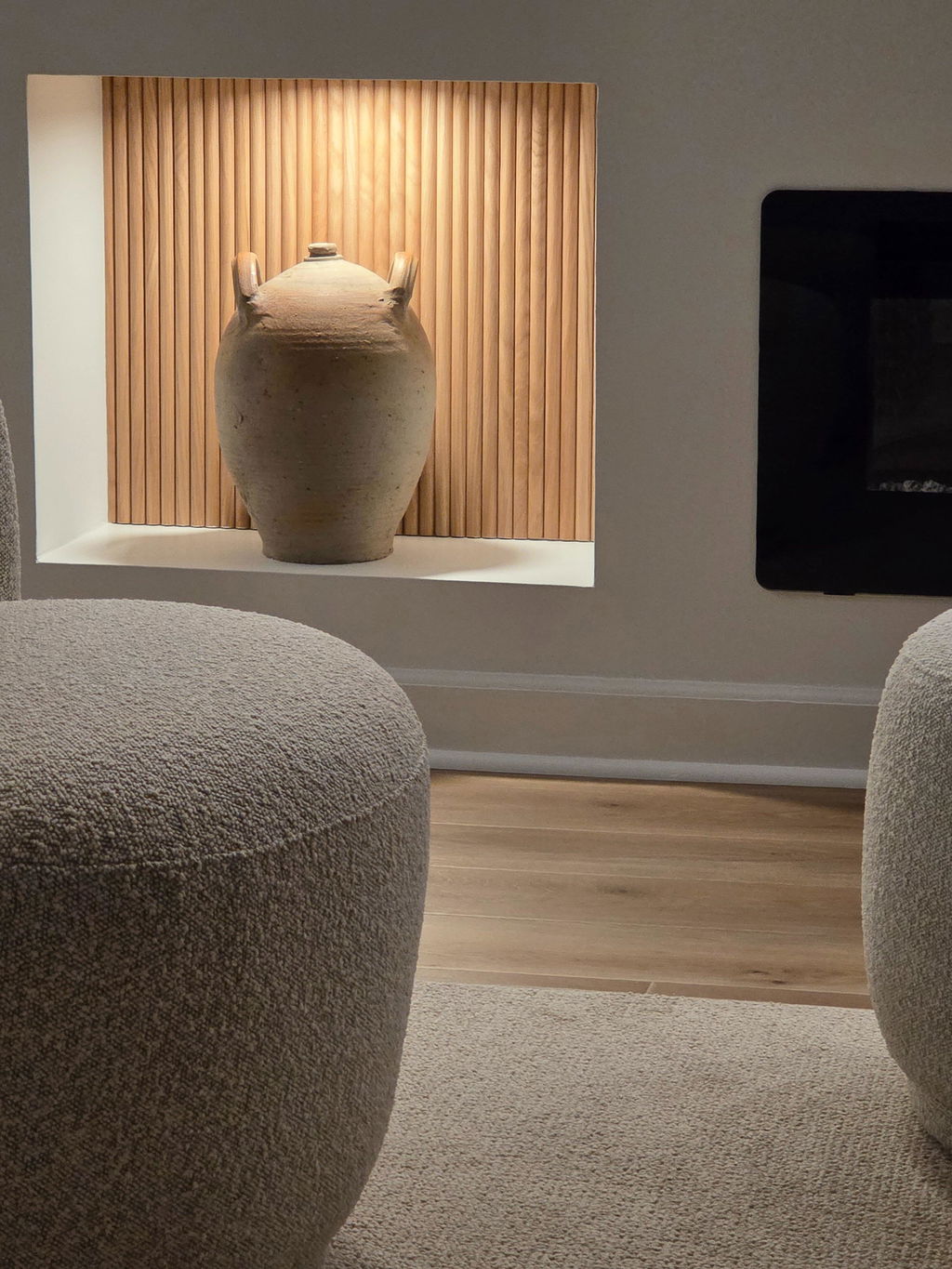
Wood slat panels are particularly effective for this approach. Their vertical timber-look strips introduce warmth, rhythm, and texture, making them a natural fit for living rooms, bedrooms, home offices, and entertainment areas.
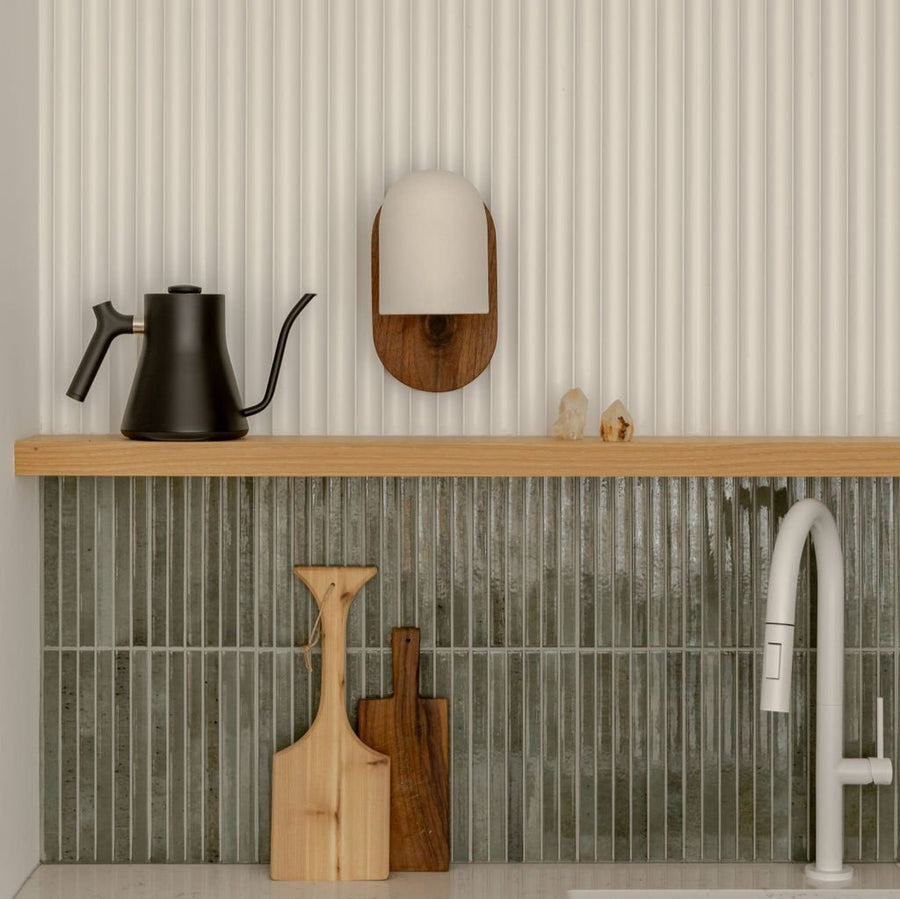
Fluted panels can create a more pronounced textured effect. Their evenly spaced grooves catch the light throughout the day, giving the wall subtle depth and movement.
Full panelling can also be useful when you have a large blank wall that feels a little lost. The wall itself becomes the feature, giving the room a stronger visual anchor.
Half Wall Panelling Keeps Your Space Visually Balanced
Half wall panelling brings a different kind of character into a room.
Check this out...


The lower portion of the wall receives the decorative treatment while the upper section remains available for paint, wallpaper, artwork, mirrors, or other details.
This approach works beautifully in spaces where you want architectural interest with plenty of flexibility.
Dining rooms are a classic example...
A panelled lower wall can add definition around the table while artwork or a statement mirror brings attention to the upper section.
Hallways and entryways can benefit from this style too. A V-groove panel along the lower portion can make a plain corridor feel much more thoughtfully designed.
And yes, it can also be a practical choice in busy areas where walls tend to take a little more punishment. We've all seen what a hallway can look like after a few years of daily life!
Wood Slat Panels Make a Room Feel Bigger
This is where things get interesting.
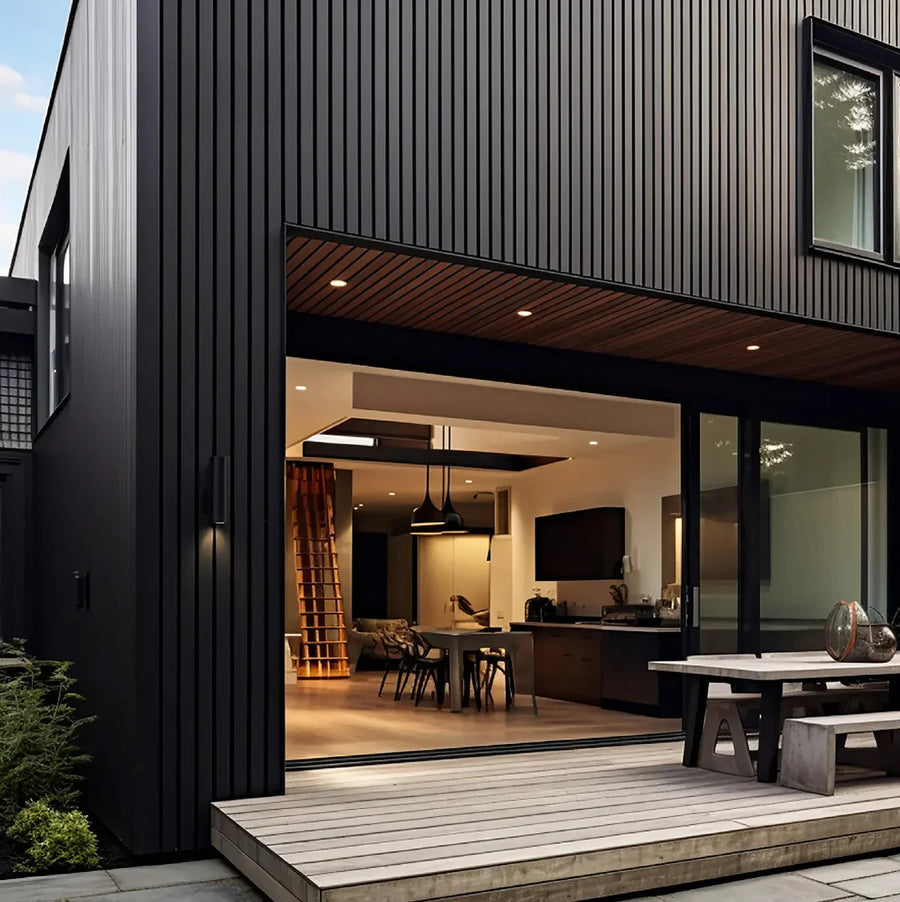
Vertical lines naturally draw the eye upward, so wood slat panels can help emphasize the height of a room. The repeated lines create a sense of movement across the wall while keeping the overall design organised.
Full-height wood slat panels can work particularly well in rooms with taller ceilings. They give the entire wall a sense of continuity and make good use of the available vertical space.
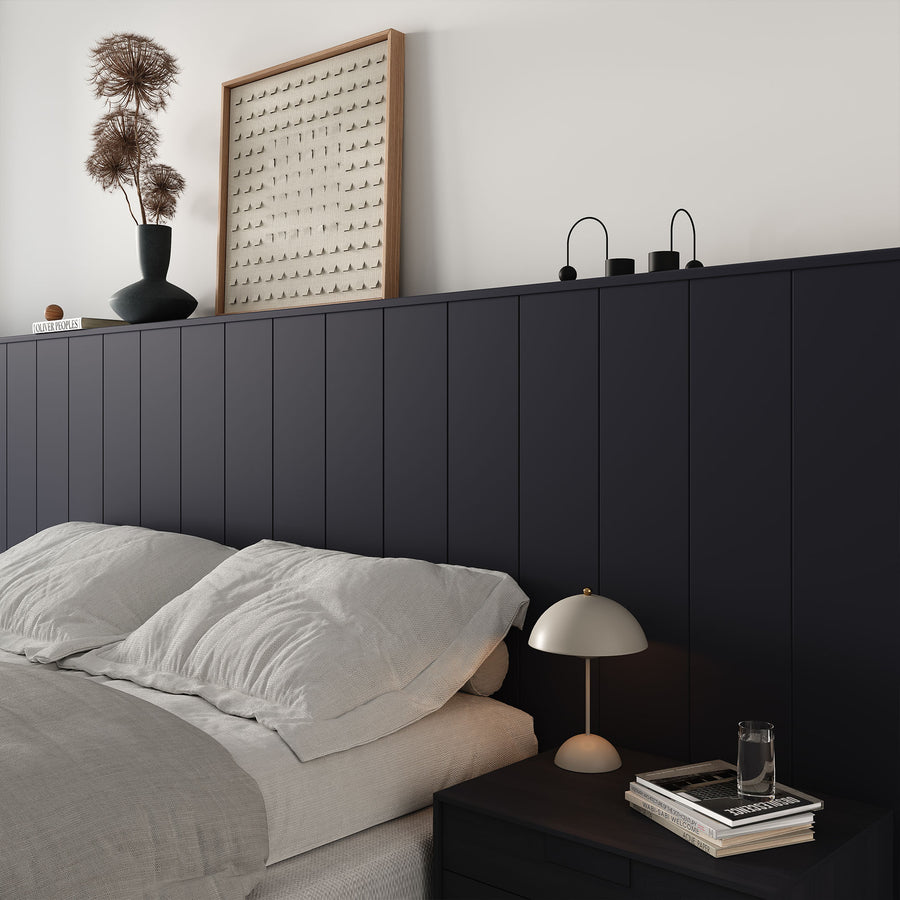
Half wall panelling creates a different visual effect because the horizontal stopping point becomes part of the design.
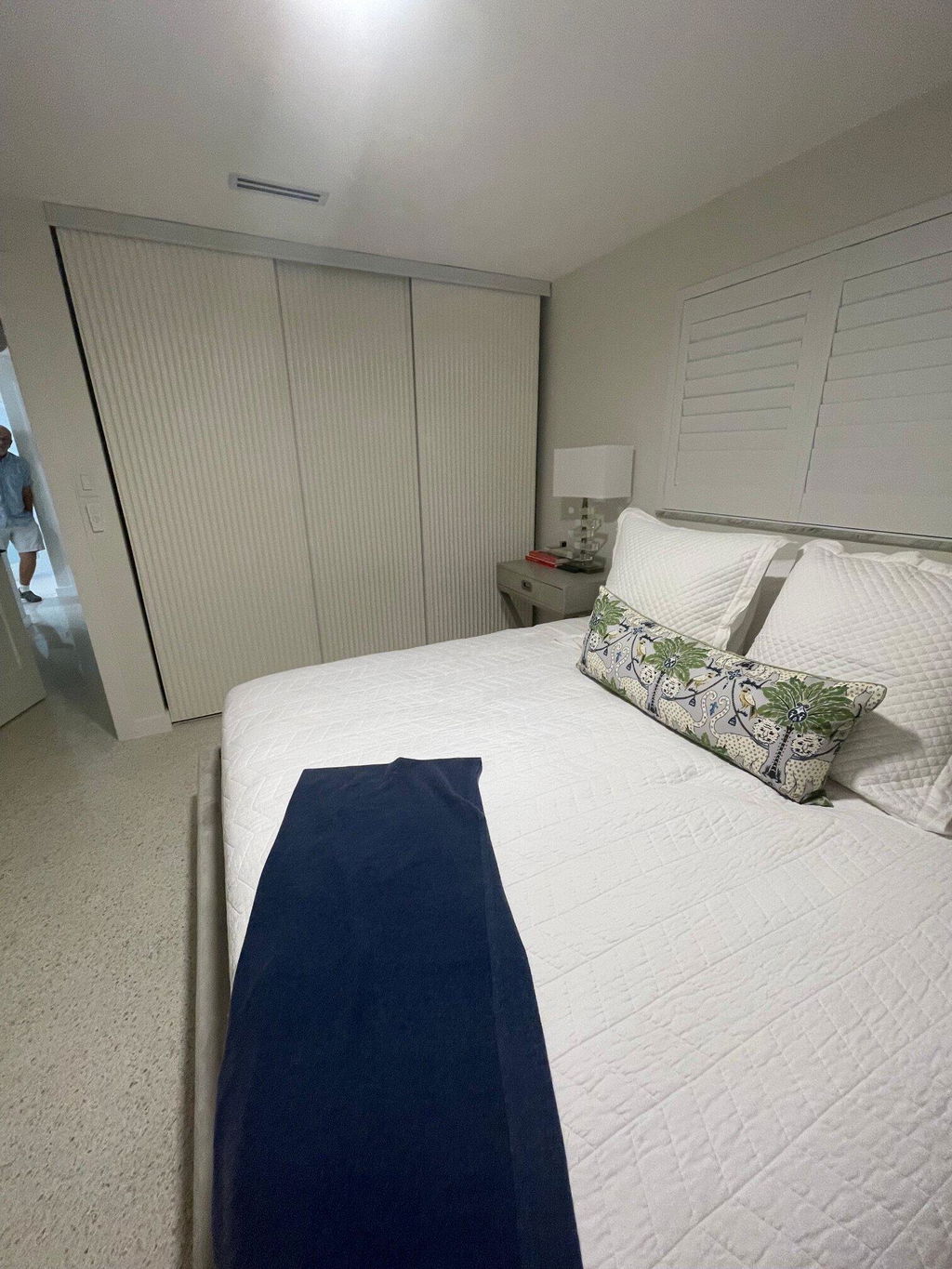
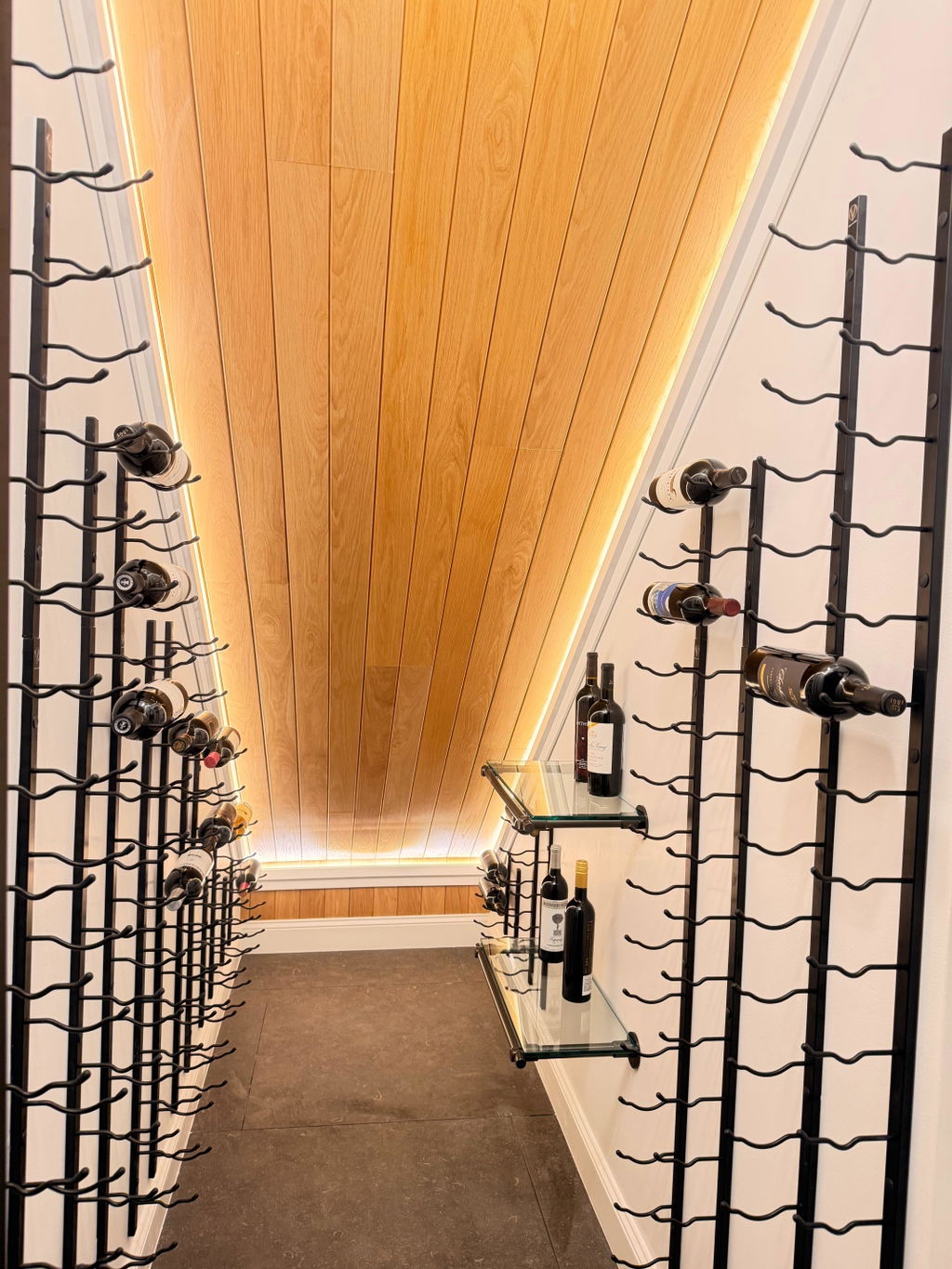
If you're working with a room that has lower ceilings, such as this one:

... it's best to consider the height of the panelling carefully. The right proportions can help the room maintain a comfortable sense of balance.
Full Wall Fluted Panels Make an Impressive Feature Wall
Some walls are simply asking for attention.
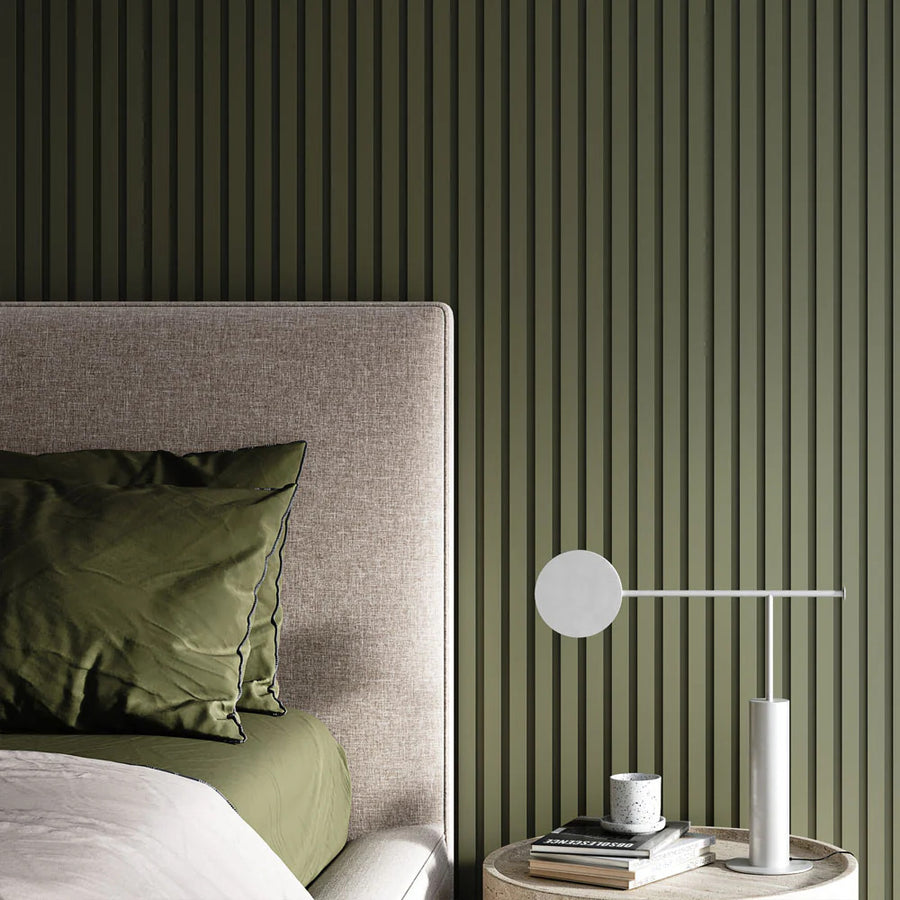
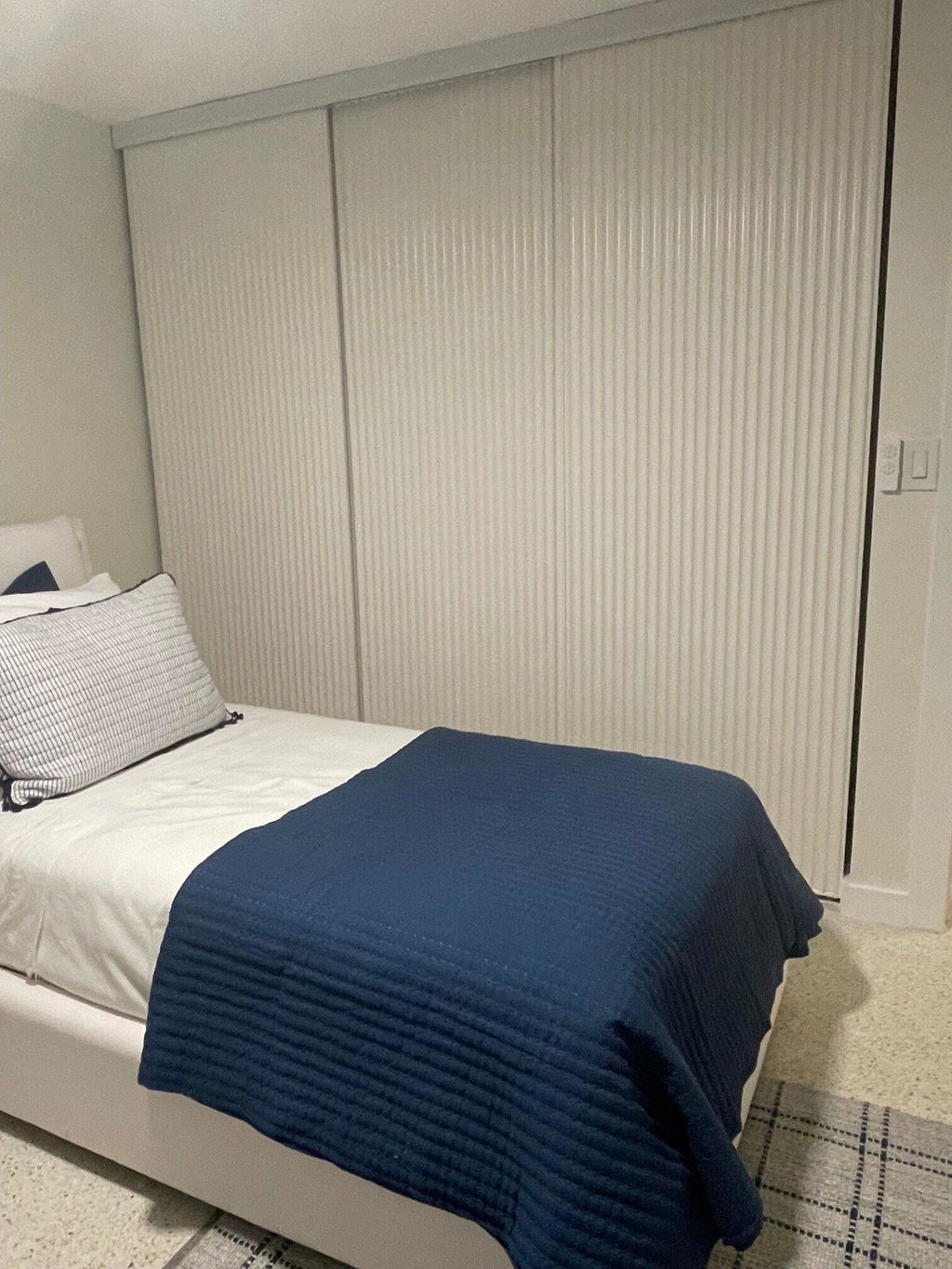
A large wall behind a bed, for example, can become the foundation of the entire bedroom design when it's fully covered with fluted panels. Add bedside tables, warm lighting, and soft bedding, and you've got a focal point that feels deliberate from floor to ceiling.
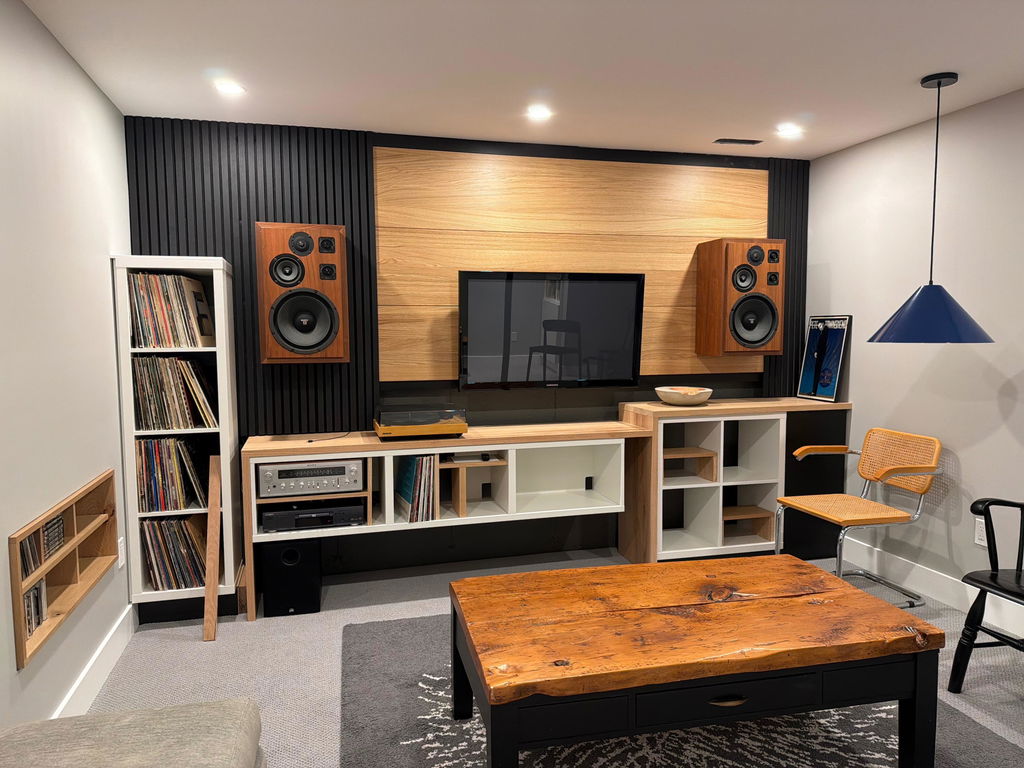
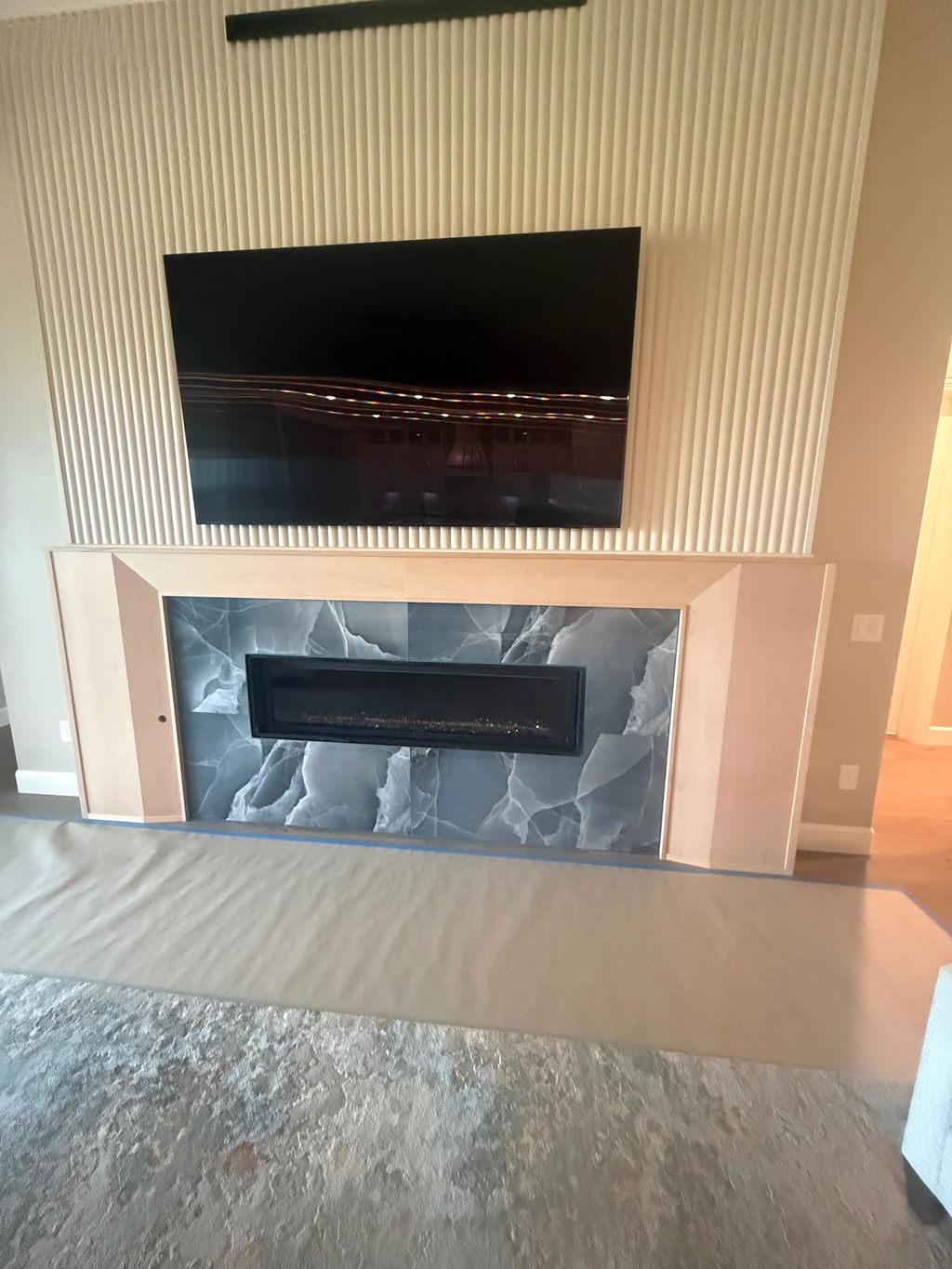
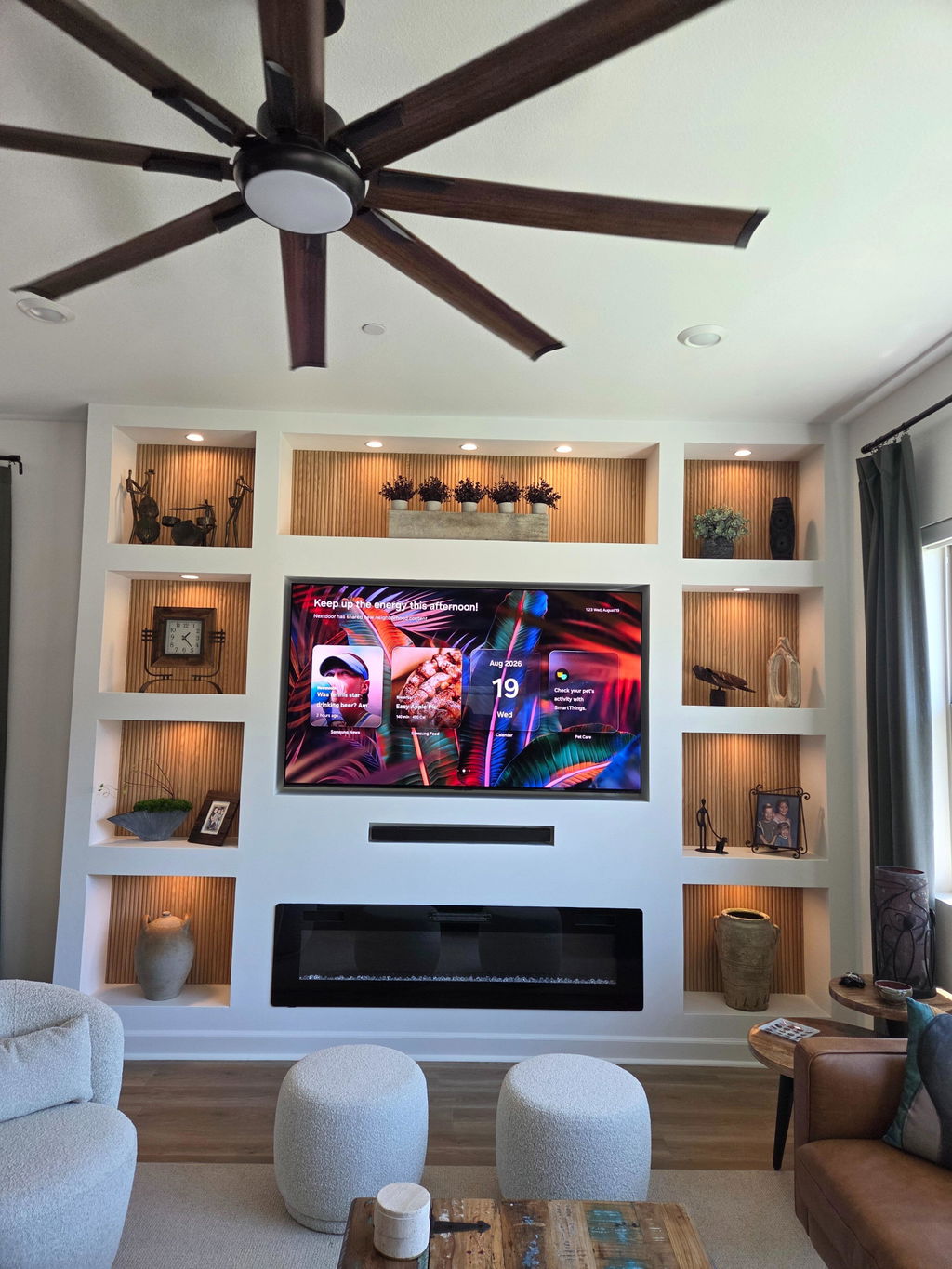
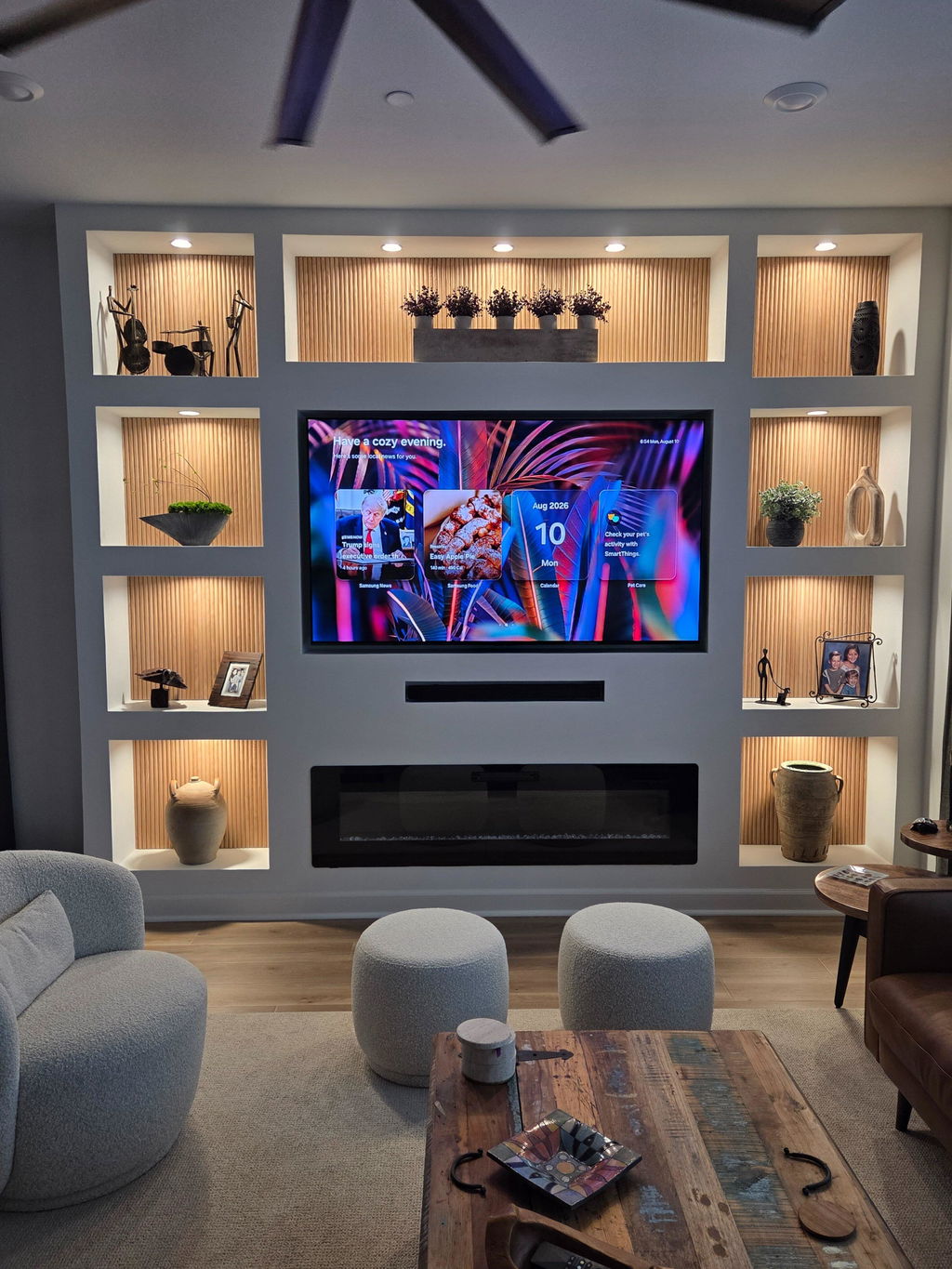
The same idea works behind a television, fireplace, or sofa.
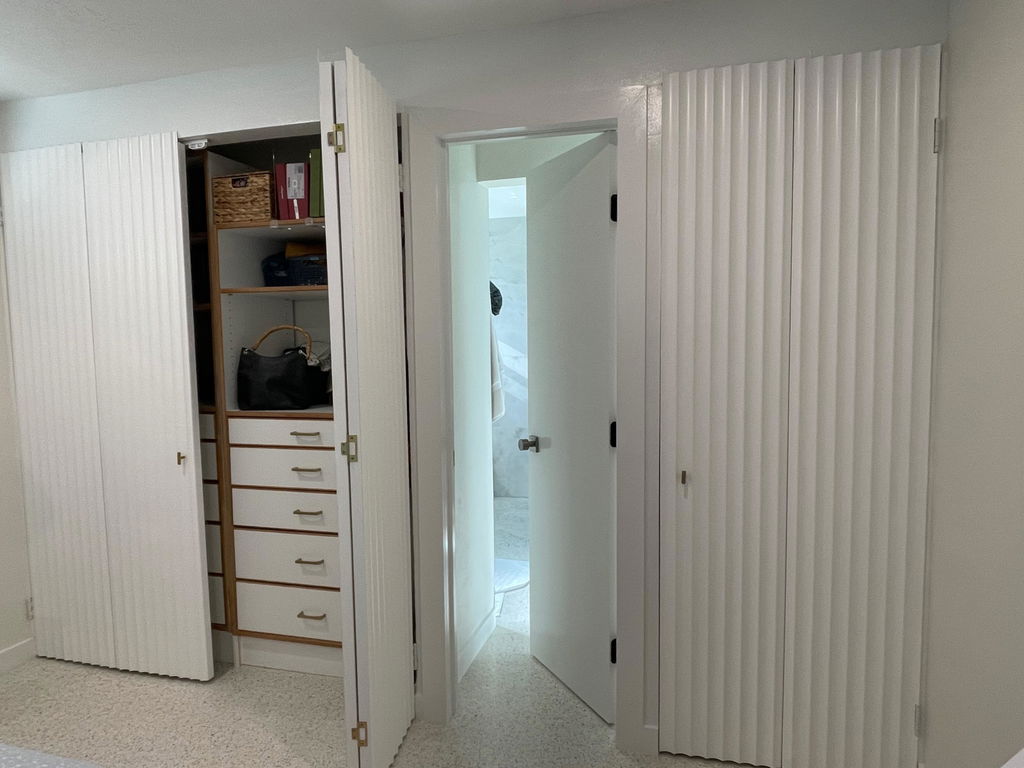
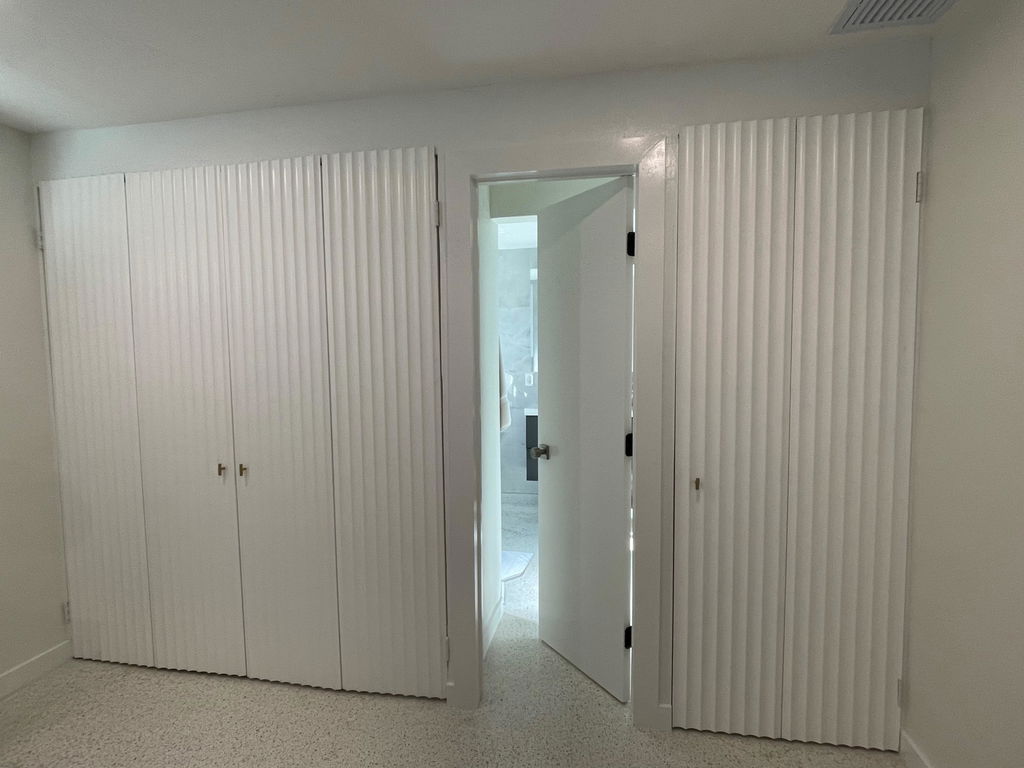
Fluted panels create a repeating pattern that adds that much needed touch of elegance...


The grooves also interact beautifully with lighting, creating shadows that change depending on the time of day.
For homeowners who enjoy a strong textured feature, this can be a particularly satisfying option.
Paintable Panels Give You More Freedom to Customize
Color can completely change the personality of a wall.
That's one of the biggest advantages of paintable panels. You can choose a colour that works with the rest of your interior and create a finish that feels completely your own.
Want a soft neutral for a bedroom? Easy.
Thinking about a rich green for your dining room? Go for it!
You can also use paint to create contrast between the panelled section and the rest of the wall.
For half wall panelling, try pairing a painted panel with a complementary colour above it.

For full wall panelling, a single bold shade can turn the entire surface into a dramatic feature.
Paintable panels are particularly useful when you like changing your décor over time. A new coat of paint can give the same wall a completely different personality.
Wood Slat Panels in Bedrooms and Living Rooms
These are two spaces where full and half wall panelling can both work exceptionally well.
In a bedroom, full wall panelling behind the bed can create a cosy backdrop and give the room a more luxurious feel. Wood slat panels are especially well suited to bedrooms where warmth and texture are important.
In a living room, your choice may depend on what else is happening around the walls.
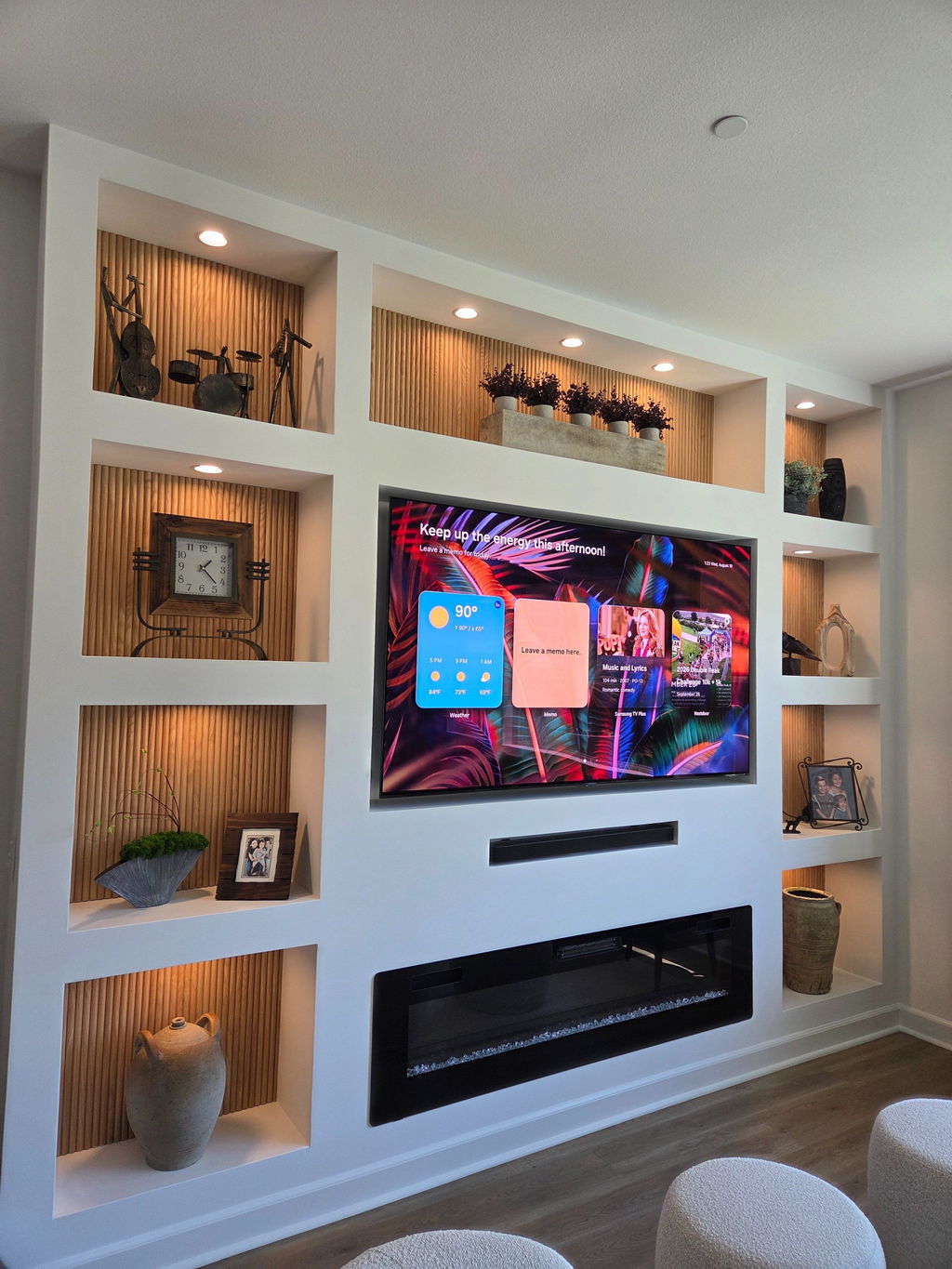
Here is a good example:

Have a large television, fireplace, or artwork that already serves as a focal point? Half wall panelling can give you additional texture while allowing those elements to remain prominent.
Have a large empty wall that needs some personality? Full panelling could be exactly what the room needs.
How High Should Half Wall Panelling Be?
The height of your panelling can change the entire feel of the design.
Half wall panelling doesn't necessarily mean stopping at exactly halfway. Depending on the room, the panels can cover a lower portion of the wall or extend higher for a more dramatic effect.
A good starting point is to consider the furniture around it.
Where does the back of the sofa sit? How high is the dining table? Where will artwork or mirrors be positioned?
These details can help you choose a height that feels intentional.
You also want the panel lines to work with the proportions of the room. A little planning here can save you from creating a wall that looks like it was measured with your eyes closed.
Mix Wood Slat Panels, Fluted Panels, and Paintable Panels
Who says you have to use the same panel style throughout your entire home?
Different rooms can have different personalities.
You might use wood slat panels in a living room to introduce warmth, fluted panels in a bedroom for stronger texture, and paintable panels in a hallway where you want the freedom to customise the colour.
You can also combine panels with other finishes within the same room.
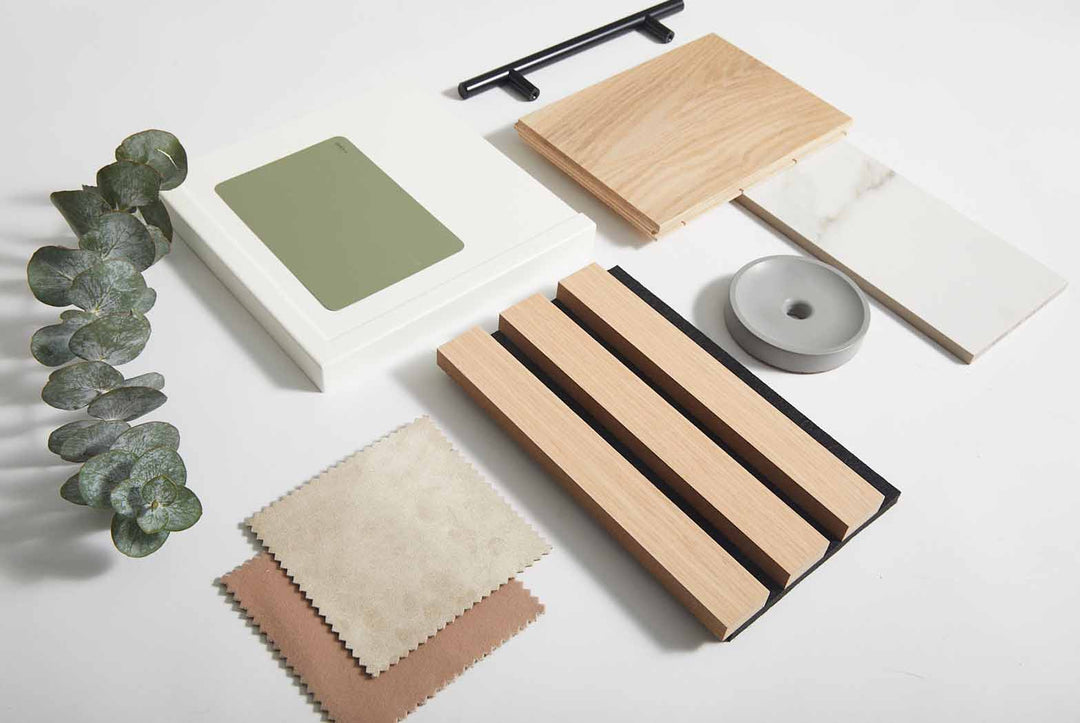
A smooth painted wall above half-height panelling can create an elegant contrast in texture. Timber-look panels can sit alongside stone, fabric, metal, or natural finishes.
The key is choosing materials that share some visual connection, such as colour, tone, or texture.
Full Wall Panels Vs Half Wall Panelling: Which Should You Choose?
There's no single answer that works for every room.
Full wall panels are a strong choice when you want a wall to become a major feature. They're particularly effective on large blank surfaces, behind beds and sofas, or anywhere you want a consistent backdrop.

Half wall panelling works well when you want to introduce architectural detail while keeping the upper wall available for artwork, mirrors, colour, or other decorative ideas.
Think about the room first.
Look at its size, ceiling height, natural light, furniture, and existing features. Then think about the feeling you want to create.
If you want warmth and texture, wood slat panels are worth considering. For pronounced vertical texture, fluted panels can make a beautiful statement. If custom colour is important to you, paintable panels give you plenty of room to experiment.
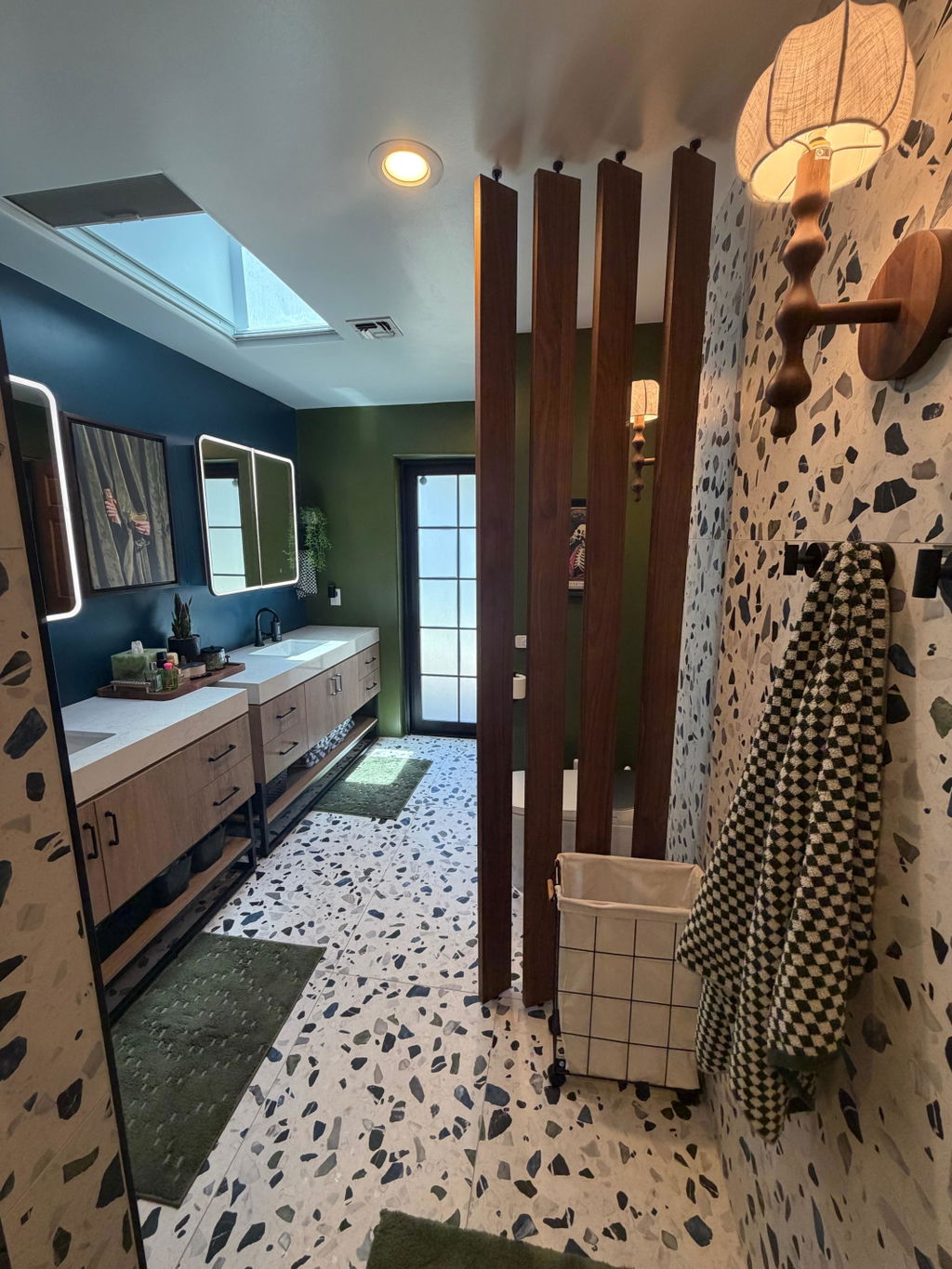
And if the space needs some visual separation, a wood slat room divider can help define areas while keeping the overall design connected.
Conclusion
Full wall panels and half wall panelling can both give a room extra character and help transform a plain surface into something worth noticing. The right choice comes down to your space, existing décor, and the atmosphere you want to create.
Full panelling can turn a large blank wall into a memorable feature, while half wall panelling can add structure and leave room for artwork, mirrors, and colour above.
From the warmth of wood slat panels to the texture of fluted panels and the flexibility of paintable panels, there are plenty of ways to give your walls a fresh personality.
Take your time, consider the proportions of the room, and choose the style that feels right for your home. Your walls have been waiting for their glow-up!
Frequently Asked Questions
Are full wall panels better than half wall panelling?
It depends on your room and preferred look. Full panels create a stronger feature, while half wall panelling leaves space for artwork, mirrors, or colour.
Do wood slat panels make a room look smaller?
Not necessarily. Their vertical lines can draw the eye upward and emphasise ceiling height. Colour, lighting, and room proportions also affect the result.
Are fluted panels suitable for full walls?
Yes. Fluted panels work well on full feature walls, adding texture, depth, and subtle shadows that change with the lighting.
Can paintable panels be used for half wall panelling?
Absolutely. Paintable panels let you customise the colour and can be repainted when you want to refresh the room.
How do I choose between wood slat panels and fluted panels?
Consider the look you want. Wood slat panels bring warmth and rhythm, while fluted panels offer deeper grooves and stronger texture.



Leave a comment