 Skip to content







How Midcentury Design Is Influencing Today’s Open-Concept Homes

Open-concept homes are popular for a reason.
They feel bright, flexible, and easy to adapt.
Still, many homeowners eventually hit the same wall, sometimes literally. The space looks open, but it feels vague. The living room drifts into the dining area, the dining area leaks into the kitchen, and suddenly everything feels like one long room with no clear purpose.
You know how this goes...
Midcentury design figured this out decades ago.
Midcentury Zoning
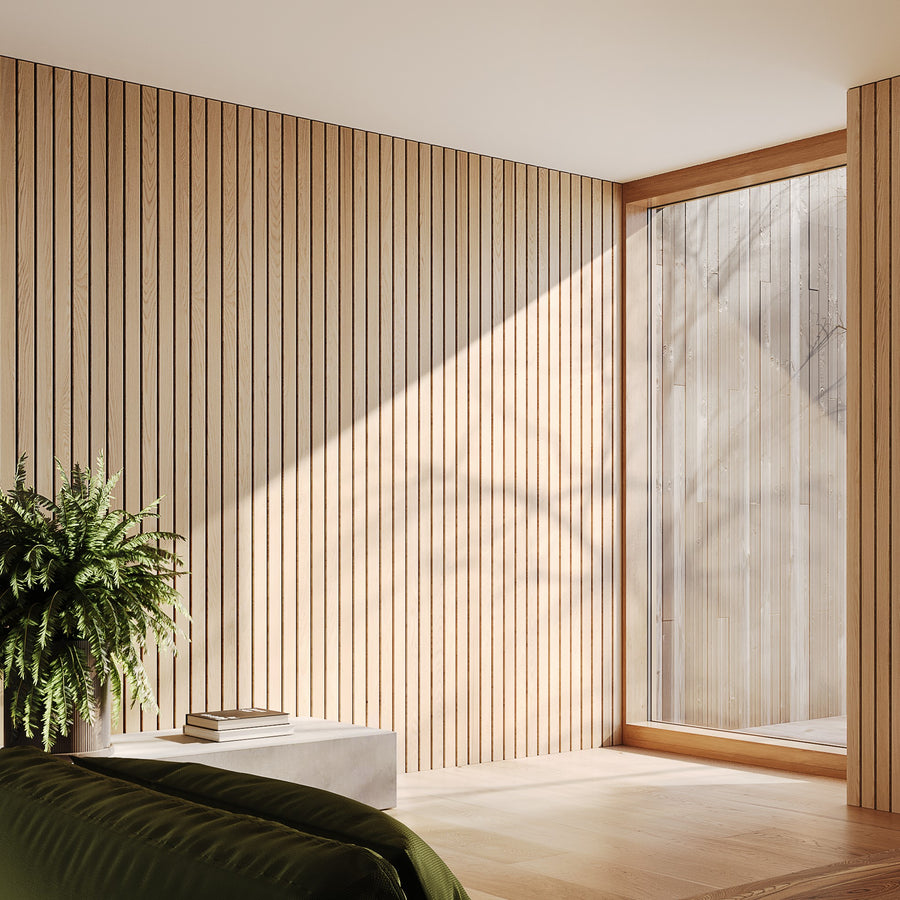
Midcentury homes rarely relied on full walls to separate rooms. Instead, they used architectural signals. A change in ceiling height. A wood feature wall. Built-in shelving that marked a boundary.
Those details did a lot of work without calling attention to themselves.
You could walk through the space and instinctively understand where to sit, eat, or relax.
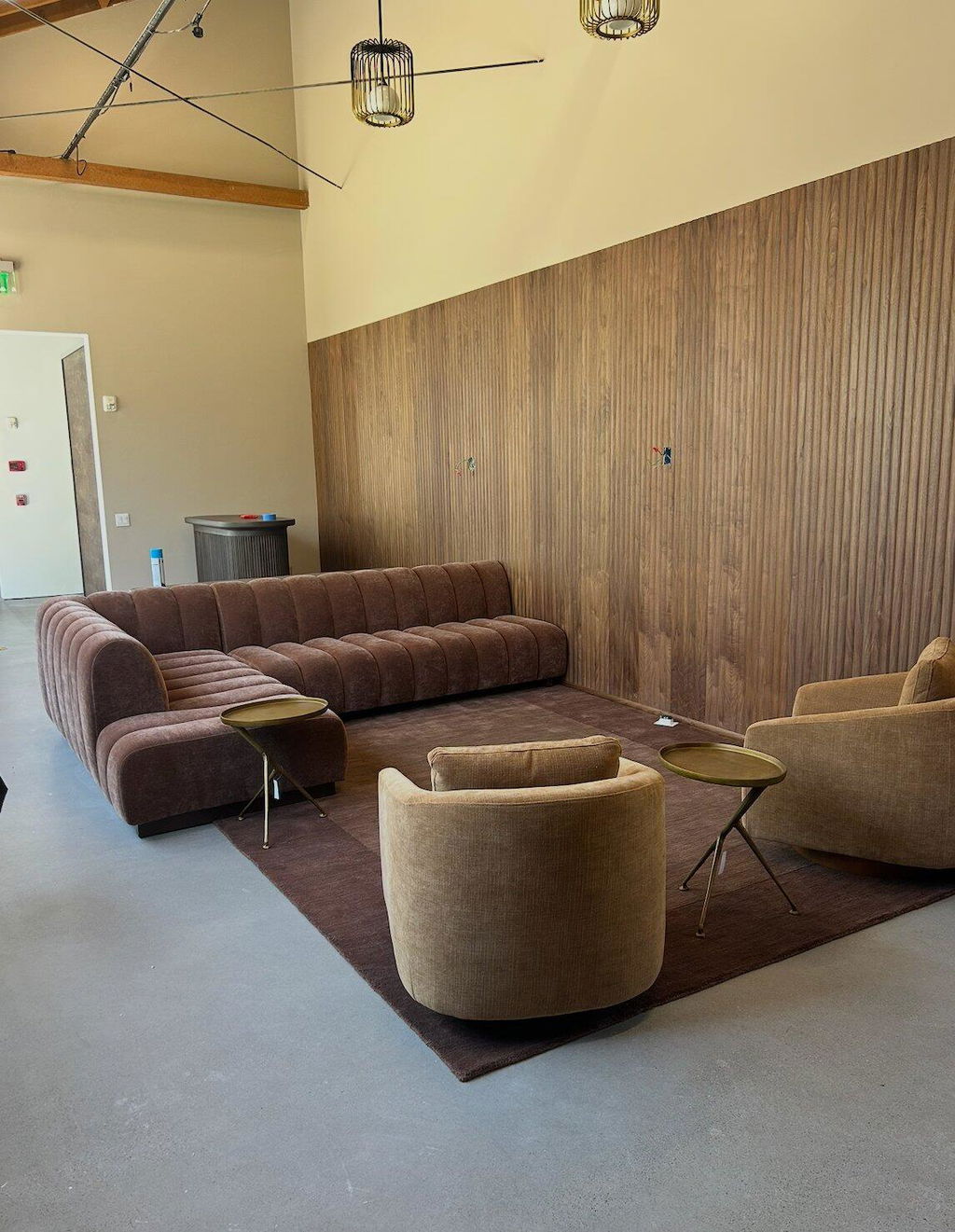
Here's a good example of what we're talking about...


In many modern open plans, that clarity is missing because everything shares the same floors, the same walls, and the same lighting.
Zoning brings that structure back, though! But without closing things off.
Why Vertical Separation Is Showing Up Everywhere Again
One of the clearest midcentury influences today is vertical separation.
Not walls. Not heavy partitions.
Just enough simple structure to suggest where one area ends and another begins.
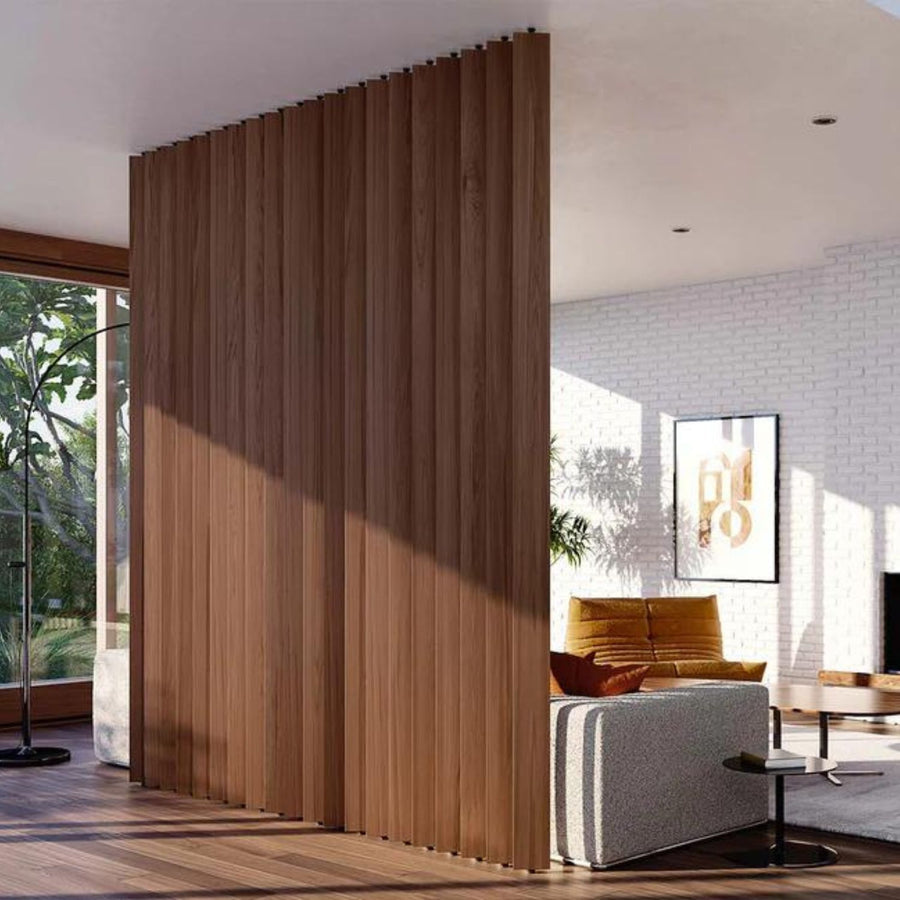
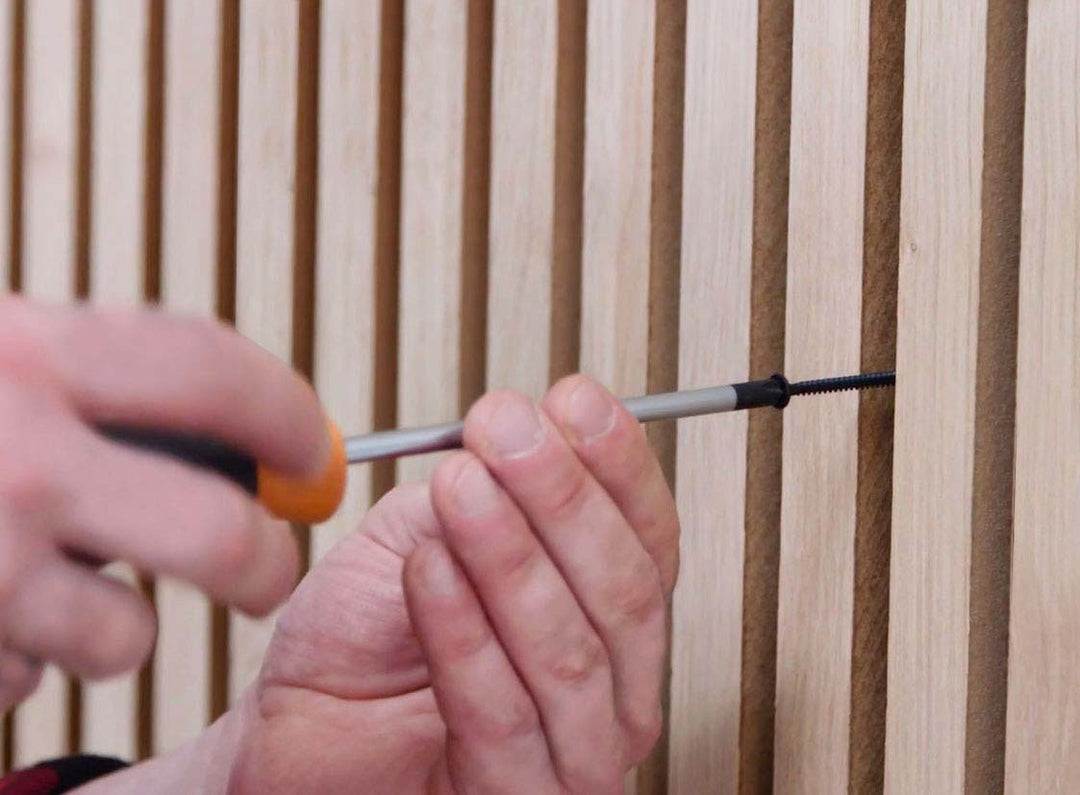
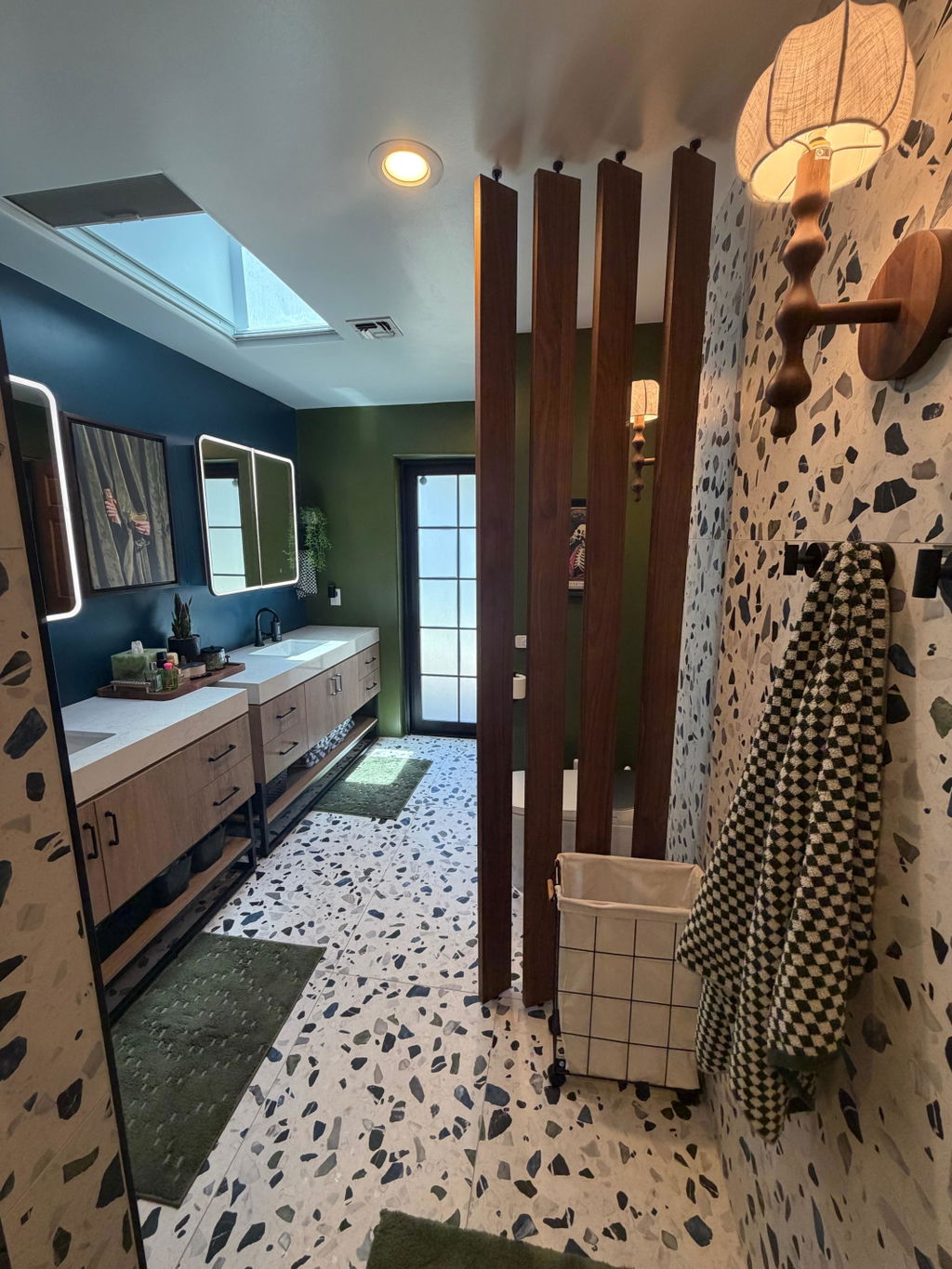
This is where a wood slat room divider really shines. It creates a visual break between spaces while still letting light and air pass through.

In practical terms, that means you can separate a dining area from a living space without blocking windows or making the room feel smaller!
The vertical lines also help guide the eye upward, which kinda like makes ceilings feel taller. It is doing a lot of work quietly, which midcentury design would absolutely approve of.
Tongue and Groove Panels as Modern Anchors
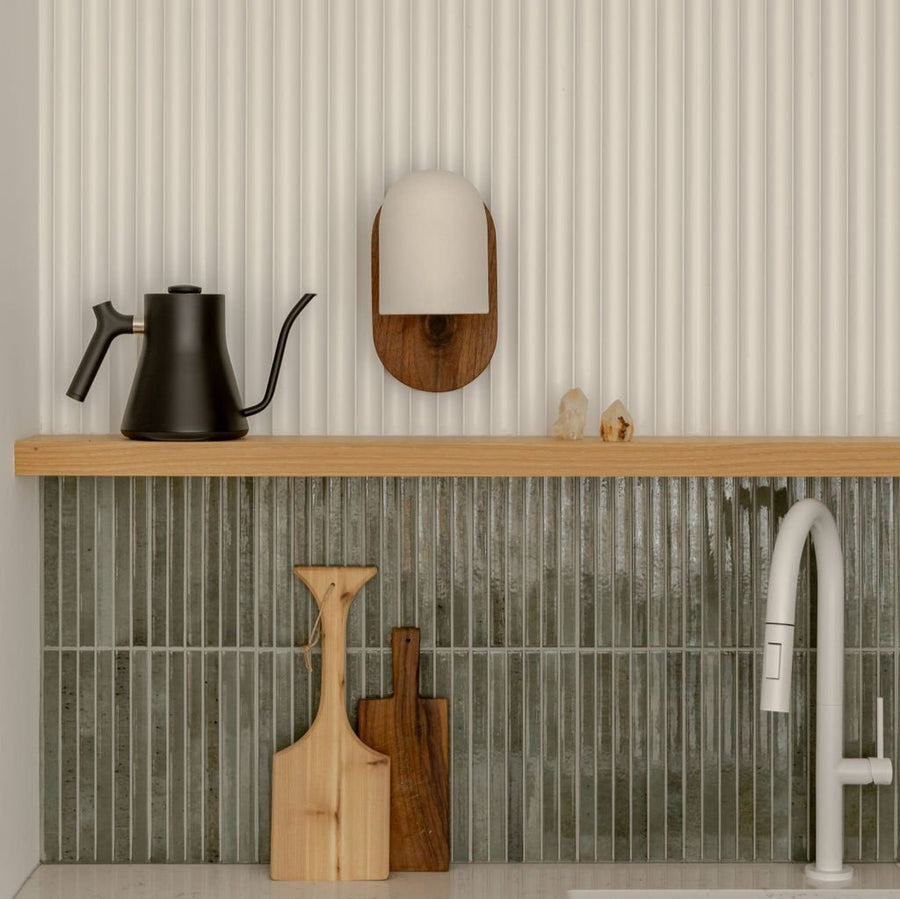
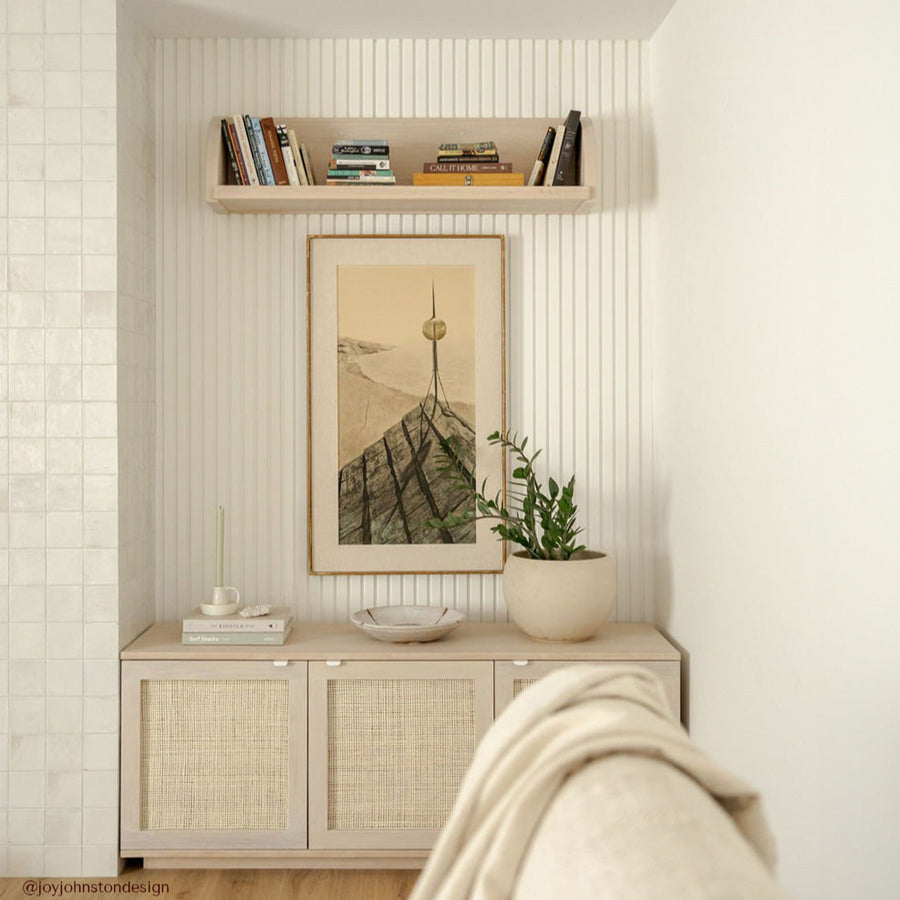
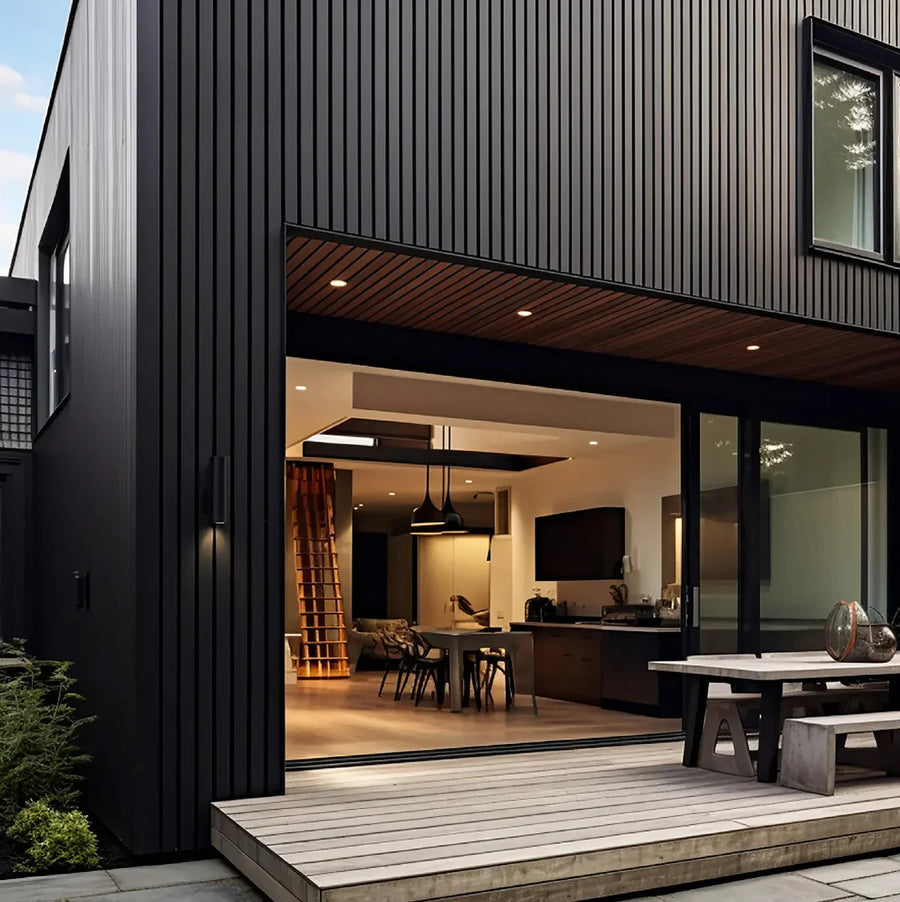
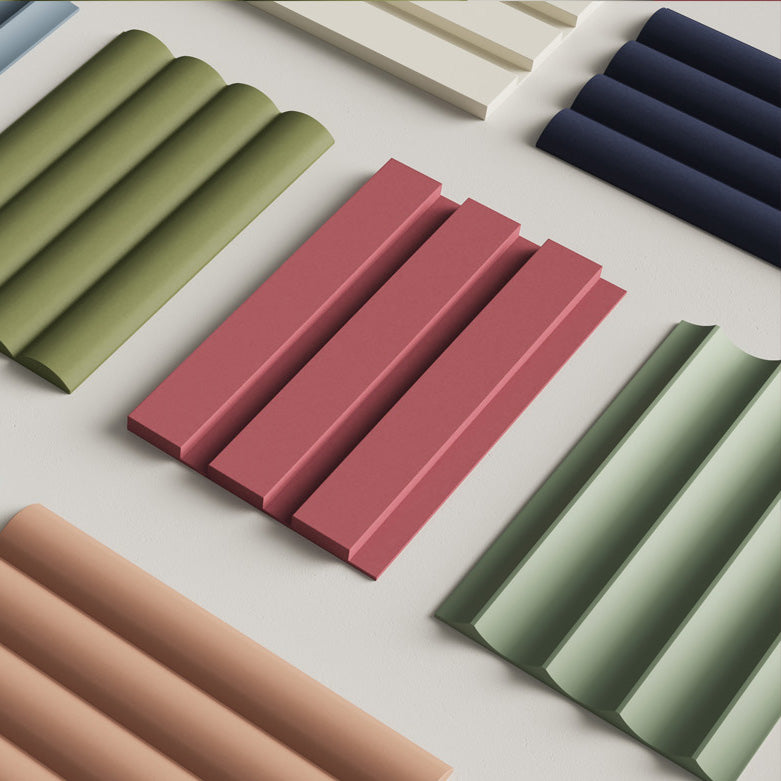
Tongue and groove wood panels have been around forever, but they are being used more strategically now.
Instead of covering entire rooms, they are showing up on specific walls or ceilings to anchor a zone.

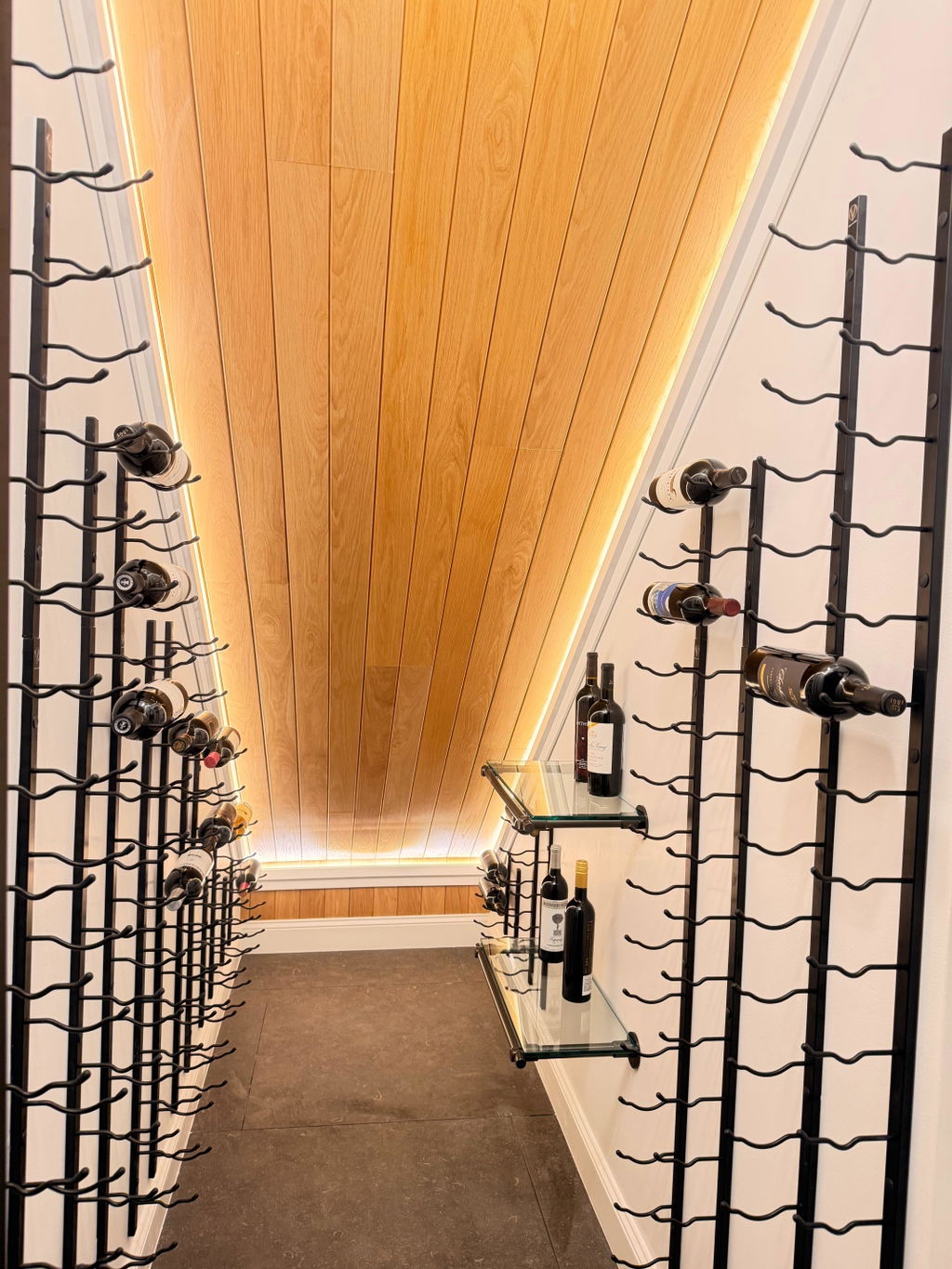
For example, wrapping a dining area wall or ceiling in tongue and groove panels immediately gives that space a sense of purpose. The continuous wood grain keeps the room cohesive, while the paneling signals that this area is meant for gathering.
It also adds warmth, which helps balance out all the clean lines and hard surfaces common in modern homes. It is a simple move, but it makes the layout easier to understand...
How Wood Slat Panels Keep Open Spaces in Check
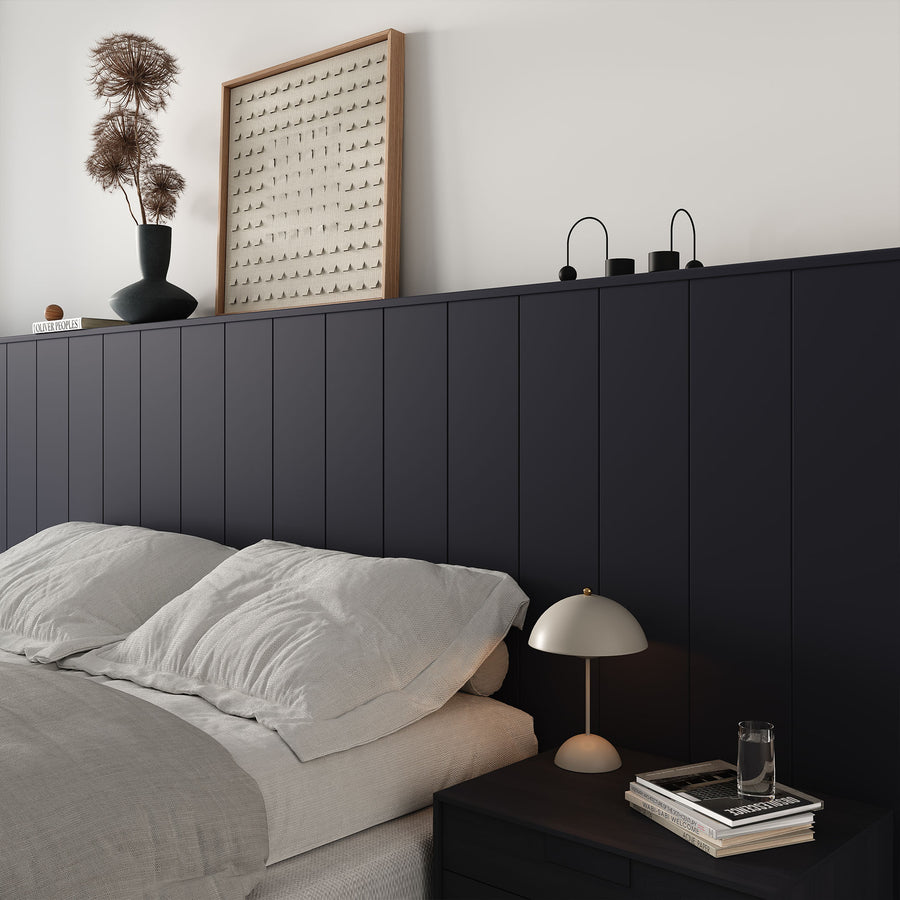
Large open rooms have a habit of feeling flat once the novelty wears off. Wood slat panels help fix that.


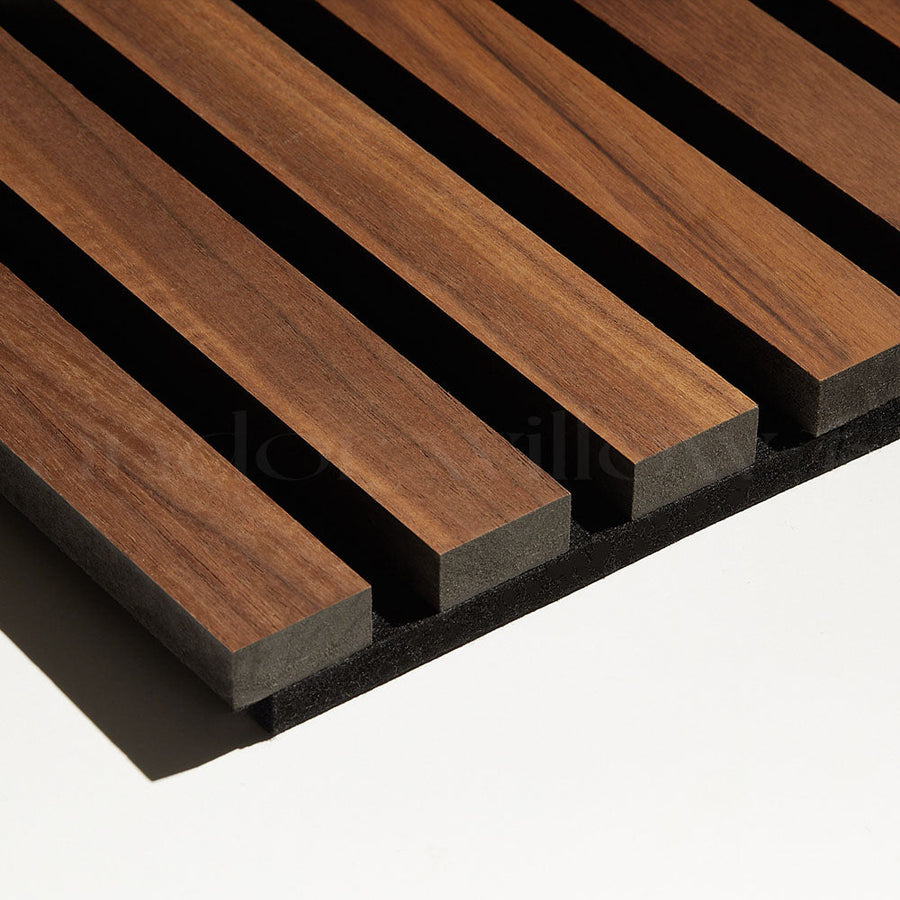
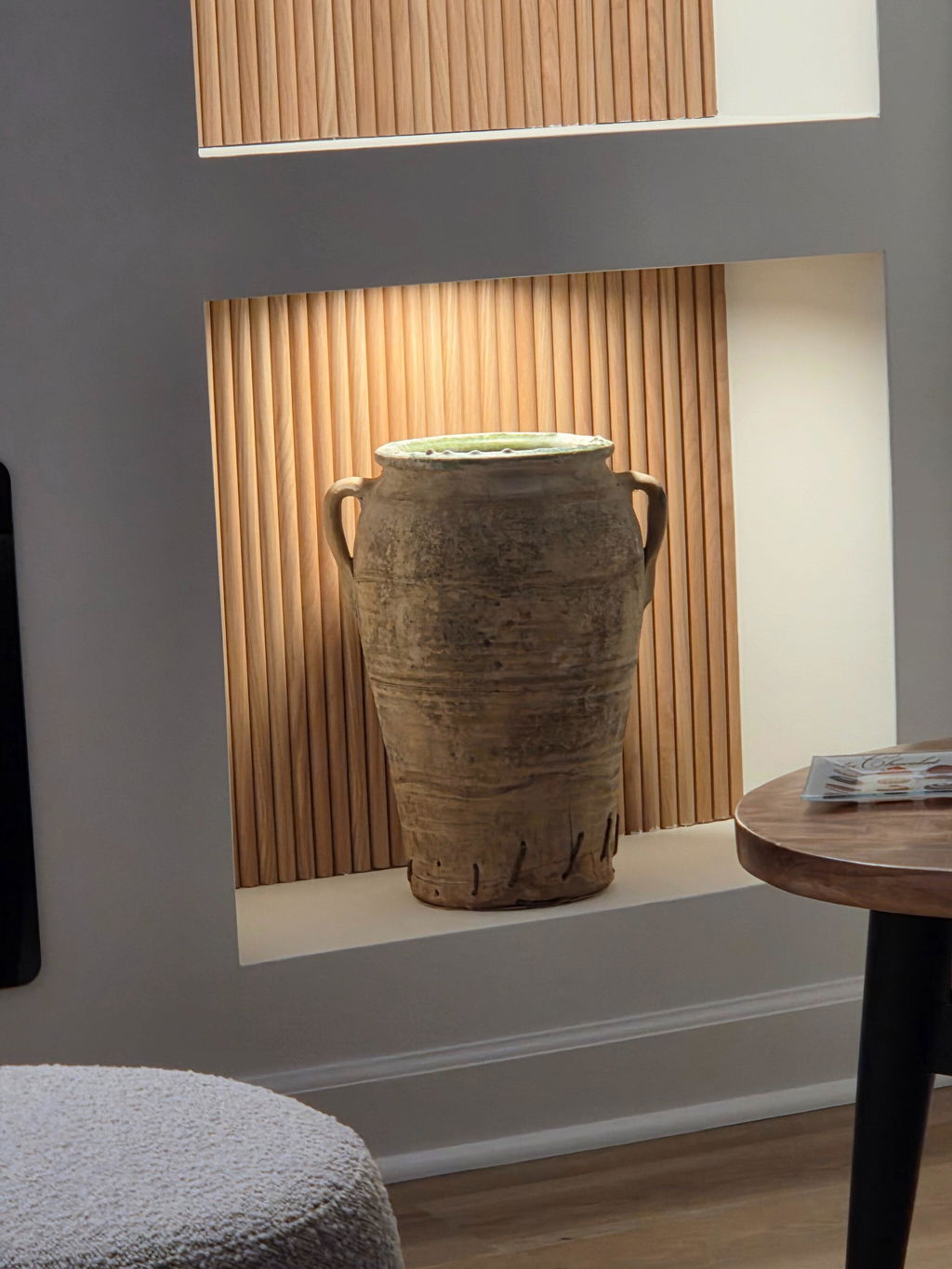
Their linear pattern adds rhythm, which gives the eye something to follow. That alone makes a space feel more premium and intricate.
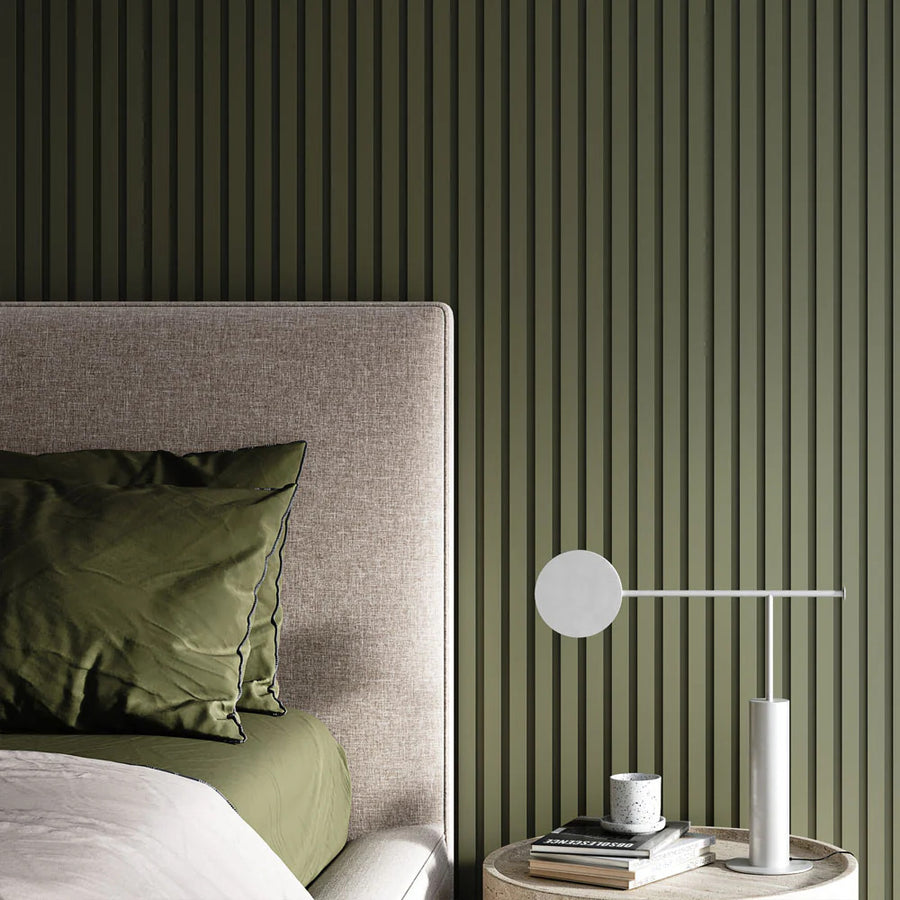
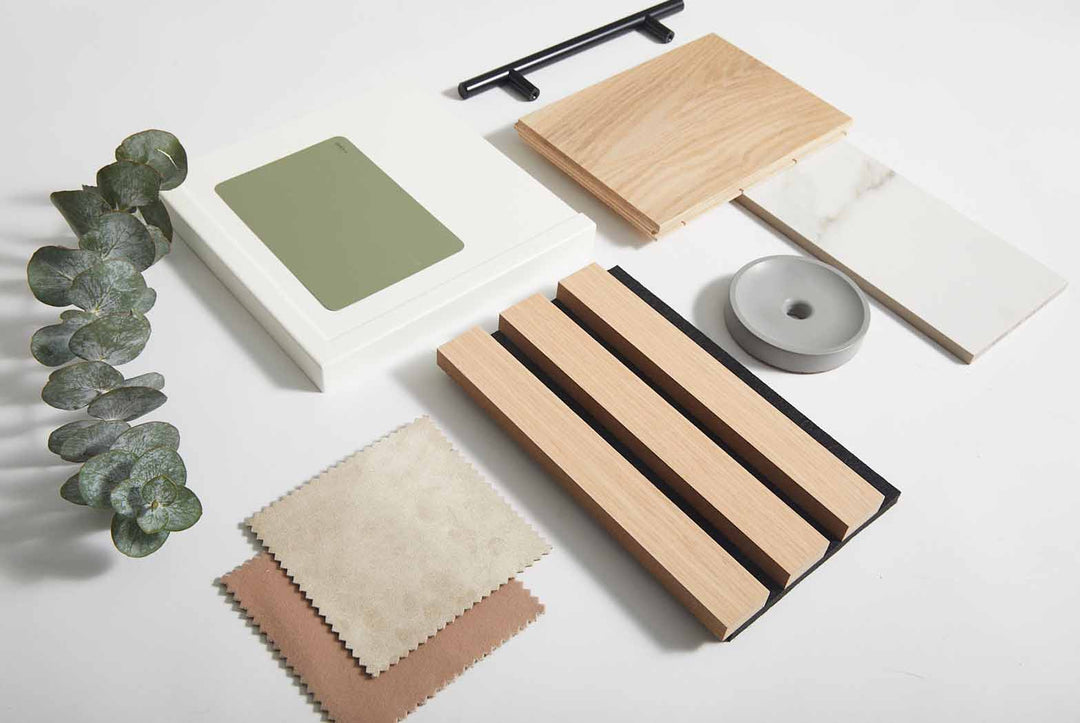
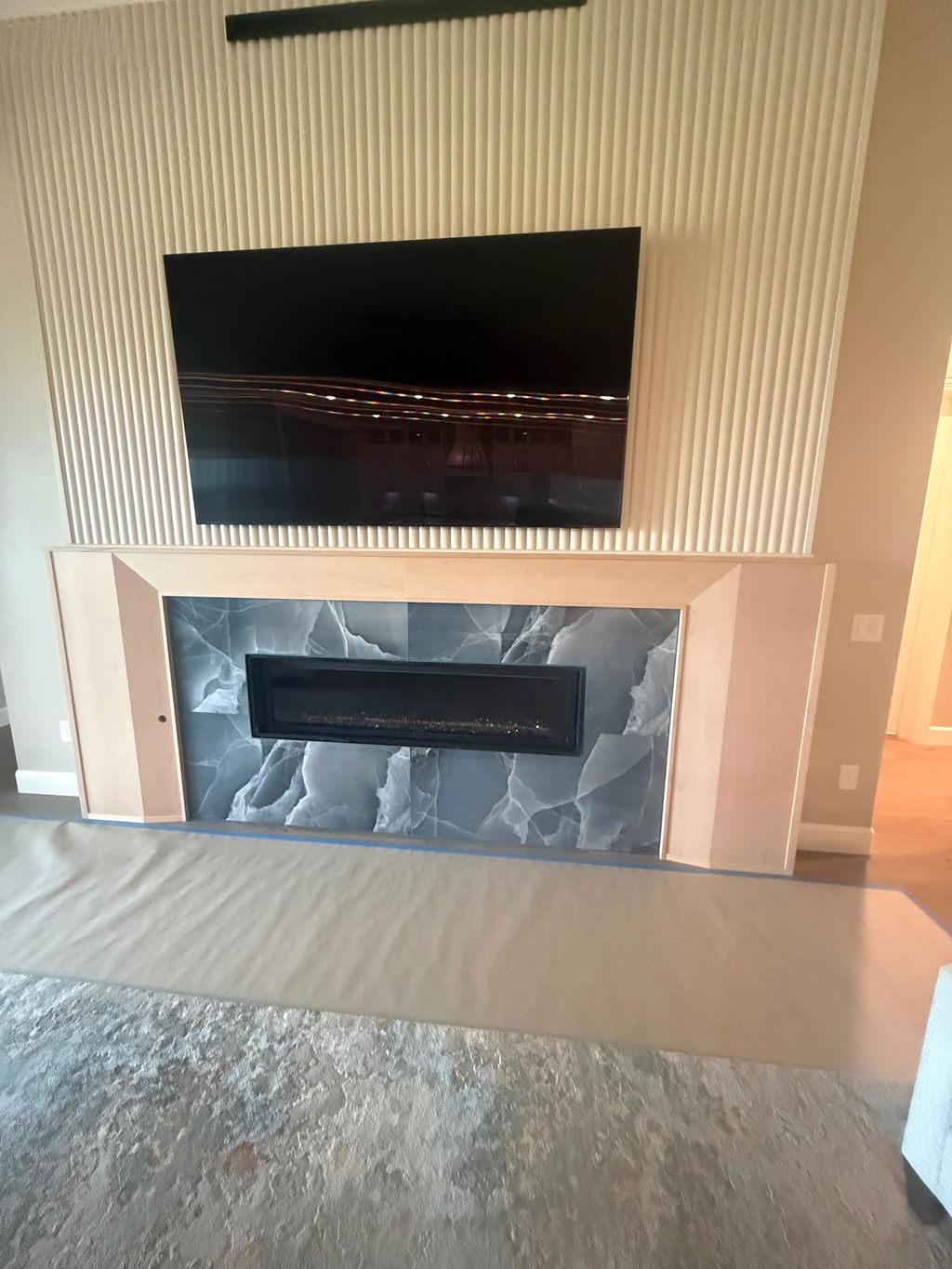
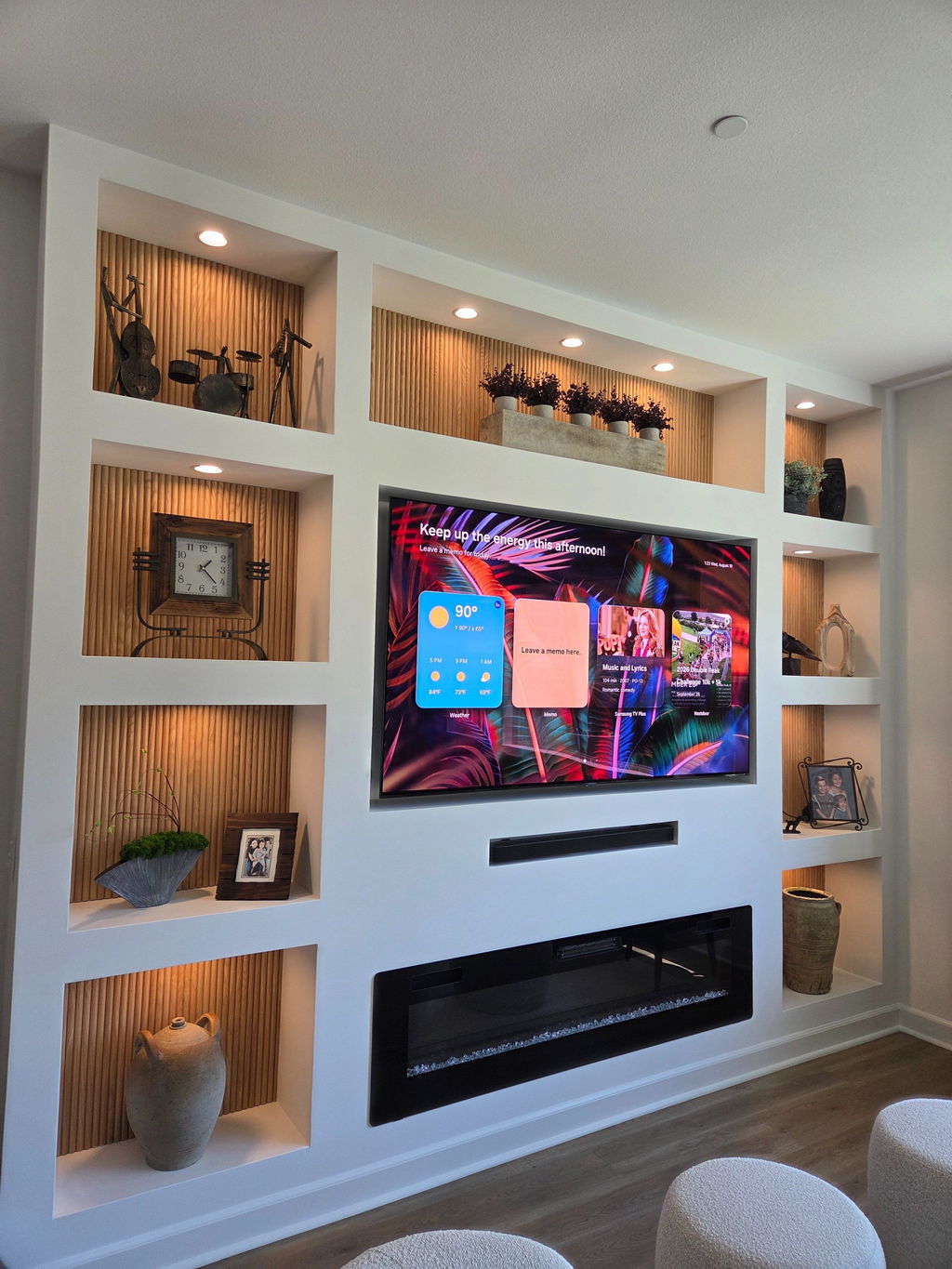
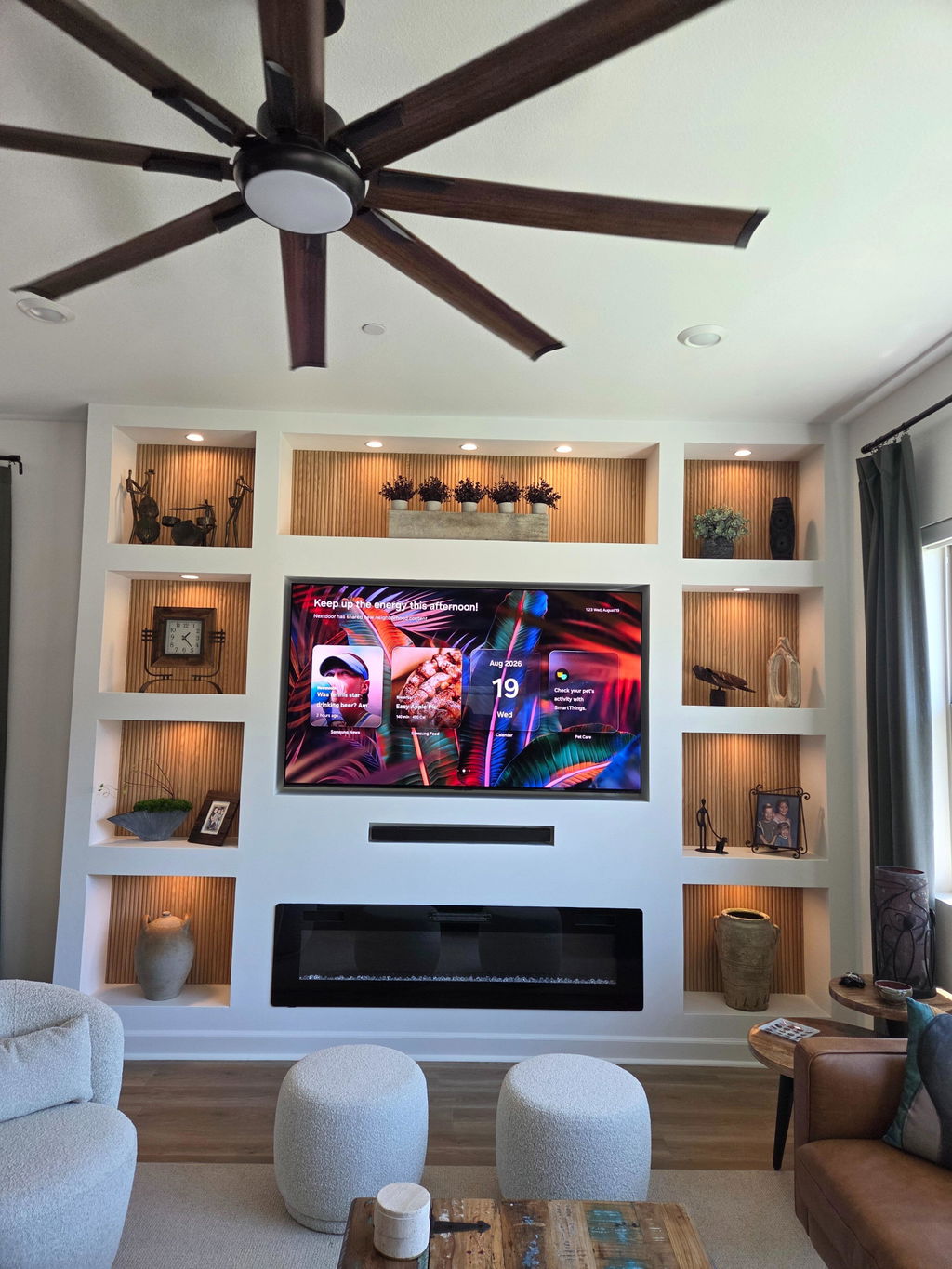
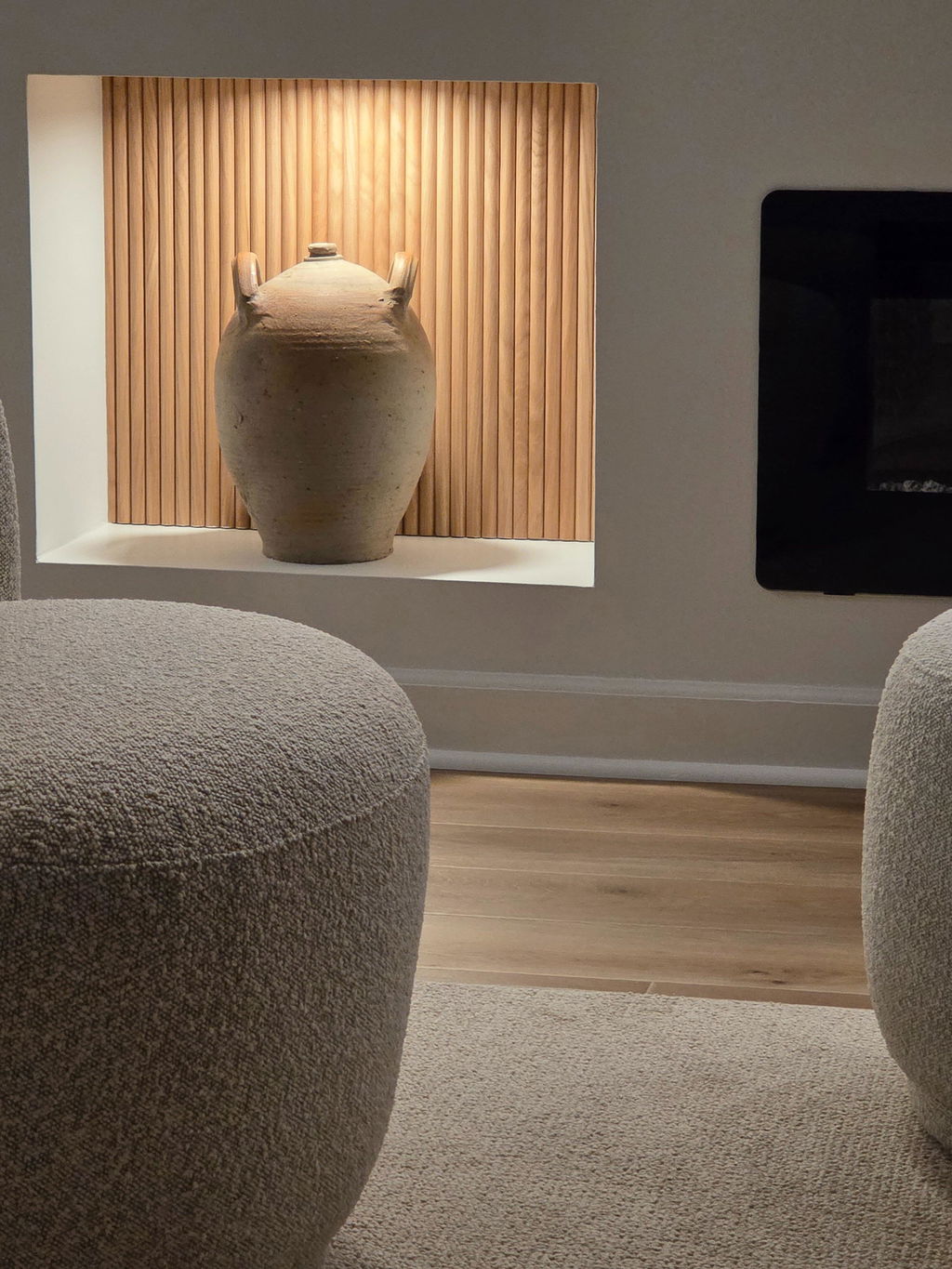
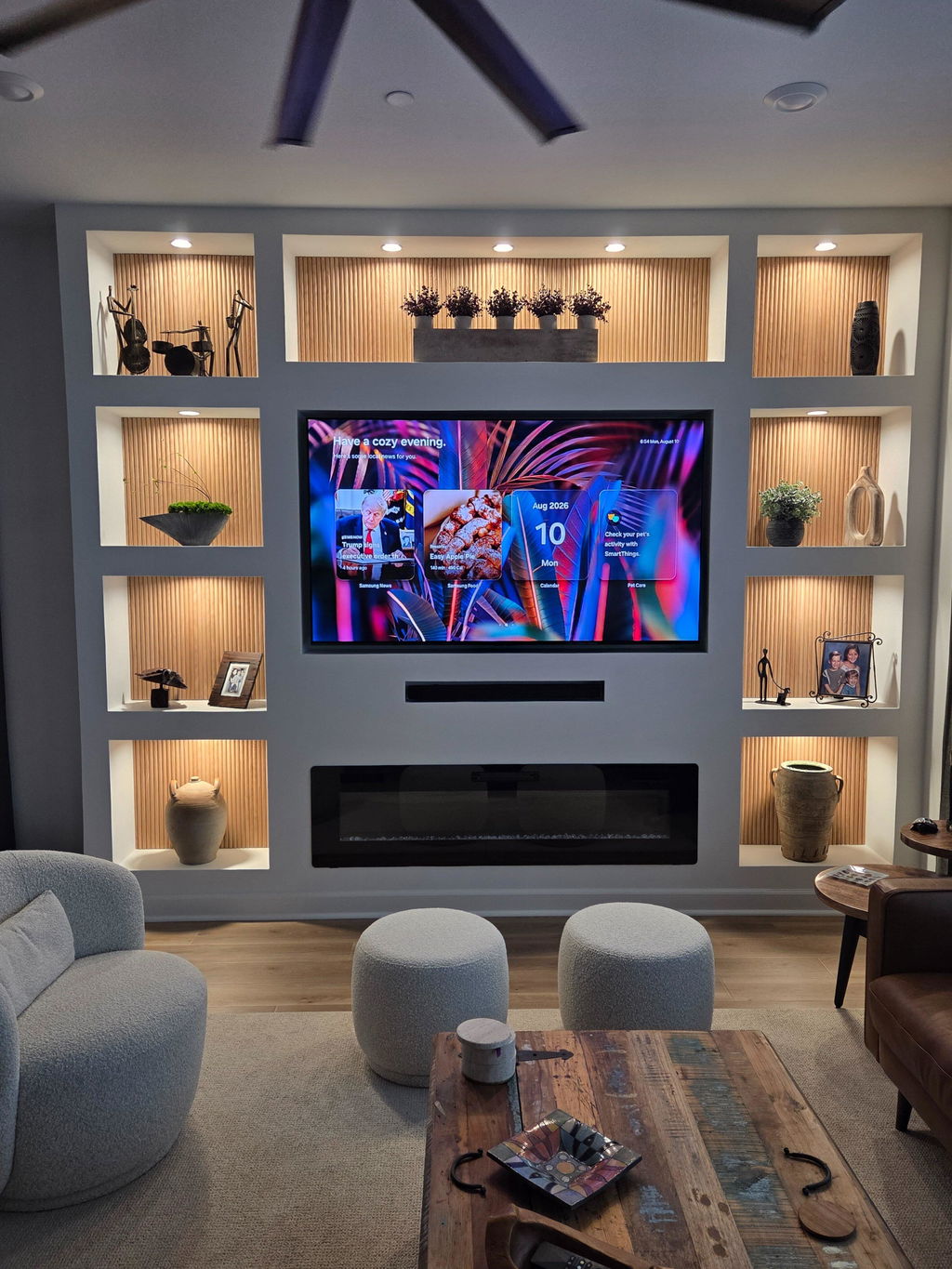
In practical use, wood slat panels work well as feature walls behind sofas, as backdrops for media units, or as partial dividers between zones.
They echo the wood-heavy interiors of midcentury homes while fitting cleanly into modern design. And yes, they also help with acoustics, which is a polite way of saying they stop your living room from sounding like a gymnasium.
Applying Midcentury Ideas Without Going Full Retro

The reason midcentury design fits modern open-concept homes so well is that it was never about decoration for decoration’s sake. Everything had a job.
By bringing back zoning through a wood slat room divider, tongue and groove wood panels, and wood slat panels, today’s layouts regain structure without losing openness.
The space still feels modern and flexible, but it also feels calmer and much easier to live in. Which, let’s be honest, is what most people were hoping for when they knocked those walls down in the first place.



Leave a comment