 Skip to content







How to Cover Uneven or Ugly Walls Without Renovating

Uneven walls are more common than people admit. You see the bumps once the light hits at an angle. You notice the old patchwork under fresh paint. And suddenly that “quick refresh” turns into a full skim-coat conversation!
But before you start pricing out drywall work, take a breath...
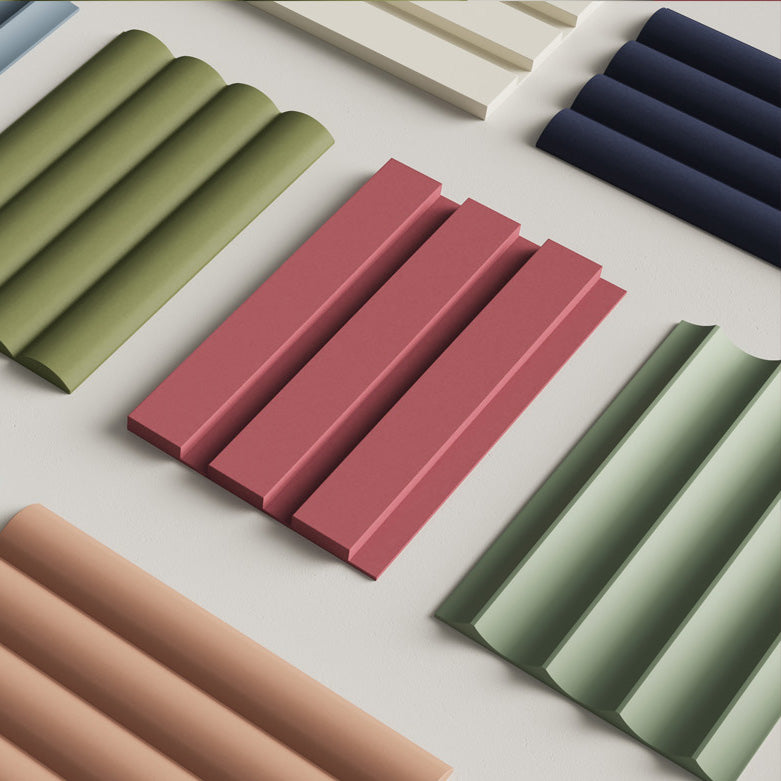
There are easier ways to deal with uneven walls that don’t involve dust clouds, contractors, or losing a week of your life. In many cases, surface panels can solve the problem faster and cleaner, especially options like acoustic and paintable panels.
Why Covering Is Often Better Than Repairing
Skim coating works best when the wall only has minor imperfections. But if the surface is uneven across a larger area, fixing one section often makes another area look worse. You end up chasing smoothness from one end of the wall to the other.
Panels solve that differently. Instead of flattening the drywall, they introduce consistent depth across the entire surface. Once the wall has a repeating pattern, small dips and waves behind it stop being visible.
This is especially useful in spaces where light hits at an angle, such as hallways, stairwells, and living rooms with large windows.
Paintable Wall Panels for a Clean Surface


Paintable wall panels are one of the most practical fixes for uneven walls because they install directly over existing drywall. There is no need to remove the old surface.
These panels are made from high-density, ultra-low VOC MDF and come pre-primed with a water-based primer. That means once they are installed, you can paint them immediately. There is no extra sealing step.
Here is where they make the most sense:
- A hallway where side lighting highlights drywall seams
- A basement where the drywall was installed quickly
- A bedroom wall with multiple patch repairs
- A dining room where flat paint makes every flaw visible
Once installed, the repeated pattern draws attention to the design instead of the imperfections underneath.
Ribbed Panels: Best for Noticeably Uneven Walls
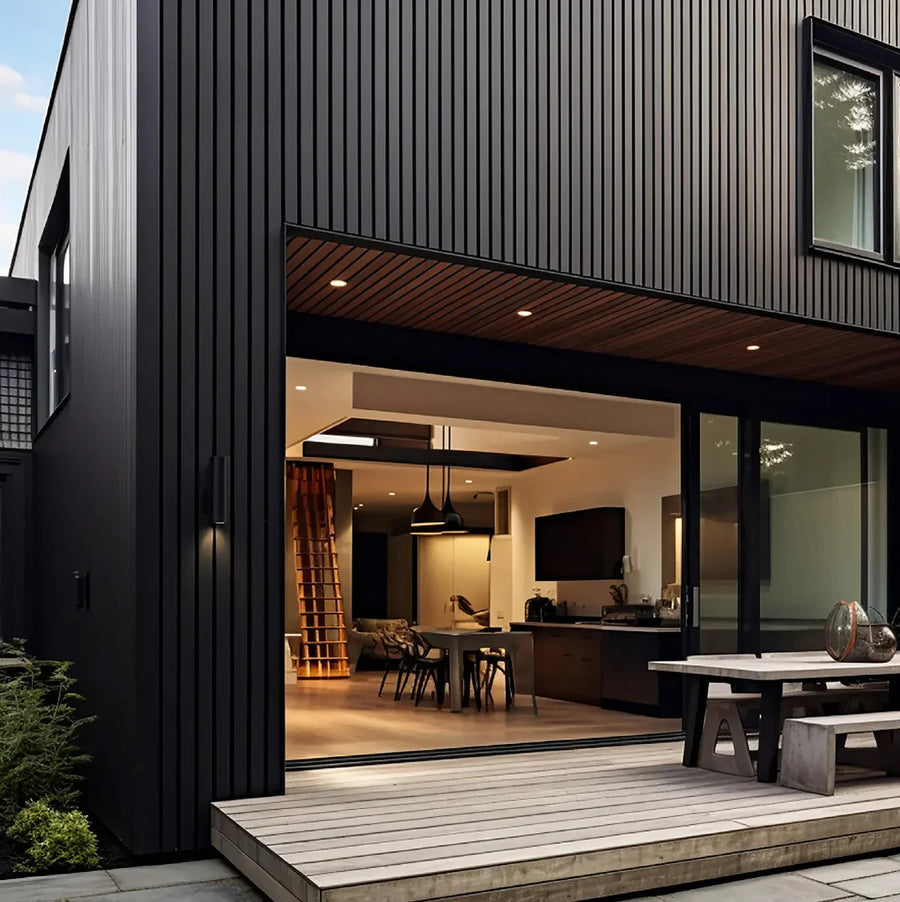
If the wall has visible waves or inconsistent taping lines, ribbed panels are often the strongest solution. Their outward curved ridges create bold vertical shadow lines. That depth shifts the eye forward.
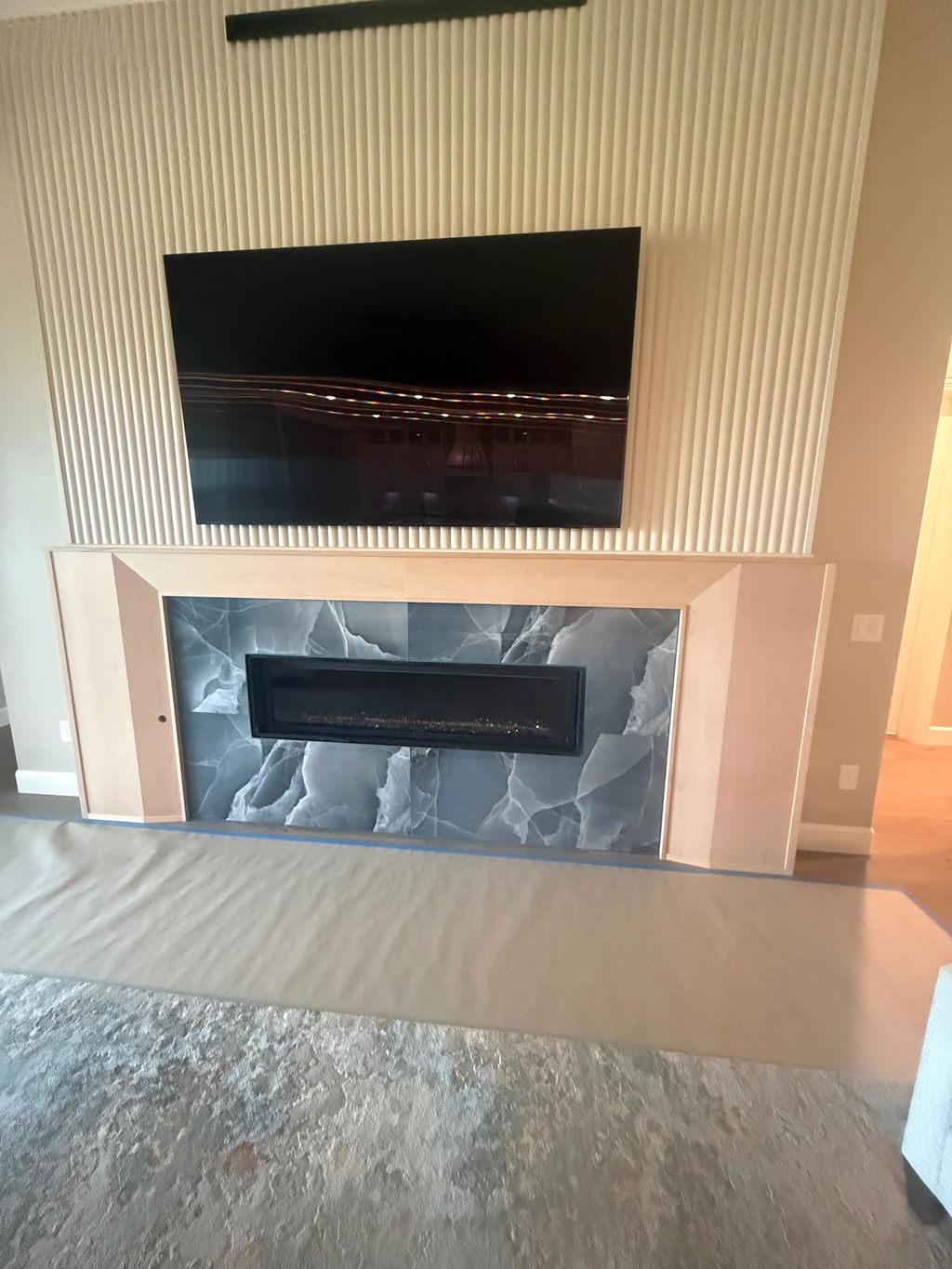
For example, on a media wall where sunlight hits from the side, a flat painted surface will show every flaw. Ribbed panels break up that light with structured lines, so the drywall underneath becomes irrelevant.
Just check this out...


They are also useful in long corridors, entryways, and dining rooms where pendant lighting casts shadows across the wall.
Because ribbed panels have defined spacing and depth, they do more than hide uneven walls. They make the wall feel architectural.
Fluted and V-Groove Panels: A Softer Approach
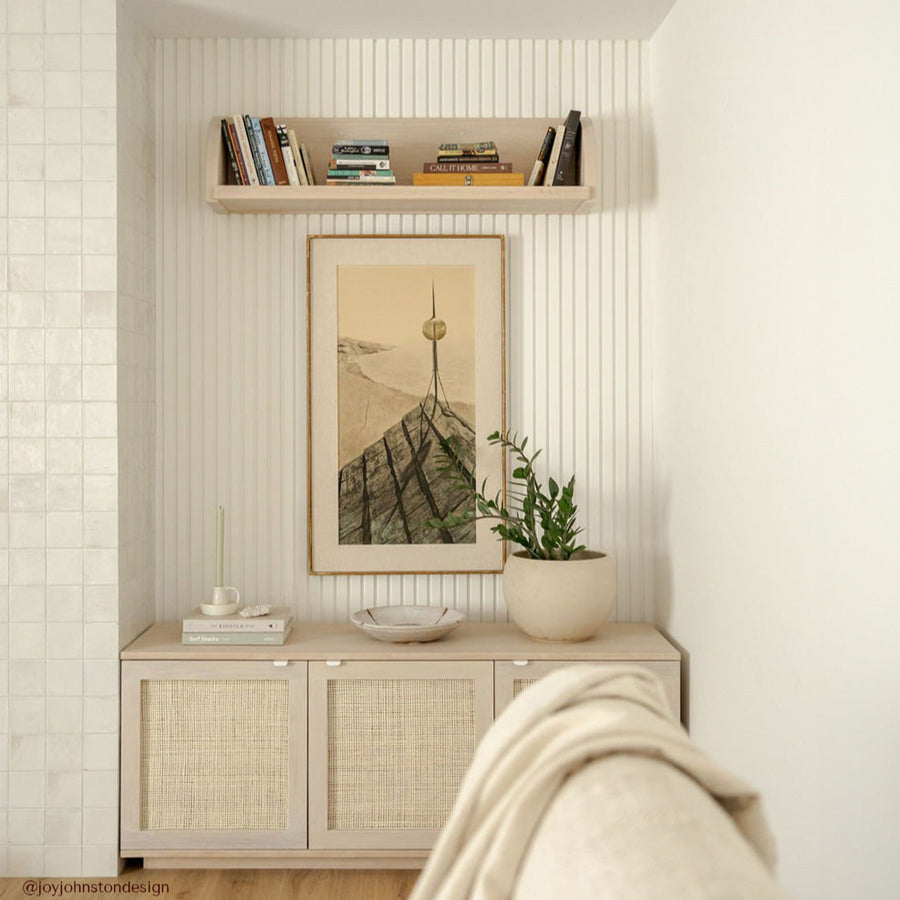
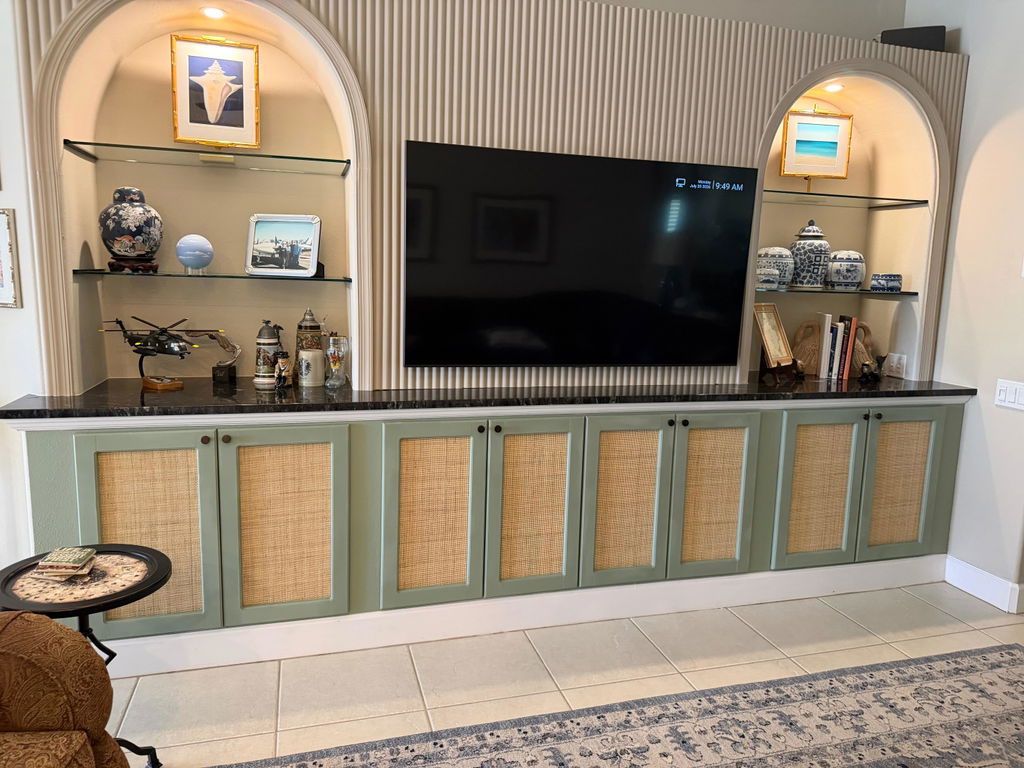
Not every wall needs bold depth. If the imperfections are minor, fluted panels provide a smoother, inward curved groove that feels more subtle. They are a good fit for bedrooms, behind headboards, or on kitchen islands where you want texture without strong shadow lines.
V-groove paintable panels offer another practical option...

They use tongue-and-groove connectors for a tight, seamless fit and can be installed vertically or horizontally.
Each panel is reversible, giving you 4 inch groove spacing on one side and 7.9 inch spacing on the other. That flexibility helps you adjust how busy or calm the wall feels. Panels are primed on both sides and available in 44.1 inch, 94.5 inch, and 106.3 inch heights, which works for half walls, full-height installs, and taller spaces.
Because the lines are evenly spaced, V-groove panels help mask minor uneven walls without overwhelming the room.
Acoustic Wall Panels: Fix The Look and the Echo
In some homes, the issue is not only visual. Large open layouts with hard flooring often feel echoey. If you are already covering uneven walls, it makes sense to improve acoustics at the same time.
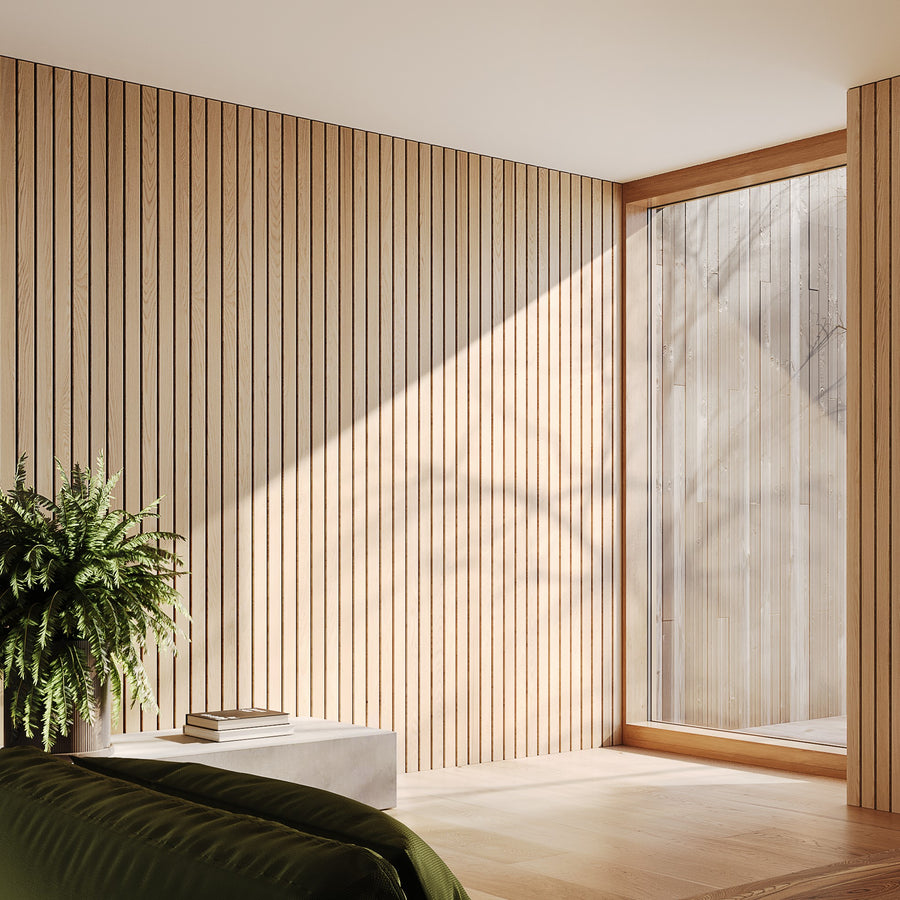
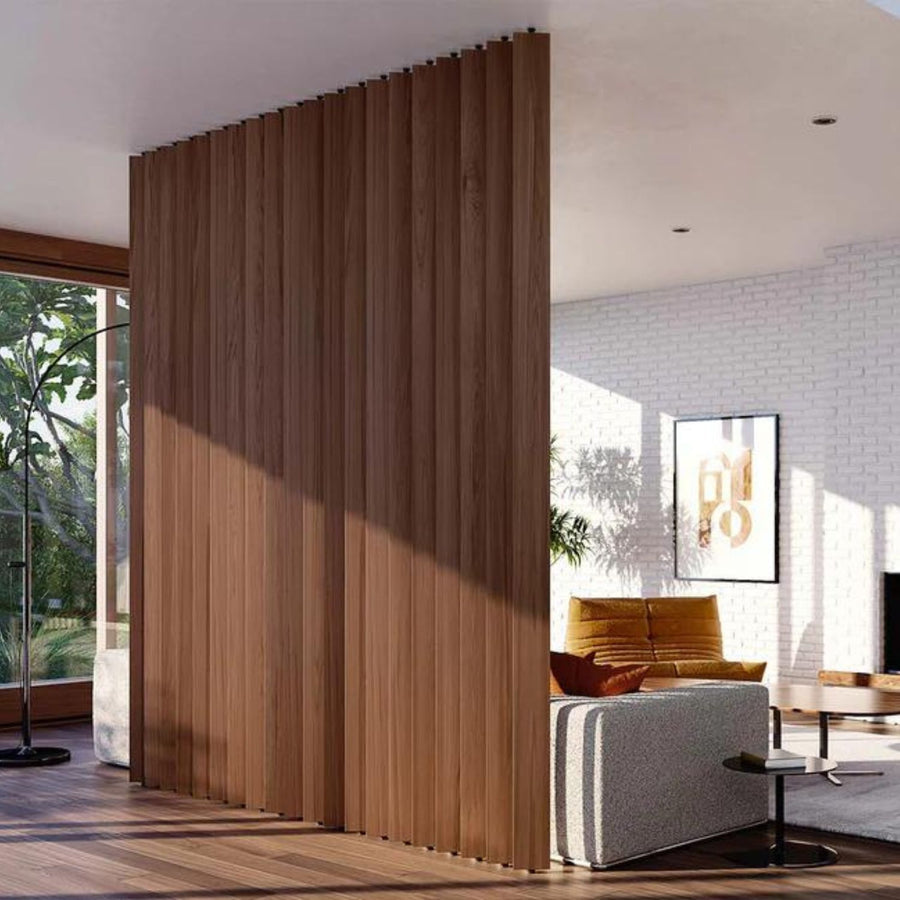
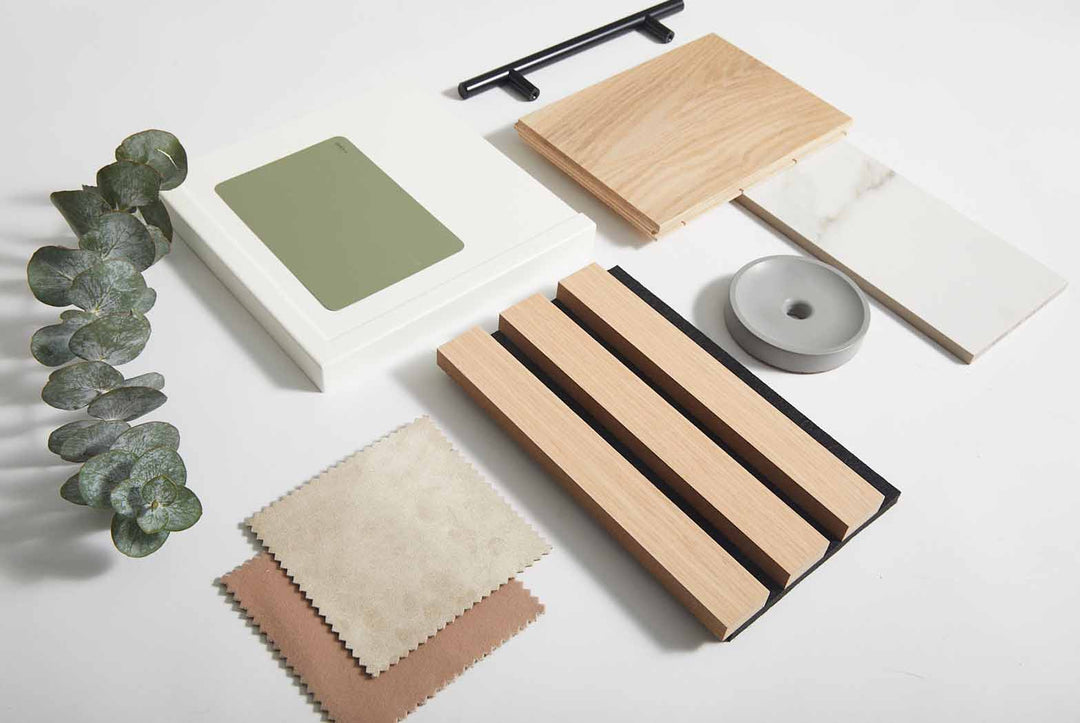
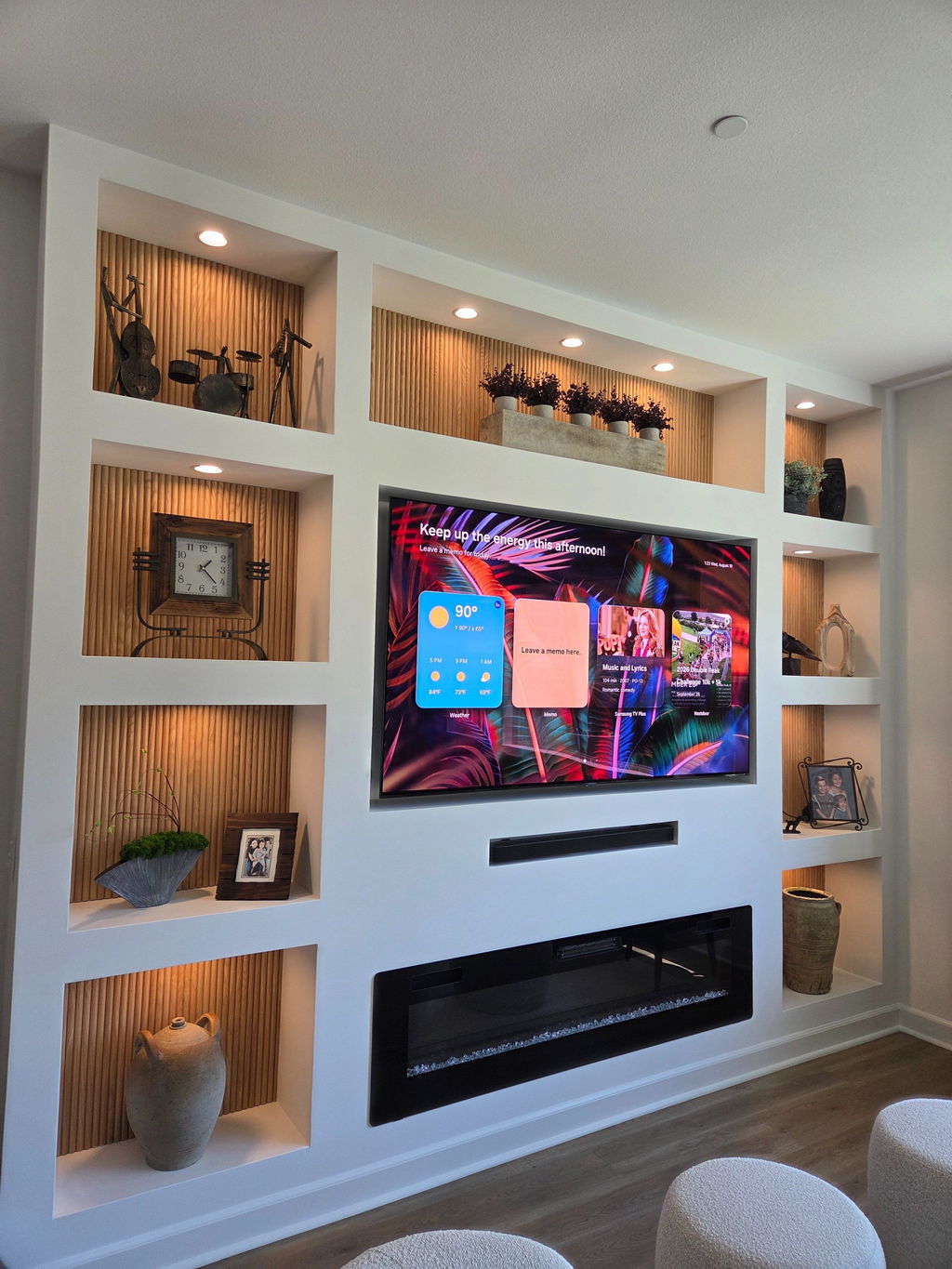
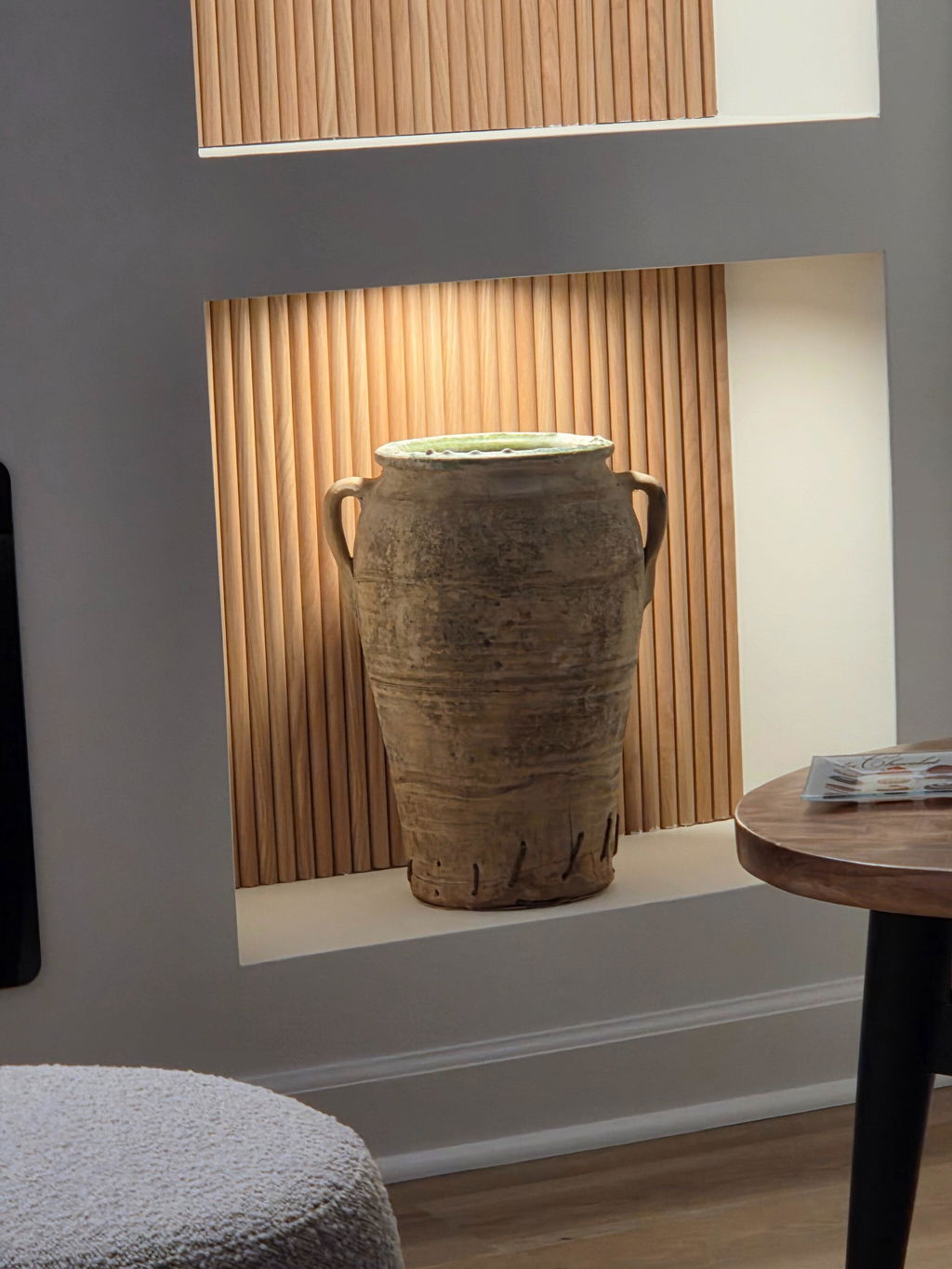
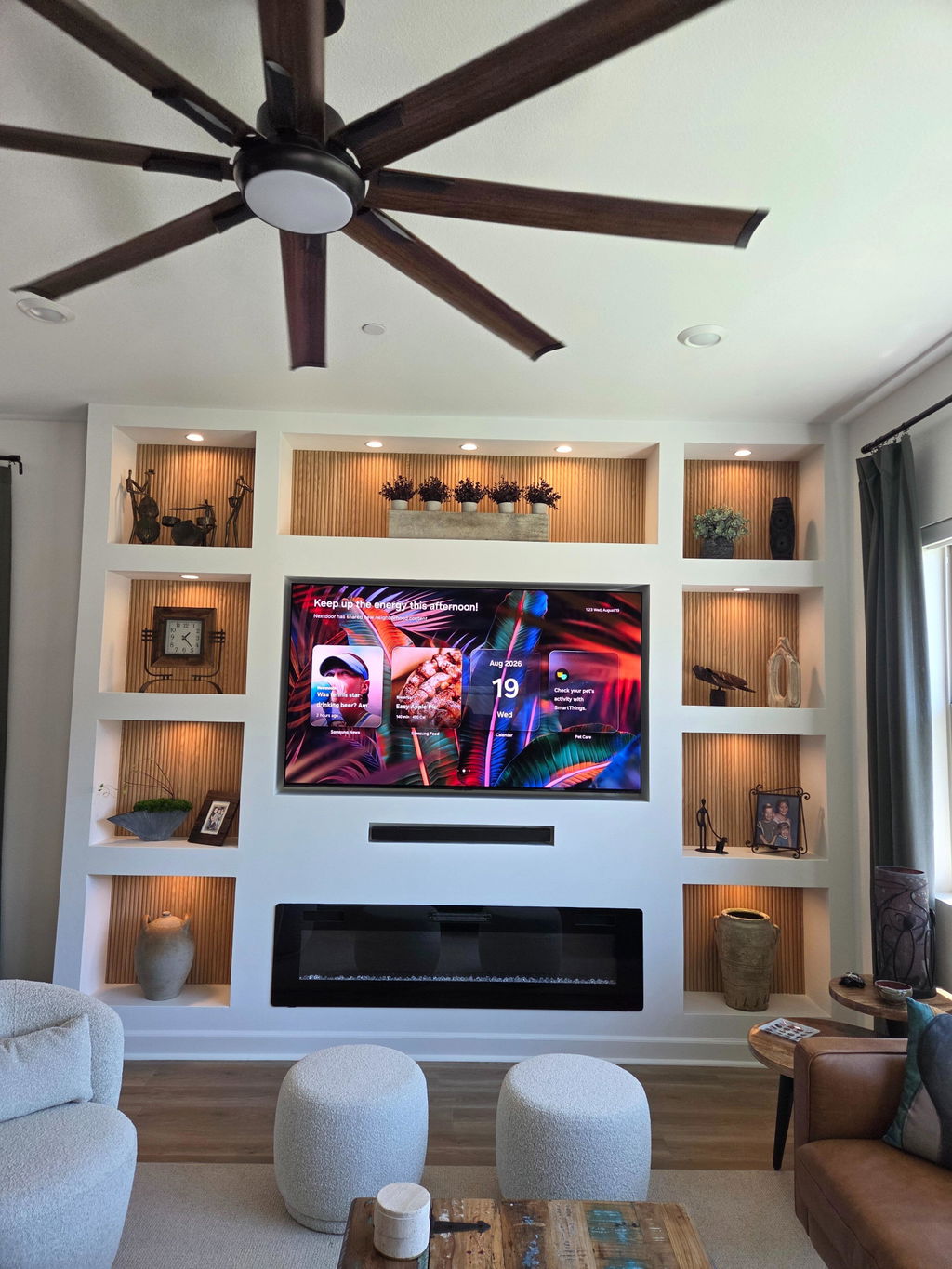
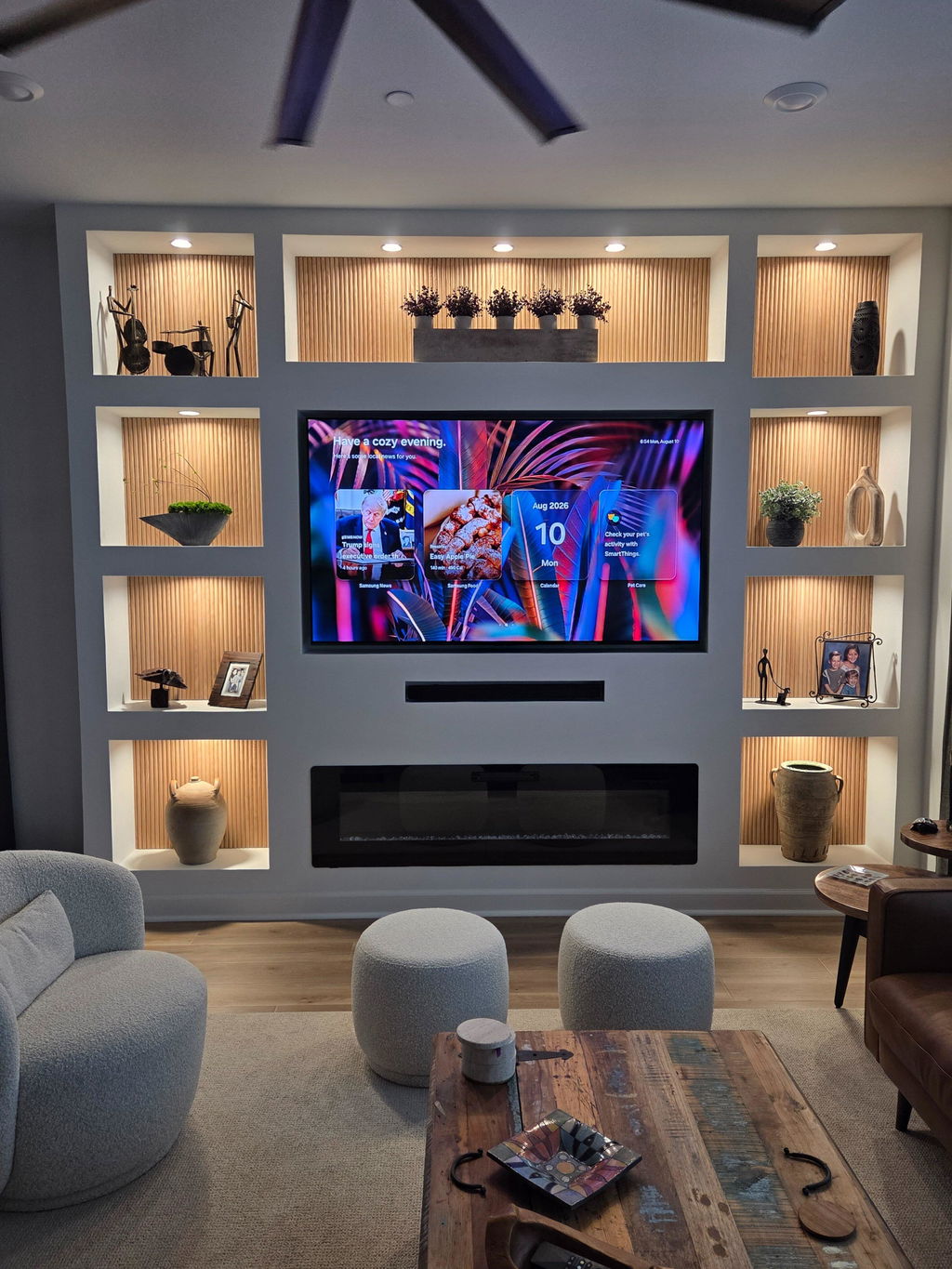
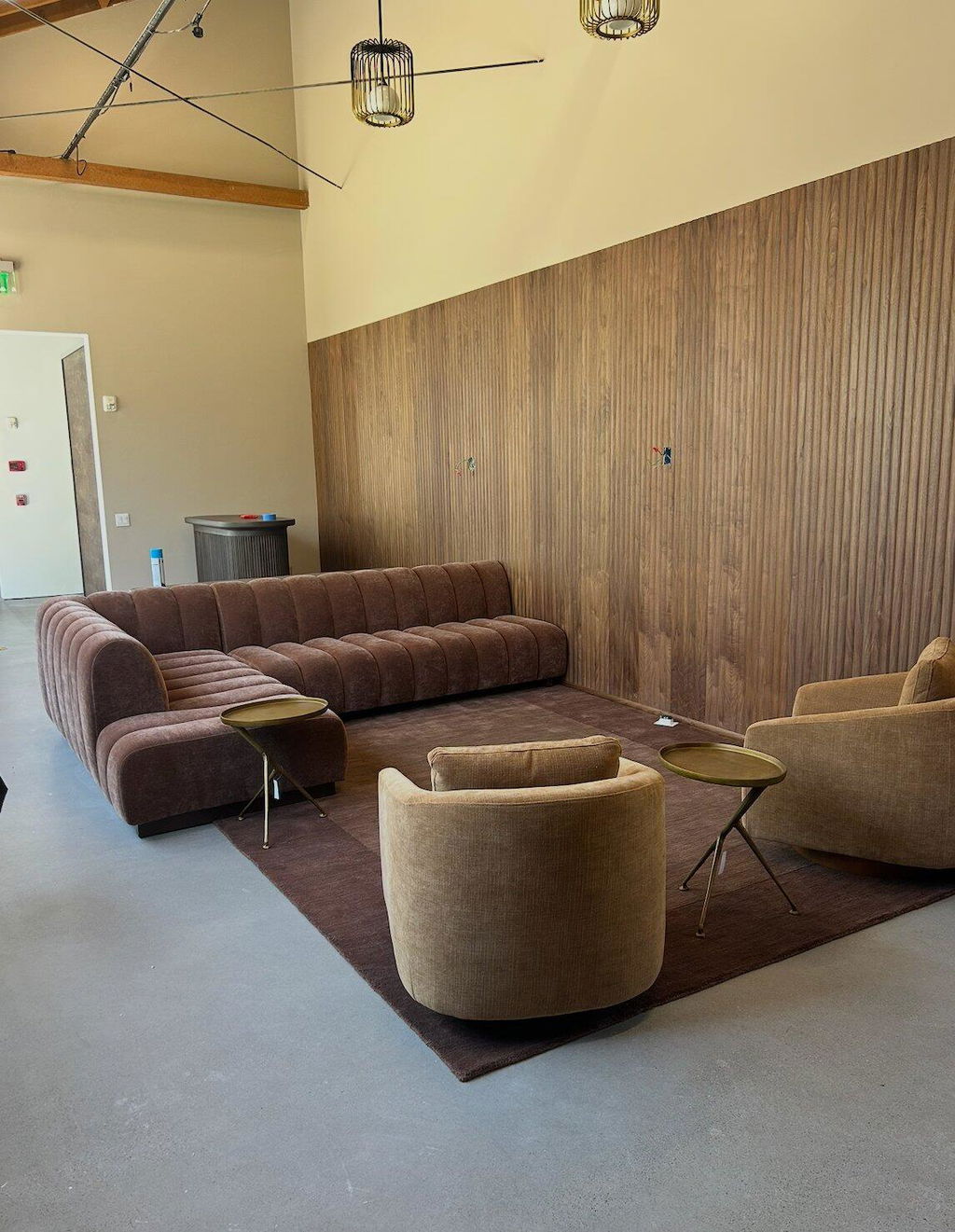
Here's a solid example of what an acoustic wall panel can look like on a contemporary living room...


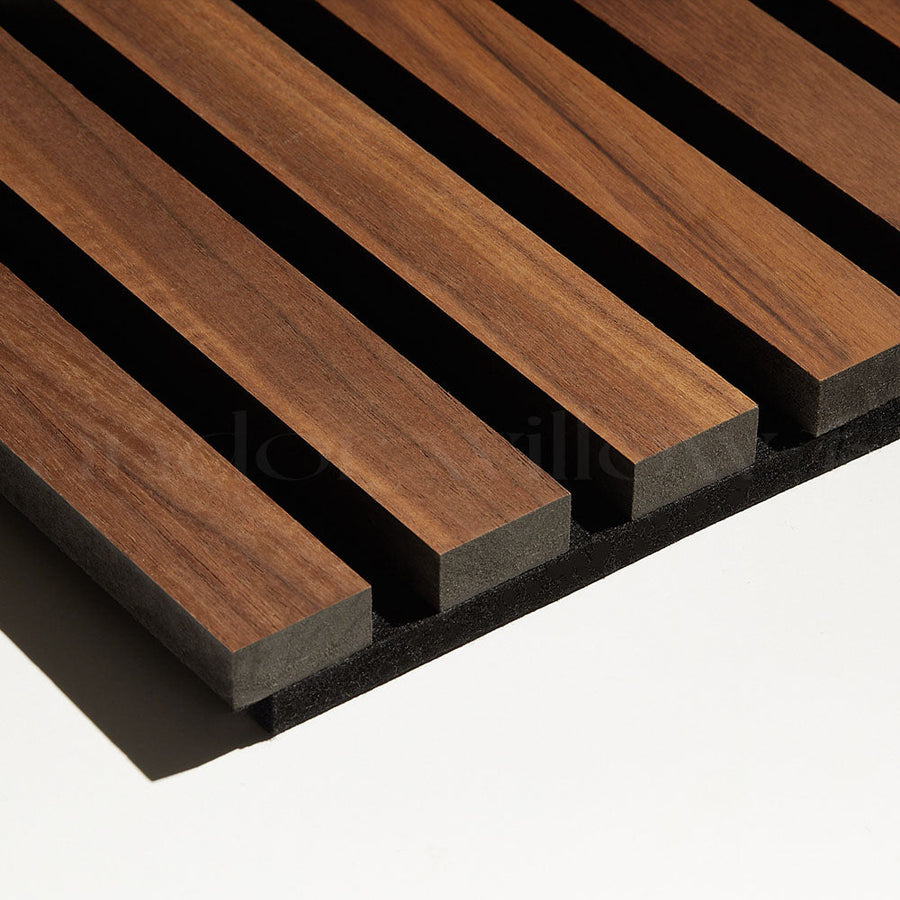
Wood slat acoustic panels combine vertical wood slats with a 0.38 inch PET felt backing made from recycled water bottles. The felt absorbs sound reflections, which helps reduce echo in the room. It is not full soundproofing, but it noticeably improves comfort.
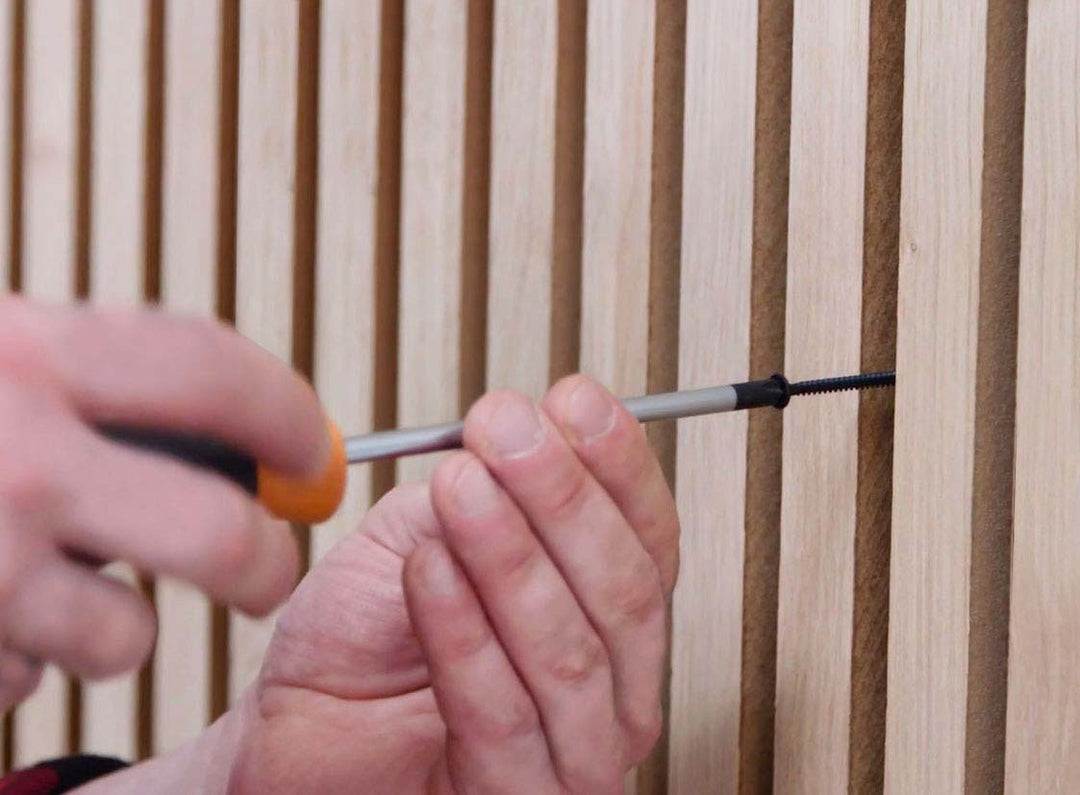
Each panel comes fully assembled. Every box includes two pieces that join to create one 94.5 inch by 23.62 inch panel. The tongue-and-groove edges allow panels to sit side by side without visible vertical seams. Installation is simple: position the panel and drill through the felt into the wall.
Because they come prefinished in satin or matte lacquer, there is no staining required.
These panels are especially useful in home offices, media rooms, and open living spaces where hard surfaces amplify sound.
Choosing the Right Wall Panel
Not all uneven walls require the same level of coverage. The right choice depends on how noticeable the surface issues are and how bold you want the finished design to feel.
If the Wall has Visible Waves or Taping Lines
When drywall inconsistencies are easy to spot, deeper profiles are more effective. Ribbed panels create strong vertical shadow lines that visually override the surface behind them.
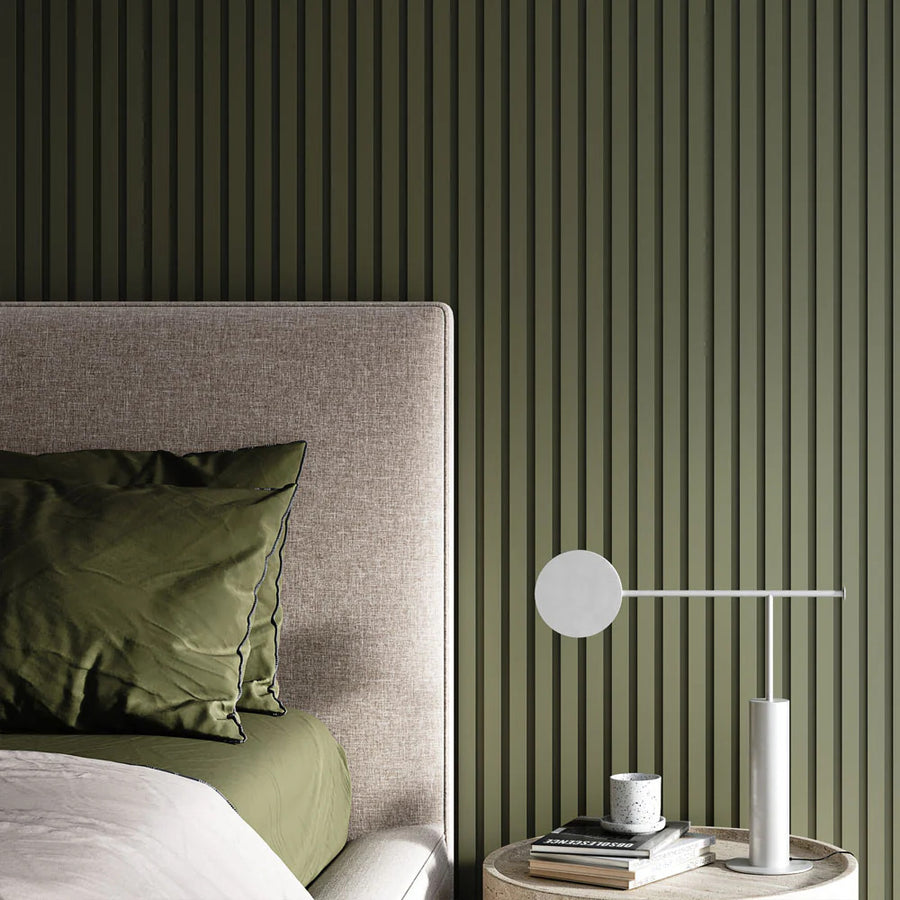
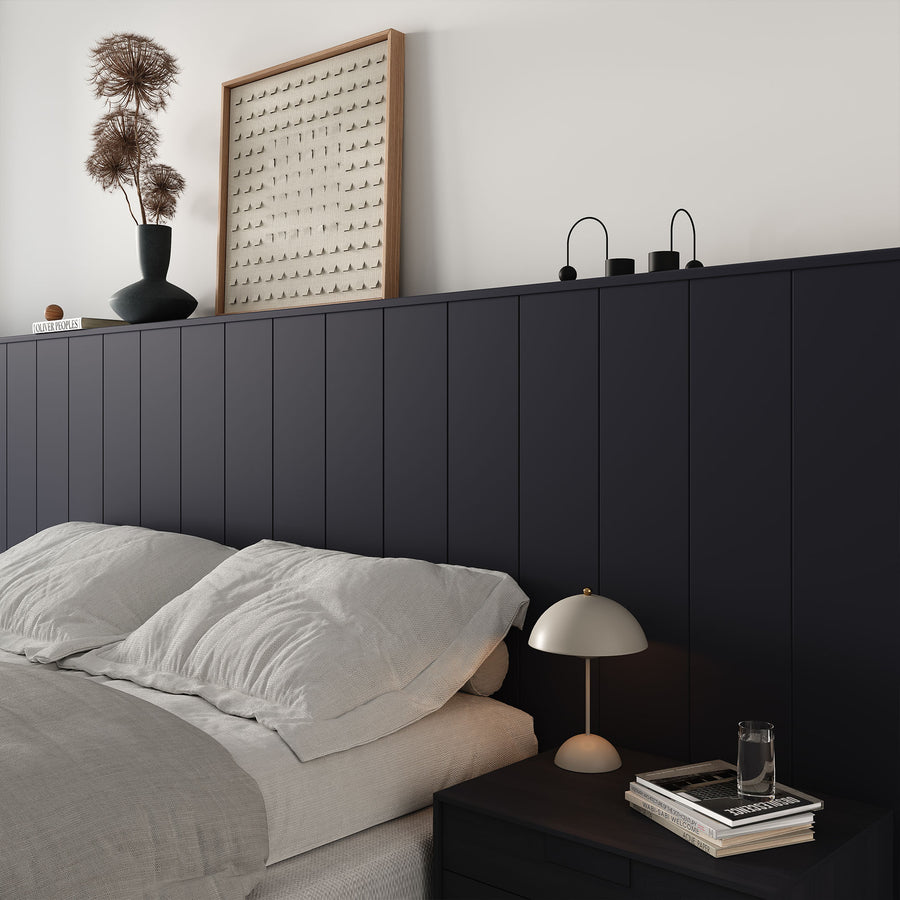
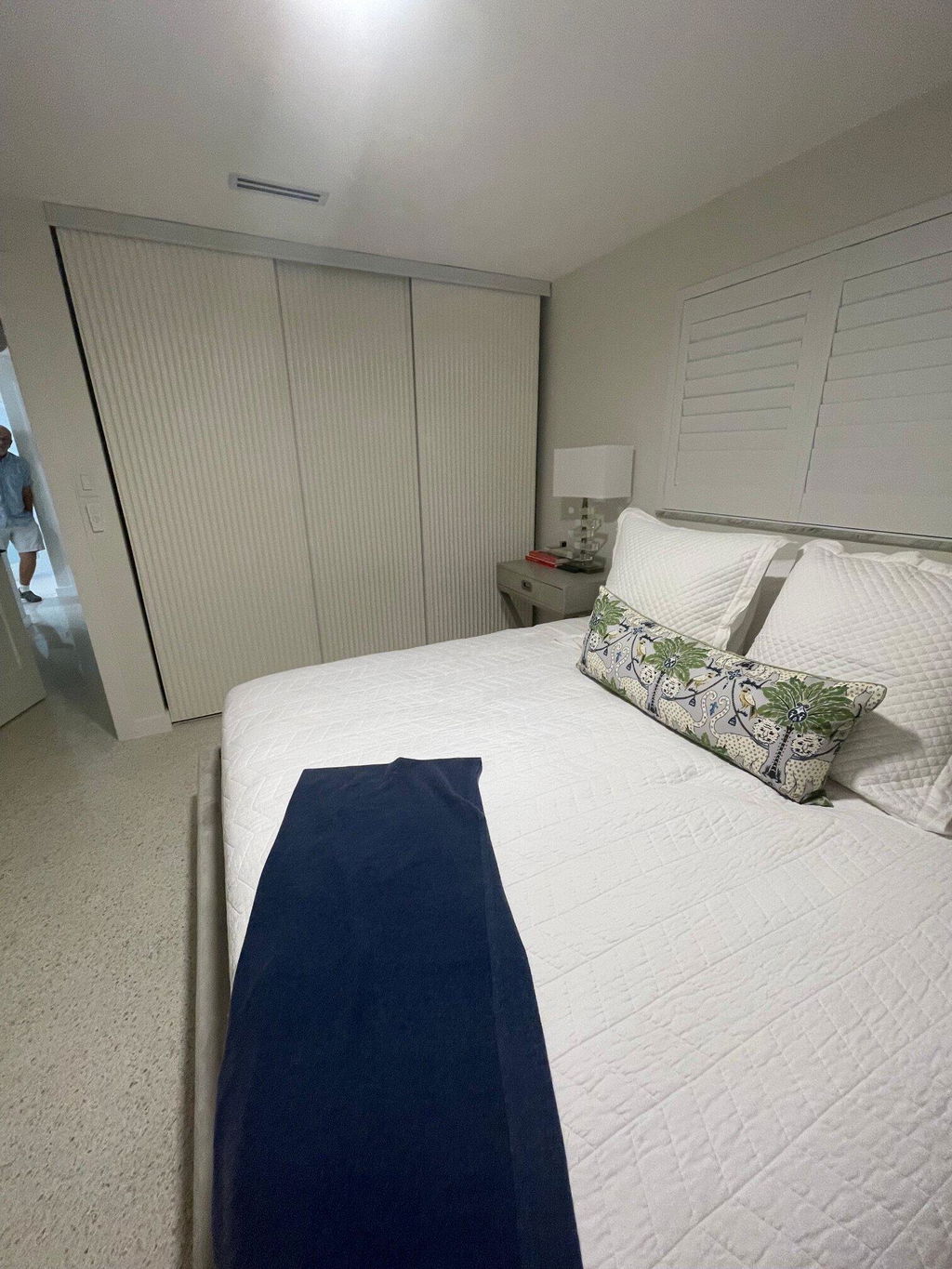
In spaces with side lighting or directional light, that added depth makes a clear difference, just like how it did with the wide ribbed panels in this bedroom...

If your goal is to stop noticing the uneven walls altogether, ribbed panels usually provide the most dramatic improvement.
If the Wall is Slightly Uneven but Structurally Sound
When imperfections are minor, fluted or V-groove panels are often enough. Fluted panels add soft texture, while V-groove panels introduce evenly spaced lines that bring order to the surface.

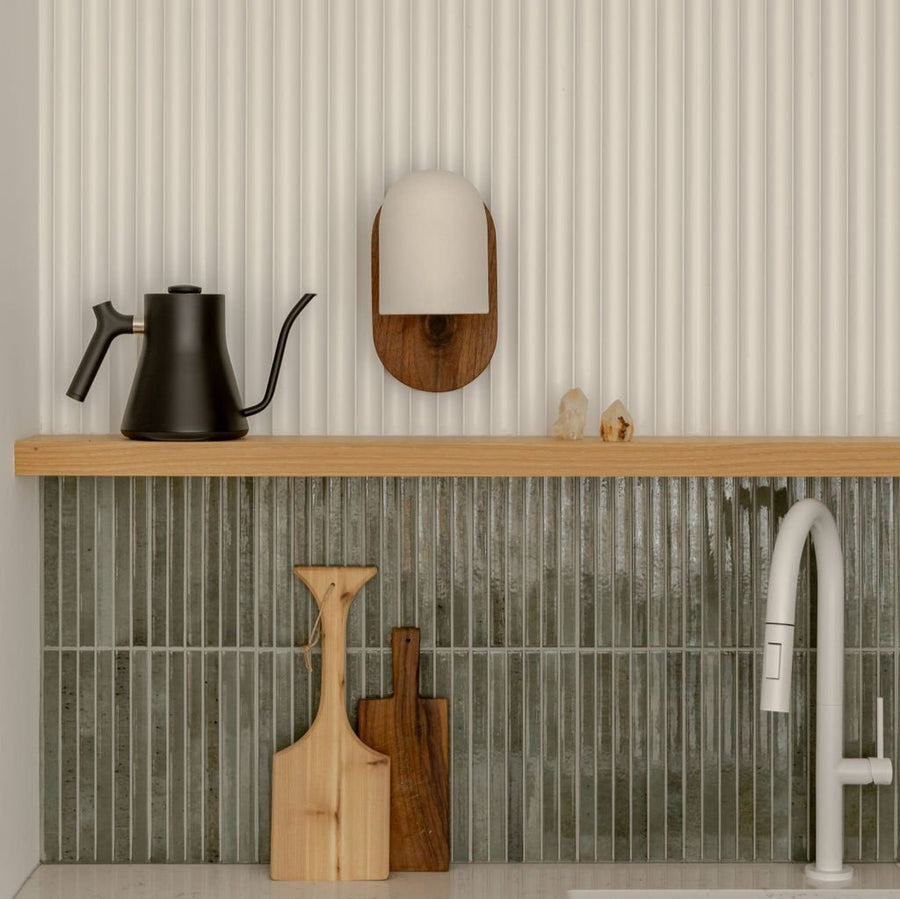
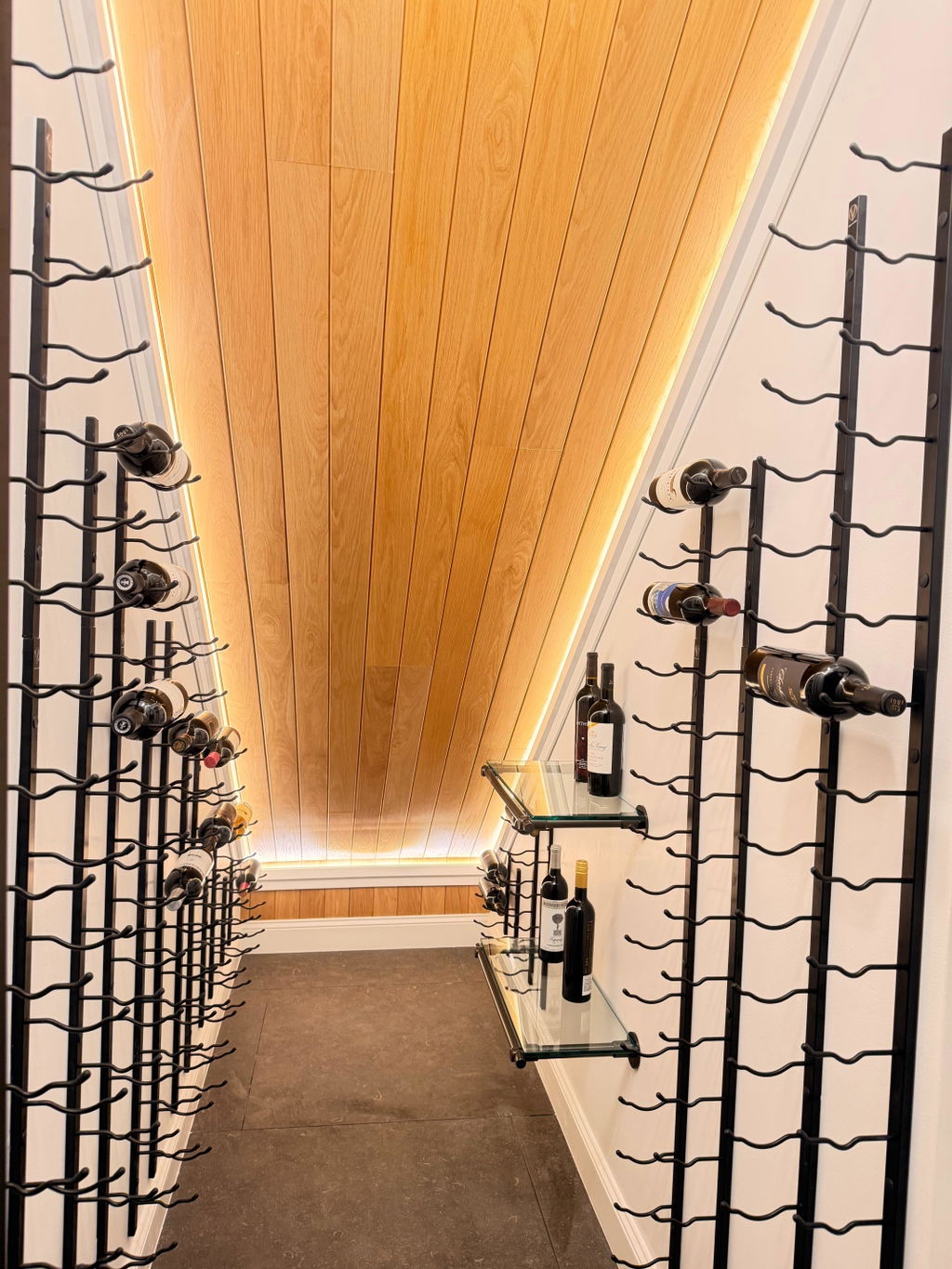
Since V-groove panels are primed on both sides and available in multiple heights, they adapt well to kitchens (like the sample above), stairwells, bedrooms, half walls, and full-height installations.
If Sound is Also a Concern
If the room feels hollow or echoey, wood slat acoustic panels add functional value. They improve comfort while fully covering the drywall.
In this case, you are not only addressing uneven walls. You are improving how the room looks and sounds at the same time.
Final Thoughts
Uneven walls can make a room feel unfinished, even when everything else looks good. Instead of sanding and repainting again, covering the surface with panels is often faster, cleaner, and more reliable.
Paintable panels create a fresh, structured surface. Ribbed panels add depth that redirects attention away from flaws. Acoustic panels improve both appearance and sound comfort.
If you are dealing with uneven walls, you do not need a full renovation to fix them!
With the right panels, especially well-structured options like ribbed panels, the wall can finally look designed on purpose instead of repaired.



Leave a comment