 Skip to content







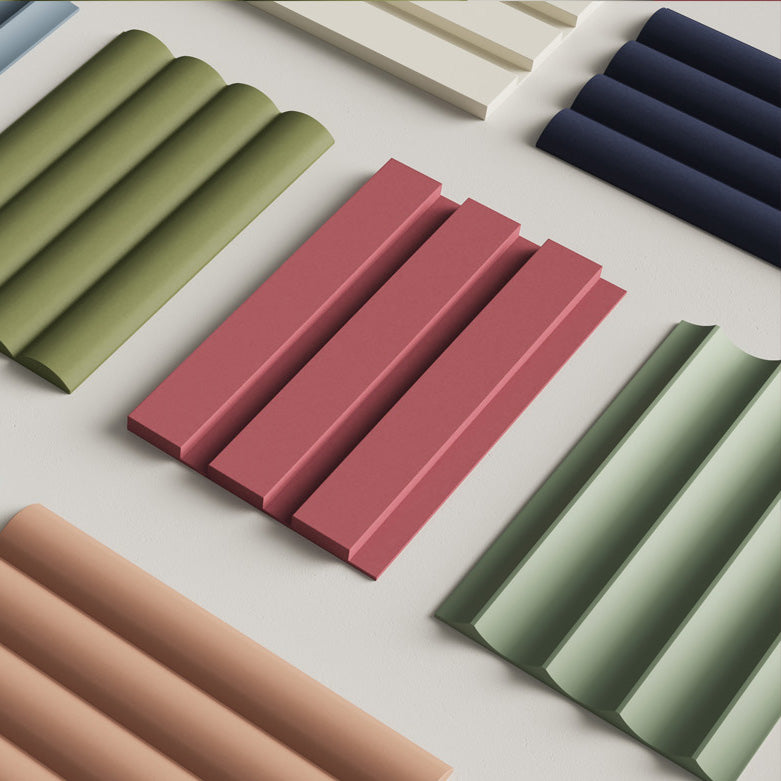
The Return of Midcentury Warmth in Contemporary Home Design

Midcentury warmth is making a quiet return in modern interiors, and it’s easy to see why.
After years of smooth white walls and ultra-minimal finishes, many homes are starting to feel a bit flat and unfinished. Spaces may look clean, but they often lack the texture and depth that make a room feel comfortable to live in.
Midcentury design brings warmth through natural wood tones, vertical lines, and simple architectural details that adds structure without visual clutter.
Today, those same ideas are showing up again in practical, modern ways.
In this article, we are going to explore why midcentury warmth is trending again and how these classic design principles are being reworked for contemporary home design through thoughtful details like slat panels.
Why Midcentury Warmth Feels So Right Again
Trends usually come back when people get tired of something. That’s exactly what’s happening here. Minimal interiors had a long run, and they still look great in photos, but day-to-day living is different.
Midcentury warmth feels comforting. It makes a space feel softer, calmer, and more human. And it’s flexible too!
You can bring it into a room through one statement wall, a ceiling detail, or a divider, without turning your home into a retro movie set.
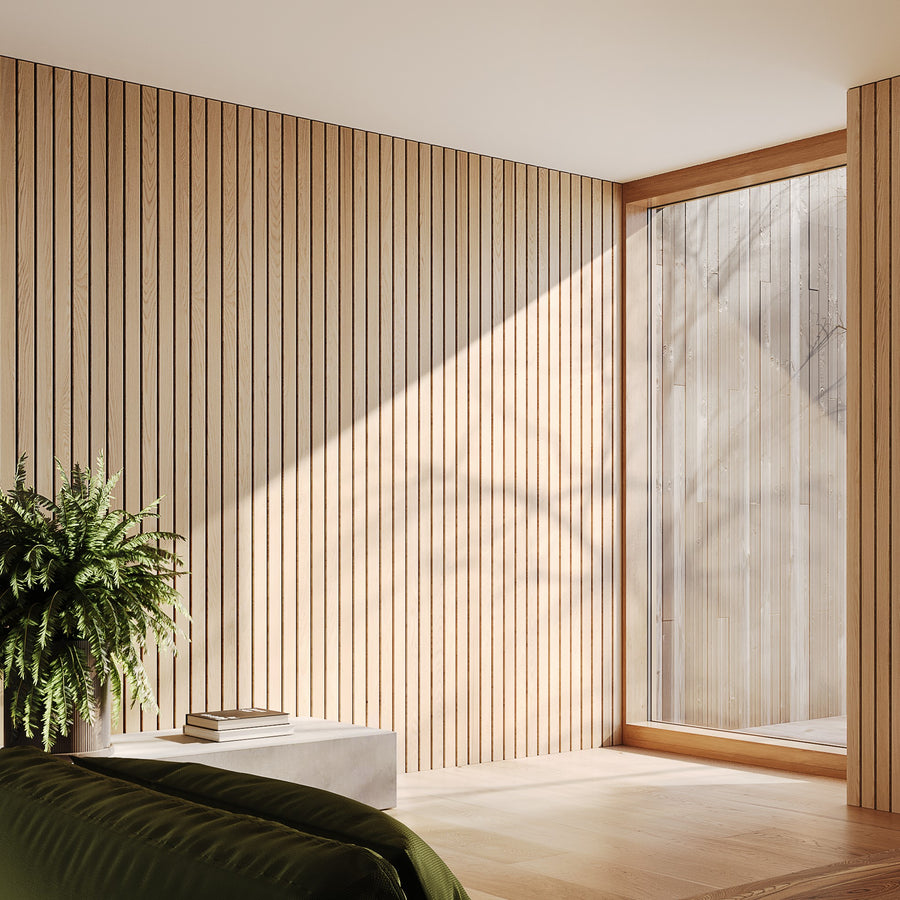
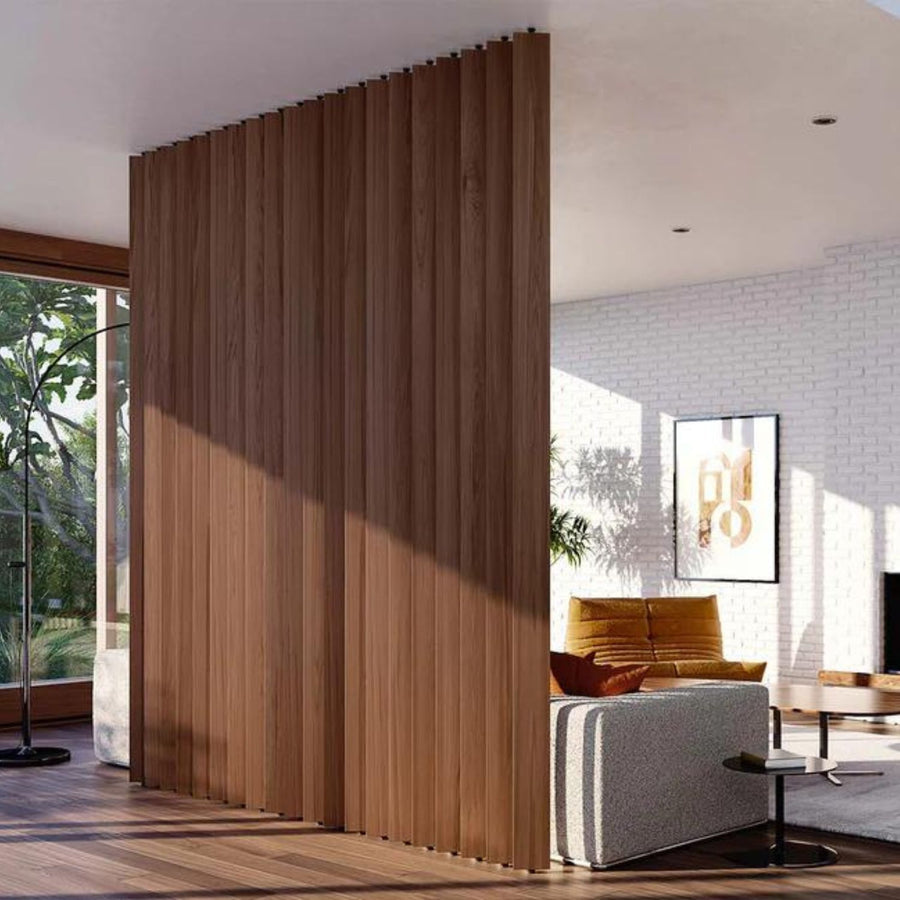
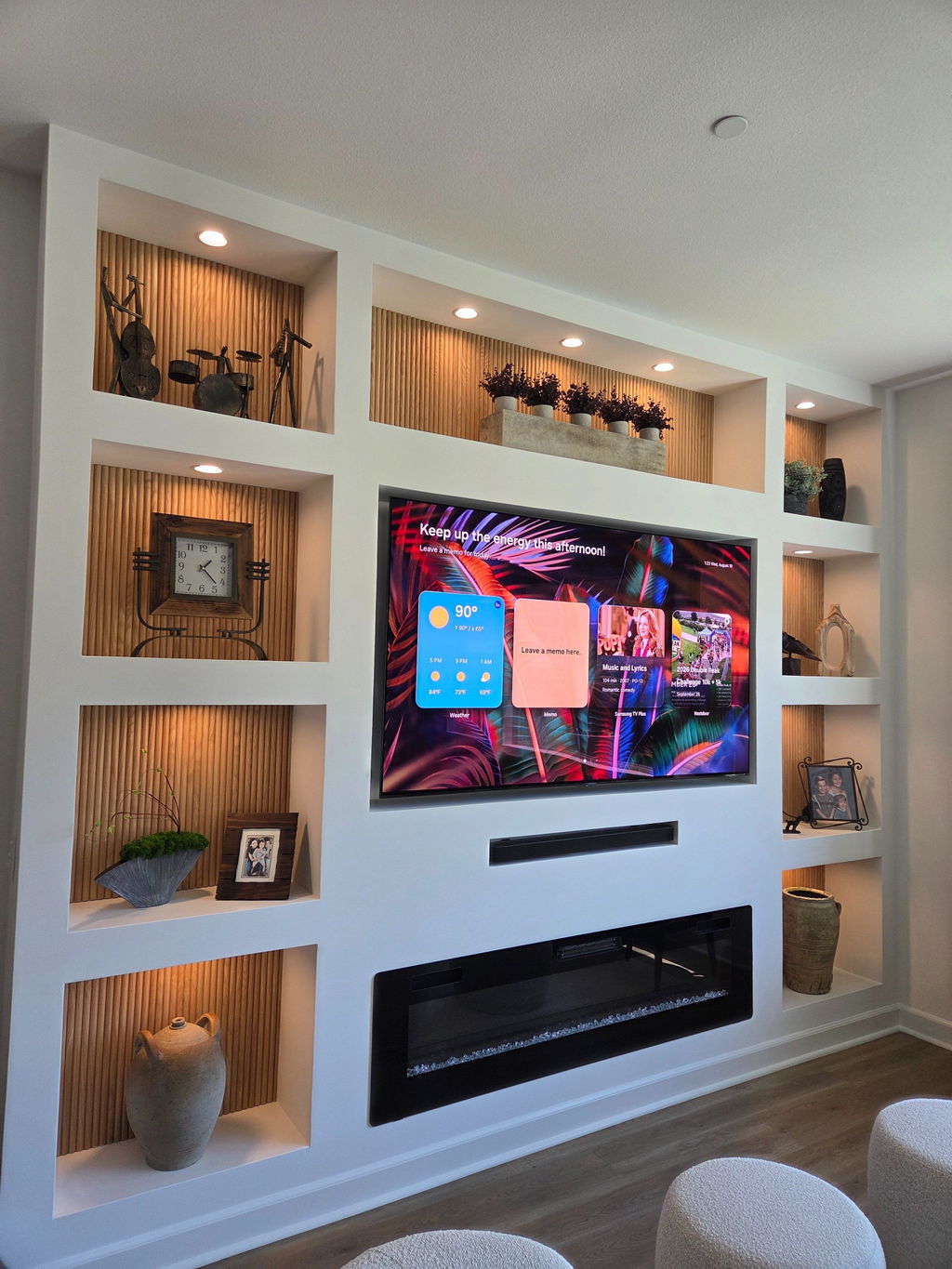
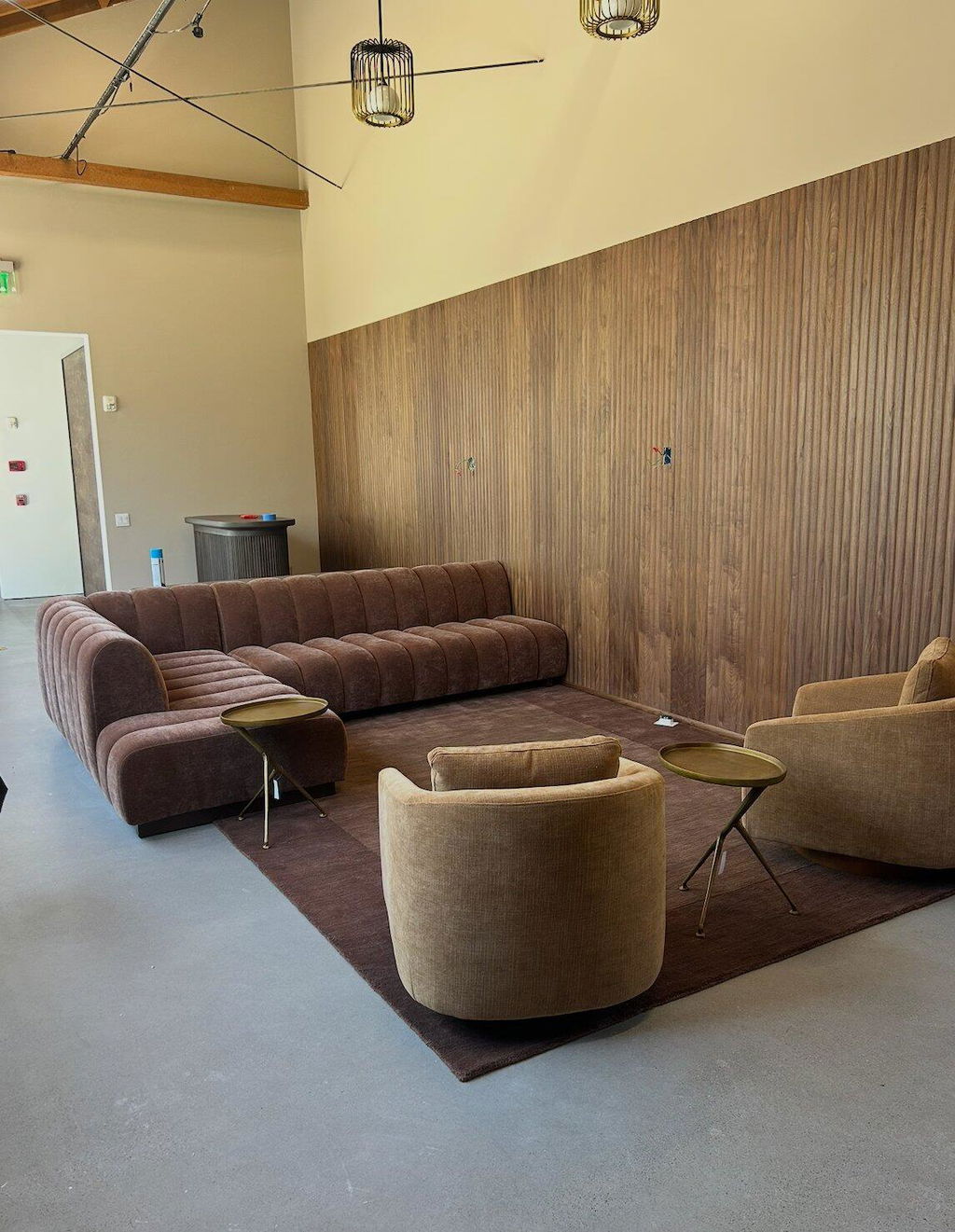
Here's a good example of what a midcentury living room with dividers can do...


Also, wood just plays nicely with everything. Neutral paint, black metal accents, stone counters, warm lighting. It all works.
The Midcentury Wood Detail Look, Updated for Modern Homes
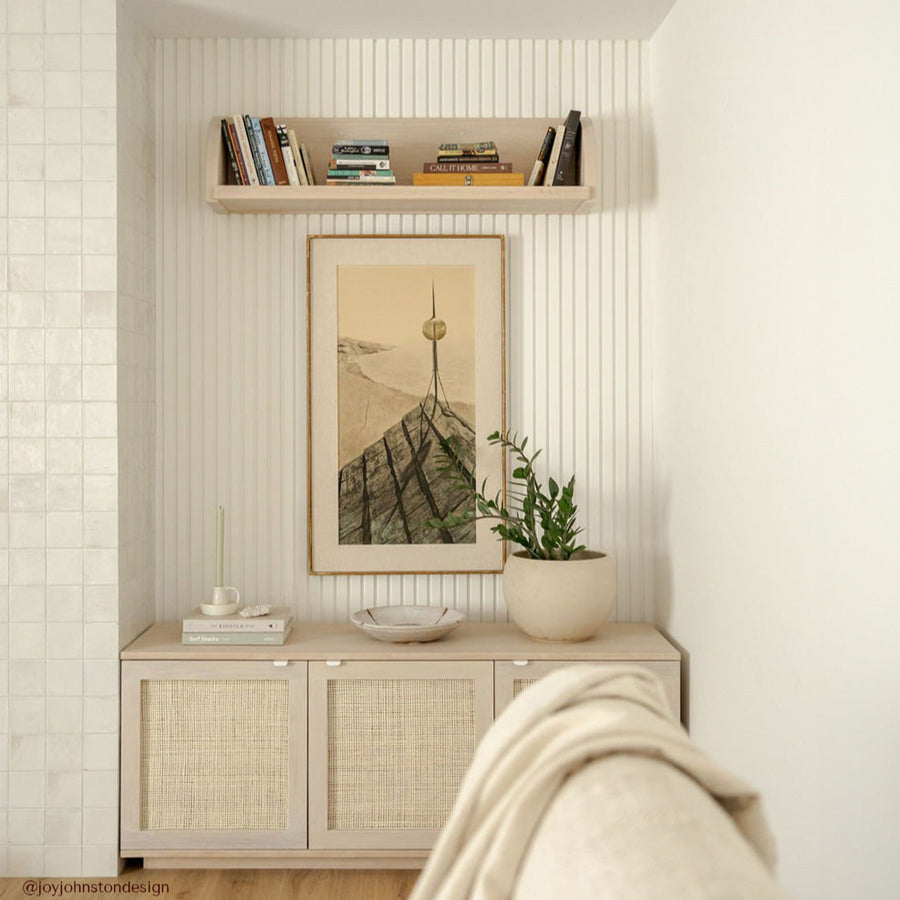
Midcentury interiors weren’t plain. They had texture, rhythm, and structure. A lot of that came from wood detailing like vertical slats, panelled walls, and warm cladding that broke up big surfaces.
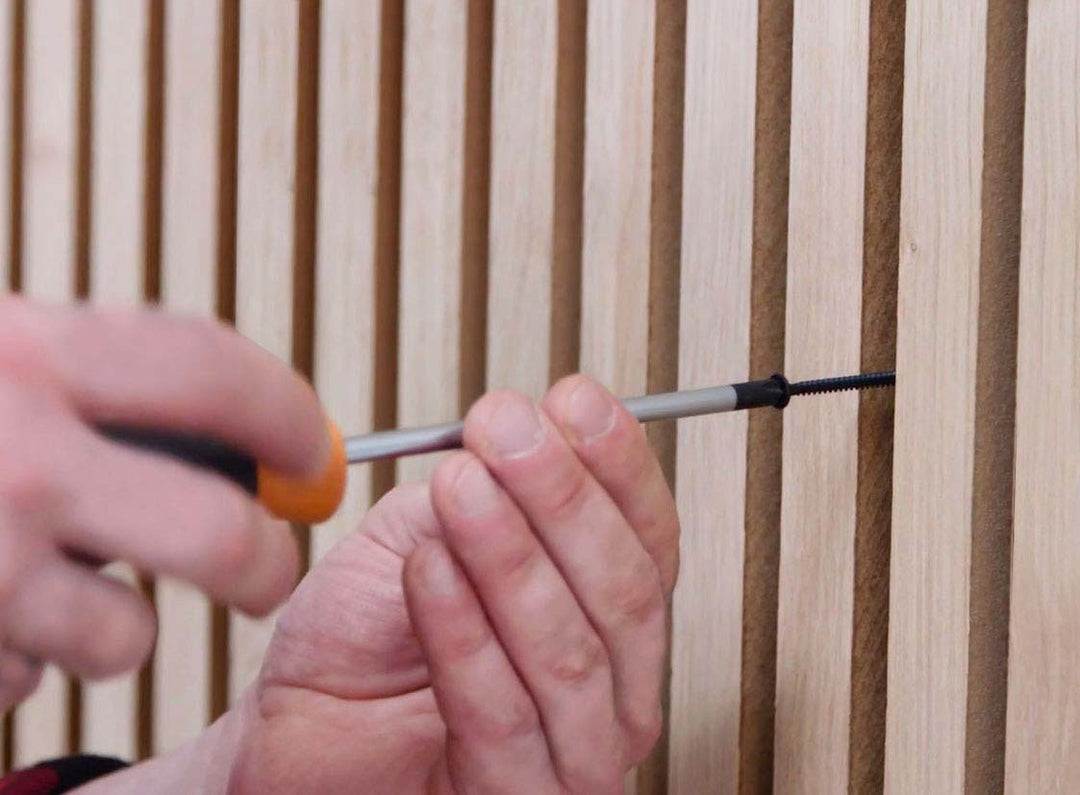
Today, we’re recreating that same visual effect with modern materials and cleaner installation methods. Instead of custom millwork, people are using ready-to-install wood systems that still give that built-in, architectural feel.
This is where acoustic wood slat panels come in.
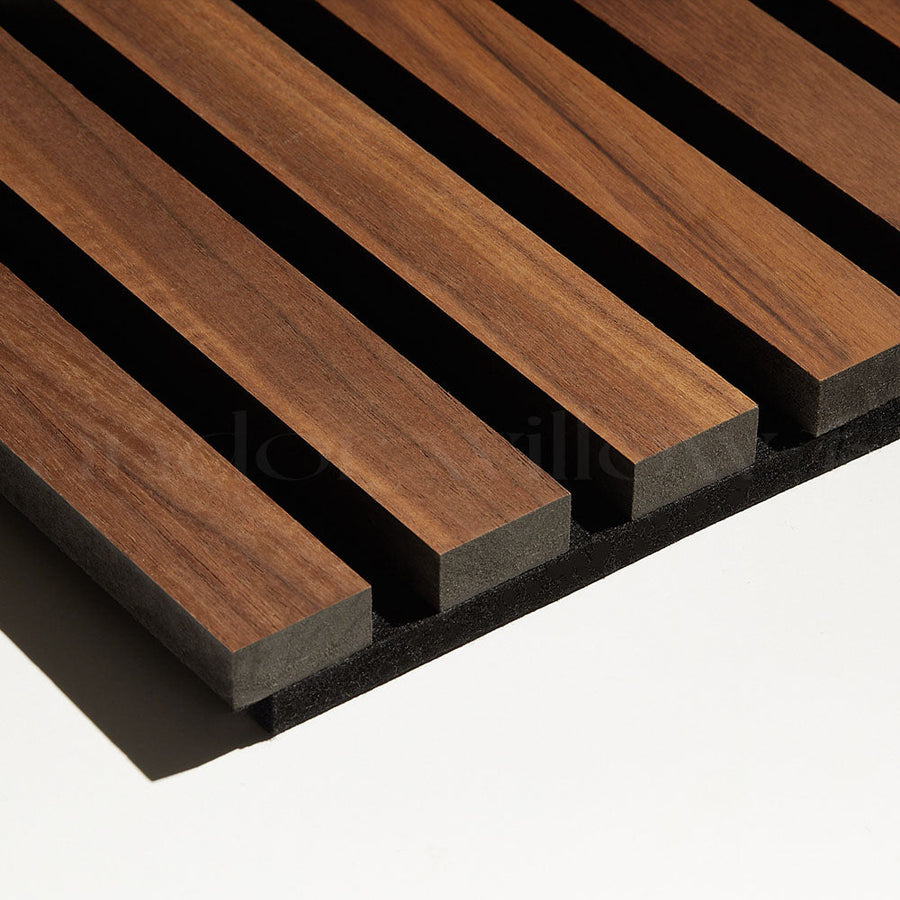
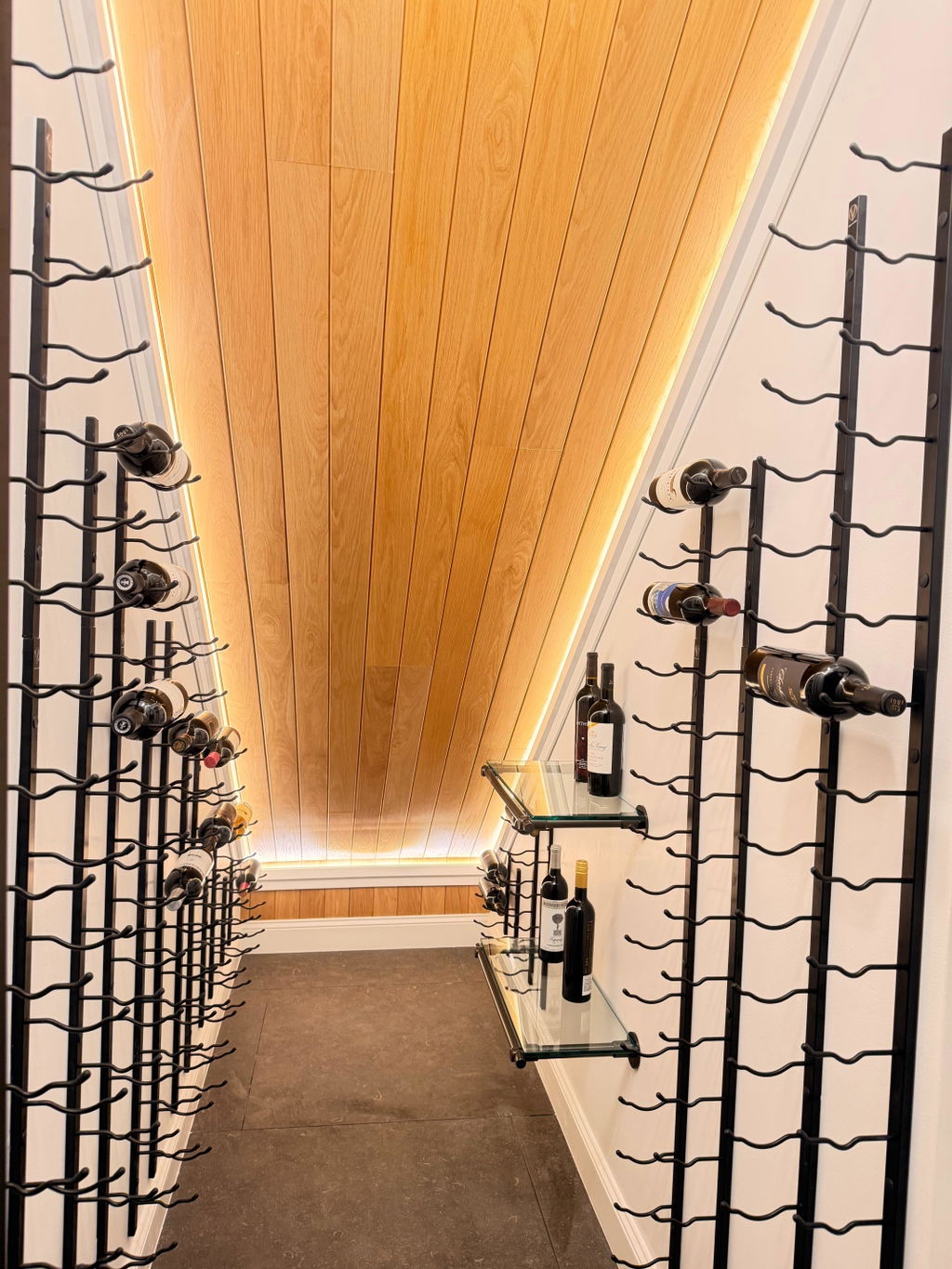
Check this out...


They give you the same repeating wood lines midcentury homes were known for, but with an added bonus that modern homes seriously need.
Less echo. More comfort. Big difference.
Acoustic Wood Slat Panels: Warmth You Can See and Feel
A lot of open-plan homes sound loud even when they’re not loud. Hard floors, tall ceilings, and large windows bounce sound around. You hear every footstep, every clink, every conversation. It adds up.
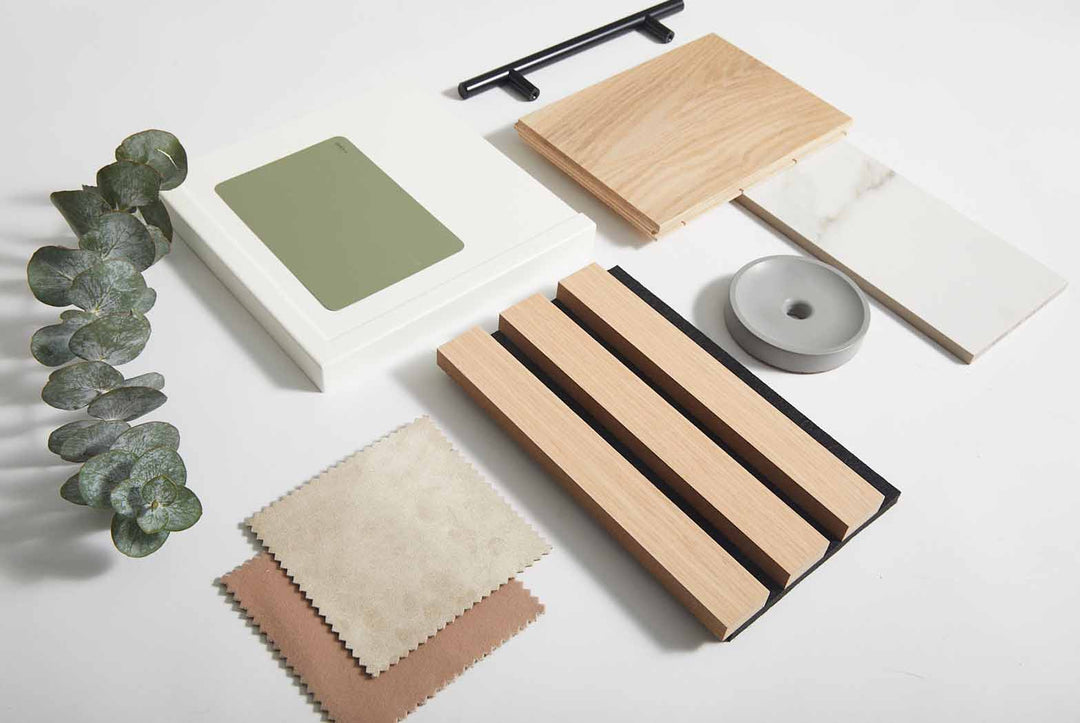
Acoustic wood slat panels help with that. The slatted surface adds depth and texture visually, and the acoustical backing helps absorb sound so the room feels calmer. It’s a very quiet-luxury move, even though you’ll notice the difference immediately.
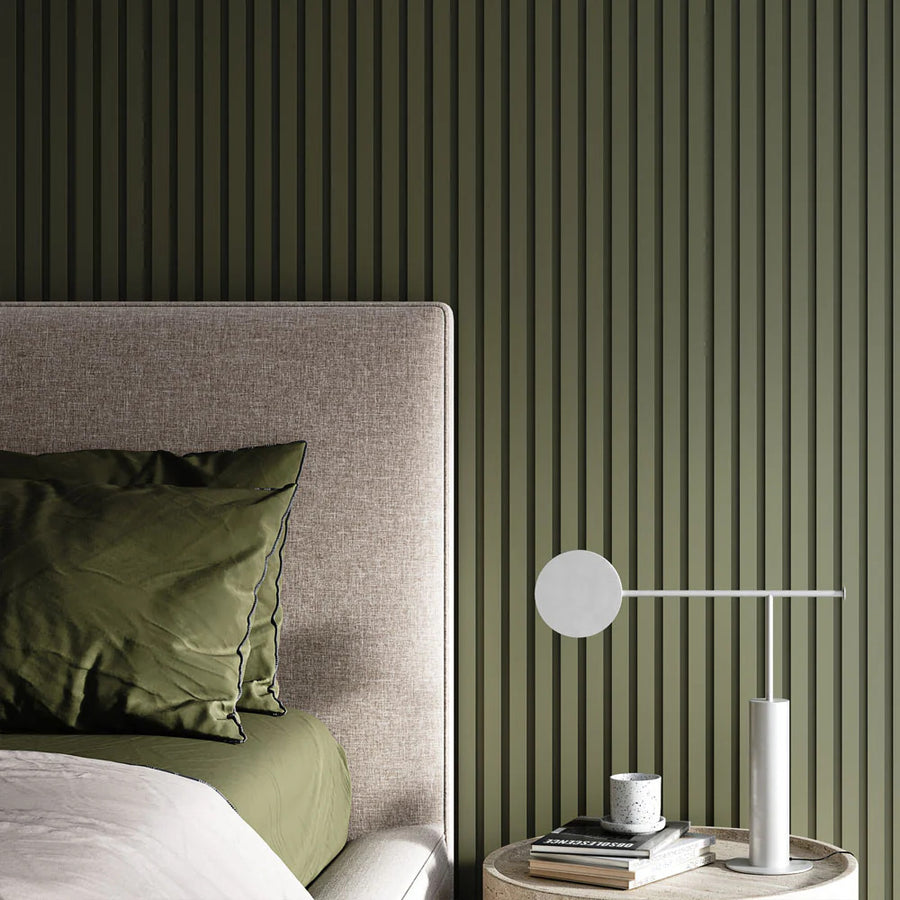
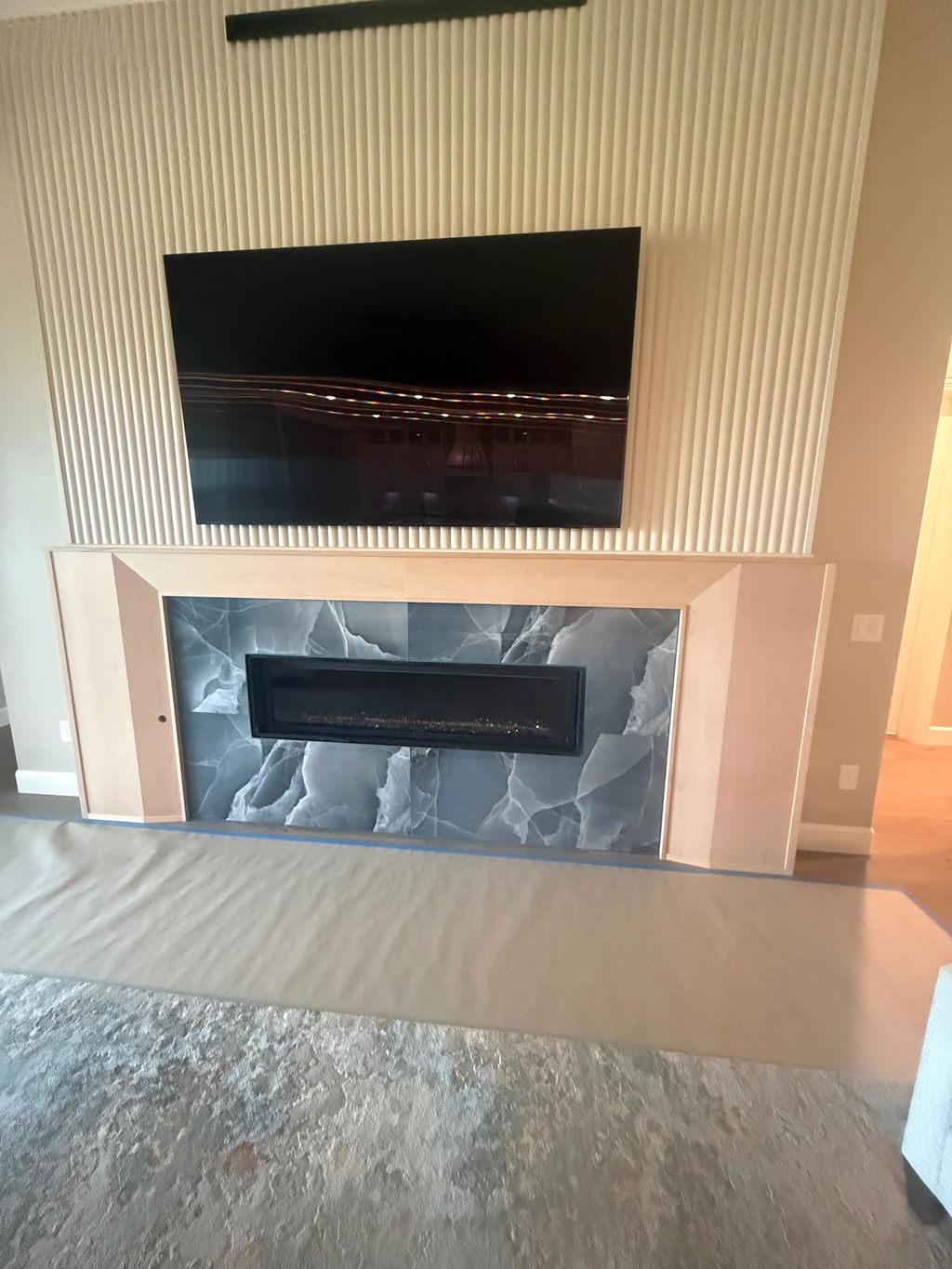
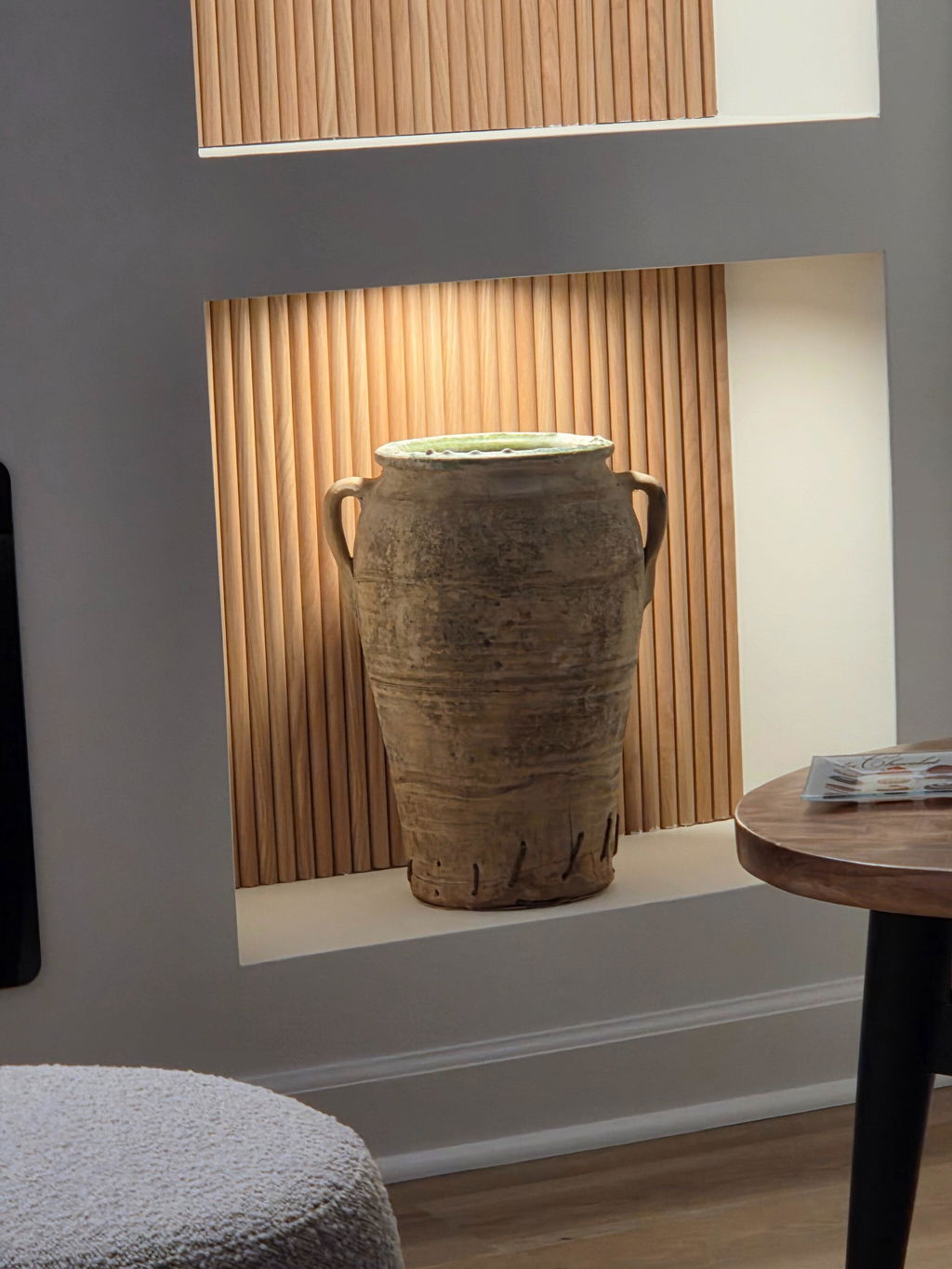
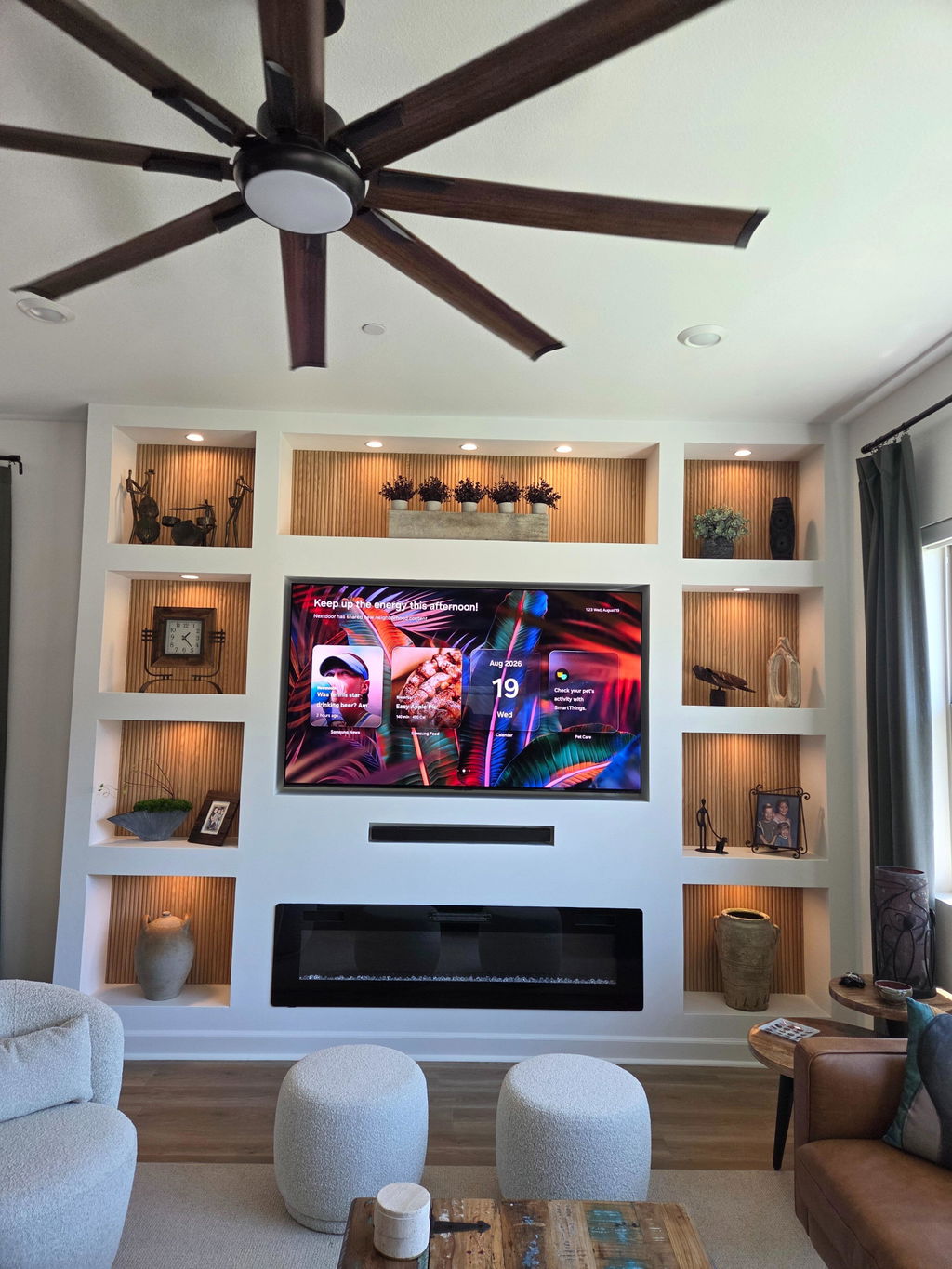
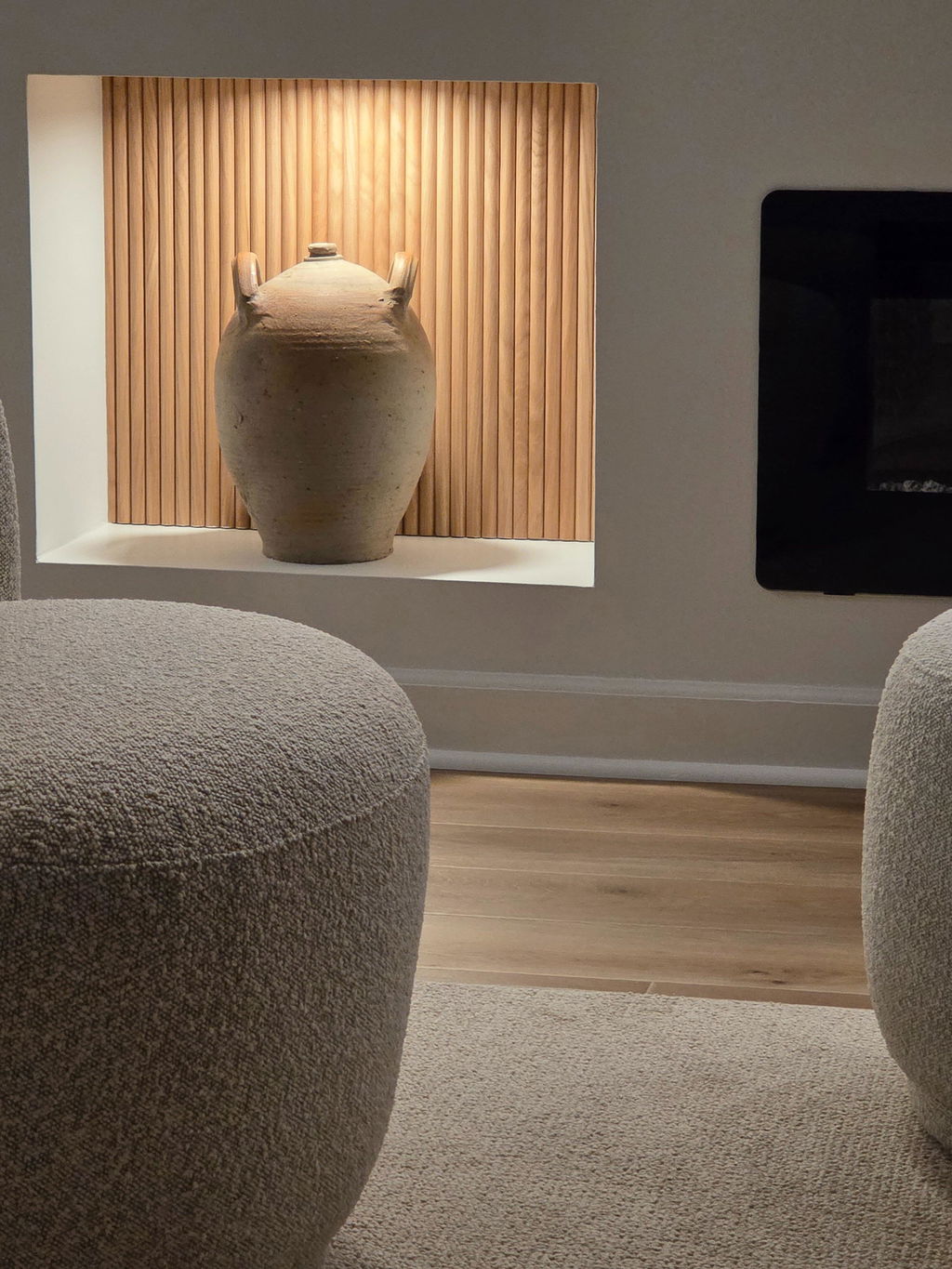
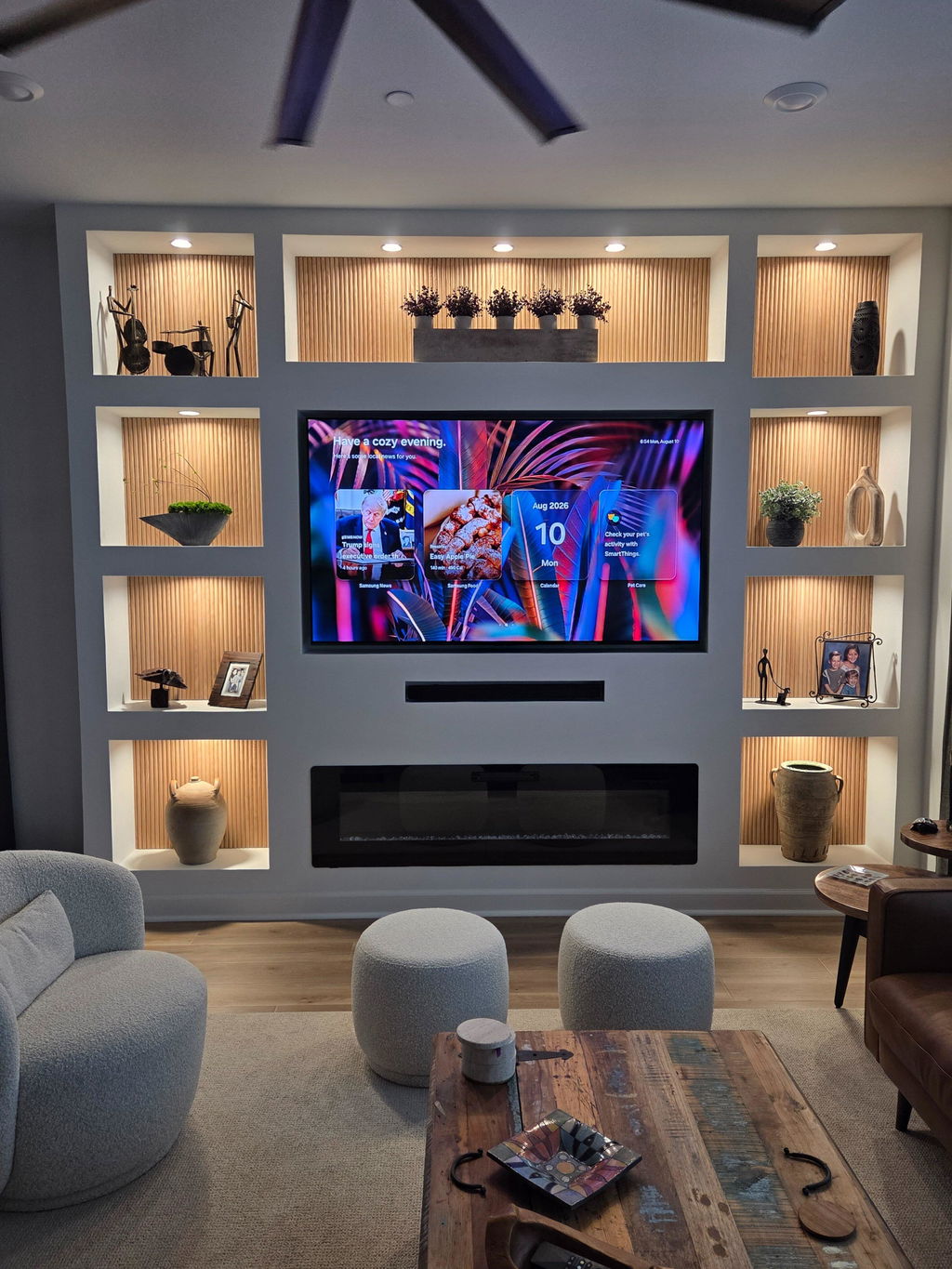
They’re also easy to use for zoning. Put them behind a dining table, a TV wall, a home office nook, or maybe as the backdrop of your fireplace like this...

And suddenly the space feels more intentional. You’re not rebuilding anything. You’re just giving the room a clear focal point.
Wide Slatted Panels: The Bolder Midcentury Statement
Some people want subtle warmth. Others want the full “wow, what is that wall?” reaction. That’s where wide slatted panels make sense.
Wider slats create a stronger architectural look, almost like a sculptural feature running floor to ceiling. They feel more dramatic than narrow slats, but still clean and modern. You get that midcentury rhythm, only bigger and more confident.
Wide panels also work well in larger rooms where small details get swallowed up. In a big open space, skinny slats can disappear visually. Wider slats hold their own and keep the design from feeling flimsy or underdone.
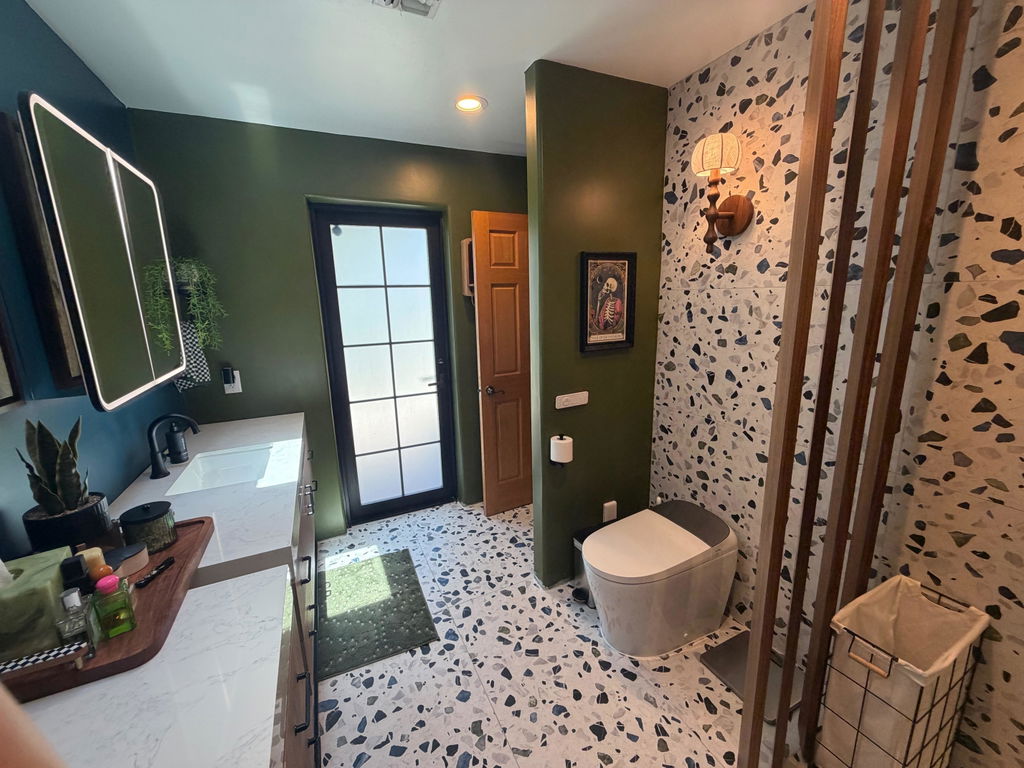
They’re also great in places where you want privacy without blocking light. A wide slatted divider can separate a living room and dining area while still keeping the space bright.
Where Slat Panels Work Best Right Now
If you’re trying to bring midcentury warmth into a modern space, placement matters.
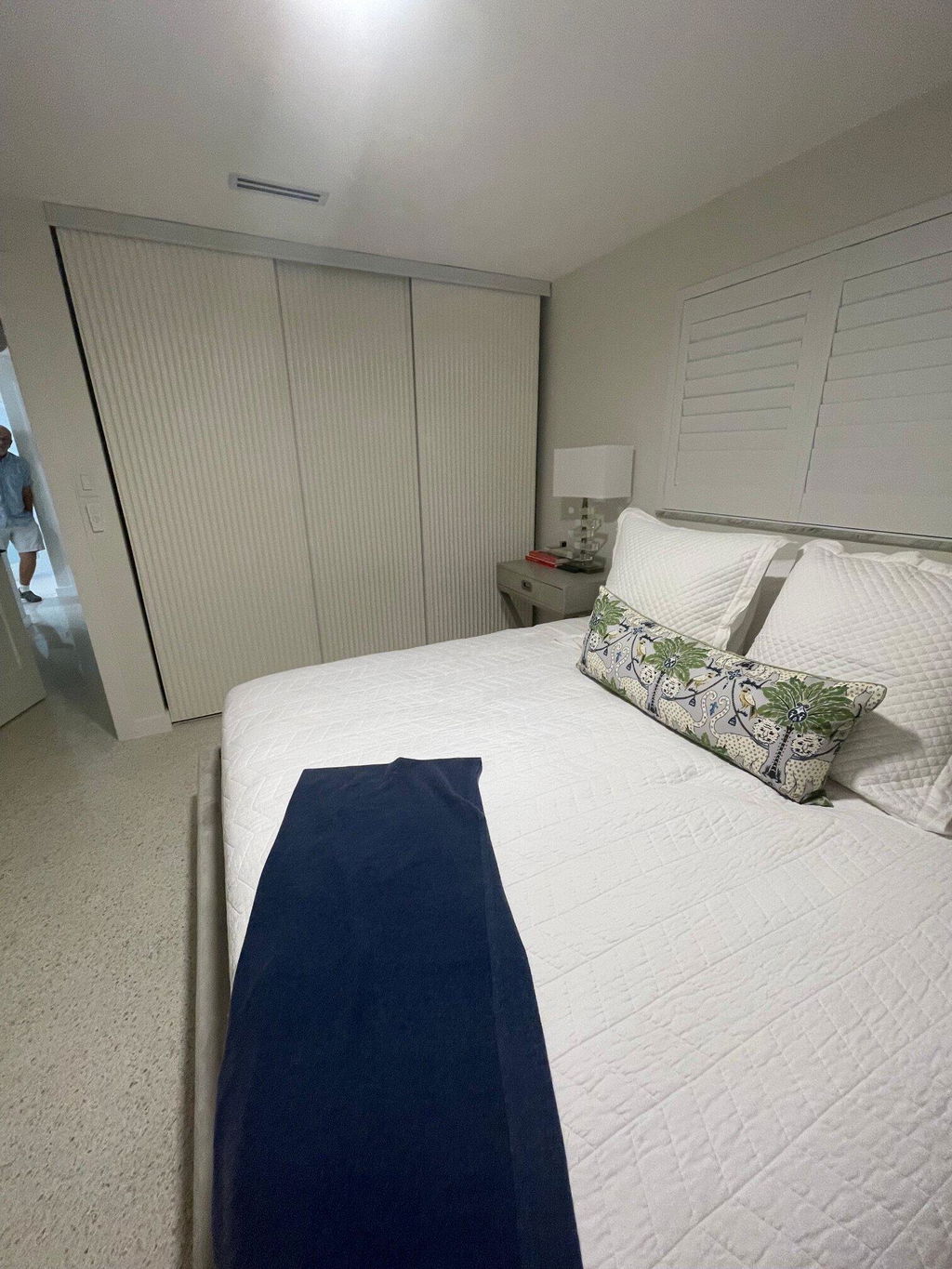
Here is a good example of how people are using slat panels in real homes...

Behind the TV, a white oak slat panel wall makes a setup feel finished instead of like it’s floating on a blank wall. It also helps hide cables and gives the room a focal point that isn’t just a large black rectangle.
In dining areas, slats behind a dining table create a strong visual anchor. It makes the dining zone feel separate, even in an open layout.
For home offices, a slat wall behind a desk looks polished on video calls and gives the space structure.
It’s also a nice way to make work feel slightly less depressing. Slightly.
Here's a look at how it goes...

In entryways and hallways, vertical slats help narrow spaces feel taller and more designed. They also create that clean arrival moment when you walk in.
For open-plan zoning, slatted dividers or partial walls break up zones without adding heavy walls. Midcentury homes did this constantly, and honestly, they were onto something.
Why This Trend Has Staying Power
Midcentury warmth is not coming back just because it looks good in photos. It keeps showing up because it actually makes modern homes work better day to day.
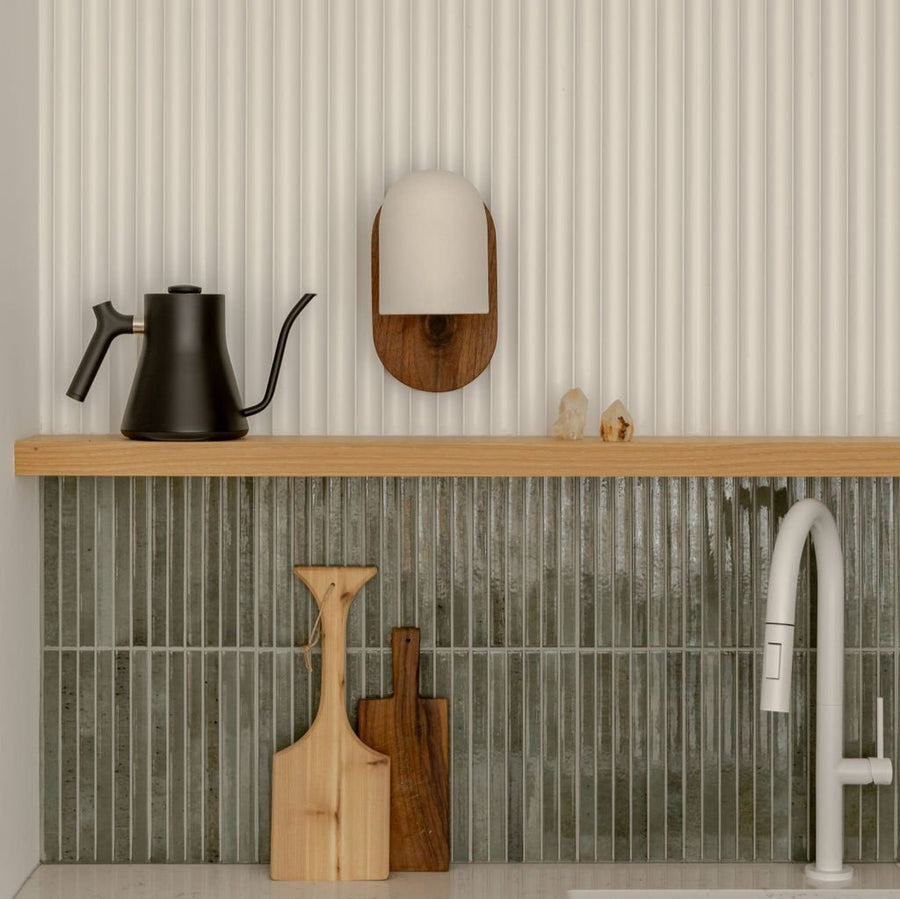
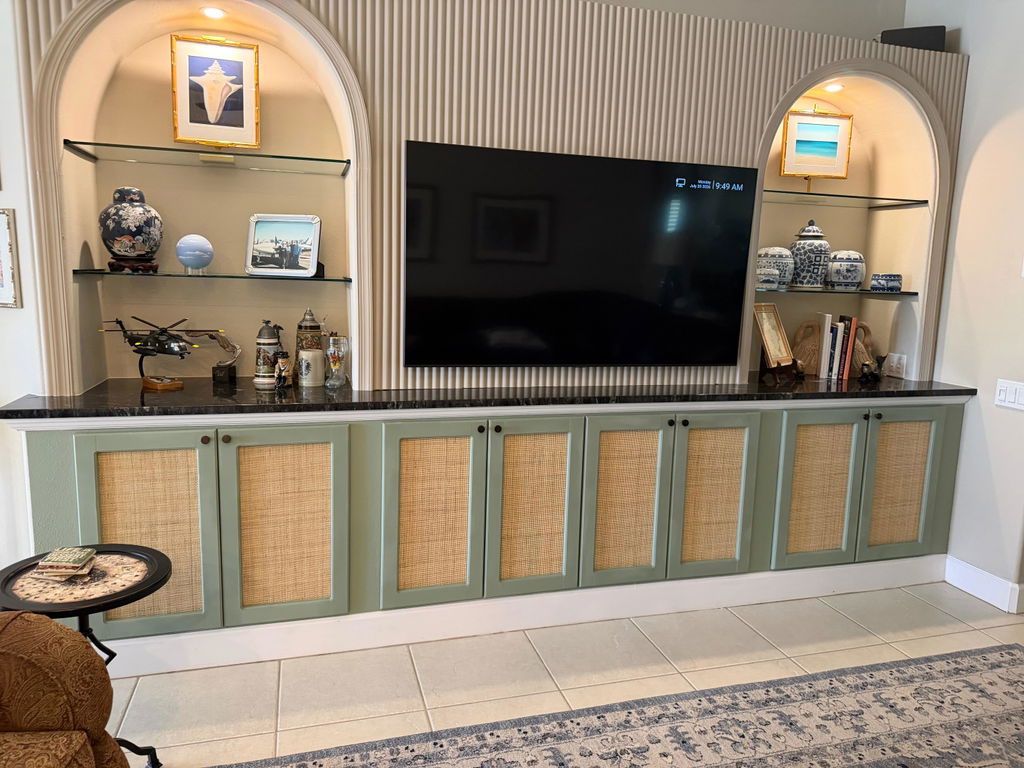
Take for example the fluted panels in this midcentury-themed kitchen...


Many contemporary spaces rely heavily on smooth finishes, hard flooring, and wide open layouts. Over time, that can make rooms feel flat, echoey, and a little uncomfortable to live in. Midcentury-inspired wood details fix those issues in simple, practical ways.
They help by:
-
Adding real texture to large, blank walls that would otherwise feel empty
-
Softening the look and sound of rooms filled with glass, concrete, and hard flooring
-
Creating visual structure in open layouts without adding walls or bulk
-
Making spaces feel warmer and more inviting without heavy decor or clutter
That is why slat panels have become such a popular modern update on classic midcentury wood detailing. They bring warmth, structure, and purpose back into rooms in a way that feels natural and easy to live with.
Conclusion
If your home has started to feel a little too plain, midcentury warmth is one of the easiest ways to bring life back into it. You don’t need to swap out all your furniture or redesign the entire space. A few well-placed wood details can do the heavy lifting.
Acoustic wood slat panels help add texture while making rooms feel calmer, and wide slatted panels give you that bold architectural punch that makes a space feel designed on purpose. Either way, the goal stays the same: warmth, structure, and comfort that feels natural.
That is why the return of midcentury influence fits so well into contemporary home design, especially through smart, modern upgrades like slat panels.



Leave a comment