 Skip to content








Wide Slat Panels vs. Standard Slat Panels: Which Creates More Impact?

Slat wall panels seem simple… until you actually have to choose one.
Then suddenly you’re comparing spacing, proportions, and wondering why one wall looks calm while another looks like it belongs in a design magazine. That difference usually comes down to one thing: scale.
Wide slat panels and standard slat panels use the same idea, and in the case of brands like Andor Willow, even the same materials. But the spacing and width completely change how a wall feels.
So if you’re planning to install wood slat wall panels or upgrade to modern wall panels, this guide will help you understand what actually creates impact and what just looks good in photos.
Meet the Actual Products
Before we get into design talk, let’s ground this in real products so this isn’t just theory floating around. Seeing the actual specs makes it much easier to understand why these panels look so different once installed.
Standard Slat Panels


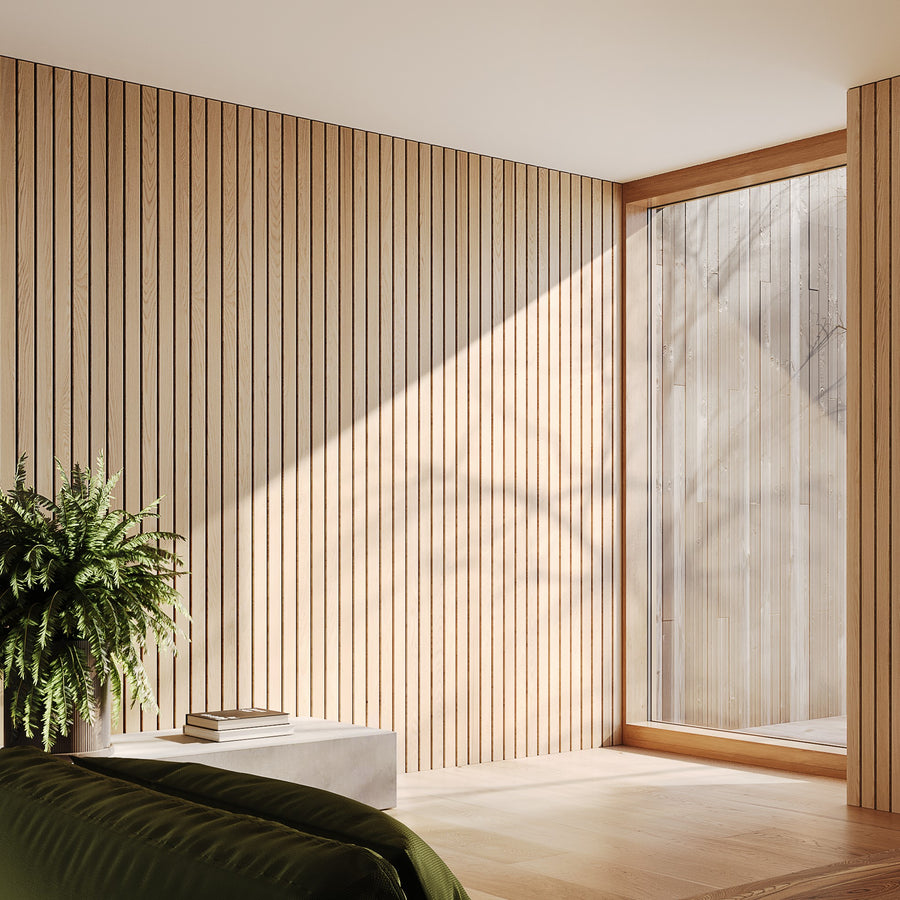
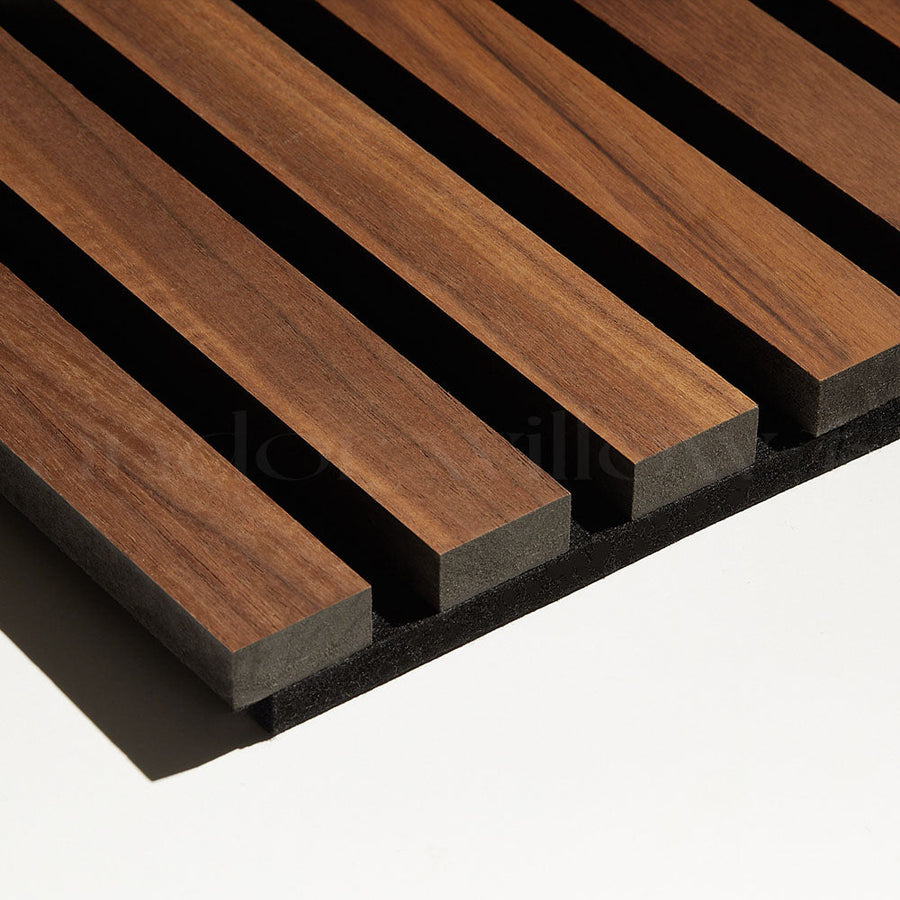
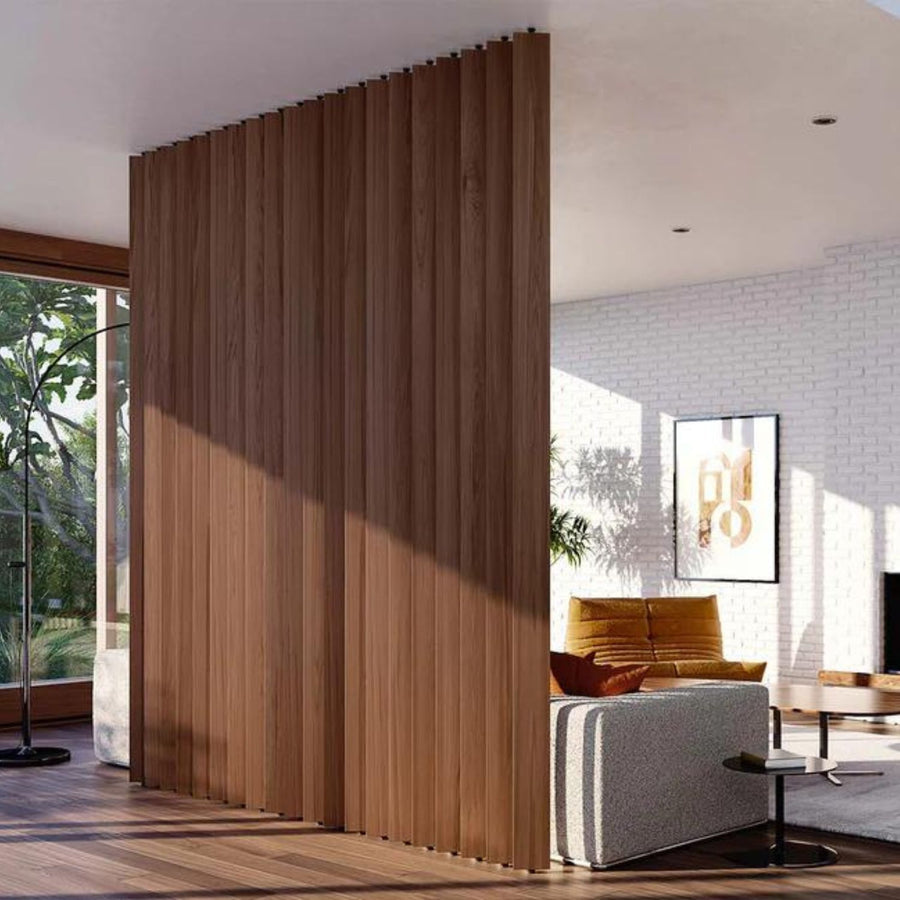
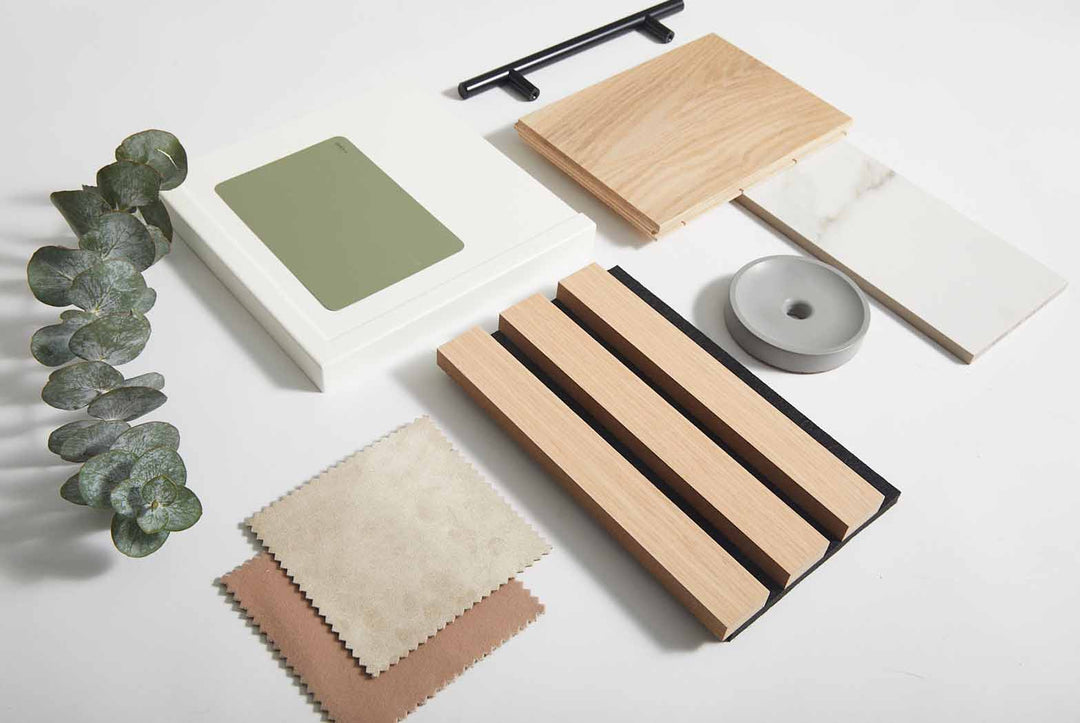
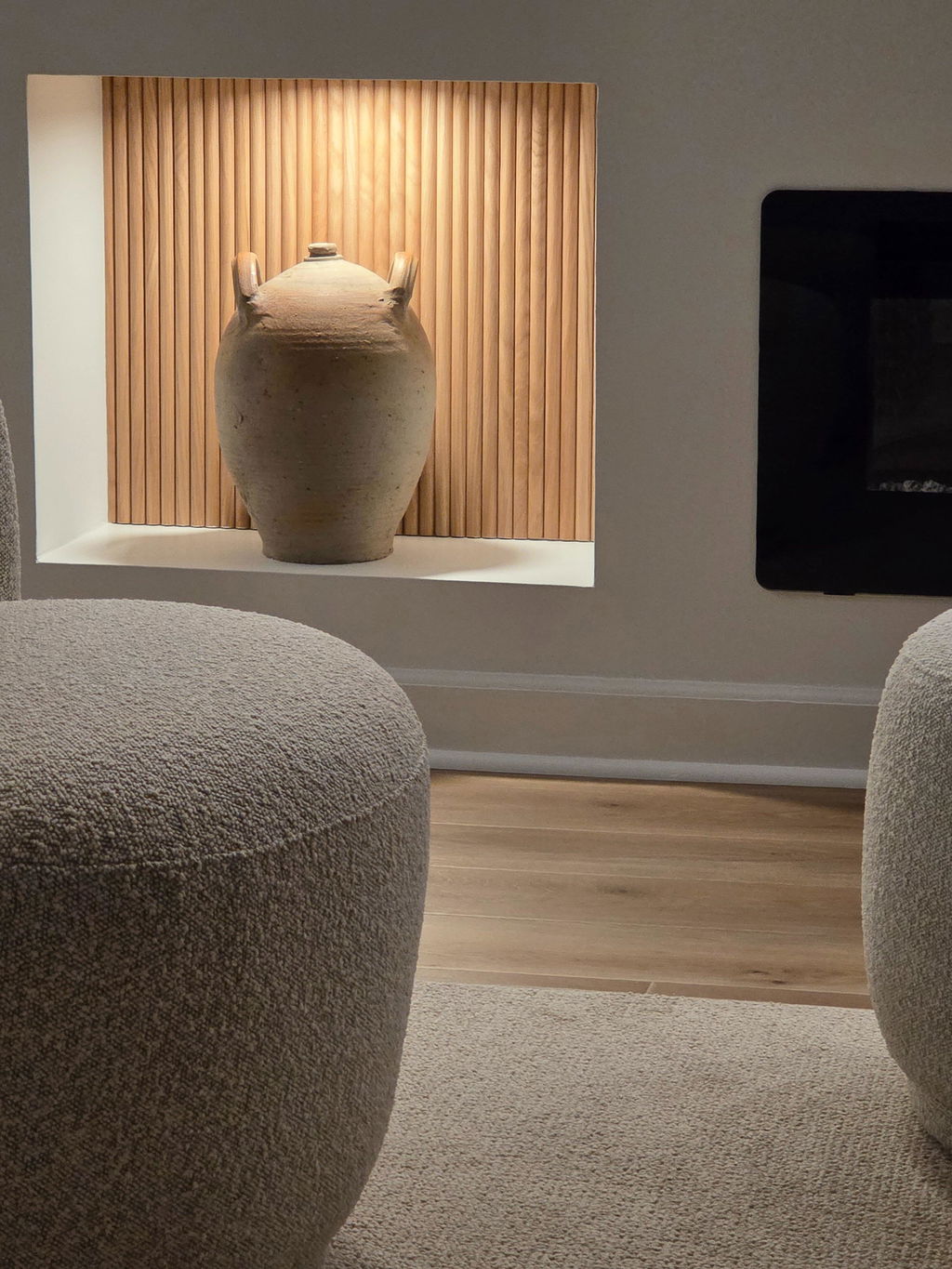
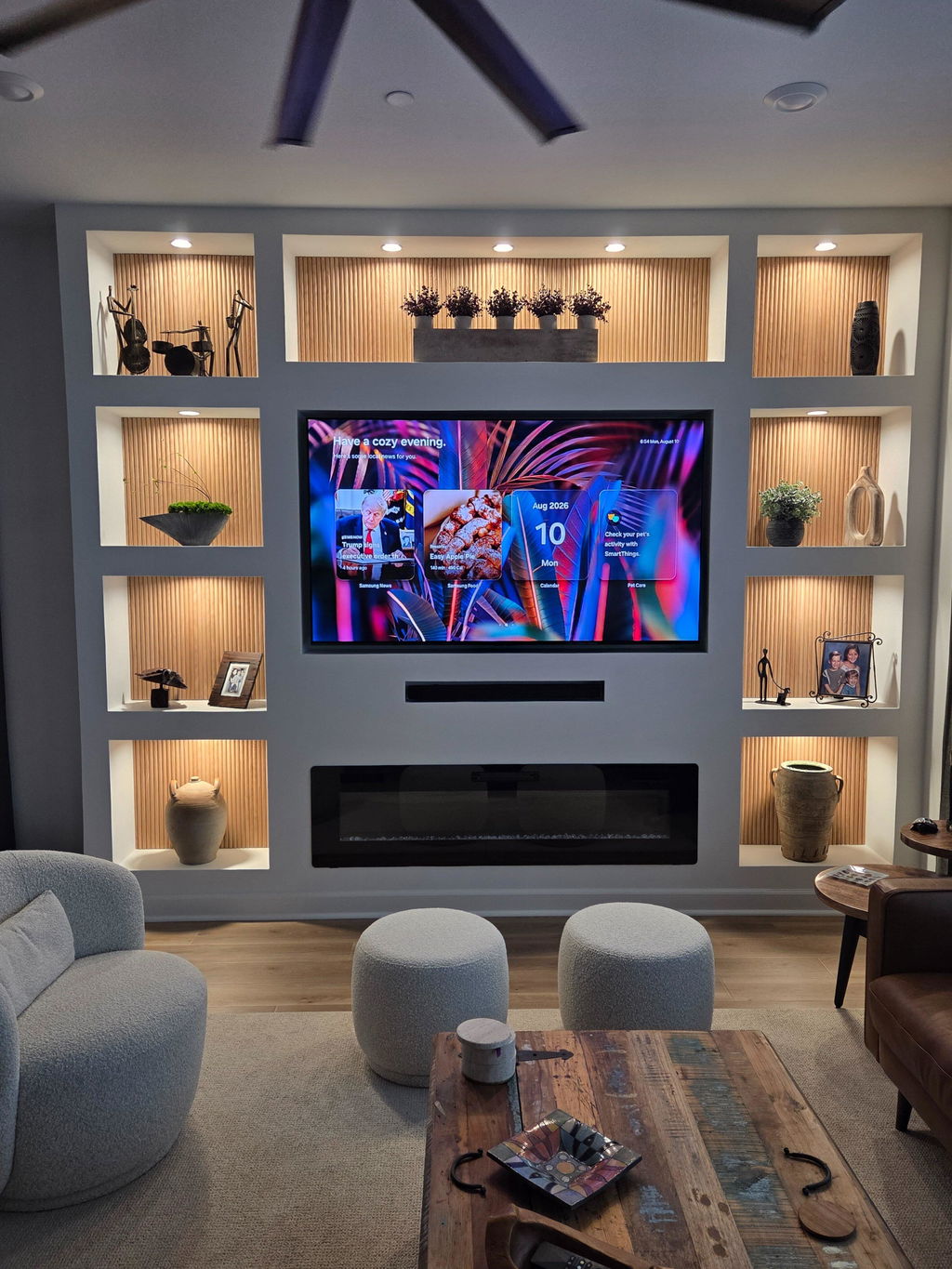
These are the standard wood slat panels most people start with. They use narrow slats wrapped in real wood veneer and mounted on acoustic felt backing, which already gives you both texture and sound absorption.
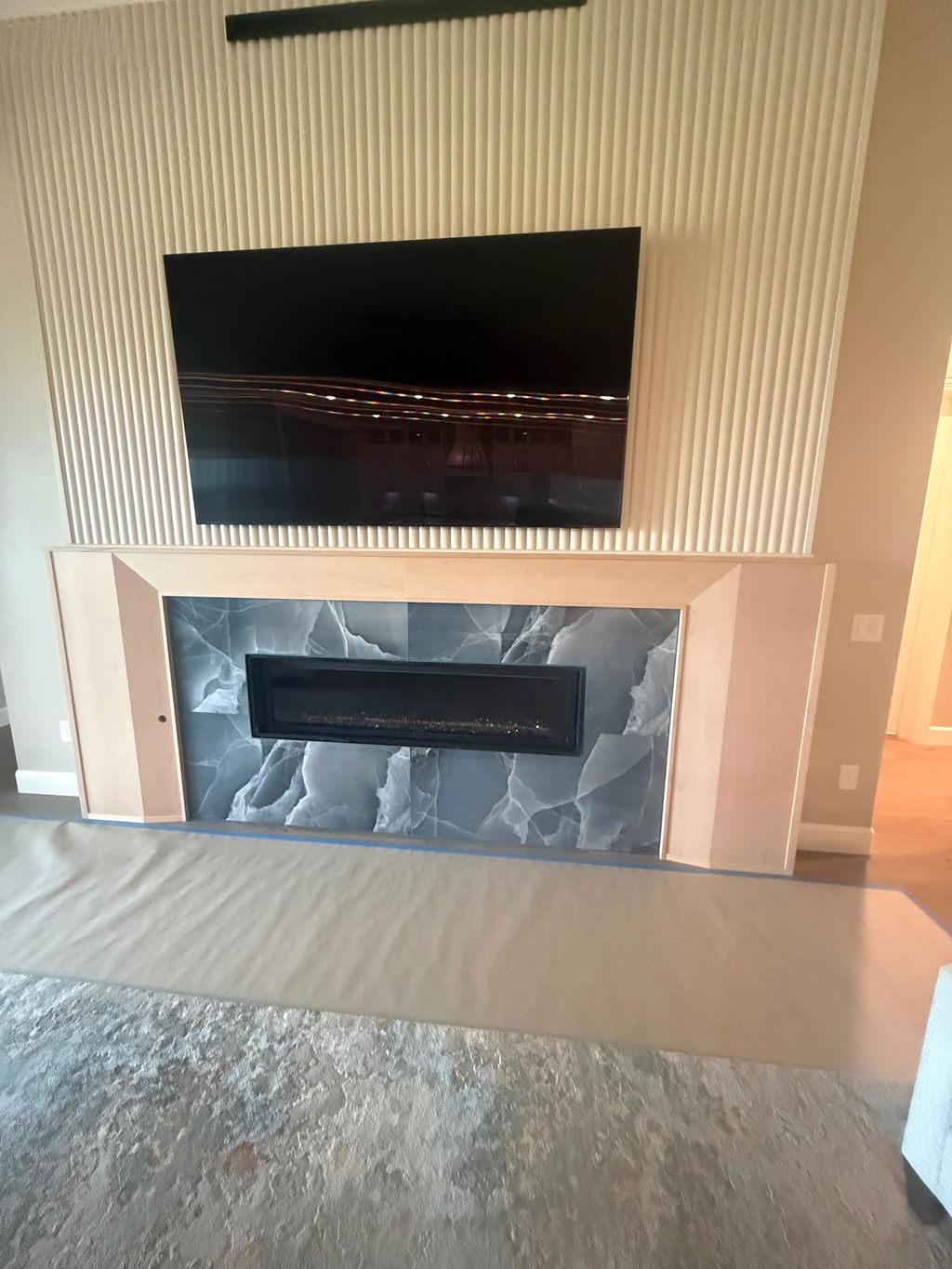
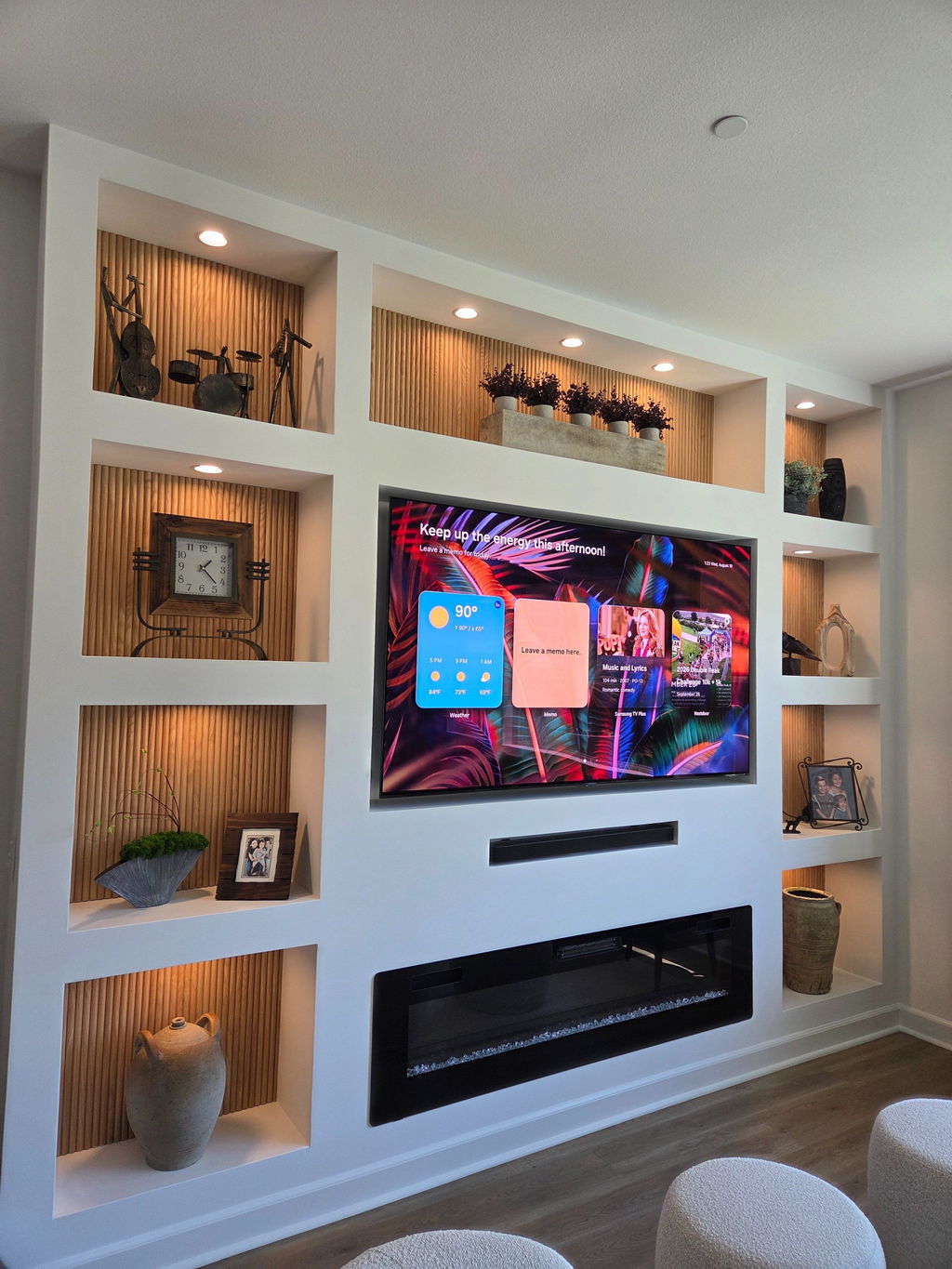
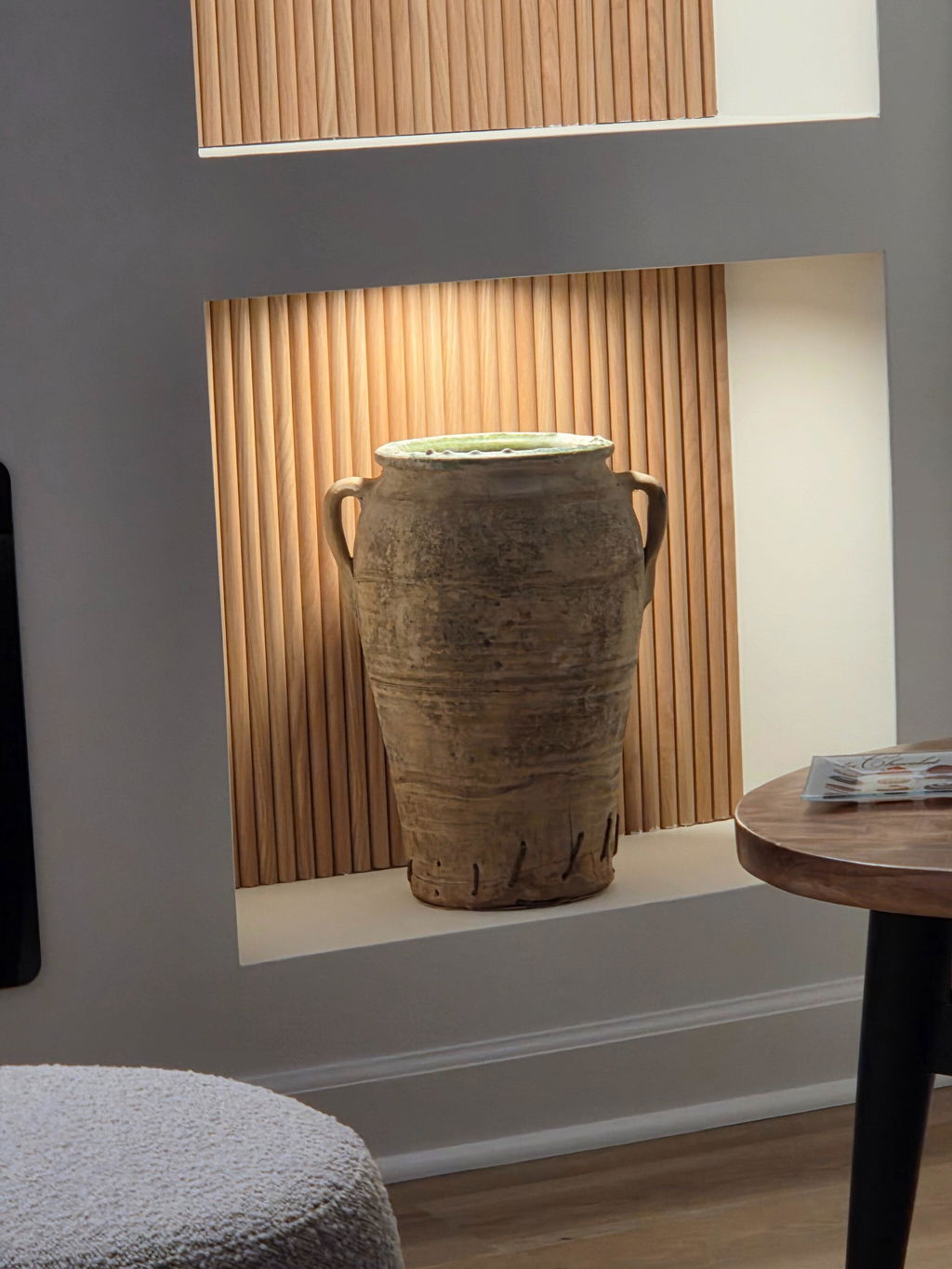
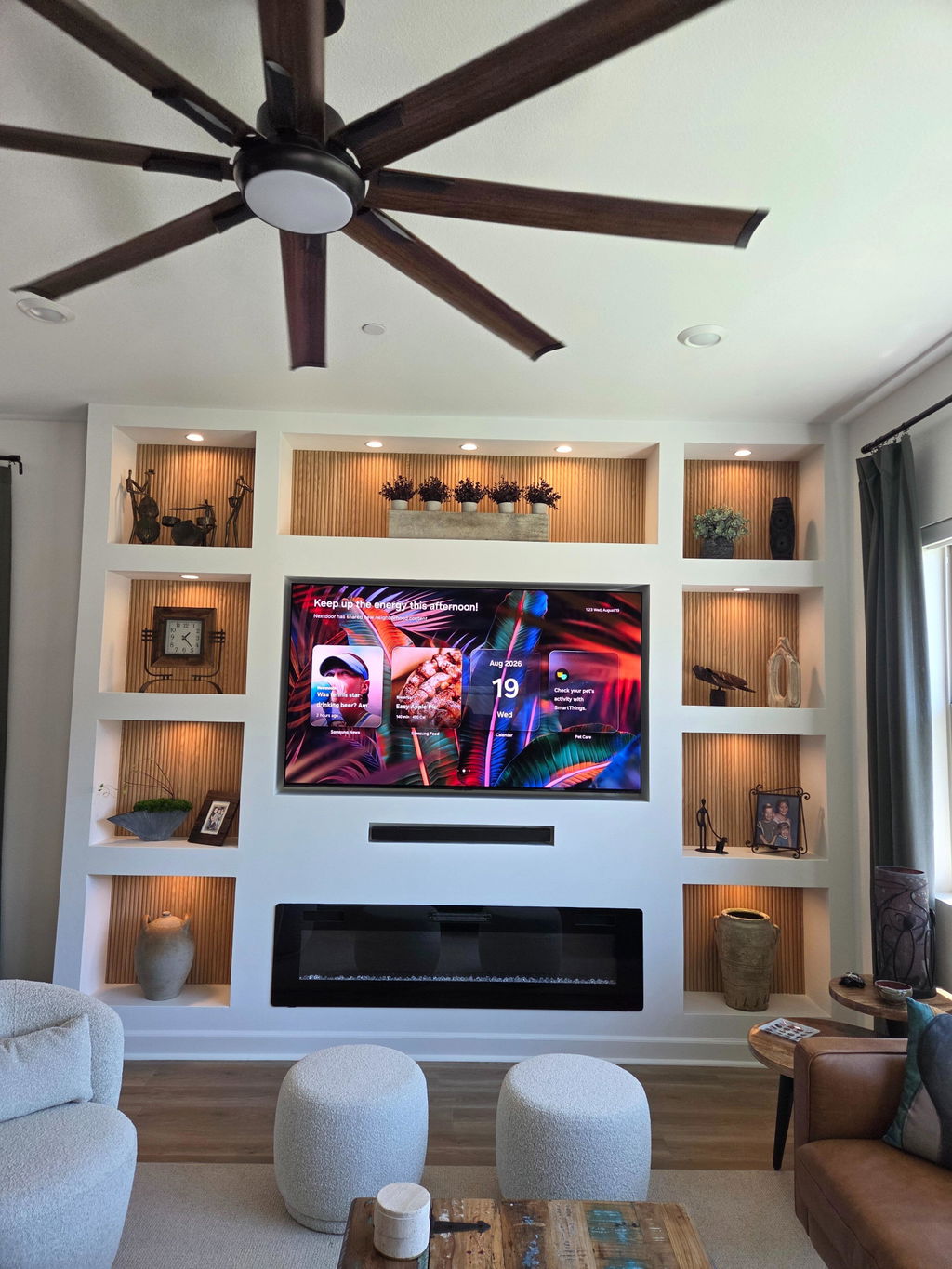
They typically come in heights up to 10 feet and in finishes like walnut, oak, and charcoal. Because the slats are wrapped on three sides, they also look more refined from different viewing angles like the photo of the living room above.
Wide Slat Panels


Now this is where things start to shift visually...
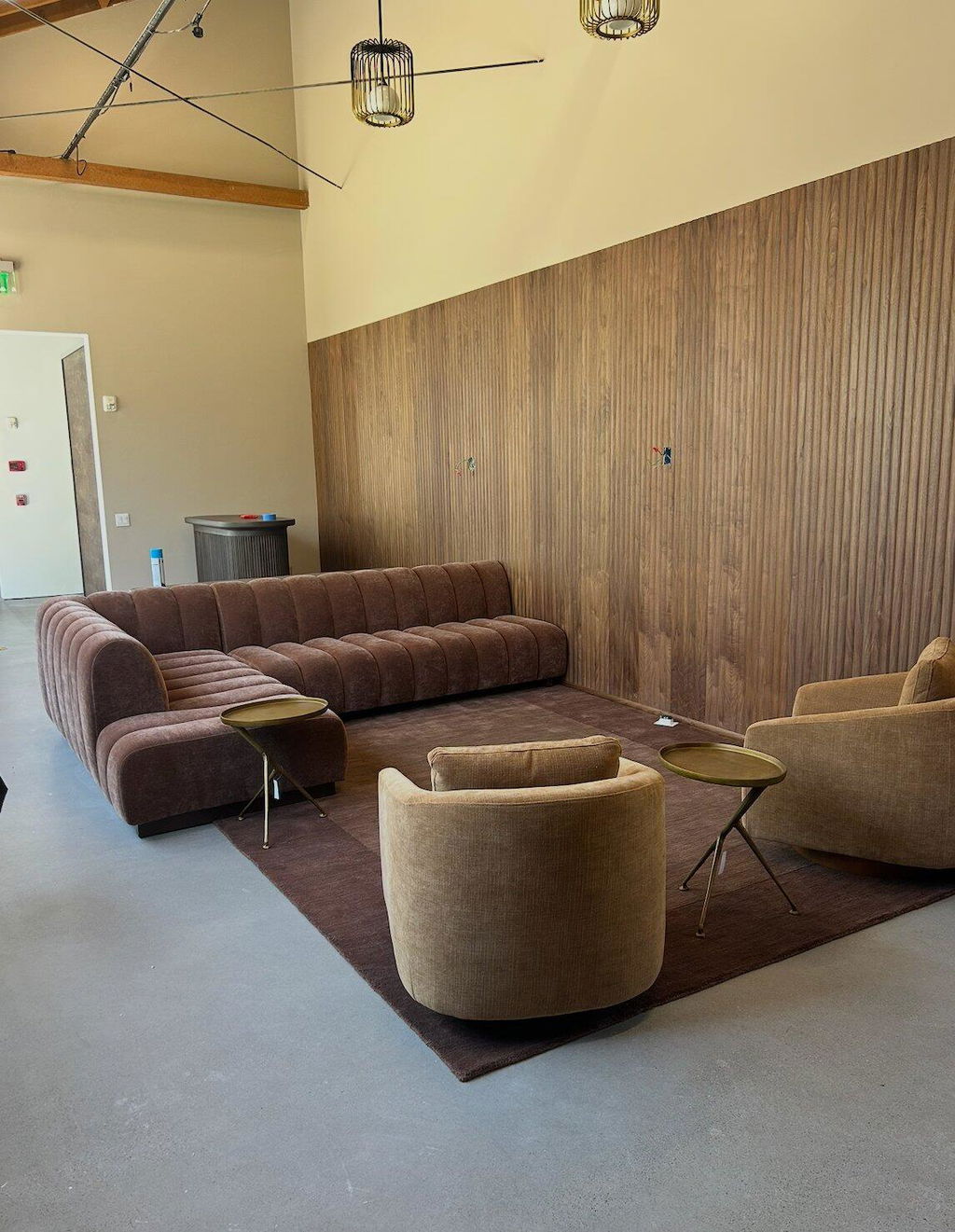
Wide slat panels use slats that are about 2 inches wide, with roughly 0.4-inch gaps between them, which immediately opens up the design.
They still use the same acoustic backing and real wood veneer, and they’re finished with a matte lacquer for durability.
So while the materials stay consistent, the spacing completely changes how bold the wall feels!
Slatted Paintable Panels


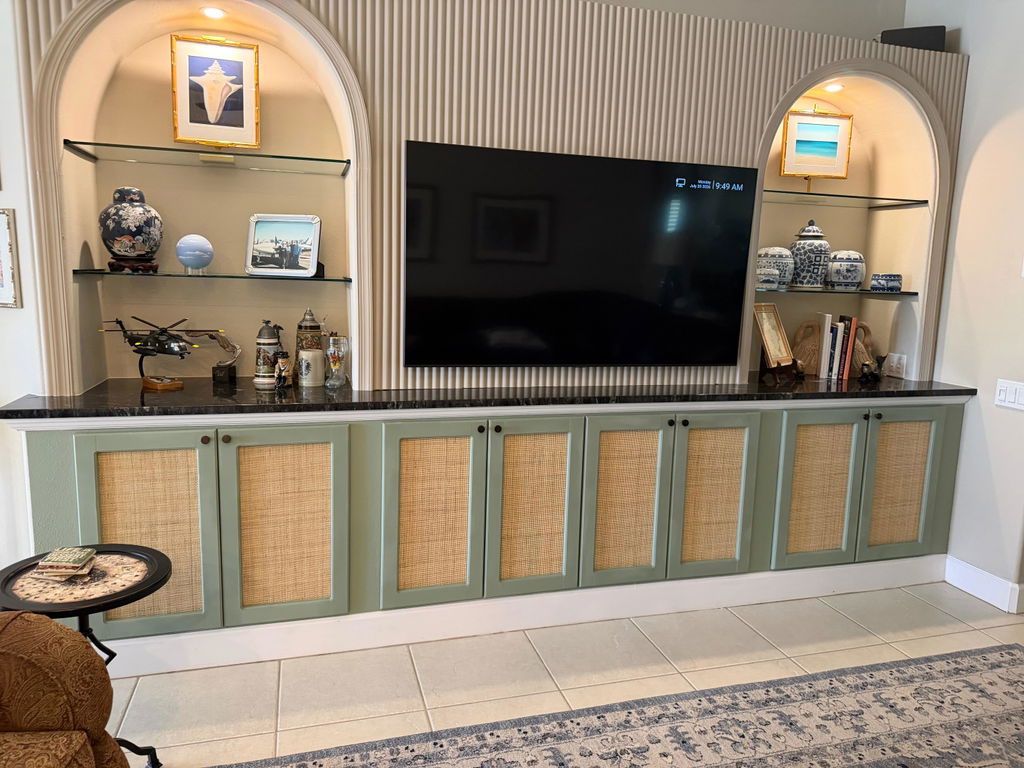
Slatted paintable panels take a slightly different approach, though.
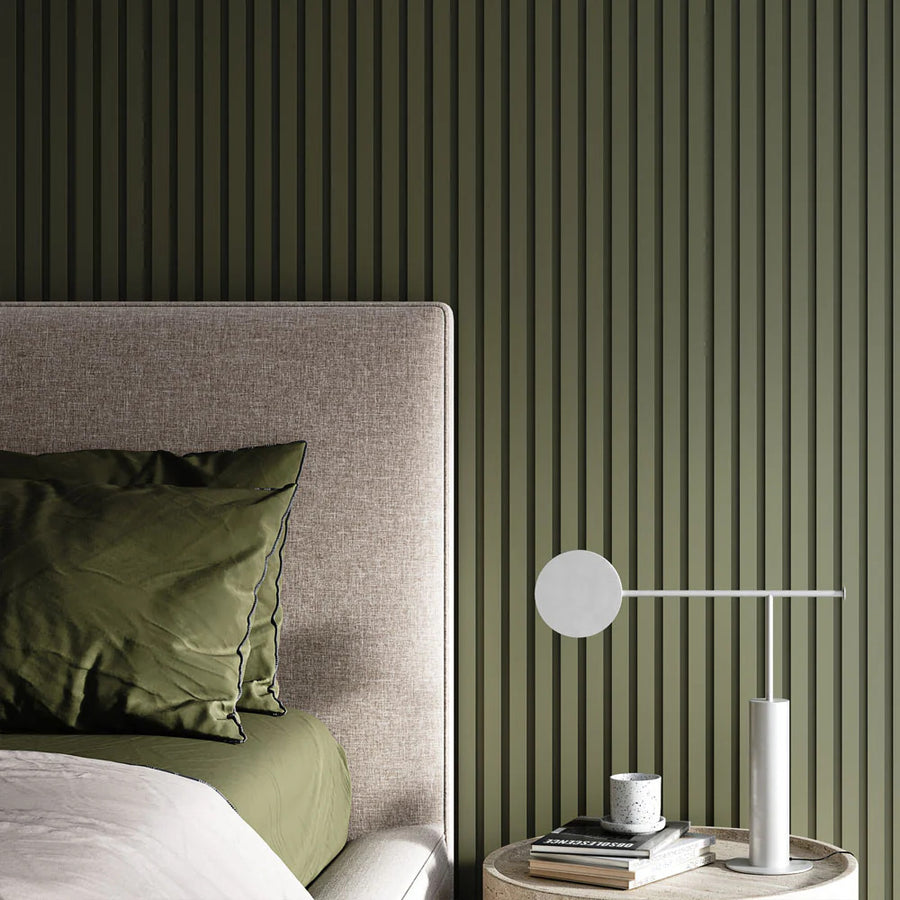
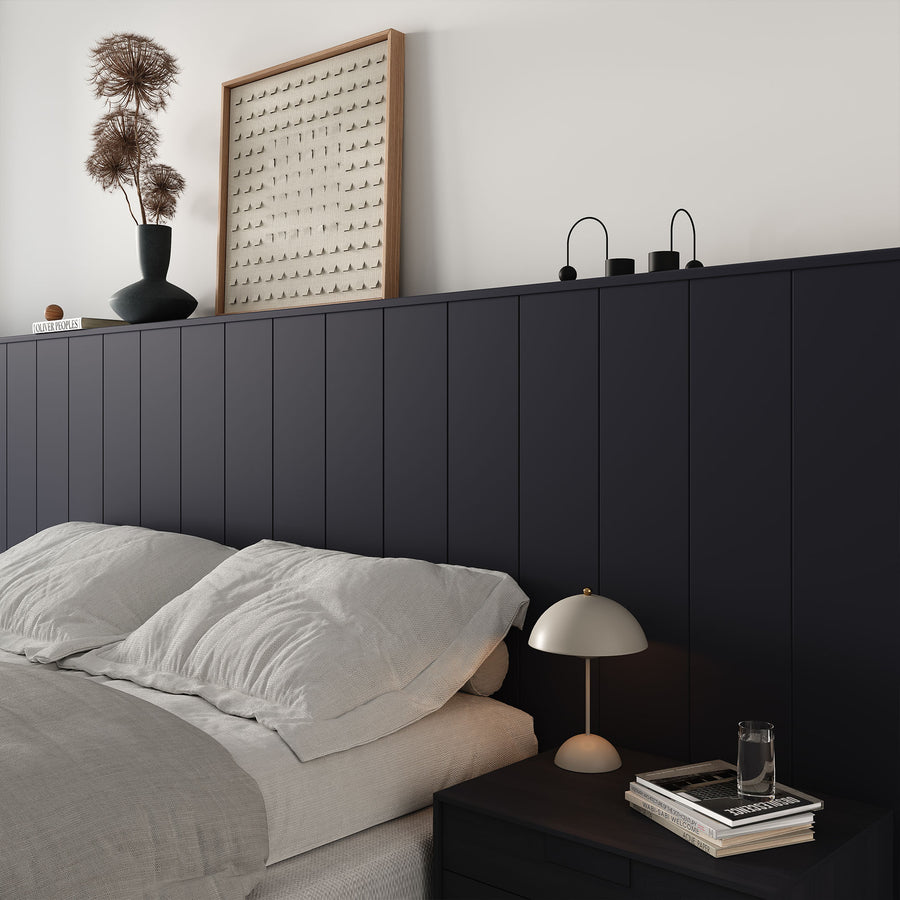
Instead of wood veneer, they’re made from high-density MDF and come pre-primed, so they’re ready for any color you want.
That means you’re not locked into wood tones. You can match your wall perfectly or go bold without worrying about staining or finishing.
Small rooms: go lighter
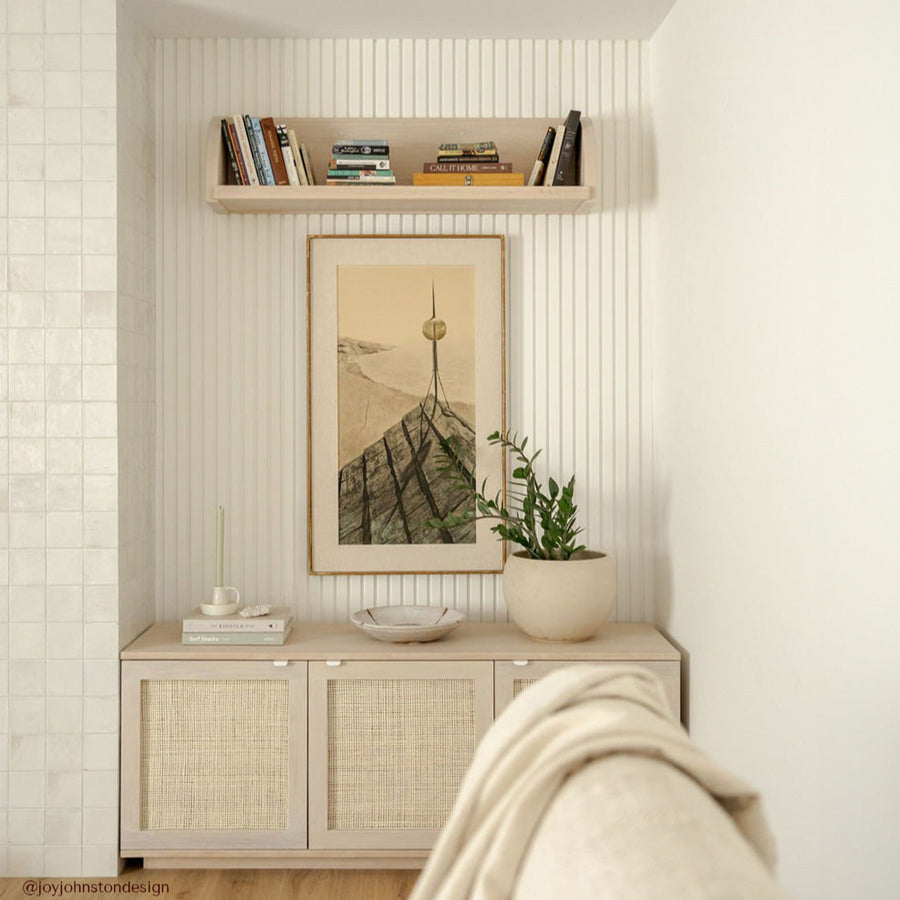
In smaller spaces, standard wood slat wall panels usually feel more natural. The tighter spacing keeps the wall visually continuous, which helps the room feel more open.
Wide slats can still work, but they’ll definitely stand out more. So if subtlety is your goal, standard panels are the safer option.
Large rooms: go bigger
In larger spaces, wide slat panels start to make more sense. Standard slats can look a bit too fine from a distance, while wide slats hold their presence. They help break up large empty walls and make the space feel more well thought of.


So, which one creates more impact?
If we’re talking pure visual impact, wide slat panels win. They’re bolder, more structured, and harder to ignore once installed.
But impact isn’t always about being loud. Standard slat panels create a quieter kind of impact by adding texture and improving the overall feel of the space.
If you want a strong feature wall, wide wood slat panels are the better choice. If you want something more refined, standard wood slat wall panels are a safer and more versatile option.
Final Thoughts
At the end of the day, both styles use the same foundation. The difference is how spacing changes the visual weight of the wall.
That is why choosing between wood slat wall panels and other modern wall panels isn’t just about finish or color. It’s about scale, proportion, and how you want the room to feel once everything is in place.
FAQs
Are wide slat panels harder to install than standard ones?
Not really. Both come in pre-assembled panels and can be cut on-site, so the process is very similar.
Do wide slat panels absorb sound as well as standard panels?
Yes, since both use acoustic felt backing, their sound-dampening performance is comparable.
Can I use wide slat panels in a small room?
You can, but they will stand out more. If you prefer a softer look, standard panels are usually a better fit.
Are paintable panels cheaper than wood slat panels?
In most cases, yes. MDF panels are generally much more budget-friendly than real wood veneer options.
Which option works best for modern interiors?
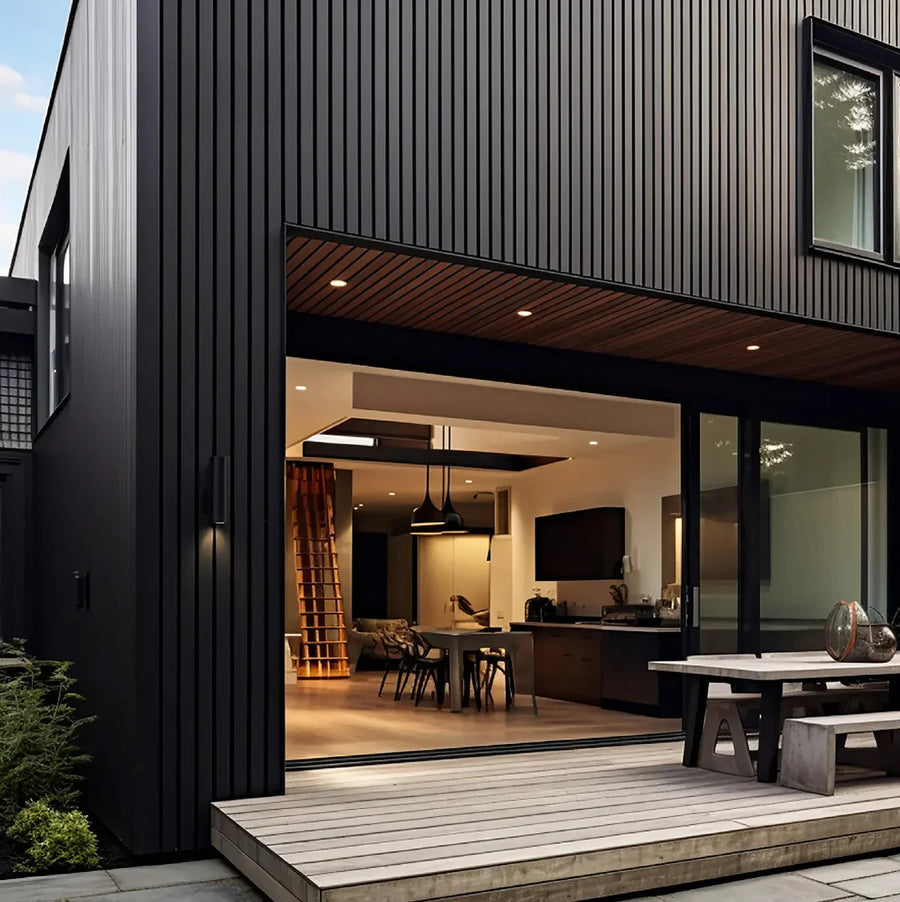
All three can work, but wide slat panels are often used for bold, architectural looks, while standard slats suit more subtle minimalist designs.




Leave a comment