 Skip to content







7 Wall Panel Designs That Instantly Make Builder-Grade Walls Look Custom

Walk into most new-build homes and you’ll probably notice the same thing.
The walls are smooth, freshly painted, and perfectly flat, which sounds good at first but can quickly start to feel a little plain.
Builders keep walls simple because it’s efficient, but the downside is that many rooms end up lacking character.
That’s why wall panels have become such a popular upgrade in modern homes.
They add texture, depth, and structure without requiring major construction or tearing out drywall. With the right panel layout, even one wall can shift the entire feel of a room!
If you’re looking for a fast wall upgrade, paneling is one of the most practical ways to do it. The right wall panel designs can turn a basic builder-grade wall into something that looks intentional and high-end.
1. Fluted Wall Panels


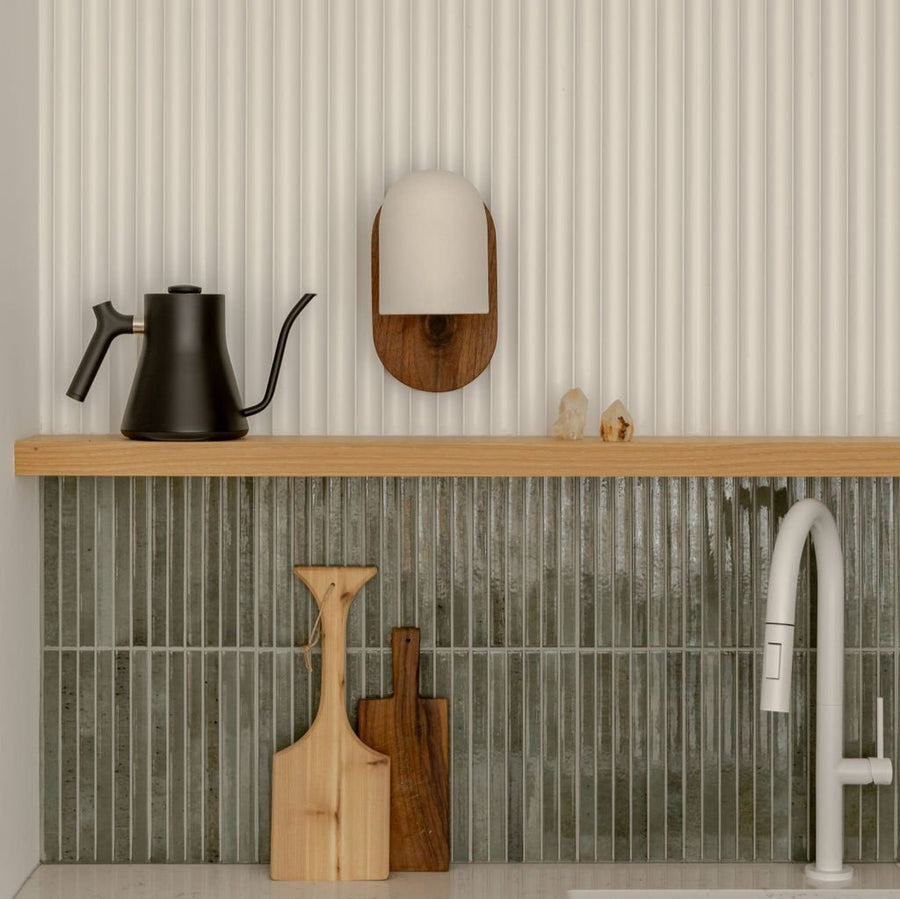
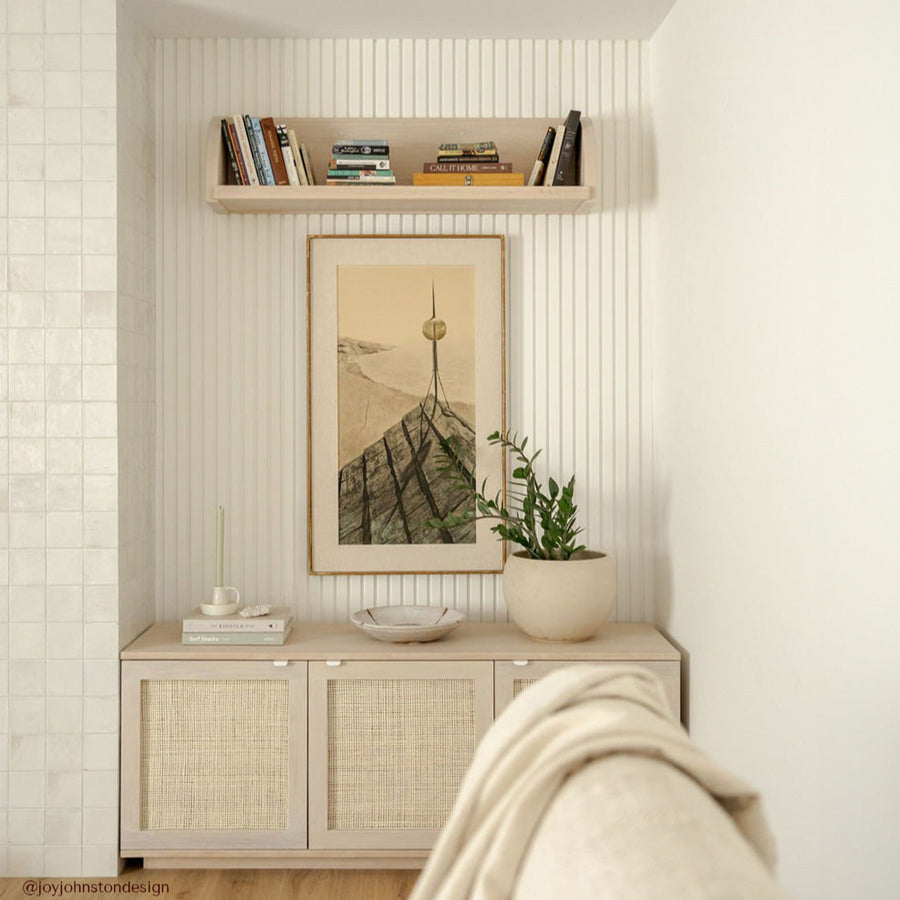
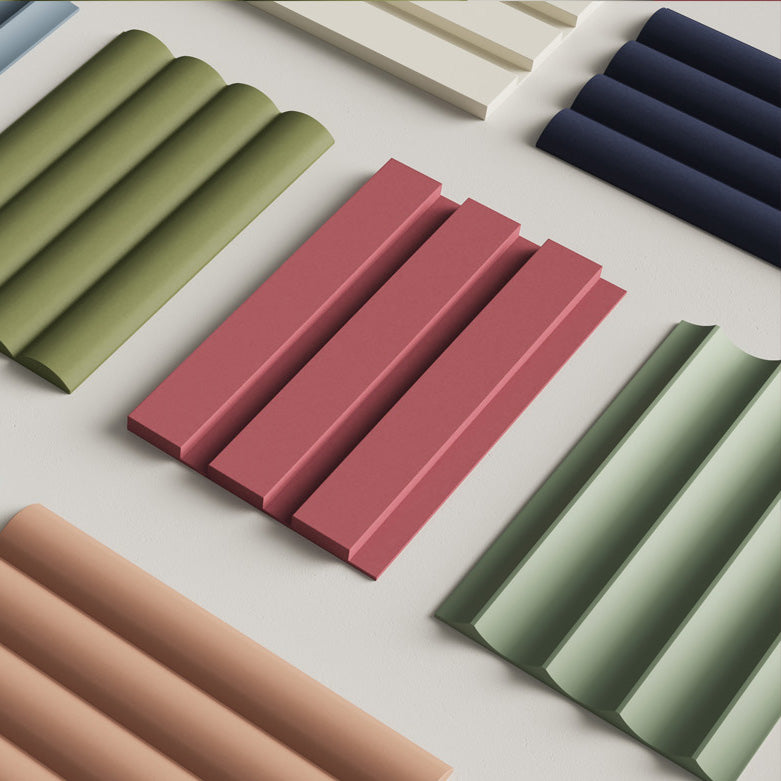
Fluted wall panels feature vertical grooves that curve inward, creating a soft sculpted pattern across the surface.
The design does a great job in catching light in subtle ways, which adds texture and doesn't make the wall feel visually heavy. Because the grooves dip inward instead of pushing outward, the overall effect feels calm and refined.
Living rooms, bedrooms, and entryways are common spots for fluted walls because the texture adds interest without overwhelming the space.
Where Fluted Panels Work Best
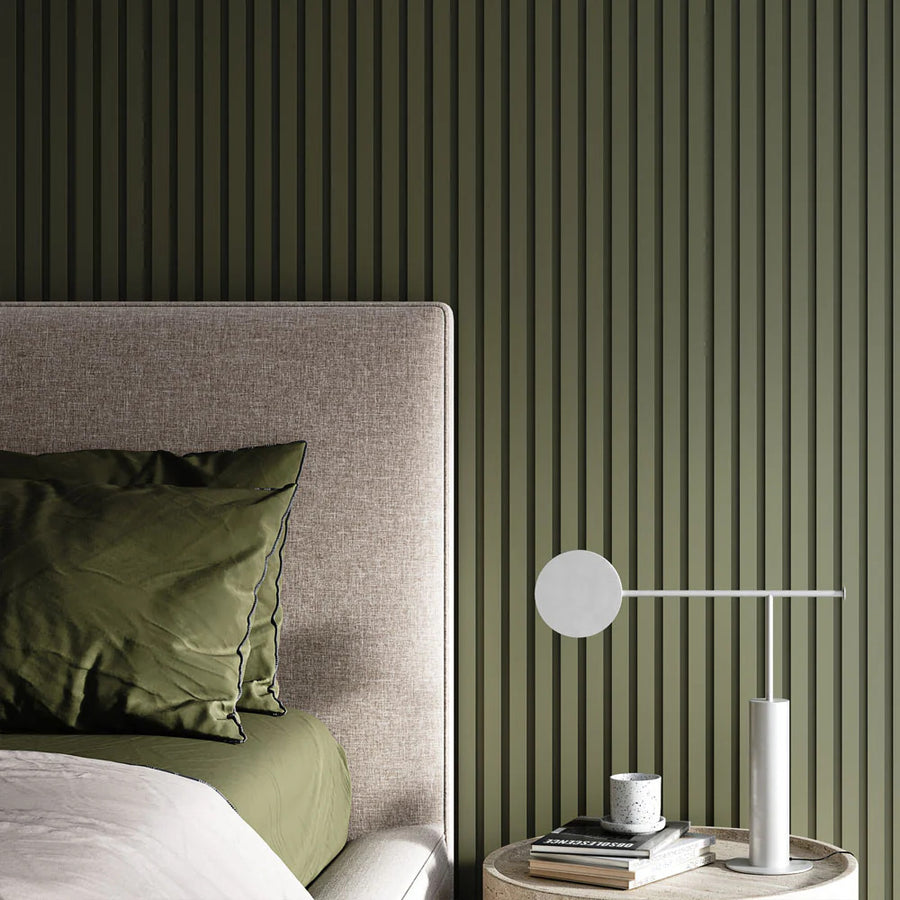
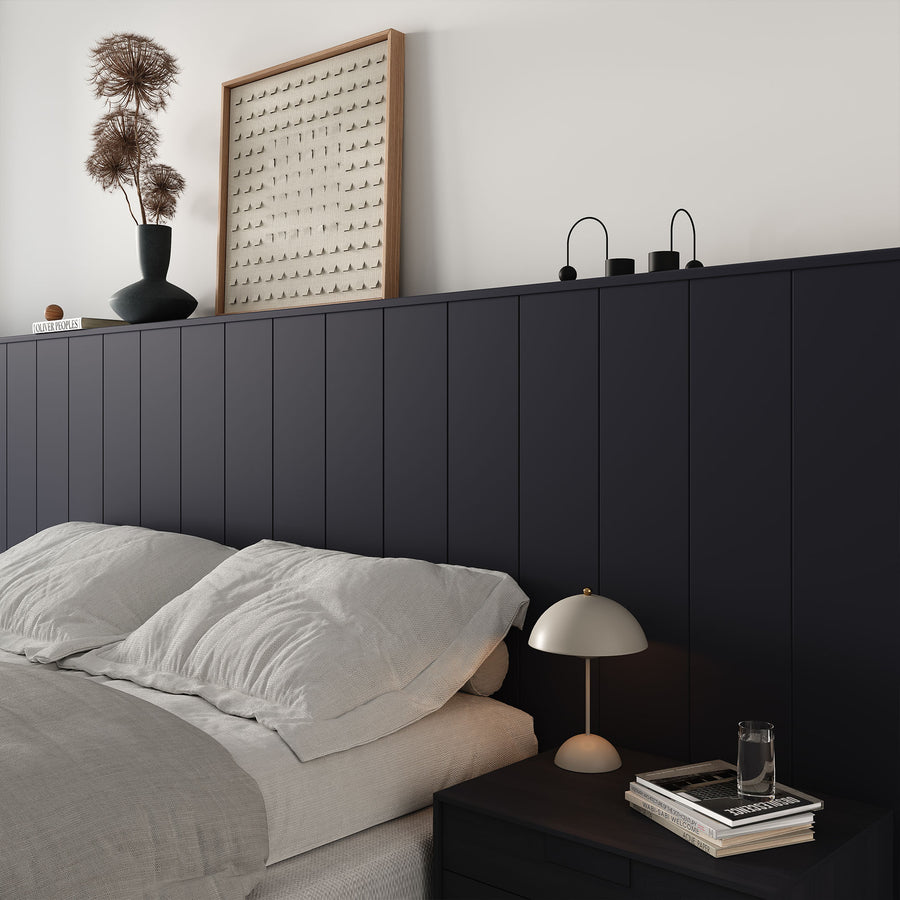
Fluted panels are often used behind beds to create the look of a built-in headboard wall.
Instead of placing a traditional headboard, the vertical grooves become the focal point of the bedroom. The wall ends up feeling custom even though the upgrade is relatively simple.
They’re also popular on kitchen islands and curved bars like the image below...

Wrapping the island with fluted panels makes it feel like a custom furniture piece instead of a basic cabinet box sitting in the middle of the room.
Product Specifications
Paintable fluted panels are usually made from high-density, ultra-low VOC MDF, which keeps the material stable and safe for interior spaces. They arrive pre-primed with a water-based primer, which means they’re ready to paint once installed.
These come in three height options: 44.1 inches, 94.5 inches, and 106.3 inches. Shorter panels work well for half walls and furniture wraps, while taller panels are used for full feature walls.
Many versions also include flexible PVC backing, allowing the panels to bend slightly. This makes it possible to install them on curved kitchen islands or rounded architectural surfaces without fighting the material.
2. Ribbed Panels
Ribbed panels are often confused with fluted panels, but the design works in the opposite direction.
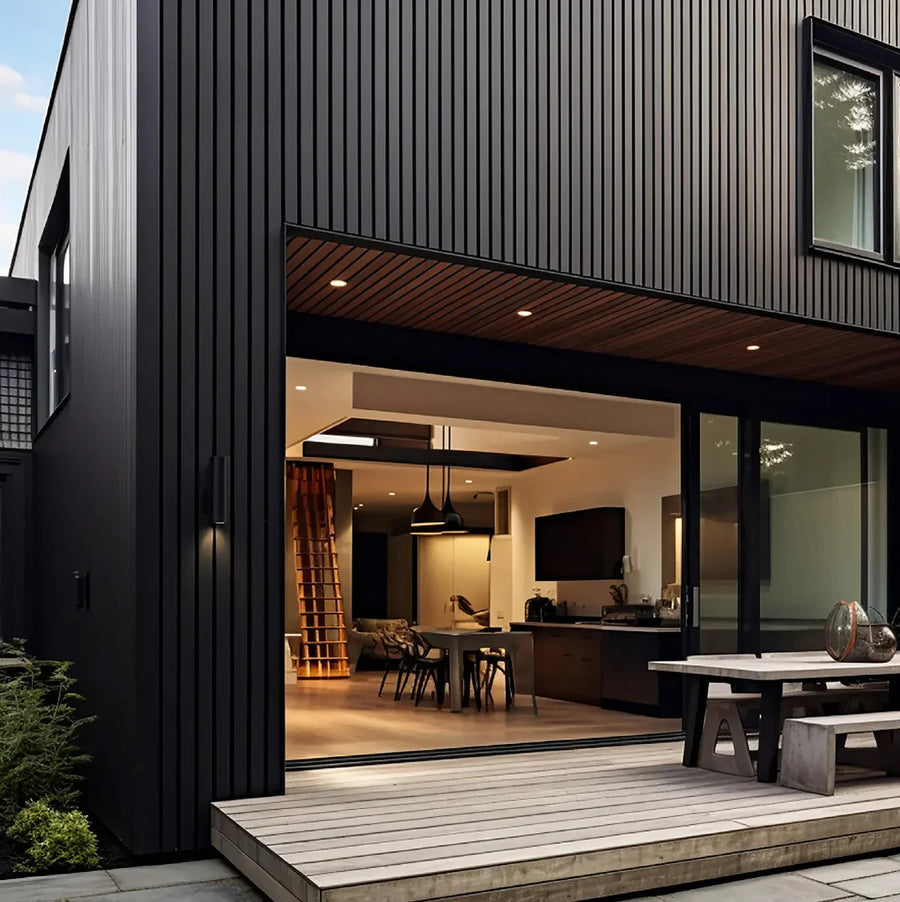
Instead of inward grooves, ribbed panels use outward ridges that create stronger shadow lines.


Because the ridges project outward, the texture tends to stand out more than fluted panels. Ribbed walls feel slightly bolder, which makes them a good choice for spaces that need a stronger visual feature like living rooms.
Where Ribbed Panels Make the Biggest Impact
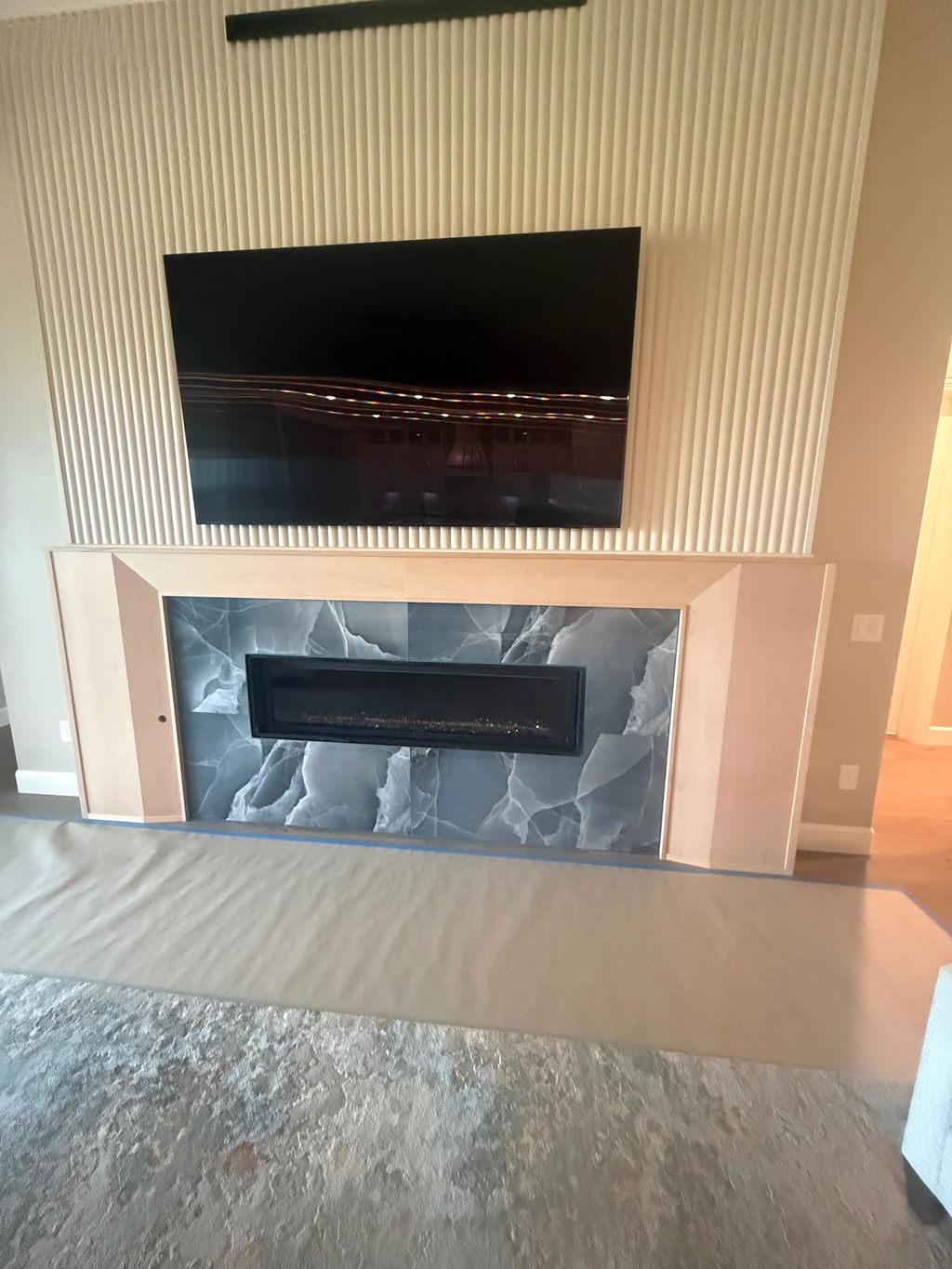
One of the most common places to install ribbed panels is behind a living room TV. Instead of staring at a blank drywall surface, the textured wall becomes part of the design.
Ribbed panels also look great in dining areas or entryways because the vertical lines naturally guide the eye upward and makes the ceilings appear taller than they actually are.
Product Specifications
Like fluted panels, ribbed panels are typically made from paintable high-density MDF. They come pre-primed, allowing homeowners to paint them in any color after installation.
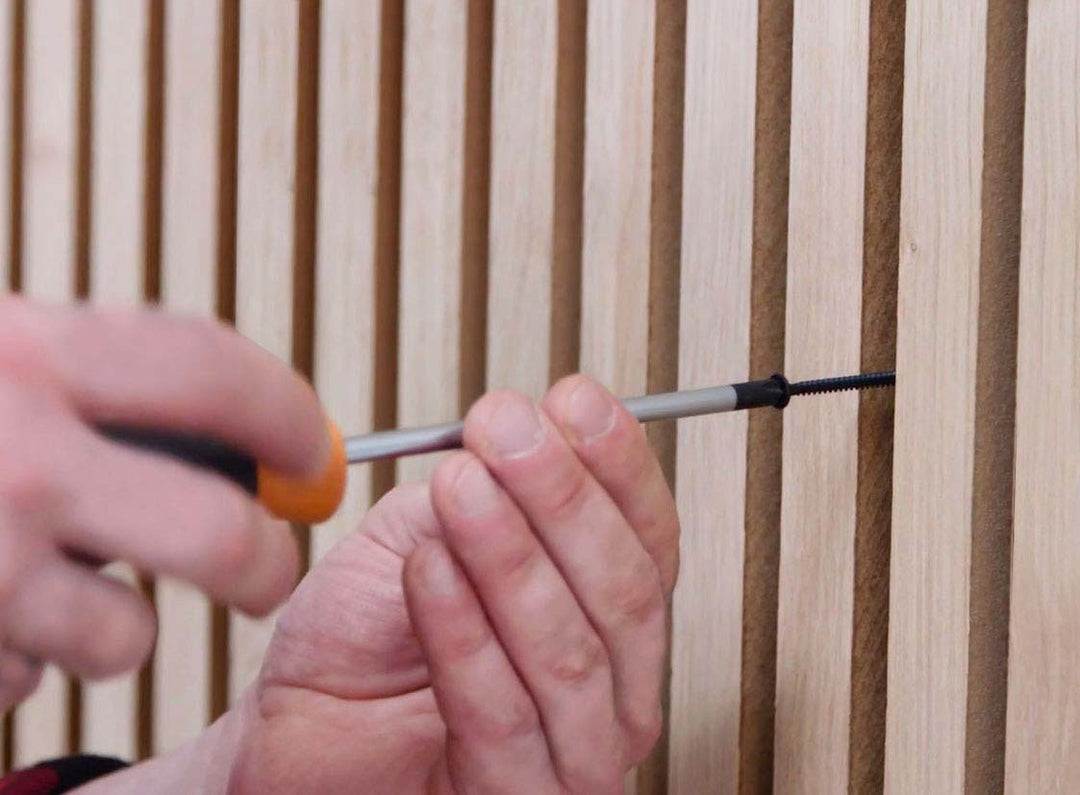
Installation is straightforward and usually involves screws, finishing nails, or construction adhesive. The panels also come in the same three standard heights: 44.1 inches, 94.5 inches, and 106.3 inches.
Painting ribbed panels darker colors can highlight the shadows between ridges. Meanwhile, lighter paint tones create a softer texture that blends more subtly with the wall.
3. Wood Slat Panels


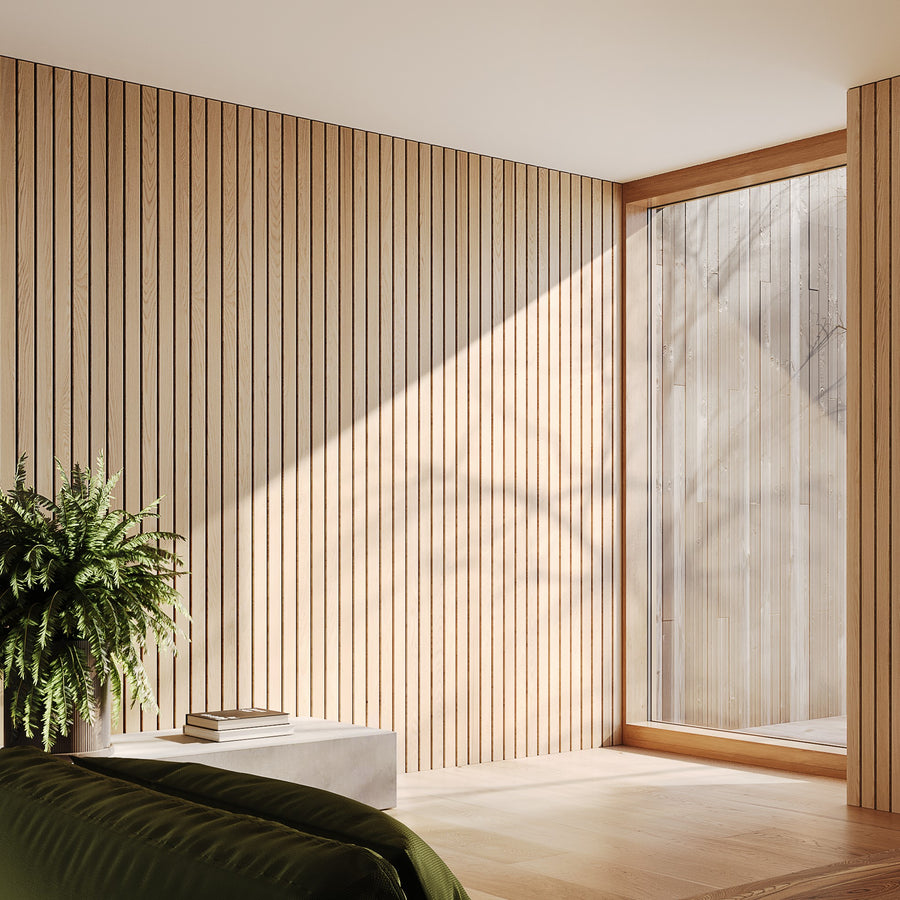
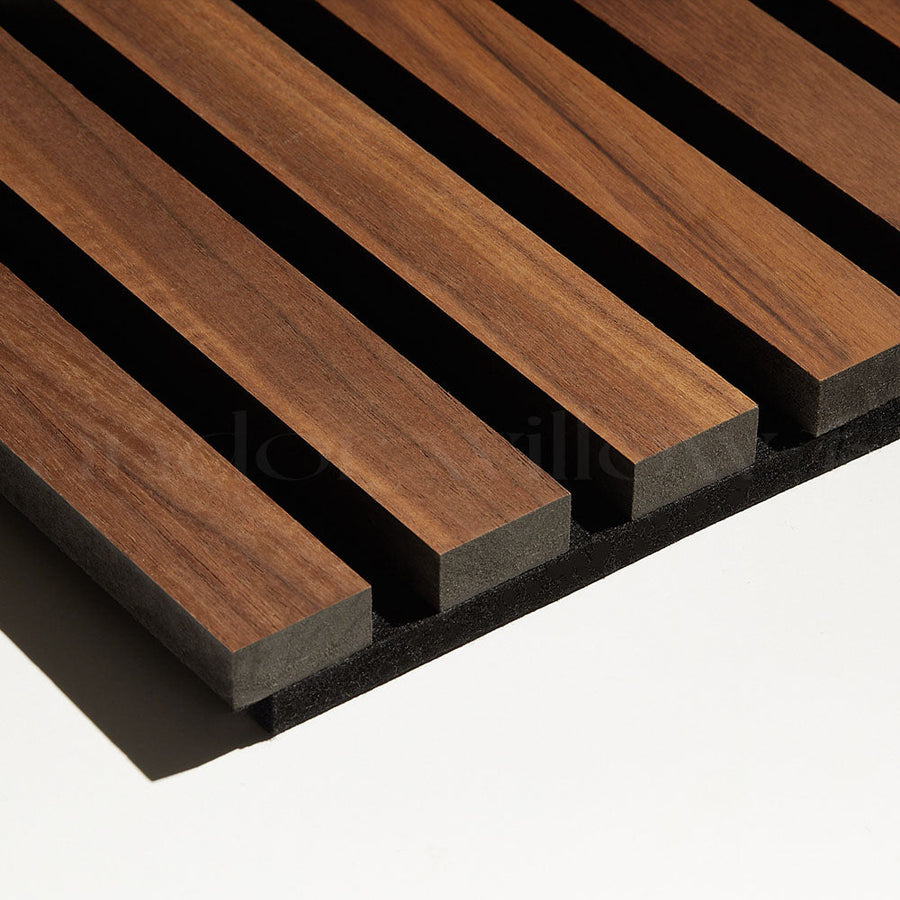
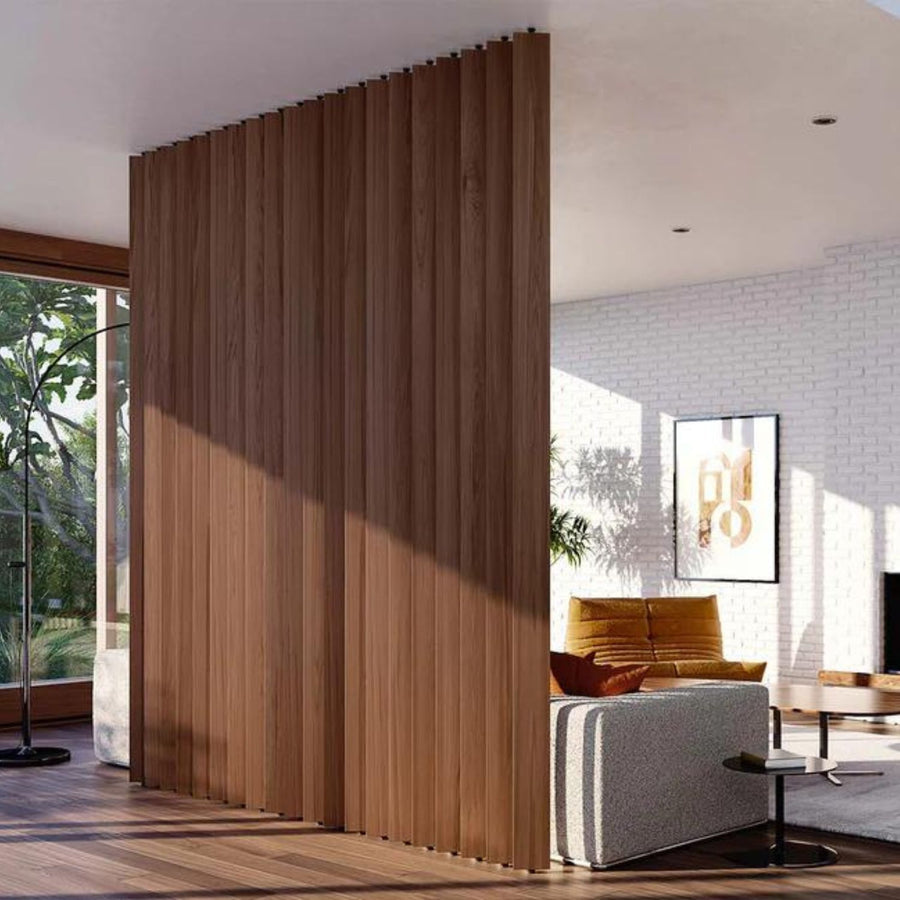
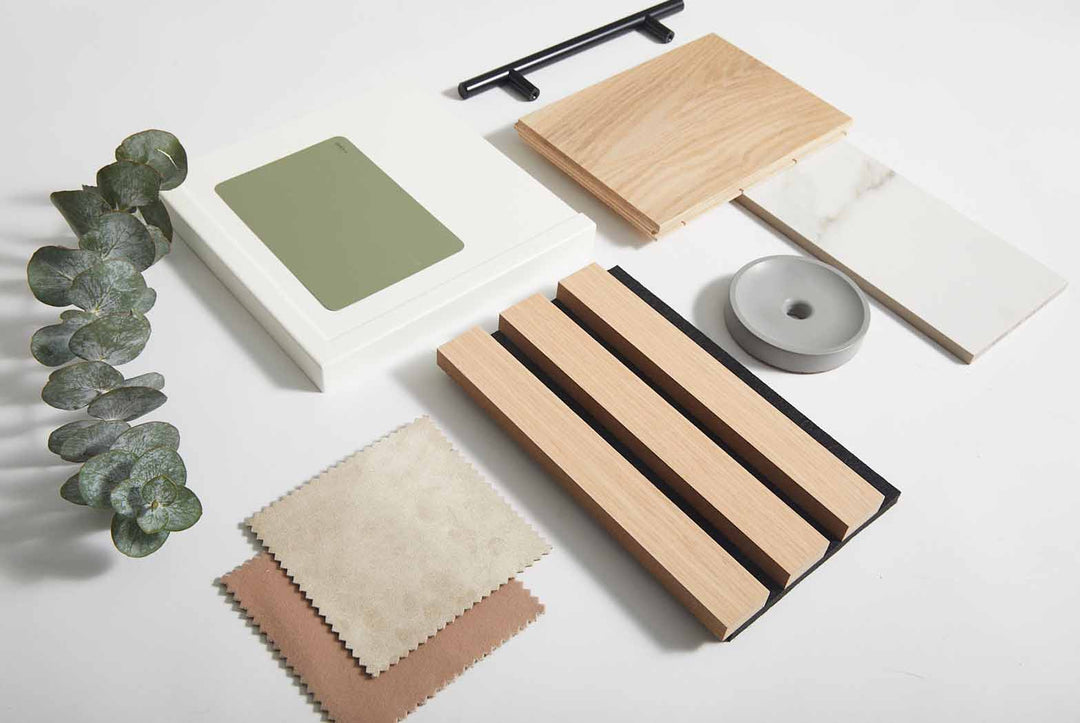
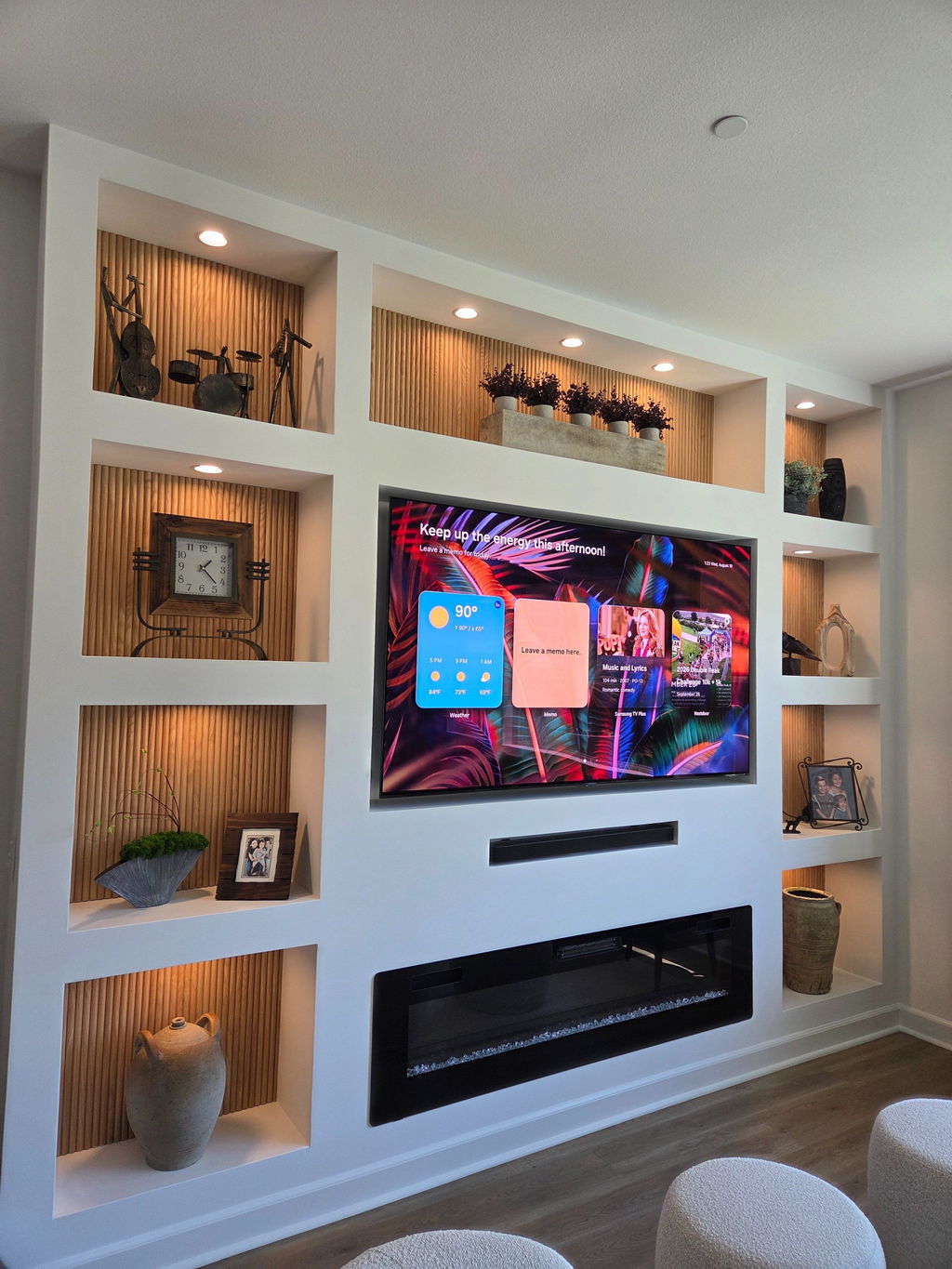
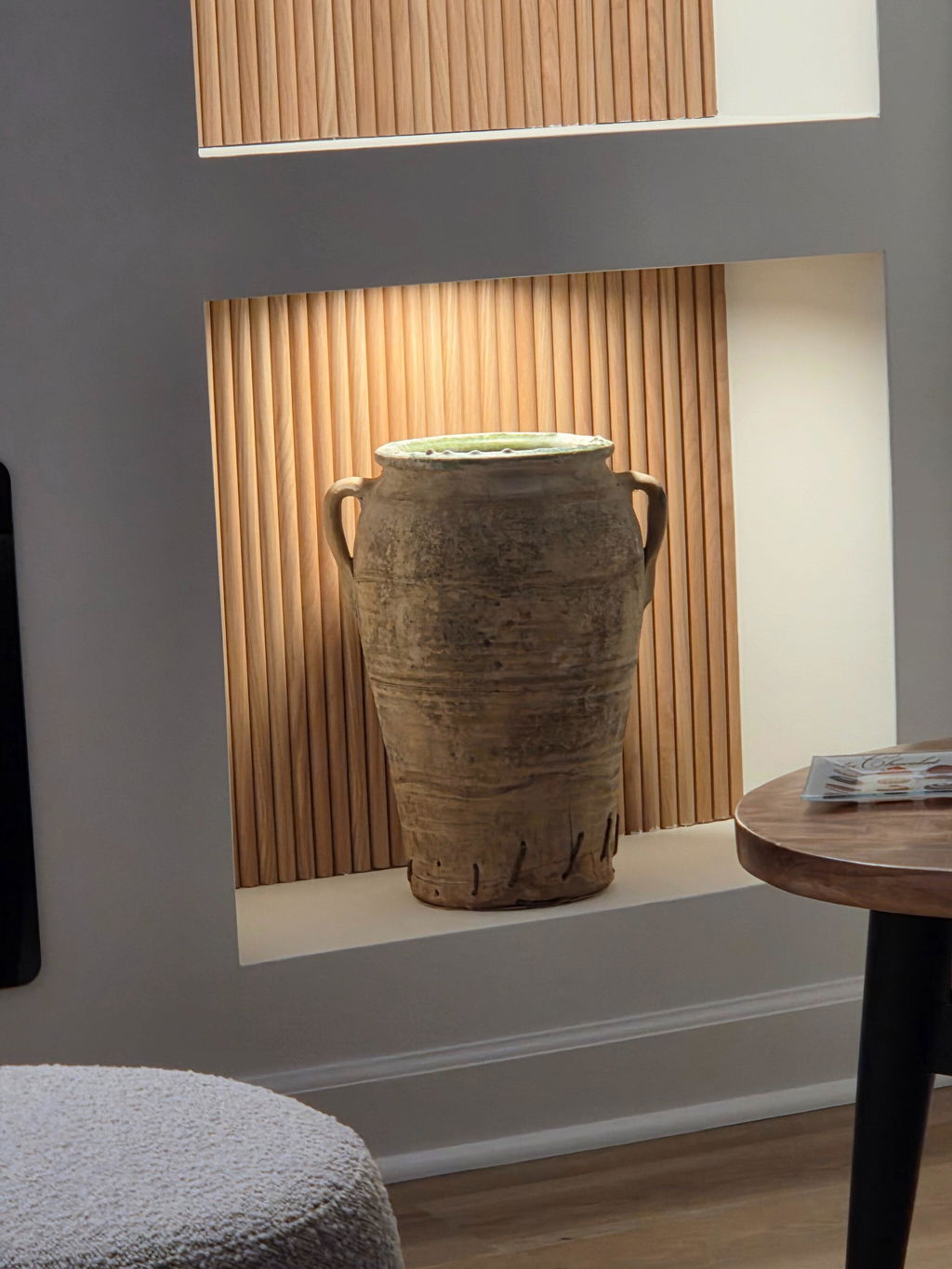
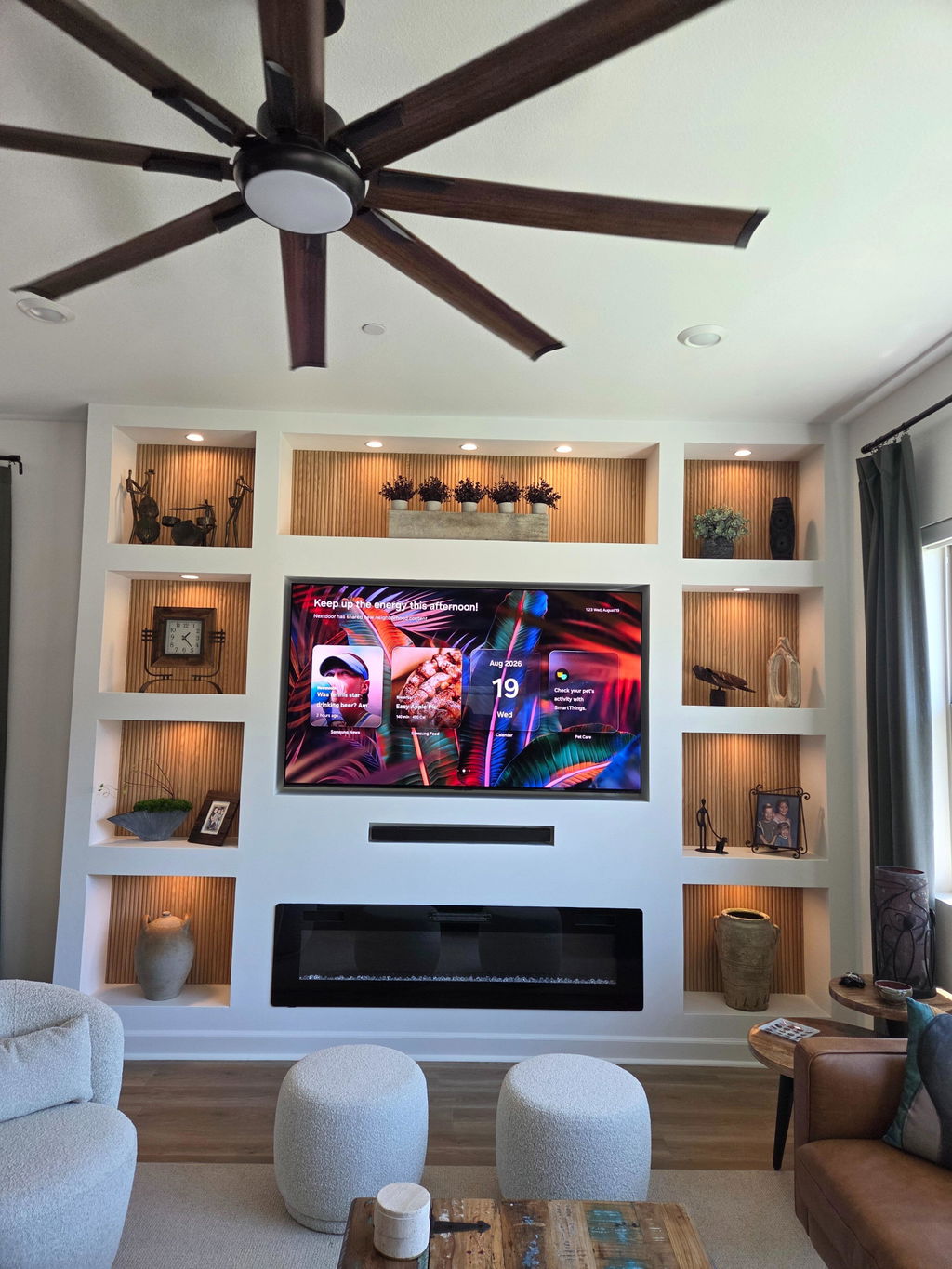
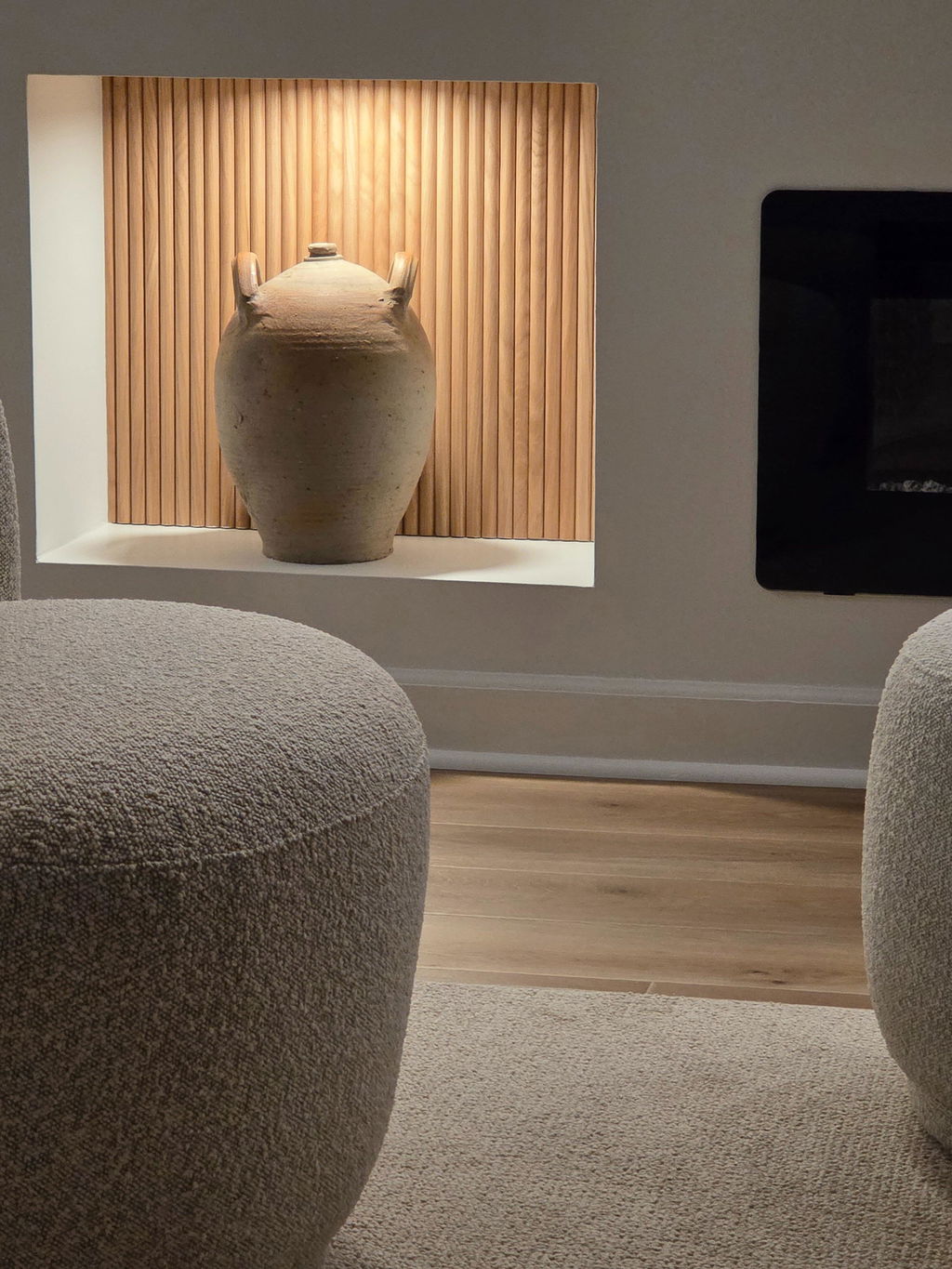
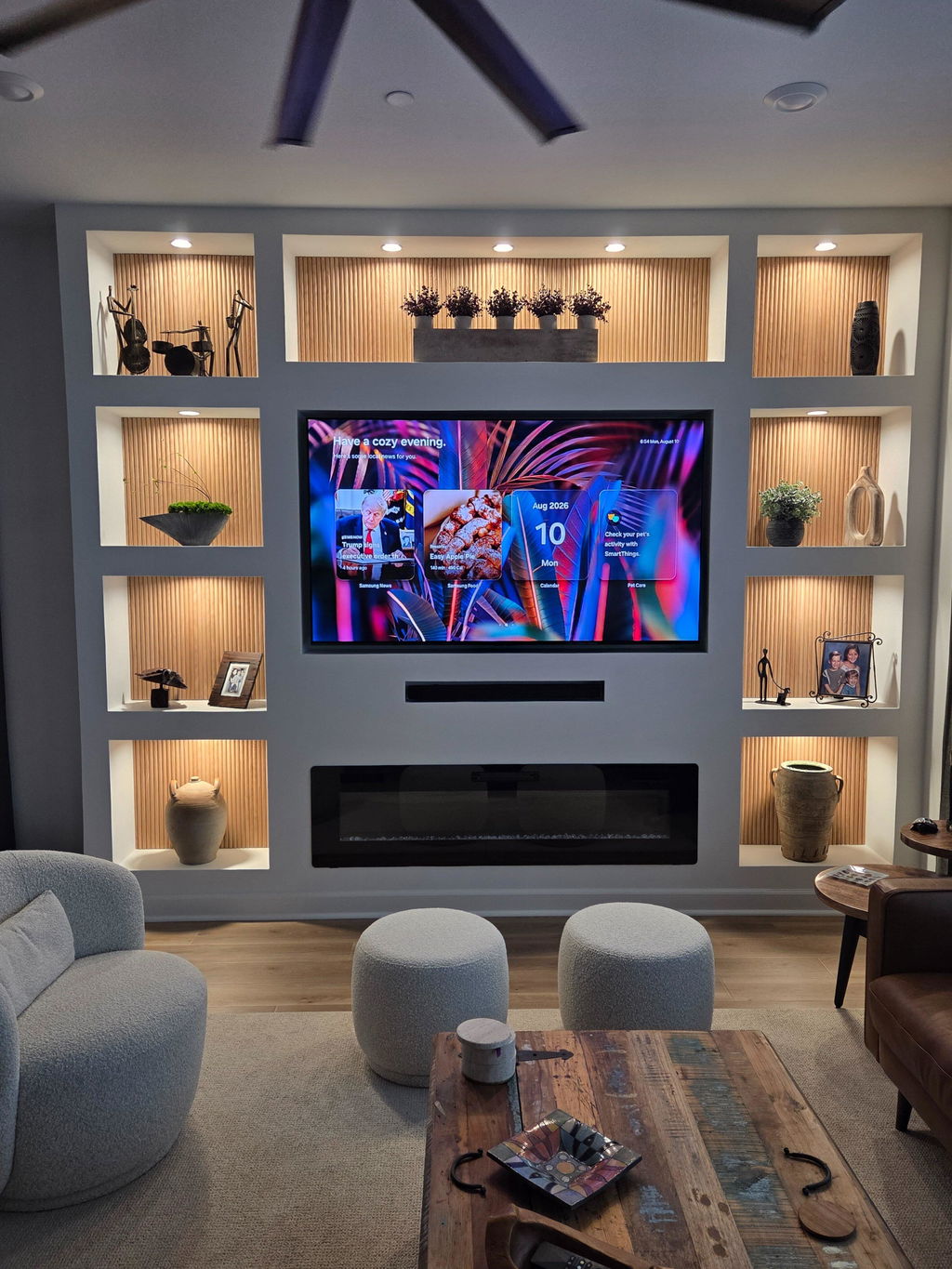
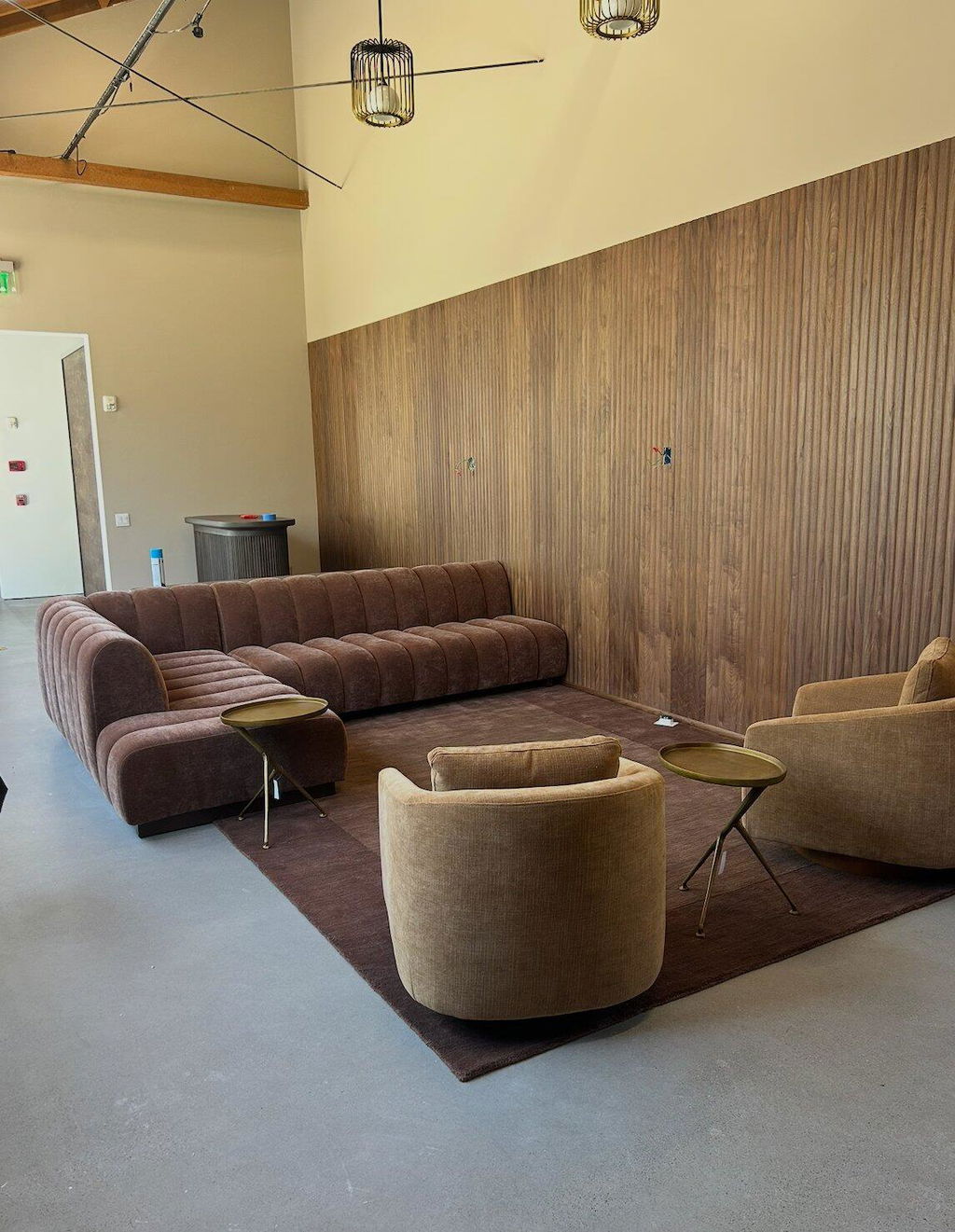
If painted panels feel a little too minimal, wood slat panels introduce a more premium feel through natural wood. These panels combine vertical wood slats with an acoustic felt backing, creating a wall treatment that adds both texture and sound control.
And instead of a flat painted wall, you get depth, shadow, and natural grain variation, just what you need for that home-sweet-home of yours!
Where Slat Panels Work Best
Slat panels are especially helpful in open-concept homes. Large rooms with hard flooring and high ceilings often create echo, which makes conversations and TV sound louder than they should.
The acoustic backing helps absorb sound reflections while the wood slats provide visual texture. This makes slat panels popular in home offices, media rooms, and living rooms where acoustics matter.
Product Specifications
Each wood slat panel features real wood veneer slats mounted on 0.38-inch PET felt backing. The felt is made from recycled water bottles and is fully recyclable, making it a more sustainable material option.
Panels arrive fully assembled, with slats already attached to the felt backing. Each box typically contains two pieces that join together to form a 94.5-inch by 23.62-inch panel.
The panels connect using a tongue-and-groove edge system, which allows them to sit tightly together and create a seamless slat wall. The wood veneer surface is prefinished with a satin or matte lacquer, so no staining or sealing is required.


5. Half-Wall Paneling

6. Panel-Wrapped Kitchen Islands

Kitchen islands are often the visual center of open floor plans. Unfortunately, many builder-grade islands are simply flat cabinet boxes with very little character.
Adding panels to the island changes that instantly. Wrapping the island with fluted or ribbed panels also helps in adding depth and makes the structure feel like a custom piece of furniture.
Why Panels Work on Islands
Because the island is visible from multiple angles, the texture becomes a focal point. Even a simple fluted panel wrap can upgrade the entire kitchen.
Panels with flexible backing can also wrap curved island corners, allowing for more creative designs without requiring complicated carpentry.
7. Full Feature Walls

If you want the biggest transformation possible, a full feature wall delivers the strongest visual impact. Covering the entire wall with panels adds depth and structure that drywall simply can’t provide.
Feature walls are commonly used behind TVs, fireplaces, beds, or dining tables. These areas already draw attention, so adding texture enhances the focal point.
Choosing the Right Panel Style
Fluted panels create soft sculptural movement across the wall. Ribbed panels introduce stronger architectural lines that emphasize height.
Willow slat panels add warmth and natural wood texture while also improving its acoustics. Each of these wall panel designs offers a different look depending on the style of the room.



Leave a comment