 Skip to content







The Ultimate Guide to Paintable Wall Panels: All You Need to Know

Have you ever looked at a plain wall and felt it needed a little more character?
Paintable wall panels are an easy way to add detail and give a room a more finished look. You can choose a panel design that suits your interior, then paint it in a color that works with your furniture, flooring, and other finishes.
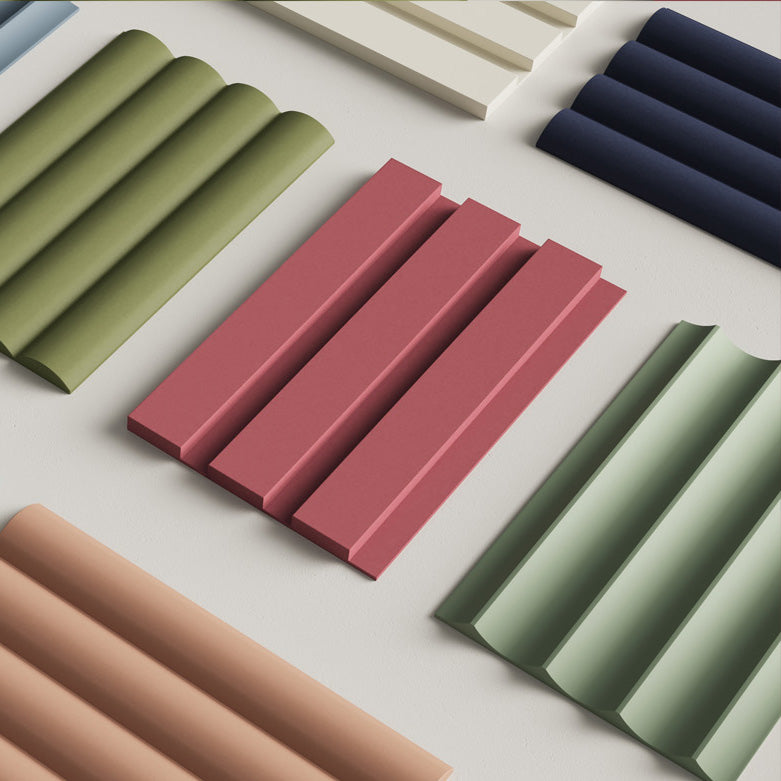
Fortunately, there are plenty of styles to explore, from fluted and slatted designs to V-groove and flexible ribbed panels. Each option creates a different effect, making it easier to find a design that fits your space and personal taste.
Key Takeaways
- Paintable wall panels let you customize your walls with your preferred colors and finishes.
- Fluted, slatted, V-groove, and ribbed designs each offer a distinct look.
- The right panel depends on your interior style, wall shape, and intended use.
- Proper preparation, primer, and paint help create a clean, lasting finish.
- Regular cleaning and occasional touch-ups can keep painted panels looking good for years.
What are Paintable Wall Panels?
Paintable wall panels are decorative wall coverings designed to accept paint. They come in different profiles, patterns, and materials, allowing you to add detail to a wall while choosing a finish that matches your interior.

For example, some designs feature narrow grooves, while others have rounded ridges, clean lines, or traditional V-shaped details. Depending on the panel, you can use them to create a subtle backdrop, a bold feature wall, or a consistent look throughout several rooms.
Many homeowners choose paintable panels because they can coordinate the wall finish with existing colors or update the look later with a fresh coat of paint. They are useful for living rooms, bedrooms, hallways, home offices, and other interior spaces.
Why Choose Paintable Wall Panels?
Paintable wall panels give you more control over the appearance of your walls. You can select a profile that suits the room and use paint to make the design blend in or stand out.
Here are a few reasons to consider them:
- More design flexibility: Choose from a range of panel profiles and paint colors to suit your preferred style.
- A more detailed finish: Decorative grooves and raised patterns add visual interest to otherwise plain walls.
- Easier color coordination: You can match the panels to your existing interior or introduce a new accent color.
- Options for different spaces: Some panel styles work well on broad feature walls, while flexible designs can suit curved surfaces.
- Room for future updates: Depending on the panel material and condition, you can repaint the surface when you want a different look.
Before choosing a product, however, check its material, recommended paint system, and installation requirements. These details help you determine whether it is suitable for your wall and the finish you have in mind.
Types of Paintable Wall Panels to Consider
Paintable wall panels come in several designs, each with its own appearance and practical uses. To help you compare your options, here are five styles worth considering for your next interior project.
Fluted Paintable Panels


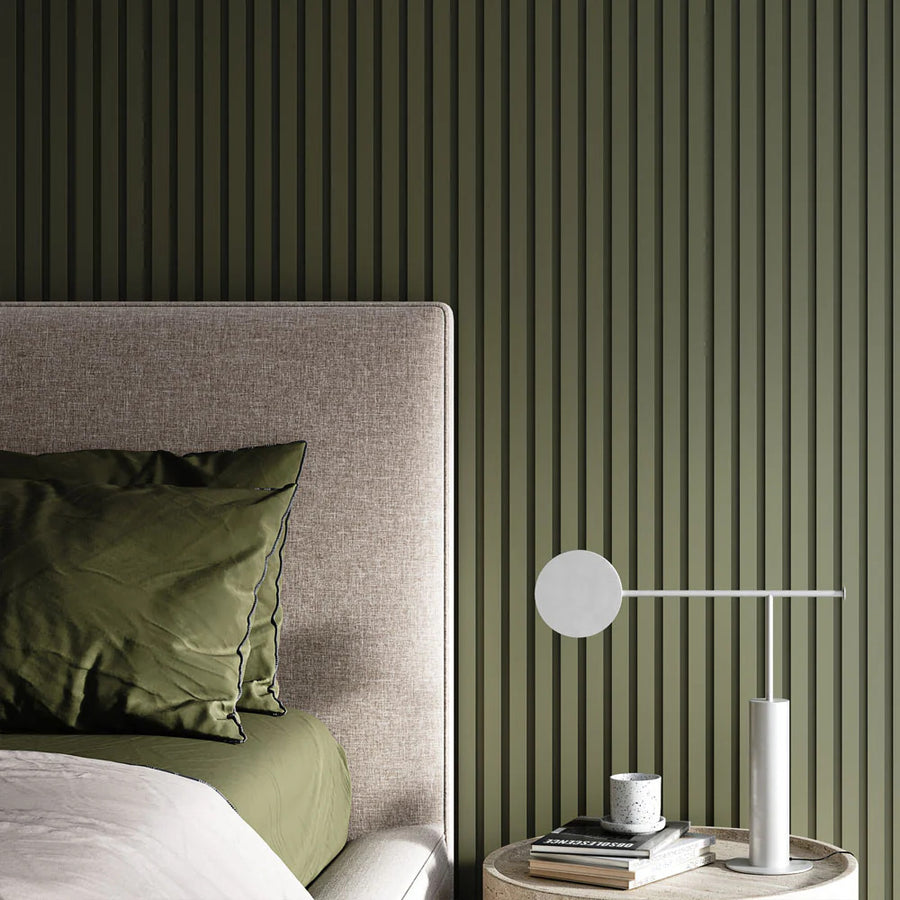
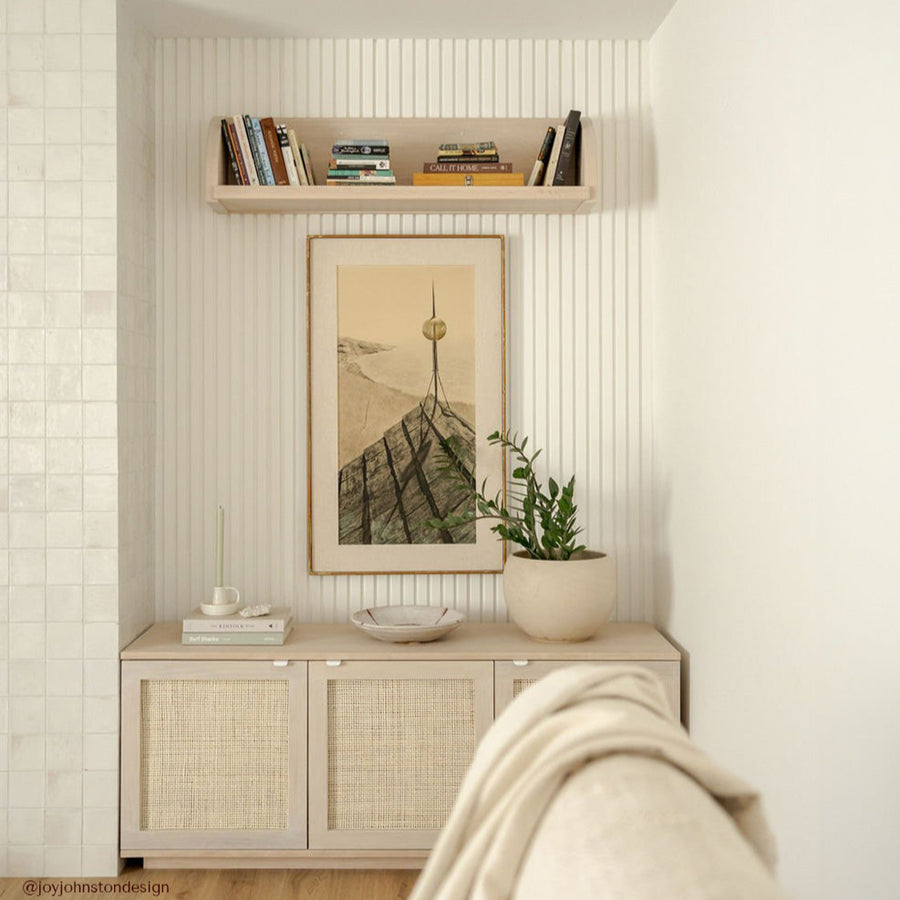
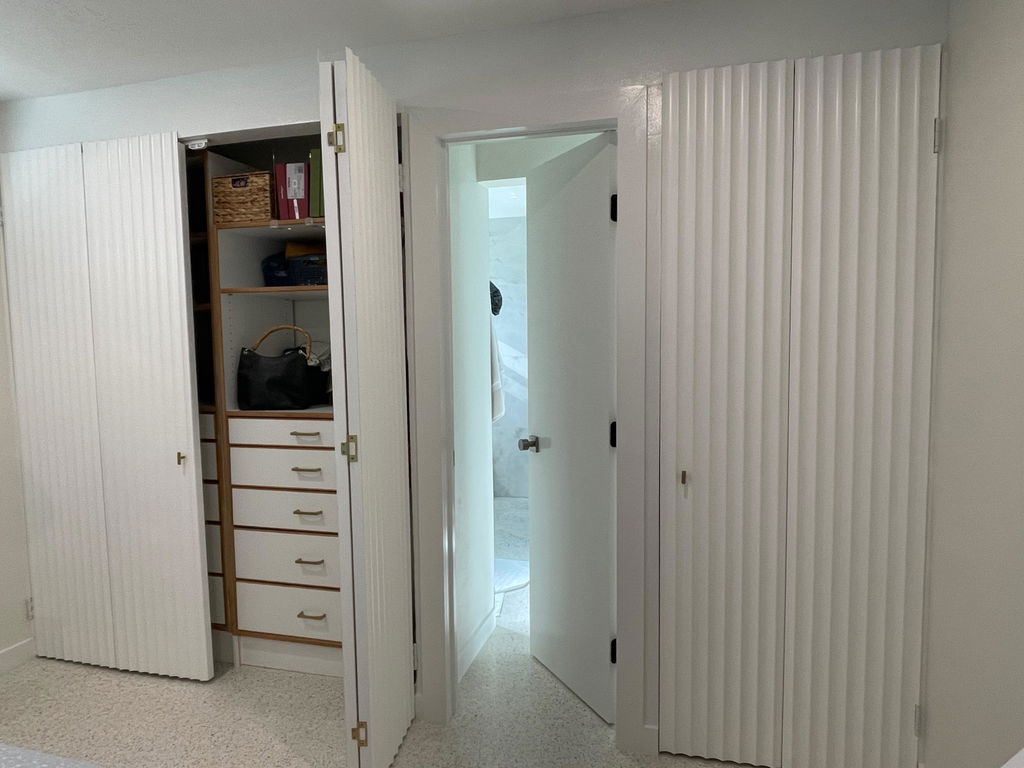
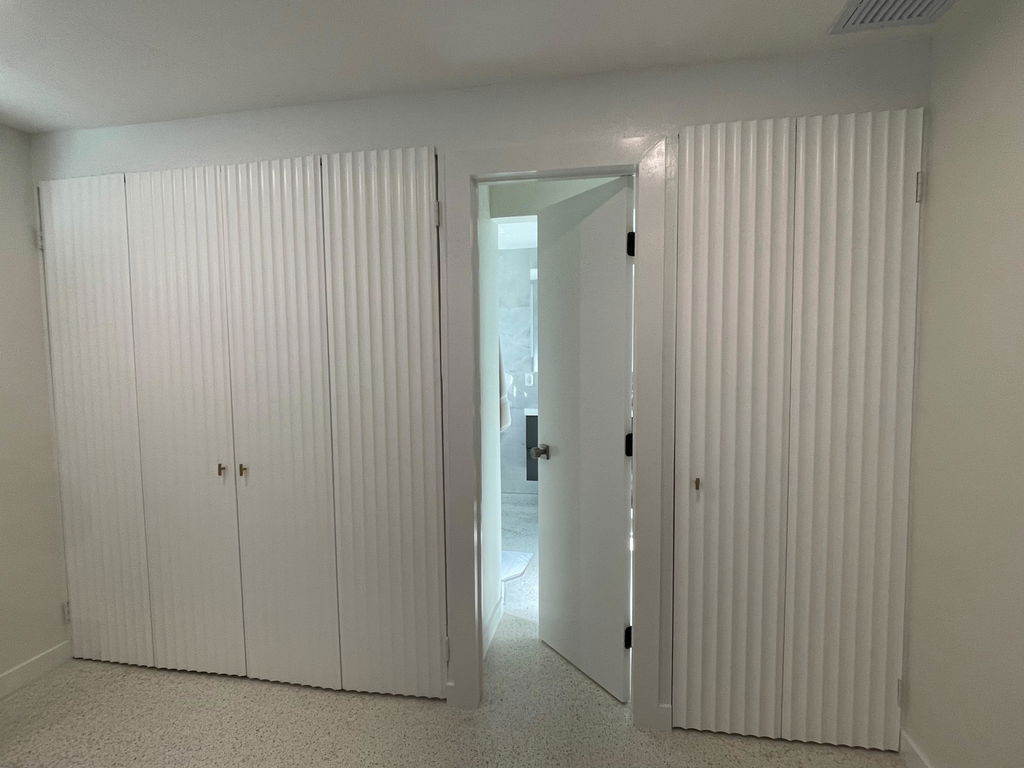
Fluted paintable panels create a series of evenly spaced grooves that give a wall a neat, sculpted appearance. Their repeating curves work particularly well behind a bed, along a living room feature wall, or in an entryway where you want a little extra detail.
The design can look subtle when painted in the same color as the surrounding walls. On the other hand, a contrasting shade can make the grooves more noticeable and give the surface a stronger decorative effect.
Best for: Feature walls, bedroom backdrops, living rooms, and reception areas.
For a coordinated interior, consider pairing fluted panels with simple furniture and understated lighting. This allows the panel profile to remain a key part of the room's design.
Slatted Paintable Panels

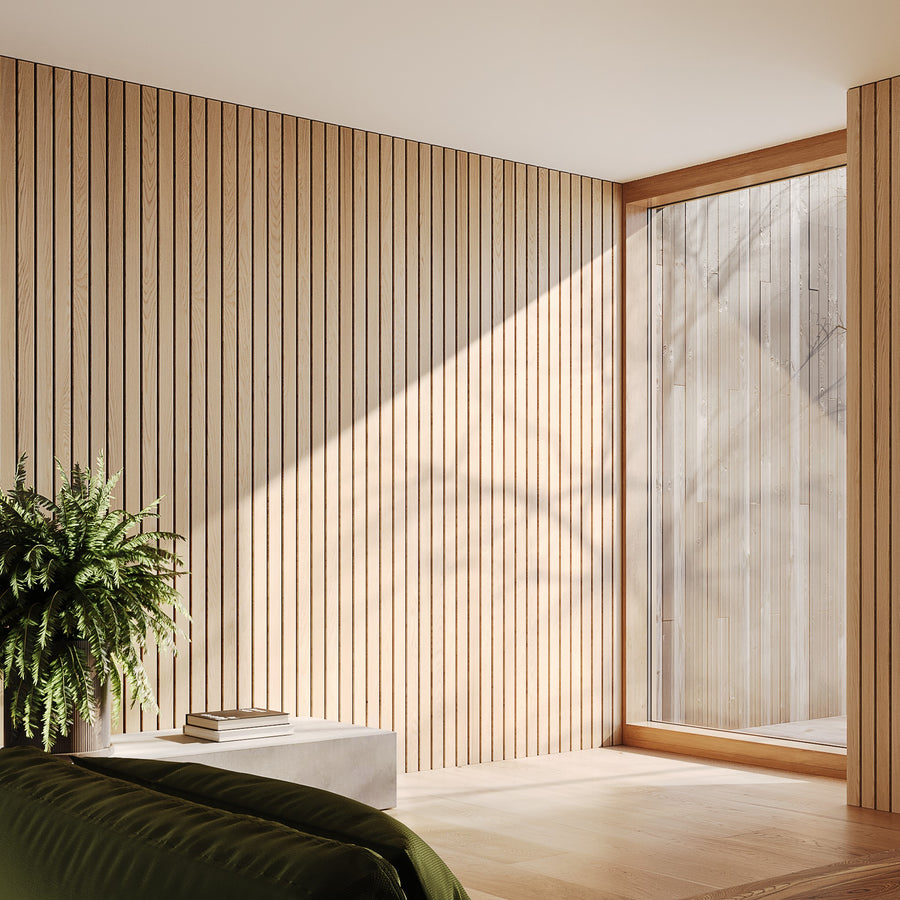
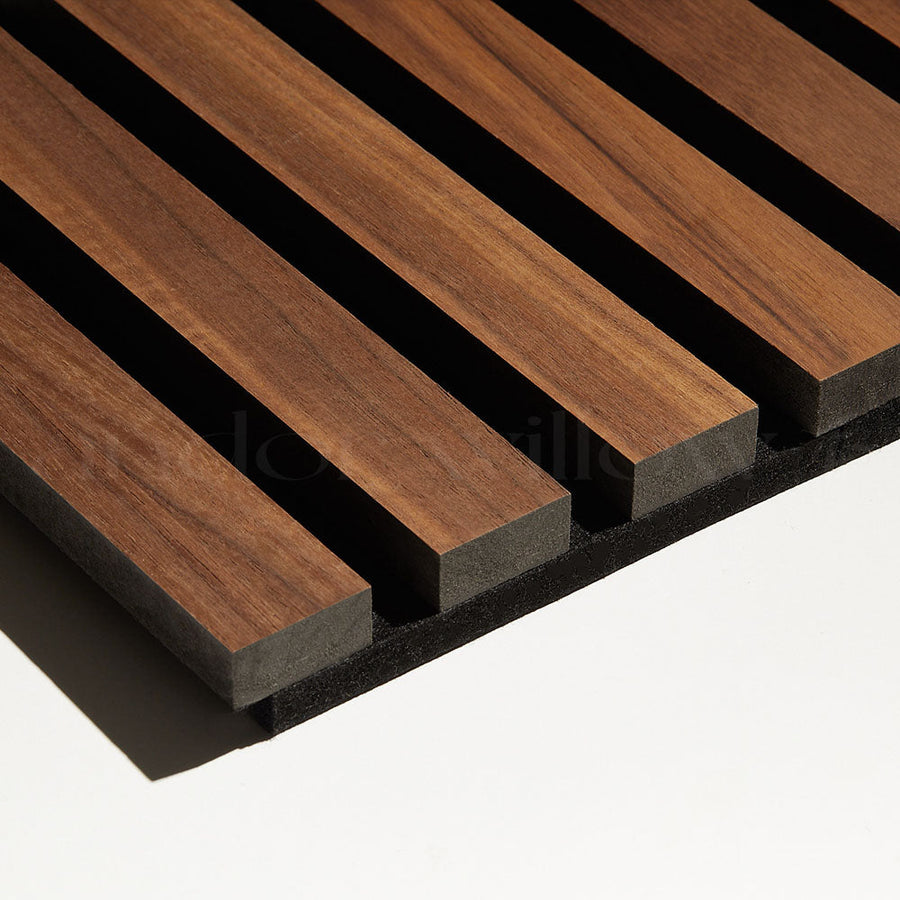
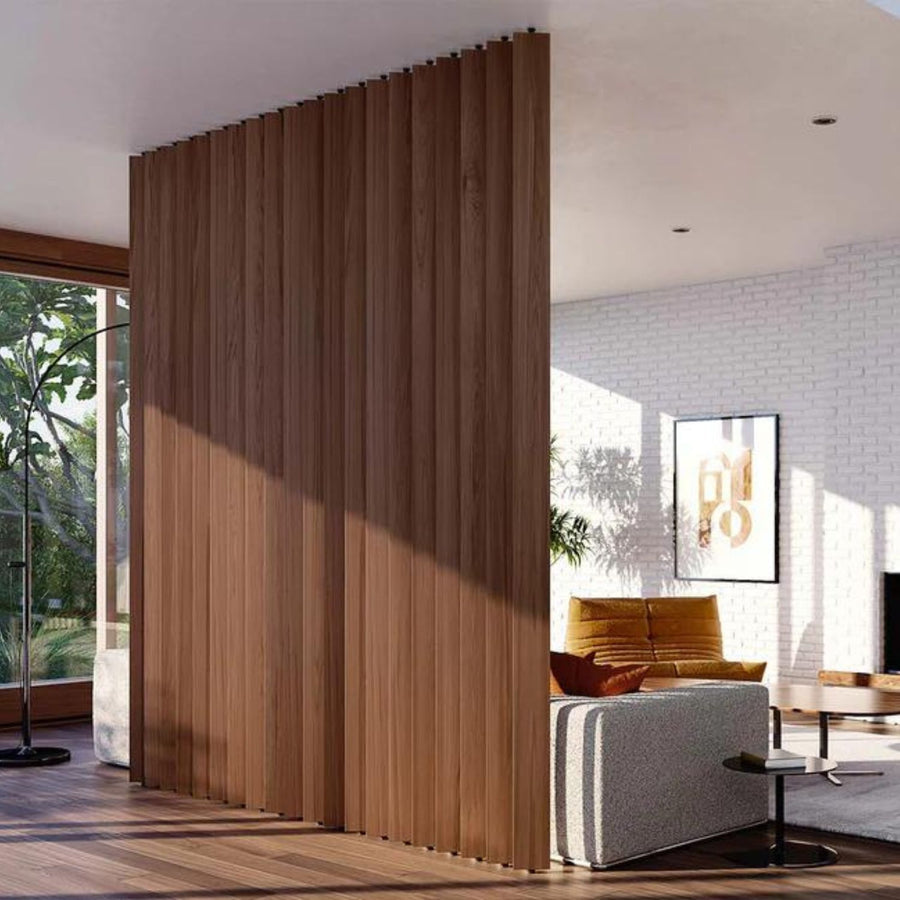
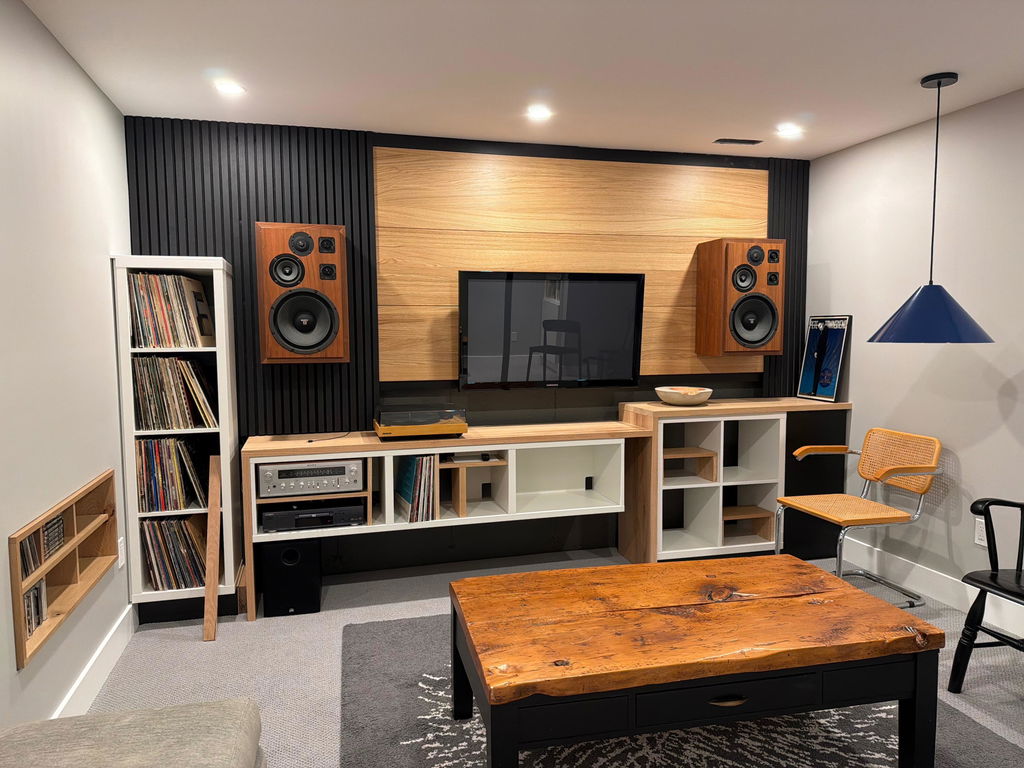
If you prefer a design with more defined lines, slatted paintable panels are worth a look. Their narrow, repeated strips create a linear pattern that can make a wall feel taller or help establish a visual boundary between different areas.
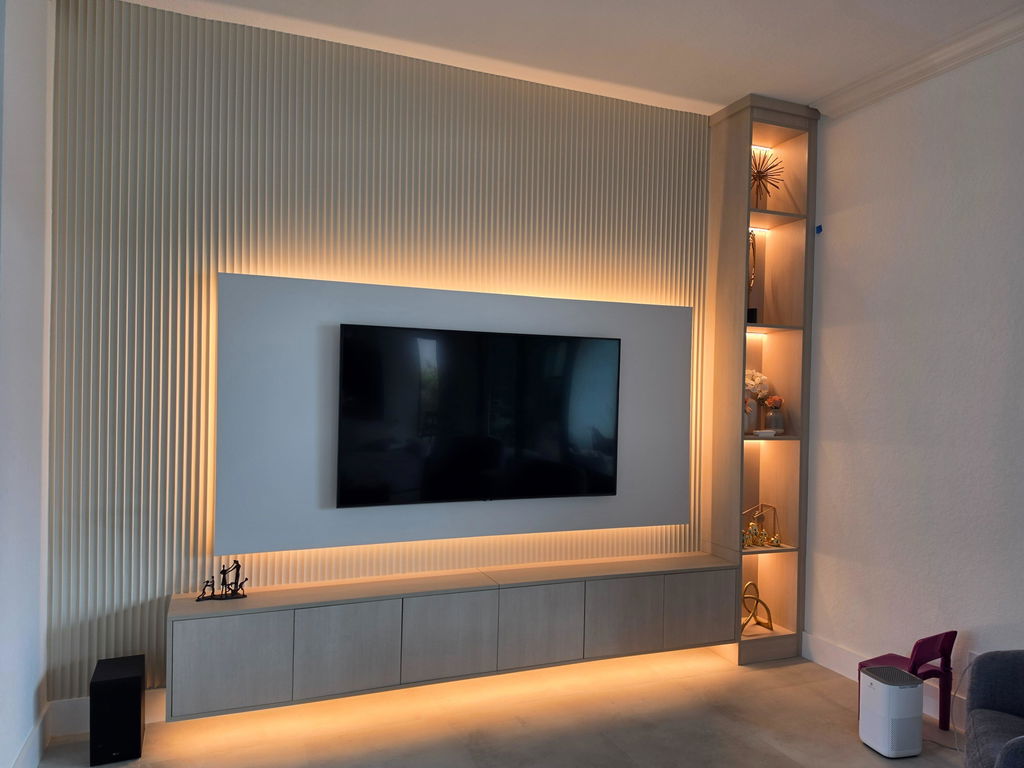
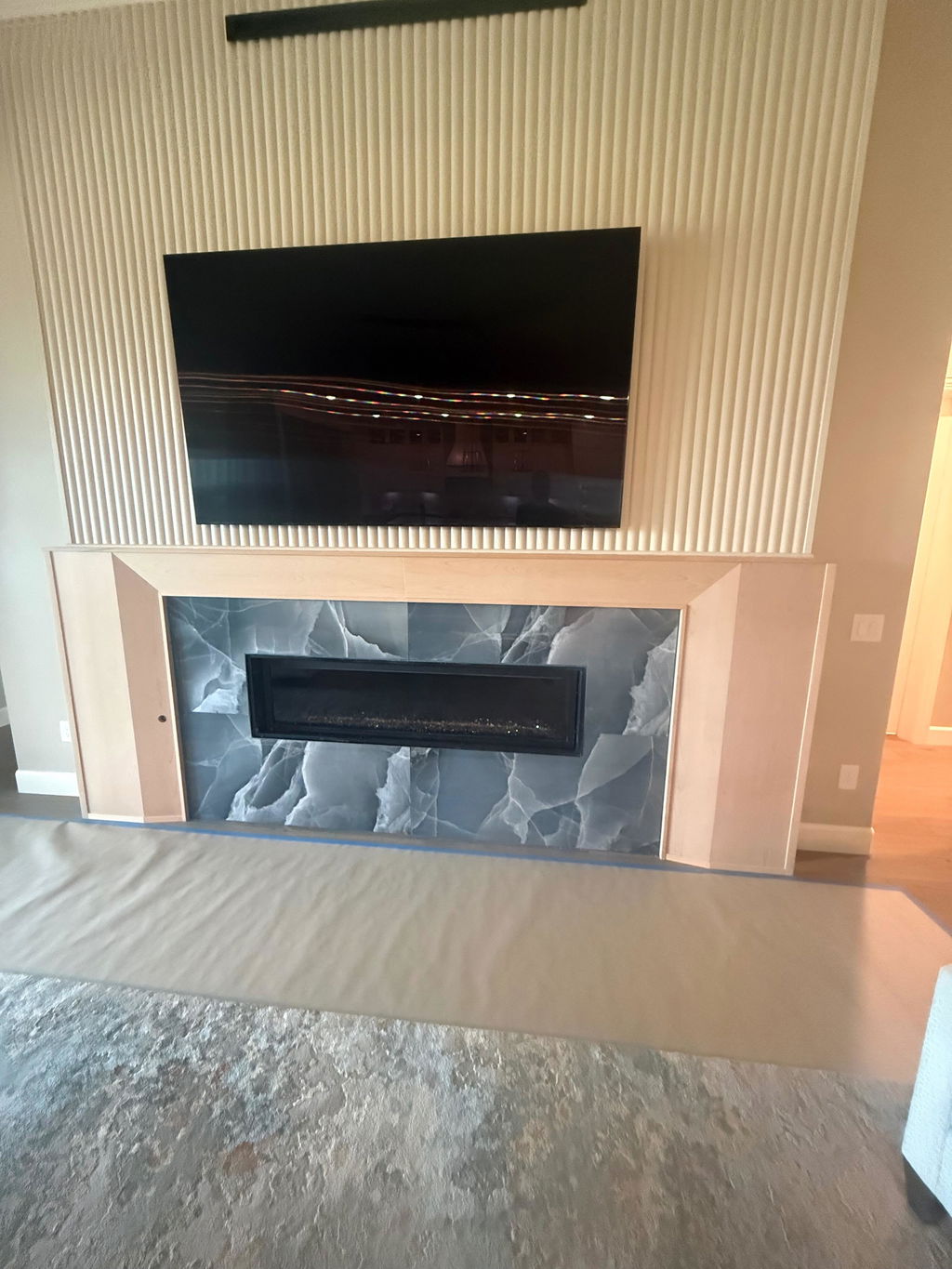
For instance, you can use them behind a television, in a home office, or as a decorative accent beside a dining area. Painting the slats in a single shade gives the wall a uniform appearance, while a carefully chosen contrasting color can highlight the individual lines.
Here are a few design ideas to try:
- Use a light neutral for a clean, understated look.
- Choose a darker shade to create a more prominent feature wall.
- Coordinate the panel color with nearby cabinetry or furniture for a consistent finish.
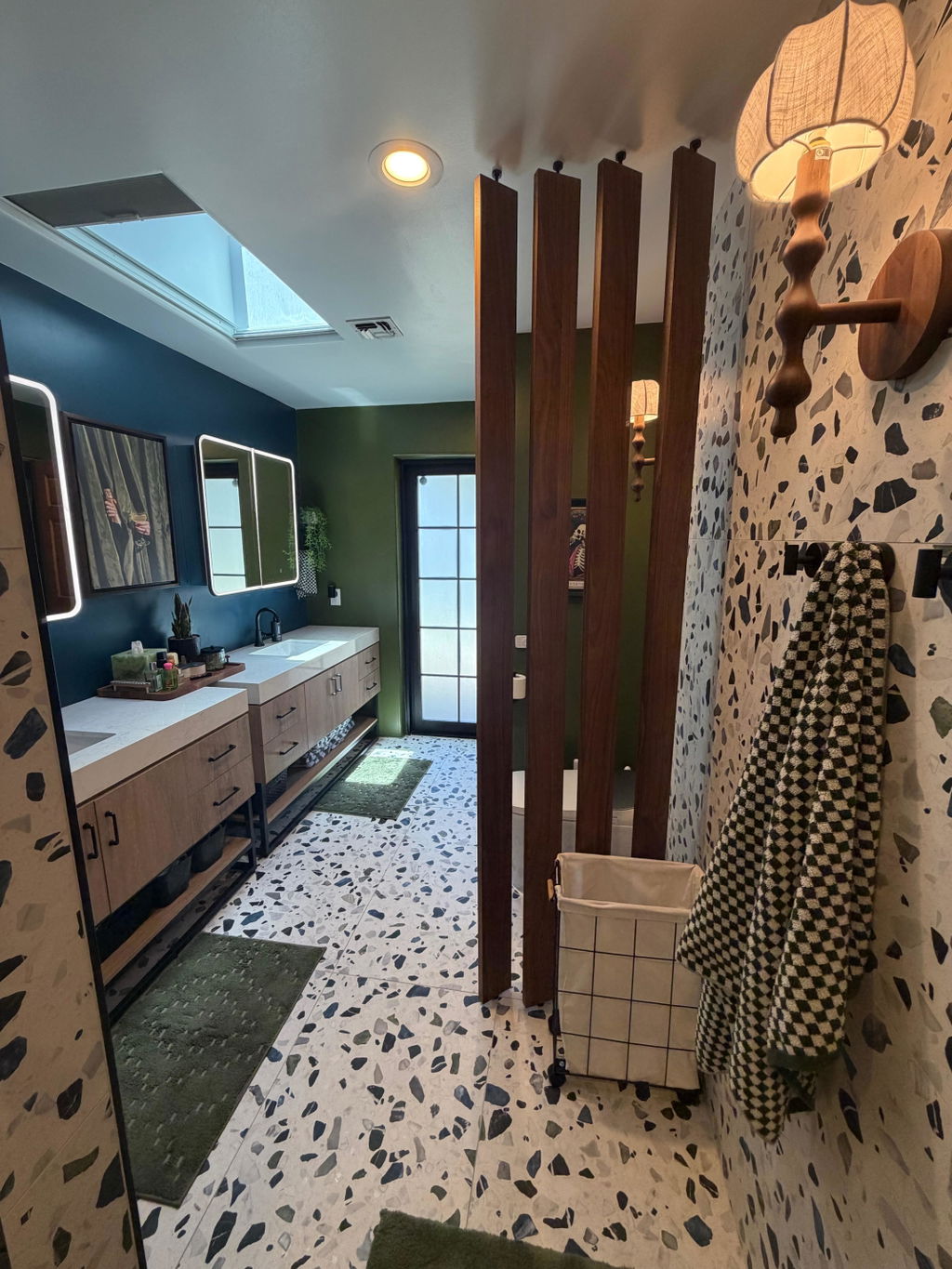
Slatted paintable panels can also complement wood slat room dividers. This is a useful option when you want related design details across an open-plan space.
V-Groove Panels

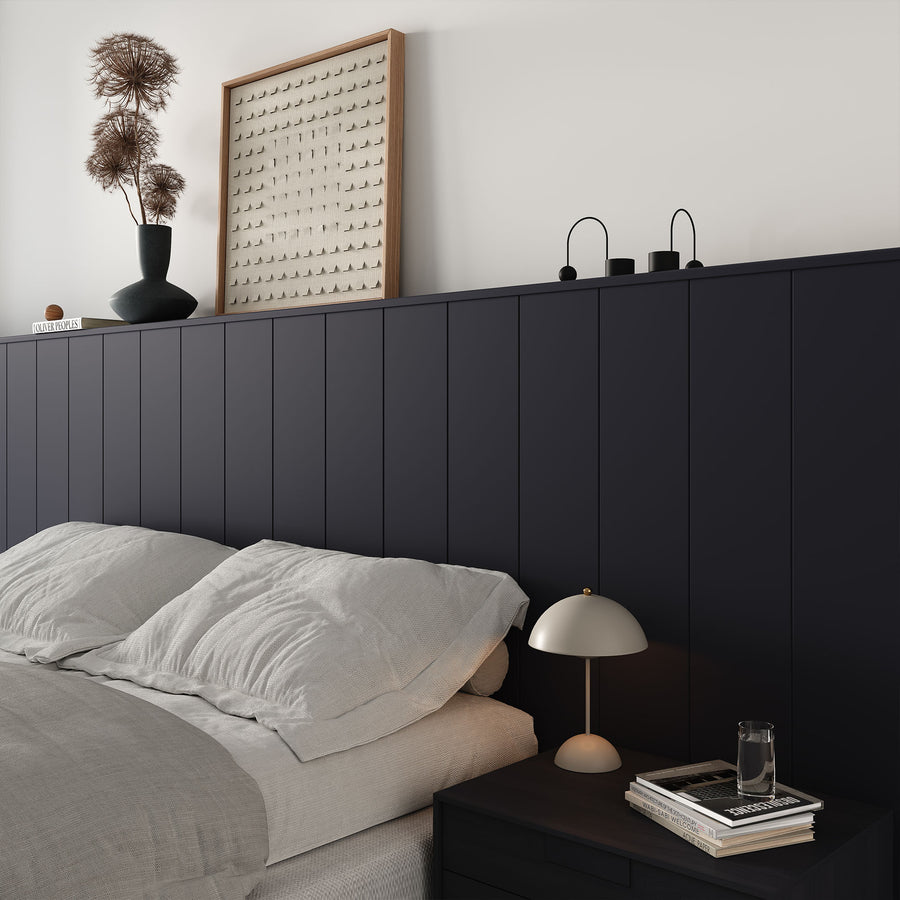
V-groove panels feature angled grooves that form a distinctive V-shaped line between each section. As a result, the pattern adds structure to a wall and suits interiors ranging from classic homes to relaxed, contemporary spaces.
One popular approach is to install V-groove panels across the lower portion of a wall, creating a wainscoting effect. You can then finish the top edge with suitable trim and paint the panels to coordinate with the rest of the room.
They also work well across full walls, particularly in bedrooms, hallways, and dining areas. A soft white or muted neutral keeps the design understated, while a deeper color gives the grooves more presence.
A useful design tip: Consider the width and spacing of the grooves before installation. These details affect the overall pattern, especially across a large wall.
Flexible Ribbed Paintable Panels

Curved walls, rounded columns, and arched architectural details can be challenging to finish with rigid decorative panels.
In these situations, flexible ribbed paintable panels offer another option because their construction allows them to follow certain curved surfaces.
They can help carry a ribbed design around a column or along a curved feature wall, creating a more consistent appearance across the surface.
Before choosing this type, check the manufacturer's minimum bending radius, approved substrates, and installation instructions. Since flexibility depends on the panel's material and construction, it is important to confirm that the product suits the curve you want to cover.
Keep these points in mind:
- Measure the curved surface carefully.
- Check whether the panel is suitable for the intended radius.
- Prepare the substrate according to the manufacturer's instructions.
- Confirm the recommended primer and paint before finishing.
Overall, flexible ribbed panels are particularly useful when you want to bring decorative wall details into areas with rounded architectural features.
Ribbed Paintable Panels

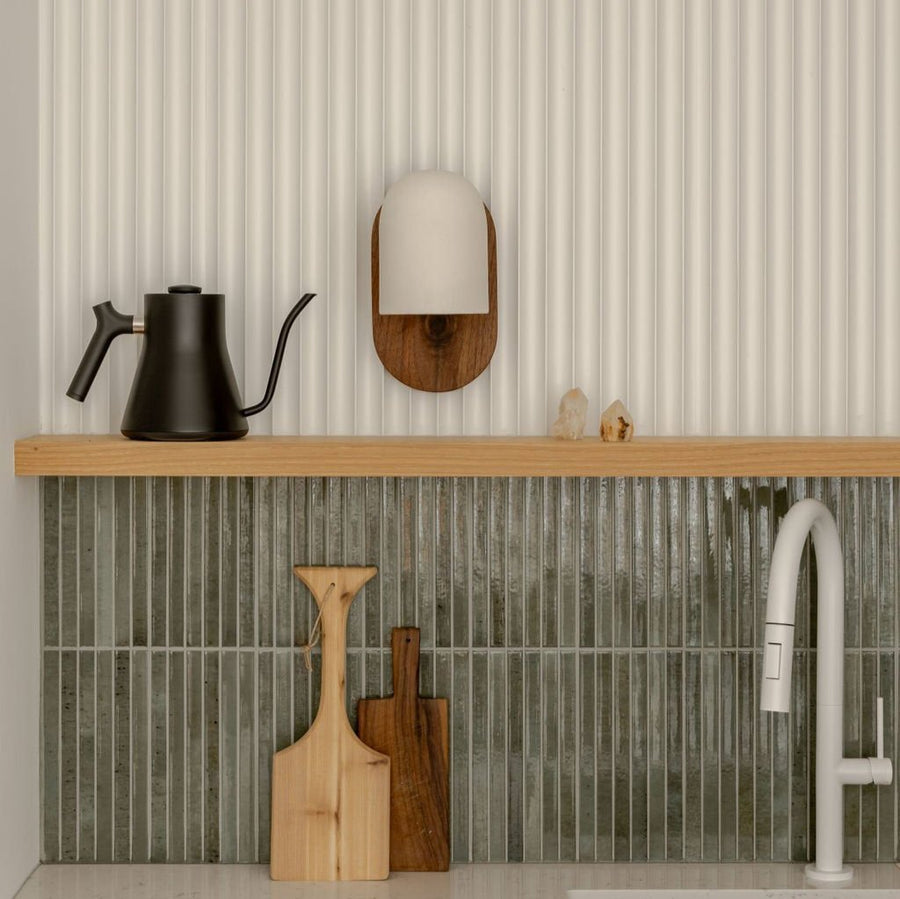
Ribbed paintable panels feature raised ridges that repeat across the surface. Depending on the profile, the ridges may be rounded, narrow, broad, or closely spaced, giving you several ways to introduce texture into a room.
For a subtle finish, paint the panels in a shade close to the surrounding walls. Alternatively, if you want the ridges to stand out more, choose a color that contrasts with nearby finishes or use directional lighting to bring out the pattern.
These panels can work well in living rooms, bedrooms, hallways, and other interior areas where you want a decorative surface with a repeating pattern.
When comparing ribbed panels, look closely at the profile depth and spacing. Fine ridges can create a delicate effect, while larger profiles tend to produce a more noticeable pattern.
How to Choose the Right Paintable Panel for Your Space
Start by thinking about the room and the effect you want to create. For example, a bedroom may call for a restrained pattern behind the bed, while a living room could benefit from a more prominent feature wall.
| Room or Design Goal | Panel Style to Consider | Design Tip |
|---|---|---|
| Bedroom feature wall | Fluted paintable panels | Coordinate the color with the headboard and bedding. |
| Living room accent | Slatted paintable panels | Use a consistent color palette around the television or seating area. |
| Traditional or transitional interior | V-groove panels | Consider lower-wall paneling with suitable trim. |
| Curved wall or column | Flexible ribbed paintable panels | Confirm the product's bending limits before buying. |
| Decorative wall with pronounced texture | Ribbed paintable panels | Choose a profile that suits the scale of the room. |
Beyond the panel style, consider the size of the wall, the amount of natural light, and the finishes already in the space. A detailed panel can become a strong focal point, so it helps to plan how it will work with furniture, flooring, and lighting.
Before placing an order, confirm the panel dimensions, coverage, material, and installation requirements. This makes it easier to estimate quantities and plan the project properly.
Which Paint Colors Work Best With Decorative Panels?
The best color depends on the look you want and the other finishes in the room. Fortunately, paintable panels give you the freedom to work with a familiar neutral palette or introduce a stronger accent.
White and Off-White
White and off-white are reliable choices for rooms that need a bright, clean appearance. They work especially well with V-groove and fluted profiles because the grooves remain visible through the changes in light and shadow.
Warm white can complement beige flooring and natural wood furniture, while a cooler white may suit interiors with gray or black accents.
Beige and Warm Neutrals
Beige, taupe, and similar earthy shades can give decorative panels a softer appearance. These colors pair well with wood furniture, cream upholstery, and other natural-looking finishes.
As a result, they are useful when you want the panel design to fit comfortably into the room's existing color scheme.
Dark Green, Navy, and Charcoal
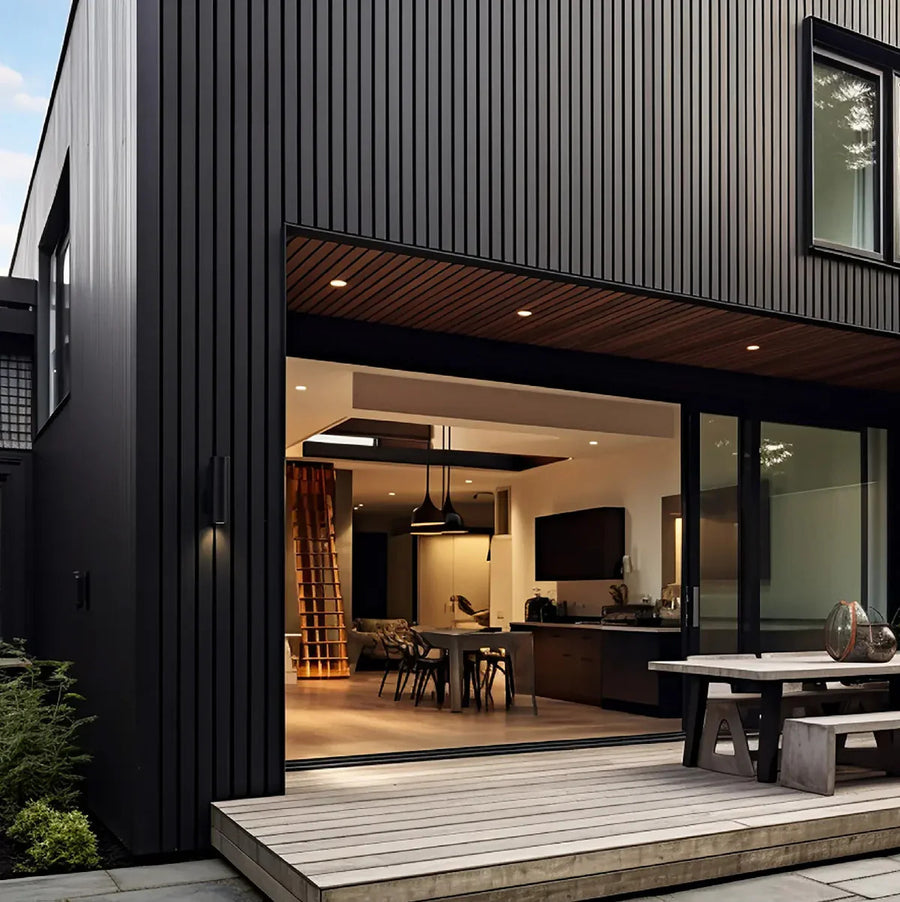
Deeper colors can turn a paneled wall into a noticeable feature. Dark green works well with warm wood tones, navy can complement brass or gold-colored details, and charcoal can suit modern interiors with simple furniture.
Before painting the entire wall, test a sample on the actual panel surface. Raised profiles and recessed grooves can make a color look different under daylight and artificial lighting.
Colors That Match Your Existing Interior
Look at the colors already present in your room before settling on a shade.
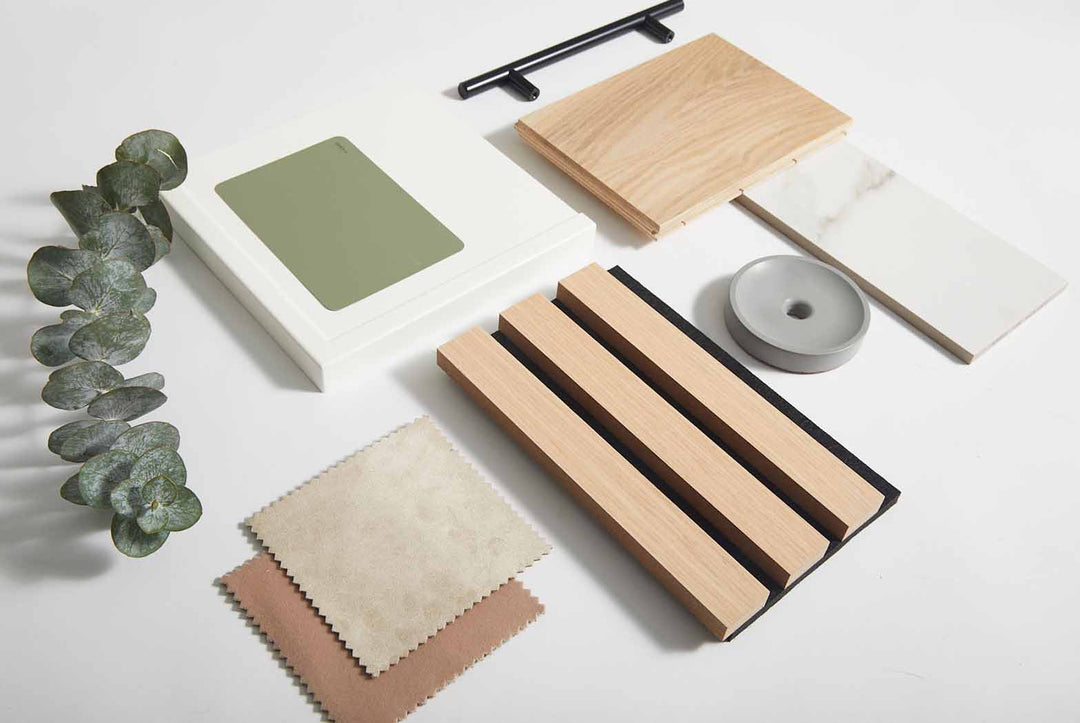
Upholstery, curtains, flooring, cabinetry, and nearby walls can all help guide your choice. If you are unsure, paint a small sample area and check it at different times of day. This gives you a better idea of how the finish will look once the room is in use.
How to Prepare Paintable Wall Panels Before Painting
Preparation helps the paint adhere properly and gives the finished surface a cleaner appearance. Since the exact process depends on the panel material, always follow the manufacturer's instructions.

Clean the Surface
First, remove dust, dirt, and residue before applying any coating. Use a cleaning method suitable for the panel material, then allow the surface to dry completely.
Check for Surface Imperfections
Next, inspect the panels for scratches, rough edges, gaps, or other visible issues. Address them using products approved for the specific material, and make sure any repairs are fully dry before continuing.
Sand Only When Recommended
Some panel surfaces benefit from light sanding, while others may be damaged by it. For this reason, check the manufacturer's guidance and use the appropriate preparation method for the finish.
Apply the Recommended Primer
Primer helps prepare the surface for paint and can improve adhesion. Choose one compatible with both the panel material and your intended topcoat.
Protect Nearby Surfaces
Finally, cover flooring, trim, furniture, and other areas that should remain paint-free. Use painter's tape around edges and fittings to help create a neat finish.
How to Paint Wall Panels for a Clean Finish
Once the panels are properly prepared, work methodically to cover both the raised sections and the recessed details.
Choose the Right Paint and Primer
Check which paints are suitable for your panel material and the room where they will be installed. For example, high-humidity areas may require a different coating system from a bedroom or living room.
Use the recommended primer and allow it to dry according to the product instructions before applying the topcoat.
Use Tools That Reach the Details
A suitable brush can help you reach grooves, corners, and narrow recesses. Meanwhile, a small roller may cover broader surfaces more quickly, depending on the panel profile.
Apply the paint evenly and check for drips along the grooves. Working in manageable sections makes it easier to maintain consistent coverage.
Allow Enough Drying Time
Follow the drying and recoating times listed on the paint label. Applying another coat too early can affect the finish, while rushing the final handling may leave marks on the surface.
Once the paint has dried, inspect the wall under the room's usual lighting. Touch up any missed spots as needed.
Common Mistakes to Avoid When Painting Wall Panels
A few avoidable mistakes can affect the appearance and durability of the finished wall. Keep these points in mind as you prepare and paint your panels.
- Skipping surface preparation: Dust and residue can interfere with paint adhesion.
- Using an incompatible primer: The wrong product may lead to poor coverage or peeling.
- Applying too much paint: Excess paint can collect in grooves and hide fine details.
- Ignoring drying times: Rushing between coats can affect the final finish.
- Choosing a color without testing it: Lighting can change how the paint appears on a textured surface.
- Overlooking moisture exposure: Panels and coatings need to be suitable for the room's conditions.
By taking time to prepare the surface and check the product instructions, you can help prevent many of these problems.
Where Can You Use Paintable Wall Panels at Home?
Paintable wall panels can suit many areas of the home. Ultimately, the most suitable style depends on the wall, the room's purpose, and the amount of detail you want.

Living Rooms
A paneled wall can help define the main seating area or create a backdrop for a television. Slatted and ribbed profiles are useful options when you want a repeating pattern, while fluted panels can give the wall a more sculpted look.
Bedrooms
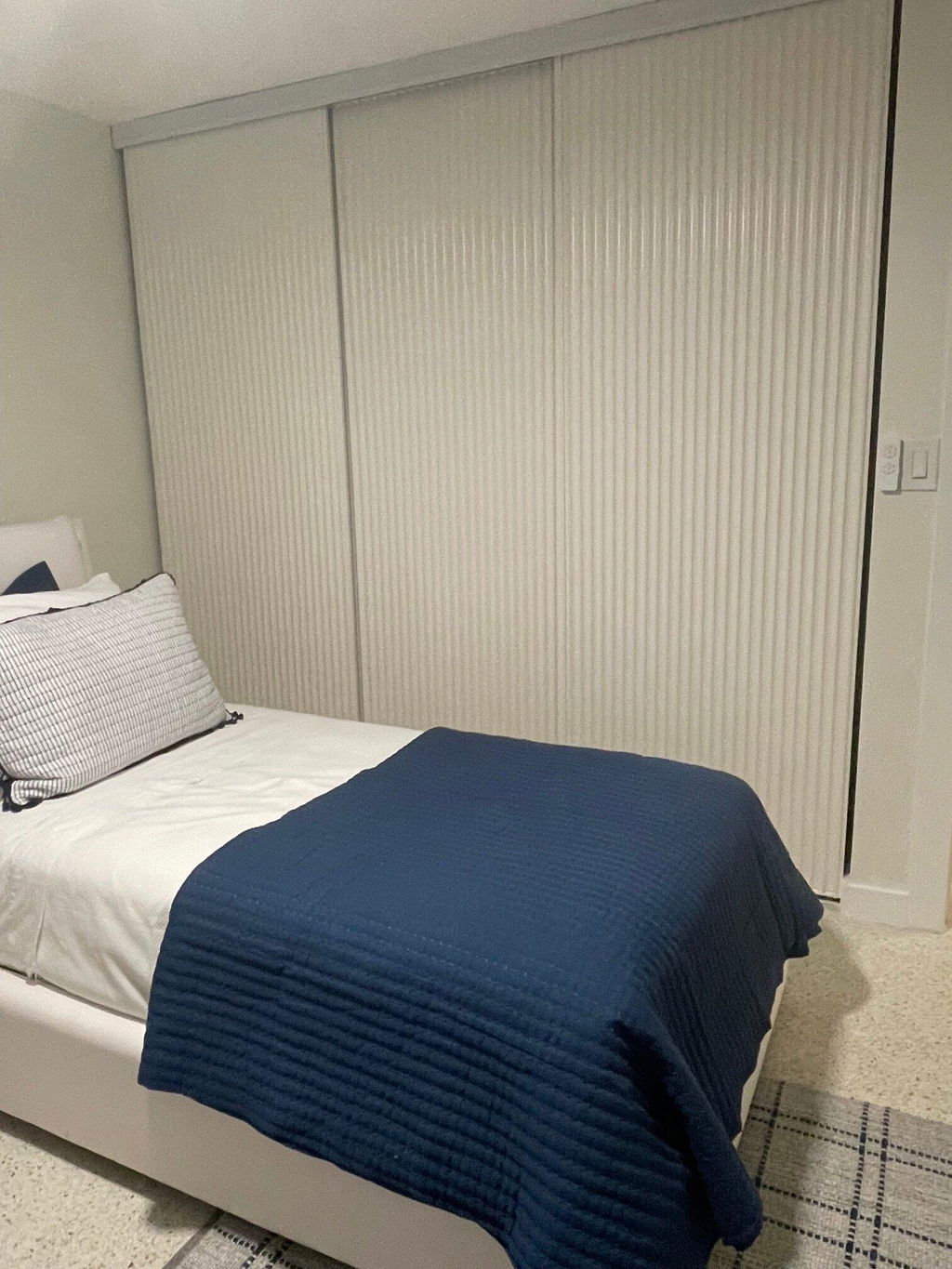
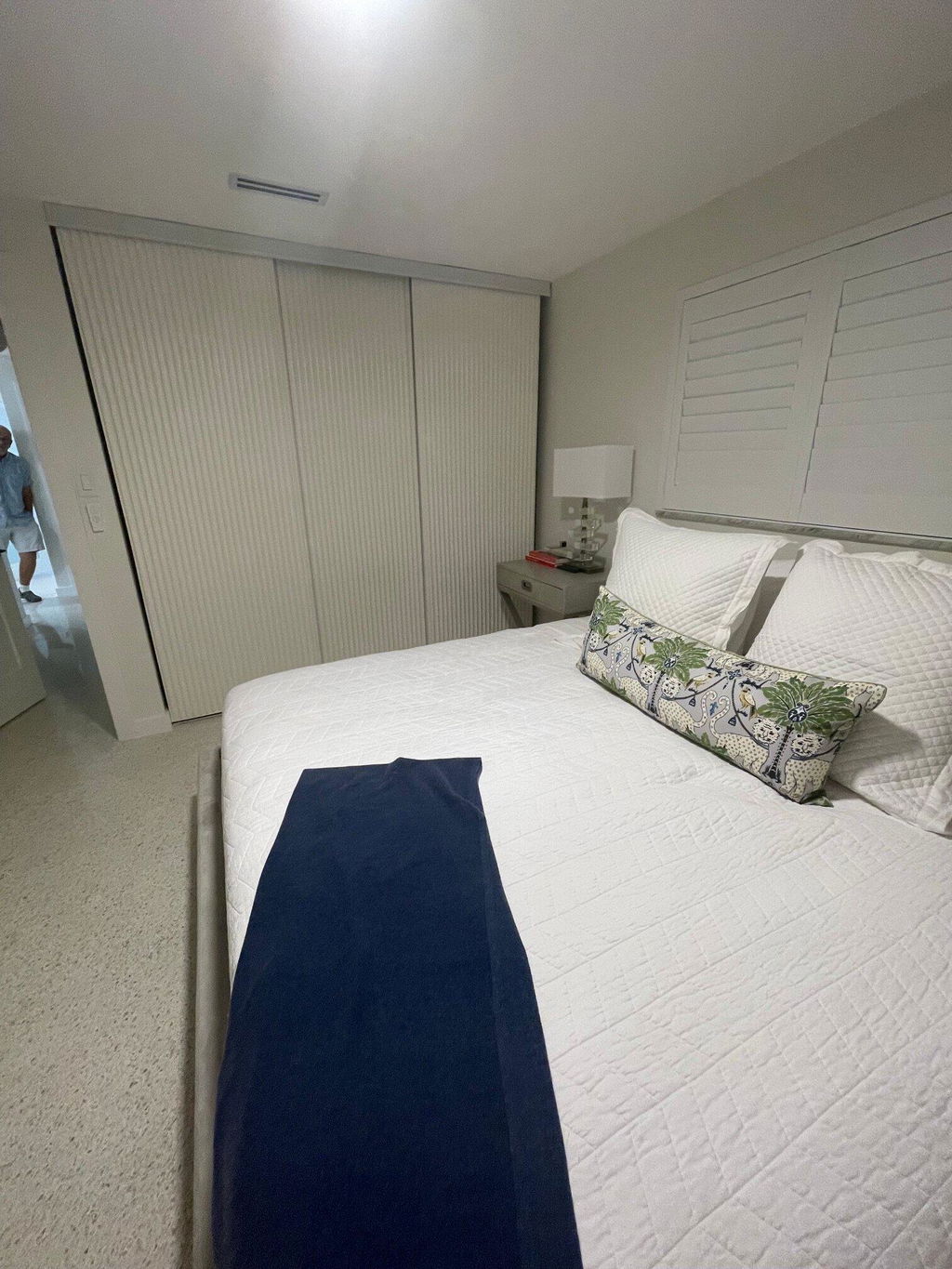
Consider installing panels behind the headboard to establish a focal point. You can then coordinate the paint color with the bedding, bedside tables, and other furniture for a more consistent look.
Hallways and Entryways
Hallways often have limited space for decorative furniture, making the walls a useful place to add detail. In these areas, V-groove panels or a simple ribbed profile can give the space a more considered finish.
Home Offices
Panels can help create a defined background behind a desk or in a video-call area. Choose a pattern that complements the rest of the room without making the workspace feel visually crowded.
Curved Walls and Columns
Flexible ribbed paintable panels may suit certain curved surfaces, including rounded columns and curved feature walls. However, check the product specifications and installation requirements to make sure the panel can follow the shape safely and neatly.
Can You Install Paintable Wall Panels Yourself?
DIY installation may be possible if you have the right tools, a suitable wall surface, and a product designed for straightforward installation. Smaller projects can be a useful starting point, particularly when the wall is flat and requires few cuts.
Before beginning, read the installation instructions and prepare the wall properly. Measure the area, plan the panel layout, and check where the edges, corners, sockets, and switches will fall.
For more complex installations, professional help may be worthwhile, especially when the design includes curved surfaces, intricate patterns, or several adjoining walls. A professional installer can also help when the substrate needs repair or the finished alignment must be especially precise.
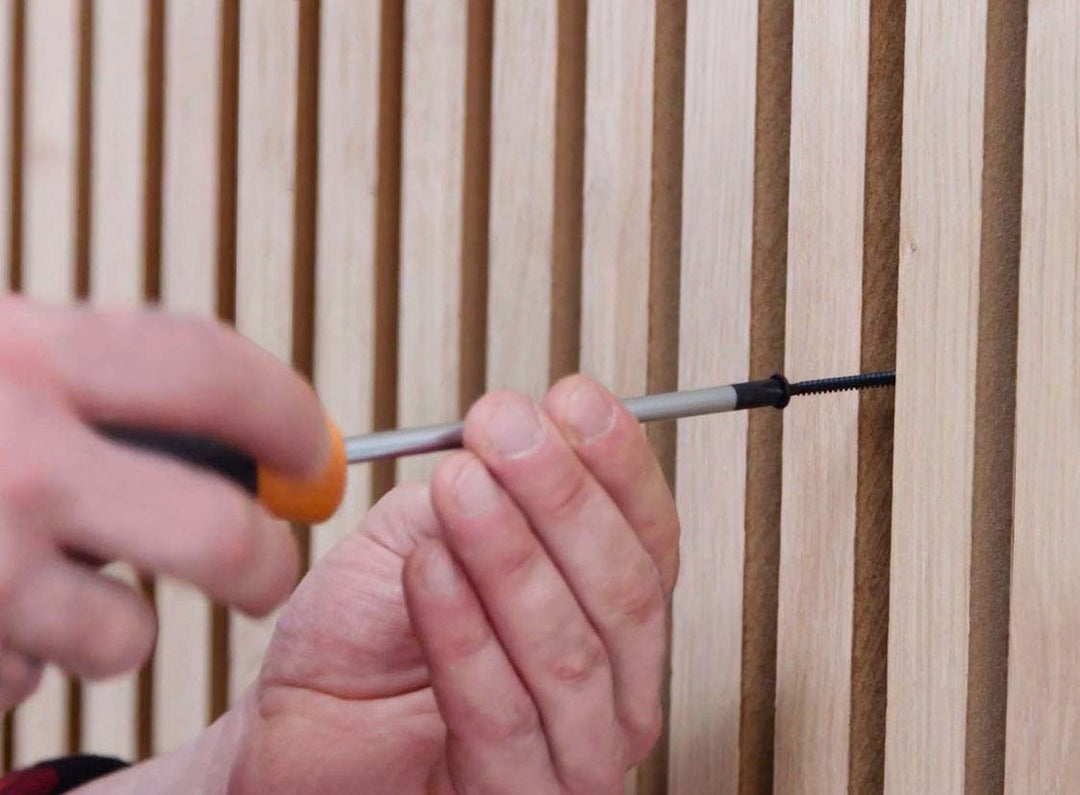
Remember to check whether the product requires a specific adhesive, mechanical fixing, or other installation method. Using the correct materials helps support a clean and secure result.
How to Clean and Maintain Painted Wall Panels
Regular maintenance can keep painted panels looking their best. For routine cleaning, start by removing dust with a soft cloth or a suitable vacuum attachment.
For marks, use a lightly dampened cloth and a cleaning method compatible with the paint finish. Avoid harsh cleaners or abrasive tools unless the manufacturer confirms that they are suitable.
It is also worth inspecting the panels occasionally for scratches, loose edges, peeling paint, or signs of moisture. Repair small issues early and use compatible products when touching up the finish.
If you decide to repaint the panels later, clean and prepare the surface first. Depending on the existing coating and panel material, you may need light preparation and a fresh coat of compatible primer.
Are Paintable Wall Panels Right for Your Home?
Paintable wall panels are worth considering if you want to add a decorative pattern while keeping control over the final color.
With choices ranging from fluted and slatted designs to V-groove and ribbed profiles, you can find options for many interior styles and room layouts.
Before choosing a panel, think about the appearance you want, the condition of your wall, and the preparation required. The right combination of profile, paint color, and installation can help you create a finish that works with the rest of your home.
Frequently Asked Questions
What are paintable wall panels made of?
Paintable wall panels can be made from different materials, depending on the product. Always check the manufacturer's specifications to confirm the material, suitable applications, and recommended paint system.
Do paintable wall panels need primer?
Many paintable panels benefit from primer because it prepares the surface for the topcoat. The correct primer depends on the panel material and existing finish, so follow the product's preparation instructions.
Can I paint wall panels after installation?
Yes, many paintable wall panels can be painted after installation. Make sure the adhesive or fixings have fully set, clean the surface, and prepare it according to the manufacturer's guidance before painting.
Which paintable wall panels are best for feature walls?
Fluted, slatted, and ribbed panels are all worth considering for feature walls. Your choice will depend on the pattern, the scale of the wall, and how prominent you want the design to be.
Can flexible ribbed paintable panels be used on curved walls?
Some flexible ribbed panels are designed for curved surfaces. Check the manufacturer's minimum bending radius and installation instructions before using a panel on a column or curved wall.
Can I repaint paintable wall panels later?
Many paintable panels can be repainted when you want to update the room. Clean the surface and check whether sanding or primer is required before applying a compatible new coating.
Are paintable wall panels suitable for bathrooms?
Suitability depends on the panel material, the coating system, and the bathroom's moisture exposure. Check the manufacturer's guidance before installing panels in bathrooms, particularly near showers, bathtubs, or other areas exposed to frequent water.



Leave a comment