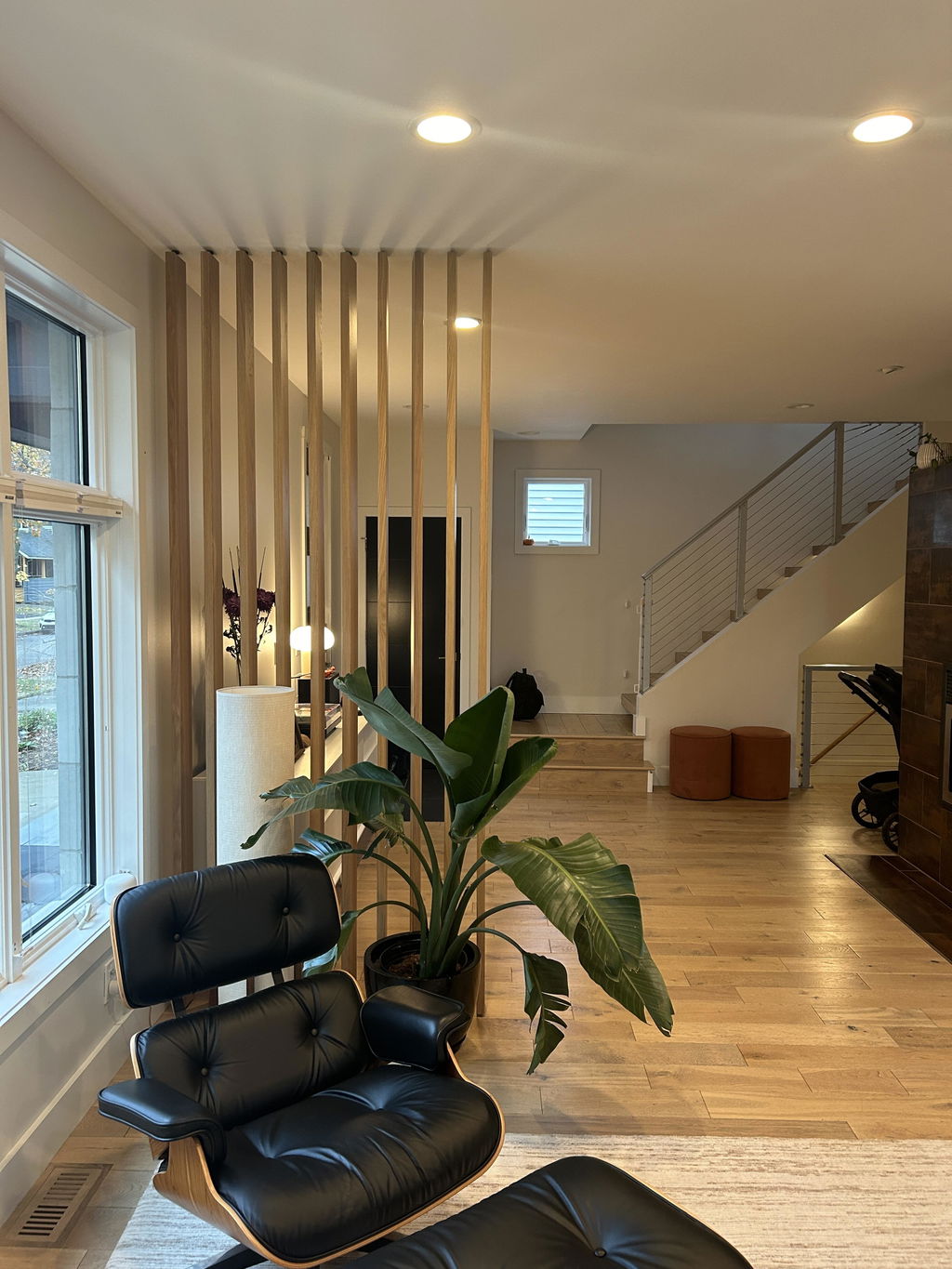
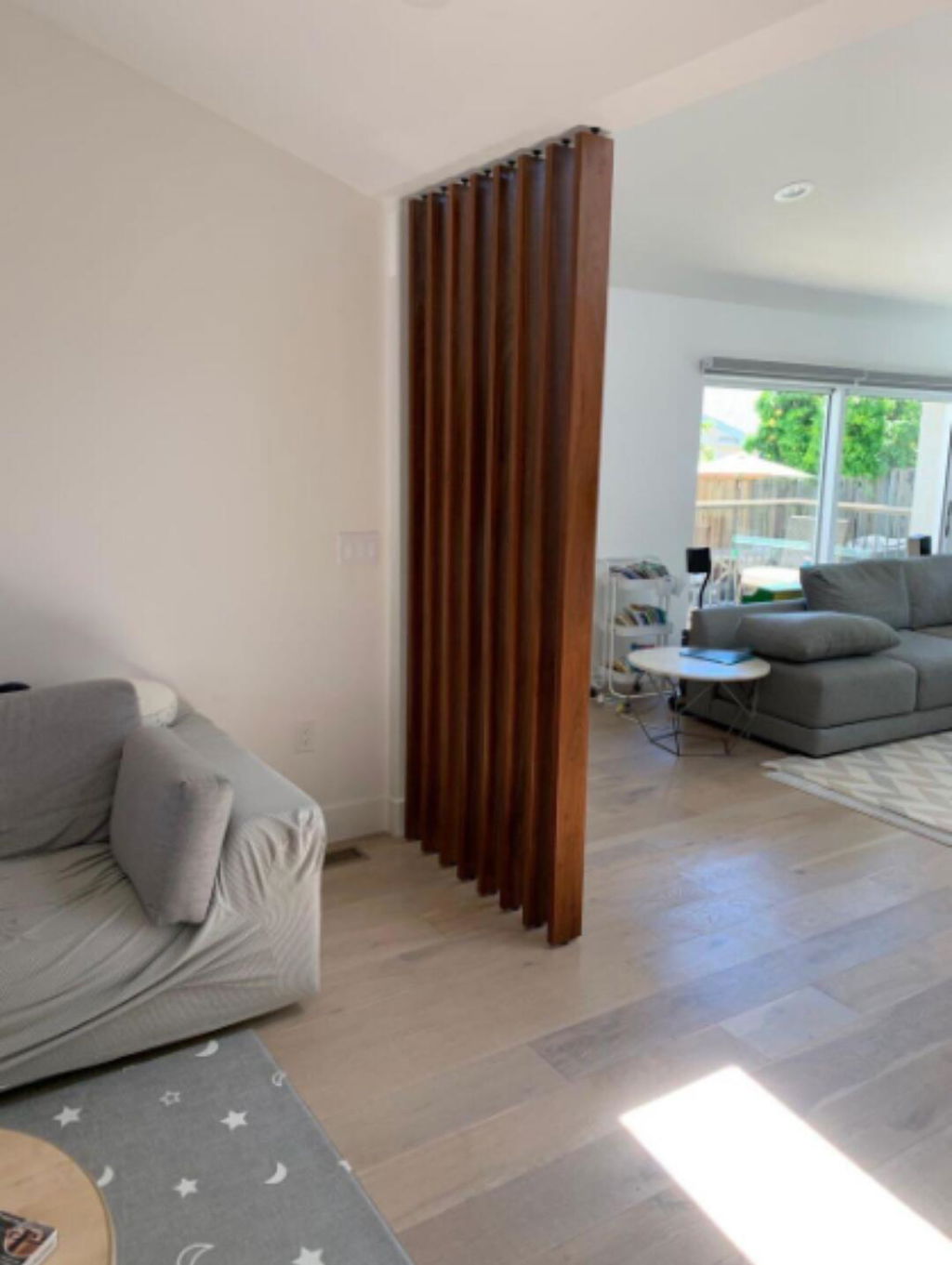
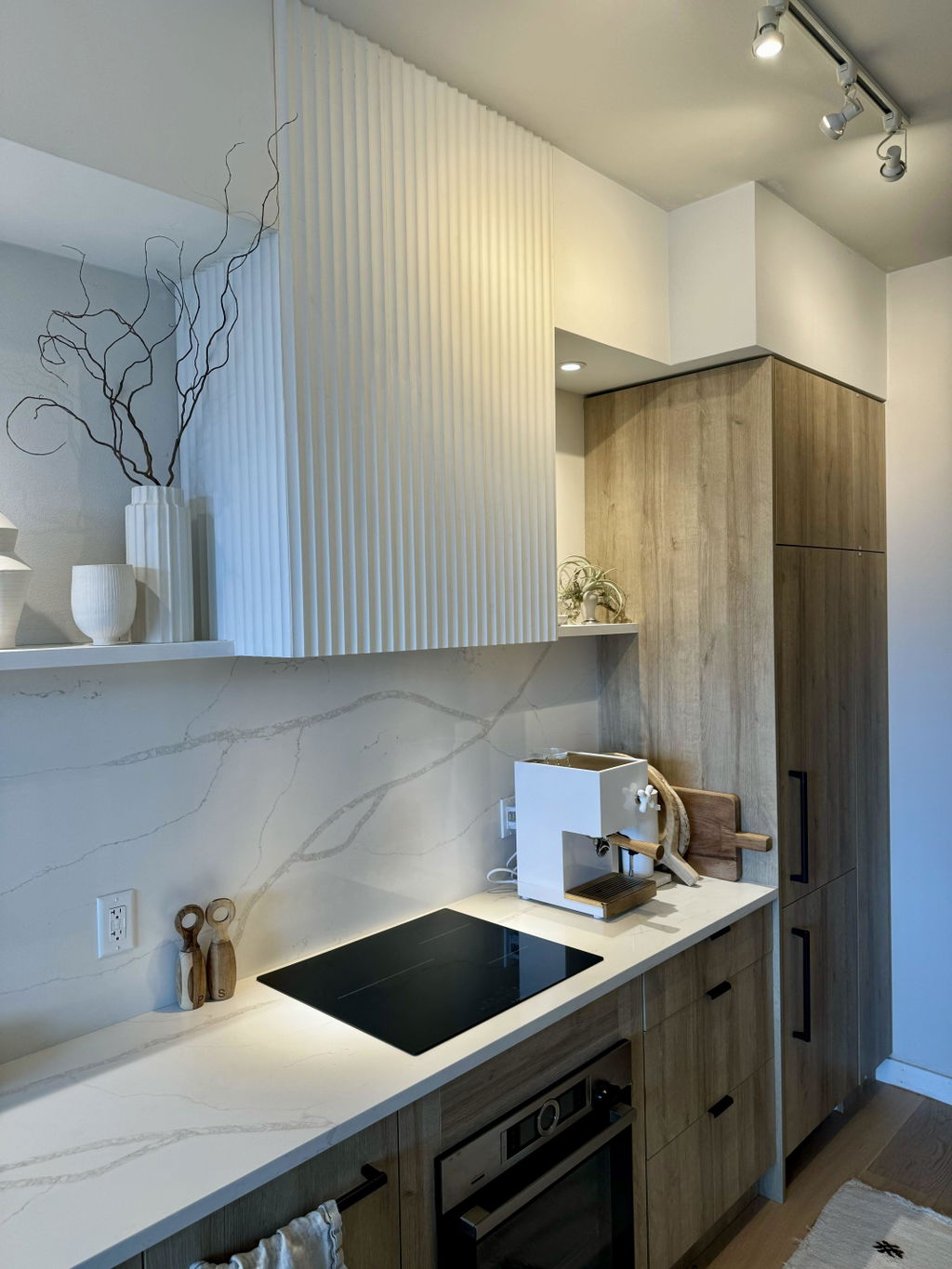
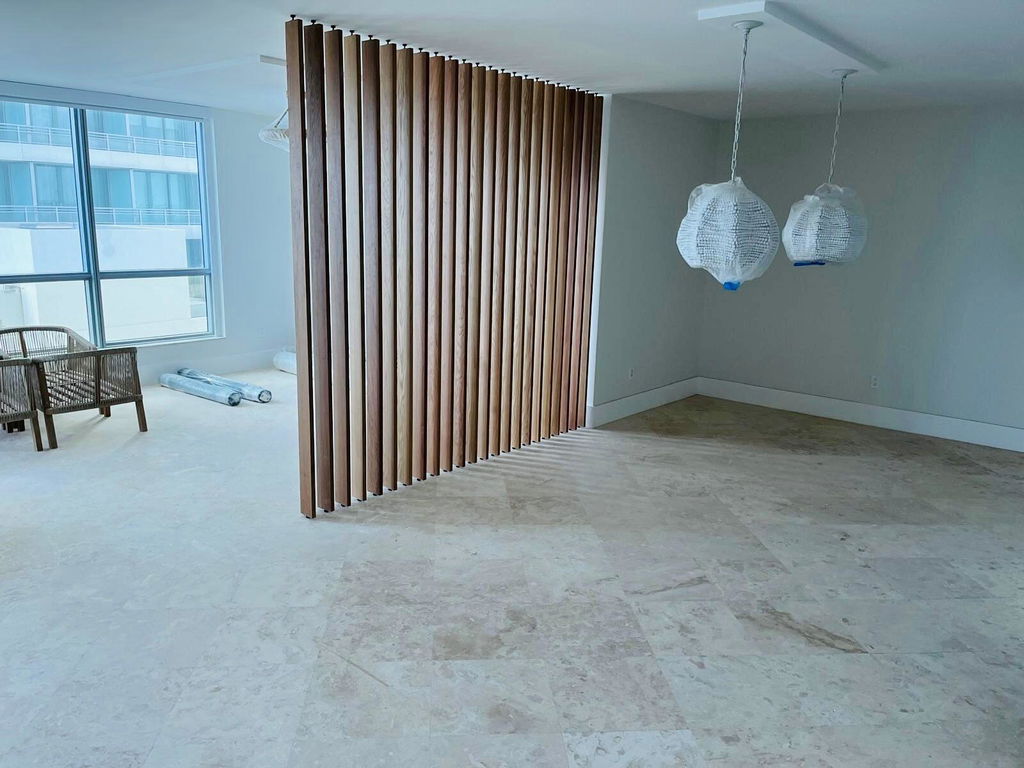
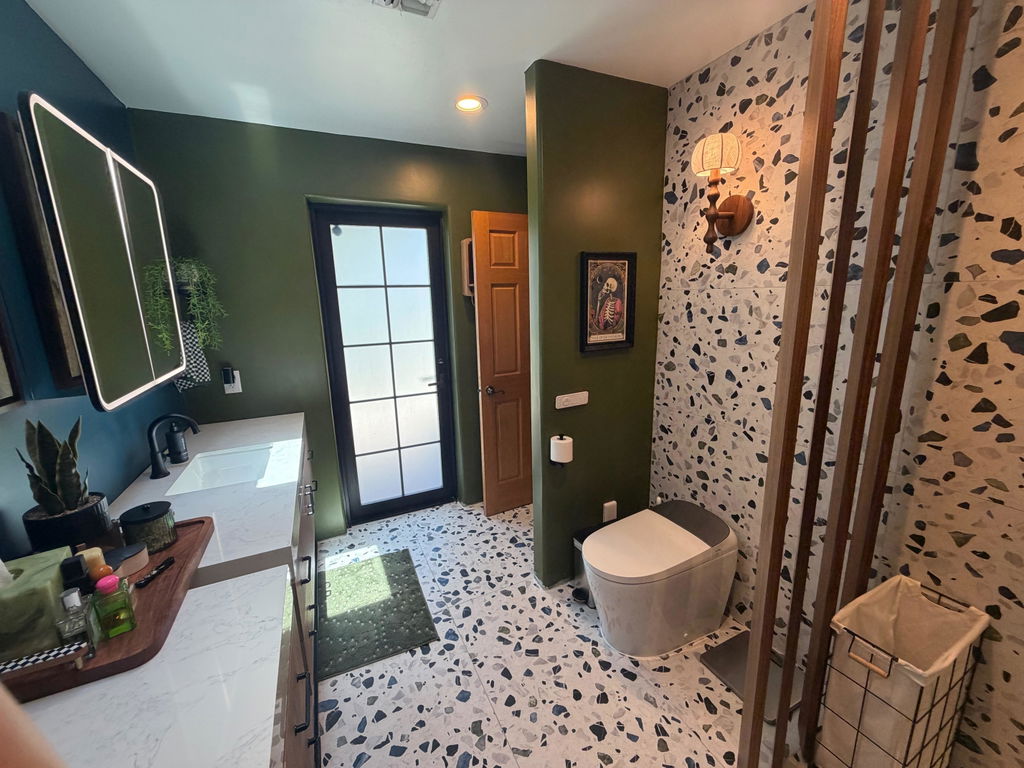
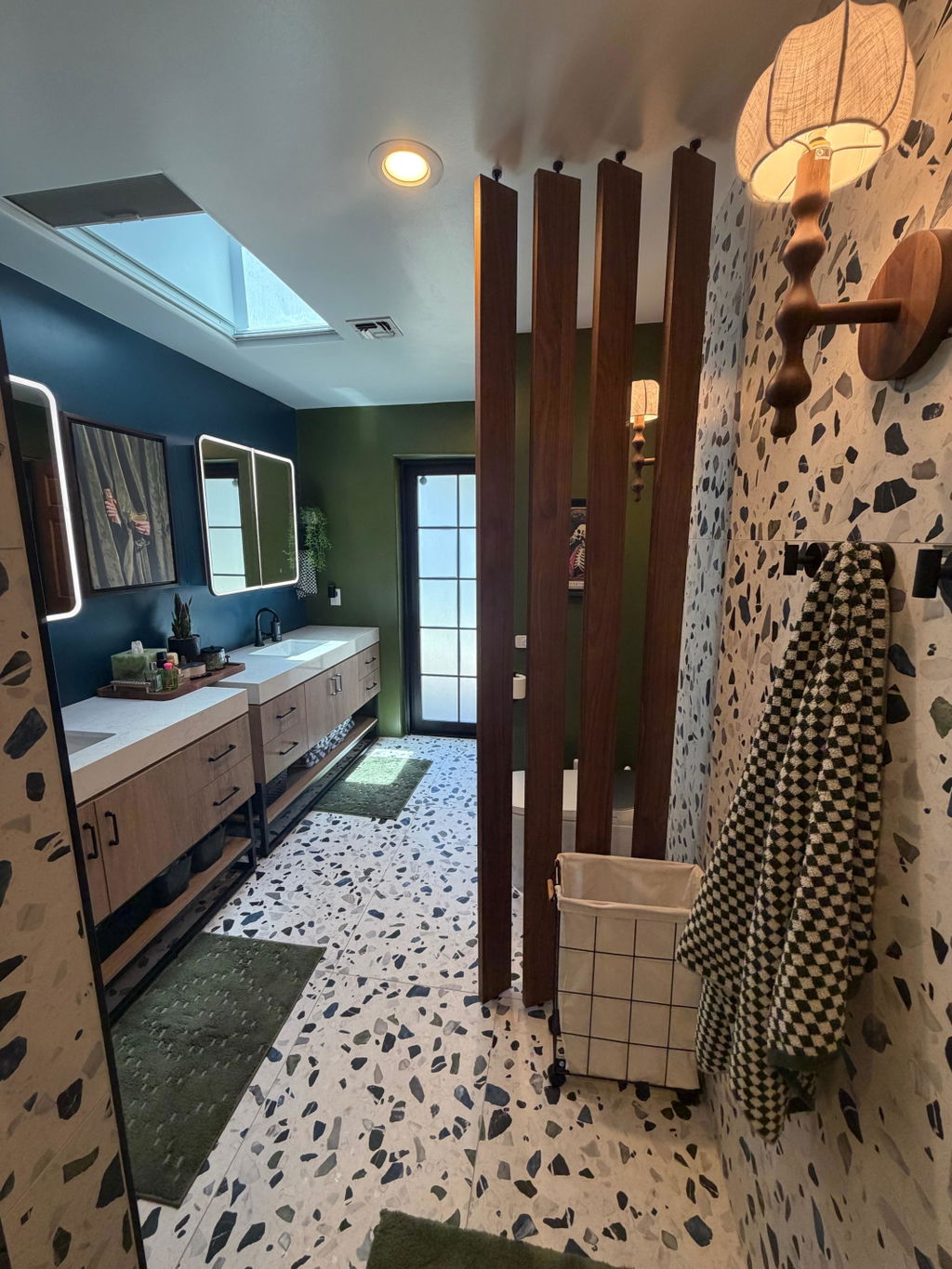
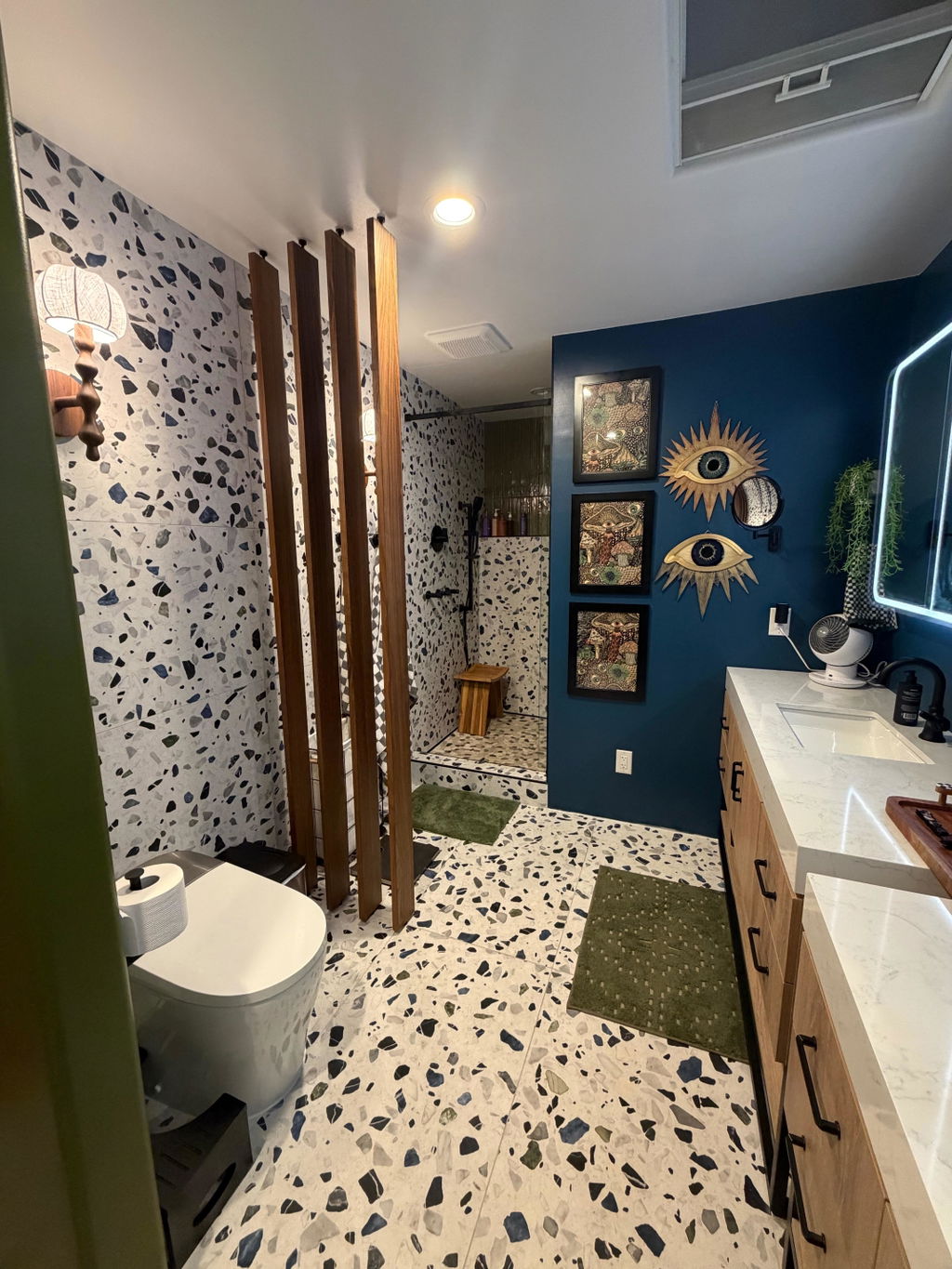
Fluted Wood Paneling

Premium wood paneling in fluted and ribbed patterns, available in up to 9' lengths. Most orders ship in 3 business days or less, with free delivery available.
Fluted Wood Paneling

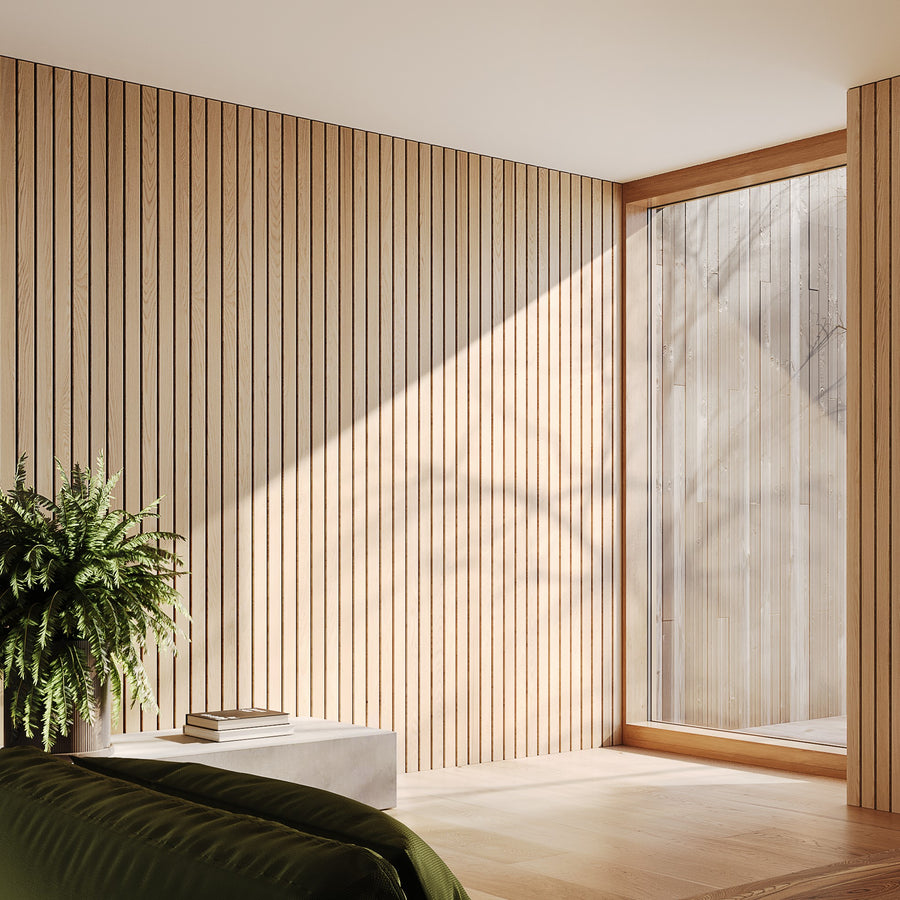
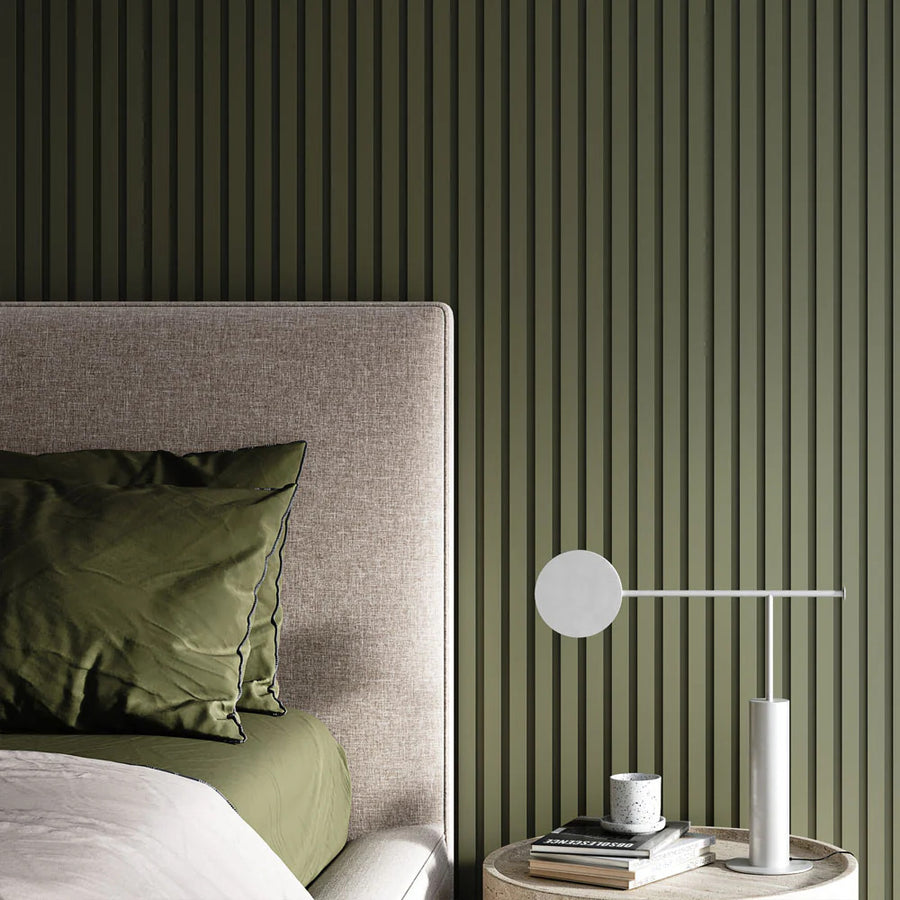
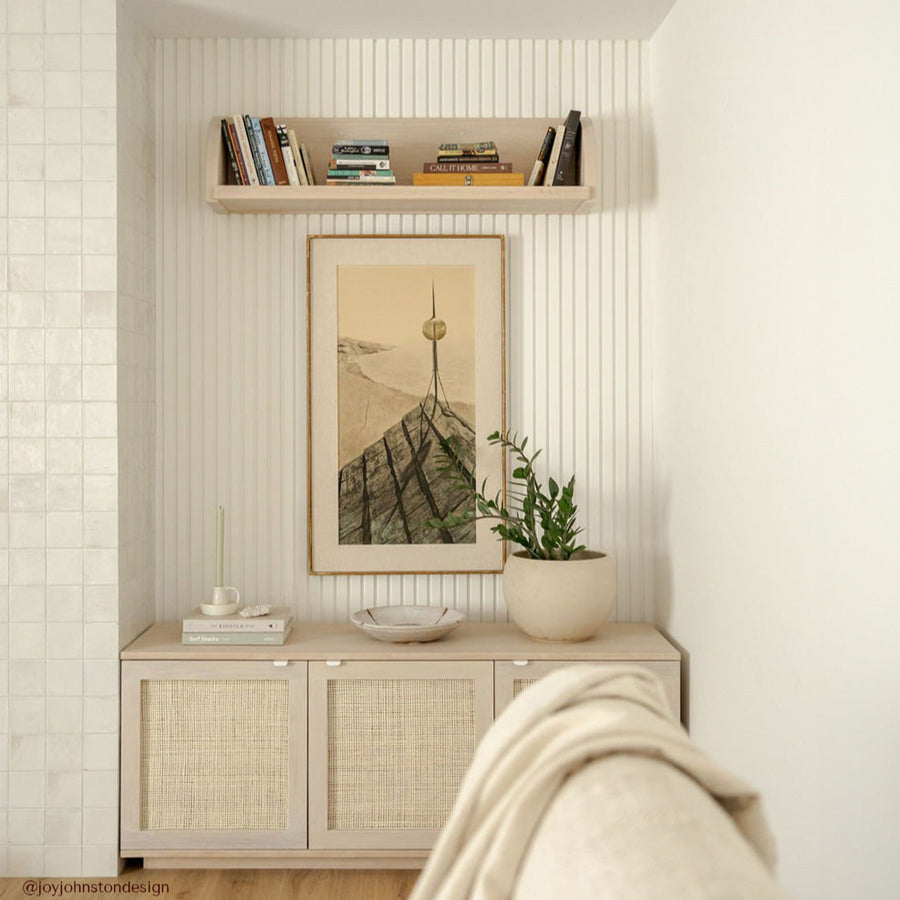
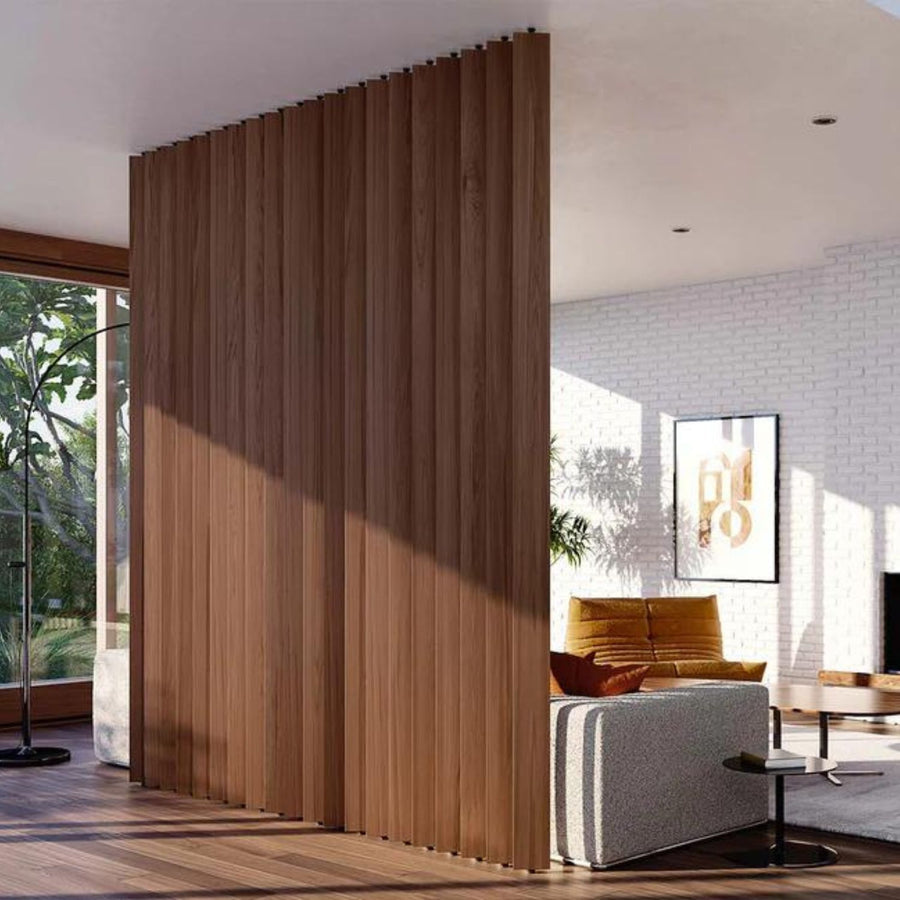
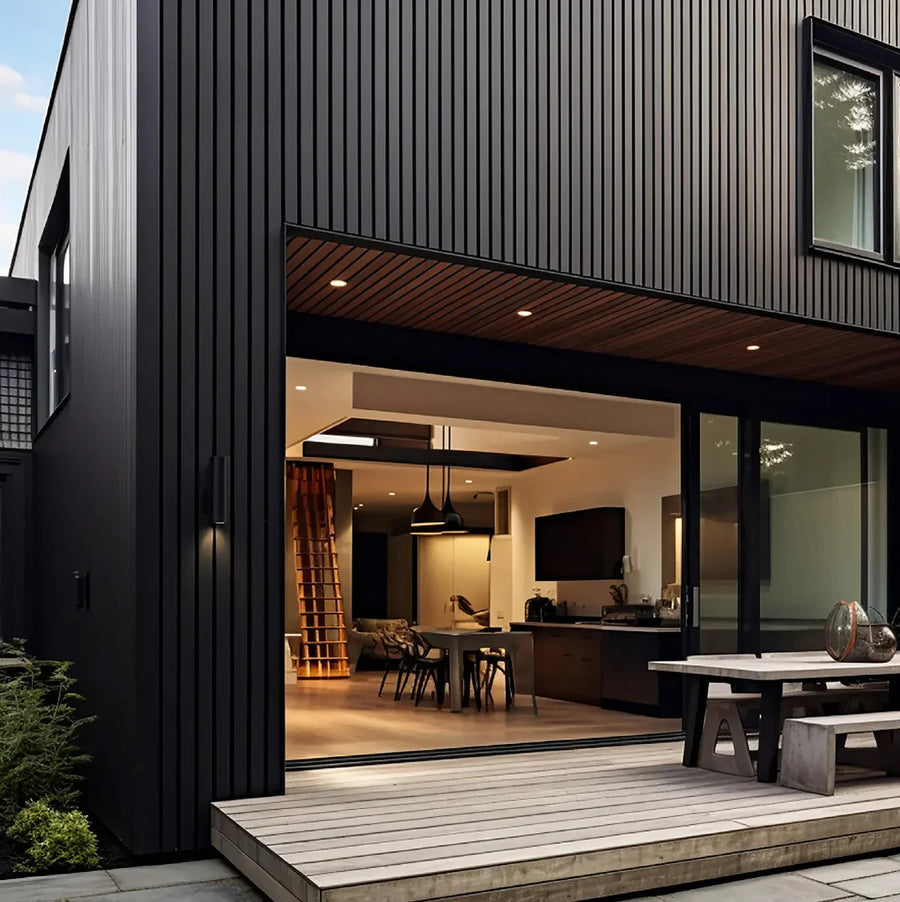
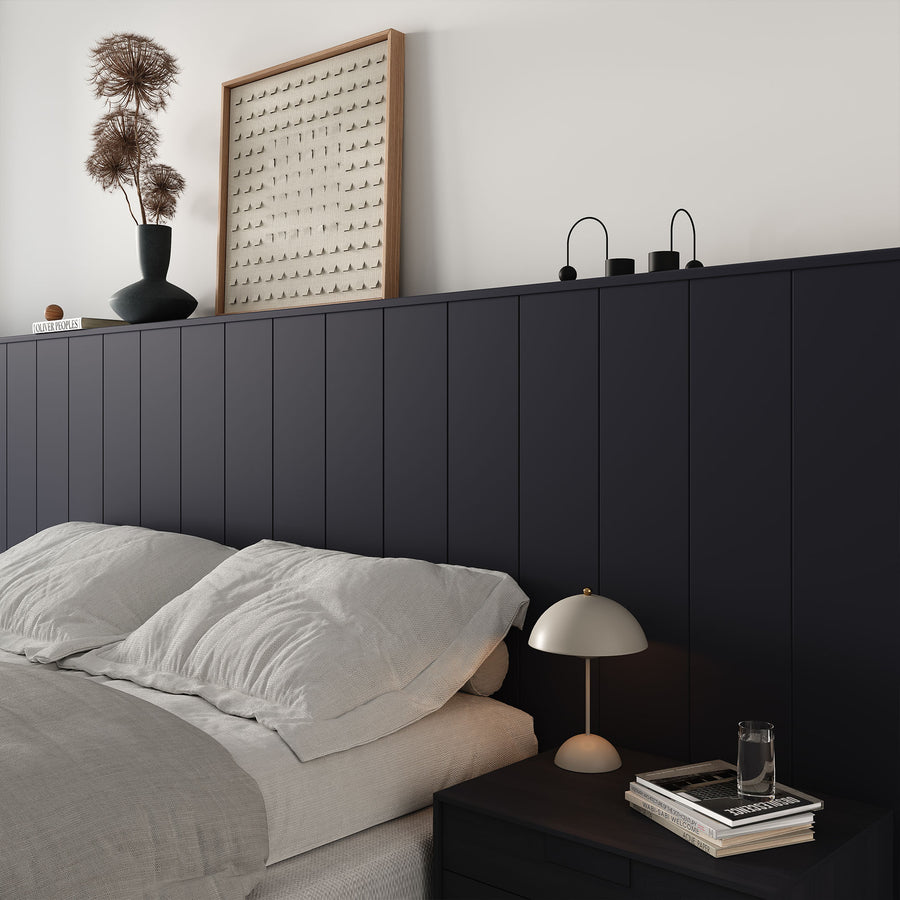
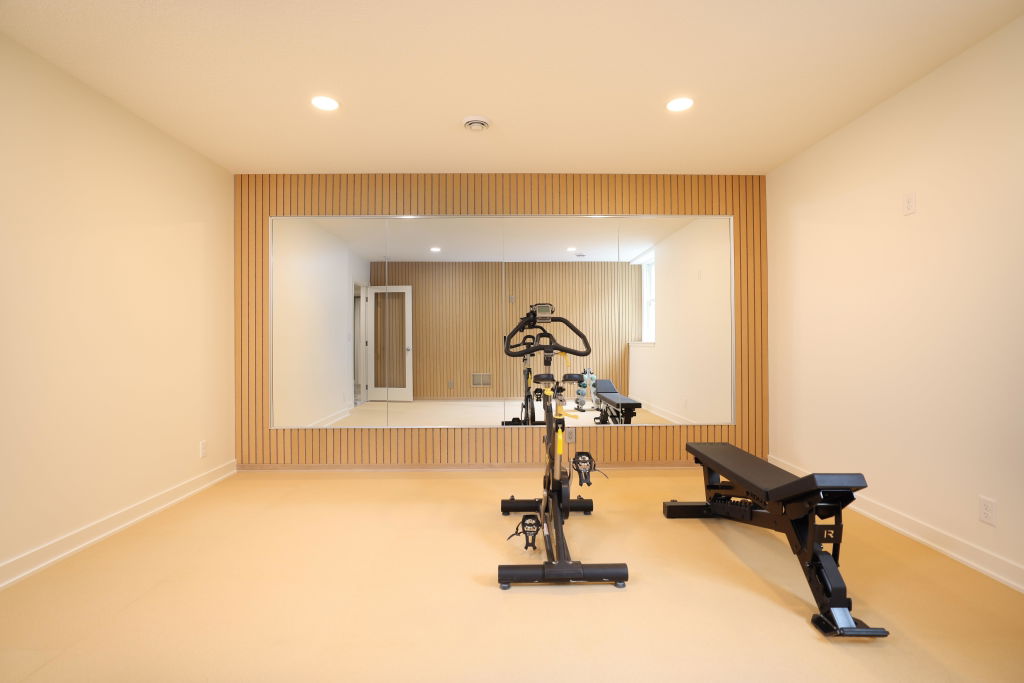
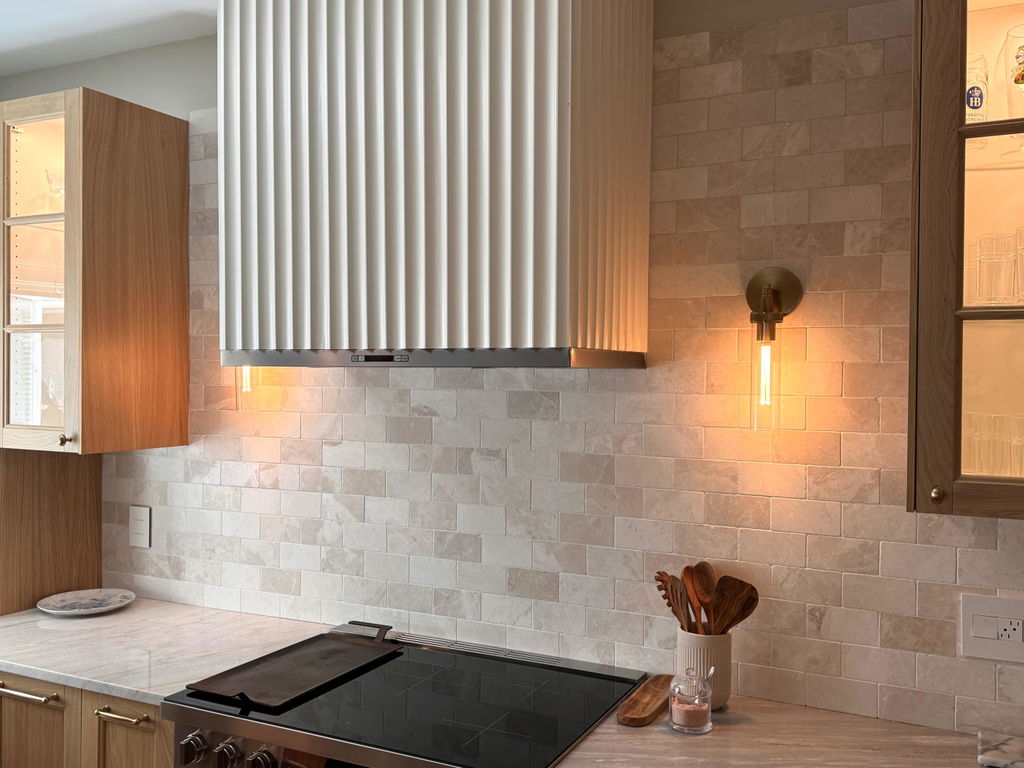
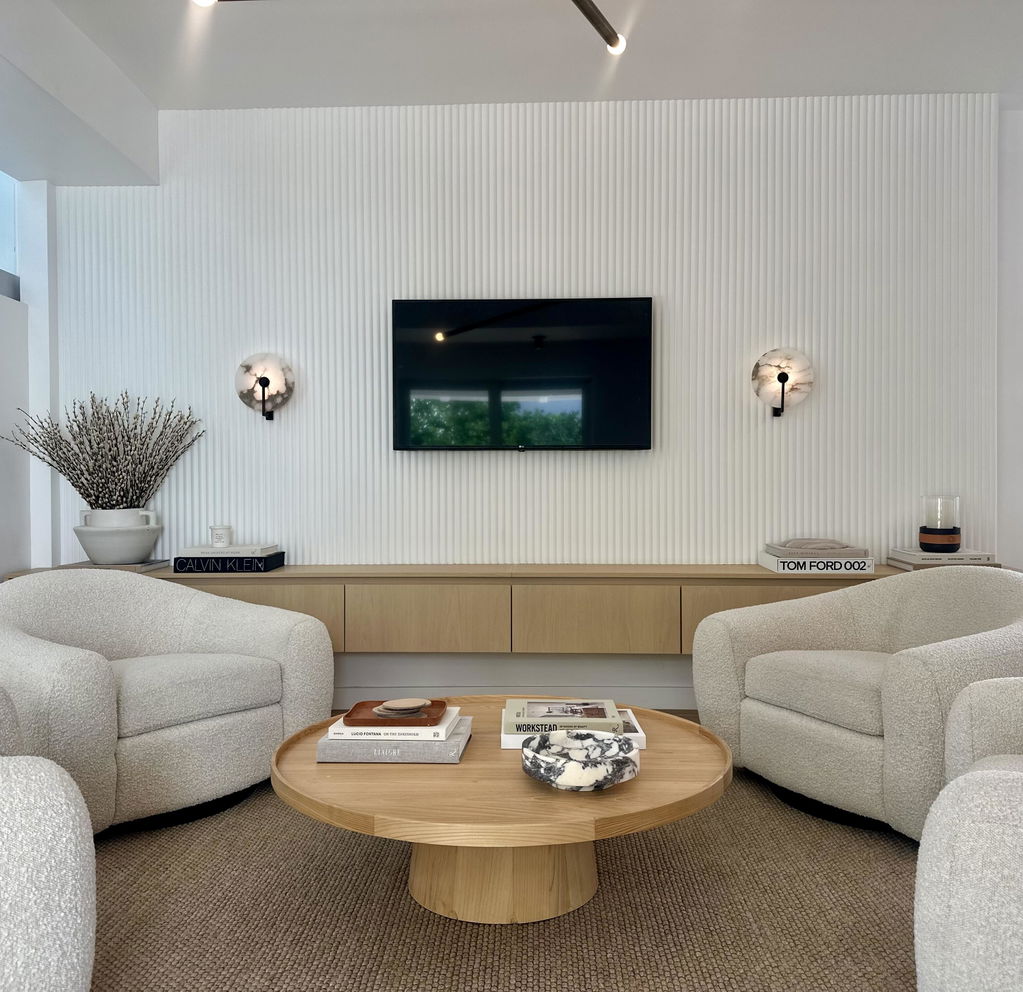
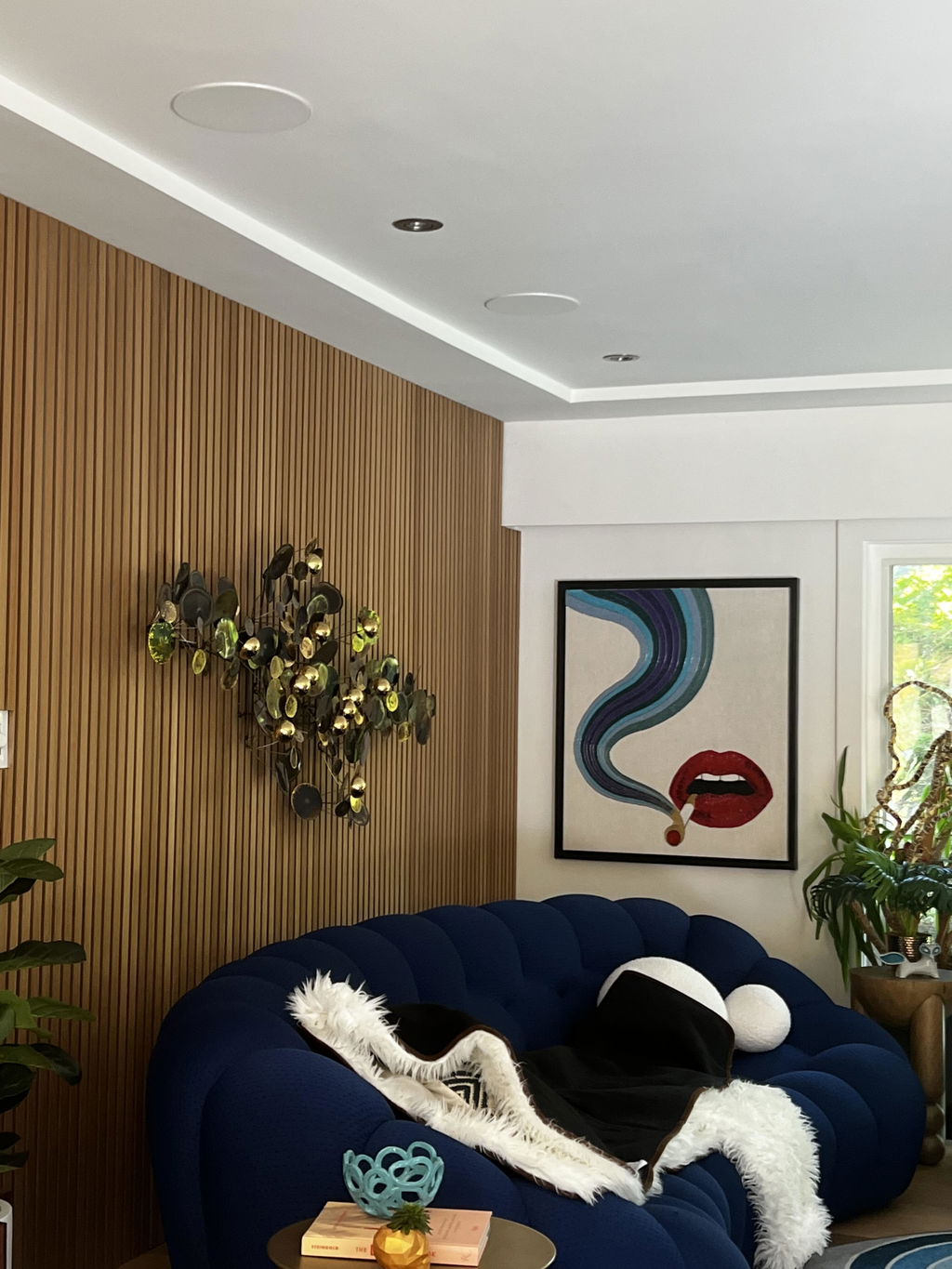
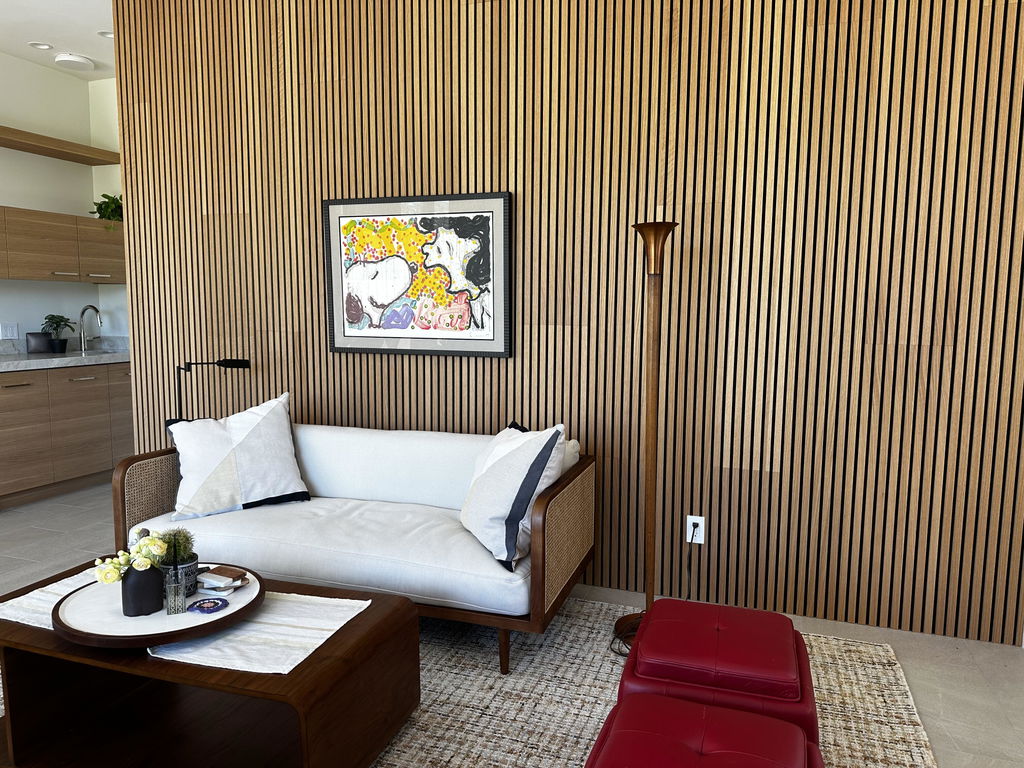
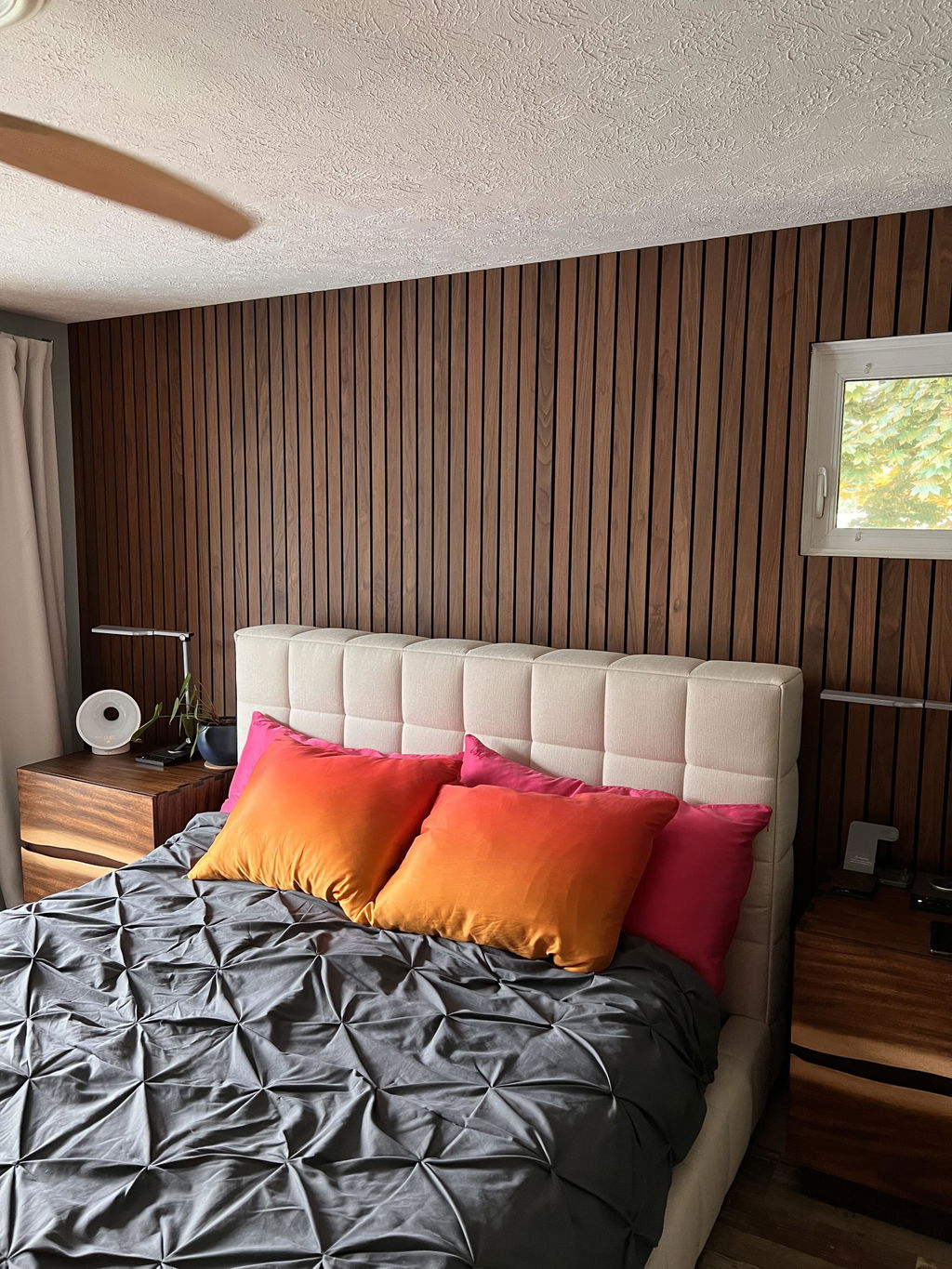
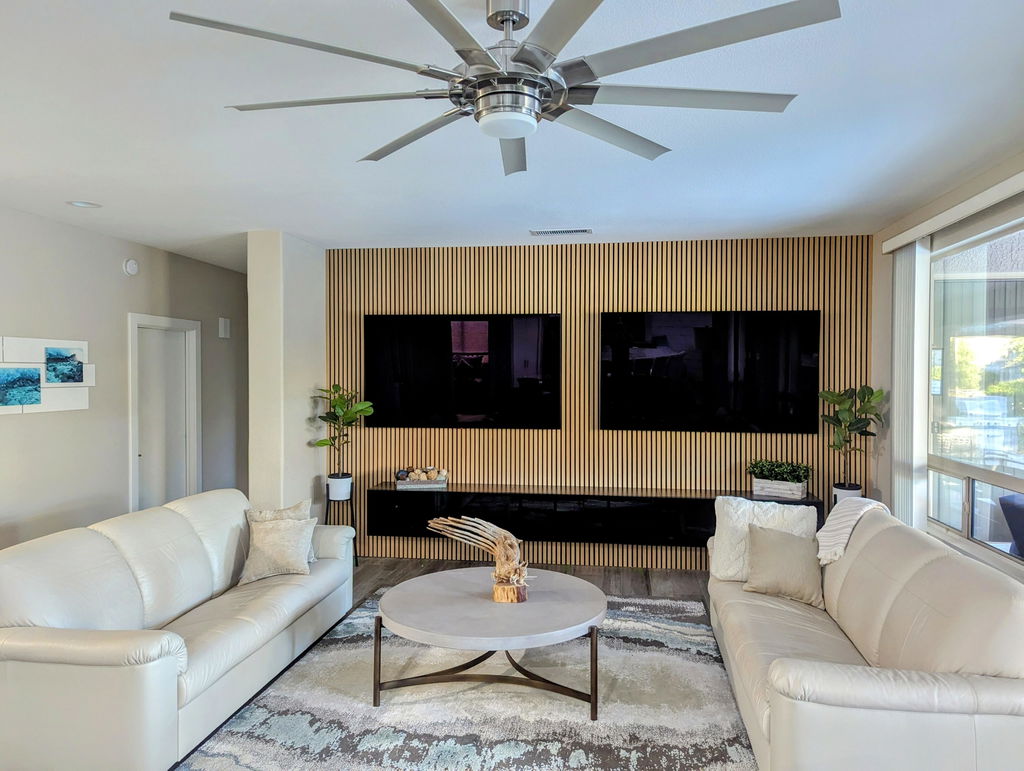
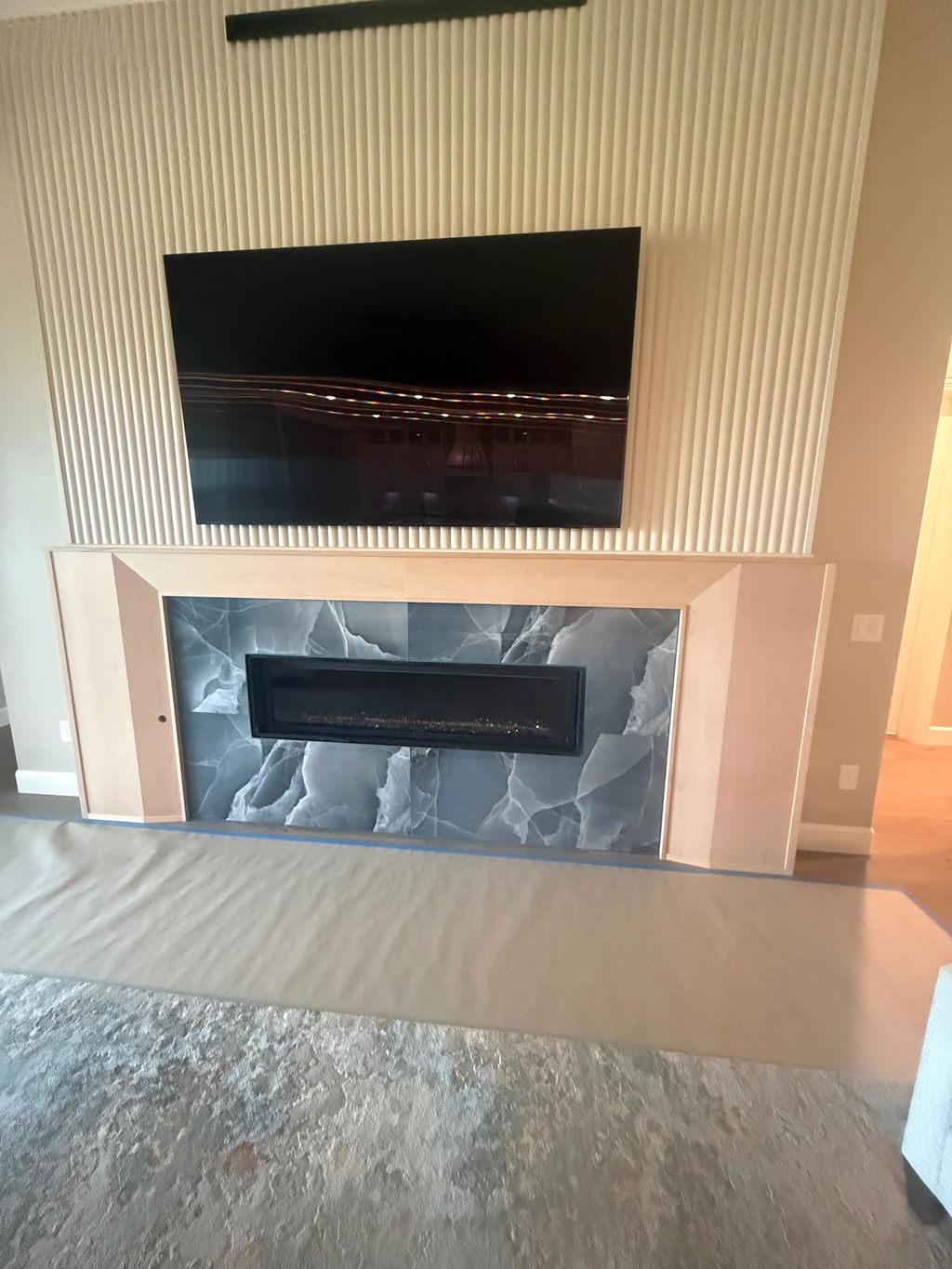
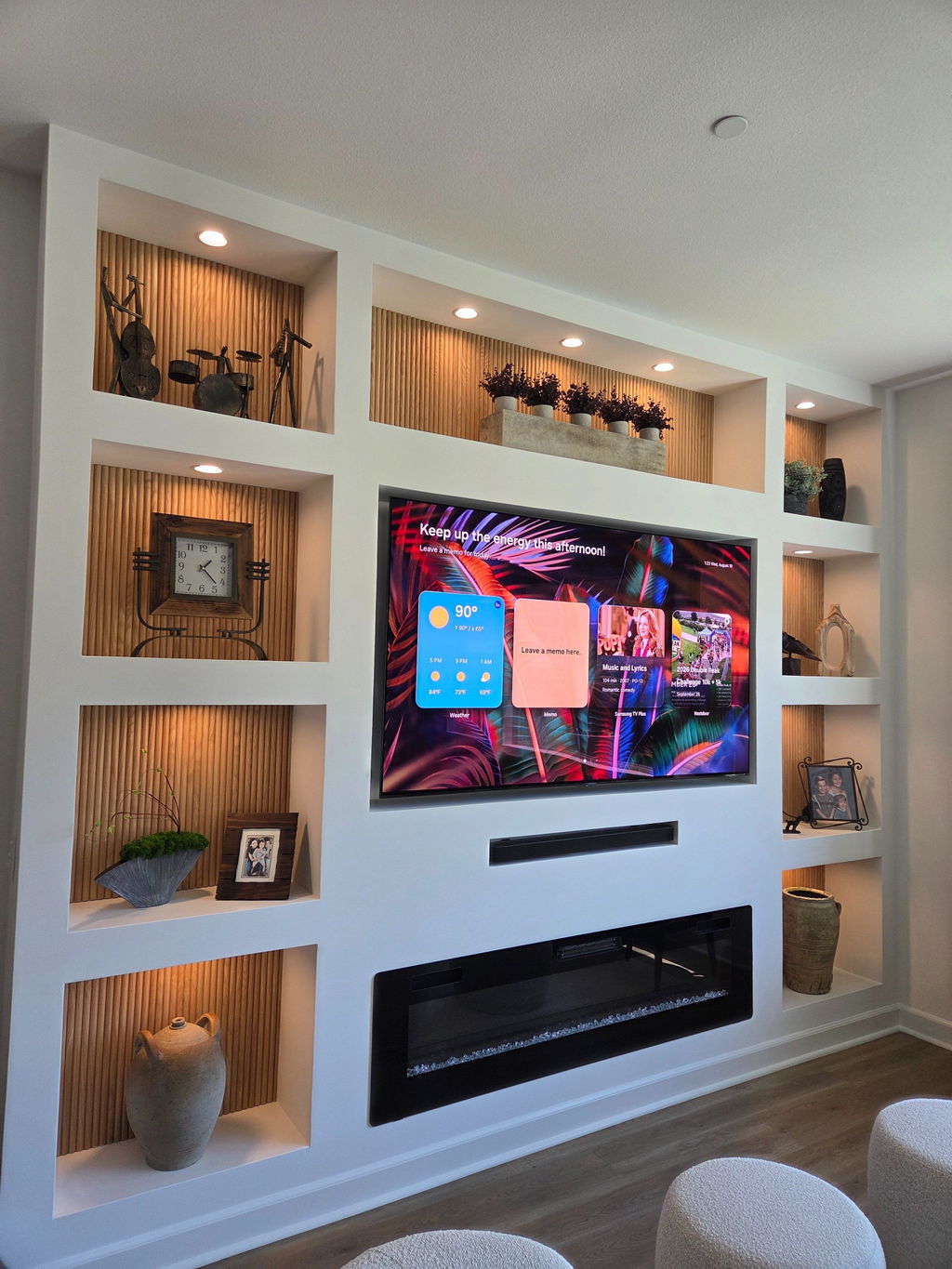
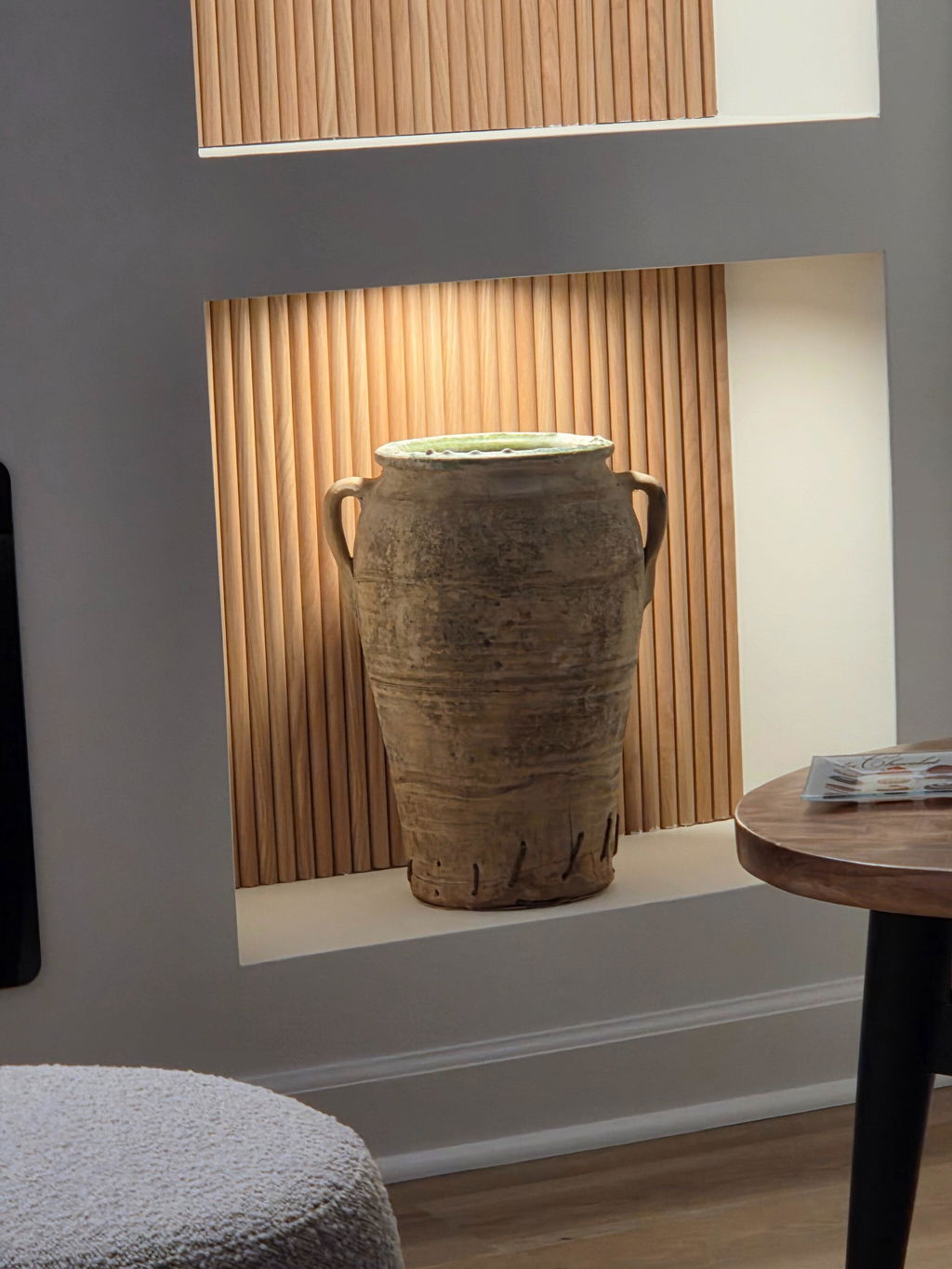
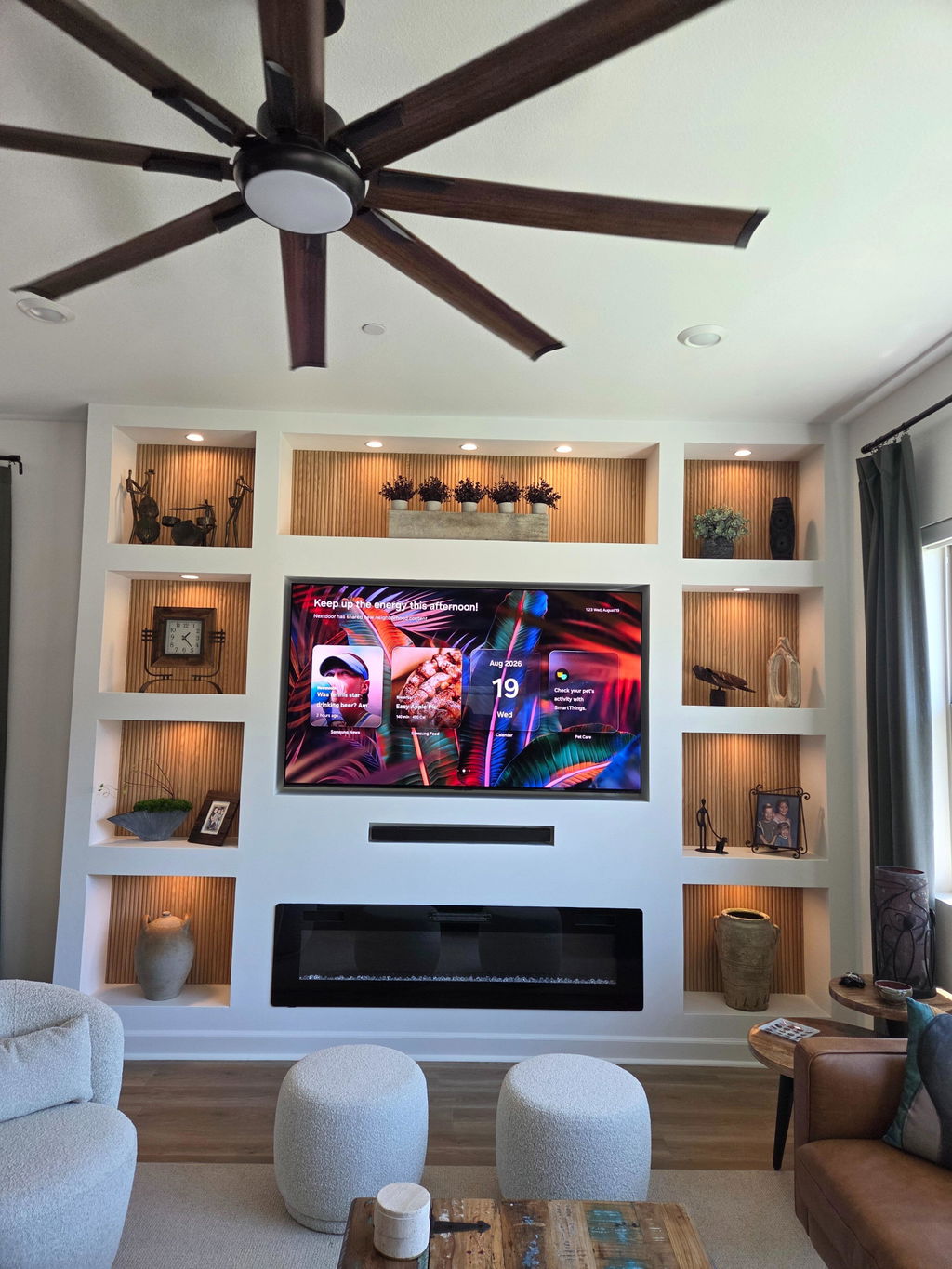
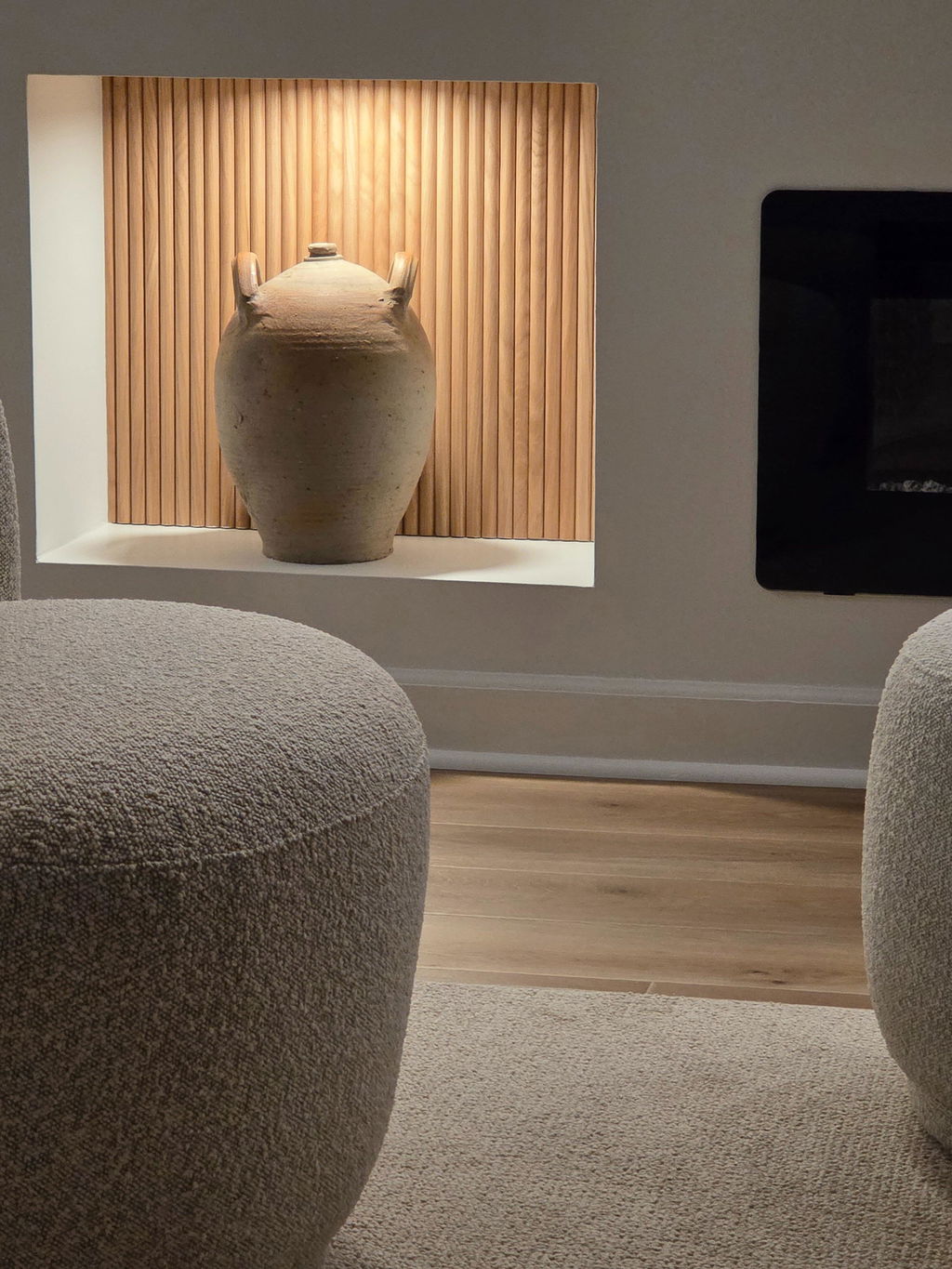
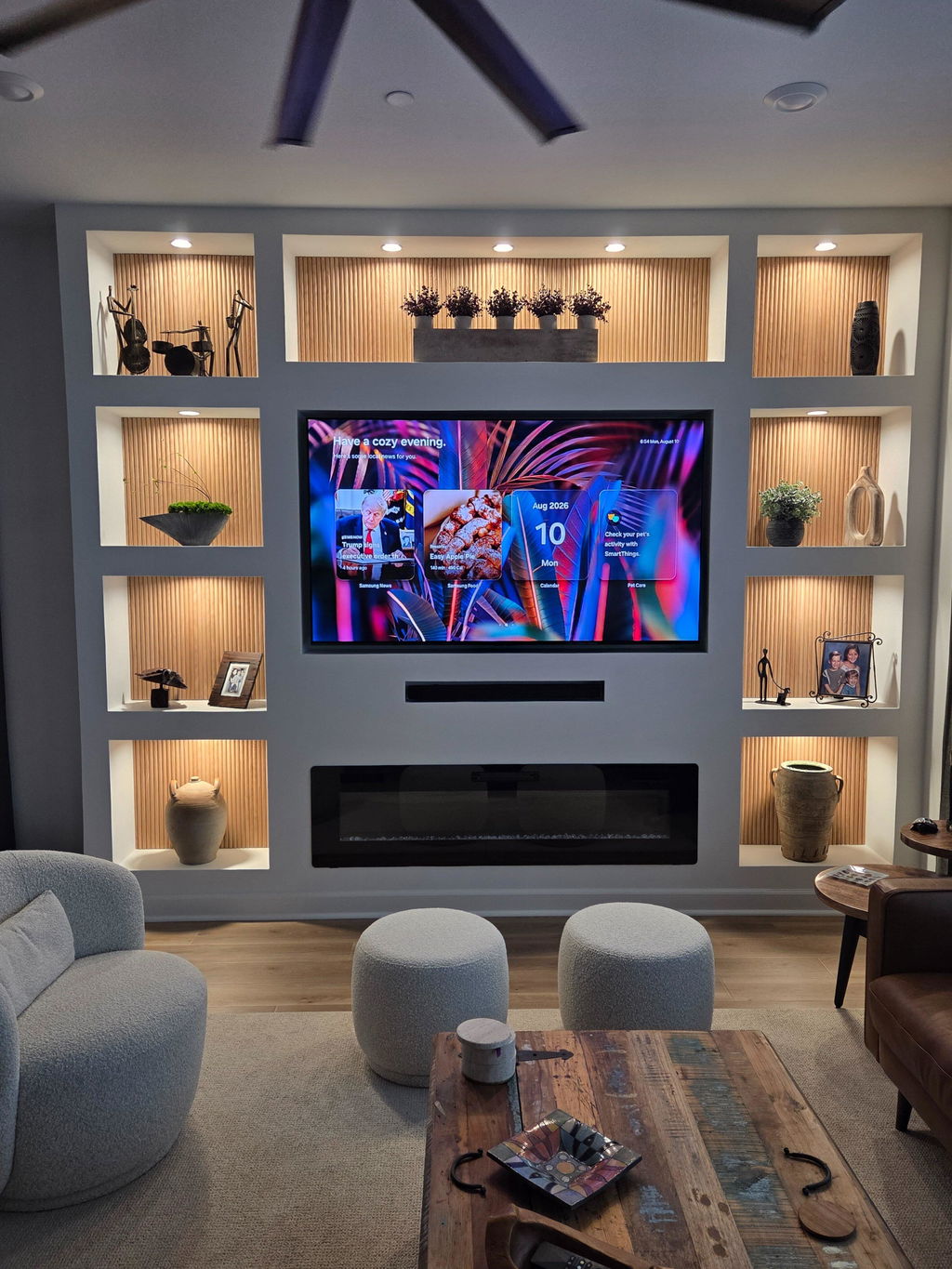
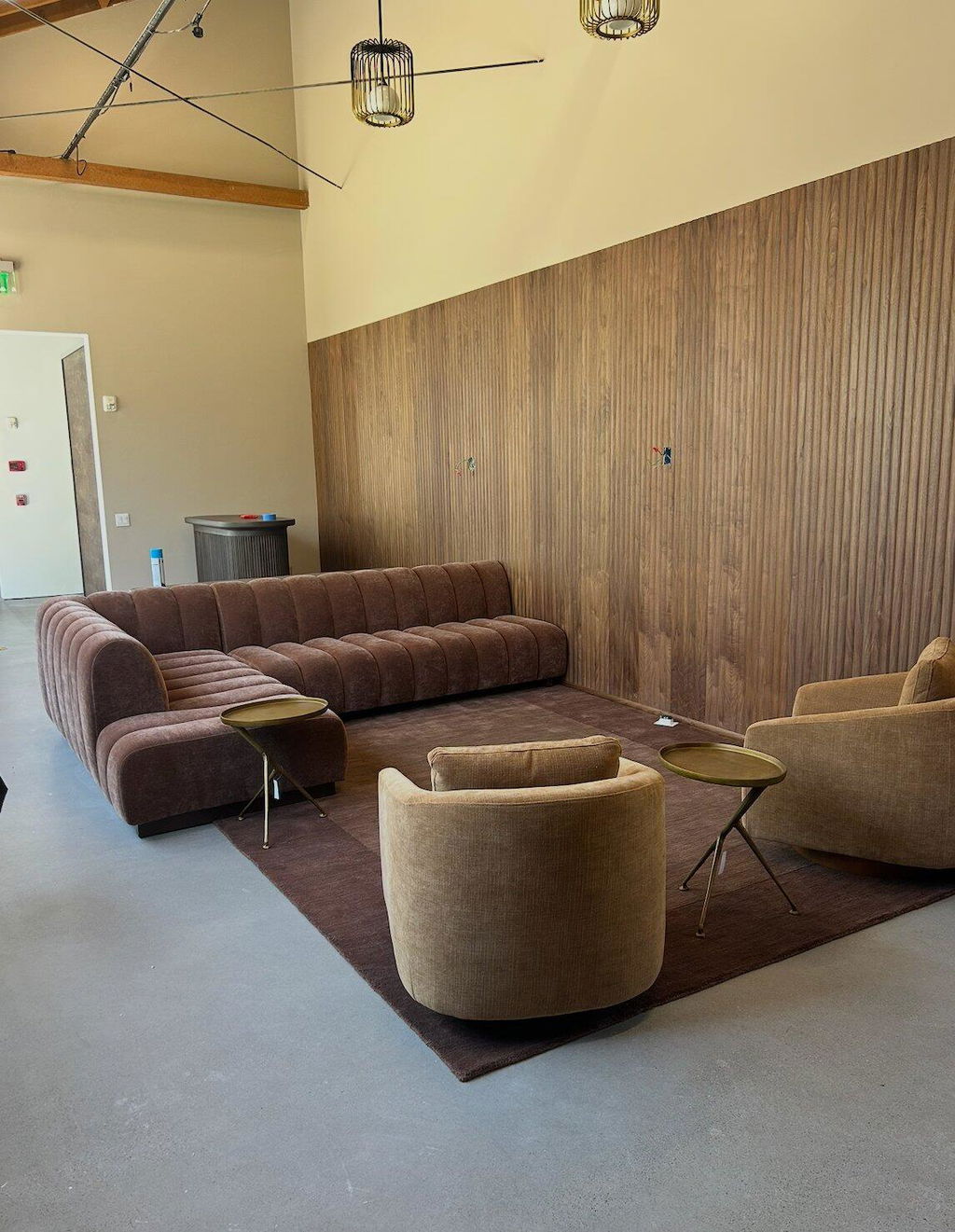
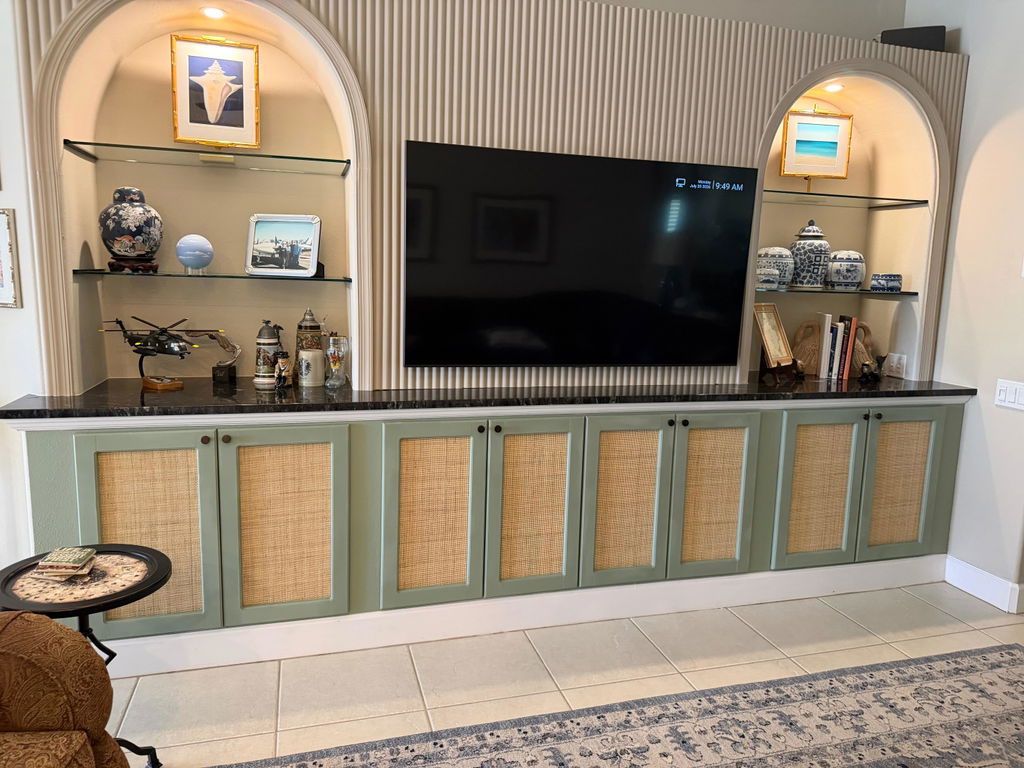
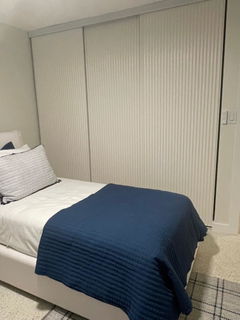
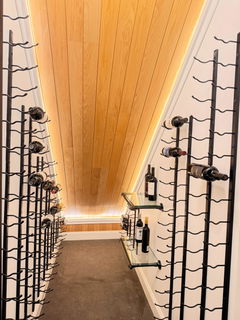
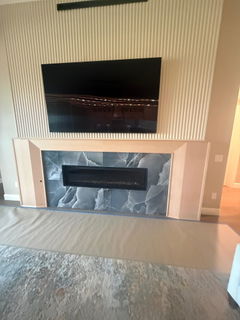
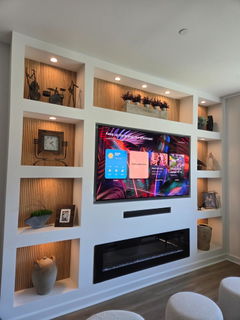
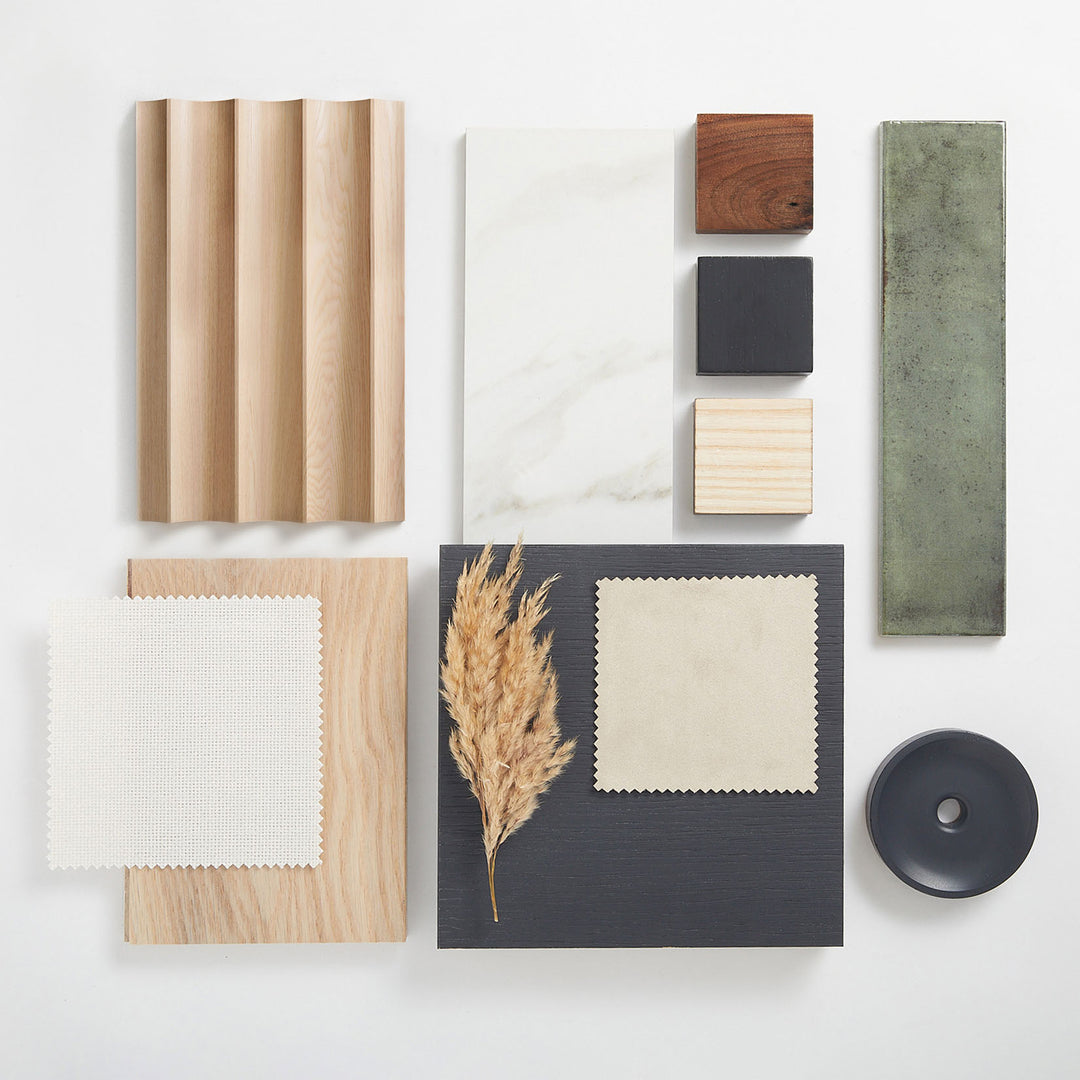
Fluted wood paneling is an architectural wall and ceiling treatment made up of evenly spaced vertical concave curves, routed into wood paneling that adds depth, rhythm, and texture to a space. Often used to create feature walls, built-ins, ceilings, and millwork details, fluted wood panels introduce warmth and visual structure without feeling overly decorative.
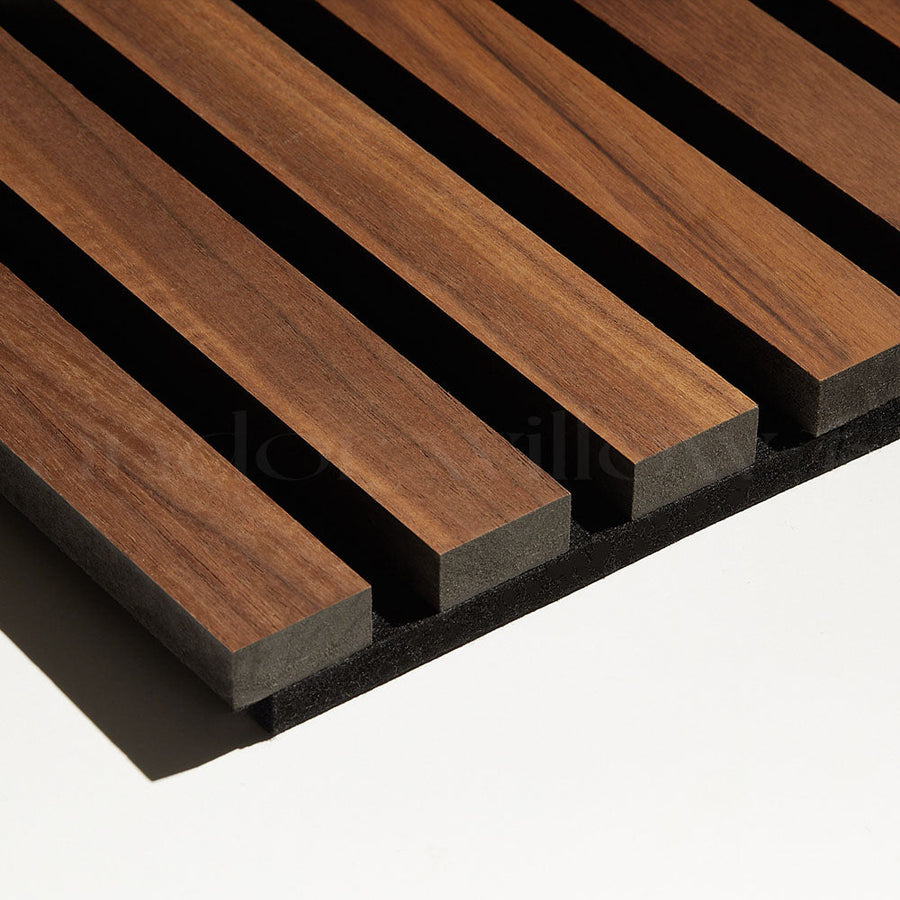
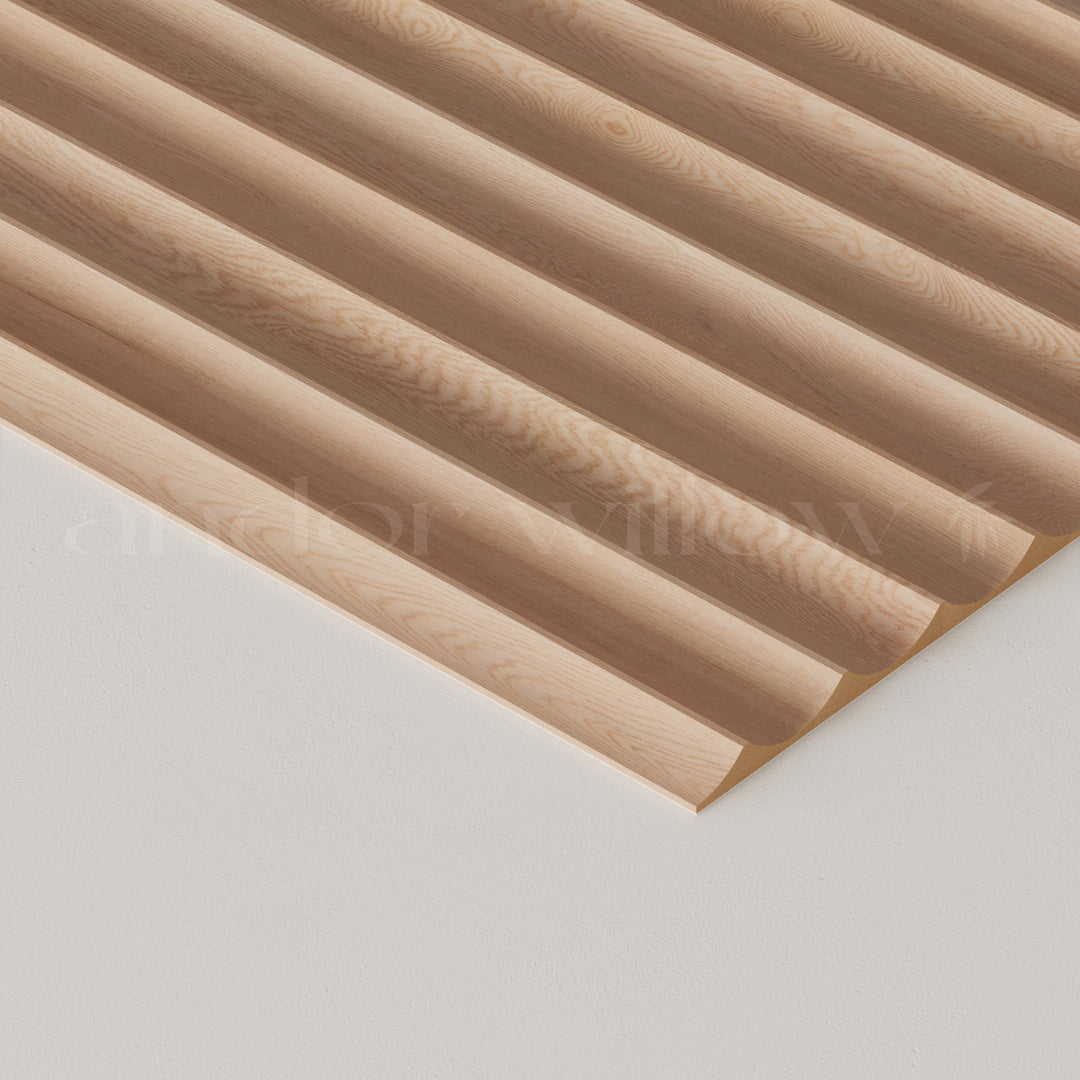
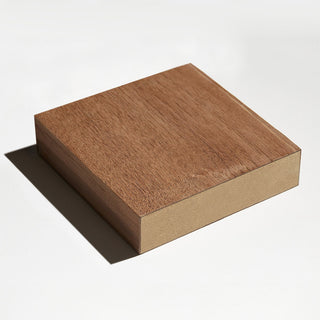
This collection includes semi-flexible fluted wood panels and flexible ribbed/reeded wood panels, all made with real wood surfaces and designed for interior applications. Panels are available in lengths up to 9 feet, allowing for full-height installations with minimal seams. Fluted wood paneling works well in residential and commercial spaces where clean lines, natural materials, and a refined finish are desired.

Installation Overview

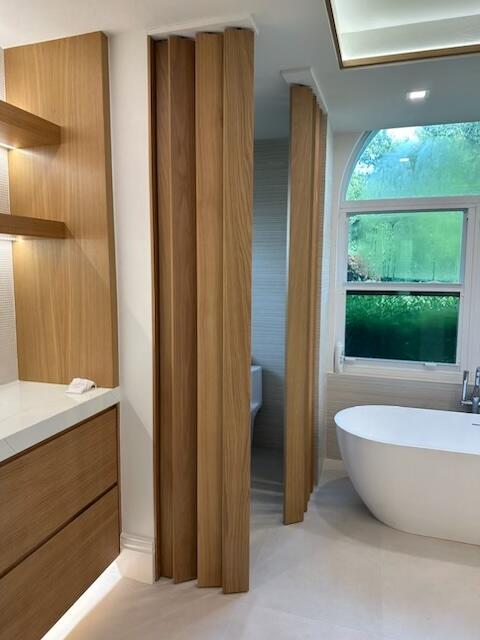
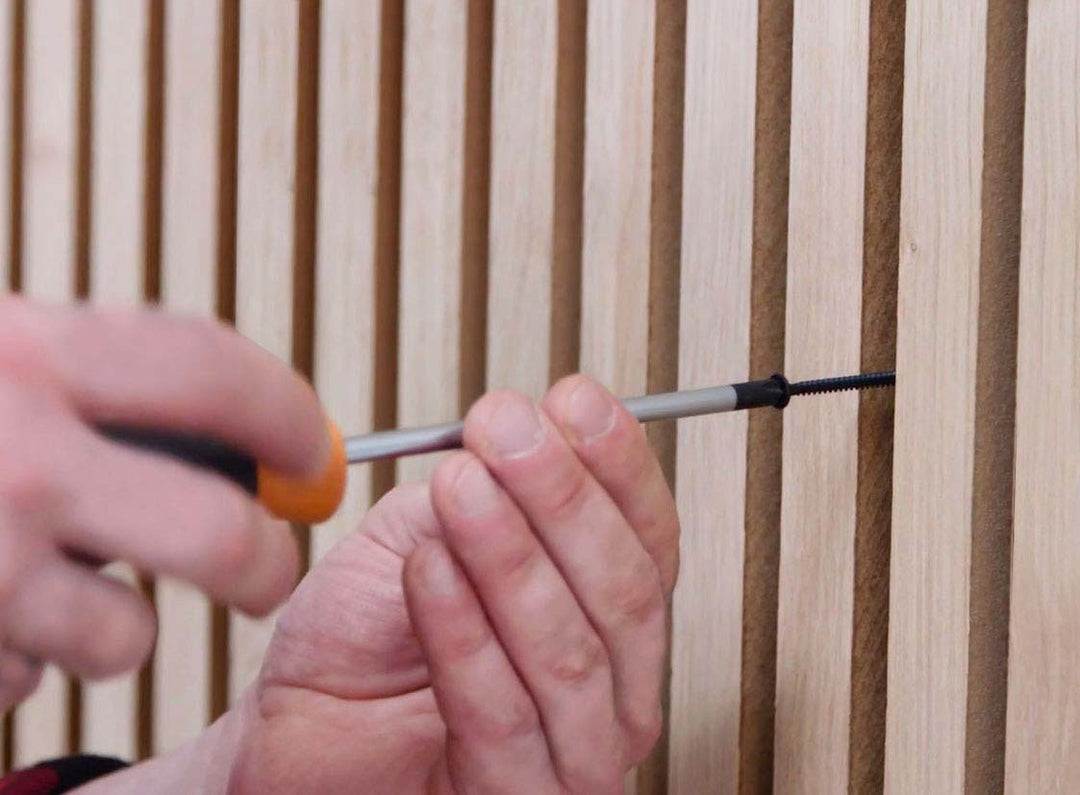
Fluted wood paneling can be installed on walls, ceilings, and curved surfaces depending on the panel type. Semi-flexible panels are typically fastened into studs or battens using brad nails or finish nails, often paired with construction adhesive for added security, and can be wrapped around gentle curves with a minimum radius of 18".

Flexible ribbed wood panels are designed to wrap around curved walls, columns, and millwork and are usually installed with adhesive and mechanical fastening where needed.

Fluted Wood Paneling FAQ

How do you apply fluted panels?

Fluted panels are applied by fastening them to wall studs or pre-installed battens using brad nails or finish nails, often combined with construction adhesive. Installation typically starts with a level first panel, followed by aligning and securing each subsequent panel to maintain consistent flute spacing.

What are the disadvantages of fluted panels?

Fluted panels require precise installation, as misalignment can be more noticeable due to the repeating grooves. Dust can collect in the flutes over time, though regular light cleaning prevents buildup. Choosing stable materials and following proper installation practices helps minimize these concerns.

Is it better to nail or glue paneling?

Nail installations are better for small installations like wainscotting and half-walls, as they are relatively easy to remove without damaging the wall underneath.

A combination of nail fastening and adhesive is generally recommended for the most secure installations, as brad nails provide immediate hold and alignment, while construction adhesive adds long-term stability, especially for large-scale and/or ceiling installations.

Relying on adhesive alone is not recommended, as it can make future removal difficult and may damage drywall.

What is the difference between fluted and reeded wood panels?

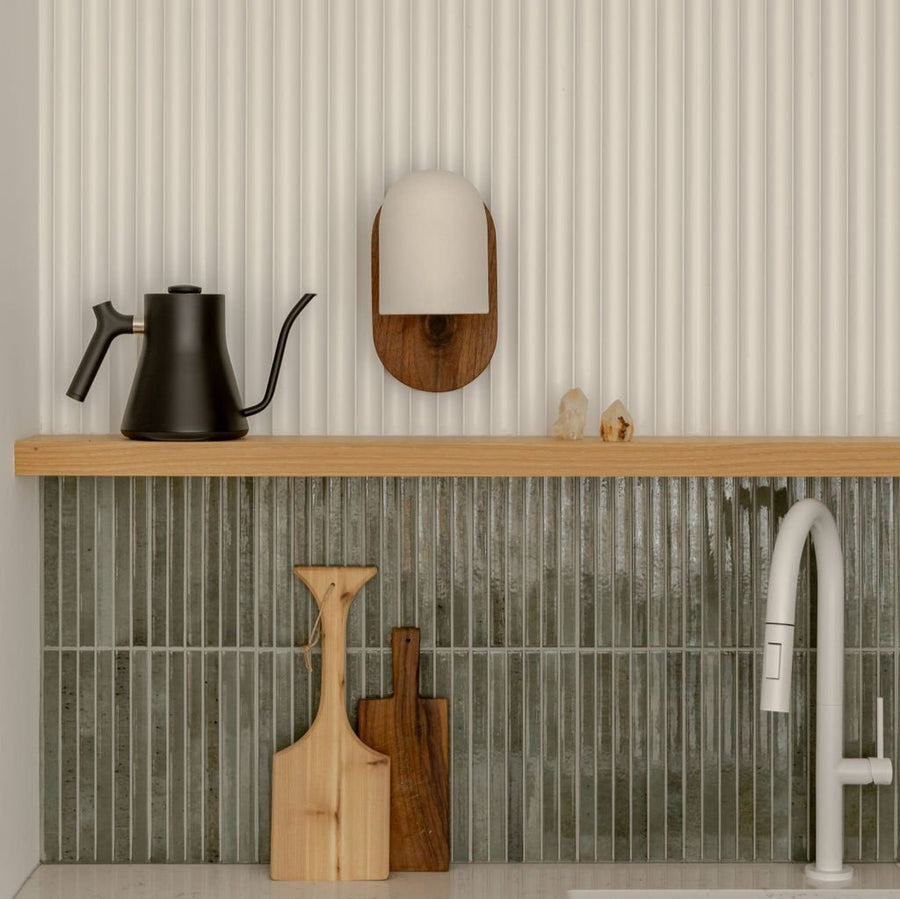
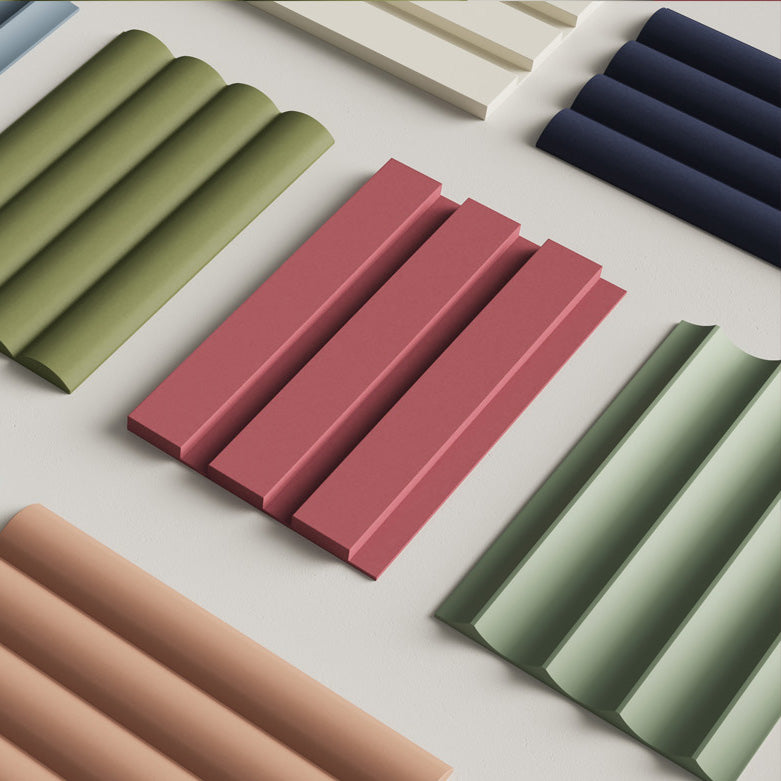
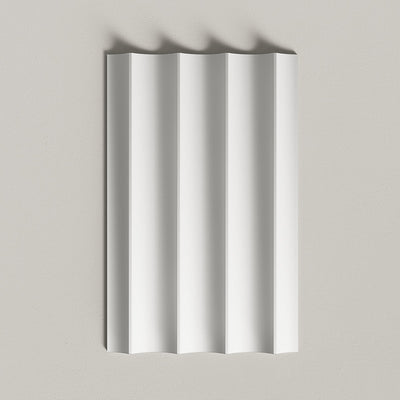
Fluted vs reeded wood panels: what’s the difference? Fluted wood panels have concave grooves cut into the surface, creating recessed channels. Reeded wood panels have convex ridges that stand proud of the surface, creating raised, rounded “reeds.” In practice, people mix the terms casually, but if you want to be technically accurate: flutes go in, reeds come out.

"Reeded paneling" and "ribbed paneling" can be used interchangeably, as both feature convex ridges that bow outwards.

Is fluted paneling outdated?

Fluted paneling is not outdated when it is executed with genuine materials and used in a way that respects the architecture of the home. Historically, fluted detailing has appeared in classical, mid-century, and contemporary interiors, and it continues to feel relevant when the scale, spacing, and finish suit the space. Panels made from real wood or quality wood veneer tend to age well, while faux or laminate materials can make the look feel flat and short-lived. Thoughtful placement and authentic materials help fluted paneling read as a permanent architectural detail rather than a trend.

How do you route flutes in wood?

Flutes are typically routed using a router with a straight or round-nose bit and a guide to maintain consistent spacing. This process requires precision and is usually performed during manufacturing to ensure clean, uniform grooves across the panel surface.

What is the life expectancy of fluted wood paneling?

Fluted wood paneling can last decades when properly installed and maintained. Engineered cores and stable construction help reduce movement, while finished wood surfaces protect against wear and environmental changes.

Is fluted wood going out of style?

Fluted wood remains a popular design element because it adds texture without overpowering a space. Its continued use in contemporary residential and commercial interiors suggests it is a long-term architectural detail rather than a short-lived trend.

Trusted by Businesses, Big and Small

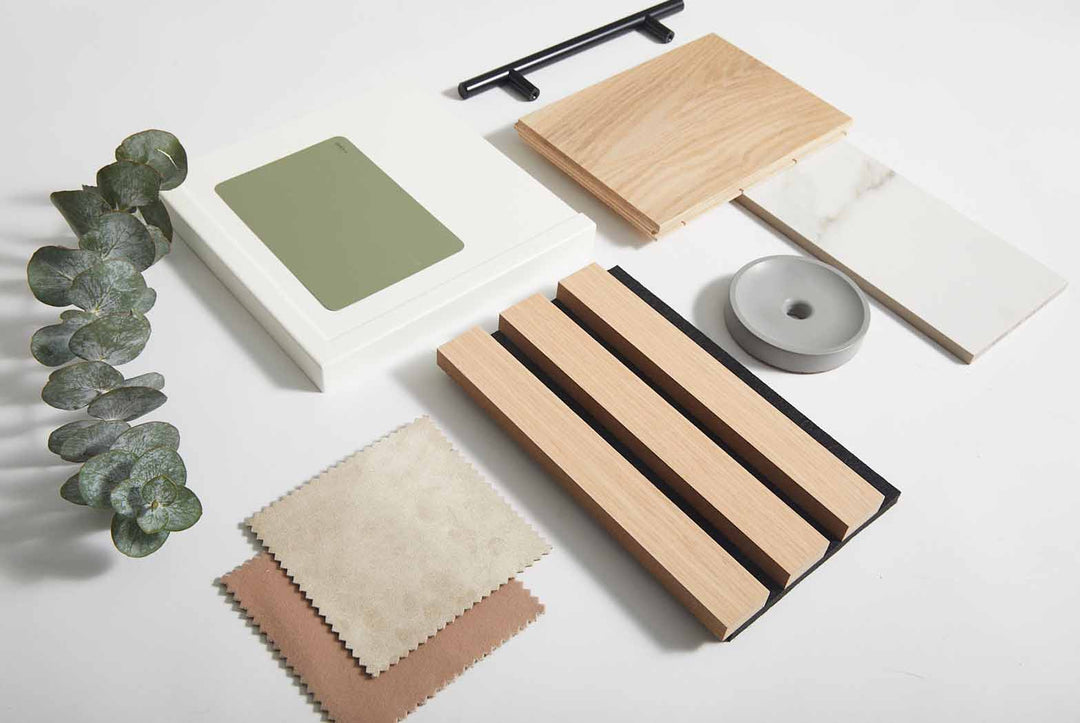
Decorative Wood Panels for Walls
Wall Panel Design