 Skip to content







10 Factors That Affect the Lifespan of Modern Wall Panels

A great wall panel can completely change the feel of a room. It adds texture, creates depth, and turns a plain wall into something people actually notice.
That's one reason wall paneling has become increasingly popular among homeowners.
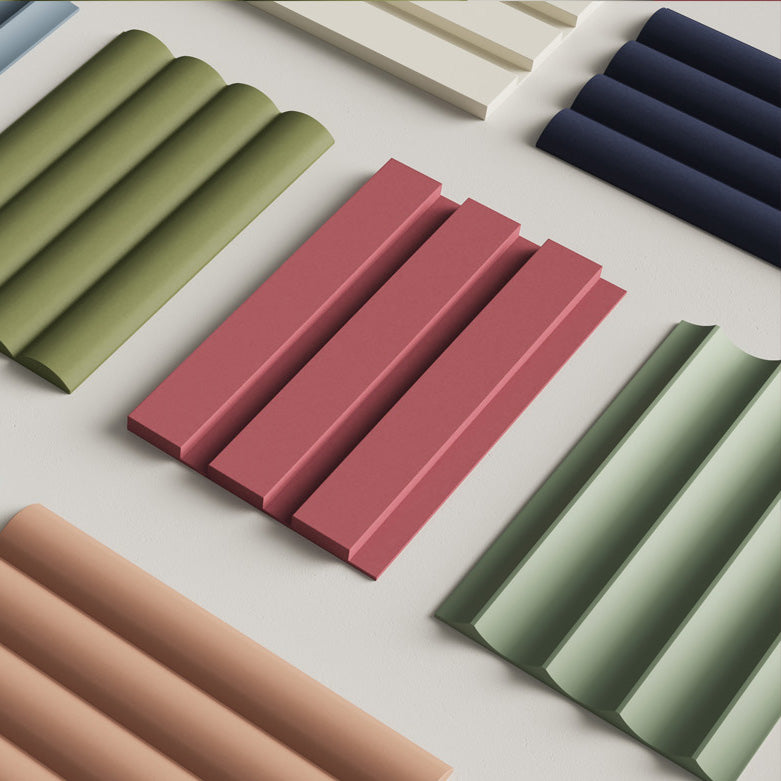
Some wall panels still look fantastic after ten years. Others begin showing signs of wear much sooner. And products such as wood slat panels, PVC marble panels, and decorative fluted wall panels are all designed to last, but their lifespan depends on much more than appearance.
Small decisions made during product selection, installation, and maintenance often determine how well those panels perform years later.
In this article, we're going to take a closer look at the factors that affect the lifespan of modern wall panels and explore a few simple ways to help them stay beautiful for years to come.
Material Quality
Walk through two newly renovated homes and you might not notice much difference between their wall panels. Both could look beautiful. Both could feel solid.
Come back five years later...
That's usually when material quality starts revealing itself.
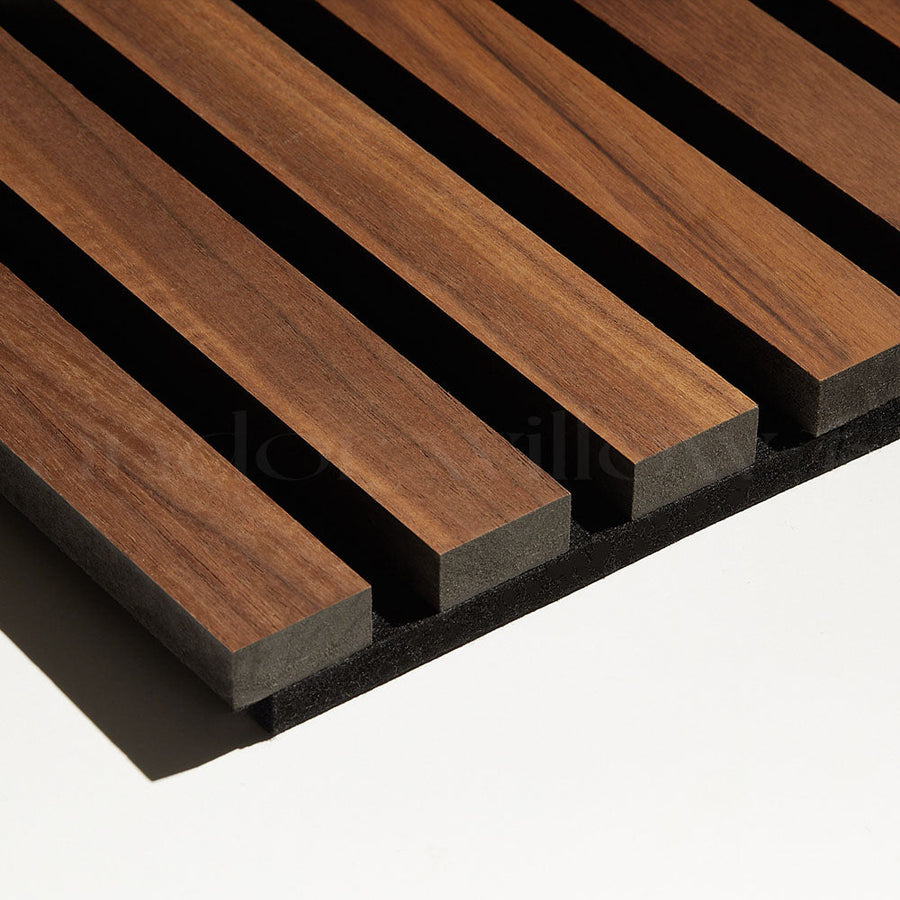
Lower-quality panels often become more vulnerable to scratches, fading, and minor warping. Premium materials tend to maintain their appearance even after years of daily use. Stronger core materials and better surface finishes simply hold up better.


Unfortunately, wall panels don't come with a crystal ball that tells you how they'll look ten years from now. Investing in quality materials from the beginning usually means fewer repairs, fewer headaches, and long-term durability that homeowners actually notice.
Manufacturing Standards
Not all wall panels are produced the same way.
Some manufacturers invest heavily in testing, quality control, and product development, while others focus primarily on reducing production costs.
The difference may not be obvious while looking at samples in a showroom, but it often becomes apparent after several years of use.
Panels with consistent dimensions, stronger bonding, and reliable finishes are generally less likely to develop problems.
And behind every attractive wall is a manufacturing process most homeowners never see, yet that process often determines how well a product performs long after installation.
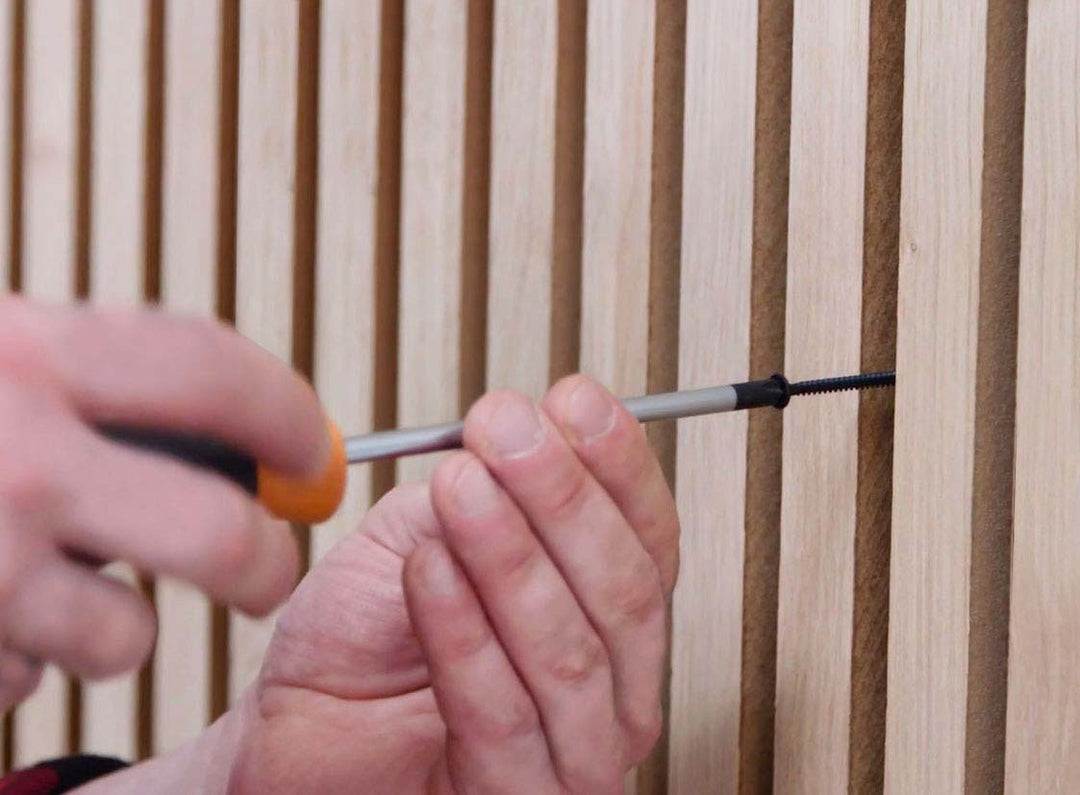
Installation Quality
You can buy the best wall panels available and still run into problems.
That sounds unfair, but it's true.


If the wall isn't properly prepared or the adhesive isn't applied correctly, small issues can slowly develop behind the scenes. Everything may look perfect on installation day. Several months later, gaps start appearing or corners begin lifting.
Much like assembling furniture without reading the instructions, skipping important installation steps rarely ends well.
Many homeowners blame the product when something goes wrong. In reality, the installation itself is often responsible. That's why proper installation remains one of the most important factors affecting the lifespan of wall paneling.
Moisture Exposure
If walls could talk, bathrooms, kitchens, and outdoor spaces would probably have the most complaints.
Kidding aside...
Moisture creates challenges for nearly every wall finish. High humidity, steam, rain, and occasional leaks can gradually affect materials over time, especially when water repeatedly comes into contact with the surface.
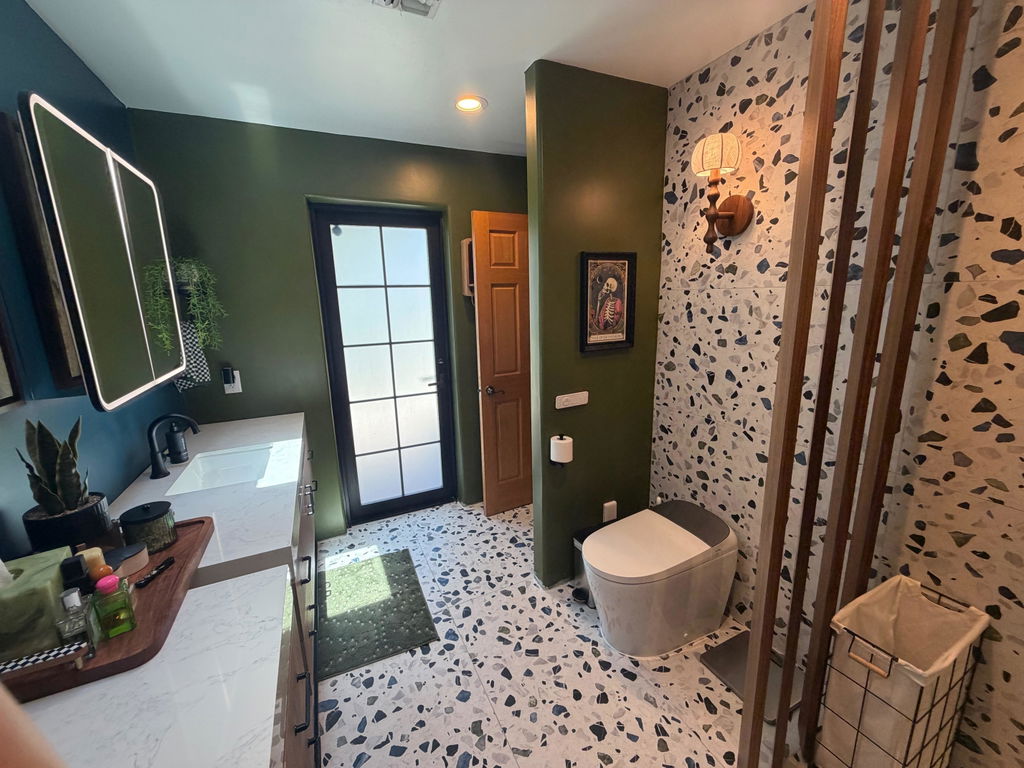
This is why choosing the right material matters. PVC marble panels are commonly used in bathrooms and kitchens because they perform well in humid conditions.
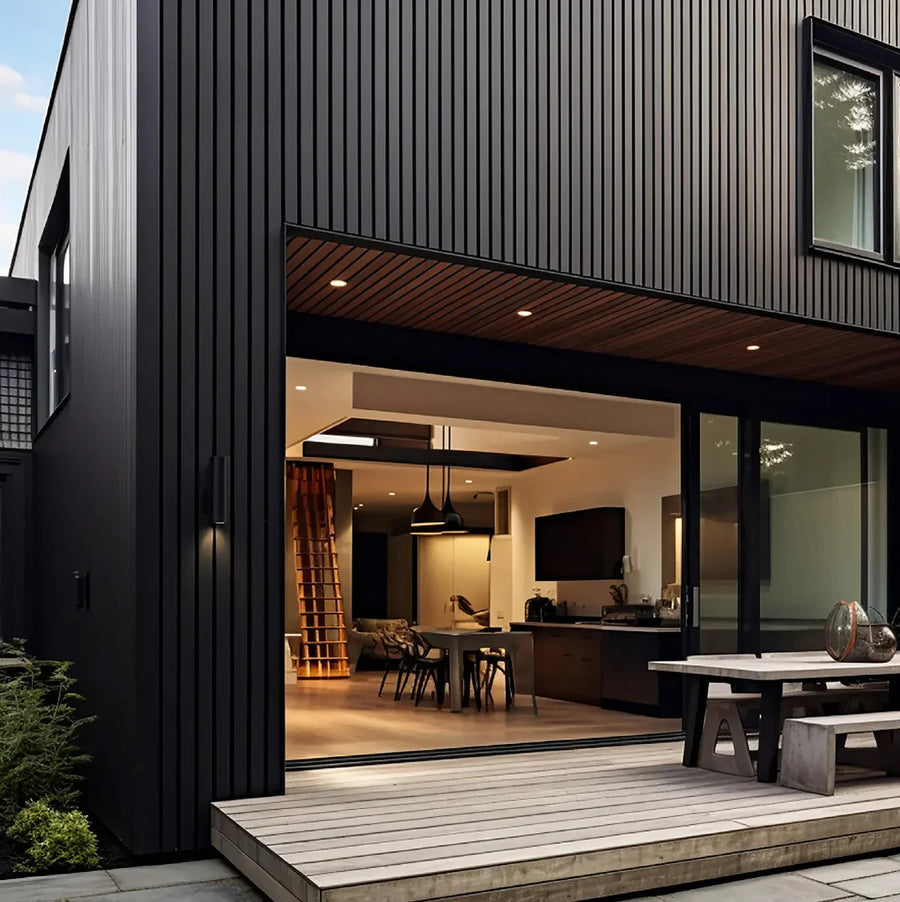
For outdoor applications, exterior wood slat panels are a better option because they are designed to withstand moisture and changing weather conditions.
Check this out...


Using ordinary indoor wall panels outdoors may look fine at first, but constant exposure to rain and humidity can significantly shorten their lifespan. Choosing products that match the environment helps wall panels perform better and last much longer.
Sunlight and UV Exposure
Natural light makes a room feel warm, open, and inviting. It also has a habit of exposing every fingerprint on your television screen.
It can be equally tough on wall panels.
Ultraviolet rays gradually break down certain finishes and fade colors over time. The process happens so slowly that many homeowners don't notice it right away. Eventually, the difference becomes difficult to ignore.
Rooms with large windows and direct afternoon sunlight are especially vulnerable.
Here's a good example...

Choosing products with UV-resistant finishes can help preserve their appearance and reduce noticeable fading years down the road.
Temperature Fluctuations
Wall panels may seem solid and unchanging, but materials constantly respond to their surroundings.
Heat causes expansion while cooler temperatures cause contraction. Normally, these movements are small enough to go unnoticed. Repeated temperature changes, however, can place stress on joints, adhesives, and mounting systems.
This becomes more noticeable in rooms with large windows or spaces exposed to significant heat throughout the day.
Quality wall paneling is designed to accommodate normal movement, but environmental conditions still influence how materials age over time.
Understanding these conditions before installation can help homeowners make better product choices from the start.
Daily Wear and Tear
Anyone living in a busy household already knows this.
Walls take a beating (a lot).
Children race through hallways. Pets brush against corners. Chairs get pushed back a little too far. Someone always bumps into the wall while carrying groceries.
If you have kids, pets, or both, chances are your walls see more action than you'd expect.
None of these moments seem particularly important by themselves. Together, they gradually affect the appearance of wall panels. That's why impact resistance and durability deserve attention when selecting products for high-traffic spaces.
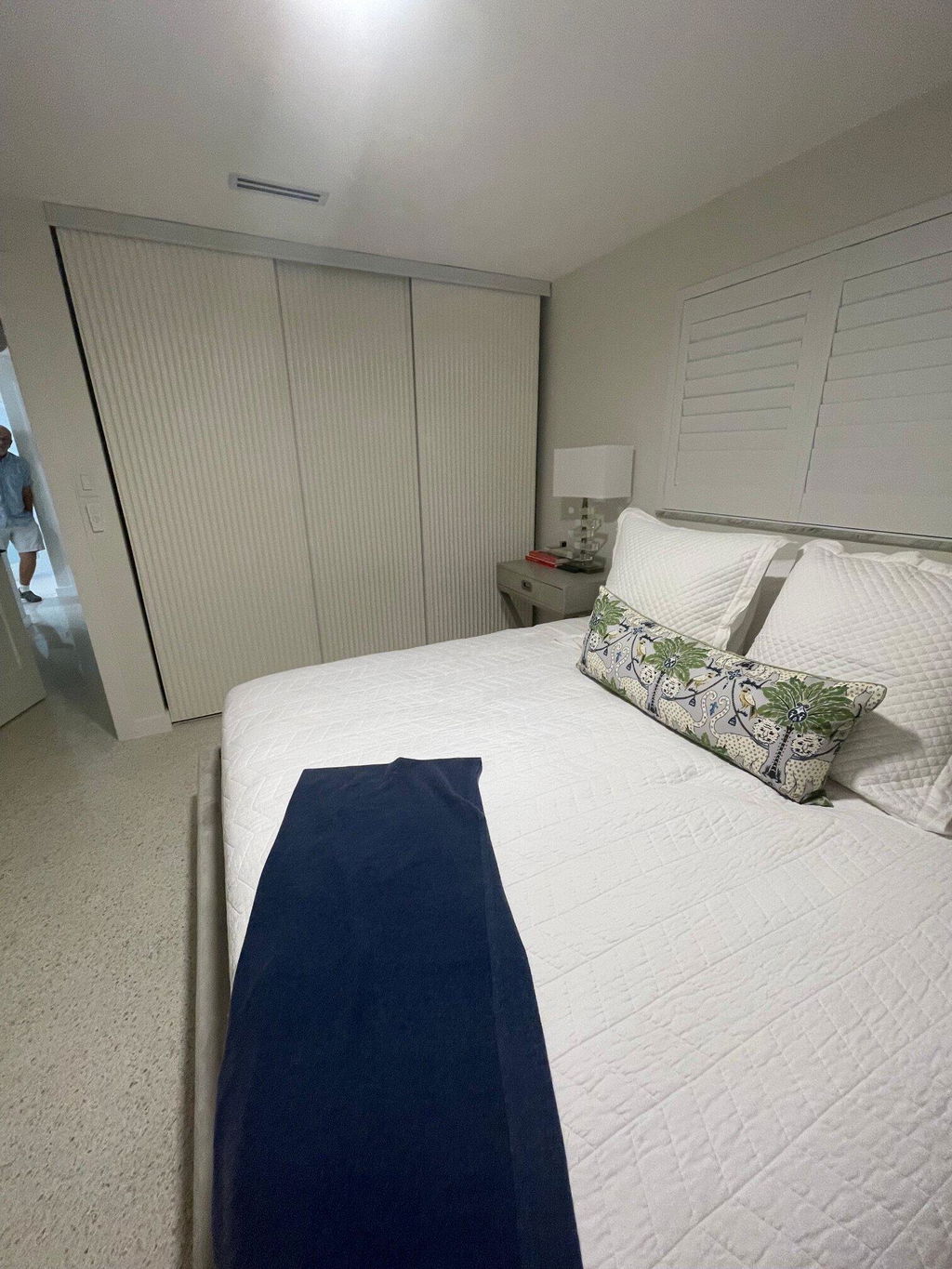
Take for example this kitchen and dining area that for sure gets a lot more traffic than a guest bedroom...

A guest bedroom and a family room often live very different lives.
Cleaning and Maintenance Habits
Wall panels don't demand much attention, which is one reason many homeowners choose them in the first place. A simple cleaning routine is often enough to keep surfaces looking fresh for years.
Dust, fingerprints, and everyday marks gradually build up over time, particularly in high-traffic areas. Most modern wall paneling products only require a soft cloth and mild cleaning solution. Regular maintenance helps preserve protective finishes while preventing dirt from becoming more difficult to remove.
Some homeowners assume stronger cleaning products deliver better results, yet harsh chemicals and abrasive tools can wear down finishes much faster than expected.
Gentle cleaning performed consistently usually does more to preserve the appearance of paintable wall panels than occasional deep scrubbing.
Small maintenance habits often create the biggest long-term benefits.
Indoor Air Quality
The environment inside a home affects more than comfort levels. Dust, cooking residue, smoke, and airborne particles gradually settle on walls and other surfaces, especially in rooms with limited airflow.
Humidity also influences how well wall panels perform over time. Spaces that regularly trap moisture may experience faster buildup and place additional stress on certain materials.
Kitchens, laundry rooms, and enclosed areas often experience these conditions more frequently.
Good ventilation helps reduce excess moisture while keeping surfaces cleaner. Maintaining a clean and well-ventilated environment supports the long-term condition of both the panels and the installation itself.
Choosing the Right Panel for the Space
Every room places different demands on wall finishes. A feature wall in a bedroom experiences very different conditions from a kitchen, bathroom, or busy hallway.
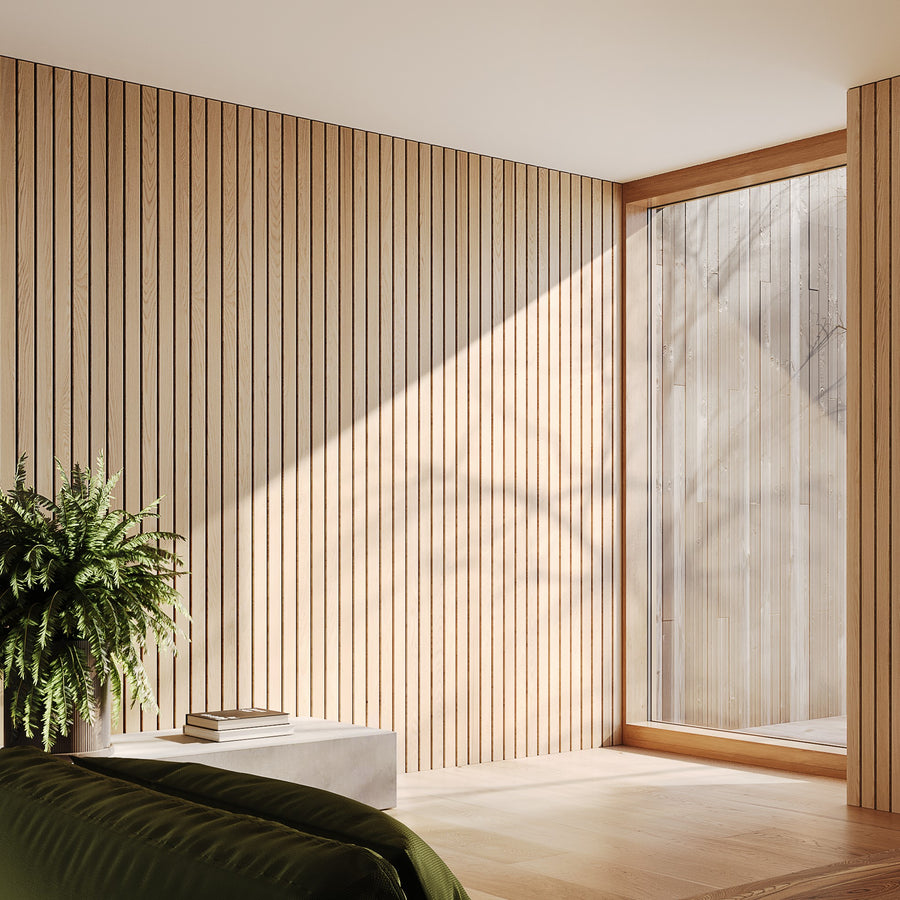
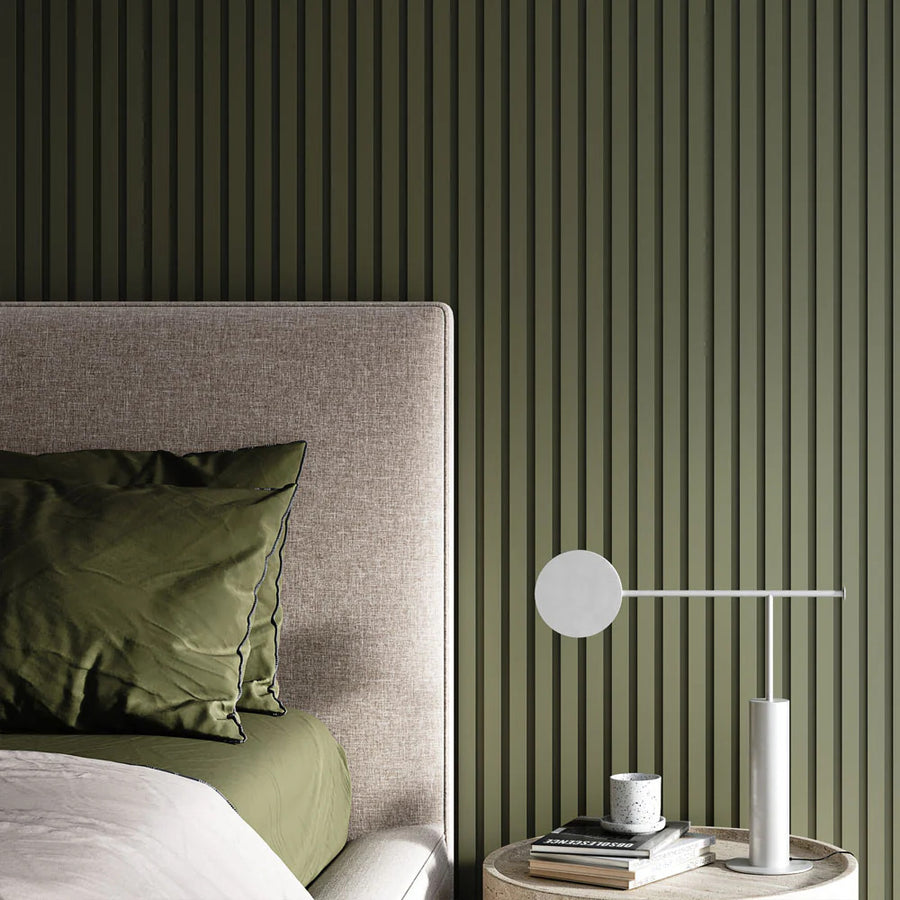
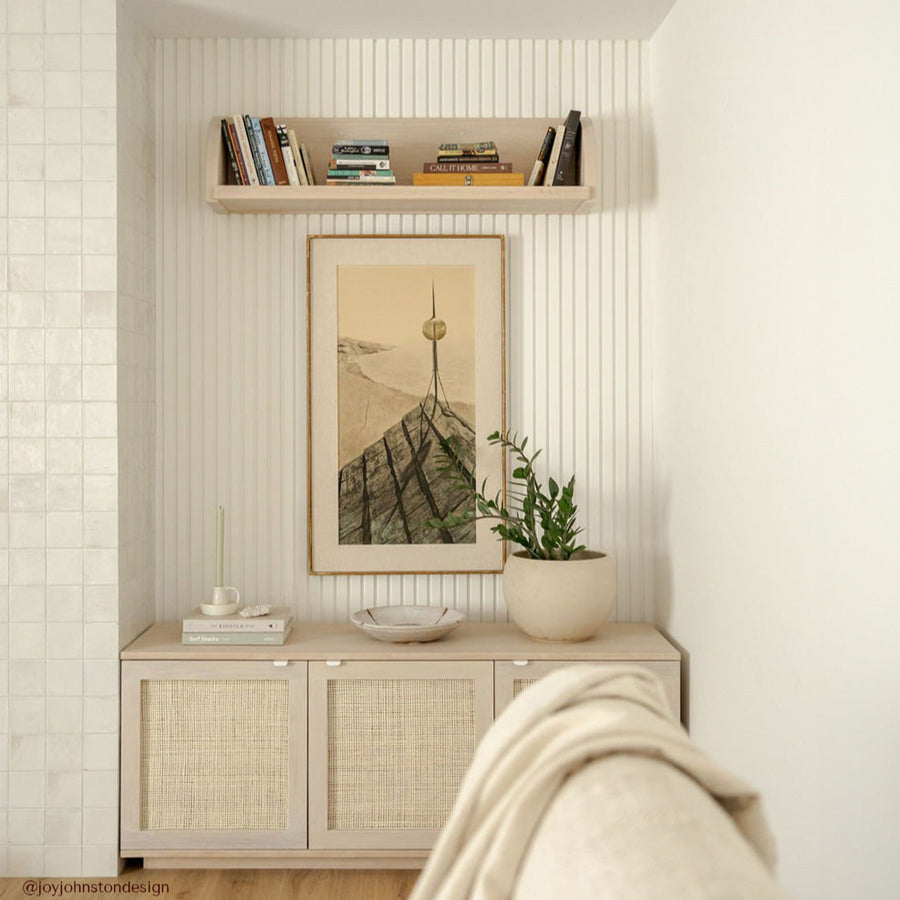
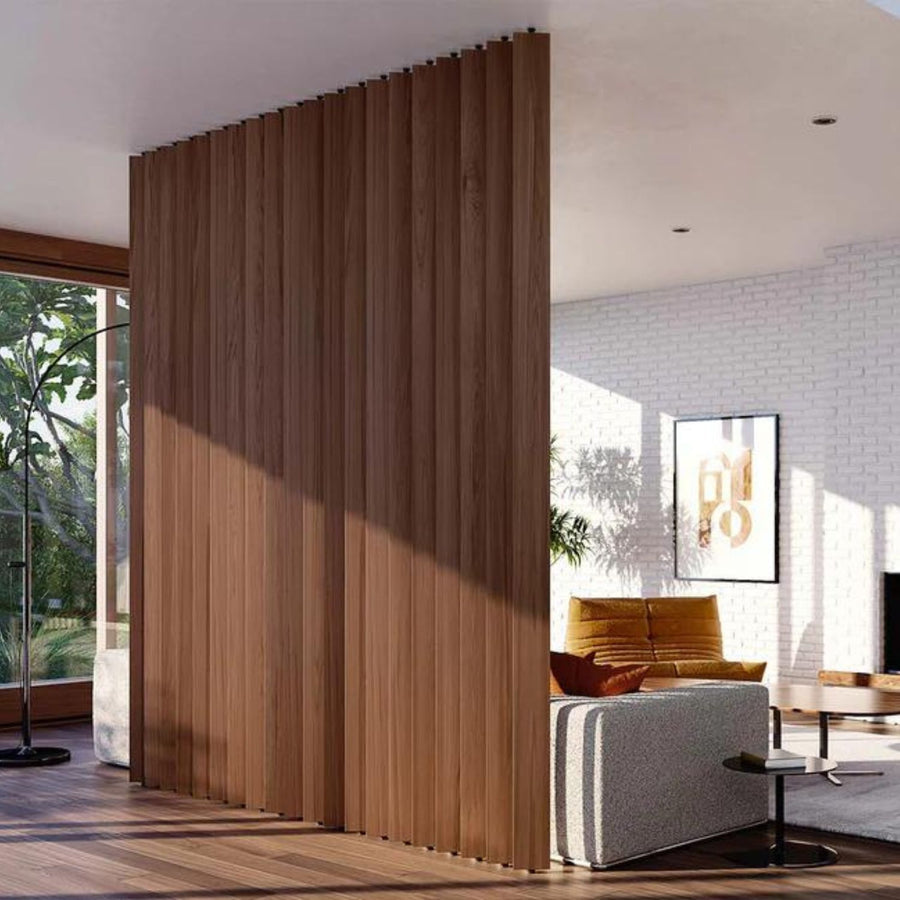
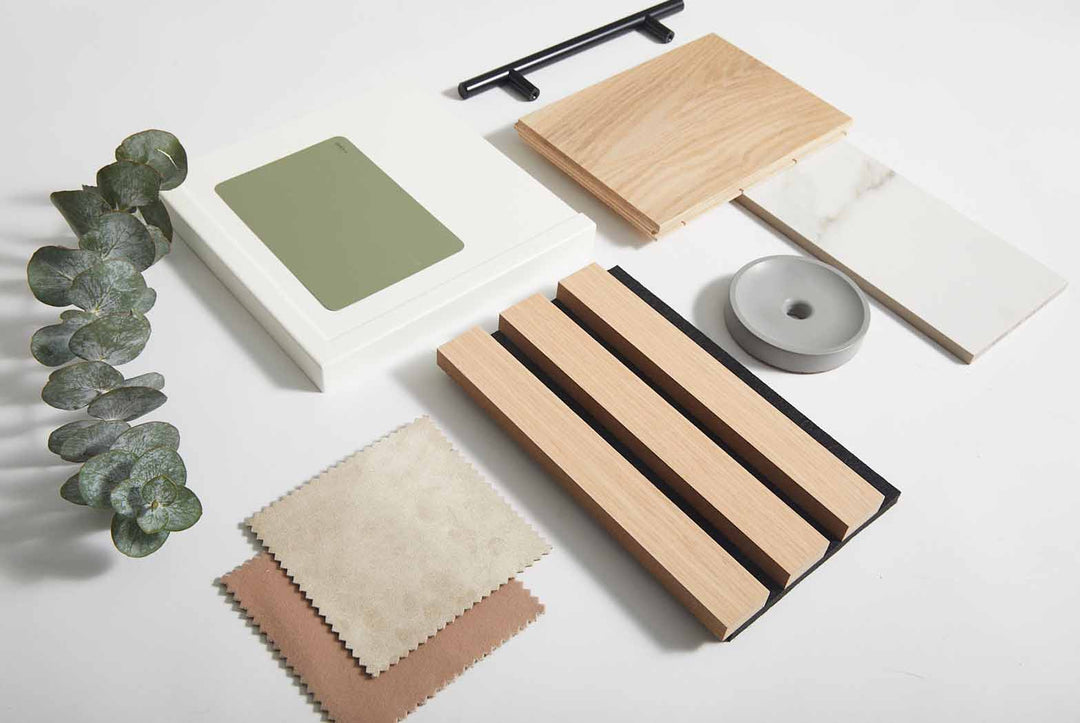
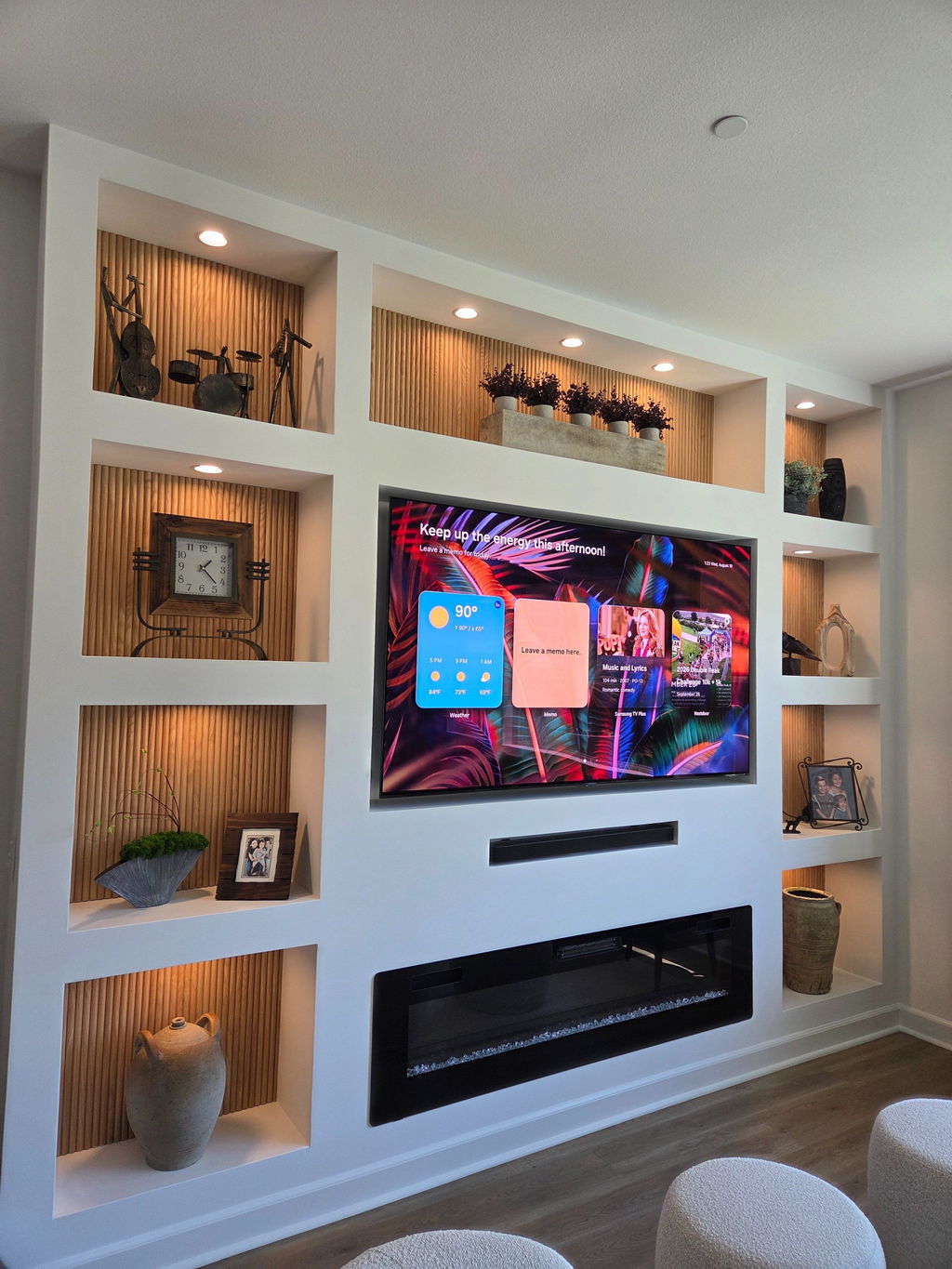
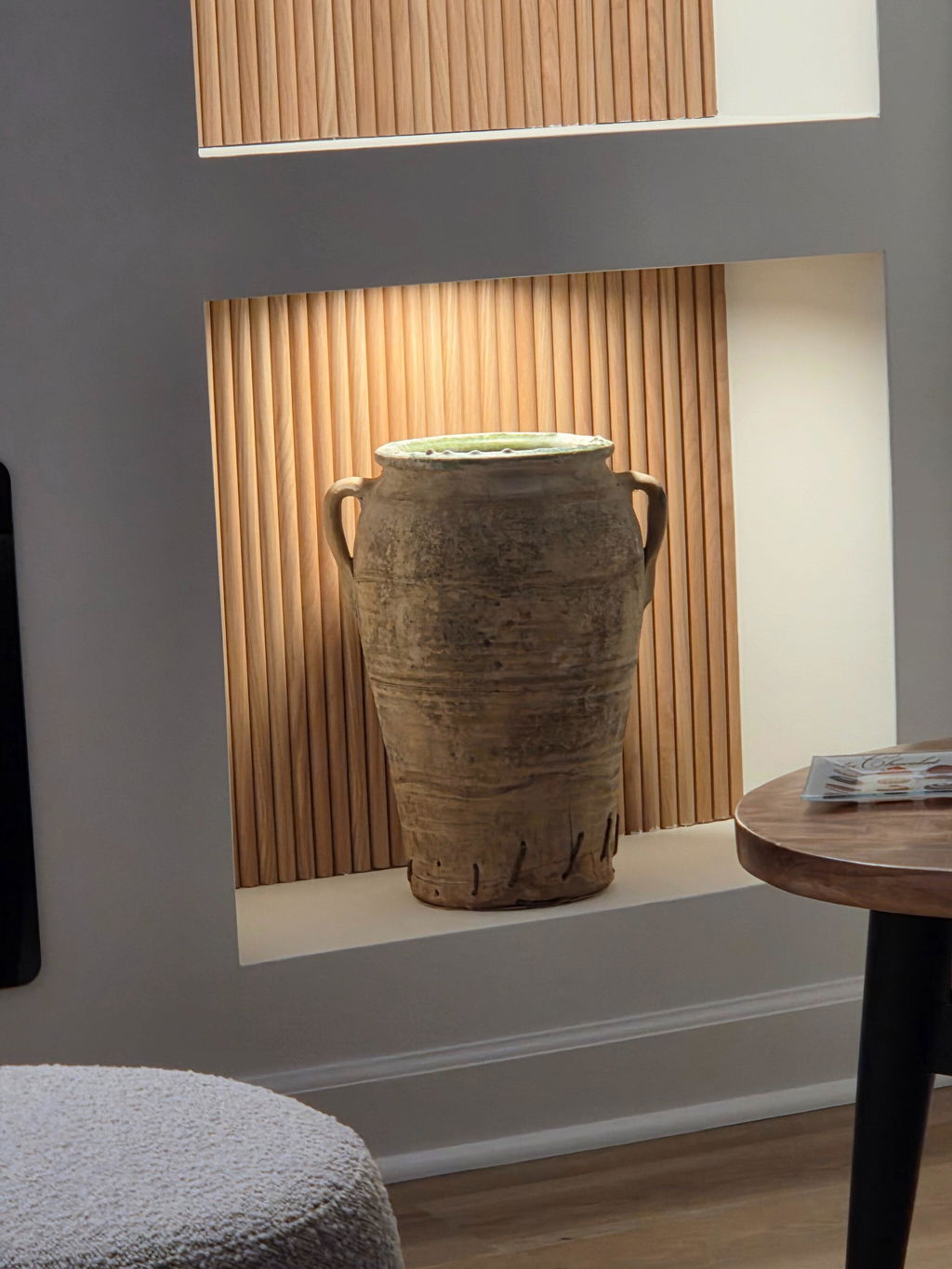
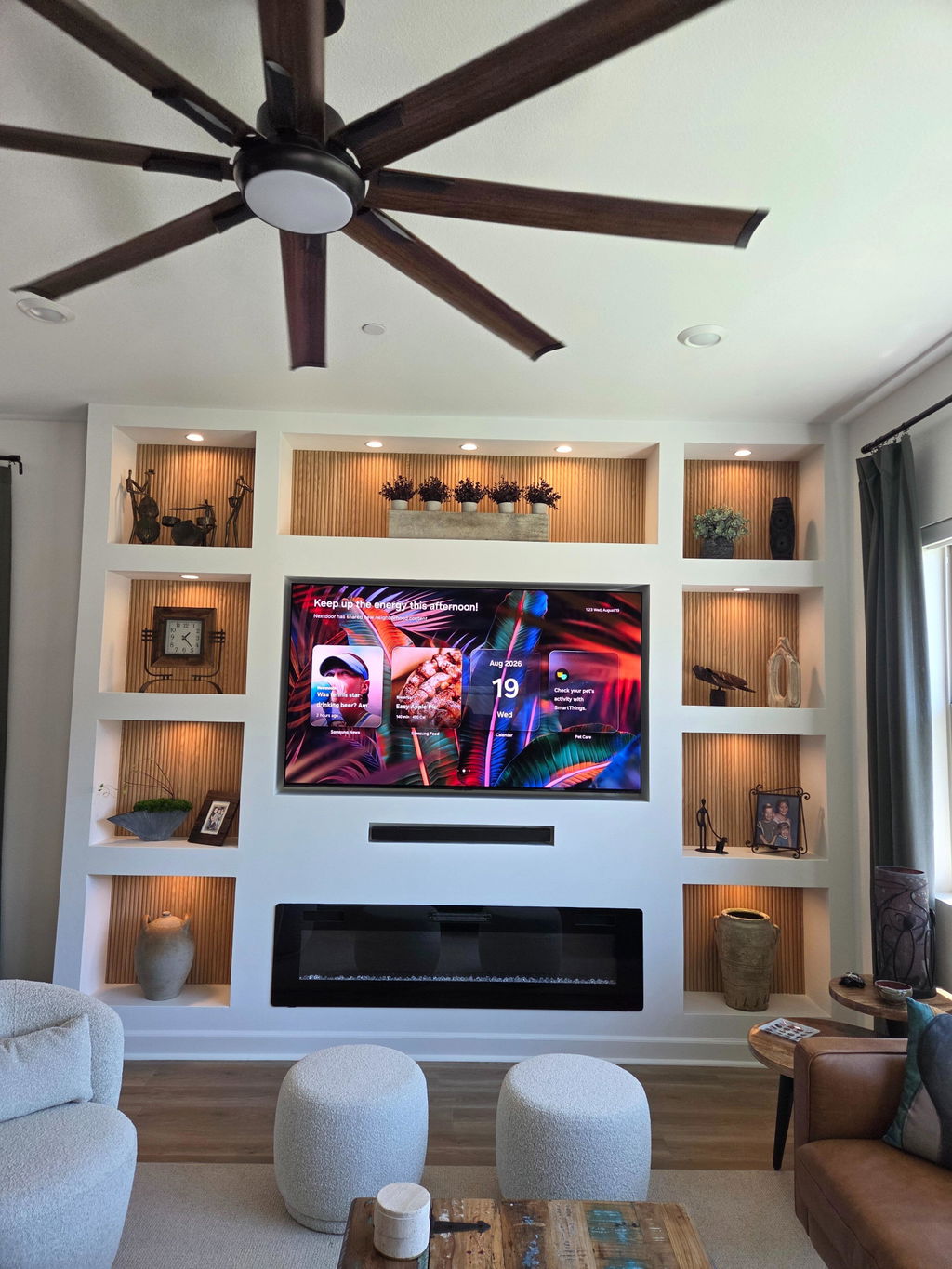
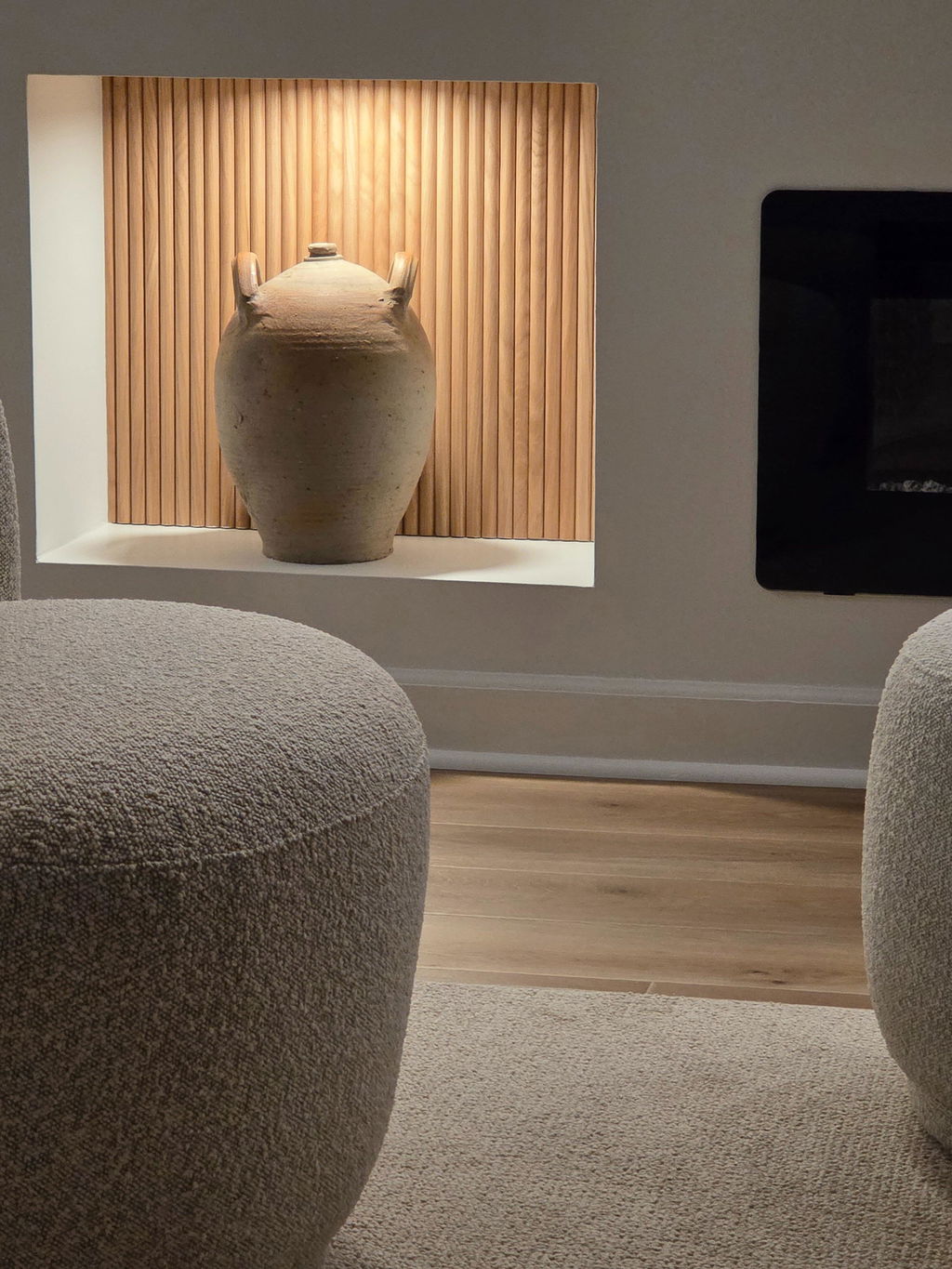
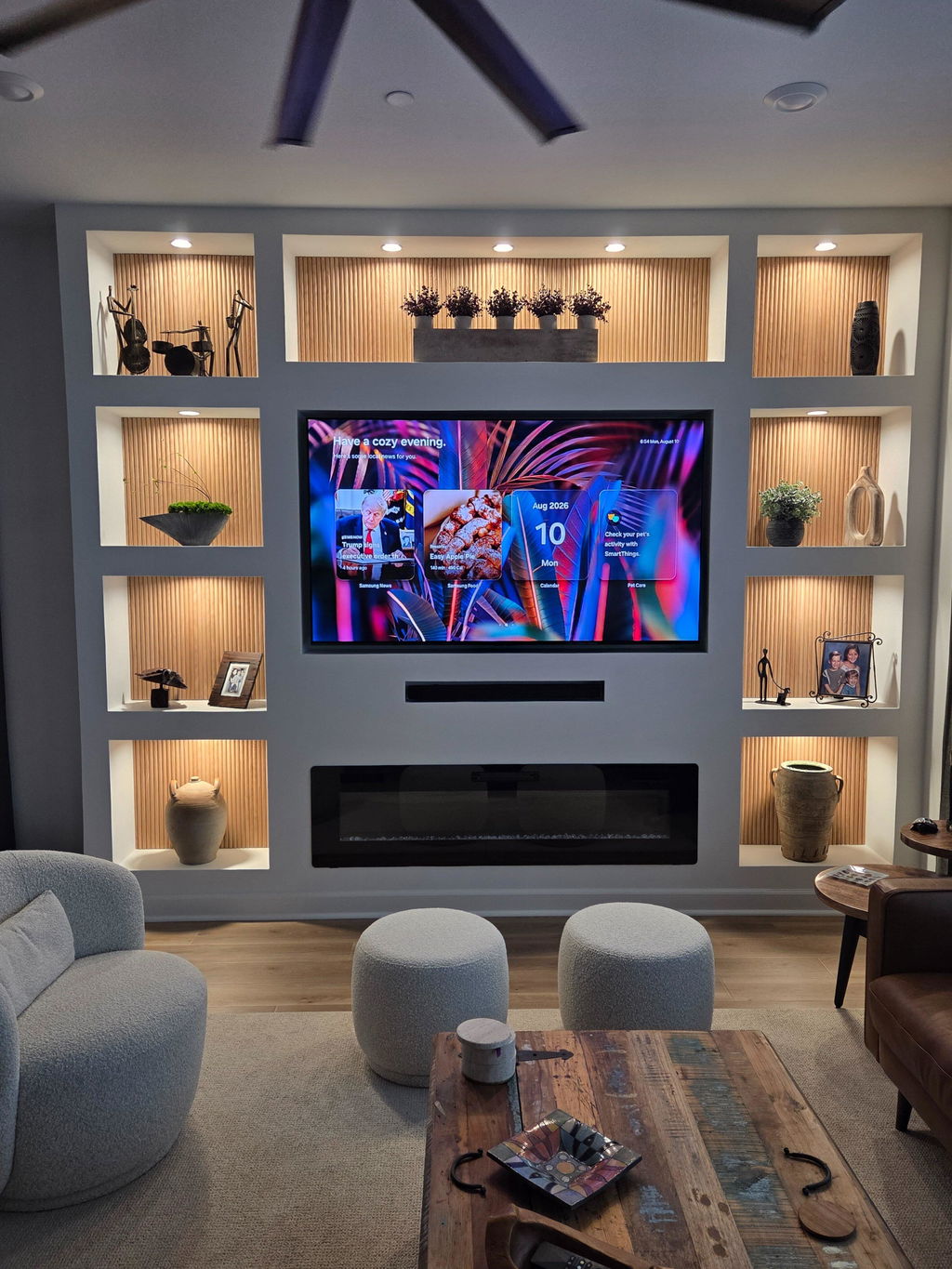
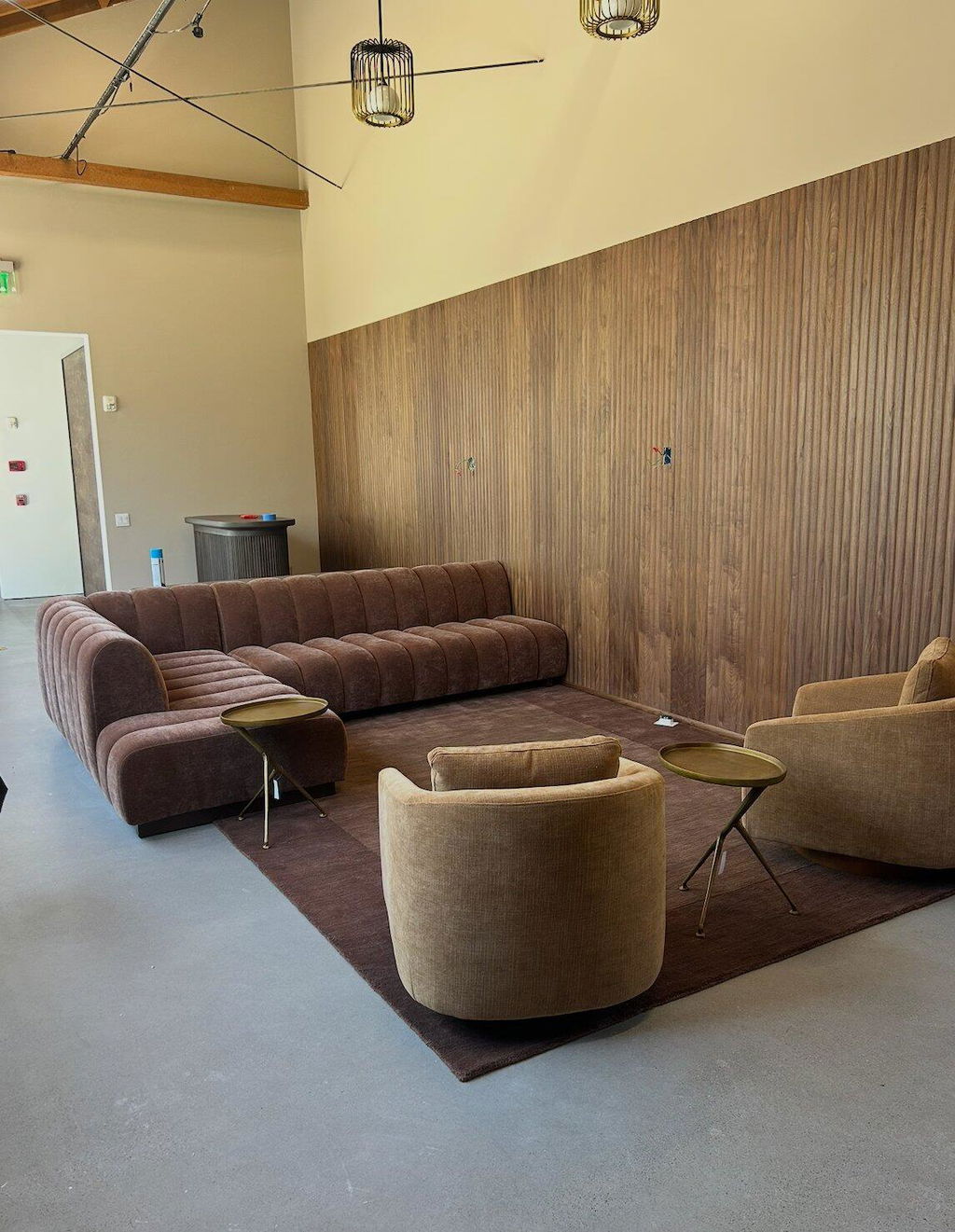
Wood slat panels often work well in living rooms, bedrooms, and home offices where they serve as decorative focal points.

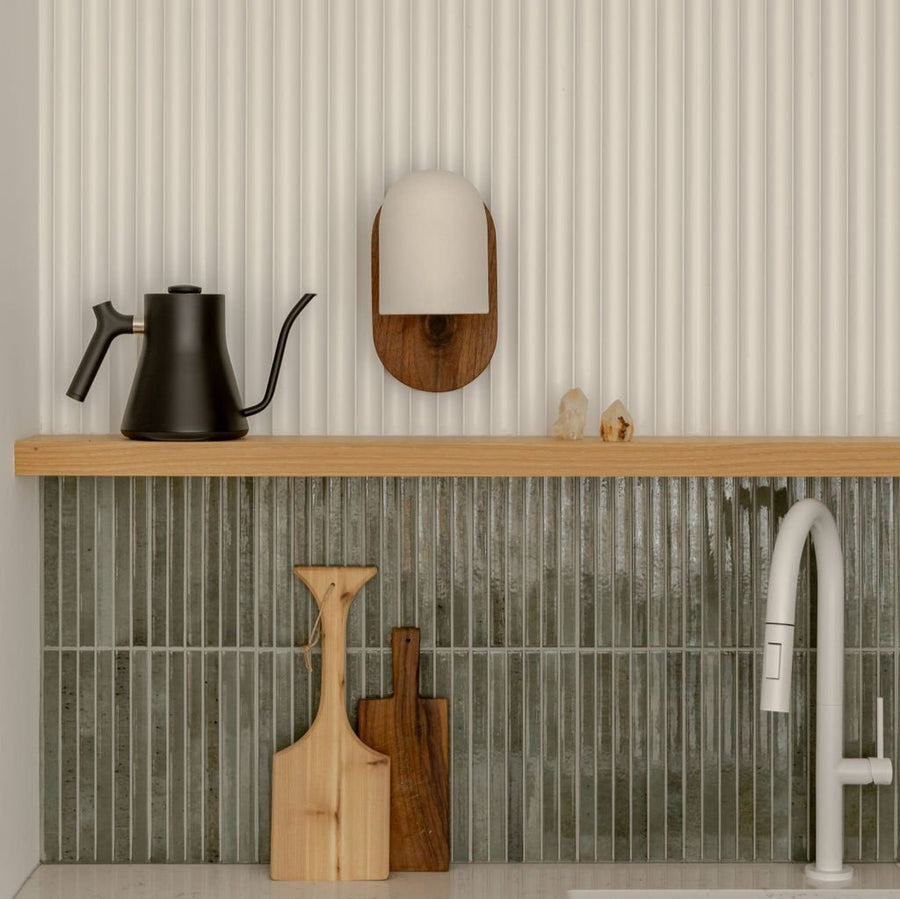
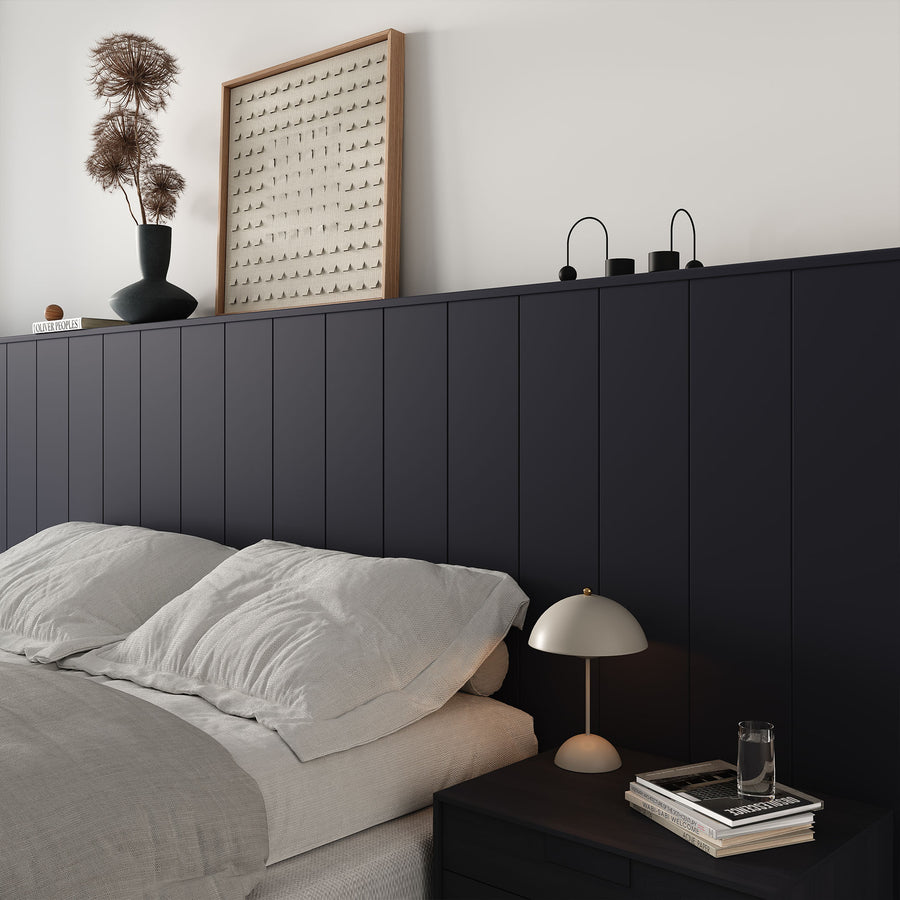
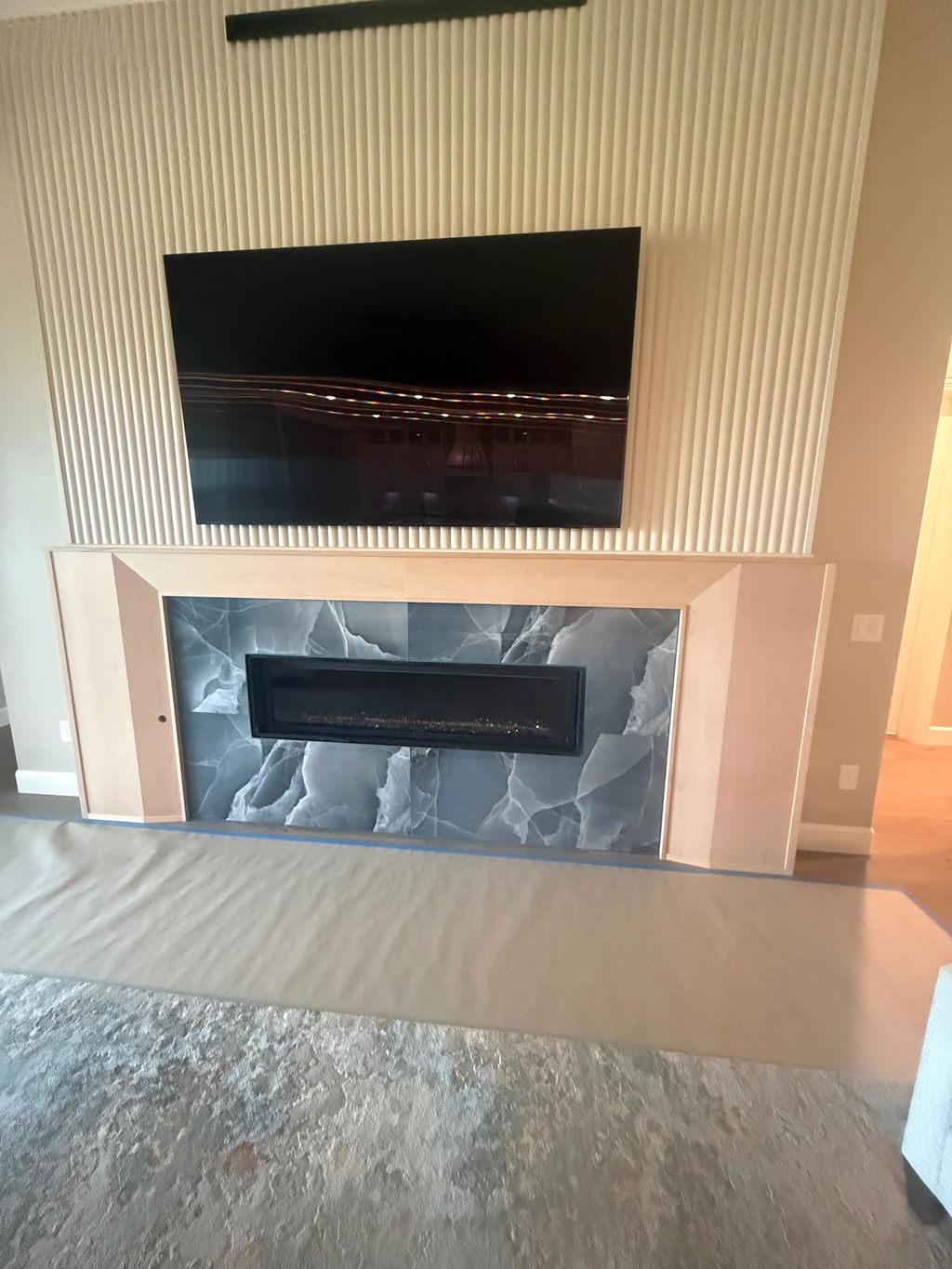
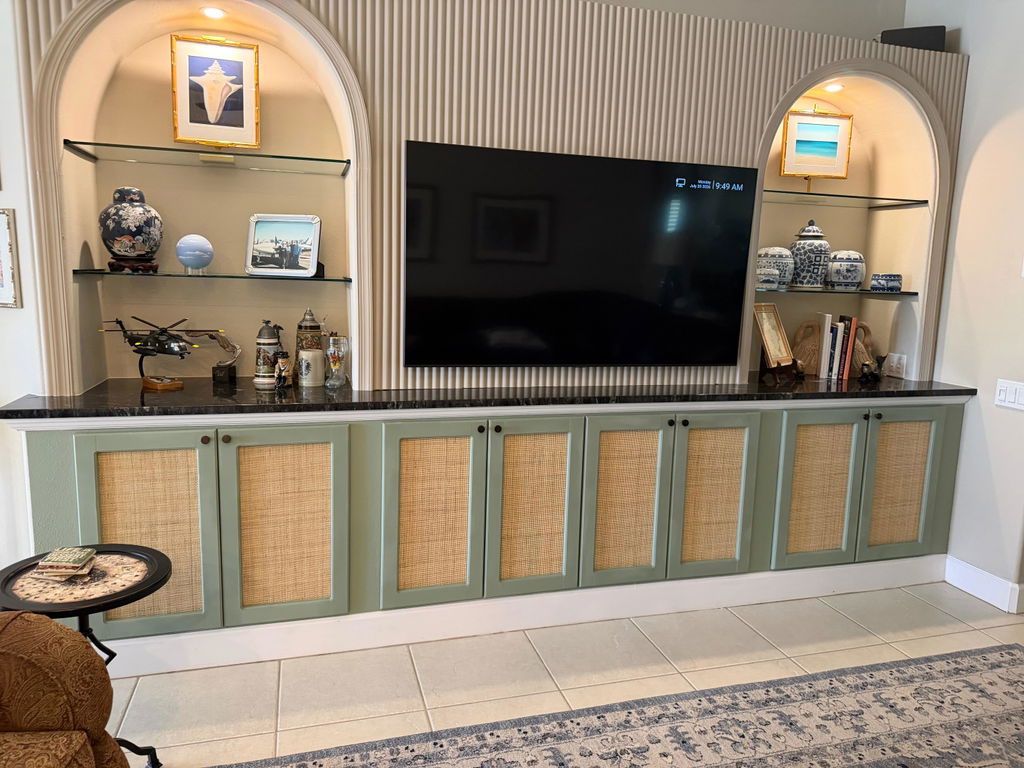
V-groove wall panels like in the photo above add texture and depth to entertainment areas, while PVC marble panels are commonly used in spaces exposed to higher humidity.
Traffic levels, moisture, sunlight exposure, and maintenance requirements should all be considered before making a decision. Selecting a wall panel that matches the conditions of the room helps preserve its appearance and allows the material to perform as intended for many years.
Final Thoughts
No wall panel lasts forever. Even the highest-quality products eventually show signs of age.
The difference between five years and fifteen years often comes down to simple decisions. Material quality, installation, maintenance, moisture levels, and room conditions all contribute to long-term performance.
Wood slat panels, fluted panels, PVC marble panels, and other wall paneling products can serve a home beautifully for many years when they're installed correctly and used in suitable environments.
A little planning today can save a lot of frustration later.
And honestly, that's something every homeowner can appreciate...



Leave a comment