 Skip to content







8 Questions to Ask Before Buying Wall Panels

Wall panels can completely change how a room looks and feels. They can add warmth, texture, depth, and personality to a plain wall without requiring a full renovation.
Still, choosing the right wall panel takes a little thought. There are different materials, styles, sizes, colors, and installation methods to consider, and the last thing you want is to fall in love with a panel online, order it, and then realise it doesn't quite work with your space!
Before you buy, take a few minutes to ask yourself the right questions. It can save you time, money, and a few headaches later.
1. What room will the wall panels go in?
Start with the room and think about how you use it every day. A bedroom, living room, home office, hallway, and commercial space can all have different requirements.
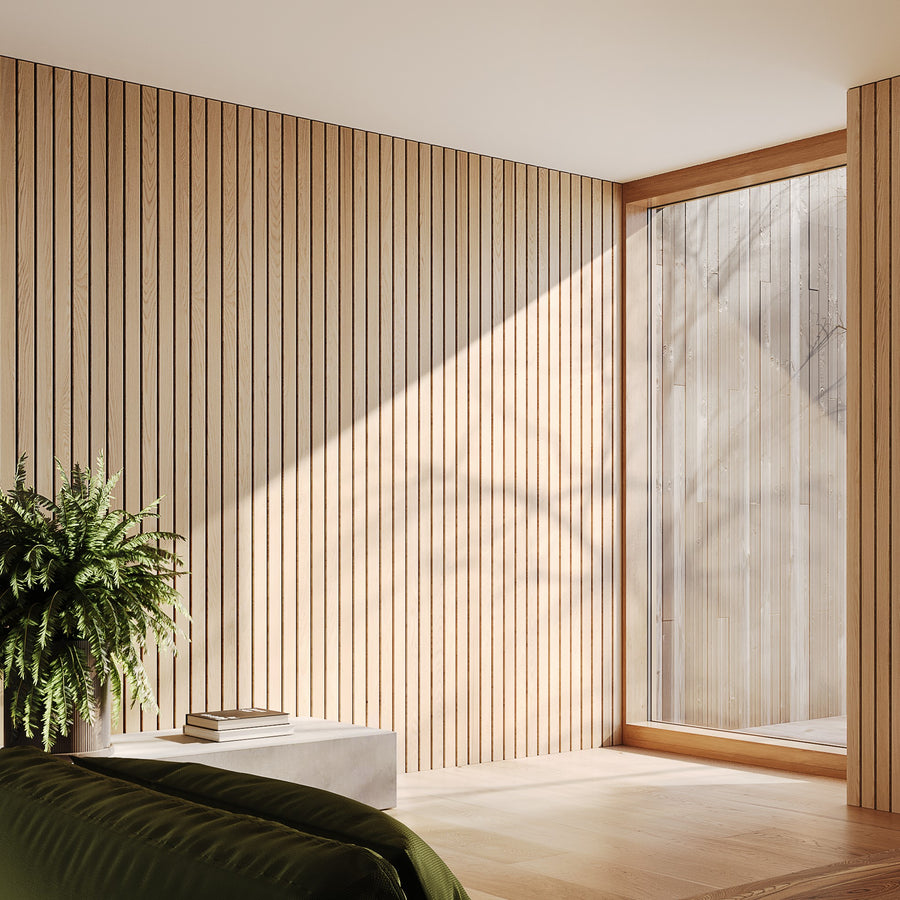
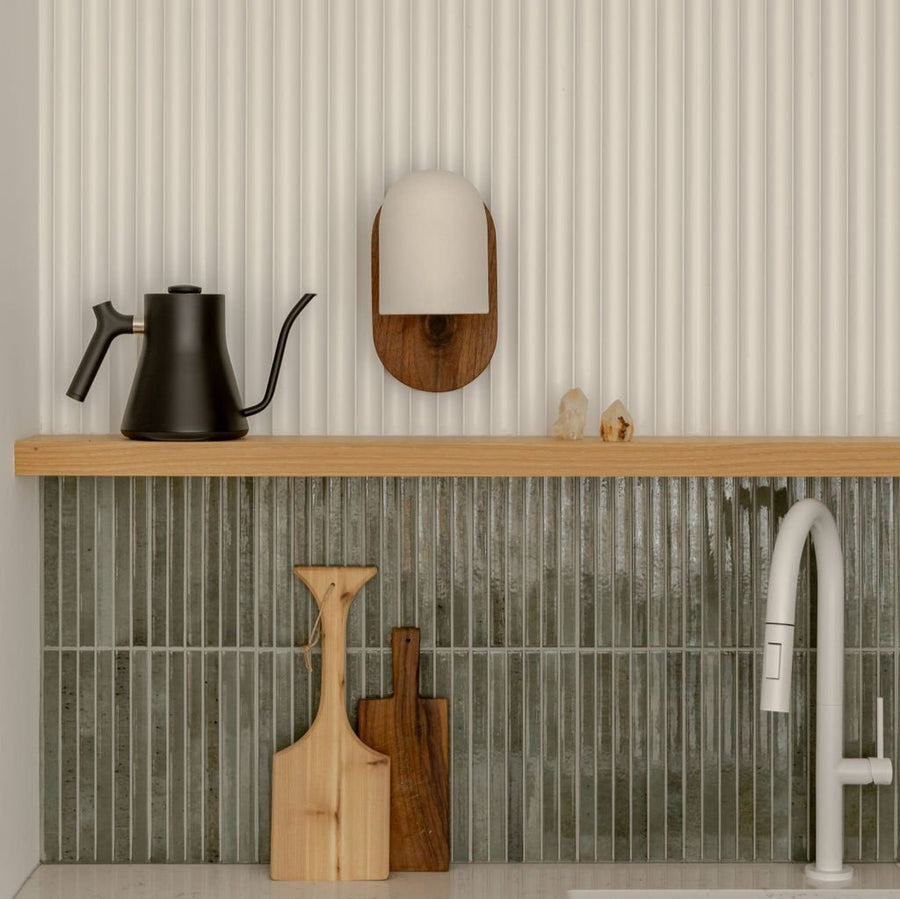
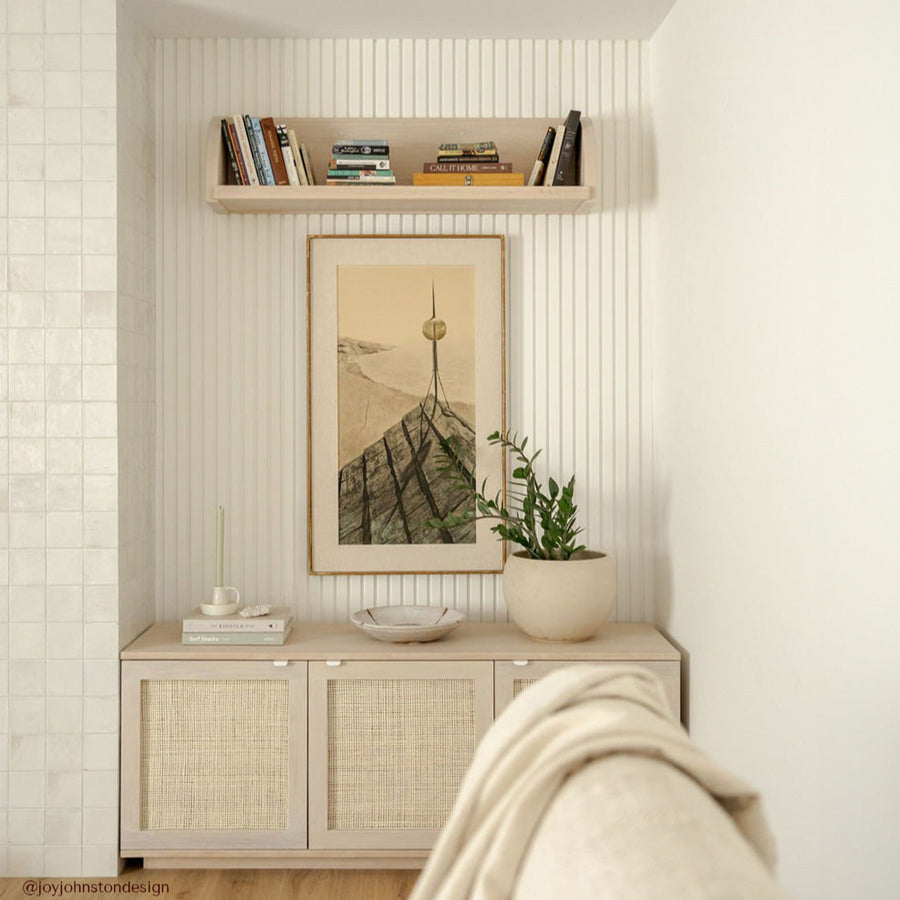
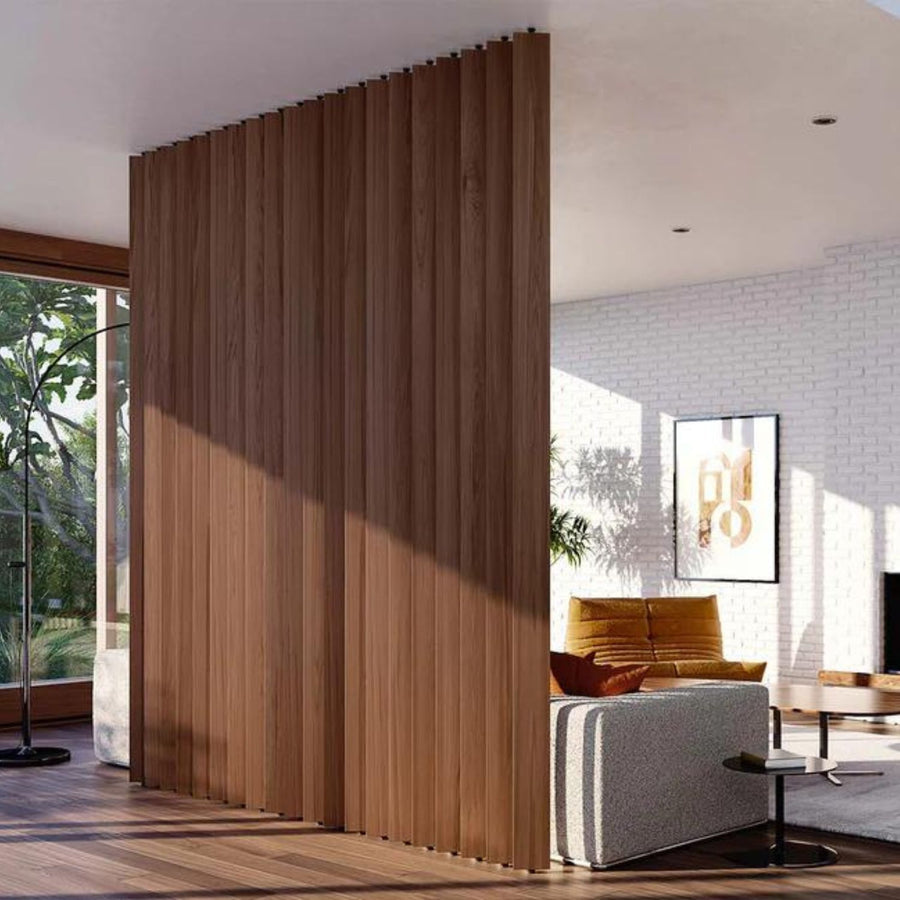
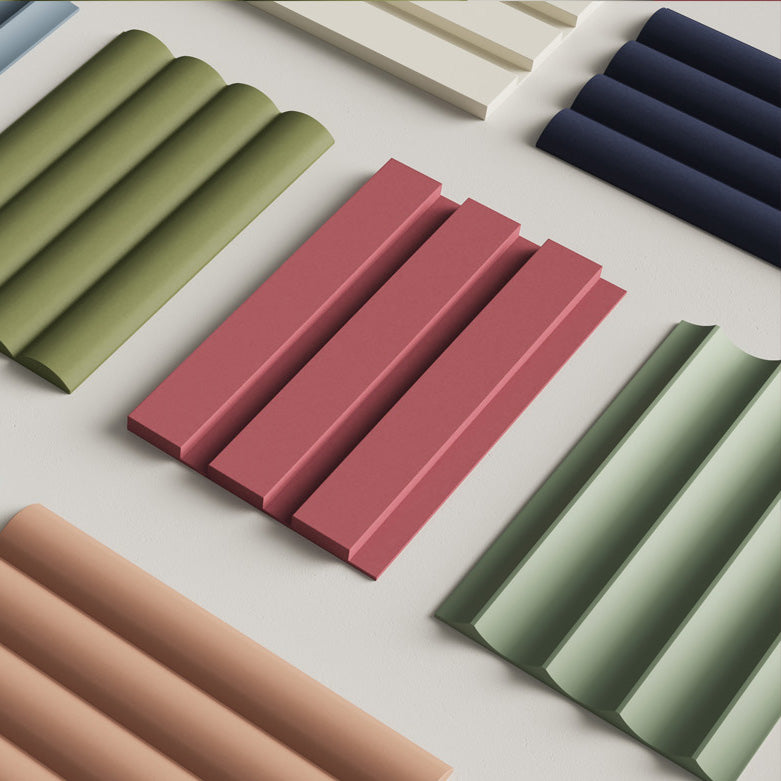
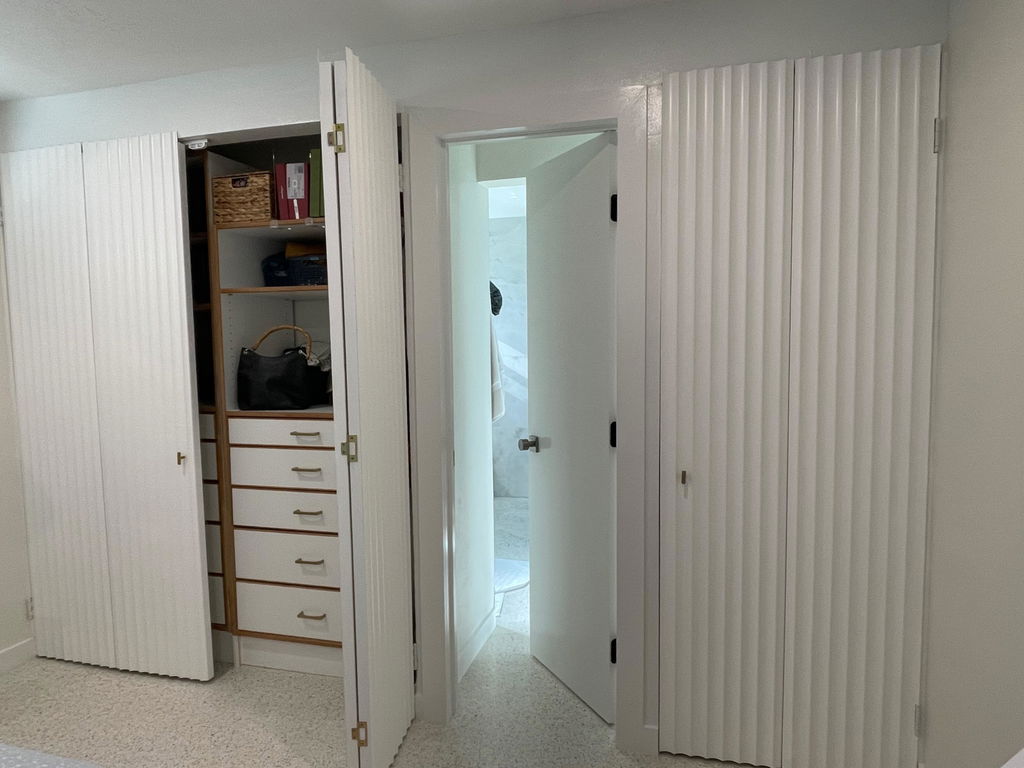
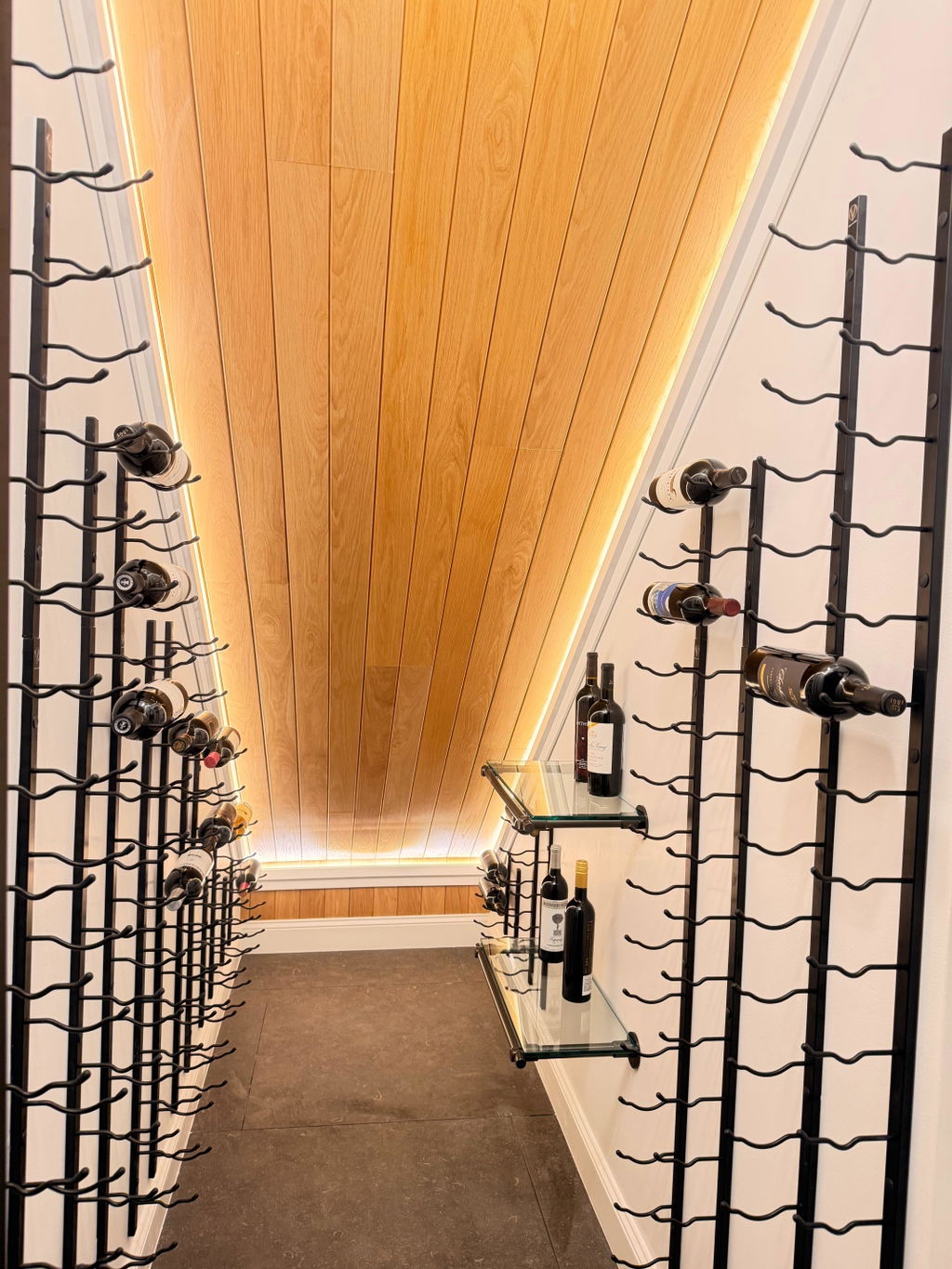
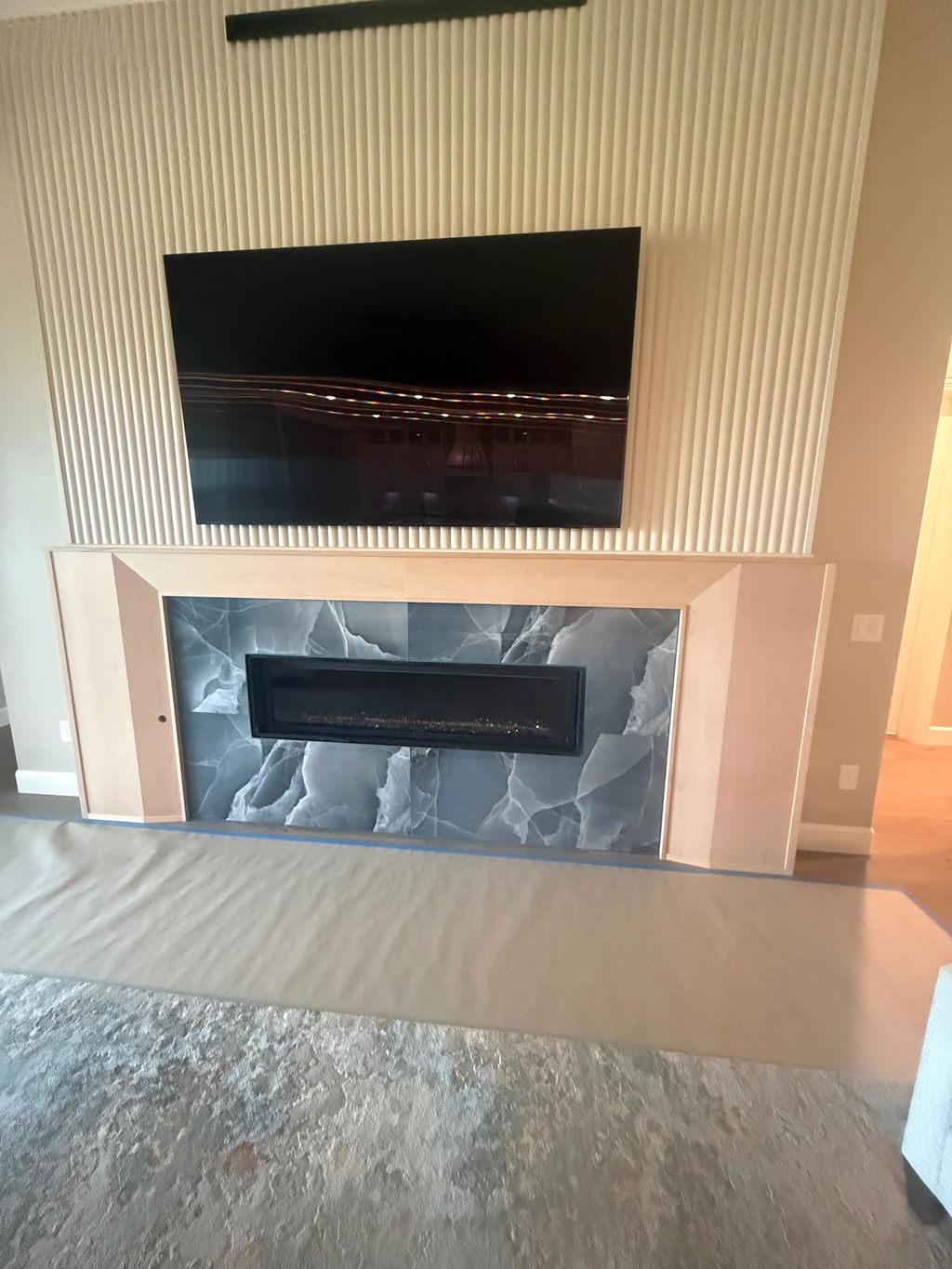
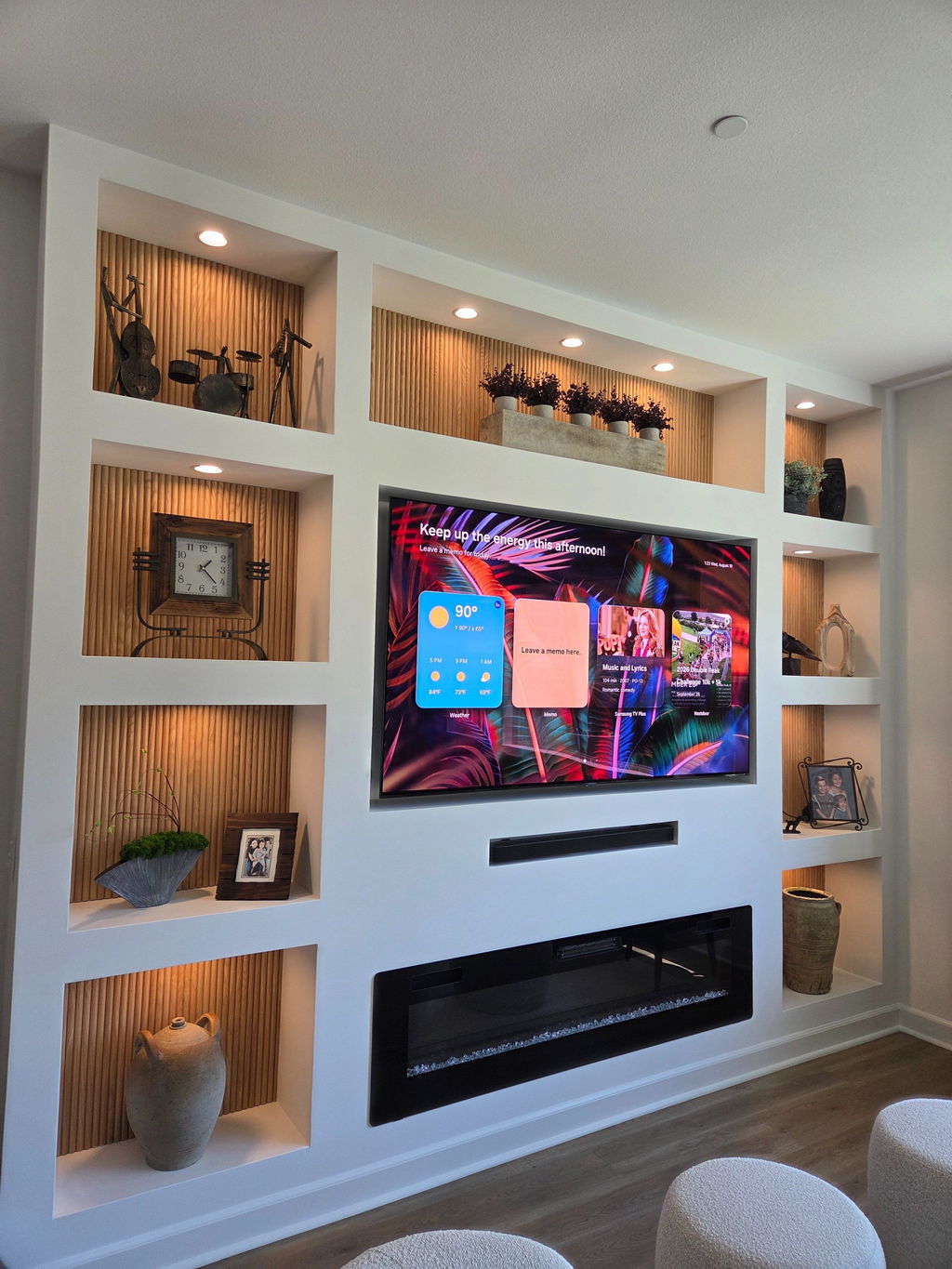
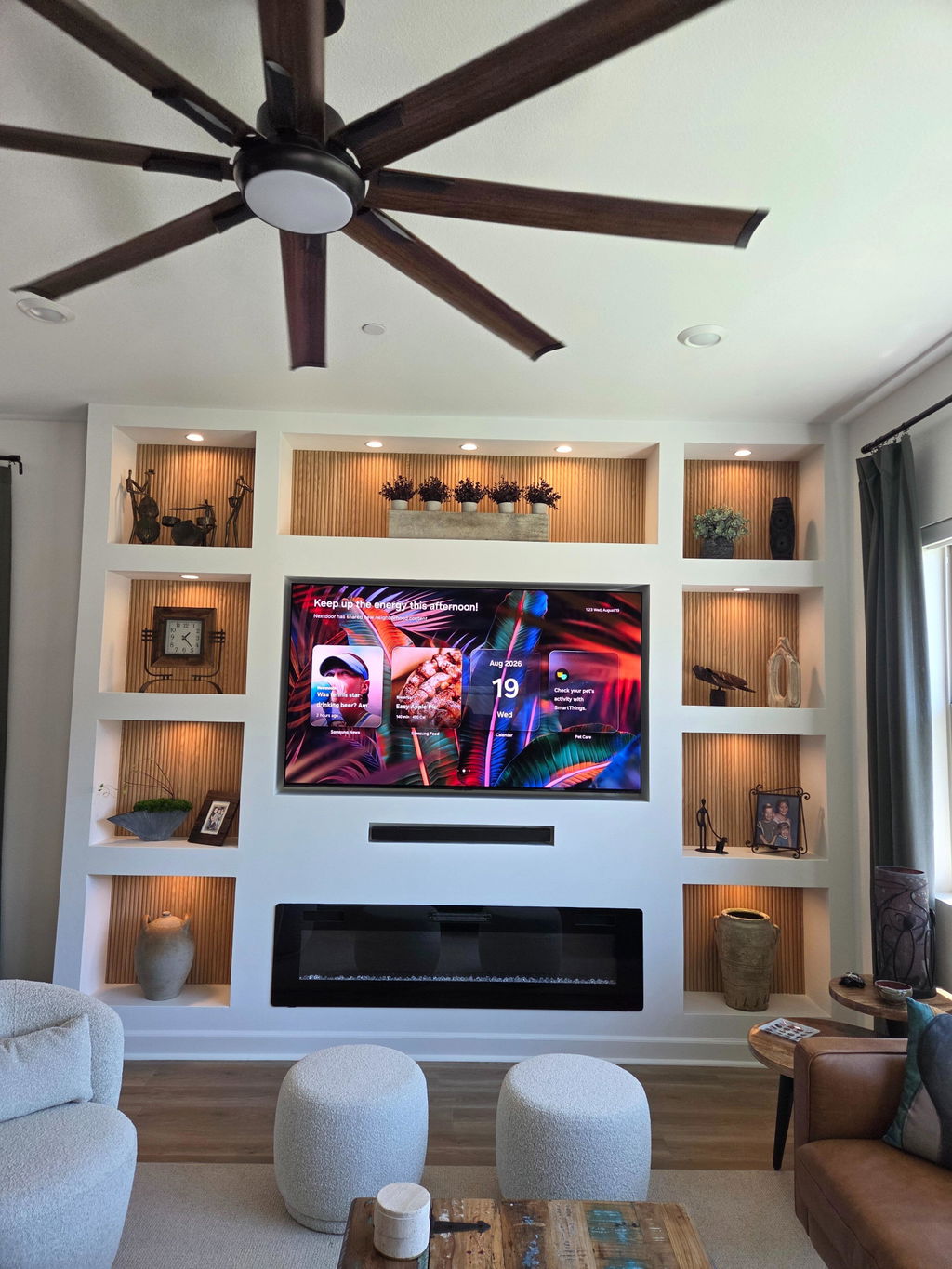
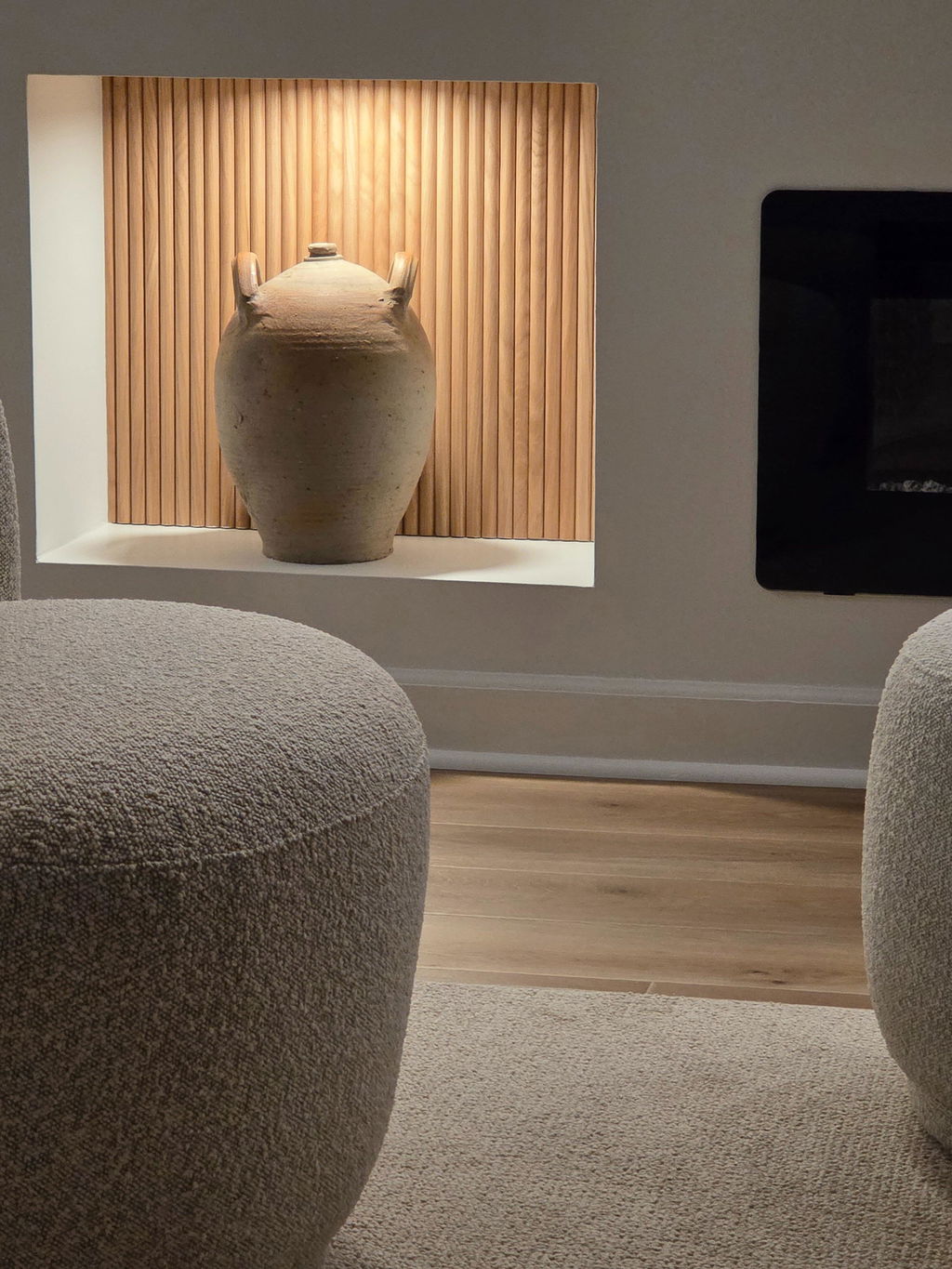
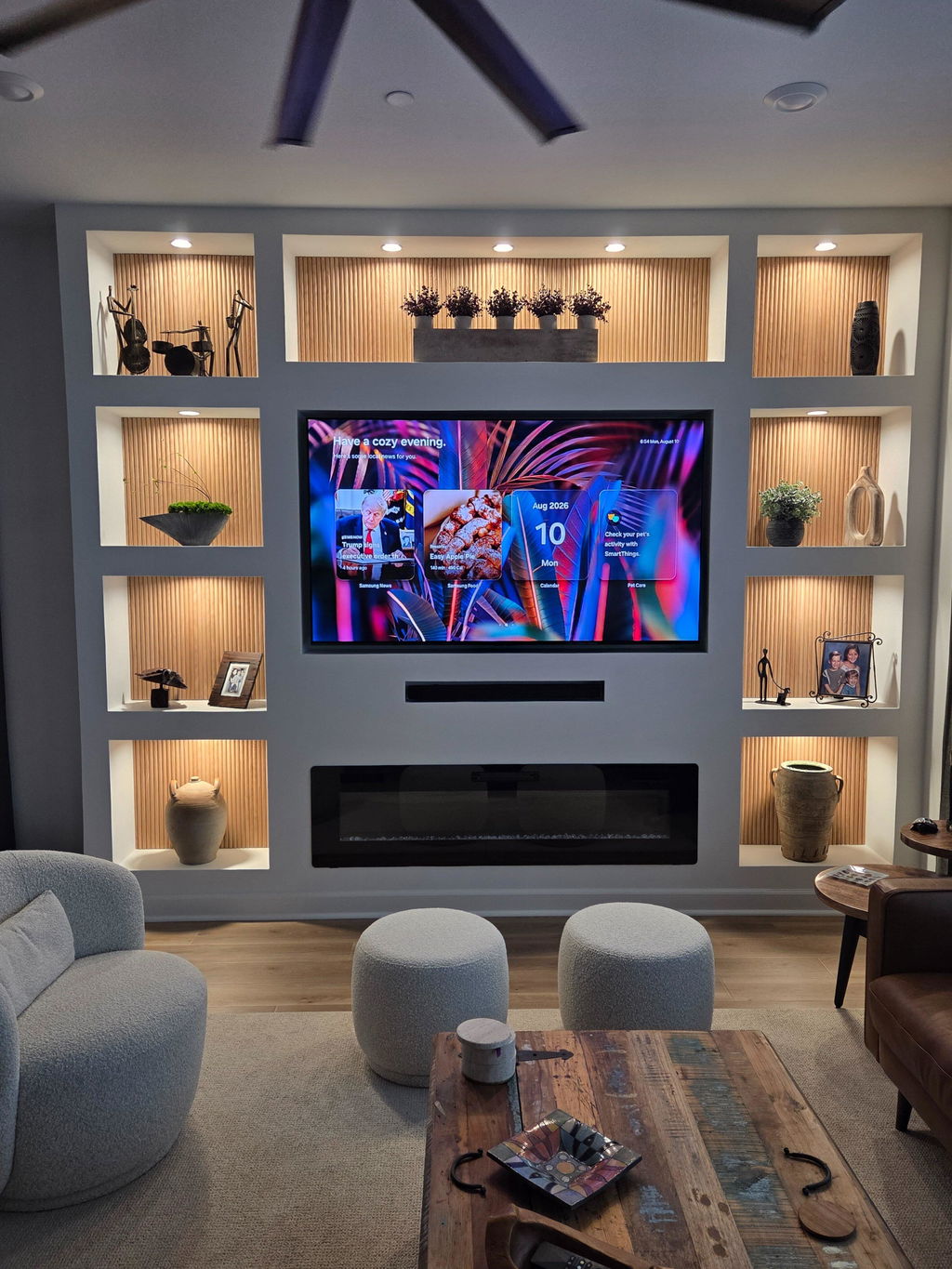
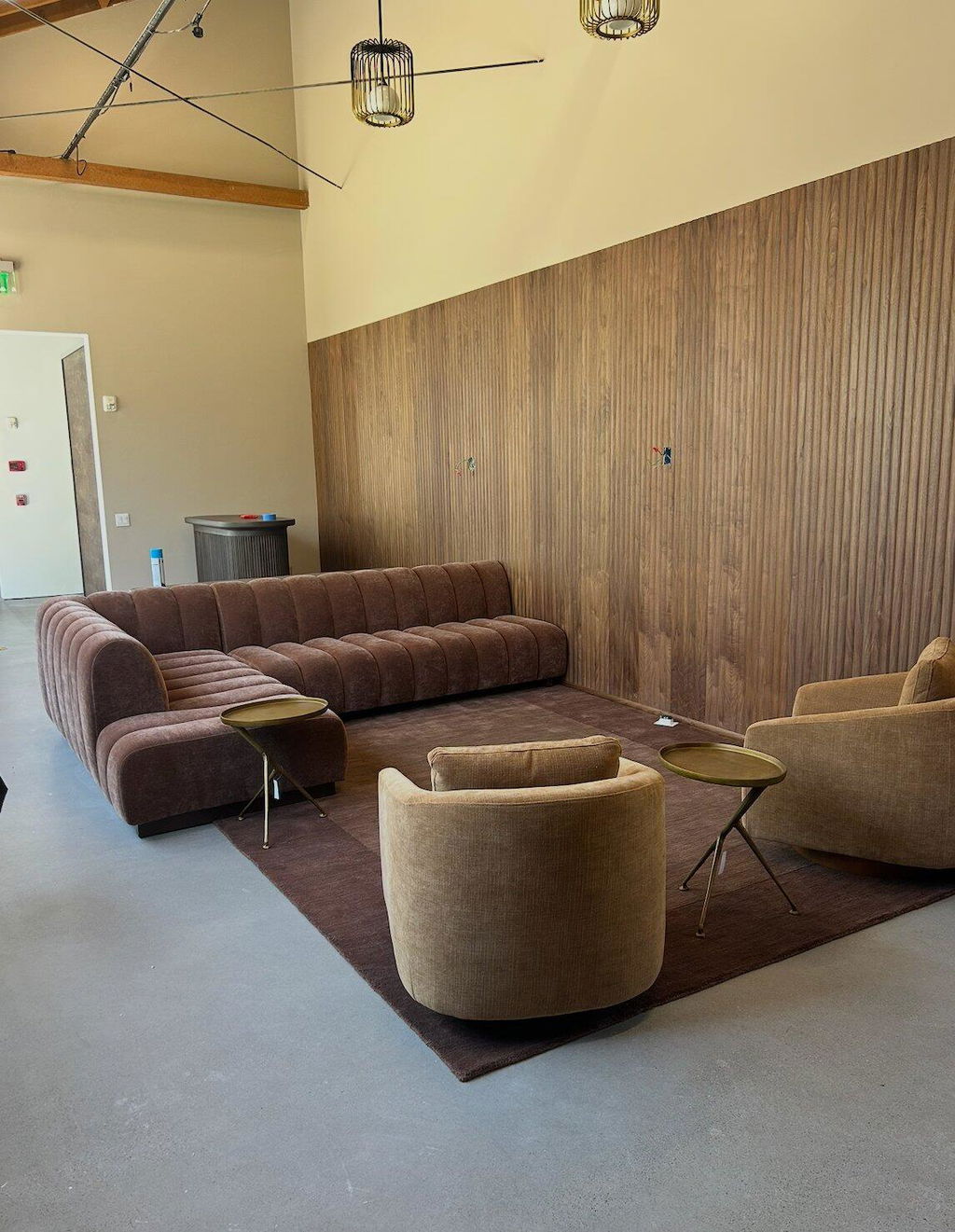
For example, wood slat panels can bring warmth to a bedroom or living room, while fluted panels can create a more textured feature wall. Paintable panels can also give you the flexibility to match a specific color scheme.

Is it a busy family area? A quiet bedroom? A workspace? A decorative entryway? Once you know what the wall needs to do, choosing a suitable panel becomes much easier.
2. What material is the panel made from?
This is one detail you definitely want to check before buying. Wall panels can be made from different materials, and each one can have its own characteristics when it comes to appearance, durability, weight, maintenance, and installation.
Look closely at the product specifications and find out what the core material and surface finish are.

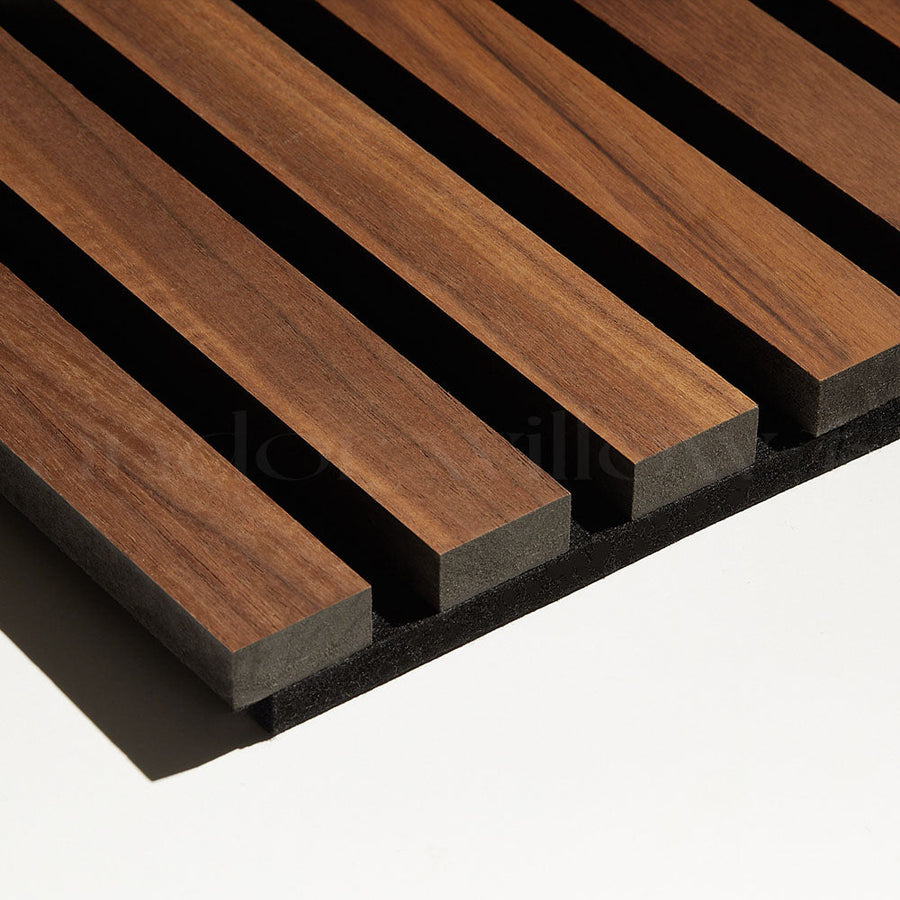
If you're considering wood slat panels, for example, check the construction and finish to make sure they're suitable for your project.
For paintable panels, find out what type of paint is recommended and whether the surface needs preparation before painting. A pretty panel is great, but knowing what you're actually buying is even better!
3. How much wall coverage do I need?
Before placing an order, grab a tape measure and start with the width and height of the wall or walls you're planning to cover...
Multiply those measurements to get the approximate surface area, then compare that figure with the coverage of each panel.
This is important because wall panels come in different sizes.

One product may cover a larger area per piece, while another may require more panels to cover the same wall. Also consider doors, windows, built-in furniture, and other areas that won't need panelling.
It's smart to allow some extra material for cuts and adjustments because walls have a funny habit of being slightly less cooperative than they look on a floor plan!
4. How will the panels be installed?
Installation is another big consideration, especially if you're planning to handle the project yourself.
Some wall panels are relatively straightforward to install, while others may require specific tools, adhesives, framing, or additional preparation.
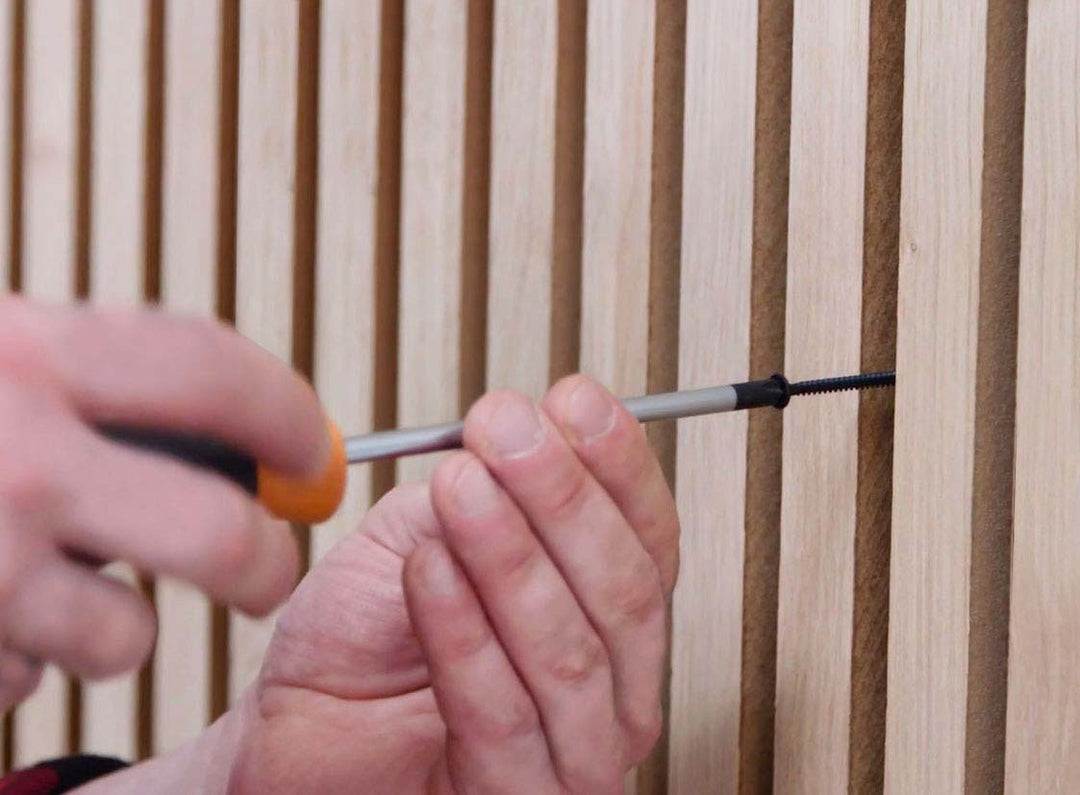
Check the manufacturer's installation instructions before buying and look at the recommended adhesive, fixing method, tools, and surface requirements. You should also check whether the existing wall needs to be smooth, clean, dry, or level.

If you're planning a DIY project, make sure you understand the process before committing to a particular style. For larger projects, complicated layouts, or walls that need significant preparation, professional installation may be worth considering.
5. Will the panel work with my existing interior?

Now comes the fun part! Think about the furniture, flooring, lighting, colors, and other finishes already in the room before choosing a panel.
A wall panel should feel connected to the overall design, and you don't need every element to match perfectly. You simply want the different materials, colors, and textures to work comfortably together.
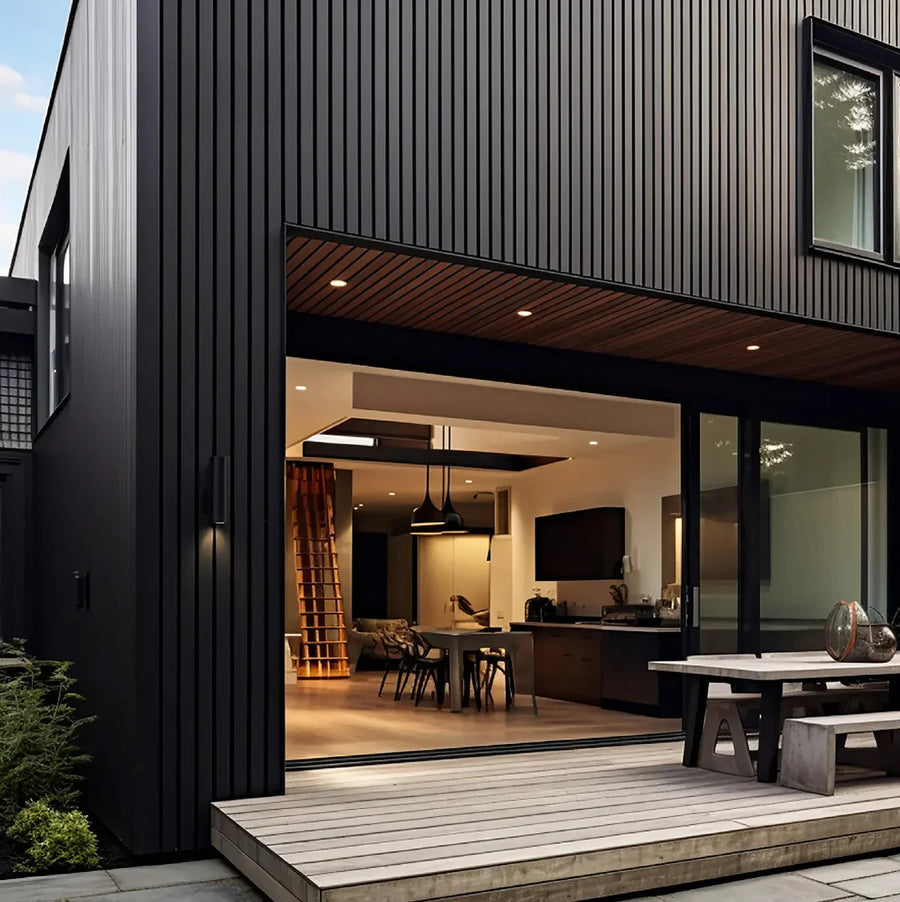
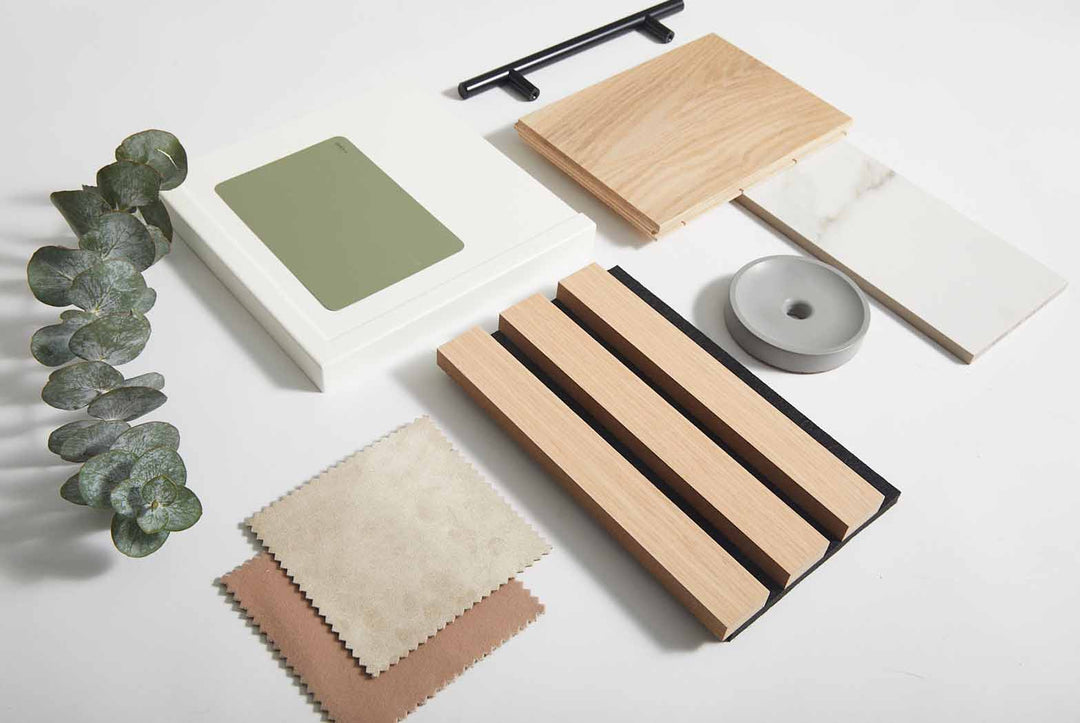
Warm wood tones can complement timber furniture and neutral colors, while fluted panels can add depth to contemporary spaces. Paintable panels can give you more freedom when you're working with a specific color palette, so try looking at samples beside your existing furniture and finishes if possible.
6. How much maintenance will it need?
Nobody wants a beautiful feature wall that becomes a weekly chore, right?

Before buying, find out how the panels should be cleaned and maintained so you know what you're getting into.
Consider where the panels will be installed, too. A wall in a quiet bedroom may require very little attention, while a panelled wall in a busy living area may collect more dust and fingerprints.
Some designs have grooves, textures, or detailed surfaces that can require a little extra cleaning. Ask about the recommended cleaning products and whether the finish has any specific care requirements before making your decision.
7. Can I customize the panels?
Sometimes you find the perfect design but want to make it your own. That's where customization can become important, especially if you already have a specific color or interior style in mind.
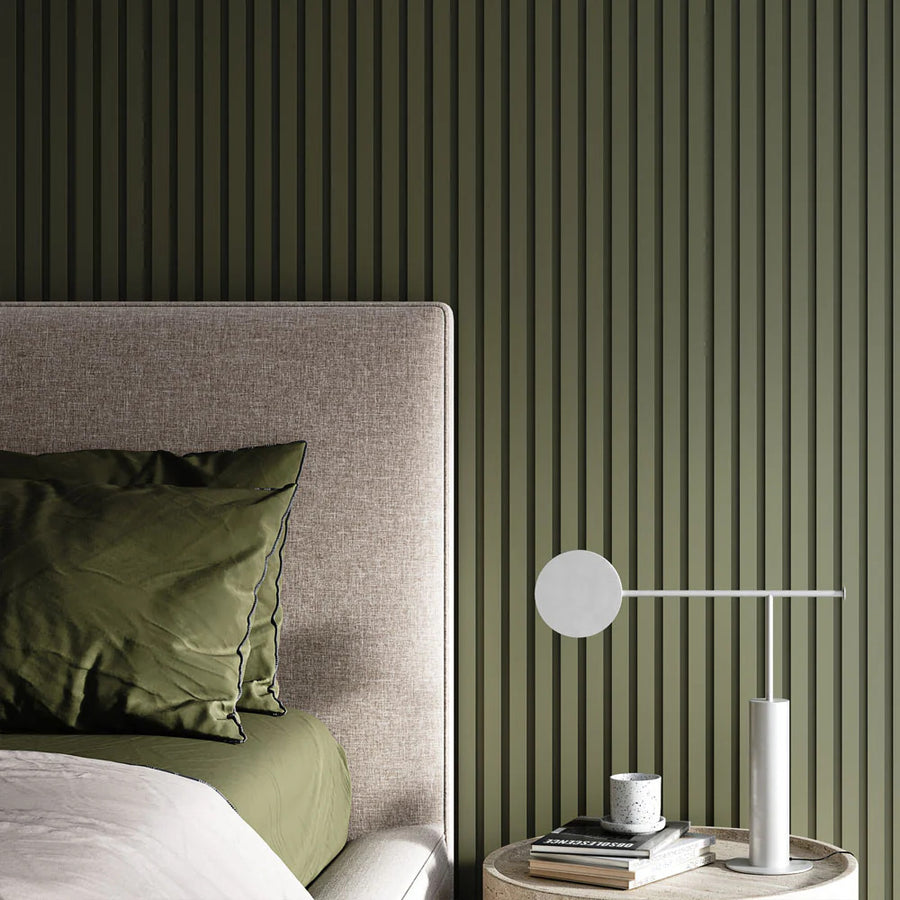
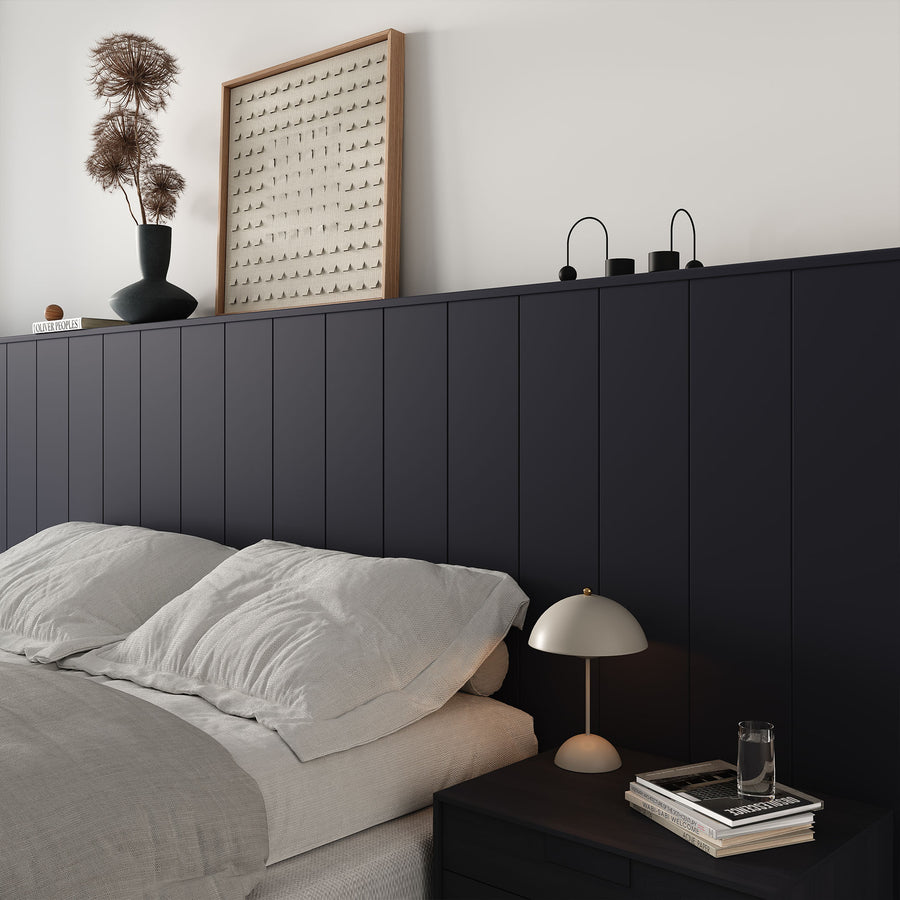
Paintable panels, for example, can give you more flexibility with color. Check this out:

You can choose a shade that matches your existing walls, furniture, cabinetry, or overall interior theme.
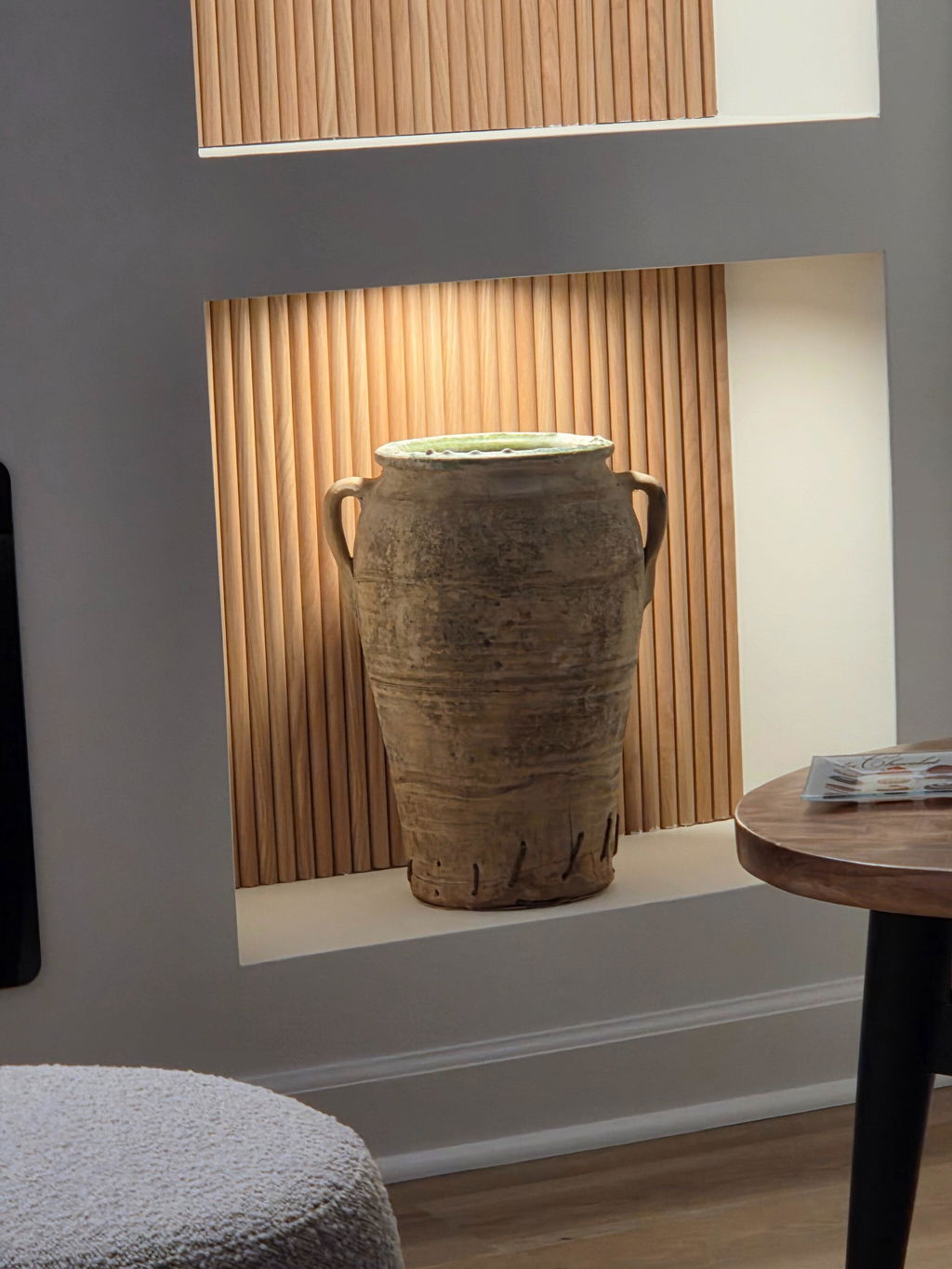
Other panels may come in different colors, finishes, sizes, or patterns. Want something warm and natural? Wood slat panels could work beautifully, while fluted panels can add depth and texture, and paintable panels give you plenty of room to experiment.
8. Is the panel suitable for the long term?
Before you click that order button, think beyond installation day.

Ask yourself how the panels will fit into the room a few years from now and whether they'll still work with the way you use the space.
Consider durability, maintenance, style, and how the room might change over time. You may redecorate, replace furniture, repaint the room, or change how the space is used.
A versatile wall panel can make future updates easier. It's also worth checking whether replacement panels or matching products will be available if you ever need to repair part of the installation.
What else should you check before ordering?
Once you've answered the eight questions above, take one final look at the product details. Check the exact panel dimensions, coverage per piece, available finishes, installation requirements, and recommended applications.
Look at product photos from different angles if they're available, and reviews can also give you useful insight into how the panels look and perform in real homes. These small details can help you feel much more confident before placing an order.
And don't forget your measurements! Write everything down before ordering so you have a clear idea of how many panels you'll need and how they'll fit across the wall.
Conclusion
Buying wall panels should be an exciting part of planning your space. Asking the right questions beforehand can help you choose a product that looks great, fits your room, and works well with your everyday lifestyle.
Think about the room, material, measurements, installation, maintenance, design, customization, and long-term use. Whether you're drawn to wood slat panels, fluted panels, paintable panels, or another style, taking your time can help you make a more confident choice.
A little planning now can help you create a wall you'll enjoy looking at for years to come. And honestly, there's something pretty satisfying about seeing a plain wall turn into a feature you actually love!
Frequently asked questions
How do I choose the right wall panels?
Start with the room, your preferred style, panel material, wall measurements, and installation requirements. These details can help narrow down your options.
How many wall panels do I need?
Measure the wall's total area and compare it with the coverage of each panel. Add some extra material to allow for cuts and adjustments.
Are wall panels easy to install?
Installation depends on the panel type and the condition of the wall. Some can be suitable for DIY projects, while larger or more complex installations may need professional help.
Are wood slat panels good for living rooms?
Yes. Wood slat panels can add warmth, texture, and visual interest to living rooms while working well with different furniture and décor styles.
Are paintable panels worth considering?
Paintable panels are useful when you want more control over the color of your walls. They can be a practical choice for customised interior designs.



Leave a comment