 Skip to content







MDF Core vs Solid Wood: What Actually Makes a Better Wall Panel?

Most people hear “solid wood” and immediately assume it’s the better option. But once you start looking at wall panels specifically, especially full accent walls, that assumption doesn’t always hold up.
Wall panels are not just about what they’re made of. They’re about how they behave once installed. Things like alignment, expansion, finish consistency, and long-term durability matter just as much as the material itself. A panel that looks perfect on day one can start showing gaps or uneven lines later if the structure isn’t stable.
That’s exactly why many modern wood wall panels use MDF cores with real wood veneer instead of solid wood throughout. So if you’re comparing wood wall panels and MDF wall panels, the better choice comes down to performance, not just perception.
Key Takeaways
- MDF core panels stay more stable, especially across large walls
- Solid wood expands and contracts, which can affect alignment
- Wood veneer panels give you real wood texture with better structure
- Paintable MDF panels are ideal for seamless, custom finishes
- The right choice depends on how and where the panel is used
What MDF Core Panels Actually Offer
MDF, or medium-density fiberboard, is engineered from compressed wood fibers. That process removes natural inconsistencies like grain direction and knots, which gives you a very uniform material.
While it may not sound as premium as solid wood, this consistency is exactly what makes it effective for wall panels.


Because MDF doesn’t move much with changes in humidity, it holds its shape well after installation. That matters more than people expect, especially when working with detailed designs. Panels like fluted, ribbed, or V-groove rely on precise lines, and even slight shifts can break the pattern visually.
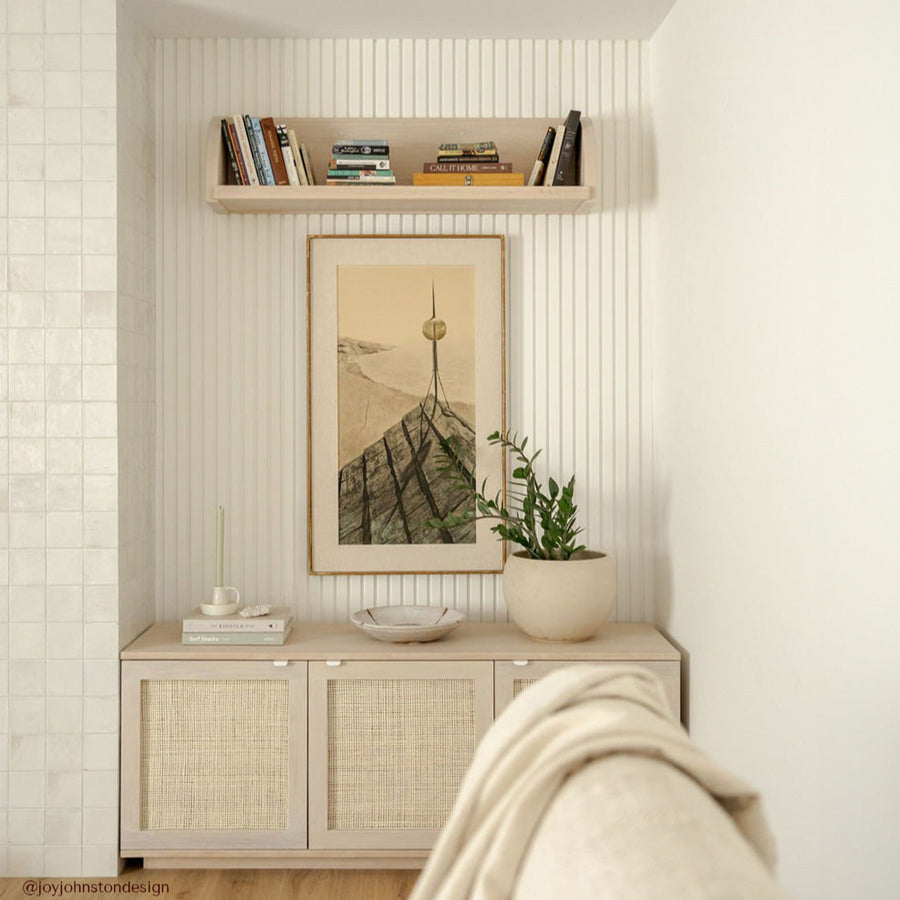
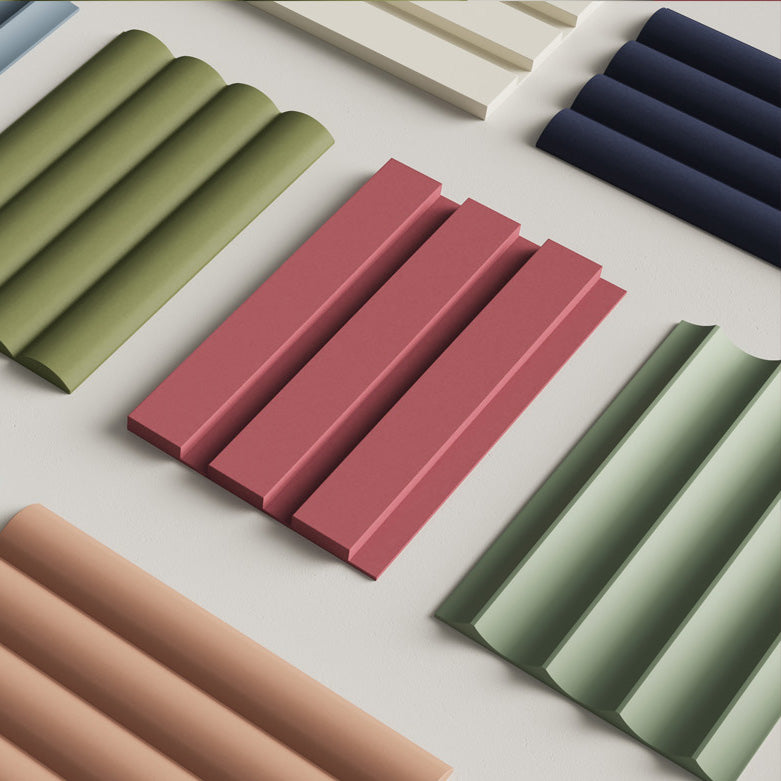
This is why products like Andor Willow’s fluted wall panels and ribbed panels use MDF cores. The grooves stay aligned, the spacing remains even, and the overall look stays clean across the entire wall.
Where Solid Wood Starts to Struggle
Solid wood brings natural variation, which can look great in the right setting. The grain patterns and slight imperfections add character, and that’s part of the appeal. However, that same natural structure also means the material reacts to its environment.
As humidity and temperature change, solid wood expands and contracts. In smaller pieces, this is manageable. But in large wall installations, it can lead to visible gaps, slight warping, or uneven seams over time.

For example, a wall of solid wood accents may look perfect when installed. After a few months, you might start noticing small spacing changes on its corners or slight shifts near joints. It doesn’t ruin the wall, but it does affect the clean, consistent look most people are aiming for.
Why Most “Wood” Panels Use MDF Cores
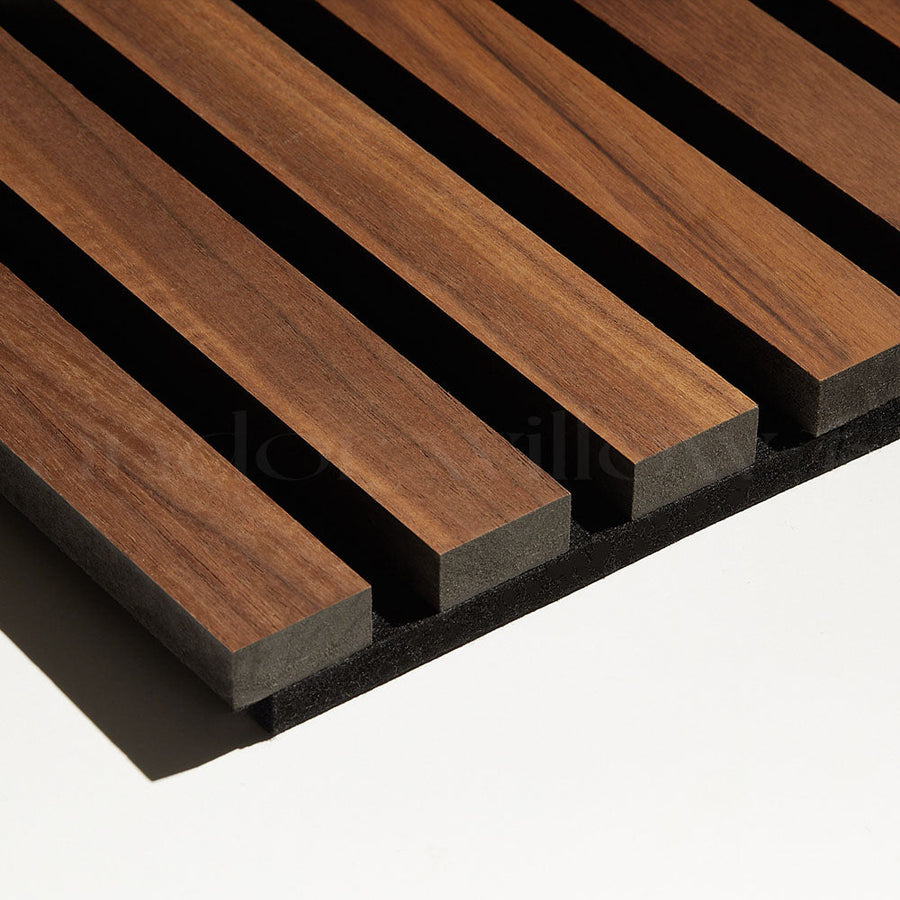
A lot of panels that look like solid wood are actually wood veneer over MDF. This is not a shortcut. It’s a design decision that balances appearance and performance.
The MDF core provides structure and stability, while the veneer gives you real wood grain. So visually, you still get the warmth and texture of wood, but without the movement issues that come with solid material.
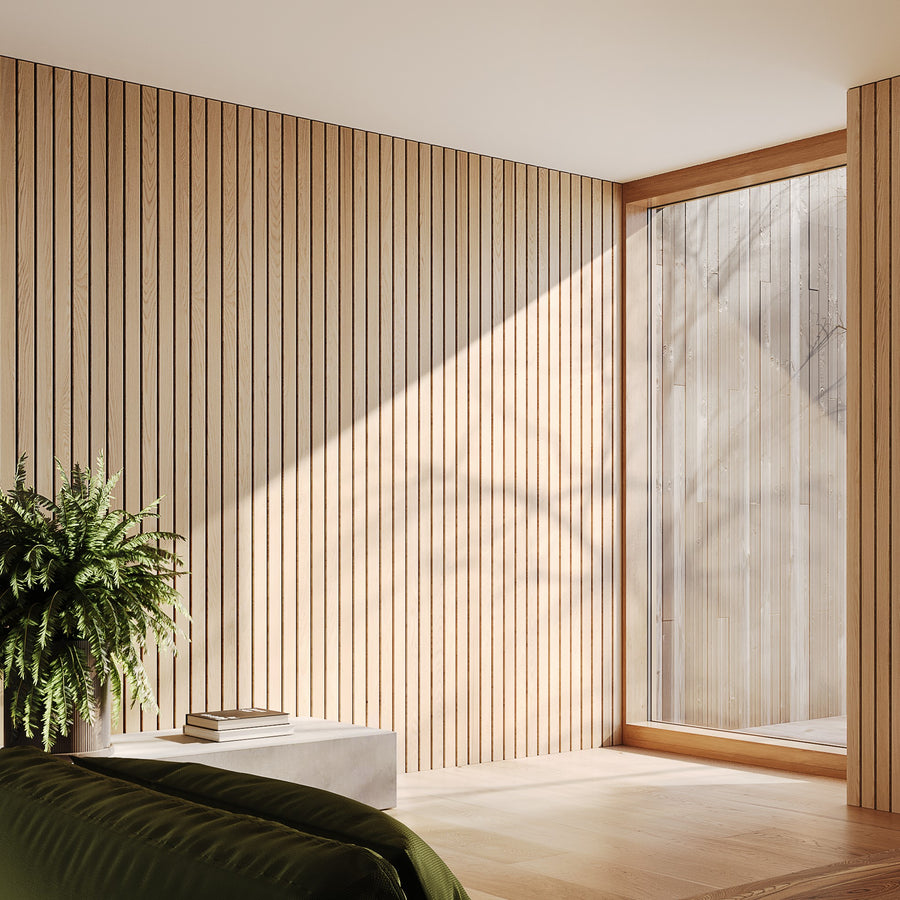
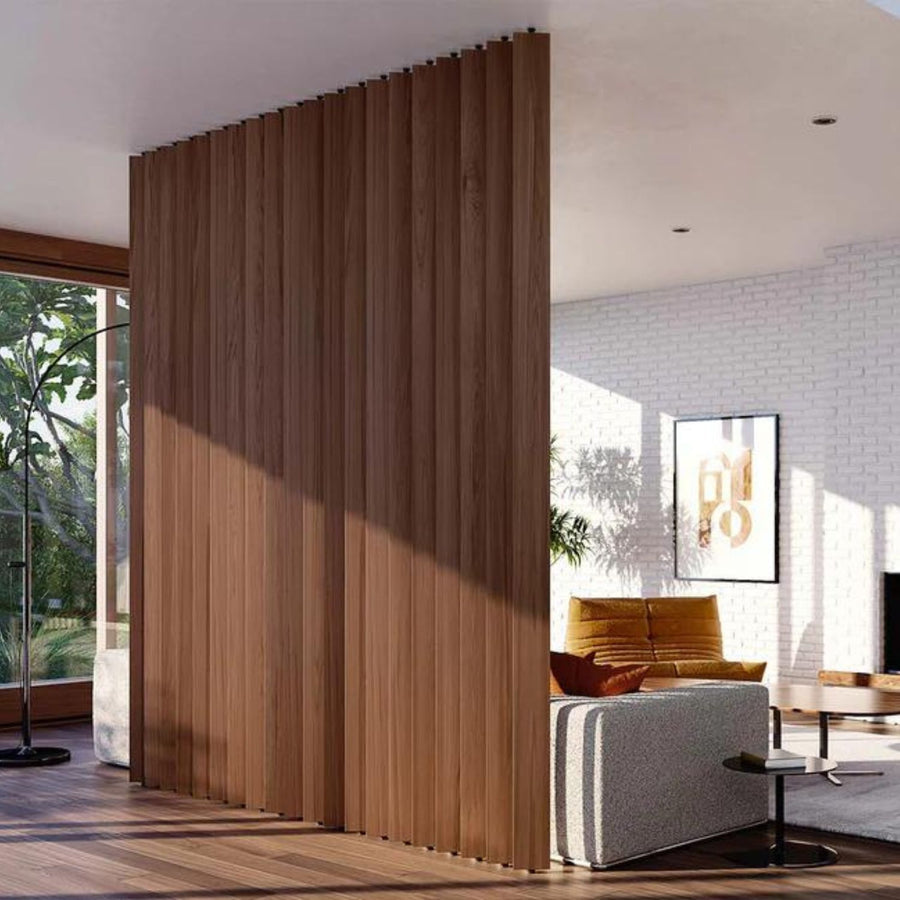
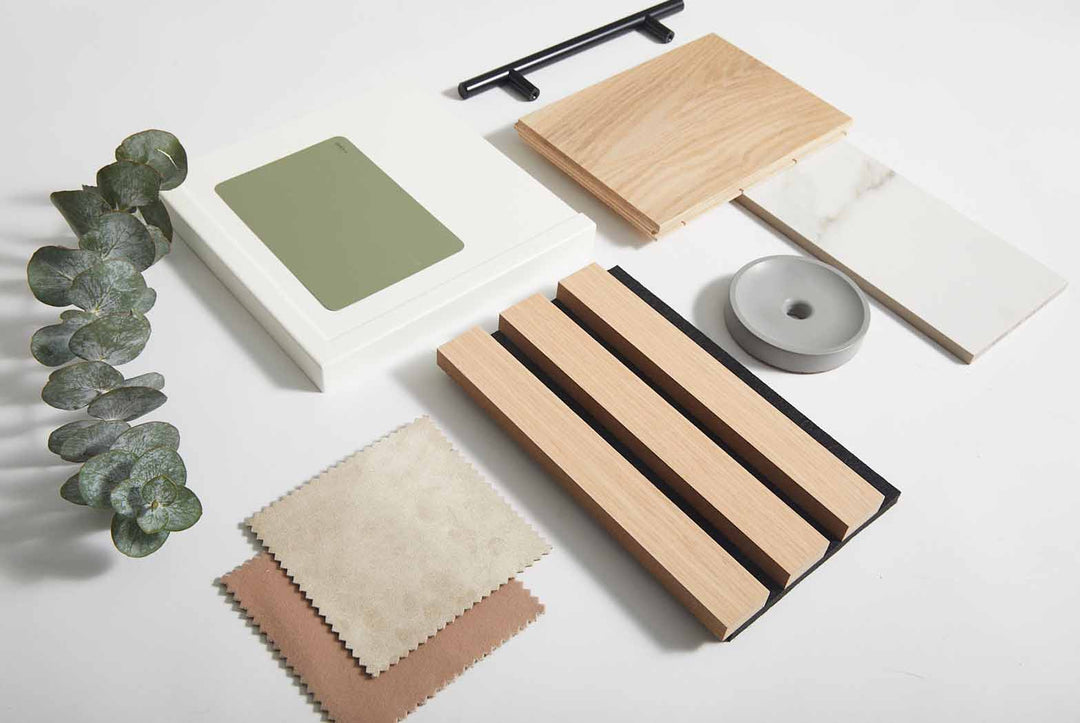
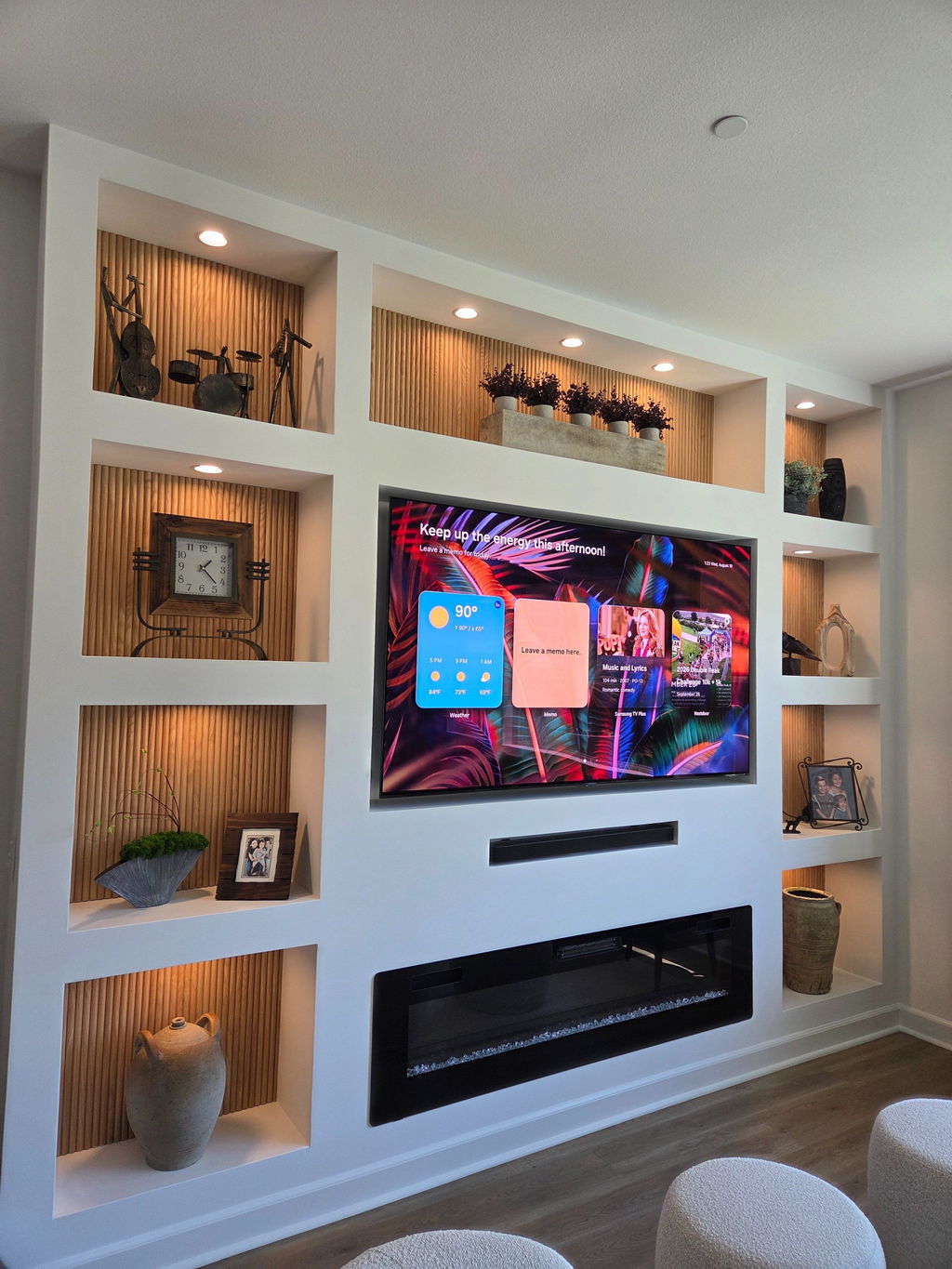
For example, Andor Willow’s wood slat panels use MDF slats wrapped in real wood veneer...

That keeps spacing consistent while still delivering a natural finish. The same applies to fluted wood panels and ribbed panels, where the MDF core allows for clean shaping and long-term alignment.
Cost: What You’re Actually Paying For
Cost differences between MDF and solid wood go beyond the price tag. Solid wood is usually more expensive upfront, both in material and installation. It often requires more careful handling and adjustments during setup.
MDF wall panels, on the other hand, are more predictable. Paintable MDF panels are especially cost-effective if you’re planning a custom finish. Since they come primed, they’re ready to match any color without extra prep work.
Over time, MDF panels can also reduce maintenance costs. Because they don’t shift as much, you’re less likely to deal with gaps or alignment issues that need fixing later.
Installation: Where the Difference Shows Up
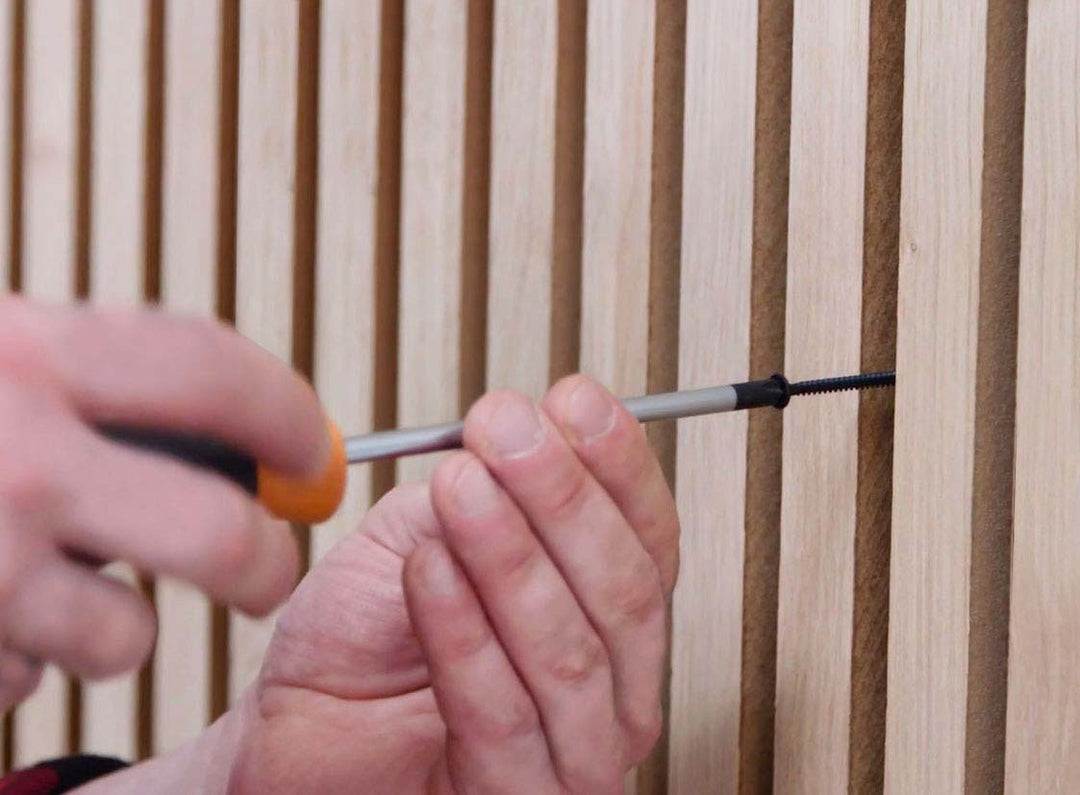
Installation is where the practical differences become obvious. MDF panels are easier to cut, align, and install because the material is consistent throughout. That makes a big difference when working with patterns that need to line up cleanly.


For example, installing V-groove or ribbed panels requires precise alignment at the seams. MDF makes that easier because each panel behaves the same way. Solid wood, on the other hand, can vary slightly, which may require adjustments during installation.
This doesn’t mean solid wood can’t be installed well. It just takes more time and effort, especially on larger walls.
Durability: It’s Not Just About Strength
Durability in wall panels is not just about how strong the material is. It’s about how well it holds up over time. MDF panels are stable and perform well indoors, especially when paired with veneer or paint.
Solid wood is strong, but its movement can affect long-term durability. Small expansions and contractions can lead to cracks or gaps, which can change how the wall looks.
That’s why many modern panel systems combine MDF cores with real wood finishes. It gives you both stability and surface durability.
How to Choose the Right Panel for Your Space
Large Feature Walls
For large feature walls, consistency matters more than anything. MDF core panels, especially wood slat panels, fluted panels, and ribbed panels, are better suited here because they stay aligned across the entire surface.
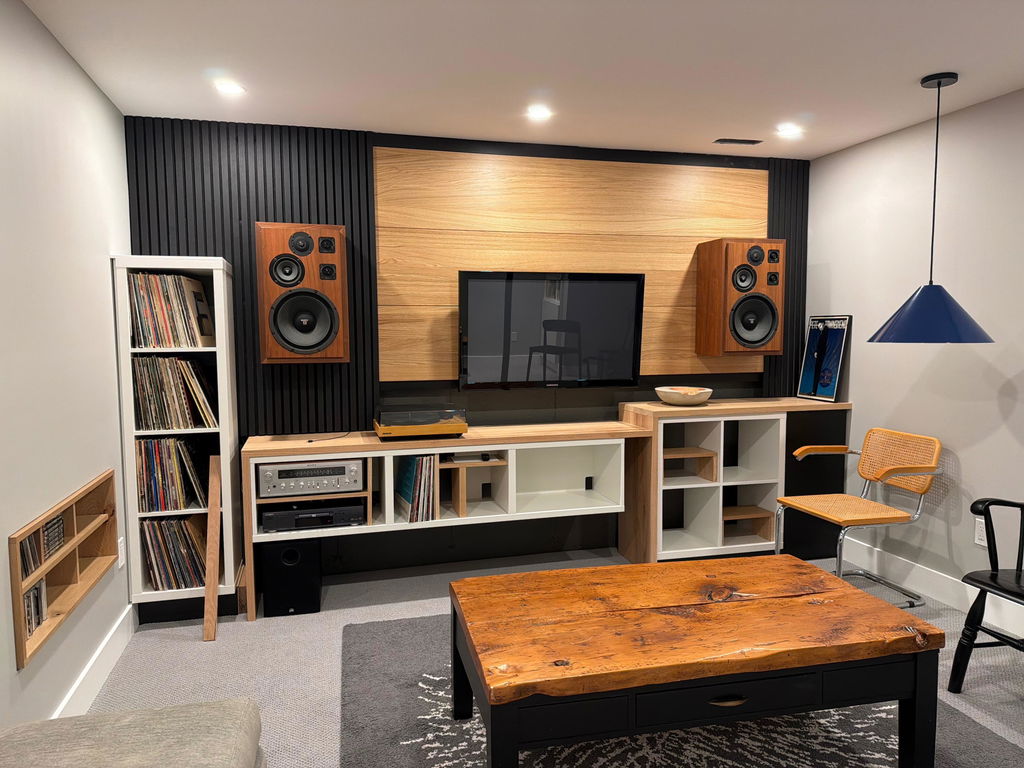
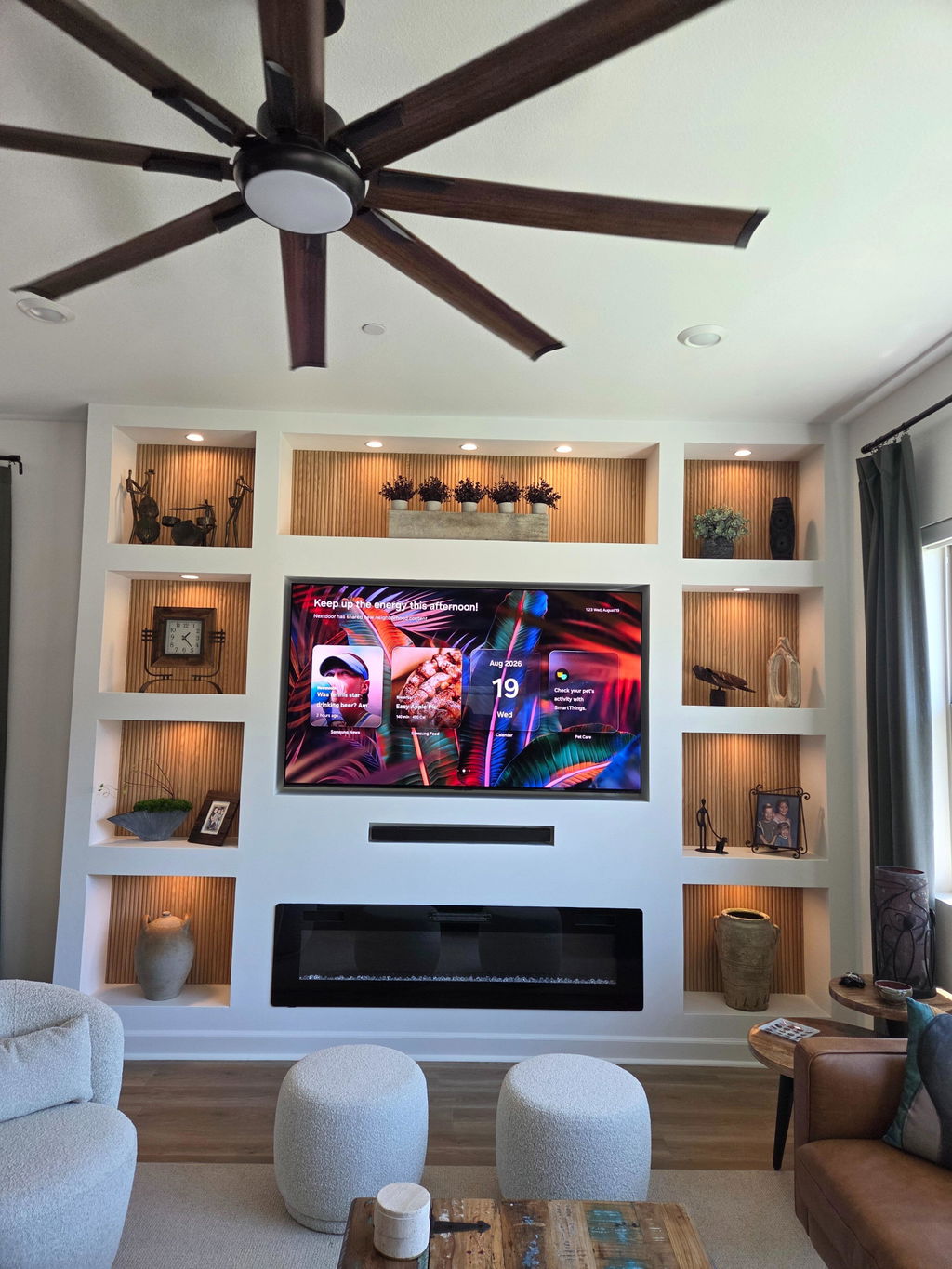
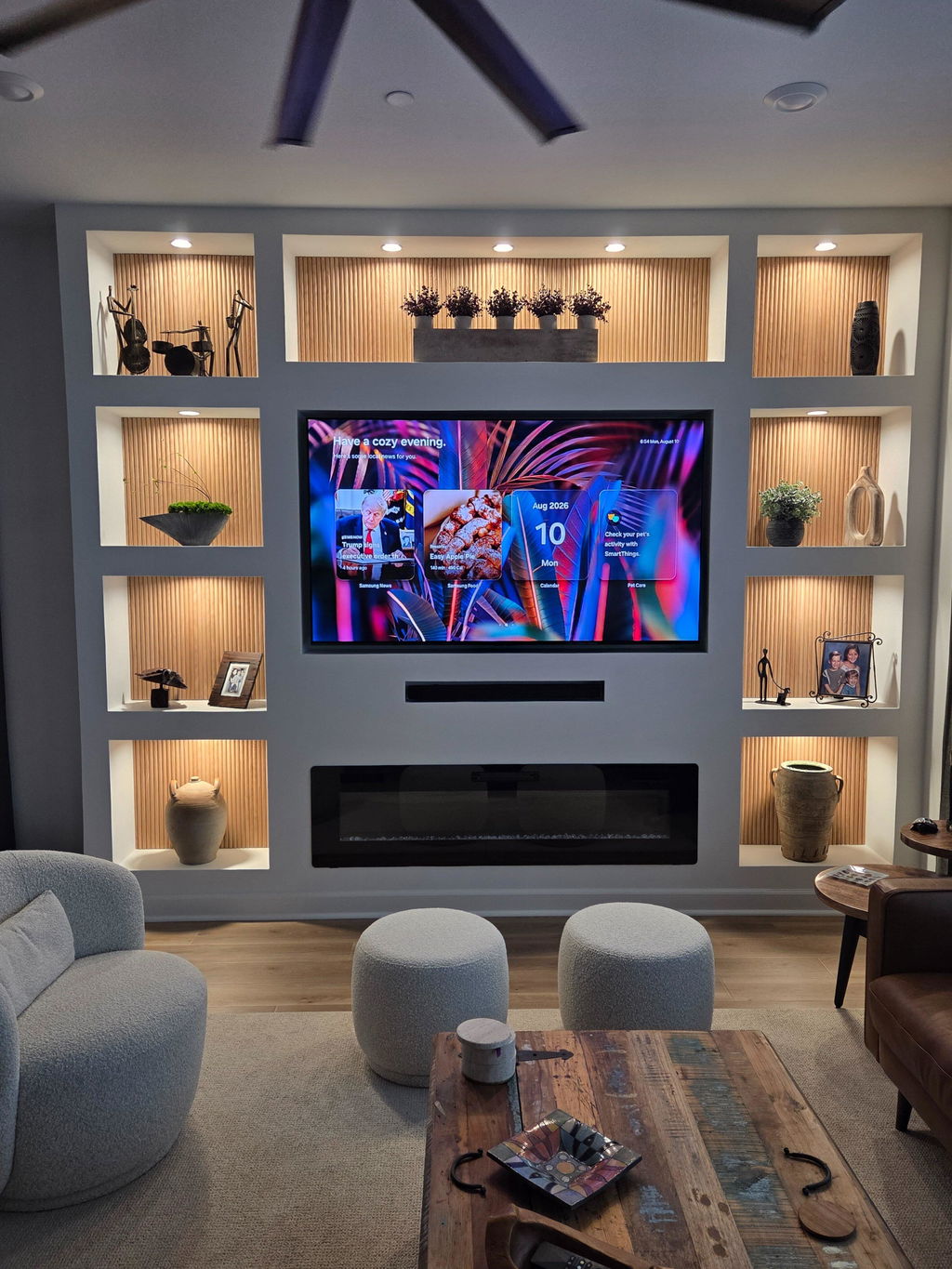
For example, a full-height TV wall or bedroom backdrop using slat panels will look cleaner and more structured with MDF. The spacing stays even, and the lines remain straight over time.
Custom Color and Seamless Designs
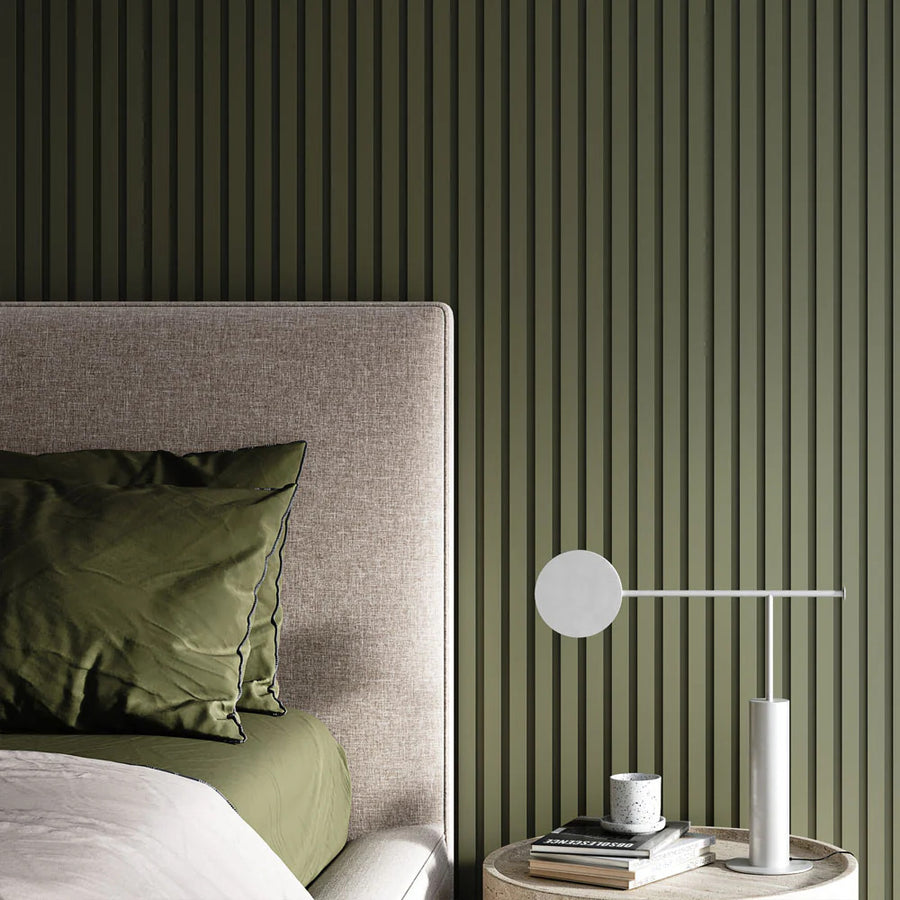
If your goal is a seamless look, paintable wall panels are usually the better option. MDF panels take paint evenly, which makes it easier to match wall color, trim, or built-ins.
This is often used in modern interiors where the panels are meant to blend in rather than stand out.

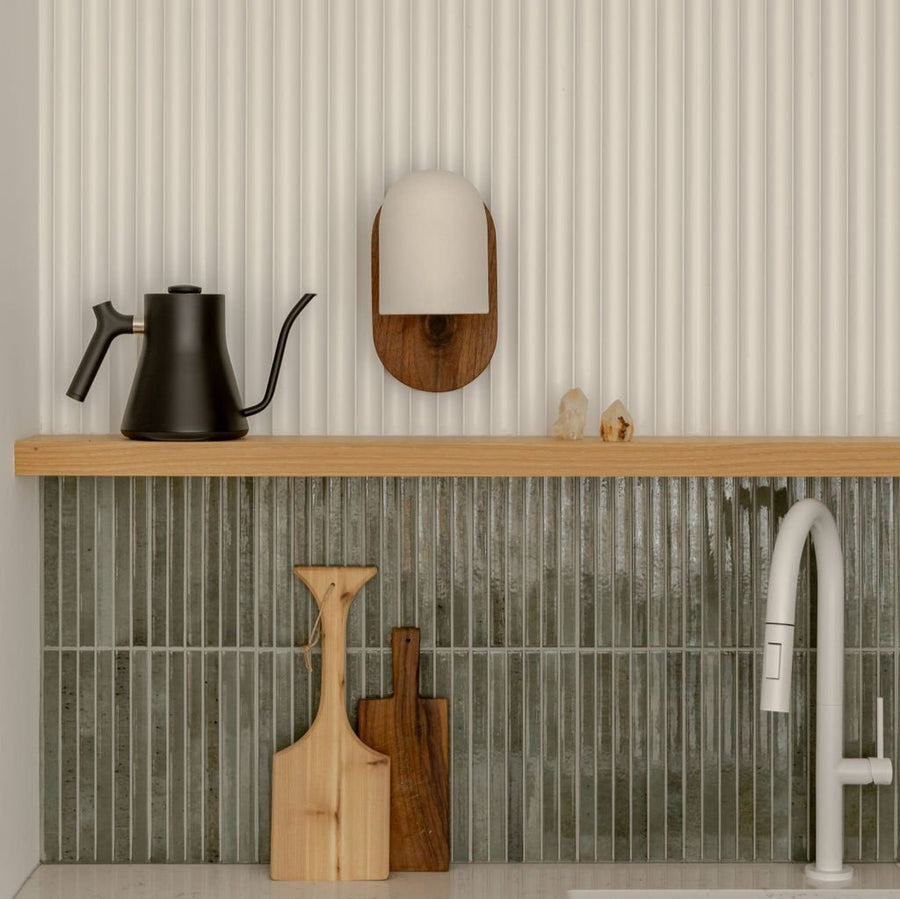
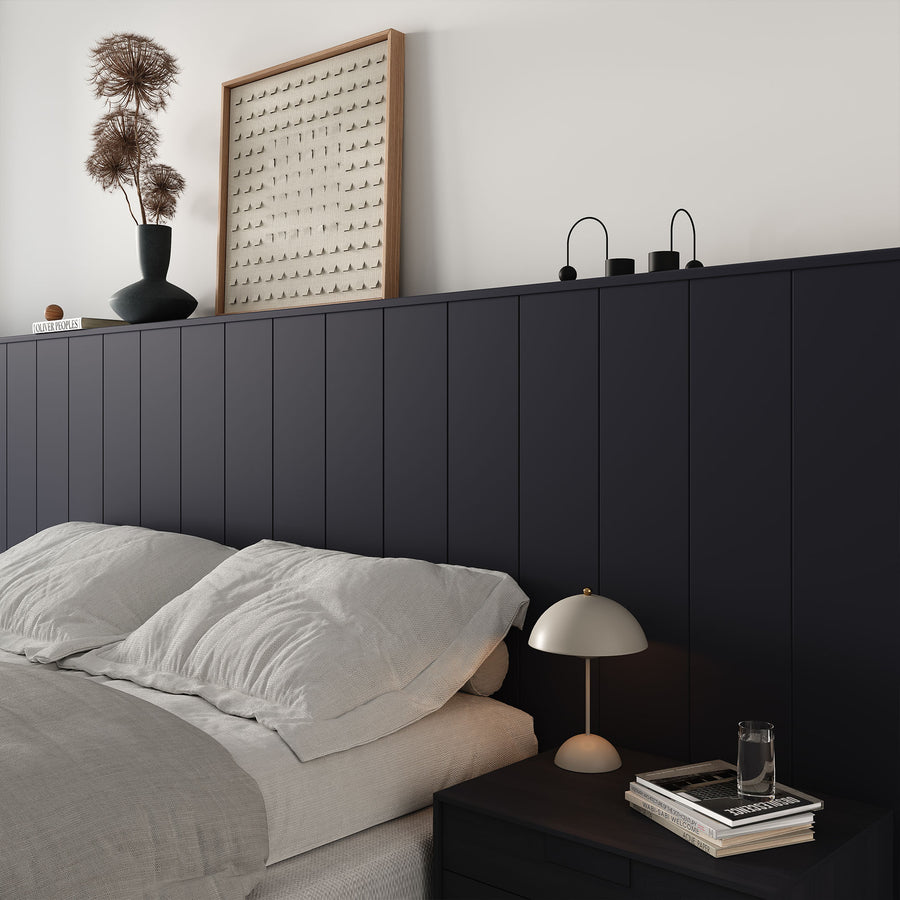
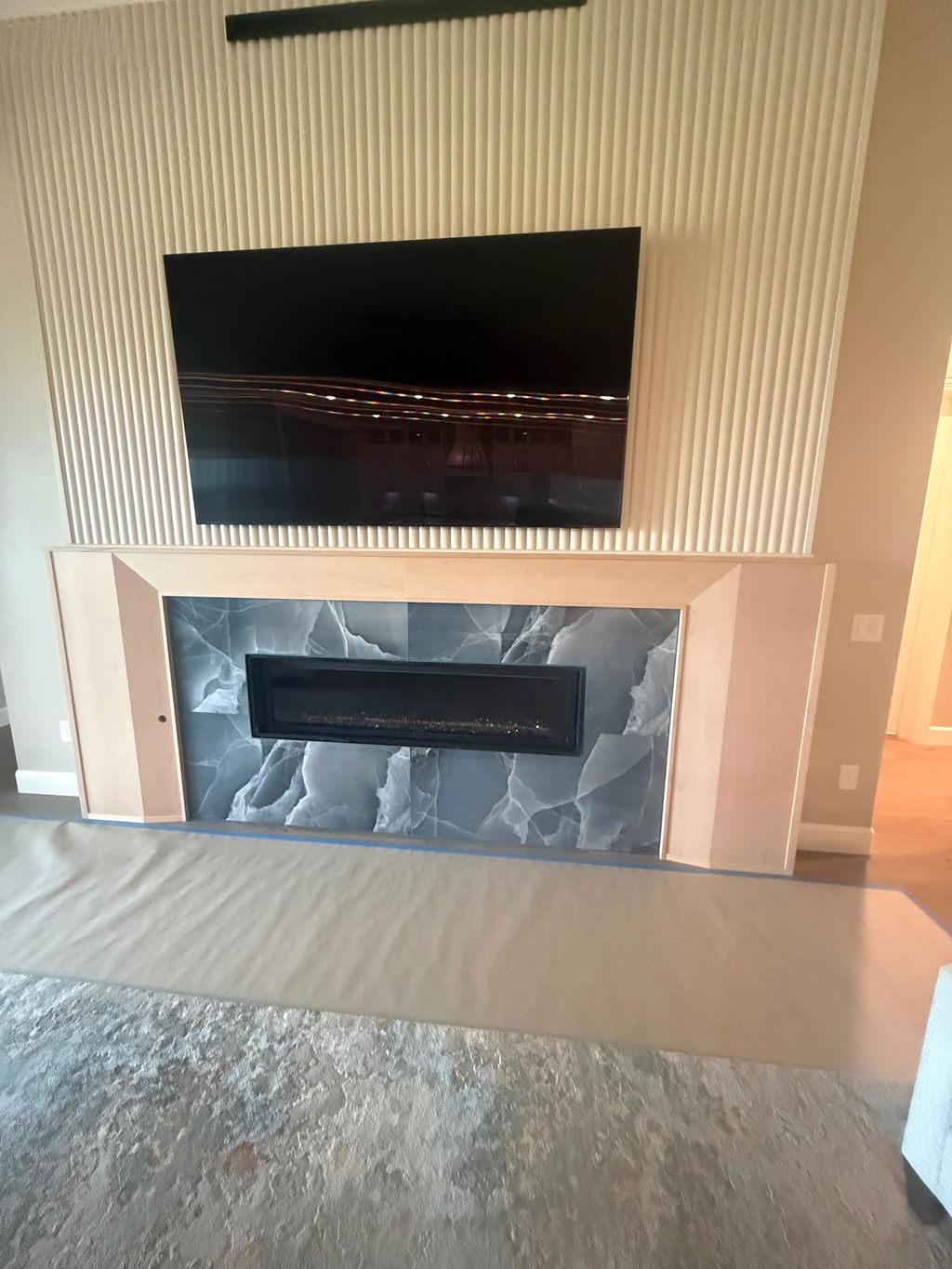
A painted ribbed panel wall just like above... in the same color as the surrounding walls can add texture without adding visual noise.
Natural Look Without Movement Issues
If you want a natural wood look but don’t want to deal with shifting or gaps, wood veneer panels over MDF are a strong middle ground.
For example, fluted wood panels in a dining or living area can give you that warm wood finish while still maintaining clean lines. You get the appearance of wood without the long-term movement issues.
Small Accent Areas
Solid wood can still work well in smaller applications. When the panel area is limited, the risk of noticeable movement is lower.
This could be something like a small entry wall or a framed panel section. In these cases, the natural variation of solid wood can actually add character without creating alignment problems.
Budget and Long-Term Value
If you’re thinking about cost, it helps to look beyond the initial price. MDF panels are usually more affordable and easier to install, which lowers overall project cost.

Solid wood may feel like a premium choice, but maintenance and potential adjustments can add up. In many cases, MDF wall panels offer better long-term value, especially for larger projects.
Final Thoughts
Solid wood sounds like the better choice at first, but in wall paneling, performance matters more than perception. MDF core panels offer stability, consistency, and easier installation, which is why they’re widely used in modern wood wall panels.
That’s also why many fluted panels, ribbed panels, and wood slat panels use MDF cores with real wood veneer. You get the look of natural wood without the issues that come with expansion and movement.
So when choosing between MDF wall panels and solid wood, focus on how the panel will perform after installation. That is what actually makes the difference.
FAQs
Are MDF wall panels lower quality than solid wood panels?
Not necessarily. MDF panels are designed for stability, which makes them more reliable for wall applications. When combined with wood veneer, they offer both durability and a high-end appearance.
Why do wood slat panels use MDF cores?
Because consistency matters. MDF helps keep slats straight and evenly spaced, which is important for the overall look of the wall. It prevents the small shifts that can happen with solid wood.
Do MDF panels last as long as solid wood panels?
Yes, in most indoor settings they do.
MDF panels are less affected by environmental changes, which helps them maintain their appearance over time.
Are paintable wall panels always made from MDF?
Most of them are. MDF provides a smooth, even surface that holds paint well, which is why it’s commonly used for paintable panels and detailed profiles.
Is solid wood ever the better choice?
It can be, especially for smaller applications or designs where natural variation is part of the look. But for full wall panel systems, MDF core panels are usually the more practical option.



Leave a comment