 Skip to content







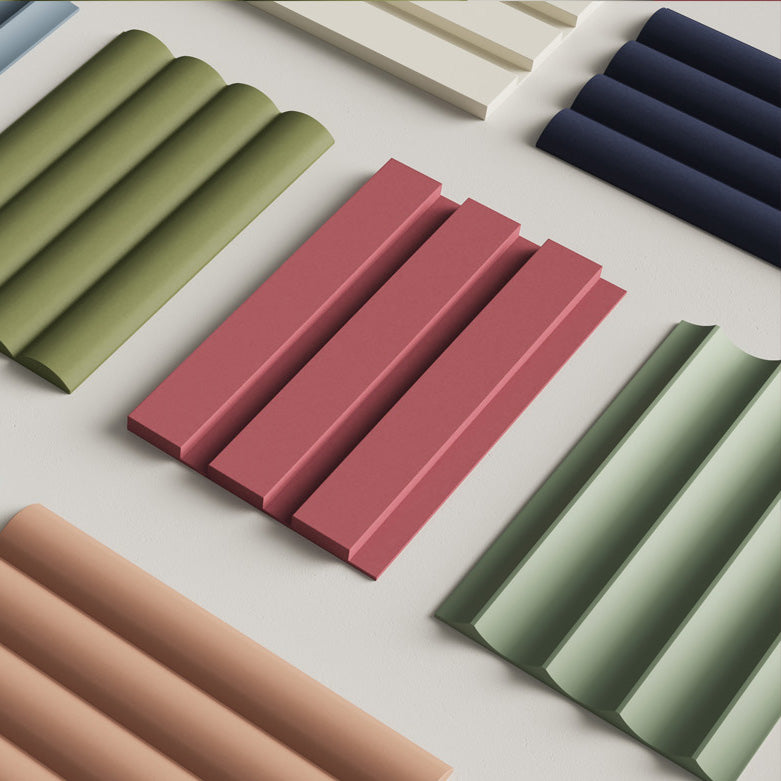
Top 8 Accent Wall Mistakes Most Homeowners Make (And What Designers Do Instead)

1. Picking the Wrong Wall
A lot of homeowners choose the accent wall the same way they choose a paint sample. They look for the easiest spot and go from there.
The problem is, the easiest wall is not always the one that should stand out...
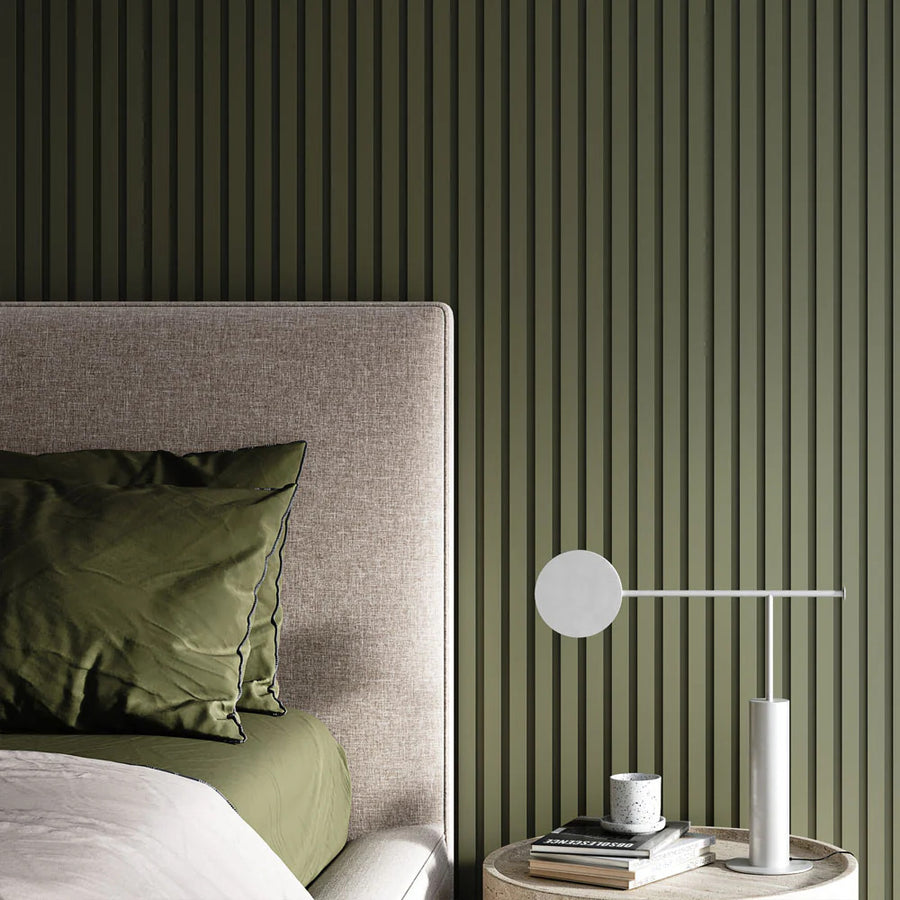
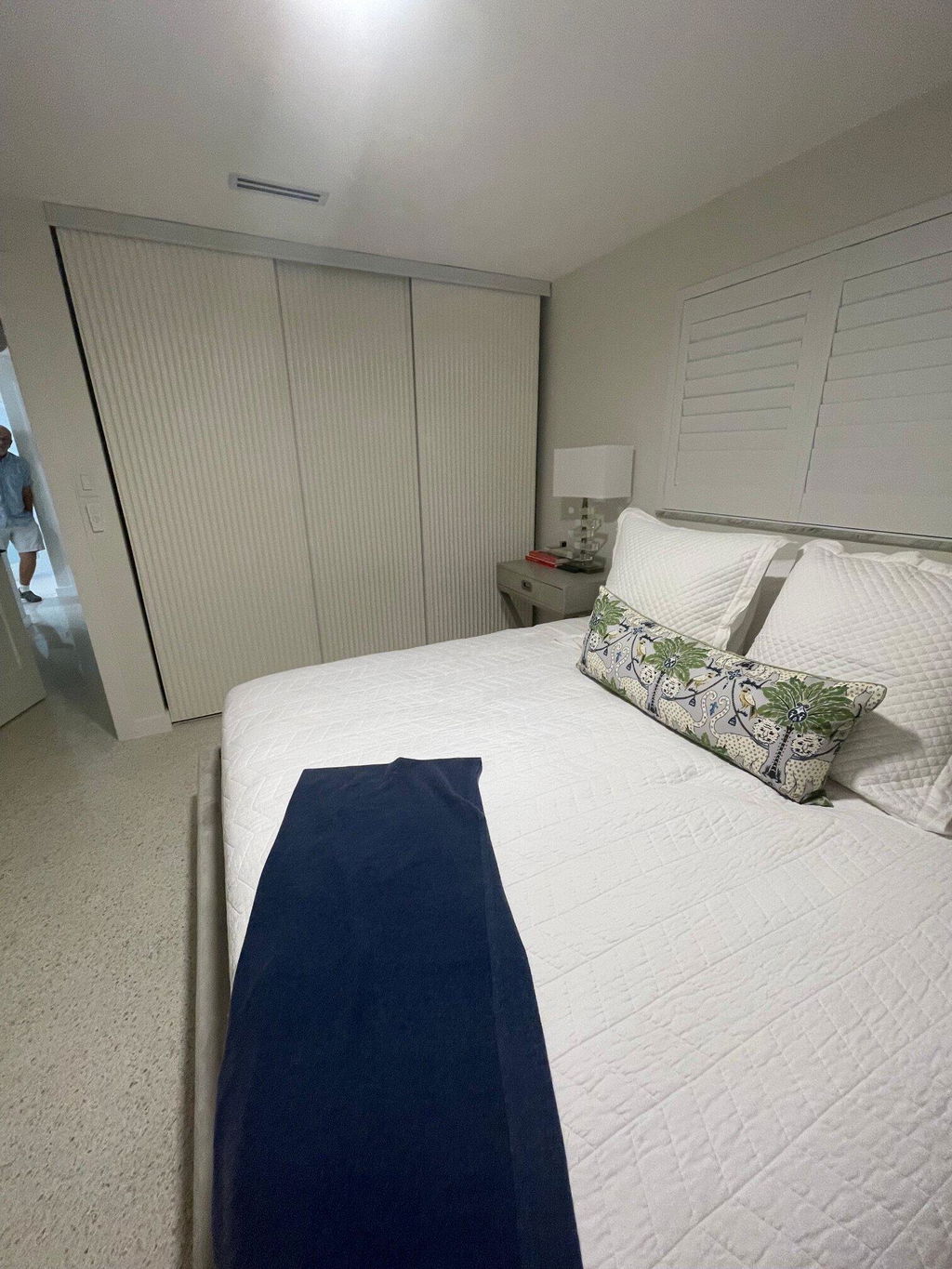
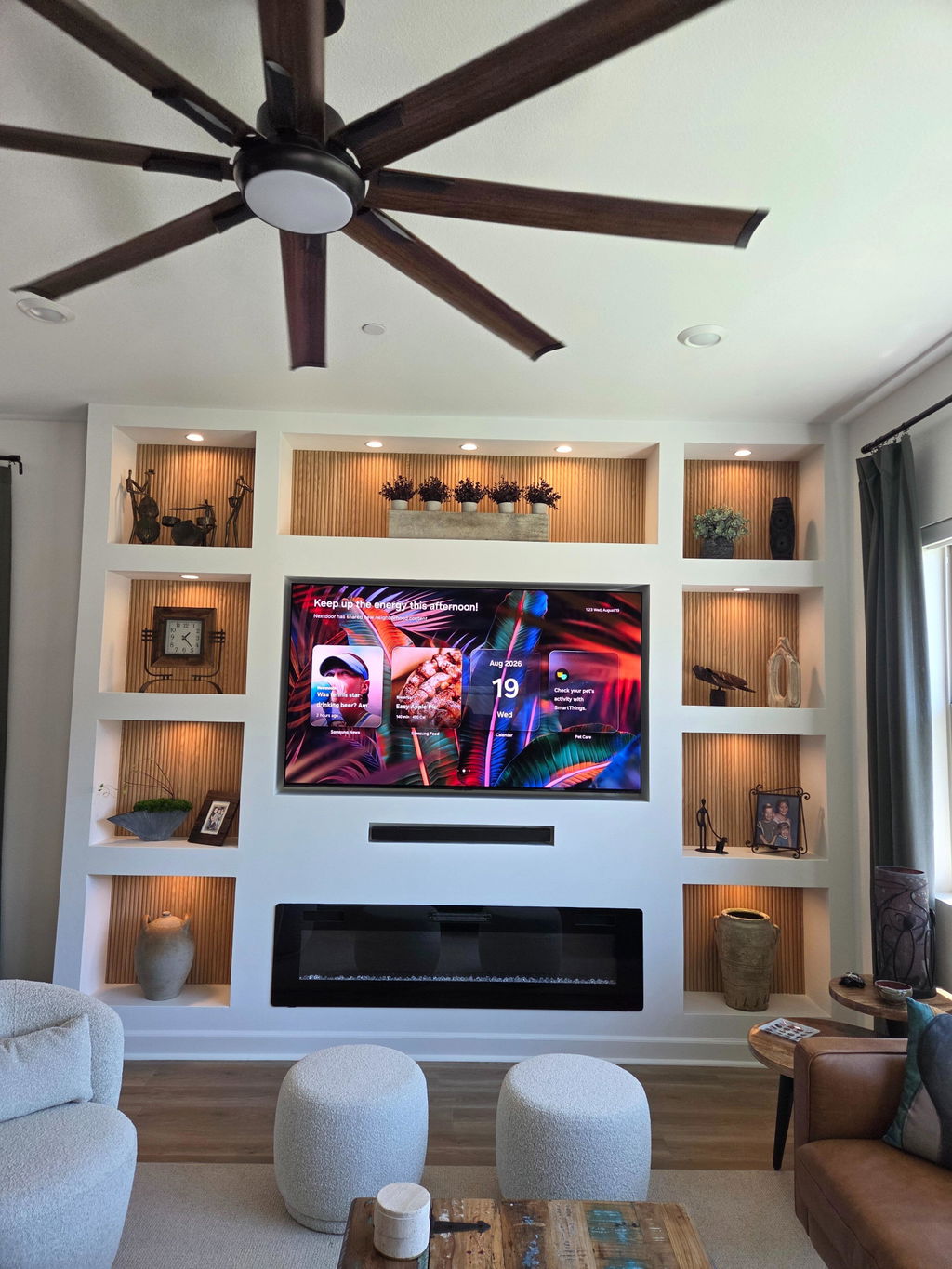
Designers usually start with the wall that already has a job. That might be the wall behind the bed, the fireplace wall, or the one anchoring the sofa.
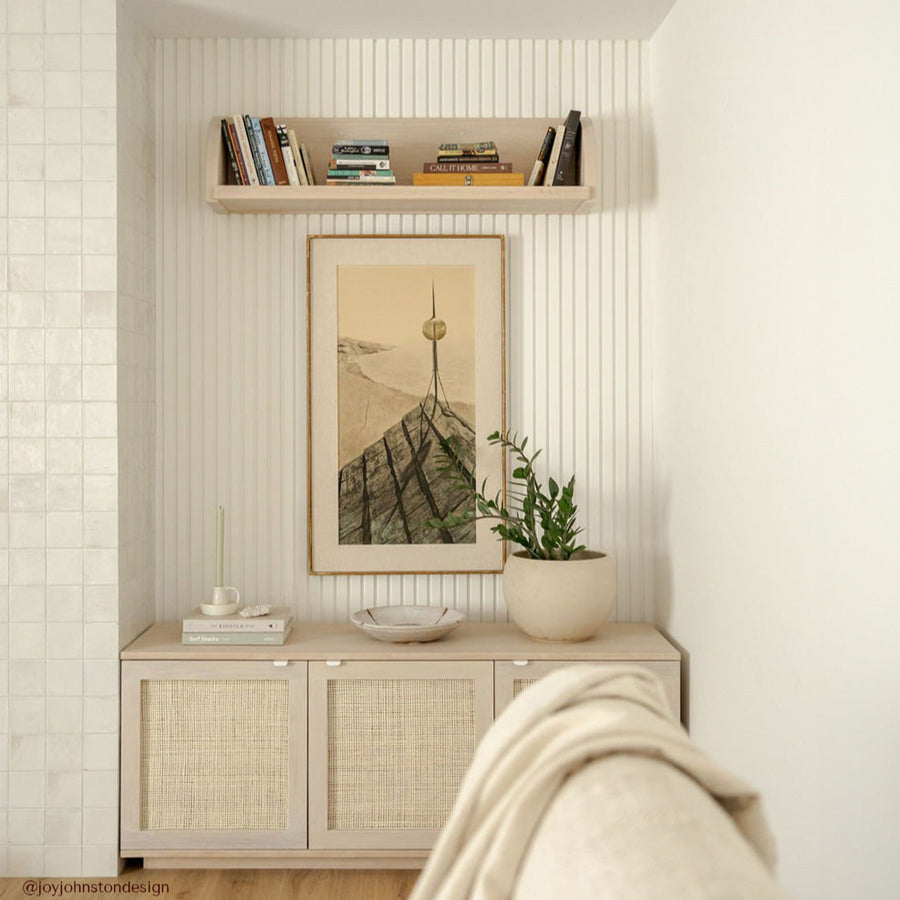
Here's a good example of what professional interior designers do...


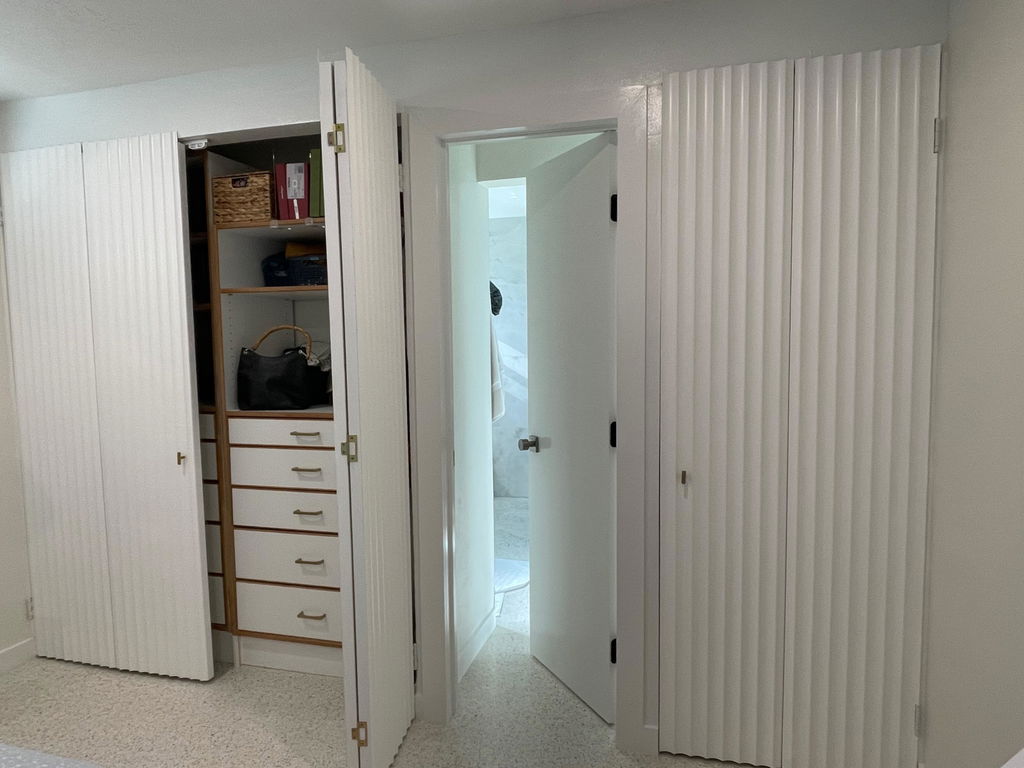
For example, if you install fluted panels on a side wall while the bed sits on a plain wall across from it, the room can feel split in two. The accent is there, but it is not helping the layout.
2. Getting the Scale Wrong
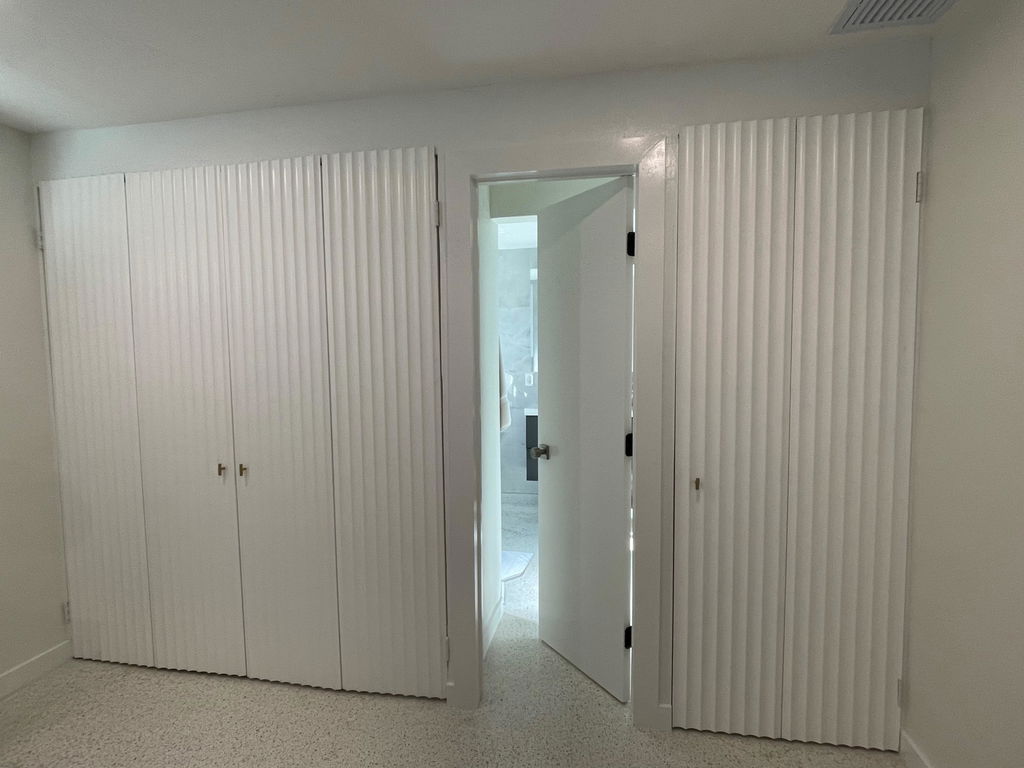
This is one of the fastest ways to make an accent wall look unfinished. A small panel section in the middle of a large wall often feels more accidental than subtle, especially when there is no clear reason for where it starts and stops.
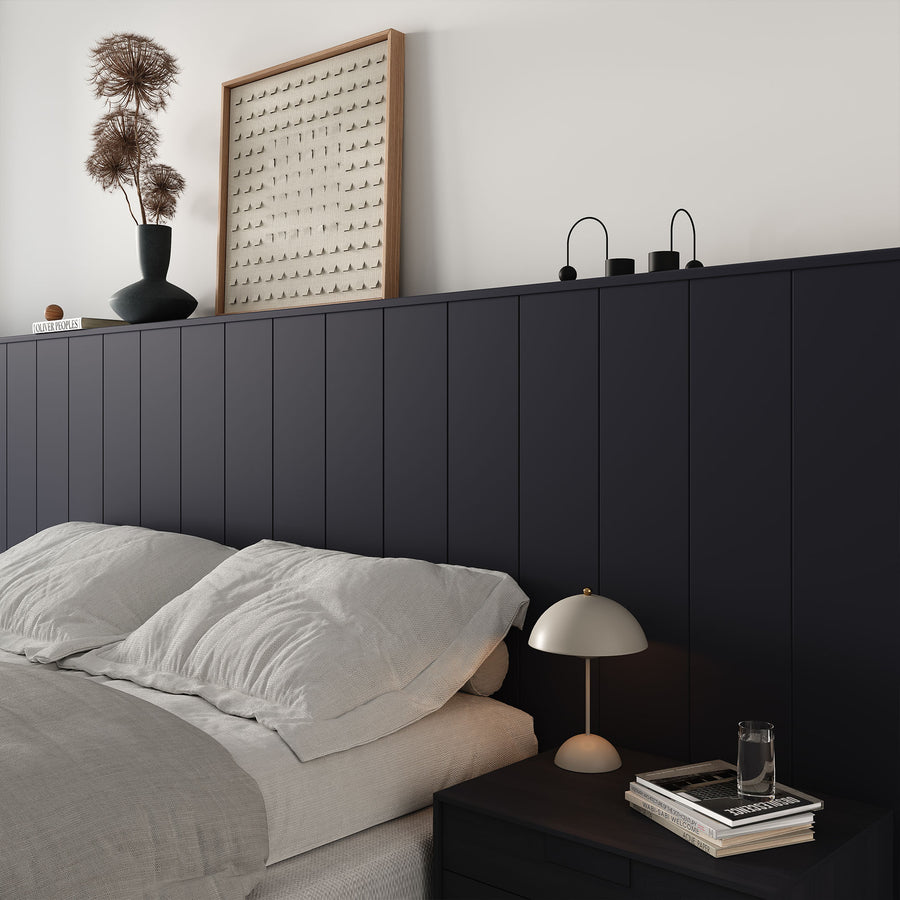
Designers usually either commit to the full wall or create a boundary that makes sense.
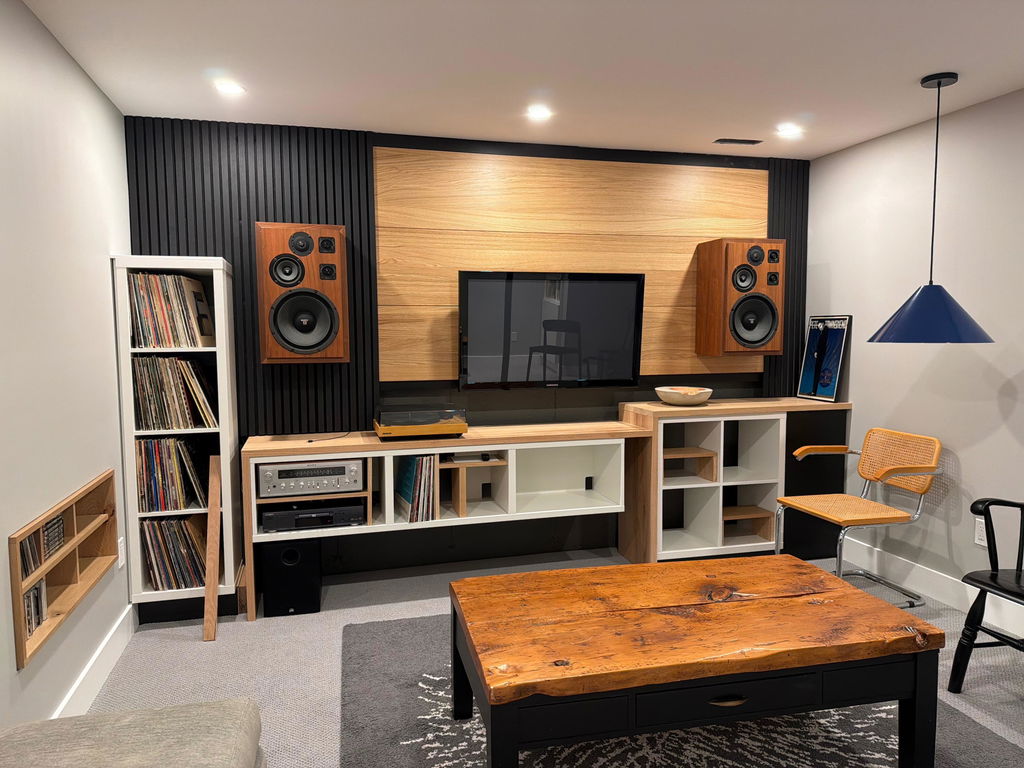
A good example is ribbed panels behind a king bed, or full-height wood slat panels centered to match the width of a media console.


That way, the paneling feels tied to the furniture and the architecture instead of floating on the wall by itself!
3. Mixing Too Many Textures
This happens when every surface is trying to be the interesting one.
You add fluted panels, then a stone fireplace, then a bold wallpaper, and suddenly the room feels busy even if each piece looks good on its own.
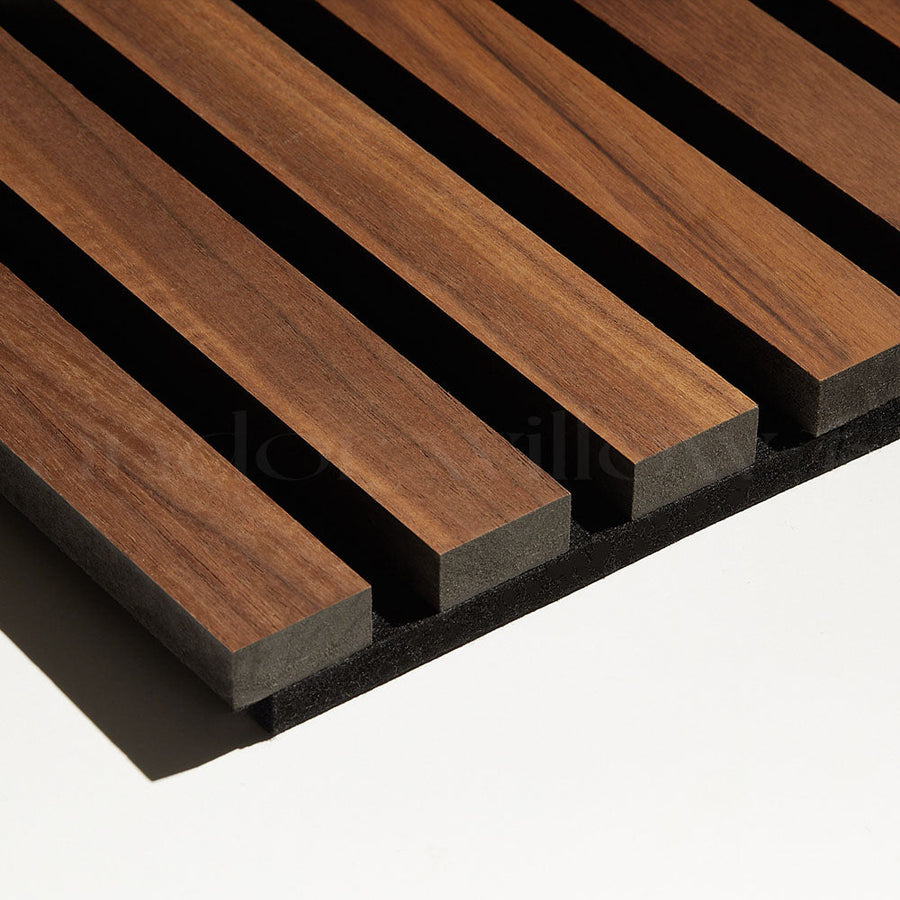
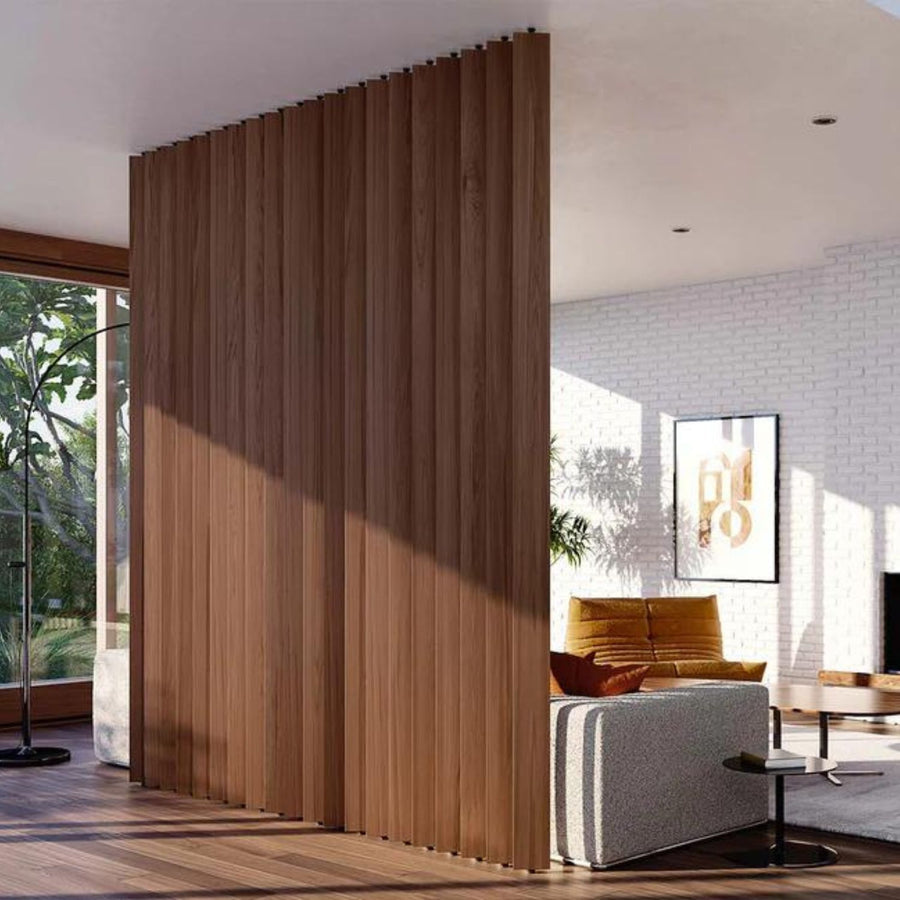
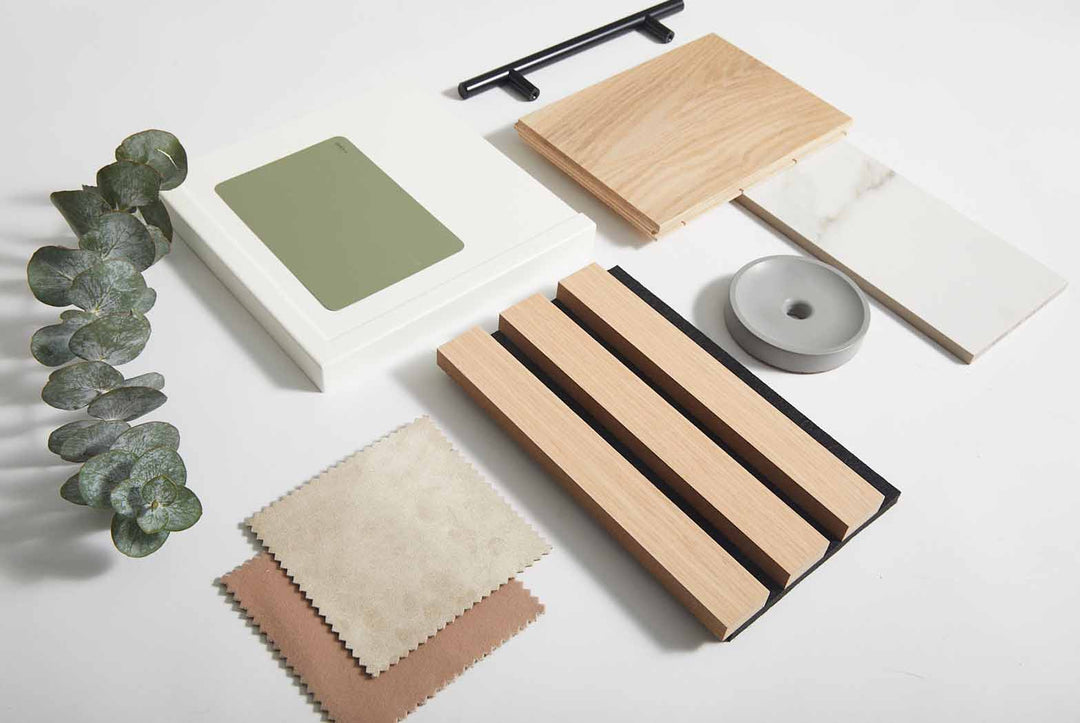
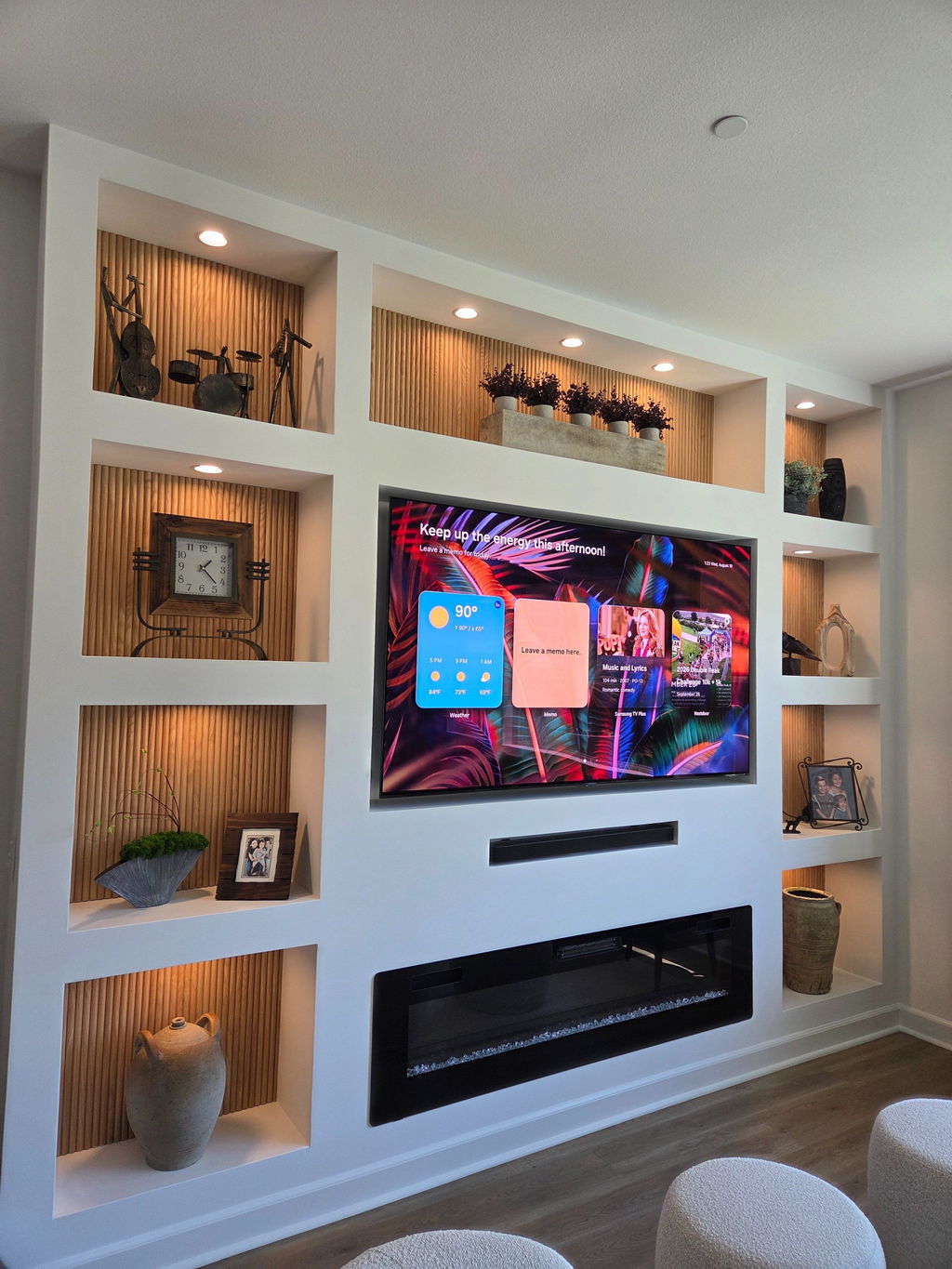
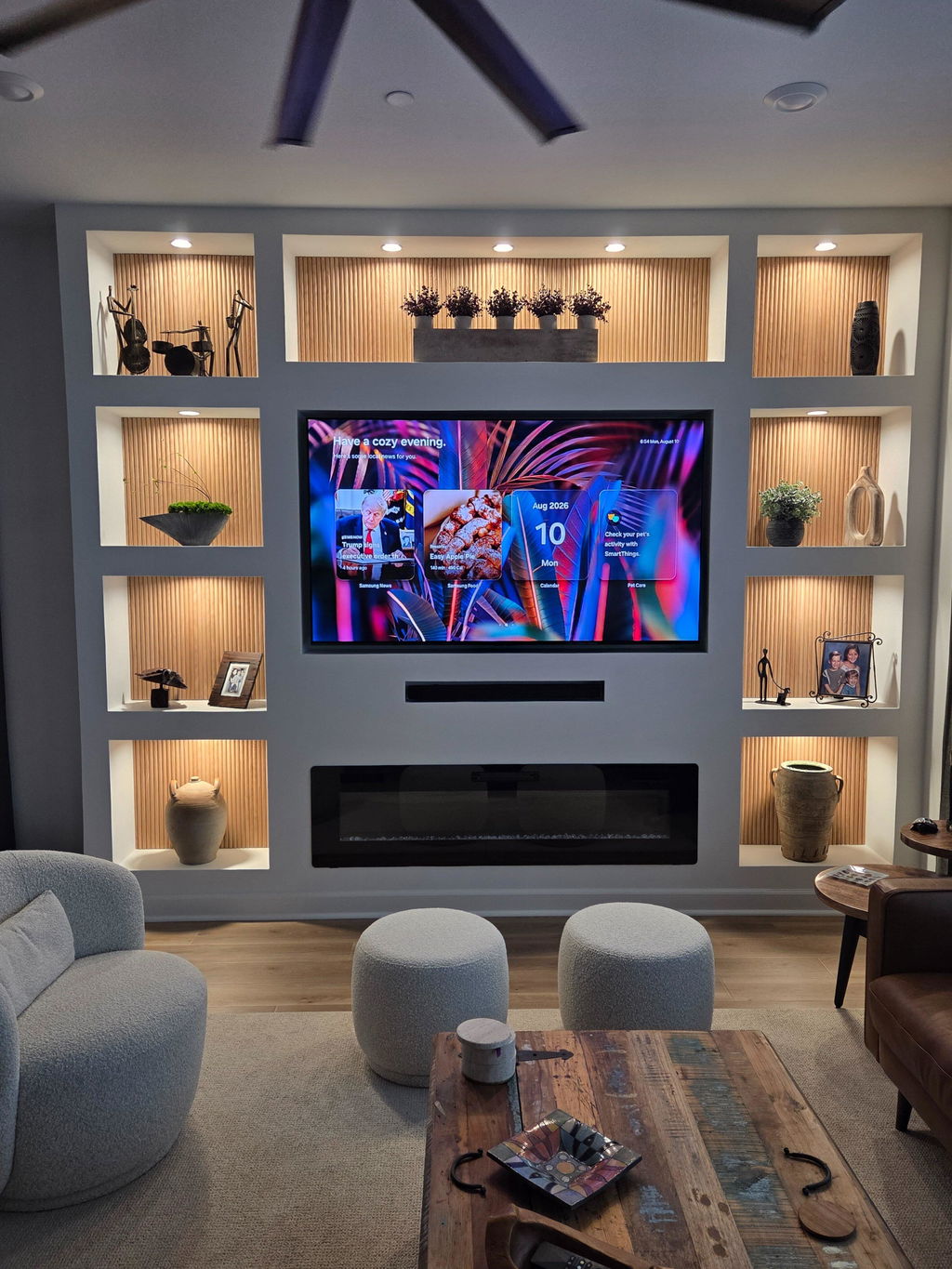
Designers tend to choose one main texture and let it lead, like this one:

So if the wall has wood slat acoustic panels, the nearby finishes are usually calmer, maybe a painted wall, a simple rug, or smooth cabinetry.
That balance matters because texture works best when your eye has somewhere to rest.
4. Ignoring Lighting Direction
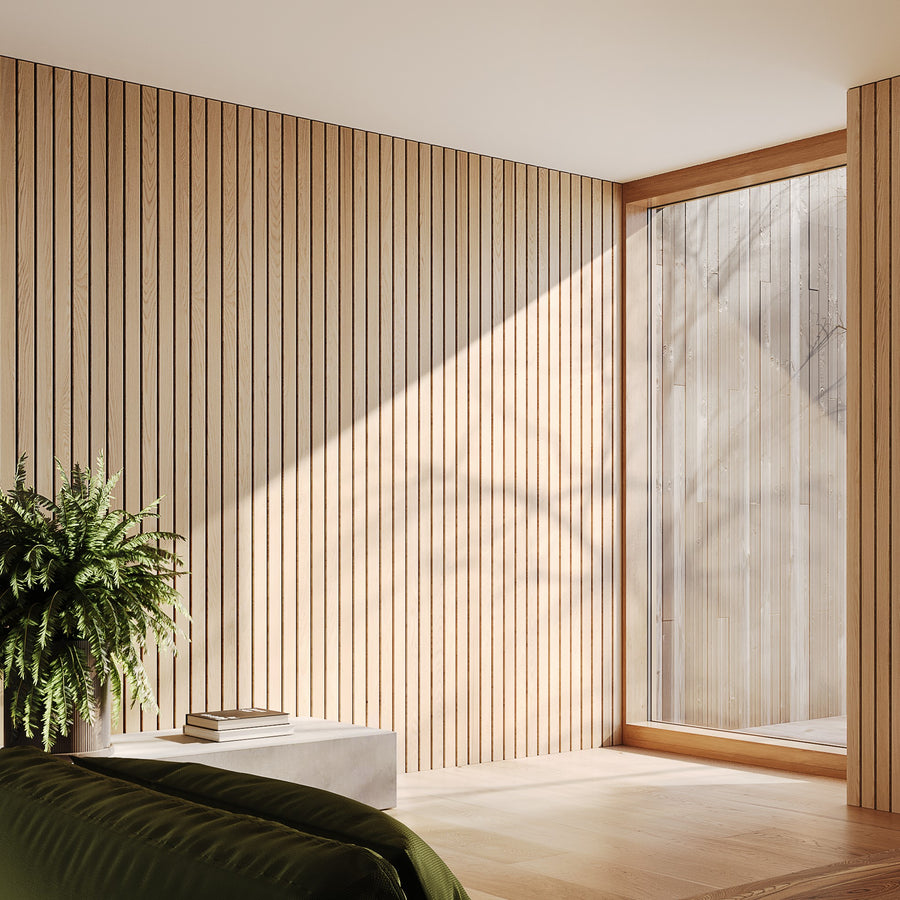
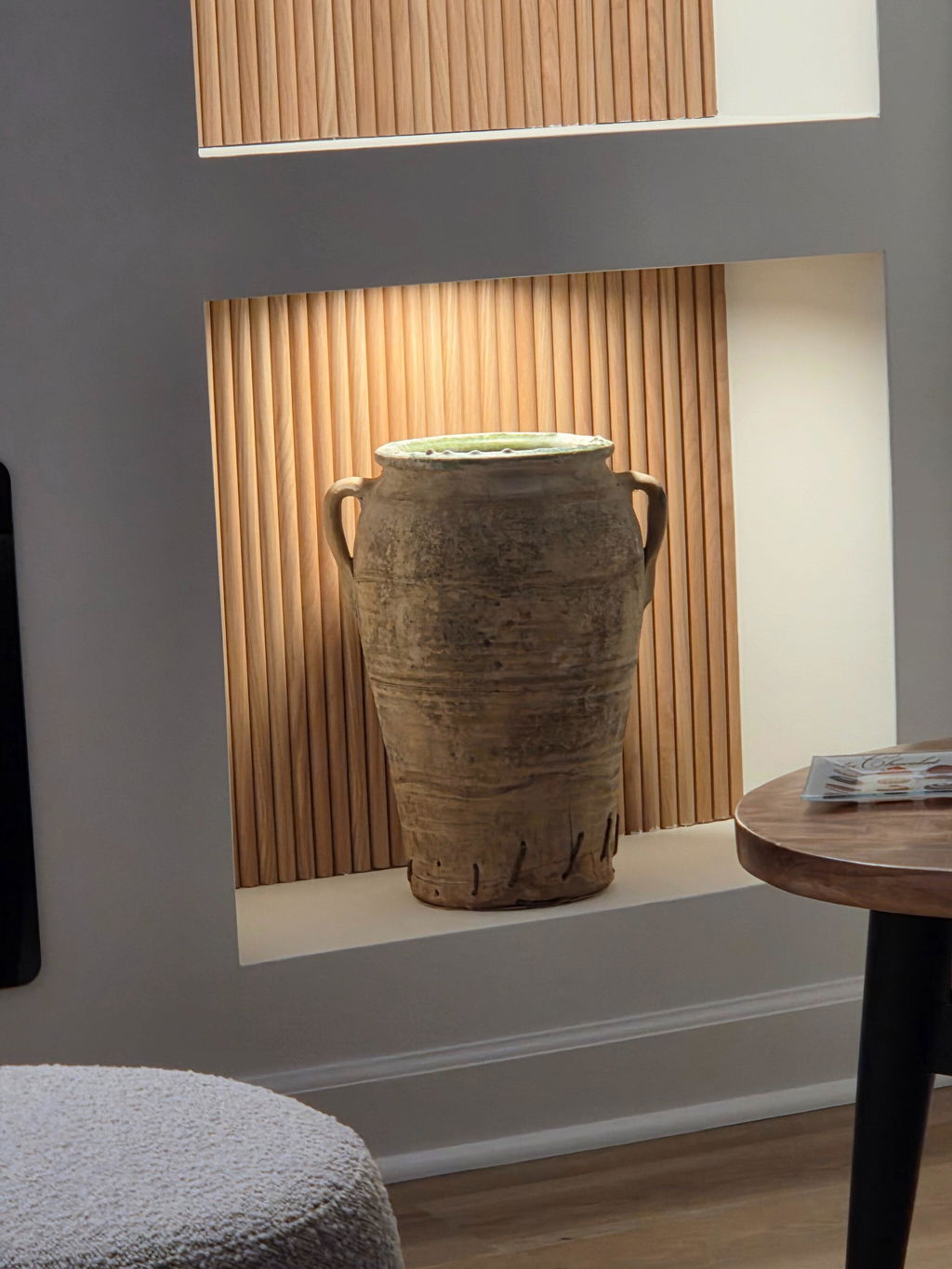
Even a well-designed accent wall can fall flat if the lighting is wrong. Ribbed and fluted surfaces depend on shadow to show their depth, so the direction of light changes everything.
For instance, a ribbed panel wall next to a window often looks richer in the morning or late afternoon because the light hits at an angle.

Put the same wall under flat overhead lighting, and a lot of that detail gets lost.
Designers know this, so they often plan for sconces, directional lighting, or natural side light before choosing the panel profile.
5. Choosing the Wrong Finish
The finish can quietly ruin the whole effect if it does not suit the room.
A finish that is too glossy can bounce light around in a harsh way, while one that is too dark can make the wall feel heavier than expected.
Designers usually think about finish and function together. In a bedroom, a softer matte wood finish often feels calmer and easier to live with.
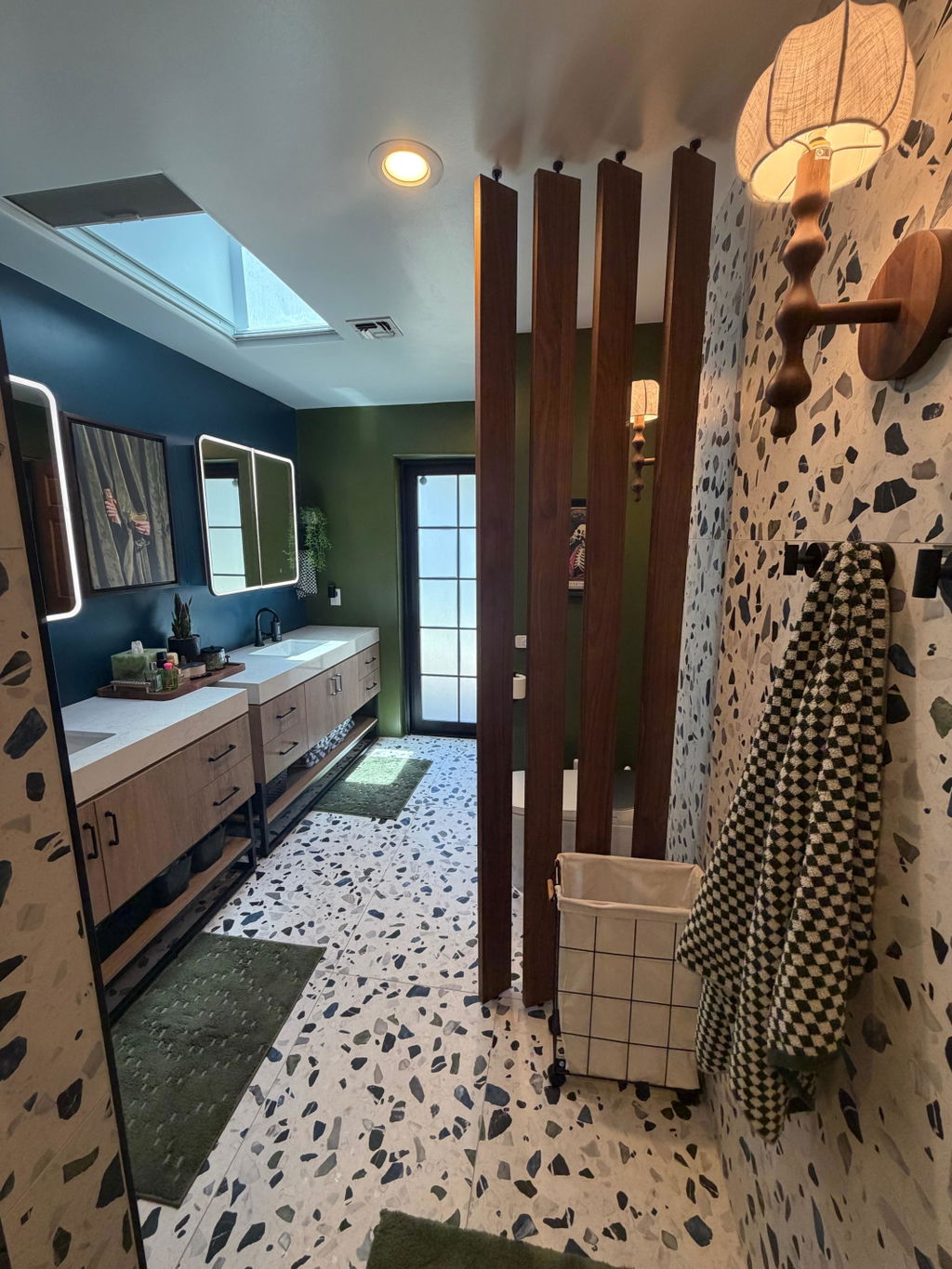
In a dining room or office, a deeper tone of an additional feature like a wood slat room divider can work well because the room already has more structure.


The point is not to choose the boldest finish!
It is to choose the one that works with the light, furniture, and mood of the space.
6. Forgetting About Proportion
Proportion is where a lot of accent walls quietly go wrong. The material may be beautiful, but if the panel profile is too small or too bold for the room, the wall still feels off.
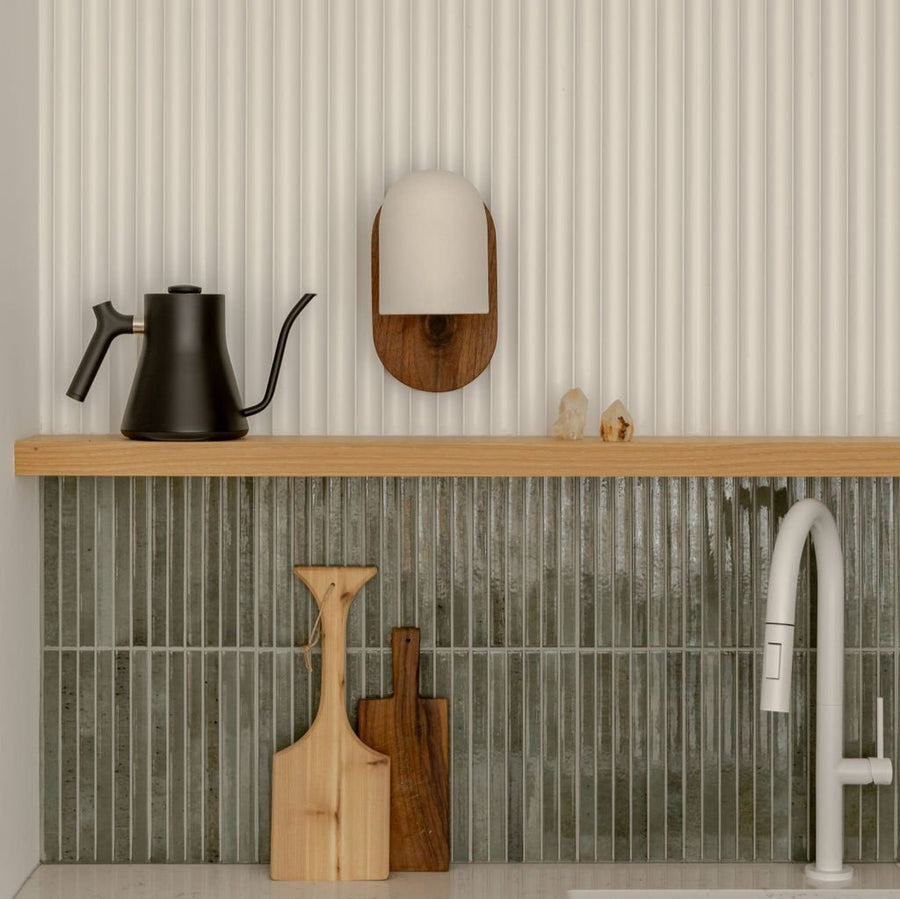
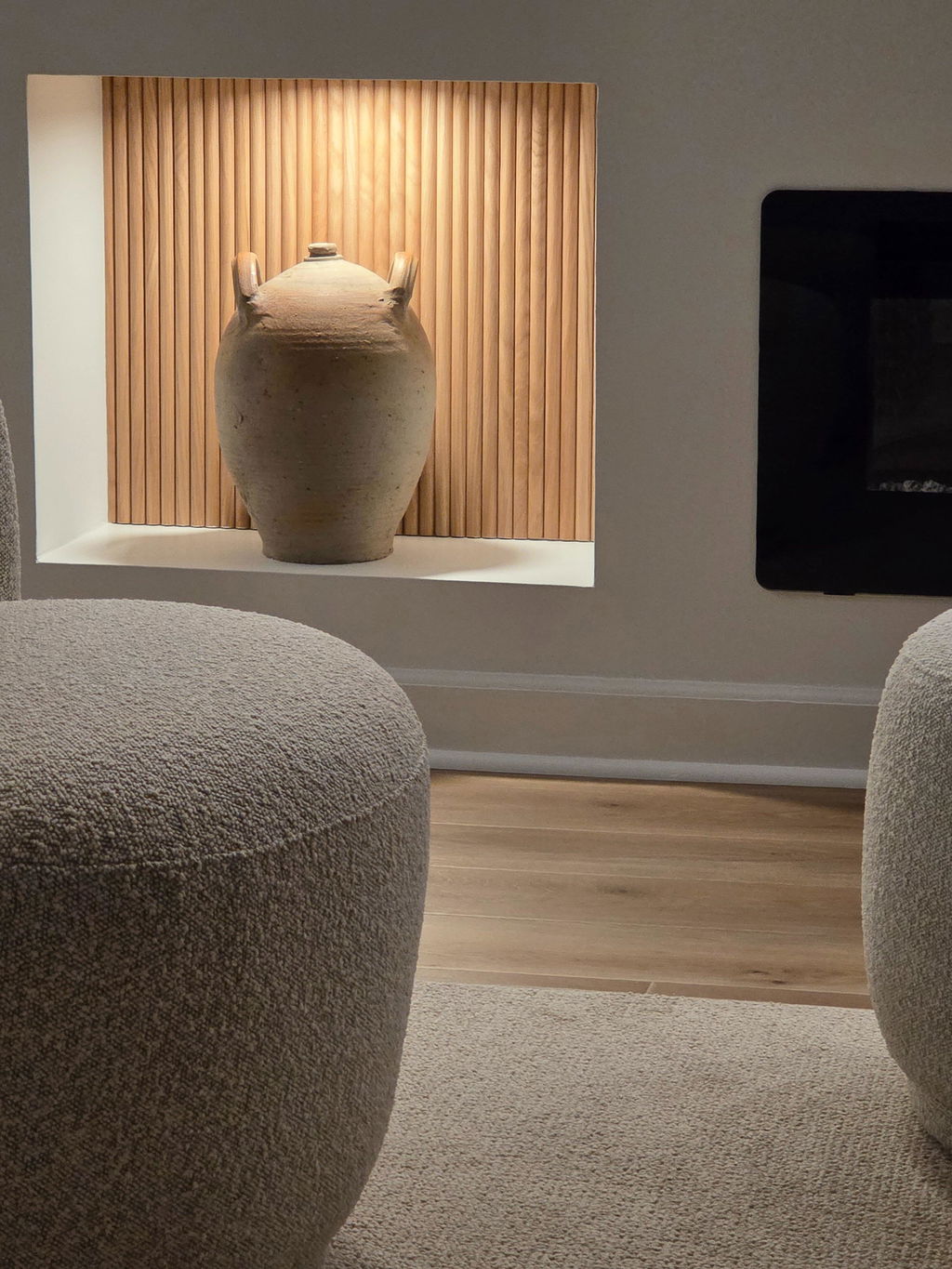
A narrow slat pattern in a large, open living room can start to look fussy from across the space. On the other hand, very wide fluted panels in a tight hallway can feel oversized fast.

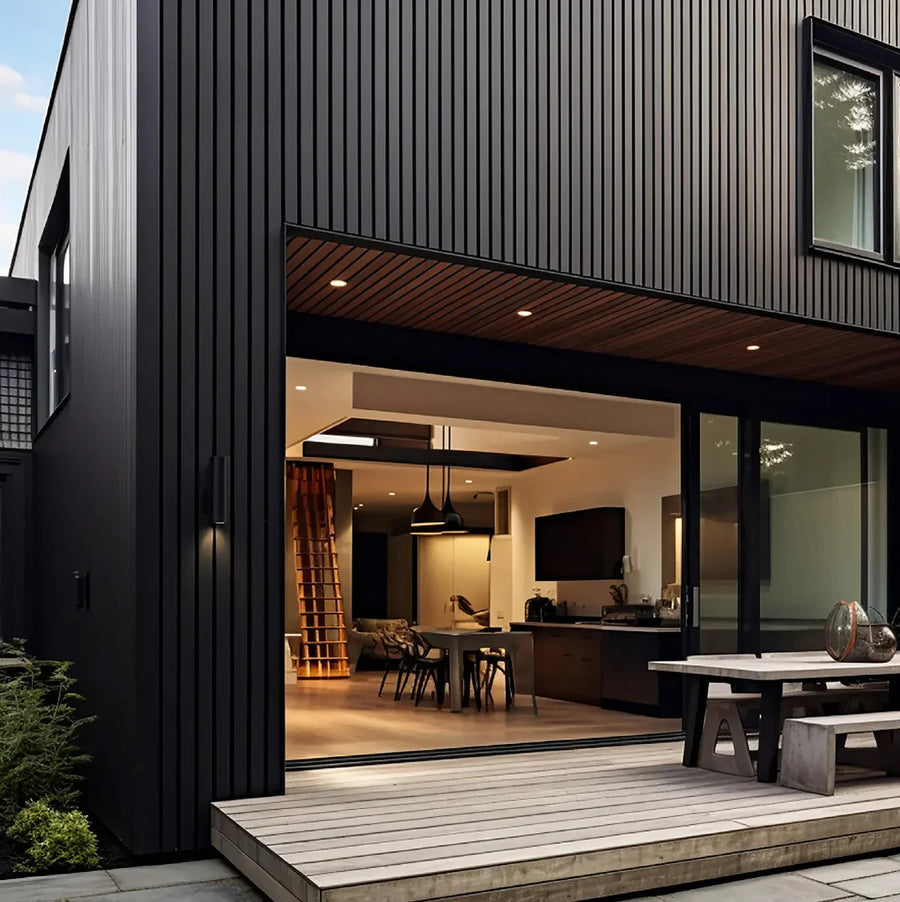
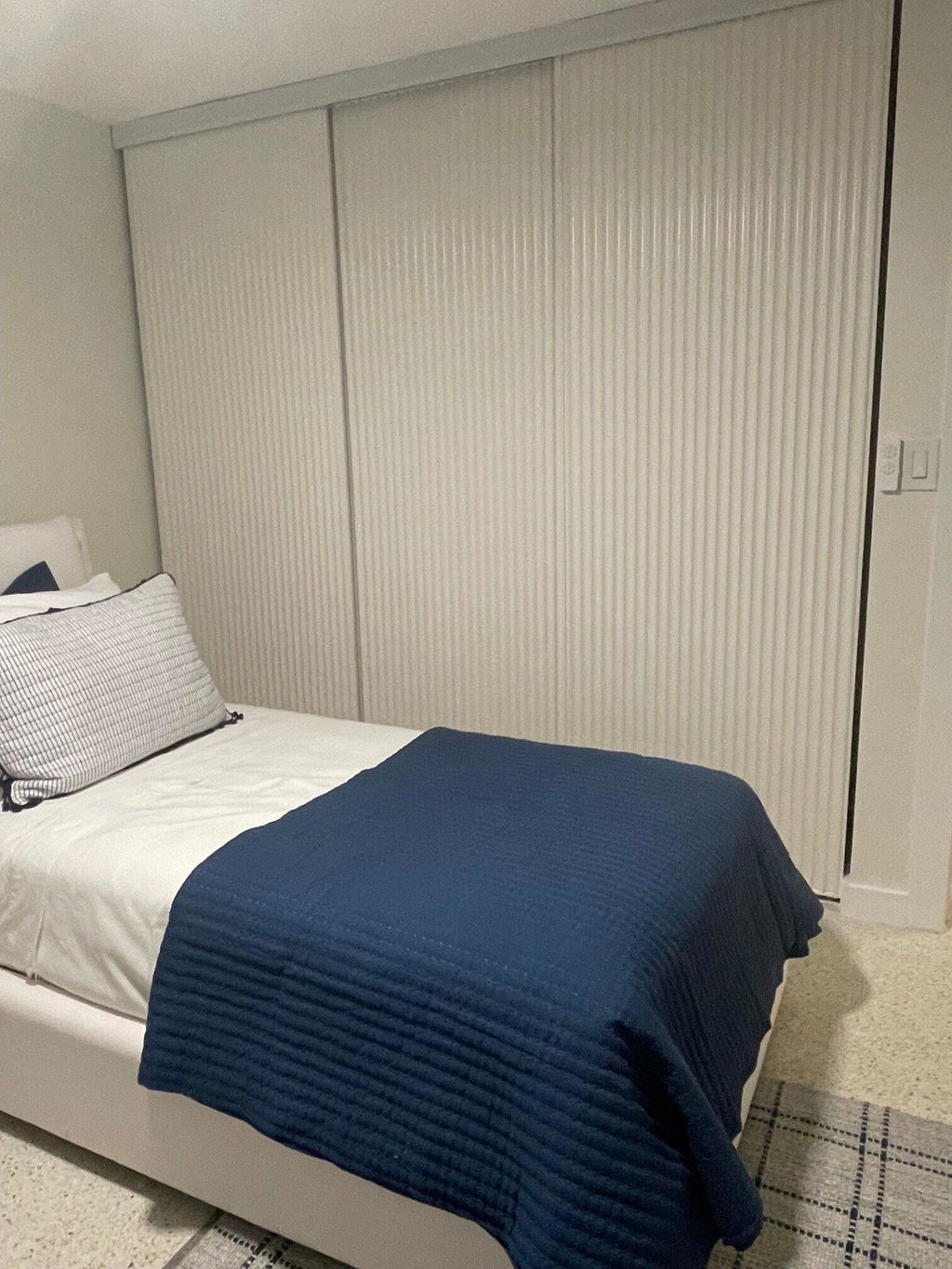
Just like the image above, designers adjust the scale to match the room, which is why smaller bedrooms often look better with tighter patterns, while larger walls can handle bolder spacing and deeper texture.
7. Treating It Like Just Decoration
This is another common mistake.
The wall gets added at the end because the room feels a little plain, so the accent becomes more of a patch than a plan...
Designers usually use accent walls more intentionally than that. A wood slat room divider, for example, can soften echo in an open-plan room or home office while also adding warmth.

A ribbed panel treatment behind a vanity can help define that zone without needing extra trim or wall art. So the wall is not just there to look good as it also helps the room work better.
8. Stopping the Design Too Early
Sometimes the material is right and the wall choice is right, but the installation still feels incomplete. That usually happens when the paneling stops too abruptly, does not align with furniture, or ignores the lines already in the room.
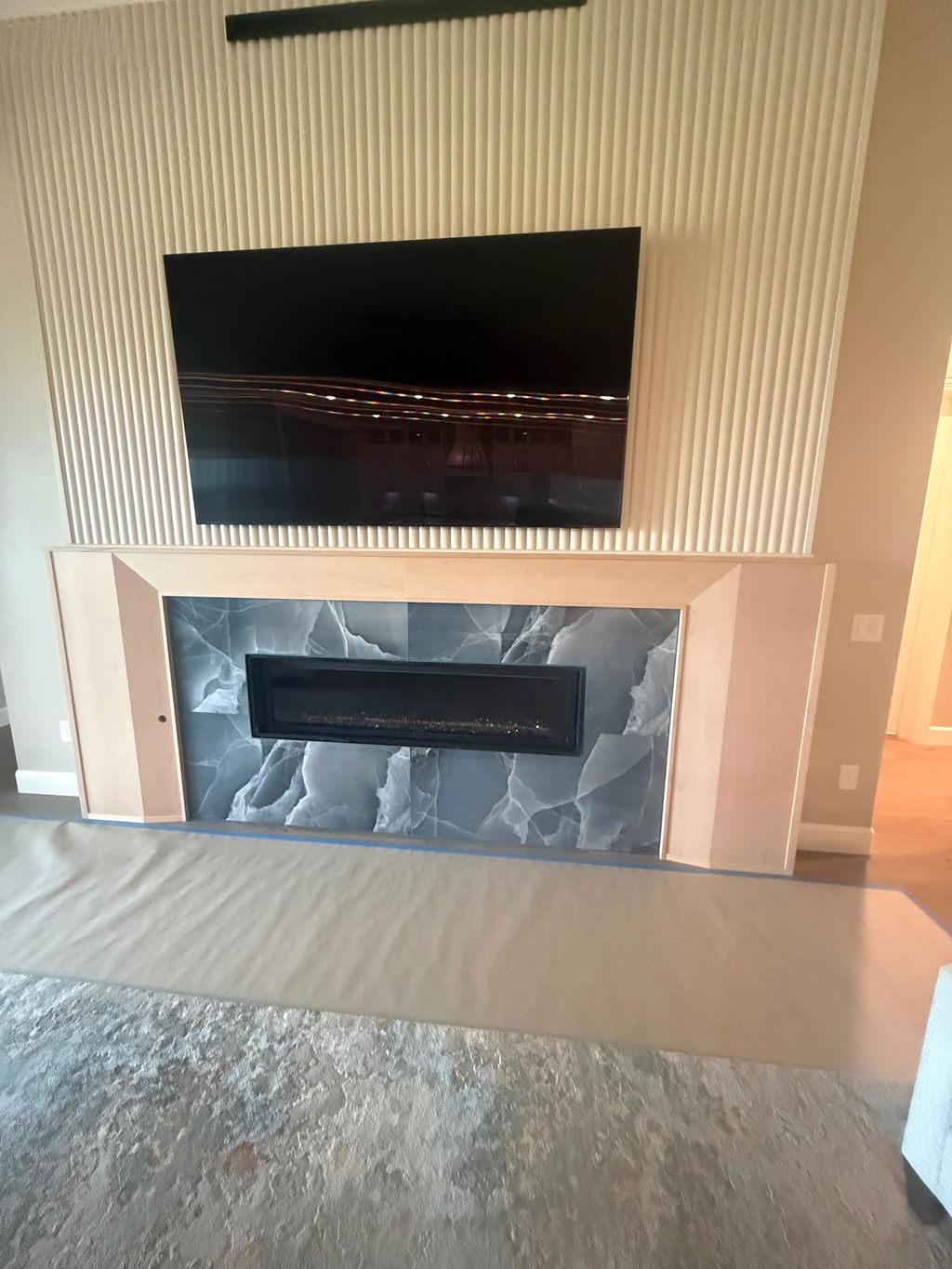
Designers pay close attention to where the design begins and ends...
For example, if wood slat panels stop a few inches short of a console or headboard for no clear reason, it can look like a measuring mistake. But when the paneling aligns with the furniture width, ceiling line, or fireplace surround, the whole wall feels more resolved.
That is usually the difference between a wall that looks expensive and one that just looks added on.
What Designers Do Differently
If you look closely, designers aren’t necessarily using different materials. They’re just more intentional with how they use them.
They focus on:
- The right wall placement
- Proper scale and proportion
- Controlled use of texture
- Lighting that enhances depth
- Materials that match its space
That’s why their accent walls feel balanced instead of overwhelming.
Final Thoughts
Accent walls can elevate a space quickly, but only if they’re done with intention. Small mistakes in scale, texture, or placement can make them feel out of place.
That is why it is important to think beyond just the look. Whether you’re using accent wall panels, ribbed panels, or wood slat panels, the goal is to create something that feels connected to the rest of the room.
When everything works together, the wall does not just stand out. It actually improves how the entire space feels.



Leave a comment