 Skip to content







How to Match Wall Panels with Furniture, Flooring, and Lighting

Wall panels can completely change how a room feels, but they rarely work on their own.
A panel can look perfect in a product photo, then feel a little off once it’s installed next to the wrong flooring, oversized furniture, or flat lighting. That’s usually where the design starts to feel disconnected.
Designers look at wall panels as part of the whole room. Furniture scale, floor tone, lighting direction, and even ceiling height all affect how the texture and finish read once everything is in place.
So if you’re planning to install wood slat wall panels or you’re focused on matching wall panels with the rest of your space, this guide breaks down what actually matters... without making your brain hurt.
Key Takeaways
- Wall panels should support the room, not fight every other finish.
- Furniture scale affects whether panels feel balanced or too busy.
- Flooring tone matters more than exact color matching.
- Lighting direction can make texture look flat or dramatic.
- The best spaces use contrast, proportion, and breathing room.
Why Wall Panels Rarely Work in Isolation
A wall panel is never the only thing people notice in a room. Flooring, furniture, rugs, lighting, and nearby finishes all shape how the wall feels once everything comes together. That’s why the same wood slat panel can feel warm and expensive in one home, then too heavy in another.
Furniture and Flooring Change the Entire Feel
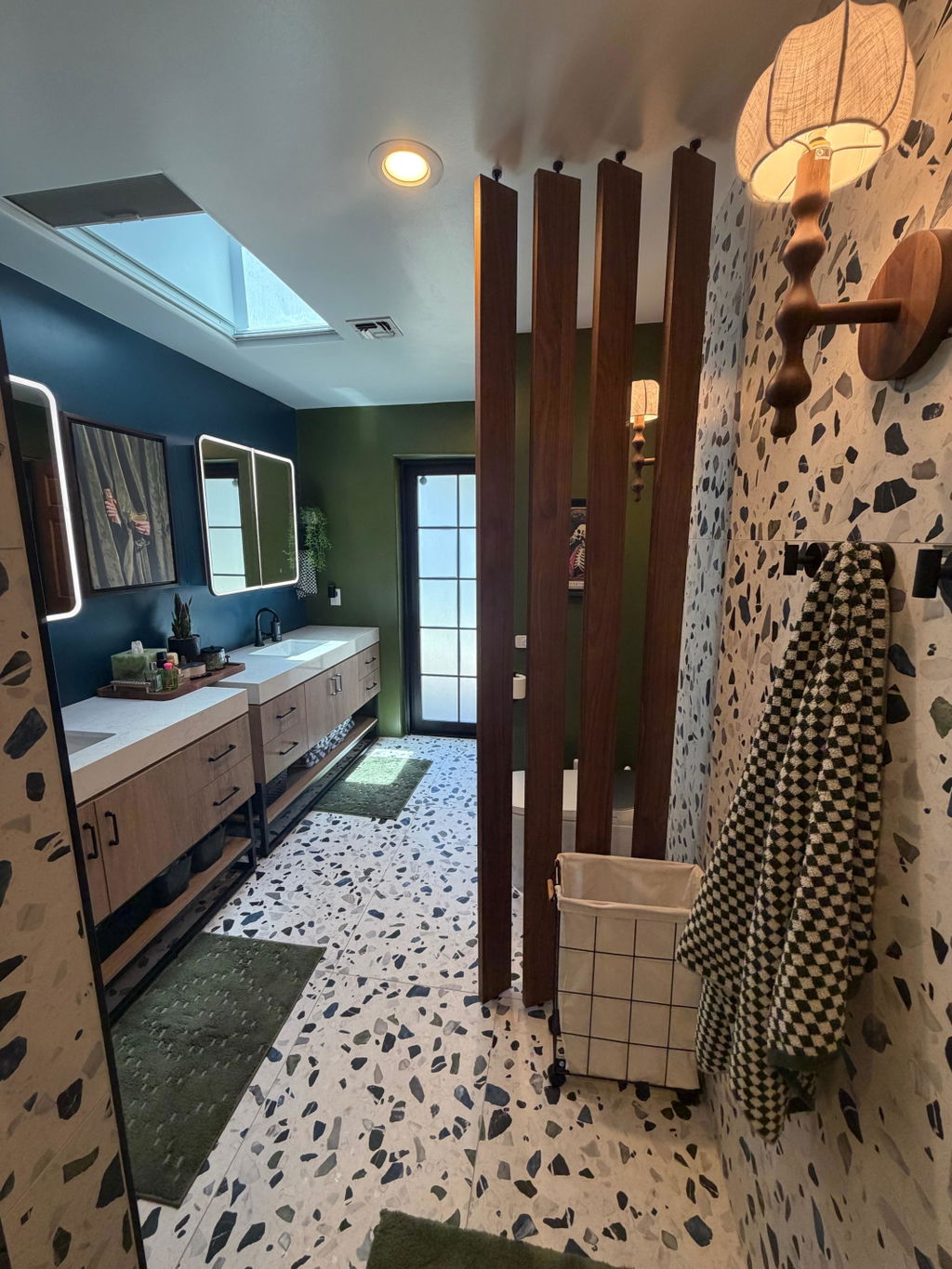
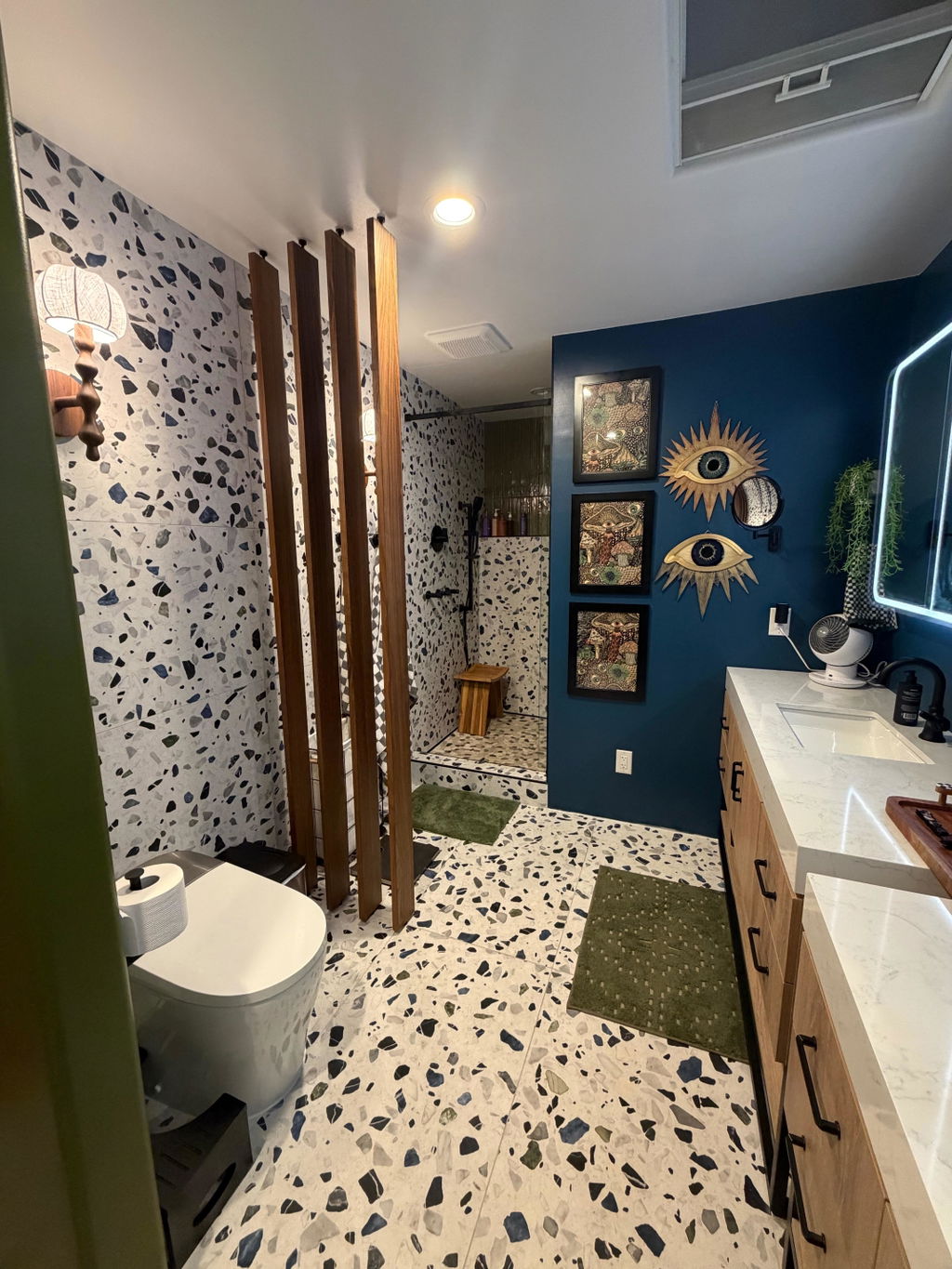
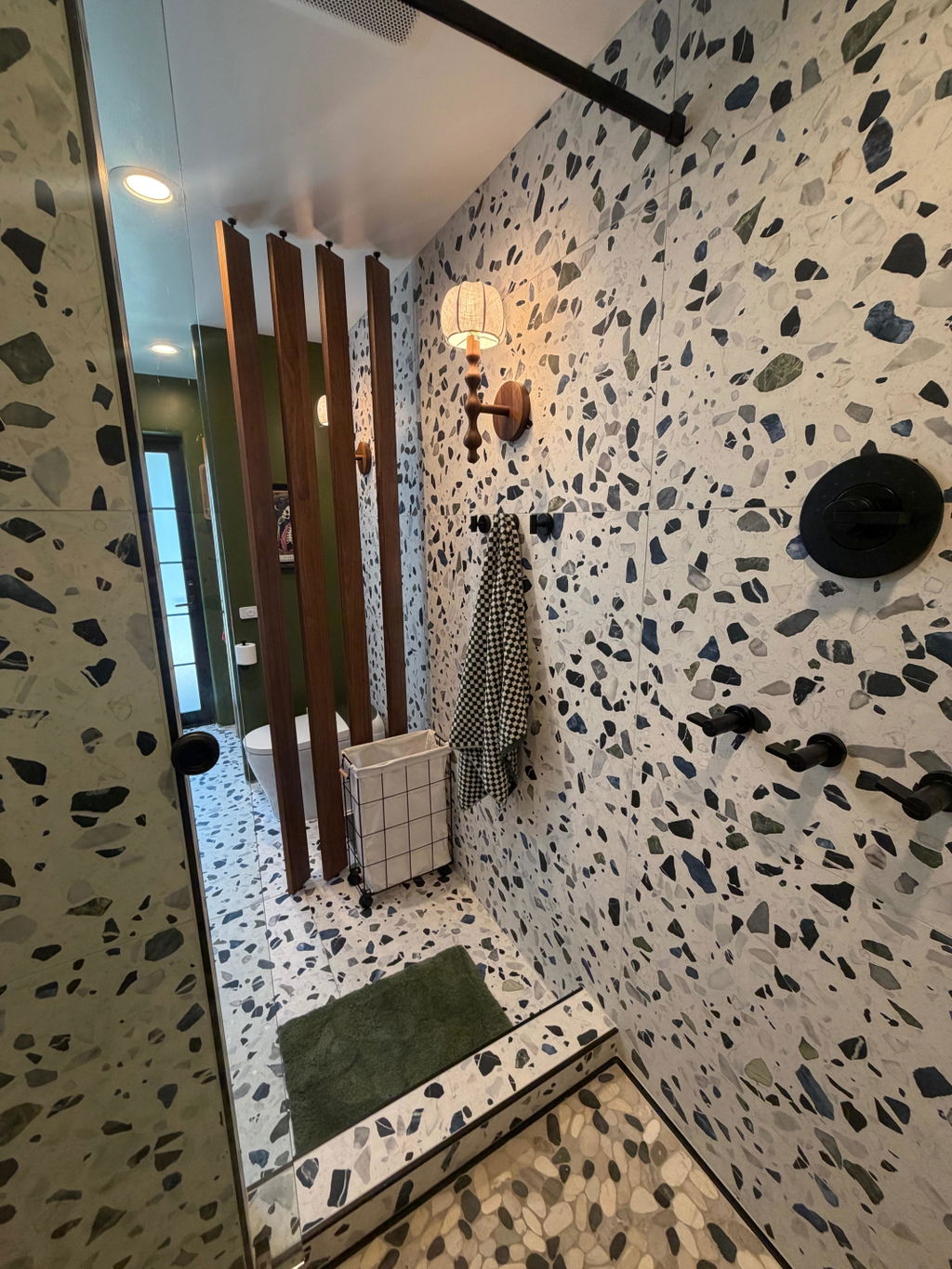
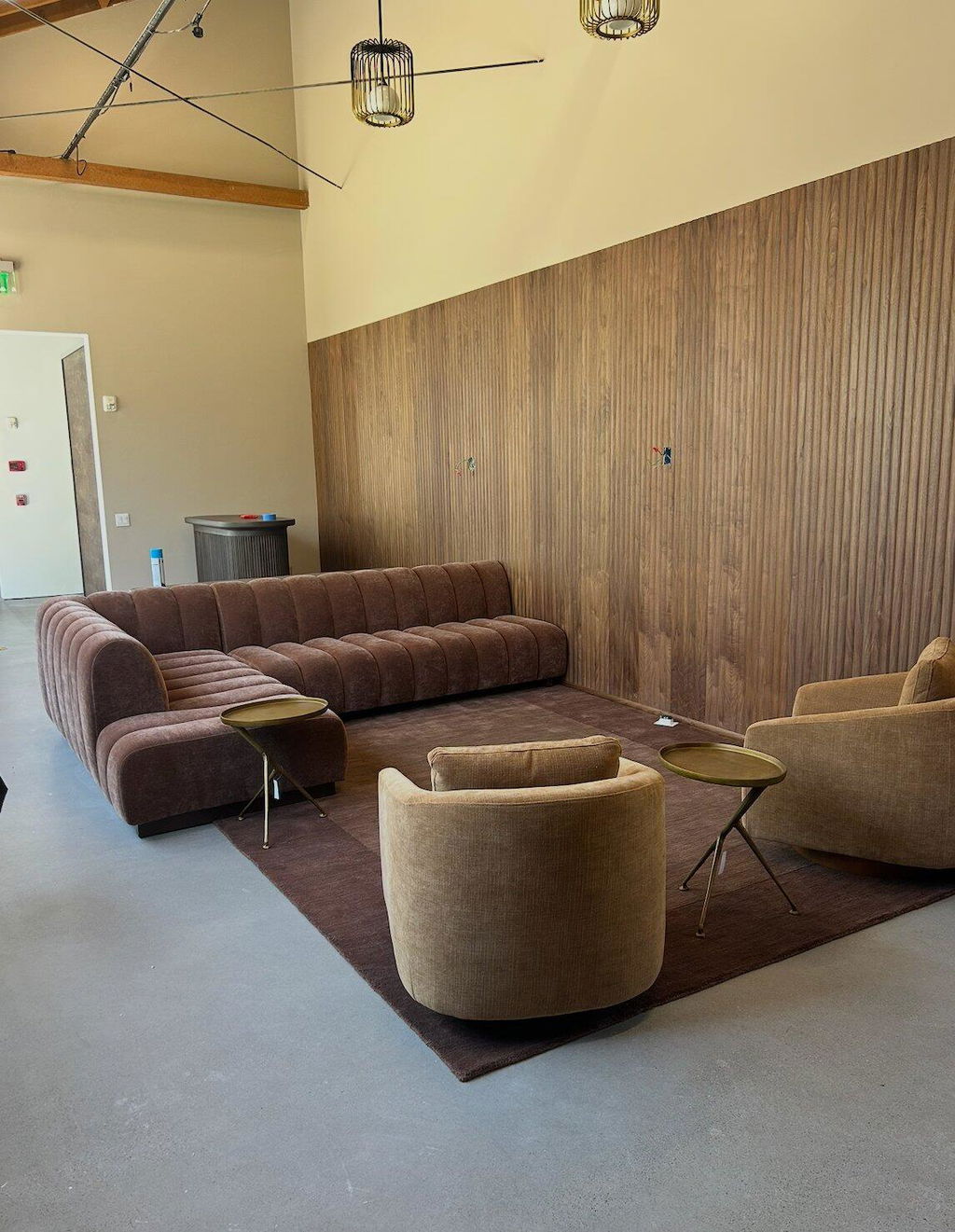
Dark wood slat wall panels paired with dark flooring and bulky furniture can make a room feel visually heavy fast. The panel itself may be beautiful, but the room needs enough contrast around it to keep things balanced. Otherwise, everything starts to blend into one heavy block.
Now imagine those same panels with lighter floors, an oak-colored dining set, and white minimalist planters...


Suddenly, the texture has space to stand out. That’s the difference good pairing makes!
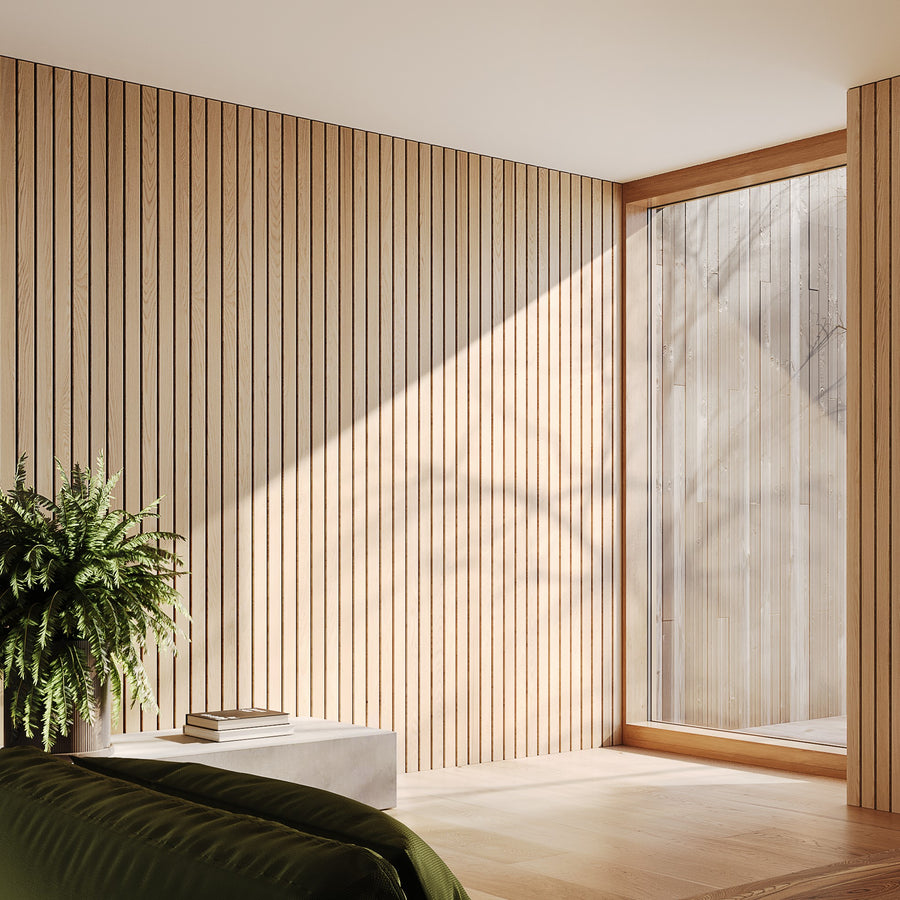
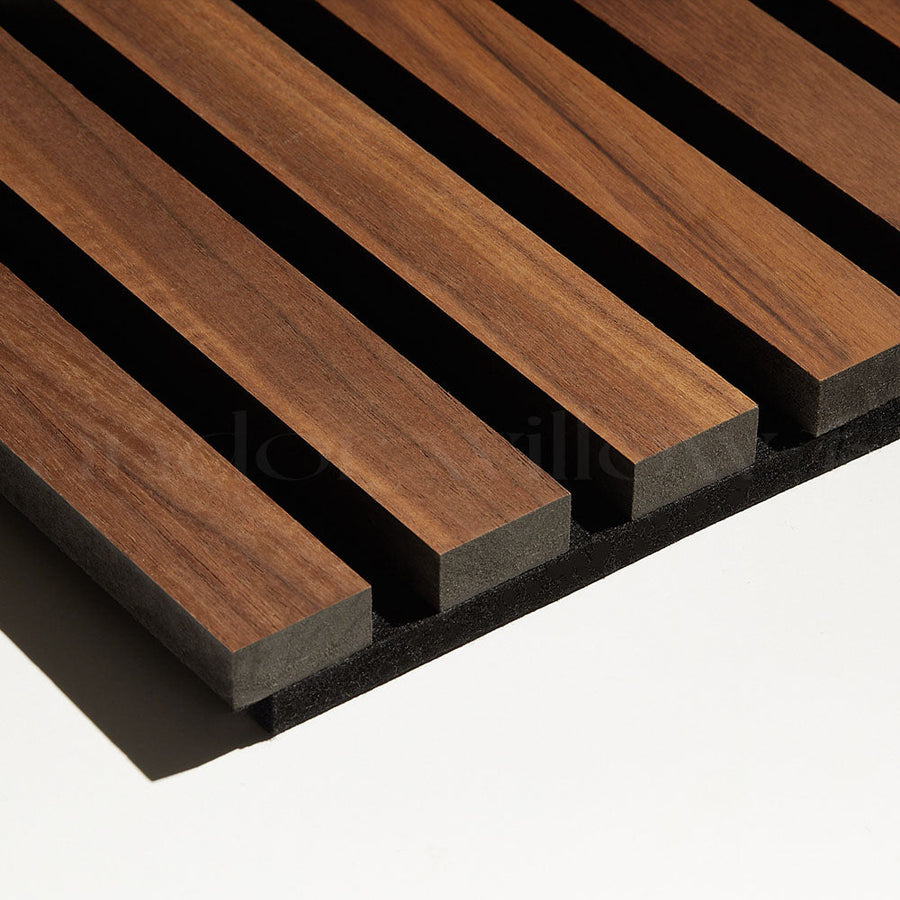
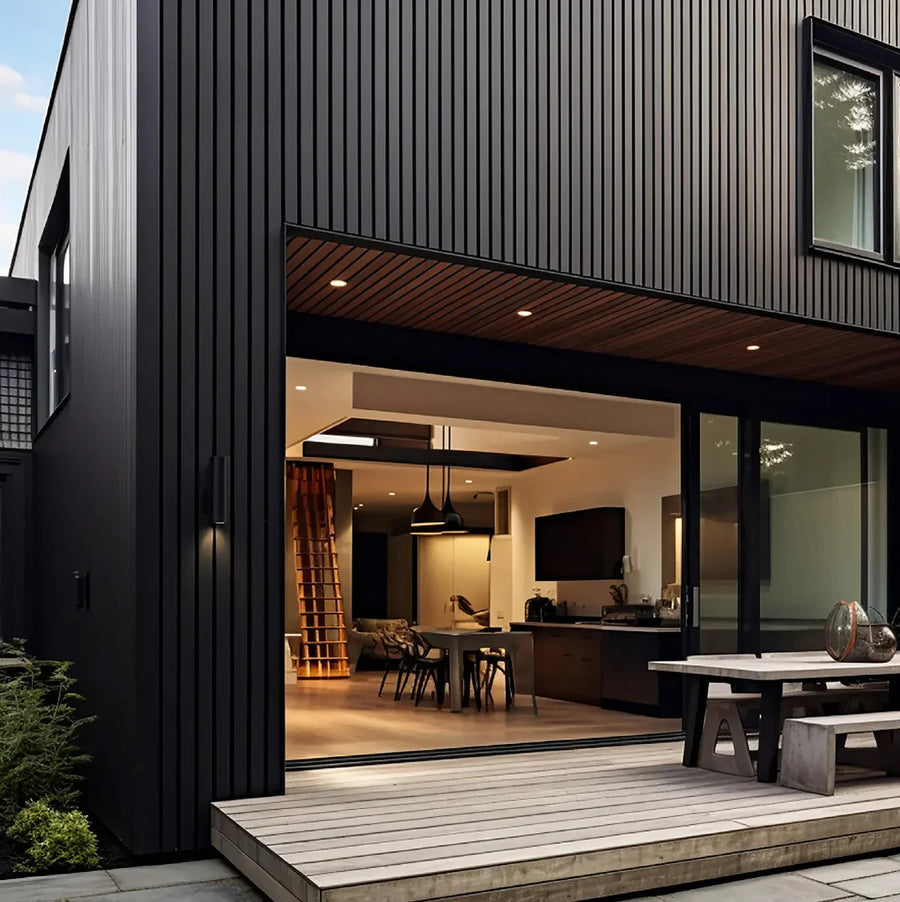
Andor Willow’s wood slat panels come in finishes like Walnut, White Oak, Brown Oak, Charcoal, and Smoked Oak. A darker finish like Charcoal can look sharp with pale flooring, while White Oak feels lighter and more relaxed in smaller rooms.
Texture Needs Breathing Room
Texture works best when it has space around it. If you combine bold flooring, heavy stone, patterned fabric, and aggressive ribbed panels, the room can feel crowded even if every material looks good on its own.
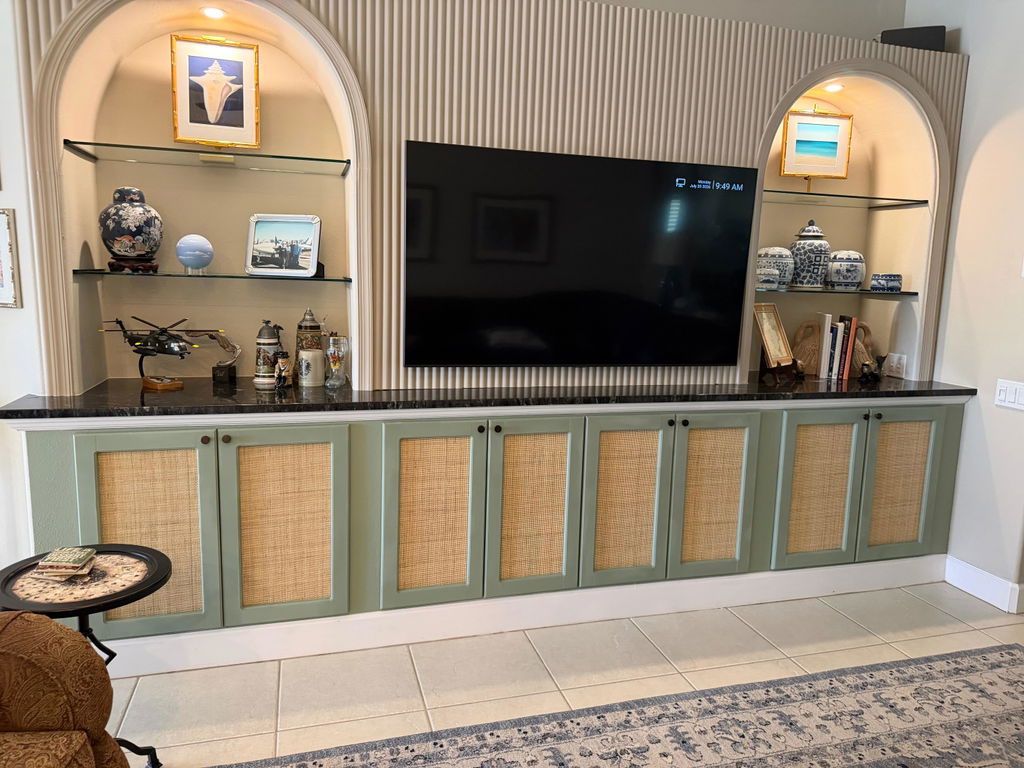
This is where fluted wall panels, ribbed panels, and wood slat panels need a little restraint nearby. If the wall has strong texture, keep the sofa, rug, or cabinetry calmer. Let one thing lead... not five things at once.
Matching Wall Panels with Furniture Scale and Style
Furniture size changes how wall panels look more than most people expect. A wall can look balanced when empty, then feel cramped once a large sectional, king bed, or media unit sits in front of it.
Large Furniture Needs Stronger Panel Profiles
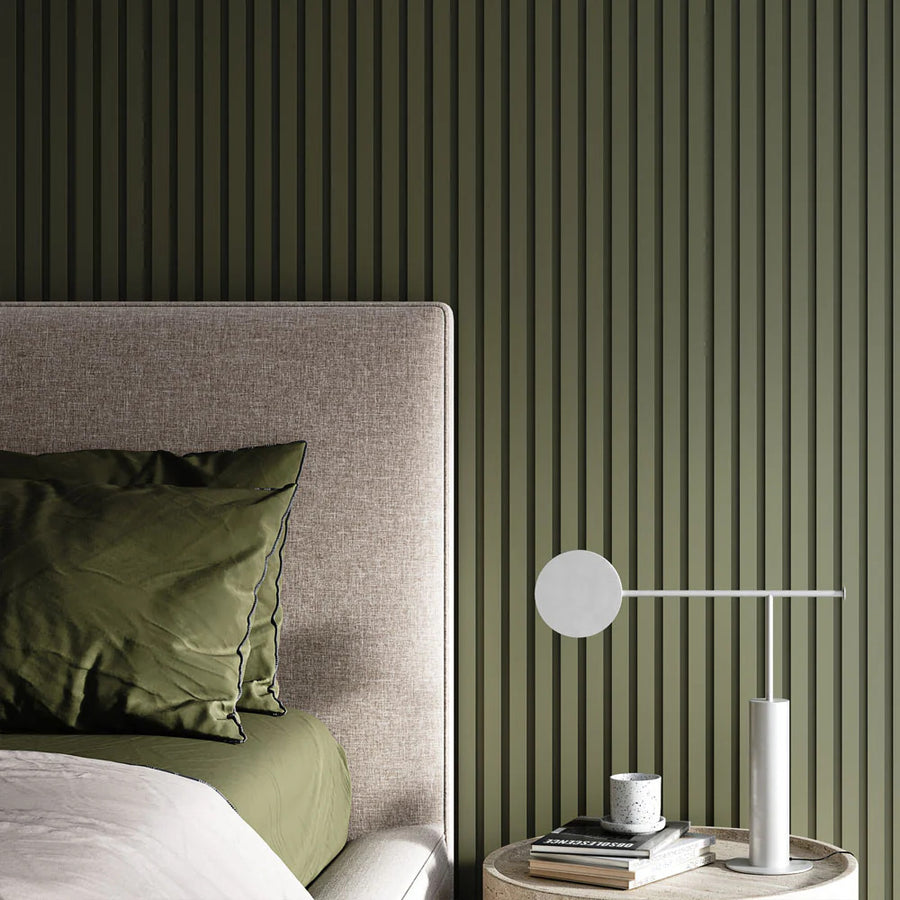
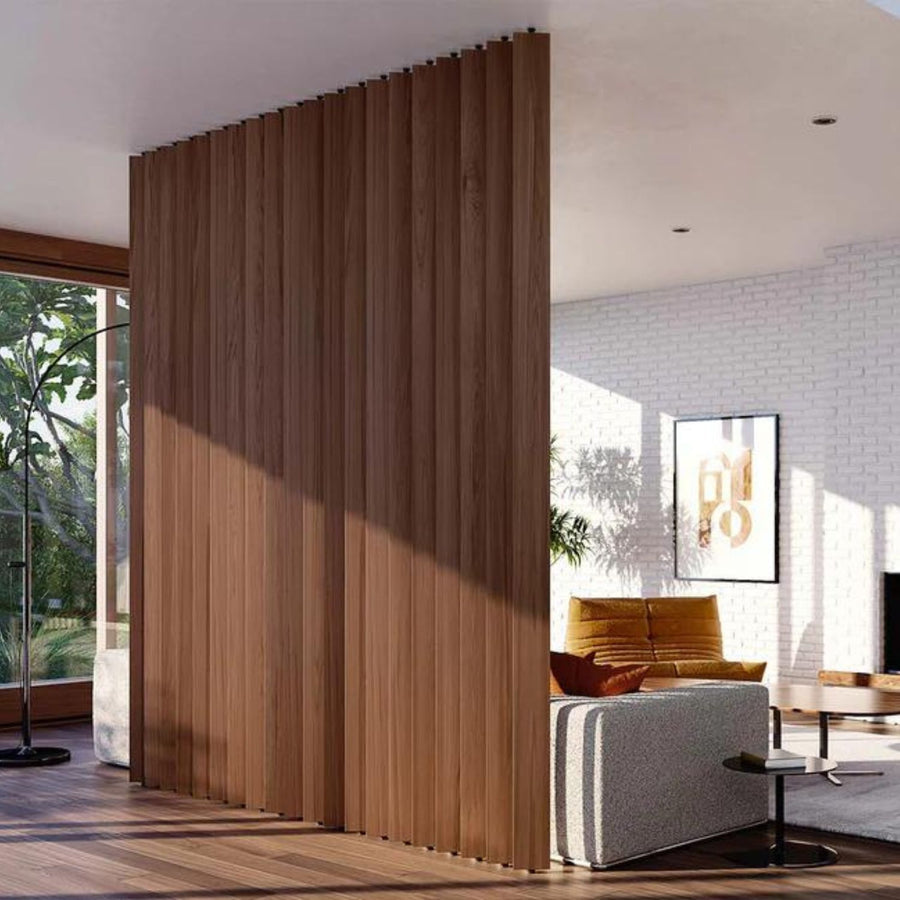
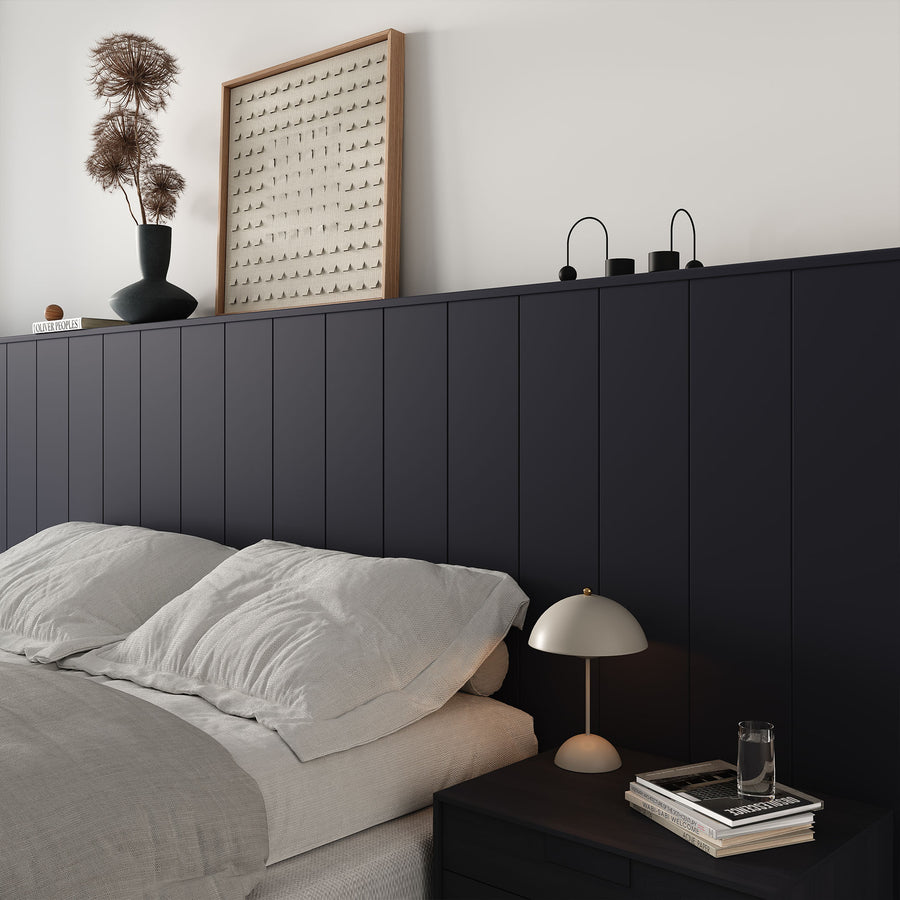
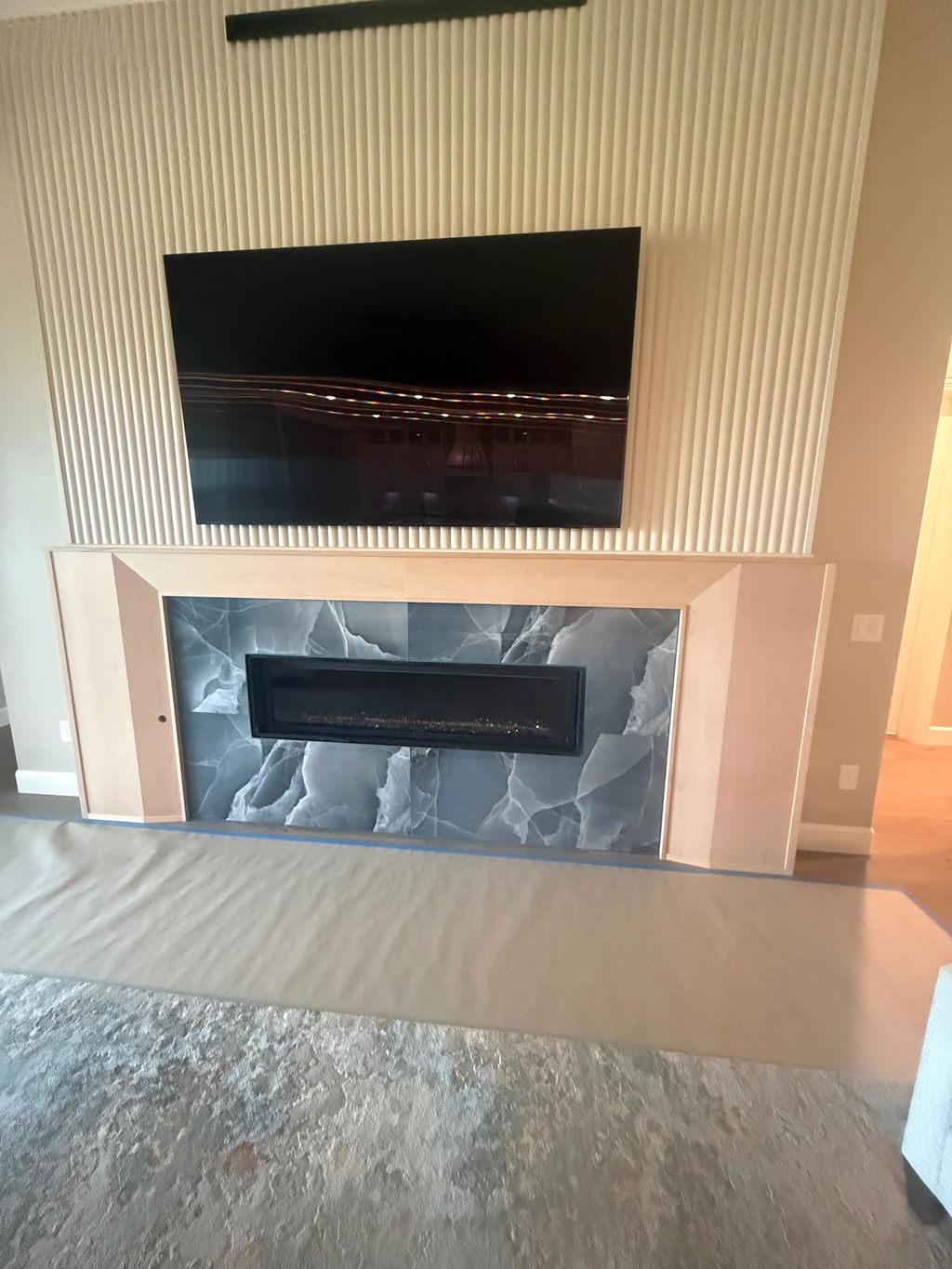
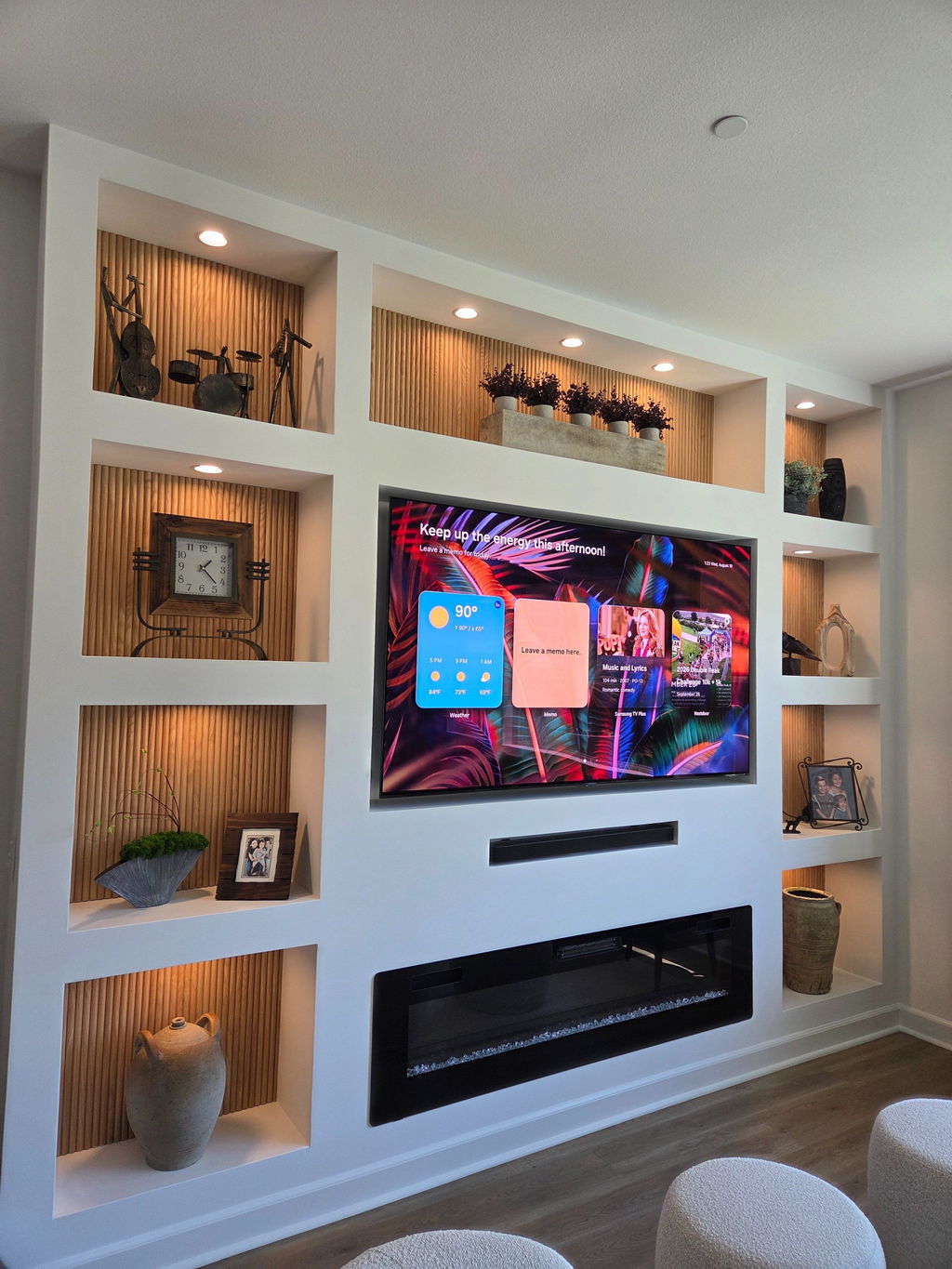
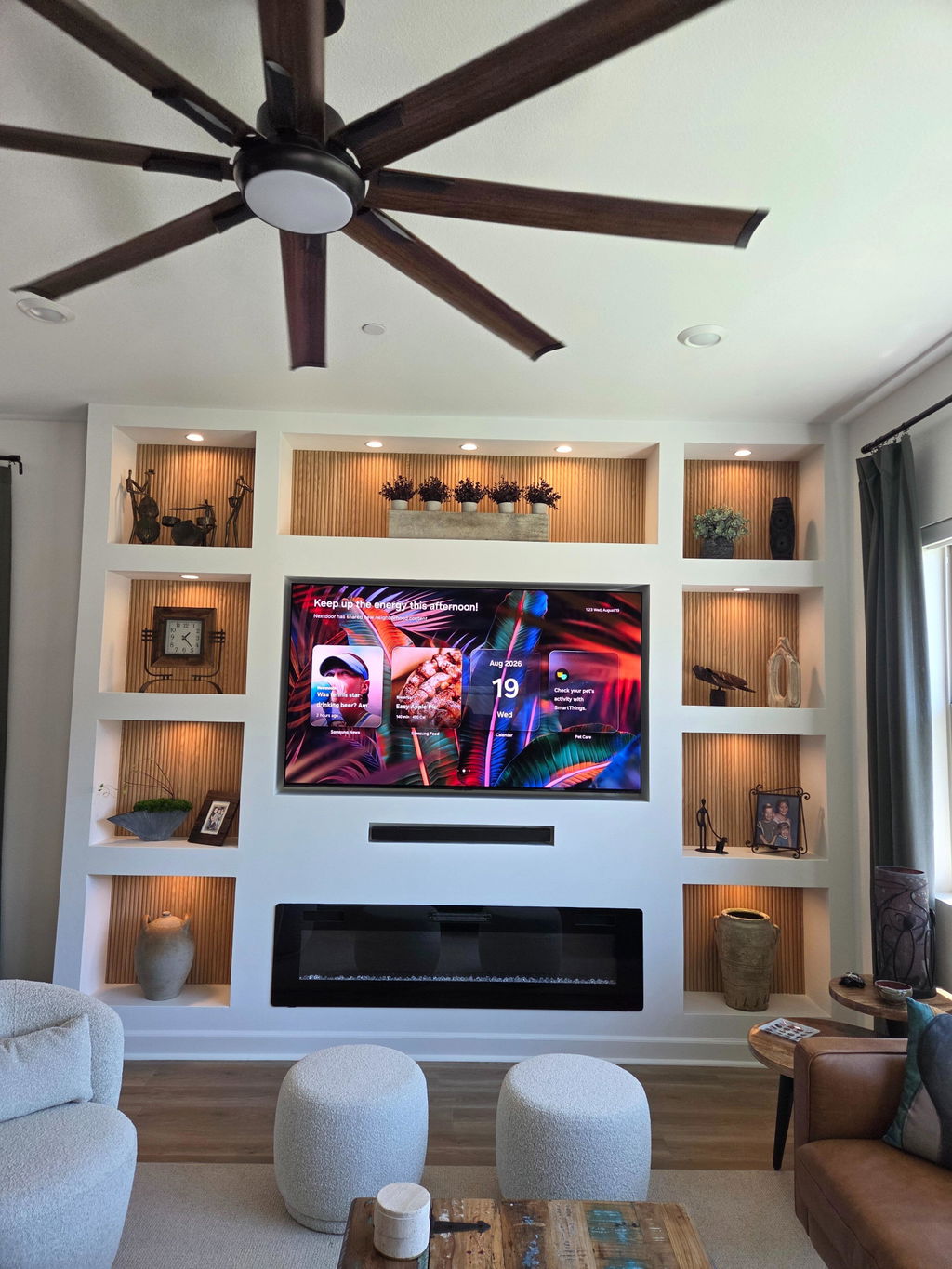
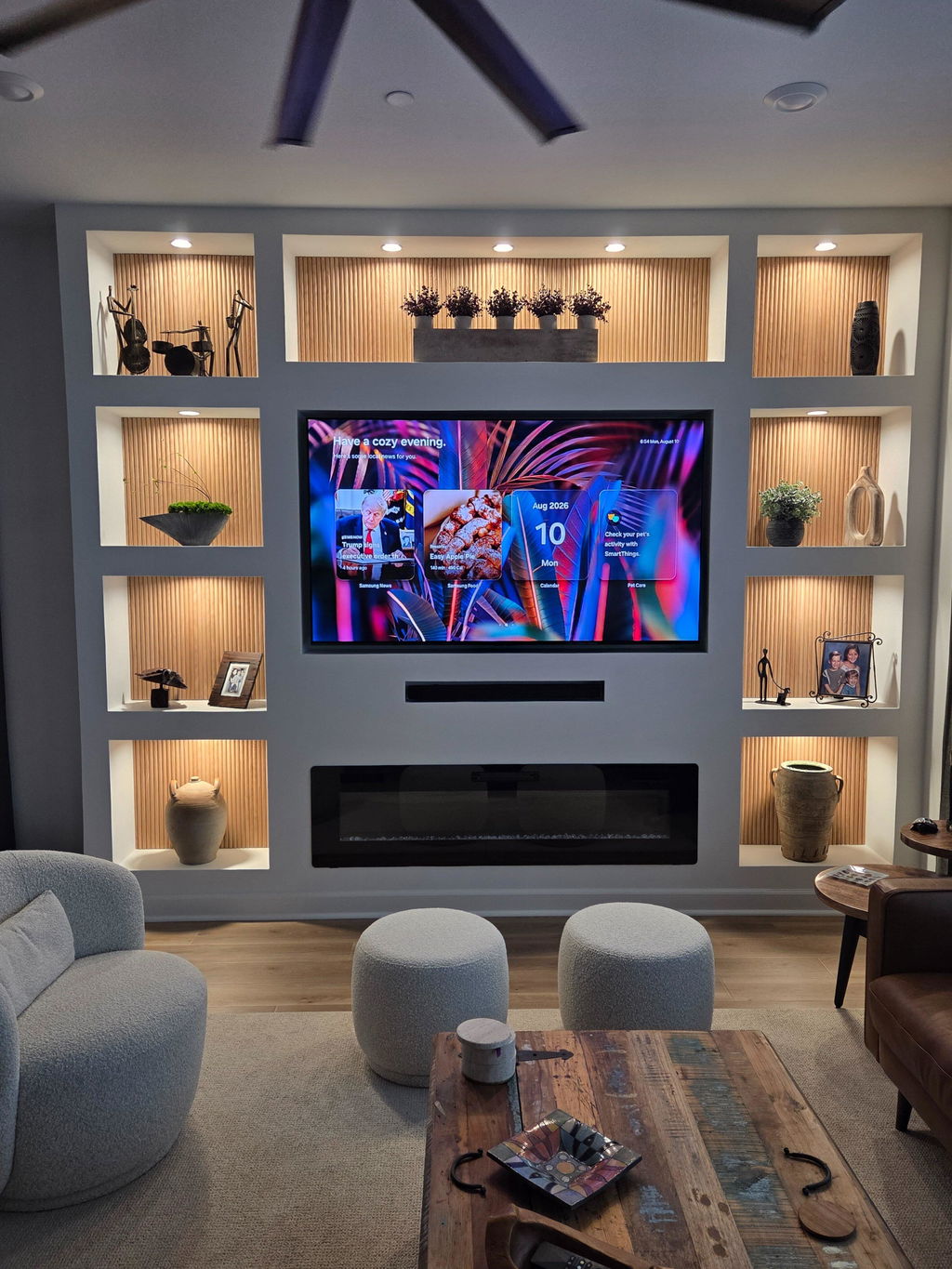
Wide wood slat panels often work better behind larger furniture because the scale feels proportional. Thin grooves behind a huge sectional can look too busy, while wider spacing feels calmer. This is especially true on TV walls and bed backdrops.
Andor Willow offers standard wood slat panels in taller options such as 8, 9, and 10 feet, which helps create a cleaner full-height look. Their wide slat panels use larger slats, around 1.97 inches wide, with roughly 0.39-inch spacing, so the wall reads bolder from a distance.
Softer Furniture Works Well with Fluted Panels
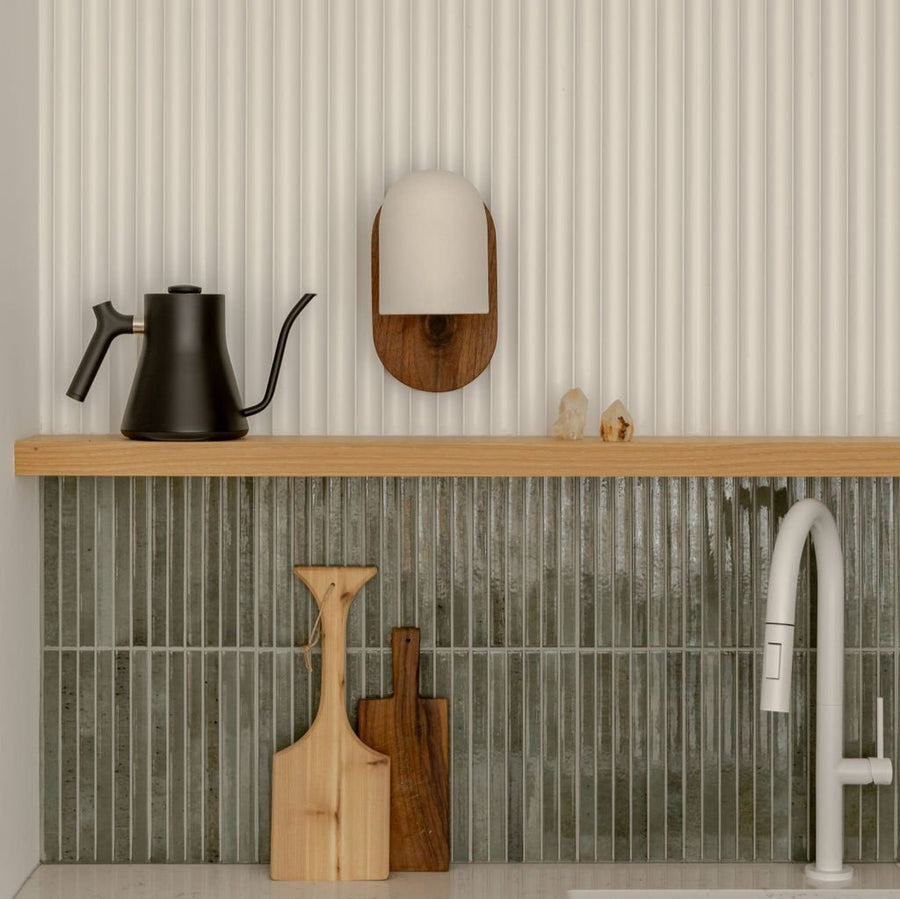
Fluted wall panels usually pair nicely with rounded furniture because the grooves feel smoother and less sharp. Curved chairs, soft fabrics, and rounded tables all work well with that kind of profile. It gives the room texture without making it feel stiff.
Ribbed panels and V-groove panels feel more structured...


They tend to work better with clean furniture lines, modern cabinetry, and sharper architectural details. If the room already has strong angles, these panels can help reinforce that look.
Minimal Furniture Makes Panels Look Better
Here’s the funny part... simpler furniture often makes panels look more expensive.
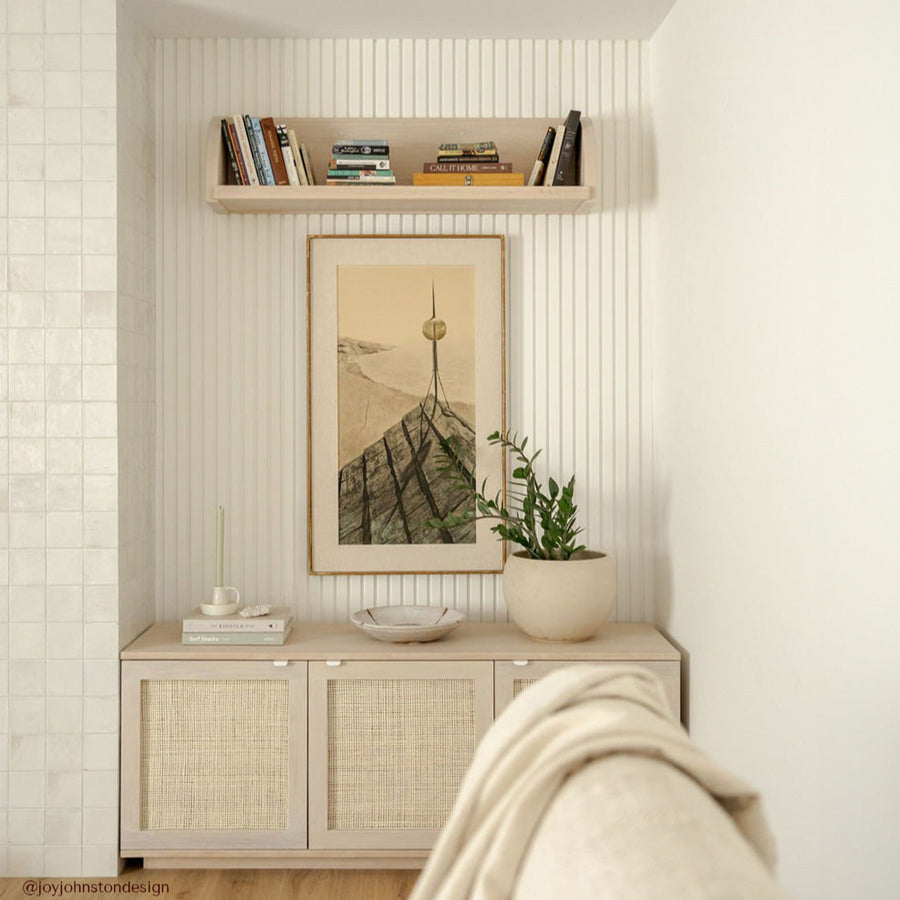
When the room is quieter, you notice the spacing, shadow, grain, and finish more clearly.
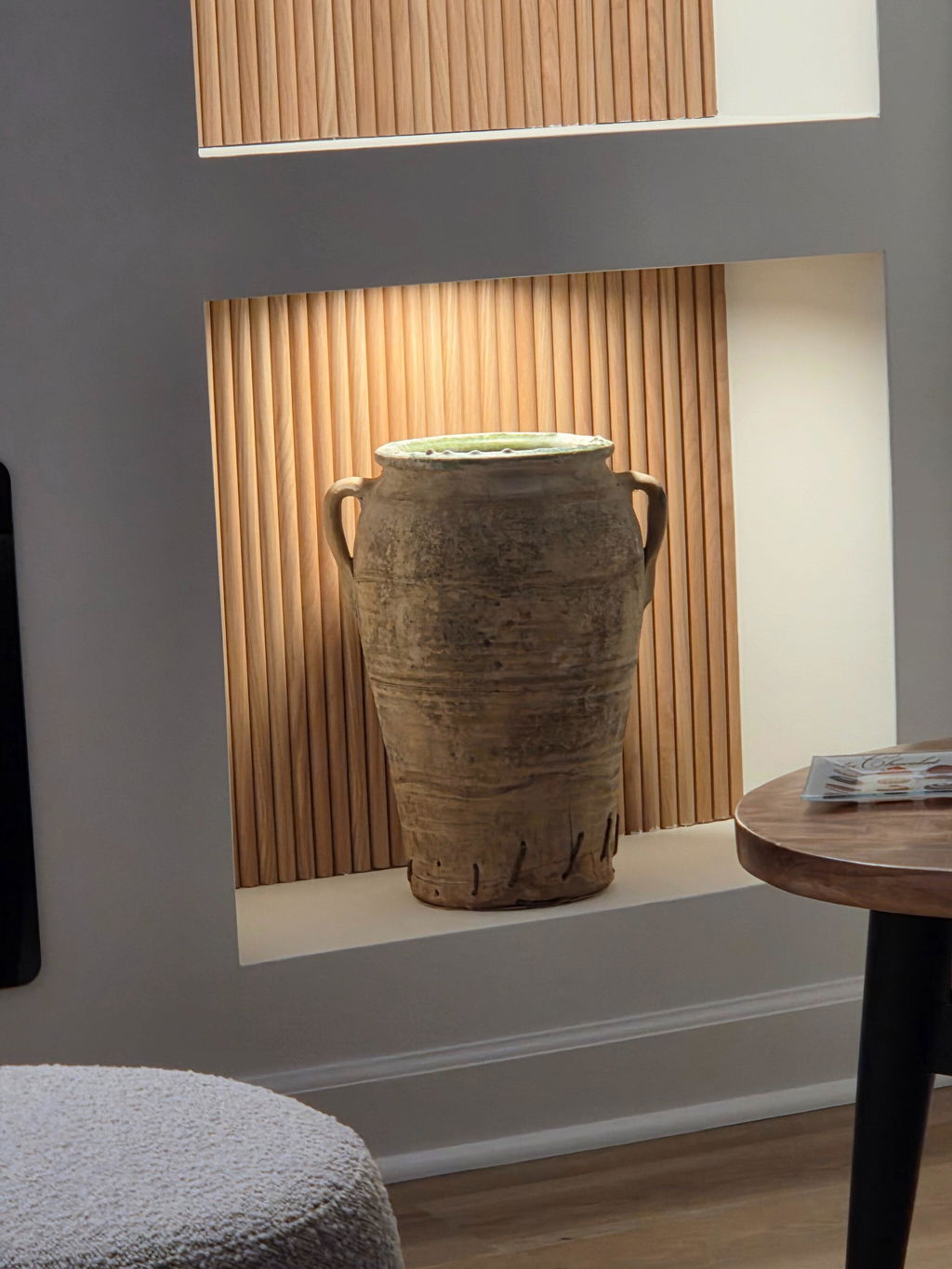
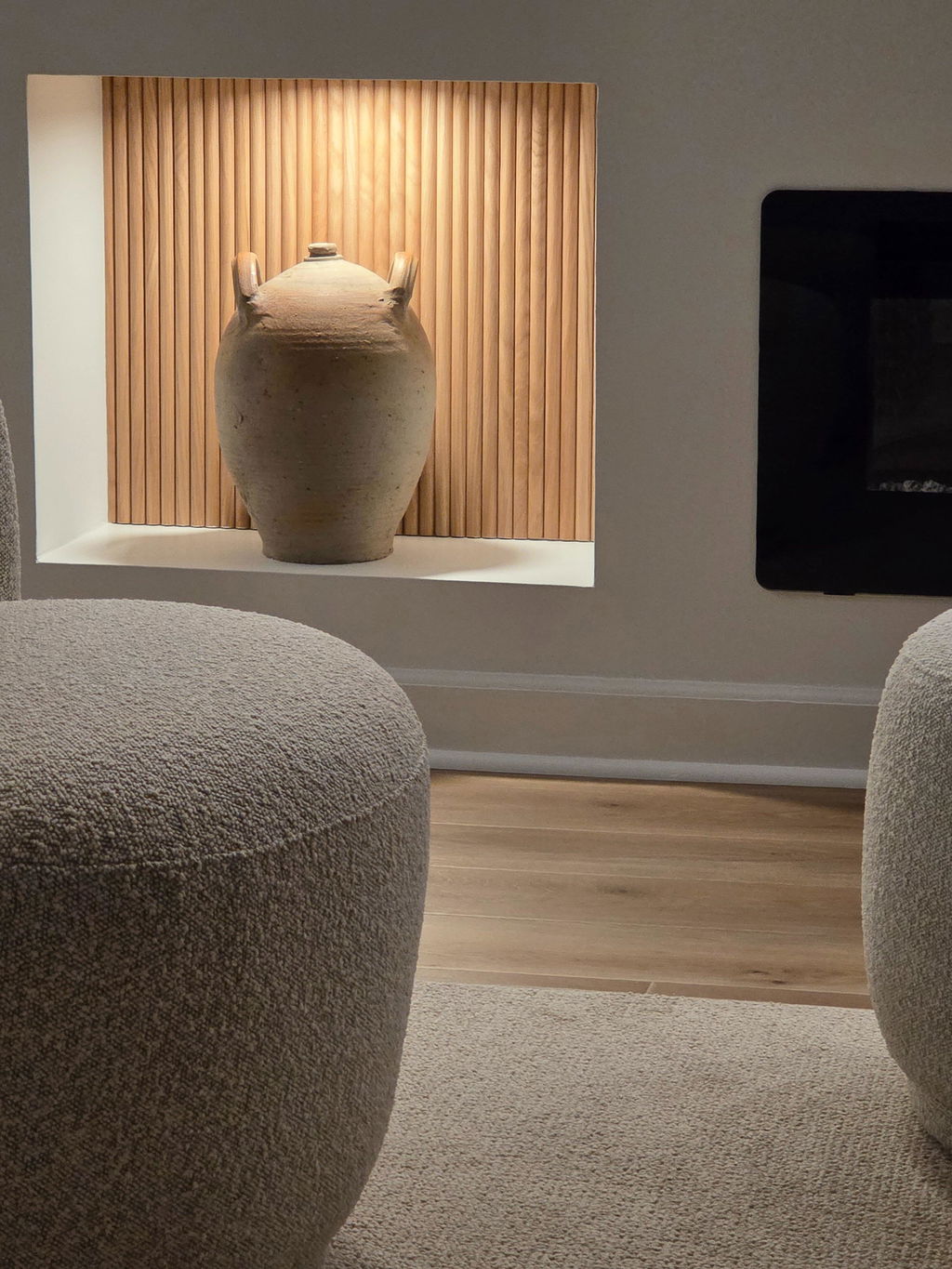
That’s why wood slat wall panels often work so well in modern or Scandinavian-style interiors. The furniture doesn’t compete, so the wall gets to do its job without begging for attention.
How Flooring Changes the Look of Wall Panels
Flooring controls a lot of the room’s warmth and visual weight. A wall panel can look rich in one space, then feel too dark or too orange beside the wrong floor tone.
Matching Wood Tones Too Closely Can Flatten the Room
A lot of homeowners try to match the wall panel exactly to the floor. Same tone, same finish, same warmth. It sounds safe... then the room ends up looking flat.
For example, medium oak wood slat wall panels beside nearly identical oak flooring can make everything blend together. Designers usually leave some contrast between the floor and wall so both surfaces still have their own role.
Undertones Matter More Than Exact Color
Two wood finishes can both be brown and still clash. A warm walnut panel beside cool gray flooring can feel disconnected, especially when daylight shifts across the room.
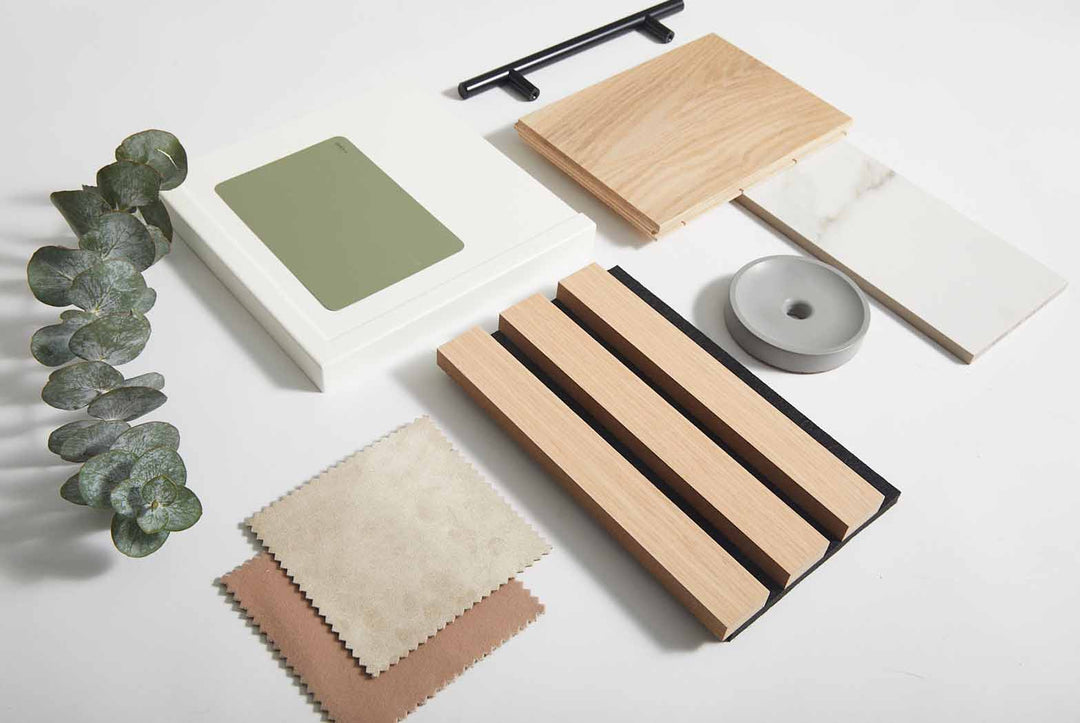
A better approach is to match undertones loosely. White Oak panels often work well with warm natural floors, while darker walnut finishes can balance lighter flooring. It does not need to be perfect. It just needs to feel related.
Paintable Panels Help When Wood Tones Get Tricky
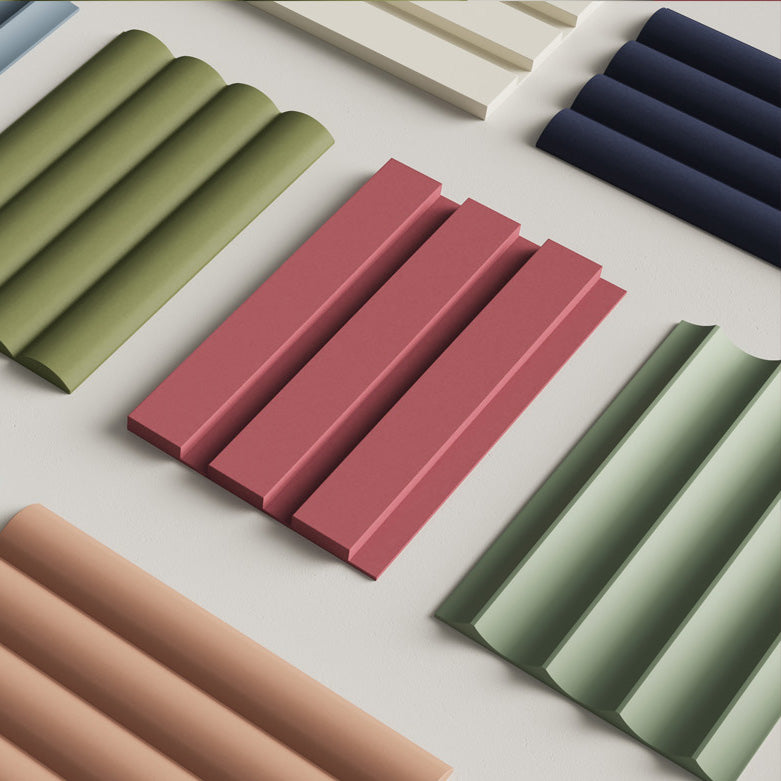
Paintable panels are useful when you do not want to introduce another wood tone. Andor Willow’s paintable MDF options include fluted, wide fluted, ribbed, wide ribbed, slatted, and V-groove profiles. They are primed, so you can paint them to match cabinetry, trim, or the wall itself.
This is a smart move for kitchens, mudrooms, built-ins, and feature walls where color consistency matters. You still get texture, but the finish stays controlled.
The Role of Lighting in Wall Panel Design
Lighting completely changes how textured panels look. Ribbed panels, fluted wall panels, and wood slat wall panels all depend on shadow, so the direction of the light matters.
Side Lighting Brings Out Texture
Side lighting usually works best because it creates shadow between grooves and slats. That’s why fluted panels near windows or wall sconces often look richer during the day.


Flat overhead lighting can make texture look softer and less noticeable. The wall may still look good, but you lose some of the depth that made you choose the panel in the first place.
Warm Lighting Changes Wood Finishes
Warm lighting tends to make walnut, oak, and smoked wood finishes feel richer. Cooler lighting can make lighter finishes look slightly gray, which may not be the look you expected.
This is why designers check samples in the actual room before choosing a finish. A panel that looks perfect online can shift once it’s under your bulbs. Annoying? Yes. Worth checking? Absolutely!
Natural Light Adds Movement
Natural light changes throughout the day, and textured panels respond to that. Morning light can make fluted grooves look soft, while late afternoon side light can make ribbed panels look deeper and more dramatic.
Andor Willow also offers flexible ribbed wood panels that can wrap curved surfaces, such as columns or rounded walls.


That kind of product reacts strongly to light because the angle changes across the curve.
Choosing the Right Panel Type for Different Spaces
Different panel styles carry different visual weight. The right choice depends on the room size, lighting, furniture, and how bold you want the wall to feel.
Wood Slat Panels for Bigger Feature Walls
Wood slat wall panels work best where the vertical rhythm has room to breathe. Think TV walls, bedroom backdrops, offices, and open living areas. Slat panels also use acoustic felt backing, which helps reduce echo in rooms with hard floors and open layouts.
That makes them useful beyond looks. In a home office or media room, the sound benefit is a nice bonus.
Fluted Panels for Softer Texture
Fluted wall panels are great when you want texture without harsh lines. Their rounded grooves feel calmer, which makes them a good fit for bedrooms, dining rooms, and lounge areas.
Fluted wood veneer panels come in real wood finishes such as Walnut and White Oak, with a pre-finished coating. That means you get the finished look without staining or sealing after installation.
Ribbed and V-Groove Panels for Cleaner Lines
Ribbed panels create stronger shadow lines, especially with directional lighting. They work well in modern interiors, offices, hallways, and areas where you want a more structured wall.
V-groove panels feel simpler and more minimal. Paintable V-groove panels are especially useful when you want texture to blend with the wall color instead of standing out as a wood feature.
Common Matching Mistakes Homeowners Make
Most wall panel mistakes happen because people try to match too much or add too many strong finishes at once. A room still needs quiet areas so the feature wall feels more on-point.
Too Many Matching Finishes Can Feel Heavy
Matching the panel, floor, cabinets, and furniture too closely can make the room feel dense. Instead of looking cohesive, it can feel like one flat block of the same color.

Designers usually mix tones slightly. They might pair warm wood panels with lighter flooring, or use paintable panels to break up too much wood.
Too Much Texture Creates Clutter
Fluted wall panels, textured rugs, heavy stone, patterned upholstery, and bold flooring in one space can get overwhelming fast. Even expensive materials can look messy when they all compete.
A better approach is simple. Pick the main texture, then let the rest of the room support it.
Lighting Gets Planned Too Late
Many homeowners choose panels first and think about lighting later. Then the grooves disappear under flat lighting, or the shadows look much stronger than expected.
Plan the lighting early. It makes a huge difference, especially with ribbed panels, fluted wall panels, and wood slat wall panels.
How Designers Create a More Balanced Look
Good panel design usually comes down to restraint. One surface leads, and the rest of the room supports it.
Let One Feature Lead
If the wall panel is bold, keep nearby furniture simpler. If the floor already has strong grain, choose a calmer wall profile or a paintable finish.

That balance keeps the space from feeling overdone. It also makes the panel look sharper.
Use Contrast Instead of Perfect Matching
Designers rarely aim for exact matching. They focus on related tones, balanced contrast, and proportion.
That’s the real key to matching wall panels!
The wall, floor, furniture, and lighting should feel connected, not copied and pasted...
Keep the Room from Feeling Crowded
Some of the best panel installations happen in simple rooms. Clean furniture, balanced lighting, and fewer competing finishes allow the wall texture to stand out naturally.
That’s usually when the paneling looks the most polished... without trying too hard.
FAQs
Should wall panels match the floor exactly?
Not usually. Exact matching can make the room feel flat. It is better to coordinate undertones and use enough contrast so the wall and floor feel separate.
What wall panels work best with modern furniture?
Wood slat wall panels, ribbed panels, fluted wall panels, and V-groove panels all work well with modern furniture. The best choice depends on whether you want a soft, structured, or bold look.
Are paintable panels easier to match?
Yes. Paintable panels are easier to coordinate because you can match them to walls, trim, cabinets, or built-ins. They are a good choice when another wood tone would make the room feel too busy.
Do dark wall panels make a room feel smaller?
They can in rooms with poor lighting or very dark floors. With lighter furniture, brighter flooring, and good lighting, dark panels can feel dramatic and polished.
How does lighting affect textured panels?
Lighting controls shadow, and shadow is what makes grooves and slats visible. Side lighting usually makes textured panels look deeper and more dimensional.
Final Thoughts
Matching wall panels successfully is not about making everything identical. It is about balance, scale, contrast, and how each material works with the next.
That’s why designers look at furniture, flooring, and lighting before choosing wood slat wall panels, fluted panels, ribbed panels, or paintable panels.
The panel has to fit the whole room, not just the wall.
So if you are matching wall panels for your own space, start with the pieces already in the room. Then choose a finish, profile, and scale that supports them. That’s how the wall feels finished instead of forced.



Leave a comment