 Skip to content







Wood Veneer vs WPC Wall Panels: Which Is Better for Modern Homes?

Wood veneer and WPC wall panels are two of the most popular choices for modern interiors.
Both can transform plain walls into attractive focal points, but they differ in durability, maintenance, moisture resistance, and long-term value. Choosing the right material often depends on your lifestyle, budget, and where the panels will be installed.
In this article, you'll learn the differences between wood veneer and WPC wall panels, compare their performance and maintenance requirements, discover which material works best for specific rooms, and determine which option is the right fit for your home.
Key Takeaways
- Wood veneer offers authentic wood grain and a premium appearance.
- WPC wall panels provide excellent durability and moisture resistance.
- Different rooms may require different wall panel materials.
- Maintenance requirements can affect long-term costs.
- Modern options such as fluted wall panels and wood slat panels can complement either material.
Wood Veneer vs WPC Wall Panels at a Glance


|
Feature |
Wood Veneer |
WPC Wall Panels |
|
Appearance |
Natural wood grain |
Consistent finish |
|
Moisture Resistance |
Moderate |
Excellent |
|
Maintenance |
Moderate |
Low |
|
Durability |
Good |
Excellent |
|
Cost |
Higher |
More affordable |
|
Termite Resistance |
Limited |
High |
|
Best For |
Dry interior spaces |
Humid environments |
What are Wood Veneer Wall Panels?
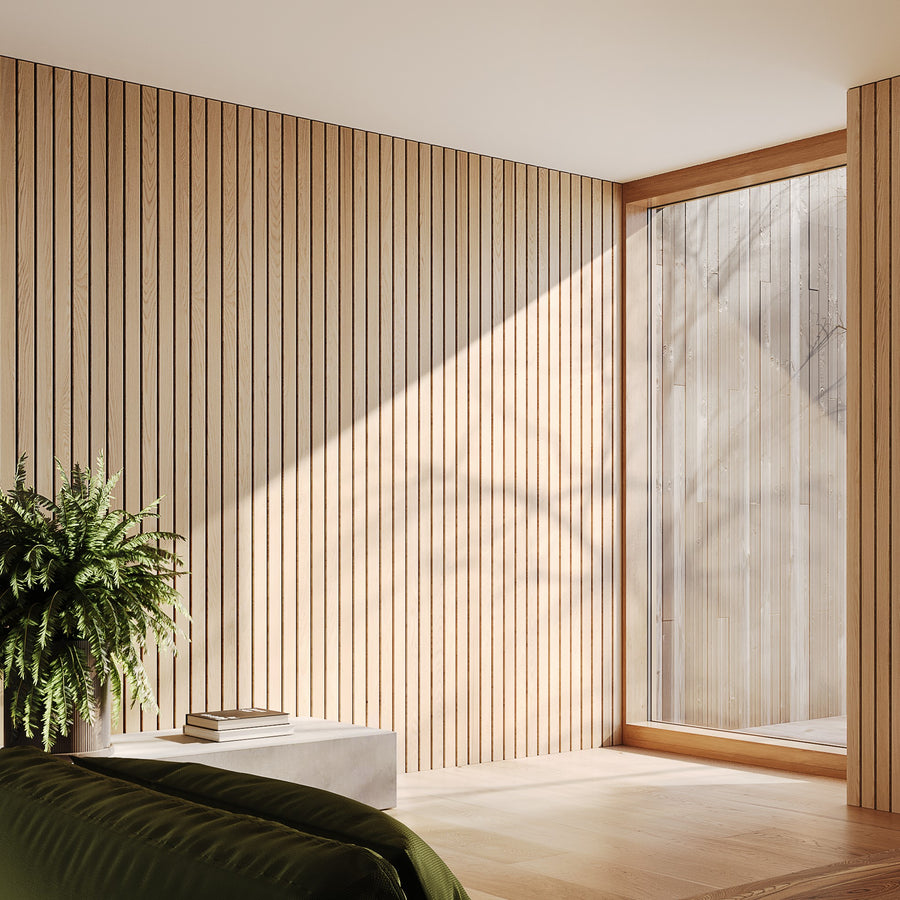
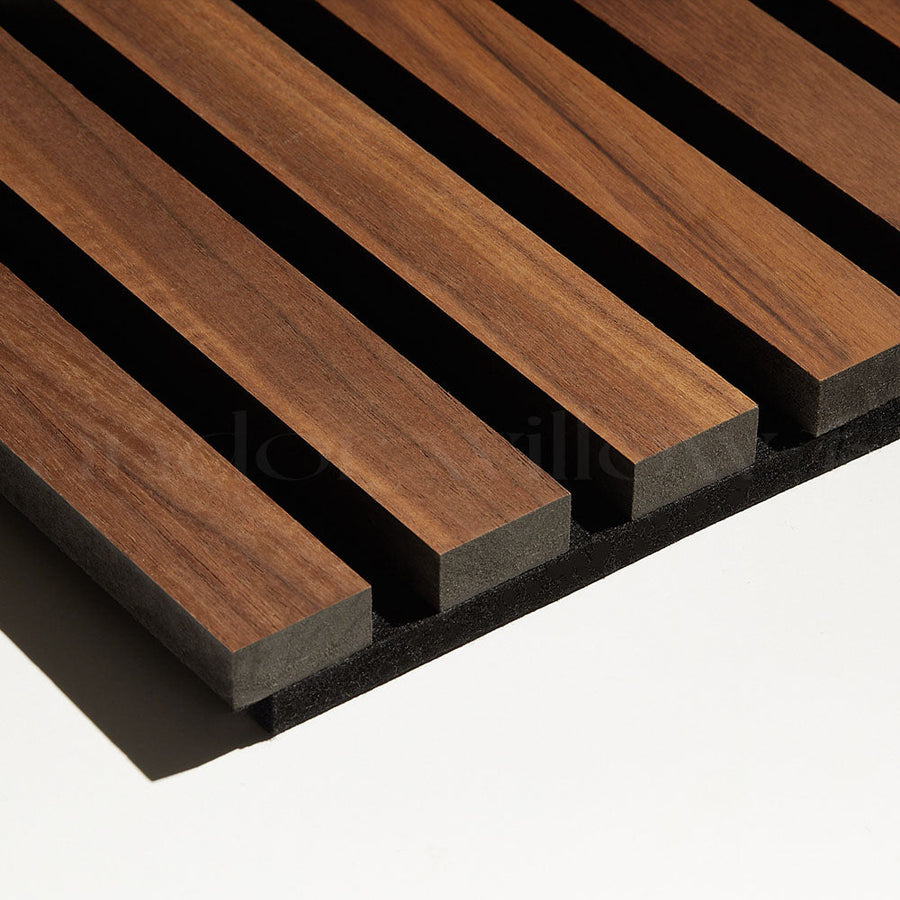
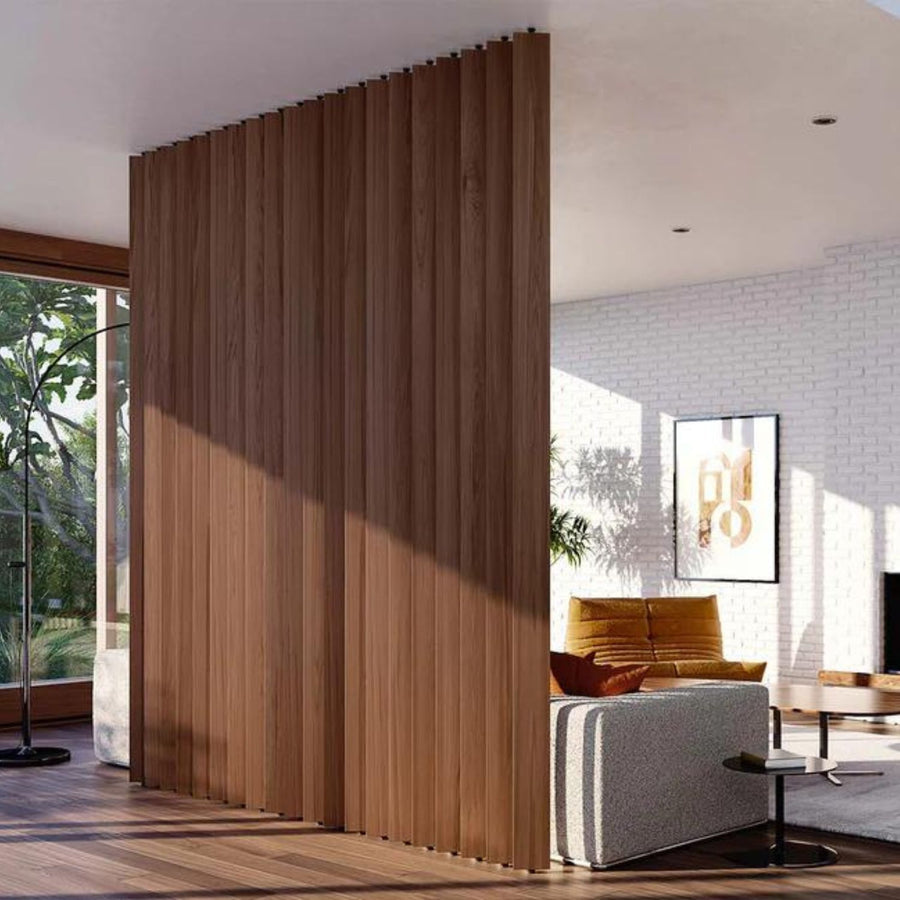
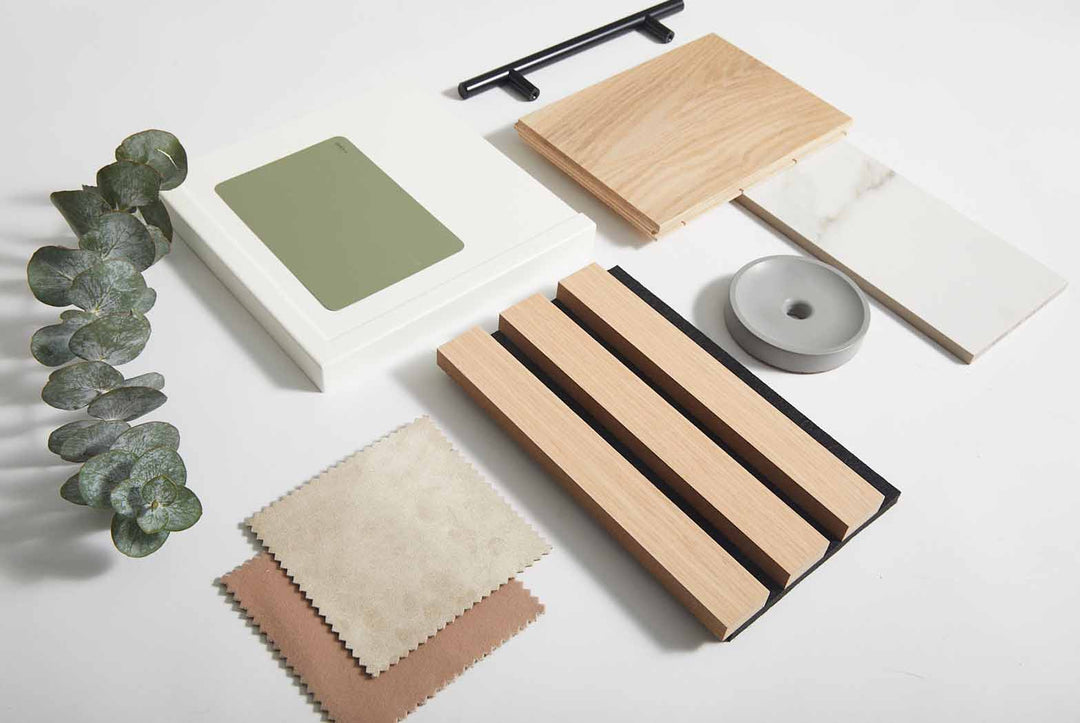
Wood veneer panels consist of a thin layer of genuine wood attached to a core material such as MDF or plywood. Since real wood is used, every panel features unique grain patterns and textures.
This natural variation is one reason homeowners love wood veneer. No two panels look exactly the same, which creates a warm and inviting appearance.
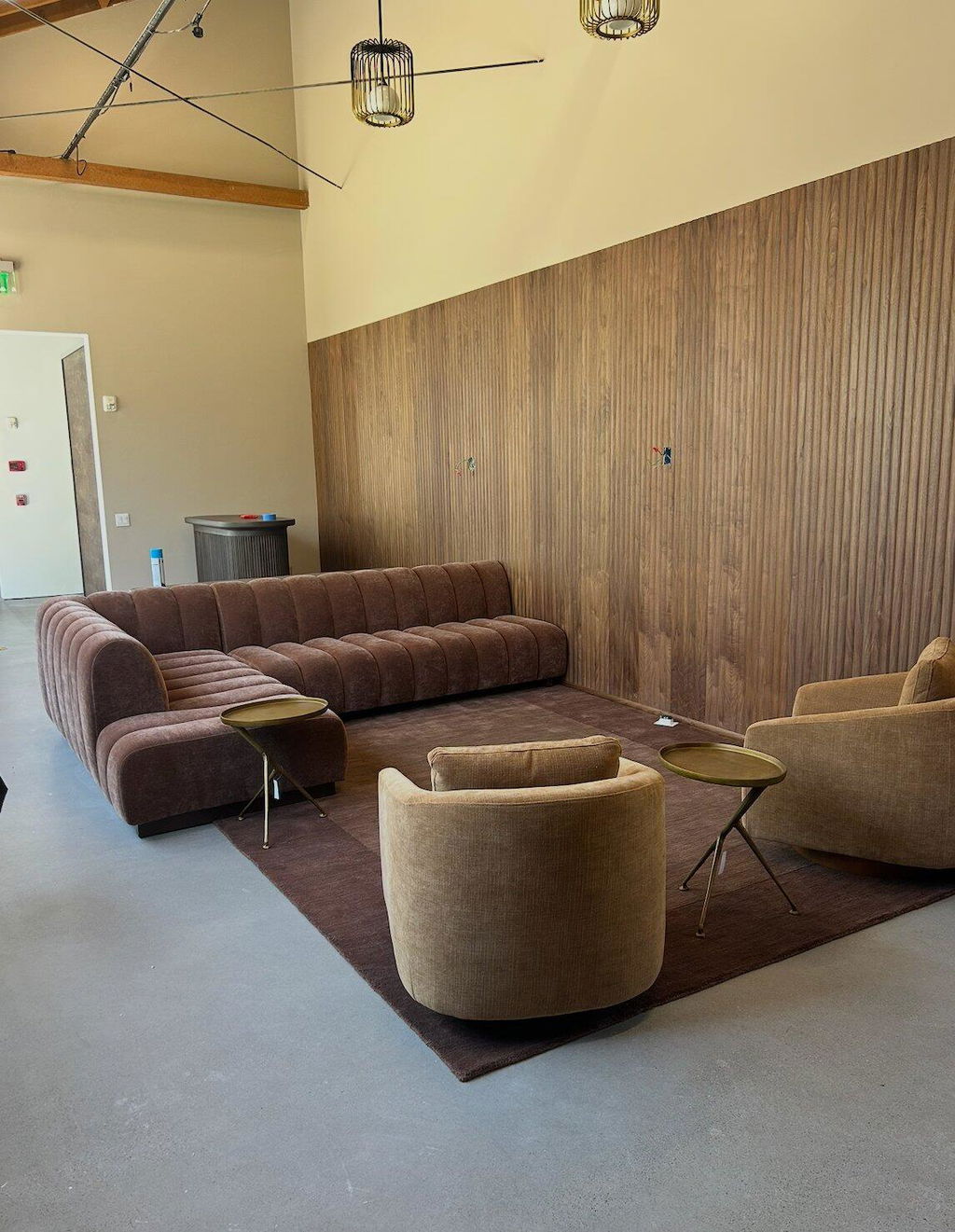
Walk into a room with wood veneer walls and you'll immediately notice the difference. The space feels inviting, elegant, and a little more expensive... in a good way.
Why Homeowners Love Wood Veneer

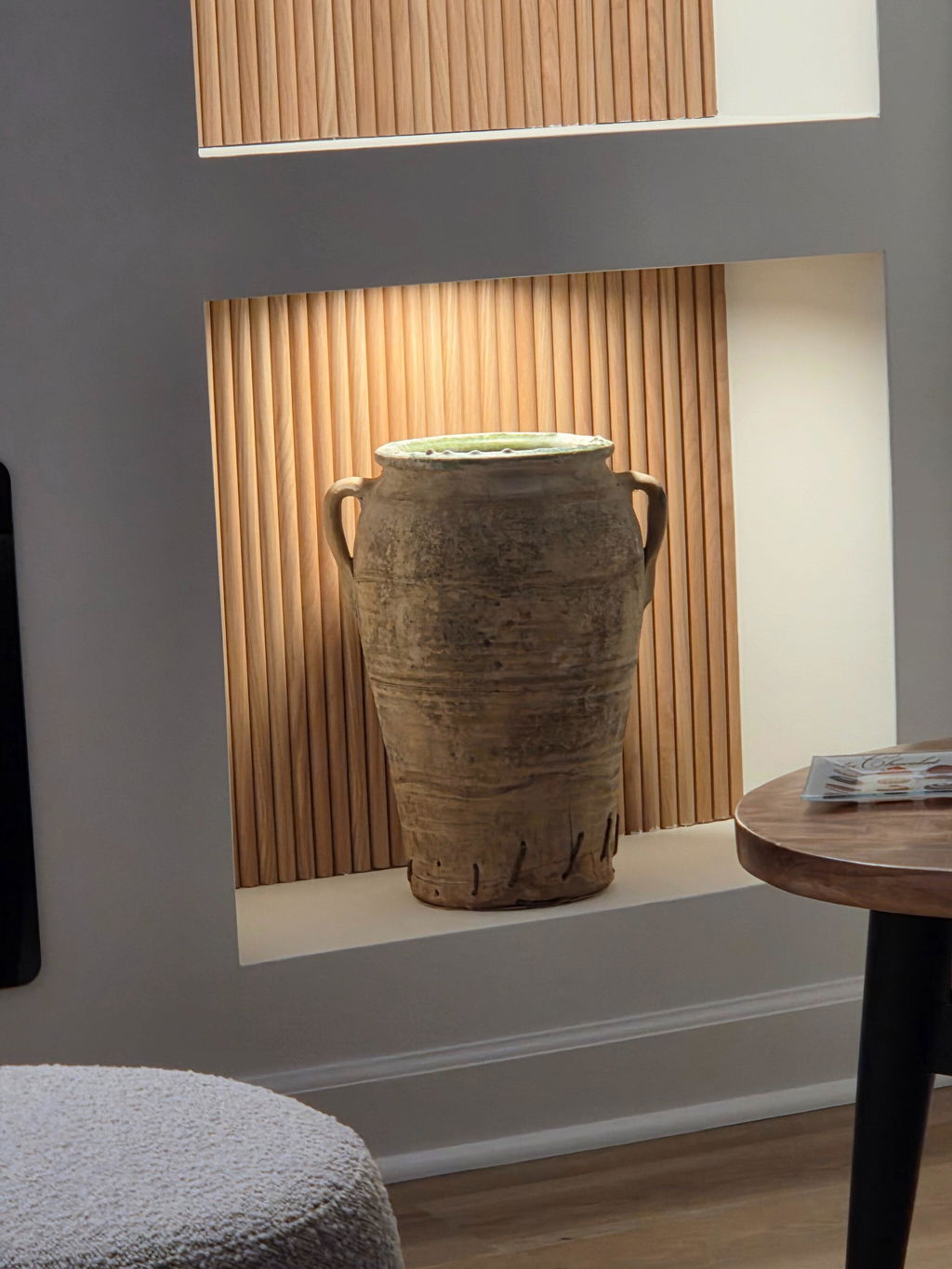
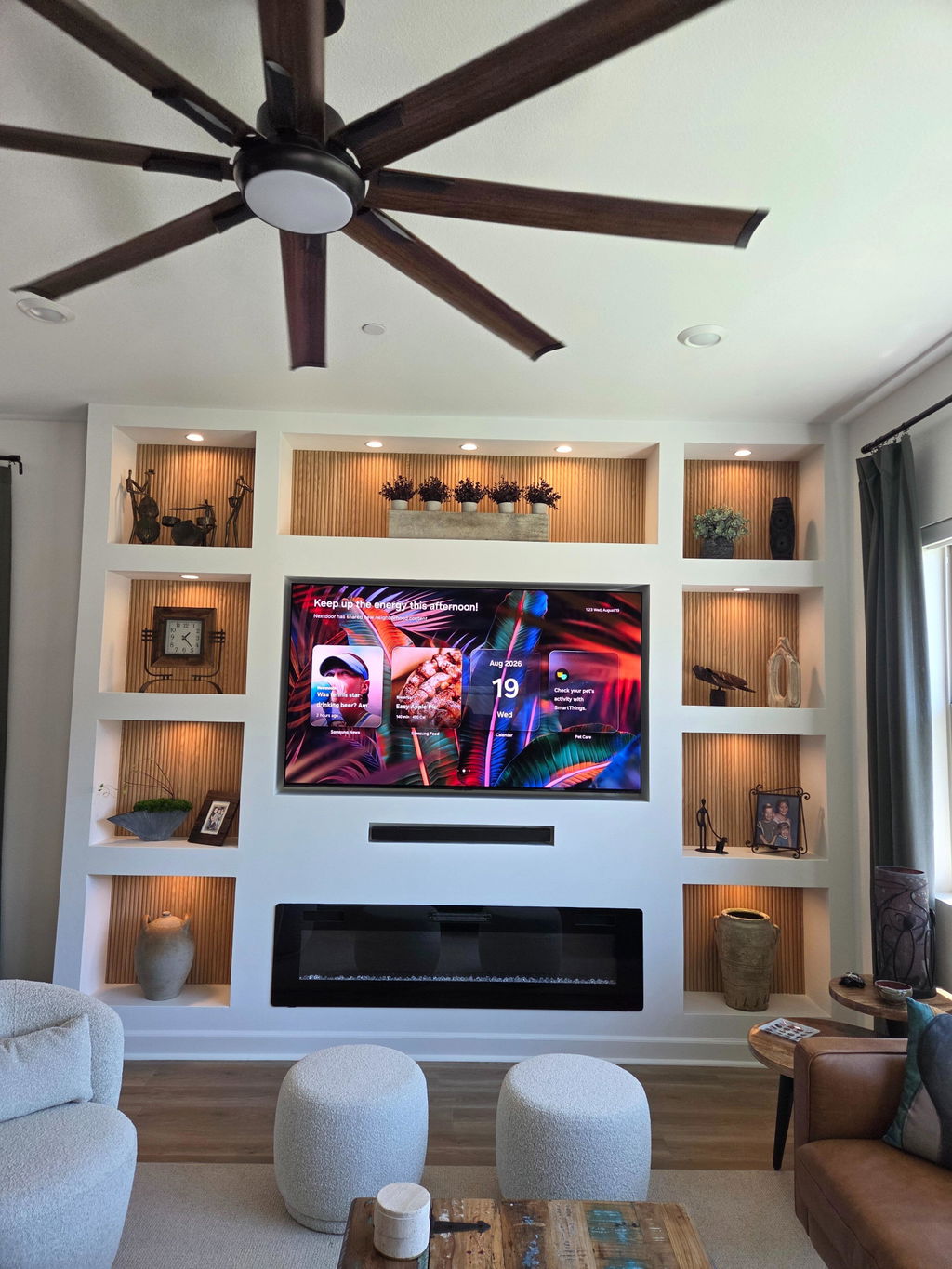
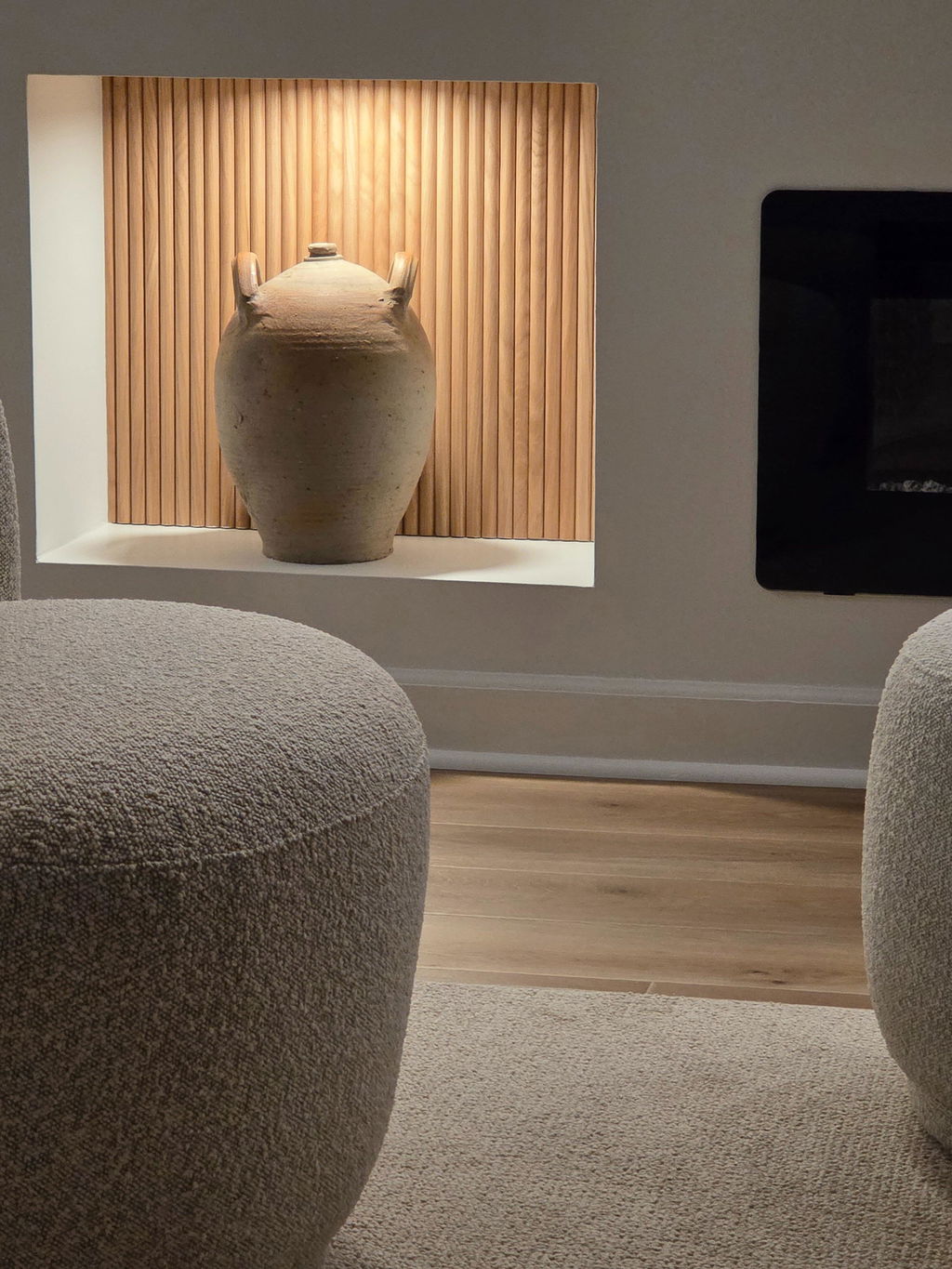
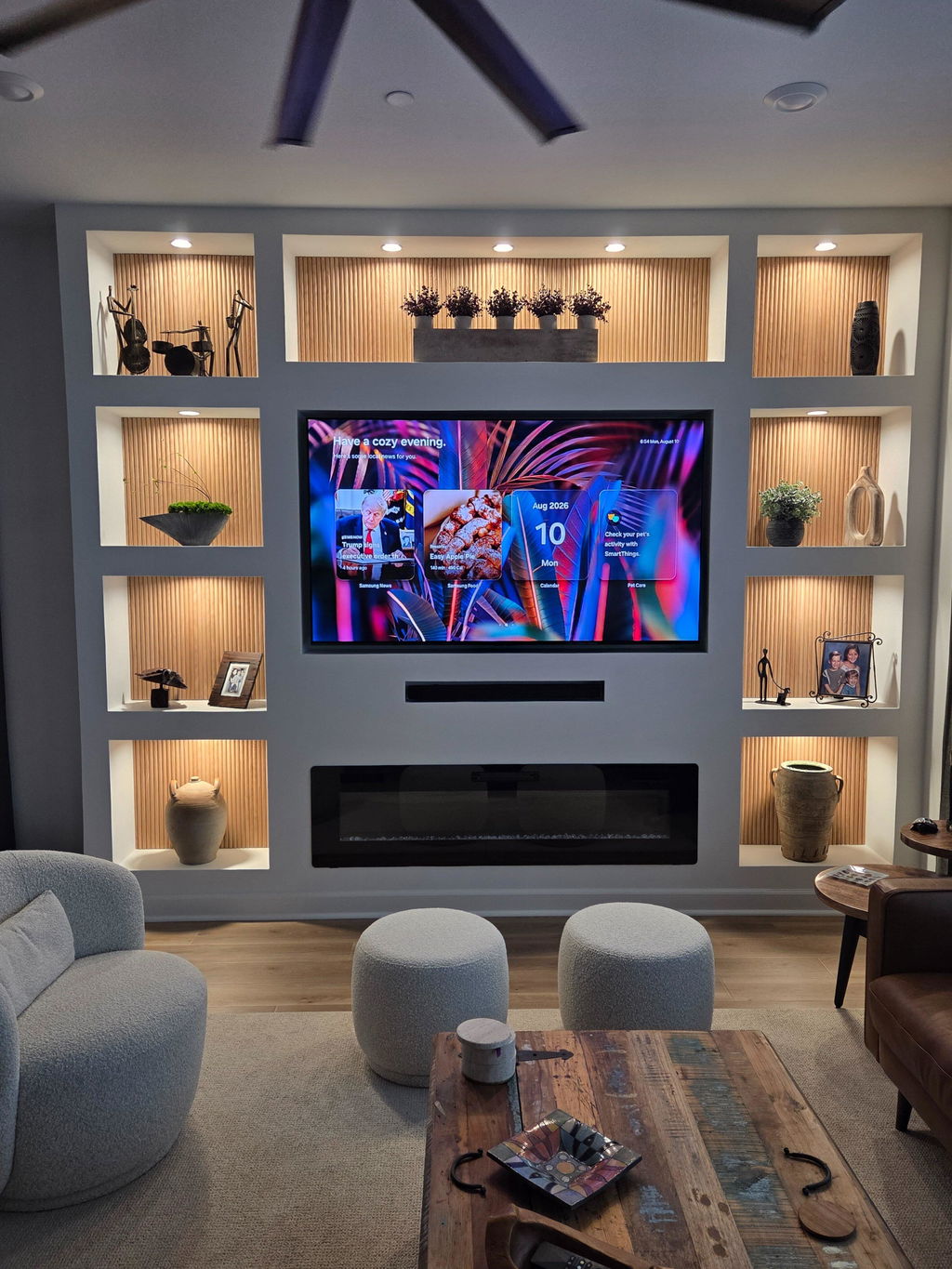
From the image above, you can clearly see that it gives off a legit wood feel...
Wood veneer brings the beauty of real wood without the cost of solid timber. It works particularly well in living rooms, bedrooms, offices, and luxury interiors.
The natural grains also create depth and texture that many synthetic materials struggle to replicate. For homeowners who value aesthetics, wood veneer remains a strong choice.
What are WPC Wall Panels?
WPC stands for Wood Plastic Composite. These panels combine wood fibers and plastic materials to create a durable and moisture-resistant surface.
They have become increasingly popular because they offer both style and practicality.
Think of WPC as the friend who looks good, shows up on time, and never complains about humidity!
Why WPC continues to grow in popularity?
WPC panels resist moisture, termites, and warping. They also require minimal maintenance, making them ideal for busy households.

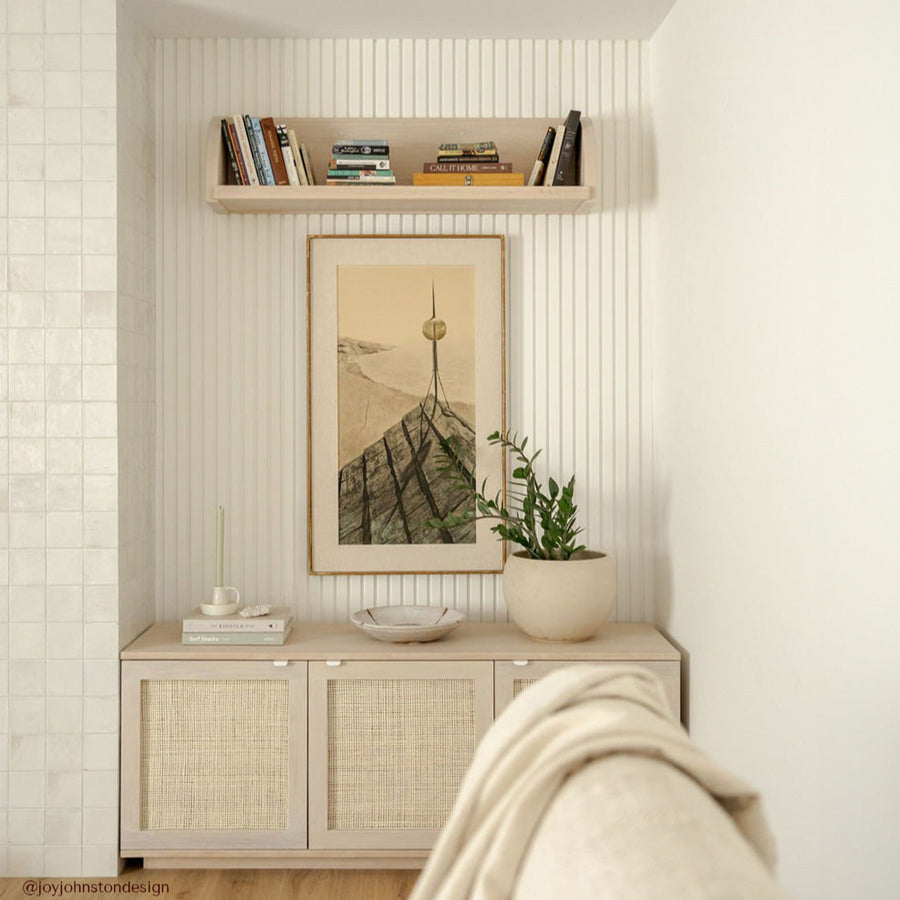
Their clean appearance also works particularly well with modern designs, including fluted wall panels, wood slat panels, and contemporary accent walls.
Which material looks better in modern homes?
Appearance often becomes the deciding factor.
Wood veneer delivers authentic beauty because the natural grain patterns create a warm appeal that cannot be fully (kind of) duplicated.
Meanwhile, WPC panels offer consistency as their colors and finishes remain uniform and creates a clean and contemporary appearance.
For Luxury Interiors

Wood veneer is a great choice for homes that prioritize warmth, texture, and elegance. Its natural wood finish adds a premium look and pairs beautifully with modern furniture, soft lighting, and other natural materials.
For Contemporary Spaces
WPC panels are ideal for clean, modern interiors. Their sleek appearance works well in minimalist designs and pairs nicely with wood slat room dividers, V-groove wall panels, and other contemporary features.
In the end, there isn’t a single “better” option. The right choice depends on the look and feel you want to create, as well as the needs of your space.
Which wall panel lasts longer?
Walls experience more abuse than we often realize. Furniture gets moved. Children run around. Pets occasionally decide that walls are part of the house tour.
Wood veneer can last for decades when properly maintained. However, it remains vulnerable to scratches, moisture, and dents.
WPC panels offer greater resistance to daily wear. They resist termites, humidity, and warping, making them suitable for demanding environments.
Durability Winner
If long-term durability is your top priority, WPC has the clear advantage.
If natural beauty matters most, wood veneer can still provide excellent longevity with proper care.
Which material handles moisture better?
Moisture is one of the biggest factors when choosing wall panels.
Wood veneer performs best in dry indoor environments as excess humidity can eventually affect the finish and structure.
Meanwhile, WPC panels excel in areas exposed to moisture. Their composition allows them to resist water damage more effectively.
Environmental Considerations
Sustainability is becoming a priority for many homeowners. Material selection can impact environmental performance.
Wood Veneer Sustainability
Wood veneer uses natural wood resources. Responsibly sourced products may support sustainable practices.
WPC Sustainability
Some WPC panels contain recycled materials. This can help reduce waste and resource consumption.
Best Areas for WPC Panels
- Kitchens
- Bathrooms
- Laundry rooms
- Utility spaces
- Humid climates
Best Areas for Wood Veneer
- Living rooms
- Bedrooms
- Home offices
- Entertainment areas
The room itself often determines the better option.
Maintenance Requirements: Which is Easier?
Some homeowners enjoy maintenance projects. Others would rather spend their weekends doing literally anything else.
Wood veneer requires occasional care. Gentle cleaning and periodic refinishing help preserve its appearance.
WPC panels require very little maintenance. Dust and stains can usually be removed with a damp cloth.
For busy households, this difference can become quite significant over time.
Cost Comparison and Long-Term Value
Budget always enters the conversation, right?
Well...
Wood veneer generally costs more because it uses real wood. Installation and maintenance costs may also be higher.


WPC panels are often more affordable. Their durability and low maintenance requirements can reduce long-term expenses.
Which provides better value?
If your priority is luxury and natural beauty, wood veneer may justify the investment. But if you want practicality and lower maintenance costs, WPC often delivers better overall value.
Best Rooms for Wood Veneer and WPC Wall Panels
Different spaces have different requirements.
Living rooms benefit from the warmth of wood veneer. Bedrooms often feel more relaxing with natural textures.
Bathrooms and kitchens usually perform better with WPC panels because of higher humidity levels.
Some homeowners combine materials throughout the house. This approach allows each room to benefit from the strengths of both products.
Other Modern Wall Panel Options Worth Considering
Modern interiors offer more choices than ever...

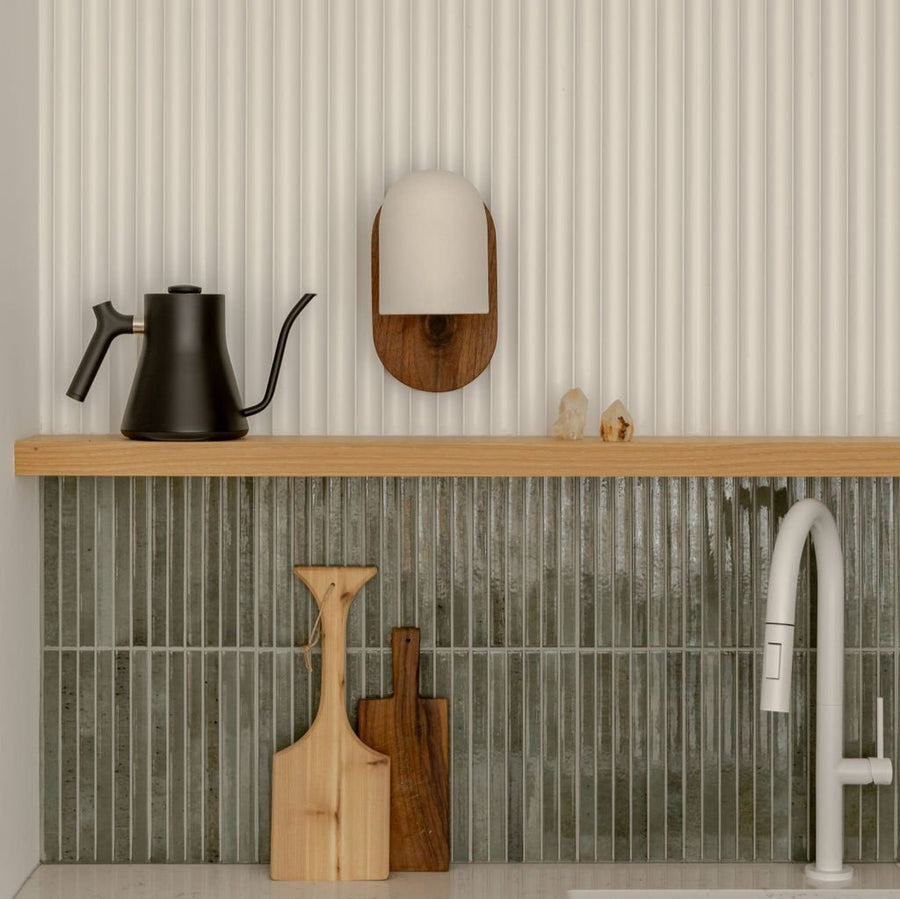
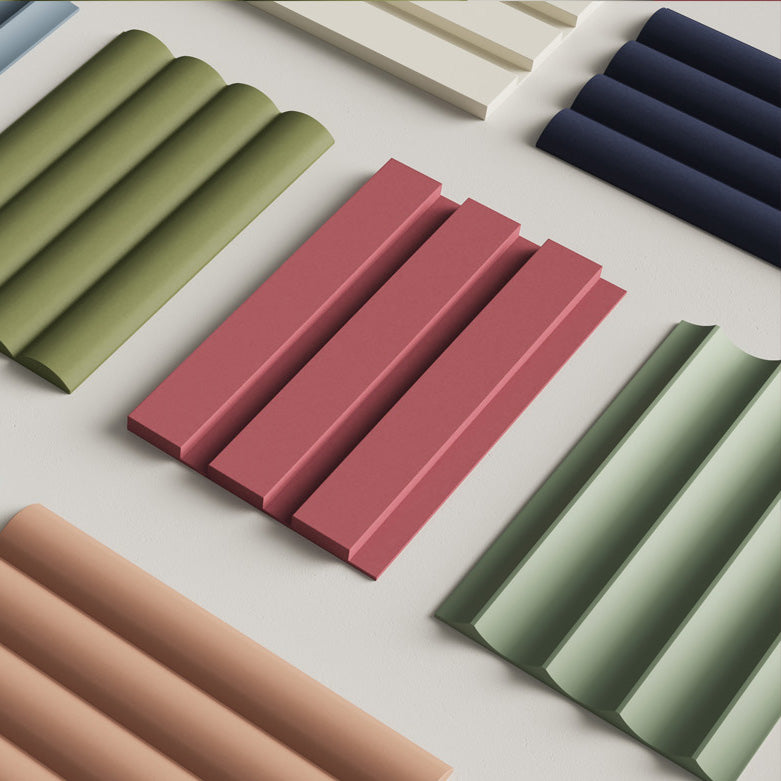
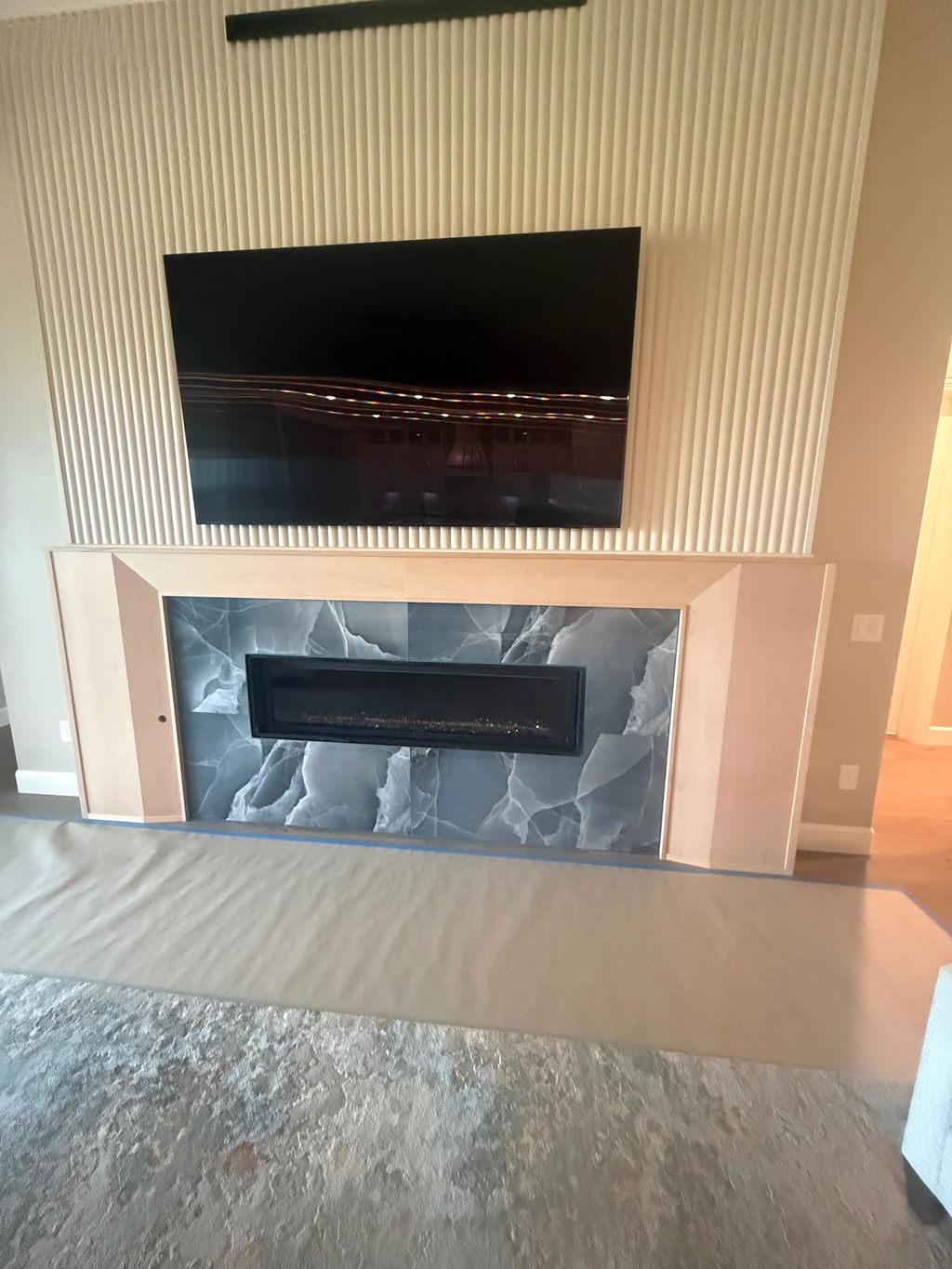
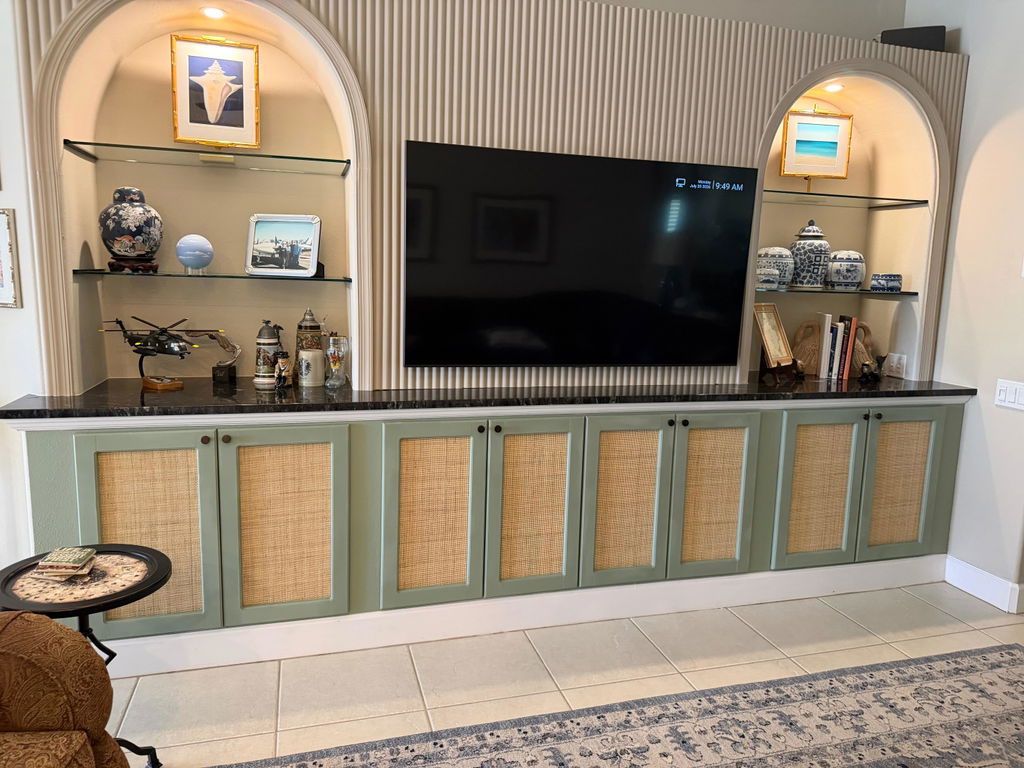
(1) Fluted wall panels add depth and texture to feature walls. Their vertical lines can make spaces appear taller.
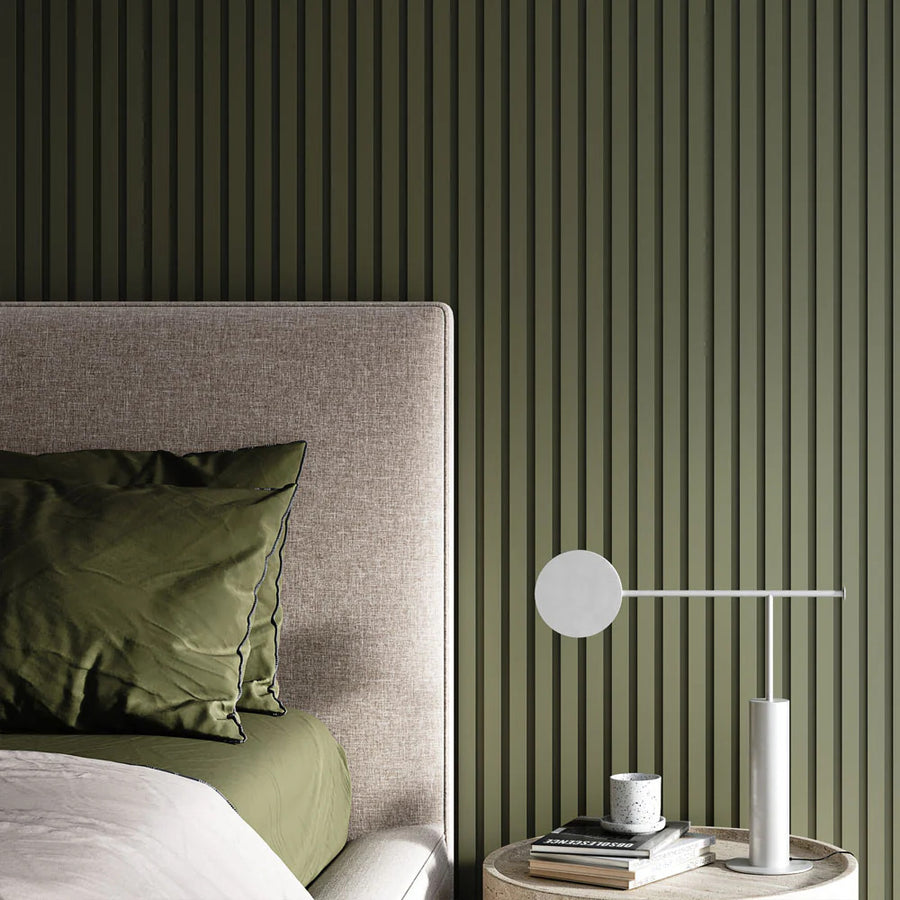
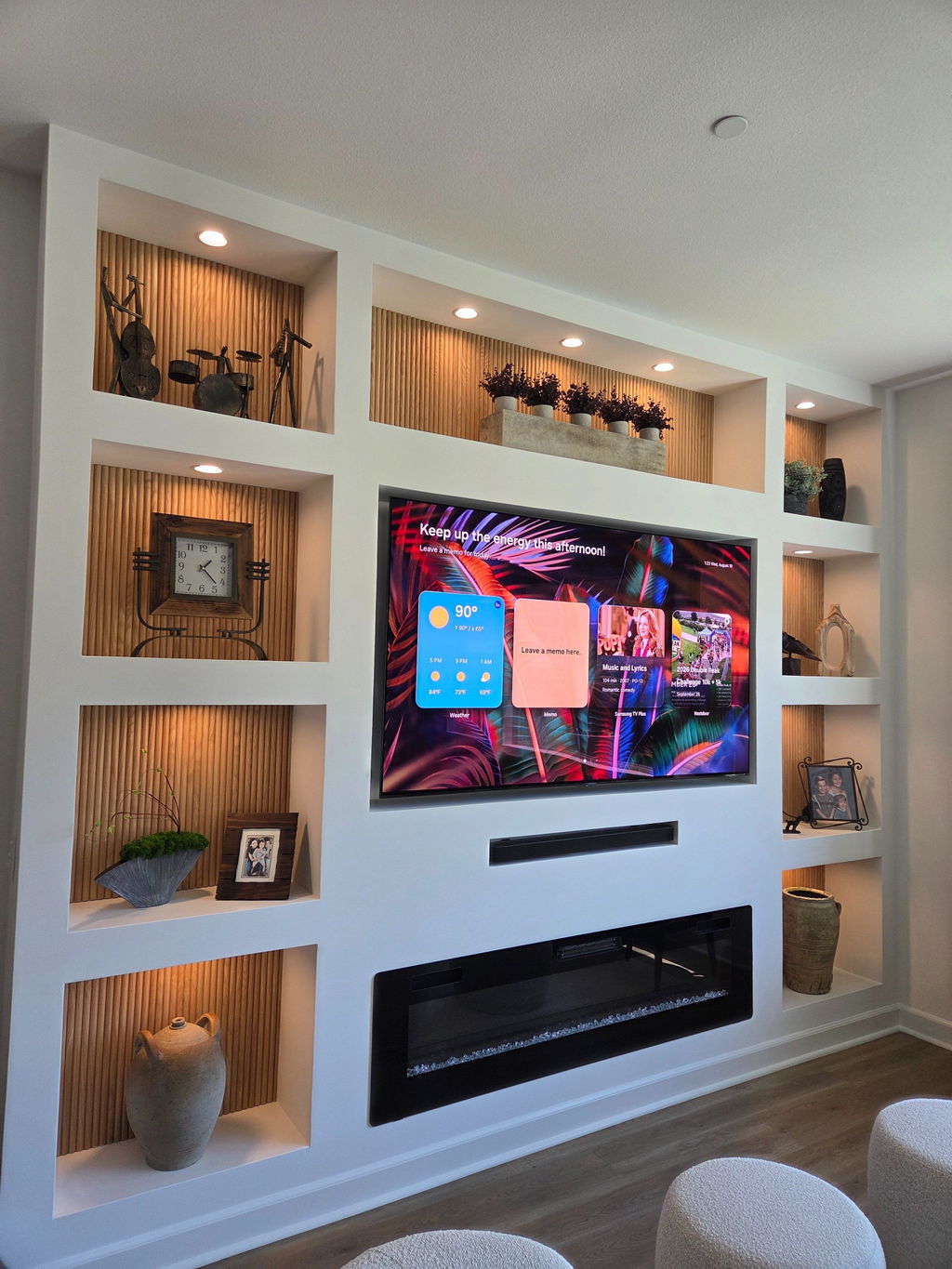
(2) Wood slat panels provide warmth and contemporary appeal. They work particularly well in living rooms and bedrooms.
(3) Paintable wall panels allow homeowners to customize colors as trends change.
(4) V-groove wall panels create subtle lines that add character to walls.
(5) Tongue and groove wall panels provide a timeless look that works in both traditional and modern interiors.
(6) Meanwhile, wood slat room dividers can separate spaces while maintaining an open feel.
These options can easily complement either wood veneer or WPC installations.
Do Wall Panels Increase Home Value?
Well-designed interiors often leave a lasting impression.
Feature walls and decorative paneling can improve the visual appeal of a home. Buyers frequently appreciate finished interiors that require fewer upgrades.
Premium materials such as wood veneer can add a luxurious feel. Meanwhile, durable solutions like WPC appeal to buyers seeking practicality.
Accent features using fluted wall panels or wood slat panels can also enhance the overall design of a space.
Which Wall Panel Is Right For Your Home?
Choose wood veneer if you want:
- Authentic wood grain
- Premium aesthetics
- Warm and natural interiors
- Luxury finishes
Choose WPC if you want:
- Moisture resistance
- Low maintenance
- Greater durability
- Budget-friendly solutions
Some homeowners even use both materials throughout their homes. After all, your walls do not have to follow a single rulebook.
Final Thoughts
Both wood veneer and WPC wall panels offer excellent benefits for modern homes. One emphasizes natural beauty while the other focuses on durability and practicality.
Before making your decision, consider your lifestyle, maintenance preferences, budget, and the environment where the panels will be installed.
And if you're exploring additional design possibilities, options such as fluted wall panels, wood slat panels, paintable wall panels, v-groove wall panels, tongue and groove wall panels, and wood slat room dividers can help create a more personalized and visually appealing space.
Frequently Asked Questions
Are WPC wall panels waterproof?
Most WPC panels offer excellent moisture resistance, making them suitable for bathrooms, kitchens, and humid environments.
Do wood veneer wall panels use real wood?
Yes. Wood veneer panels use a thin layer of genuine wood attached to a stable core material.
Which wall panel lasts longer?
WPC panels generally last longer in humid or high-traffic environments because they resist moisture, termites, and warping.
Can wood veneer be installed in bathrooms?
Wood veneer is usually recommended for dry indoor areas. Bathrooms and other humid spaces may affect its long-term performance.
Which wall panel requires less maintenance?
WPC panels require less maintenance. Most cleaning only involves wiping the surface with a damp cloth.
Do wall panels increase property value?
Decorative wall panels can improve interior appeal and may increase buyer interest, especially when used as feature walls.
Can different wall panels be combined in one home?
Absolutely. Many homeowners combine wood veneer, WPC panels, fluted wall panels, and wood slat panels throughout different rooms to achieve both style and functionality.



Leave a comment