 Skip to content








Fluted vs Ribbed Wall Panels Explained: A Modern Midcentury Home Guide

If you’ve been browsing wall panels lately, you’ve probably noticed something odd. People use the words fluted and ribbed like they’re interchangeable.
Well, they’re not.
Both add texture, both look great in modern interiors, and both show up everywhere right now. But still, once they’re actually on the wall, they behave very differently.
Those differences matter, especially if you’re designing a modern midcentury home. So let’s slow it down and talk through it in this article, as we talk about their features like ribbed and fluted wall panels, their many differences, and where they work best.
What Are Ribbed Wall Panels?


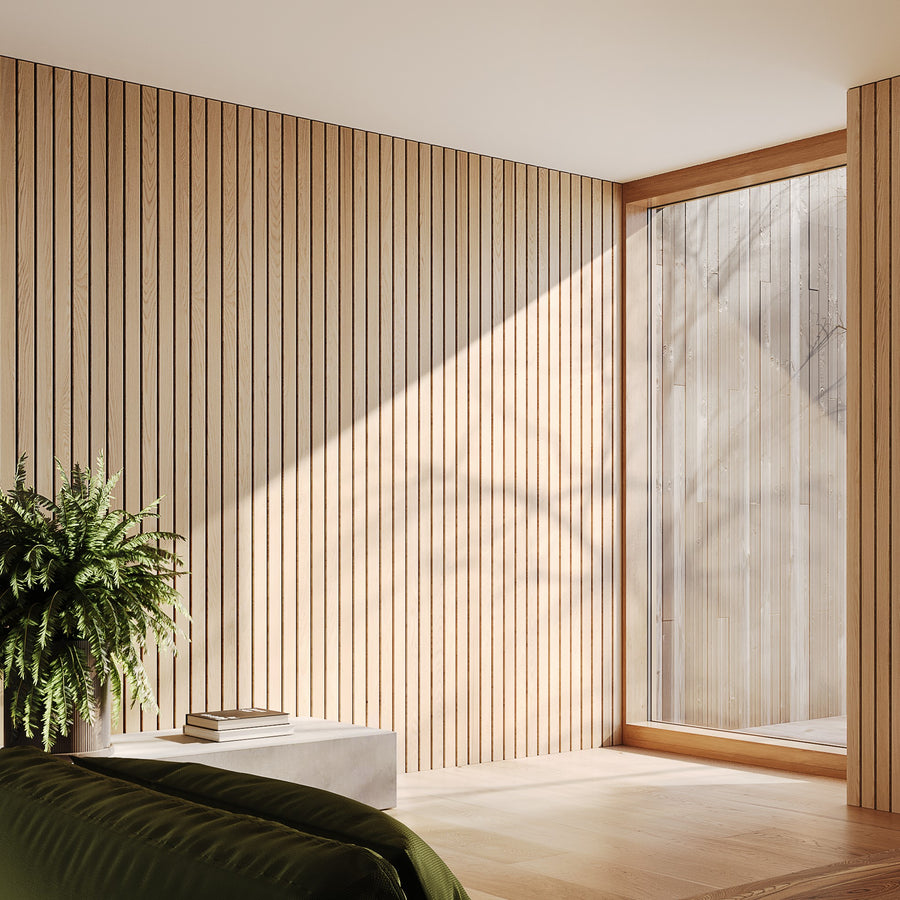
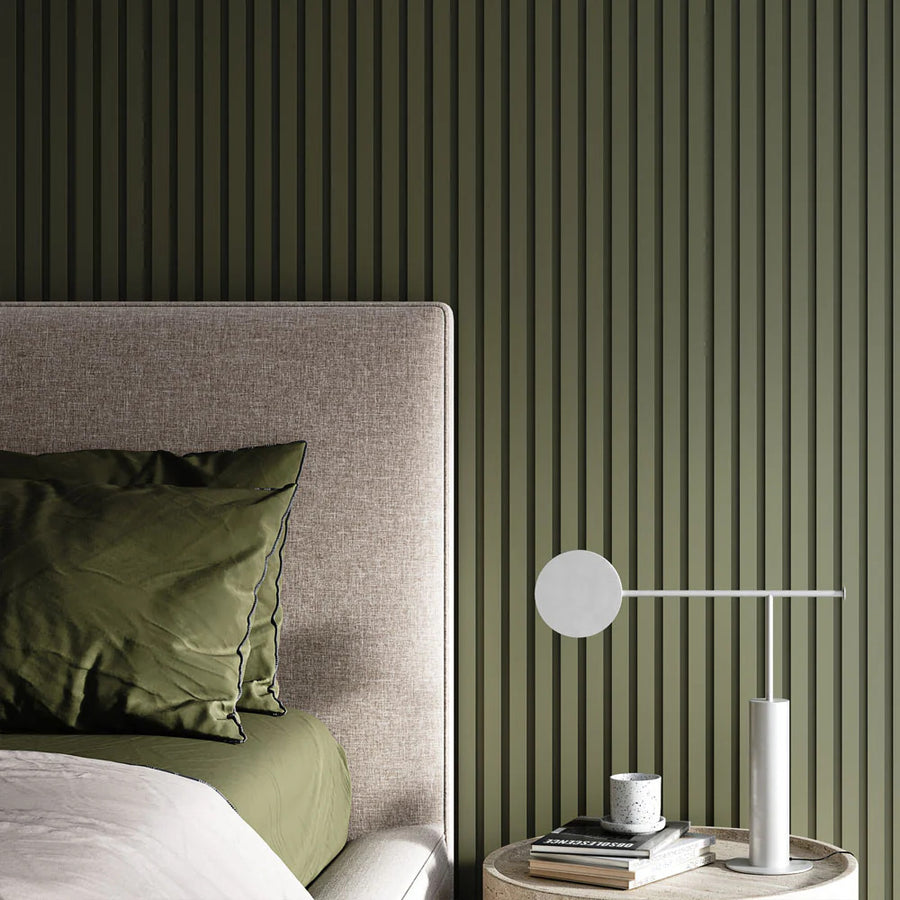
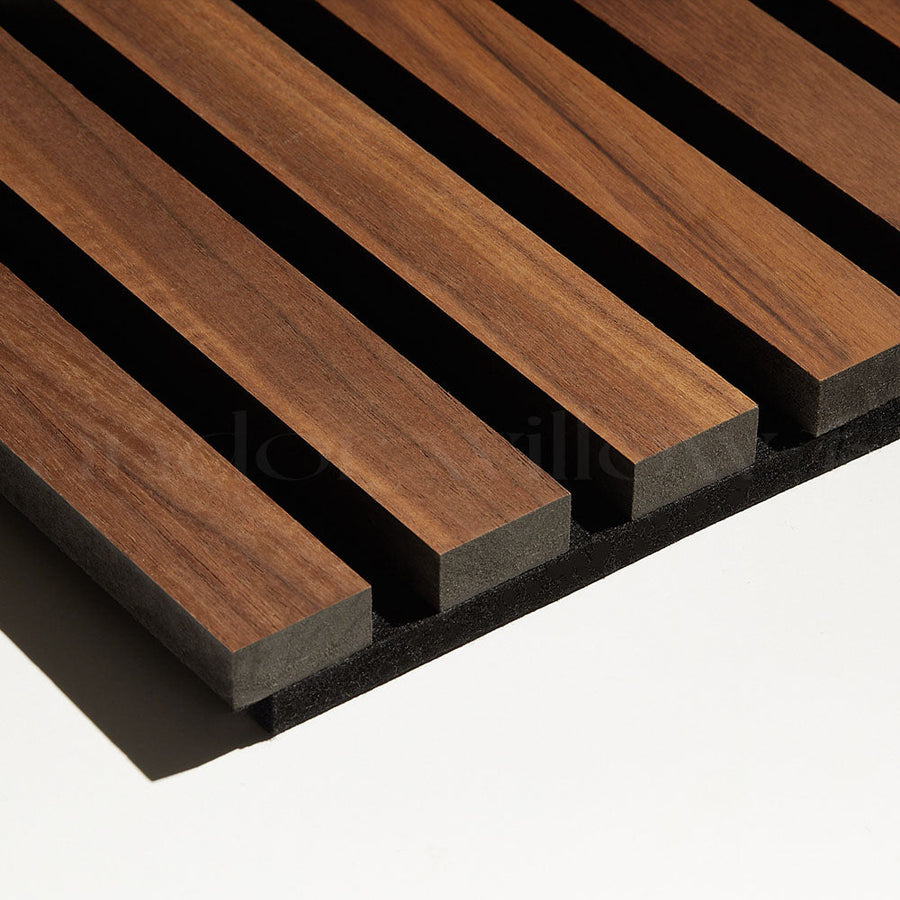
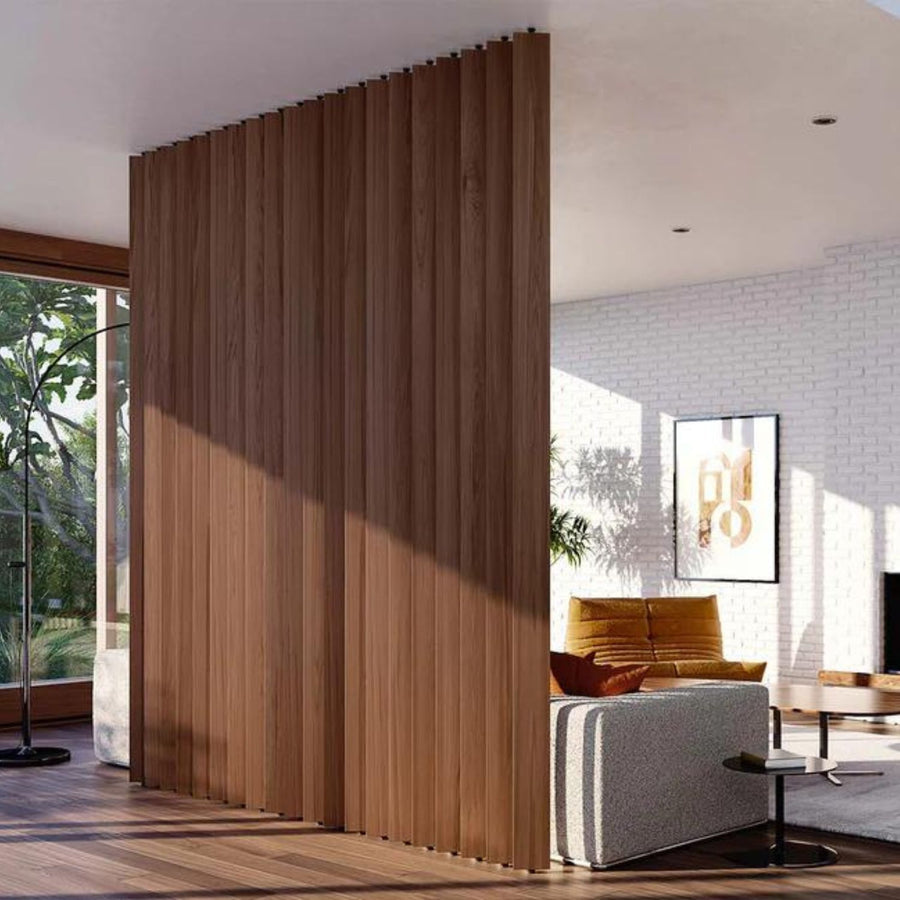
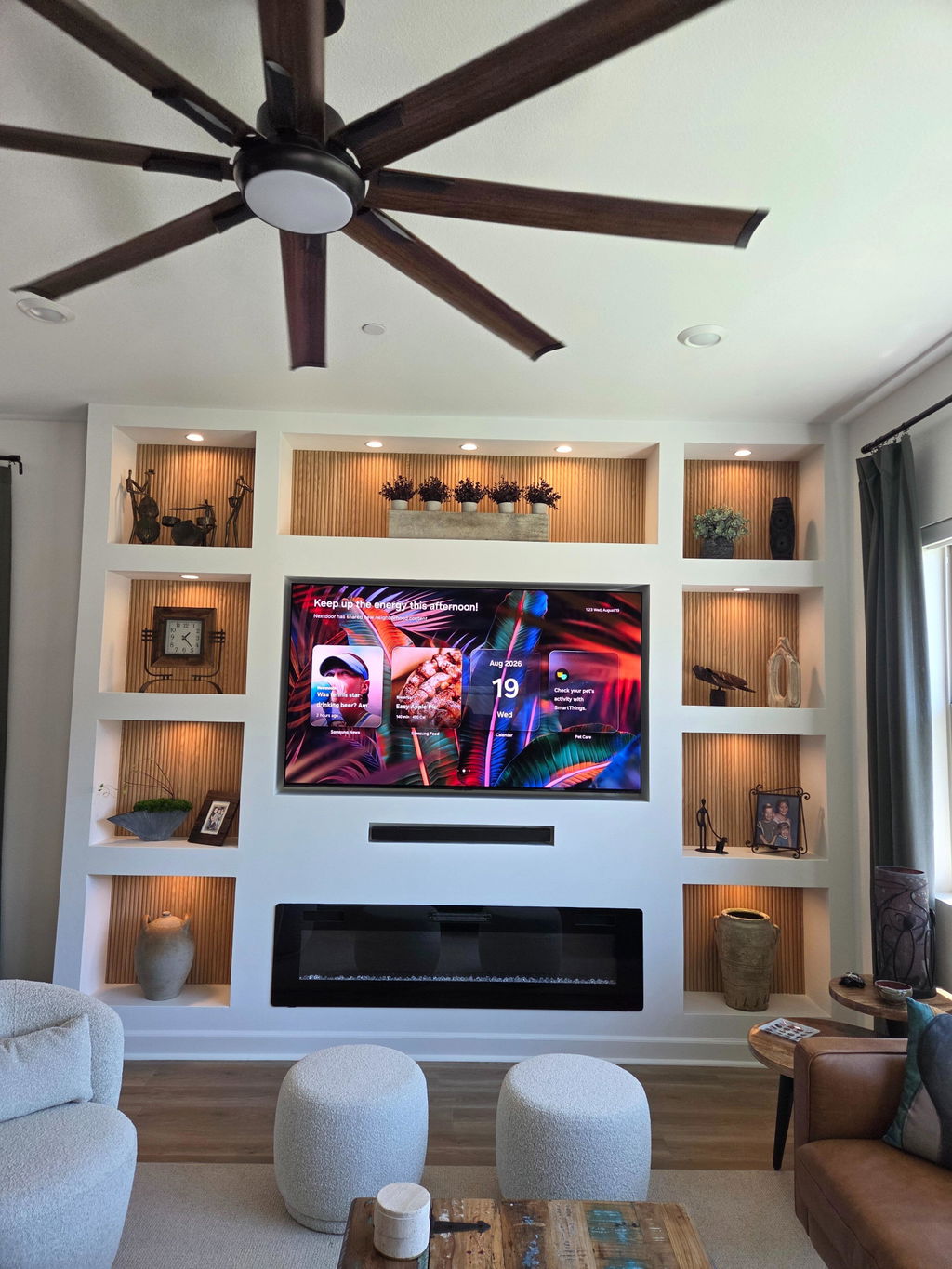
Ribbed wall panels feature crisp and repeating vertical lines. The grooves are more defined, which gives the wall a strong sense of structure right away. Because of that, they tend to feel more architectural and not so decorative.
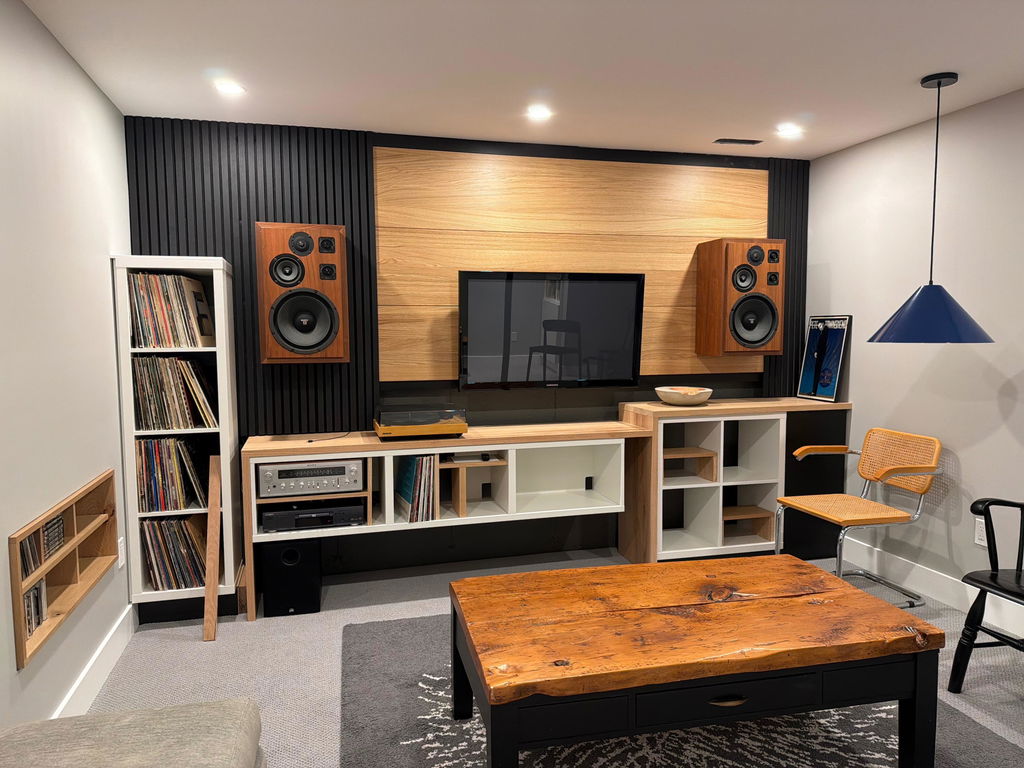
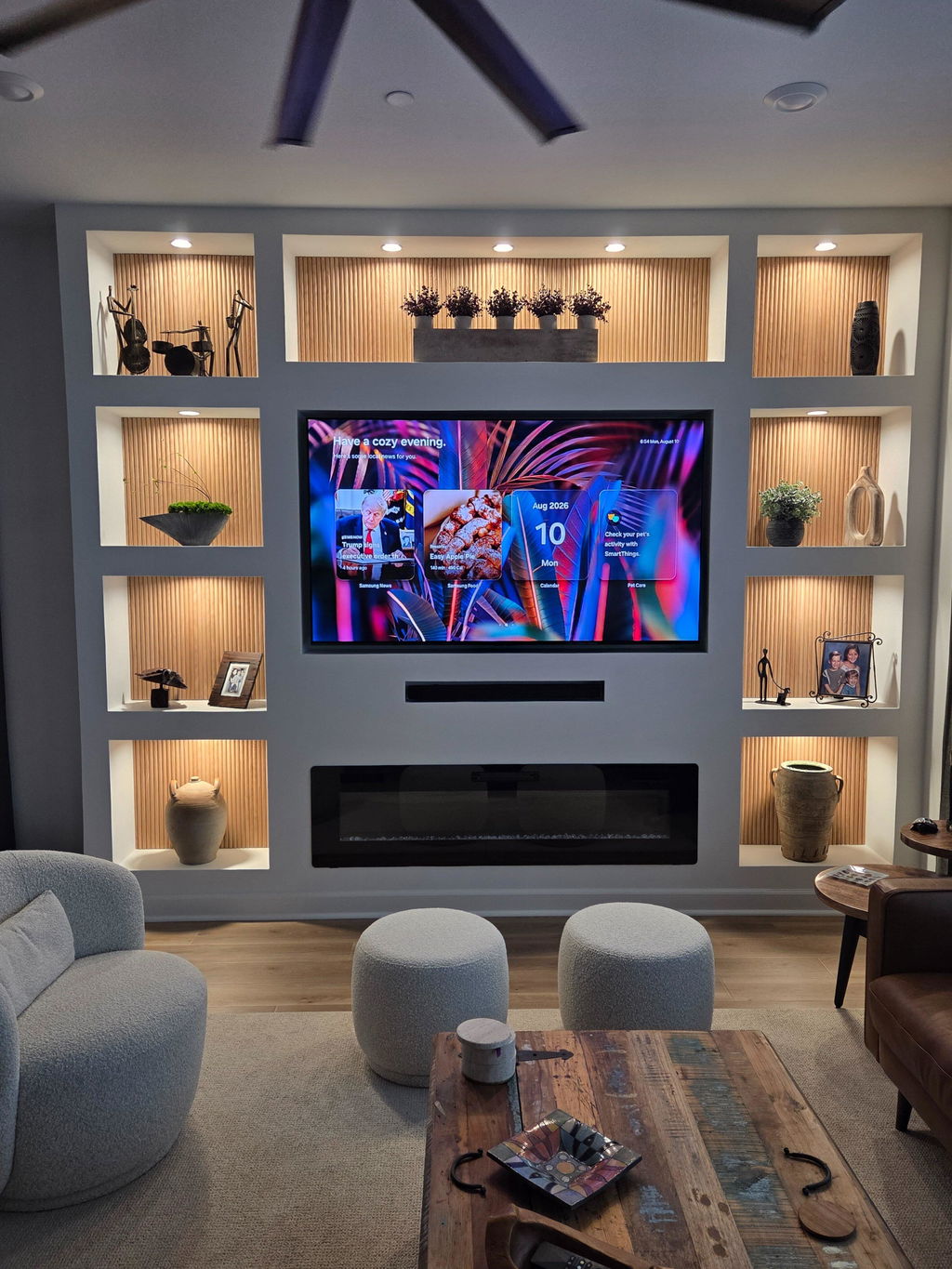
You’ll usually see ribbed panels on larger surfaces like TV walls, entryways, or dining areas that need visual grounding.
What Are Fluted Panels?


How They Actually Feel Once Installed
This is where the difference becomes obvious fast. At first look, fluted and ribbed panels can look like twins. In person, they really don’t.
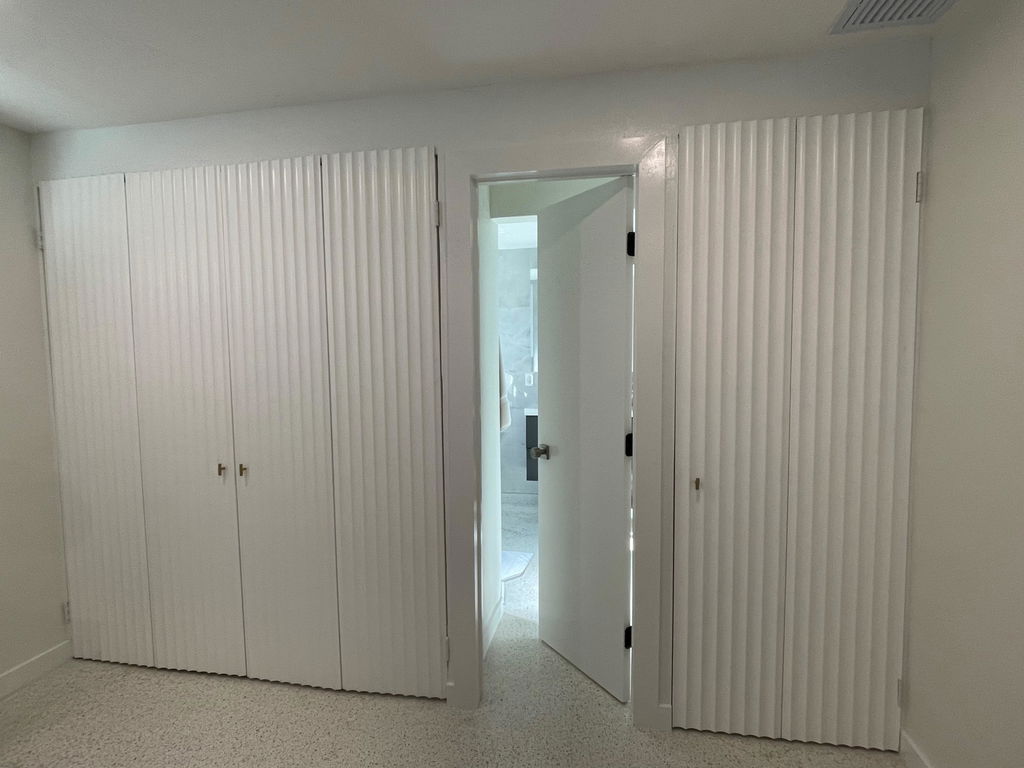
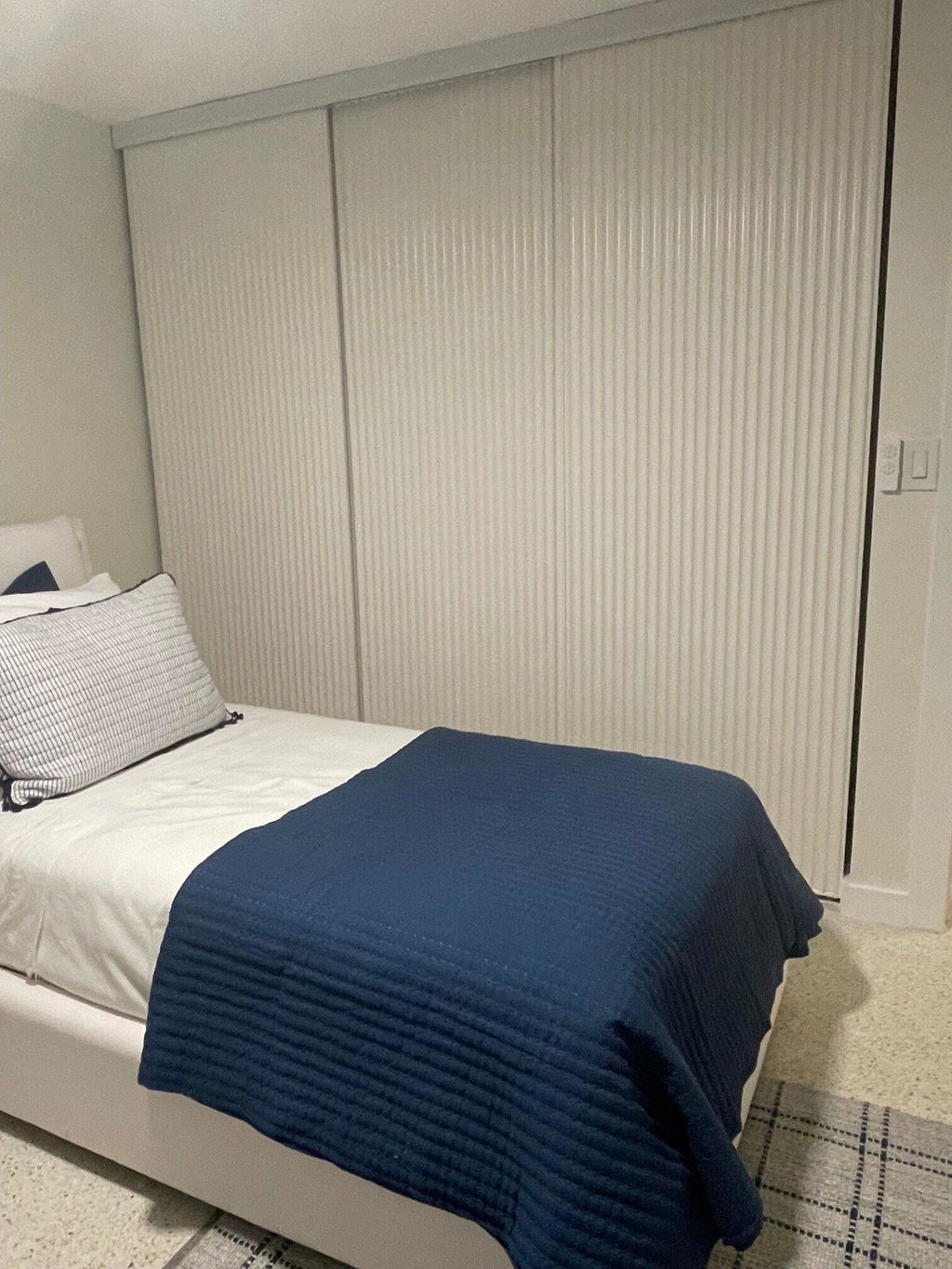
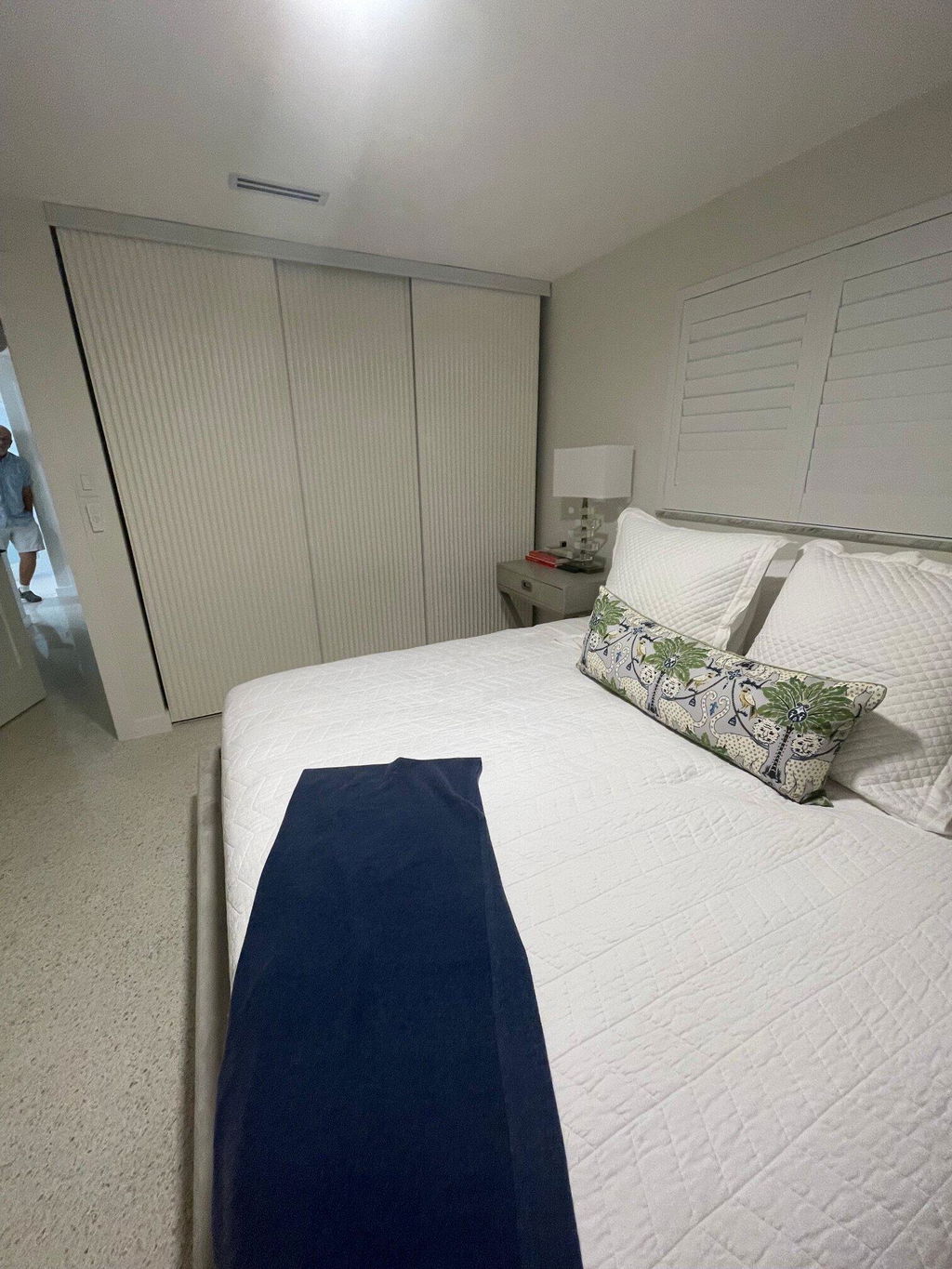
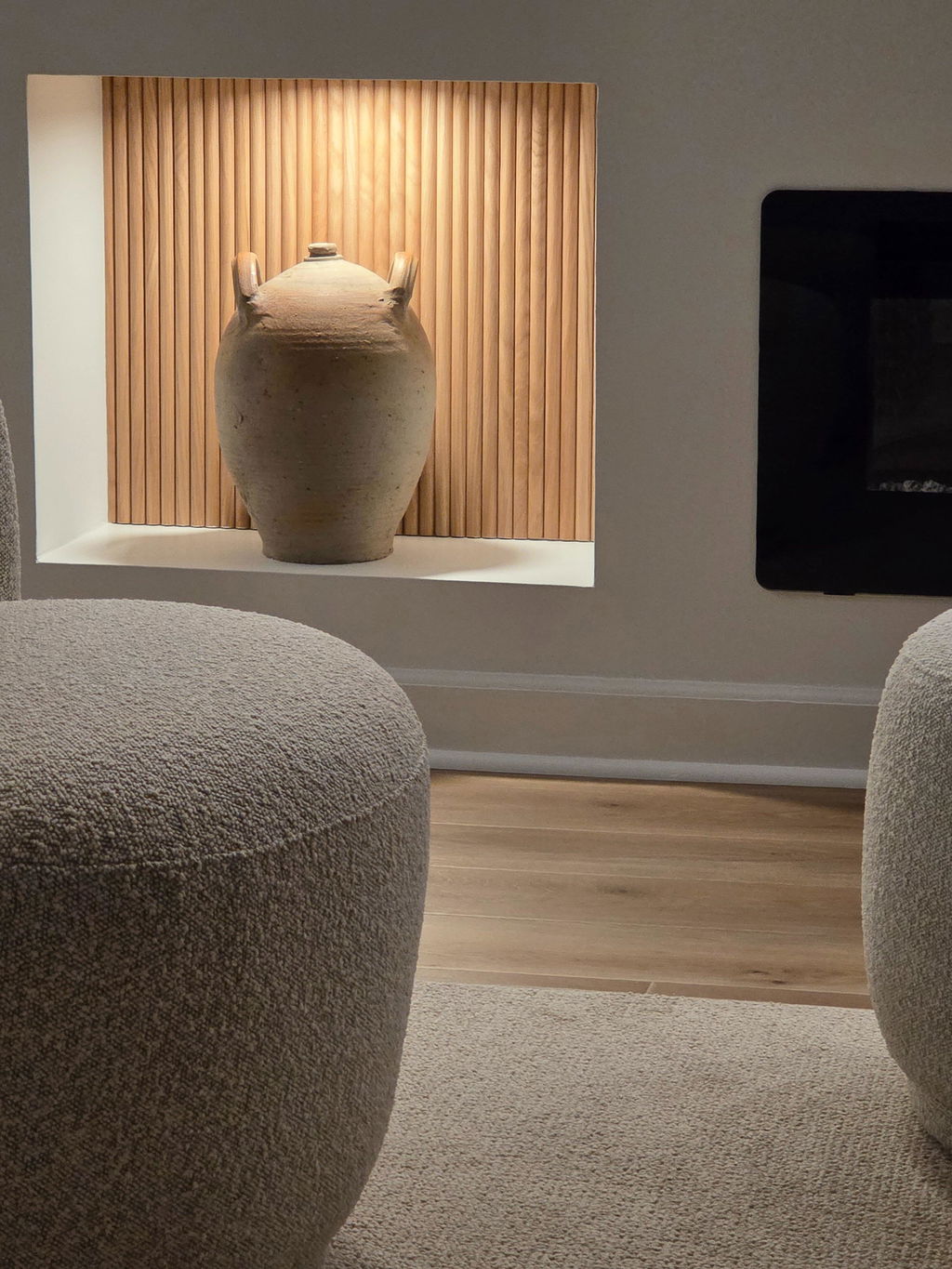
Ribbed wall panels have ridges that curve outward, so the texture sits on top of the surface. Because of that, they catch light more aggressively and feel bolder. For example, on a big dining room feature wall, ribbed panels create that sculptural, almost gallery-like depth, especially when sunlight hits the raised edges.

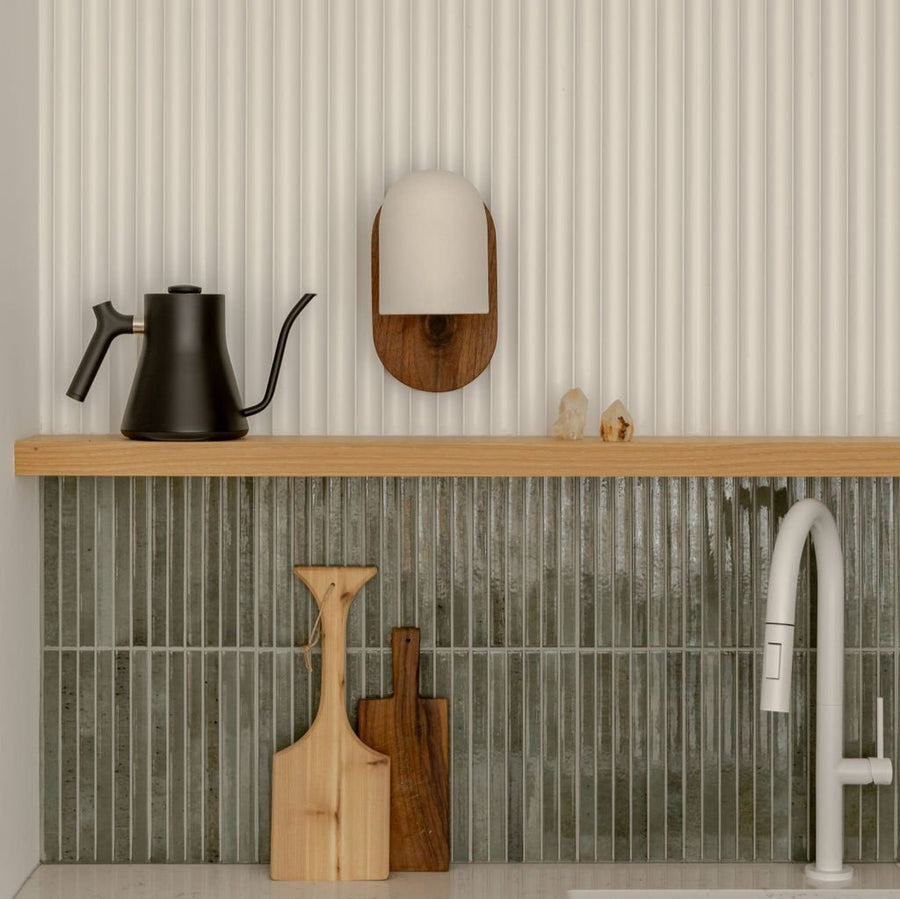
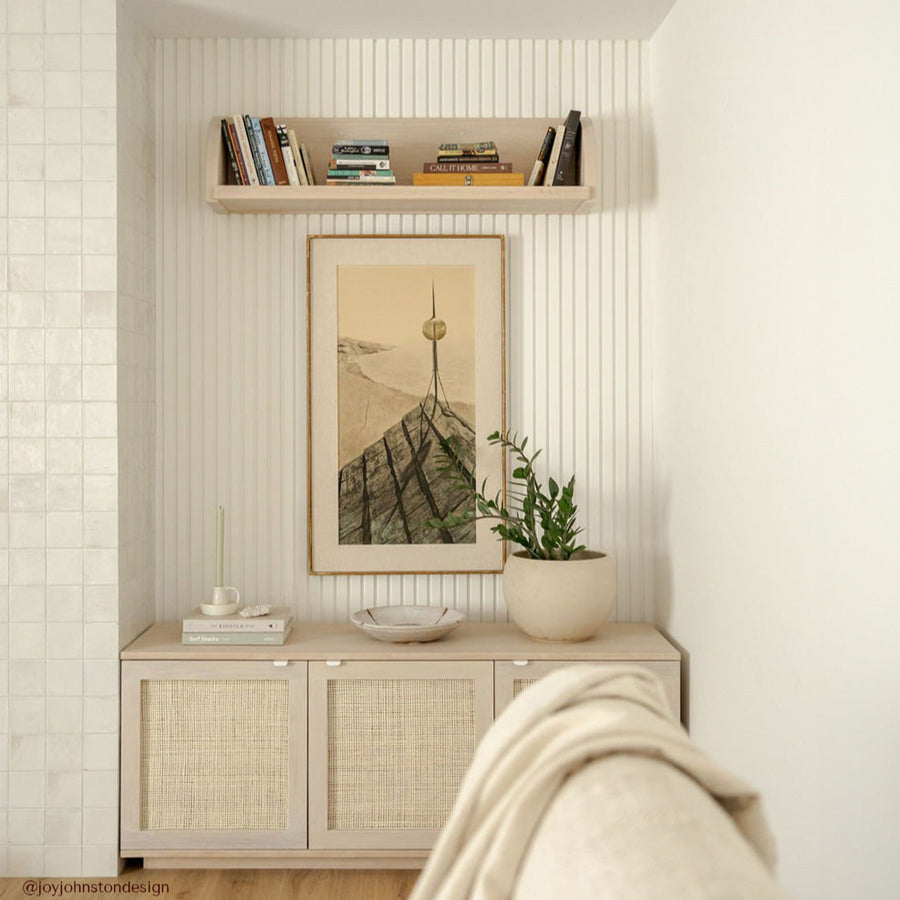
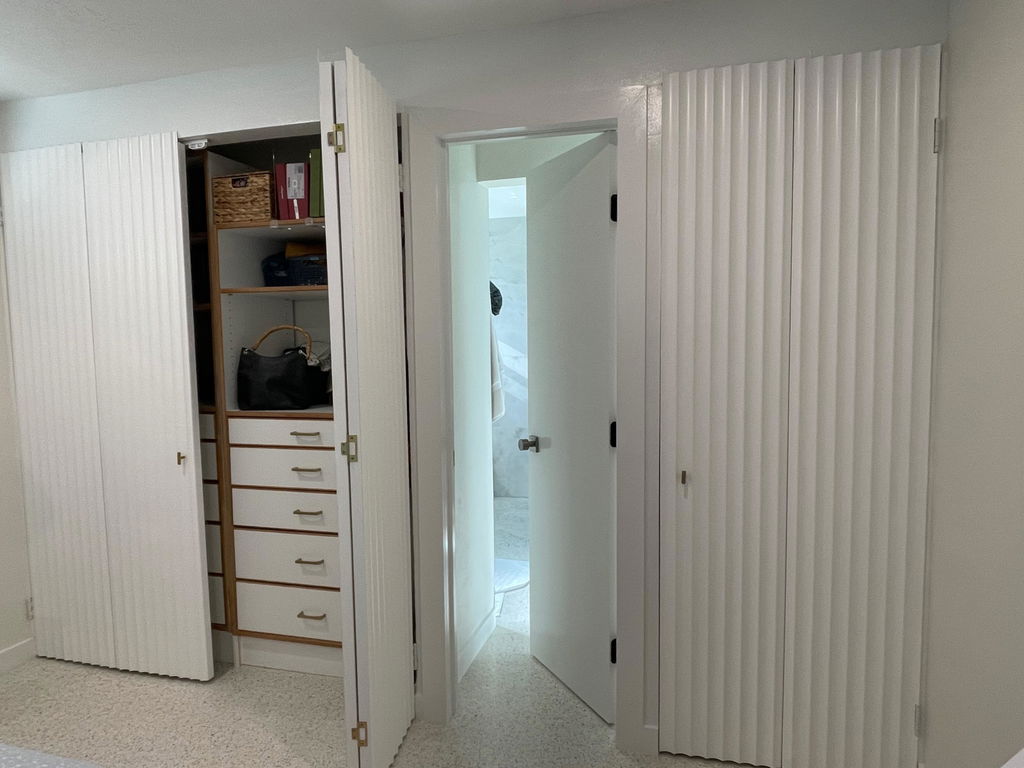
Fluted panels curve inward, so the grooves sink into the panel instead. That gives a softer and more carved-in look. You’ll notice fluted panels work beautifully on kitchen islands, curved bar fronts, or built-ins where you want detail.

So if you want something that feels strong and architectural, ribbed panels usually steal the show. Meanwhile, fluted panels feel quieter, smoother, and a little more subtle once they’re actually in the room.



Leave a comment