 Skip to content







Paintable Wall Panels vs Real Wood Panels: Which Is Right for Your Space?

At some point, a lot of homeowners end up staring at a wall and thinking something feels off.
The furniture might look great and the lighting might be perfect, but the walls are just… there.
Flat drywall doesn’t exactly bring a lot of personality to a room.
That’s usually when wall panels start looking interesting. They add texture, structure, and depth without requiring a full renovation. Suddenly a blank wall becomes a design feature instead of just a surface holding up paint!
But then another question shows up pretty quickly...
Should you go with paintable panels or real wood panels?
Both options solve the same problem, but they behave very differently once you start installing them.
So before you grab a tape measure and start planning a feature wall, it helps to understand what you’re actually choosing between.
What are Paintable Wall Panels?


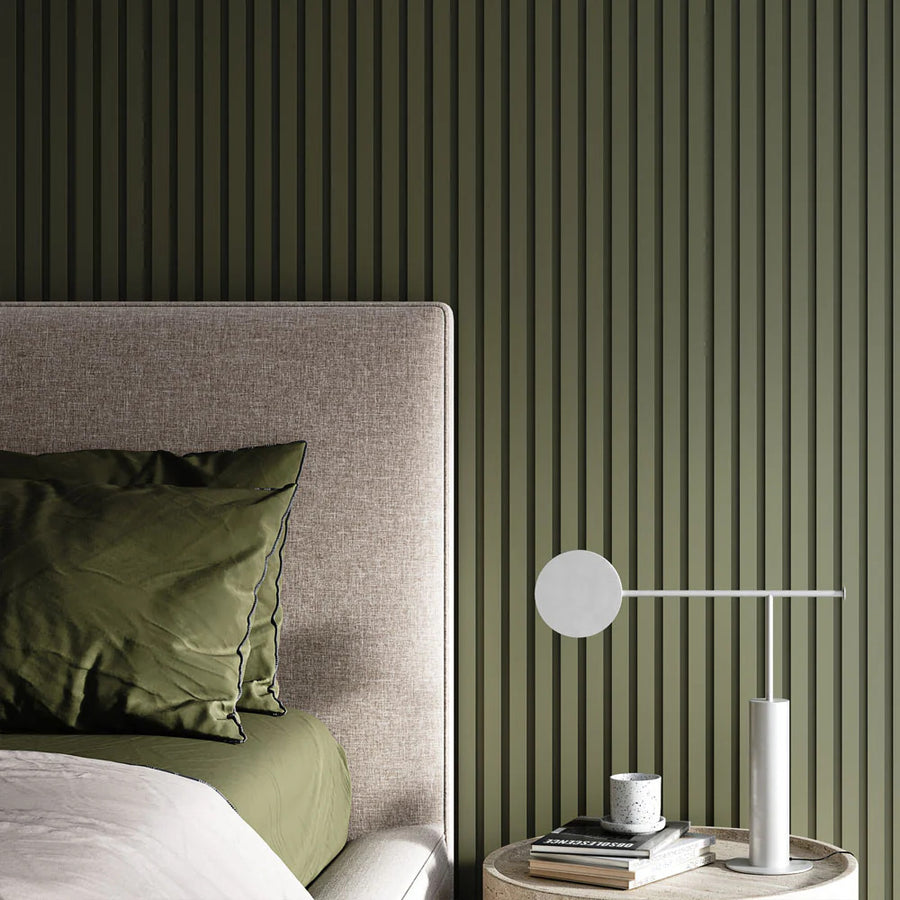
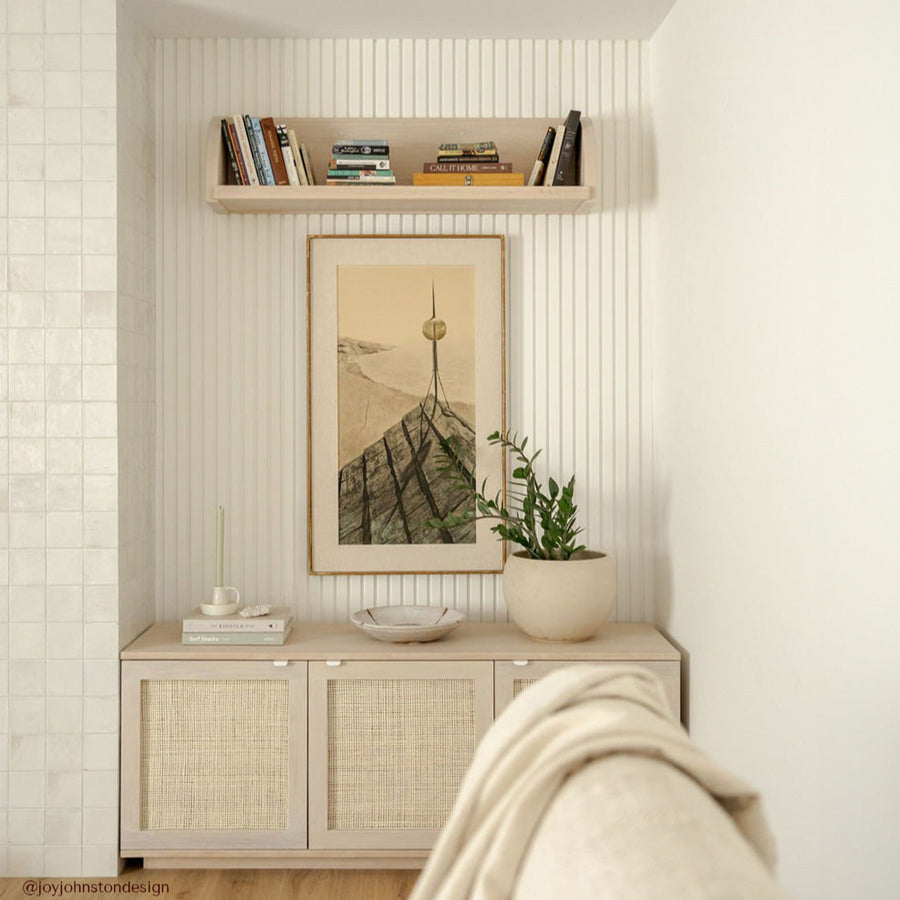
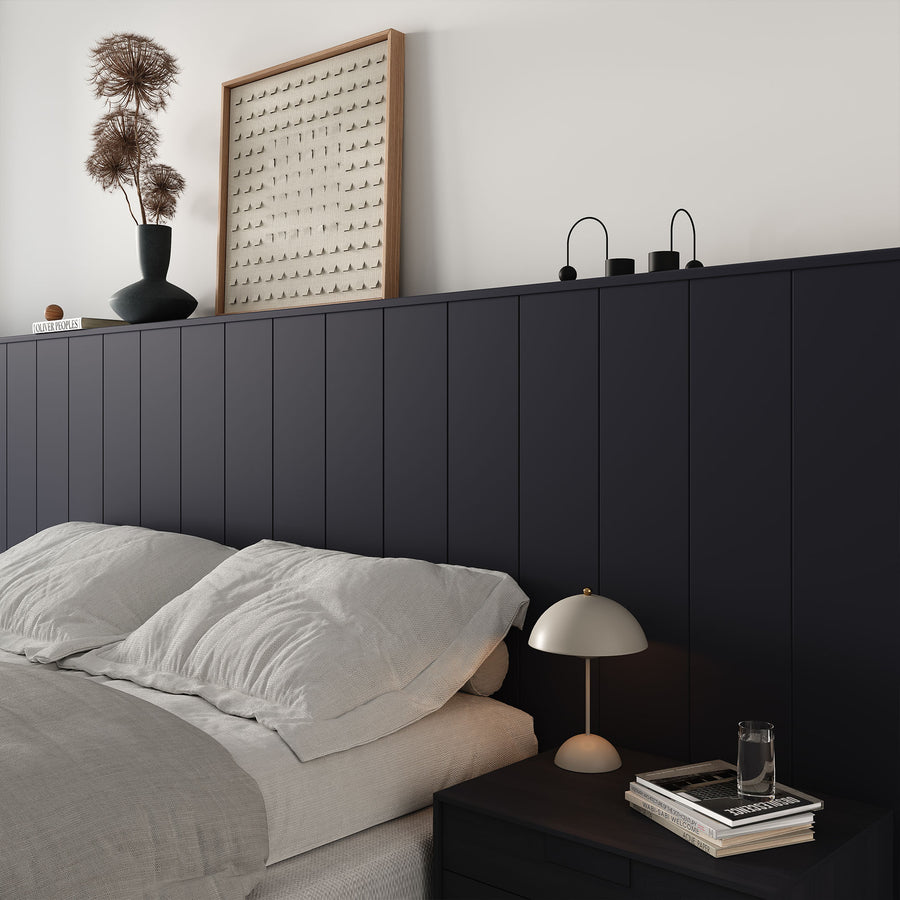
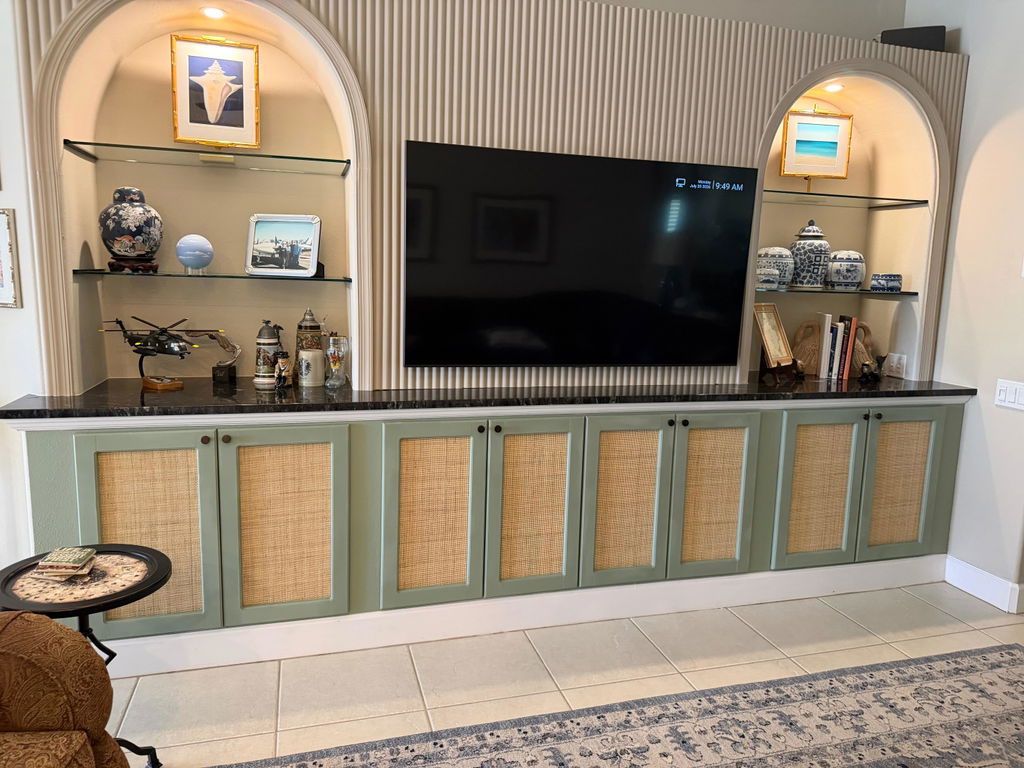
Paintable wall panels are designed to be installed first and painted afterward. Instead of choosing a factory finish, you get full control over the final color of the wall. That makes them a popular choice when you want the paneling to match trim, cabinetry, or an existing palette.
Most paintable panels are made from high-density MDF, a material commonly used for interior millwork. It stays stable indoors and provides a smooth surface that holds paint really well. Once installed and painted, the panels look like they were always part of the wall.
Many systems also arrive pre-primed with a water-based primer, which means they are ready to paint right after installation. That eliminates an extra prep step and speeds up the finishing process.
Material and Construction
Paintable panels typically use high-density, ultra-low VOC MDF, which is stable and durable for interior applications. Because MDF does not expand and contract as much as solid wood, the panel lines stay clean over time.
Some systems also include reinforced flexible PVC backing. That might sound technical, but it simply allows the panels to bend slightly. This makes it possible to install them on curved surfaces like kitchen islands, bar fronts, or rounded walls.
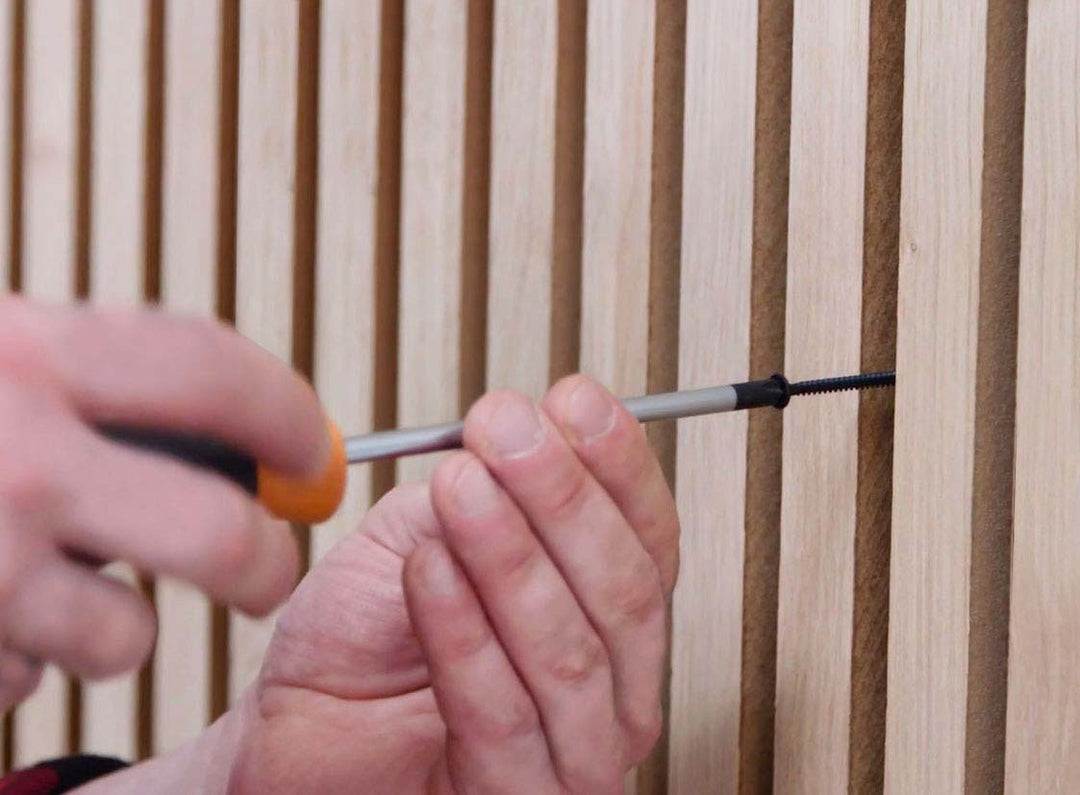
Installation is also relatively straightforward. Panels are mounted directly over drywall using screws, finishing nails, or construction adhesive, depending on the surface condition. For many homeowners, it turns into a manageable weekend project.
Common Styles
Paintable panels come in several profiles, each creating a different look once installed. The style you choose will determine how subtle or dramatic the wall feels.
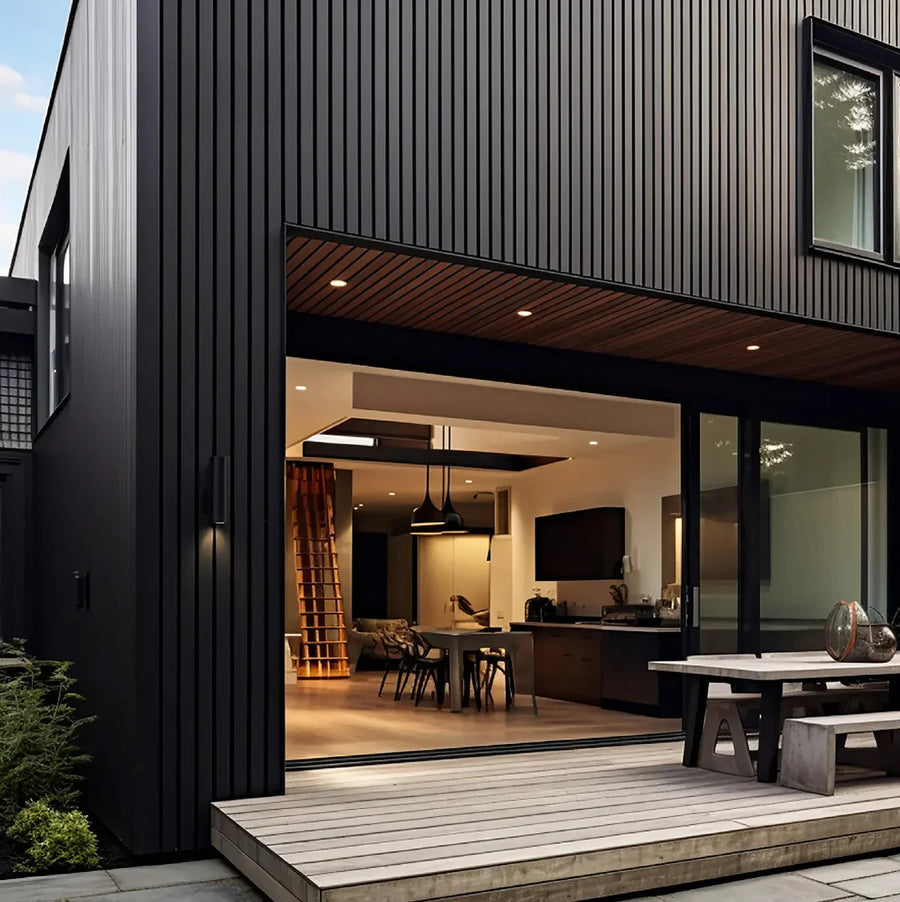
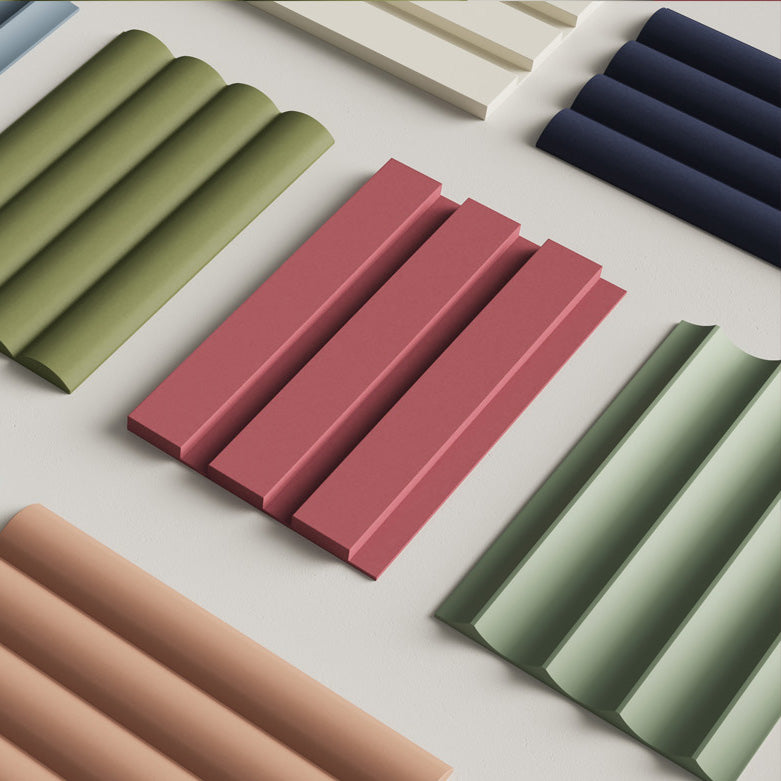
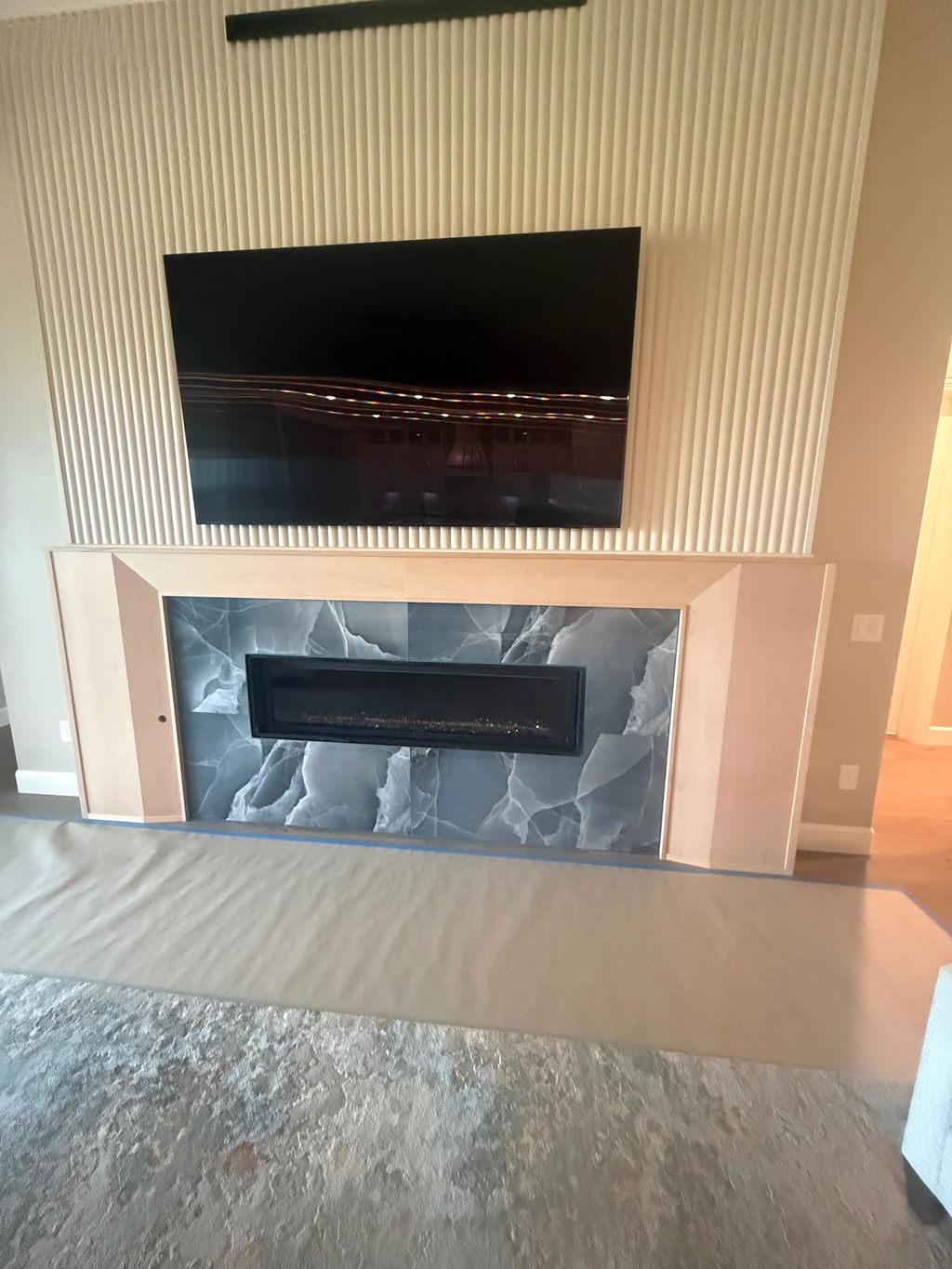
Paintable ribbed panels use outward ridges that create strong vertical shadow lines.
Check this out...

These tend to look bold and architectural, especially when painted in darker colors.
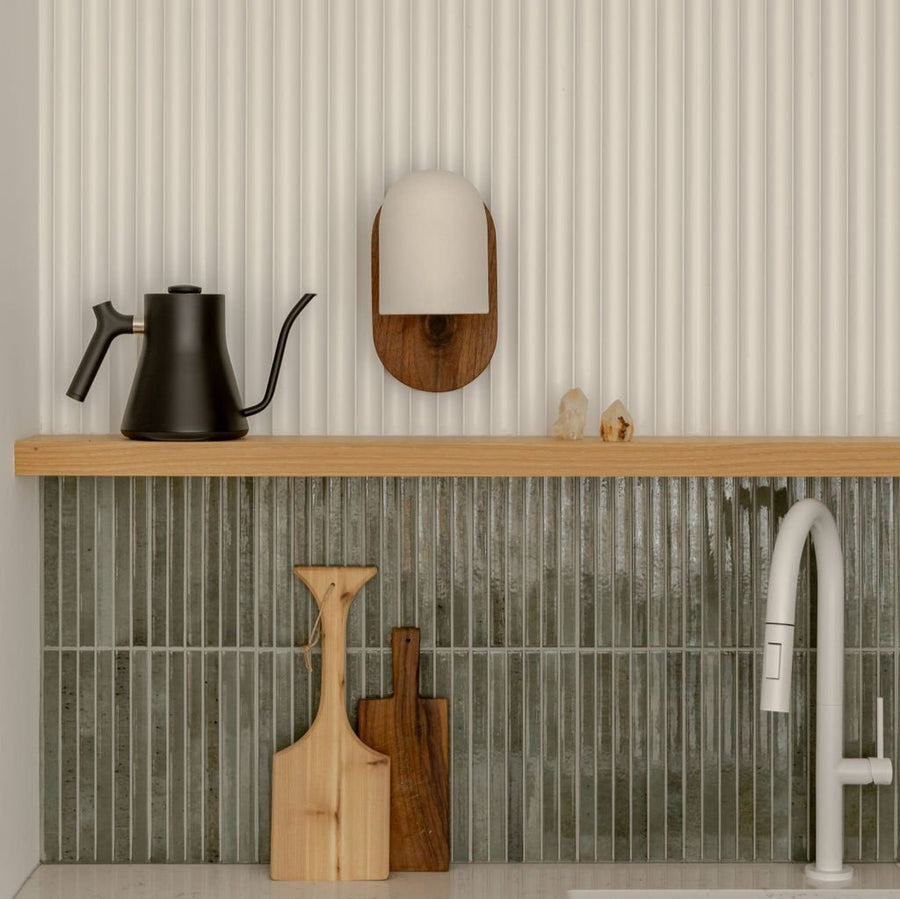
Fluted paintable panels use inward grooves instead, which create a softer, sculpted texture. V-groove panels offer evenly spaced lines that give the wall a classic paneled appearance.
All three styles help disguise small drywall imperfections while adding structure to the wall.
Size Options
Panel height is something many people overlook at first, but it makes a big difference in planning a project. Different sizes allow the panels to work in more than just one type of installation.
For example, 44.1-inch panels are commonly used for half walls, wainscoting, and kitchen islands. They are also useful when wrapping furniture pieces or cabinetry.
94.5-inch panels work for most standard wall heights. 106.3-inch panels are designed for taller ceilings or commercial spaces where the wall needs extra coverage.
Having multiple size options makes it easier to adapt the panels to different rooms.
Where They’re Typically Used
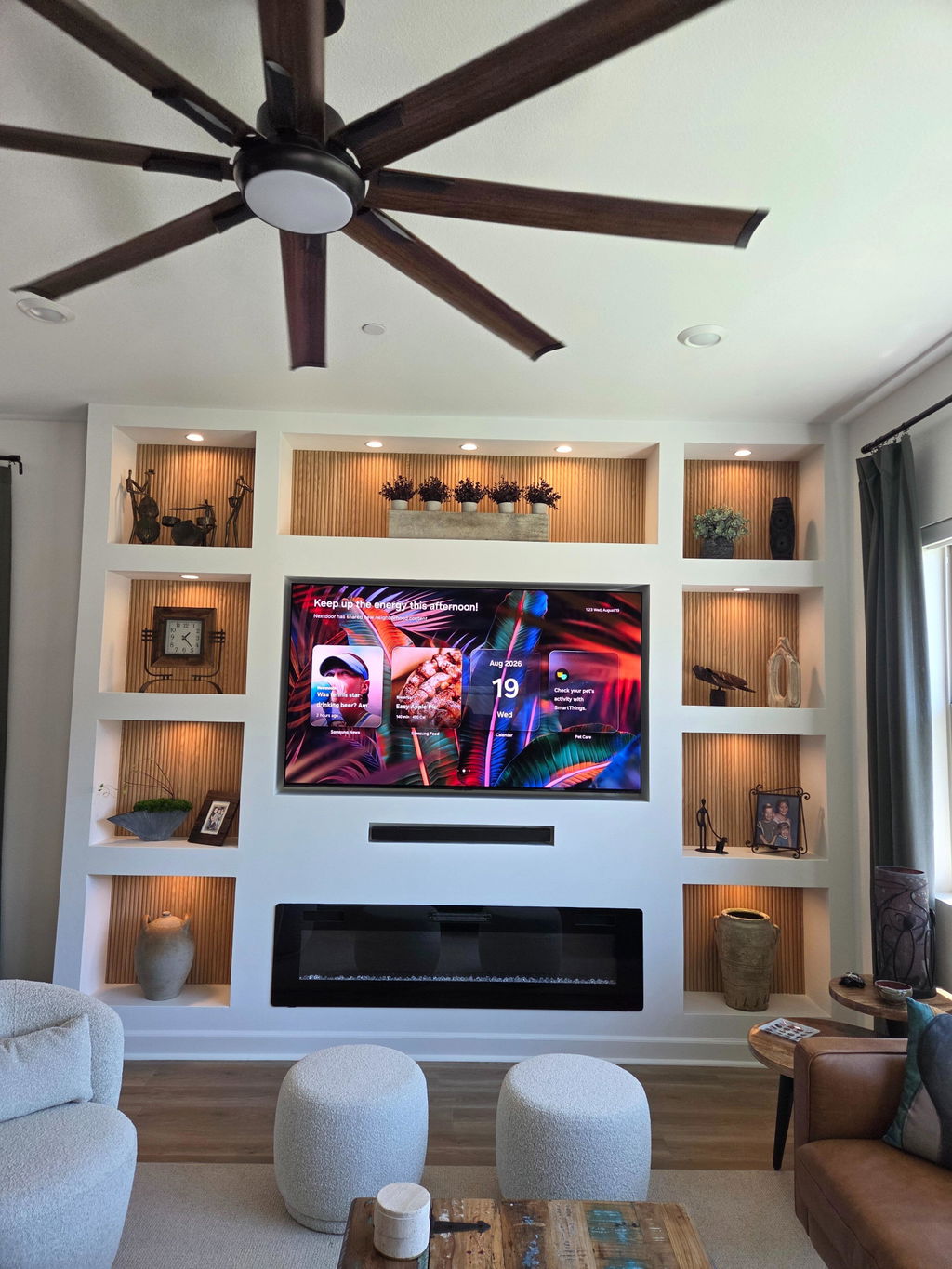
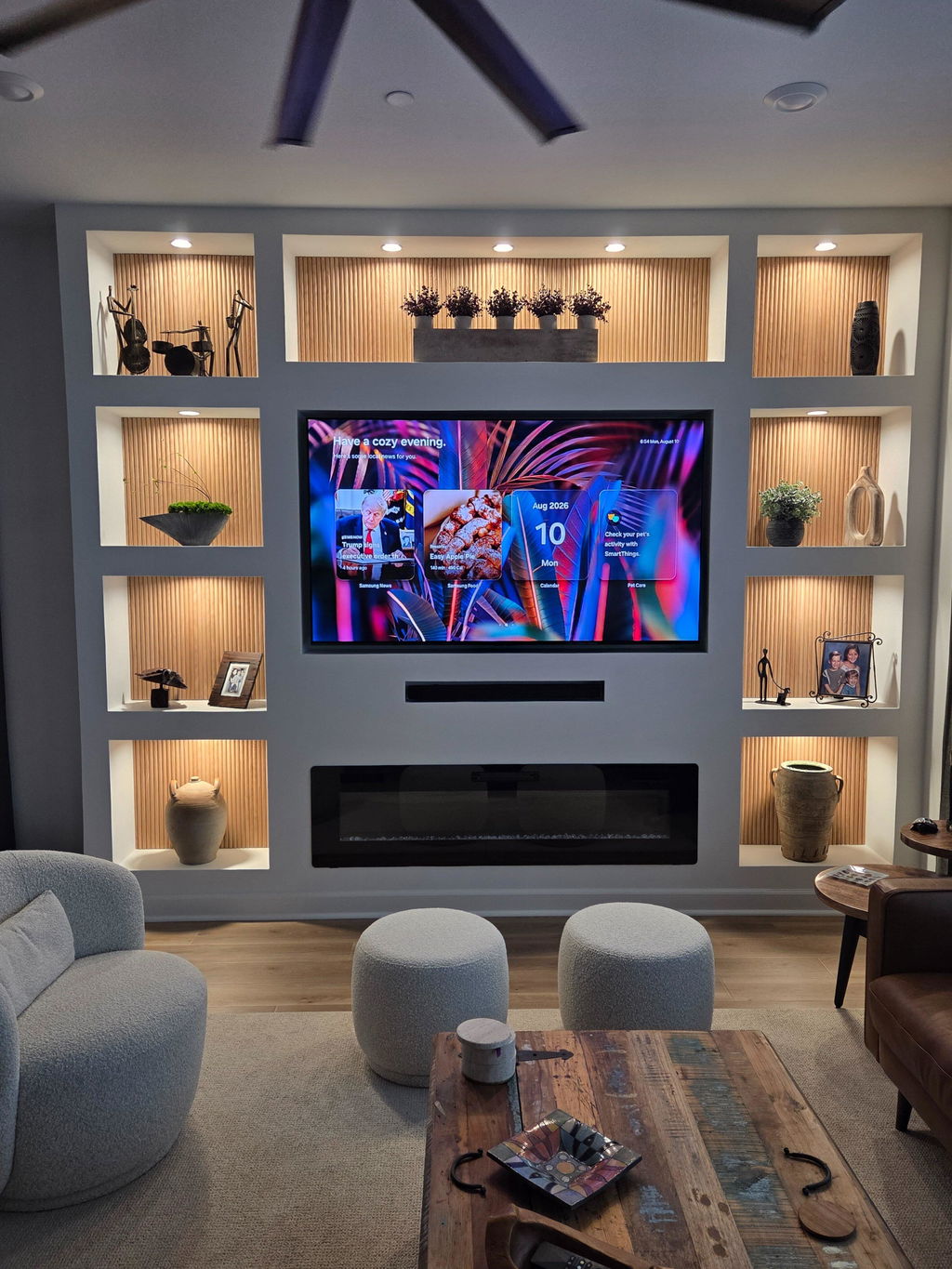
Paintable panels tend to show up in spaces where color control matters. Living room feature walls are a common choice, especially behind sofas or TVs where the wall becomes a focal point.
Hallways are another good candidate because side lighting often exposes drywall seams. Panels break up the flat surface and make the space feel more intentional.
They are also popular in basements and new construction homes where walls can feel very builder-grade. Adding paneling is one of the fastest ways to make the room look more custom.
What are Real Wood Wall Panels?
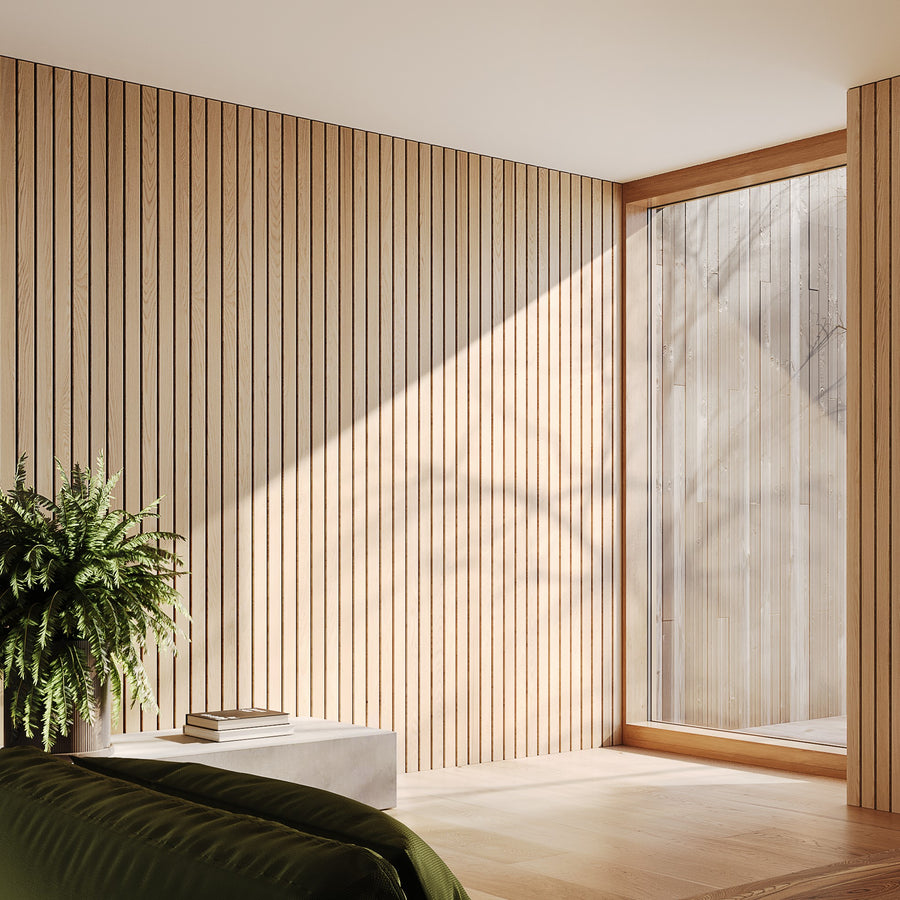
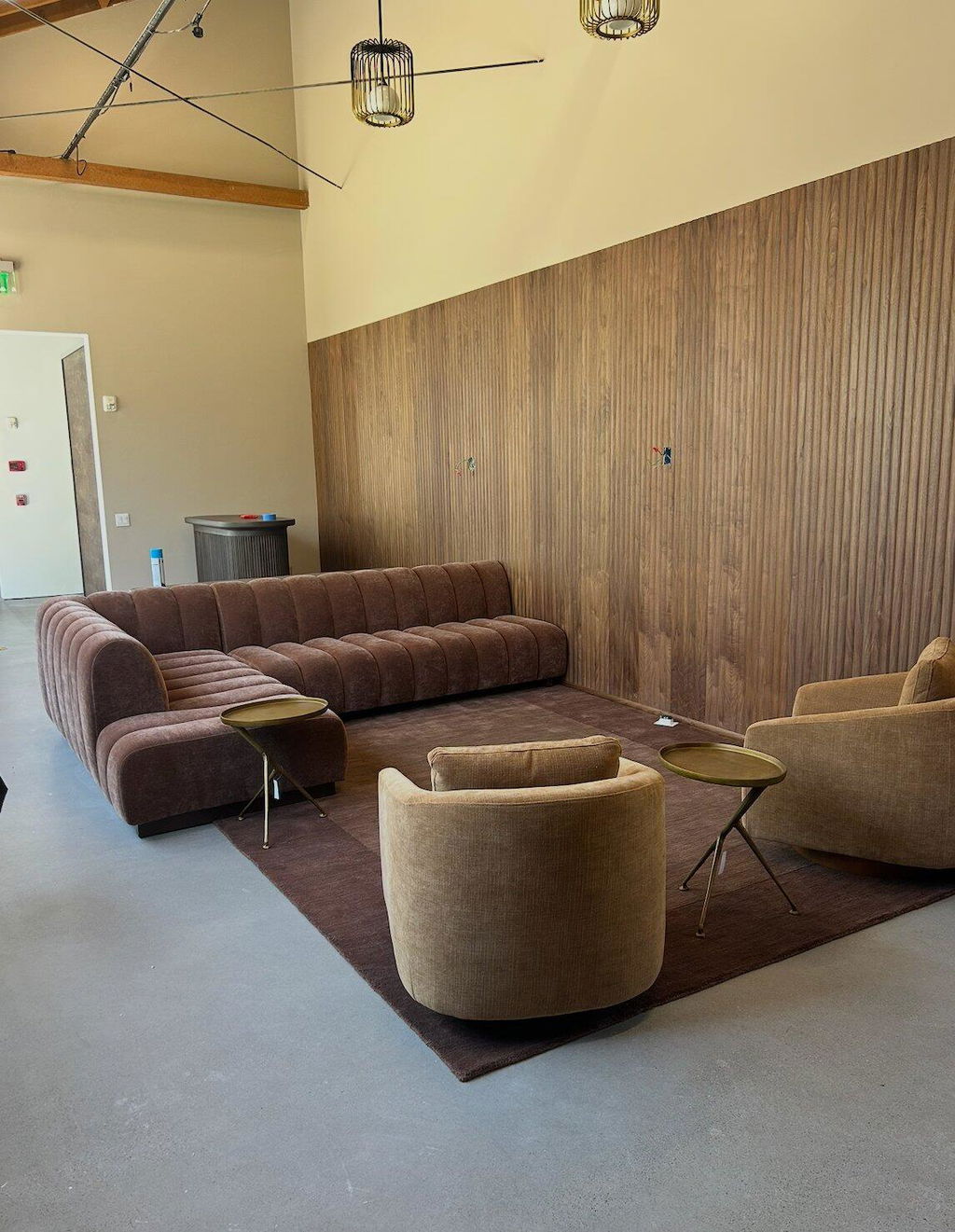
Real wood wall panels offer a different kind of visual appeal. Instead of a painted surface, the wall showcases natural wood grain and tonal variation. That organic texture brings warmth that paint alone usually can’t replicate.

Most modern wood panels use a hardwood veneer over an MDF core. This construction combines the beauty of real wood with the stability of engineered material.
The panels are usually pre-finished with a protective satin or matte lacquer, which means they arrive ready to install. No staining, sealing, or finishing required.
Material and Construction
Wood veneer panels use a thin layer of real hardwood applied to a stable MDF backing. This prevents many of the expansion issues that can happen with solid wood.
The factory-applied lacquer protects the wood surface and enhances the natural grain. Once the panels are installed, the wall is essentially finished.
Because of this, wood panels often install faster than paintable ones.
There’s no painting step waiting at the end of the project...
Common Styles
Real wood panels are available in many of the same profiles as paintable panels. That means you can choose a similar texture while still getting the warmth of natural wood.
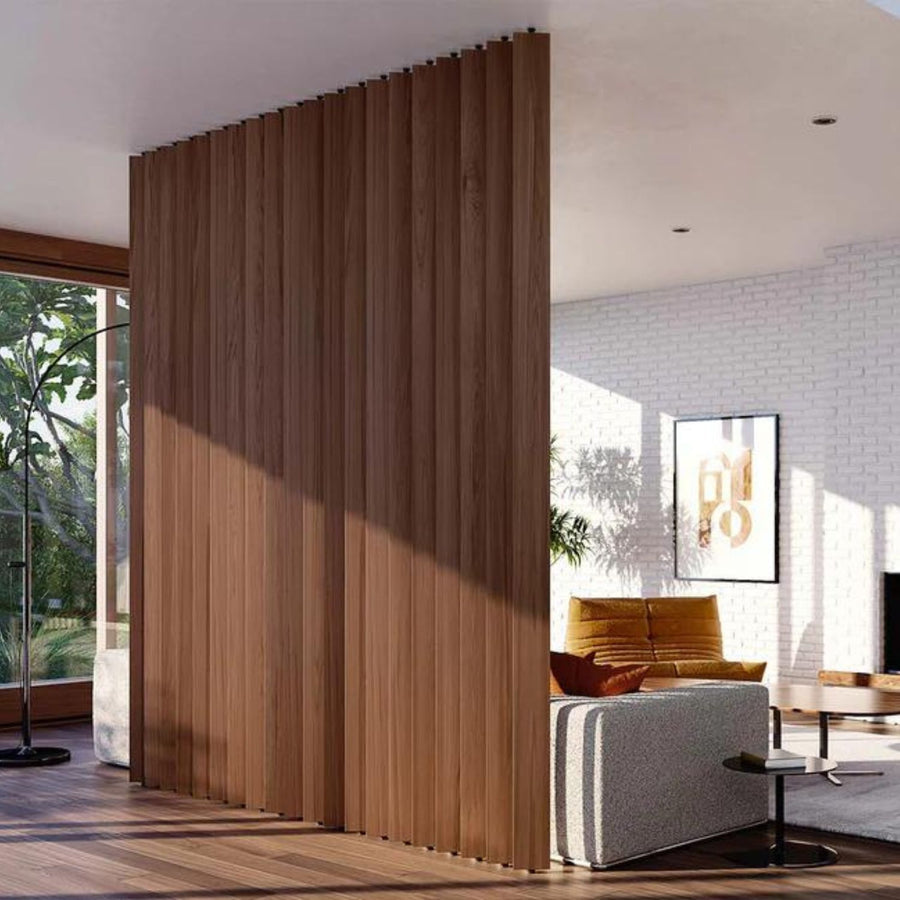
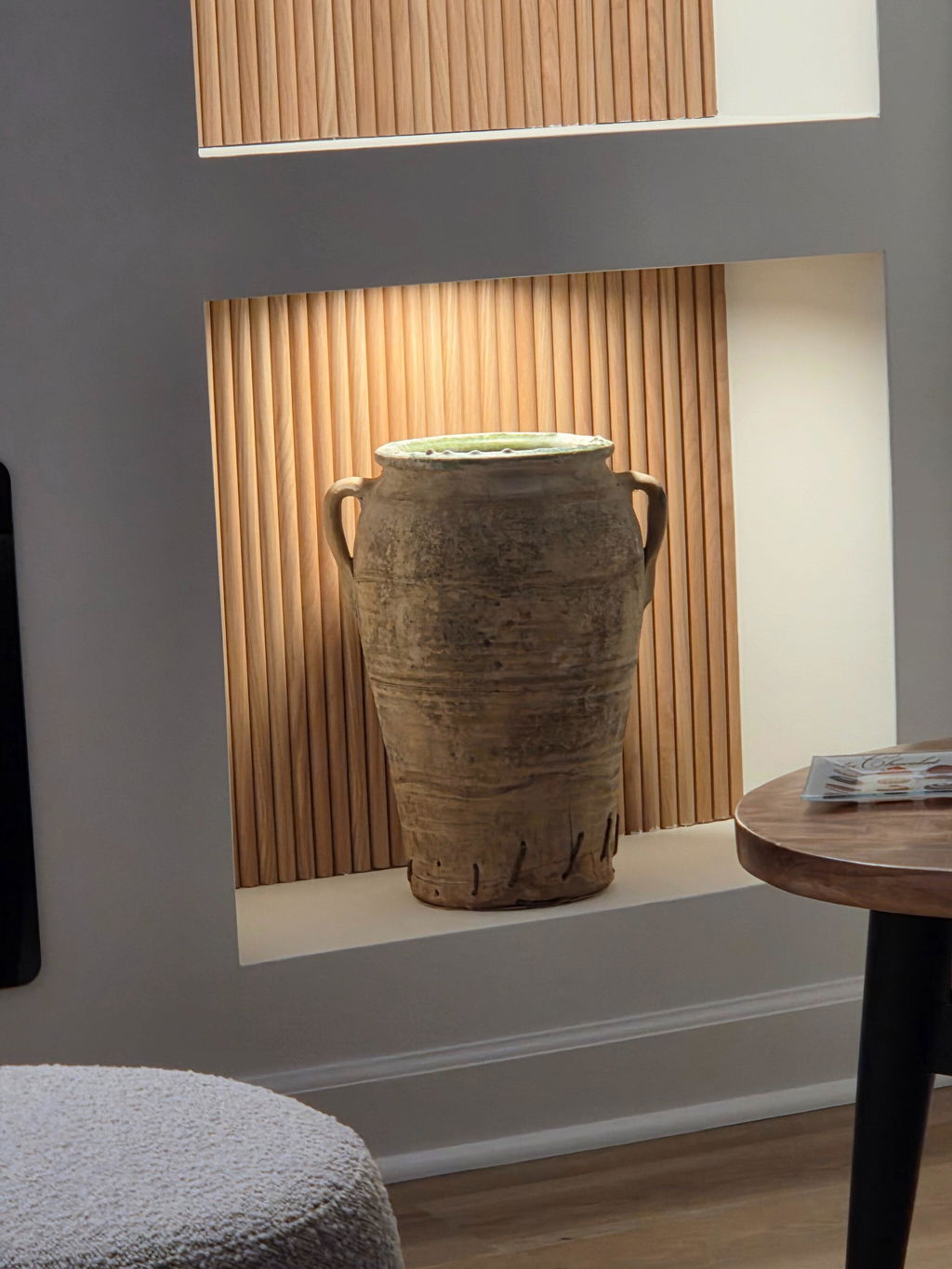
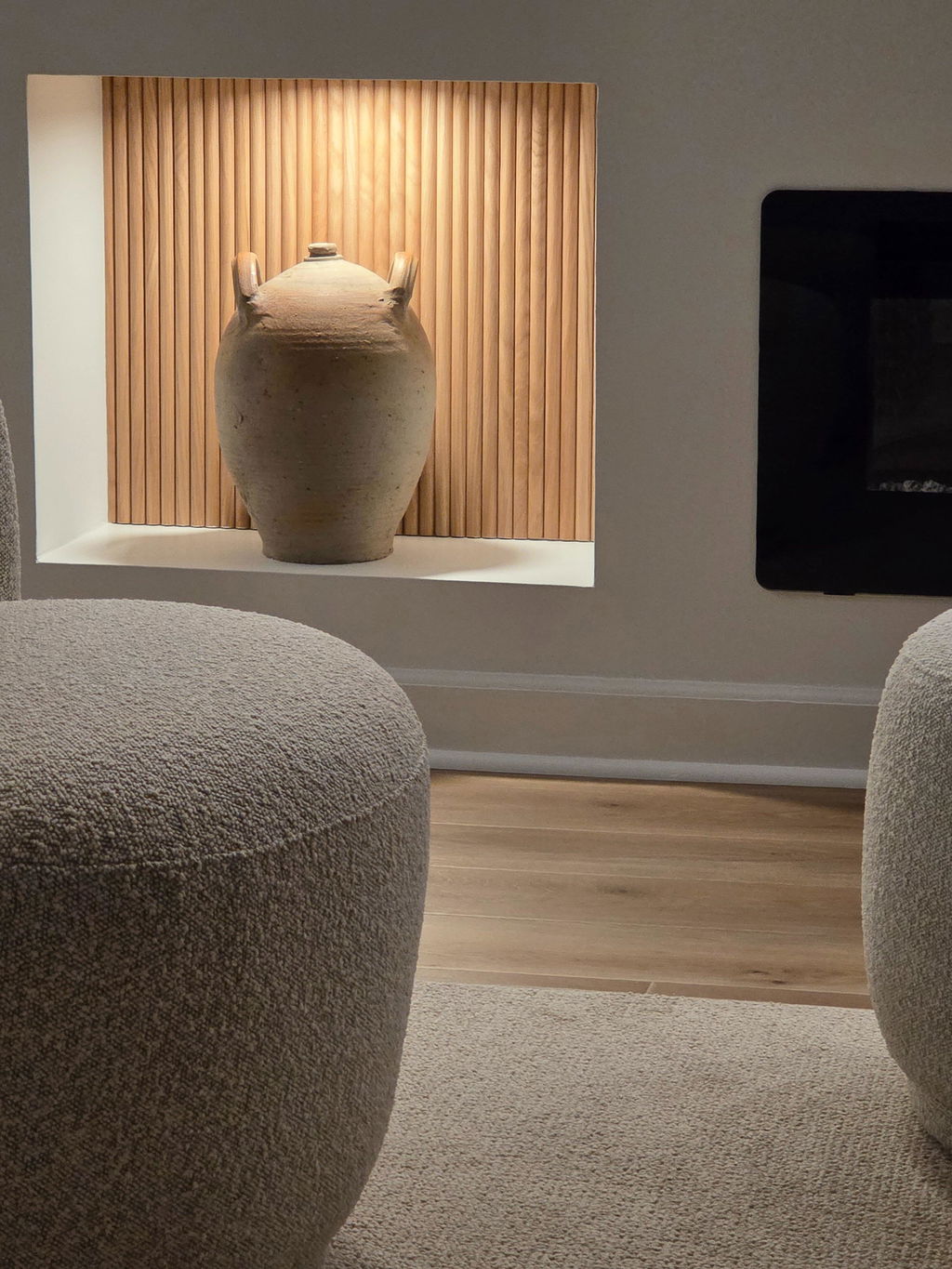
Fluted wood panels create smooth vertical grooves that soften light and shadow. Ribbed wood panels create deeper ridges that add stronger visual structure.
Another popular option is wood slat acoustic panels, which combine vertical wood slats with sound-absorbing backing.
Wood Slat Acoustic Panels


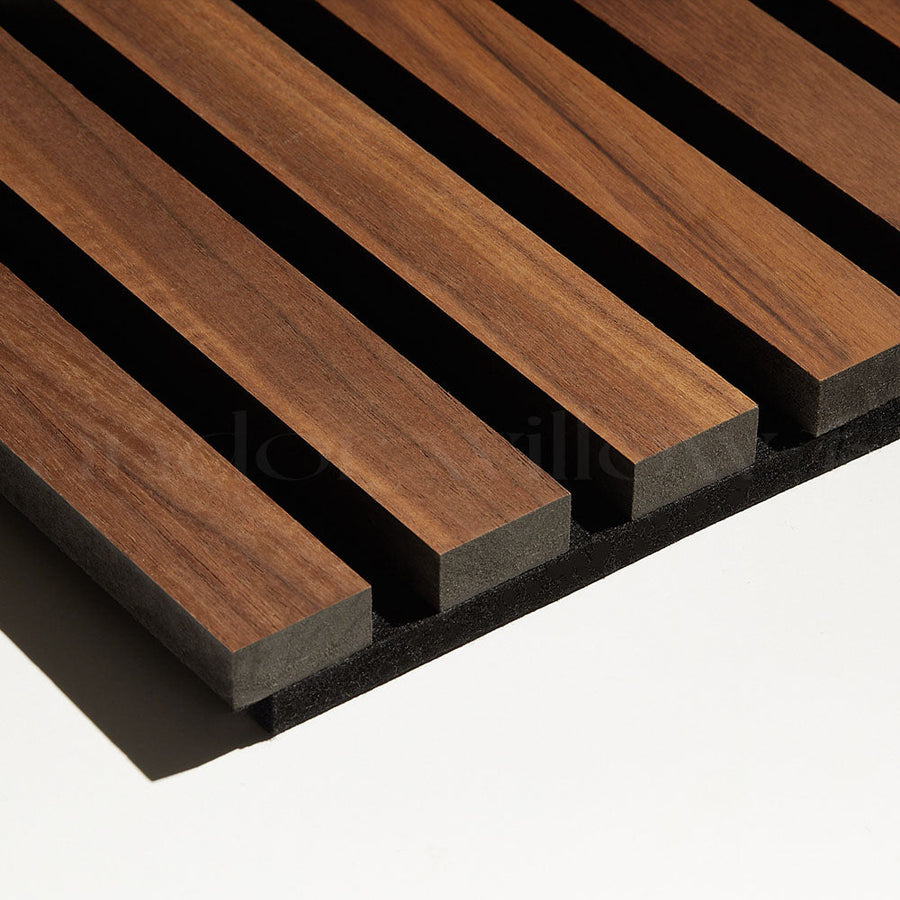
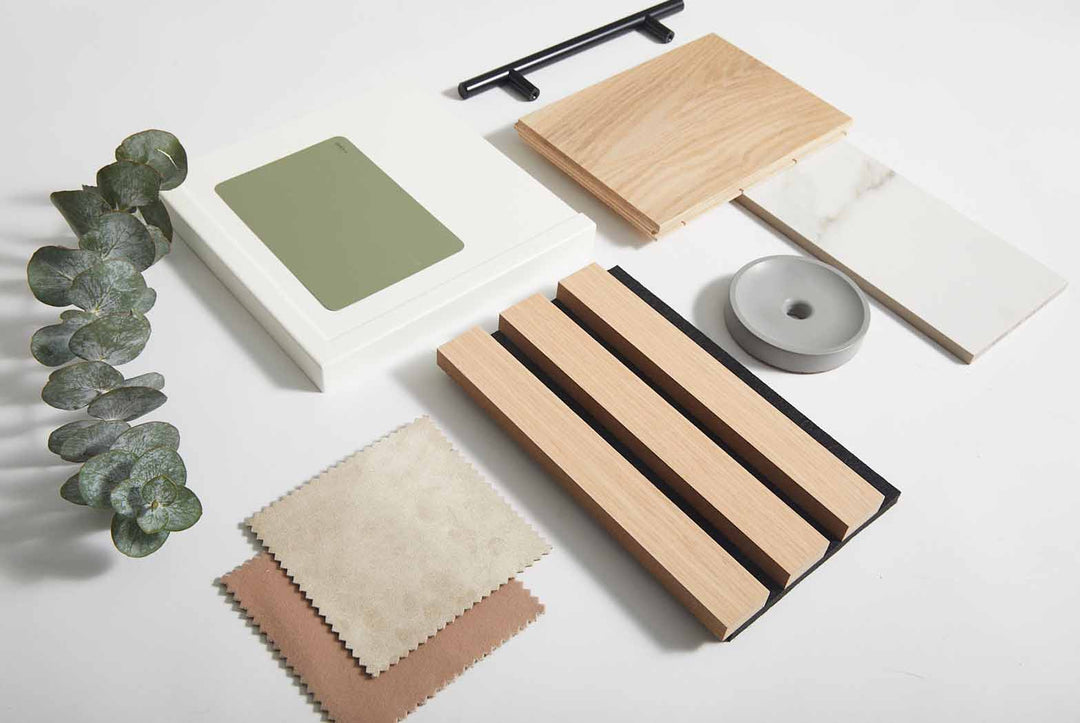
Wood slat acoustic panels are designed to improve both the look and sound of a room. They feature vertical wood slats mounted onto a 0.38-inch PET felt backing made from recycled water bottles.
The felt absorbs sound reflections, which helps reduce echo. This is especially useful in spaces with hard flooring or minimal furniture.
Each panel typically arrives fully assembled, with the slats already attached to the felt backing. A box usually contains two pieces that connect to form a single 94.5-inch by 23.62-inch panel.
The edges use a tongue-and-groove system, which allows panels to sit tightly together without visible seams. Once installed side by side, the wall looks like one continuous slat surface.
Where They’re Typically Used
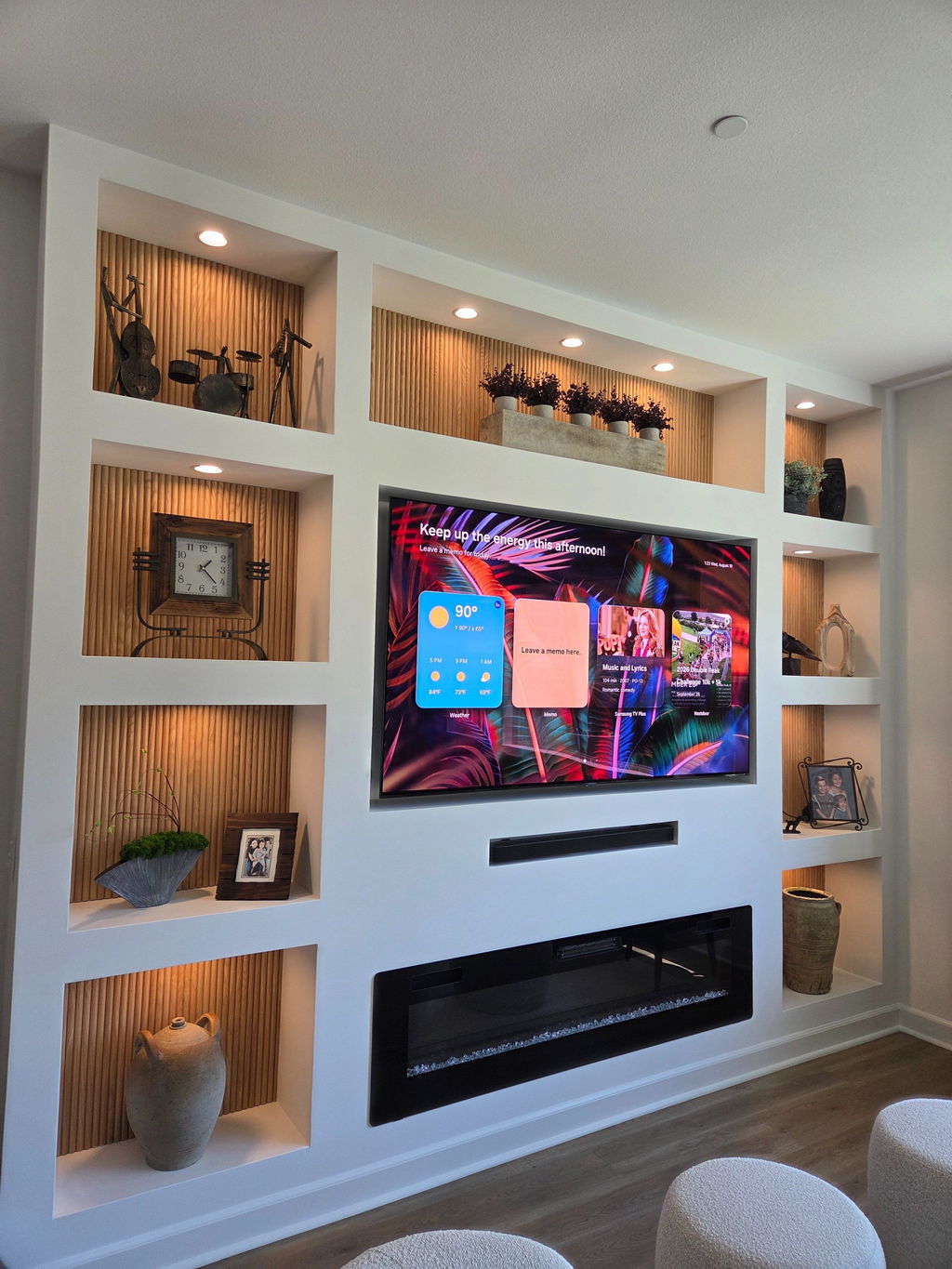
Real wood panels are often used in spaces where warmth and natural materials are important. Living rooms, dining rooms, and home offices benefit from the texture that real wood brings.
They are also common in higher-end homes where natural materials play a bigger role in the design.
Acoustic slat panels are particularly useful in open-concept homes, media rooms, and offices where sound tends to bounce off hard surfaces.
Paintable vs Real Wood: Key Differences
Although both types of panels transform flat drywall, they offer different advantages depending on the project.
Appearance
Paintable panels offer unlimited color control. You can match them to trim, cabinetry, or even bold accent colors.
On the other hand, real wood panels showcase natural grain variation. Every panel looks slightly different, which adds depth and character to the wall.
Minimal interiors often pair well with painted panels, while organic or Scandinavian styles tend to favor natural wood.
Cost
Paintable MDF panels are usually the more budget-friendly wall paneling option.
Real wood veneer panels cost more because they use hardwood surfaces and factory finishing. Acoustic panels can also add cost due to the felt backing and sound-dampening design.
Installation
Both systems install in similar ways, typically using nails, screws, or adhesive.
The main difference happens after installation. Paintable panels require a painting step once the wall is complete. Wood panels arrive prefinished, which means the project ends as soon as the panels are installed.
Maintenance
Painted panels are easy to touch up if they get scratched or scuffed. A little leftover paint can fix most marks.
Wood panels require gentle cleaning, but the lacquer finish protects the surface well. They generally don’t need much maintenance beyond occasional dusting.
Durability
MDF panels are very stable indoors and resist warping. This is one reason they are commonly used in trim and cabinetry.

Wood veneer panels are also durable, especially when sealed with protective finishes. However, because wood is a natural material, slight variation over time is normal.
When Paintable Panels Make More Sense
Paintable panels work well when flexibility matters. If you want a specific color or plan to update the room later, they offer more control.
They are also helpful when the wall has small imperfections. The repeating pattern helps disguise uneven drywall or patch marks.
And of course, they are usually the better choice when keeping the project budget-friendly is important.
When Real Wood Panels Make More Sense
Real wood panels shine when the goal is warmth and natural texture. The visible grain adds a level of depth that painted surfaces usually can’t match.
They are also convenient for homeowners who want a finished look right away. Because the panels arrive prefinished, there’s no painting step involved.
For spaces meant to feel rich, calm, or organic, wood panels often create the stronger visual impact.
Special Case: Acoustic Needs
Some rooms don’t just look plain. They sound weird too.
If you’ve ever been in a big open room where every conversation bounces around the walls like a ping-pong ball, you know the feeling. Hard floors, tall ceilings, and lots of flat surfaces can create a surprising amount of echo.
This is where wood slat acoustic panels start pulling double duty.

The vertical wood slats look great on the wall, but behind them sits a 0.38-inch PET felt backing that absorbs sound reflections. It won’t turn your living room into a recording studio, but it can definitely make the space feel calmer and less echoey.
They’re especially useful in home offices where you’re on calls all day, media rooms where sound tends to bounce everywhere, and open-concept living spaces that just feel a little too loud.
Long-Term Considerations
Before choosing between paintable panels and wood panels, it helps to think about the future version of your house. Not in a dramatic “five-year renovation plan” way, but just how the space might change over time.
Trends shift, furniture moves around, and at some point you’ll probably get tired of at least one paint color in the house. So it’s worth thinking about which option gives you the flexibility you want.
Resale Appeal
Natural wood tends to feel premium and timeless to many buyers. People see real wood grain and immediately assume the home has a bit more character and craftsmanship.
That said, painted panels can still add value, especially if they fit the overall style of the house. A well-designed feature wall usually makes a room feel more finished, and buyers tend to notice that.
Trend Longevity
Painted panels have one big advantage: they can change with the times. If a color starts to feel dated, a fresh coat of paint can completely update the look.
Wood tones move in and out of trend cycles too, but natural materials rarely feel completely outdated. Oak, walnut, and similar finishes tend to age pretty gracefully.
Flexibility in the Future
Paintable panels are easy to refresh. If the room gets redesigned down the road, you can repaint them without replacing the panels themselves.
Wood panels are a bit more permanent stylistically. But for many homeowners, that’s actually part of the appeal. Once they’re installed, they provide a consistent, natural finish that doesn’t really need updating.
Final Thoughts
Both paintable panels and real wood panels can transform a plain wall into something far more interesting.
Paintable panels offer customization, flexibility, and budget-friendly wall paneling options. Real wood panels bring warmth, natural grain, and a finished surface from the start.
In the end, the choice comes down to priorities.
If you want full color control and future flexibility, paintable panels are a strong option. If you want natural texture and immediate impact, wood panels might be the better fit.
Either way, the right wall panels can also turn a blank wall into one of the most interesting parts of the room.



Leave a comment