 Skip to content







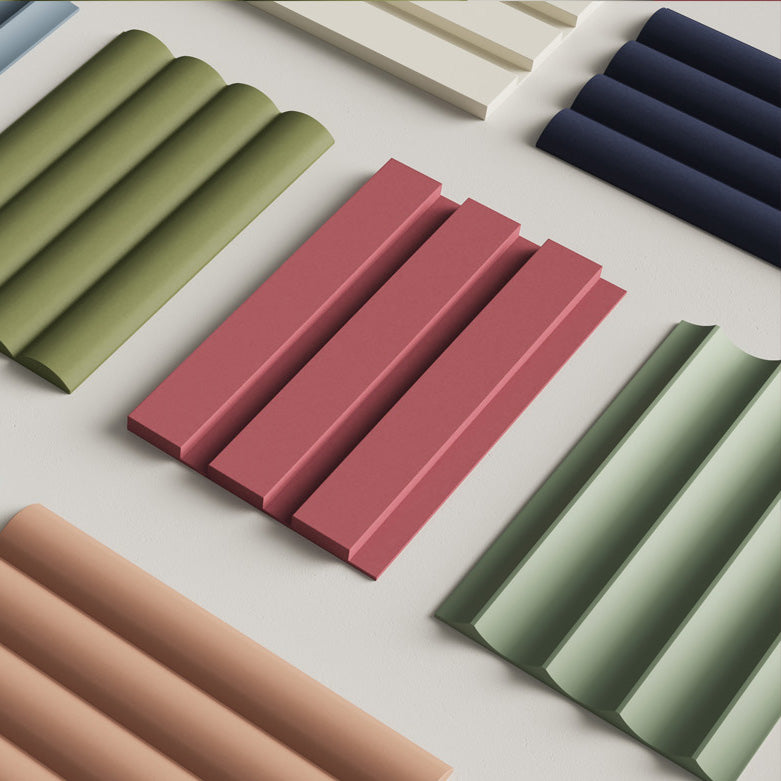
The Shift Away From All-White Interior Design and What’s Replacing Them

All-white interiors had a long moment.
They felt clean, bright, and easy to copy, which is exactly why they ended up everywhere.
Over time, though, many homeowners started noticing the same issues. Rooms looked nice in photos but felt cold in real life. Spaces echoed. Everything blended together, and nothing really anchored the room.
As people spend more time at home, that look is starting to lose its appeal.
And instead of chasing blank, gallery-style spaces, homeowners are leaning toward interiors that feel warmer, more grounded, and easier to live in.
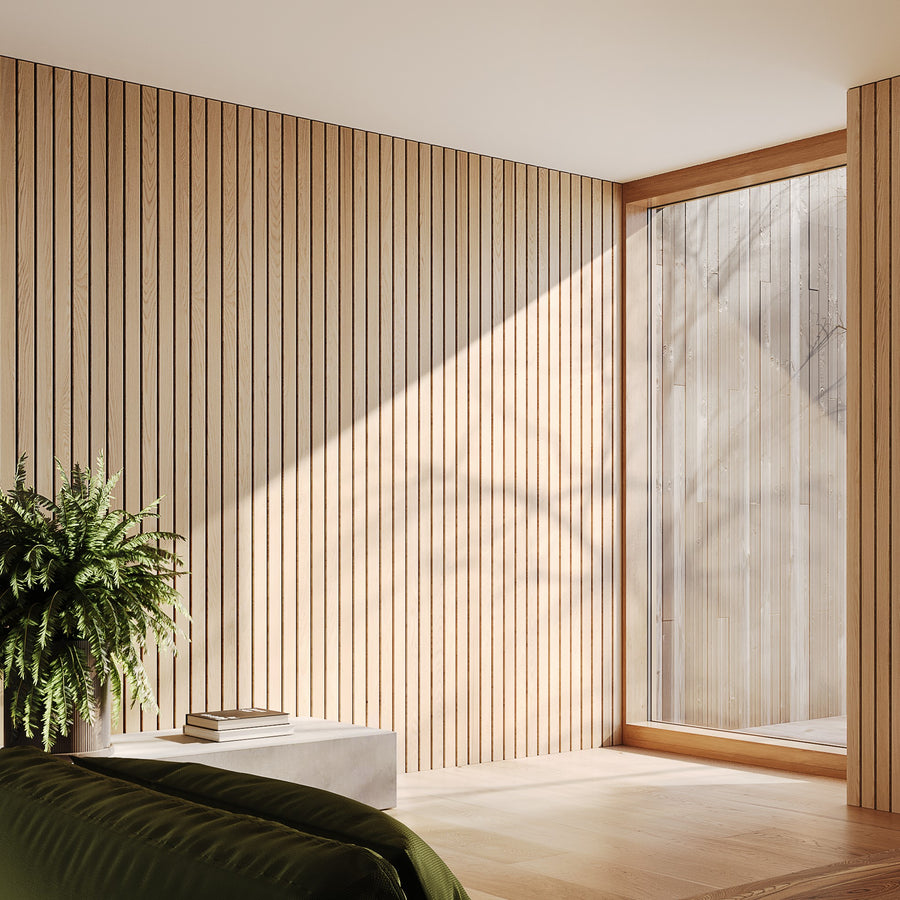
In the last few years, this shift has become obvious in both new builds and renovations, especially as white interior design gives way to texture-driven updates like wood slat panels.
Why All-White Spaces Are Falling Out of Favor

The problem with all-white rooms is not that they are ugly. It is that they rely heavily on light and styling to work well. Once furniture moves in, sunlight changes, or daily life shows up, the space can feel unfinished rather than minimal.
White walls also highlight every shadow, scuff, and texture change. In open plan homes, that creates visual noise instead of calm. Add hard flooring, flat cabinetry, and minimal window treatments, and the room often feels louder than expected.
As a result, homeowners are realizing that contrast and material depth matter more than sticking to a single color palette.
The Move Toward Warmth and Material Contrast
What is replacing all-white interiors is not one specific color, but a combination of materials that add warmth and definition. Wood, in particular, is doing most of the heavy lifting.
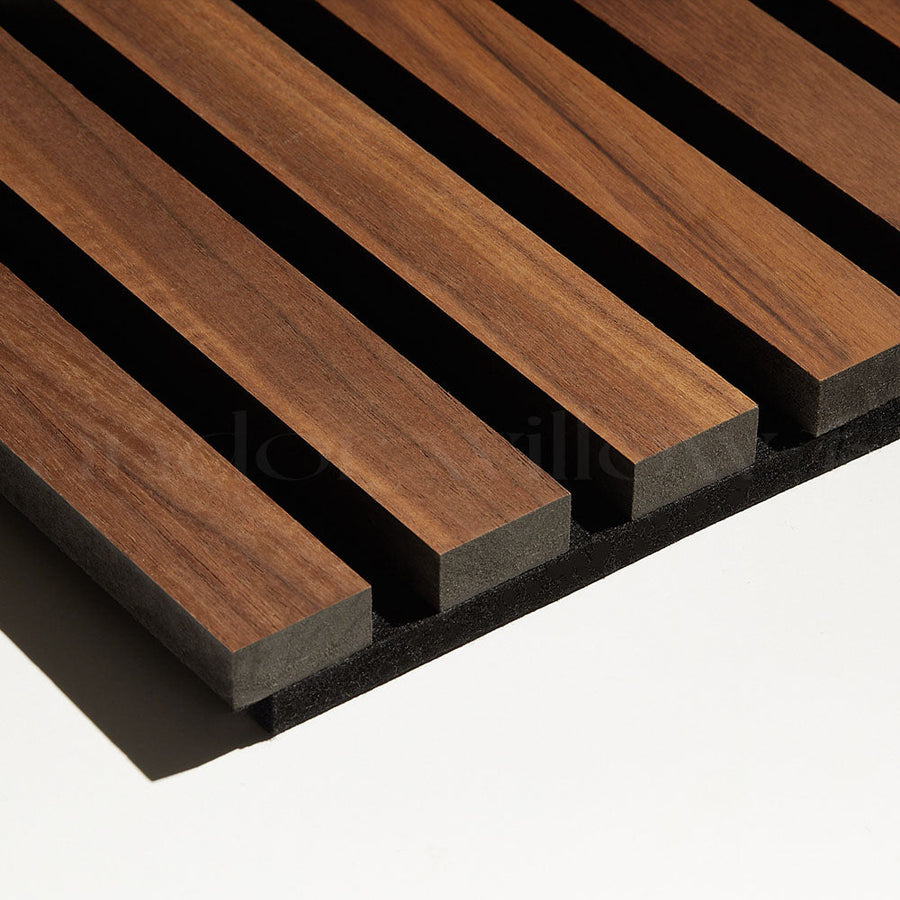
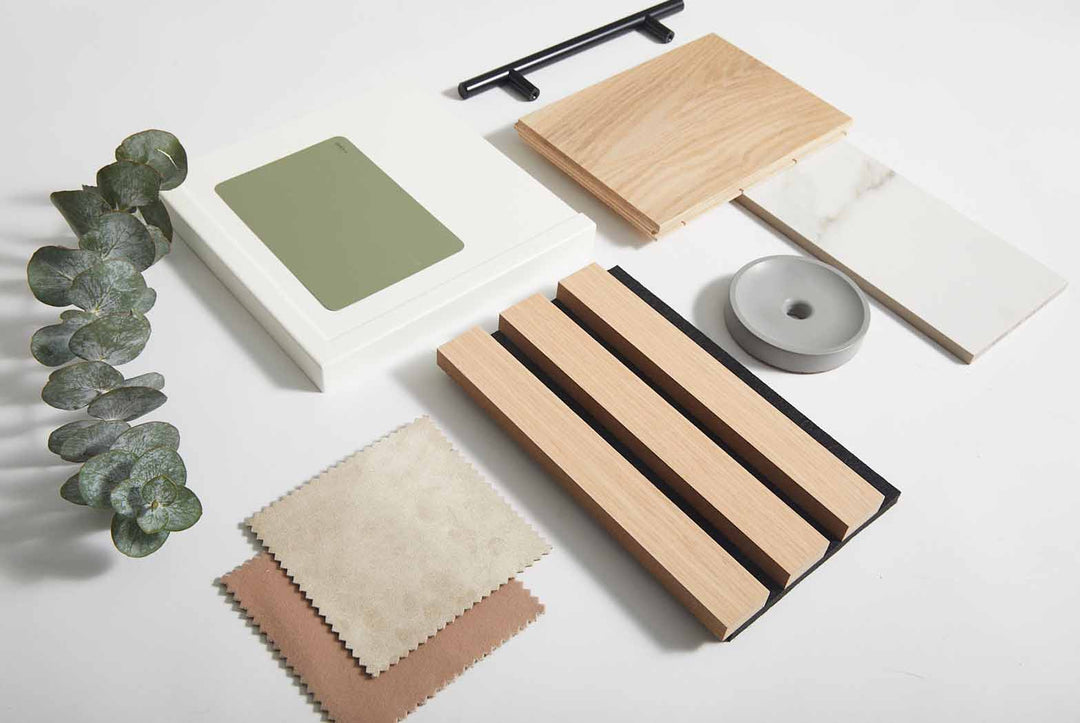
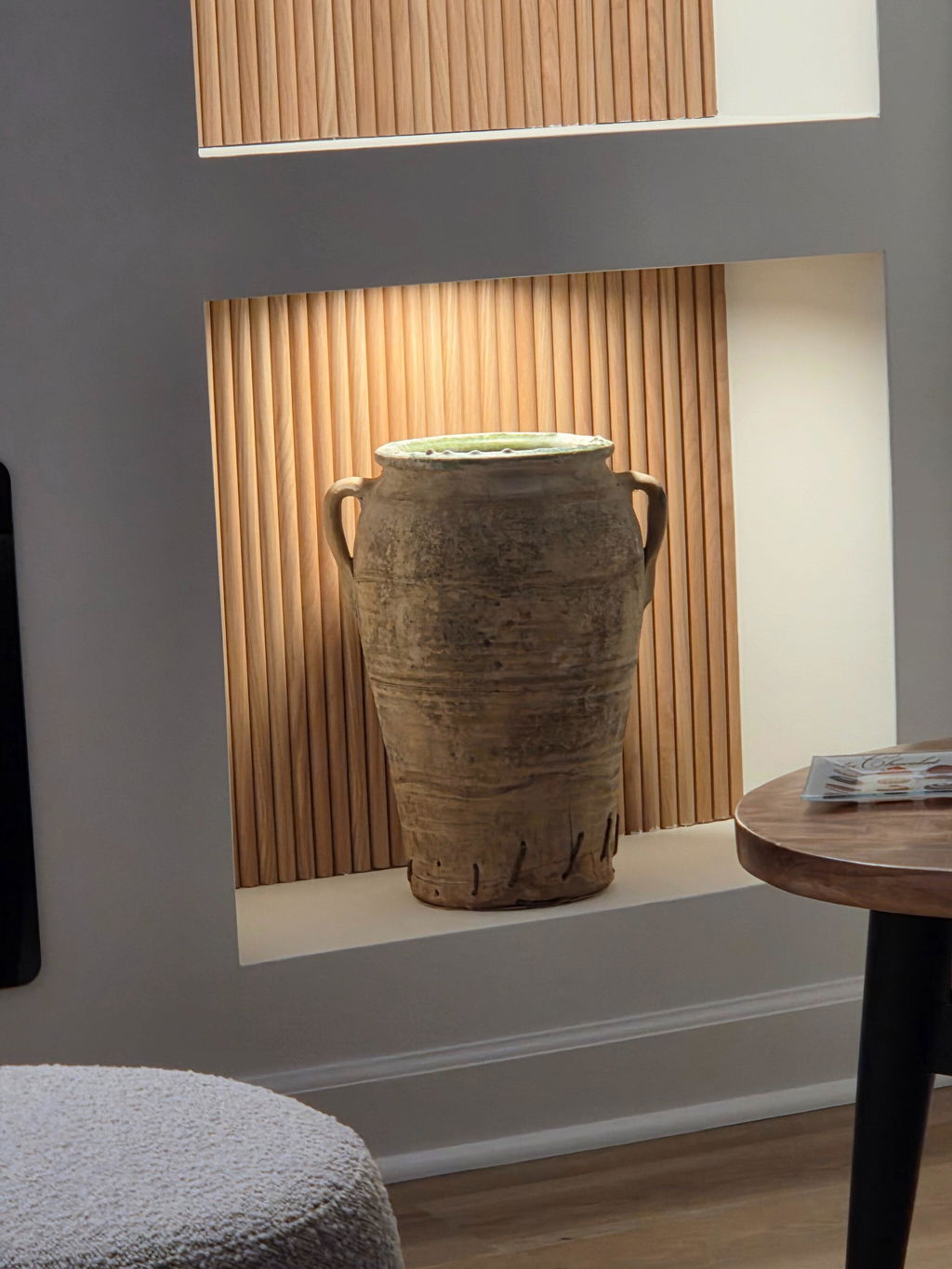
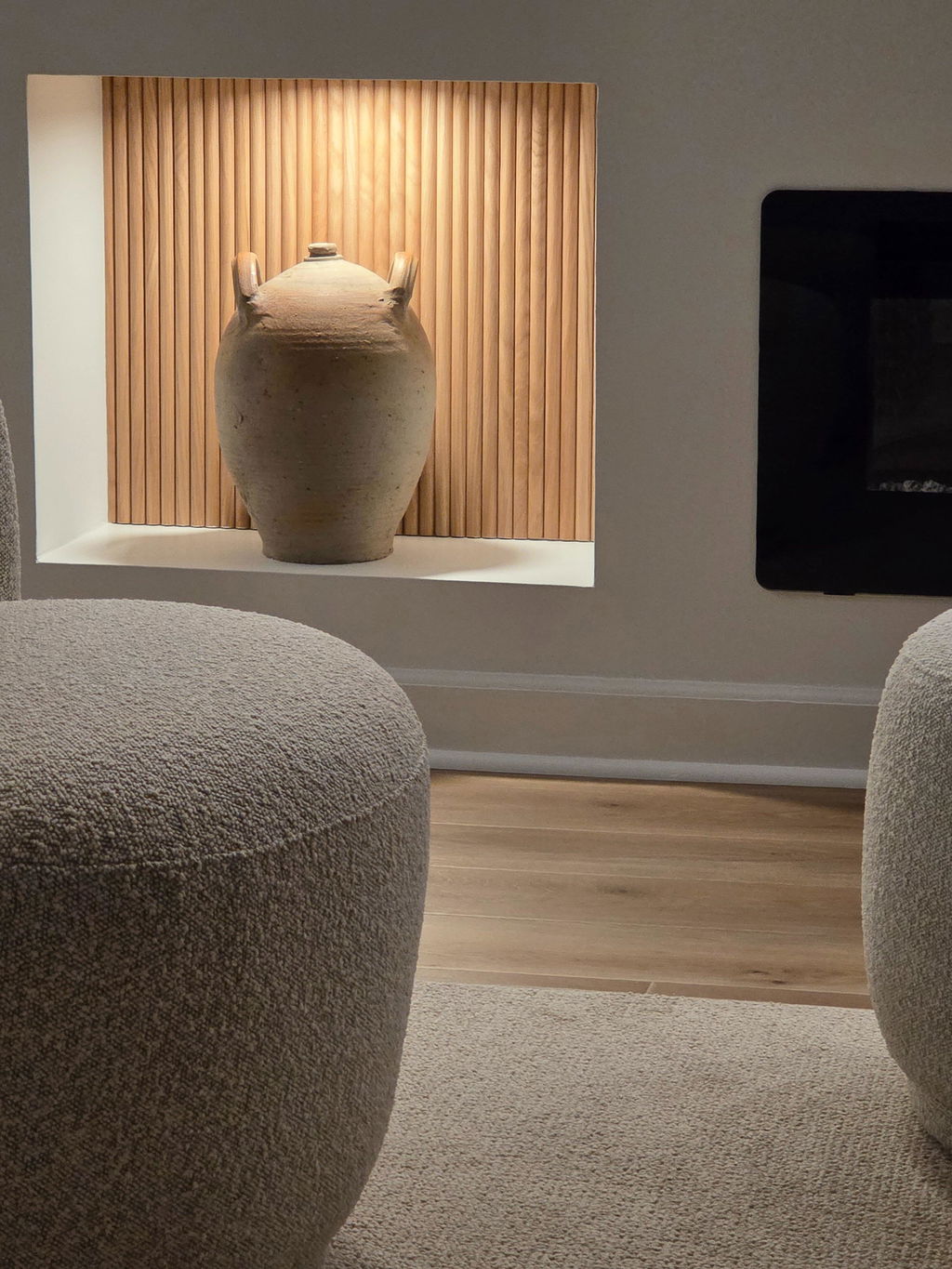
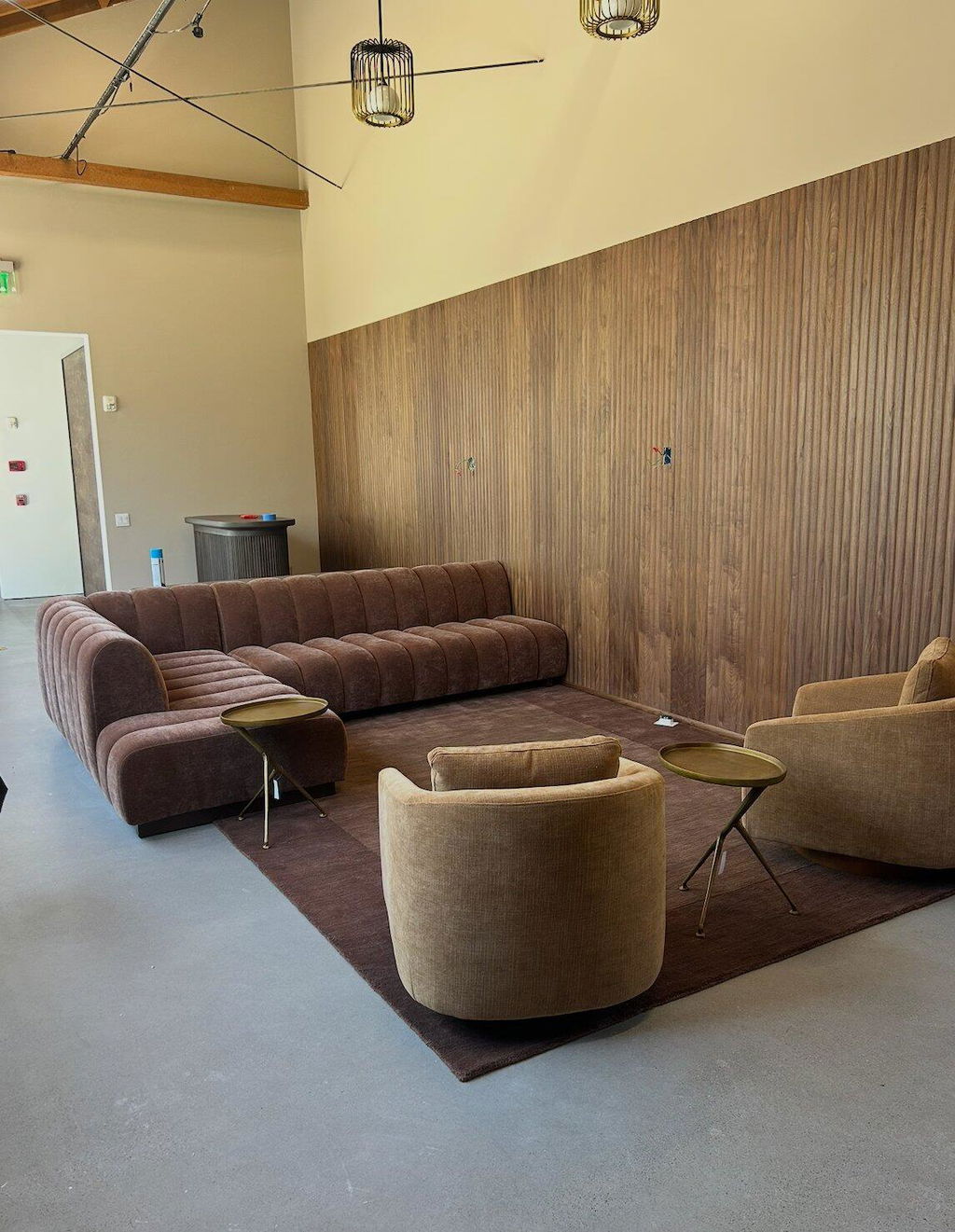
Natural wood tones such as this soften sharp lines:


Grain adds visual movement. Panels break up large wall surfaces so rooms feel intentional instead of empty. This shift is less about decorating and more about shaping how a space feels to live in.
Rather than painting everything white and layering decor on top, homeowners are using wall treatments to build character directly into the structure of the room.
Why Wood Panels Are Leading the Change
Wood panels work because they add depth without overwhelming a space. They also adapt well to different styles, which makes them practical long-term choices.
Instead of committing to bold colors or trendy finishes, panels create contrast through texture. That means the room feels warmer without becoming visually heavy. It also means the space ages better, since natural materials tend to outlast colour trends.
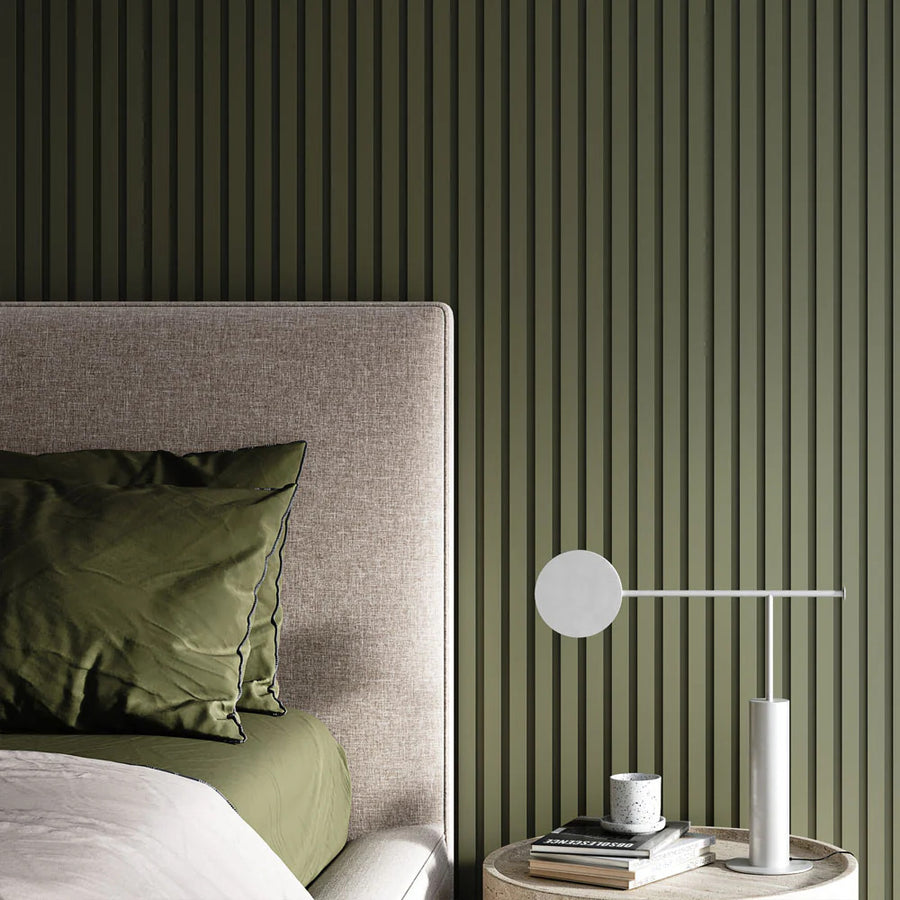
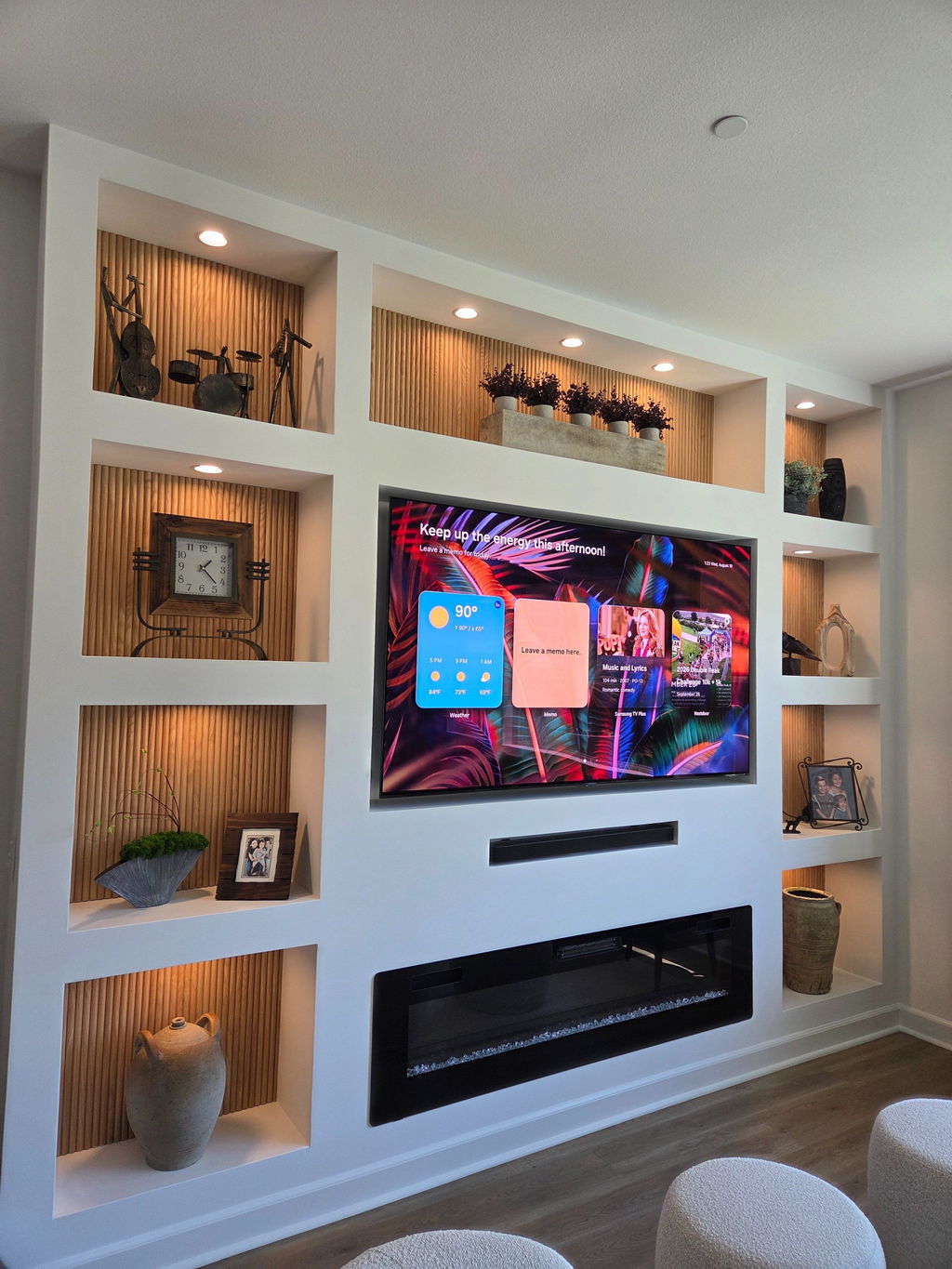
This is where wood slat panels are standing out. Their vertical lines add structure, help rooms feel taller, and introduce rhythm that flat walls simply do not have.
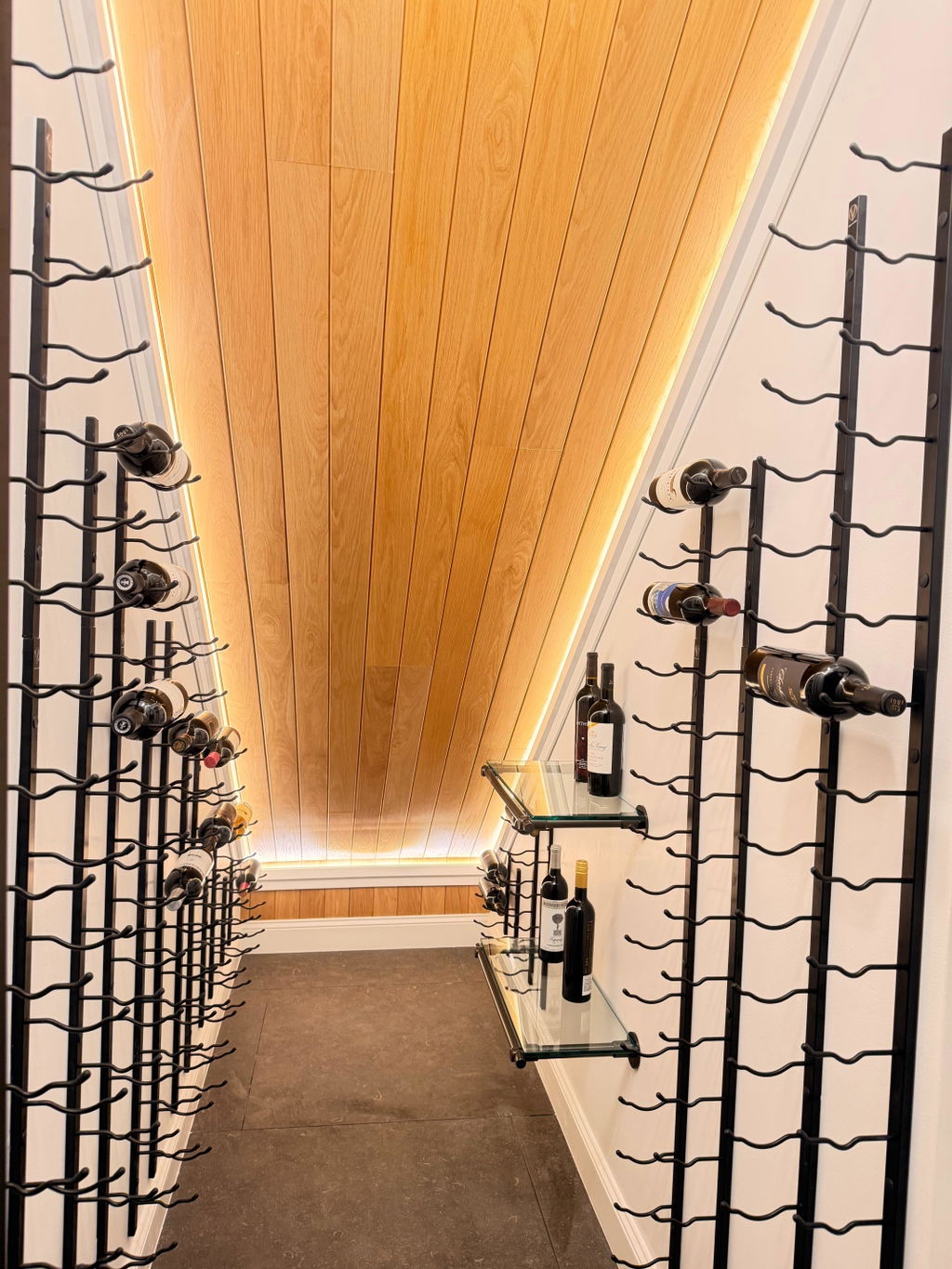
Tongue and Groove Wood Panels Add Warmth

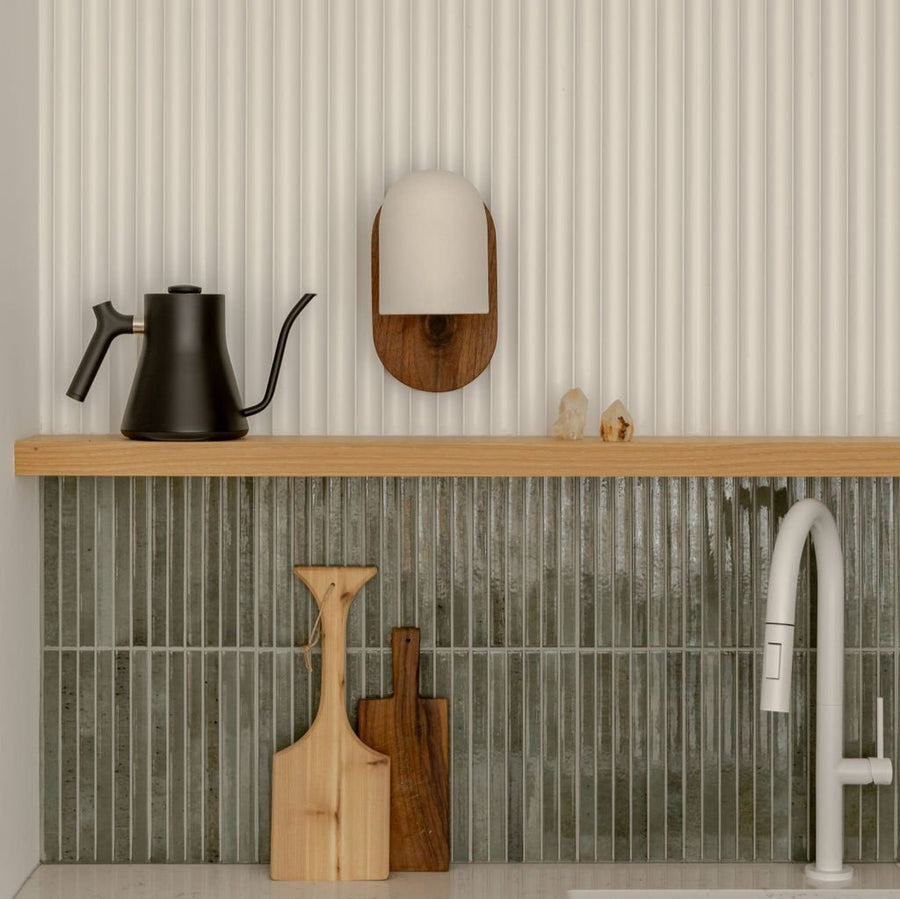
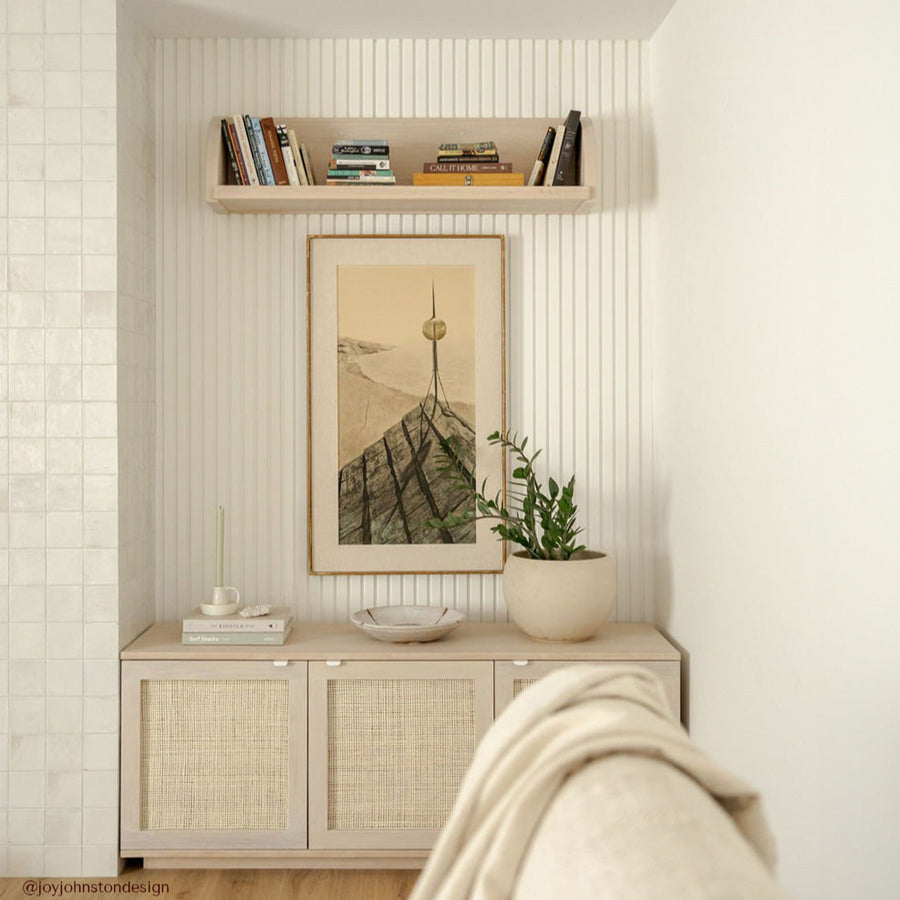
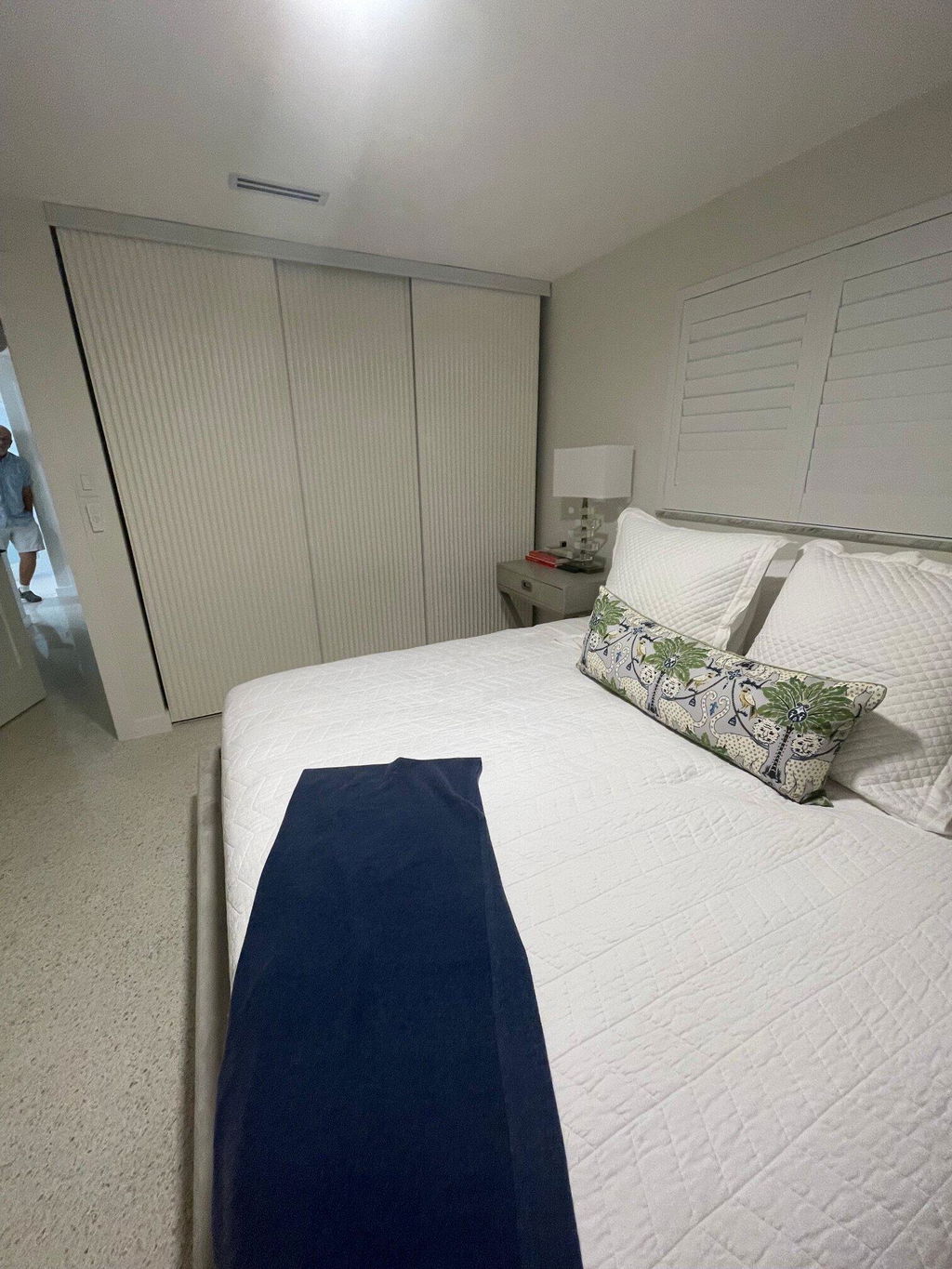
Tongue and groove wood panels are a quieter way to move away from white walls. They sit flush, create clean lines and work well in spaces where you want warmth without too much visual texture.
These panels are especially effective in living rooms, bedrooms, and hallways where the goal is comfort rather than drama. Painted white, they add subtle shadow and depth. Left natural, they bring in warmth while still feeling controlled.
Because tongue and groove panels connect tightly, they work well in spaces that need a polished, built-in look without drawing too much attention to the wall itself.
Wide Slatted Panels for Stronger Definition

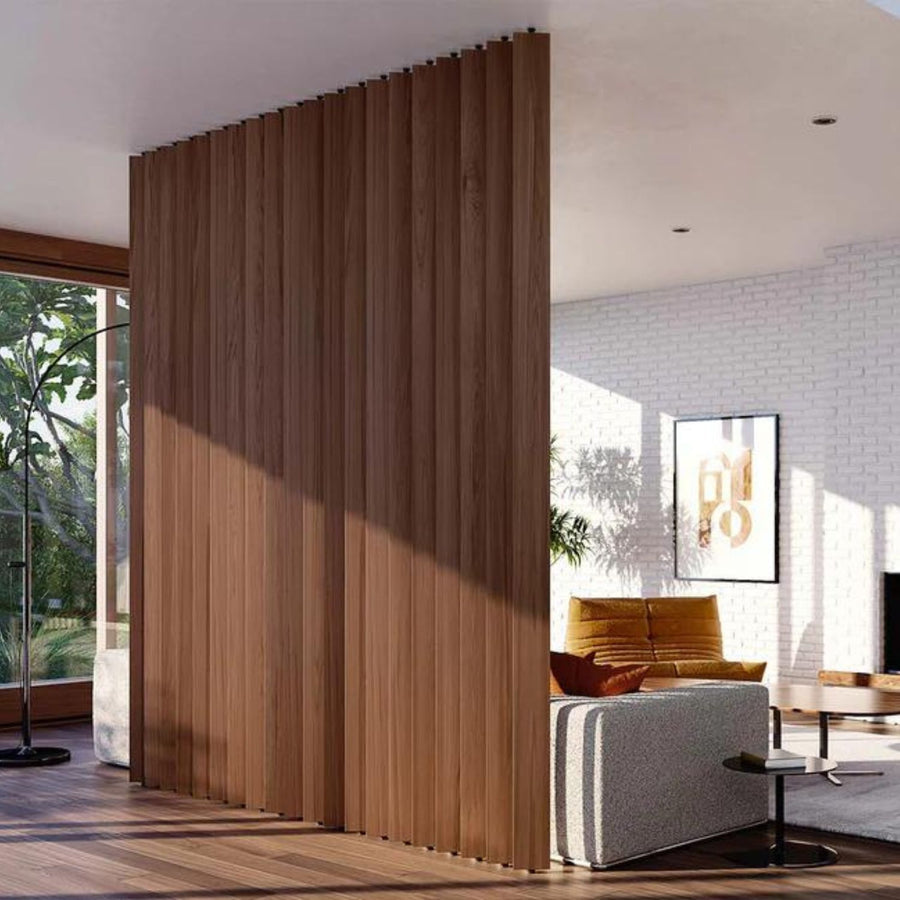
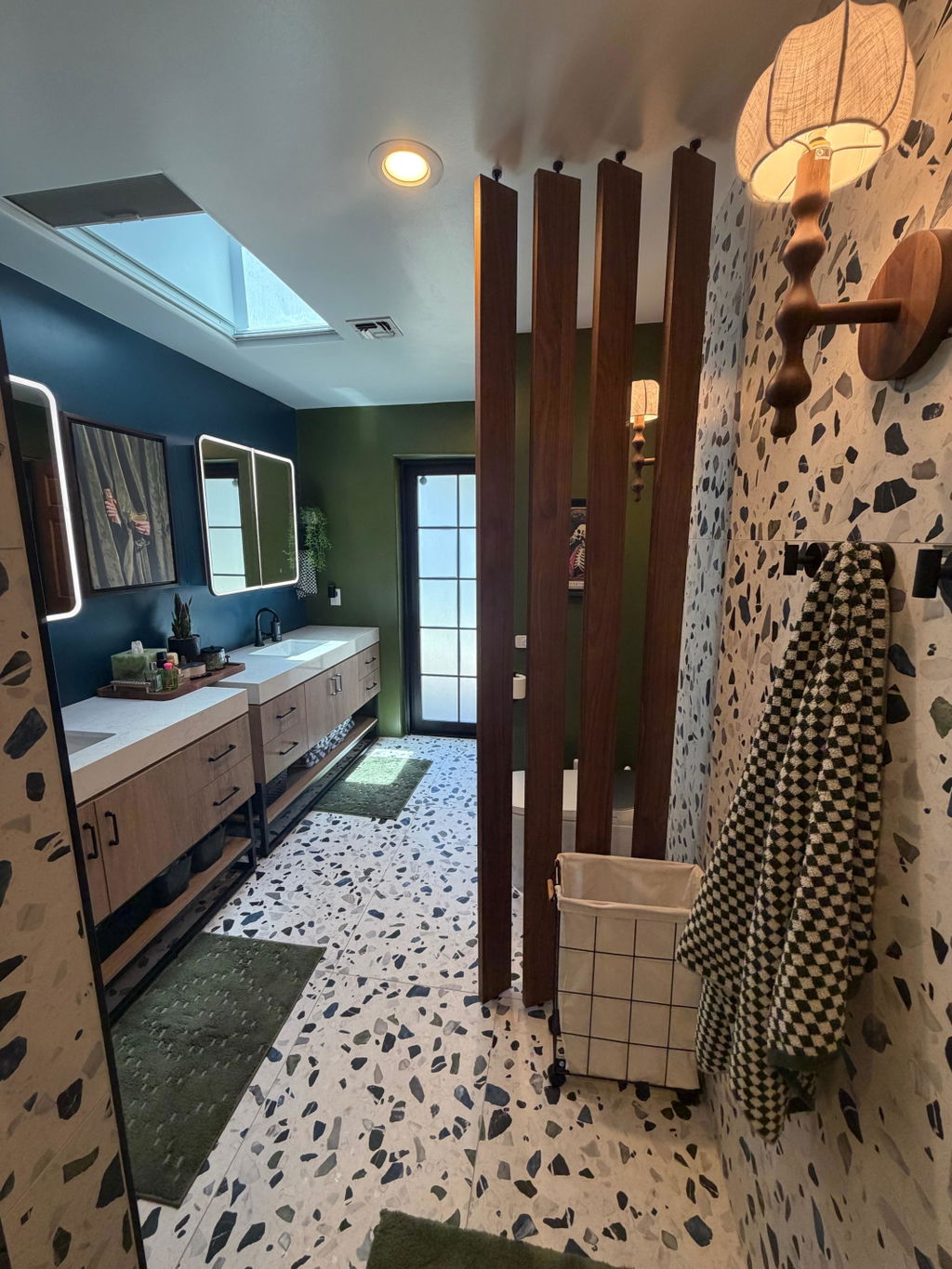
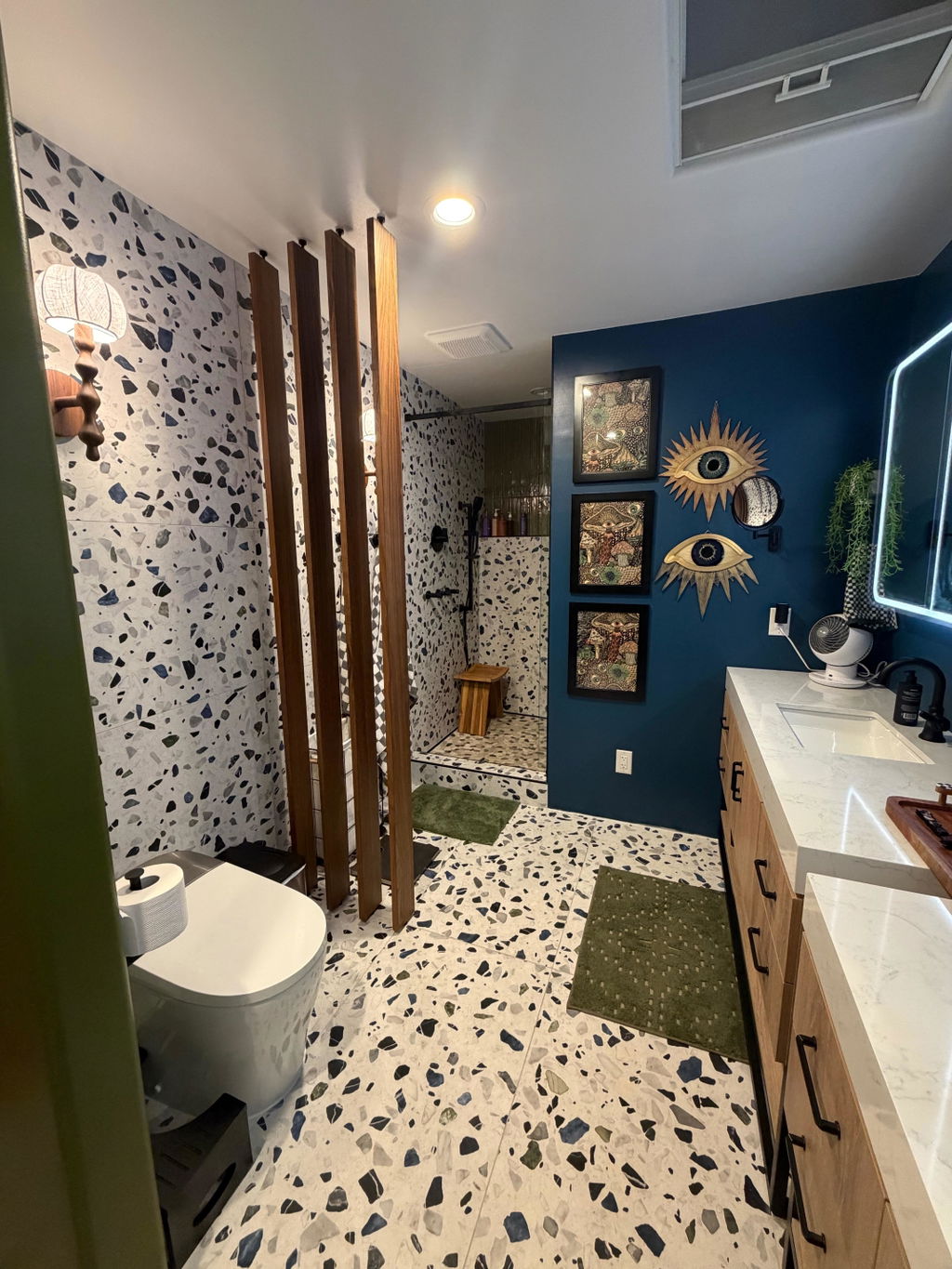
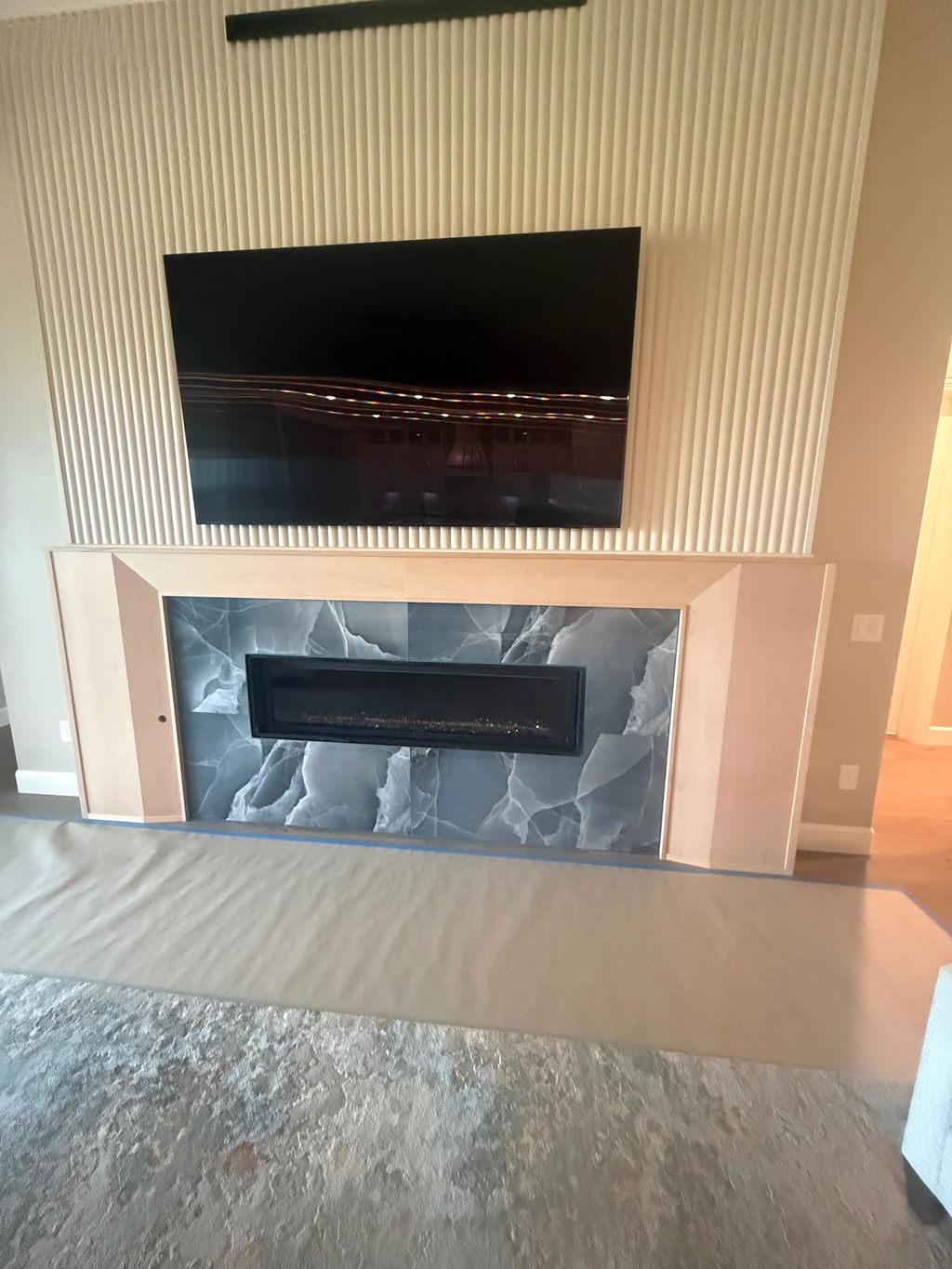
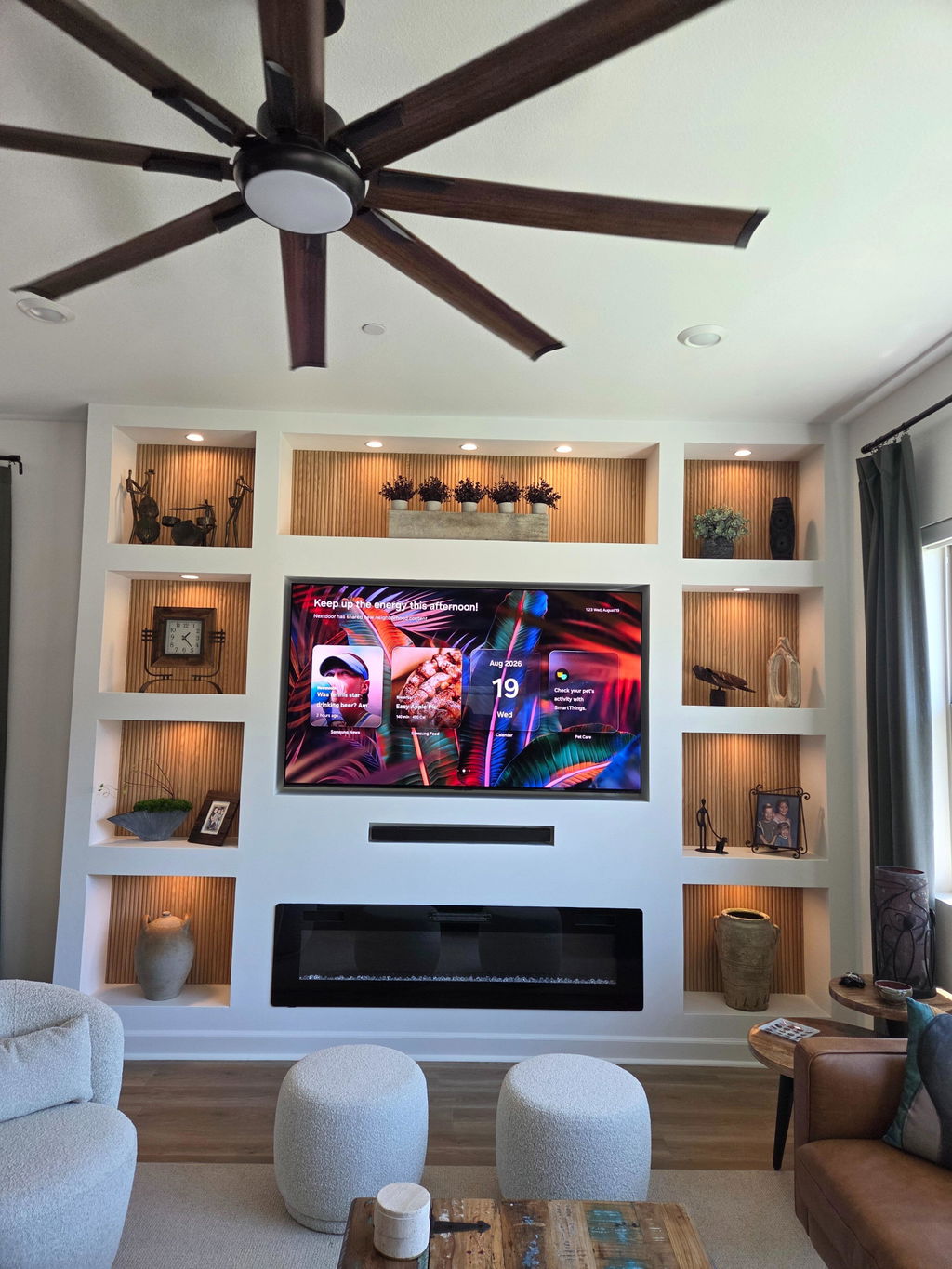
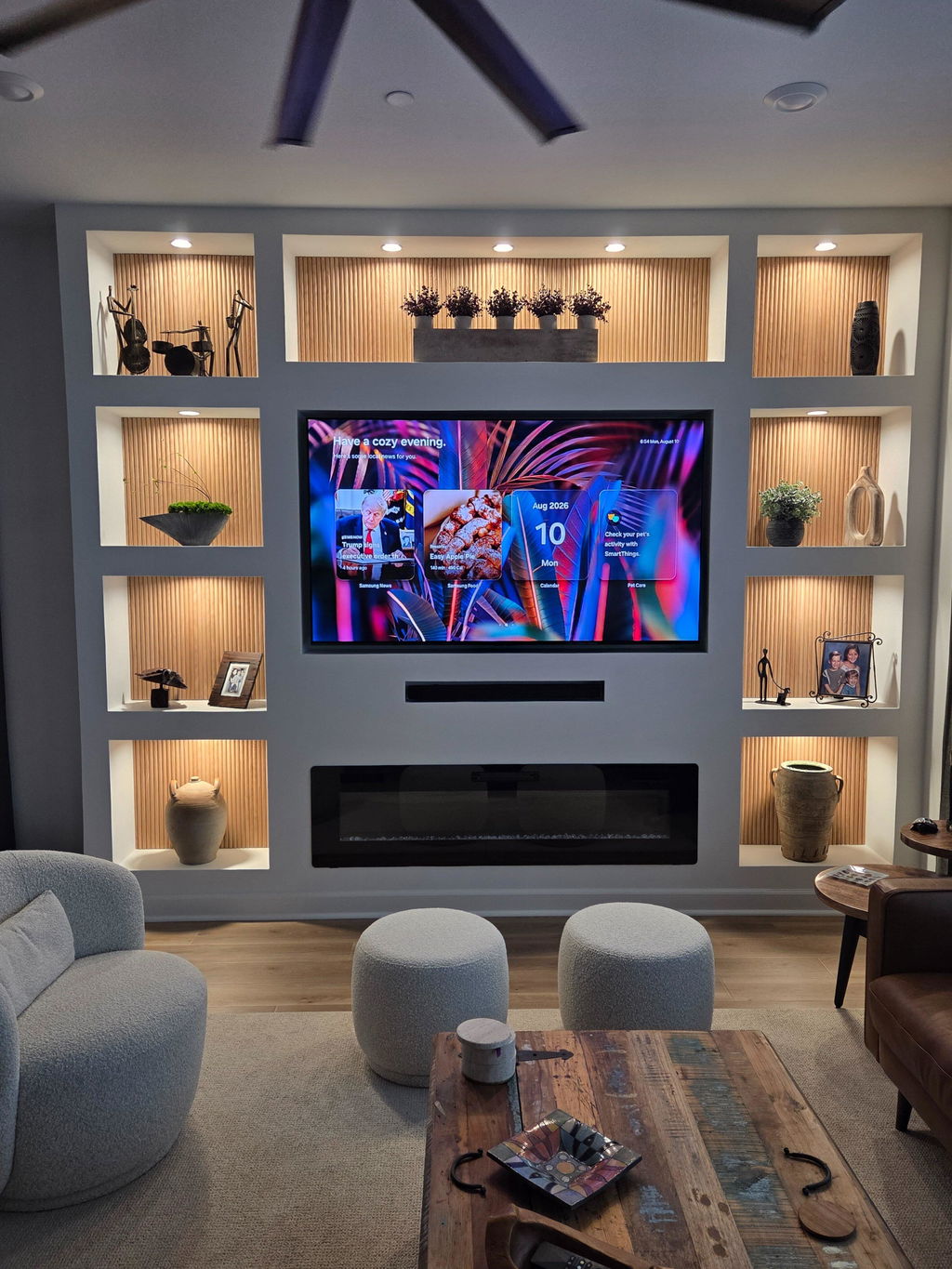
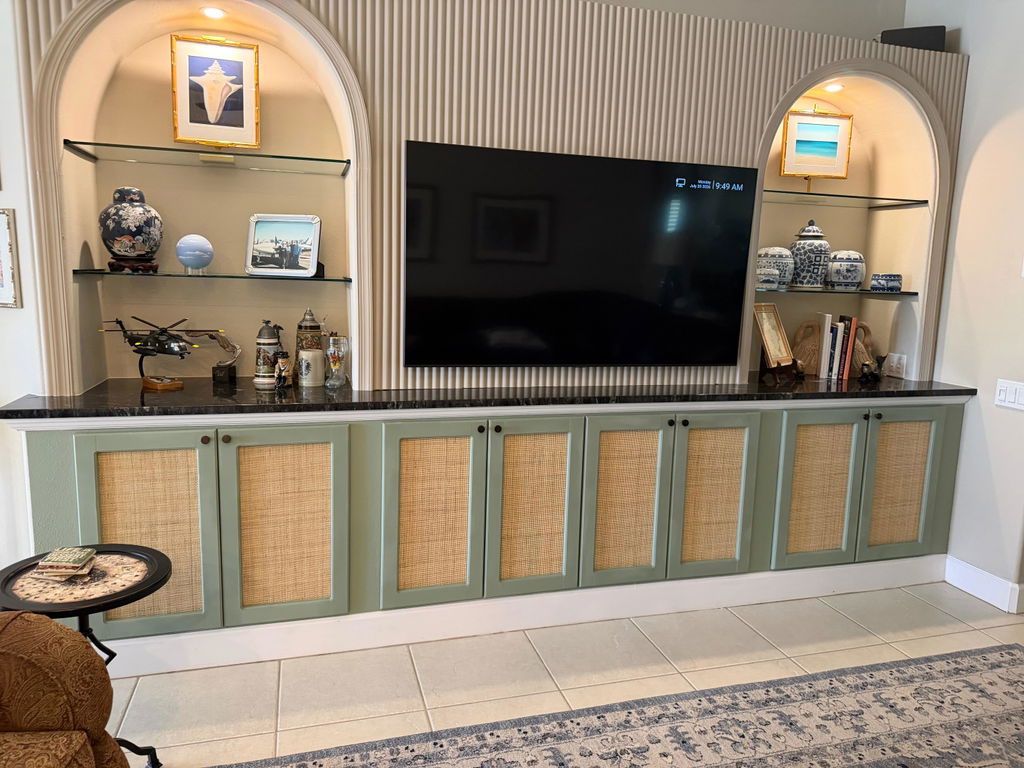
For homeowners who want a bolder shift, wide slatted panels offer a more architectural feel. The wider spacing creates a stronger pattern, which makes them ideal for feature walls or open-plan zoning.
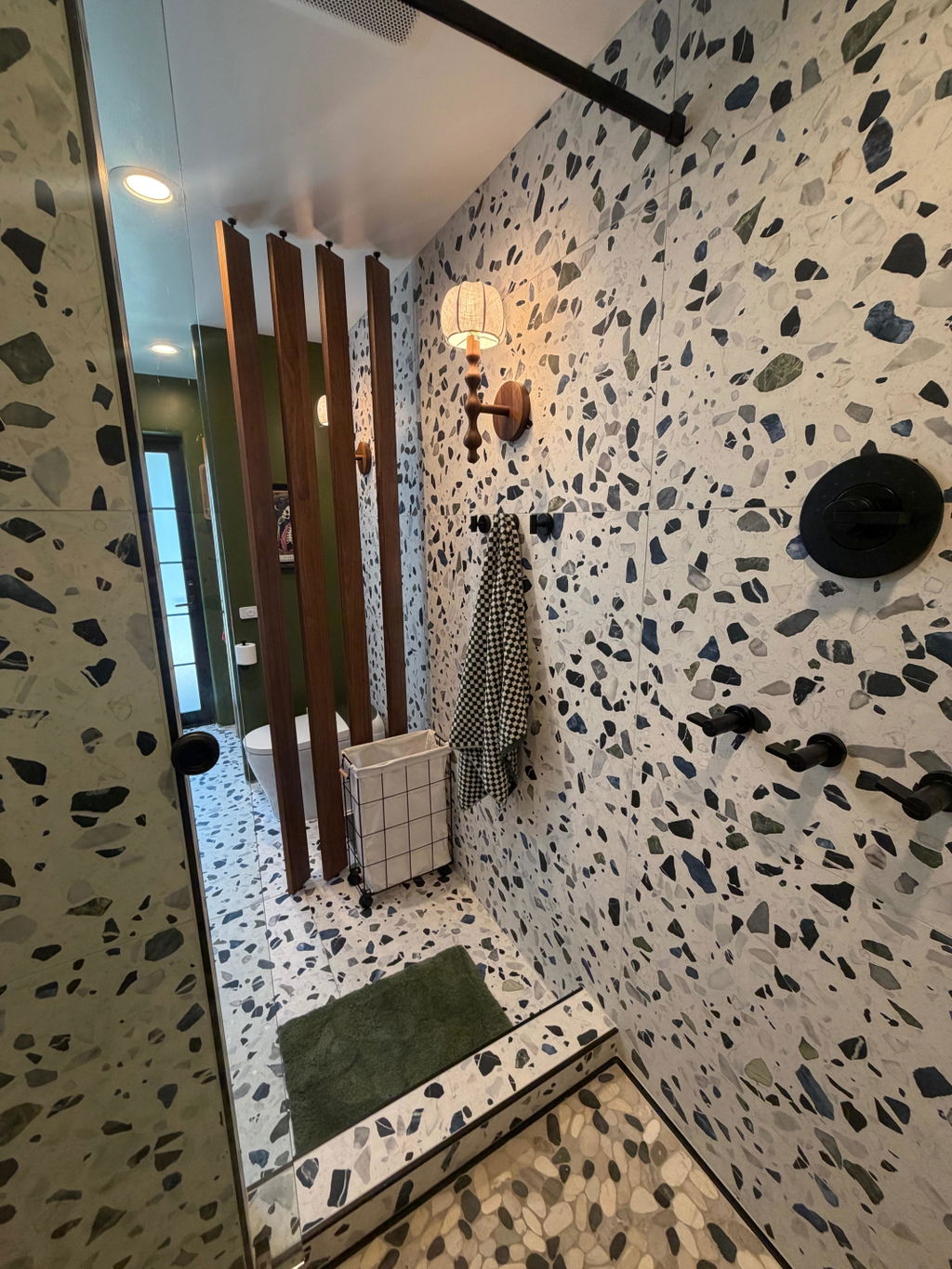
Wide slatted panels are often used behind TVs, along dining areas, or as room dividers. They help define zones without adding solid walls, which keeps light and airflow moving through the space.
How These Panels Change the Feel of a Room
One of the biggest reasons all-white interiors are being replaced is comfort. Texture changes how a room sounds, feels, and functions.
Wood panels:
-
Reduce visual flatness by breaking up large wall surfaces
-
Add warmth without relying on rugs or heavy furniture
-
Improve acoustics by softening sound reflection
-
Create natural focal points that do not rely on artwork
These benefits show up quickly. Rooms feel calmer. Spaces feel more finished. And the need for constant styling drops.



Leave a comment