 Skip to content







Wall Panels vs Paint: Which Offers Better Long-Term Value?

Planning a home makeover is exciting... until you reach one of the biggest decisions you'll make: how should you finish your walls?
For many homeowners, it comes down to two popular choices, traditional paint or decorative wall panels like wood slats. Both can completely transform a room, but they deliver very different experiences once you look beyond the surface.
So, which one offers better long-term value?
The answer depends on several factors, including your budget, design goals, maintenance preferences, and how long you plan to stay in your home.
Let's break everything down so you can choose the option that makes the most sense for your space... and hopefully save yourself from future renovation headaches along the way.
So, wall panels vs paint?
Key Takeaways
- Wall panels generally provide better long-term value because they last longer and require less maintenance than painted walls.
- Paint has a lower upfront cost, but regular repainting and repairs can increase overall expenses over time.
- Decorative wall panels add texture while concealing imperfections such as cracks, dents, and uneven walls.
- Fluted wall panels, wood slat wall panels, V-groove panels, and paintable wall panels each offer unique benefits for different interior styles.
- Choosing between wall panels and paint isn't just about appearance. It's about finding the right balance between cost, durability, and long-term performance.
Wall Panels vs Paint: What's the Difference?
At first glance, paint and wall panels seem to serve the same purpose, they make your walls look better.


However, they achieve that goal in completely different ways. Paint simply coats the existing surface with color, while decorative wall panels create an entirely new finish that adds texture, depth, and another layer of protection.
That difference becomes much more noticeable as the years go by. Painted walls can still look fantastic, but they're also more likely to show scratches, fading, and everyday wear. Decorative wall panels, meanwhile, continue looking polished because the design isn't relying on color alone.
Instead, patterns, grooves, and architectural details become part of the wall itself, giving your interior a richer and more custom appearance.
Upfront Cost vs Long-Term Value
If you're comparing costs on day one, paint is almost always the more affordable choice.
The materials are relatively inexpensive, installation is straightforward, and you can completely refresh a room without stretching your renovation budget too far. It's easy to see why paint has remained a homeowner favorite for generations.
However, the upfront price only tells part of the story...

As time passes, painted walls naturally collect scratches, fingerprints, chipped corners, and the occasional mystery scuff mark that somehow appears overnight. (Seriously... where do those even come from?) Most homeowners eventually find themselves touching up problem areas or repainting entire walls just to keep everything looking consistent.
Wall panels require a larger investment at the beginning, but they often make up for it through their longevity. Since they rarely need repainting and require very little upkeep, maintenance costs stay much lower over time. If you're planning to stay in your home for the long haul, or at least long enough to avoid another renovation anytime soon, that added durability can make a real difference.
Which Option Lasts Longer?
Durability is one of the biggest reasons homeowners begin looking at decorative wall panels instead of traditional paint.
While high-quality paint performs well, everyday life has a funny way of testing your walls. Chairs get pushed back a little too far, furniture gets rearranged, kids play indoors when it's raining, and pets occasionally decide the hallway is their personal racetrack.
That's where wall panels begin to stand out. Check out this home gym with slat panels...

Because they create a protective finished surface, decorative wall panels are generally more resistant to minor dents, scratches, and everyday wear than painted drywall.
As a result, they continue looking cleaner and more polished for much longer without demanding constant attention.
This added durability makes wall panels especially appealing in living rooms, hallways, entryways, home offices, and other high-traffic spaces.
Maintenance: Which Option Is Easier to Live With?
Freshly painted walls always look fantastic. Keeping them that way is where things become a little more challenging.
Small chips, fingerprints, scratches, and accidental marks often require spot painting to restore a uniform appearance.

Even cleaning painted walls requires some care because scrubbing too aggressively can affect the finish or leave behind noticeable patches. It's not difficult, but it does become another item on the never-ending homeowner to-do list.
Wall panels simplify maintenance considerably. In most cases, a quick wipe with a soft cloth is enough to remove dust and everyday marks.
Since the finish is already built into the material, homeowners don't have to worry about peeling paint, fading colors, or trying to remember the exact paint shade they bought six years ago.
If low maintenance ranks high on your wish list, decorative wall panels have a clear advantage.
Design Flexibility: How Wall Panels and Paint Shape Your Interior
Choosing between paint and wall panels isn't simply about picking a color... it's about deciding how you want your home to feel every time you walk through the door.


Paint gives you endless color possibilities, while decorative wall panels introduce texture and architectural detail that completely change how a space is experienced.
Depending on the style you choose, they can make a room feel warmer, taller, brighter, or more sophisticated without changing the floor plan itself.
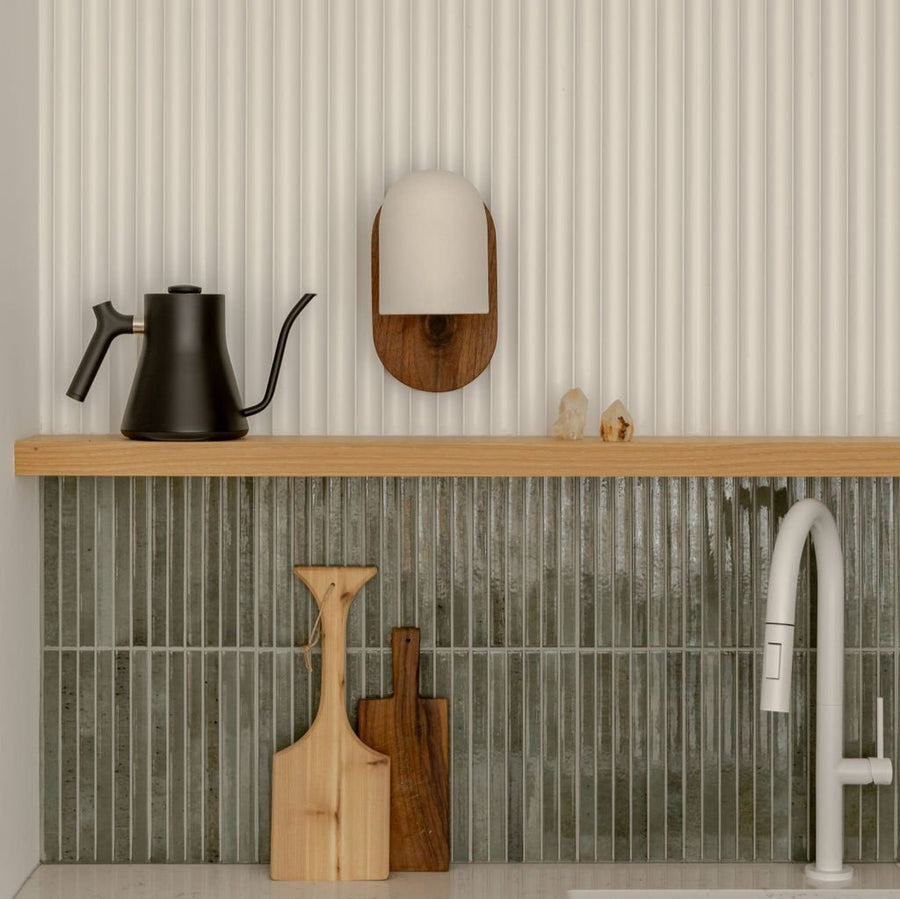
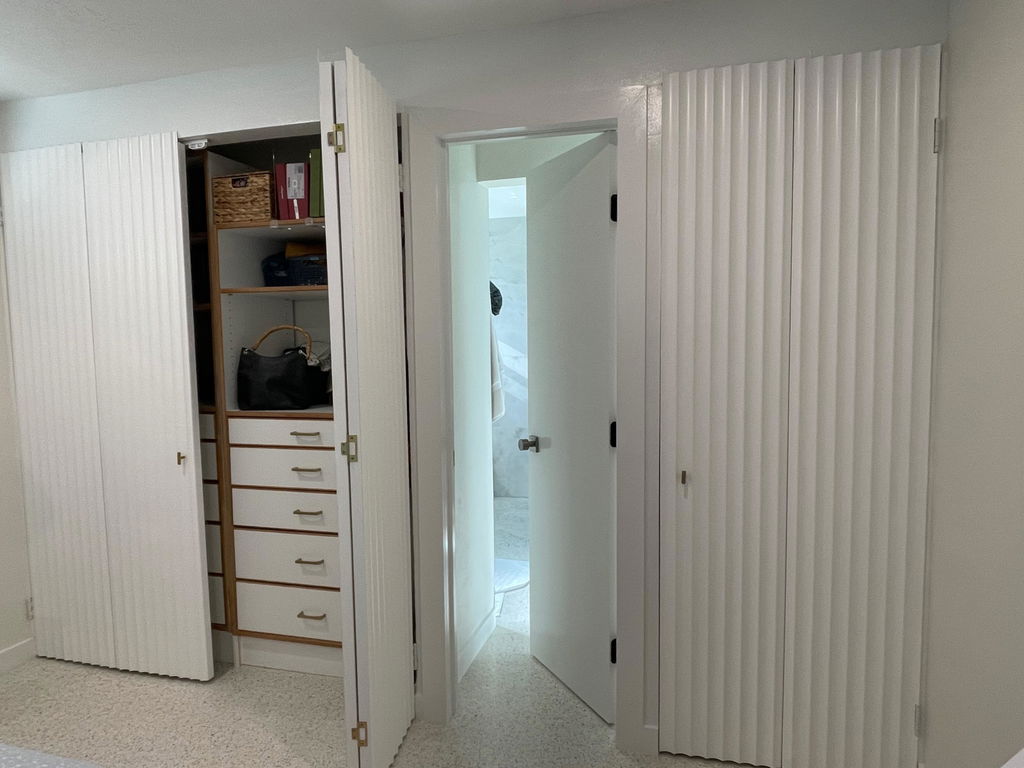
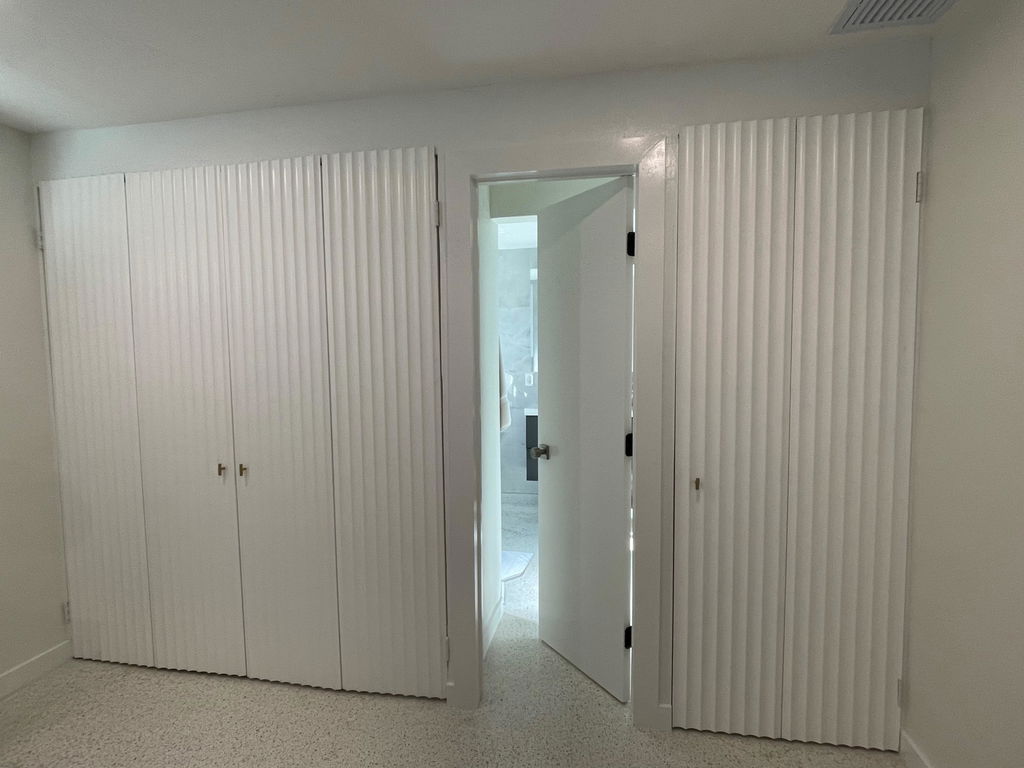
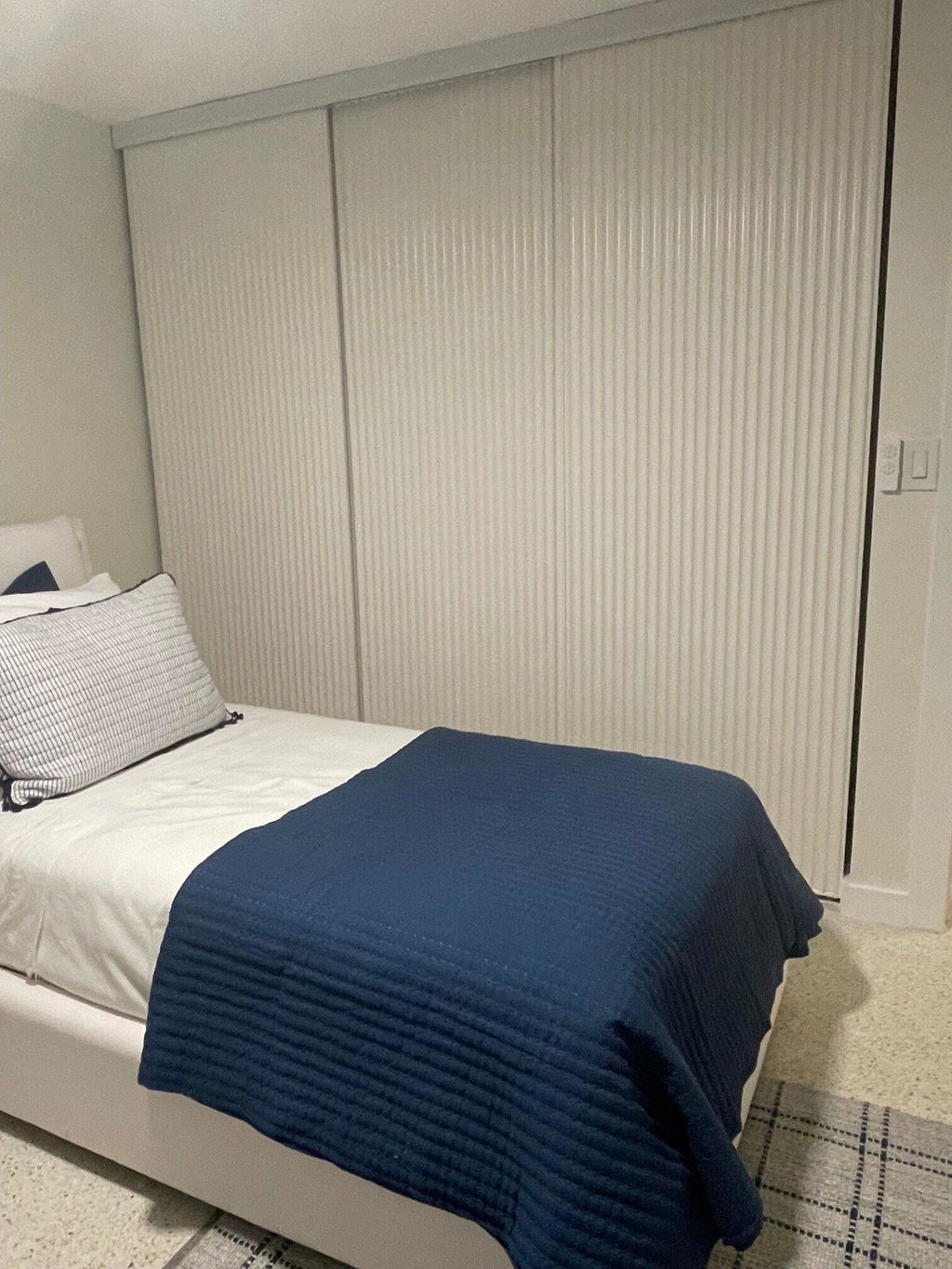
Fluted Wall Panels Create Modern Visual Interest
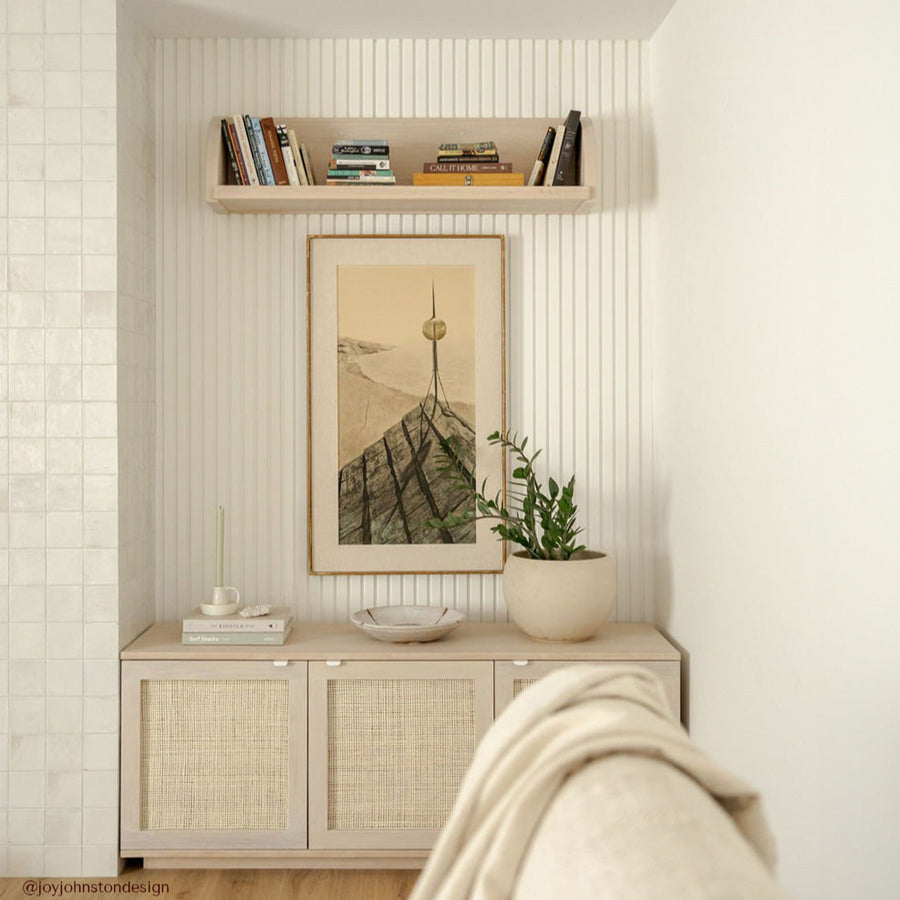
Fluted wall panels have quickly become one of today's most popular interior design choices, and it's easy to understand why.
Their evenly spaced vertical grooves create subtle shadows throughout the day, adding movement and depth that flat painted walls simply can't replicate.
They also create the illusion of higher ceilings, making smaller rooms feel more spacious without knocking down a single wall.
Because of their clean, elegant profile, fluted wall panels fit beautifully into modern, minimalist, and contemporary homes.
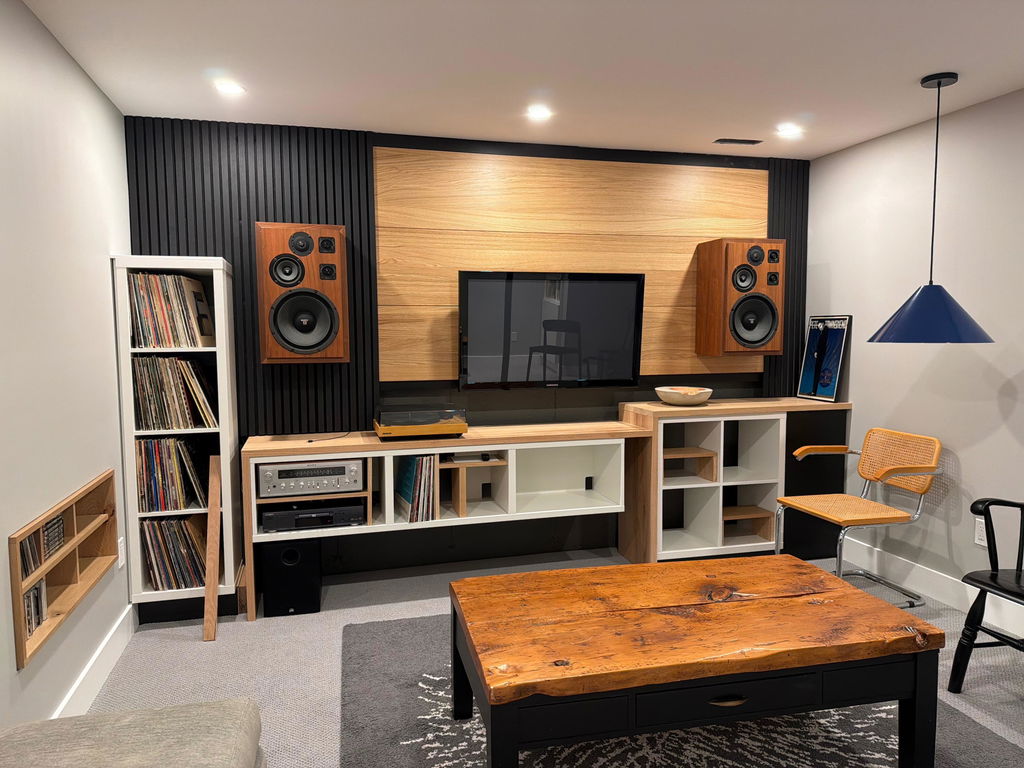
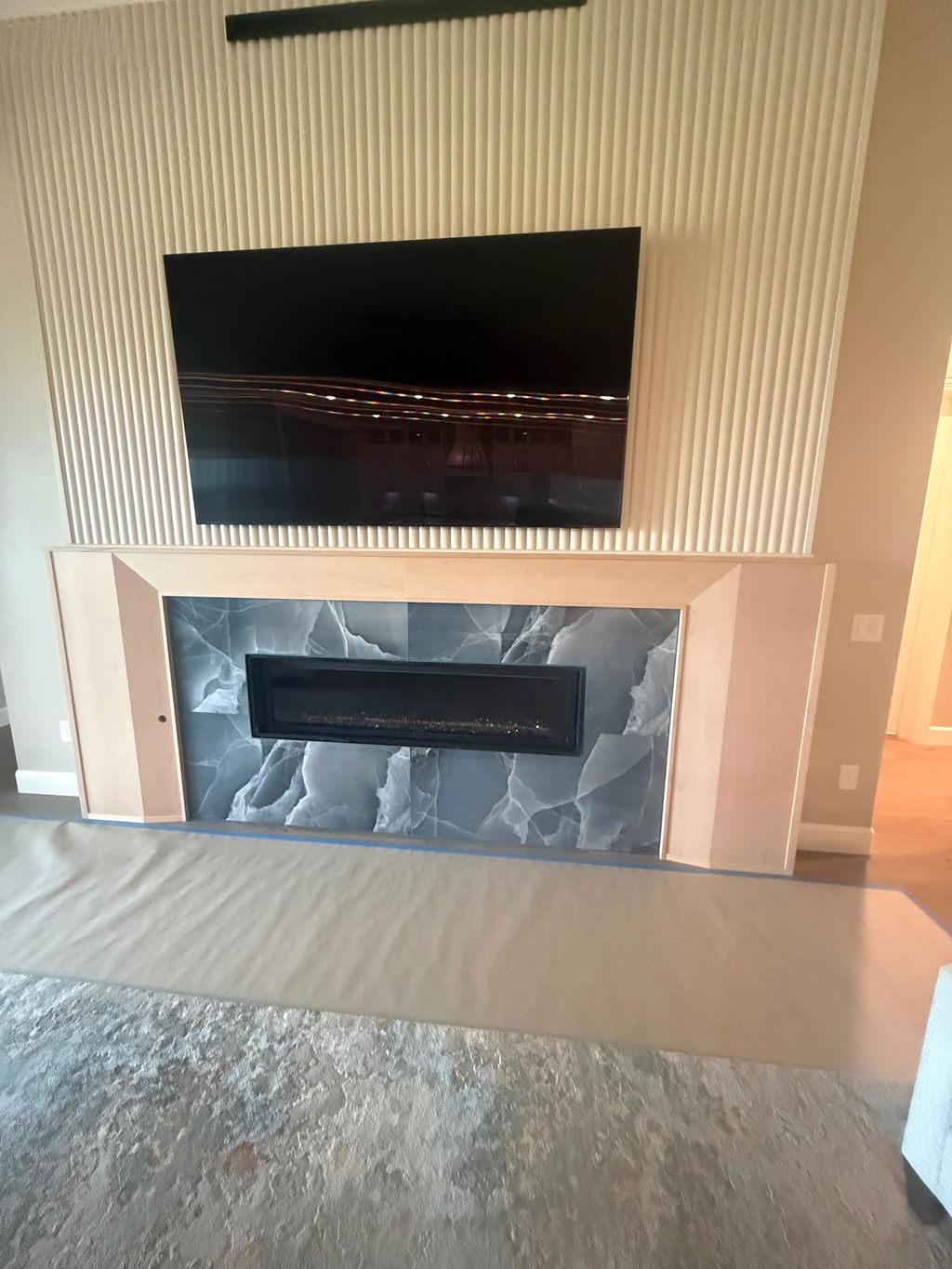
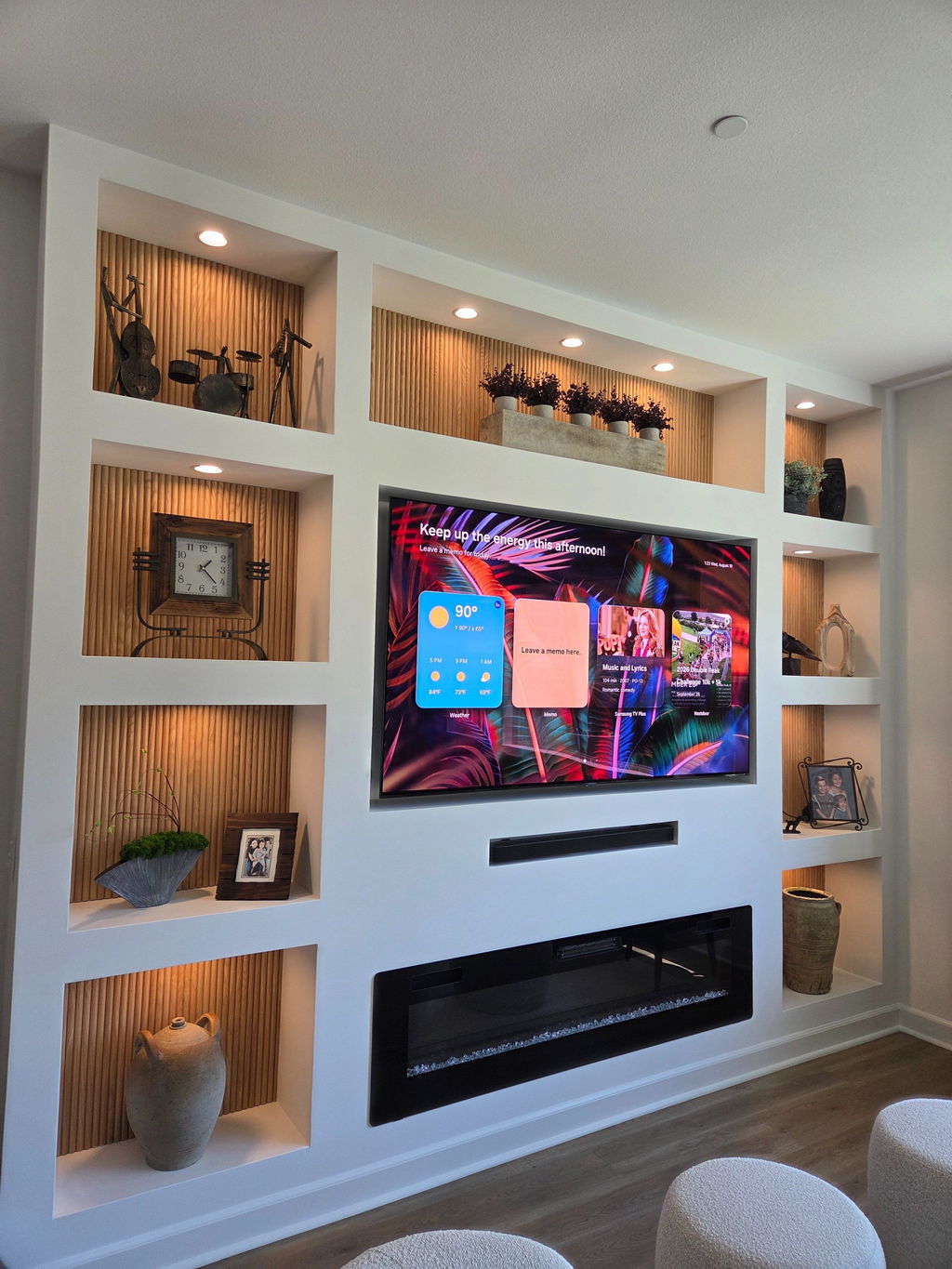
They're often installed behind televisions, beds, or dining areas to create feature walls that naturally draw attention without dominating the room.
The result feels refined, timeless, and just interesting enough to make guests ask, "Where did you get that wall?"
Design Flexibility: How Wall Panels and Paint Shape Your Interior
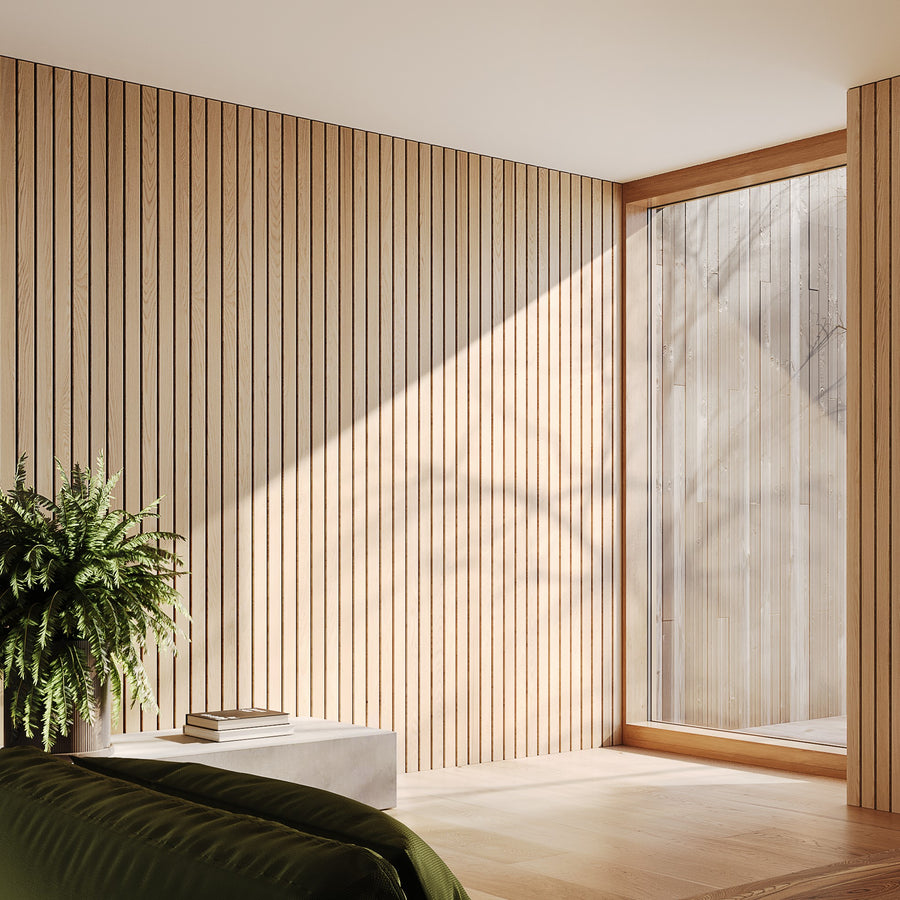
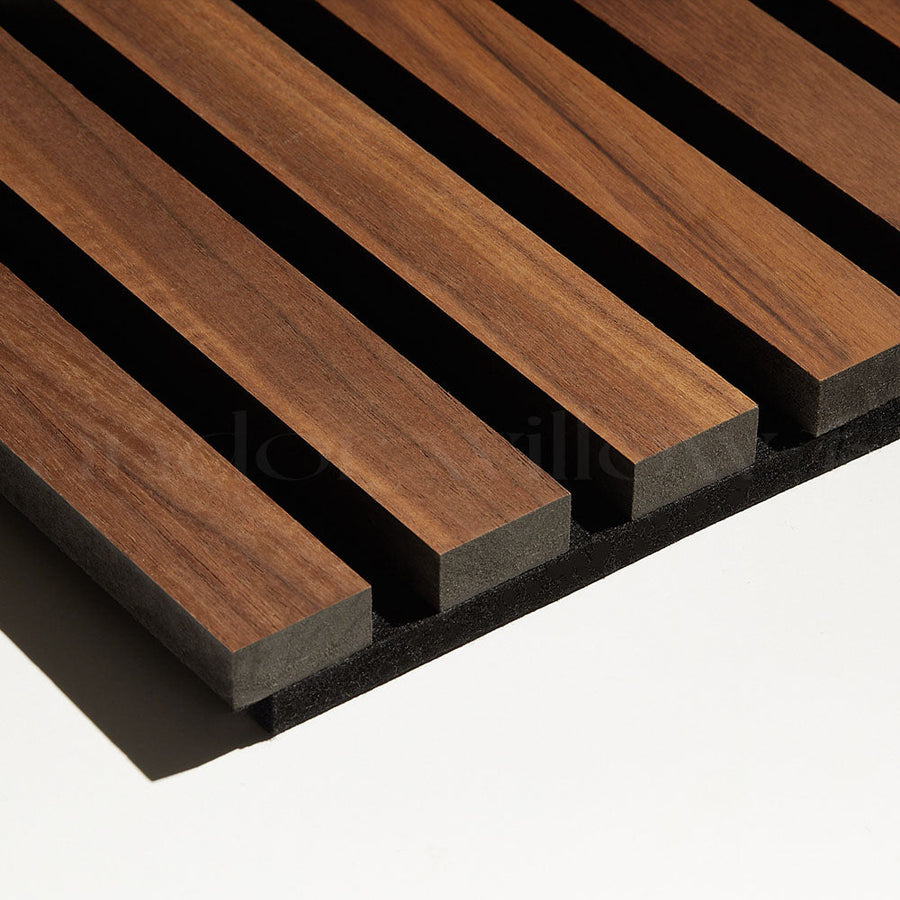
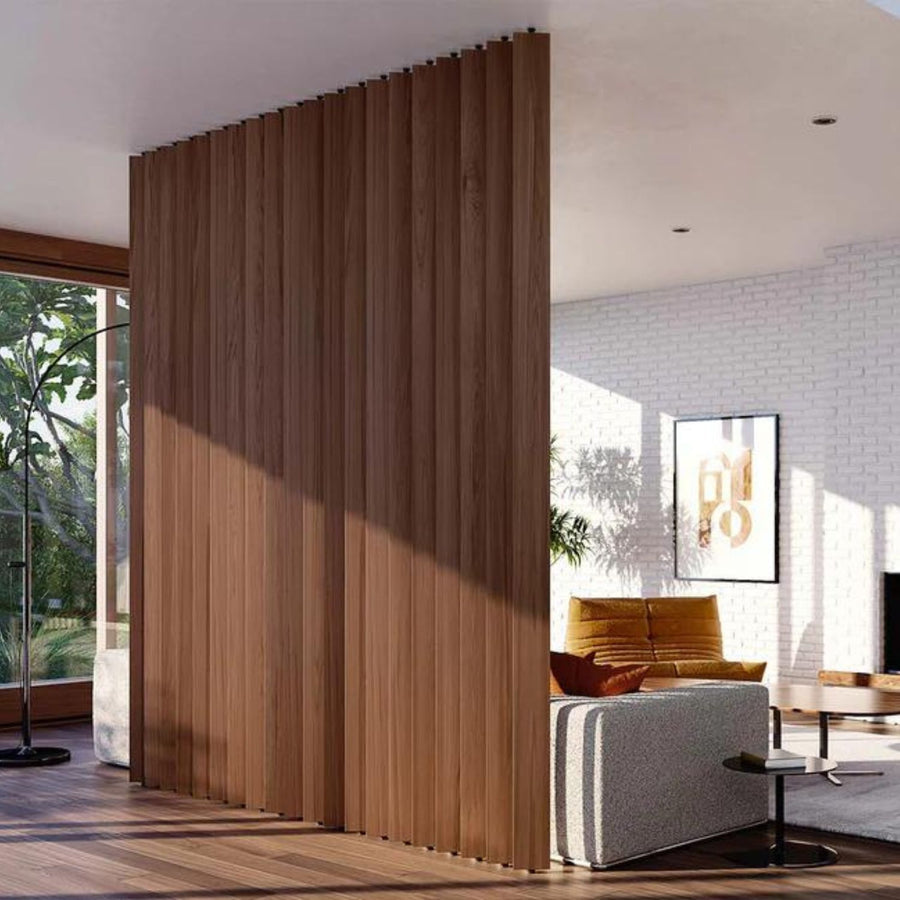
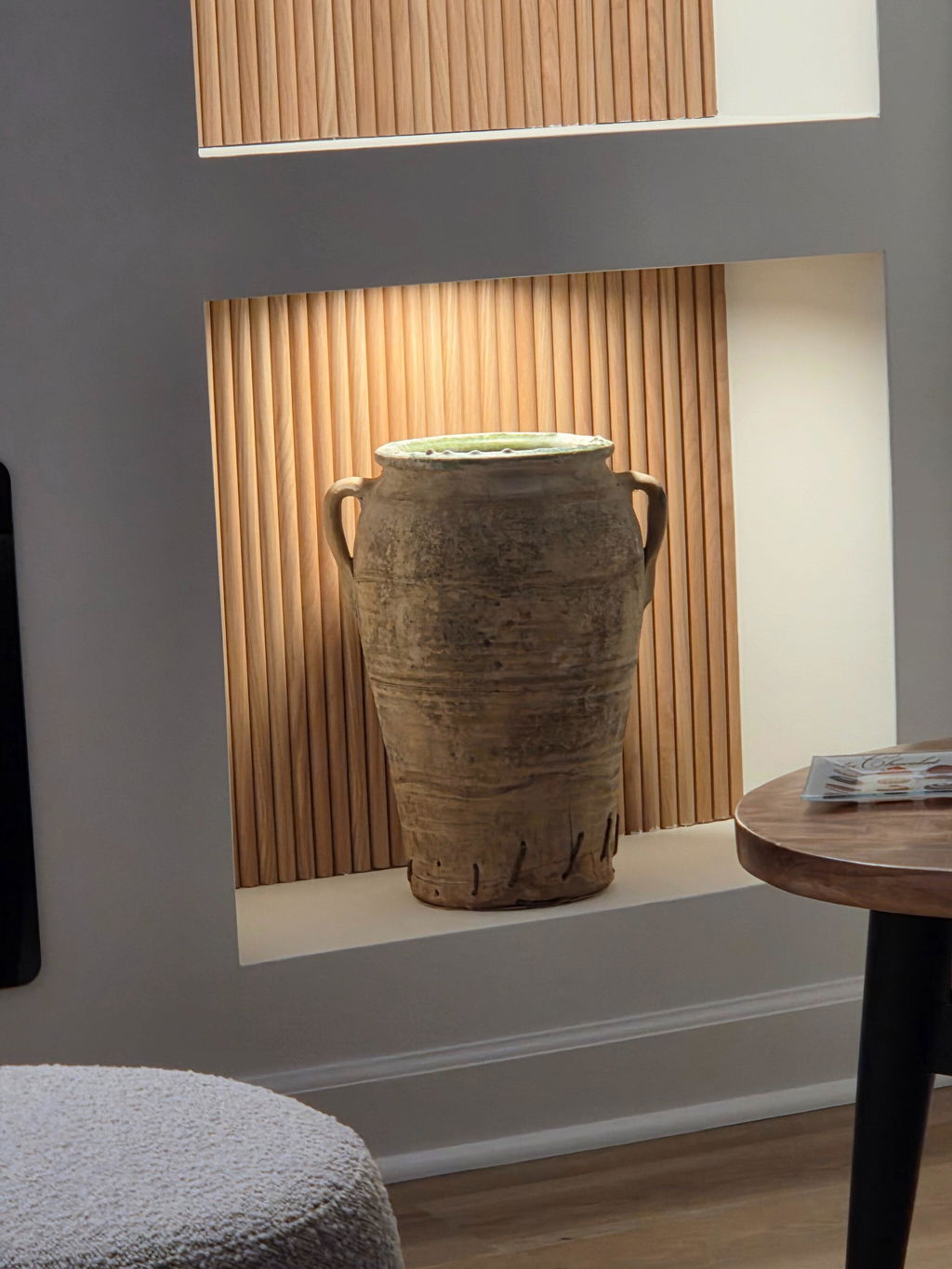
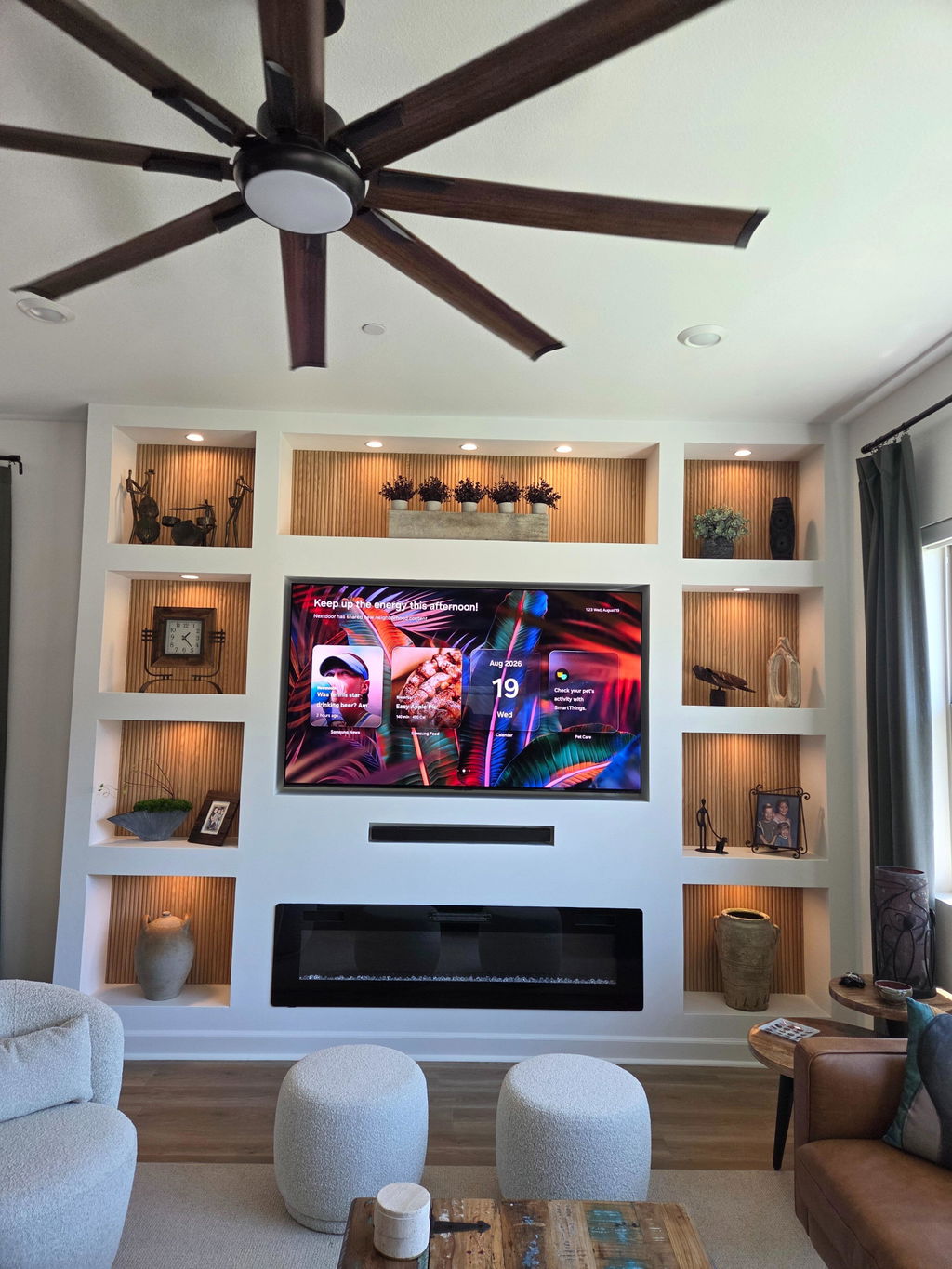
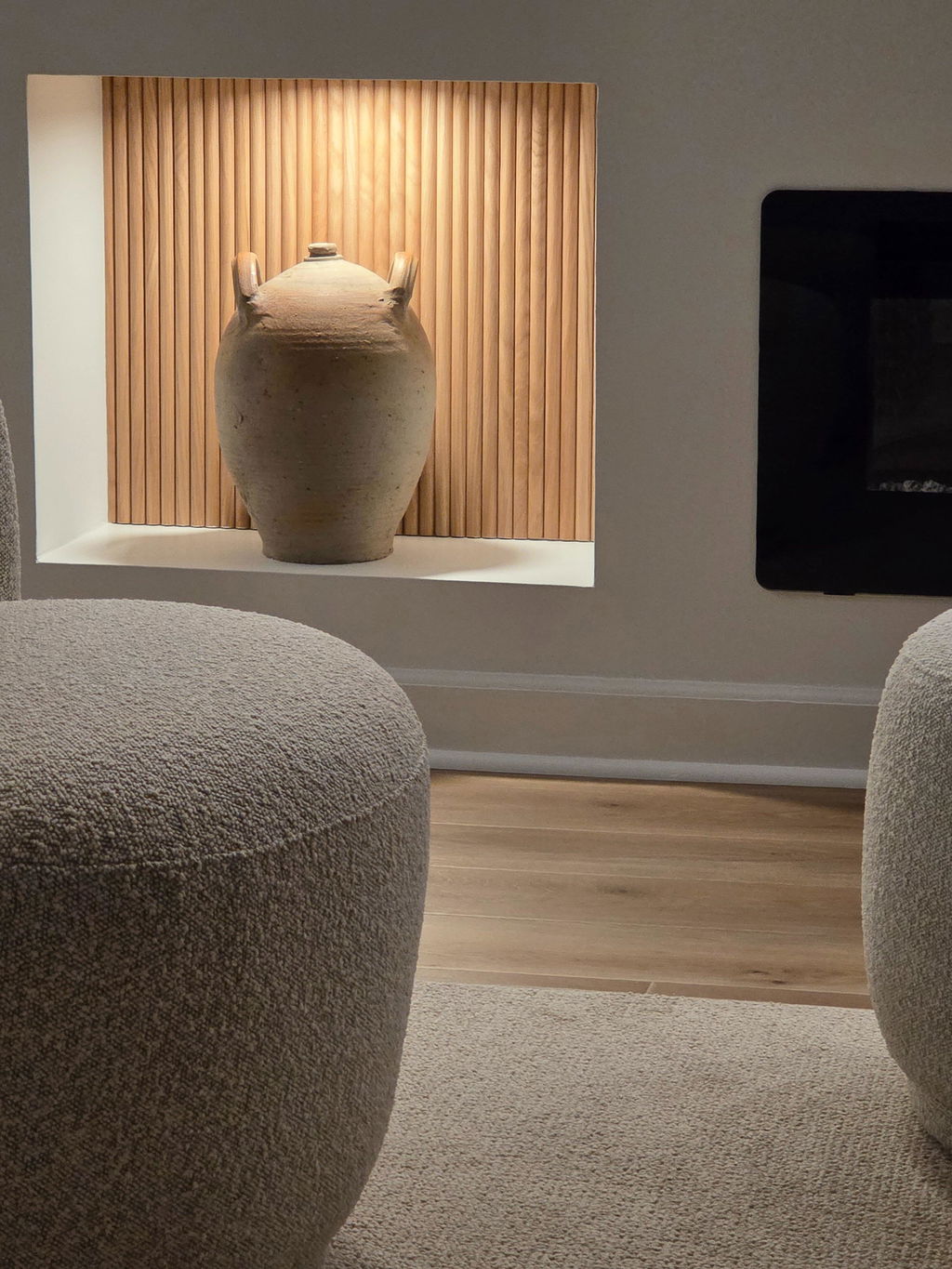
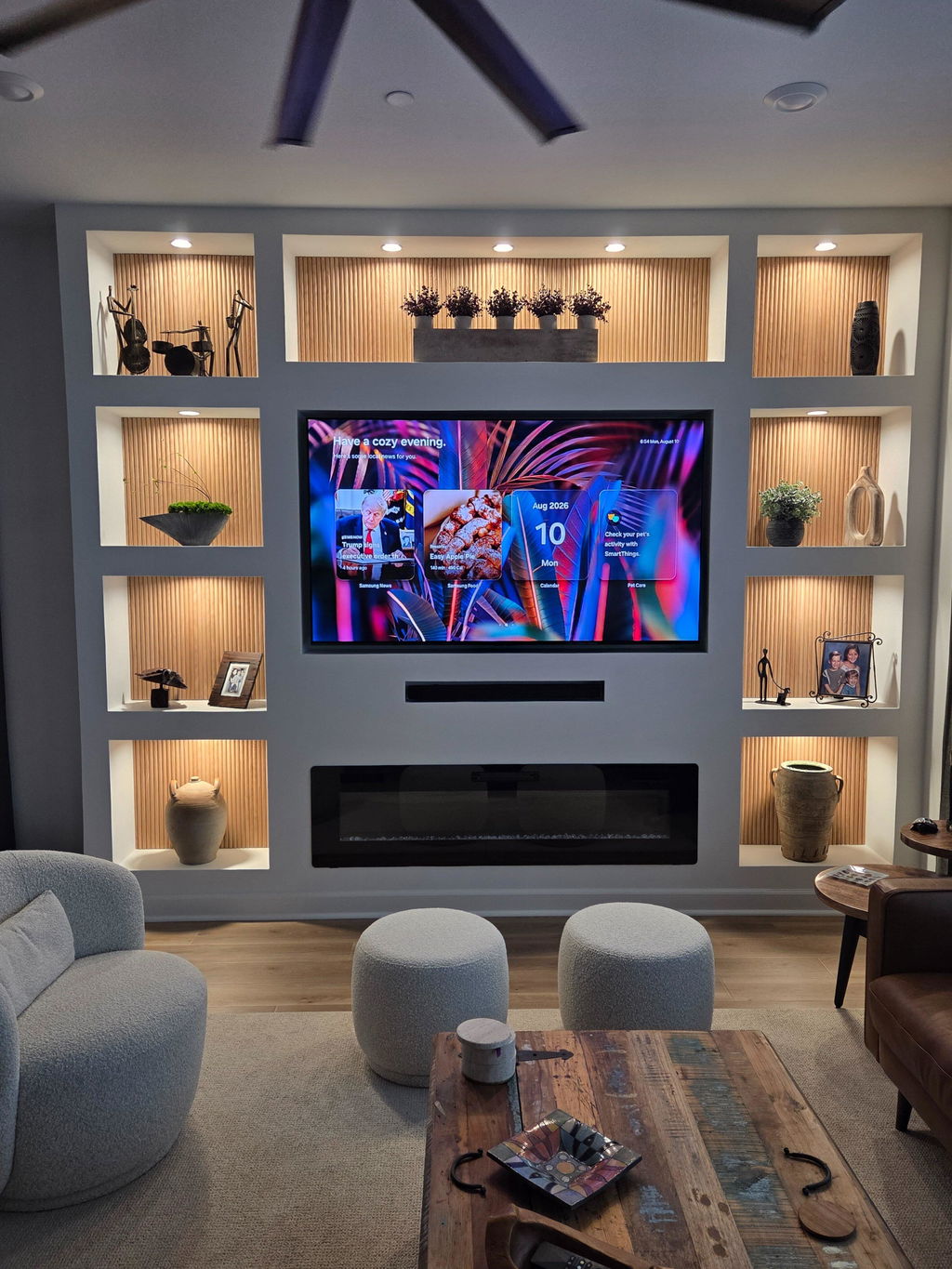
Wood slat wall panels add warmth and natural texture
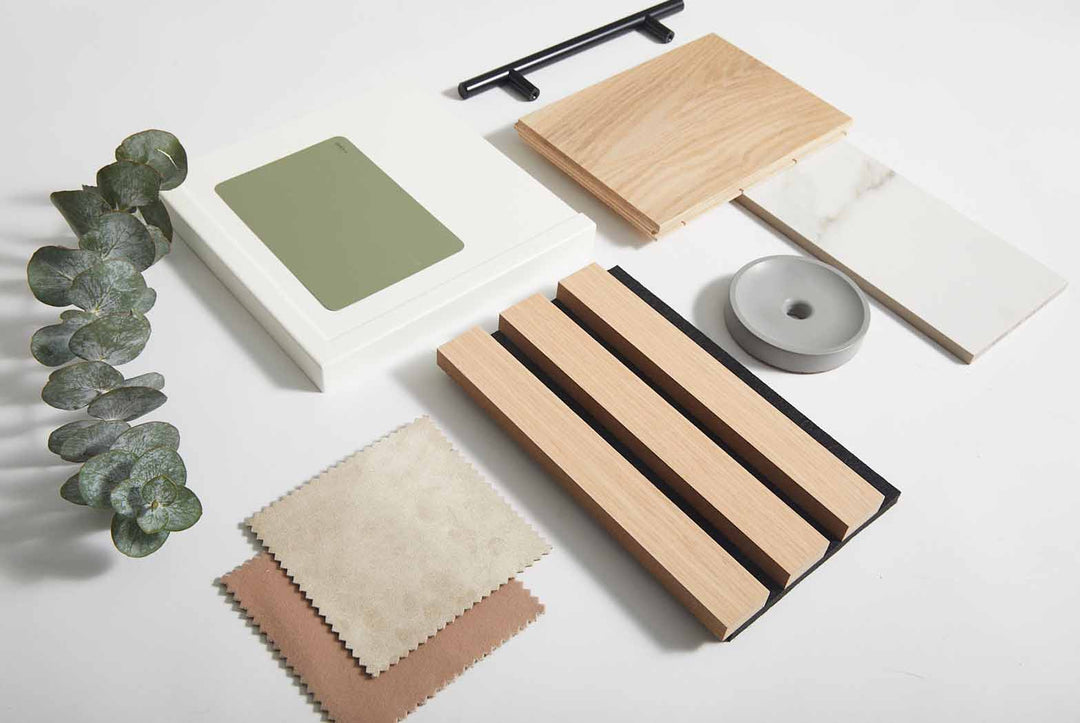
If your goal is to create a space that feels warm, welcoming, and effortlessly stylish, wood slat wall panels are hard to beat.
They're especially popular in Scandinavian and Japandi-inspired homes, although they work just as well in contemporary, industrial, and transitional interiors.
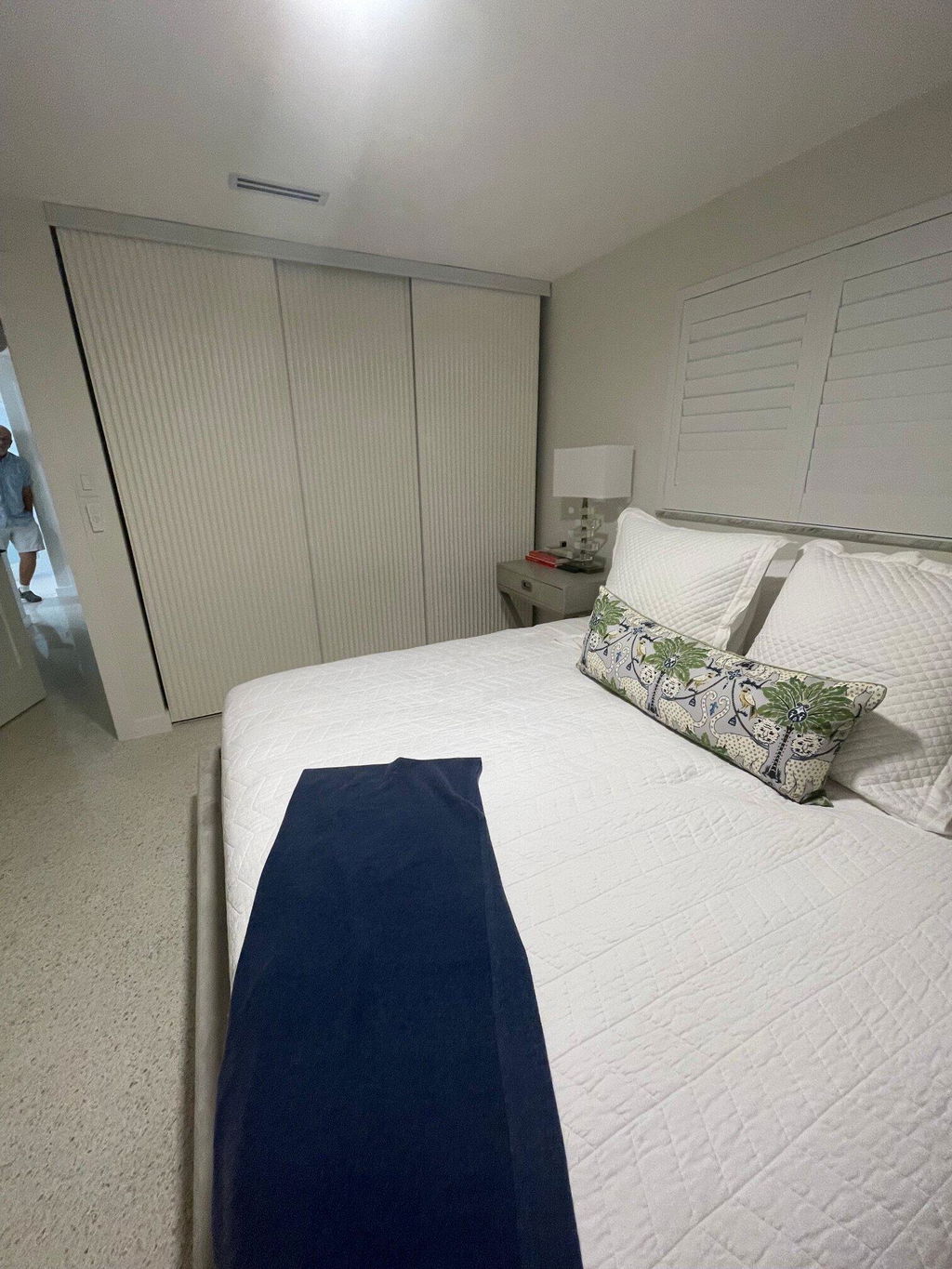
Whether installed as a living room accent wall or behind a bed, wood slat wall panels create a cozy atmosphere that paint alone often struggles to achieve.
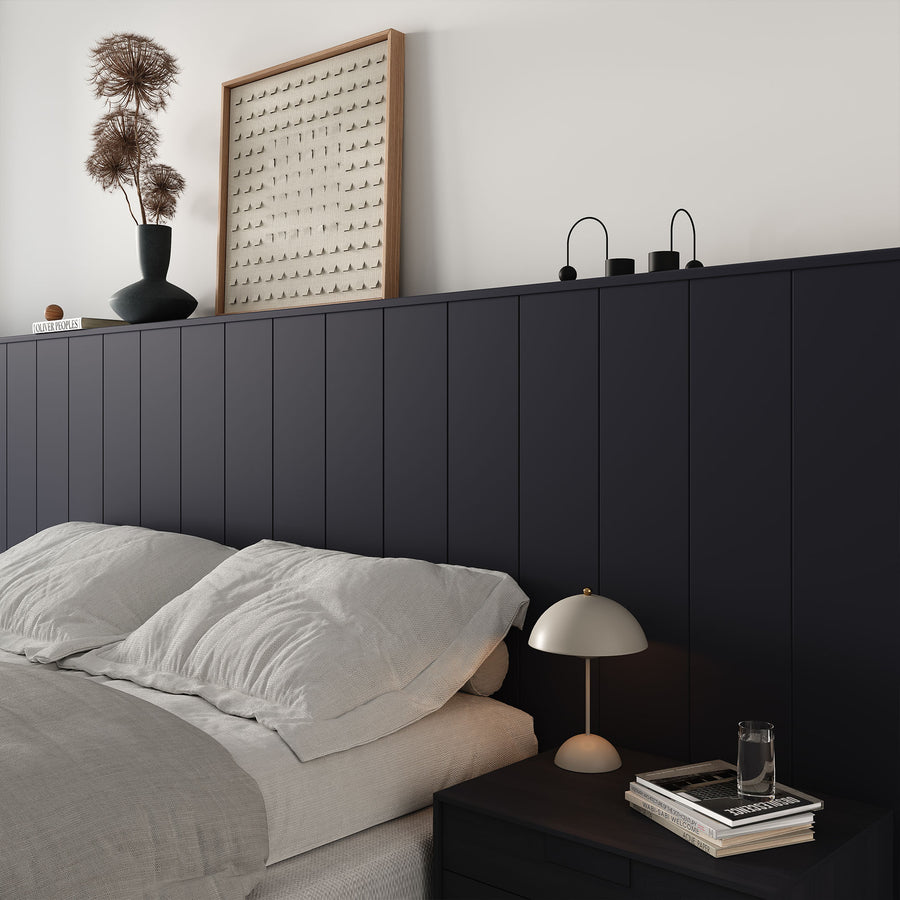
V-Groove Panels Offer a Timeless Interior Finish
Not every design trend sticks around, but V-groove panels have managed to remain relevant for decades, and for good reason.
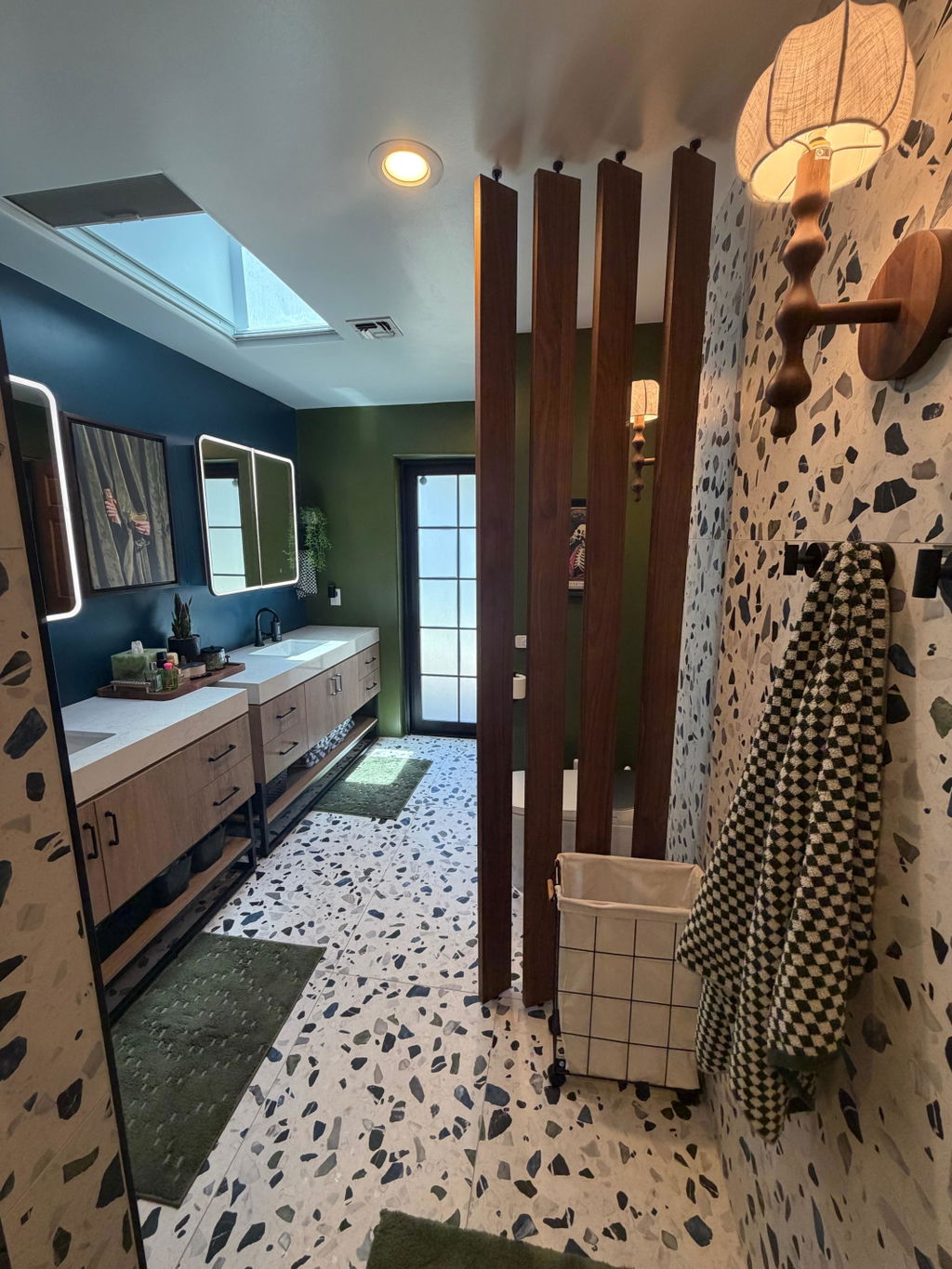
This powder room is a good example...

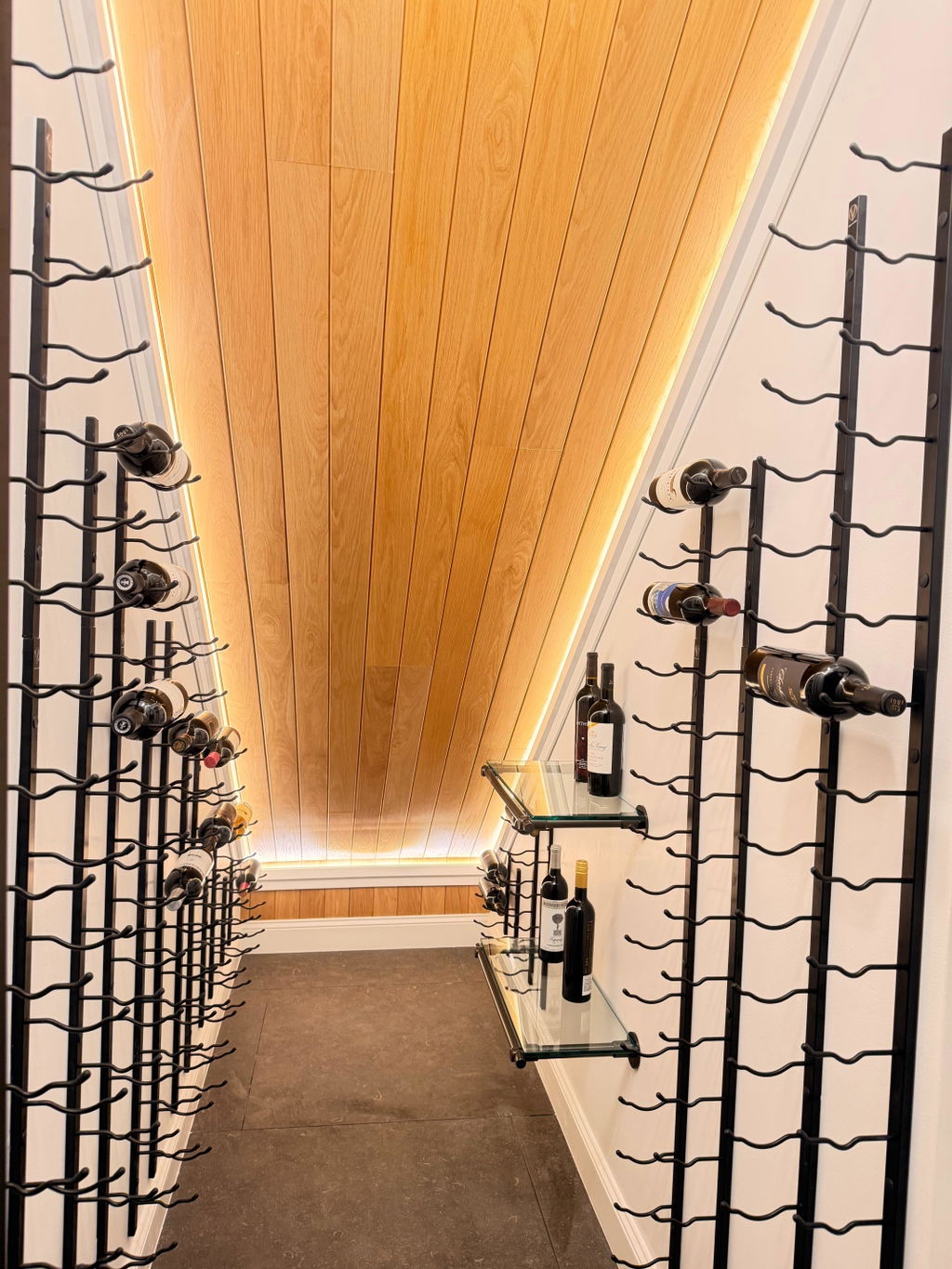
Their evenly spaced grooves create a balanced appearance that feels classic without looking dated, allowing them to blend naturally into a wide variety of interior styles.
Some homeowners use them throughout an entire room for a cohesive look, while others install them on a single feature wall to add just the right amount of character. Either way, they provide visual interest without making the space feel busy.
Paintable Wall Panels Give You More Design Freedom
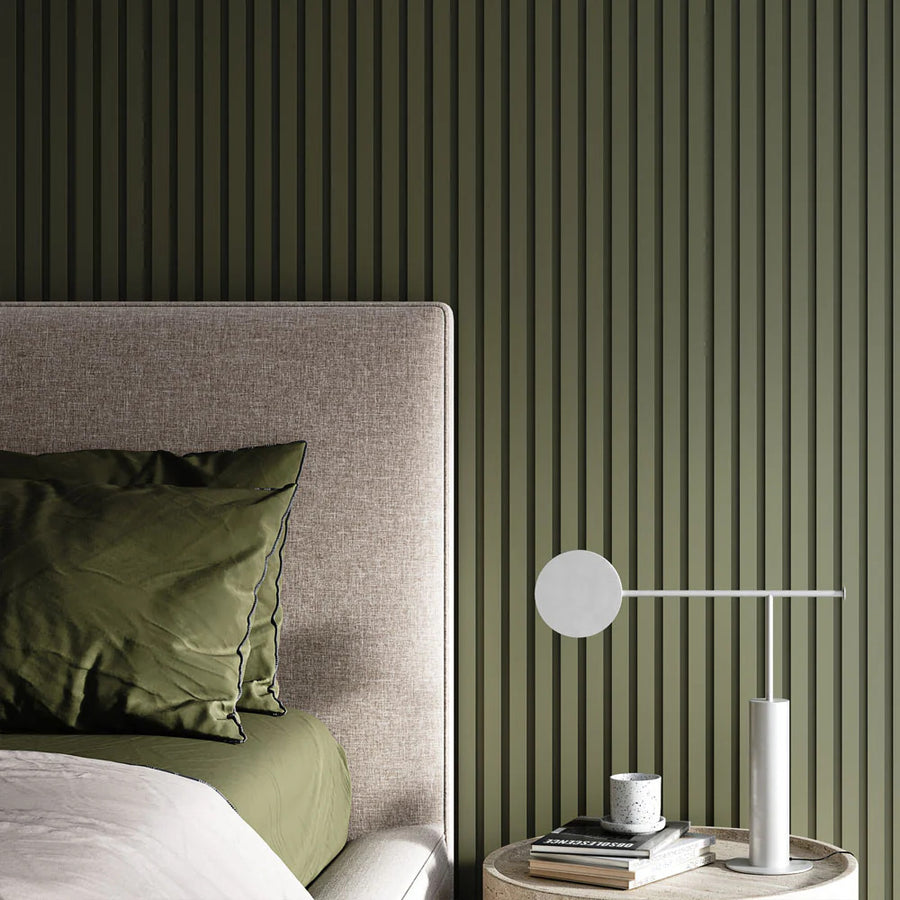
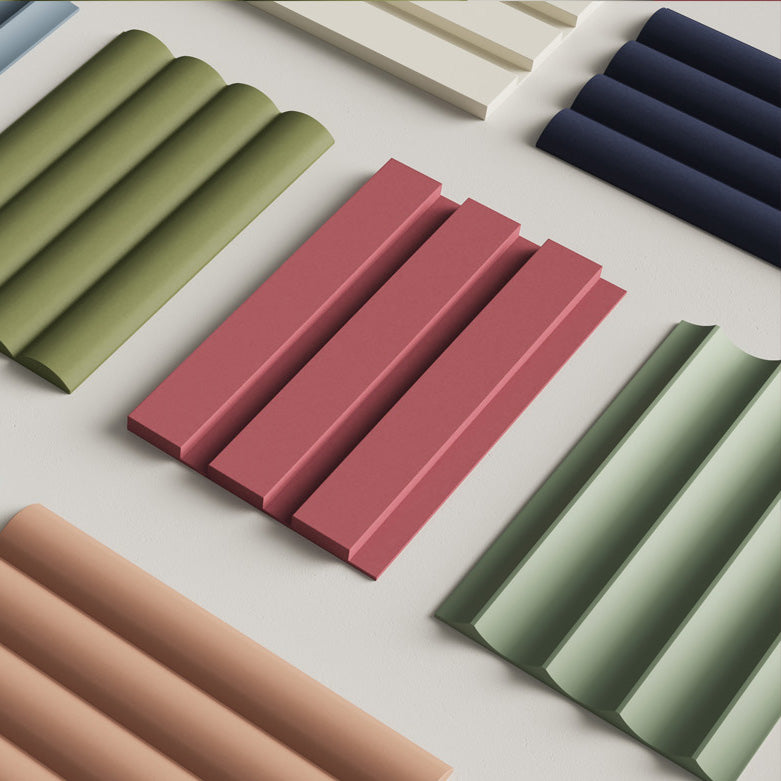
If you love choosing paint colors but also want the added texture that decorative panels provide, paintable wall panels offer an ideal compromise.
They combine architectural detail with complete color flexibility, giving you the freedom to personalize your walls without sacrificing depth or dimension. Paintable fluted wall panels arrive primed, so the grooves are ready for whatever color you decide on.
They're also a practical choice for homeowners who enjoy refreshing their interiors every few years. Instead of replacing the panels when your style changes, you can simply repaint them to match your new color palette.
That's good news for your budget... and for anyone who doesn't enjoy starting renovation projects from scratch every few years.
Long-Term Costs: Comparing Wall Panels vs Paint Over Time
The upfront price often gets the most attention during a renovation, and that's completely understandable. However, if you're trying to get the best value for your money, it's worth looking beyond installation day.
Maintenance, repairs, durability, and even future renovations all contribute to the true cost of your walls over the years.
Upfront Installation Costs
If keeping initial expenses low is your top priority, paint remains the clear winner.

The materials are affordable, the application process is relatively simple, and most rooms can be completed within a day or two. For homeowners updating several rooms at once or preparing a house for sale, painting is often the quickest and most budget-friendly option.
Decorative wall panels require a larger investment because you're paying for both the panels and the installation.
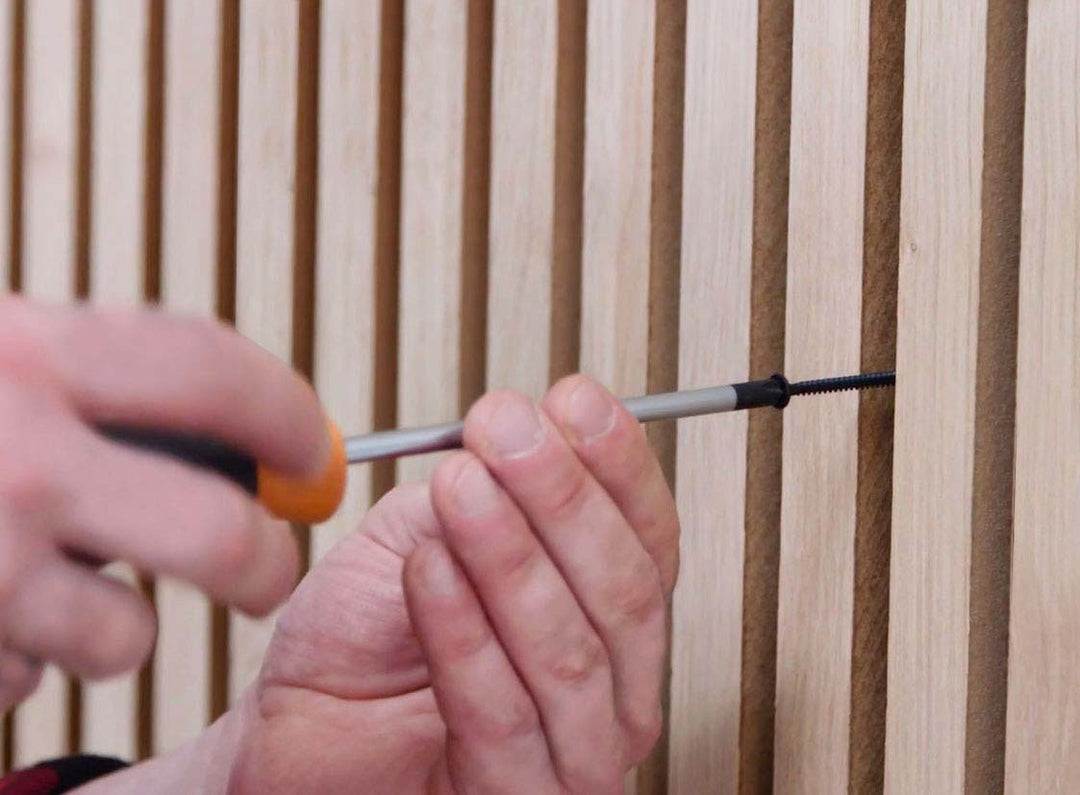
Depending on the product, professional installation may also be recommended to achieve the best finish. While that can feel like a bigger commitment at first, many homeowners see it as paying more now to spend less later.
After all, nobody gets excited about repainting the same hallway every few years...
Maintenance and Repair Costs
This is where wall panels really begin to earn their keep.
Painted walls naturally collect scratches, scuff marks, fingerprints, and chipped corners as everyday life happens.
Moving furniture, carrying groceries, or simply living in a busy household can leave visible marks that gradually take away that freshly painted look.
Eventually, touch-ups become necessary, and if the original paint has faded, matching the color perfectly isn't always as easy as you'd hope.
Wall panels, meanwhile, require very little ongoing maintenance.
Most only need occasional dusting or a quick wipe with a damp cloth to stay looking their best.
Because the finished surface is built into the panel itself, you won't have to deal with peeling paint or wonder whether it's finally time to repaint an entire room.
Lifespan and Durability
When it comes to longevity, decorative wall panels generally have the upper hand.
High-quality panels are designed to withstand everyday wear, helping them maintain their appearance even in high-traffic areas where painted walls usually show signs of aging much sooner.
Paint naturally changes over time. Sunlight can cause colors to fade, moisture may affect certain areas, and repeated cleaning gradually wears down the finish.
None of these issues are unusual, they're simply part of owning painted walls.
Still, they do mean more maintenance and additional costs over the years...
That's one reason many homeowners view wall panels as a longer-term investment rather than just another decorative feature. Once installed, they continue doing their job with very little attention... and that's always a nice bonus.
Return on Investment for Homeowners
Neither paint nor wall panels can guarantee a specific increase in your home's resale value. However, they can absolutely influence how buyers and visitors perceive the space.
Decorative wall panels often create a more custom, professionally designed appearance. A thoughtfully placed feature wall can become one of the first things people notice when they walk into a room, helping your home feel more polished and memorable. It's a subtle upgrade, but first impressions matter.
The return on investment also goes beyond resale...
If you're planning to stay in your home for many years, enjoying walls that require less maintenance while continuing to look great is valuable in its own right.
So, which one offers better long-term value?
The answer ultimately depends on what you value most.
If your priority is completing a renovation with the lowest possible upfront cost, paint continues to be a practical and reliable option. It's affordable, flexible, and gives you the freedom to update your home's color palette whenever inspiration strikes.
However, if you're looking beyond the next few years, decorative wall panels often provide better overall value.
Their durability, low maintenance requirements, and timeless appearance help reduce future upkeep while giving your home a more refined finish from the very beginning.
The good news is you don't necessarily have to choose one or the other.

Many homeowners combine decorative wall panels with painted walls, using panels to highlight feature areas while painting the remaining surfaces.
This approach creates visual contrast, keeps renovation costs manageable, and gives your home a more custom look without going overboard.
Final Thoughts
Choosing between wall panels and paint comes down to your budget, design preferences, and how you plan to use the space.
Paint is a practical option if you want flexibility and a lower upfront cost, while wall panels offer added durability, easier maintenance, and lasting texture.
If you're leaning toward wall panels, investing in quality products like Andor Willow's paintable wall panels can make a noticeable difference in both appearance and long-term performance...
The best choice is the one that fits your home today and continues to work well for years to come.
Frequently Asked Questions
Are wall panels more expensive than paint?
Yes, decorative wall panels generally cost more upfront because of the materials and installation involved. However, they often provide better long-term value by reducing maintenance, repairs, and the need for frequent refinishing.
How long do decorative wall panels last?
High-quality wall panels can last for decades when installed correctly and maintained according to the manufacturer's recommendations. Their durability is one of the biggest reasons many homeowners choose them over painted walls.
Can wall panels be painted?
Yes. Paintable wall panels are specifically designed to be finished with your preferred paint color, allowing you to personalize your space while still enjoying the texture and architectural detail that decorative panels provide.
Are wall panels suitable for humid areas?
Many modern decorative wall panels are designed to perform well in humid environments, making them suitable for kitchens, bathrooms, and laundry rooms when the appropriate panel material is selected.
Can you combine wall panels and paint in the same room?
Absolutely! In fact, it's one of the most popular design approaches today. Using decorative wall panels on a feature wall while painting the surrounding walls creates a balanced look that adds texture and character without overwhelming the space.



Leave a comment