 Skip to content







The Open-Concept Design Mistakes Most Homeowners Make

Open-concept homes look spacious and modern, yet living in one often reveals a few frustrations.
Sound travels too easily, furniture placement feels awkward, and spaces start to blur together in ways that make daily life less comfortable.
These issues usually do not come from the layout itself, but from small planning oversights that add up over time!
With a few smart adjustments, open spaces can feel just as functional as they are stylish.
Understanding where things go wrong is also the first step, especially when addressing a common open-concept design mistake and learning how simple solutions like wood slat room dividers can restore structure without sacrificing openness.
1. Treating the Entire Space as One Big Room
One of the most common open-concept design mistakes is treating the entire layout like one giant multipurpose zone. When the living room, dining area, and kitchen all blur together with no visual breaks, the space can quickly feel chaotic instead of open.

At first, furniture placement seems like enough, but over time it rarely holds up...
Chairs drift, rugs shift, and suddenly nothing feels anchored!
What you need to do instead is for each area to have its own identity while still feeling connected.
Simple changes like subtle dividers, flooring transitions, or material shifts help guide movement and make the layout easier to read. All these make the space feel calmer and (way more) functional.
2. Ignoring Sound and Acoustics
Open spaces look great until sound starts bouncing around like it (kind of) owns the place.
Hard floors, bare walls, and high ceilings amplify everything, from conversations to clattering dishes.
At first it feels fine, but then phone calls get harder and background noise becomes a daily annoyance.
This is where acoustic panels quietly save the day...


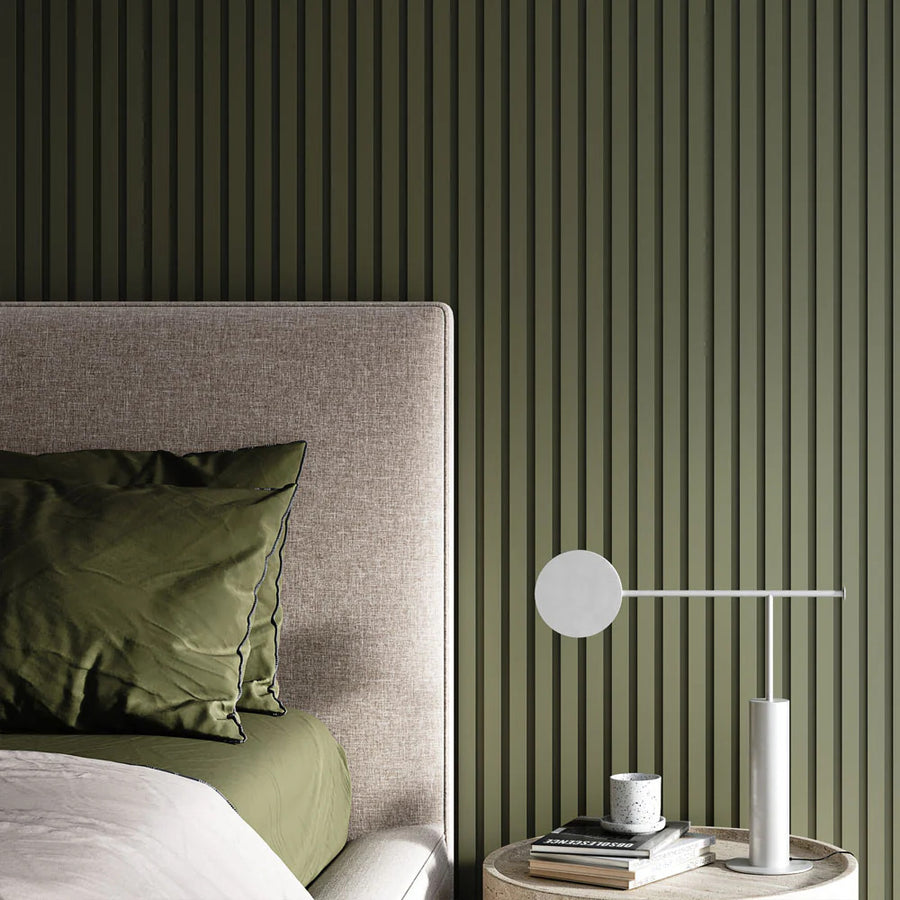
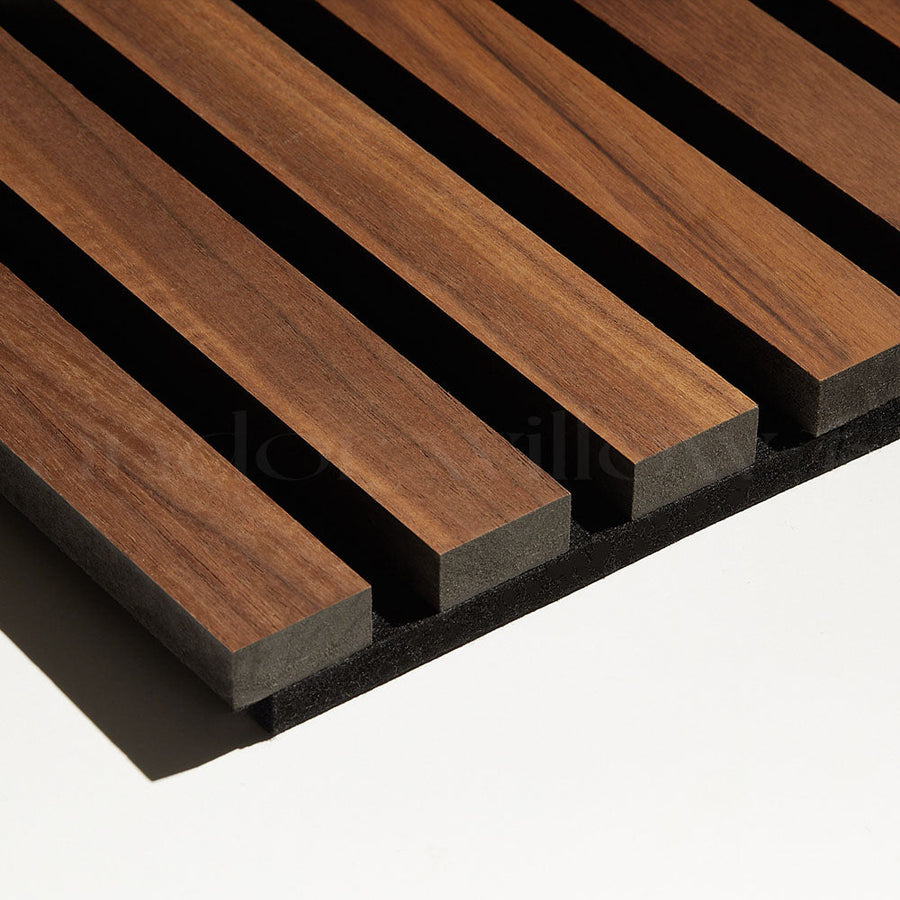
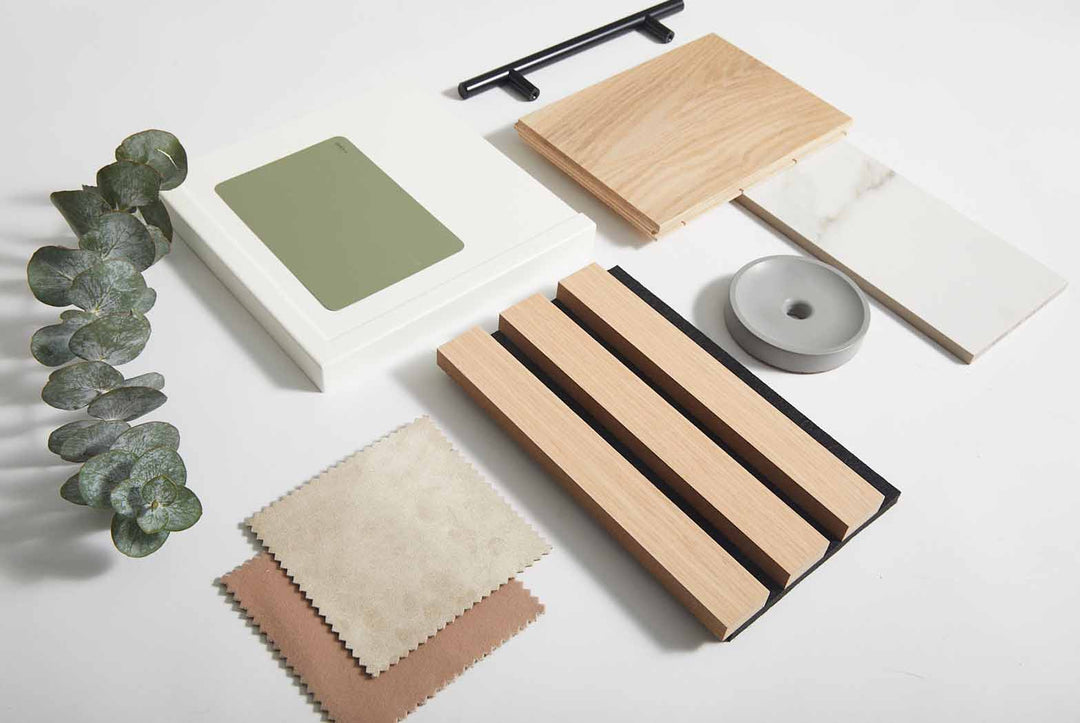
Felt-backed panels or acoustic wall panels absorb sound without closing off the room. As a bonus, they also add texture and warmth. Once sound is under control, the whole space feels noticeably more comfortable, especially when multiple activities are happening at once.
3. Relying Too Much on Furniture for Separation
Sofas and rugs do help define zones, but they tend to lose authority over time.
Do you agree?
Check this out...

Looks nice, but there's that feeling of it being a bit off...
Furniture moves, layouts shift, and suddenly the separation disappears.
That is why architectural elements work better in the long run.
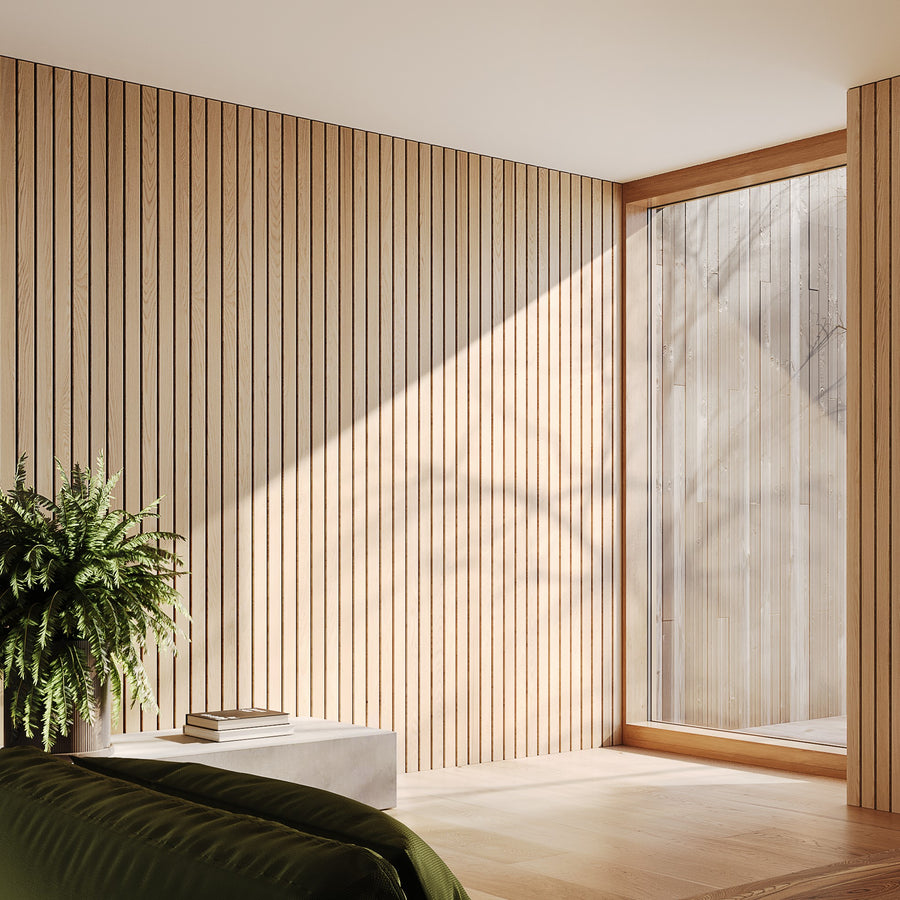
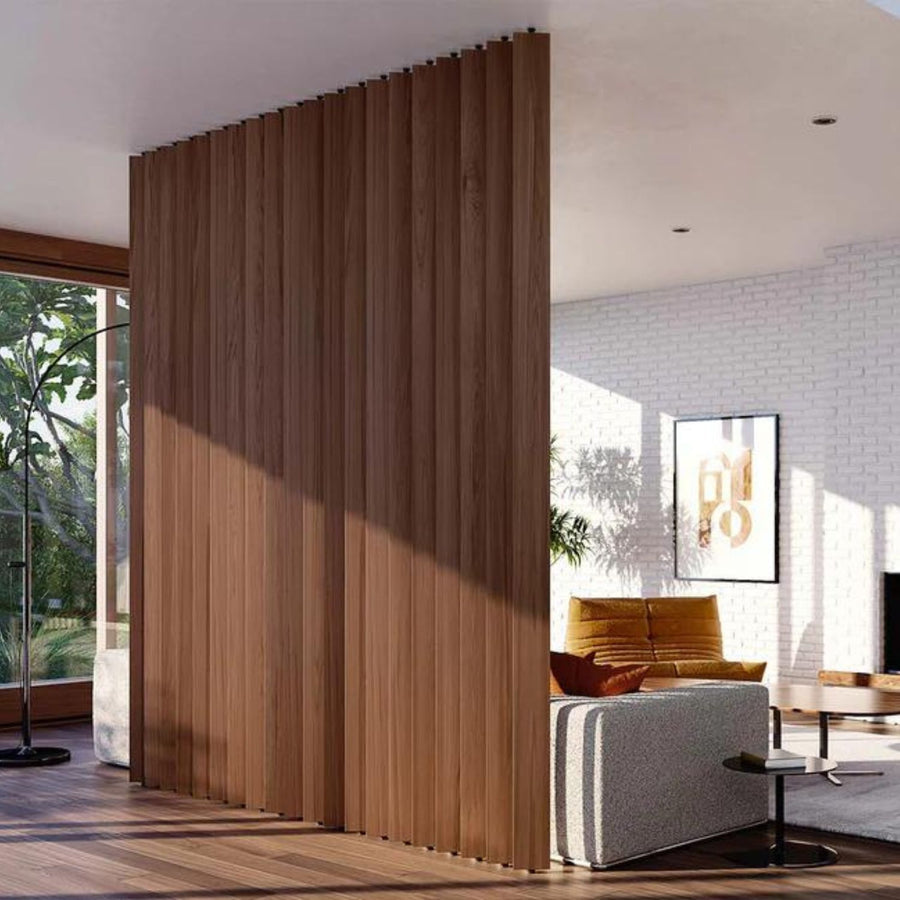
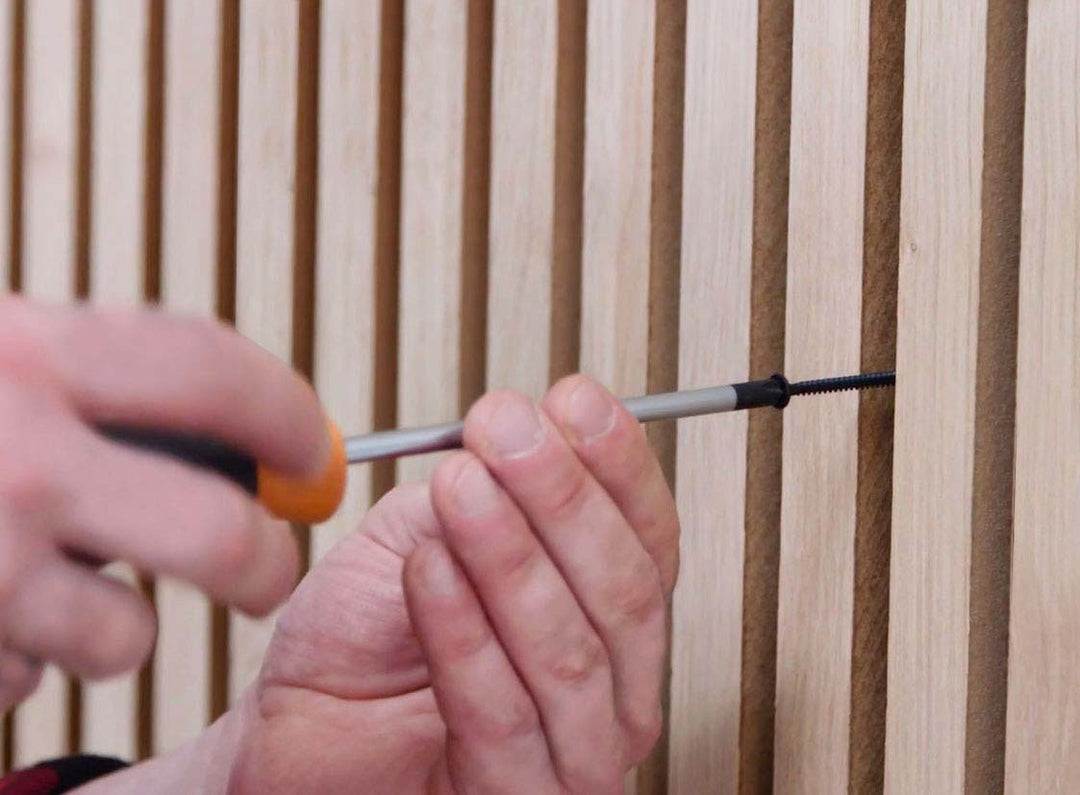
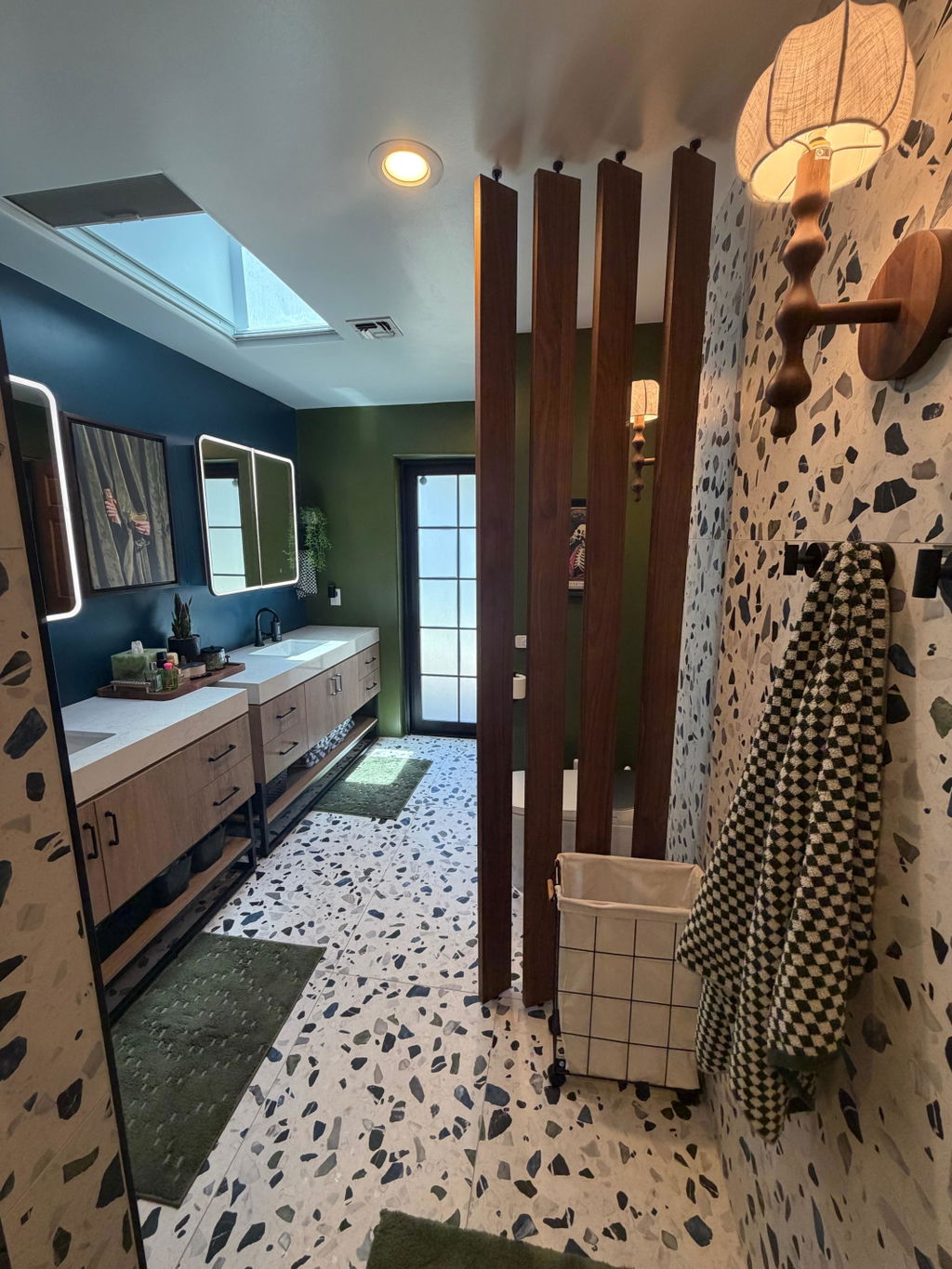
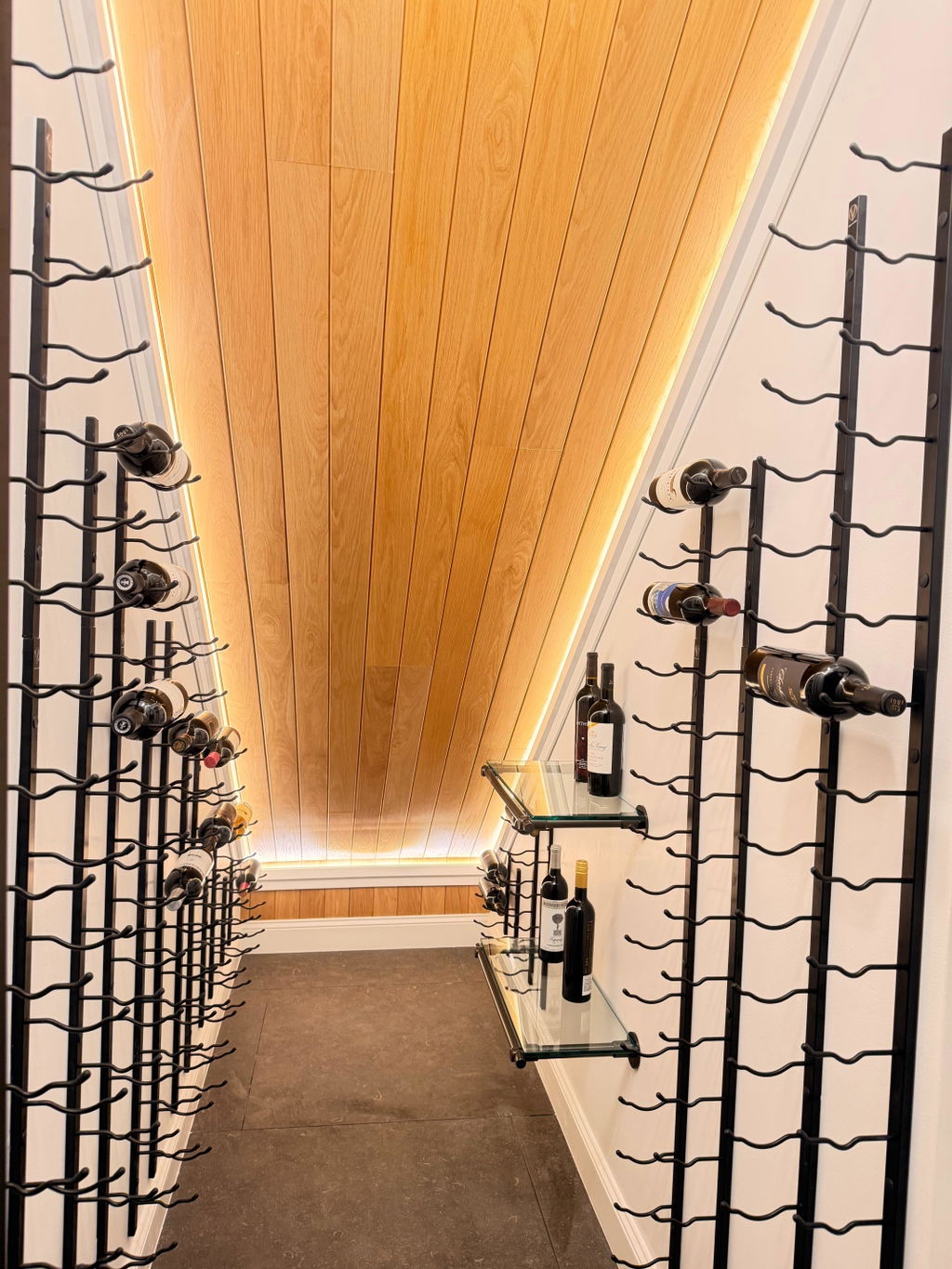
Wood slat room dividers are a great example because they create clear visual boundaries while still letting light and air flow through. They stay put and do not rely on perfect furniture placement to do their job.


As a result, the layout feels organised without sacrificing the open feel everyone wants in the first place.
4. Blocking Light While Trying to Create Privacy
Another open-concept design mistake happens when privacy becomes the goal and light becomes the casualty.
Heavy walls and bulky shelving might solve one problem, but they often make the space feel darker and smaller.
That hits you right in the spot, for sure!
Well, there are these wood slat room dividers that let light pass through to strike a better balance. Vertical wood slat room dividers add privacy while keeping the room bright and visually open.

Glass panels and open shelving can also help, yet slatted wood tends to feel warmer and more flexible. The space stays airy, and privacy improves without turning the layout into a maze.
5. Using One Lighting Plan for Every Area
Lighting tends to get oversimplified in open spaces, and that usually causes (big) problems later.
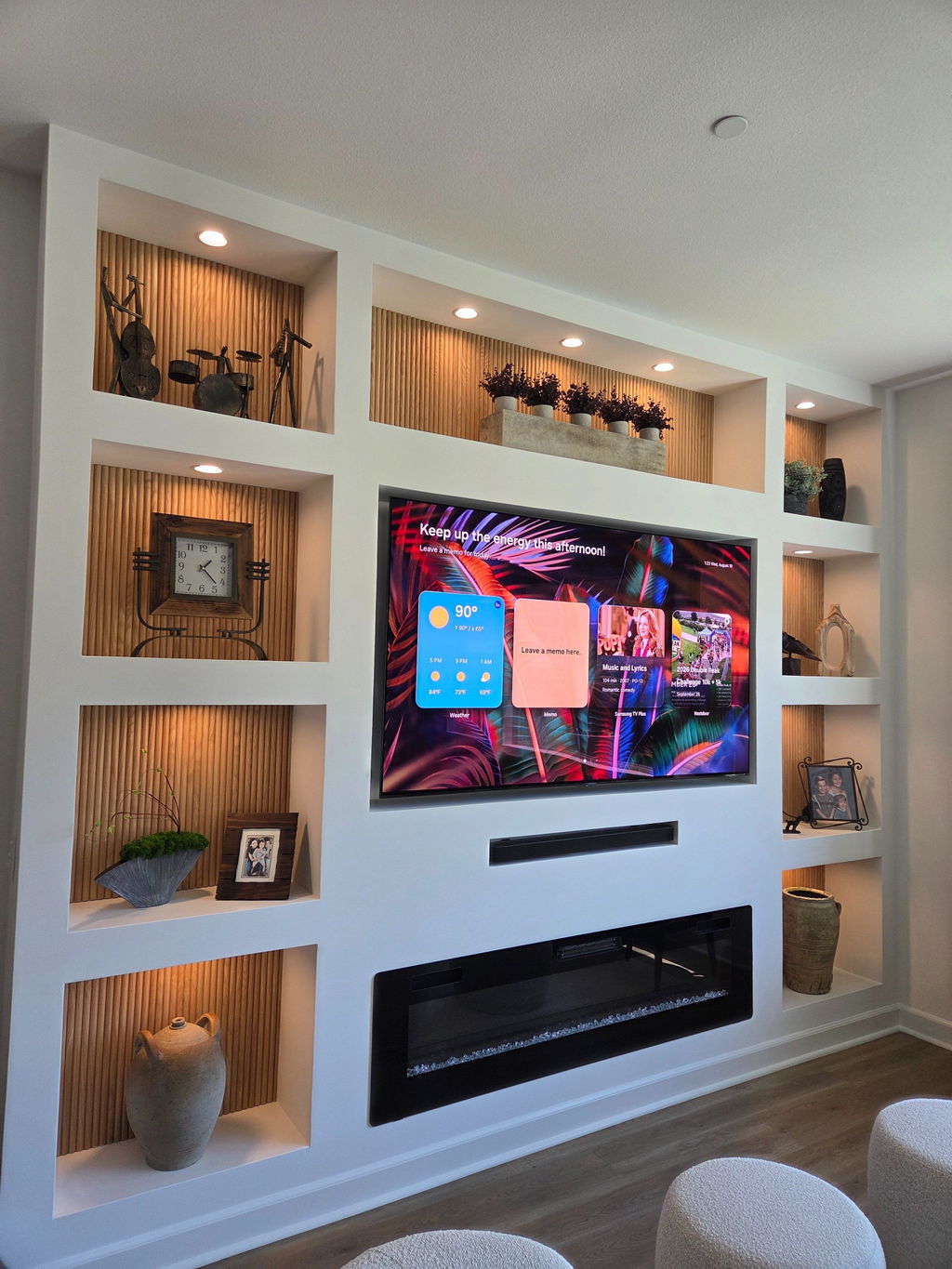
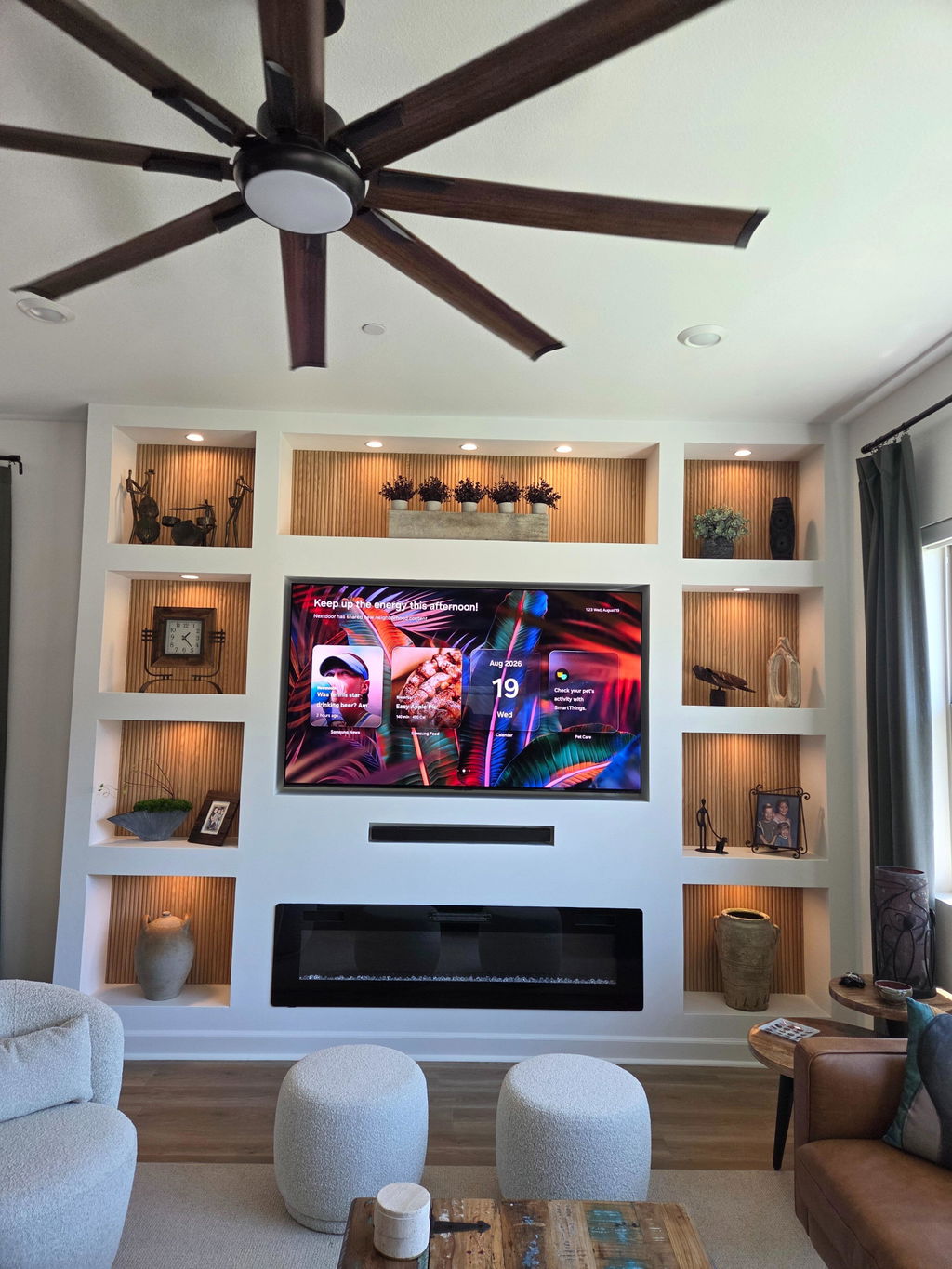
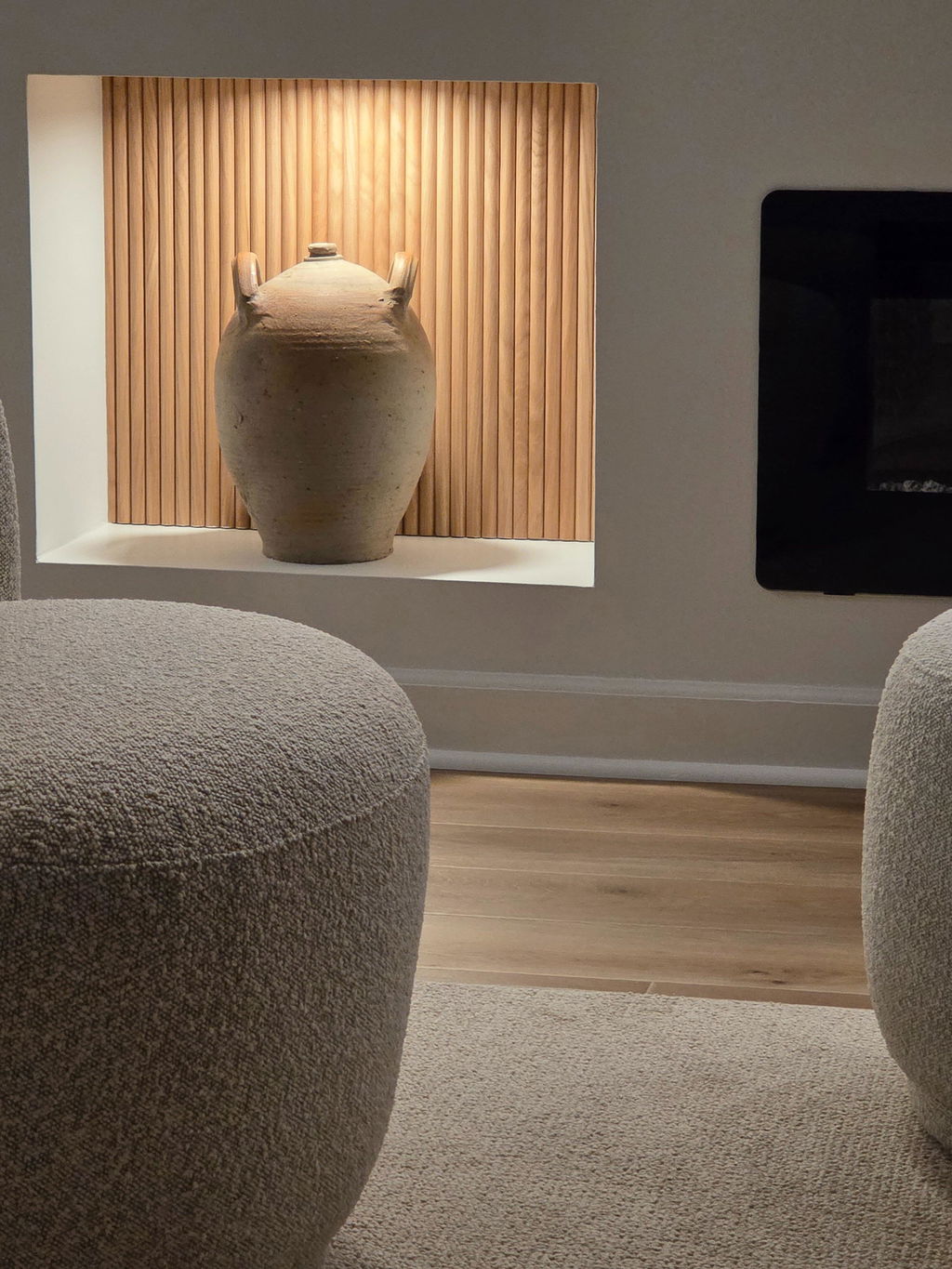
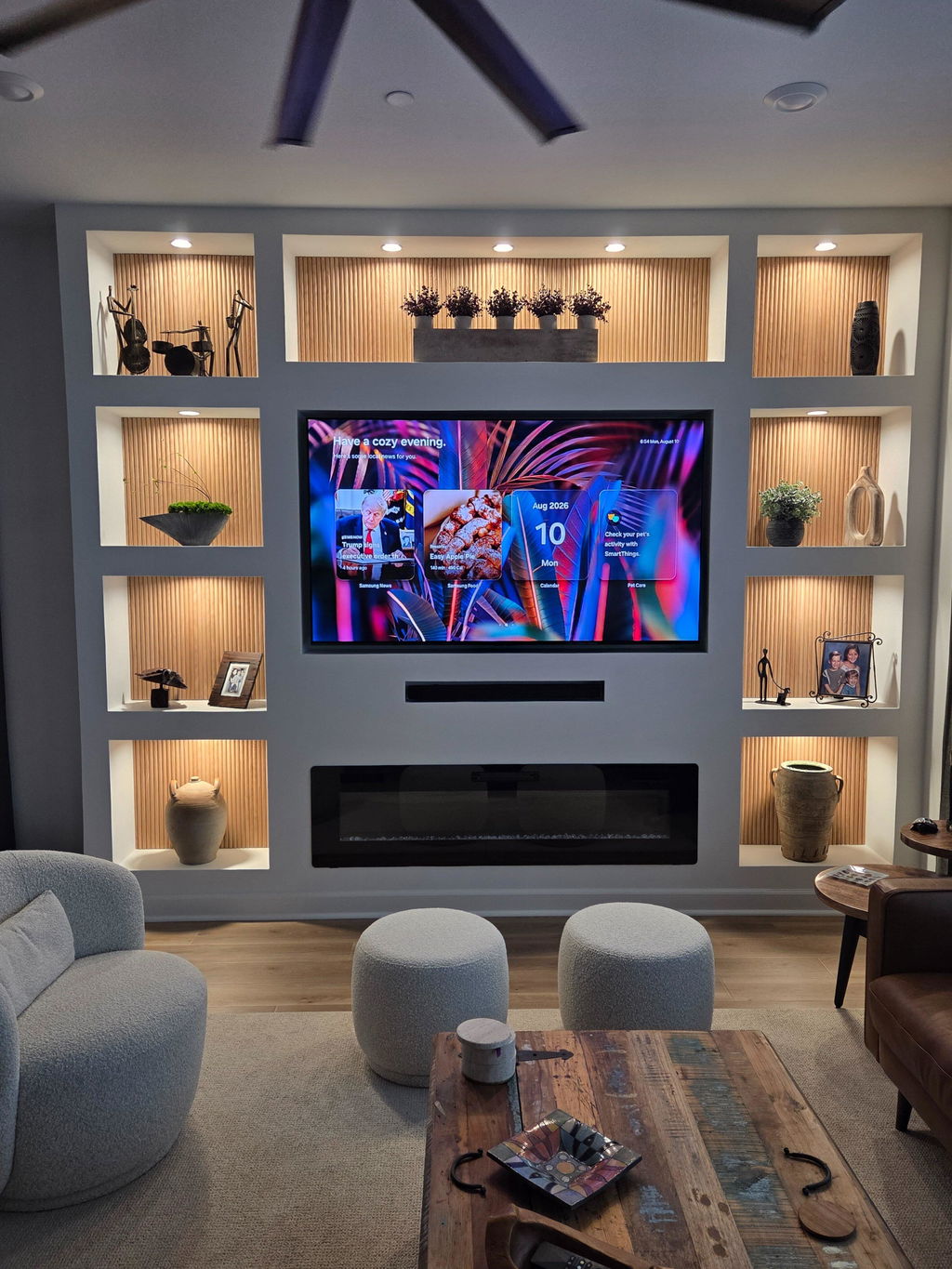
But not if you play around with the lightings. Like this one...

One lighting plan rarely works for cooking, eating, relaxing, and working all at once. Each zone needs lighting that matches how it is used.
Task lighting works best in kitchens and work areas, while softer ambient lighting suits living spaces.
Once lighting is layered properly, the layout starts to make more sense. Everything feels more comfortable, and the space becomes easier to live in throughout the day.
6. Overlooking Wall Surfaces Entirely
In open layouts, walls often get overlooked because all the attention goes to furniture and flooring.
As a result, large wall areas can feel bare and unfinished.
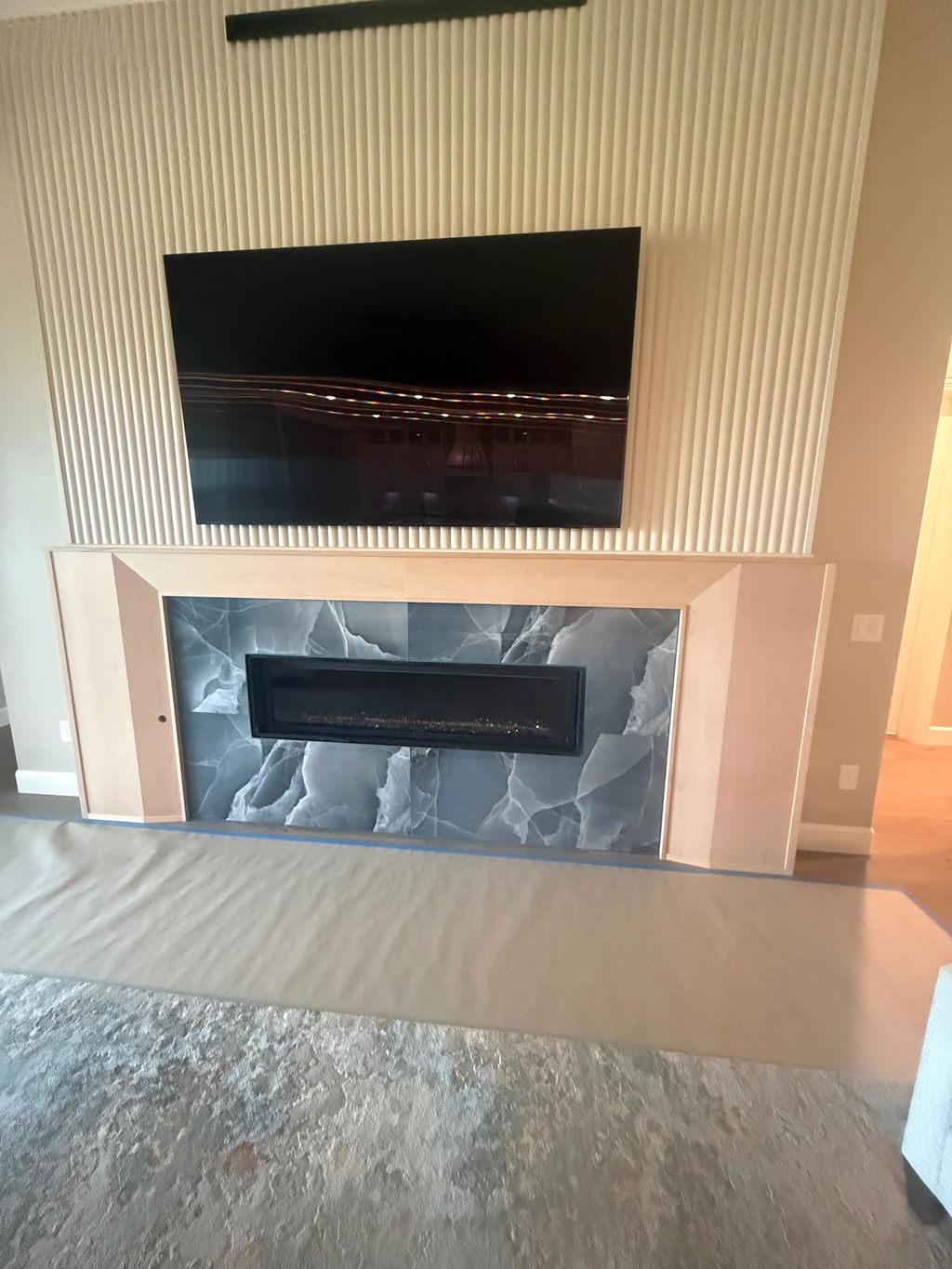
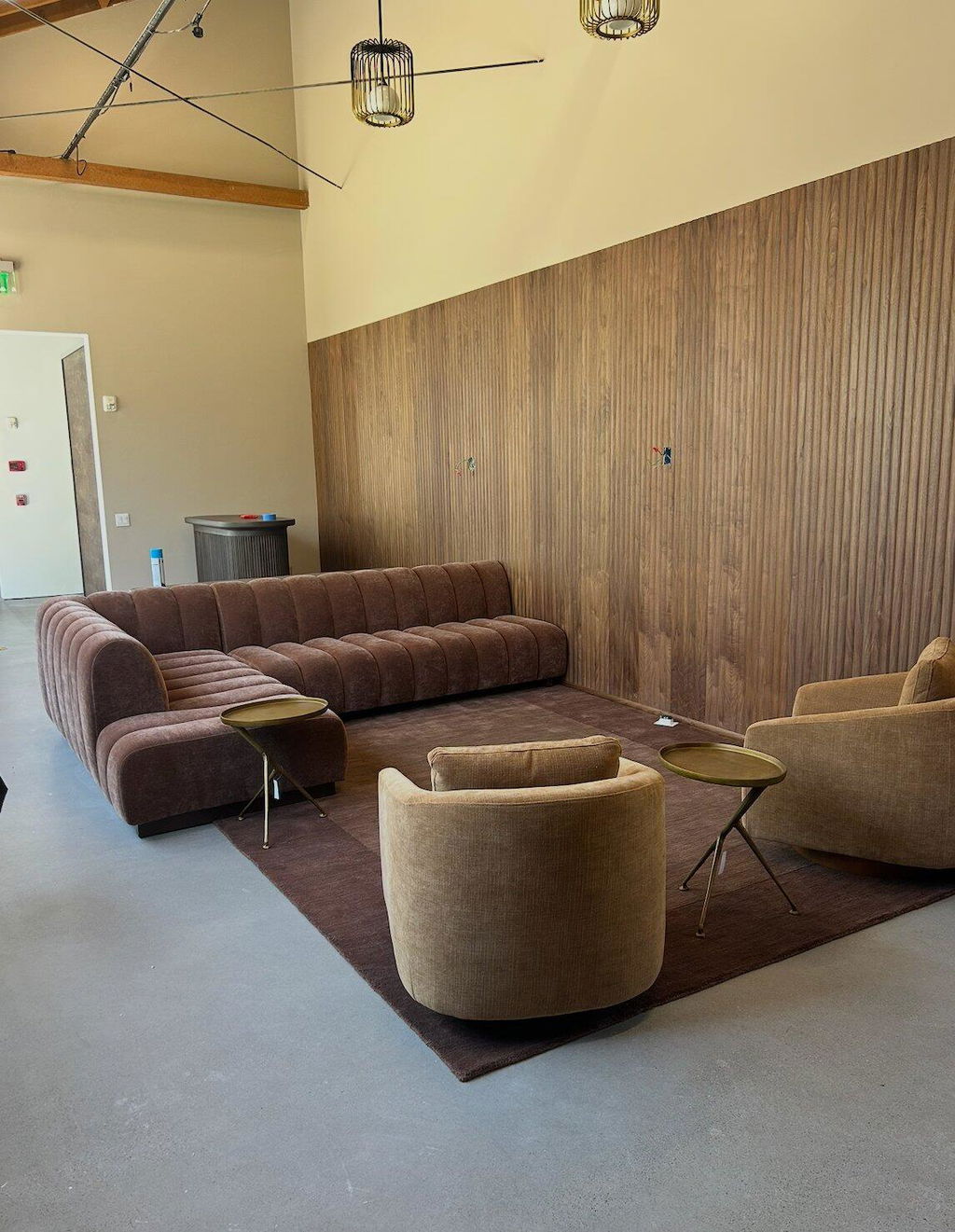
We surely, don't want to have these, right?
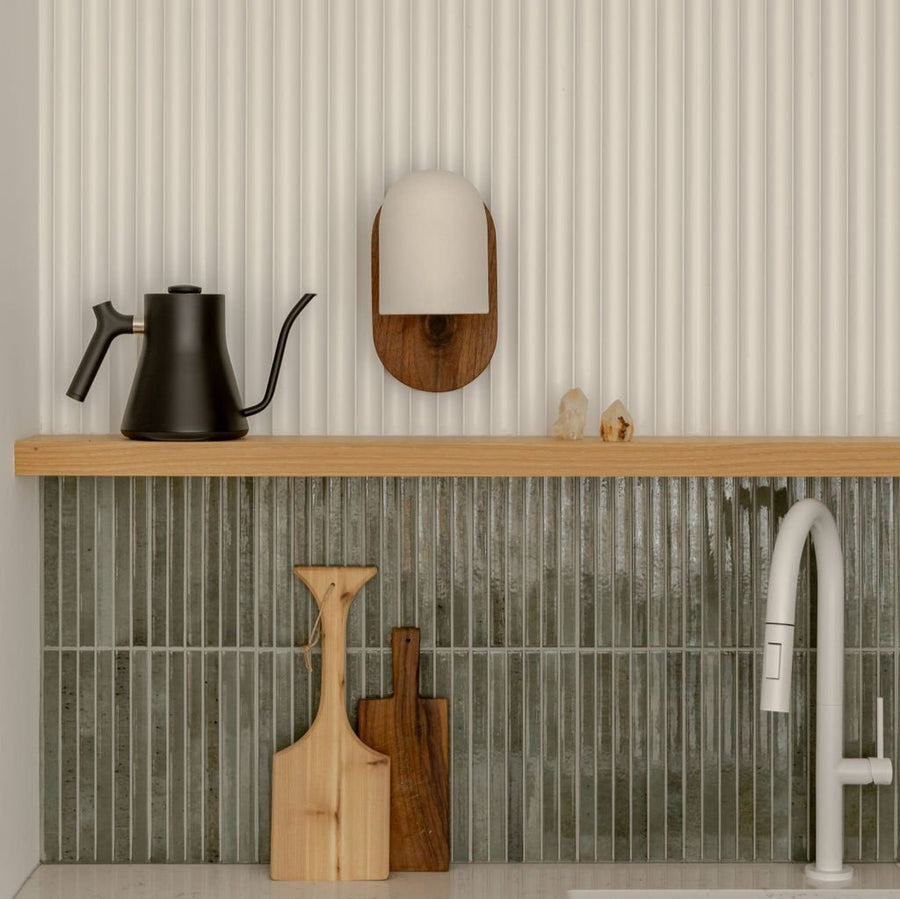
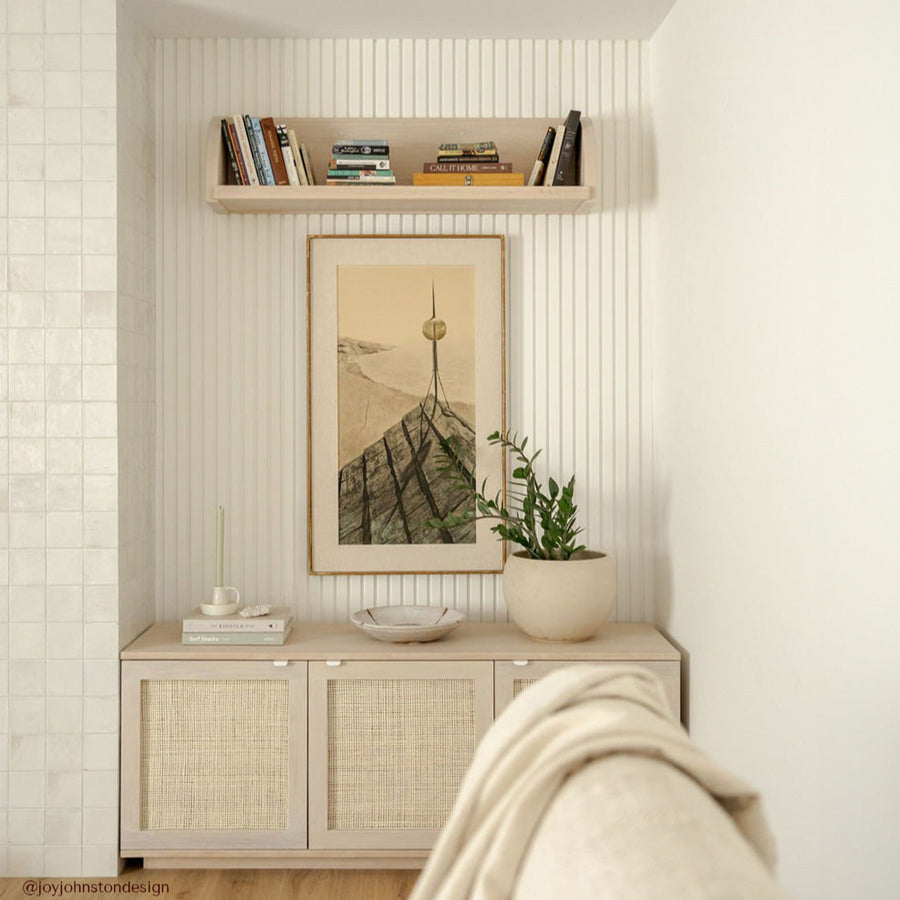
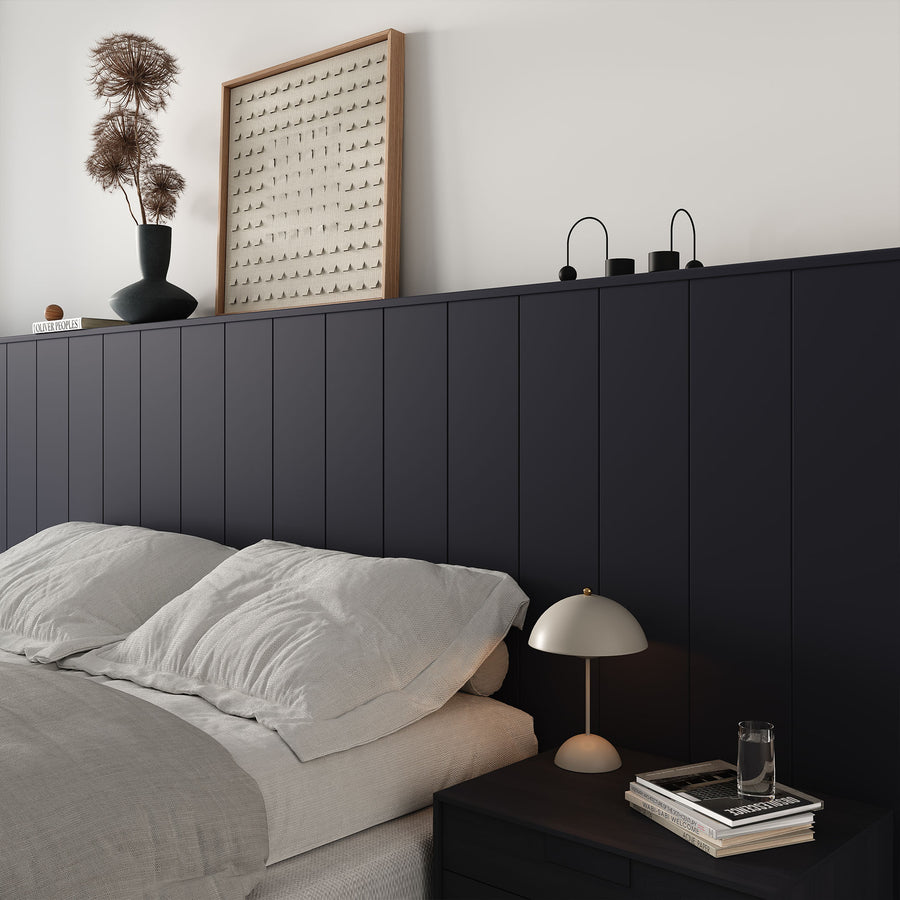
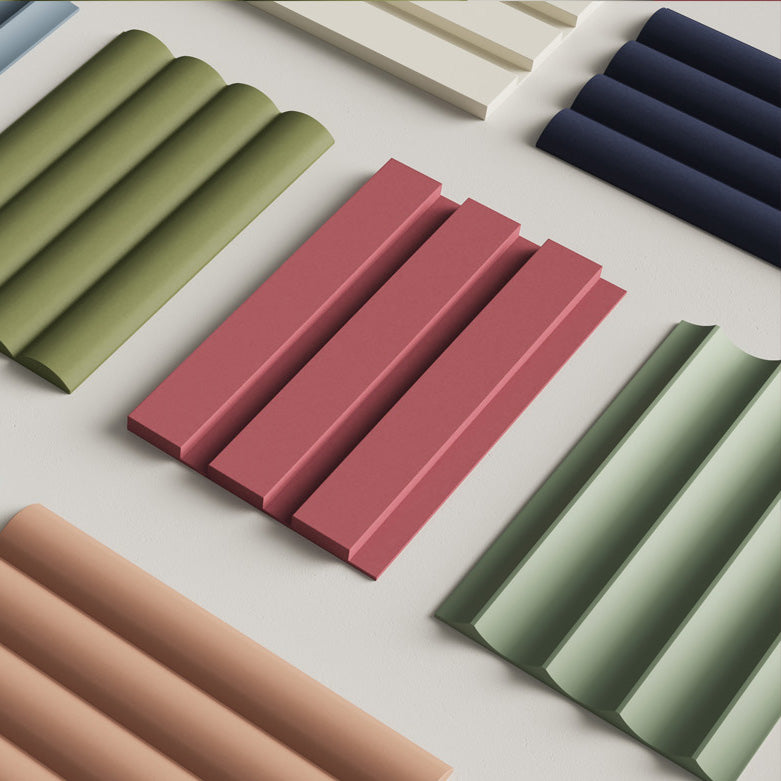
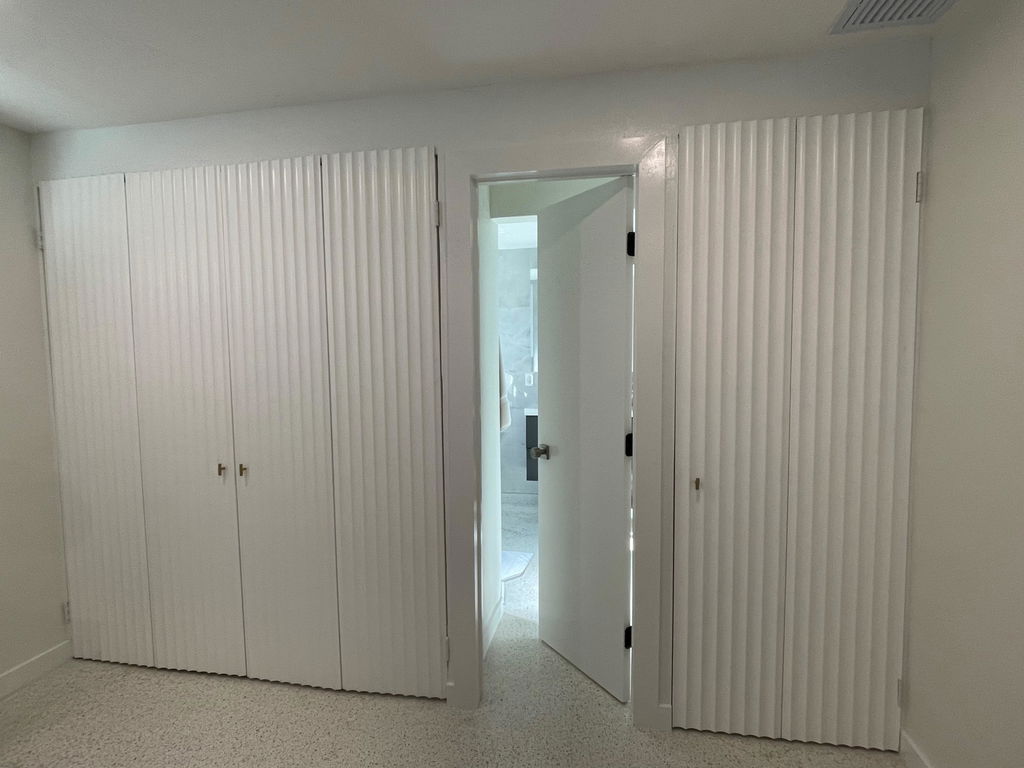
Paintable wall panels offer an easy fix without major construction!
Check out this kitchen nook that connects with the living room...


They work well for defining dining zones, framing seating areas, or anchoring workspaces.
Since they can be painted, they blend seamlessly into the room and doesn't stand out awkwardly. Over time, these panels help the space feel more posh and premium and less like a collection of floating furniture.
7. Trying to Fix Everything at Once
When open layouts feel off, the temptation is to fix everything in one go.
New furniture, new lighting, new panels, all at the same time.
Unfortunately, this usually leads to a space that feels busy and confused instead of improved.
A better approach is to slow down and tackle one issue at a time.

Start with the biggest annoyance, which is often noise, lack of definition, or poor flow. Adding acoustic panels, paintable wall panels, or a single well-placed divider can already make the space feel dramatically better.
Once that change settles in, it becomes much easier to see what else actually needs adjusting. This step-by-step approach keeps the design balanced and saves you from undoing changes later.
Conclusion
Open layouts work best when they balance openness with clear definition.
Most problems come from ignoring sound, flow, and visual boundaries rather than from the concept itself. But once those issues are addressed, the space becomes easier to use and far more enjoyable...
Strategic additions like acoustic panels, paintable wall panels, and thoughtful dividers can dramatically improve comfort without major changes.
In many homes, fixing an open-concept design mistake simply means adding structure in the right places. When used thoughtfully, wood slat room dividers offer one of the easiest ways to create separation, improve flow, and keep the open feel homeowners want.



Leave a comment